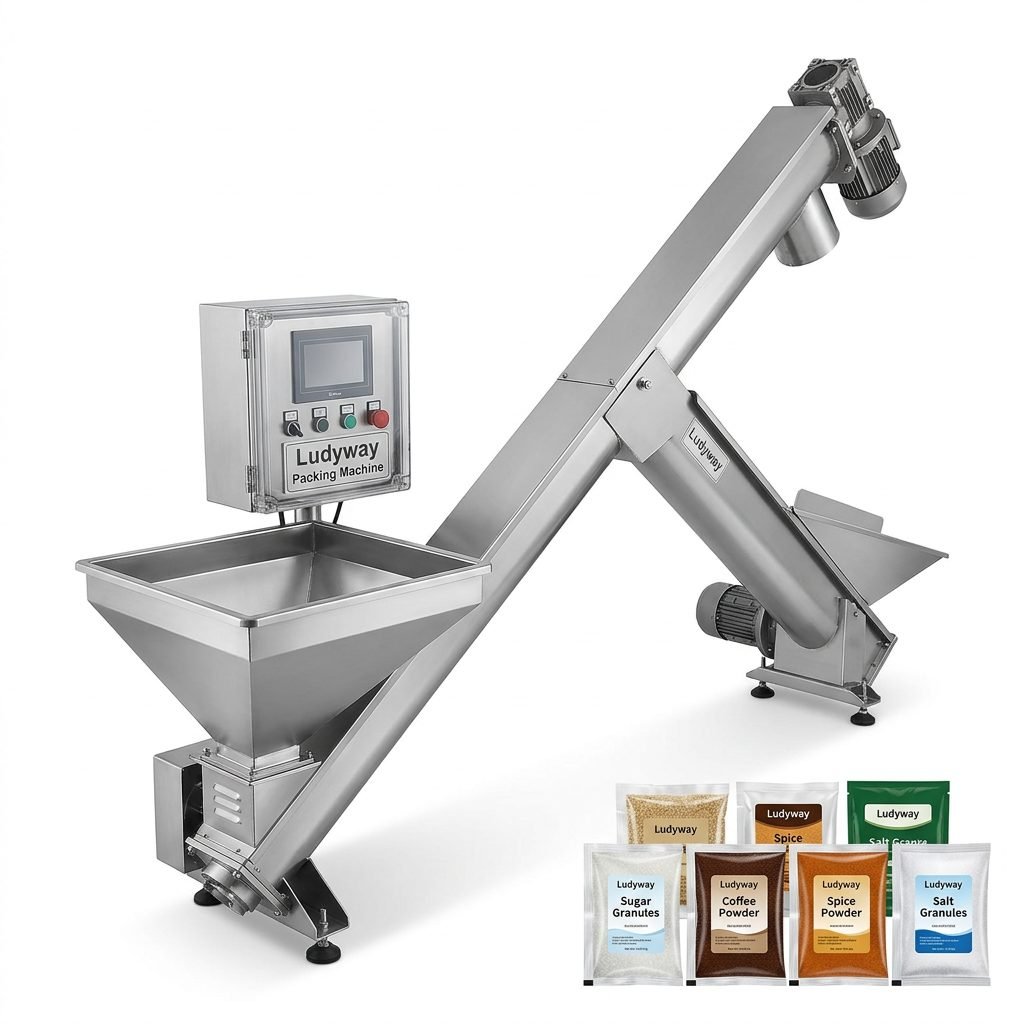
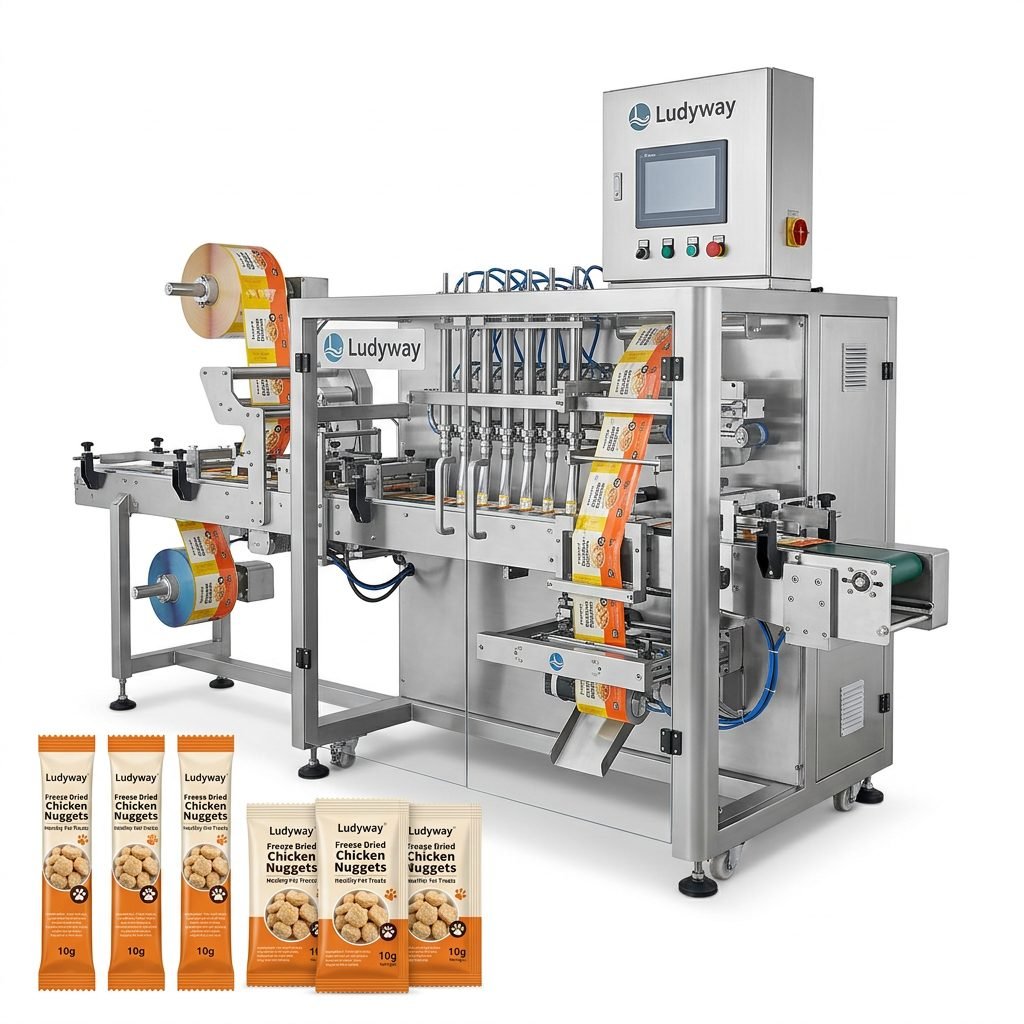
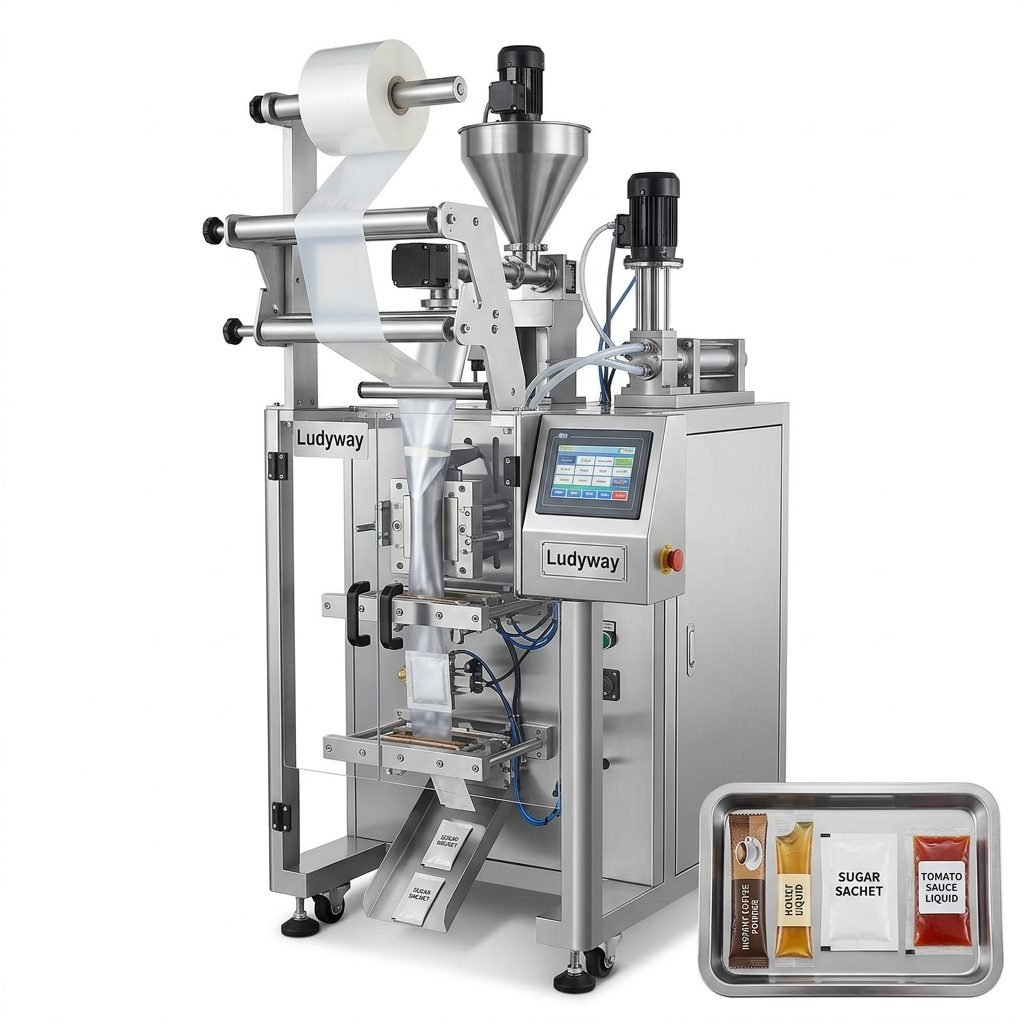
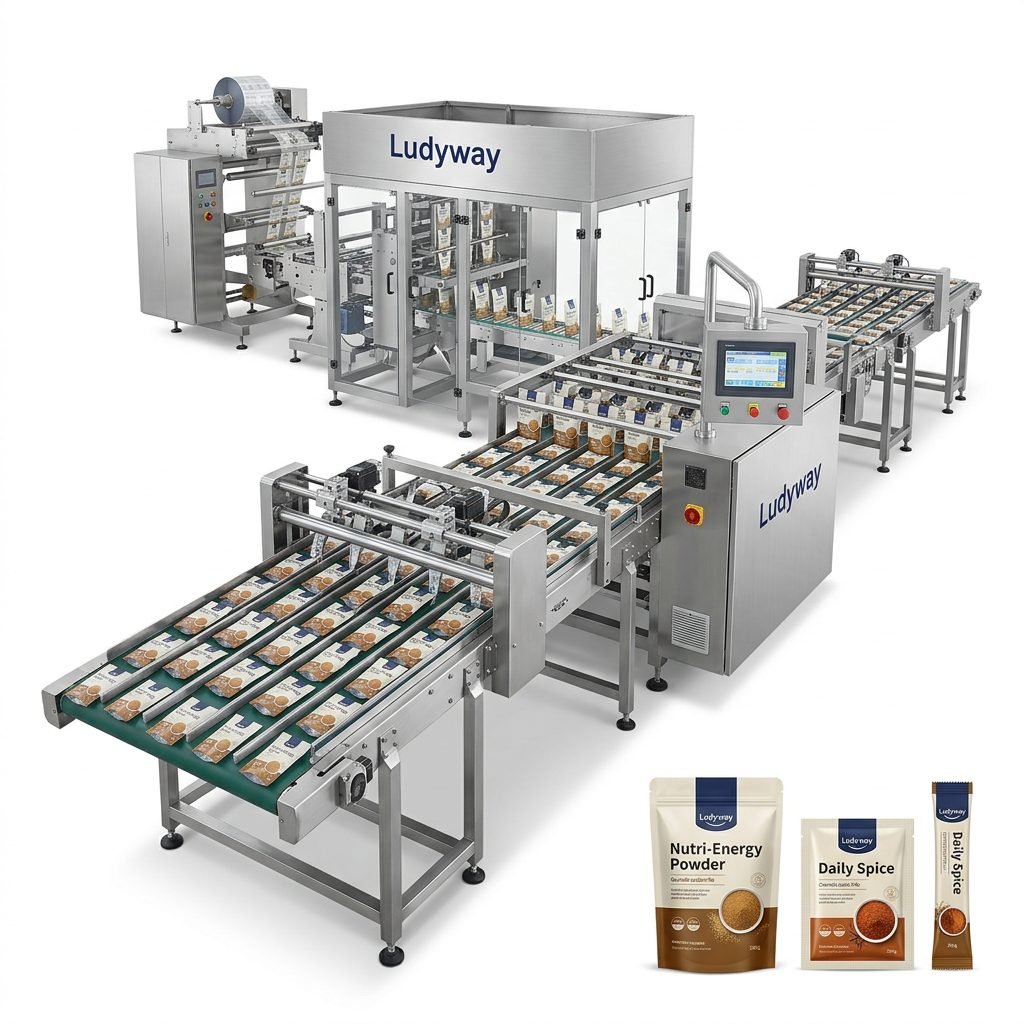
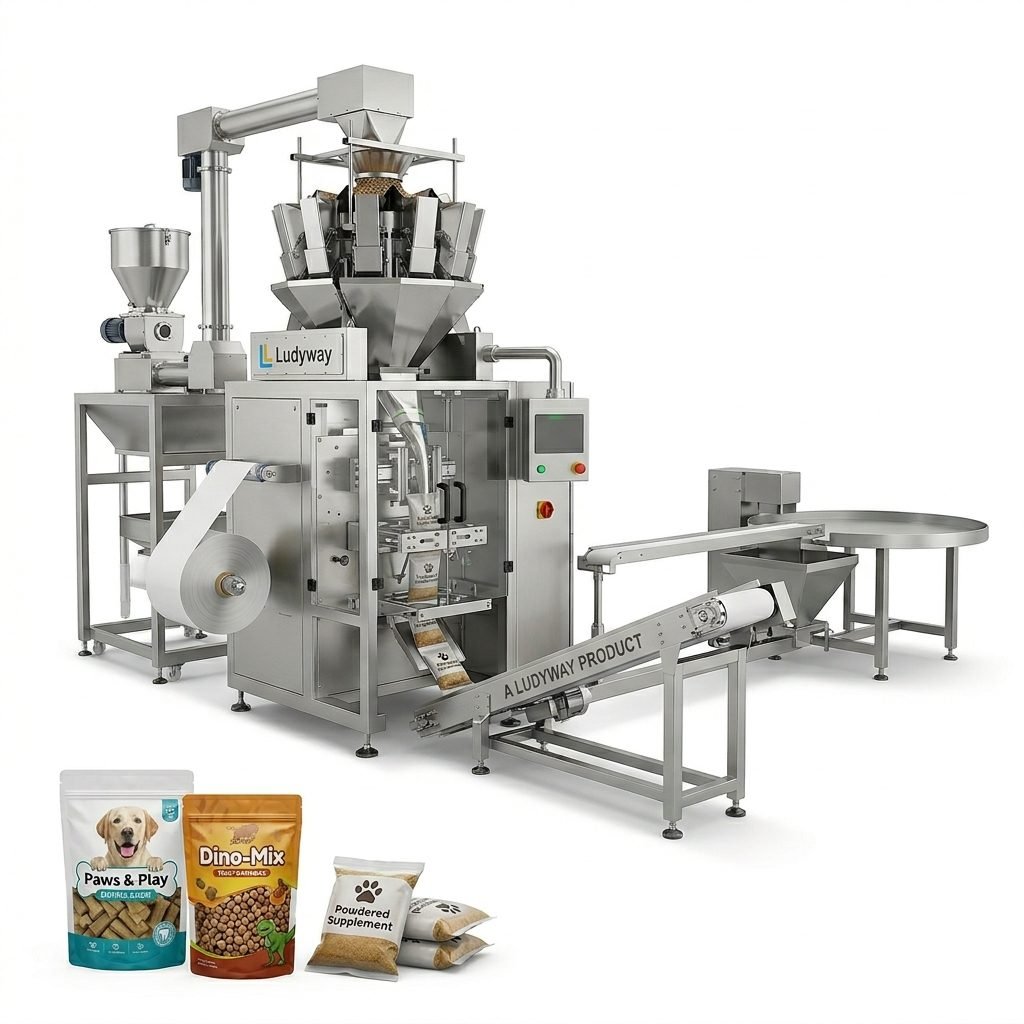
Investing in a bean packaging machine is a critical decision for food processors, agricultural suppliers, and co-packers across the United States. Whether you are packaging dried beans, coffee beans, lentils, or chickpeas, selecting the right equipment directly impacts your production efficiency, product quality, and bottom line. This comprehensive guide walks you through everything you need to know before making a purchase.
Understanding the Types of Bean Packaging Machines
Bean packaging equipment comes in various configurations, each designed for specific production scales and packaging formats. Understanding these types helps you match the machine to your operational needs.
Vertical Form Fill Seal (VFFS) Machines
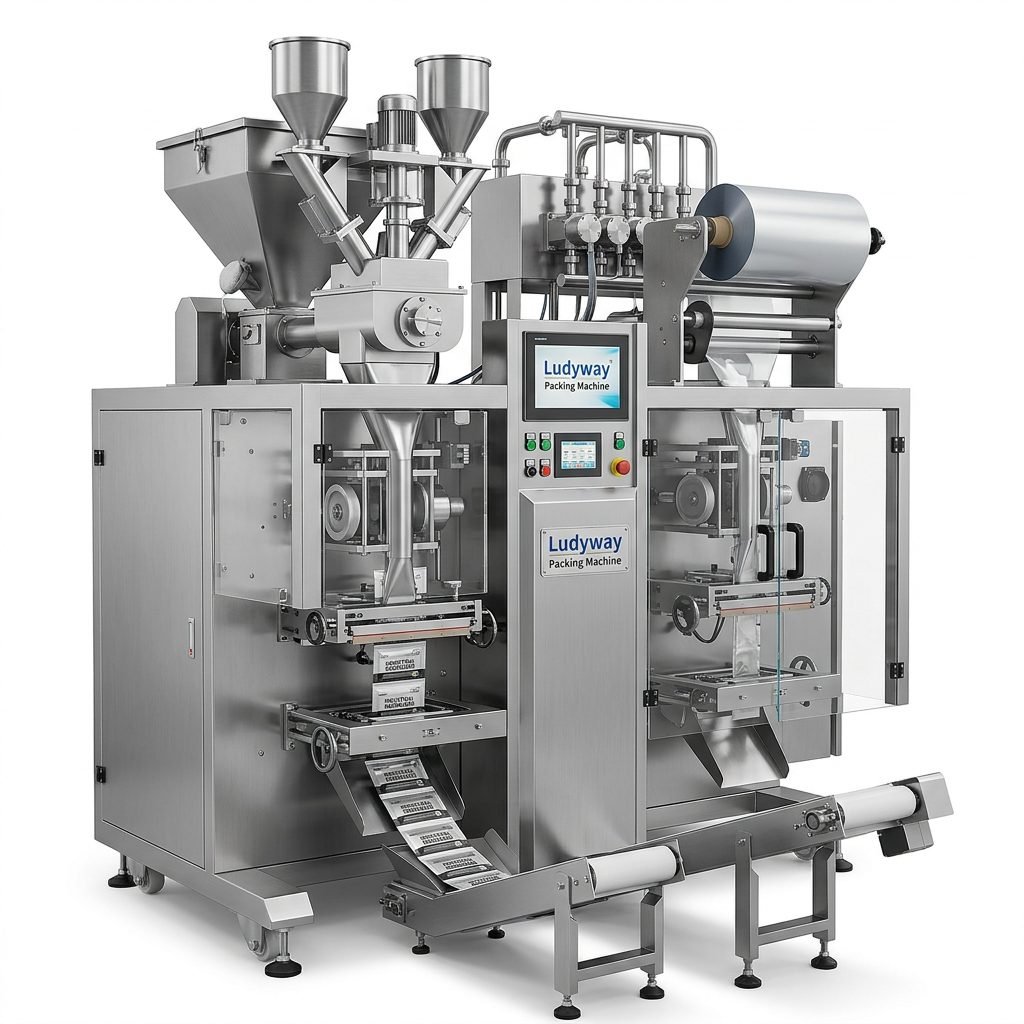
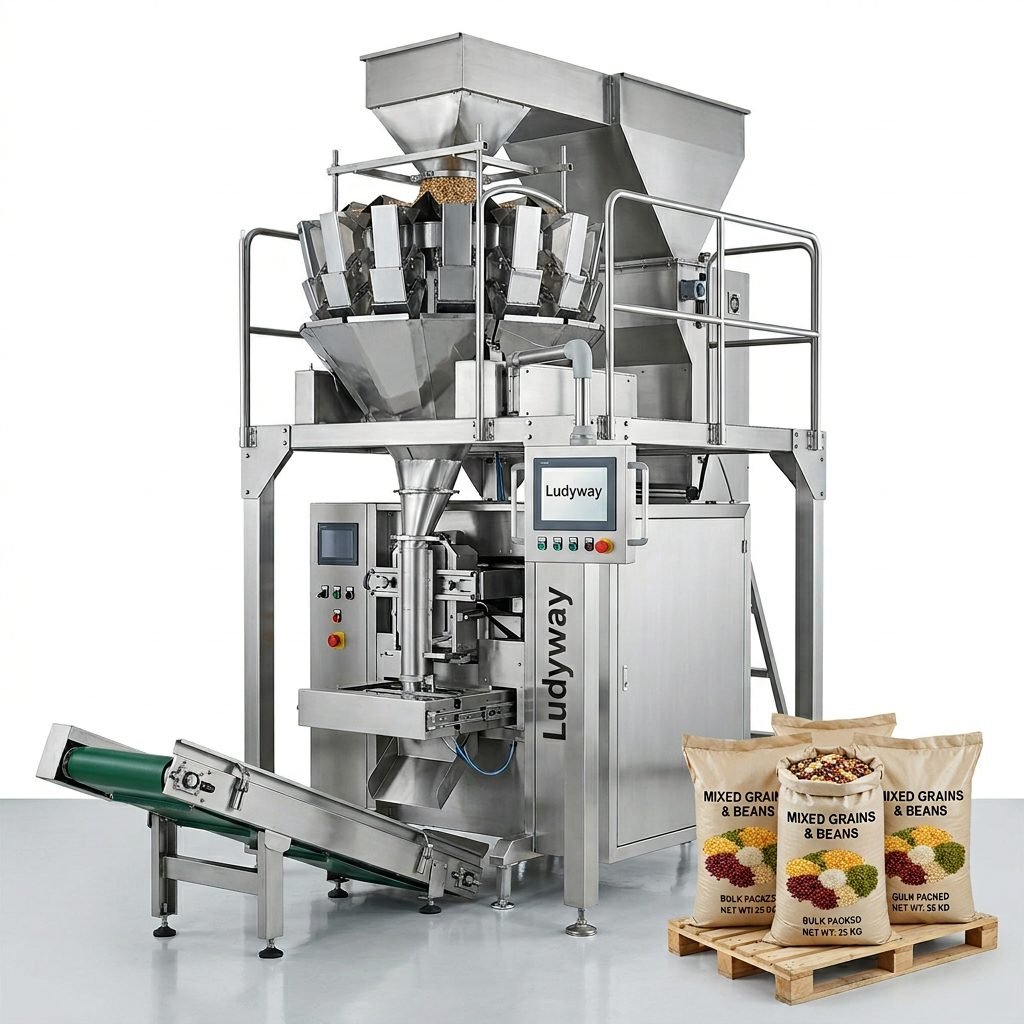
VFFS machines are the workhorses of the bean packaging industry. They form bags from roll stock film, fill them with product, and seal them in one continuous operation. These machines are ideal for high-volume production and can handle a wide range of bean sizes, from small lentils to large kidney beans. A well-configured granule packaging machine with VFFS technology can achieve speeds of 60-120 bags per minute depending on the model and bag size.
Multi-Head Weighing Systems
Precision weighing is essential for bean packaging. Multi-head weighers use advanced load cell technology to deliver accurate portion weights at high speeds. These systems are particularly important when packaging beans for retail, where weight compliance is mandatory under US regulations. Modern multi-head weighers can achieve accuracy within ±0.5 grams per portion.
Pre-Made Pouch Filling and Sealing Machines
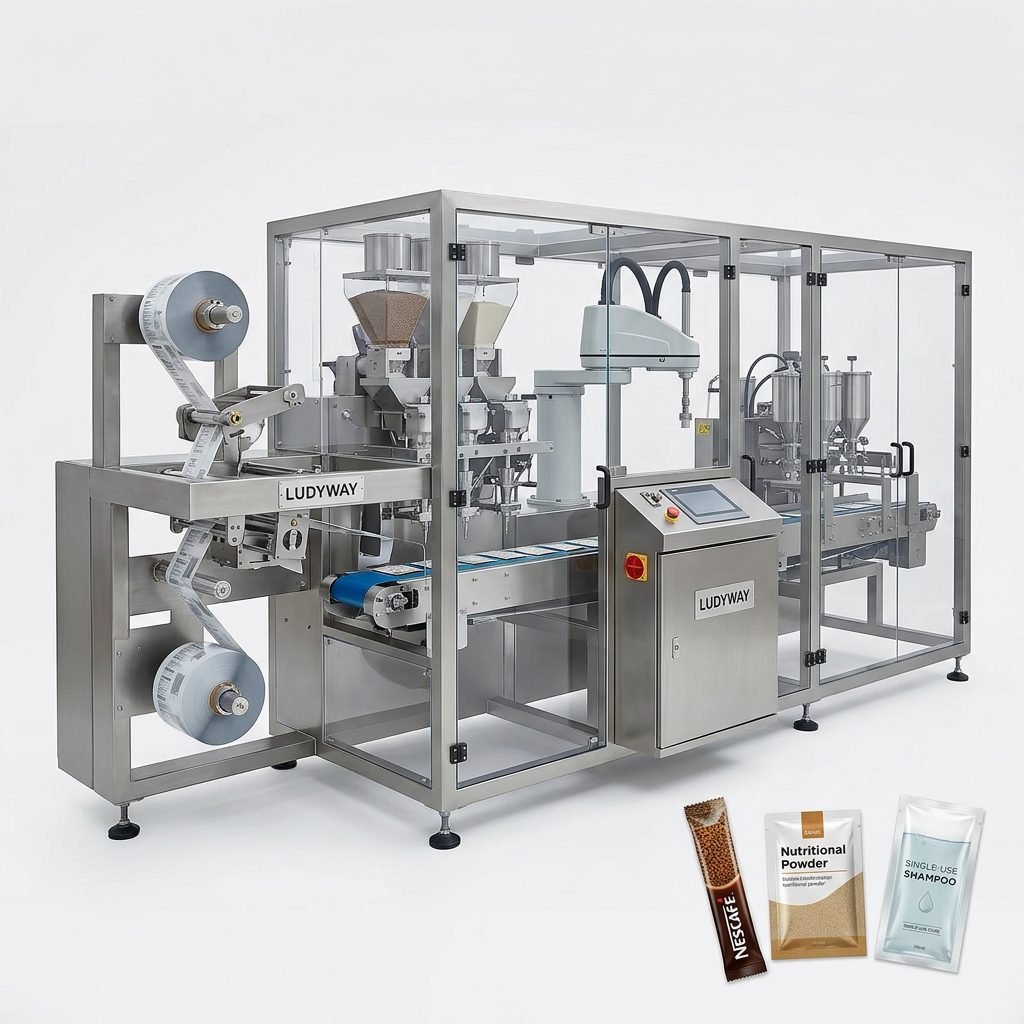
For premium bean products or specialty packaging formats, pre-made pouch machines offer flexibility. These systems take pre-formed pouches, open them, fill with beans, and seal. They are excellent for stand-up pouches, zipper bags, and quad-seal packaging that command higher shelf appeal in American grocery stores.
Key Factors to Evaluate Before Purchasing
Purchasing a bean packaging machine requires thorough evaluation of several critical factors. Rushing this process can lead to costly mistakes and production bottlenecks.
Production Capacity Requirements
Your daily and monthly output targets should dictate the speed and automation level of your equipment. Small-scale operations may be well-served by semi-automatic machines producing 20-40 bags per minute, while large commercial processors often require fully automated systems capable of 80-150 bags per minute. Calculate your current needs and factor in projected growth over the next 3-5 years.
Packaging Format and Bag Styles
Consider what types of bags you need to produce. Common formats for bean packaging in the US market include:
- Pillow bags – Most economical, ideal for bulk and wholesale distribution
- Gusseted bags – Provide better shelf stability and presentation
- Stand-up pouches – Premium retail packaging with high visual impact
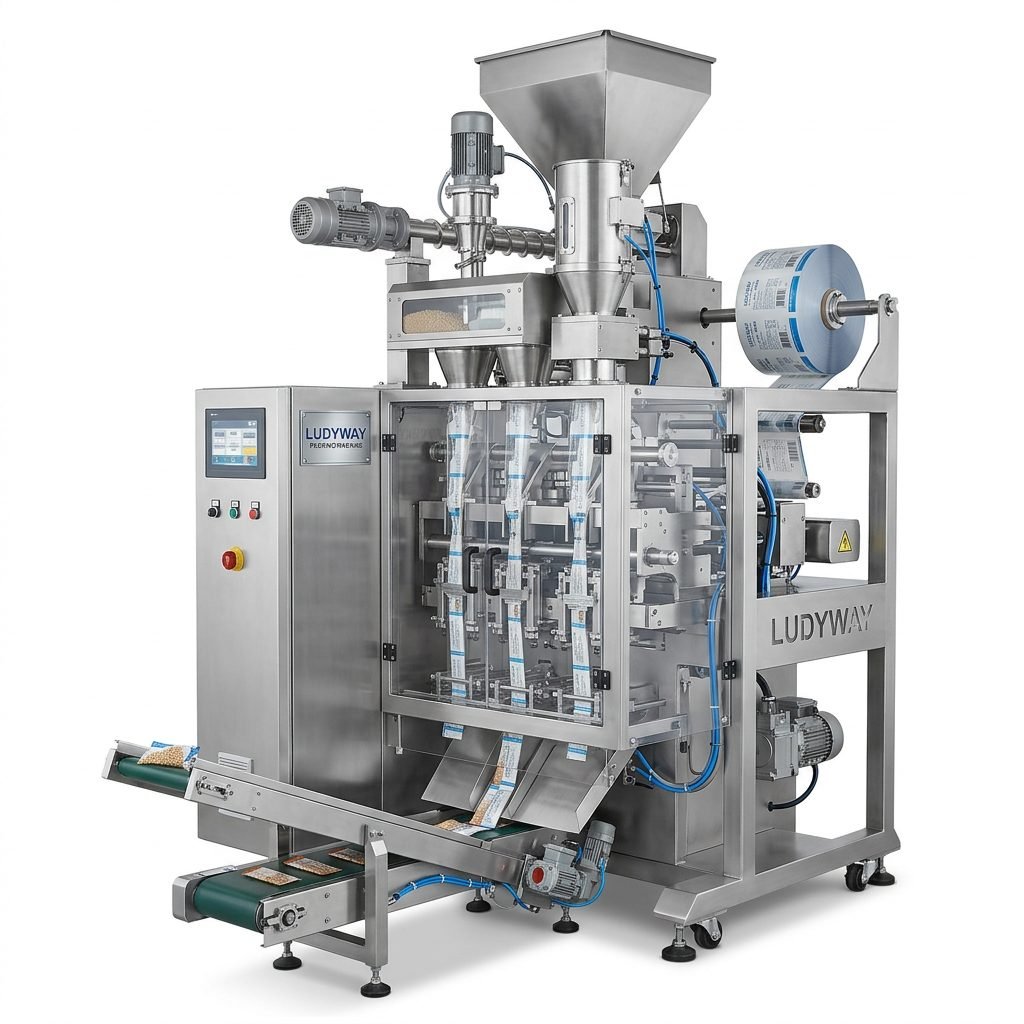
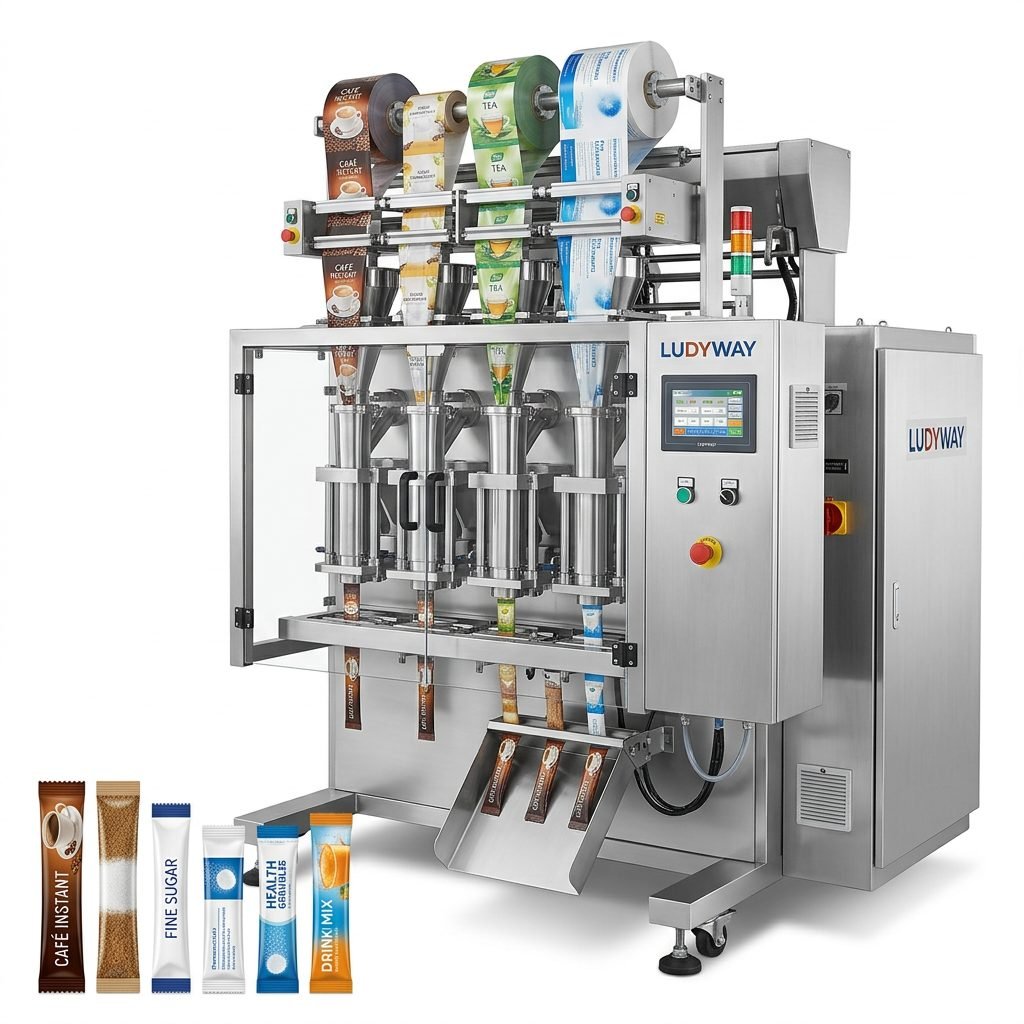
- Stick packs – Single-serve and convenience formats growing in popularity
Some machines offer quick-changeover capability, allowing you to switch between different bag formats with minimal downtime.
Bean Characteristics and Material Handling
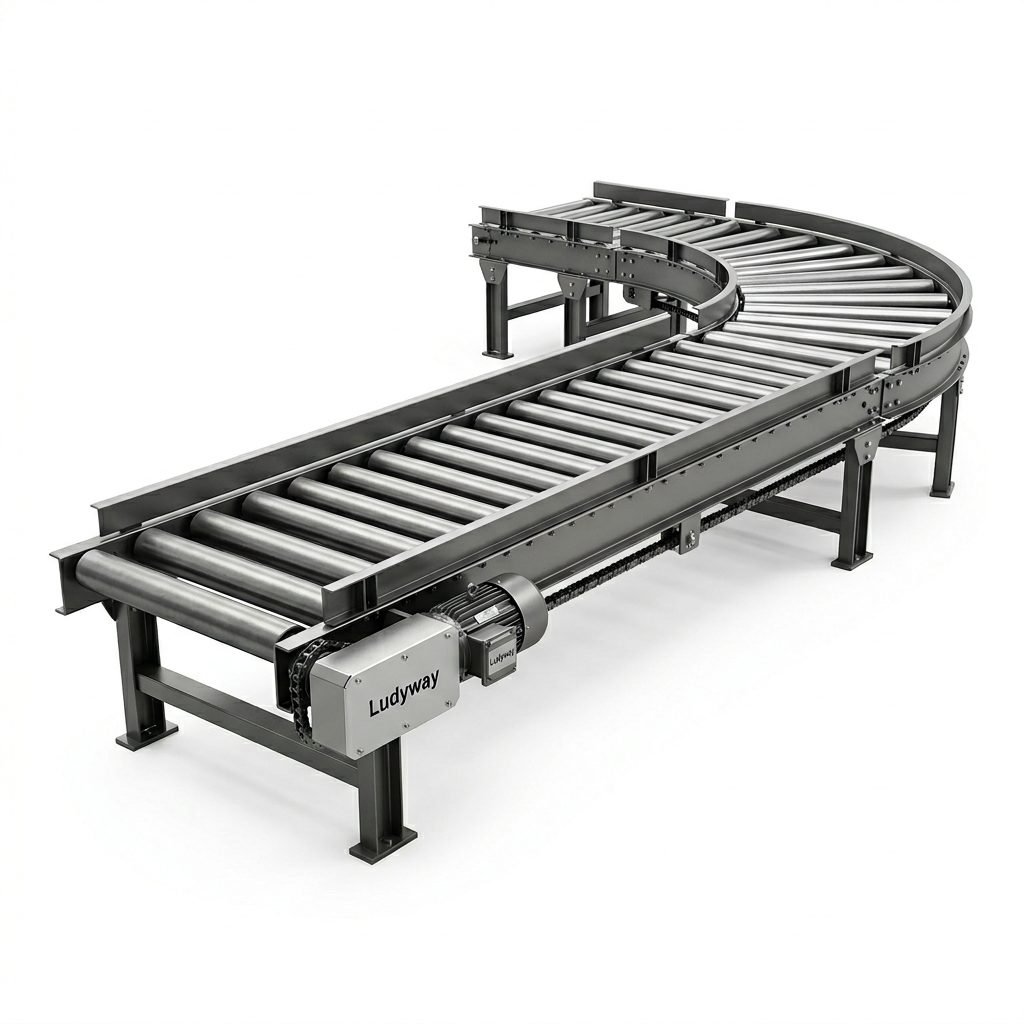
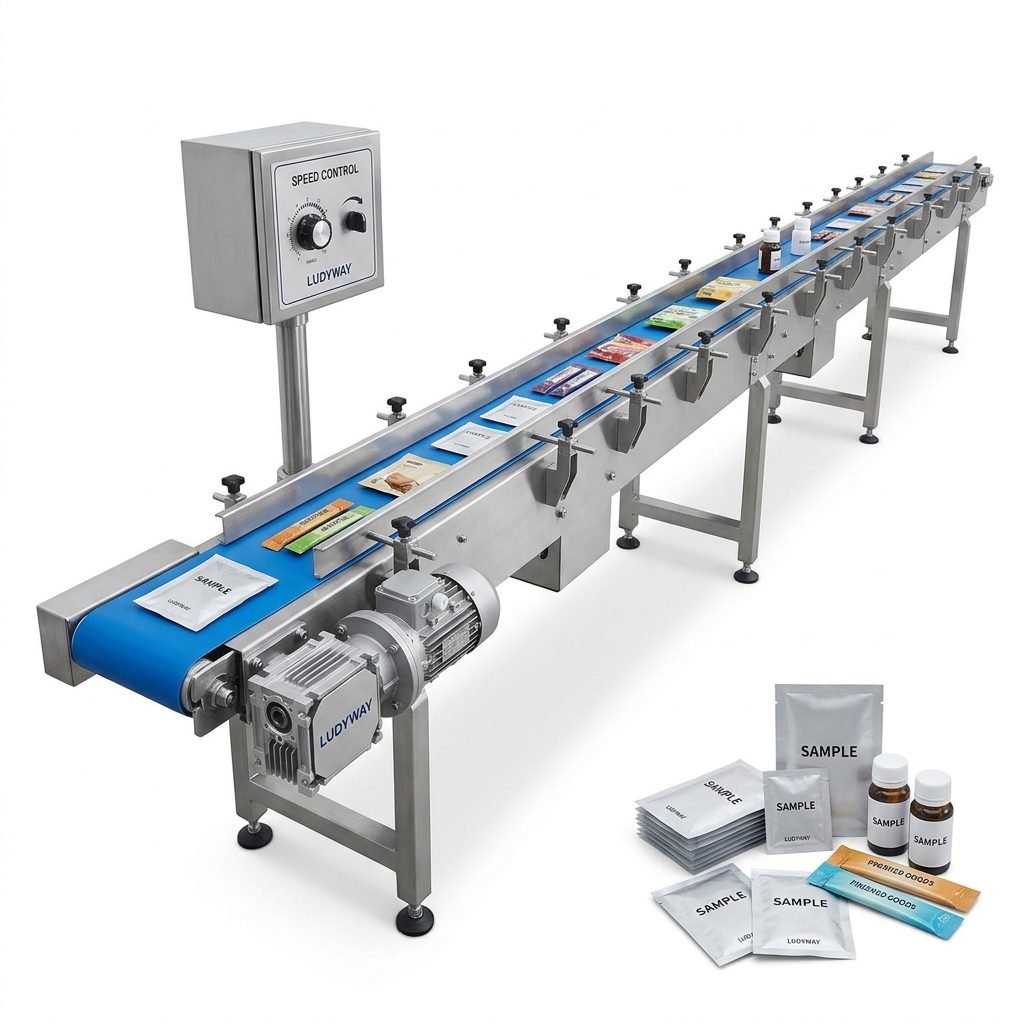
Different beans have different physical properties that affect packaging. Size, shape, density, and fragility all influence machine selection. Large kidney beans require different handling than small mung beans. Fragile products may need gentler conveying systems to prevent cracking or damage during the packaging process. Look for machines with adjustable vibratory feeding and specialized product contact surfaces designed for delicate beans.
US Regulatory Compliance and Food Safety Standards
Packaging equipment used in the United States must meet stringent regulatory requirements. The FDA establishes guidelines for food contact materials and packaging safety that all equipment should comply with. Additionally, machines should be constructed with food-grade stainless steel and designed for easy sanitation to meet FSMA (Food Safety Modernization Act) requirements.
USDA and FDA Material Requirements
All product contact surfaces must use FDA-approved materials that are non-toxic, non-absorbent, and corrosion-resistant. 304 or 316 stainless steel is the standard for food packaging equipment. If you process organic beans, additional certification requirements may apply to your packaging operation.
Labeling Compliance
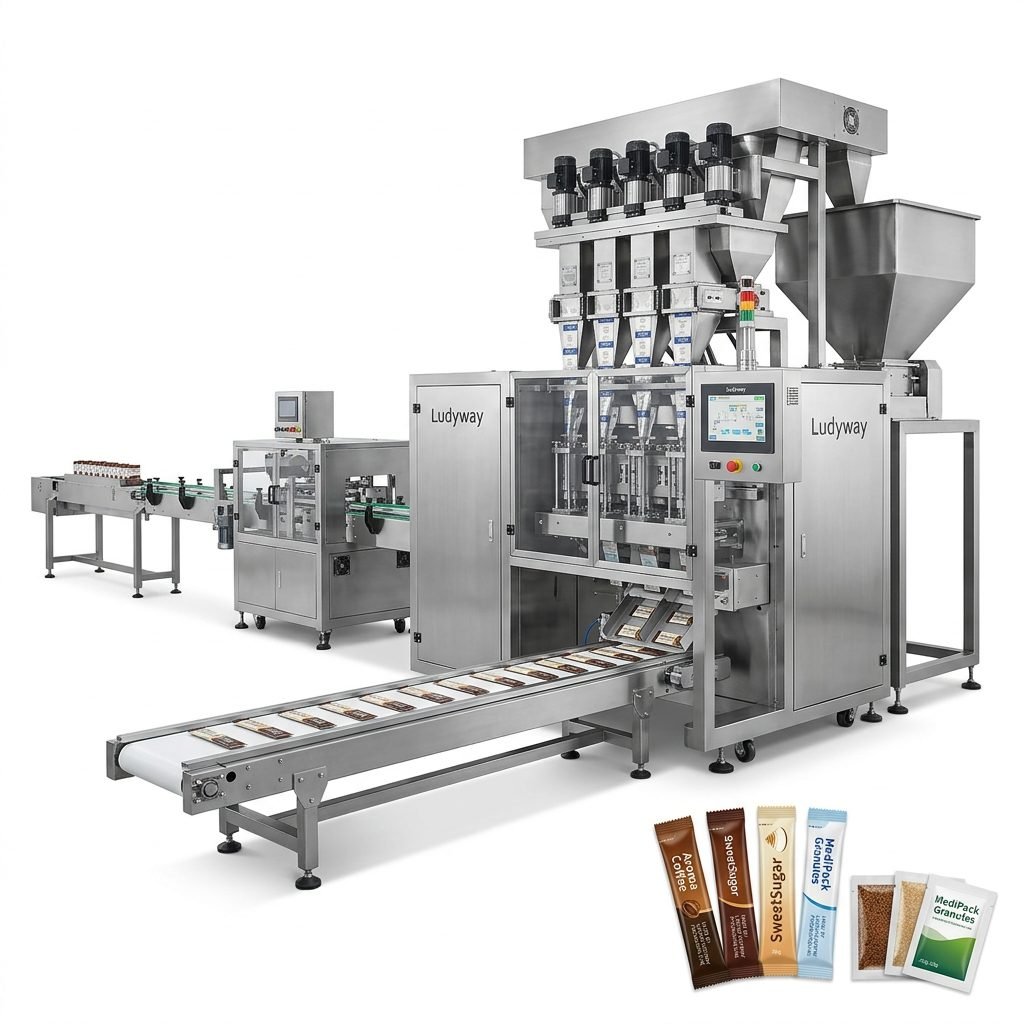
Your packaging machine should integrate smoothly with labeling and coding systems to ensure compliance with US labeling laws, including Nutrition Facts panels, ingredient declarations, allergen statements, and net weight markings as required by the FDA and USDA.
Cost Analysis and Budget Planning
Understanding the total cost of ownership helps you make an informed investment decision. The purchase price is just one component of the overall cost equation.
| Cost Category | Description | Estimated Range (USD) |
|---|---|---|
| Equipment Purchase | Initial machine cost based on configuration and automation level | $25,000 – $250,000+ |
| Shipping and Import | Freight, customs duties, and logistics for international equipment | $3,000 – $20,000 |
| Installation and Setup | On-site installation, calibration, and initial configuration | $2,000 – $15,000 |
| Training | Operator and maintenance personnel training programs | $1,000 – $5,000 |
| Annual Maintenance | Preventive maintenance, spare parts, and consumables | $2,000 – $12,000/year |
| Packaging Materials | Ongoing film, pouch, and labeling material costs | Variable by volume |
For detailed industry data on packaging machinery investment trends, refer to the PMMI Business Intelligence resources, which provide comprehensive market analysis for the packaging sector.
Choosing the Right Supplier
Supplier selection is arguably the most important decision in your purchasing journey. A reliable supplier provides not just equipment but ongoing support, technical expertise, and long-term partnership.
Domestic vs. International Suppliers
US-based suppliers offer advantages in local support and faster service response, while international manufacturers may provide cost savings and broader model selections. Many successful US food companies source equipment from international manufacturers with established US distribution networks. When evaluating international suppliers, verify their experience with UL certification, FDA compliance, and US electrical standards (typically 208-240V/60Hz three-phase power).
Evaluating Supplier Credentials
- Industry experience – Look for manufacturers with proven experience in bean and granular food packaging
- US references – Request case studies and references from American customers
- Technical documentation – Ensure manuals, schematics, and support materials are available in English
- Spare parts availability – Confirm that critical spare parts are stocked in the US or can be shipped quickly
- Warranty terms – Review warranty coverage, duration, and any limitations
Ludyway is one of the largest packaging machine manufacturers in China, specializing in advanced packaging equipment and turnkey production solutions for the food, pharmaceutical, and health industries. With over 30 years of industry expertise, they provide reliable and efficient packaging solutions for granule, powder, liquid, and pouch packaging applications, serving customers in over 100 countries with a modern 20,000㎡ manufacturing facility.
Installation, Training, and Integration
Proper installation and training are essential to maximize your return on investment. A poorly installed machine can lead to chronic performance issues and excessive downtime.
Site Preparation
Before your machine arrives, ensure your facility has adequate electrical supply, compressed air, floor space, and environmental controls. Bean packaging areas should maintain appropriate humidity levels to prevent product degradation and packaging material issues. Consult your supplier for detailed site preparation specifications well in advance of delivery.
Operator Training Programs
Comprehensive training should cover machine operation, troubleshooting, cleaning procedures, and basic maintenance. Well-trained operators can significantly extend equipment lifespan and maintain consistent output quality. Many suppliers offer both on-site and remote training options, with some providing video-based training materials for ongoing reference.
Maintenance and Long-Term Support
Regular maintenance is critical for maximizing equipment uptime and extending service life. Establish a preventive maintenance schedule based on your supplier’s recommendations.
Preventive Maintenance Schedule
- Daily: Visual inspection, cleaning of product contact surfaces, check seal integrity
- Weekly: Lubrication of moving parts, inspection of belts and chains, verification of temperature controls
- Monthly: Calibration of weighing systems, inspection of electrical connections, check pneumatic components
- Quarterly: Comprehensive mechanical inspection, replacement of wear parts, software updates if applicable
- Annually: Full system audit, major component inspection, preventive replacement of critical parts
Frequently Asked Questions
What is the typical lifespan of a bean packaging machine?
A well-maintained bean packaging machine can operate effectively for 10 to 20 years. The actual lifespan depends on usage intensity, maintenance quality, and operating environment. Machines running multiple shifts may require major overhauls more frequently than single-shift operations.
Can one machine package different types of beans?
Yes, most modern bean packaging machines are designed for quick product changeovers. With adjustable feeding systems, interchangeable forming tubes, and programmable settings, a single machine can typically handle multiple bean varieties. Changeover times vary from 15 minutes to 2 hours depending on the machine design and the extent of adjustment needed.
How important is after-sales support when buying internationally?
After-sales support is critically important regardless of where you purchase. Look for suppliers with established US service networks, remote diagnostic capabilities, and responsive technical support teams. Some international manufacturers partner with US-based service providers to offer local support and faster response times.
What electrical requirements should I prepare for?
Most bean packaging machines for the US market operate on 208-240V three-phase 60Hz power. Verify the specific requirements with your supplier and ensure your facility’s electrical infrastructure can support the machine’s power draw, which typically ranges from 5kW to 25kW depending on size and configuration.
Making Your Final Decision
Purchasing a bean packaging machine is a significant investment that requires careful consideration of your production needs, budget constraints, and long-term growth plans. Focus on total value rather than just purchase price — consider productivity gains, labor savings, packaging material efficiency, and maintenance costs over the equipment’s lifespan. For broader packaging industry standards and regulations, the PMMI packaging resources offer valuable guidance for equipment buyers, while the Flexible Packaging Association provides insights into packaging material trends and innovations.
Take time to visit supplier facilities or request live video demonstrations when possible. Test your specific bean products on the equipment before committing. A thoughtful, well-researched purchase today will yield reliable performance and strong returns for years to come.