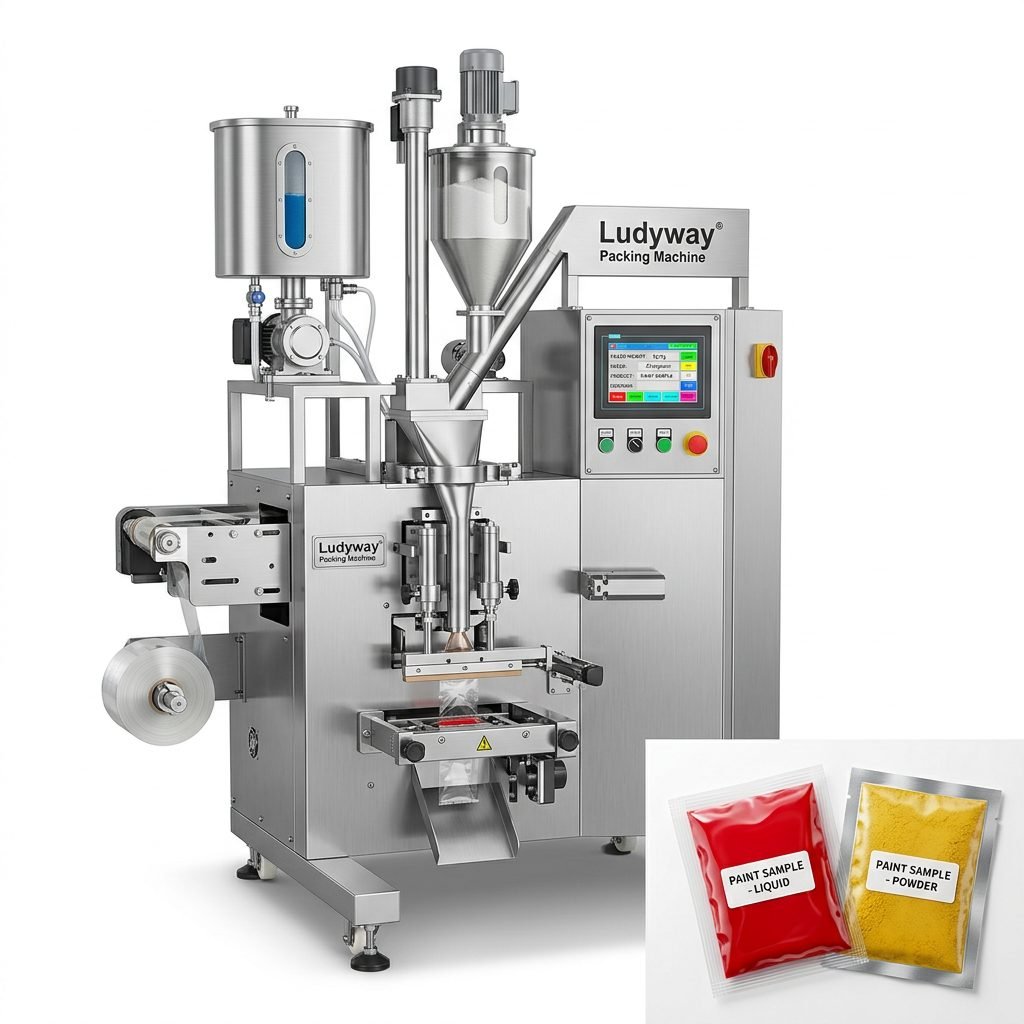
Selecting the right fish packaging machine is a critical decision for any seafood processing business. The right equipment not only preserves the quality and freshness of your product but also enhances operational efficiency, reduces waste, and strengthens your brand in a competitive market. This comprehensive guide will walk you through the different types of fish packaging machines, their key benefits, and a step-by-step process to help you choose the perfect solution for your specific needs.
Understanding Different Types of Fish Packaging Machines
The packaging needs for fish products are diverse, ranging from fresh fillets and smoked salmon to fish meal and fish oil supplements. Consequently, several specialized packaging machine types have been developed to handle these varied requirements effectively.
Vacuum Packaging Machines
These machines are essential for extending the shelf life of fresh or frozen fish by removing air from the package before sealing. This process inhibits the growth of aerobic bacteria and prevents freezer burn. Vacuum sealers come in chamber models for wet products and external nozzle models for pre-made bags.
Modified Atmosphere Packaging (MAP) Machines
MAP machines flush the package with a protective gas mixture (typically nitrogen and carbon dioxide) before sealing. This technology is ideal for preserving the color, texture, and freshness of premium fish products like salmon or tuna steaks in retail trays, significantly extending their display life.
Vertical Form-Fill-Seal (VFFS) Machines
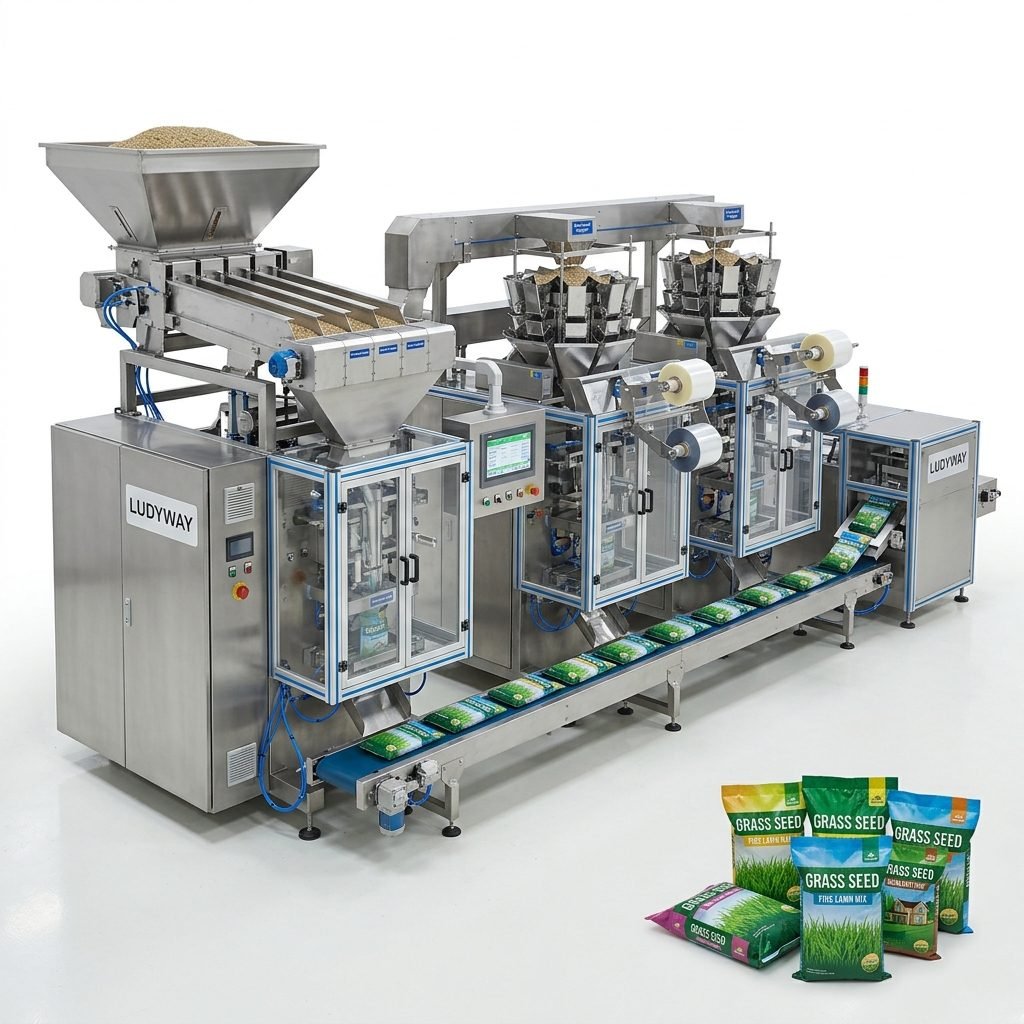
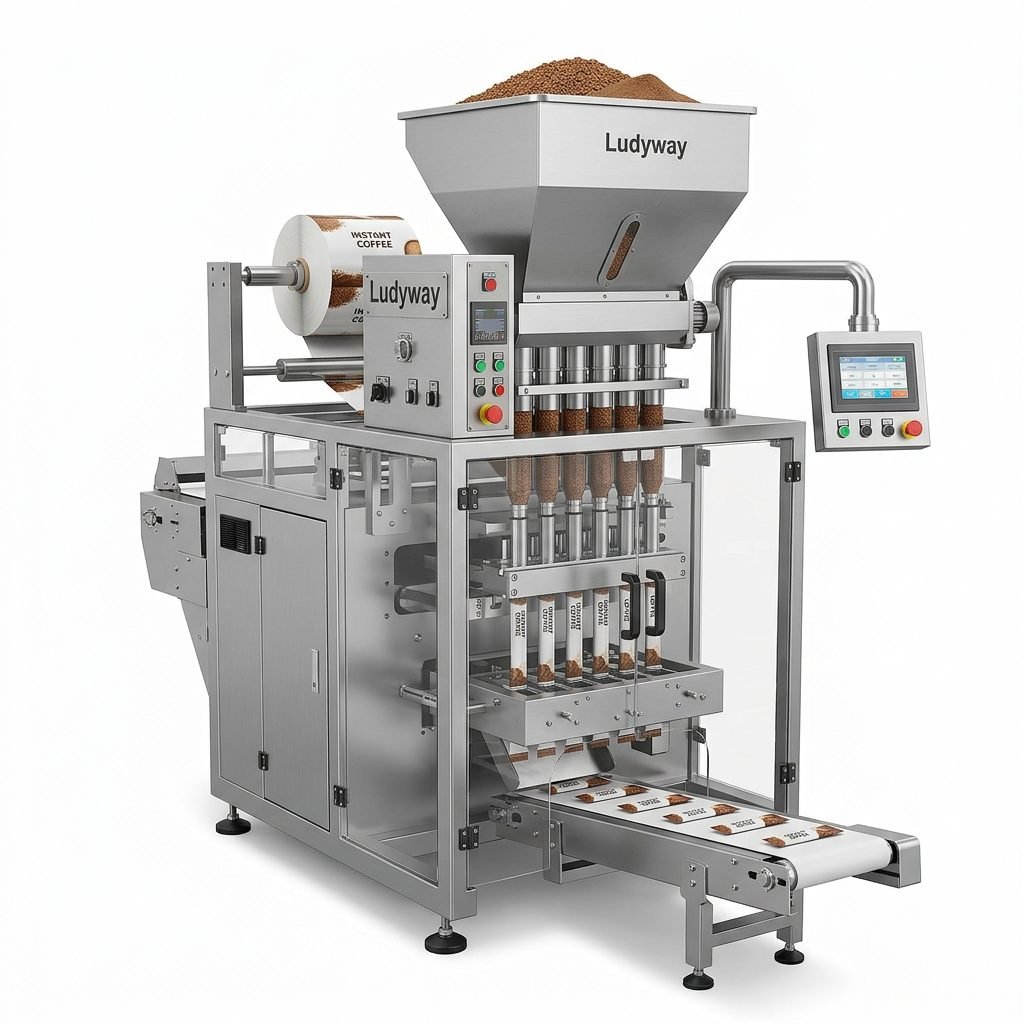
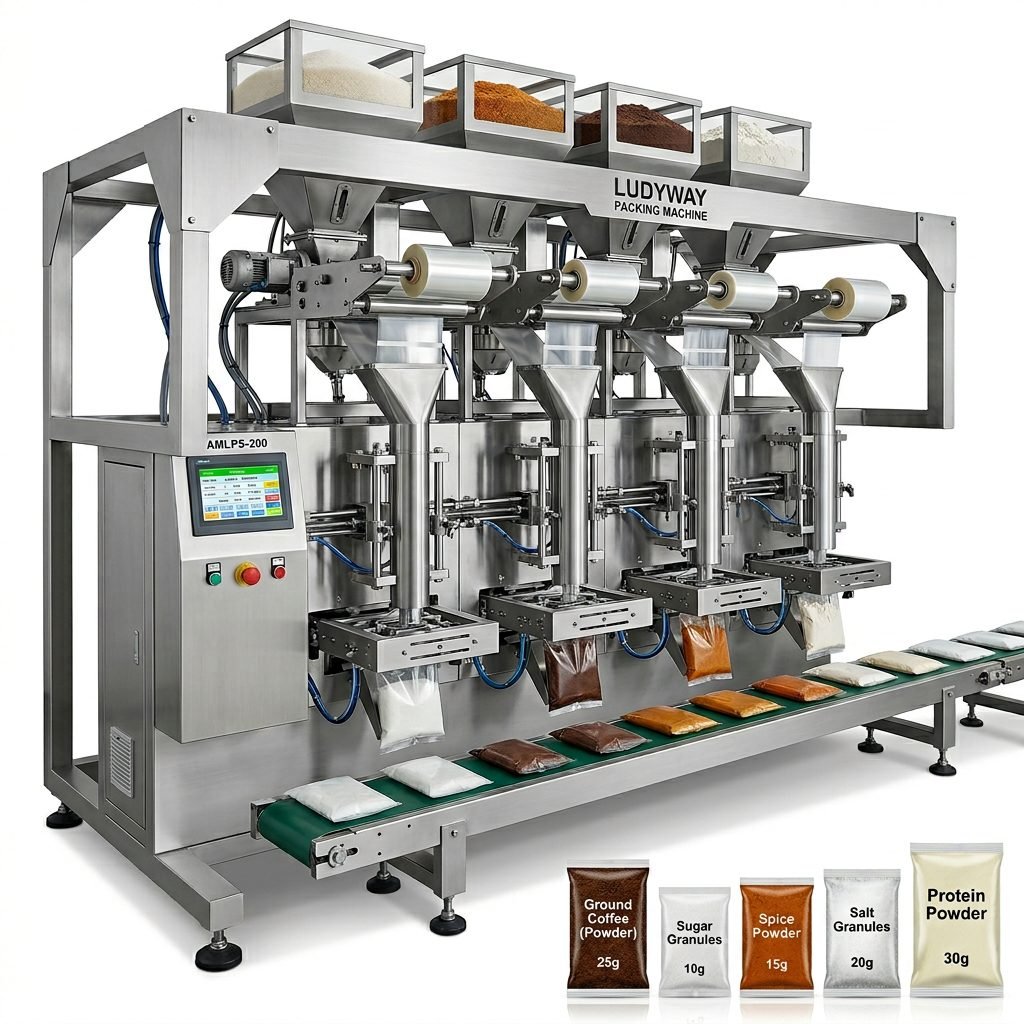
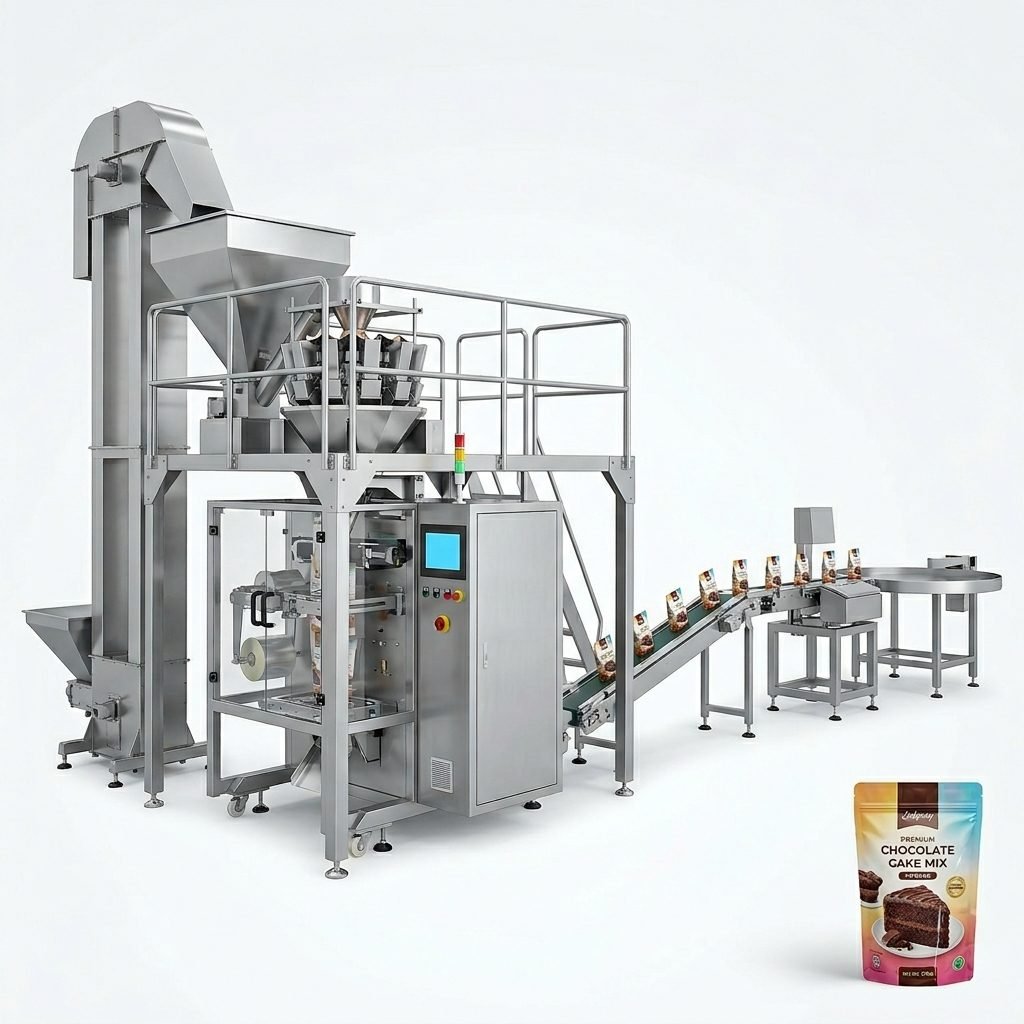
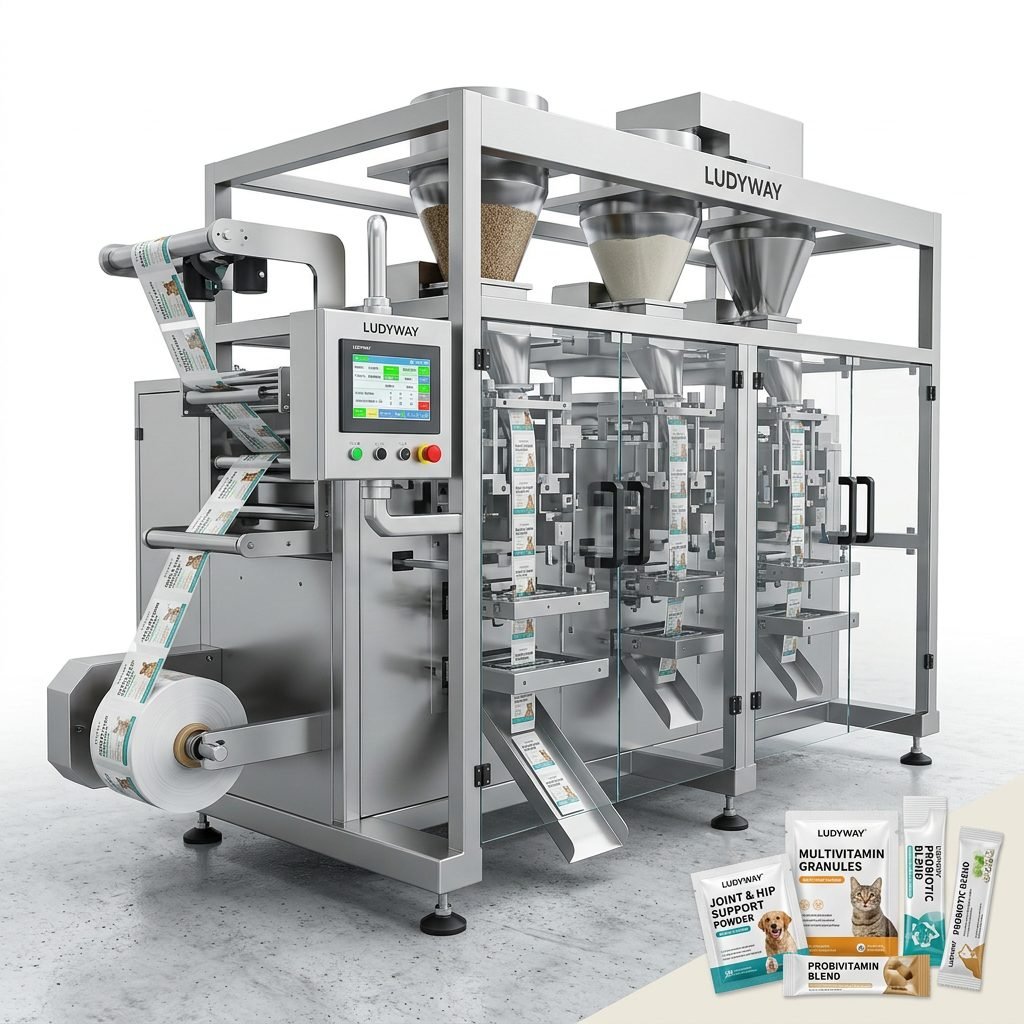
VFFS machines are the workhorses for packaging loose, free-flowing products. They form a bag from a roll of film, fill it with a measured amount of product (like fish snacks, dried anchovies, or powdered supplements), and then seal it. They offer high speed and efficiency for large-volume production.
Horizontal Flow-Wrap Machines
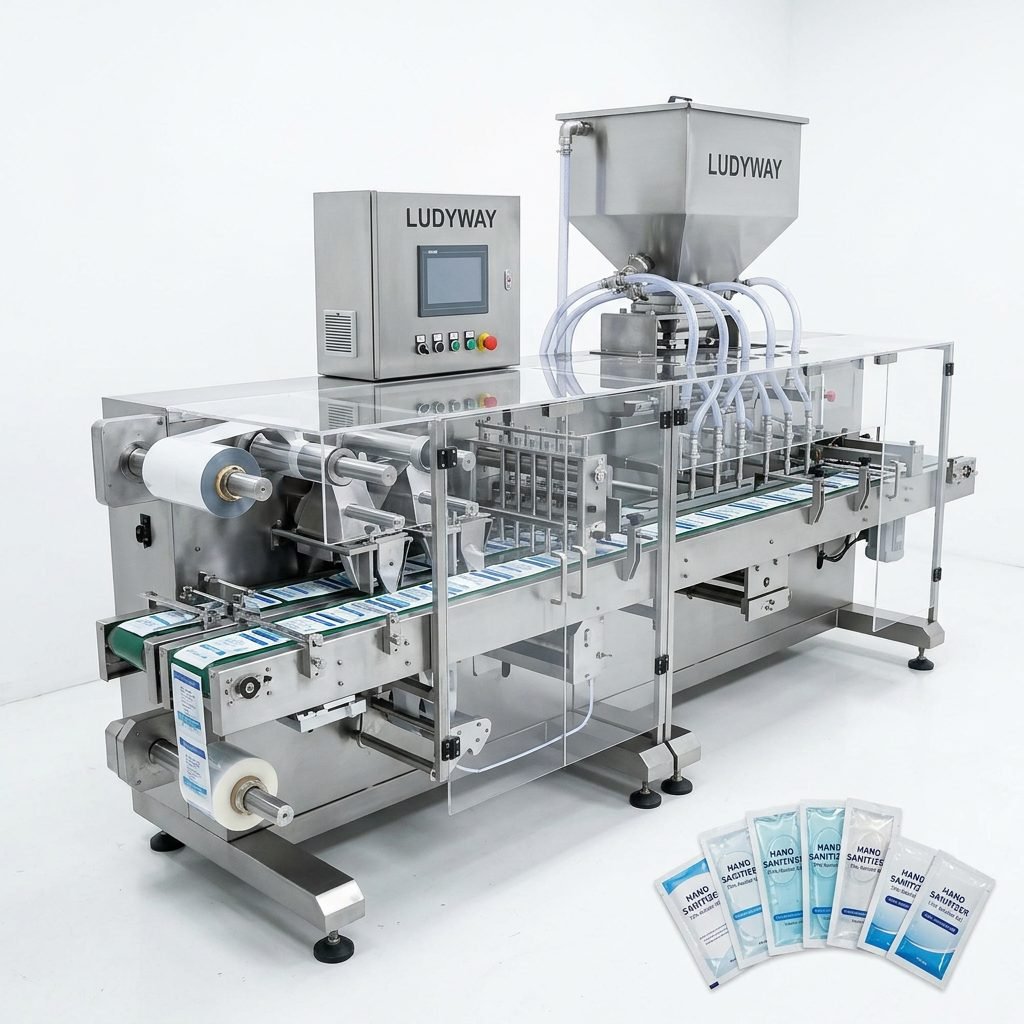
Perfect for individually wrapping frozen fish portions, fish sticks, or smoked fish bars. The product is placed on a web of film which is then folded around it and sealed. This creates a neat, pillow-style pack that is excellent for portion control and retail presentation.
Canning and Tray Sealing Machines
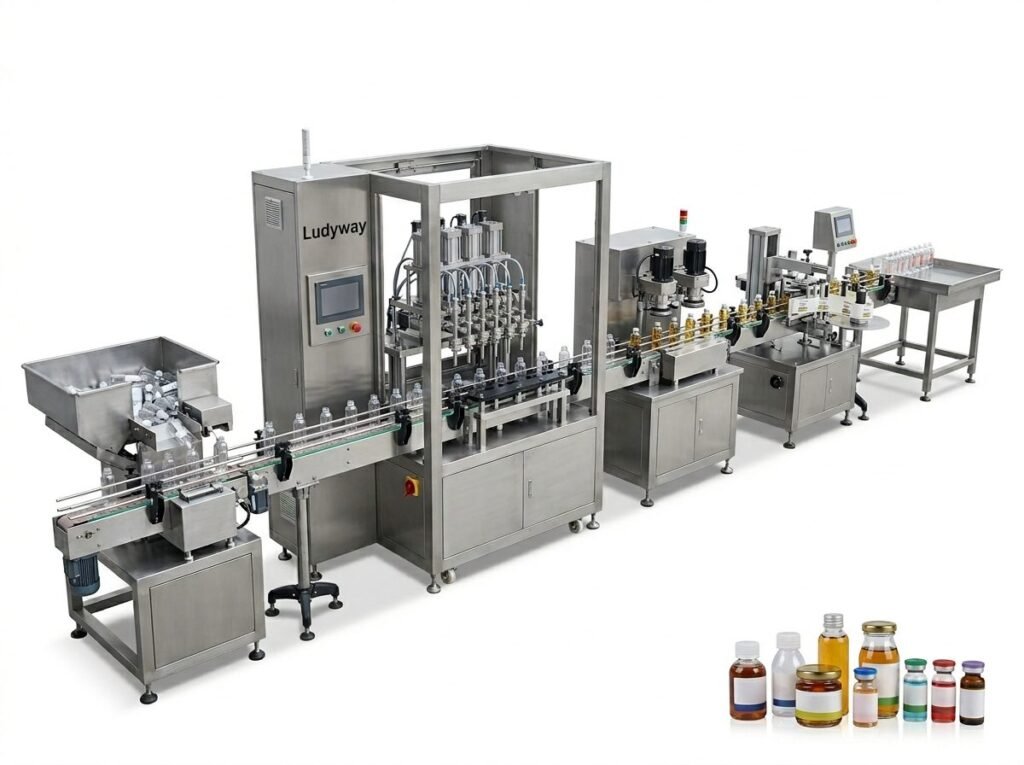
For traditional products like sardines, tuna, or mackerel in oil or sauce, canning lines are indispensable. Similarly, tray sealers are used for ready-to-cook fish meals or fresh fish portions, where a rigid plastic or compostable tray is lidded with a film seal.
Key Benefits of Automating Your Fish Packaging
Investing in an automated packaging system delivers tangible advantages that go beyond just wrapping a product.
Enhanced Product Shelf Life & Safety
Machines like vacuum and MAP sealers create an environment that drastically slows spoilage. This reduces food waste, allows for wider distribution, and ensures consumers receive a safe, high-quality product. Consistent, hermetic seals are crucial for safety.
Dramatic Increase in Production Efficiency
Automation speeds up the packaging process exponentially compared to manual labor. A single VFFS machine can output hundreds of packs per minute, allowing you to scale production to meet demand without a linear increase in labor costs.
Significant Reduction in Material Waste
Modern machines are precise. They use the exact amount of film needed and ensure accurate filling weights. This precision minimizes giveaway (overfilling) and reduces film waste, leading to substantial cost savings on packaging materials over time.
Improved Consistency and Brand Presentation
Every package comes out identical—with perfect seals, aligned labels, and professional graphics. This consistency builds consumer trust and strengthens your brand image on the shelf. A neat, secure package also reduces damage during logistics.
How to Choose the Right Fish Packaging Machine: A Step-by-Step Guide
Making the correct choice requires a careful analysis of your products, goals, and operational environment.
1. Analyze Your Product Characteristics
Start with the product itself. Is it solid (fillets), liquid (oil), granular (meal), or powdered? Is it oily, moist, or abrasive? The product’s physical state and properties will immediately narrow down suitable machine types (e.g., liquid fillers for oil, VFFS for granules).
2. Define Your Output Requirements
Determine your required production speed (packs per minute/hour). Are you a small artisanal smokehouse or a large-scale processing plant? Your volume needs will dictate the machine’s level of automation—from semi-automatic to fully automated lines with robotic loading.
3. Select the Packaging Material and Format
The machine must be compatible with your desired package. Consider barrier films for freshness, stand-up pouches for retail appeal, or sustainable/biodegradable materials. The machine must handle the chosen film’s thickness and sealing properties reliably. You can learn more about advanced packaging materials on our resource page.
4. Evaluate Available Factory Space and Utilities
Measure your floor space and ceiling height. Packaging lines need room for the machine, upstream feeding, and downstream case packing. Also, check utility requirements: electrical power (voltage, phases), compressed air, and sometimes inert gases for MAP.
5. Consider Hygiene and Sanitation Protocols
Fish processing demands high hygiene. Look for machines with stainless steel construction, smooth surfaces, and easy-clean designs. IP-rated components for washdown environments are a major plus for food safety compliance.
6. Plan for Integration and Future Growth
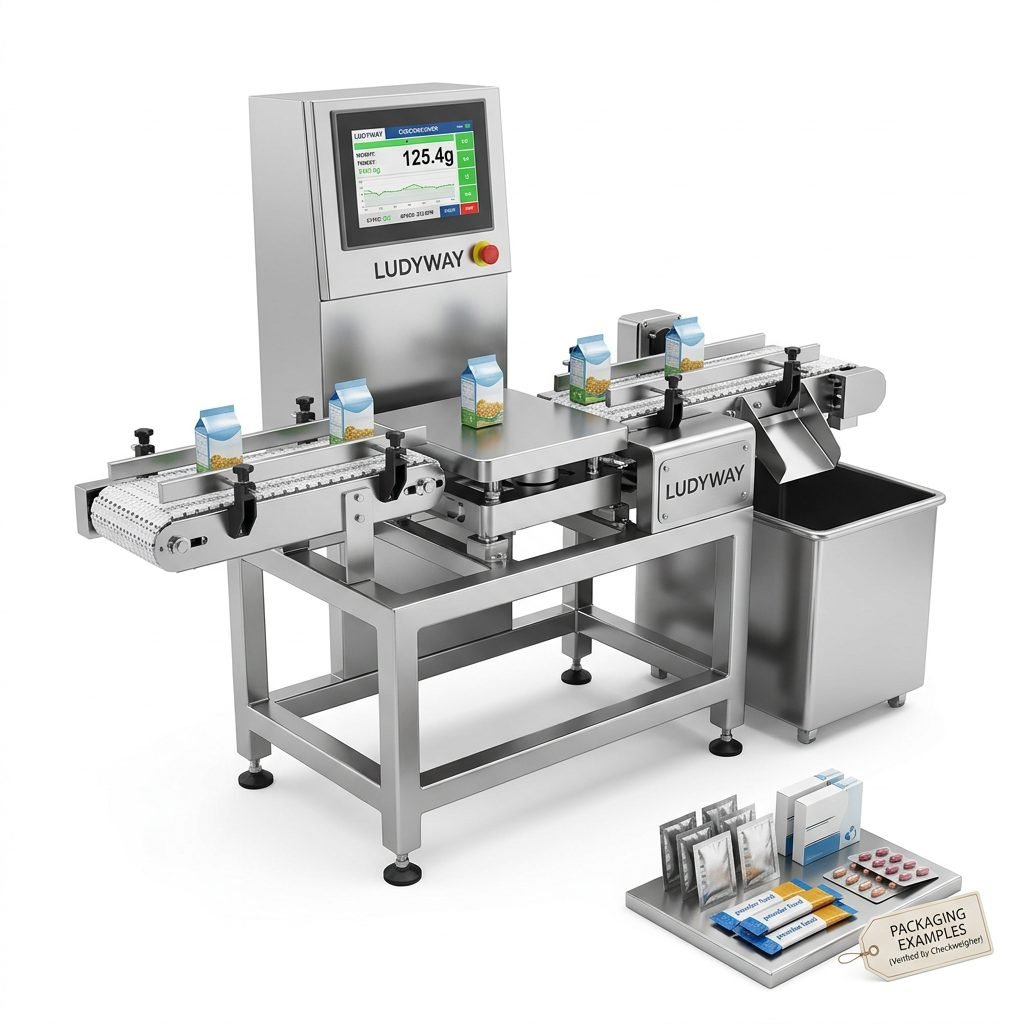
Will the machine need to connect with existing checkweighers, metal detectors, or labeling systems? Choose a supplier who can provide seamless integration. Also, consider modularity—can the machine be upgraded later to handle higher speeds or new package shapes?
7. Partner with a Reputable Supplier
This is perhaps the most critical step. Choose a supplier with proven experience in the seafood industry. They should offer robust after-sales support, readily available spare parts, comprehensive training, and reliable technical service. A partner like Ludyway Machinery, with deep industry knowledge, can guide you through this entire process and provide tailored turnkey solutions.