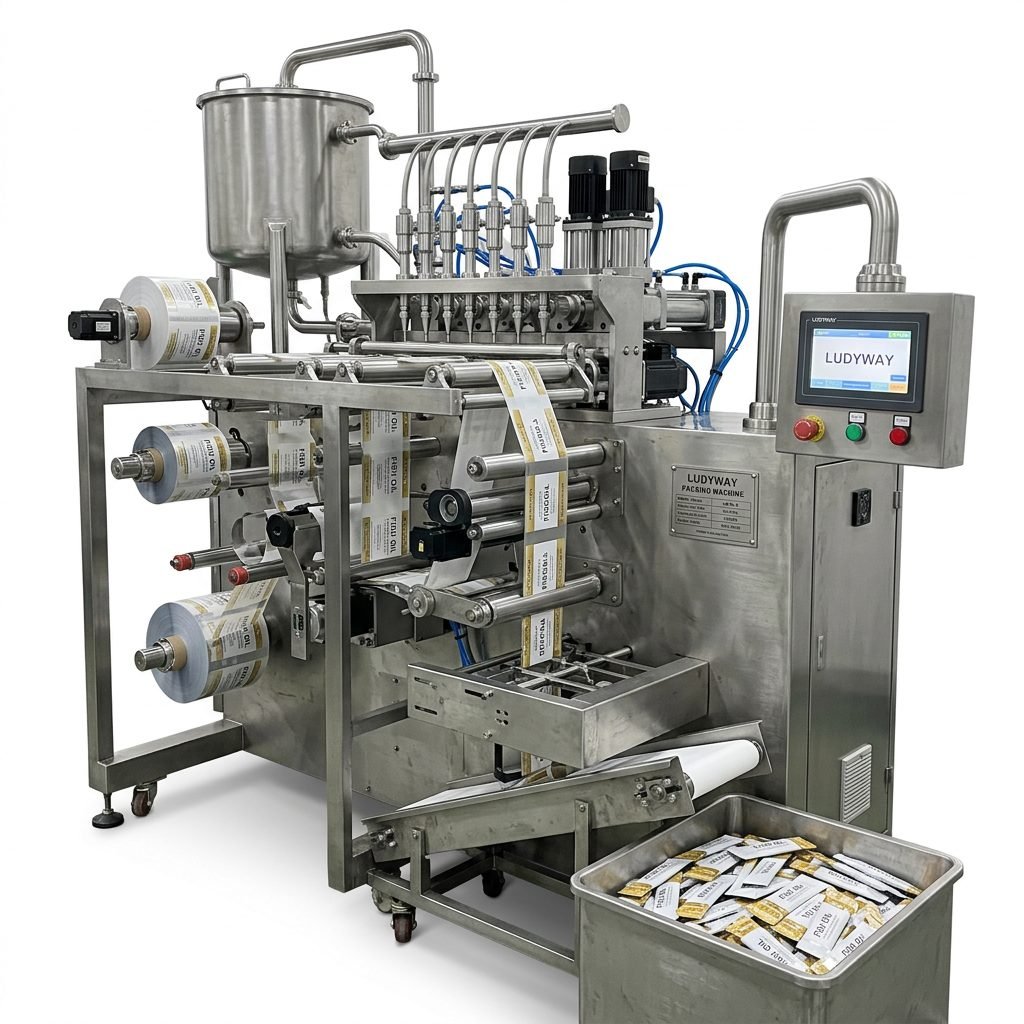
Purchasing a second-hand chips packing machine can be a cost-effective way to expand production capacity. However, without a structured maintenance plan, used equipment can quickly become a source of downtime and hidden expenses. Proper care not only extends the lifespan of your packaging machinery but also ensures consistent output quality and operational safety.
Why Second-Hand Packaging Machines Need Extra Attention
Unlike brand-new units, a pre-owned packaging machine arrives with an unknown service history. Components may already show signs of wear, and calibration settings might have drifted over time. A proactive approach to maintenance helps you:
- Avoid unplanned breakdowns during peak production periods
- Maintain sealing integrity and fill accuracy
- Reduce long-term repair costs
- Meet food safety and hygiene standards
- Preserve resale value if you choose to upgrade later
Daily Inspection Checklist for Your Chips Packing Machine
Establishing a daily routine is the foundation of effective maintenance. Operators should perform these checks before each shift:
- Visual inspection of all moving parts for loose bolts or unusual wear patterns
- Sealing jaw temperature verification against the product specification sheet
- Check film registration and tracking alignment
- Listen for abnormal noises from motors, gears, or pneumatic cylinders
- Verify that safety guards and emergency stops are fully functional
- Inspect the date coding system for clear, legible prints
A well-documented daily log helps identify gradual performance declines before they become serious problems.
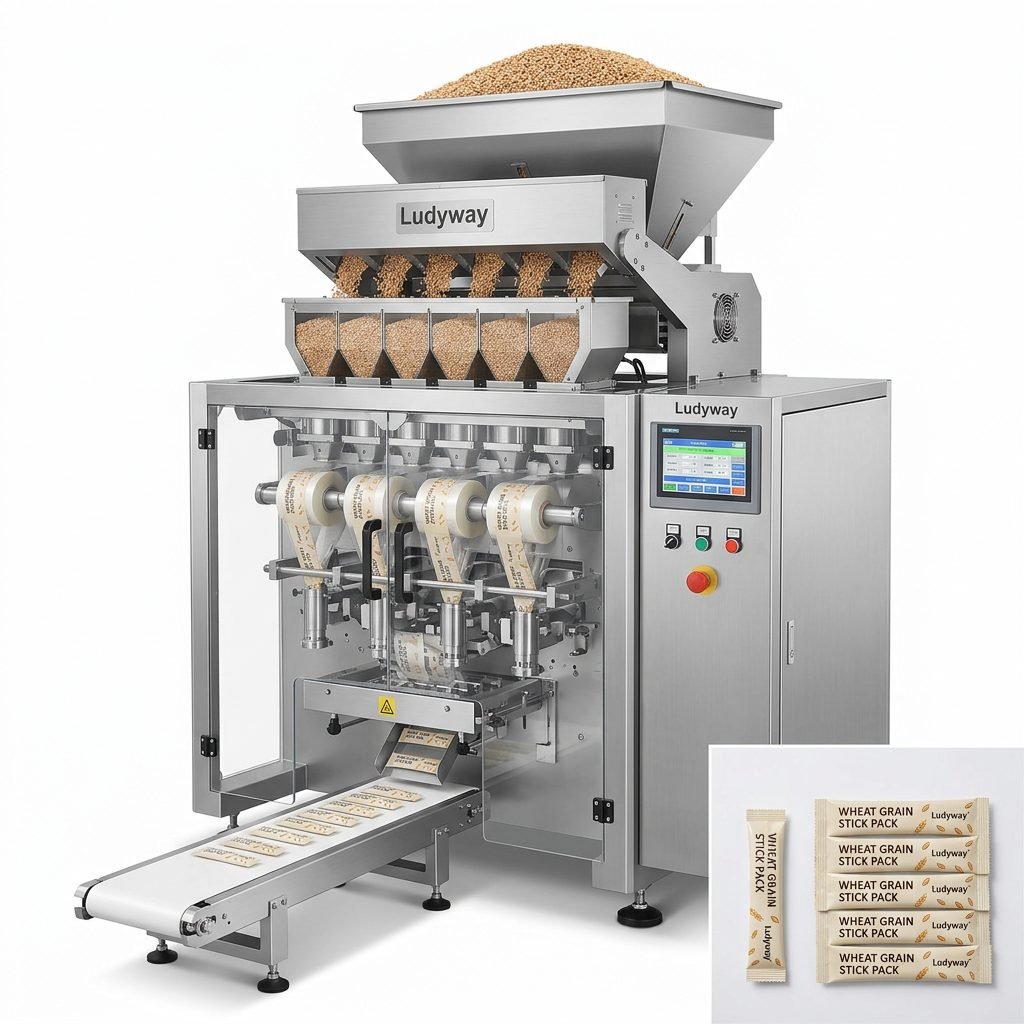
Cleaning Procedures That Prevent Contamination
Residual product buildup is one of the most common causes of machine malfunction in snack and chips packaging. Fine particles can infiltrate bearings, sensors, and sealing mechanisms, leading to premature failure. Follow these cleaning guidelines:
Recommended Cleaning Steps
- Power down and lock out the machine completely before cleaning
- Use compressed air to blow out product residue from hard-to-reach areas
- Wipe all product-contact surfaces with food-grade approved cleaning agents
- Remove and clean the forming tube and sealing jaws weekly
- Vacuum loose particles from the electrical cabinet, taking care around sensitive components
- Inspect and clean photoelectric sensors to prevent false readings
For machines handling flavored chips or seasoned snacks, more frequent cleaning may be necessary due to oil and seasoning buildup.
Lubrication and Mechanical Care
Proper lubrication is critical for any used packaging equipment. Over-lubrication can attract dust, while under-lubrication accelerates wear. Refer to the original equipment manual for recommended grease types and intervals. Key lubrication points include:
- Sealing jaw pivot points and cam followers
- Film unwind shaft bearings
- Cross-seal and longitudinal seal drive mechanisms
- Chain drives and tensioner assemblies
- Pneumatic cylinder rods and seals
When original manuals are unavailable, consult a reputable packaging machinery specialist or industry technical resources for guidance on lubrication standards.
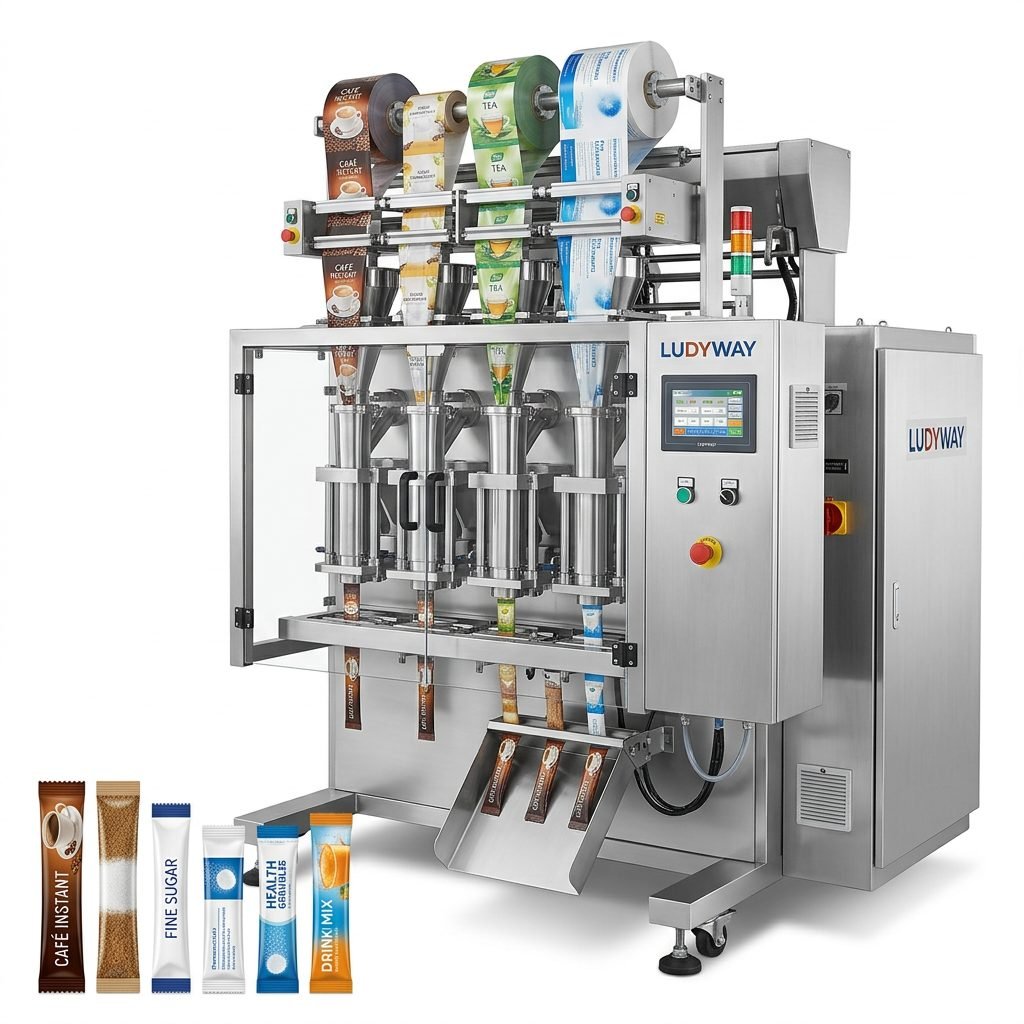
Common Issues and Troubleshooting Guide
Below is a quick-reference table of common problems encountered with second-hand chips packing machines and their likely causes:
| Symptom | Possible Cause | Recommended Action |
|---|---|---|
| Inconsistent seal quality | Worn sealing jaws or incorrect temperature setting | Inspect jaw surfaces; recalibrate temperature controller |
| Film tracking off-center | Misaligned rollers or tension imbalance | Adjust roller alignment and check film brake tension |
| Product spillage during filling | Worn forming tube or incorrect bag length | Replace forming set; verify bag length settings |
| Intermittent machine stoppage | Faulty sensor or loose electrical connection | Clean sensors; inspect wiring harnesses |
| Excessive noise from gearbox | Low oil level or worn gears | Check and refill oil; schedule gearbox inspection |
Spare Parts Management Strategy
One of the biggest challenges with a second-hand machine is parts availability. Older models may have discontinued components, making proactive parts management essential. We recommend:
- Building a critical spares inventory including sealing jaws, heaters, thermocouples, belts, and sensors
- Identifying alternative suppliers for consumable parts before you need them urgently
- Keeping detailed records of part numbers and compatible cross-references
- Establishing a relationship with a supplier who specializes in packaging machine spare parts
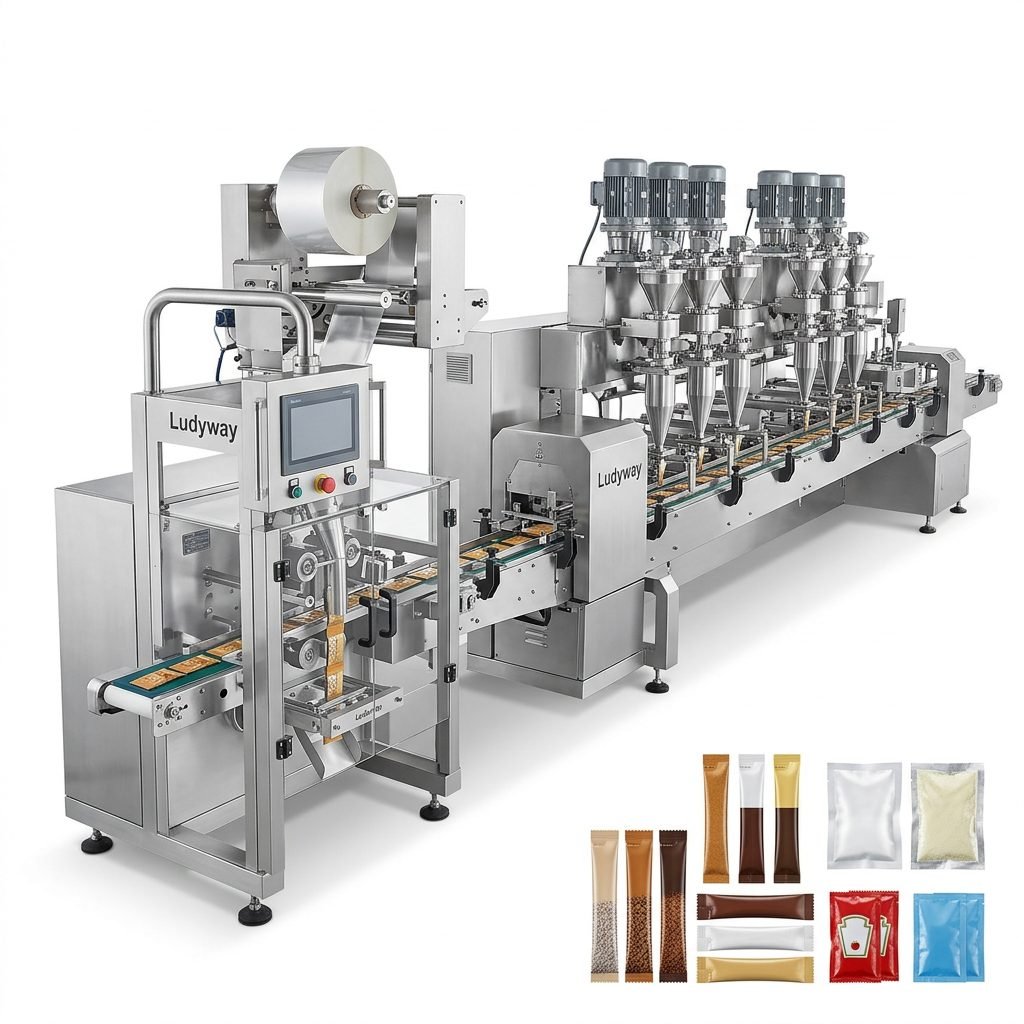
Ludyway is one of the largest packaging machine manufacturers in China, offering a wide range of compatible spare parts and technical support for various packaging equipment models. Having a dependable parts source can significantly reduce downtime when repairs are needed.
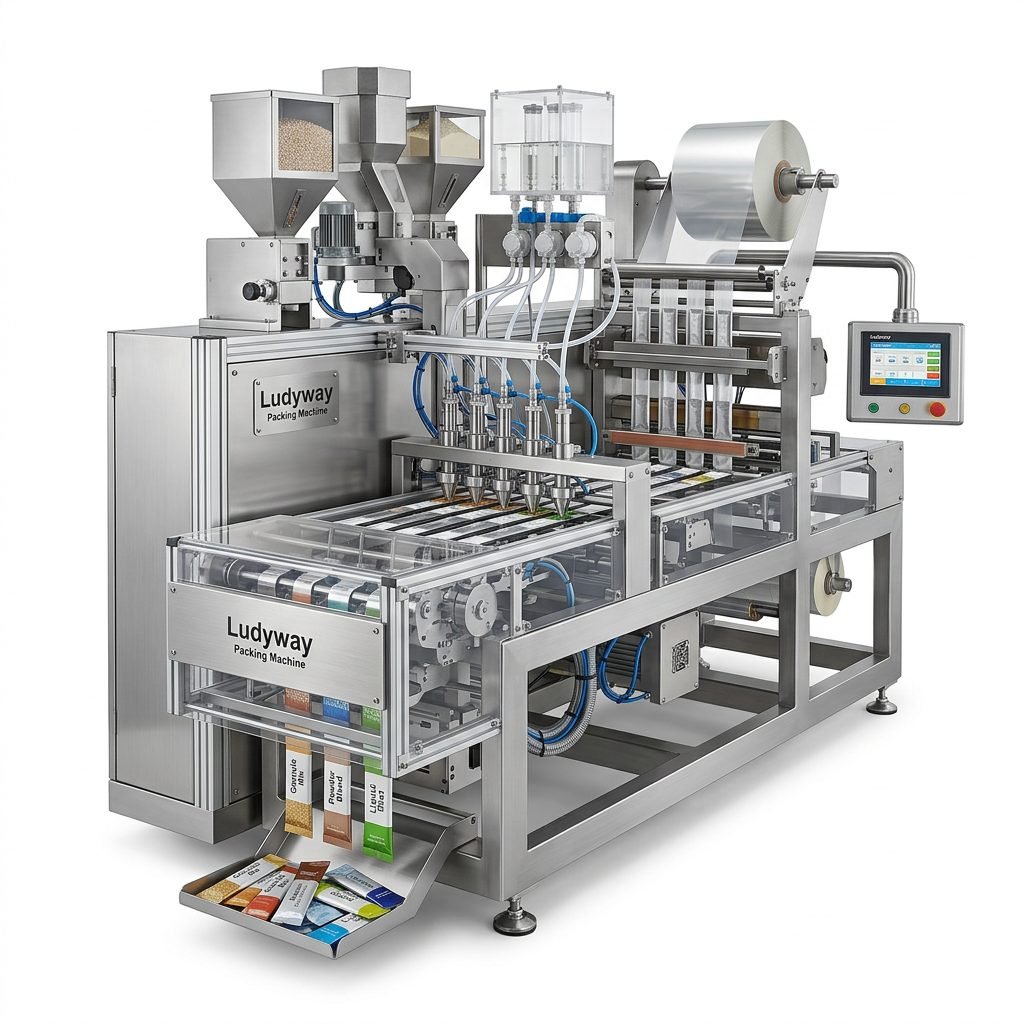
Electrical System and Sensor Maintenance
The electrical system of a used chips packing machine requires regular attention. Dust and vibration can compromise connections over time. Key electrical maintenance tasks include:
- Inspecting all terminal blocks for tightness and signs of overheating
- Checking ground connections to prevent electrical noise that affects sensor accuracy
- Calibrating temperature controllers against a known reference
- Testing emergency stop circuits monthly
- Updating firmware or PLC programs if supported by the manufacturer
Refer to ISO packaging machinery standards for guidance on electrical safety and performance requirements applicable to food packaging equipment.
When to Call a Professional Technician
While routine maintenance can be handled in-house, certain situations warrant professional intervention:
- Major mechanical failure such as broken shafts or damaged bearing housings
- PLC or servo drive faults that require specialized diagnostic tools
- Sealing jaw replacement requiring precise alignment
- Complete machine overhaul or relocation
- Upgrades to meet updated food safety packaging regulations
Investing in professional service at the right time can prevent costly cascading failures and keep your production line running smoothly.
Seasonal and Long-Term Storage Tips
If your chips packing machine will be idle for an extended period, proper storage preparation is essential:
- Thoroughly clean and dry all product-contact surfaces
- Apply protective lubricant to exposed metal parts to prevent rust
- Release tension from belts and film feed mechanisms
- Cover the machine with a breathable dust cover (avoid plastic sheeting that traps moisture)
- Disconnect power and protect electrical cabinets from humidity
- Document the storage condition with photos for insurance and reference purposes
Final Thoughts on Maximizing Your Investment
A second-hand chips packing machine can deliver years of reliable service when supported by consistent maintenance. The key is treating preventive care as an ongoing investment rather than a reactive expense. Train your operators thoroughly, maintain detailed service records, and never ignore early warning signs of wear. For additional resources, the Flexible Packaging Association offers valuable technical publications and industry best practices that can further guide your maintenance program.
With the right approach, your pre-owned packaging equipment can compete with newer machines in both performance and reliability, all while protecting your bottom line.