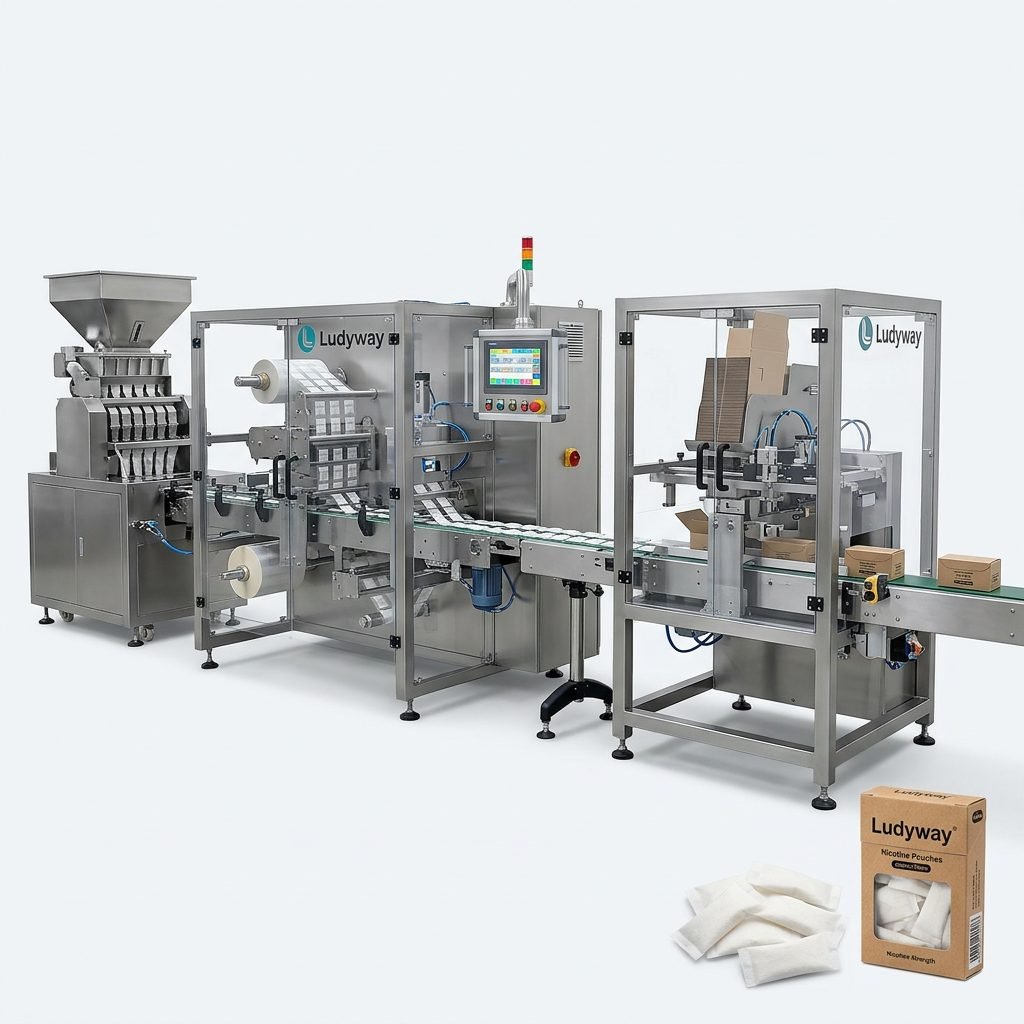
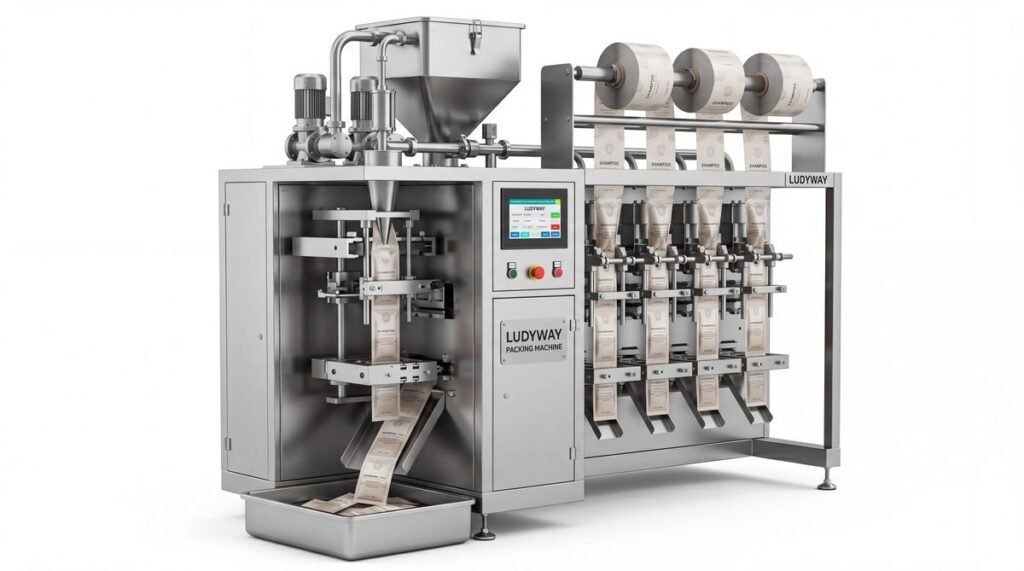
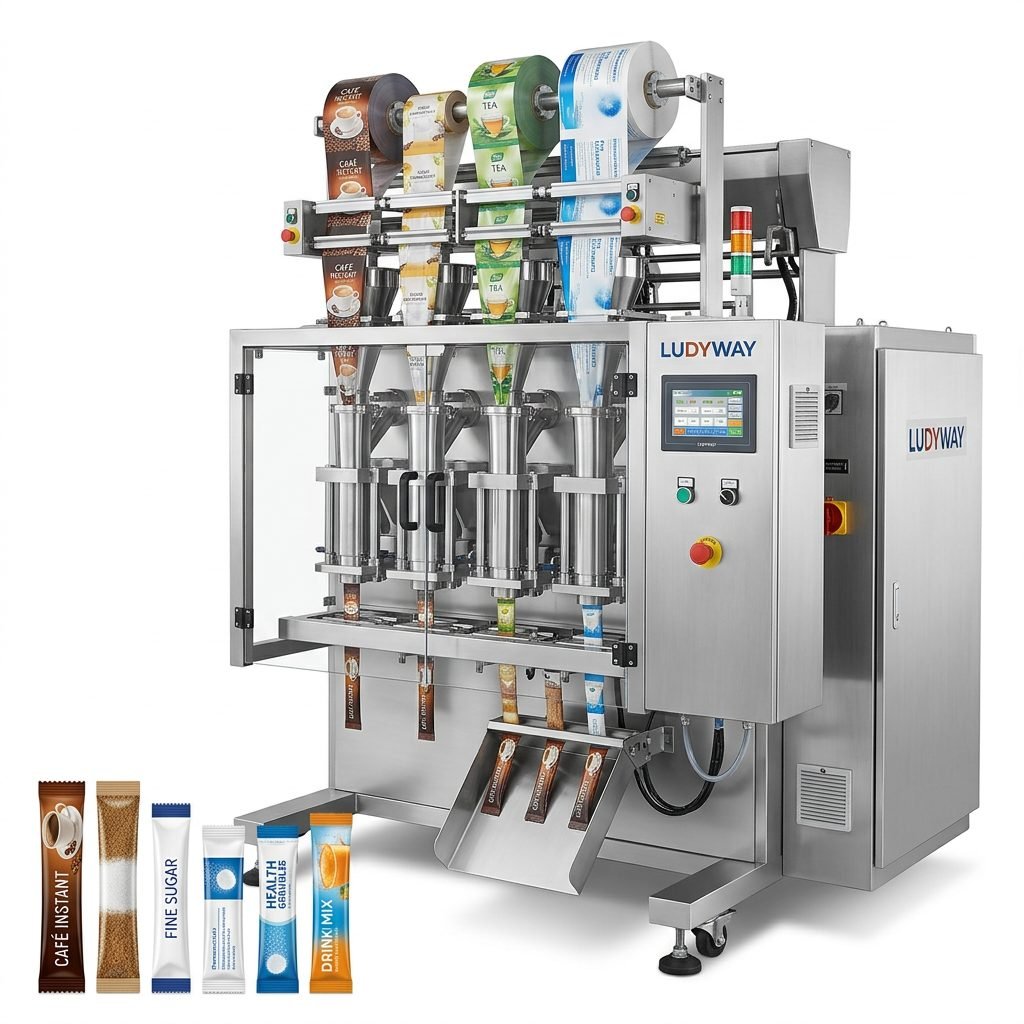
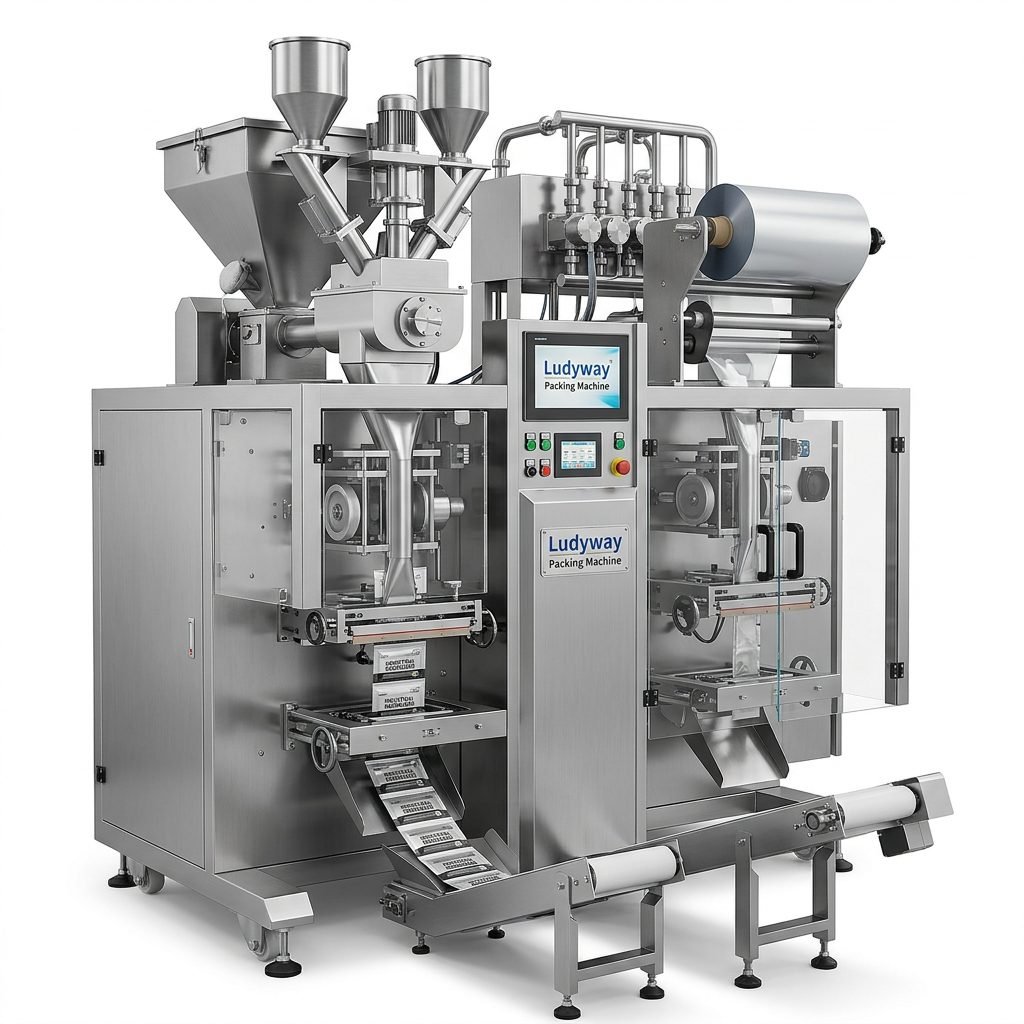
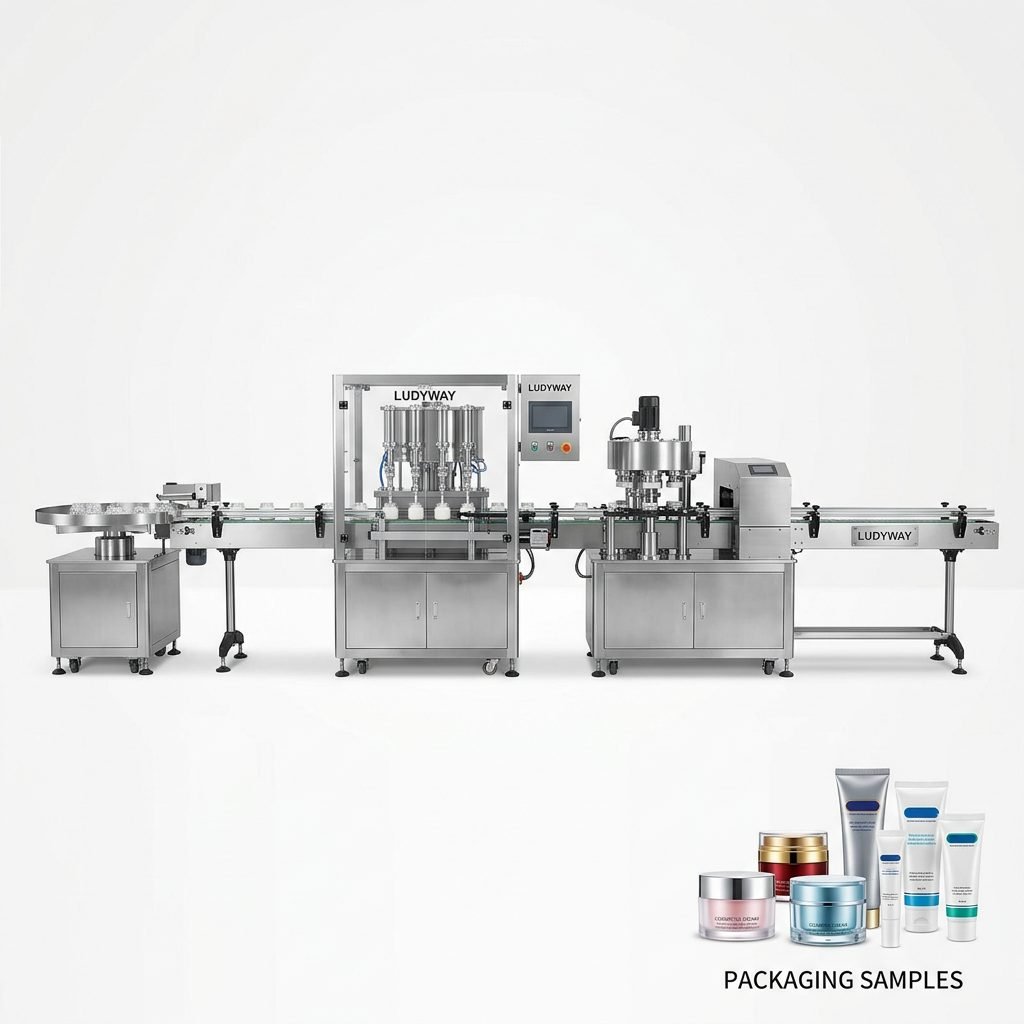
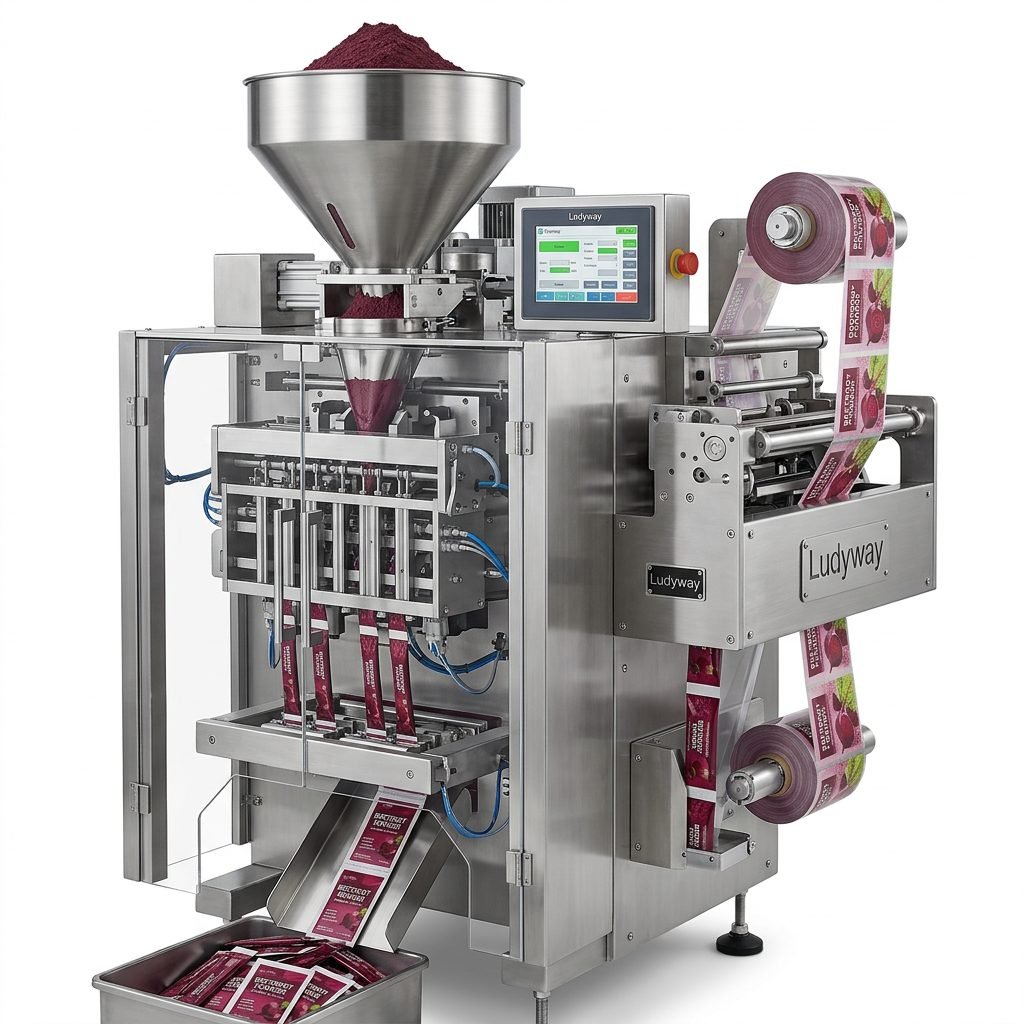
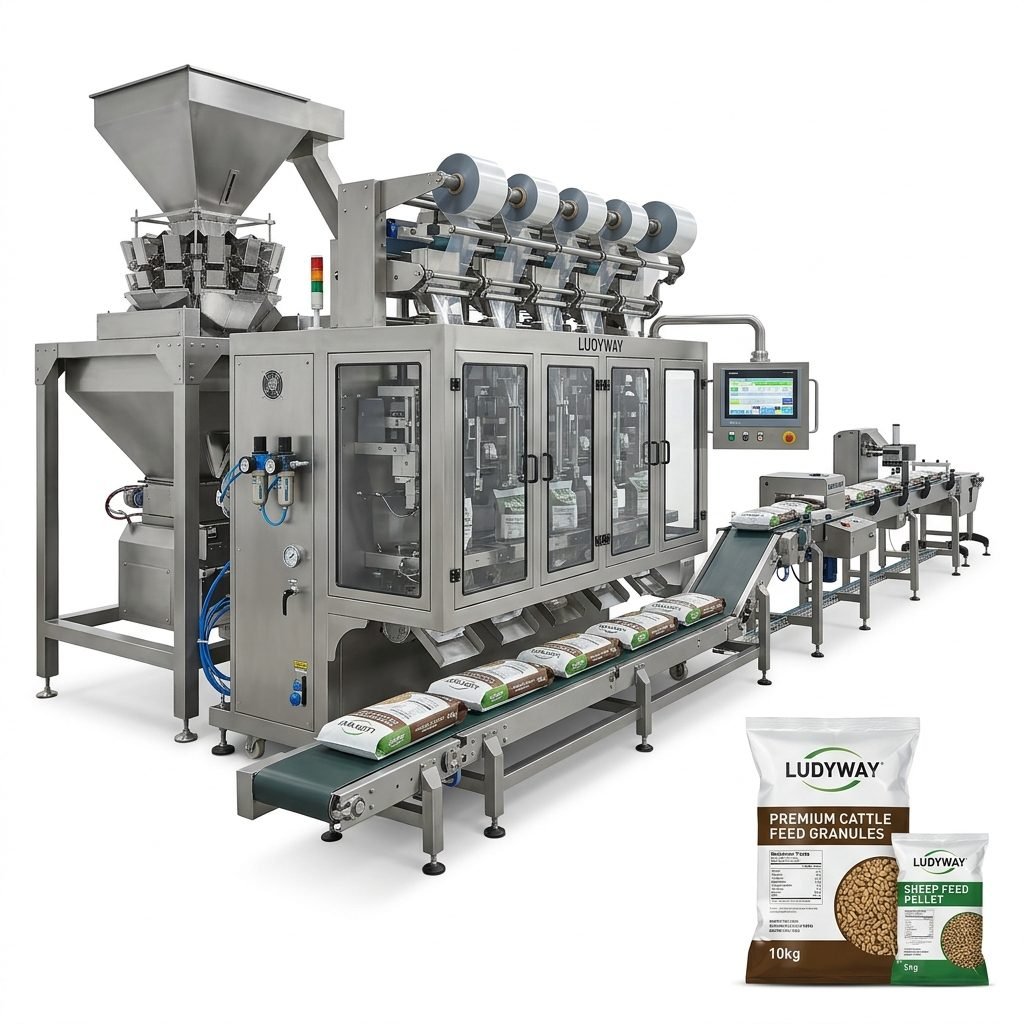
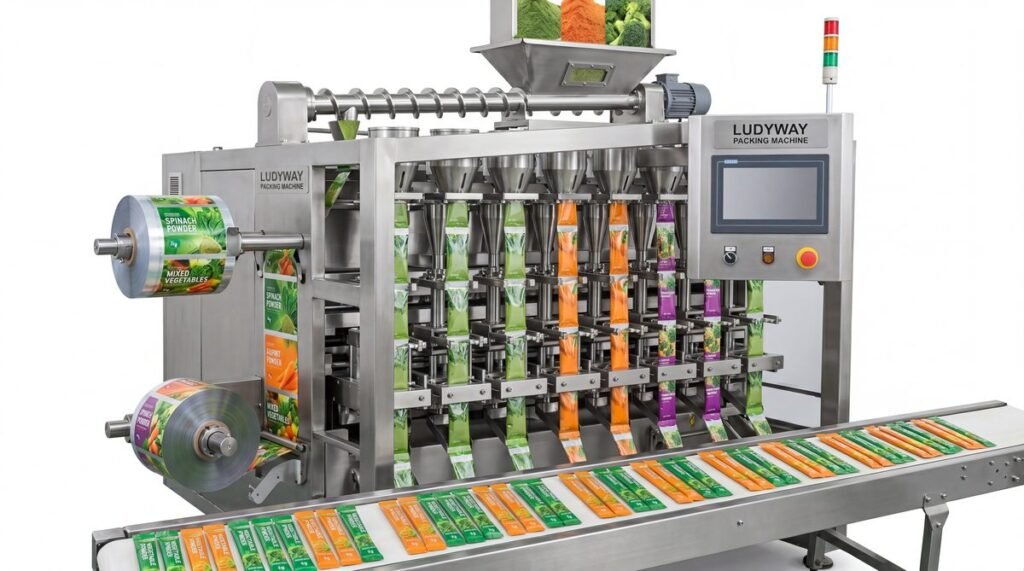
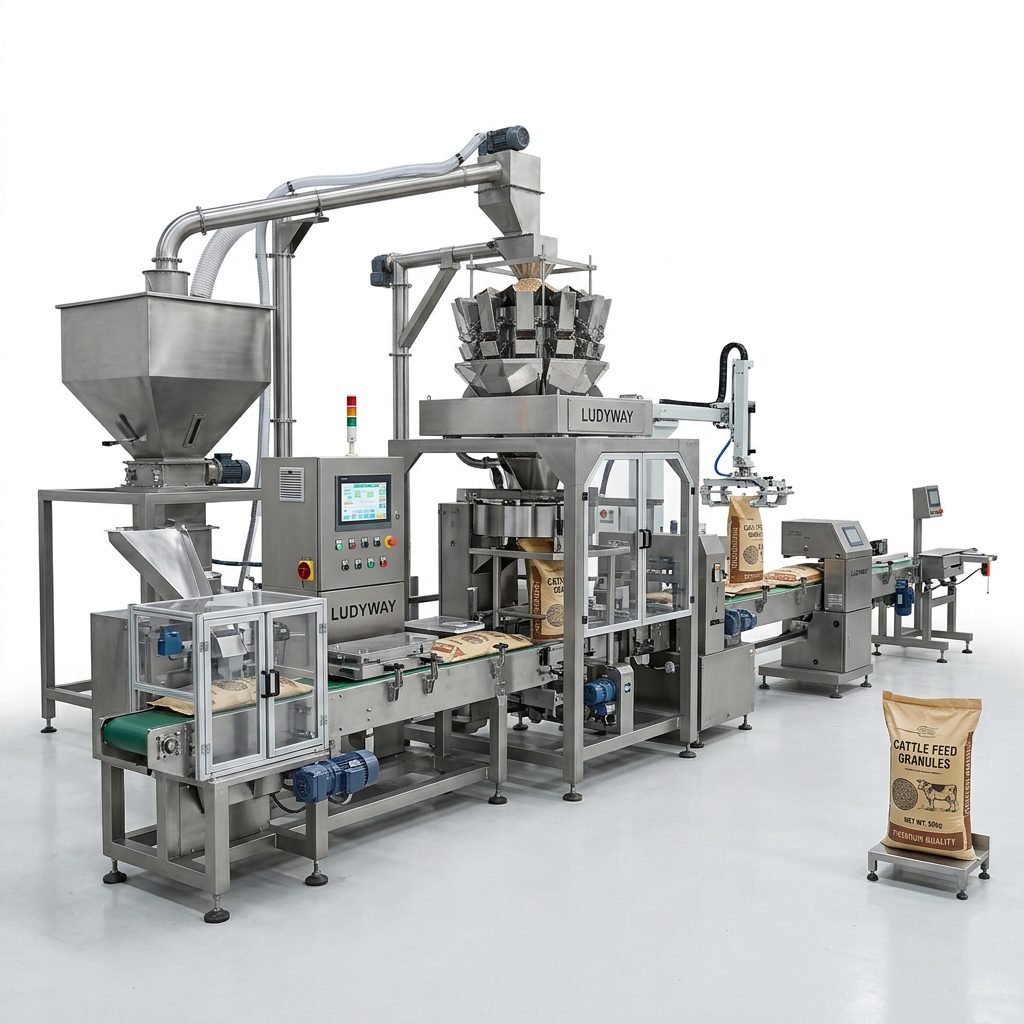
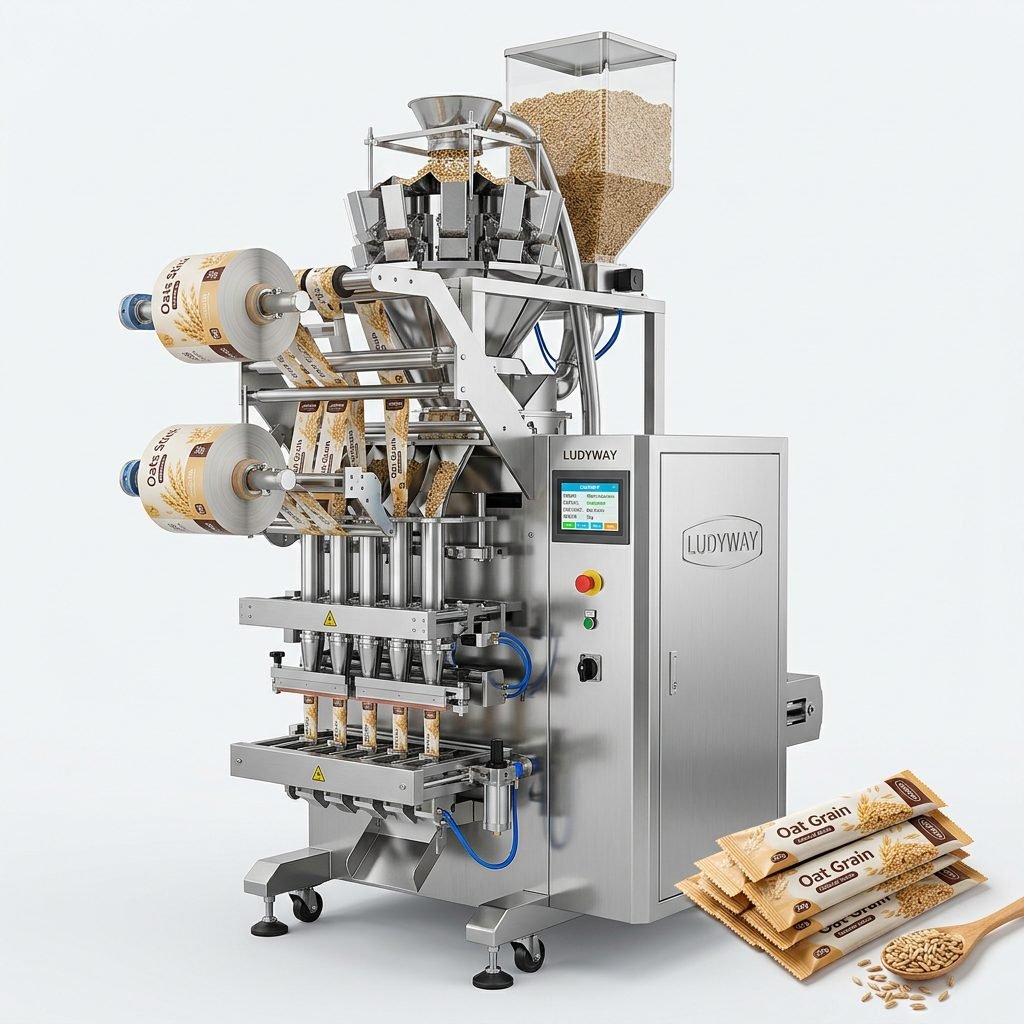
The South American cereal bar market is experiencing a significant surge in demand, driven by health-conscious consumers seeking convenient, on-the-go nutrition. For manufacturers across Brazil, Argentina, Colombia, and Chile, investing in the right cereal bar packaging machine is no longer a luxury but a critical operational necessity. Selecting equipment that balances speed, precision, and flexibility can define your brand’s shelf presence and bottom line. This guide breaks down the essential factors for purchasing packaging machinery tailored to the dynamic South American production landscape.
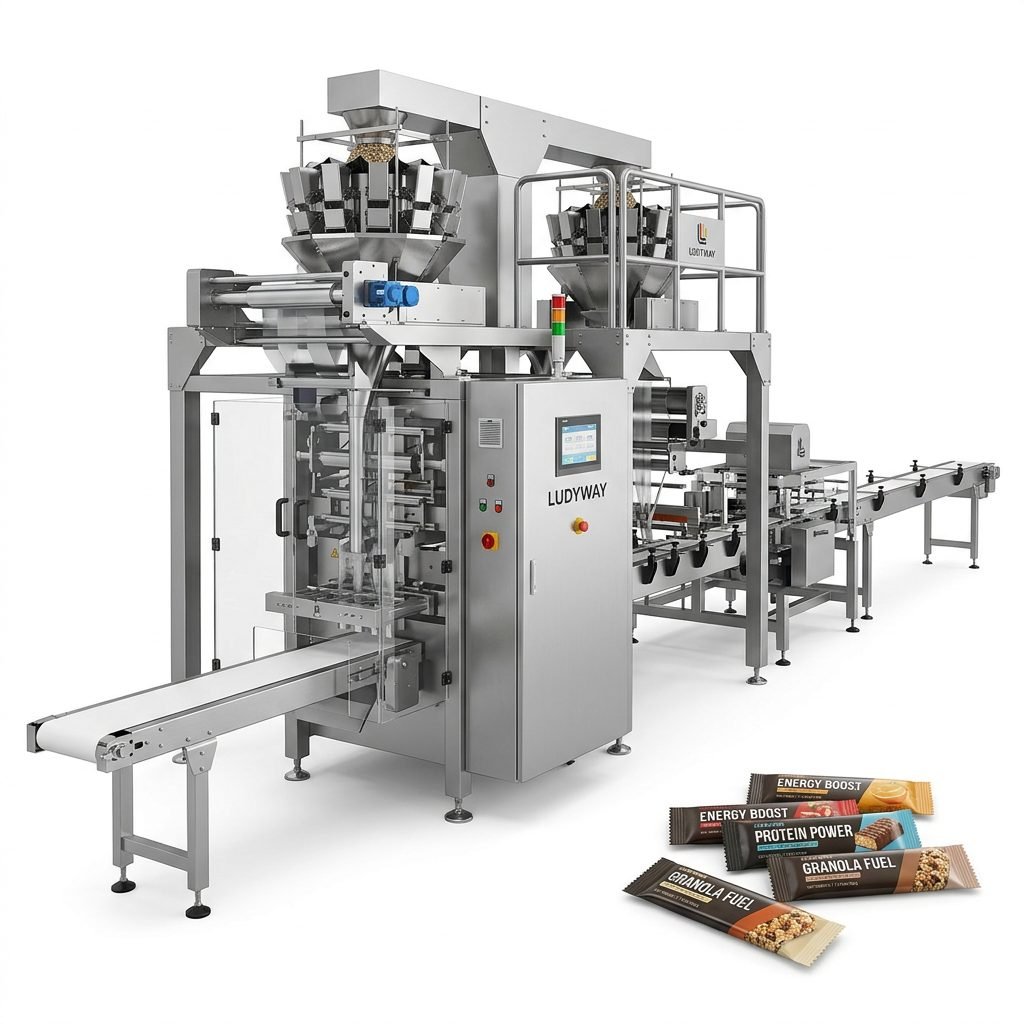
Understanding the South American Cereal Bar Landscape
The regional market differs markedly from North America and Europe. Production runs in South America often require extreme versatility, as manufacturers frequently switch between granola bars, protein bars, and fruit-filled snacks on the same line. Consequently, a modular packaging architecture is vital. Look for machines that support rapid changeovers without requiring specialized tools. Furthermore, the humid climate in tropical zones demands superior sealing technology to prevent moisture ingress, which can compromise the crispness and shelf life of cereal-based products.
Key Production Metrics to Prioritize
Before engaging with suppliers, define your operational targets clearly:
- Throughput Speed: Measured in packs per minute (ppm). Small artisanal brands might target 40-80 ppm, while industrial giants require 150-300 ppm flow-wrapping lines.
- Packaging Format: Pillow packs, stick packs, or multi-lane sachets. The market is shifting toward resealable flow packs for portion control.
- Film Compatibility: Ensure the machine handles sustainable materials like bio-based films or recyclable mono-materials, aligning with South America’s tightening environmental regulations.
Types of Cereal Bar Packaging Machinery
Choosing the wrong category of machinery can lead to chronic inefficiency. The table below distinguishes the primary technologies available for cereal bar applications.
| Machine Category | Optimal Application | Average Speed (ppm) |
|---|---|---|
| Horizontal Flow Wrapper (HFFS) | Standard single-piece bars | 80 – 300 |
| Multi-Lane Stick Pack | Mini-bars, bite-sized snacks | 400 – 1,200 |
| Vertical Form Fill Seal (VFFS) | Granola or loose clusters | 40 – 120 |
| Cartoning Machines | Secondary display boxes | 20 – 80 |
Flow Wrapping vs. Vertical Systems
For the traditional cereal bar, horizontal flow wrapping remains the gold standard. It offers superior film tension control, resulting in a tight, glossy finish that enhances visual appeal on crowded supermarket shelves. However, if you are venturing into powder-filled supplement bars or granola mixes, a vertical form fill seal system with auger fillers provides better containment and weight accuracy. Weigh the visual marketing needs against the structural fragility of your product before deciding.
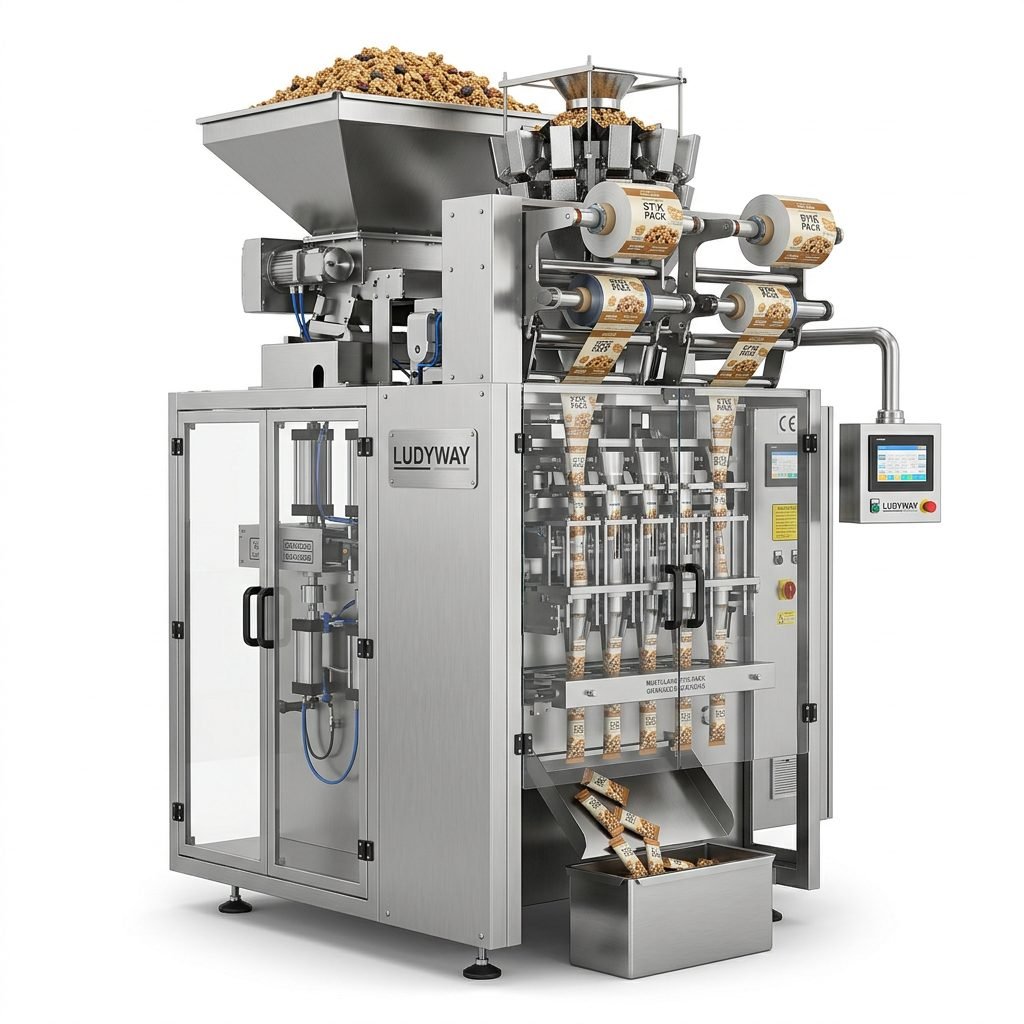
Critical Component: The Sealing Technology
In markets with challenging logistics like the Andes or the Amazon basin, seal integrity is non-negotiable. Look for machines featuring triple-seal back fin technology or precise thermoregulation. Rotary jaw systems often outperform box-motion jaws in high-speed cereal bar applications because they prolong the dwell time of the heated bars on the film without crushing the delicate product. Investing in automatic seal inspection systems will significantly reduce costly returns due to leakers or stale product.
Integration with Upstream Equipment
A packaging machine does not operate in isolation. The connection between your slug wrapper and the cooling tunnel or the distribution system is critical. Modern automated packaging lines utilize servo-driven belts to prevent the freshly extruded or baked bars from piling up. Ensure your provider offers in-line synchronization that automatically adjusts the wrapper speed based on the infeed volume, minimizing downtime and product waste during peak production cycles.
Calculating Total Cost of Ownership (TCO) in South America
While the initial sticker price is important, the true cost of a packaging machine in South America involves import duties, local installation, and maintenance support. Many Brazilian and Argentine buyers opt for suppliers with a strong local distribution network or reliable remote diagnostics. Calculate the cost of spare parts inventory and the average lead time for replacement parts. A machine that offers quick-release guides and toolless adjustments often reduces the dependency on specialized technical labor, which can be a major advantage in remote production facilities.
Hygiene and Sanitary Design
Cereal bars, particularly those with chocolate coatings or fruit fillings, generate particulate and sticky residues. Machines constructed with sloping surfaces, minimal flat areas, and IP65 washdown protection will expedite cleaning shifts. The absence of hidden cavities where insects or mold might thrive is a critical sanitary requirement for the warm, humid climate prevalent in many South American production plants. Prioritize stainless steel construction and compliant food-grade lubricants.
Navigating Supplier Selection and Support
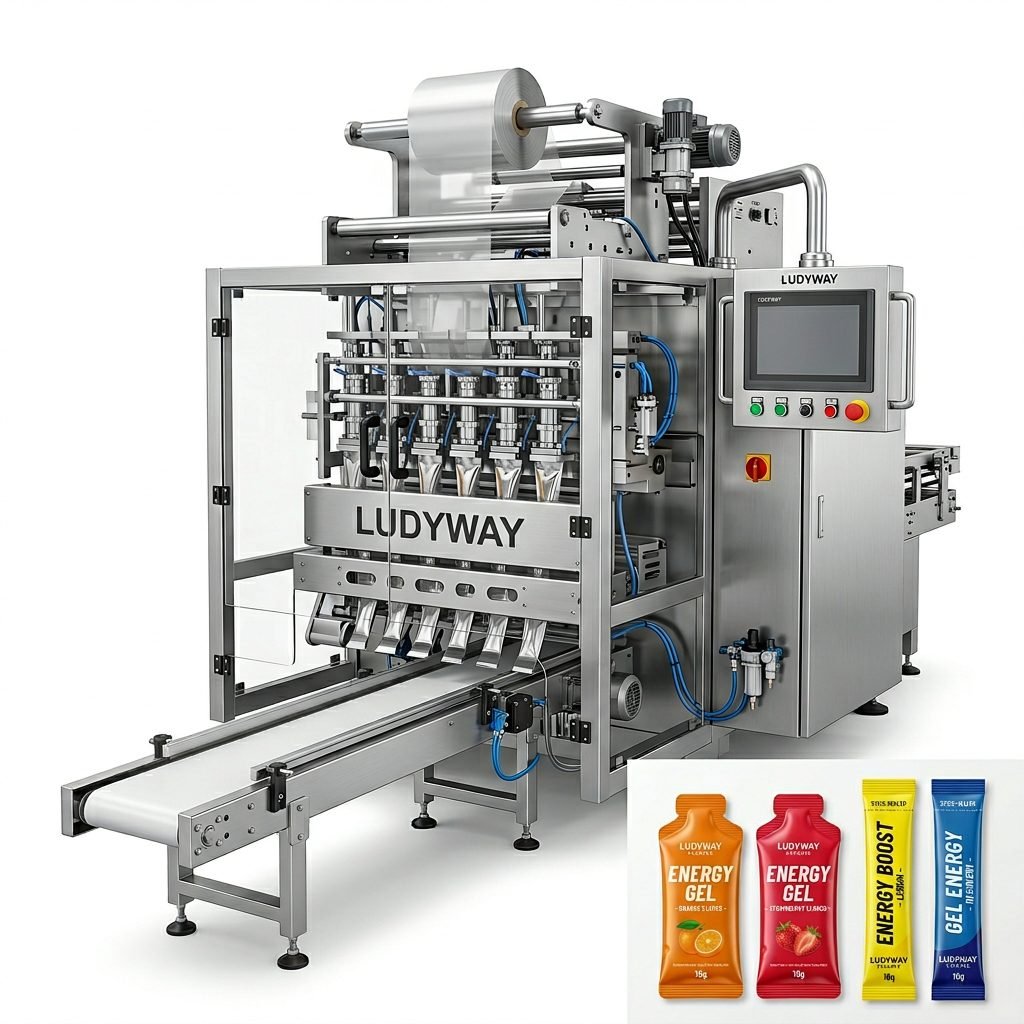
Selecting a vendor goes beyond reviewing a spec sheet. You need a partner who understands the local electrical standards (220V/60Hz), Portuguese or Spanish HMI interfaces, and the specific film thicknesses commonly sourced in the region. Verify the supplier’s track record with high-speed cereal bar packaging machines. Request case studies that highlight performance in similar climatic conditions. Leading suppliers like Ludyway emphasize rigorous factory acceptance testing (FAT) before shipment, ensuring the line meets specified rates before it reaches your facility floor.
Safety and Compliance Features
Adhering to local safety regulations is mandatory. Your machine must feature full guards, automatic interlocks, and emergency stop systems compliant with the latest international standards. When comparing options, look for safety integrations that do not severely impact the operating speed. The best machines incorporate safety circuits seamlessly, allowing operators to clear minor jams safely without a full system reboot. This balance between safety and productivity is a defining trait of industry-leading equipment in the food sector.
Future-Proofing Your Investment
The packaging industry moves quickly toward digitalization. Consider machinery equipped for the Industrial Internet of Things (IIoT). Sensors that track temperature, vibration, and film usage in real time can feed into your Manufacturing Execution System (MES). This predictive maintenance capability is becoming essential for avoiding unplanned outages. A servo-driven packaging machine also allows you to change bag length and product profile via a recipe-driven setup, protecting your investment as consumer trends evolve from traditional bars toward protein packs and children’s lunchbox snacks.
For readers seeking further industry benchmarks and technical standards, we recommend reviewing the resources available through the Flexible Packaging Association:
- Flexible Packaging Association – Industry Resources
- Flexible Packaging Association – Official Website
- PMMI – The Association for Packaging and Processing Technologies
Final Selection Criterion
While technical specs and pricing heavily influence the purchase decision, service response time often determines long-term satisfaction. Before signing a contract, map out the logistics of technician visits to your specific city. Ask for a detailed remote support protocol. In a competitive industry where production margins are tight, a responsive technical team can provide a superior return on investment compared to a marginally faster machine with weak after-sales care. Ultimately, the right cereal bar packaging machine is the one that fits seamlessly into your operational culture and scales with your distribution ambitions across Latin America.