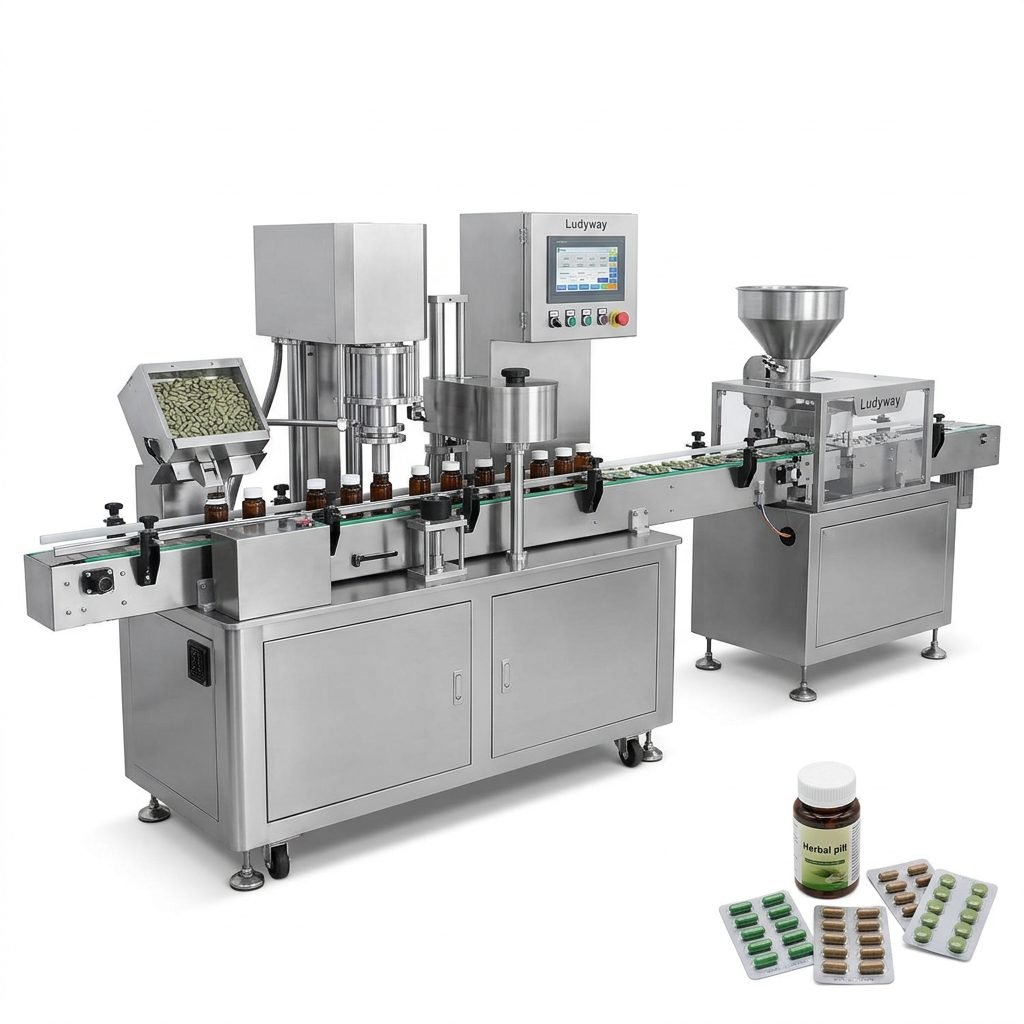
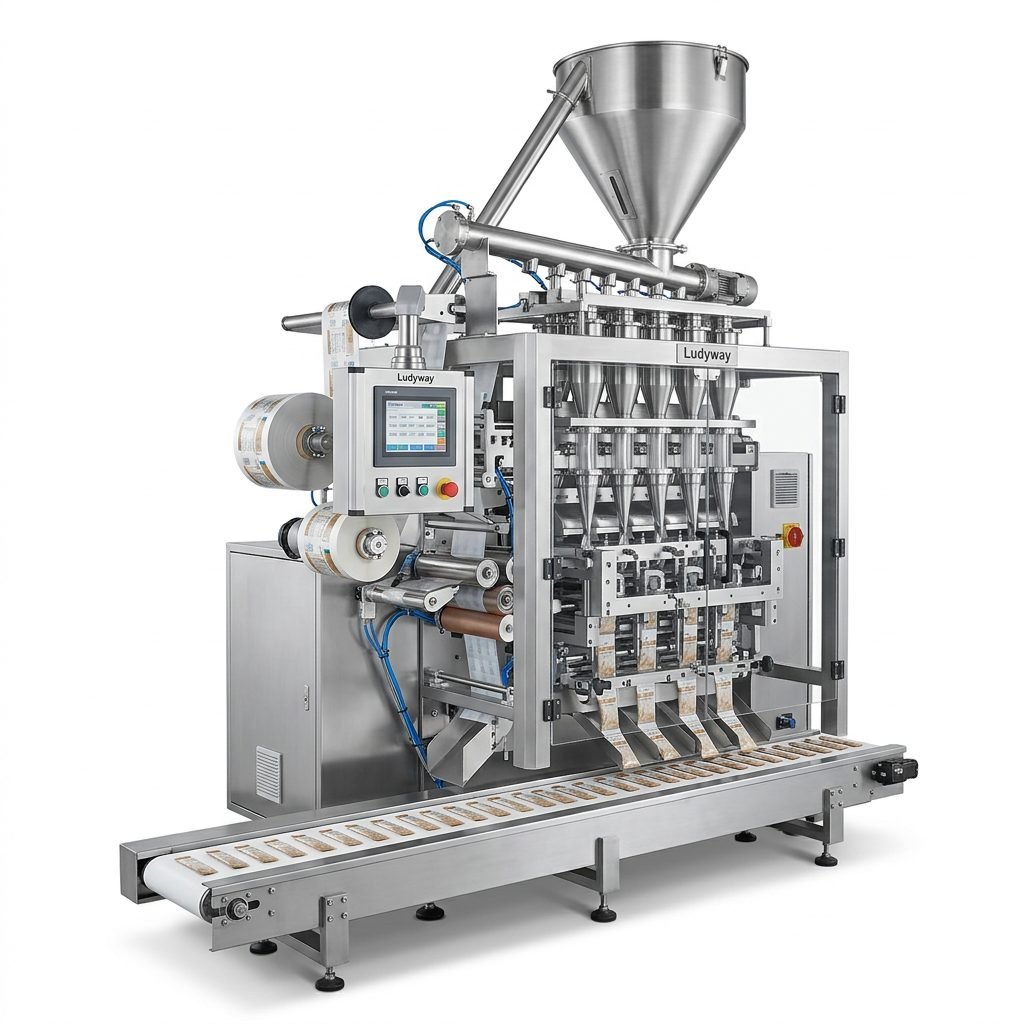
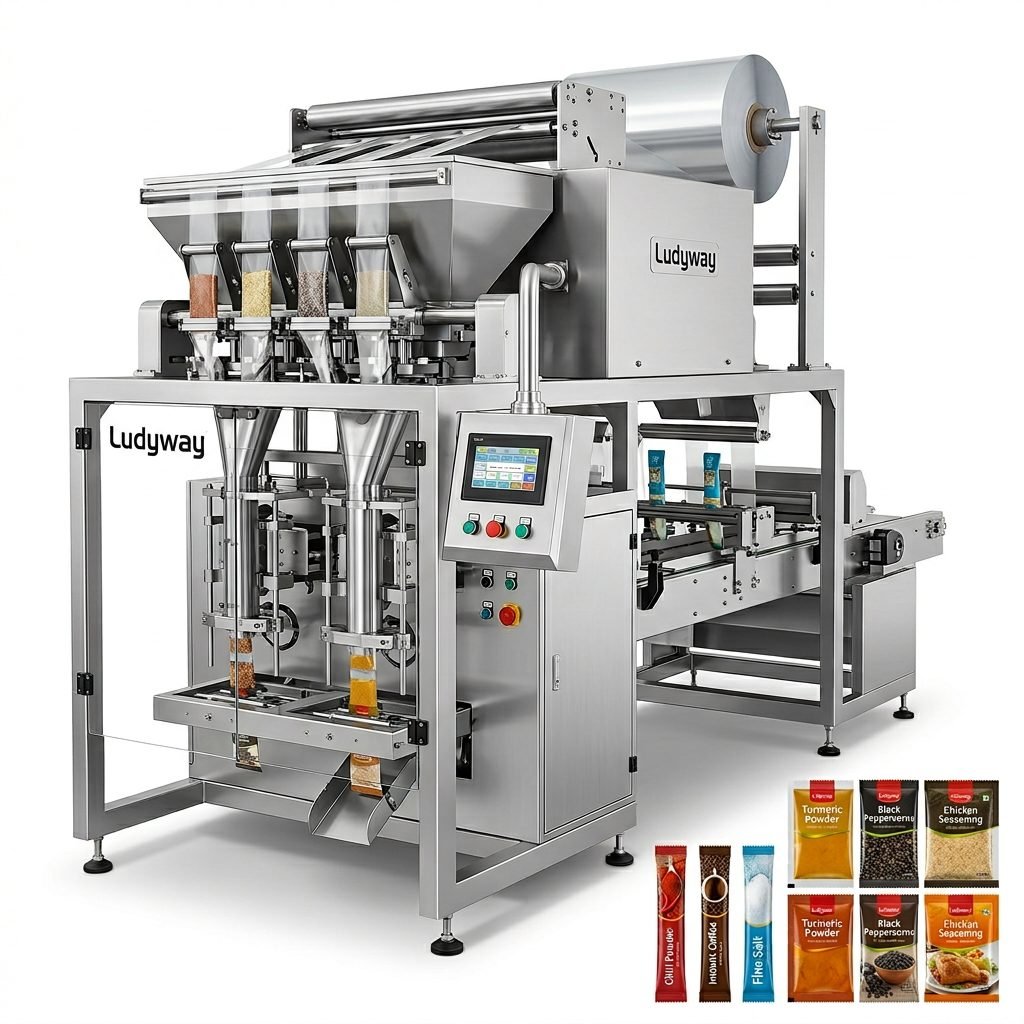
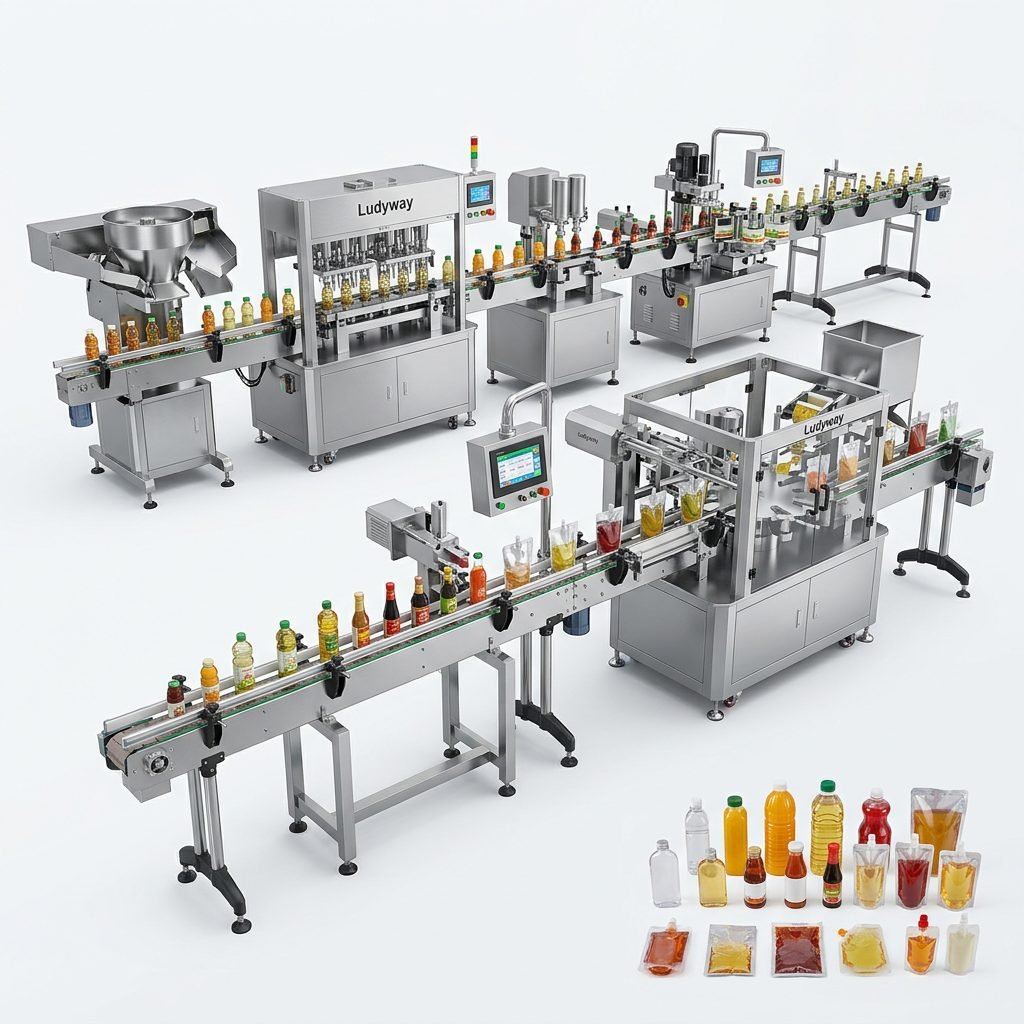
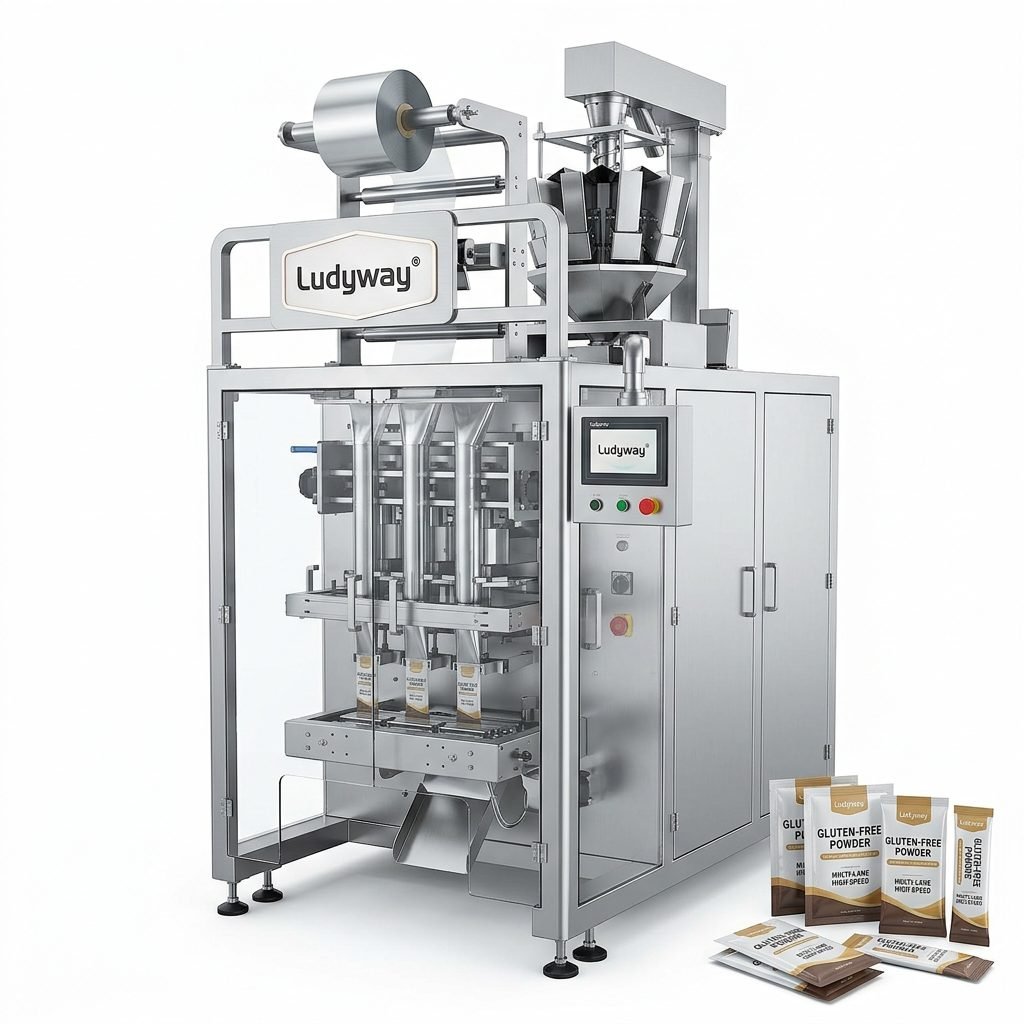
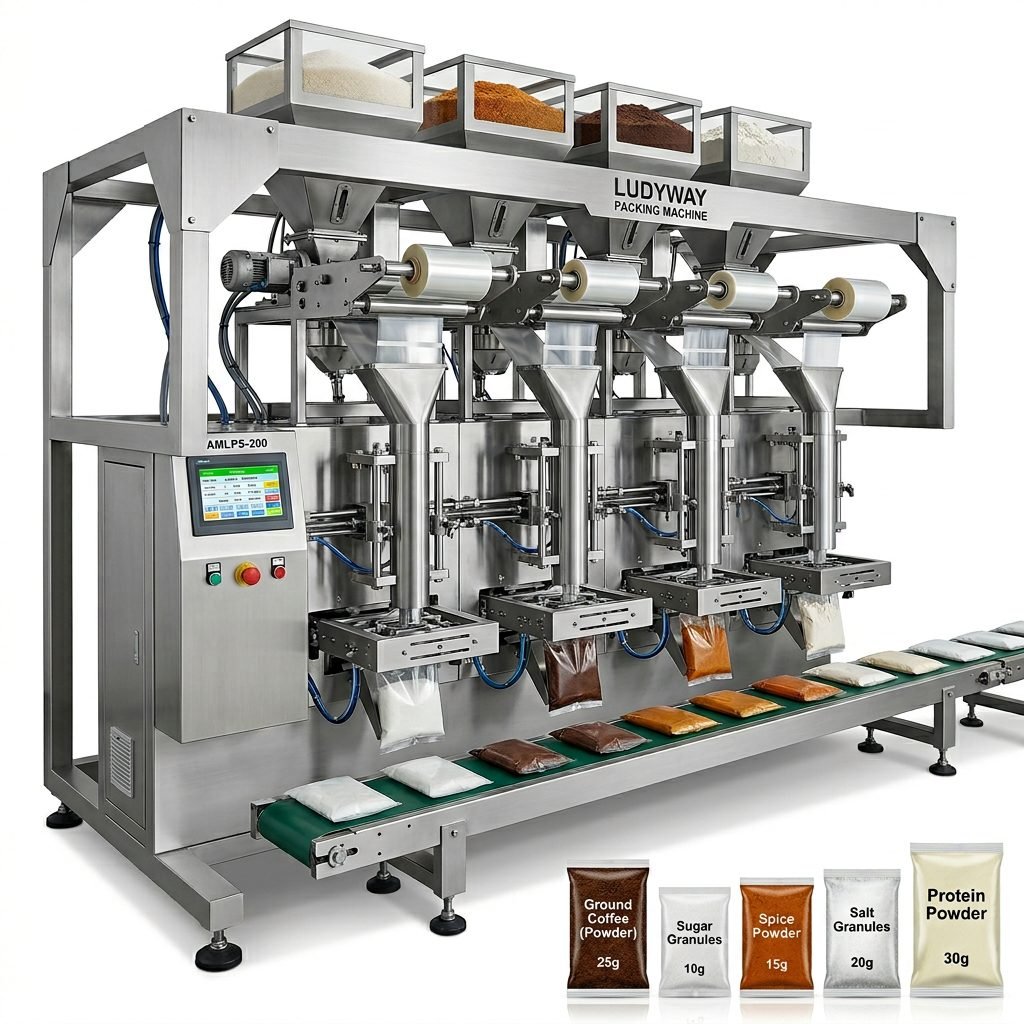
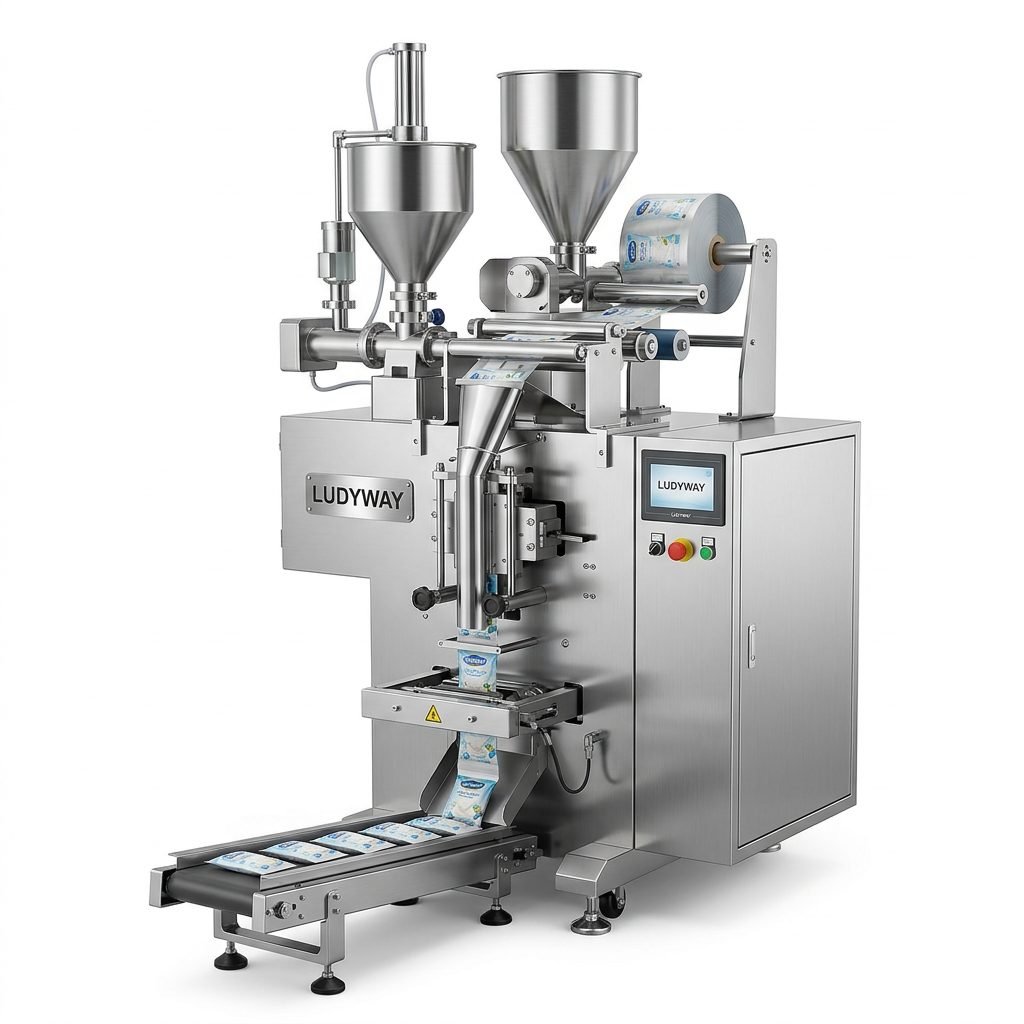
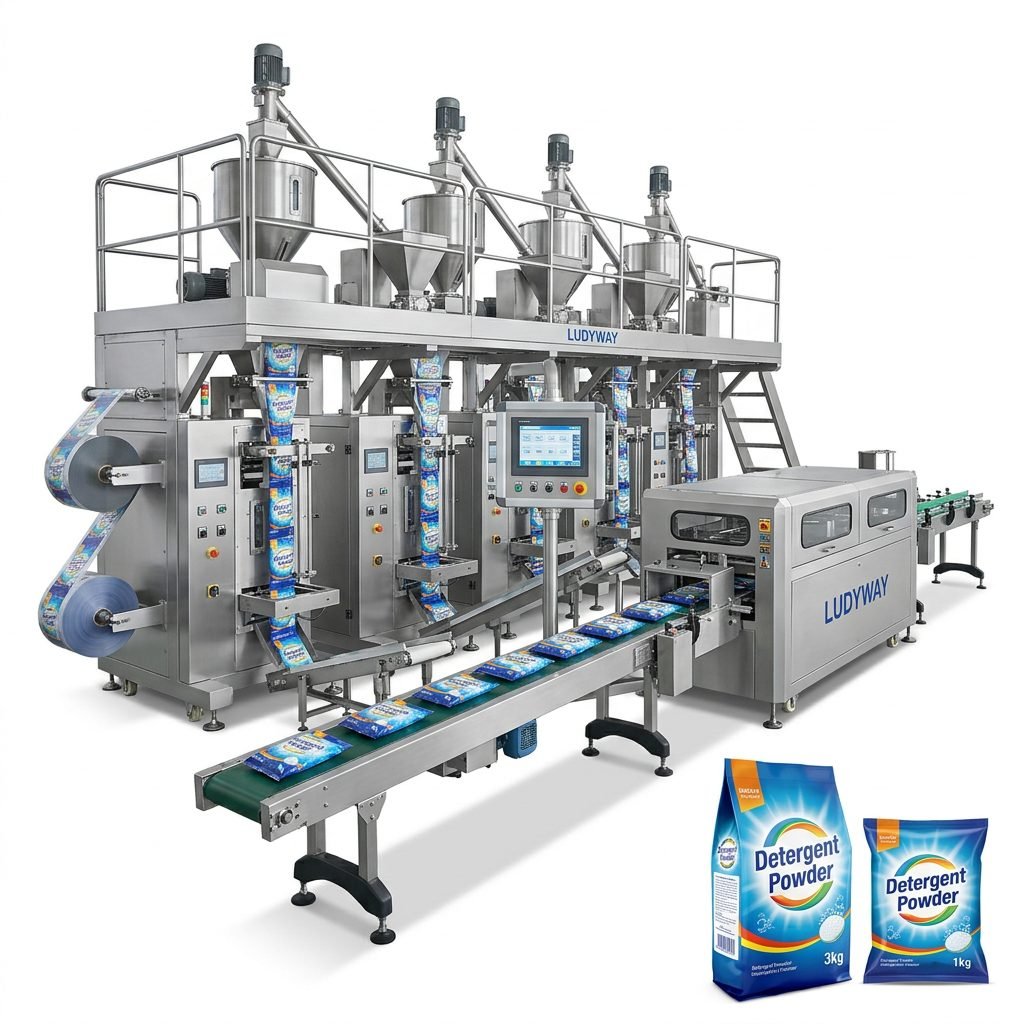
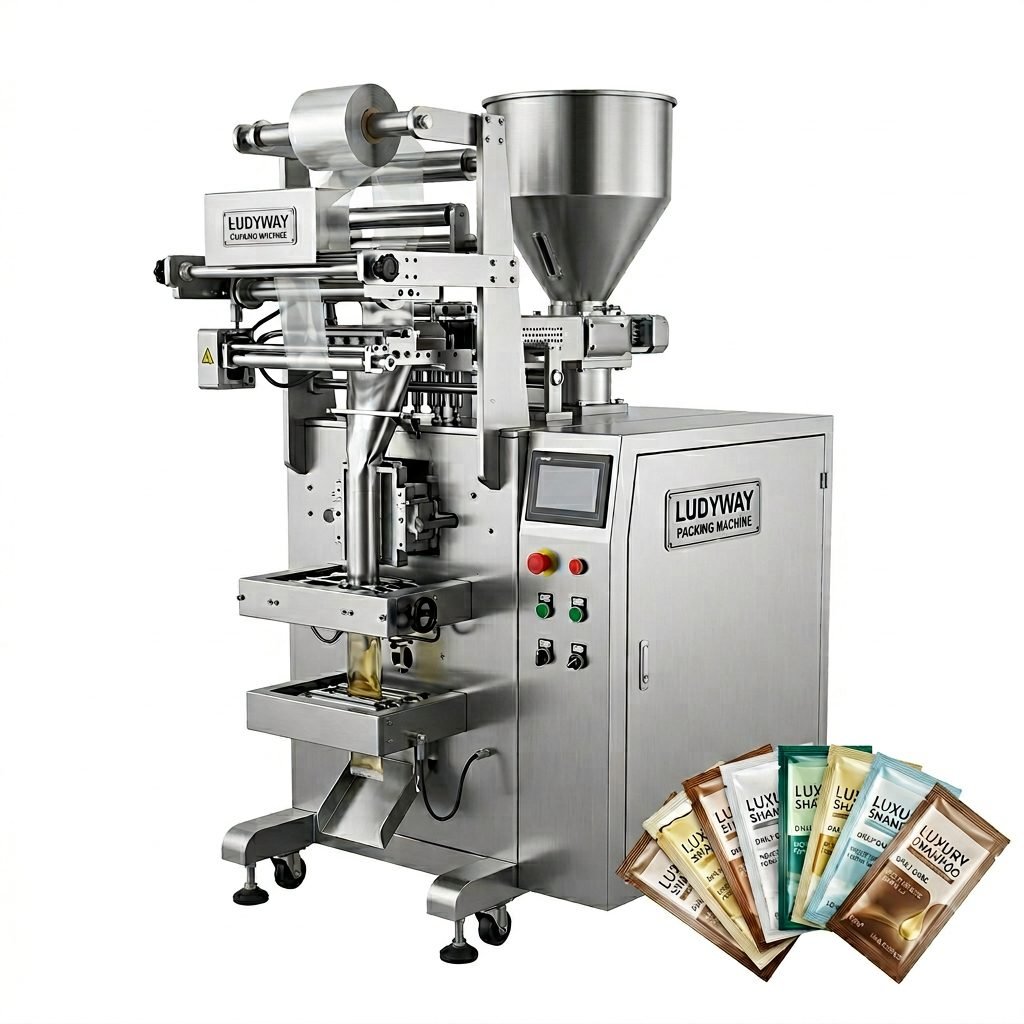
Regular maintenance of your shampoo packing machine is not just a routine task—it is a critical factor that directly influences production efficiency, product quality, and the lifespan of your equipment. Without a consistent cleaning schedule and proper inspection, residue buildup can lead to cross-contamination, sealing failures, and unexpected downtime. This guide provides essential cleaning and maintenance tips designed to keep your shampoo packaging machinery running at peak performance.
Why Consistent Cleaning Is Non-Negotiable
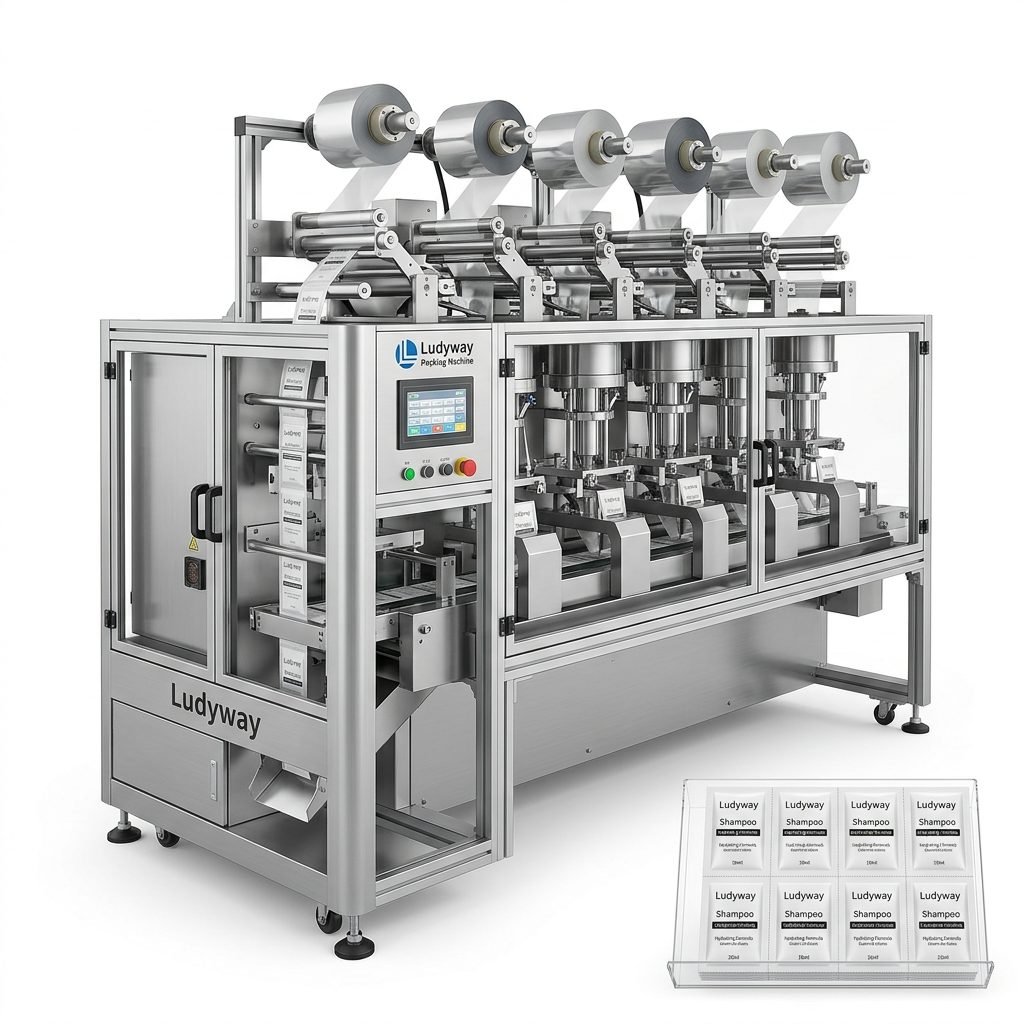
Shampoo products often contain viscous liquids, oils, and surfactants that can cling to filling nozzles, form-fill-seal jaws, and conveyor belts. Over time, dried residue attracts dust and can harbor bacteria. For any packaging machine manufacturer, the first rule of operational excellence is preventing contamination at the source. A clean machine ensures consistent fill volumes, reduces seal defects, and complies with strict hygiene standards required in the cosmetic and personal care industry.
Daily Cleaning Checklist for Your Shampoo Packing Equipment
Implementing a daily routine takes only a few minutes but prevents most long-term issues. Operators should follow these steps at the end of each shift:
- Power down and lock out the machine completely before any cleaning procedure begins.
- Remove residual shampoo from hoppers, manifolds, and filling lines using warm water or an approved cleaning solution.
- Wipe all external surfaces with food-grade sanitizing wipes, paying special attention to control panels and touchscreens.
- Inspect sealing jaws for any sticky buildup that could prevent proper heat sealing on sachet or stick pack formats.
- Run a short dry cycle with scrap film to purge any remaining moisture from the forming tube.
Weekly Deep-Cleaning and Inspection Protocol
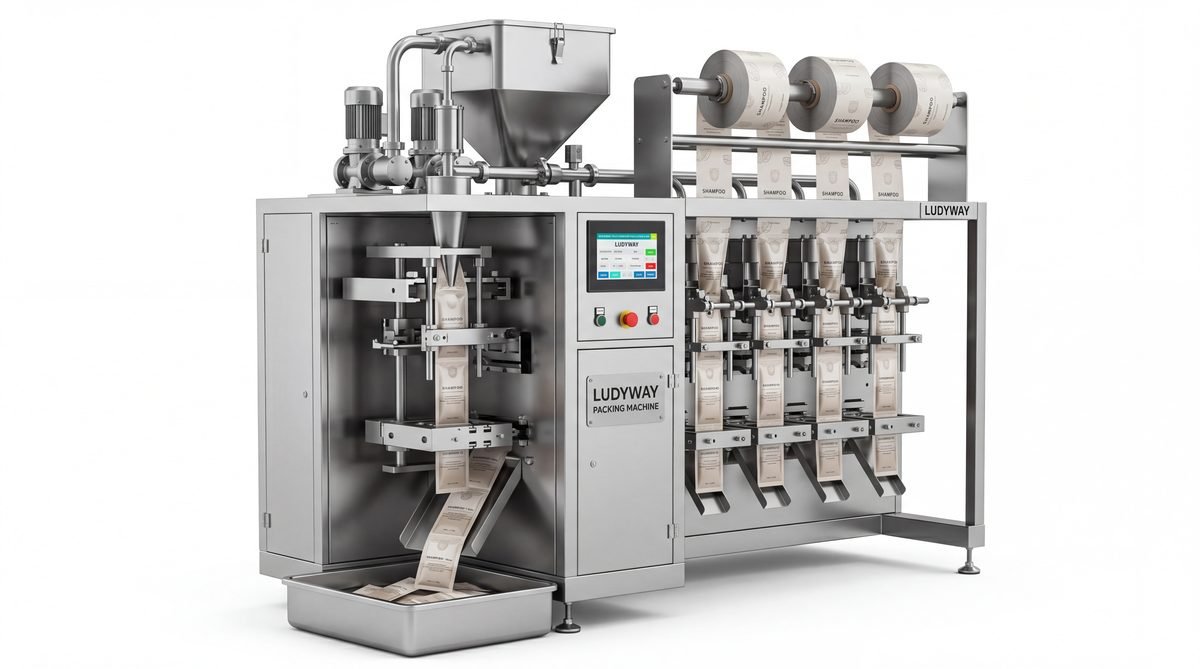
Beyond daily wipe-downs, a deeper weekly cleaning prevents gradual accumulation in hard-to-reach areas. Disassemble product-contact parts where possible and soak them in a mild detergent solution. While the machine is opened, check for early signs of wear on gaskets, O-rings, and tension rollers. Pay close attention to the film tracking system—any deviation can cause misaligned seals during high-speed shampoo pouch packaging operations.
Essential Component Maintenance Schedule
Keeping a log of component checks ensures nothing is overlooked. The table below outlines the key elements to inspect, the specific task to perform, and the recommended frequency for a typical liquid shampoo packing line.
| Component | Inspection Task | Frequency |
|---|---|---|
| Filling Nozzles | Check for clogs and verify drip-free cutoff | Daily |
| Sealing Jaws | Clean residue and measure temperature accuracy | Weekly |
| Film Tension Rollers | Inspect for smooth rotation and alignment | Weekly |
| Pneumatic Hoses | Check for leaks, cracks, or loose fittings | Monthly |
| Conveyor Belt | Check tension, tracking, and clean surface | Weekly |
Lubrication and Wear Part Replacement
Proper lubrication of moving parts reduces friction and extends bearing life. Always use lubricants recommended in your machine’s manual—generic substitutes can degrade seals or react with shampoo ingredients. Establish a proactive replacement schedule for high-wear components such as cutting blades, Teflon tape on sealing bars, and suction cups on pick-and-place systems. Waiting for a failure during a high-speed shampoo sachet filling run often leads to costly waste and rework.
Troubleshooting Common Operational Issues
Even with diligent maintenance, occasional glitches occur. Understanding the root cause speeds up resolution. Below are frequent challenges and their likely fixes:
- Inconsistent Fill Volume: Check for air in the liquid line or partially clogged nozzles. Recalibrate the servo-driven pump if necessary.
- Leaking Seals: Verify the sealing temperature is appropriate for the film material. Worn Teflon coating on the jaws is often the culprit.
- Film Wrinkling or Misalignment: Adjust the dancer arm tension and inspect all guide rollers for smooth movement.
- Machine Stops Intermittently: Emergency stops may be triggered by overload sensors. Clear any jammed packaging material and reset the fault indicator.
For persistent technical challenges, consulting the original equipment documentation is always the first step. Ludyway, as a specialized packaging machine manufacturer with deep experience in liquid filling systems, provides dedicated after-sales support to help operators diagnose and resolve complex issues quickly.
Training Operators for Long-Term Success
The best maintenance program is only as effective as the people executing it. Even the most advanced automatic shampoo packing equipment requires skilled operators who can spot early warning signs. Invest in regular training sessions that cover cleaning protocols, basic troubleshooting, and safety procedures. Empowered operators become the first line of defense against unexpected breakdowns, keeping your production line running efficiently across multiple shifts.
Further Resources and Industry Standards
Staying updated with packaging industry best practices helps refine your maintenance approach. Explore the following authoritative resources for deeper insights into machinery care, regulatory requirements, and technological advancements:
- PMMI – The Association for Packaging and Processing Technologies
- PMMI – Business Intelligence Library
- Flexible Packaging Association – Industry Resources
- ISO – Packaging Standards
- FDA – Food Packaging and Food Contact Substances
Conclusion
A rigorous cleaning and maintenance regimen for your shampoo packing machine is an investment in reliability, product integrity, and long-term cost savings. By following the daily and weekly protocols, adhering to the component inspection schedule, and empowering your team with the right knowledge, you can significantly extend equipment life and reduce unplanned downtime. Consistent care transforms a reactive operation into a predictable, profitable production system.