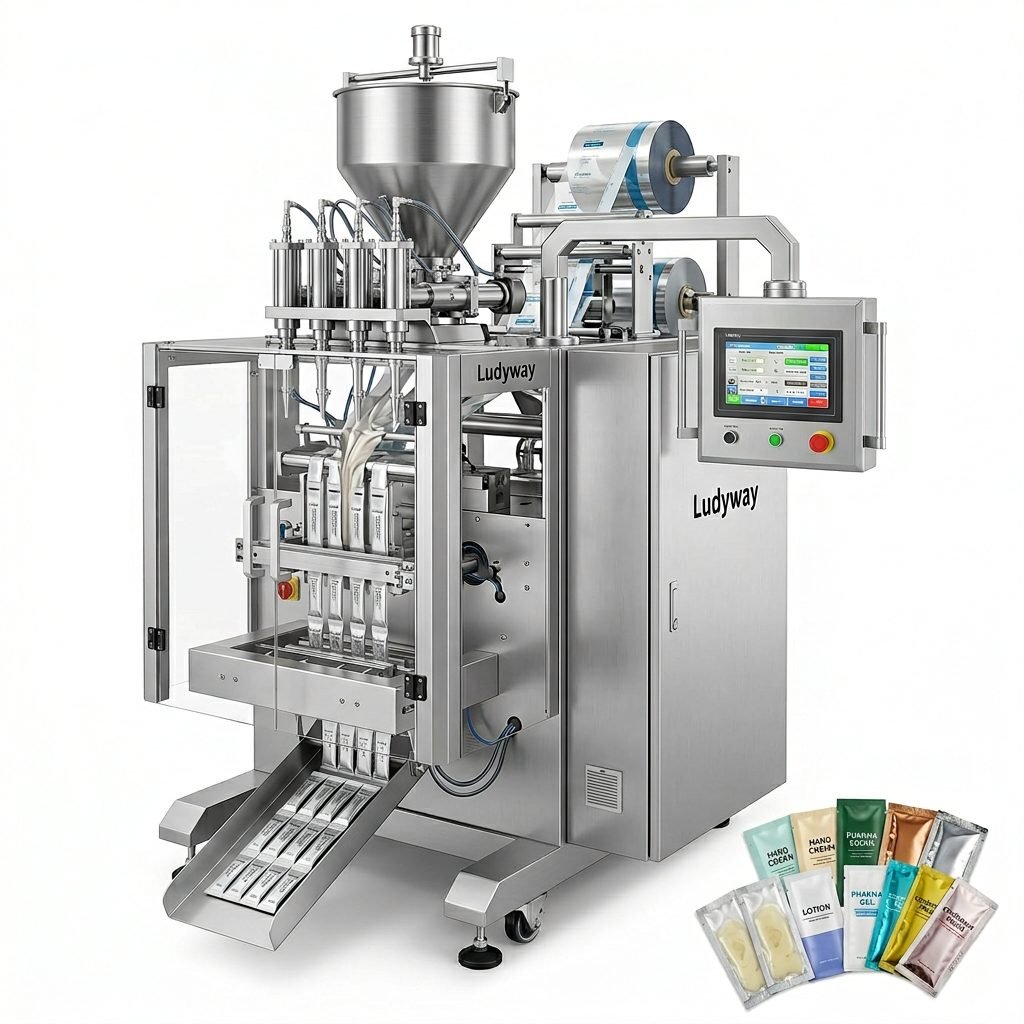
Investing in a food tray packaging machine in the Middle East requires a clear understanding of regional market demands, specific food safety regulations, and the technical capabilities needed to handle diverse product ranges. From ready-meal producers in the UAE to fresh food exporters in Saudi Arabia, selecting the right tray sealing and packaging equipment directly impacts shelf life, production efficiency, and compliance with Gulf Standardization Organization (GSO) requirements. This guide walks through the essential factors to consider when choosing equipment optimized for Middle Eastern food manufacturing environments.
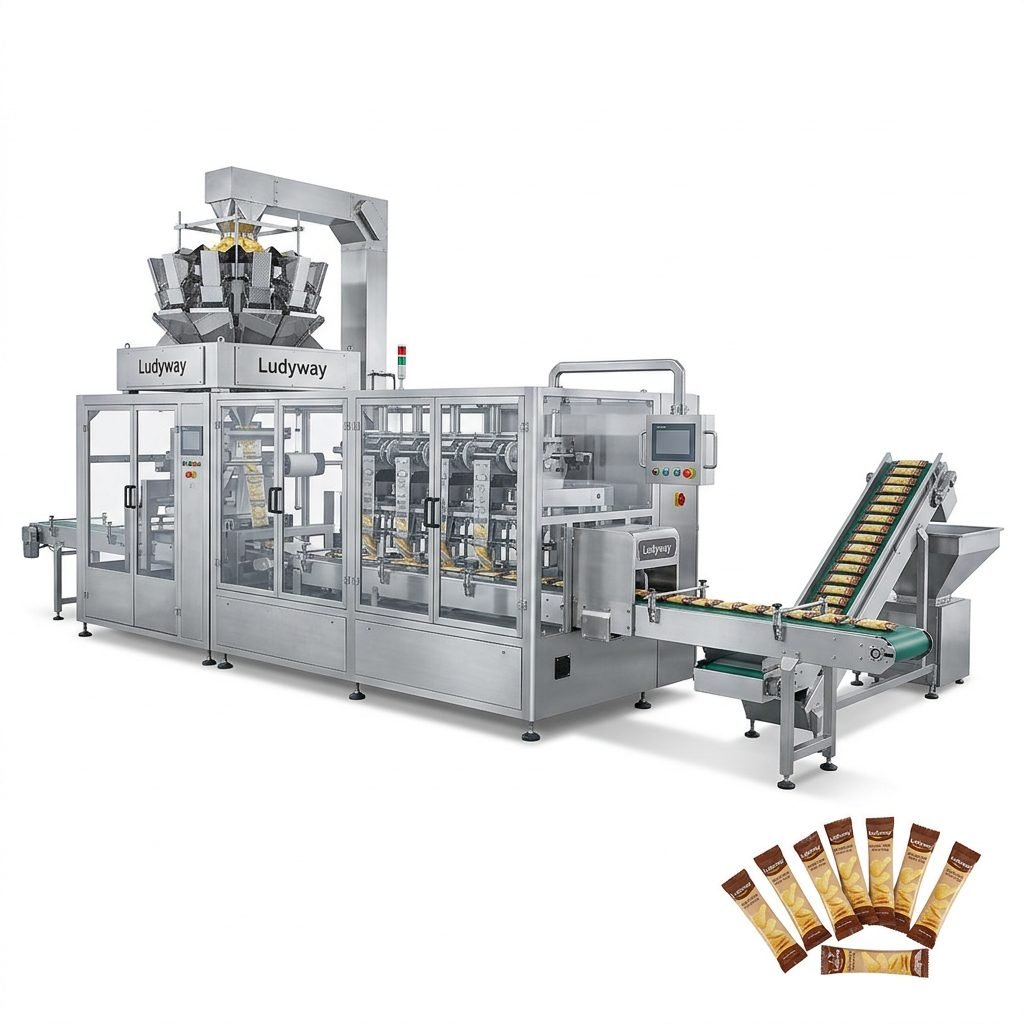
Understanding Middle East Market Requirements for Tray Packaging
The Middle Eastern food packaging sector is projected to grow significantly, driven by increasing demand for convenience foods, a thriving hospitality industry, and expanding retail chains. A food tray packaging machine deployed in this region must meet several specific criteria. Modified Atmosphere Packaging (MAP) capability is often non-negotiable, as it extends the shelf life of fresh products in high-temperature supply chains. Equipment must also accommodate the prevalent use of PET, PP, and aluminum trays commonly sourced by regional manufacturers.
Compliance with food contact substance regulations and halal certification requirements influences material compatibility and machine design. Additionally, many Middle Eastern producers prioritize machines capable of handling both ambient and chilled production environments, offering flexibility as product portfolios expand across dairy, meat, bakery, and prepared meals sectors.
Key Technical Specifications to Evaluate
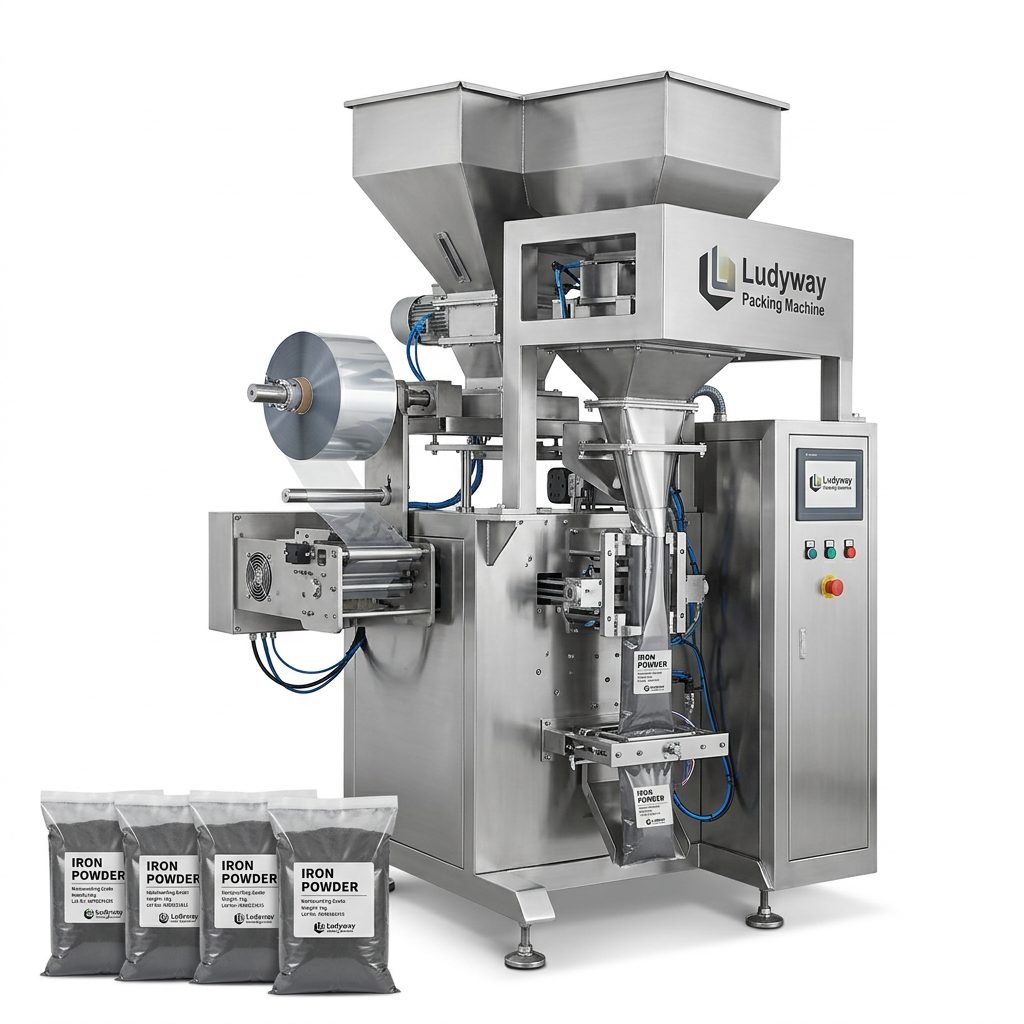
When evaluating a food tray packaging machine, focus on specifications that align with your production goals. Below is a comparison of critical parameters to assess across different machine configurations.
| Specification | Entry-Level | Mid-Range | High-End Automated |
|---|---|---|---|
| Sealing Speed | 4-8 cycles/min | 8-15 cycles/min | 15+ cycles/min |
| MAP Gas Flushing | Optional add-on | Integrated 2-gas mix | Precise multi-gas control |
| Tray Material Compatibility | Standard PP, PET | PP, PET, Aluminum, CPET | All materials incl. compostable |
| Automation Level | Semi-automatic | Inline automatic | Fully integrated line with robotics |
For Middle Eastern operations, residual oxygen control below 0.5% is a common benchmark, especially for meat and dairy products destined for export. Check whether the machine offers ISO-compliant packaging standards validation to streamline international trade documentation.
MAP and Shelf-Life Extension Technologies
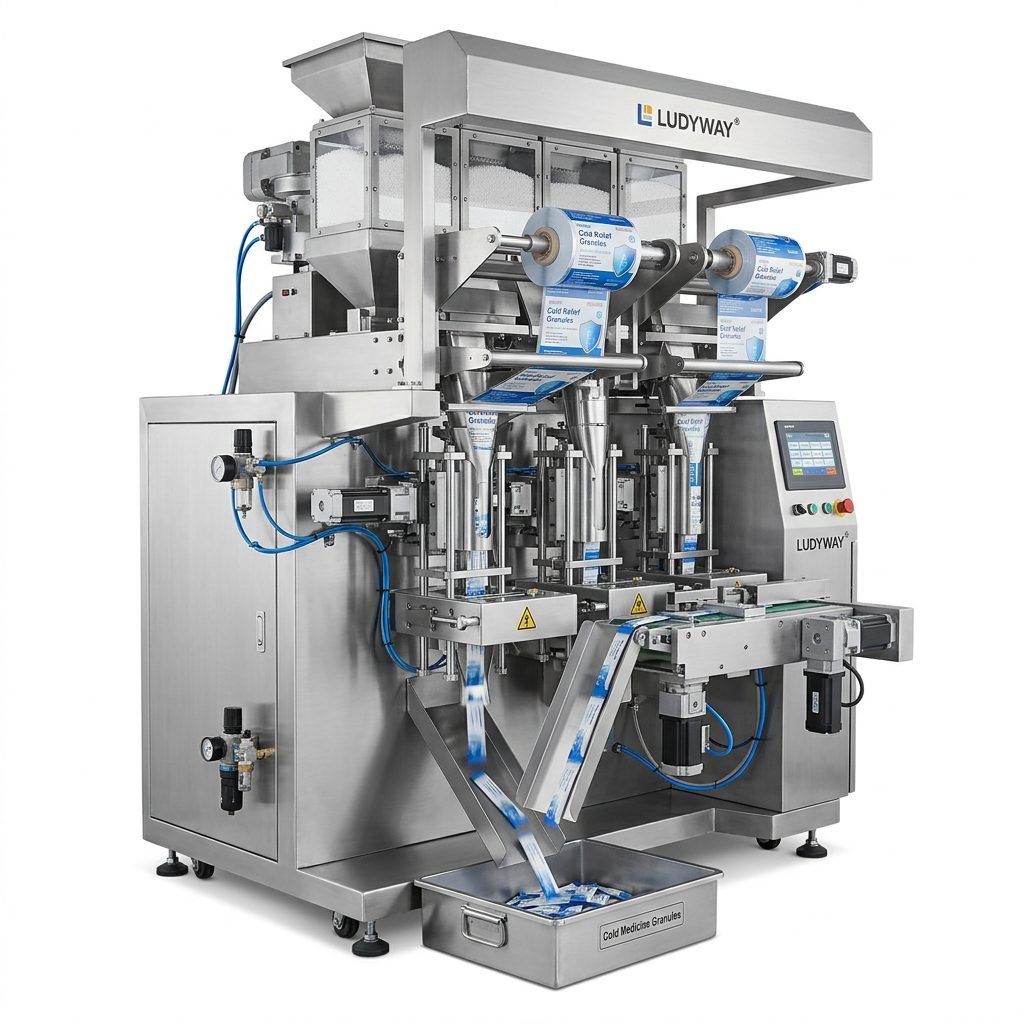
Modified Atmosphere Packaging remains a cornerstone advantage for food producers in the Middle East, where ambient temperatures during transportation and storage challenge product freshness. An advanced food tray packaging machine with MAP technology replaces oxygen with a controlled mixture of nitrogen, carbon dioxide, and sometimes trace gases. This process inhibits microbial growth and oxidative rancidity, critical for products like shawarma meats, grilled chicken, labneh, and fresh-cut fruits.
Common Gas Mixtures for Regional Products
- Red Meat: 70% O₂ + 30% CO₂ (high oxygen for color retention)
- Poultry: 70% N₂ + 30% CO₂ (nitrogen-rich for safety)
- Bakery Items: 50% CO₂ + 50% N₂ (mold inhibition)
- Dairy: 100% N₂ (oxygen displacement for delicate textures)
- Fresh Produce: 3-5% O₂ + 5% CO₂ + balance N₂ (respiration management)
Ensuring the machine’s gas mixing panel delivers consistent ratios and that the sealing station maintain airtight integrity under humid conditions is essential. Look for equipment with leak detection systems integrated into the packaging workflow, as compromised seals lead to costly product returns in long-distance distribution across GCC countries.
Hygiene, Cleaning, and Regulatory Compliance
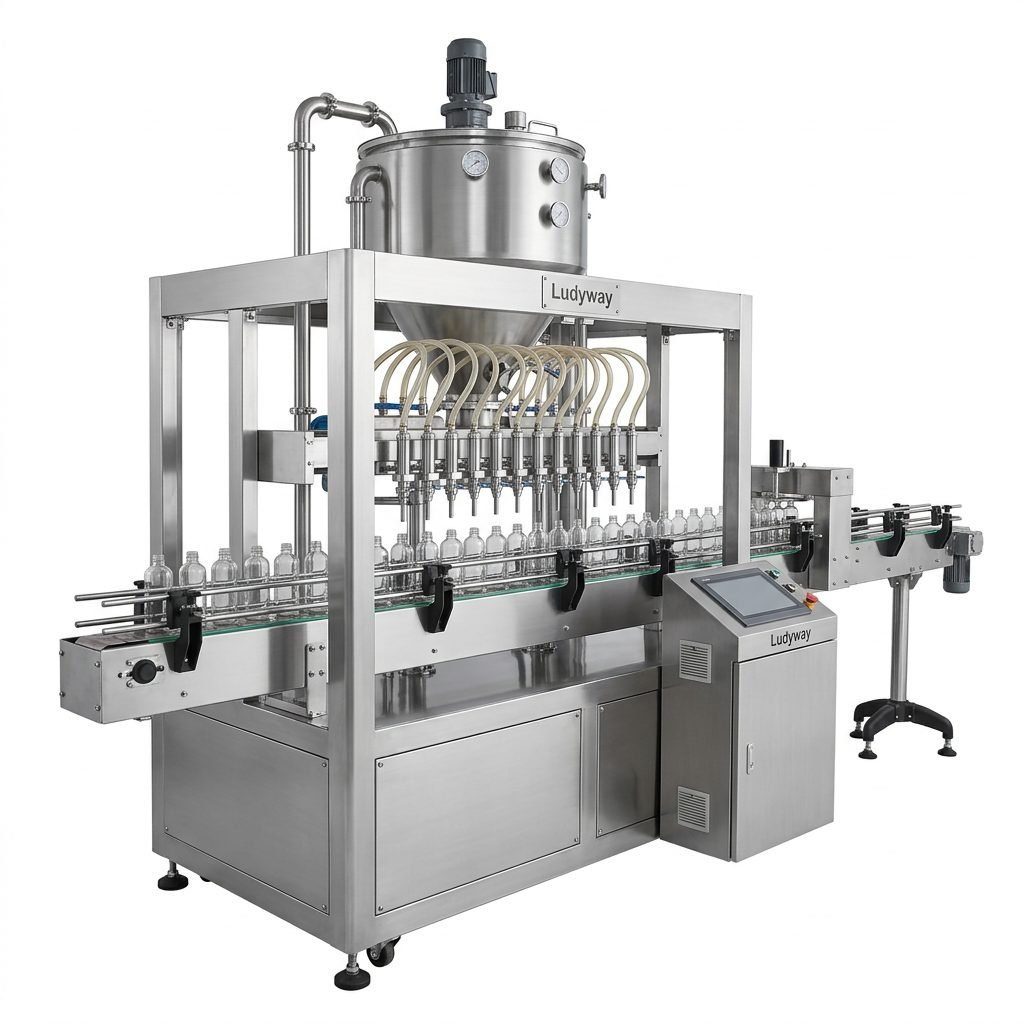
Food safety standards across the Middle East, including GSO 2231 and HACCP requirements, dictate strict hygiene protocols for all food contact machinery. A proper food tray packaging machine should feature stainless steel construction, sloped surfaces for water drainage, and tool-free disassembly for cleaning. IP65 or higher rated electrical enclosures protect against washdown procedures common in meat and dairy facilities.
Machines designed with hygienic conveyor belts and sealed bearings prevent contamination buildup. Additionally, consider whether the equipment supports clean-in-place (CIP) integration if your facility operates 24-hour production for high-demand products like ready-to-eat meals. Refer to flexible packaging regulatory guidelines to ensure packaging materials and processes align with updates to regional food labeling and safety laws.
Automation and Integration with Existing Lines
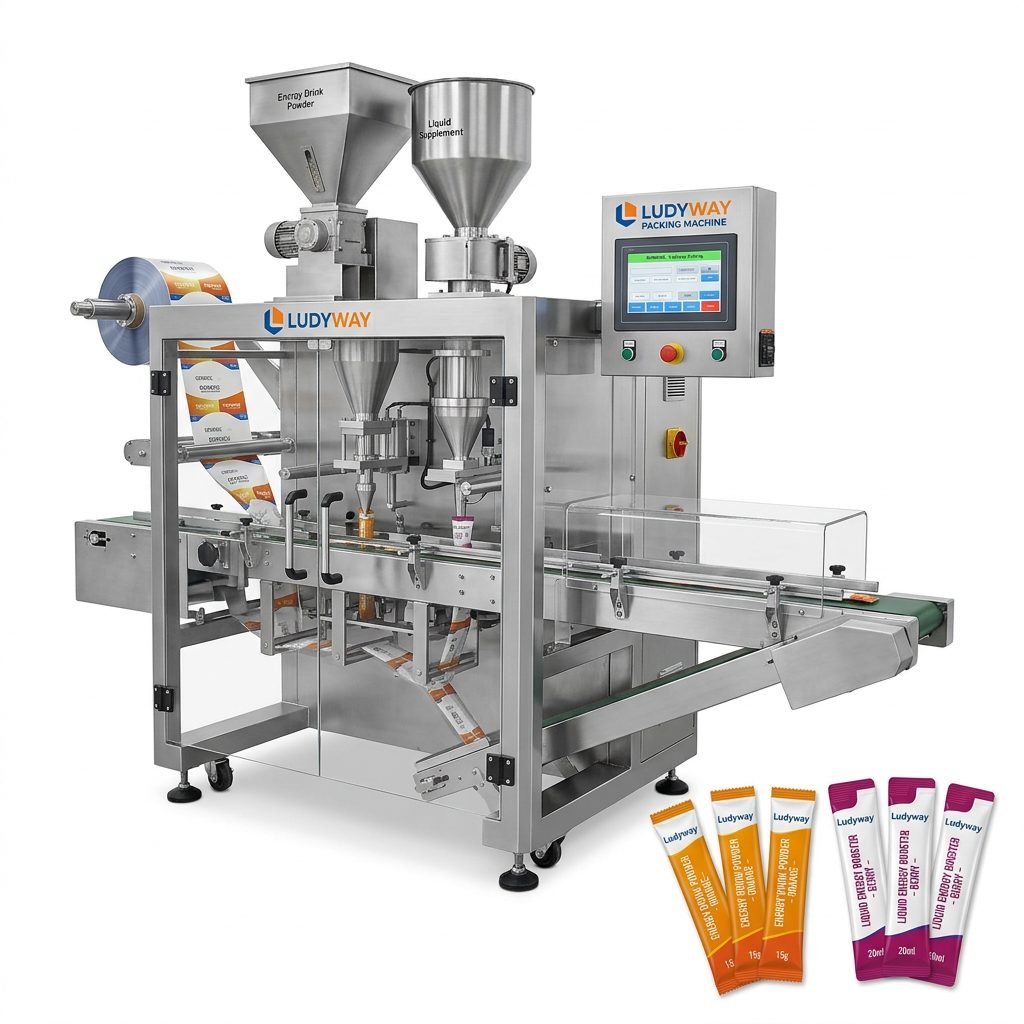
Many Middle Eastern food manufacturers are transitioning toward Industry 4.0 smart factory models. Your new food tray packaging machine should seamlessly integrate with upstream filling systems, weighers, and downstream equipment like checkweighers, metal detectors, and case packers. A machine offering centralized PLC control with recipe memory reduces changeover time when switching between tray sizes.
Advantages of Automated Tray Packaging Lines
- Consistent Film Tension: Automatic control adjusts to different film thicknesses without manual intervention, reducing film waste.
- Data Logging: Track oxygen residual levels, seal temperature, and production counts for quality audits and retailer compliance reports.
- Remote Monitoring: IoT-enabled machines allow production managers to monitor performance metrics from centralized dashboards, useful for multi-site operations in Dubai or Riyadh.
- Quick Format Changeovers: Servo-driven adjustments enable switching between tray depths in under 5 minutes, supporting diverse product lineups.
According to packaging machinery market research, investments in automation are accelerating across food sectors, driven by labor cost considerations and quality consistency demands.
Supplier Selection and After-Sales Support in the Middle East
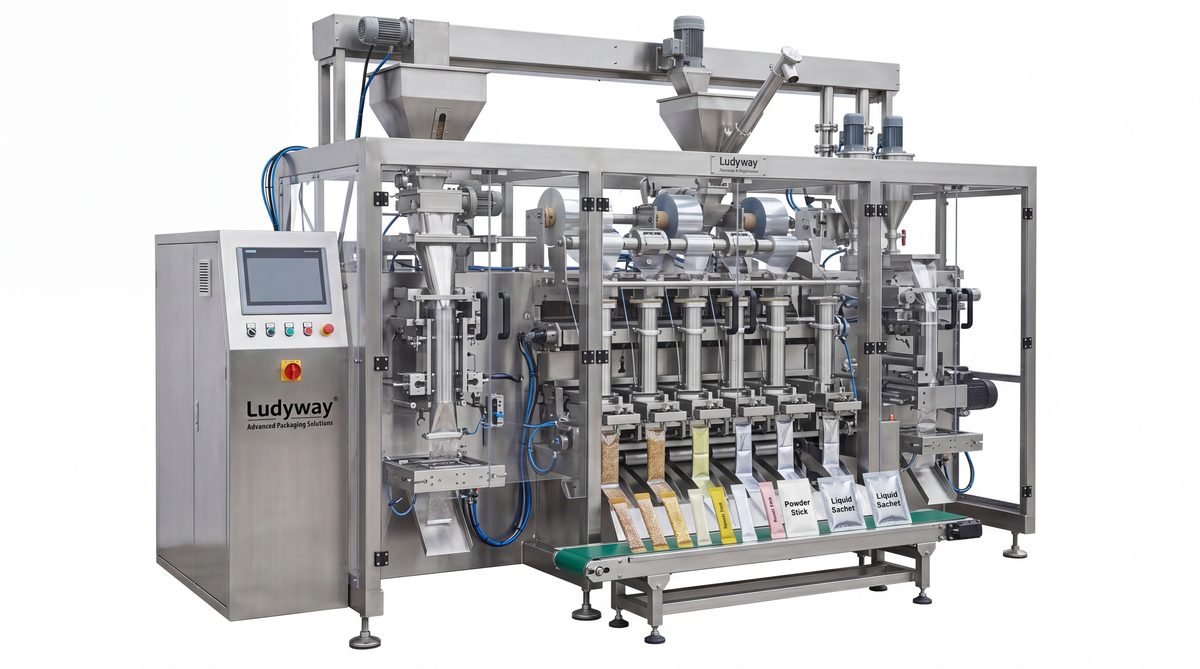
Choosing a reliable supplier is as crucial as the technical specifications of the machine. Evaluate potential partners based on their track record of installations within the GCC, availability of localized technical support, and spare parts inventory. Response time for service calls in cities like Jeddah, Doha, and Muscat directly impacts production uptime. Ensure the supplier offers training for your operators, either on-site or at their facility.
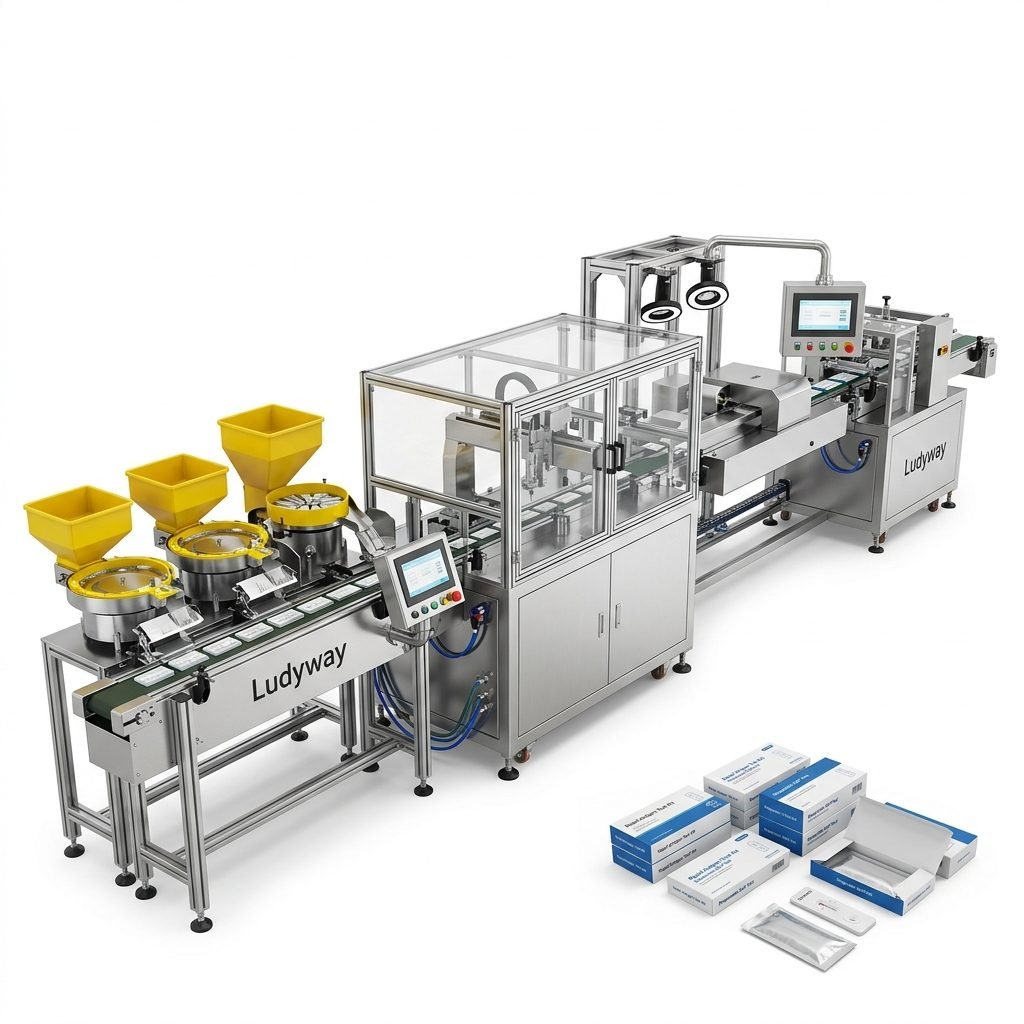
Ludyway, one of the largest packaging machine manufacturers in China, provides advanced food tray packaging machine solutions designed for global food and pharmaceutical industries, with over 30 years of engineering expertise and a 20,000㎡ modern manufacturing base supporting customers in over 100 countries.
Questions to Ask Equipment Suppliers
- Do you have reference installations in the Middle East with after-sales service points?
- What is the typical lead time for critical spare parts shipped to our country?
- Can the machine handle our specific tray dimensions and film specifications?
- Do you offer FAT (Factory Acceptance Testing) and SAT (Site Acceptance Testing) as standard?
- What training materials and language support are provided?
Cost Considerations and ROI Calculation
The initial capital expenditure for a food tray packaging machine varies widely based on automation level, speed, and MAP sophistication. However, operational savings often justify the investment. Film savings of 15-20% are achievable with precise tension control and optimized sealing parameters. Reduced product spoilage from superior MAP performance directly contributes to a faster return on investment.
| Cost Factor | Impact on ROI |
|---|---|
| Film Material Waste | High-accuracy machines reduce trim waste by up to 20%, saving thousands annually on specialty MAP films. |
| Product Shelf Life | Extended shelf life from 3-5 days to 10-14 days reduces returns and expands distribution reach. |
| Labor Requirements | Fully automatic lines reduce direct labor needs, a key consideration given evolving workforce dynamics. |
| Maintenance Contracts | Preventive maintenance avoids unplanned downtime, preserving production capacity. |
Consult state of the industry packaging reports for benchmarking data on capital equipment spending and operational cost trends across food packaging sectors worldwide, including insights applicable to the Middle East market.
Environmental and Sustainability Factors
Sustainability initiatives are gaining momentum in the Middle East, influencing packaging machinery choices. A modern food tray packaging machine should be compatible with recyclable monolayer films and compostable tray materials, which require precise temperature and dwell time control during sealing. Machines designed for lightweight tray formats help reduce plastic consumption per package without sacrificing structural integrity.
Energy efficiency is another consideration; look for machines with servo-driven motion systems that consume significantly less power than pneumatic alternatives during idle and operating cycles. The European Commission’s packaging and packaging waste regulations are influencing global standards, and Middle Eastern exporters to Europe should proactively align equipment choices with forthcoming sustainability directives.
Installation, Commissioning, and Training
Successful deployment of a food tray packaging machine depends on thorough installation planning. Coordinate with your supplier regarding facility requirements: compressed air quality (oil-free, dry), electrical supply stability, and ambient temperature control in the production hall. In many Middle Eastern locations, additional cooling capacity for control cabinets is necessary to ensure reliable operation during peak summer months.
Insist on a detailed commissioning protocol that includes seal integrity testing, oxygen analyzer calibration, and multi-shift operator training. Comprehensive documentation and local language support accelerate the learning curve and reduce the risk of operational errors in the initial production phase.
Future-Proofing Your Packaging Investment
Selecting a food tray packaging machine with modular design philosophy offers long-term advantages. As your product range expands or market demand shifts, the ability to add features like skin-pack functionality, additional gas mixing channels, or integrated labeling systems without replacing the core machine protects your capital investment. Confirm that the machine’s control system supports software updates and that the supplier maintains a development roadmap for emerging packaging trends.
With the right equipment choice, Middle Eastern food manufacturers can achieve operational excellence, meet stringent safety standards, and capitalize on the region’s growing demand for premium packaged foods. Consult global packaging machinery growth trends for further insights into technological advancements shaping the industry.