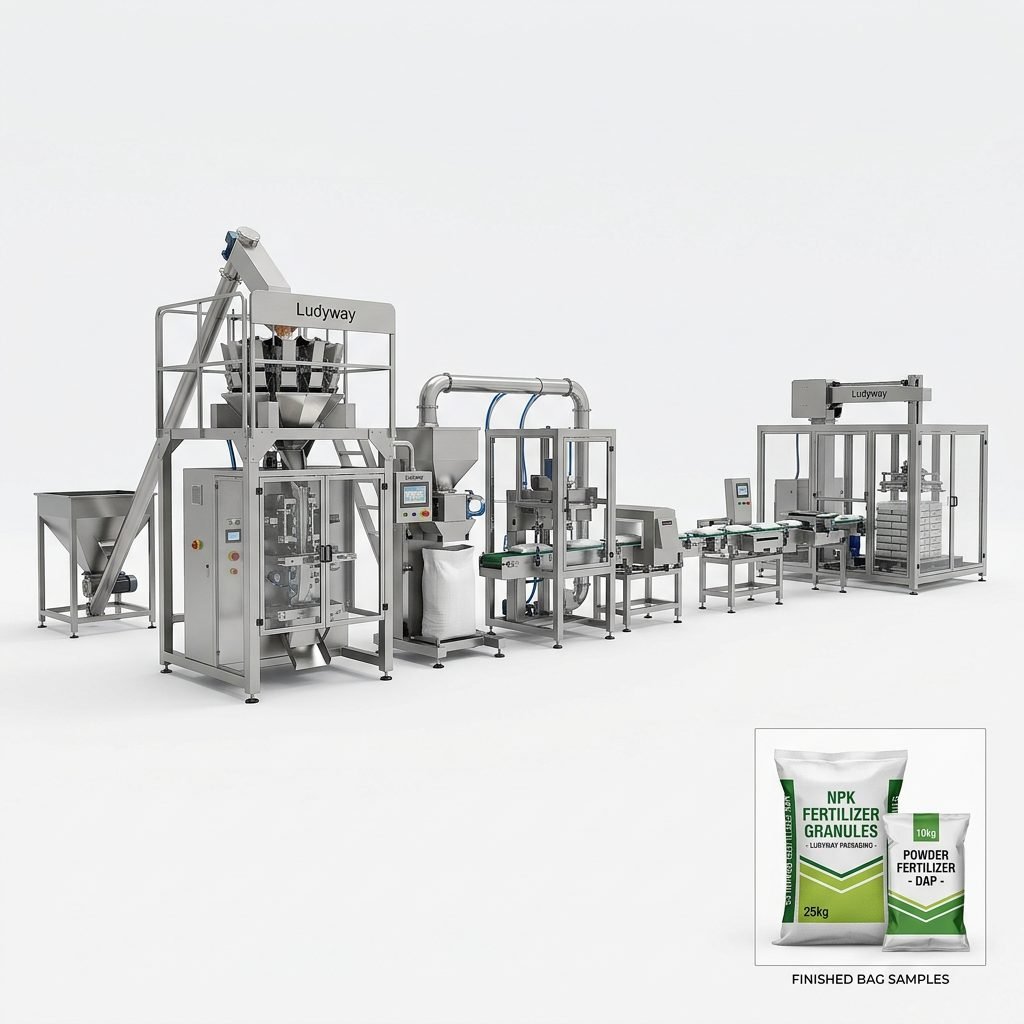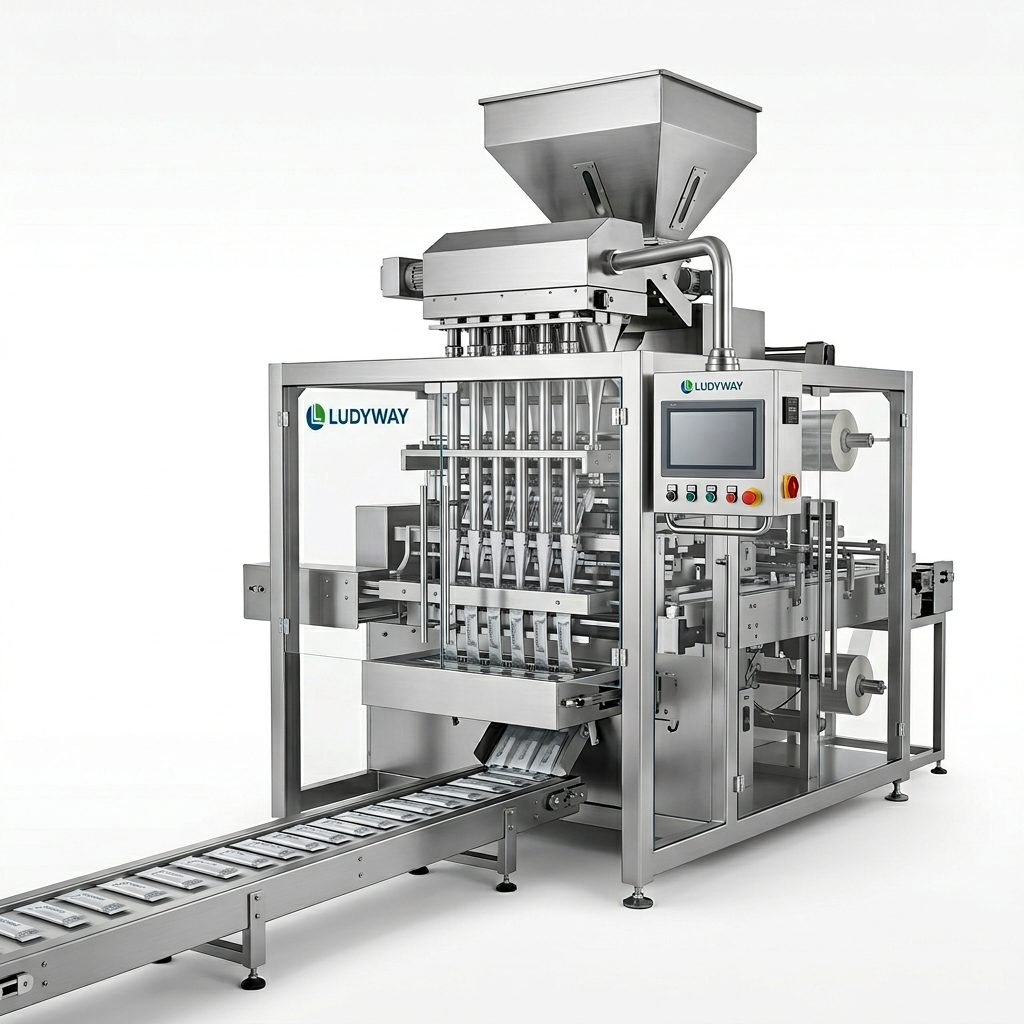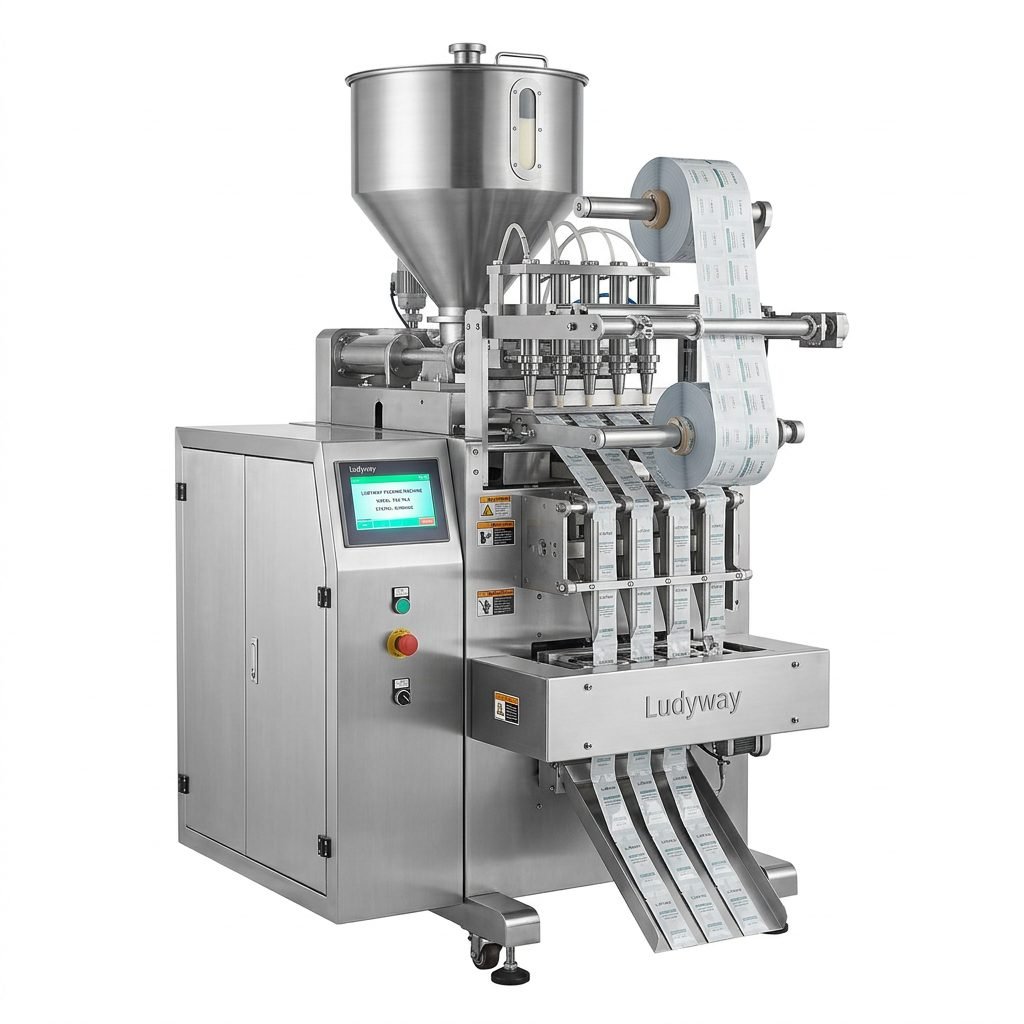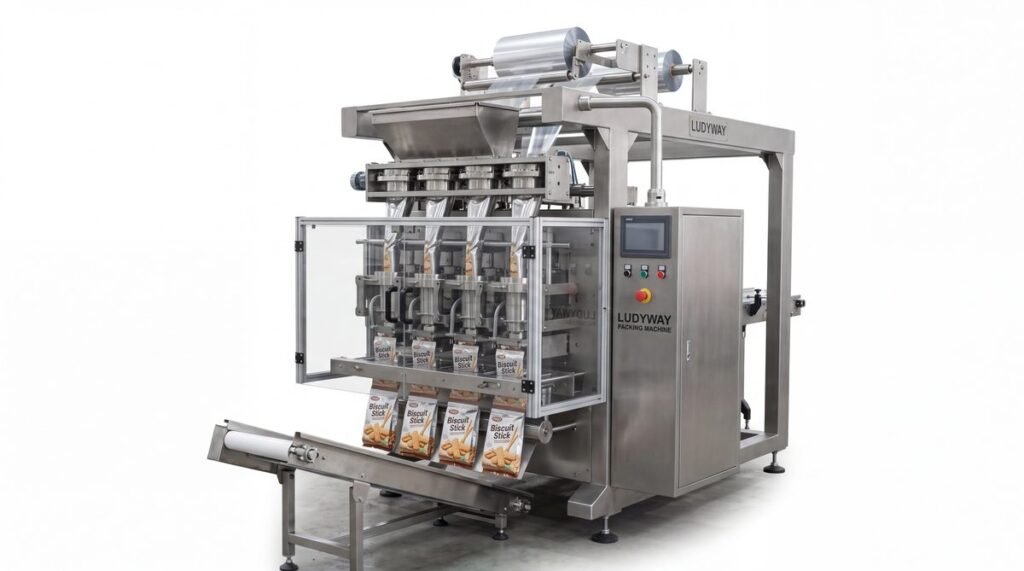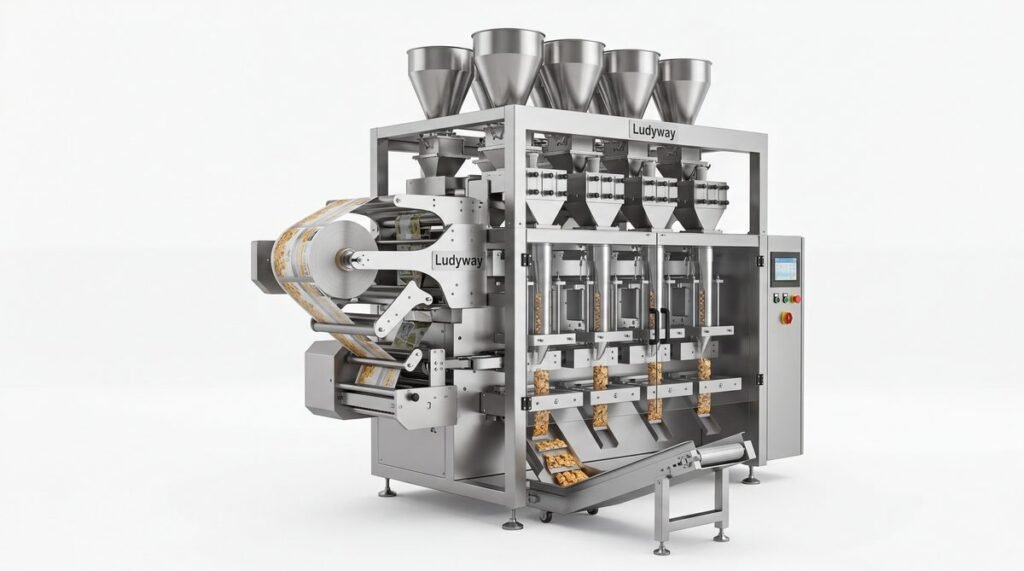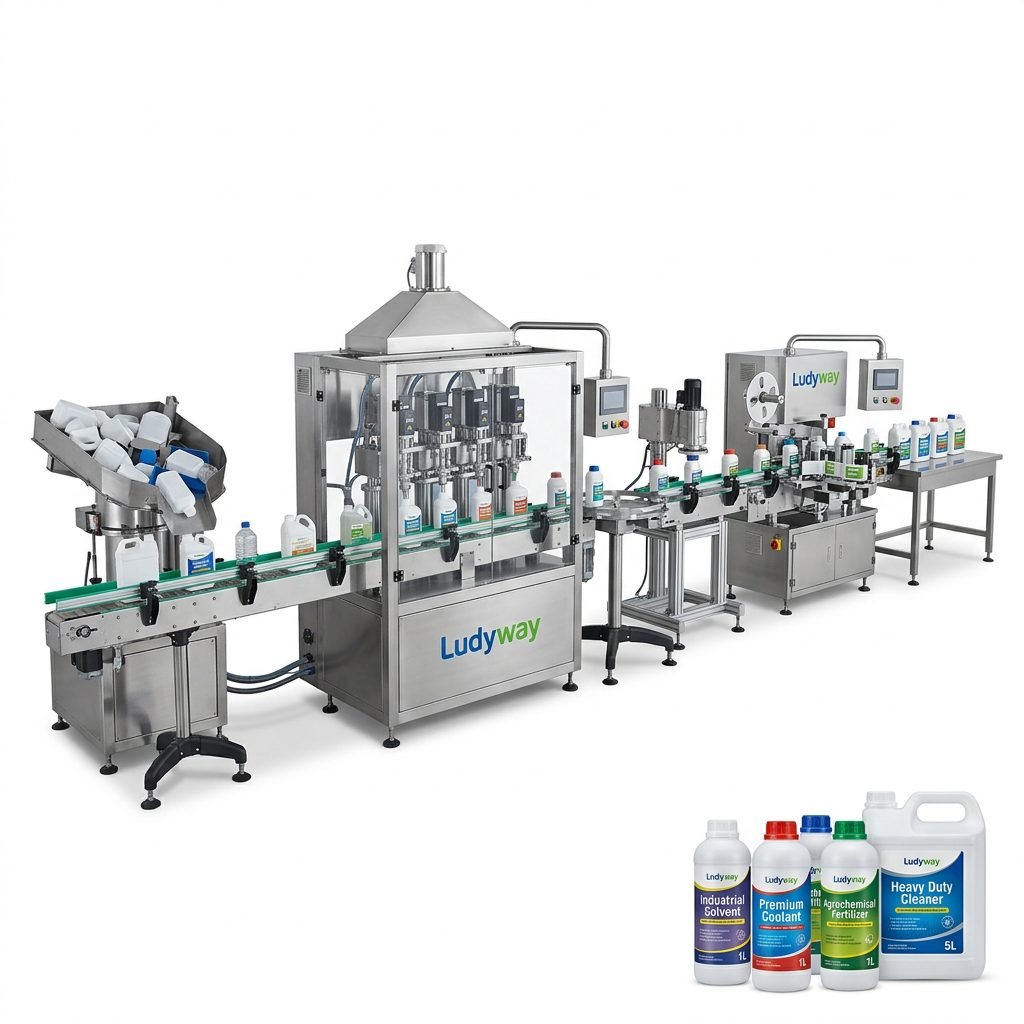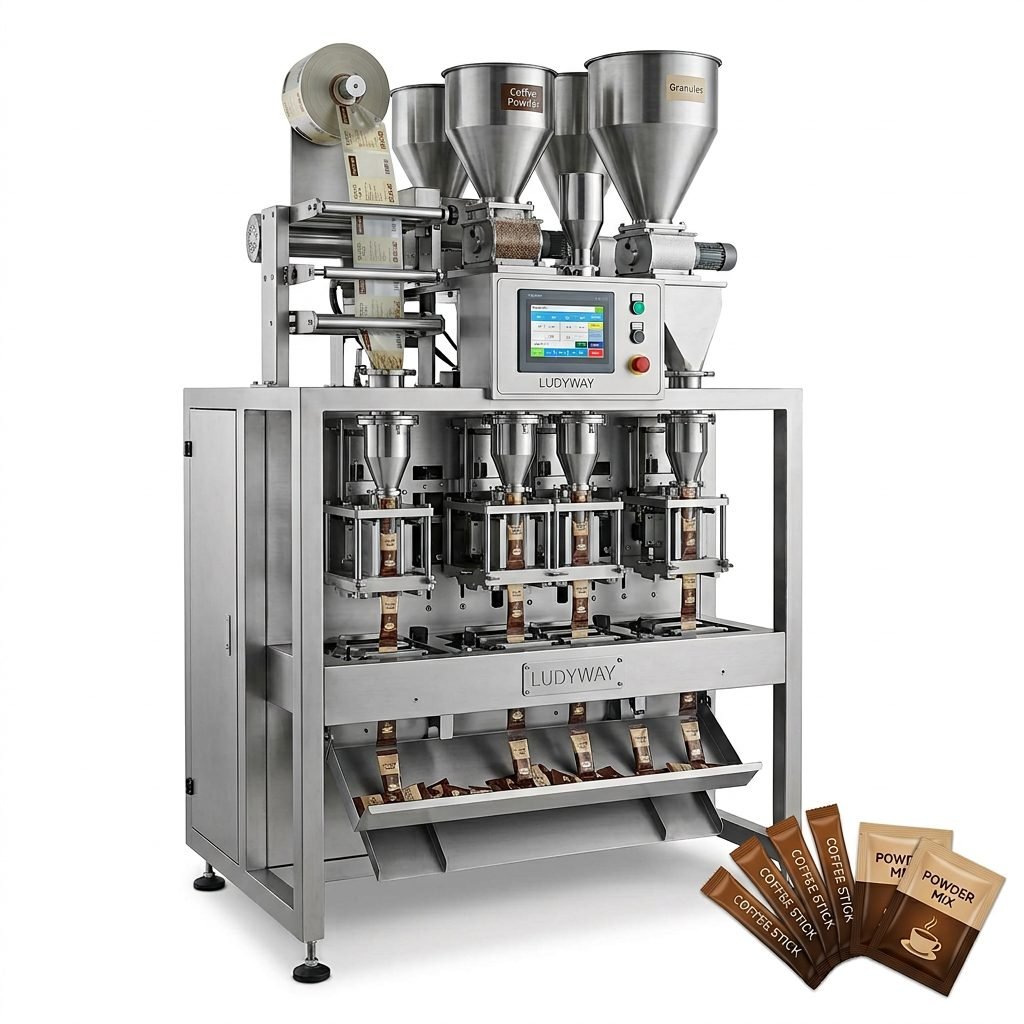
Establishing a K-Cup packaging machine production line in Germany requires meticulous planning, adherence to strict European regulations, and integration of high-speed automation. Germany remains the largest coffee market in Europe, with single-serve capsule consumption growing steadily year after year. To capture this demand, manufacturers must design a line that balances throughput, precision, and compliance with EU machinery directives.
Understanding German Market Requirements for K-Cup Production
Before specifying equipment, operators must understand the regulatory landscape. The German Equipment and Product Safety Act (GPSG) and CE marking are mandatory for all machinery installed in Germany. Additionally, food contact materials must comply with EU Regulation (EC) No. 1935/2004 and German LFGB standards. The production facility itself needs to meet IFS Food or BRC Global Standards certification to supply major German retailers and coffee brands.
| Regulatory Body | Applicable Standard | Focus Area |
|---|---|---|
| EU Commission | EC 1935/2004 | Food Contact Materials |
| German Federal Institute (BfR) | LFGB Recommendations | Material Safety & Migration Limits |
| TÜV / Notified Bodies | CE Machinery Directive 2006/42/EC | Machine Safety & Risk Assessment |
| IFS / BRC | Food Safety Certification | Production Hygiene & Traceability |
Core Components of a K-Cup Packaging Line
A complete K-Cup production line consists of several interconnected modules. The foundation begins with precision dosing systems for ground coffee. Multi-head weighers or auger fillers deliver consistent gram weights into pre-formed or form-fill-seal K-Cup bodies. Nitrogen flushing is critical to purge oxygen and extend shelf life, a requirement emphasized by German quality standards. The lidding station must apply foil seals with hermetic integrity, verified by vision inspection systems downstream.
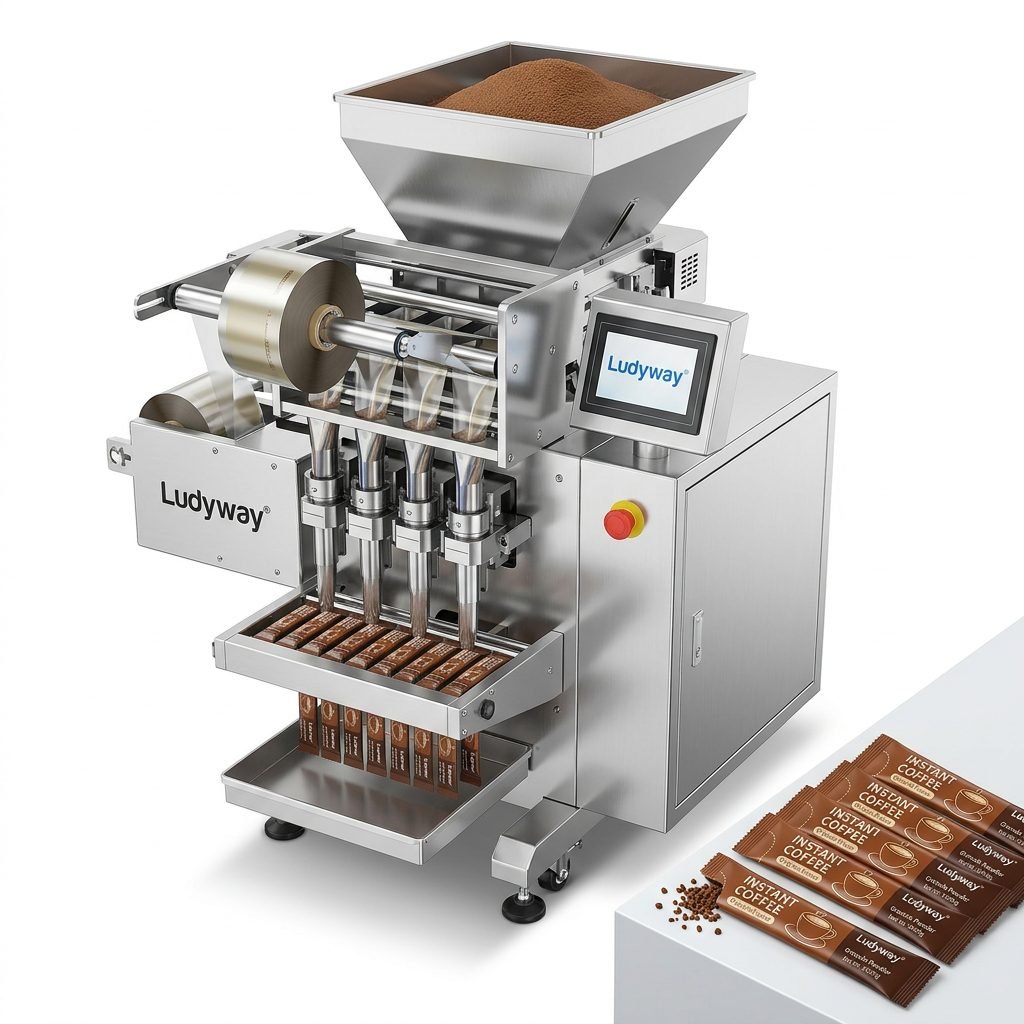
- Coffee Grinding & Degassing Module: Freshly ground coffee requires degassing time before sealing to prevent capsule ballooning.
- Capsule Denester & Orientation Unit: Automatic feeding of empty K-Cup bodies into the filling track with precise positioning.
- Precision Dosing Station: Multi-head weigher or volumetric cup filler with accuracy of ±0.2g for consistent extraction quality.
- Nitrogen Flushing Tunnel: Inert gas injection reduces residual oxygen below 2% to preserve coffee freshness and aroma.
- Heat Sealing & Lidding Unit: Applies foil laminate lids with controlled temperature, pressure, and dwell time for tamper-evident seals.
- Checkweigher & Inspection System: In-line weight verification and seal integrity detection using vision or pressure decay methods.
- Cartoning & Case Packing: Automated grouping, carton erection, and palletizing for retail distribution.
Site Preparation and Utility Infrastructure
German industrial facilities require specific infrastructure for packaging lines. Compressed air quality must meet ISO 8573-1 Class 1.4.1 for food-grade applications. Power supply typically requires 400V / 50Hz three-phase with proper grounding and harmonic filtering. Climate control in the production hall should maintain 18°C to 22°C with relative humidity below 60% to prevent coffee moisture absorption and ensure consistent sealing performance. Dust extraction systems must be installed at grinding and filling stations to comply with German workplace safety regulations (BAuA guidelines).
Choosing the Right Multi-Lane Configuration
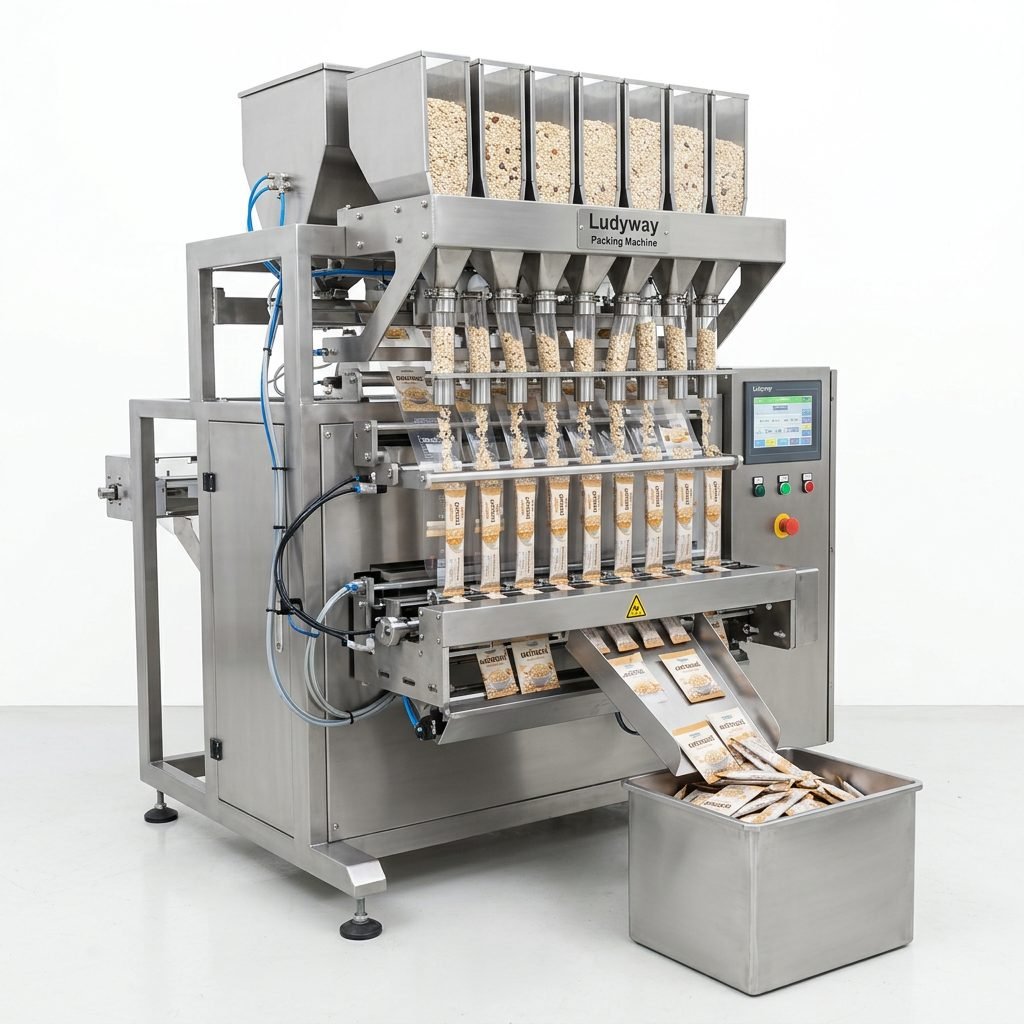
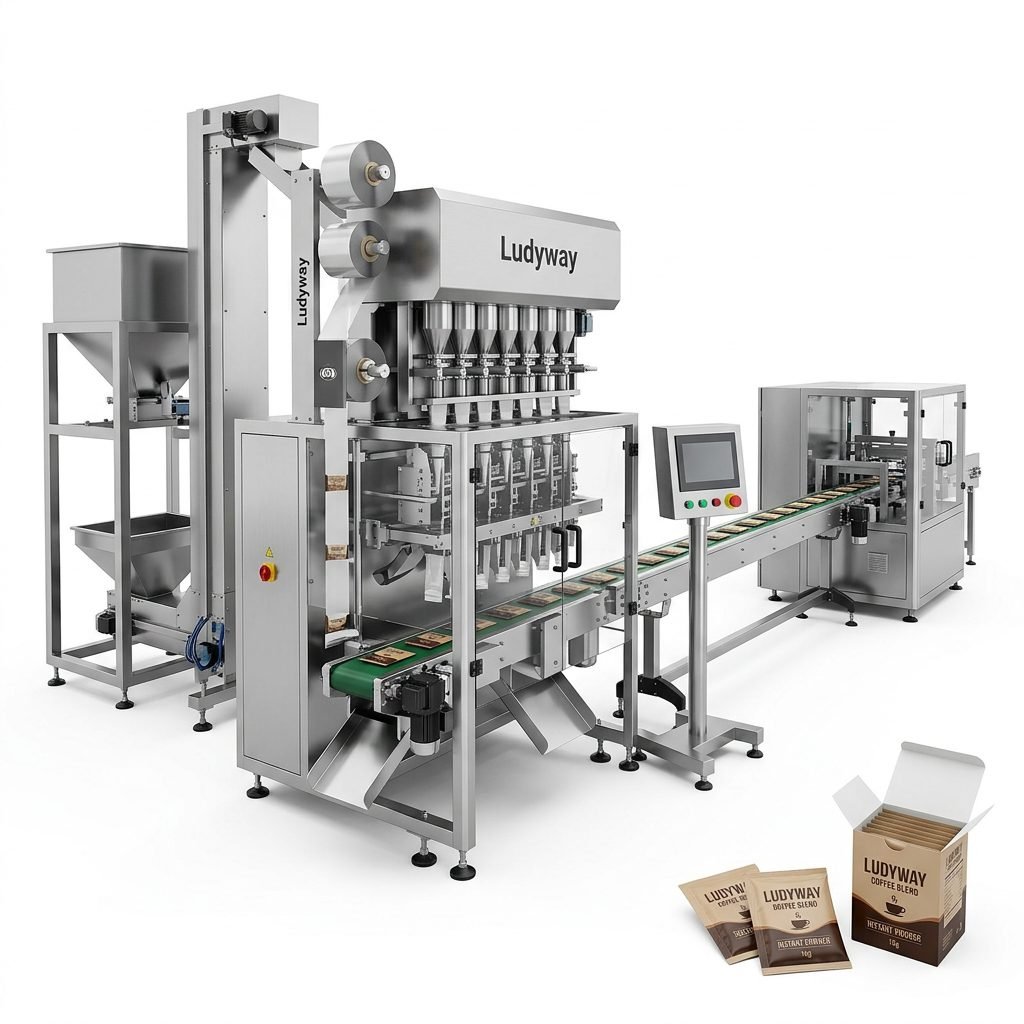
Production throughput in Germany typically demands 200 to 600 K-Cups per minute depending on market segment. Multi-lane systems running 4, 6, or 8 lanes simultaneously are standard for mid to high-volume operations. A 4-lane machine producing 200 cups/minute suits artisanal roasters expanding into single-serve, while an 8-lane system delivering 500+ cups/minute serves contract packaging and major brand production. The selection must account for changeover flexibility between different coffee blends, capsule formats, and lid designs.
| Lane Configuration | Typical Throughput | Best Suited For |
|---|---|---|
| Single Lane | 40–60 cups/min | Pilot production, specialty roasters |
| 4-Lane System | 160–240 cups/min | Mid-scale production, regional brands |
| 6-Lane System | 300–400 cups/min | Co-packing, national distribution |
| 8-Lane System | 480–600 cups/min | High-volume export & major brand contracts |
Integration with German Automation Standards
German manufacturing emphasizes Industrie 4.0 and smart factory integration. Your K-Cup line should incorporate OPC-UA communication protocols for real-time data exchange with MES and ERP systems. Siemens or Beckhoff PLC controls are preferred in the German market. Remote diagnostics and predictive maintenance capabilities align with local operator expectations and reduce downtime in three-shift operations. Comprehensive packaging machinery data standards should be referenced during integration planning.
Material Supply Chain and Local Sourcing
K-Cup body shells, filter paper, and foil lids can be sourced from European suppliers to reduce logistics costs and ensure compliance with EU packaging regulations. Germany’s packaging waste directive and the Verpackungsgesetz (VerpackG) require registration with the Zentrale Stelle Verpackungsregister (ZSVR) and participation in dual recycling systems. Capsule design should favor mono-materials or easily separable components to improve recyclability scores. Aluminum and plastic composite capsules face increasing regulatory pressure, so testing recyclable or compostable alternatives is advisable for long-term market access.
Quality Control and Testing Protocols
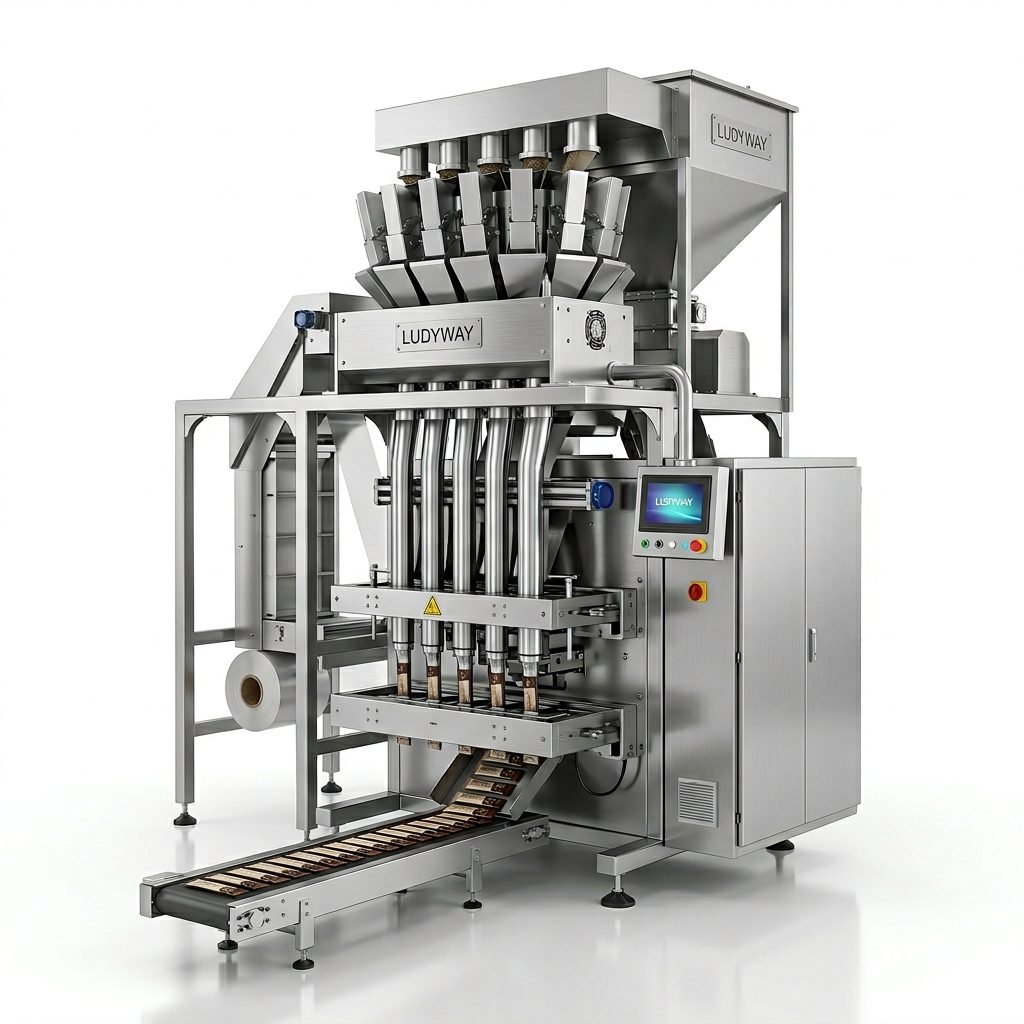
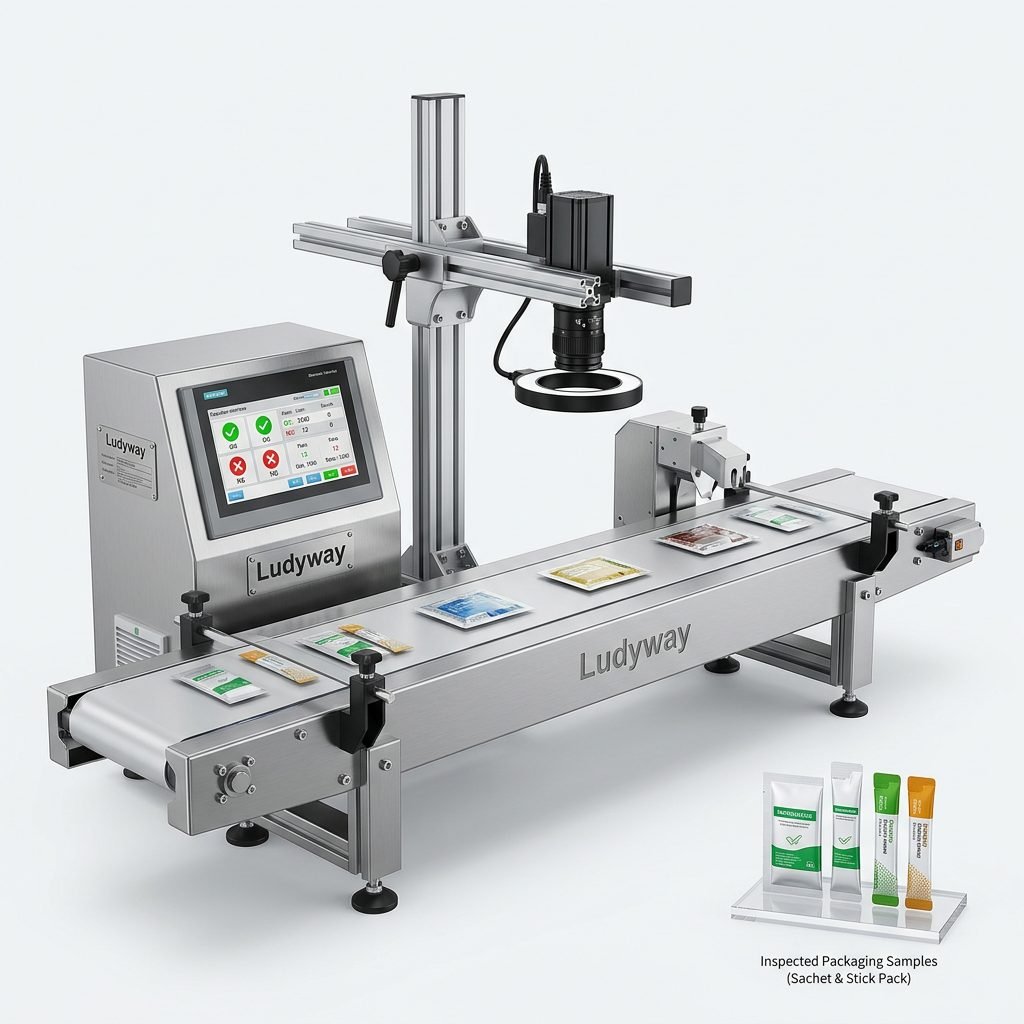
German retailers and consumers demand zero-defect packaging. In-line quality systems must include seal integrity testing, weight verification, and lid placement inspection. Off-line laboratory testing should cover burst strength, oxygen headspace analysis, and brew performance according to DIN standards. Traceability from raw coffee batch to finished K-Cup carton is non-negotiable. Implementing GS1 barcode standards and serialization enables full product genealogy and supports potential recall scenarios.
- Vision Inspection: Camera systems check lid concentricity, print registration, and foreign object presence.
- Checkweighing: Dynamic scales reject under/overweight capsules at full production speed.
- Oxygen Residual Testing: Periodic sampling confirms nitrogen flushing effectiveness below target thresholds.
- Leak Detection: Pressure decay or water bath testing validates hermetic seal integrity.
Workforce Training and Technical Documentation
Operating a K-Cup line in Germany requires technicians trained in mechatronics and food safety. All machine documentation must be provided in German language per employer liability insurance association (DGUV) recommendations. Operating manuals, safety instructions, and maintenance schedules should meet VDI 4500 technical documentation standards. Training curricula must cover HACCP principles, allergen management for flavored coffees, and lockout-tagout procedures for maintenance interventions.
Equipment Supplier Selection Criteria
When evaluating suppliers for a K-Cup line in Germany, prioritize manufacturers with proven installations in EU markets, CE-certified equipment, and local service support. Response time for technical assistance should be under 24 hours within German-speaking regions. Spare parts availability from European distribution centers, validation documentation packages (IQ/OQ/PQ), and references from German coffee producers are essential selection criteria.
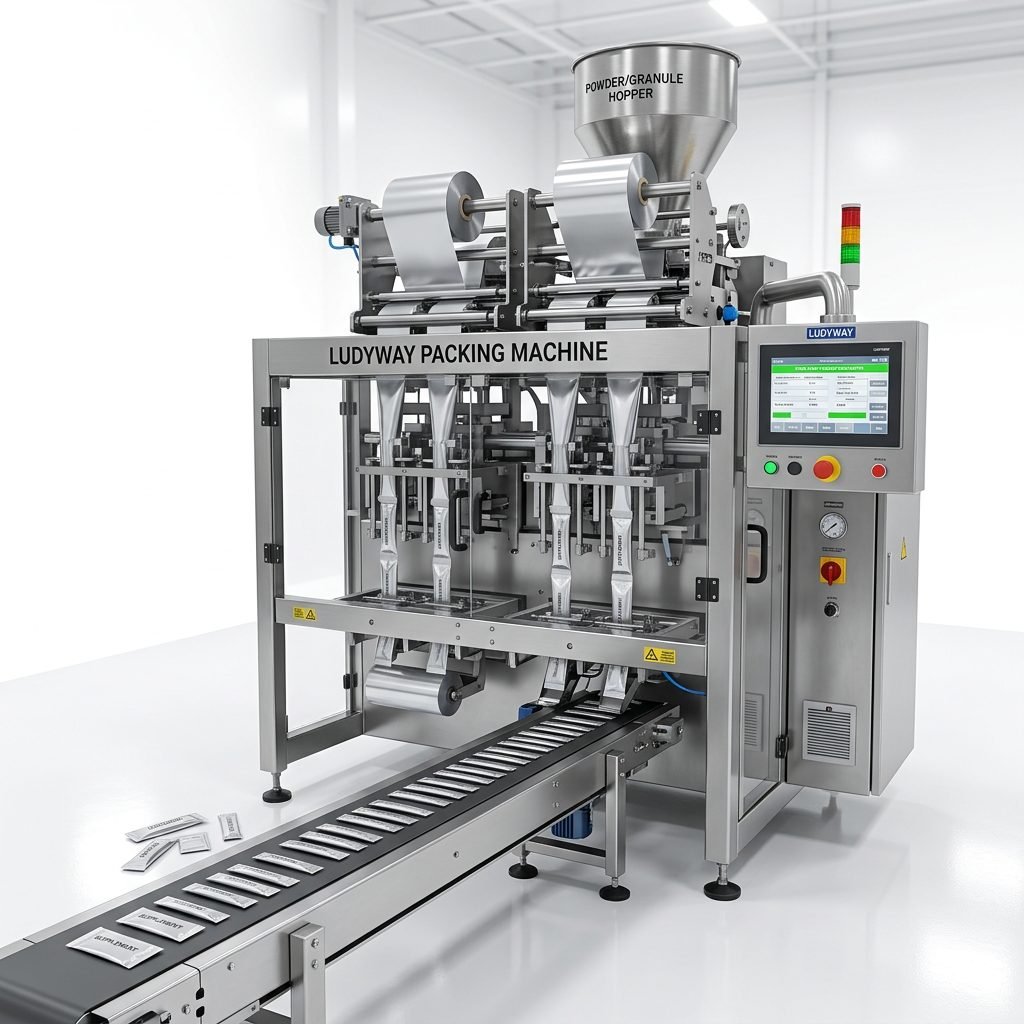
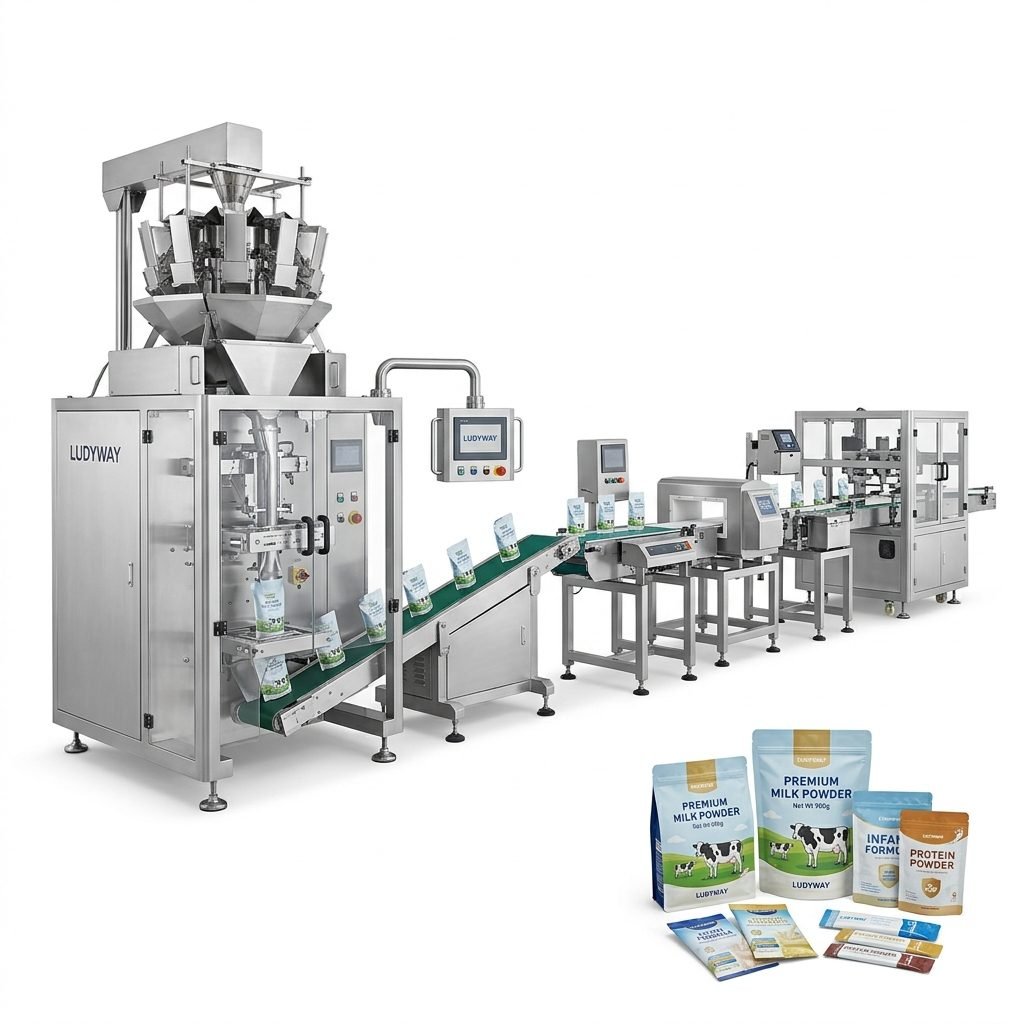
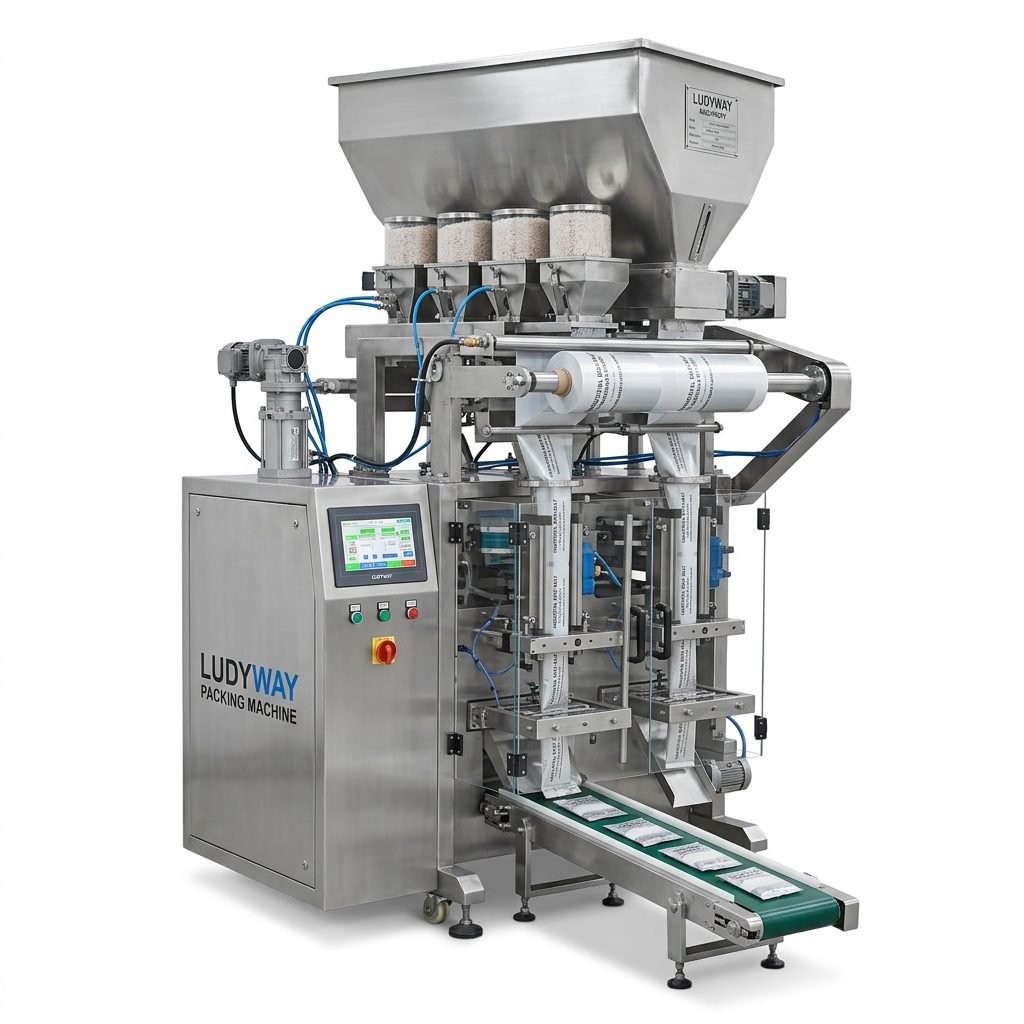
For companies seeking comprehensive turnkey solutions, industry specialists like Ludyway provide integrated packaging machinery covering granule, powder, and liquid applications across food and pharmaceutical sectors. With extensive experience in multi-lane sachet and stick pack systems, their engineering expertise supports customized production line configurations for advanced K-Cup packaging machine solutions tailored to European manufacturing requirements.
Commissioning and Validation Timeline
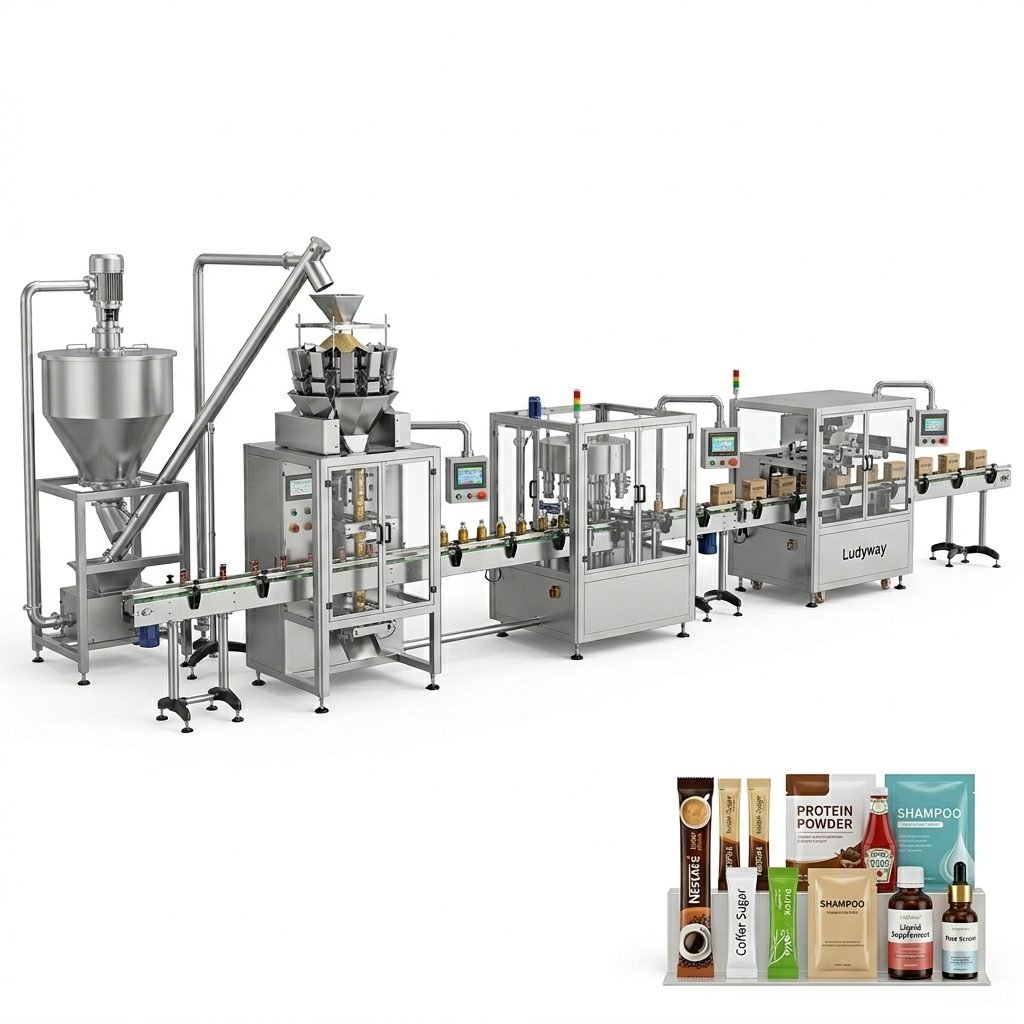
A typical K-Cup line installation in Germany follows a structured project plan. Factory acceptance testing (FAT) at the supplier’s facility verifies machine performance with actual coffee product. Site acceptance testing (SAT) after installation confirms integration with local utilities and upstream/downstream equipment. Performance qualification (PQ) runs for a minimum of 72 continuous production hours to demonstrate stability. Full validation should be completed within 8 to 12 weeks from equipment arrival to commercial production handover.
| Project Phase | Duration | Key Deliverables |
|---|---|---|
| Pre-Engineering & Design | 4–6 weeks | Layout drawings, utility specifications, CE conformity plan |
| Equipment Manufacturing | 12–16 weeks | Machine build, internal testing, FAT documentation |
| Shipping & Installation | 3–4 weeks | Customs clearance, rigging, mechanical and electrical installation |
| Validation & Training | 4–6 weeks | IQ/OQ/PQ protocols, operator training, handover certification |
Cost Considerations and ROI Analysis
Investment for a mid-scale K-Cup line in Germany ranges from €800,000 to €2.5 million depending on automation level and throughput. Key cost drivers include multi-head weigher precision, nitrogen generation system capacity, vision inspection integration, and cartoning automation. Operational costs encompass maintenance labor, spare parts inventory, nitrogen consumption, and energy. Payback period for contract packaging operations typically falls between 18 to 30 months, driven by per-unit packaging fees and long-term supply agreements with coffee brand owners.
Future-Proofing Your K-Cup Production
The German single-serve market continues evolving toward sustainable packaging formats. Investing in machinery capable of running both traditional composite capsules and emerging paper-based or bio-polymer capsules provides competitive advantage. Modular machine design enables future addition of inline printing for personalized capsule lids, digital watermarking for smart recycling sorting, and connectivity upgrades for advanced analytics. Aligning with flexible packaging industry standards ensures your production line remains compliant and competitive through regulatory changes.
Setting up a K-Cup packaging line in Germany is a significant undertaking that rewards thorough preparation with premium market access, strong margins, and long-term brand partnerships. Focus on regulatory compliance, quality infrastructure, and automation integration to establish a production facility capable of meeting the exacting standards of German consumers and retailers.
For further technical guidance, refer to the Packaging Machinery Manufacturers Institute (PMMI) resources, the ISO packaging standards, and FDA food contact substance guidelines, which provide complementary frameworks to EU requirements for global export readiness.