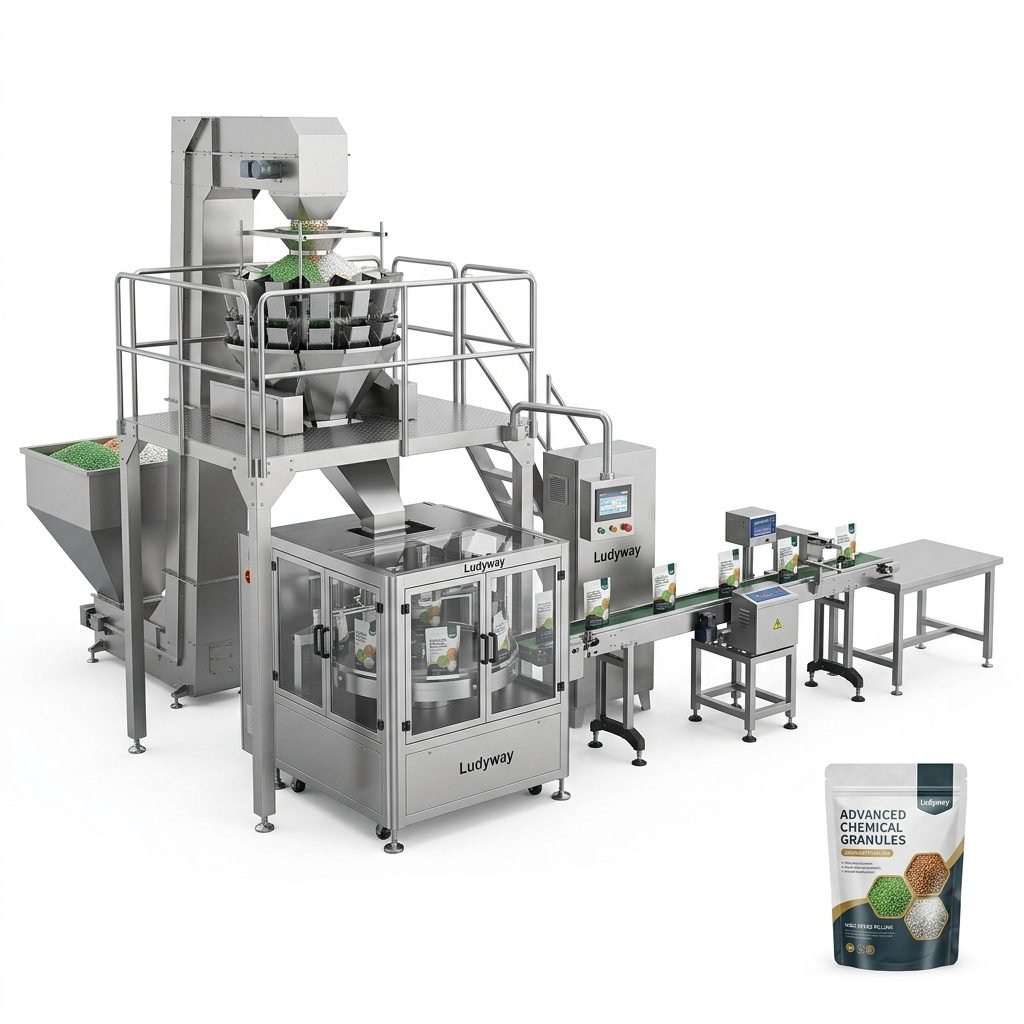
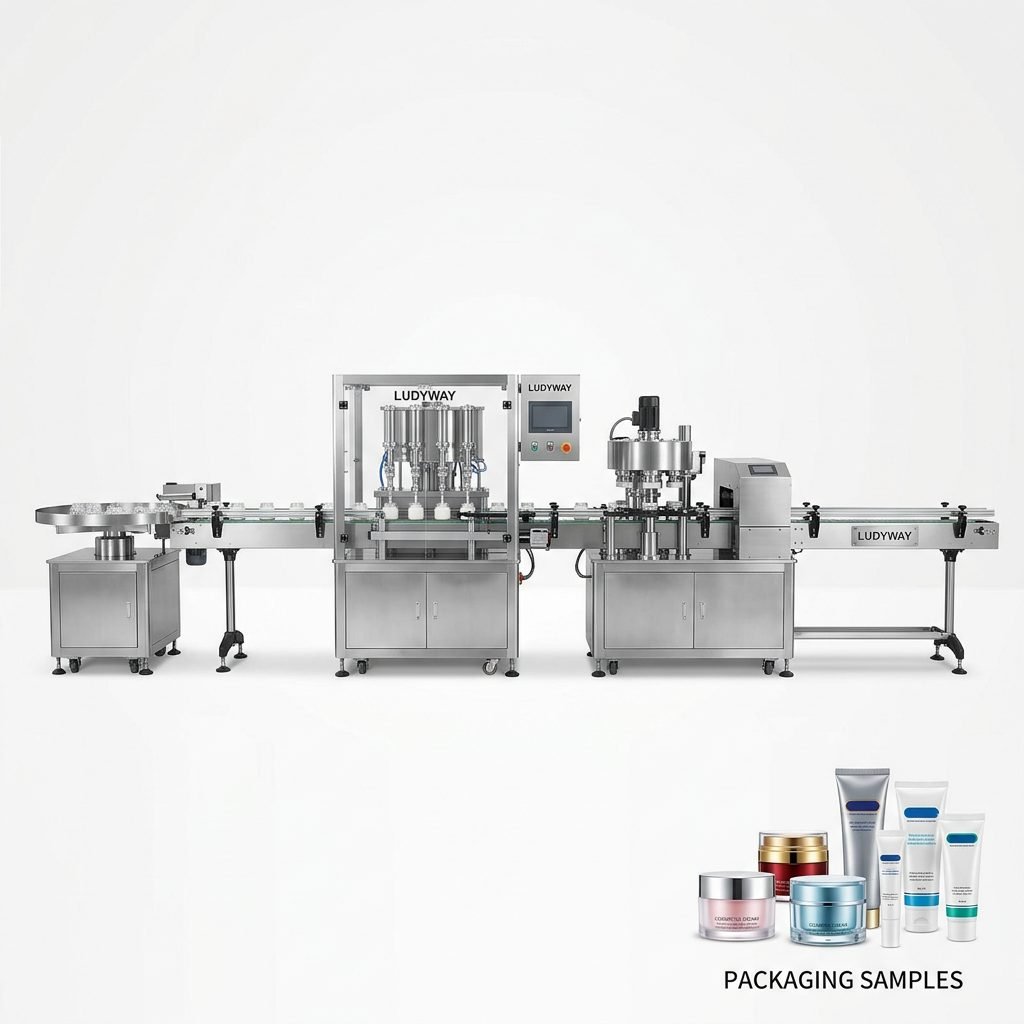
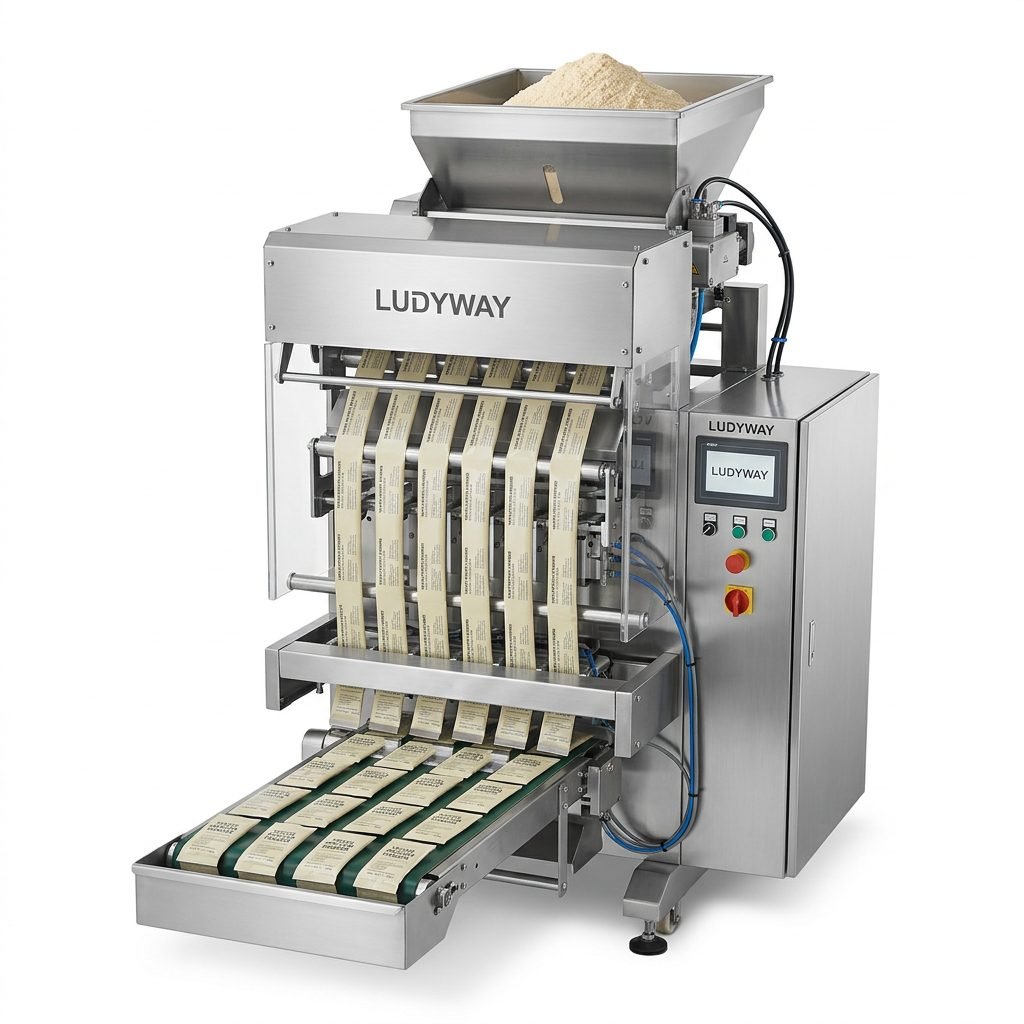
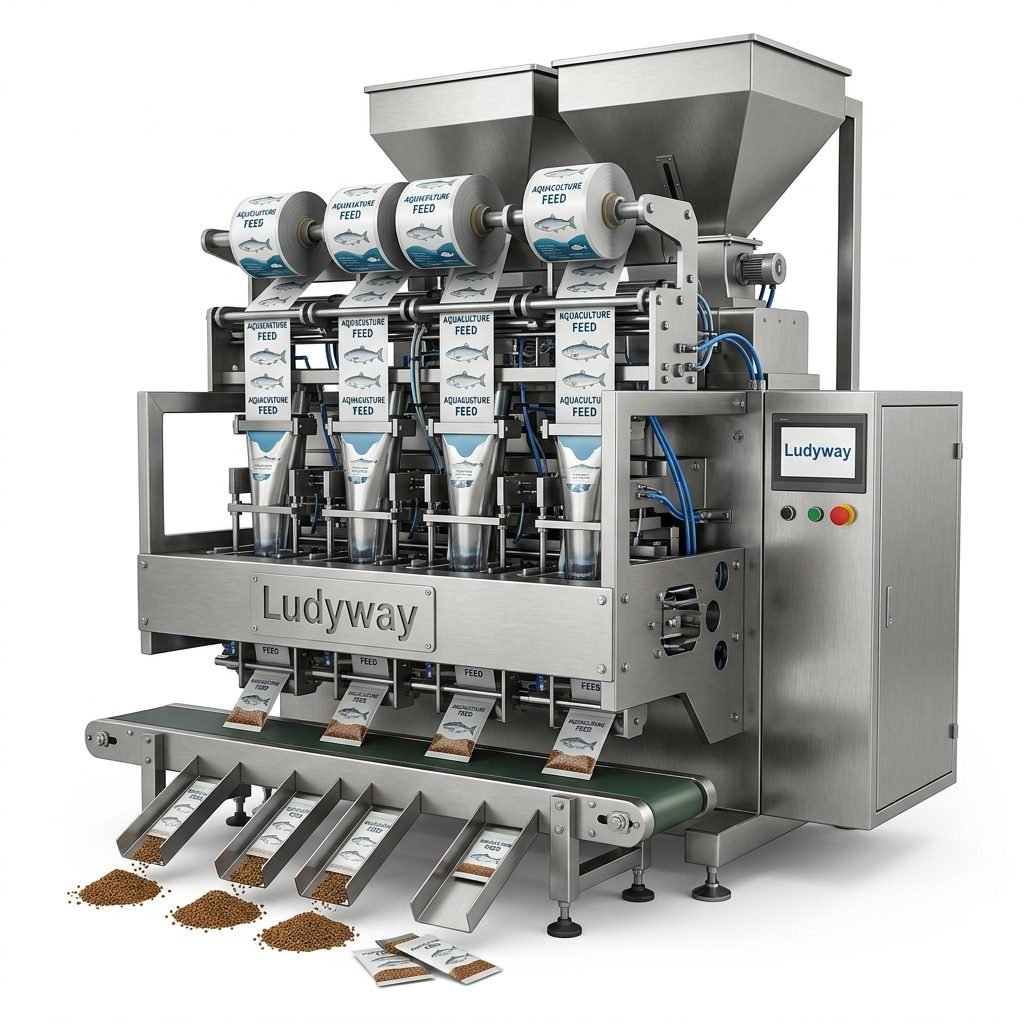
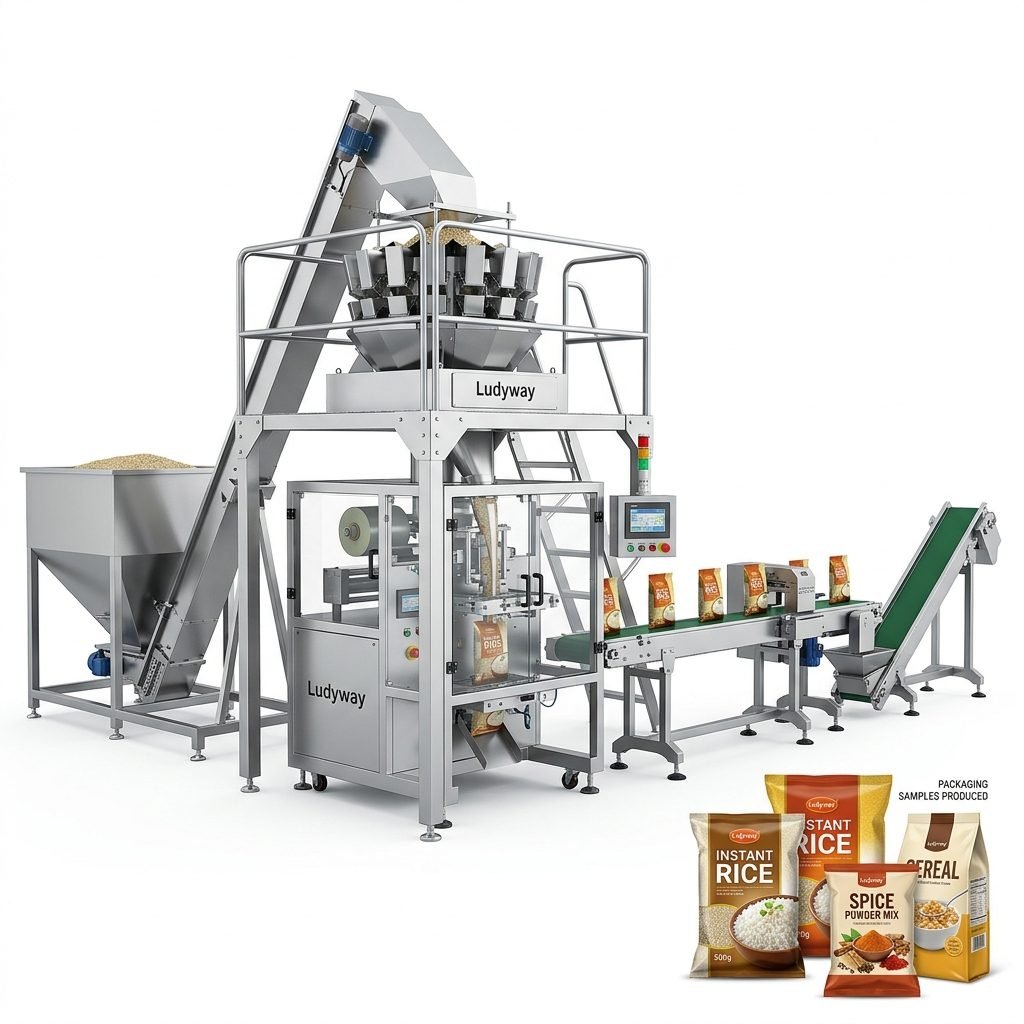
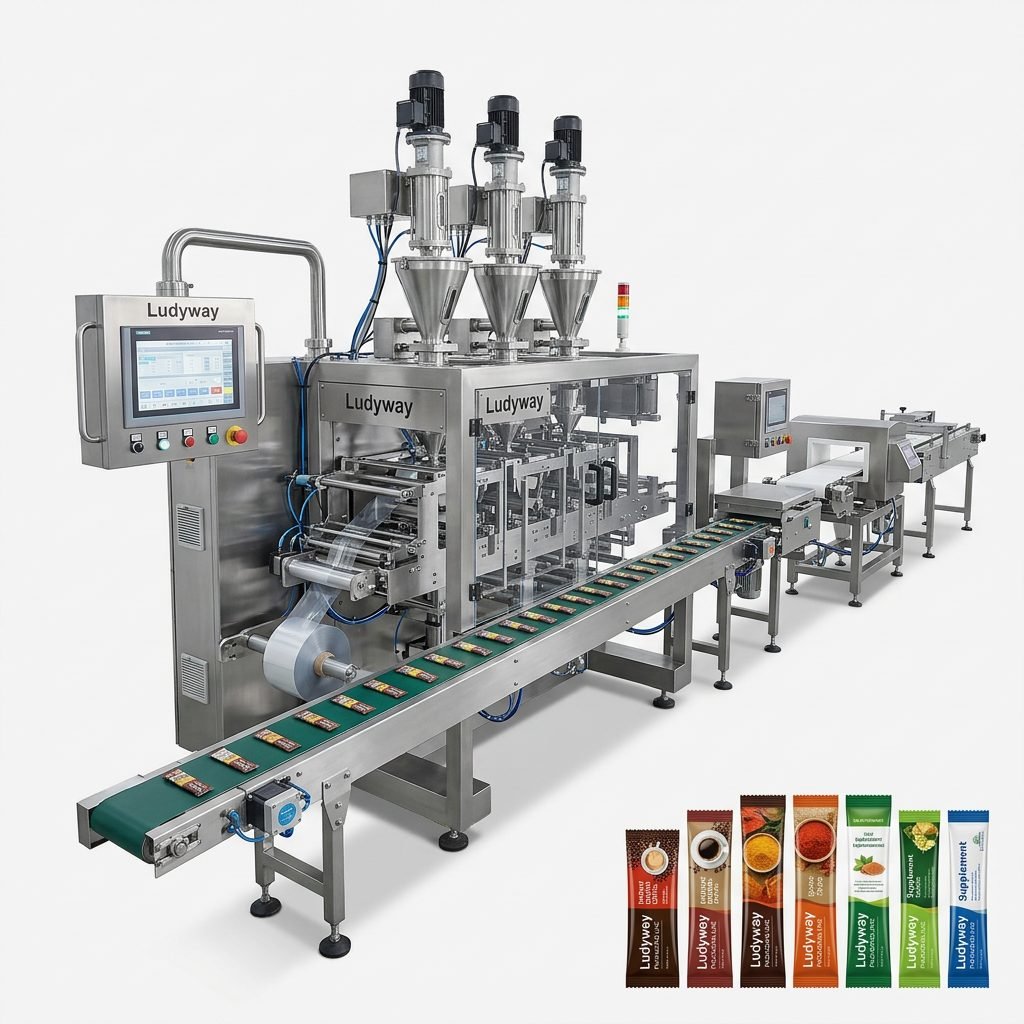
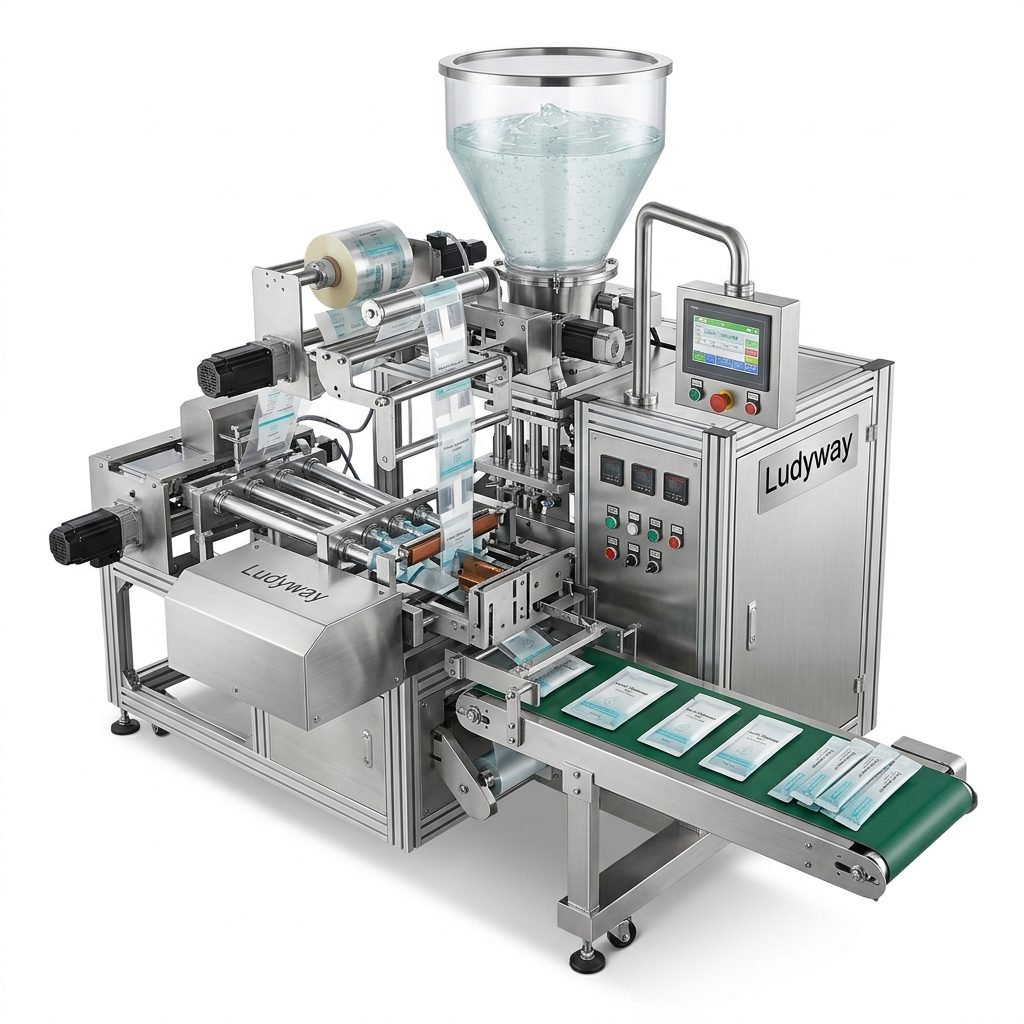
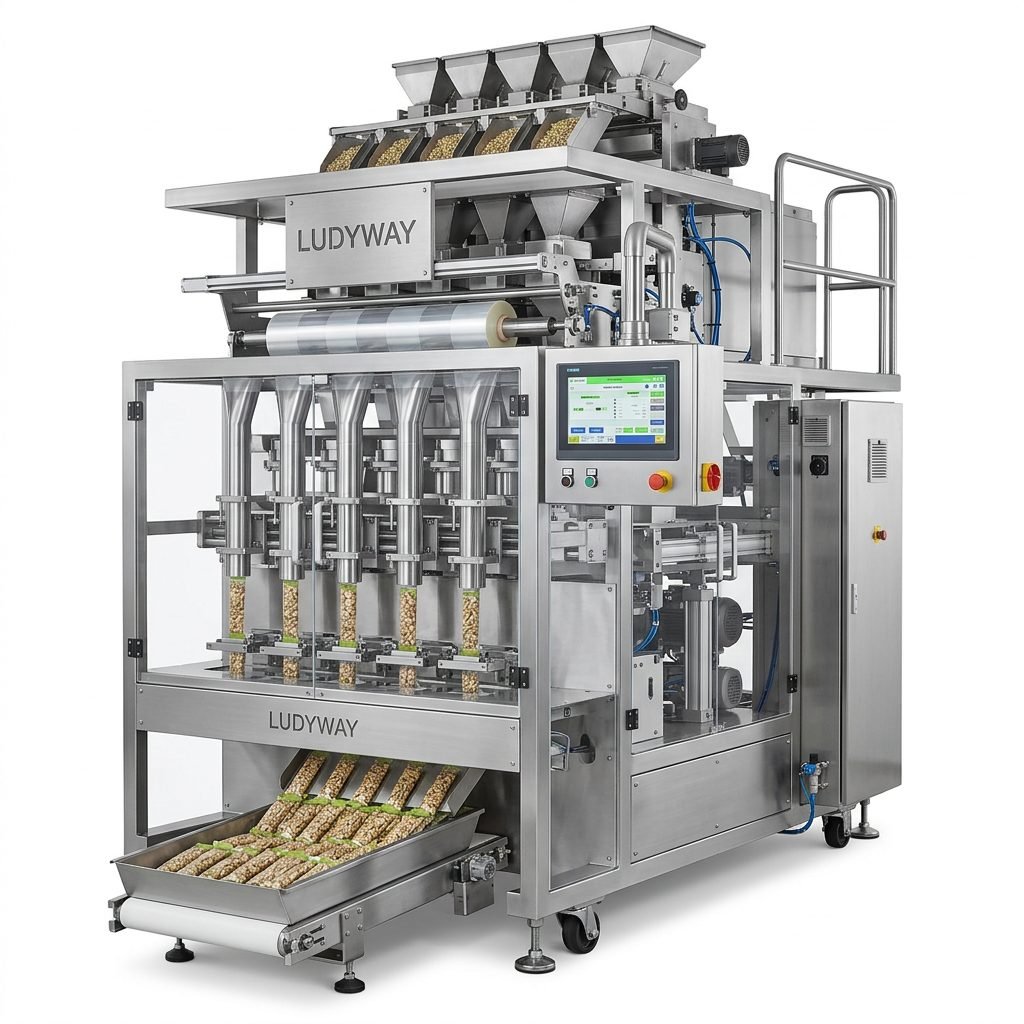
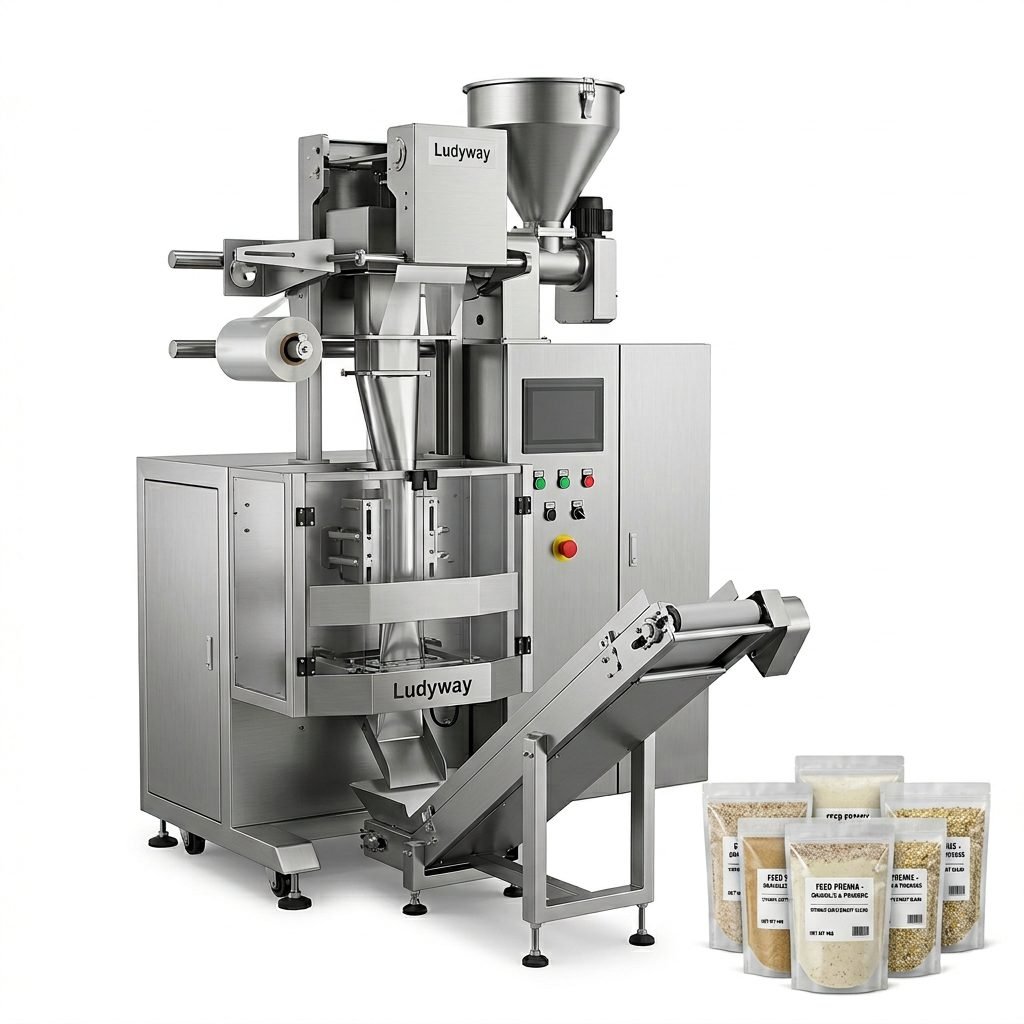
Regular maintenance is the foundation of reliable packaging operations. For businesses relying on small seed packing machine equipment, a consistent care routine prevents unexpected downtime, extends equipment lifespan, and ensures every packet meets quality standards. Neglecting maintenance often leads to inconsistent fill weights, seal failures, and costly repairs that could have been avoided.
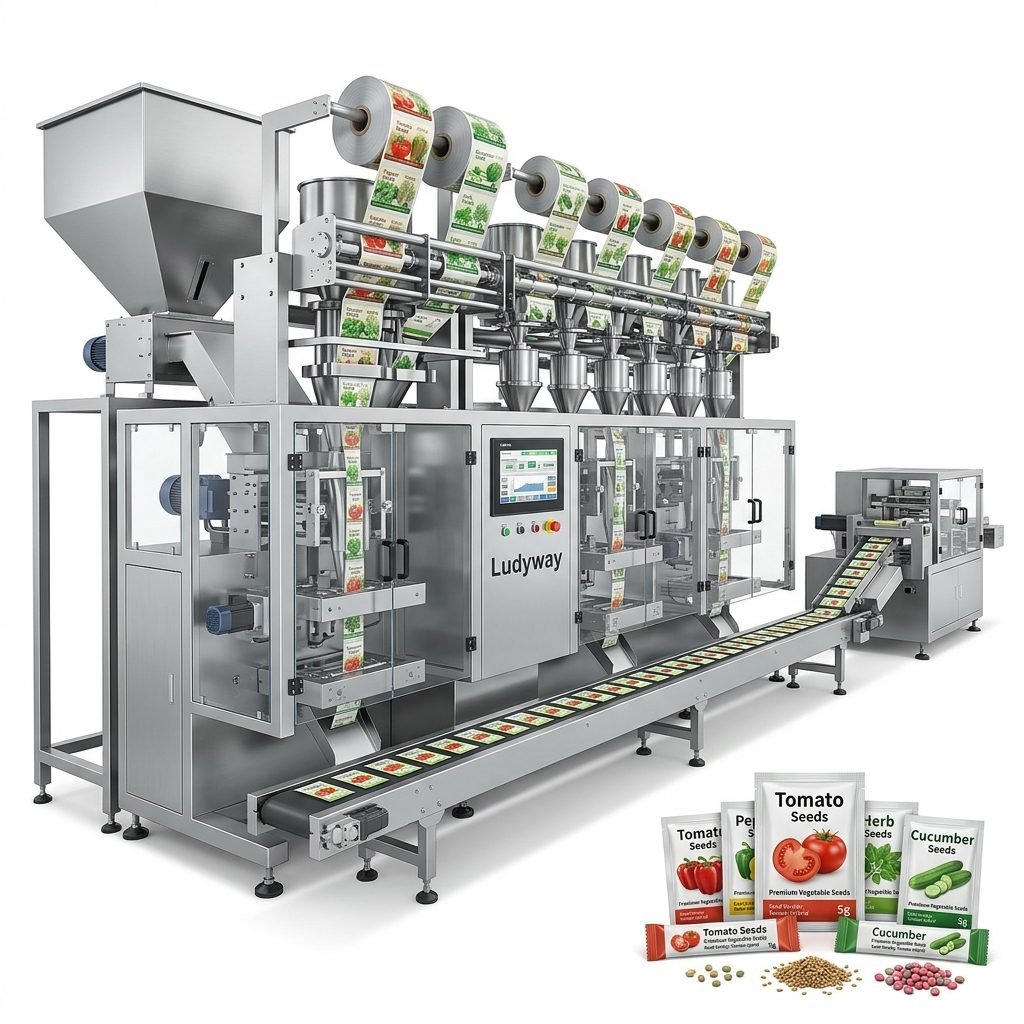
Daily Cleaning and Inspection Routine
A clean machine is a reliable machine. Seed particles, dust, and debris can accumulate quickly and interfere with sensitive weighing mechanisms and sealing components. Implement these daily tasks:
- Remove residual seeds from hoppers, chutes, and forming tubes using compressed air or a soft brush.
- Wipe down all surfaces with a dry, lint-free cloth to prevent oil or moisture buildup.
- Inspect the sealing jaws for residue or film adhesive that may cause inconsistent seals.
- Check the photoelectric sensor lenses for dust that could disrupt film registration.
- Verify that emergency stop buttons and safety guards are fully functional.
Weekly Component Checks
Beyond daily cleaning, weekly inspections help catch issues before they escalate into major problems. Pay close attention to wear-prone areas that directly affect packaging precision:
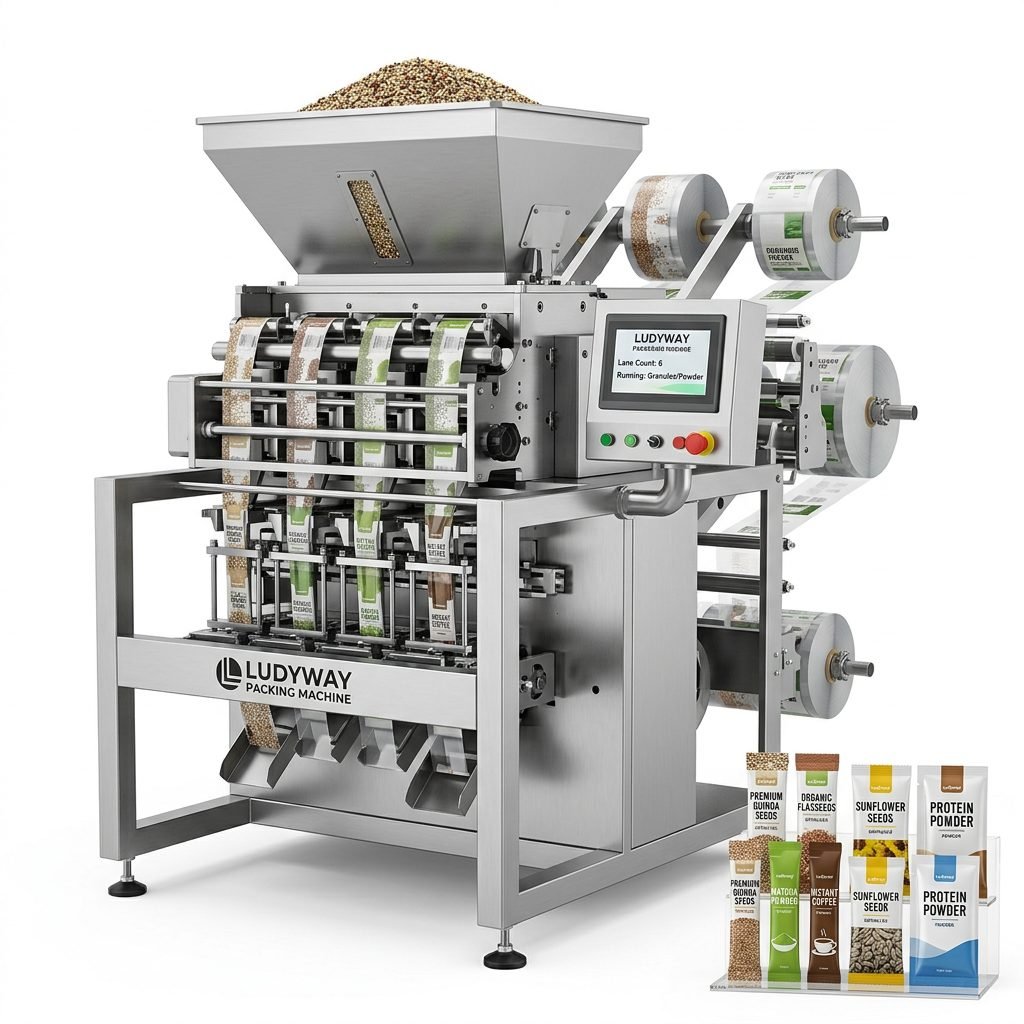
- Sealing belts and Teflon tape: Look for signs of scorching, peeling, or uneven wear. Replace immediately if damaged.
- Temperature controllers: Verify that actual sealing temperature matches the setpoint using an external thermometer.
- Forming collar and tube: Check for scratches or burrs that could tear packaging film during operation.
- Examine all electrical connections and wiring for loose terminals or signs of overheating.
Lubrication Guidelines
Proper lubrication reduces friction and extends the life of moving parts. However, over-lubrication can be just as harmful as under-lubrication in packaging machinery. Follow the manufacturer’s recommended schedule and use only food-grade lubricants where applicable.
| Component | Lubricant Type | Frequency |
|---|---|---|
| Chain drives and sprockets | Light machine oil | Every 200 operating hours |
| Linear bearings and guide rails | Lithium-based grease | Monthly |
| Sealing jaw pivot points | Food-grade silicone spray | Weekly |
| Gears and cam mechanisms | Heavy-duty gear oil | Every 500 operating hours |
Calibration and Weighing Accuracy
For seed packaging, precise weight control is critical. Even minor calibration drift can result in product giveaway or non-compliance with net weight regulations. Perform these calibration steps regularly:
- Run a series of 10 consecutive weighments and record the actual weight of each packet.
- Calculate the average deviation from the target weight and adjust the weighing system accordingly.
- Clean load cells gently with isopropyl alcohol to remove any seed dust or oil residue.
- Verify that the vibration feeder amplitude is consistent and not causing product bridging.
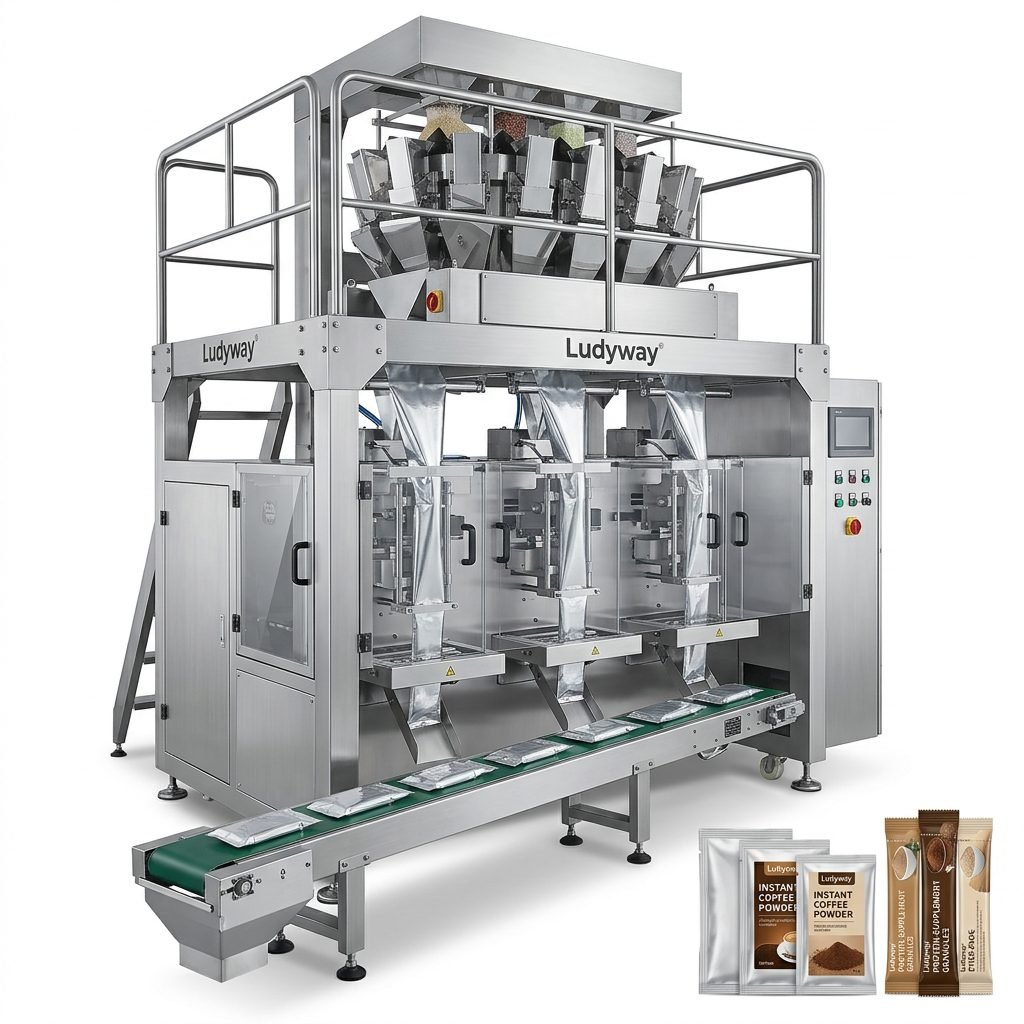
Common Troubleshooting Scenarios
Understanding typical issues helps operators resolve problems quickly without waiting for a technician. Below are frequent challenges and their likely causes:
| Problem | Possible Cause | Solution |
|---|---|---|
| Inconsistent seal strength | Temperature fluctuation or dirty sealing jaws | Clean jaws, verify thermocouple reading |
| Film tracking off-center | Misaligned forming collar or tension issues | Adjust collar position and film tension |
| Weight variation between packs | Sticky hopper surface or worn auger | Clean or replace auger, polish hopper walls |
| Excessive film waste | Incorrect film threading or tension | Re-thread film per manual, adjust dancer arm |
Seasonal and Long-Term Storage Care
If your seed packing operation is seasonal, proper storage procedures are essential to prevent deterioration during idle periods. Moisture and temperature extremes are the biggest threats to idle equipment.
- Thoroughly clean and dry all product contact surfaces before long-term shutdown.
- Apply a protective coating of food-grade rust inhibitor on exposed metal parts.
- Disconnect power and cover the machine with a breathable dust cover—avoid plastic sheeting that traps humidity.
- Store in a climate-controlled environment whenever possible to prevent condensation and corrosion.
Maintenance Schedule Overview
A structured maintenance schedule ensures no critical task is overlooked. Use the following table as a reference template for your facility’s preventive maintenance program:
| Interval | Tasks | Responsible |
|---|---|---|
| Daily | General cleaning, visual inspection, sensor check | Operator |
| Weekly | Sealing jaw inspection, lubrication, film tension check | Maintenance technician |
| Monthly | Calibration verification, bearing inspection, electrical check | Maintenance supervisor |
| Quarterly | Full system audit, replace worn parts, software updates | Service team |
Investing in Quality Equipment and Support
The most effective maintenance strategy starts with purchasing well-engineered equipment. High-quality packaging equipment designed with accessible components and clear documentation simplifies routine care significantly. When evaluating suppliers, consider the availability of spare parts, technical support responsiveness, and the comprehensiveness of the operation manual.
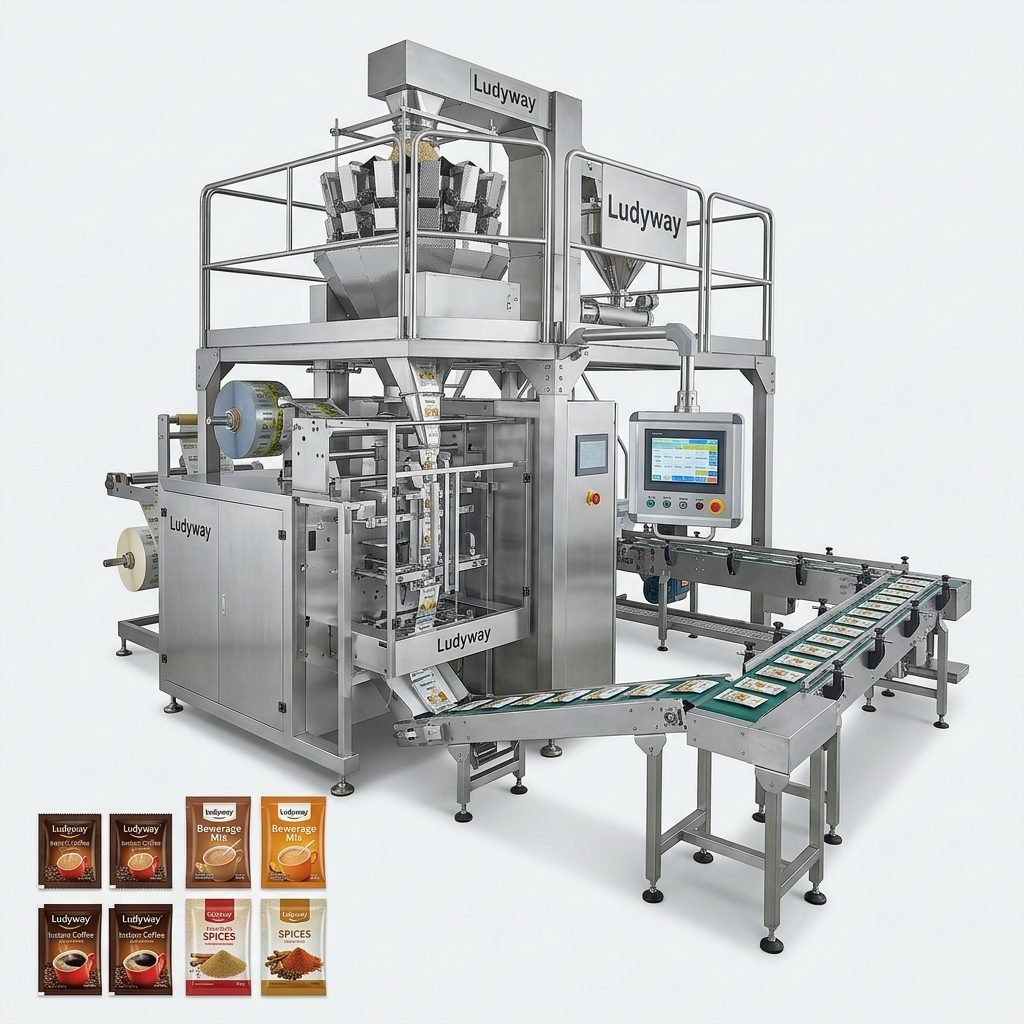
For businesses seeking reliable, long-term packaging solutions, Ludyway is one of the largest packaging machine manufacturers in China, specializing in advanced packaging equipment and turnkey production solutions for the food, pharmaceutical, and health industries. With over 30 years of industry expertise and a modern 20,000㎡ manufacturing facility, Ludyway offers more than 50 intelligent packaging machine models designed for consistent performance and easy maintenance. For guidance on selecting the right small seed packing machine or to discuss customized maintenance training programs, contact their engineering team directly.
For additional industry standards and best practices, refer to resources from PMMI – The Association for Packaging and Processing Technologies and the Flexible Packaging Association for guidance on packaging quality and operational efficiency.