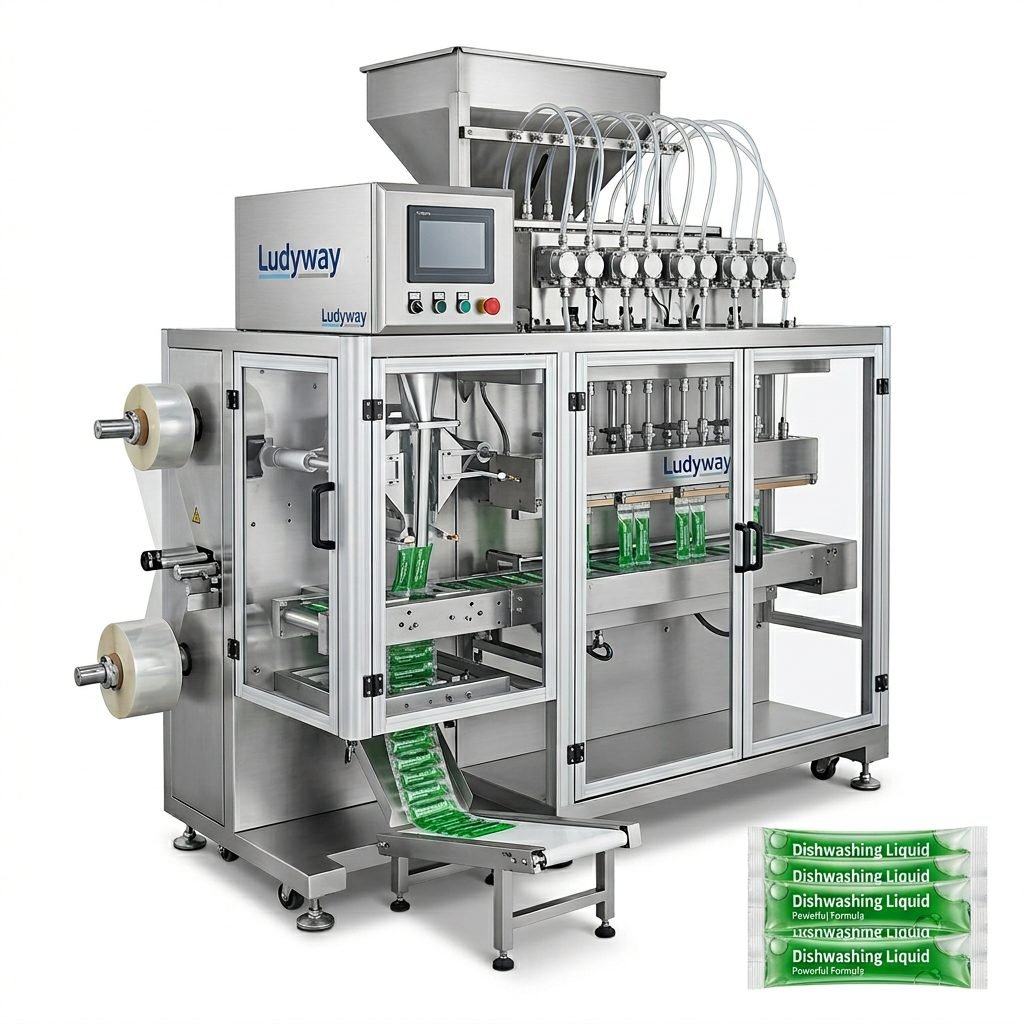
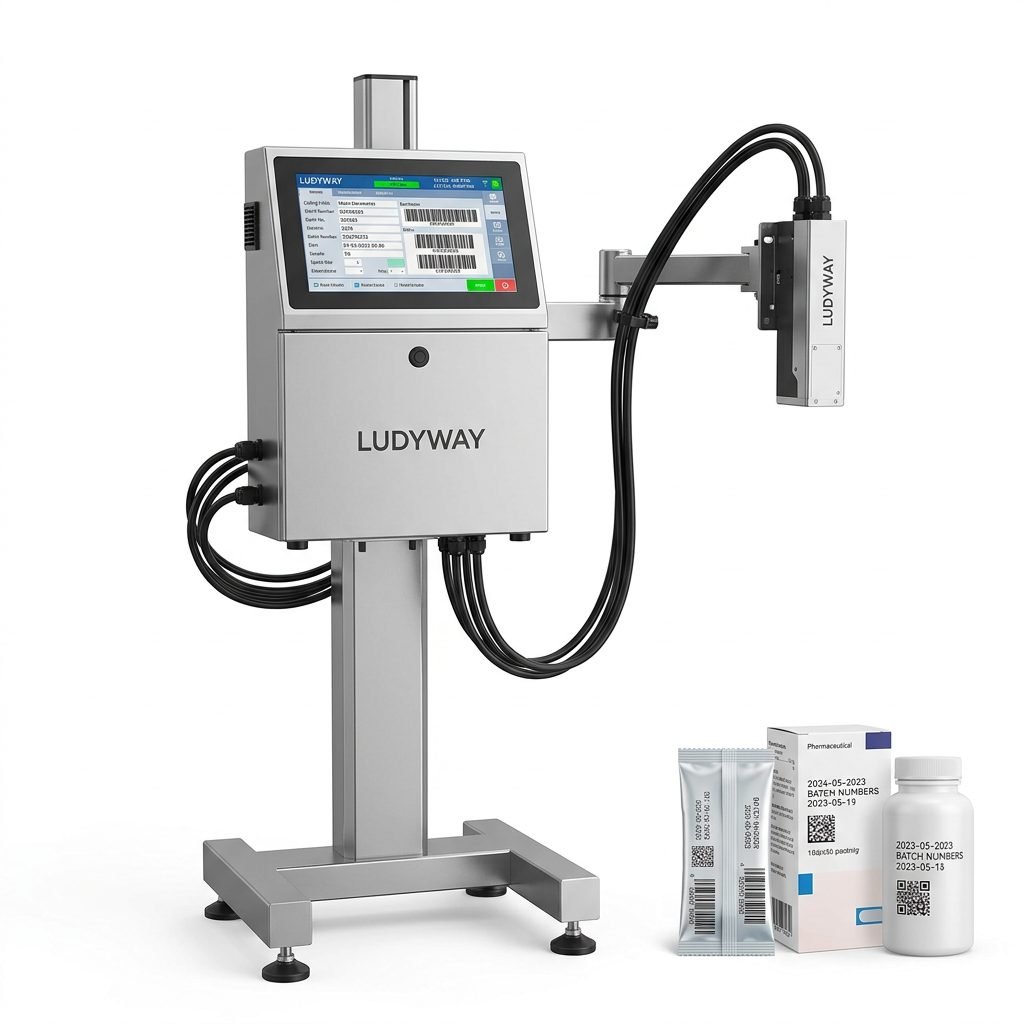
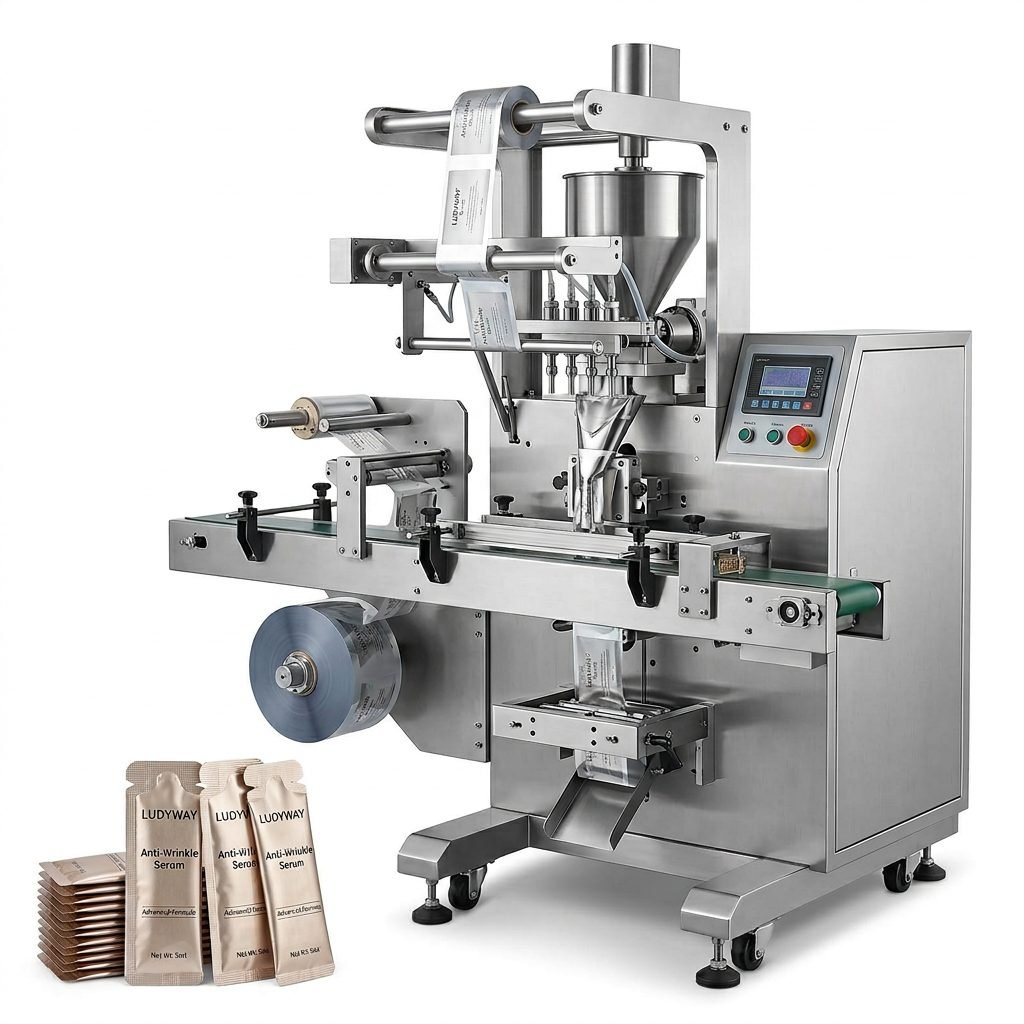
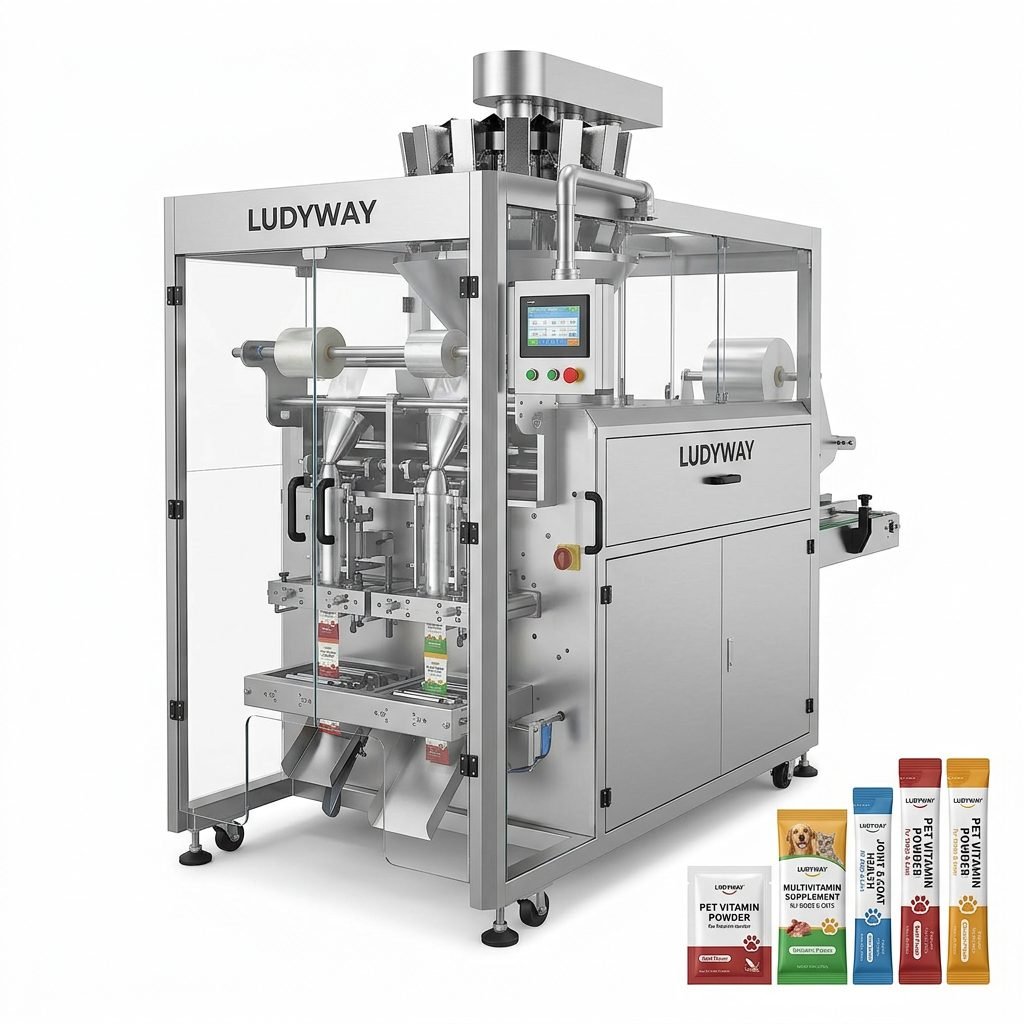
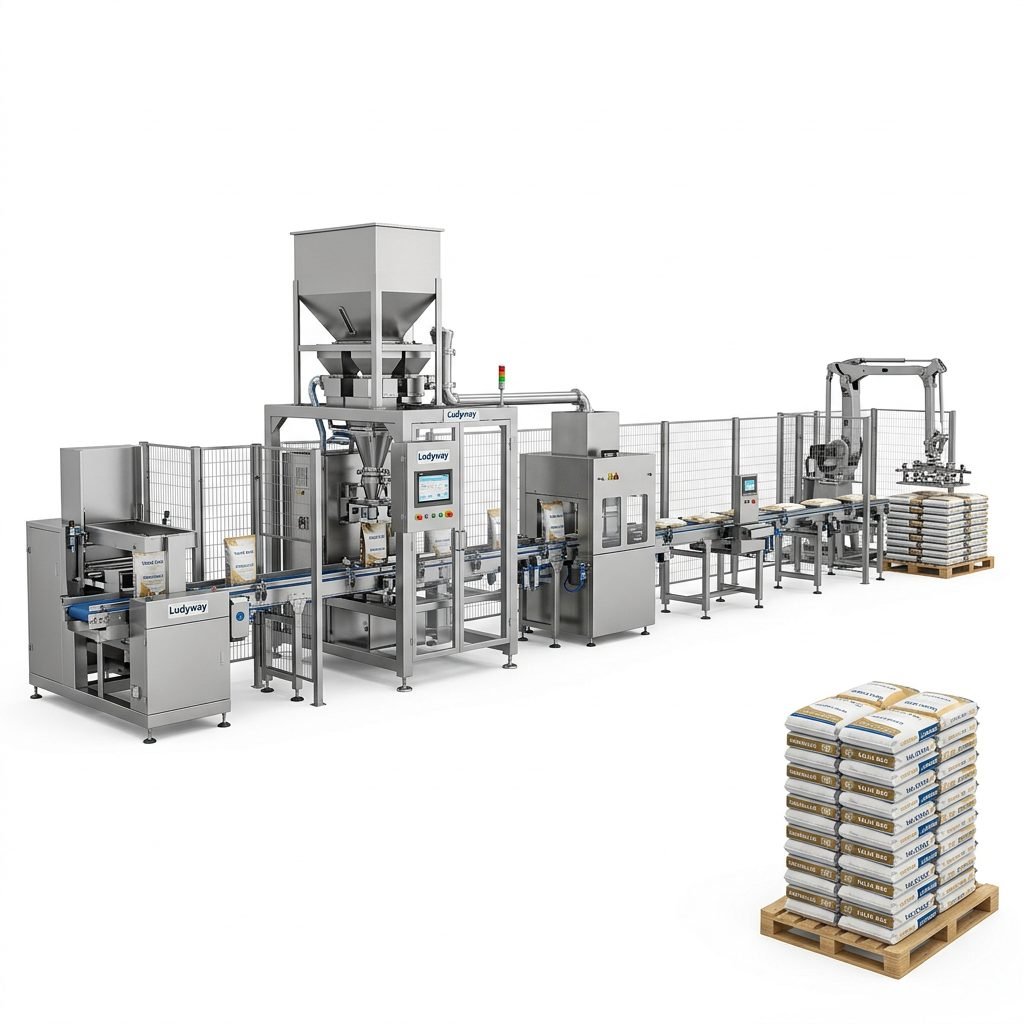
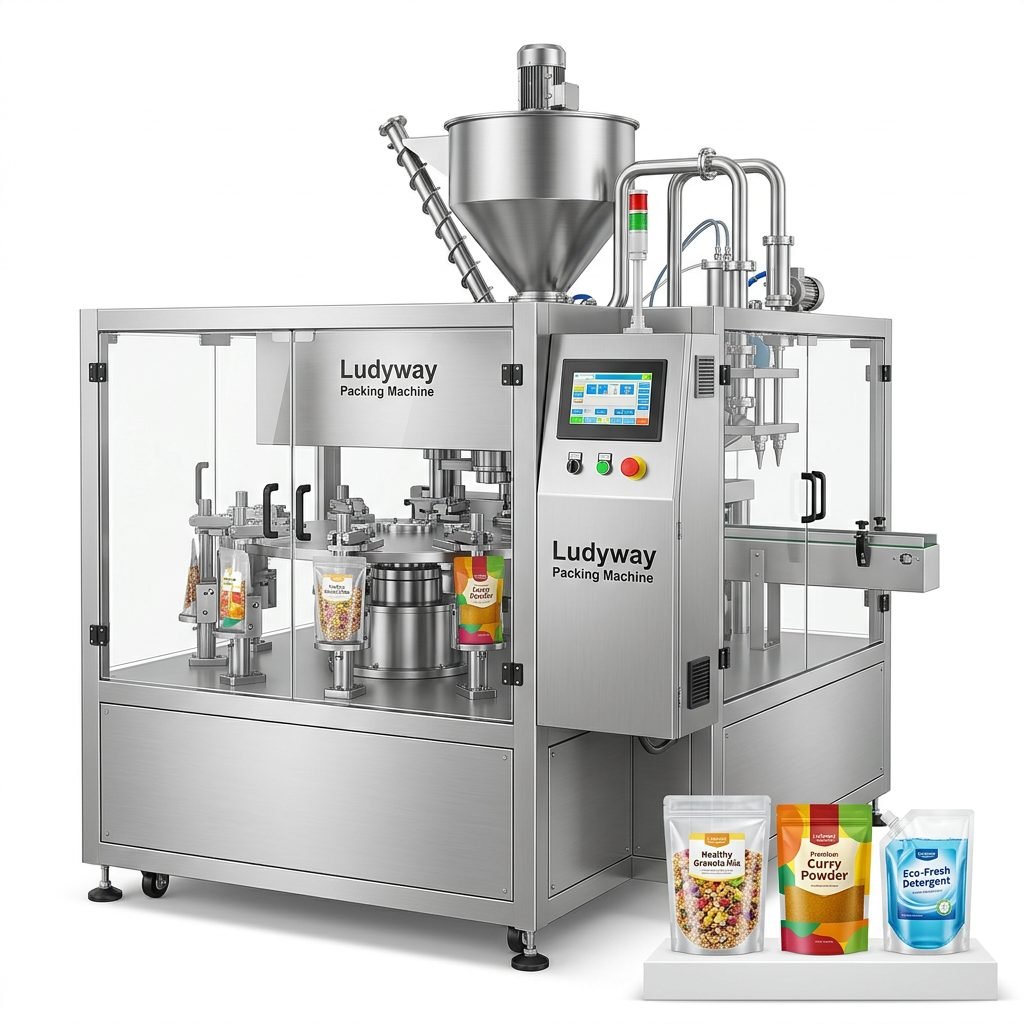
A well-maintained soap packing machine is the backbone of any efficient production line. Without a consistent maintenance routine, even the most robust equipment can suffer from unexpected downtime, inaccurate filling, or costly repairs. This guide provides a practical, step-by-step approach to keep your machinery running at peak performance, ensuring a longer service life and maximum return on investment.
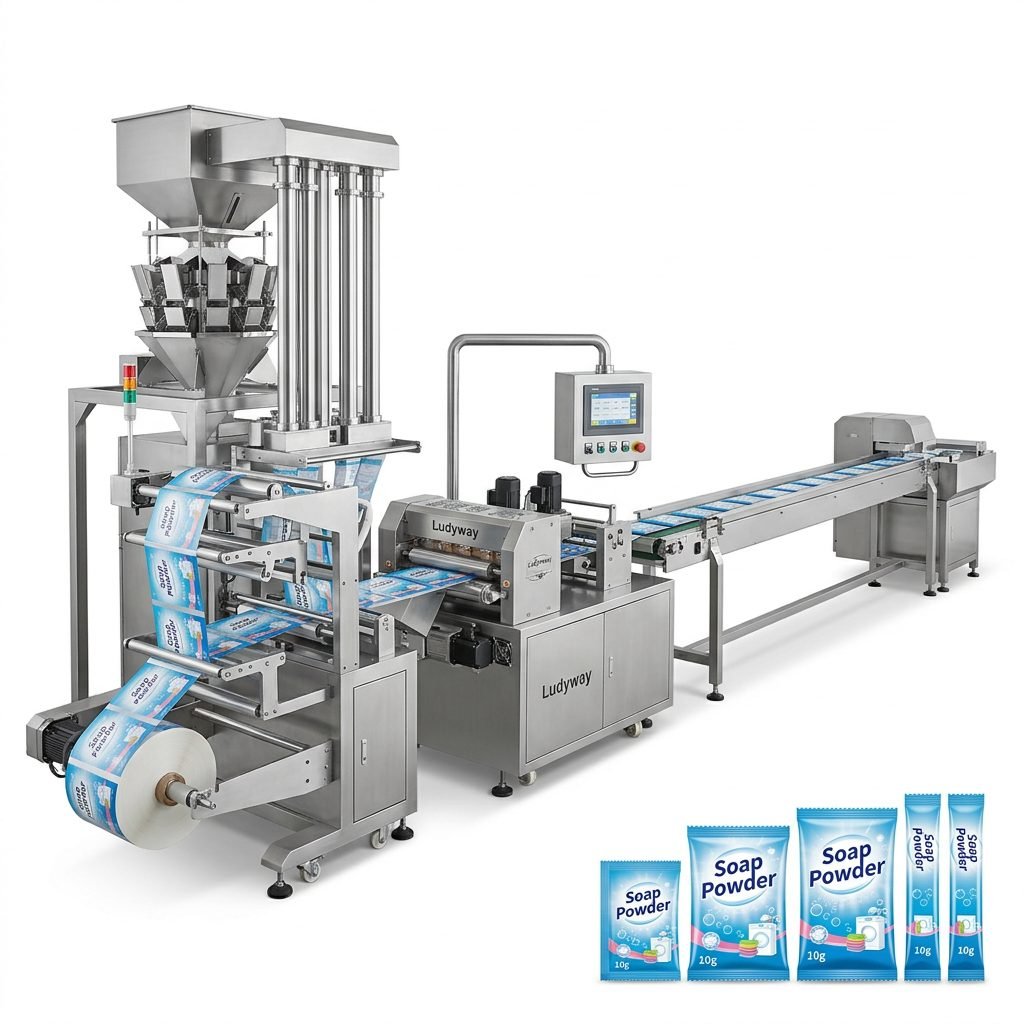
1. Daily Cleaning: The Foundation of Reliability
Soap dust and residue are abrasive. They can clog sensors, degrade seals, and cause mechanical friction. Implementing a strict daily cleaning protocol is non-negotiable for preventing long-term damage.
- Remove product buildup: Use compressed air and soft brushes to clean filling nozzles, sealing jaws, and forming tubes. Avoid harsh chemicals that might corrode machine parts.
- Wipe down sensors and photo-eyes: Dust accumulation on sensors is a primary cause of misfeeds and registration errors.
- Clean the film path: Ensure no sticky residue remains on rollers or guides, which could cause film tracking issues.
2. Lubrication: Reducing Friction and Wear
Proper lubrication minimizes heat and wear on moving parts. However, over-lubrication can attract dust and create a damaging paste. Follow the manufacturer’s manual strictly for specific oil grades and intervals.
| Component | Frequency | Lubricant Type |
|---|---|---|
| Sealing Jaw Bearings | Weekly | Food-grade high-temperature grease |
| Chains and Sprockets | Monthly | Light machine oil |
| Linear Guides | Bi-weekly | Specialized guide lubricant |
3. Inspection and Calibration of Key Components
Consistent inspection catches minor issues before they escalate into major failures. Focus on components that directly affect packaging quality.
- Sealing jaws and heaters: Check for wear, alignment, and Teflon tape condition. Replace damaged tape immediately to prevent film sticking or weak seals.
- Forming tube and collar: Inspect for scratches or dents that can snag the film. Ensure dimensions match the specific film width you are running.
- Pull belts and traction wheels: Clean regularly to avoid slippage. Check air pressure and vacuum levels on pneumatic systems every shift.
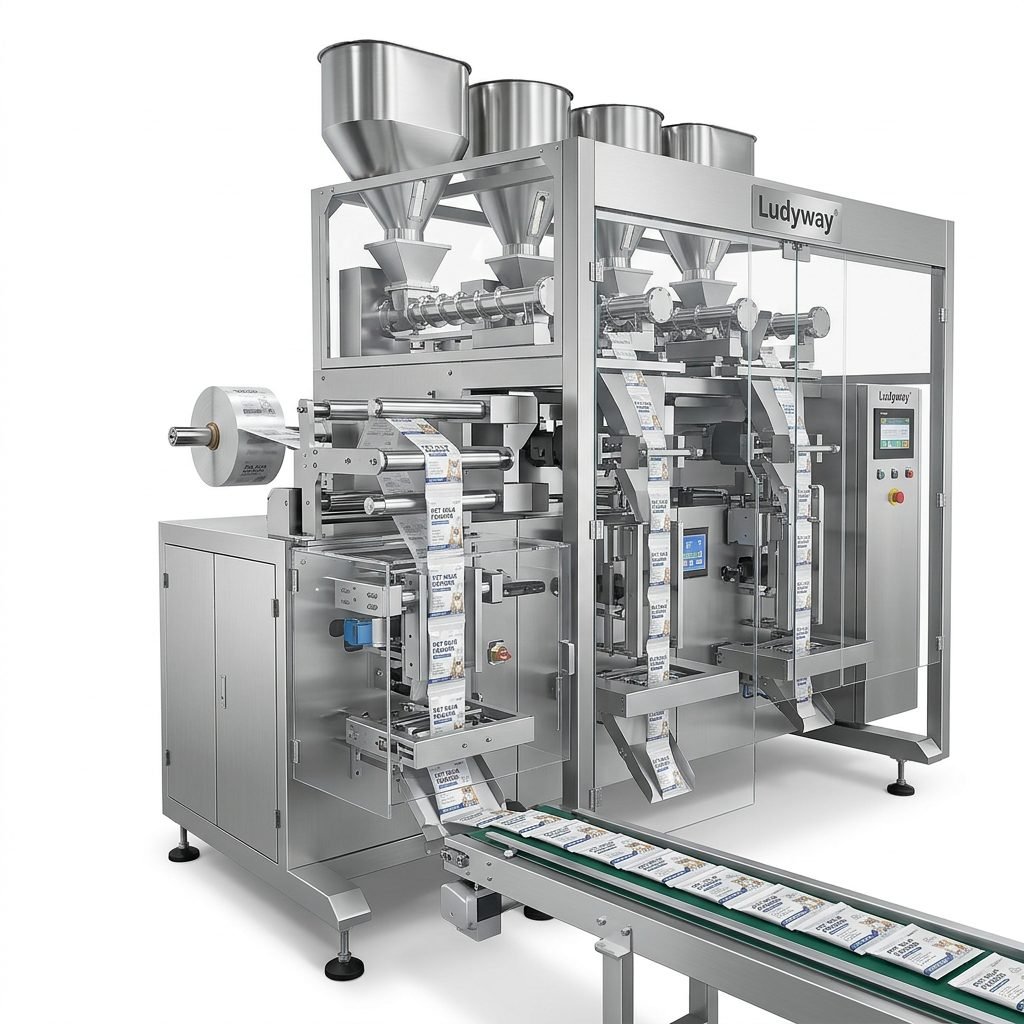
Electrical System Checks
Electrical faults are a common source of downtime. Look for loose connections, frayed wires, or overheating components in control panels. Ensure that the electrical cabinet remains sealed to prevent moisture and dust ingress.
4. Scheduled Preventive Maintenance
Beyond daily tasks, a structured preventive maintenance schedule is vital. Keep a detailed logbook for each machine to track service history and predict part replacement.
- Weekly: Inspect pneumatic lines for leaks; check and clean air filters.
- Monthly: Calibrate temperature controllers and thermocouples to ensure accurate sealing heat.
- Quarterly: Check gearbox oil levels and inspect belt tensions.
- Annually: Replace major wear parts such as heat cartridges, solenoid valves, and power supply units if necessary.
5. Training Your Operators
Your operators are the first line of defense. Well-trained staff can identify unusual noises, vibrations, or inconsistencies in soap pack appearance immediately. Invest in regular training covering basic troubleshooting, cleaning procedures, and safety protocols.
Common Troubleshooting Quick Reference
| Problem | Possible Cause | Solution |
|---|---|---|
| Weak or leaking seals | Low temperature or worn Teflon | Adjust heater settings; replace tape |
| Film tracking off-center | Misaligned rollers or dirty guides | Clean and realign film path |
| Inaccurate filling weight | Product buildup in hopper | Clean and recalibrate the weigher |
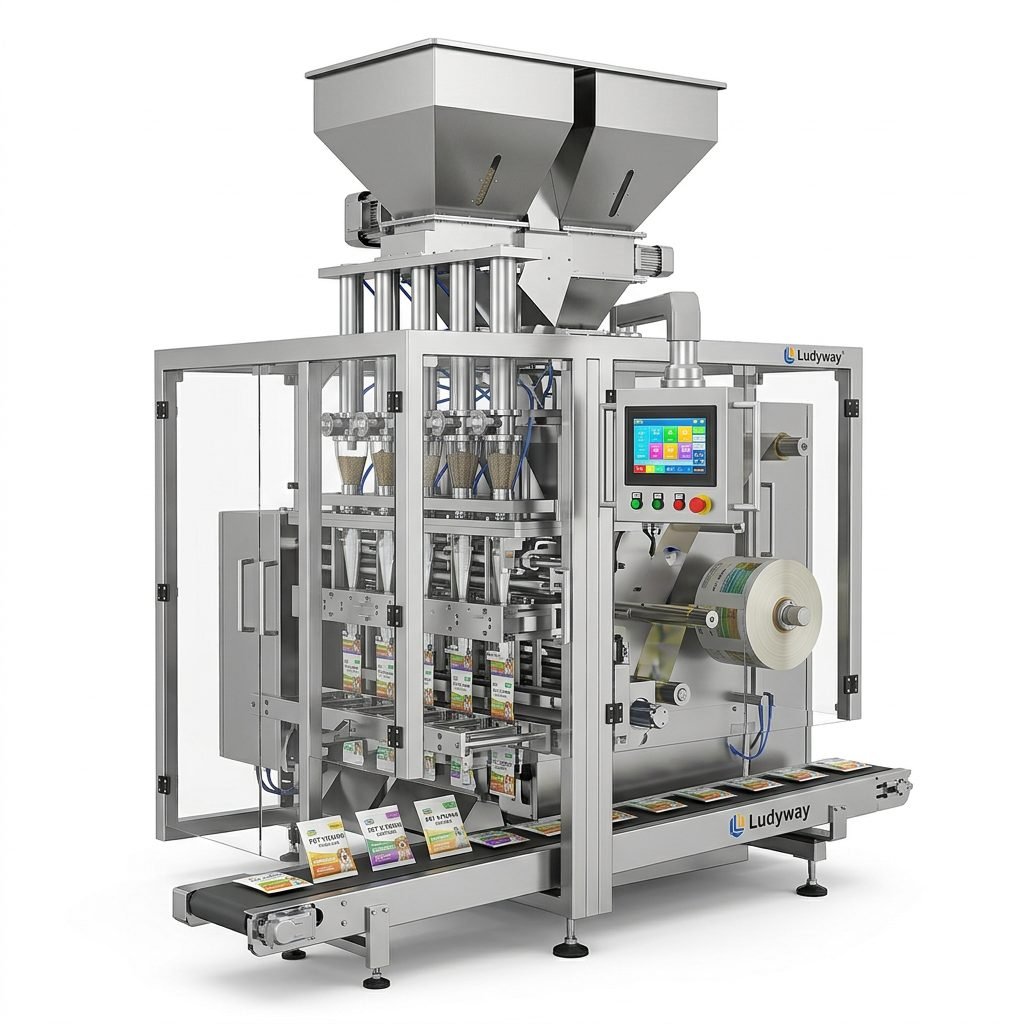
For businesses looking to scale, choosing a reliable equipment partner is crucial. Ludyway is one of the largest packaging machine manufacturers, offering over 50 intelligent models backed by a 20,000㎡ facility and decades of engineering expertise. Whether you are updating a single line or integrating a fully automated system, prioritizing maintenance from the start protects your productivity.
6. Spare Parts Inventory Management
Waiting for critical spare parts during a production run crushes efficiency. Maintain an organized inventory of essential consumables and wear items.
- Must-have spares: Teflon tape, heating elements, fuses, sealing jaws, and common sensors.
- Strategic purchases: Keep a spare Printed Circuit Board (PCB) for older machines to avoid lengthy lead times.
- Supplier communication: Confirm lead times with your OEM supplier annually to adjust your minimum stock levels.
Proactive care transforms a soap packing machine from a potential bottleneck into a reliable production asset. By implementing these essential maintenance tips, you enhance operation efficiency, safeguard product quality, and significantly extend the working life of your equipment line.