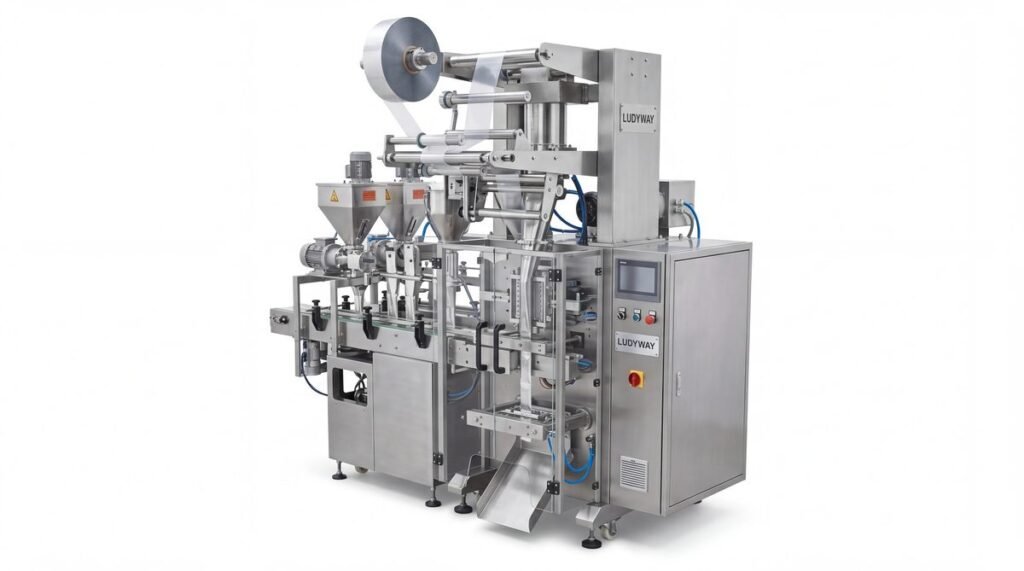
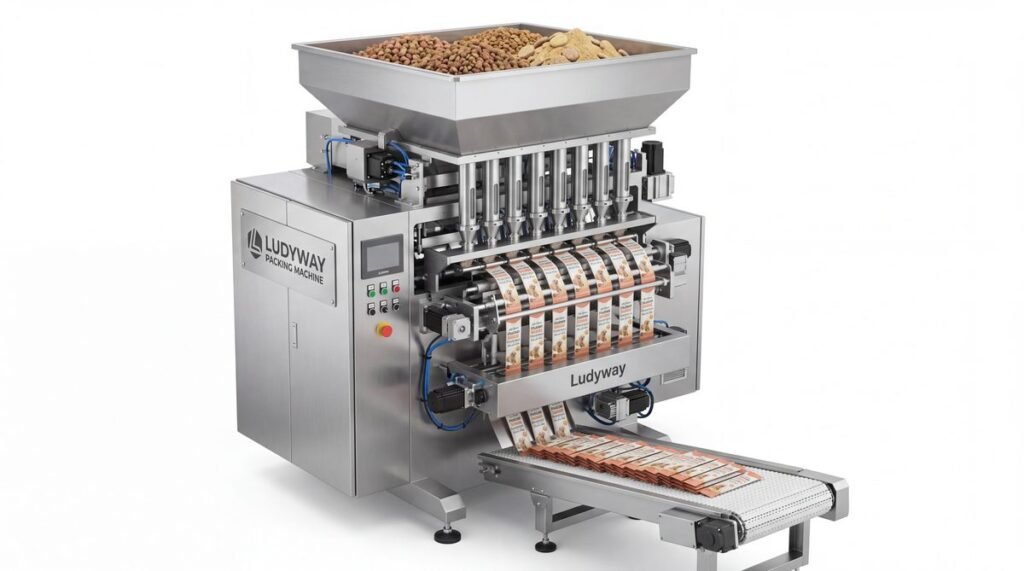
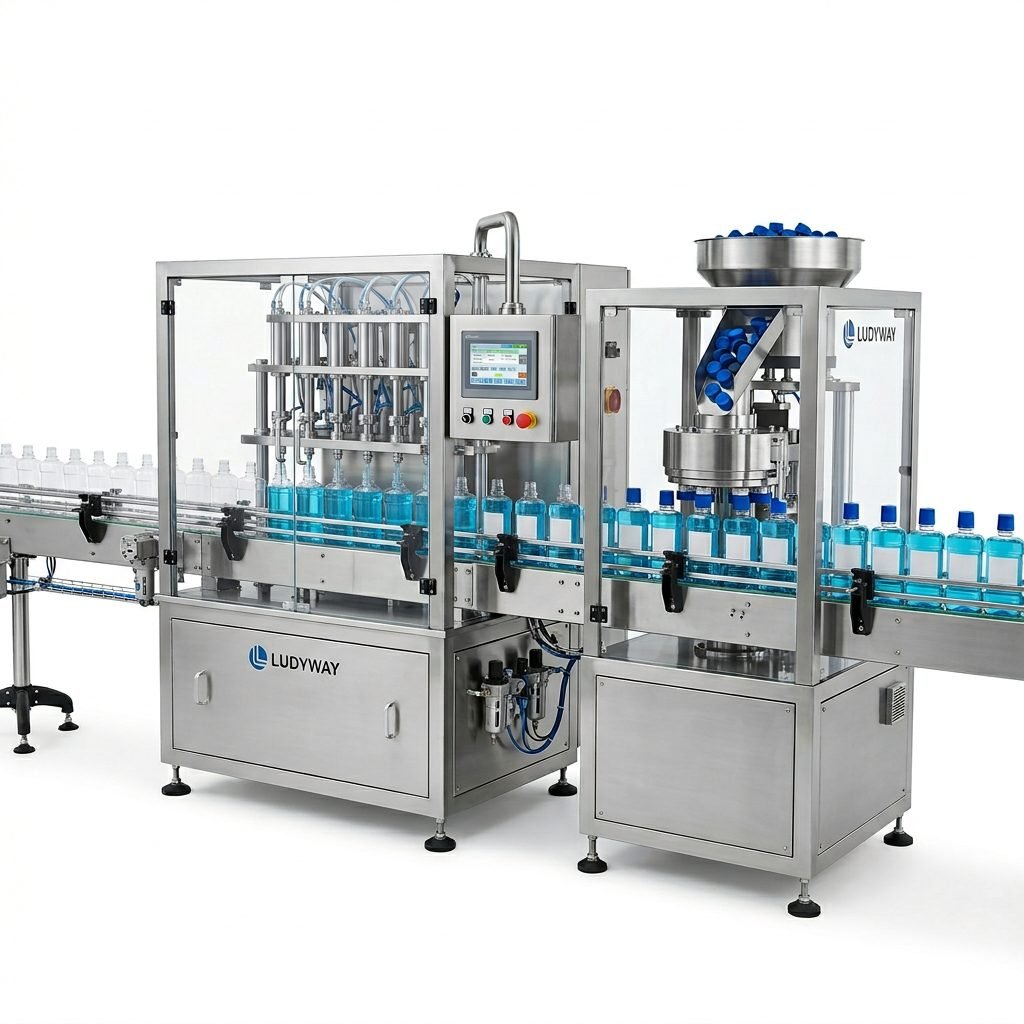
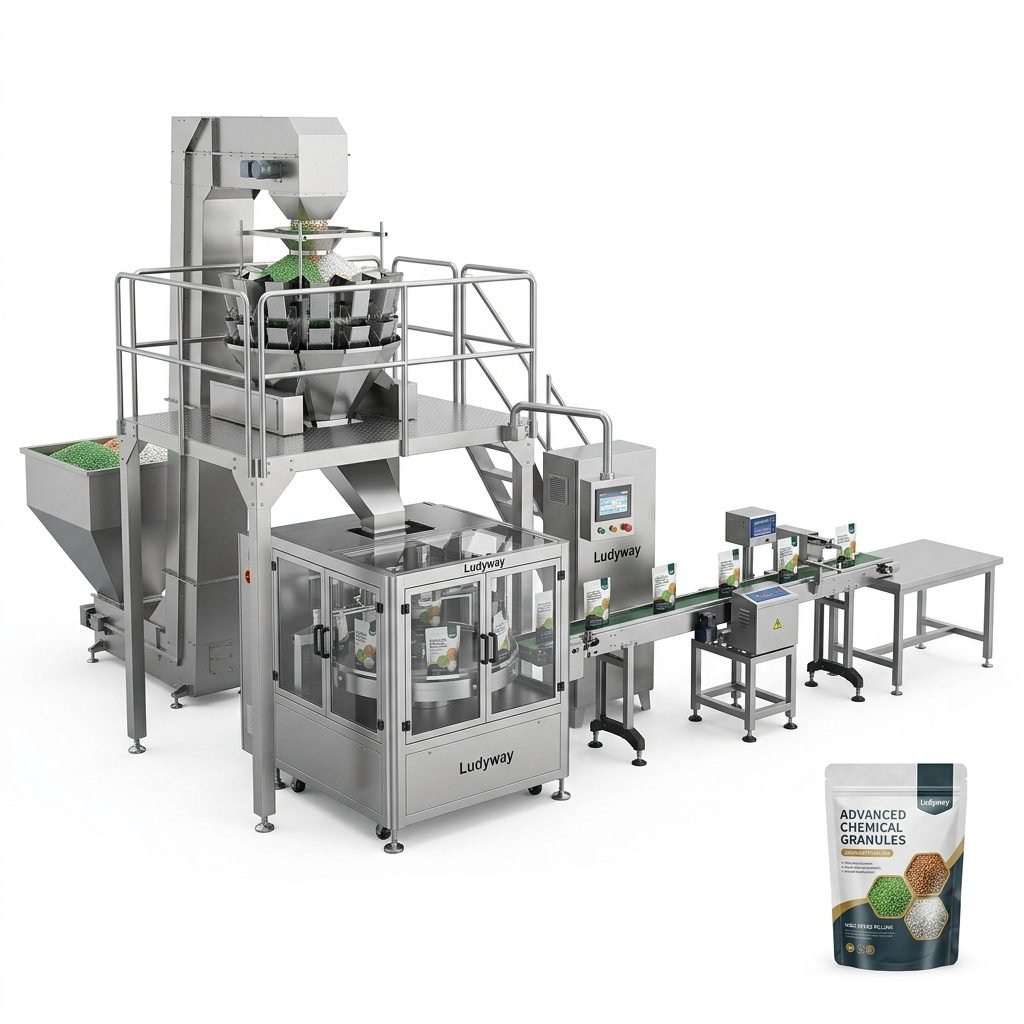
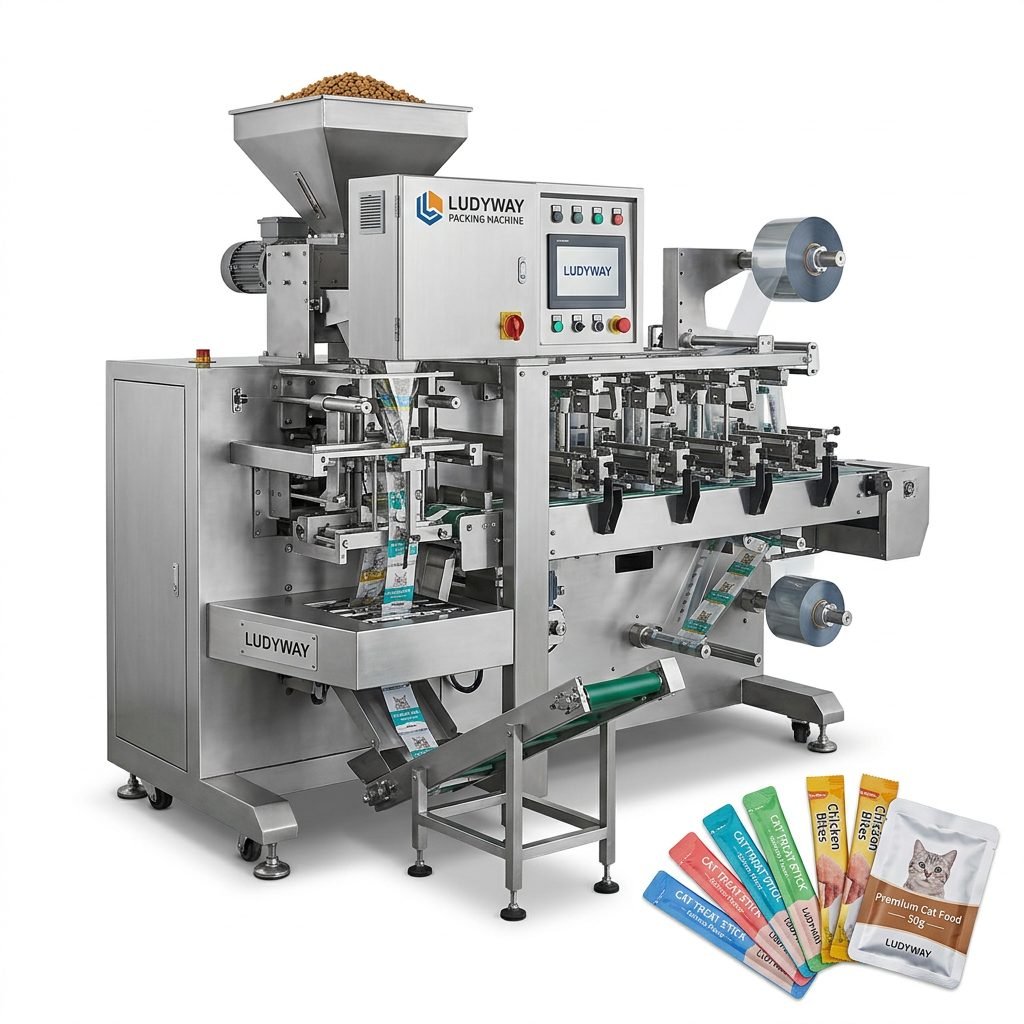
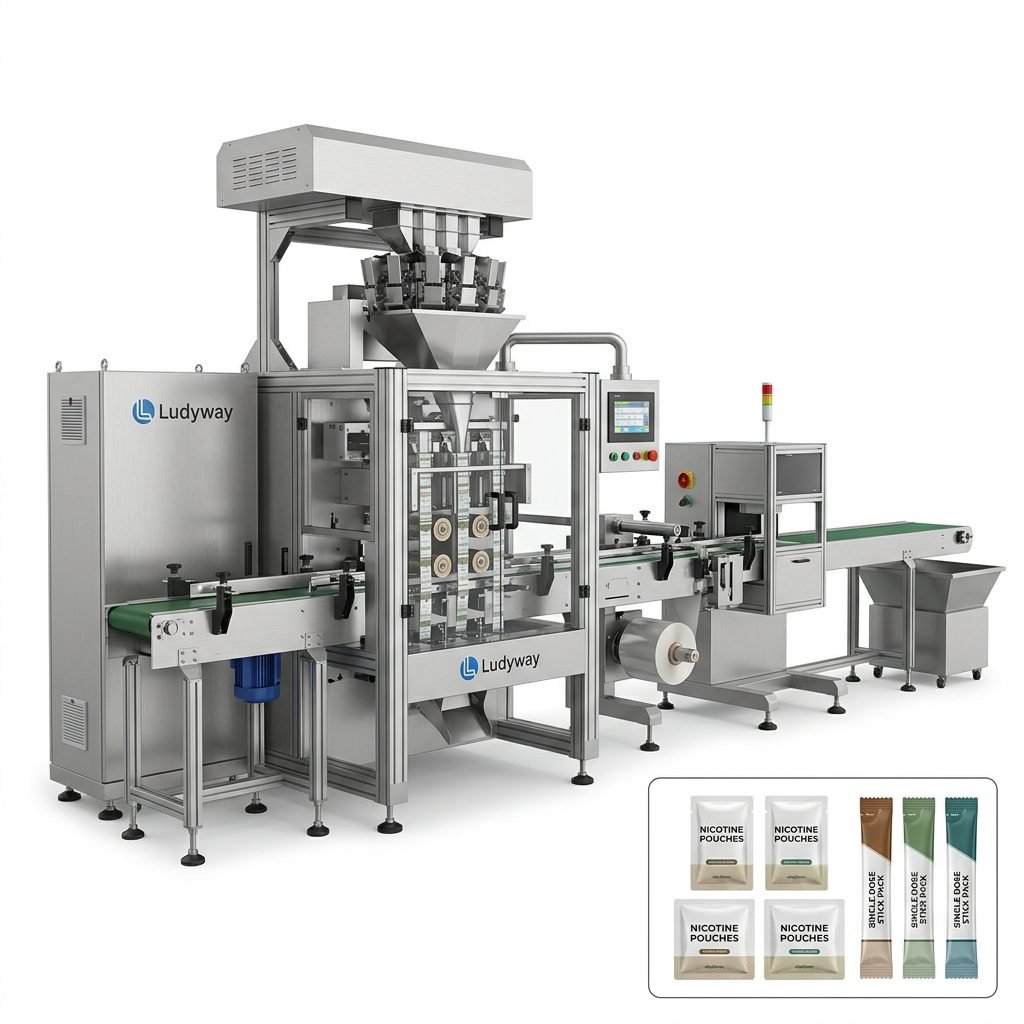
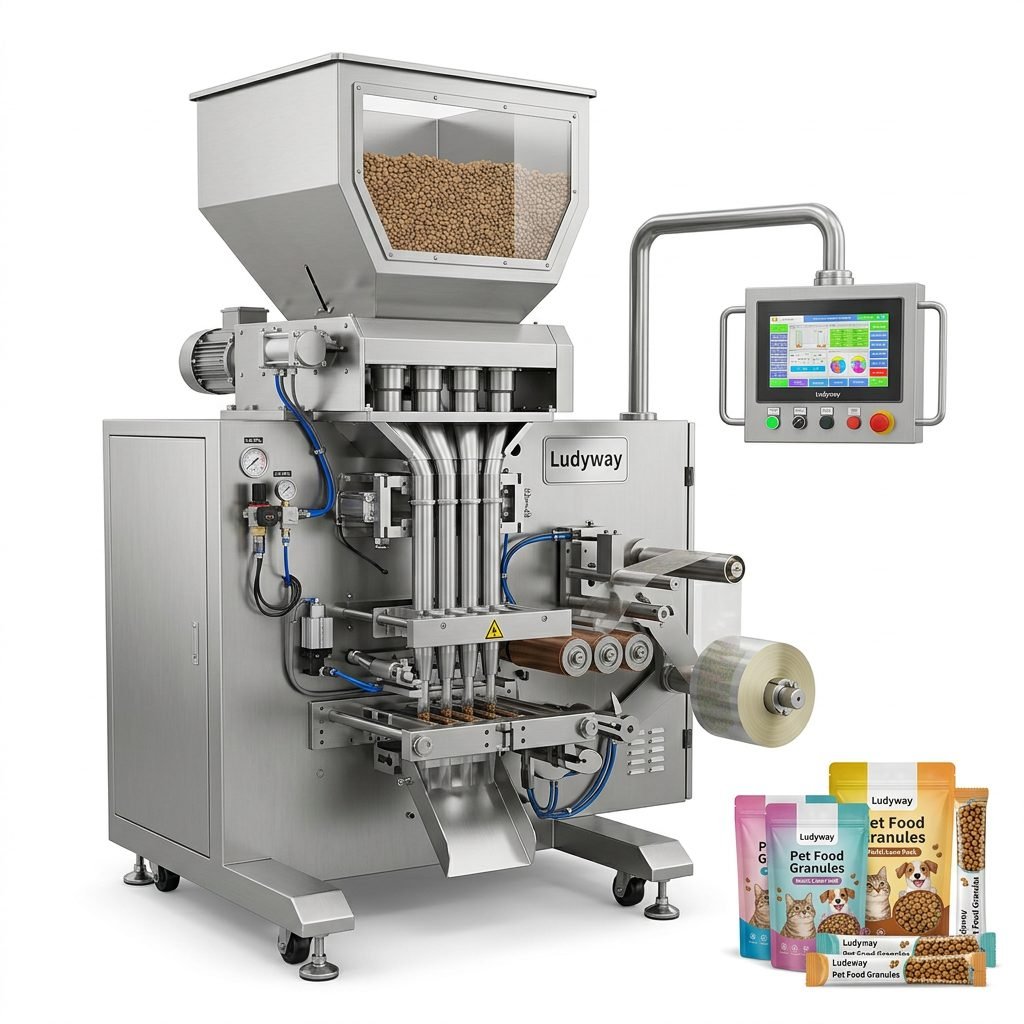
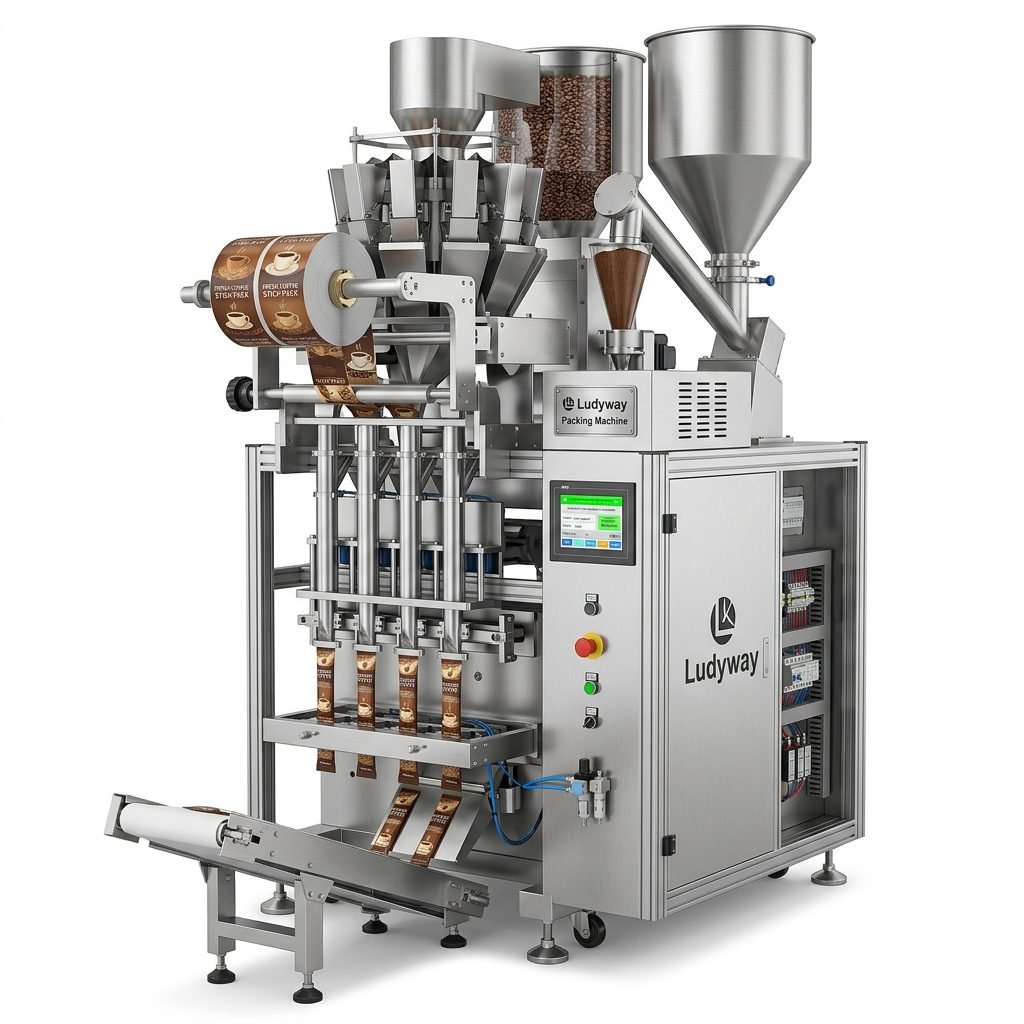
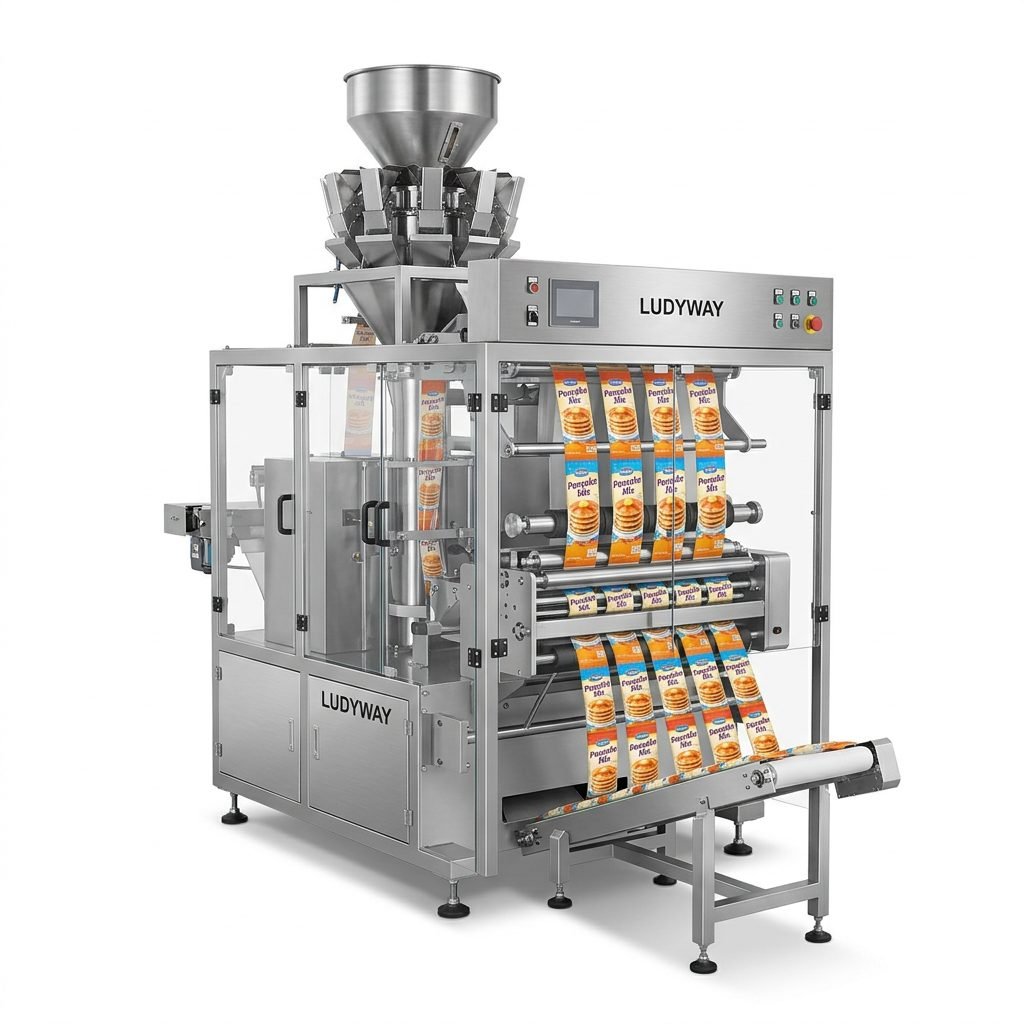
Maintaining a nitrogen filling packing machine is not just about preventing downtime — it is about ensuring product freshness, extending shelf life, and meeting stringent quality standards. Whether you are packaging food, pharmaceuticals, or sensitive chemical products, a well-maintained nitrogen flushing system directly impacts your bottom line.
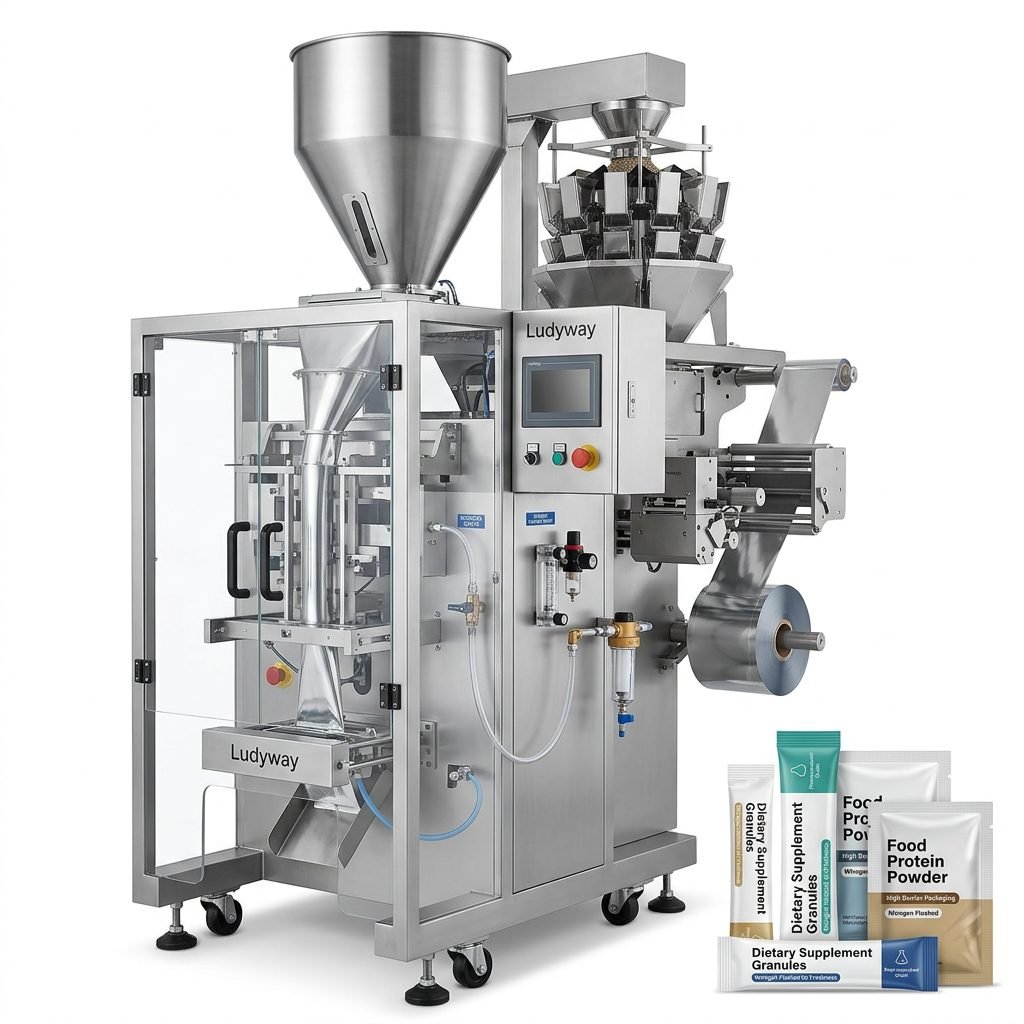
Why Nitrogen Flushing Machine Maintenance Matters
Oxygen is the enemy of product integrity. In modified atmosphere packaging (MAP), nitrogen displaces oxygen to prevent oxidation, microbial growth, and moisture damage. A poorly maintained machine can lead to inconsistent gas flushing, seal failures, and compromised packaging. Regular maintenance ensures consistent gas purity levels, accurate oxygen residual readings, and reliable seal integrity across every single pouch.
Neglecting cleaning schedules often results in powder buildup around sealing jaws, nitrogen nozzle blockages, and sensor malfunctions. These issues directly cause leaking sachets, product waste, and costly rework.

Daily Cleaning Checklist for Nitrogen Packaging Equipment
A disciplined daily routine prevents residue accumulation. Follow these steps at the end of each shift:
- Sealing jaw inspection: Remove any product residue or film debris from the heating elements and Teflon-coated surfaces using a soft brass brush.
- Nitrogen nozzle cleaning: Wipe down gas flushing nozzles with a lint-free cloth and approved solvent to prevent powder buildup that restricts gas flow.
- Film path clearing: Check the entire film path for loose material fragments. Use compressed air to blow out dust from sensors and photoelectric cells.
- Drip tray emptying: Clean all catch trays under filling stations to prevent cross-contamination between product batches.
- Touchscreen and control panel: Wipe with a dry microfiber cloth to maintain visibility and touch sensitivity.
Weekly Maintenance Tasks
Weekly inspections target components that experience gradual wear:
- Sealing gasket inspection: Examine silicone gaskets and O-rings on nitrogen lines for signs of cracking or compression set. Replace if hardened.
- Gas pressure calibration: Verify that nitrogen pressure regulators maintain consistent output. Fluctuating pressure causes uneven flushing and wasted gas.
- Sensor testing: Test oxygen analyzers and residual oxygen sensors against a known calibration standard. Inaccurate sensors lead to false quality assurance readings.
- Conveyor belt tensioning: Check belt tracking and tension. Misaligned belts cause pouch movement issues during the nitrogen flush cycle.
- Lubrication points: Apply food-grade lubricant to all designated grease fittings on sealing jaw actuators and cutting mechanisms.

Monthly Inspection and Preventive Maintenance
Monthly procedures require more detailed mechanical and electrical checks:
- Gas line leak testing: Use a certified leak detection spray or electronic leak detector on all nitrogen fittings, valves, and connections. Even minor leaks waste significant gas volumes over time and increase operational costs.
- Flow meter verification: Compare actual nitrogen flow rates against set parameters. Deviation beyond ±5% requires recalibration or cleaning of the mass flow controller.
- Electrical connection tightening: Power down the machine and check all terminal connections in the control cabinet. Loose connections cause intermittent faults that are difficult to diagnose.
- Sealing temperature calibration: Verify that actual jaw temperatures match setpoints using a calibrated surface thermocouple. Temperature drift causes weak seals or film burn-through.
- Chain and sprocket inspection: Examine drive chains for elongation and sprockets for tooth wear. Replace both components as a set if wear exceeds manufacturer specifications.
Key Maintenance Metrics to Track
| Parameter | Recommended Frequency | Target Range |
|---|---|---|
| Residual Oxygen Level | Every shift | Below 1.0% (application-dependent) |
| Nitrogen Purity | Weekly | ≥ 99.0% (food-grade minimum) |
| Sealing Jaw Temperature | Monthly | ±3°C of setpoint |
| Gas Flow Rate | Monthly | Per product specification |
| Filter Element Condition | Quarterly | Replace if discolored or restricted |
Troubleshooting Common Nitrogen Packing Issues
When problems arise, systematic diagnosis saves hours of downtime. Here are the most frequent issues and their root causes:
Inconsistent Residual Oxygen Levels
If your oxygen analyzer shows fluctuating readings, check the following: nitrogen nozzle positioning (misaligned nozzles fail to properly displace oxygen), gas flow rate settings (insufficient flow cannot purge the pouch effectively), and exhaust timing (sealing jaws closing too early trap ambient air inside). Also inspect the gas purity of your nitrogen supply — generator membranes or filters may need replacement.
Weak or Leaking Seals
Seal failures in nitrogen-flushed packages often stem from contaminated sealing surfaces. Product powder trapped between the sealing jaws prevents proper fusion of packaging film layers. Clean jaws thoroughly and verify that the Teflon tape is intact. Additionally, check that sealing pressure and dwell time match the film specification from your packaging machine supplier.
Excessive Nitrogen Consumption
Higher-than-normal gas usage typically indicates leaks in the delivery system. Conduct a full line pressure test from the gas source to the nozzle tips. Pay special attention to quick-connect fittings and flexible hoses, which are common leak points. A sudden increase in consumption without obvious leaks may signal a faulty mass flow controller or solenoid valve.
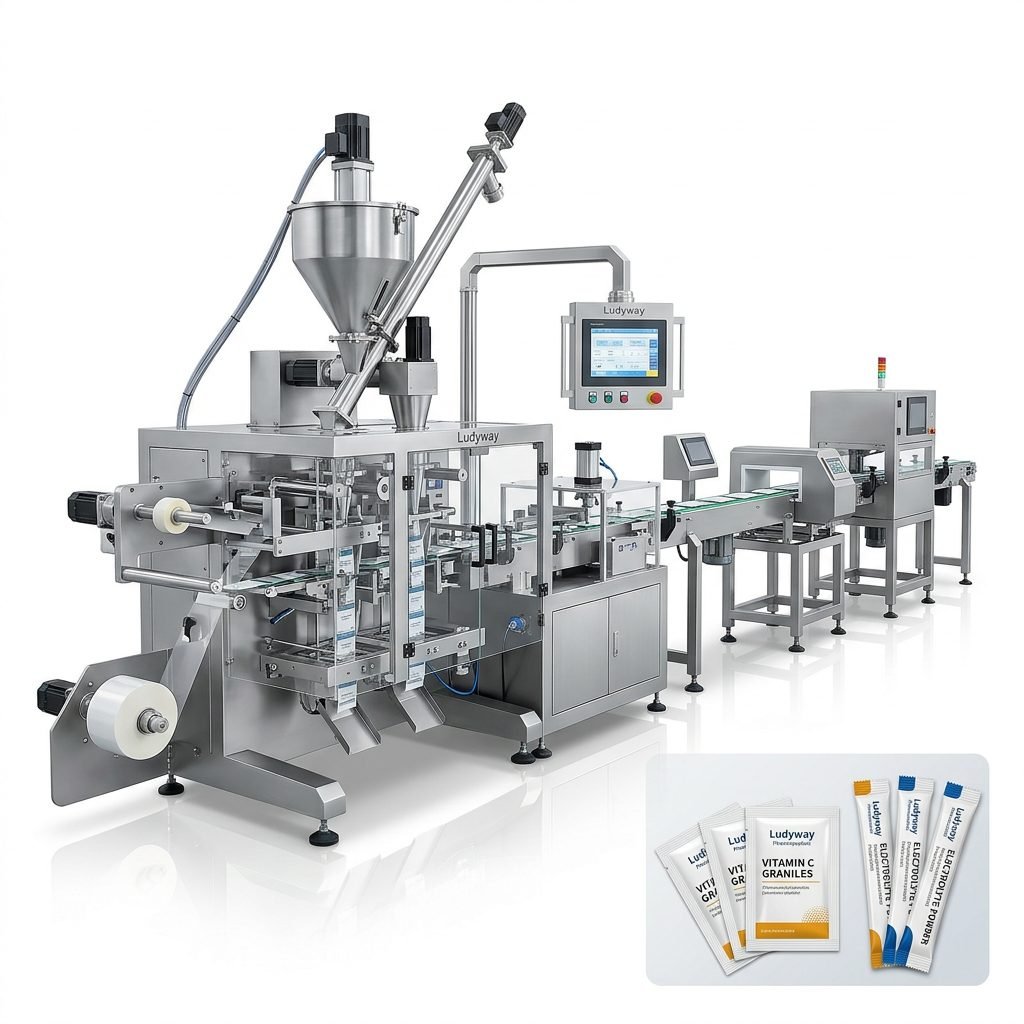
Nitrogen Generator Integration and Maintenance
Many facilities use on-site nitrogen generators rather than cylinder supplies. These systems require their own maintenance protocol:
- Compressed air pre-filtration: Replace coalescing filters and activated carbon elements every 4,000-6,000 operating hours to protect the membrane.
- Membrane module inspection: Check for pressure drop across the membrane bundle. Excessive drop indicates fouling or aging.
- Oxygen sensor calibration: The generator’s built-in purity monitor should be calibrated quarterly against a certified reference gas.
Training Your Team for Consistent Machine Care
Even the best maintenance schedule fails without proper operator training. Ensure all personnel understand:
- The relationship between nitrogen flush timing and product shelf life — improper settings directly affect quality.
- How to interpret error codes and alarm conditions on the HMI display.
- Proper lockout/tagout procedures before performing any maintenance inside the machine guarding.
- Documentation requirements — every cleaning action, parameter adjustment, and component replacement should be logged for traceability.
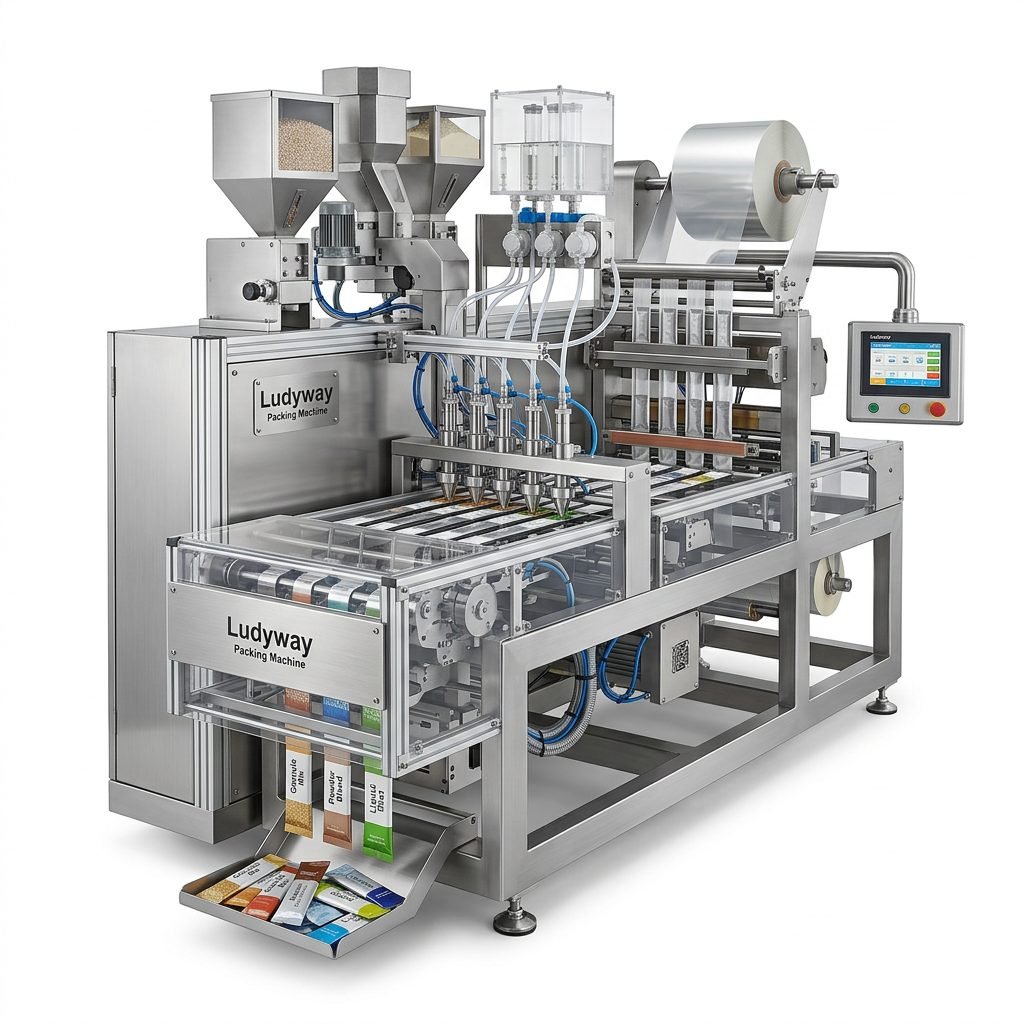
Ludyway is one of the largest packaging machine manufacturers in China, providing advanced packaging equipment and turnkey solutions with over 30 years of industry expertise. Their modern 20,000㎡ manufacturing facility produces more than 50 intelligent packaging machine models, including multi-lane stick pack, sachet, and fully automated packaging systems designed for reliable nitrogen flushing applications across food, pharmaceutical, and health industries.
Spare Parts Management for Nitrogen Packing Machines
Proactive spare parts inventory prevents extended downtime. Keep these critical components on hand:
- Sealing jaw Teflon tape and heating elements
- Nitrogen nozzle assemblies and O-ring kits
- Pneumatic cylinder seal kits for gas flush actuators
- Oxygen sensor spare cells (these have a limited lifespan, typically 12-24 months)
- Filter elements for nitrogen lines and compressed air systems
- Photoelectric sensor replacements for film registration
Quarterly and Annual Deep Maintenance
Schedule extended maintenance windows for comprehensive servicing:
- Full nitrogen line purging and sanitization: Disconnect all gas lines and flush with approved cleaning agents to remove any internal contamination.
- Control system backup: Back up all PLC programs, recipe parameters, and HMI configurations to external storage.
- Mechanical alignment verification: Check parallelism of sealing jaws, alignment of cutting knives, and synchronization of all servo-driven axes.
- Electrical safety testing: Perform insulation resistance tests on motors and heaters, and verify all emergency stop circuits function correctly.
External Resources for Packaging Professionals
Stay informed with these authoritative industry resources on packaging standards, regulations, and best practices:
- PMMI – The Association for Packaging and Processing Technologies
- PMMI Business Intelligence Library
- 2025 State of the Industry Report
- Flexible Packaging Association – Official Website
- Flexible Packaging Industry Data and Resources
- FDA – Food Packaging and Food Contact Substances
- ISO – Packaging Standards
- European Commission – Packaging and Packaging Waste Regulation
- PACK EXPO International
A structured maintenance program transforms your nitrogen filling packing machine from a potential bottleneck into a reliable production asset. By following the daily, weekly, monthly, and quarterly routines outlined above, you minimize unplanned downtime, ensure consistent package quality, and protect your product’s shelf life. Document every maintenance action, train operators thoroughly, and keep critical spare parts on hand — these habits separate high-performing packaging lines from those plagued by recurring issues.