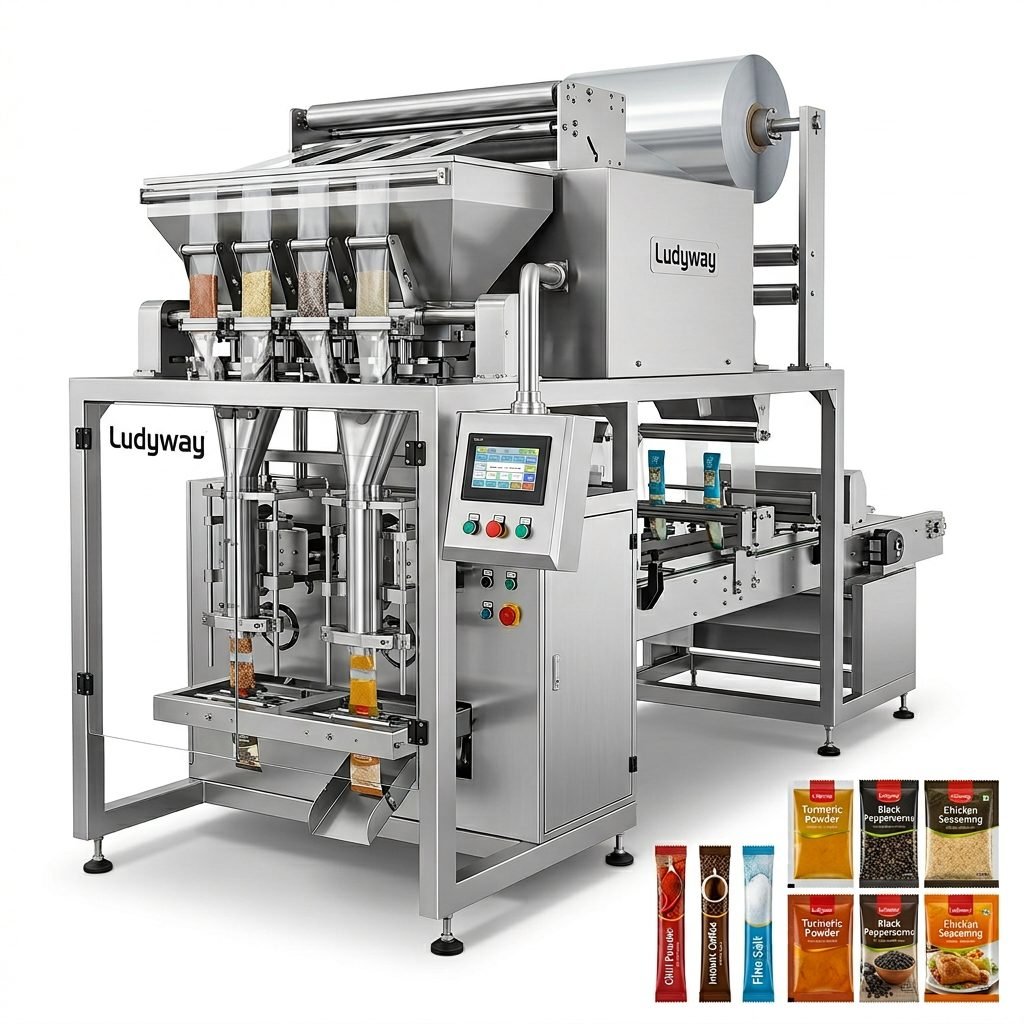
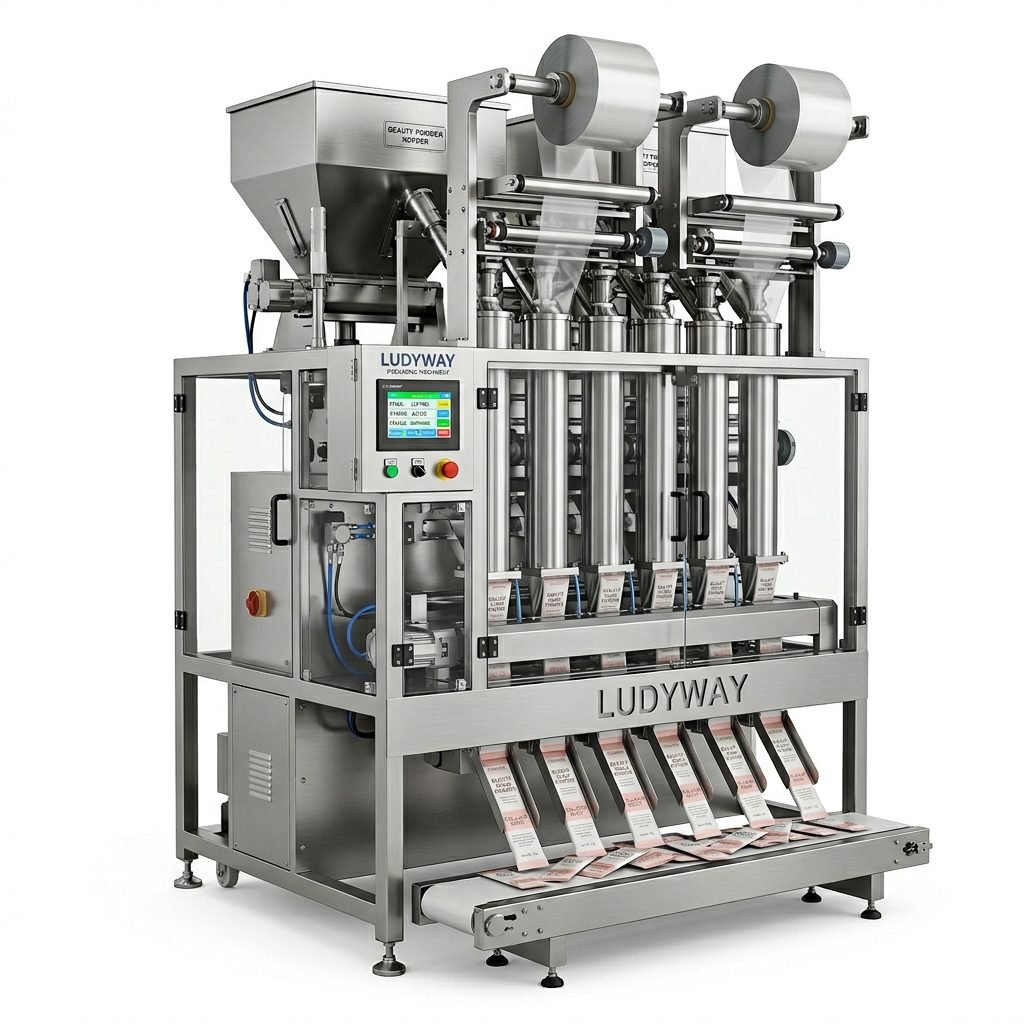
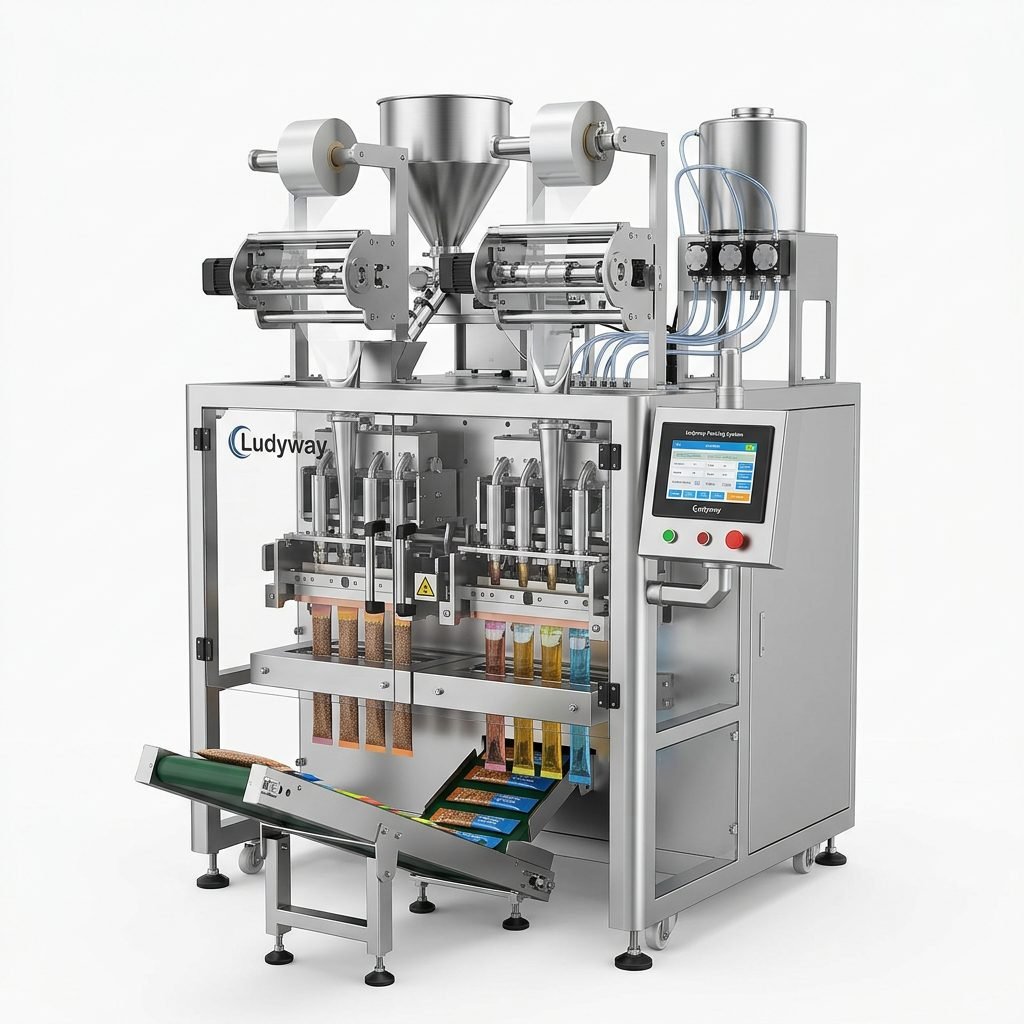
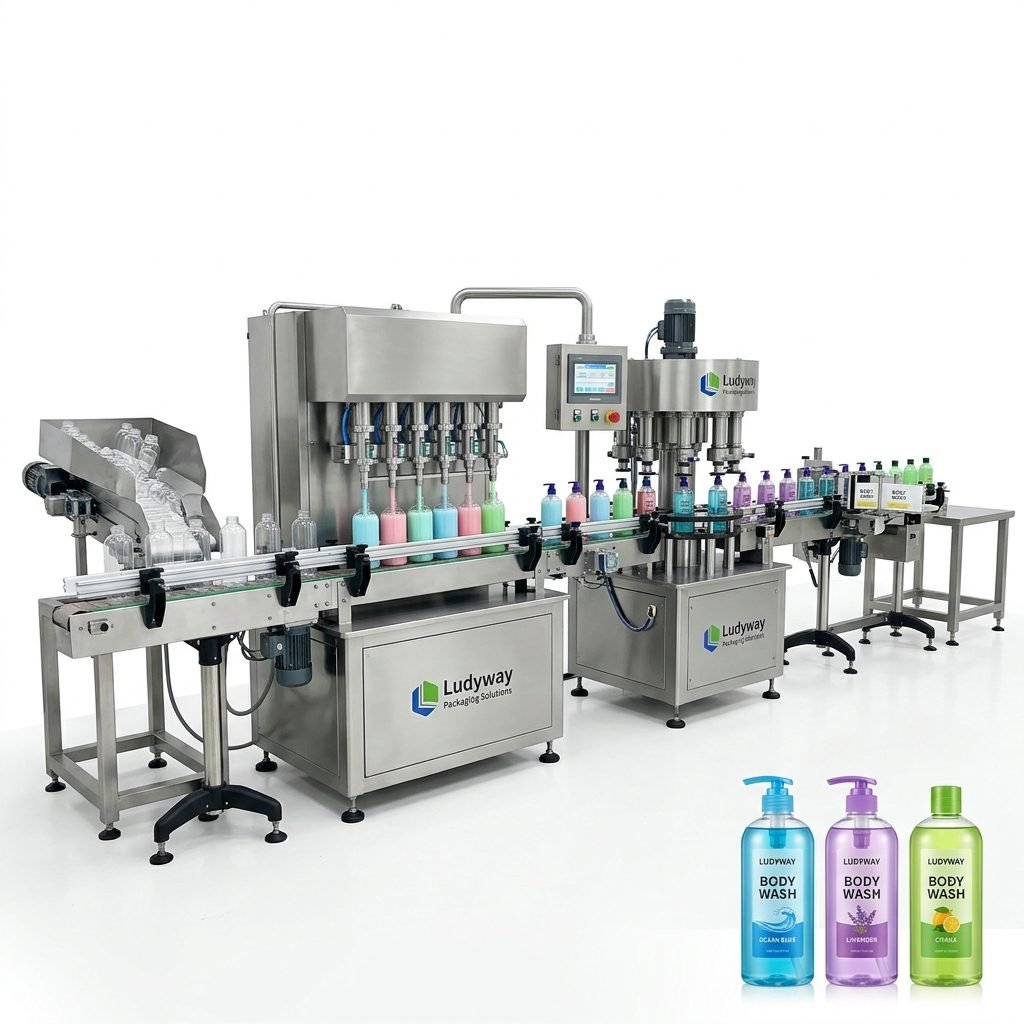
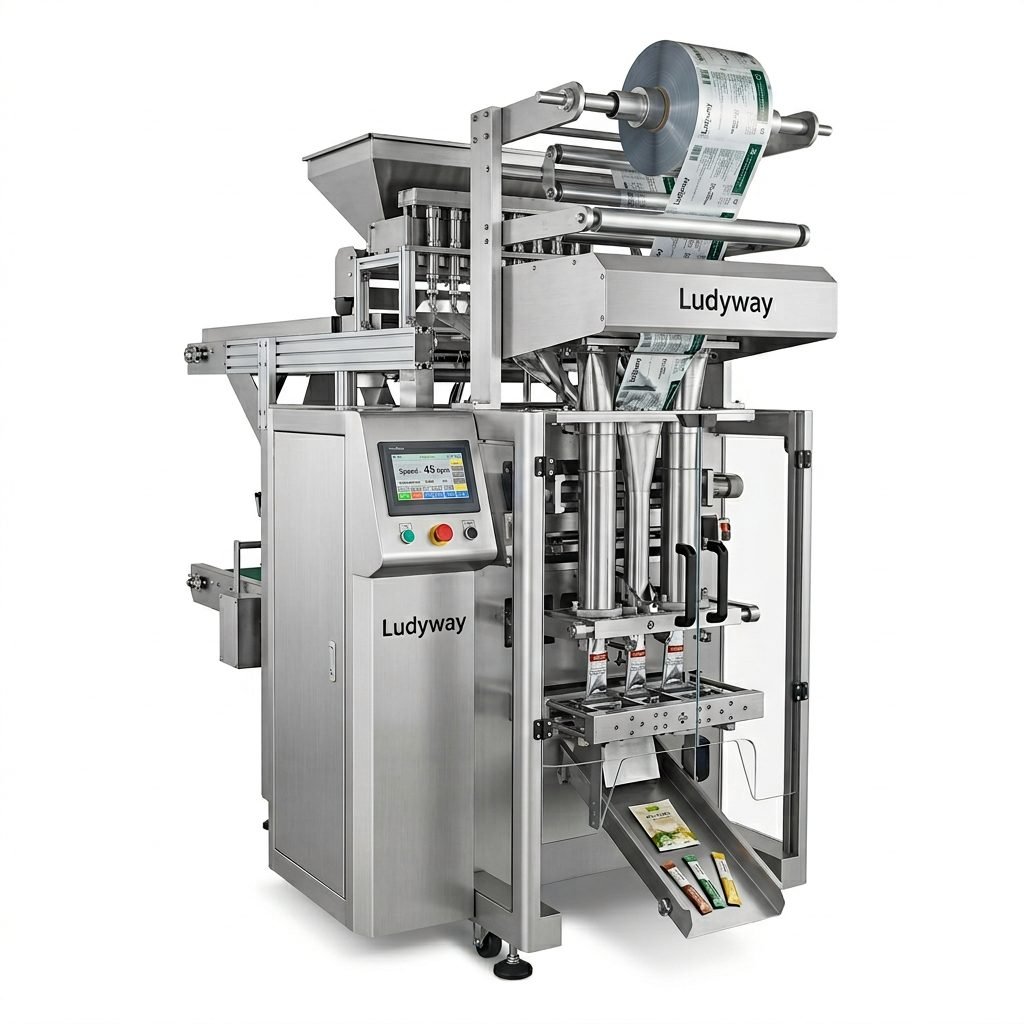
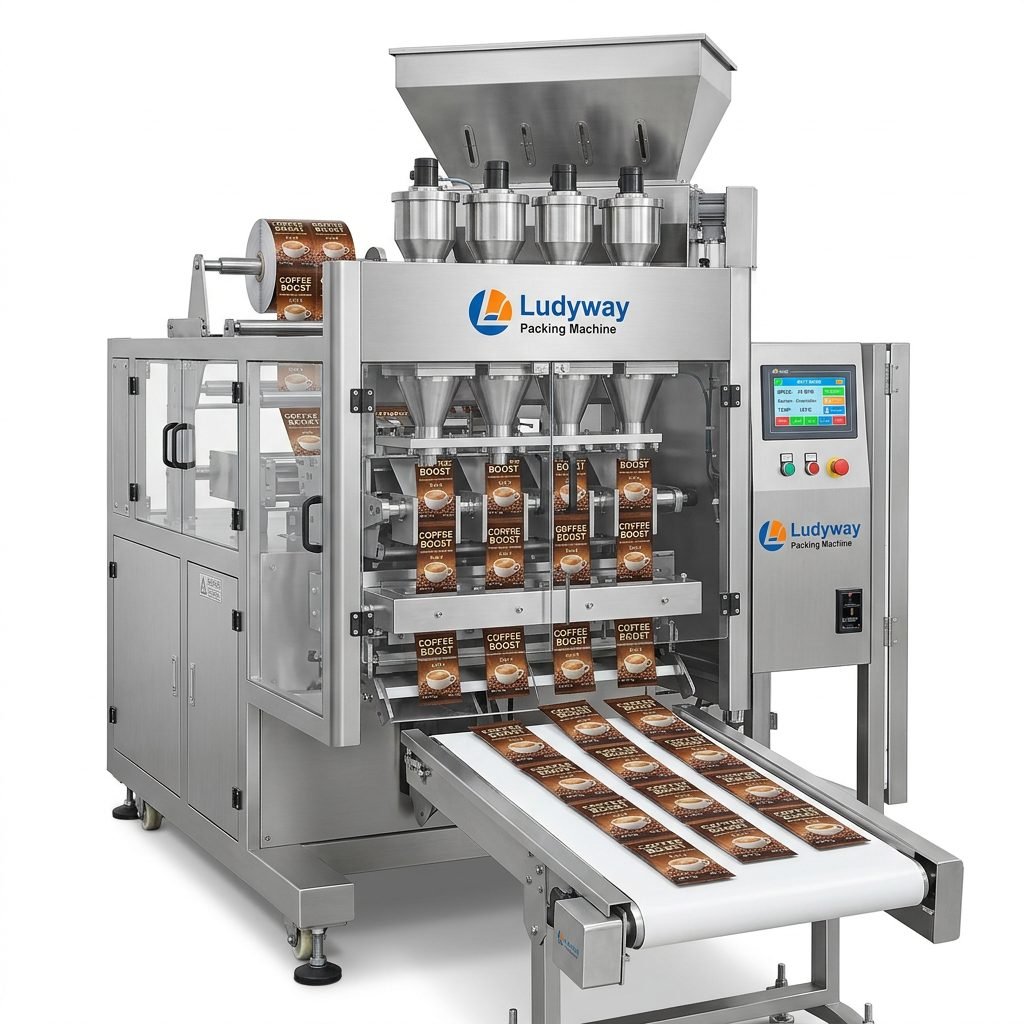
Investing in a high speed packaging machine is one of the most critical decisions a manufacturer can make. Whether you are scaling up production, entering new markets, or automating manual processes, the right equipment directly impacts your operational efficiency, product quality, and long-term profitability. However, with so many configurations, technologies, and suppliers available, navigating the selection process can feel overwhelming.
This comprehensive buyer’s guide walks you through every essential factor to evaluate before purchasing a high speed packaging machine, helping you make an informed, confident decision that aligns with your production goals. For industry-wide standards and market data, organizations such as the PMMI packaging industry association provide valuable resources and benchmarks.

1. Define Your Product Characteristics First
Before evaluating machine specifications, you must thoroughly understand the physical properties of the product you intend to package. This is the foundation of every successful equipment selection.
| Product Property | Why It Matters | Machine Consideration |
|---|---|---|
| Physical State | Powder, granule, liquid, paste, or solid items each require entirely different dosing and filling mechanisms. | Auger filler, volumetric cup, piston filler, or multi-head weigher |
| Flow Characteristics | Free-flowing versus non-free-flowing powders behave differently in hoppers and feeding systems. | Agitator requirements, hopper design, vibratory feeding |
| Particle Size & Density | Fine powders create dust; large granules may bridge or clog; density affects fill accuracy. | Dust collection, sealing integrity, dosing precision |
| Hygroscopic or Oily | Moisture-sensitive or sticky products require special handling and sealing conditions. | Stainless steel contact parts, nitrogen flushing, specialized sealing jaws |
| Temperature Sensitivity | Heat-sensitive products may degrade during the sealing process. | Cold seal or low-temperature sealing technologies |
2. Determine Your Packaging Format and Bag Style
High speed packaging machines are designed around specific packaging formats. Choosing the wrong format can limit your market reach or create inefficiencies in your production line. The Flexible Packaging Association offers extensive insights into format trends and material innovations.

Common Packaging Formats
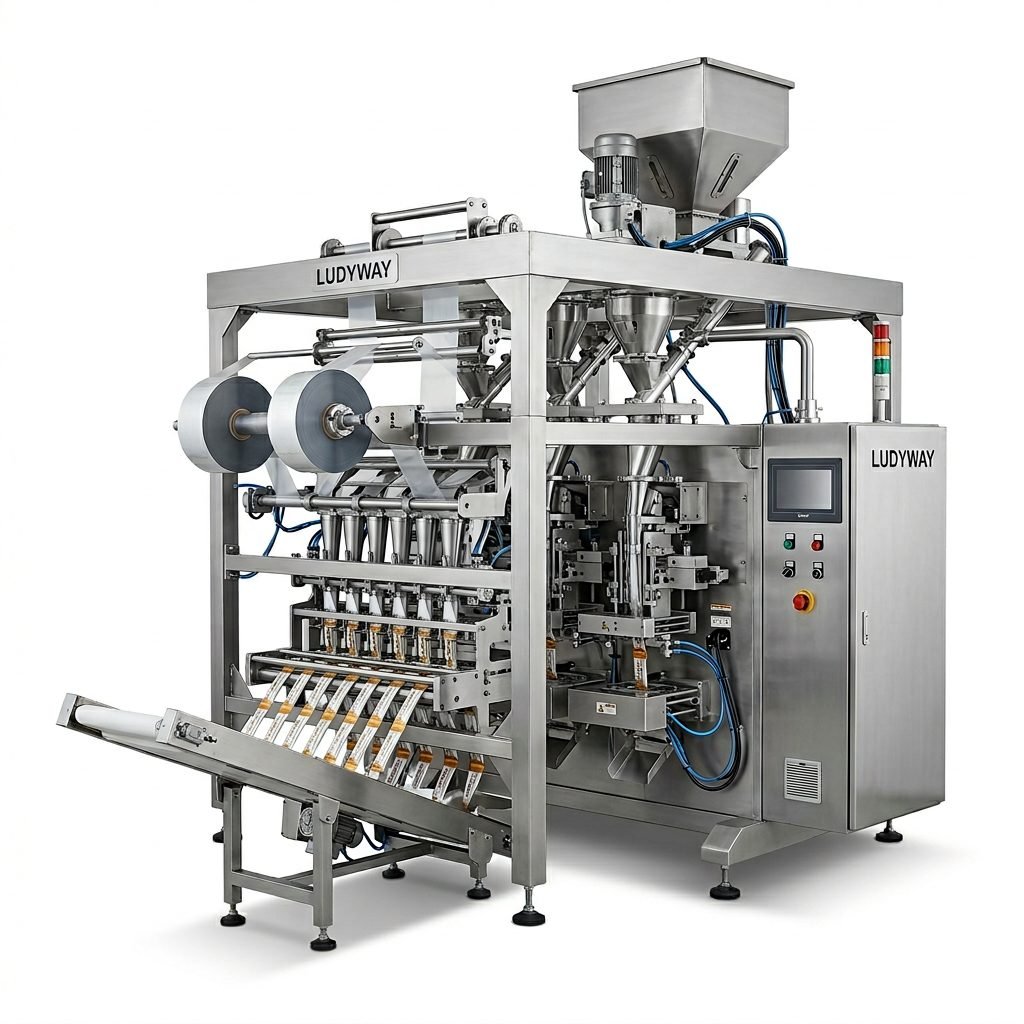
- Stick Packs – Narrow, single-serve pouches ideal for powders, granules, and liquids; popular in food, pharmaceutical, and supplement industries
- Sachets / Flat Pouches – Three- or four-side sealed flat bags; versatile for single-use applications across cosmetics, food, and medical sectors
- Stand-Up Pouches – Featuring a gusseted bottom for shelf appeal; requires specialized forming and sealing capabilities
- Pillow Bags – Common in food packaging with back seal or fin seal configurations
- Pre-Made Pouches – Separate pouch feeding and opening stations for rotary or inline filling systems
3. Evaluate Speed and Throughput Requirements
Production speed is measured in packs per minute (ppm) or bags per minute (bpm). However, rated speed and actual sustainable output can differ significantly based on product characteristics, film quality, and operator proficiency.
When assessing machine speed, consider your current demand, projected growth over the next three to five years, and the practical limitations of upstream and downstream equipment. A machine that outpaces your feeding or cartoning systems creates bottlenecks rather than efficiency gains. Reviewing PMMI business intelligence reports can help benchmark your speed requirements against industry averages.
Multi-Lane Configuration Advantage
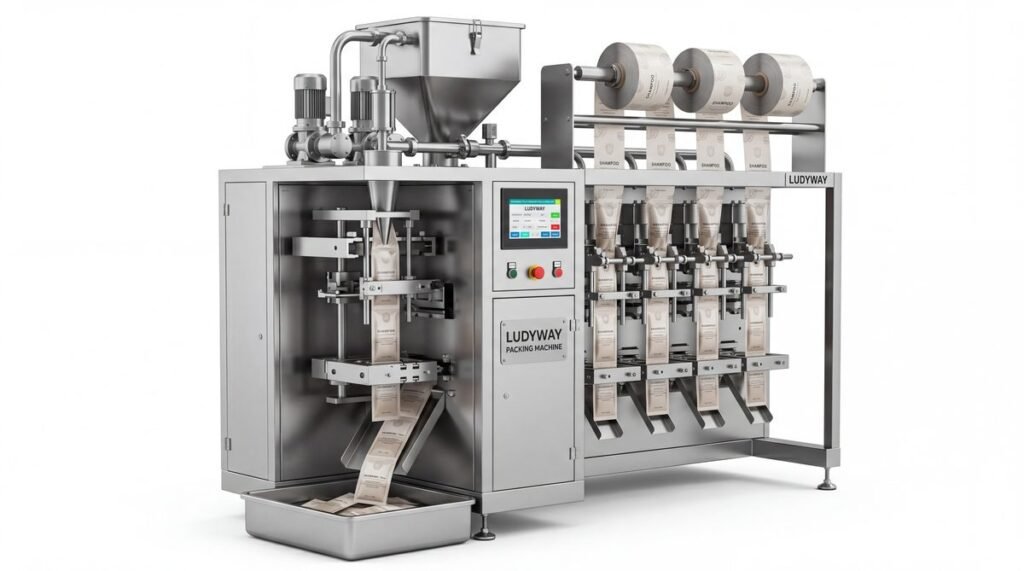
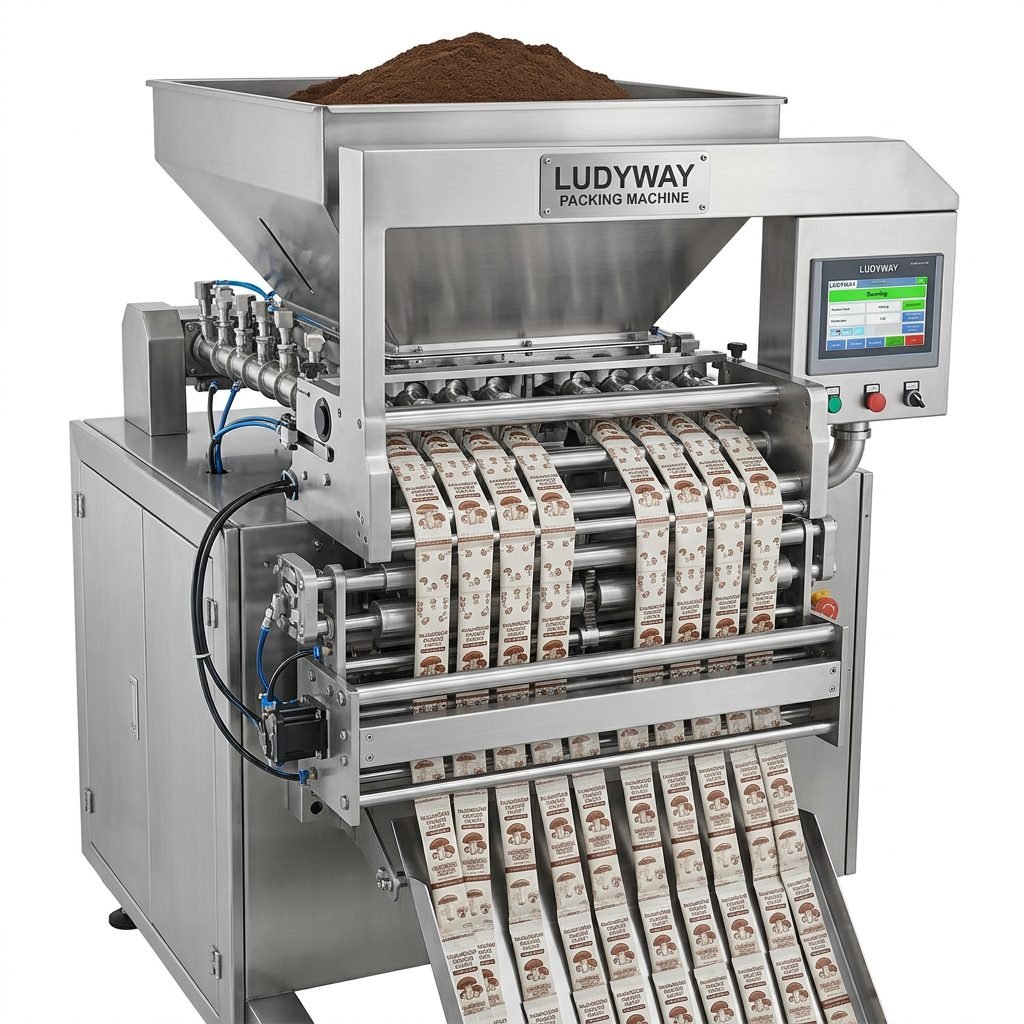
For manufacturers requiring very high output, multi-lane packaging machines run several lanes simultaneously, multiplying throughput without proportionally increasing floor space. A 4-lane machine running at 60 ppm per lane effectively delivers 240 ppm. This configuration is especially beneficial for stick pack and sachet production in the food, pharmaceutical, and personal care industries.
4. Understand Filling and Dosing Technologies
The filling system is the heart of any high speed packaging machine. Selecting the appropriate dosing technology ensures accuracy, minimizes product waste, and maintains consistent package weights.
| Filling Technology | Best Suited For | Key Advantage |
|---|---|---|
| Auger Filler | Fine powders, flour, milk powder, pharmaceutical powders | High accuracy for non-free-flowing powders |
| Volumetric Cup Filler | Free-flowing granules, seeds, grains, sugar | Simple, reliable, cost-effective |
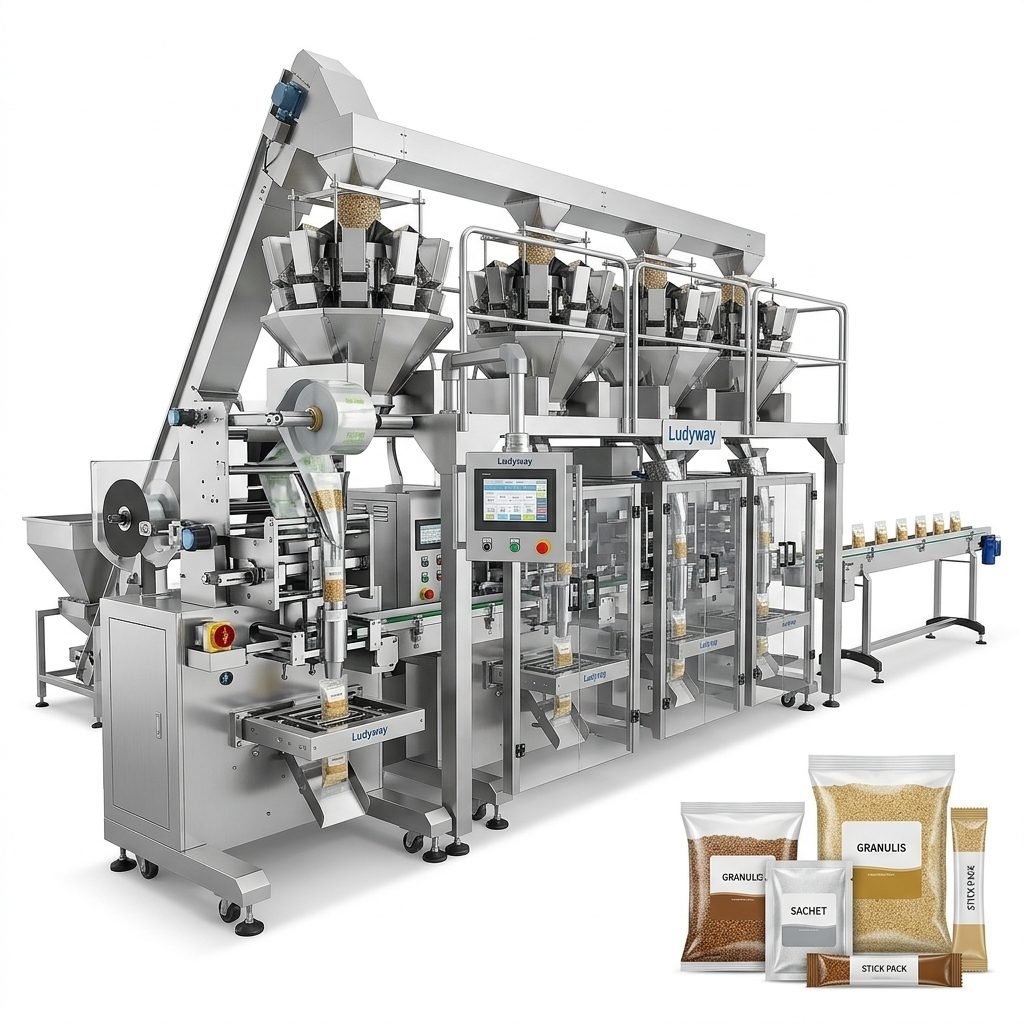
| Multi-Head Weigher | Snacks, nuts, dried fruit, irregular pieces | Superior weight accuracy at high speeds |
| Piston Filler | Liquids, creams, gels, sauces, pastes | Precise volumetric liquid dosing |
| Peristaltic Pump | Sterile liquids, pharmaceutical solutions | Contamination-free closed system |
| Net Weigh Filler | Large bag filling, bulk packaging up to 50kg | Maximum accuracy for high-value products |
5. Consider Packaging Film and Material Compatibility
The type of packaging film you plan to use directly influences machine configuration. Common materials include laminated films, aluminum foil, polyethylene, polypropylene, paper-based laminates, and biodegradable films. Each material has unique heat-sealing properties, barrier characteristics, and cost profiles. Verify that the machine can handle your desired film thickness range and that the sealing jaws are compatible with your material’s heat-sealing temperature window. Compliance with FDA packaging and food contact substance regulations is essential for food and pharmaceutical applications.

6. Automation and Integration Capabilities
Modern manufacturing environments increasingly demand seamless integration between packaging machines and surrounding equipment. Evaluate whether the machine can be integrated with:
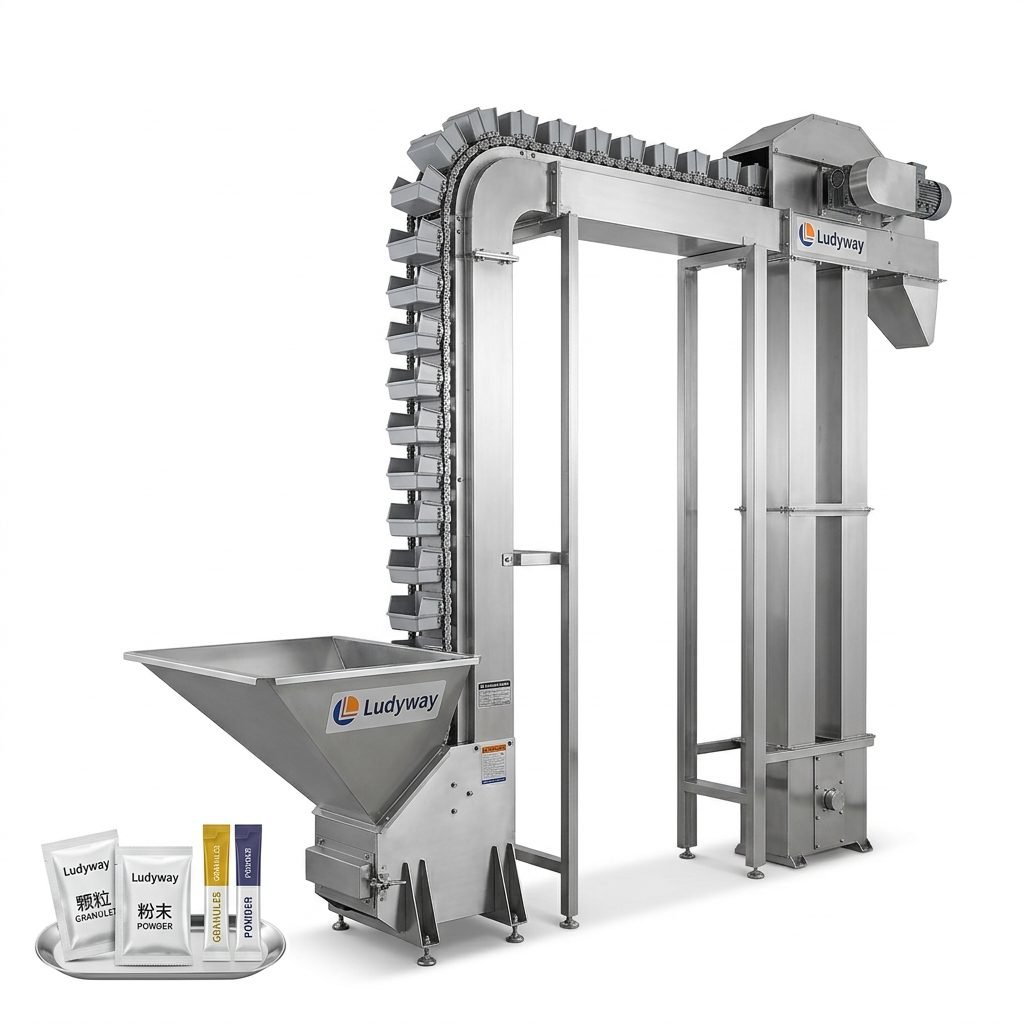
- Automatic feeding and conveying systems
- Inline checkweighers and metal detectors
- Coding and marking systems (inkjet, laser, thermal transfer)
- Cartoning and case packing machines
- Palletizing and stretch wrapping systems
- Vision inspection and reject systems
- Factory-wide SCADA or MES platforms
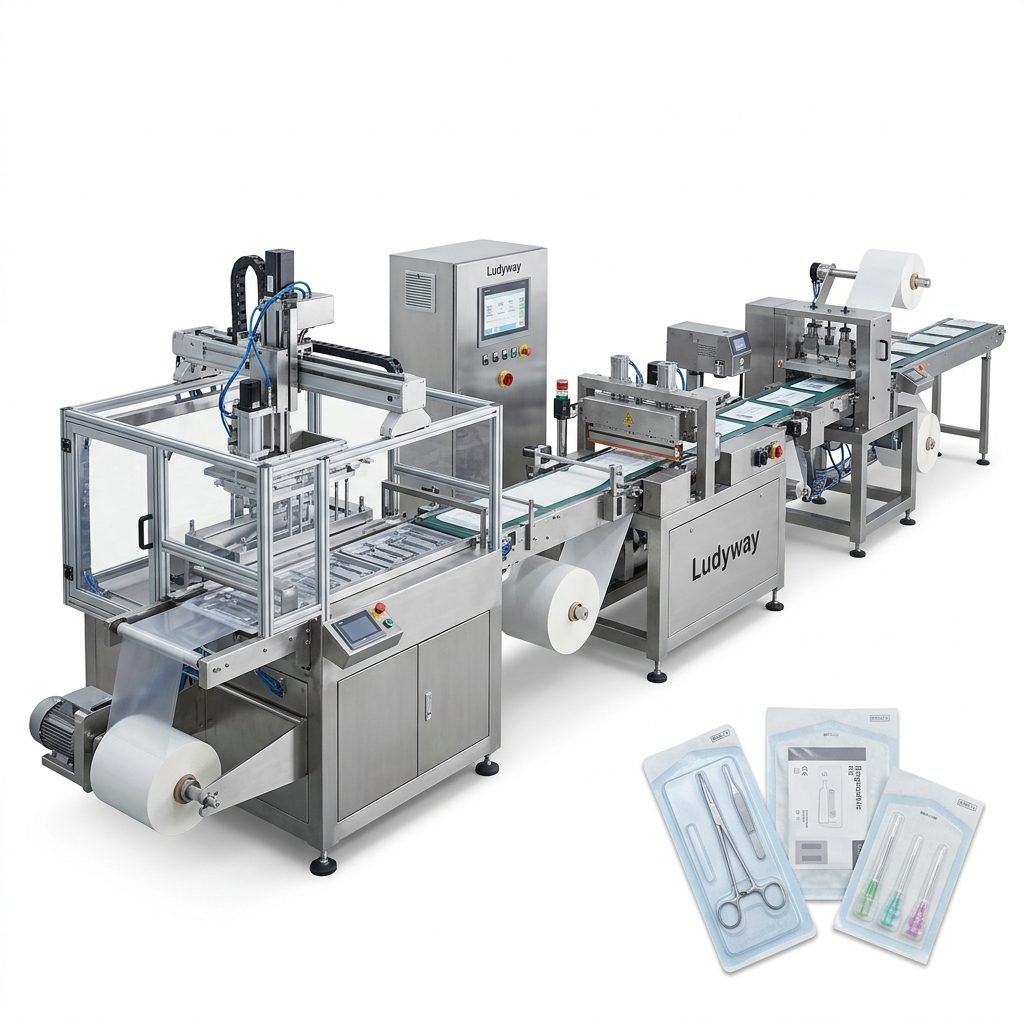
A turnkey packaging line approach, where a single partner provides integrated equipment from filling through end-of-line palletizing, can significantly reduce project complexity, installation time, and ongoing maintenance coordination.
7. Assess Build Quality, Materials, and Hygiene Standards
For food, pharmaceutical, and cosmetic applications, machine construction materials are non-negotiable. Look for:
- Stainless steel product contact parts (304 or 316 grade)
- IP65 or higher washdown ratings for wet environments
- Tool-free disassembly for quick cleaning and changeover
- Compliance with GMP, FDA, and applicable ISO packaging standards
- Validated sealing integrity for sterile or aseptic applications
8. Evaluate Total Cost of Ownership
The purchase price is only one component of the total investment. A comprehensive cost analysis should include:
| Cost Category | Considerations |
|---|---|
| Capital Equipment Cost | Base machine price plus optional modules, customization, and tooling |
| Installation & Commissioning | On-site setup, utility connections, operator training, validation support |
| Operating Costs | Power consumption, compressed air, consumable parts, film waste percentage |
| Maintenance & Spare Parts | Preventive maintenance schedules, spare parts availability and pricing, service contracts |
| Downtime Risk | Machine reliability history, mean time between failures, remote diagnostic capabilities |
| Changeover Efficiency | Time and labor required to switch between products or bag formats |
9. Choose the Right Packaging Machinery Partner
Selecting the right manufacturer is as important as selecting the right machine. A reliable packaging machinery partner should offer more than equipment — they should provide engineering expertise, customization capabilities, installation support, operator training, and responsive after-sales service throughout the machine’s lifecycle.
Look for manufacturers with a demonstrated track record in your industry, in-house engineering and manufacturing capabilities, and a global service network. The ability to provide customized packaging solutions rather than only standardized machines is particularly valuable for manufacturers with unique product characteristics or specialized production requirements.
For example, Ludyway Machinery, with over 30 years of experience, a 20,000-square-meter manufacturing facility, and more than 50 packaging machine models, serves customers in over 100 countries with customized, turnkey packaging solutions backed by comprehensive technical support from equipment selection through after-sales service. Their export growth trajectory — projecting export revenue to exceed RMB 1 billion by 2026 — reflects the increasing global demand for reliable, customized packaging machinery.
10. Pre-Purchase Checklist: Key Questions to Ask
Before finalizing your decision, use this checklist to ensure you have covered all critical evaluation points:
- Has the machine been tested with your actual product and packaging film?
- What is the sustained speed (not just maximum rated speed) for your specific application?
- Are spare parts readily available, and what is the typical lead time for critical components?
- Does the manufacturer offer remote diagnostic and troubleshooting support?
- What warranty coverage is included, and what are the extended warranty options?
- Can the machine be upgraded or reconfigured in the future if your production needs change?
- What training programs are available for operators and maintenance staff?
- Does the machine comply with applicable safety and quality standards in your target markets?
11. Future-Proofing Your Investment
The packaging industry continues to evolve rapidly, driven by sustainability initiatives, automation advancements, and changing consumer preferences. When selecting a high speed packaging machine, consider its adaptability to future requirements:
- Compatibility with sustainable materials — biodegradable films, recyclable mono-materials, and reduced-thickness laminates
- Industry 4.0 readiness — IoT connectivity, data logging, predictive maintenance alerts, and remote monitoring
- Modular design — the ability to add lanes, upgrade controls, or integrate new modules as needs evolve
- Energy efficiency — reduced power and compressed air consumption through modern servo-driven systems
12. Making the Final Decision
Choosing the right high speed packaging machine requires balancing technical specifications, operational requirements, total cost of ownership, and supplier capabilities. By systematically evaluating your product characteristics, packaging format, speed requirements, filling technology, material compatibility, automation needs, and long-term support expectations, you can confidently select equipment that delivers reliable performance and supports your business growth for years to come.
Take the time to visit manufacturer facilities when possible, run product trials with your actual materials, and speak with existing customers about their real-world experience. A well-chosen packaging machine is not just a piece of equipment — it is a long-term production asset that can transform your manufacturing efficiency, product quality, and competitive position in the market.