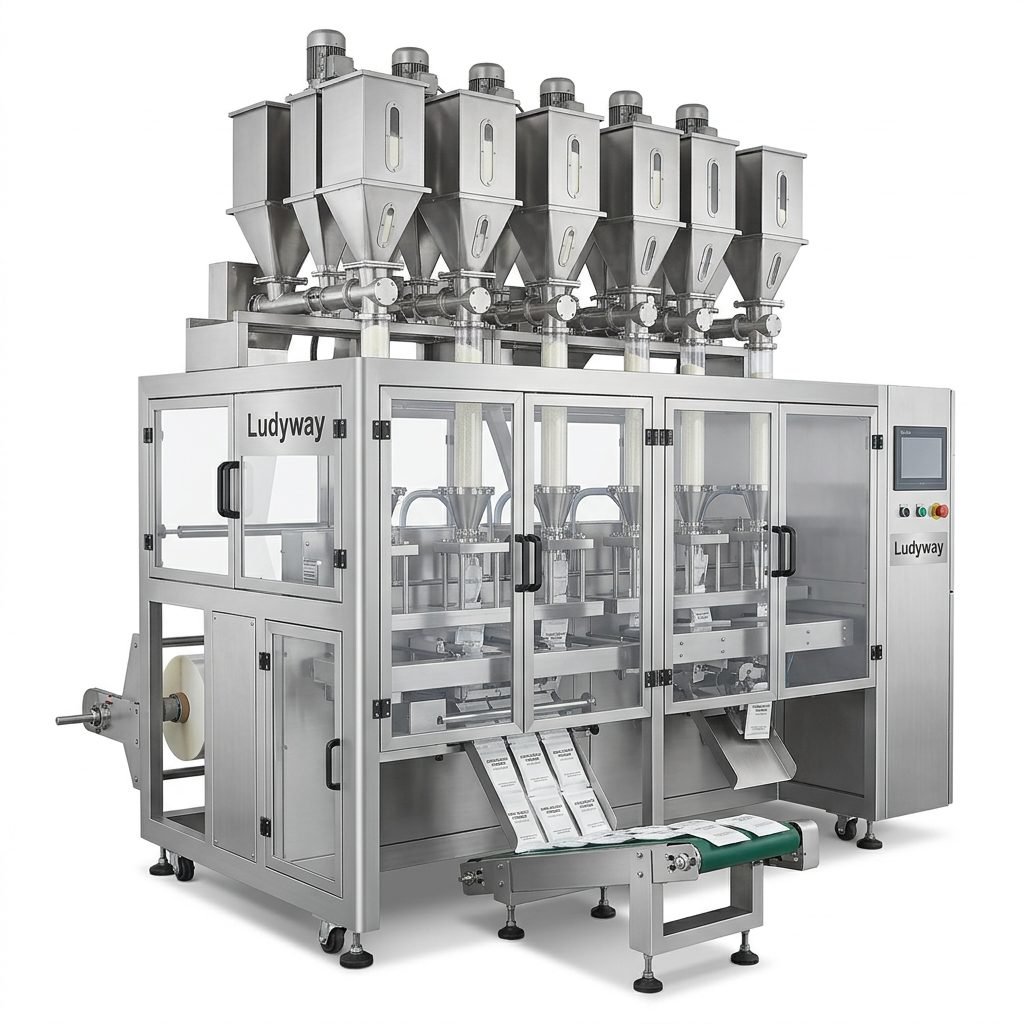
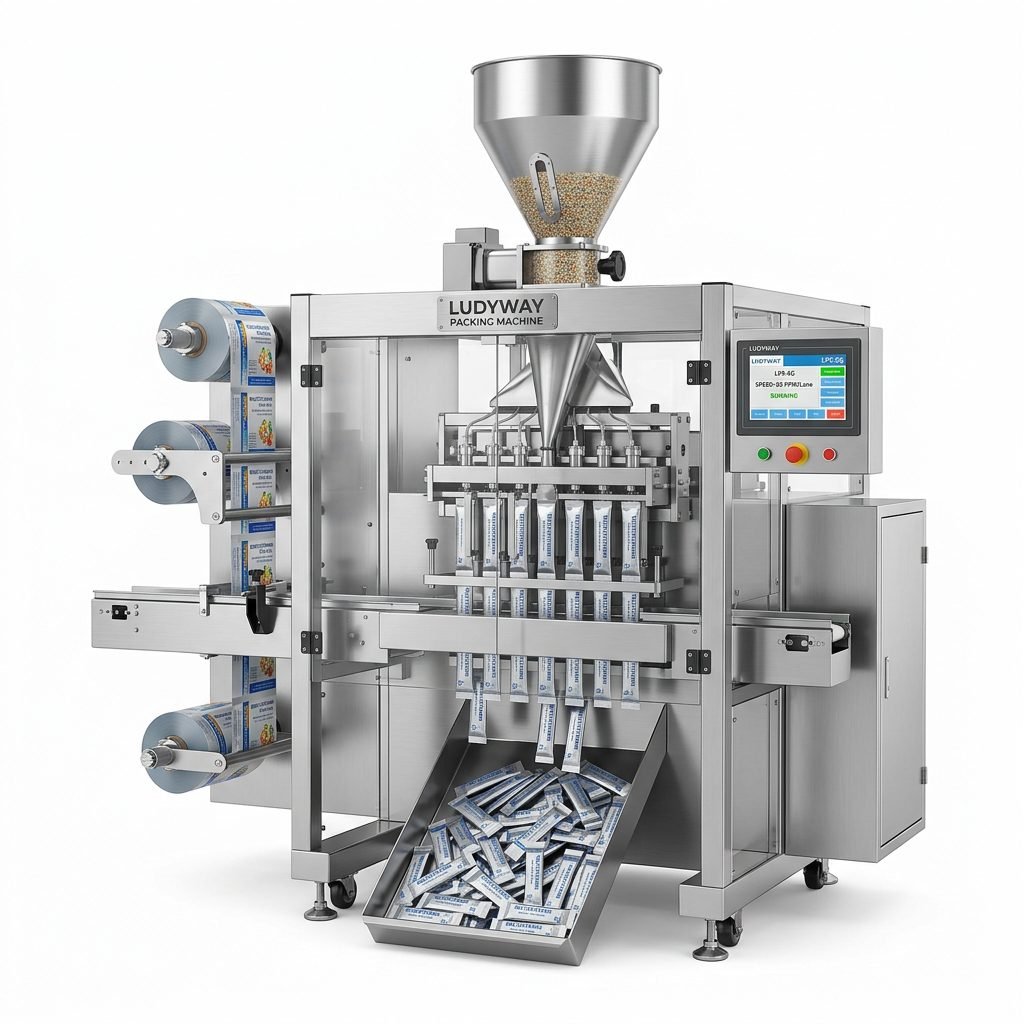
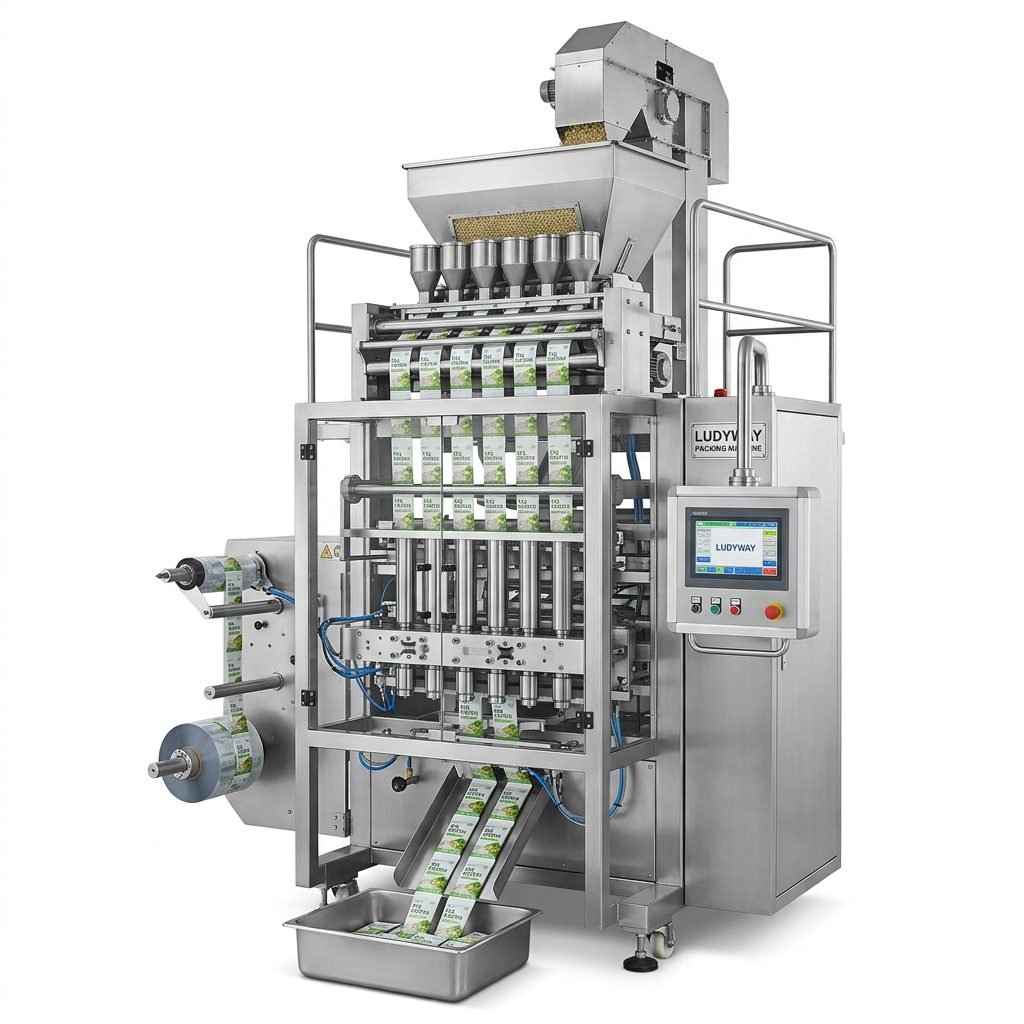
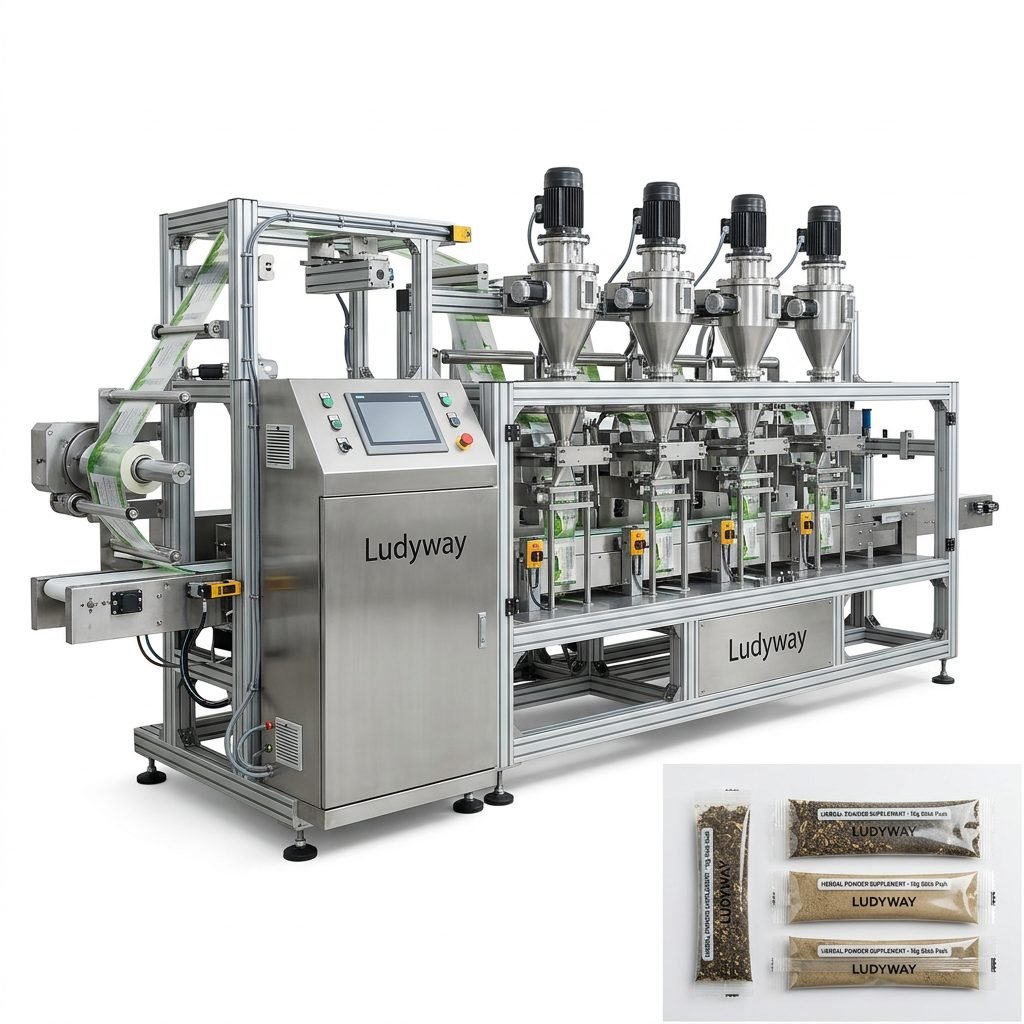
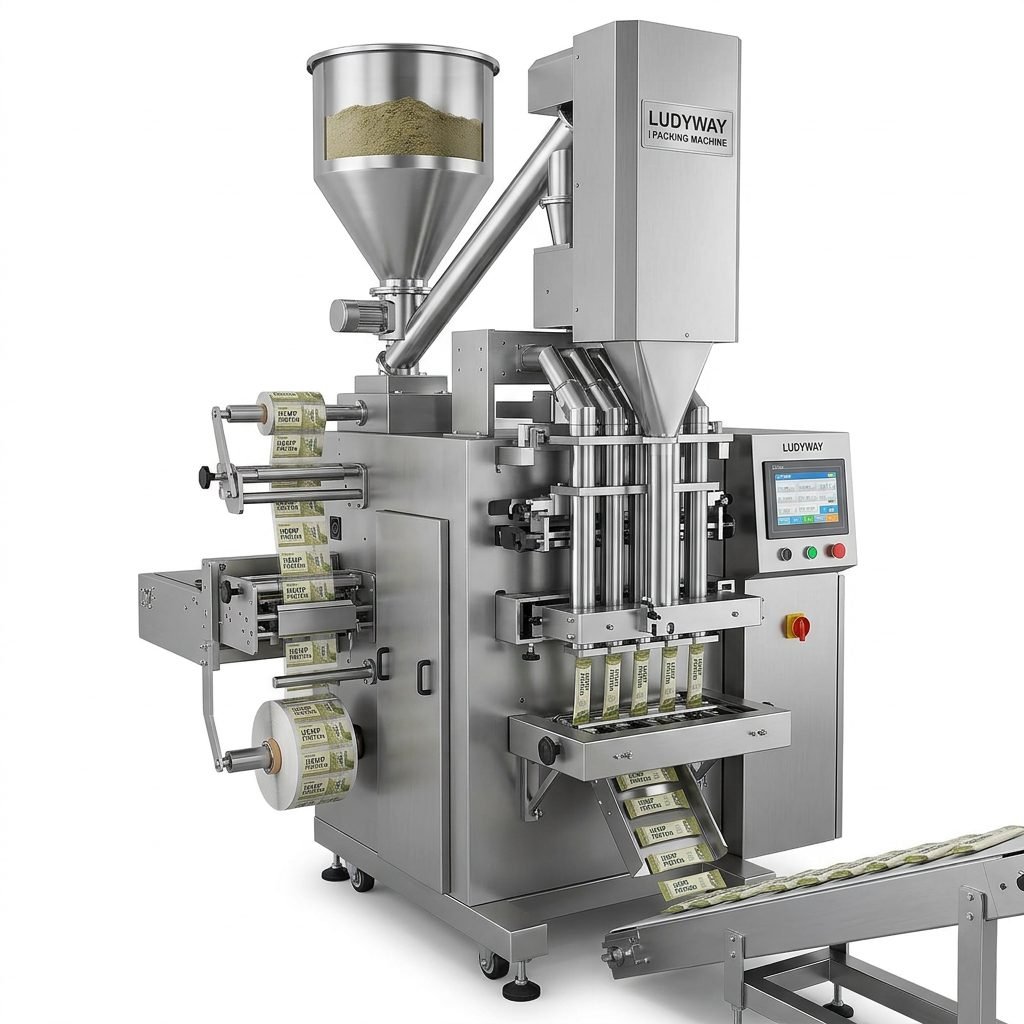
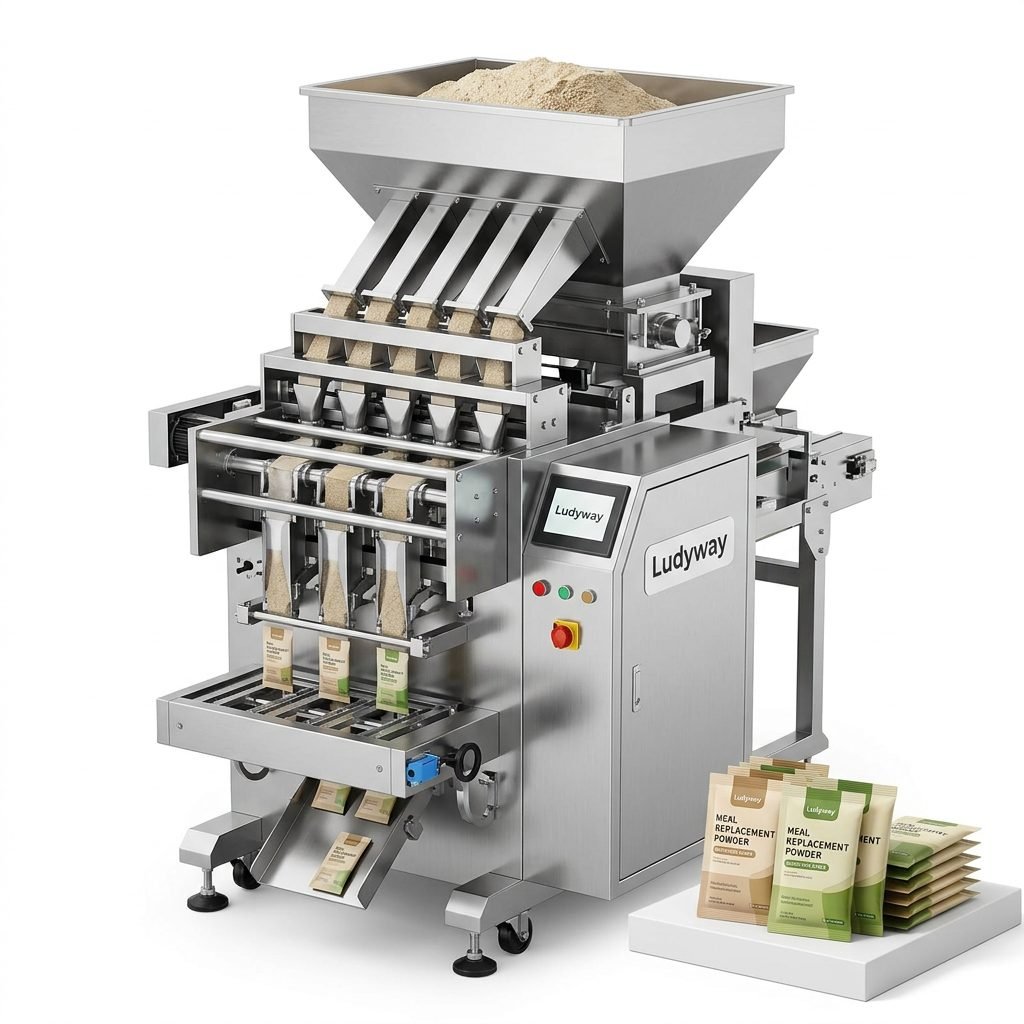
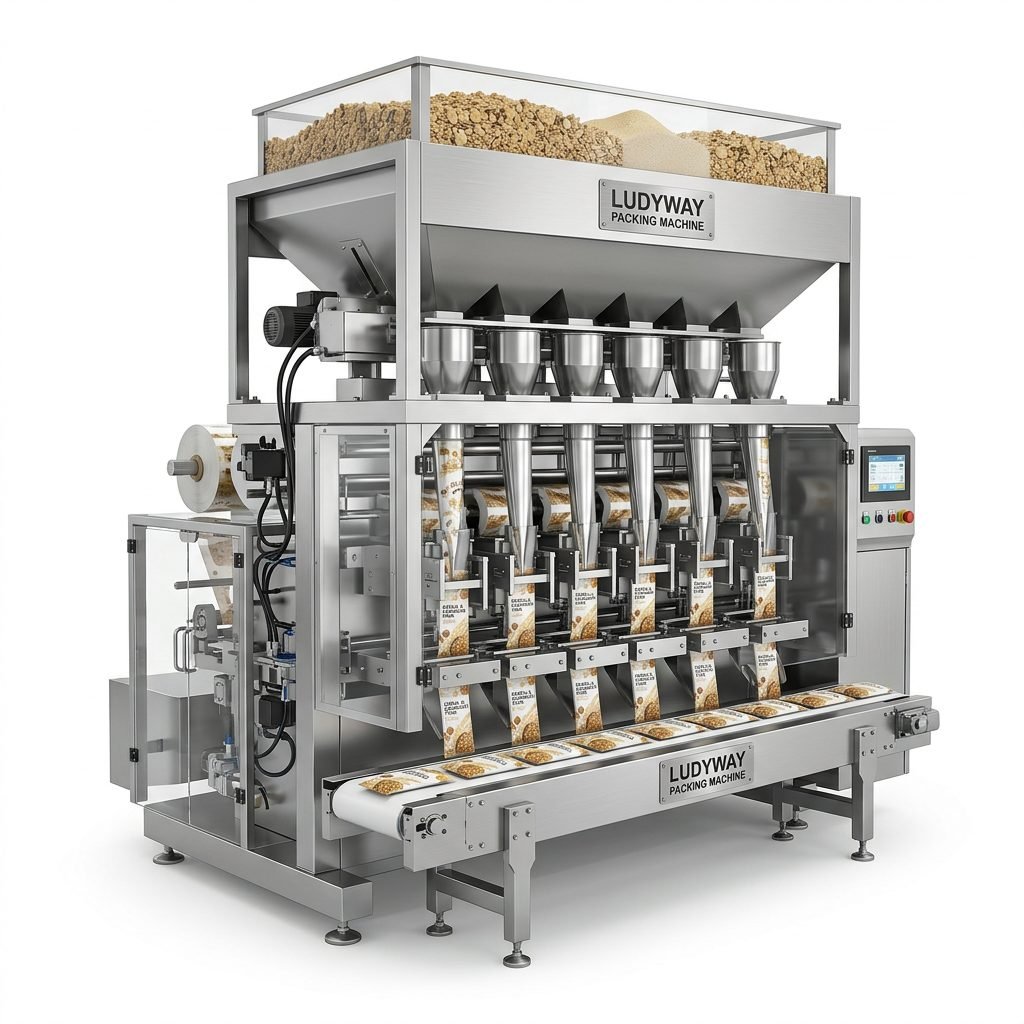
Maintaining a spice packaging machine is critical for ensuring consistent product quality, reducing downtime, and extending equipment lifespan. Whether you are packaging fine chili powder, coarse turmeric granules, or aromatic mixed spices, precision and hygiene are non-negotiable. A well-structured maintenance routine prevents cross-contamination, protects sensitive electronic components from corrosive dust, and guarantees accurate filling weights.
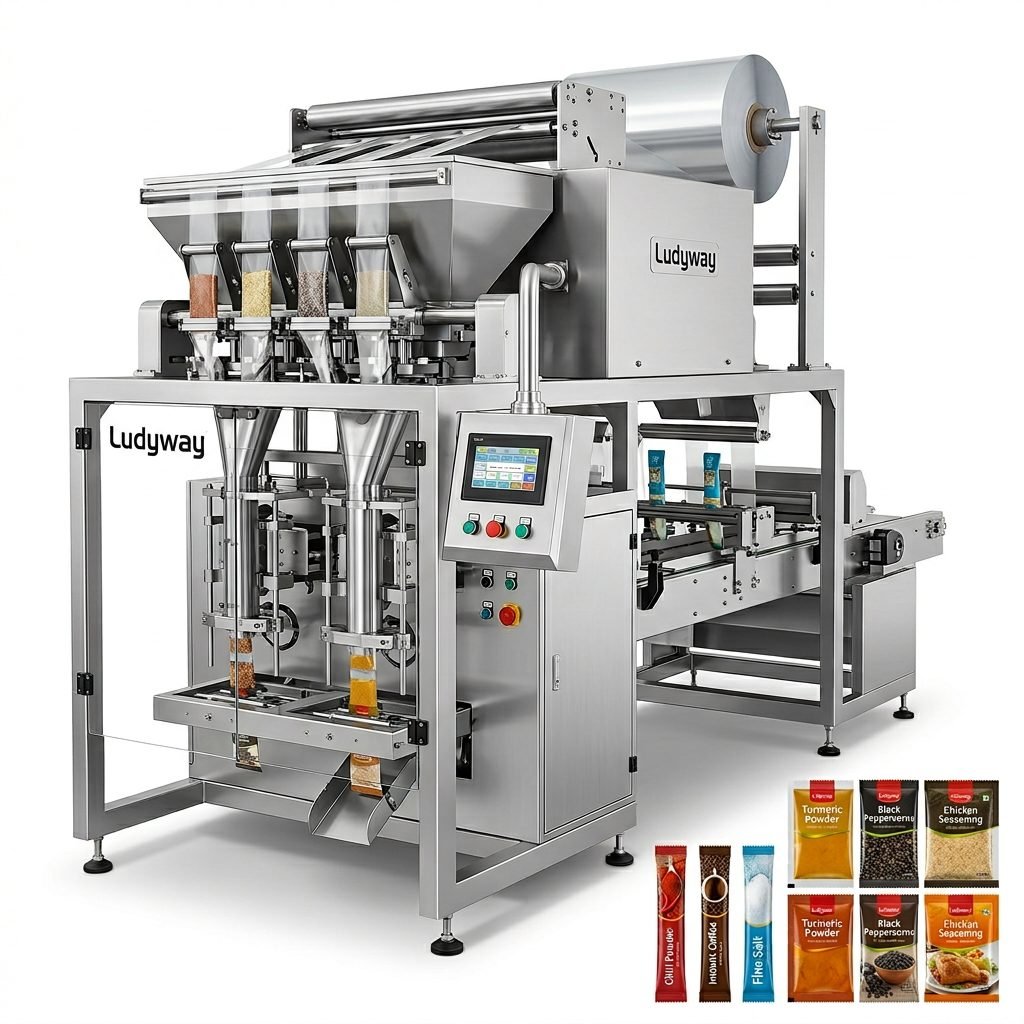
1. Daily Cleaning: The First Line of Defense
Spice dust is highly invasive. It can quickly clog sealing jaws, optical sensors, and moving parts. Implement a strict end-of-shift cleaning protocol.
- Compressed Air: Use dry, filtered compressed air to blow dust off electrical cabinets, photo-eyes, and forming tubes. Never direct air directly into sensitive bearings.
- Food-Grade Cleaners: Wipe down all product contact surfaces with approved sanitizers to prevent flavor carryover between batches.
- Hopper and Tooling: Empty residual powder from the hopper and remove the former/sealing jaws for deep cleaning to prevent sticky buildup.
2. Weekly Inspection of Wear Parts
Spices like salt and pepper are abrasive. Regularly inspect the following components to avoid sudden machine failure:
| Component | Check Interval | Signs of Wear |
|---|---|---|
| Sealing Jaws / Heaters | Daily / Weekly | Scratches, uneven heating, residue buildup |
| Cutting Knives | Weekly | Tearing instead of cutting, notched edges |
| Film Pulling Belts | Monthly | Cracks, slippage, inconsistent tension |
| PTFE Coating (Non-stick) | Weekly | Peeling or flaking |

3. Lubrication and Mechanical Integrity
Proper lubrication reduces friction and prevents metal contamination. Use only food-grade lubricants (H1 grade) on components that might incidentally contact the product stream.
- Grease cam followers and linear guides weekly in high-humidity environments.
- Check gearbox oil levels every three months.
- Inspect chain tension regularly; loose chains on a spice packaging machine cause misalignment of the film tracking system.
4. Calibrating the Weighing and Filling System
Spice density varies significantly between fine powders (like garlic powder) and coarse flakes (like oregano). Dynamic calibration ensures your filling accuracy remains within ±1%. Follow this checklist:
- Zero the scale or multi-head weigher before each product changeover.
- Run a test cycle of 10 fills to verify the average target weight.
- Adjust the fine/coarse feeding times based on product flowability.
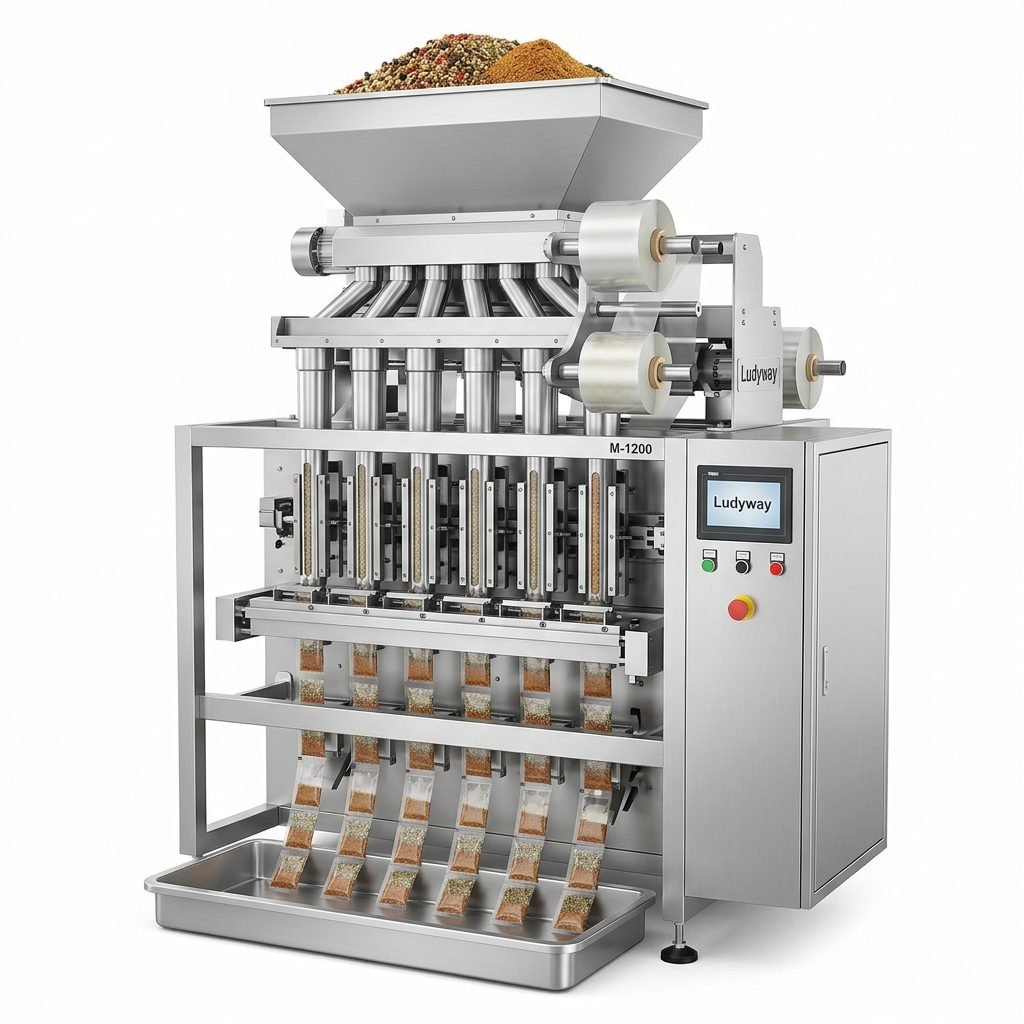
Modern multi-lane stick pack machines allow you to save recipes for different spice blends, automating this process. For more on advanced weighing systems, visit our resource on granule weighing technology.
5. Managing Static Electricity and Dust
Static electricity is a major challenge when handling lightweight powders. Static causes spices to stick to sealing areas, resulting in leakers and burnt seals.
- Grounding: Ensure the machine is properly grounded. Check the grounding strap continuity weekly.
- Ionizing Bars: Install ionizing bars on the film path to neutralize static charges before forming.
- Humidity Control: Maintain a relative humidity of 45-55% in the packaging room to naturally dissipate static.
6. Electrical System and Sensor Maintenance
Spice dust coats circuit boards, causing overheating and sensor drift. Always keep control cabinets sealed. Use a vacuum cleaner (never compressed air if you can avoid it on bare boards) to remove dust from internal cabinet louvers.
Check the registration sensor for accurate cutting. If the machine is misfeeding film, the eye-mark sensor may be dirty or misaligned.
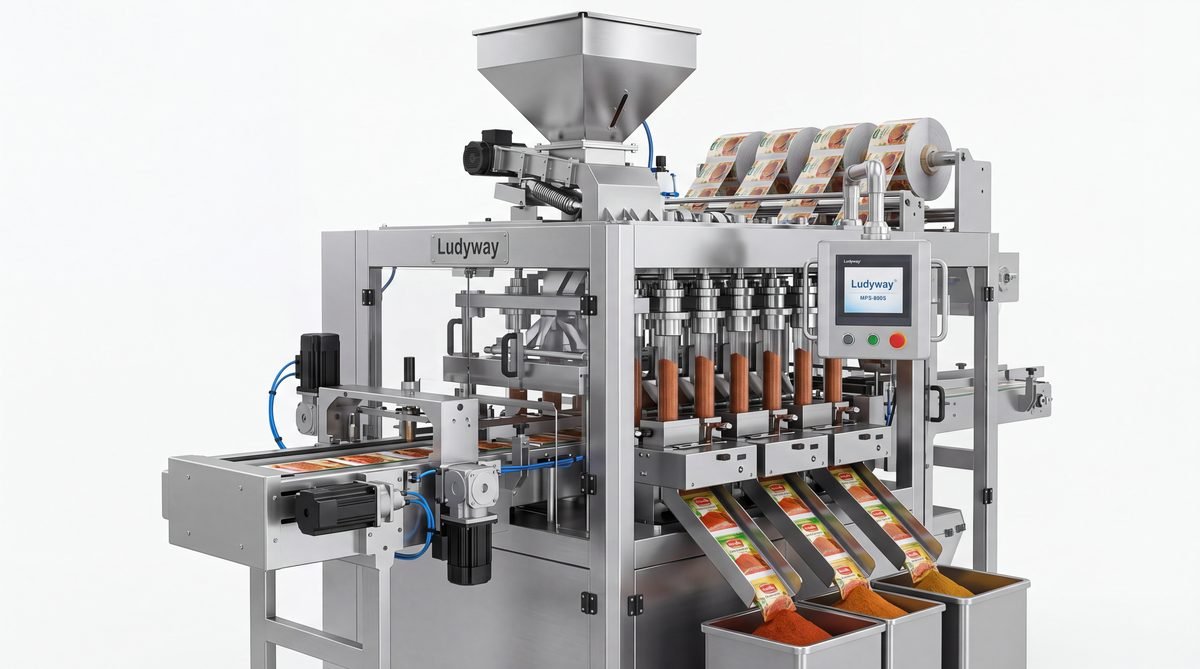
7. Scheduled Preventive Maintenance (PM)
Do not wait for a breakdown. A strict PM schedule is essential. The following table provides a recommended framework for most high-speed packaging systems:
| Frequency | Maintenance Task |
|---|---|
| Daily | Visual inspection, wipe down, clean photo-eye lenses |
| Weekly | Check heater resistance, inspect belts, deep clean forming area |
| Monthly | Lubricate bearings, check air cylinder seals, verify temperature controllers |
| Quarterly | Change gearbox oil, check electrical torque terminals, recalibrate load cells |
| Annually | Full overhaul, replace PTFE coatings, motor servicing |
8. Using Genuine Spare Parts
Packaging machine manufacturers design specific thermal profiles for their sealing jaws and specific tolerances for anvils. Using counterfeit or generic spares often results in inconsistent seal quality and faster wear. Always keep a critical spares kit on hand, including heaters, thermocouples, knives, and belts.
9. The Importance of Operator Training
Even the best maintenance plan fails without skilled operators. Operators should be trained to recognize early warning signs like unusual vibrations, clicking sounds, or slow cycling. They must also understand how to safely engage the safety interlocks during cleaning.
10. Long-Term Storage and Downtime Protection
If shutting down production for an extended period, do not leave spice residue on the machine. Residual salt attracts moisture and causes severe corrosion on chrome-plated components. Apply a light oil film on bare metal surfaces and cover the machine to protect from ambient dust.
Investing in robust engineering from the start minimizes the frequency of these interventions. Companies like Ludyway specialize in building heavy-duty spice packaging machinery designed for 24/7 operational reliability, featuring quick-change parts and easy-access washdown designs that significantly reduce maintenance labor hours.
Related Resources and Industry Links
To stay updated on best practices, we recommend consulting the following authoritative sources: