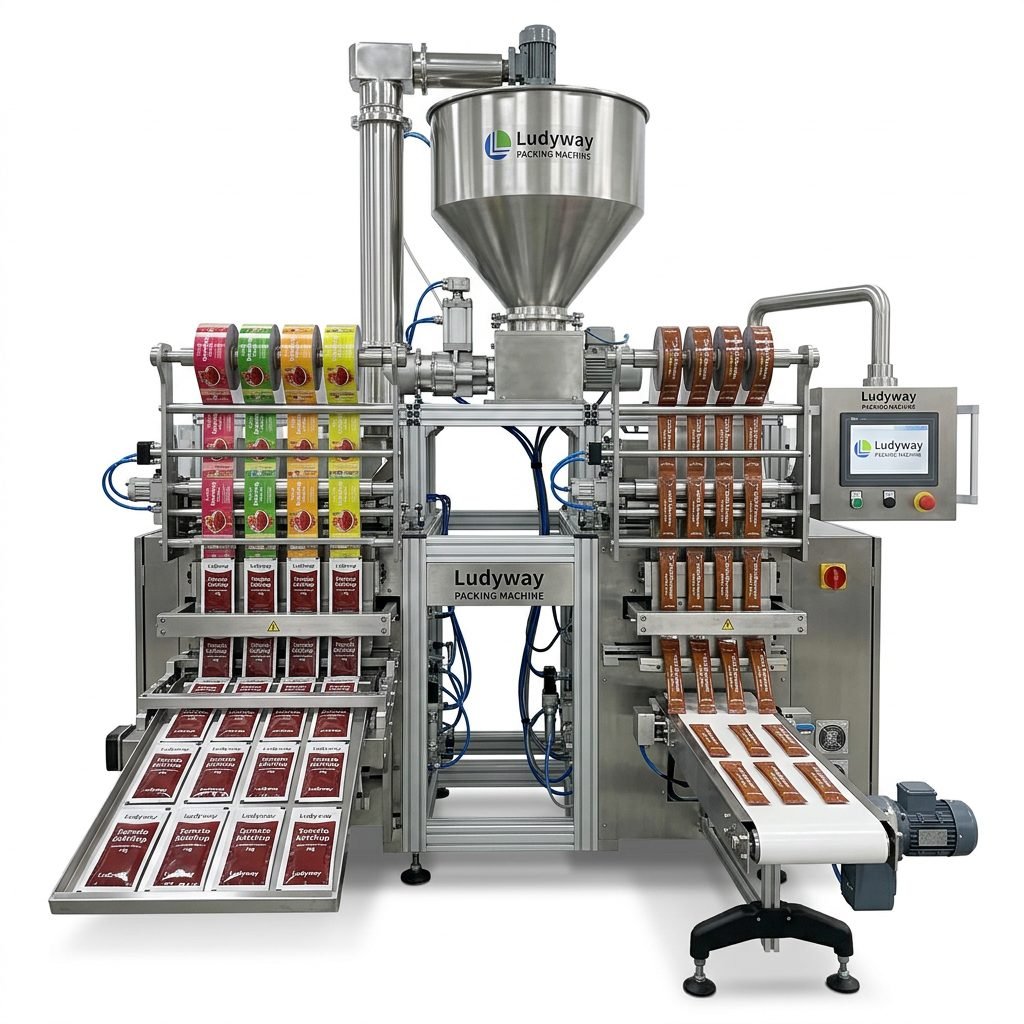
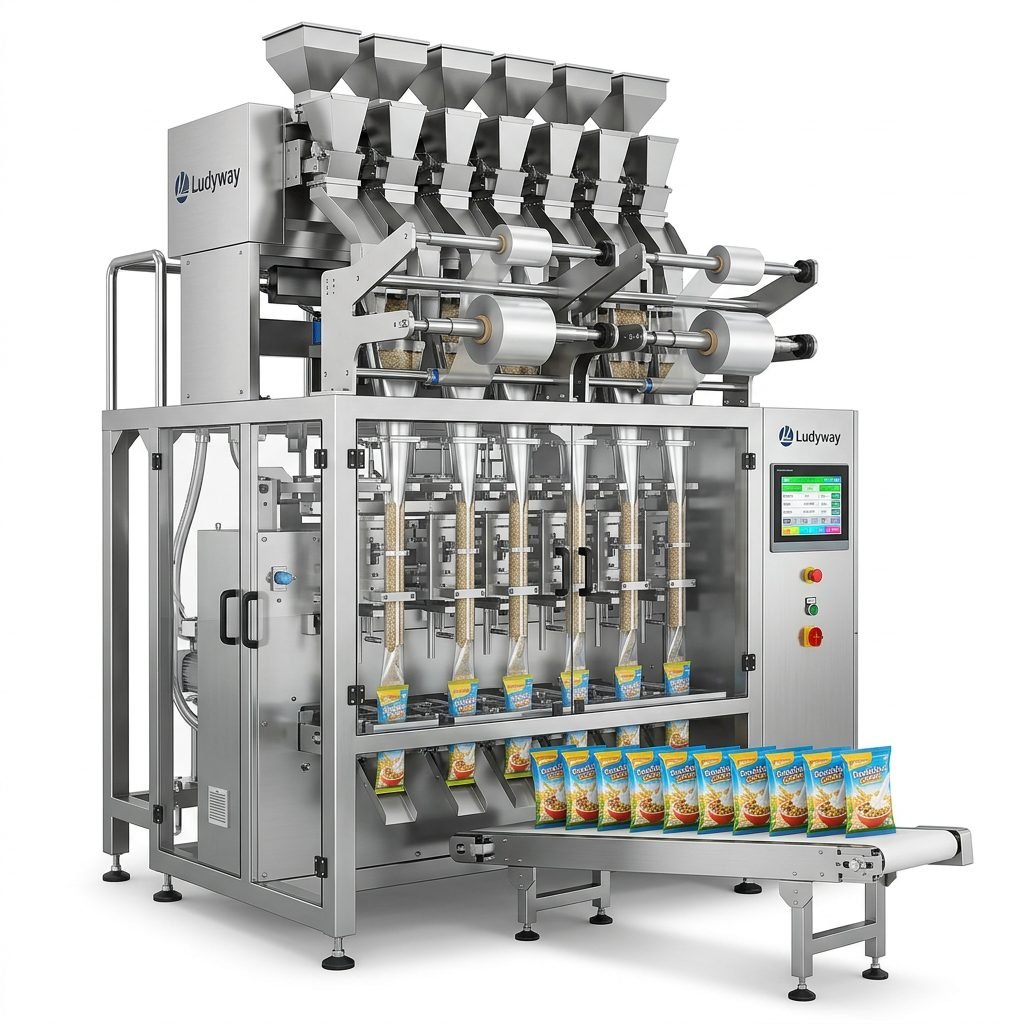
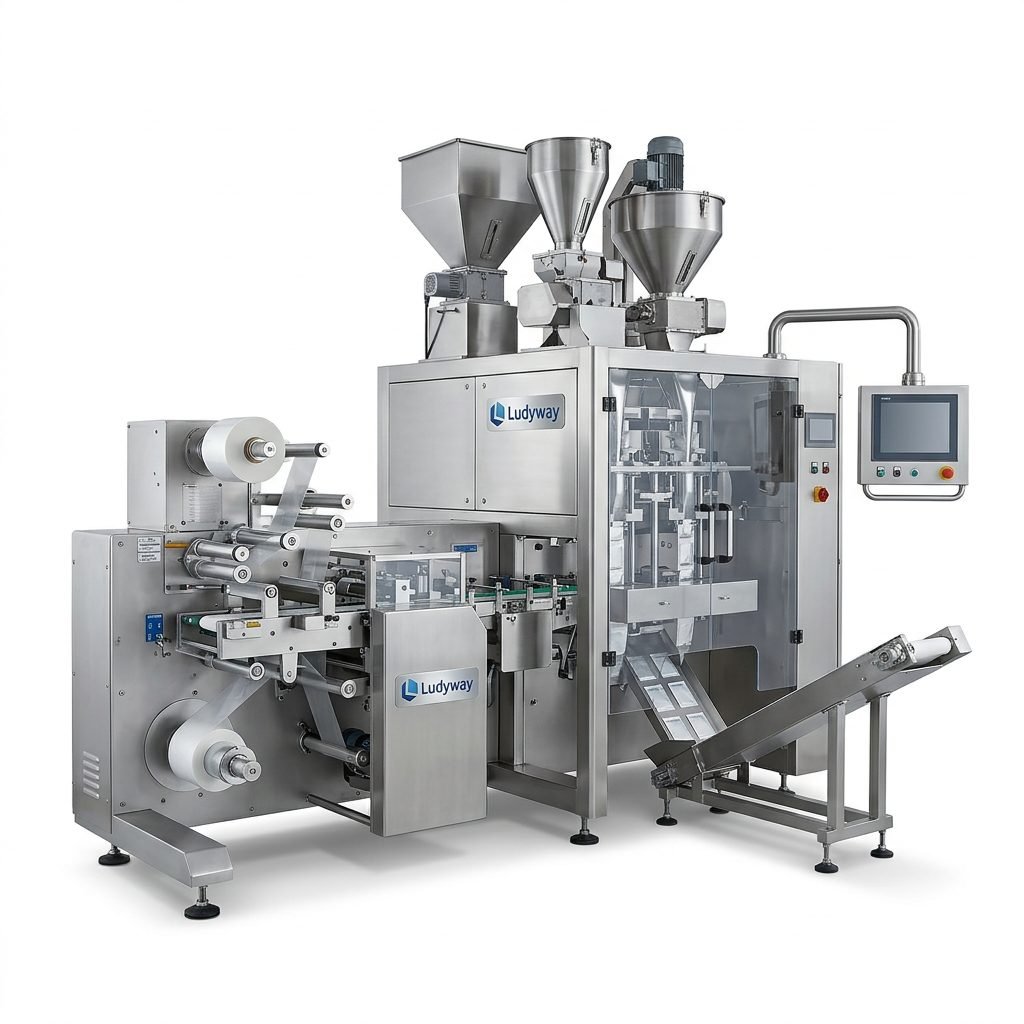
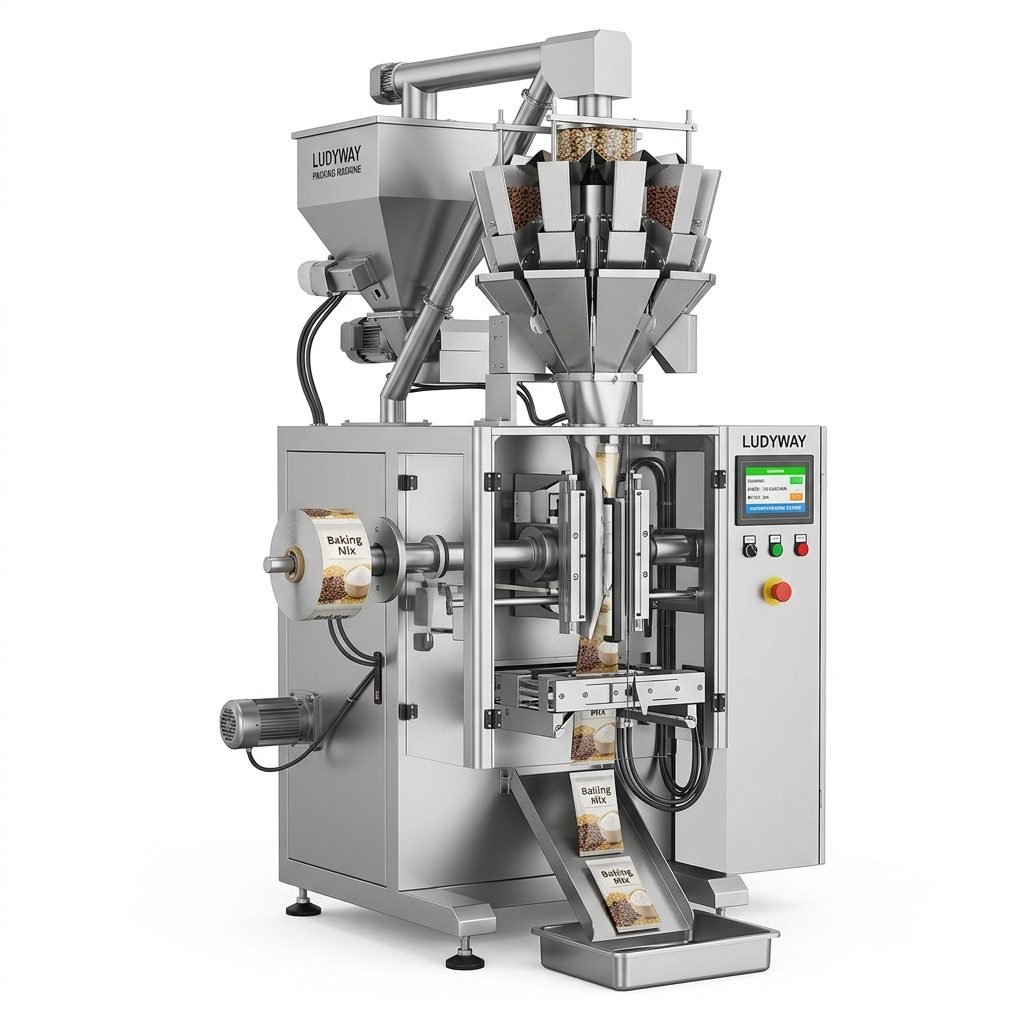
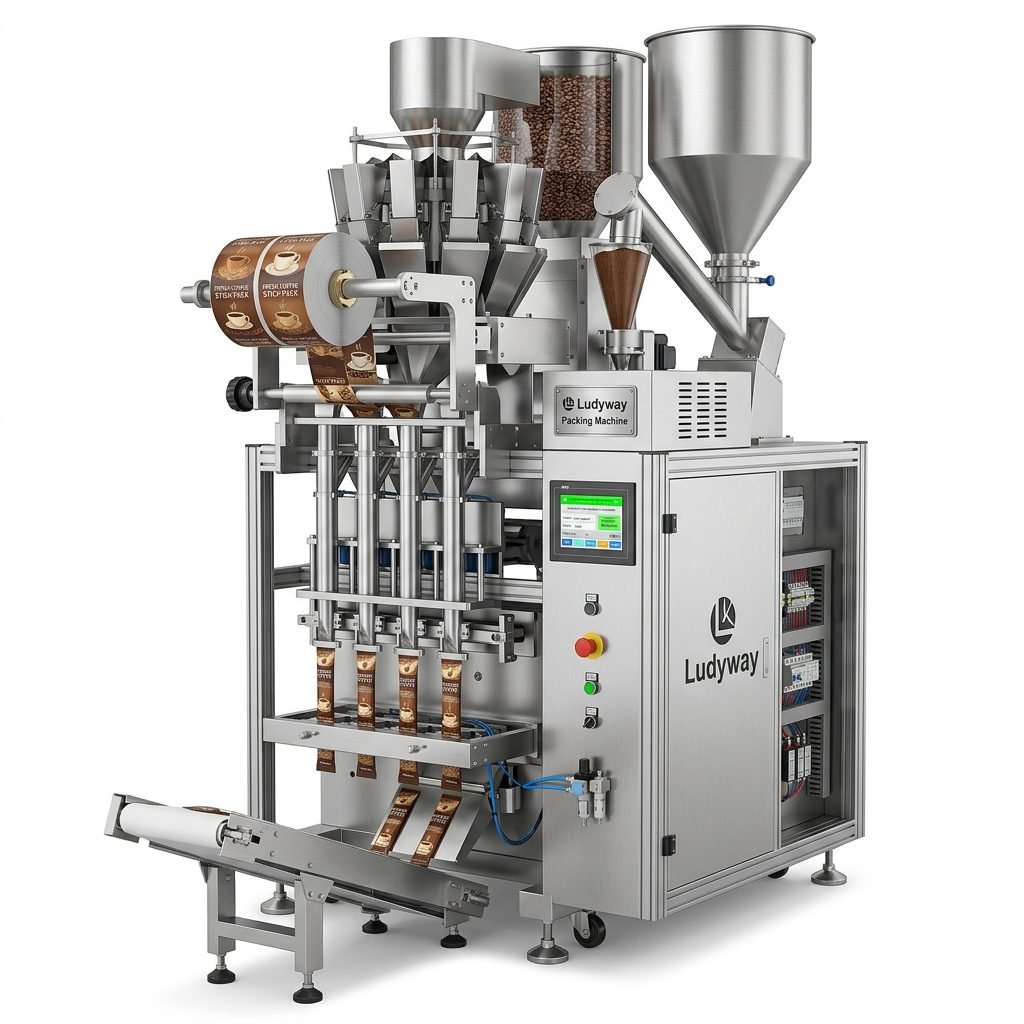
Proper maintenance of a tomato ketchup packing machine is essential for ensuring consistent production quality, extending equipment lifespan, and minimizing costly downtime. Ketchup’s acidic nature and viscous consistency present unique challenges that demand a structured cleaning and maintenance routine. This guide outlines the essential steps every operator and maintenance team should follow.
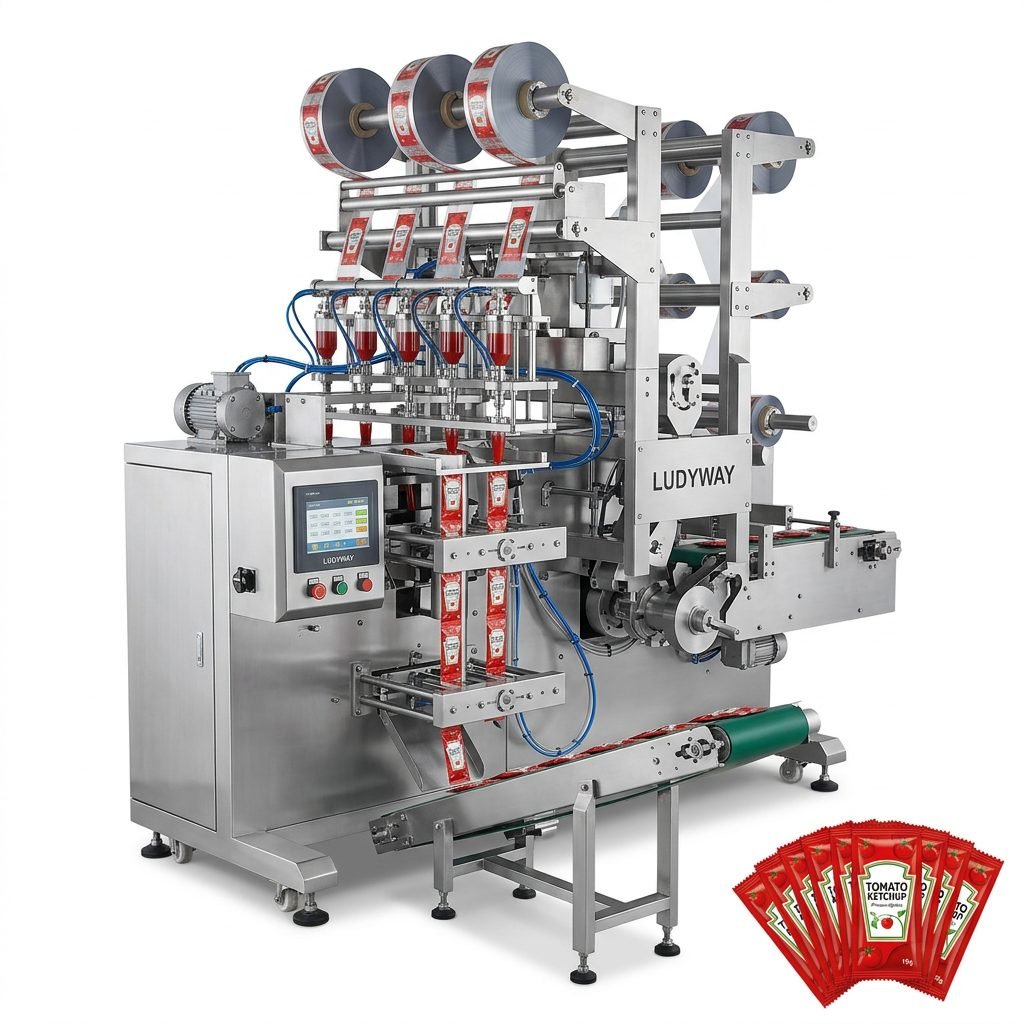
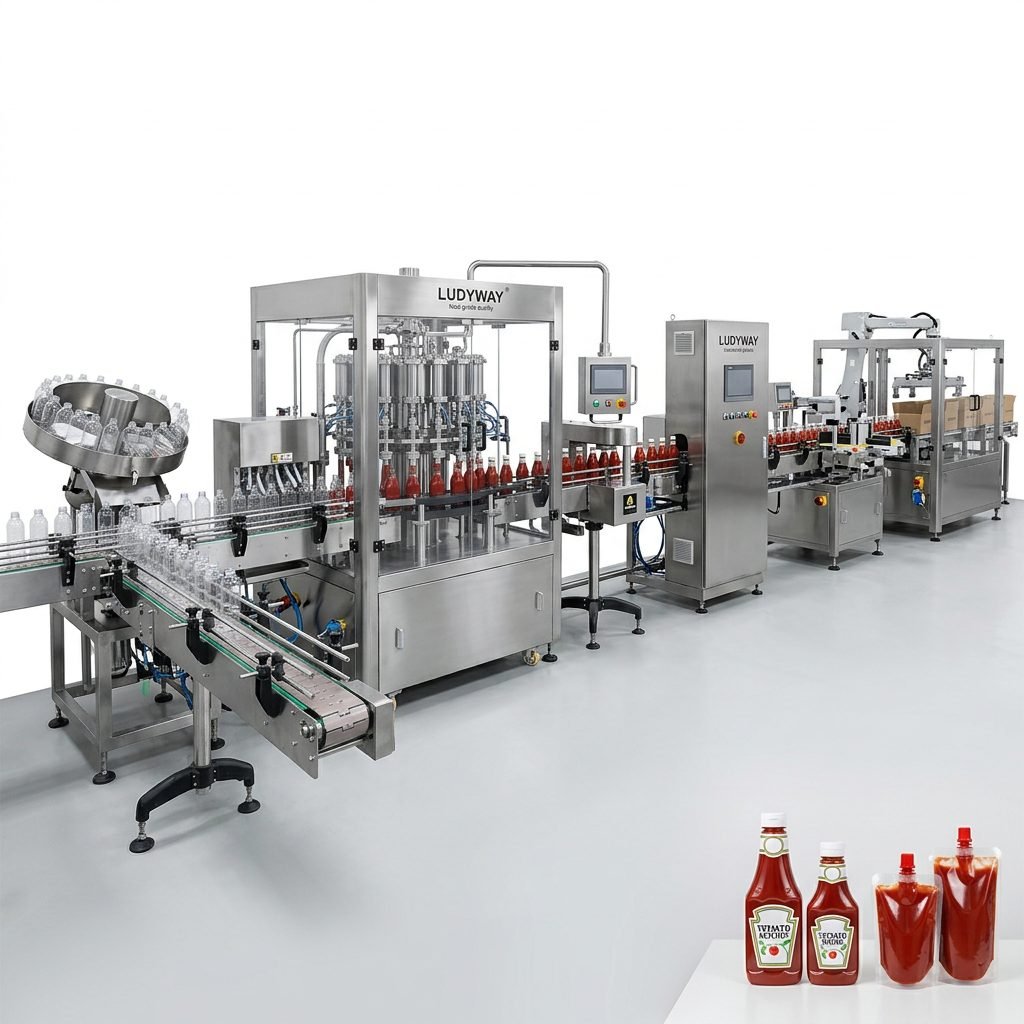
1. Daily Cleaning Routine
Daily cleaning is the foundation of effective equipment maintenance. Ketchup residue can quickly harden and corrode metal surfaces if not removed promptly after each production run.
1.1 End-of-Shift Flush Protocol
- Flush the entire filling system with warm water (40-50°C) immediately after production stops
- Circulate a food-grade cleaning solution through all nozzles, hoses, and valves for at least 15 minutes
- Disassemble removable filling heads and soak them in an approved detergent bath
- Rinse thoroughly with clean water to remove all chemical residue
- Dry all components with compressed air or lint-free cloths before reassembly
1.2 Exterior Surface Cleaning
External surfaces should be wiped down using a non-abrasive cloth and mild detergent. Pay special attention to areas where ketchup may splash during the filling process — conveyor belts, sealing jaws, and the machine frame. According to FDA food packaging guidelines, all food contact surfaces must be maintained in a sanitary condition.
2. Weekly Inspection and Preventative Checks
Weekly inspections help identify potential issues before they escalate into major problems. A thorough walkthrough of the machine should be conducted at the start of each week.
| Inspection Area | Check Points | Recommended Action |
|---|---|---|
| Sealing Jaws | Wear patterns, temperature consistency, alignment | Replace if uneven wear is detected; recalibrate temperature sensors |
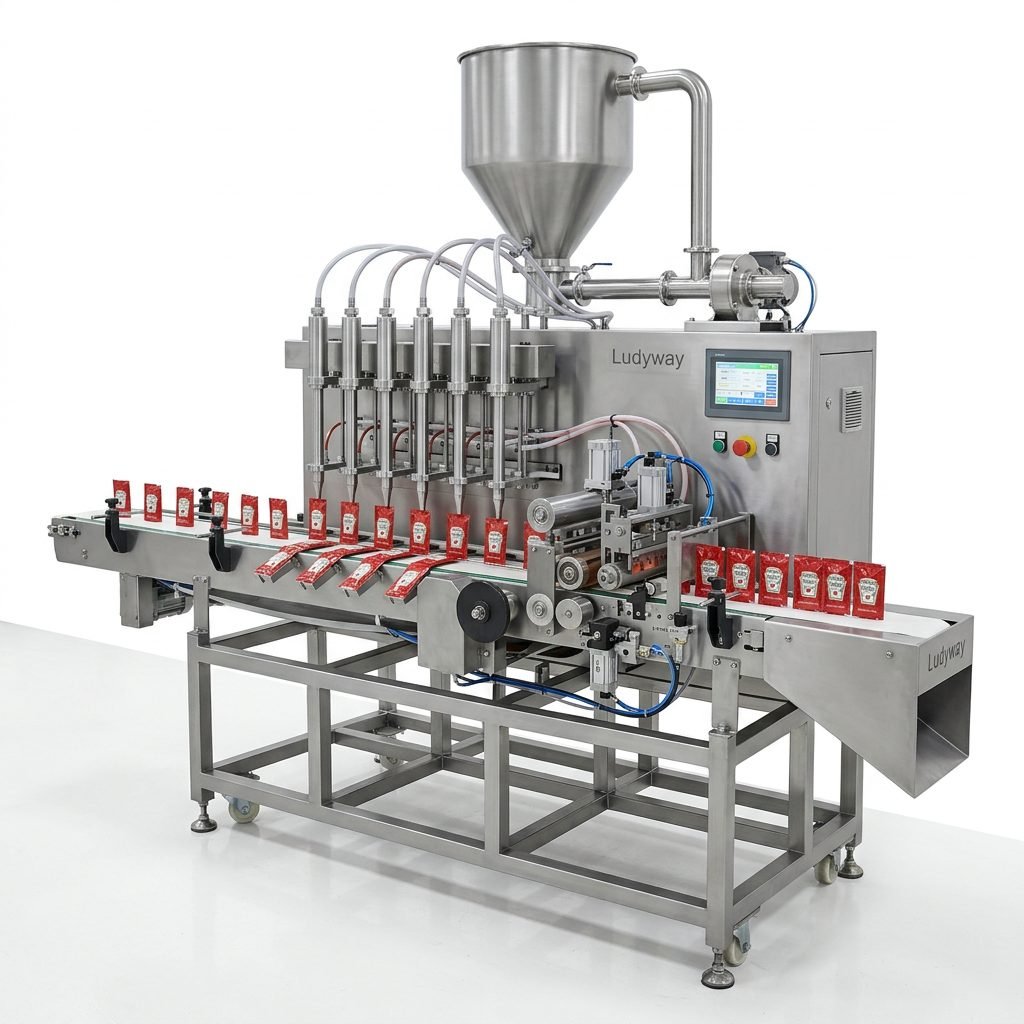
| Filling Nozzles | Blockages, drip issues, O-ring integrity | Clean or replace clogged nozzles; lubricate O-rings |
| Conveyor Belt | Tension, tracking, surface wear | Adjust tension; clean belt surface; replace if frayed |
| Pneumatic Hoses | Cracks, leaks, secure fittings | Tighten loose connections; replace damaged hoses |
| Sensors & Detectors | Clean lenses, proper alignment, response time | Wipe sensor lenses; recalibrate if response is delayed |
For machines operating in high-volume environments, consulting PMMI packaging industry resources can provide additional preventative maintenance frameworks tailored to liquid filling equipment.
3. Monthly Deep Maintenance
Monthly maintenance goes beyond surface-level checks and addresses internal components that directly affect filling accuracy and seal integrity.
3.1 Lubrication Schedule
- Apply food-grade lubricant to all moving parts including bearings, chains, gears, and cam mechanisms
- Check gearbox oil levels and top up or replace as specified in the manufacturer’s manual
- Grease the sealing jaw pivot points to ensure smooth operation
- Inspect and lubricate the film unwinding mechanism to prevent tension inconsistencies
3.2 Electrical System Inspection
Electrical components require careful attention. Inspect all wiring connections for signs of corrosion or loosening. Tighten terminal screws, check control panel ventilation, and verify that emergency stop buttons function correctly. Moisture ingress is a common issue in ketchup packaging environments due to humidity and washdown procedures — ensure all electrical enclosures are properly sealed.
4. Quarterly Component Replacement
Certain wear components should be replaced on a quarterly basis to maintain optimal performance. These include:
- Sealing gaskets and O-rings — Ketchup acidity accelerates rubber degradation
- Filling valve diaphragms — Prevent inconsistent fill volumes
- Filter elements in the product supply line — Ensure contaminant-free filling
- Heater cartridge and thermocouple in the sealing system — Maintain precise sealing temperatures
- Suction cups and vacuum pads on pouch pick-and-place systems
5. Common Issues and Troubleshooting
Understanding frequent problems helps operators respond quickly. Below are the most common issues encountered with tomato ketchup packaging equipment:
| Problem | Possible Cause | Solution |
|---|---|---|
| Inconsistent fill volume | Worn piston seals; air pockets in product line | Replace piston seals; bleed air from the system |
| Weak or leaking seals | Incorrect temperature setting; dirty sealing jaws | Clean jaws thoroughly; recalibrate temperature |
| Product dripping after fill | Worn nozzle tip; delayed cut-off valve | Replace nozzle; adjust valve timing |
| Film misalignment | Incorrect tension; worn rollers | Adjust tension settings; inspect and replace rollers |
| Unusual machine vibration | Loose mounting bolts; unbalanced rotating parts | Tighten all fasteners; check motor mounts |
6. Cleaning Agents and Material Compatibility
Ketchup is naturally acidic (pH 3.5-3.9), which means material compatibility is critical when selecting cleaning chemicals. Always use cleaners approved for food processing equipment and compatible with stainless steel (304 or 316L grade). Avoid chlorine-based cleaners on stainless steel surfaces, as they can cause pitting corrosion over time.
Refer to ISO packaging standards for guidance on material selection and hygiene requirements for food packaging machinery. Additionally, the FDA food contact substance regulations provide essential compliance information for packaging operations.
7. Documentation and Record Keeping
Maintaining detailed records is a cornerstone of effective maintenance management. Every cleaning session, inspection, part replacement, and calibration should be documented. This data helps identify recurring issues, predict component failure, and demonstrate compliance during audits.
Key records to maintain include:
- Daily cleaning logs with operator signatures
- Weekly inspection checklists with notes on findings
- Monthly maintenance reports detailing lubricants used and parts replaced
- Calibration certificates for temperature sensors and weighing systems
- Spare parts inventory with reorder thresholds
8. Training and Operator Competency
Even the best maintenance program fails without properly trained personnel. Operators should understand not just how to clean the machine, but why each step matters. Regular training sessions covering cleaning procedures, basic troubleshooting, and safety protocols ensure consistent execution across shifts.
When selecting a tomato ketchup packing machine supplier, it is advisable to partner with manufacturers who provide comprehensive training and after-sales support. Companies like Ludyway, a leading packaging machine manufacturer with over 30 years of industry experience, offer turnkey solutions that include operator training, maintenance documentation, and ongoing technical assistance to help clients maximize equipment uptime and productivity.
9. Summary Maintenance Schedule
The following table provides a consolidated overview of recommended maintenance intervals:
| Frequency | Key Tasks | Responsible Party |
|---|---|---|
| Daily | System flush, exterior wipe-down, nozzle cleaning | Machine Operator |
| Weekly | Sealing jaw inspection, sensor check, belt tension review | Shift Supervisor |
| Monthly | Lubrication, electrical inspection, deep cleaning | Maintenance Technician |
| Quarterly | Gasket/O-ring replacement, filter change, calibration | Maintenance Team Lead |
| Annually | Full machine overhaul, major component inspection, software update | Manufacturer Service Team |
10. Final Recommendations
Consistent maintenance of a tomato ketchup packing machine is not merely a technical requirement — it is a strategic investment in production reliability and product quality. By implementing the daily, weekly, monthly, and quarterly routines outlined above, manufacturers can significantly reduce unplanned downtime, extend equipment service life, and maintain compliance with international food safety standards.
For further guidance on packaging machinery standards, visit the PMMI Business Intelligence Library or explore Flexible Packaging Association industry resources for the latest in packaging technology and best practices.