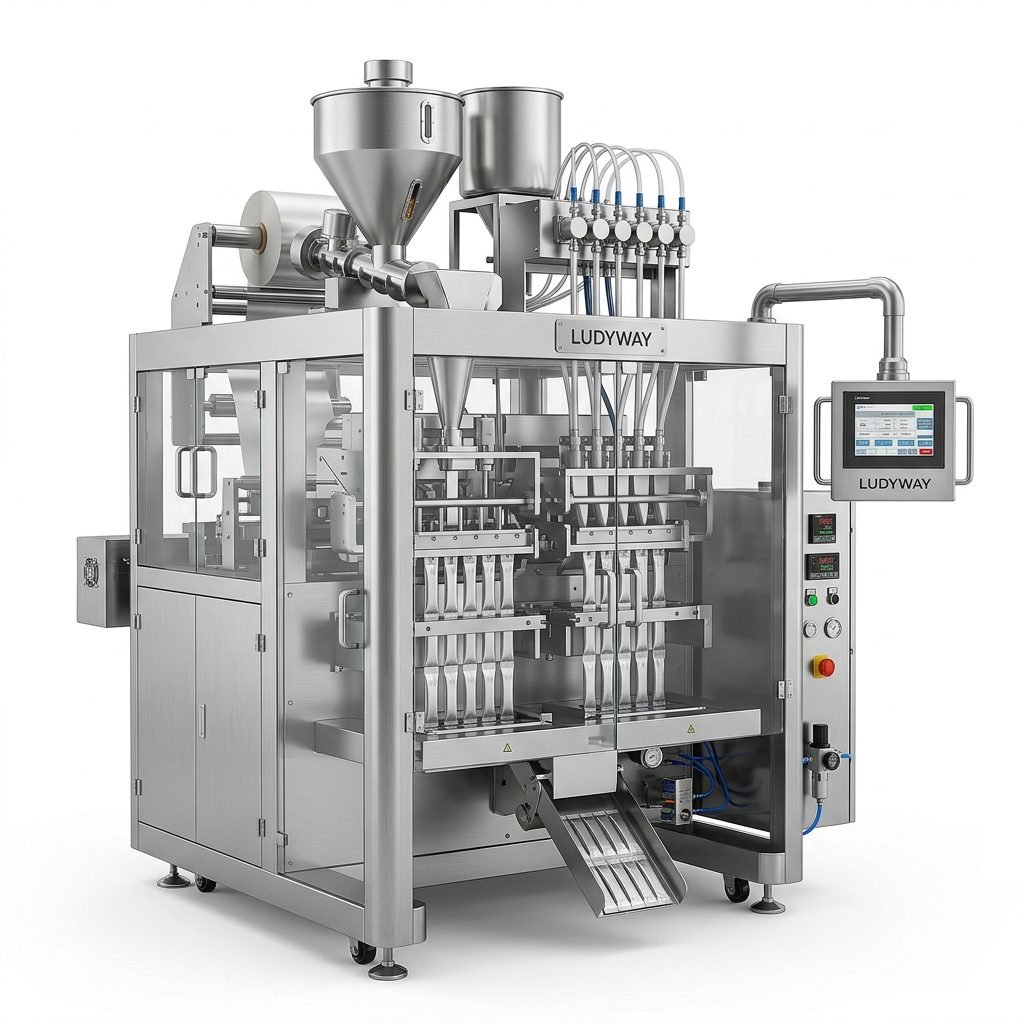
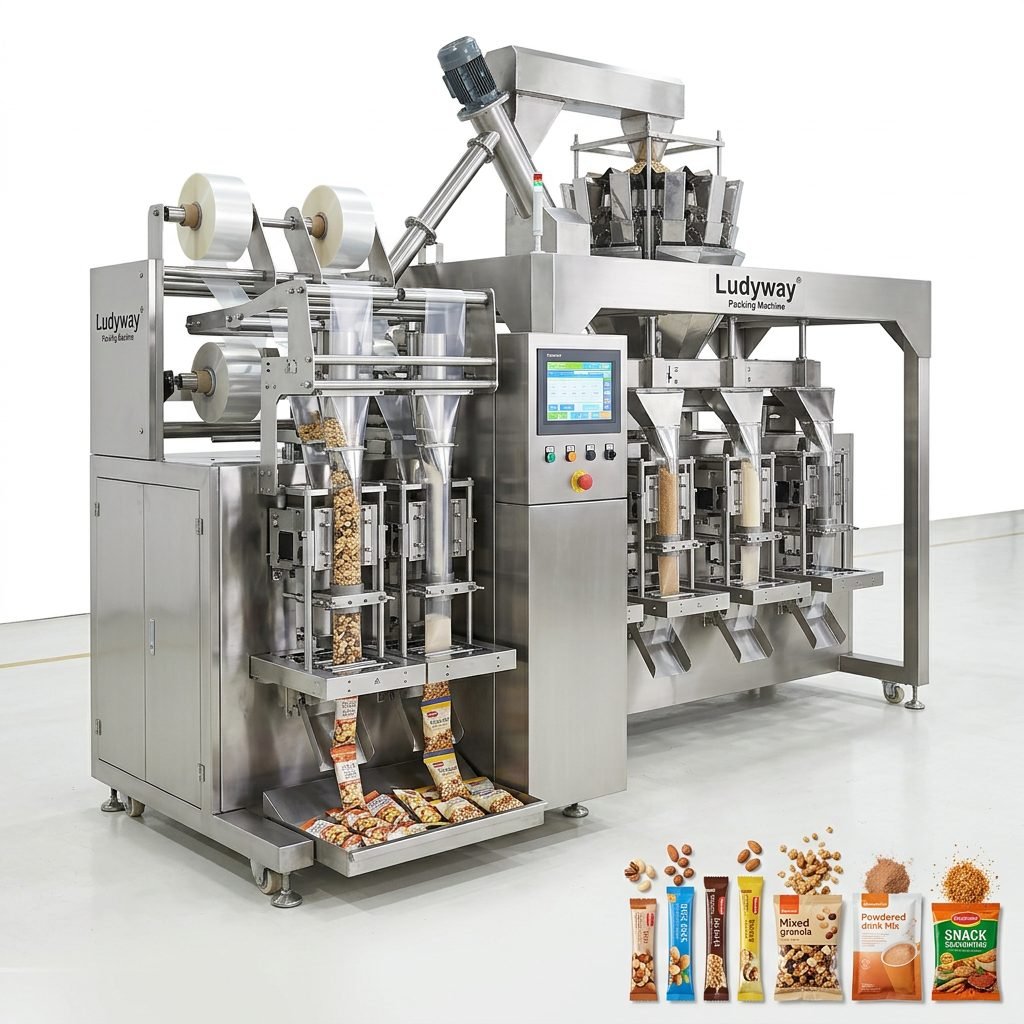
A common question from manufacturers is simple: how many packaging formats can one machine really support?
The answer depends on the machine structure, product type, dosage system, sealing method, and the level of flexibility designed into the line. In practice, one packaging machine can often handle multiple formats, but not every format change is equally efficient.
For food, pharmaceutical, cosmetic, chemical, and daily-use products, buyers usually want a machine that can switch between sachets, stick packs, pouches, bottles, or bags without sacrificing speed, sealing quality, or dosing accuracy. That is why format flexibility has become one of the most important factors in packaging equipment selection.
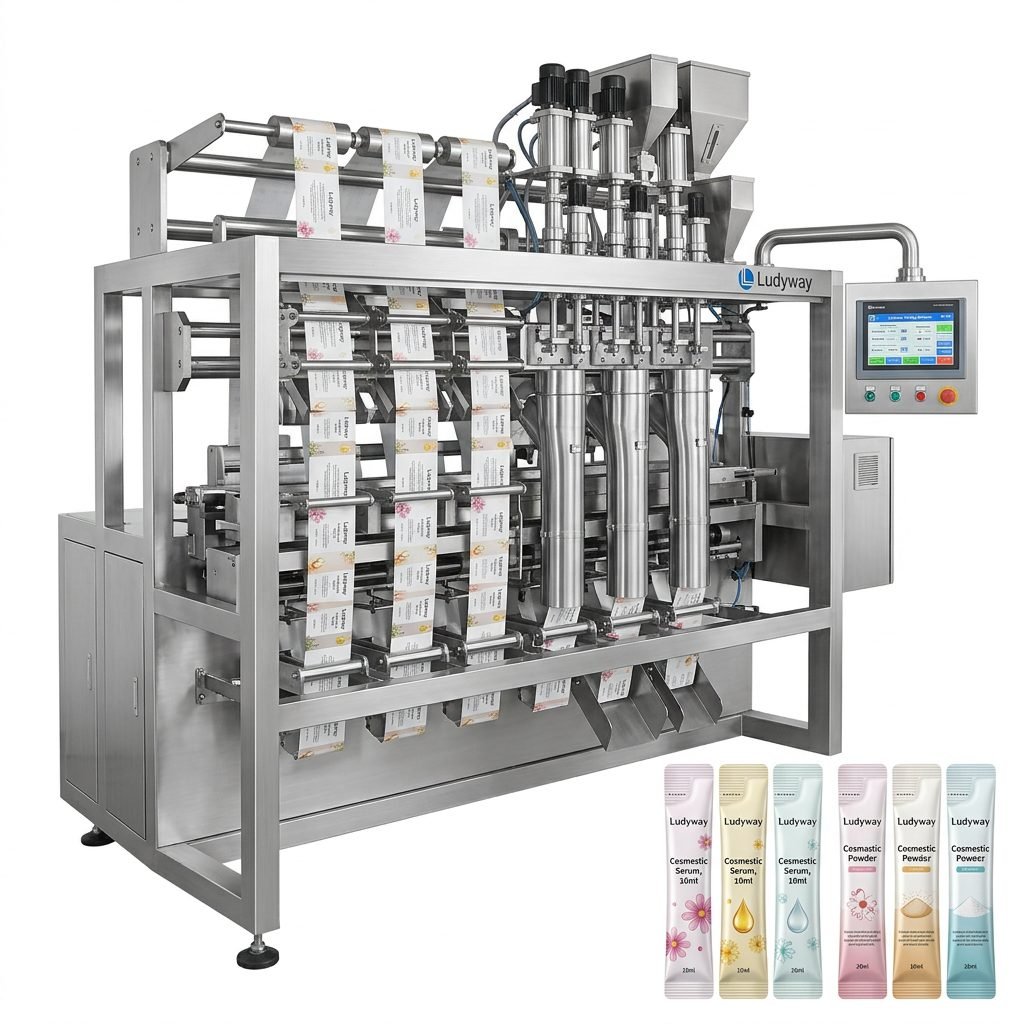
What “Packaging Format Support” Really Means
When people ask how many formats one machine can support, they may be referring to several different things:
- Different package shapes, such as sachets, stick packs, or premade pouches
- Different fill materials, such as powder, granules, liquid, gel, or paste
- Different package sizes, such as 5g, 10g, 50g, or 1kg
- Different film structures, such as laminated film, aluminum foil, or recyclable materials
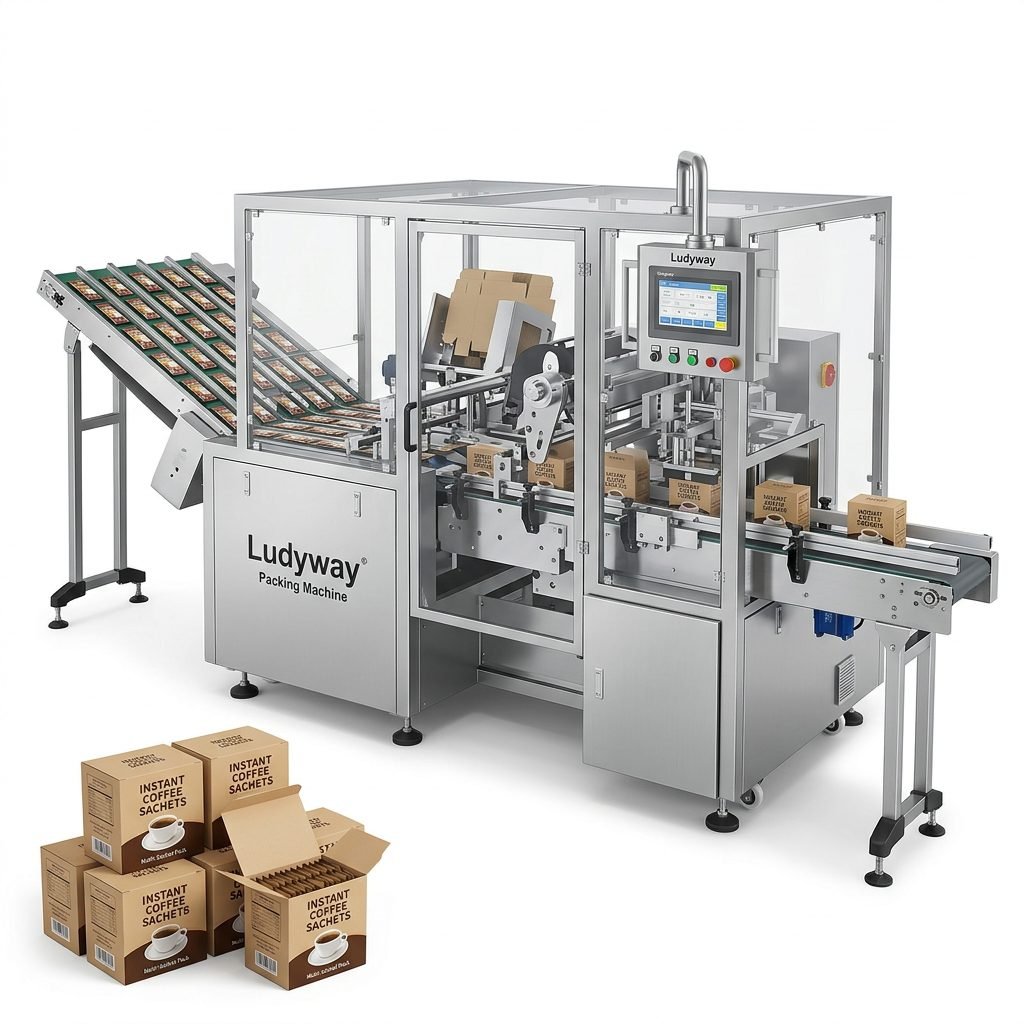
- Different downstream pack styles, such as cartoning, case packing, bundling, or palletizing
So, the real question is not just how many formats are possible, but which formats can be supported on the same platform with acceptable changeover time and stable output.
Typical Packaging Formats One Machine May Support
A well-designed machine may support several packaging styles within one equipment family. Below is a general overview.
| Machine Type | Formats Commonly Supported | Best For |
|---|---|---|
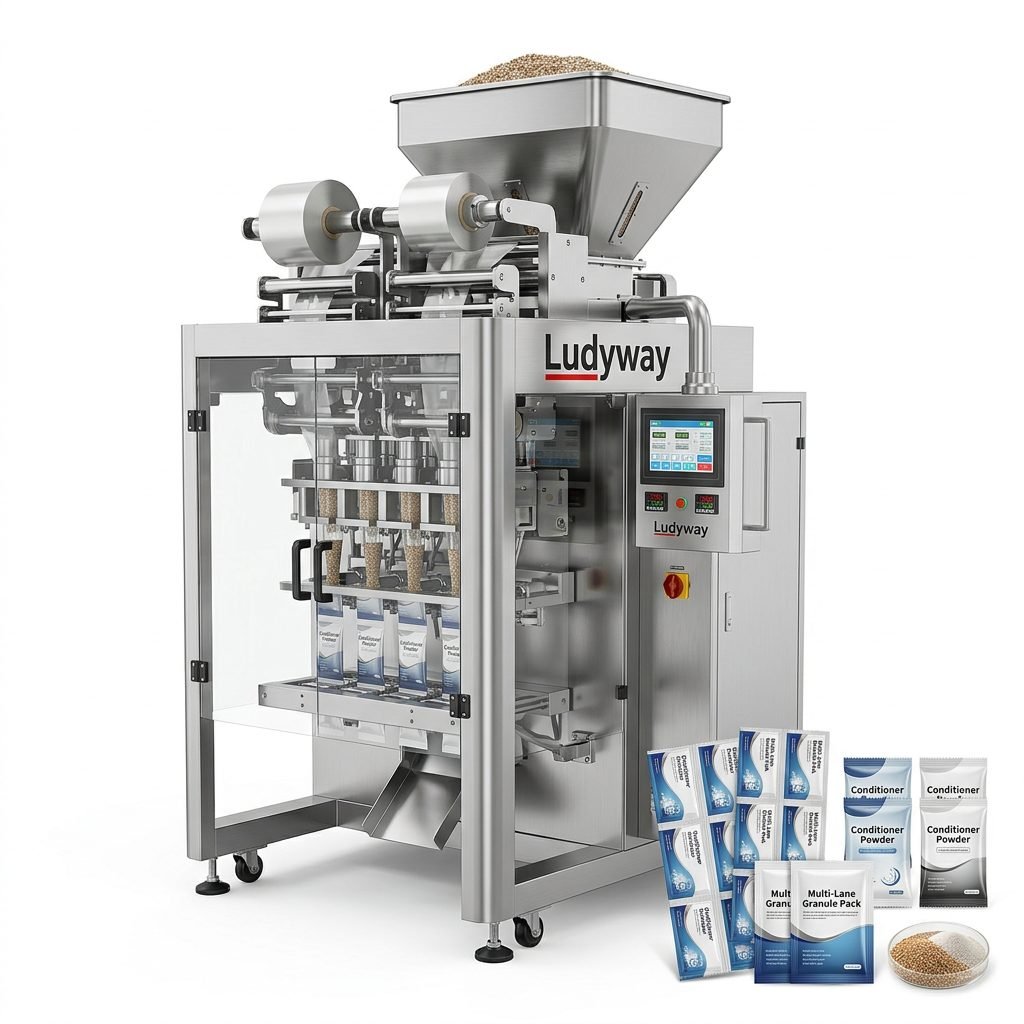
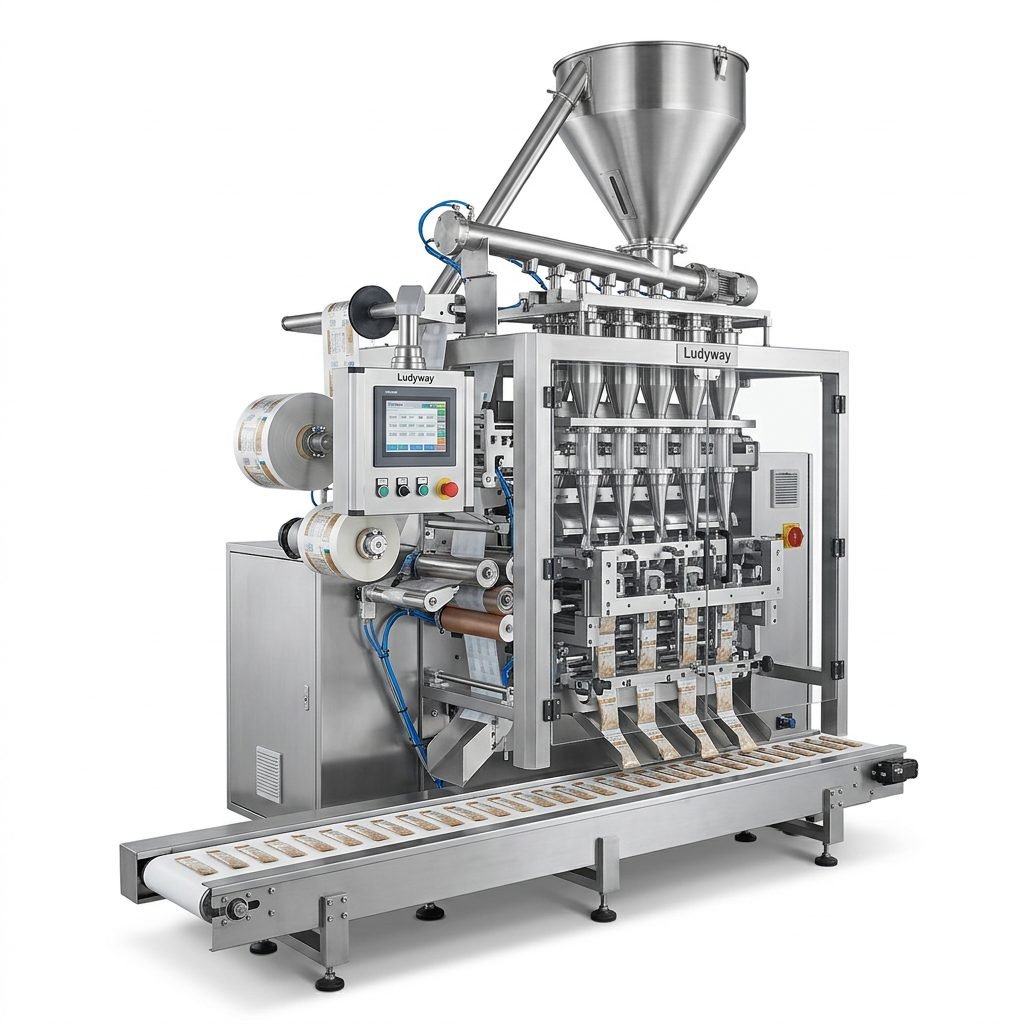
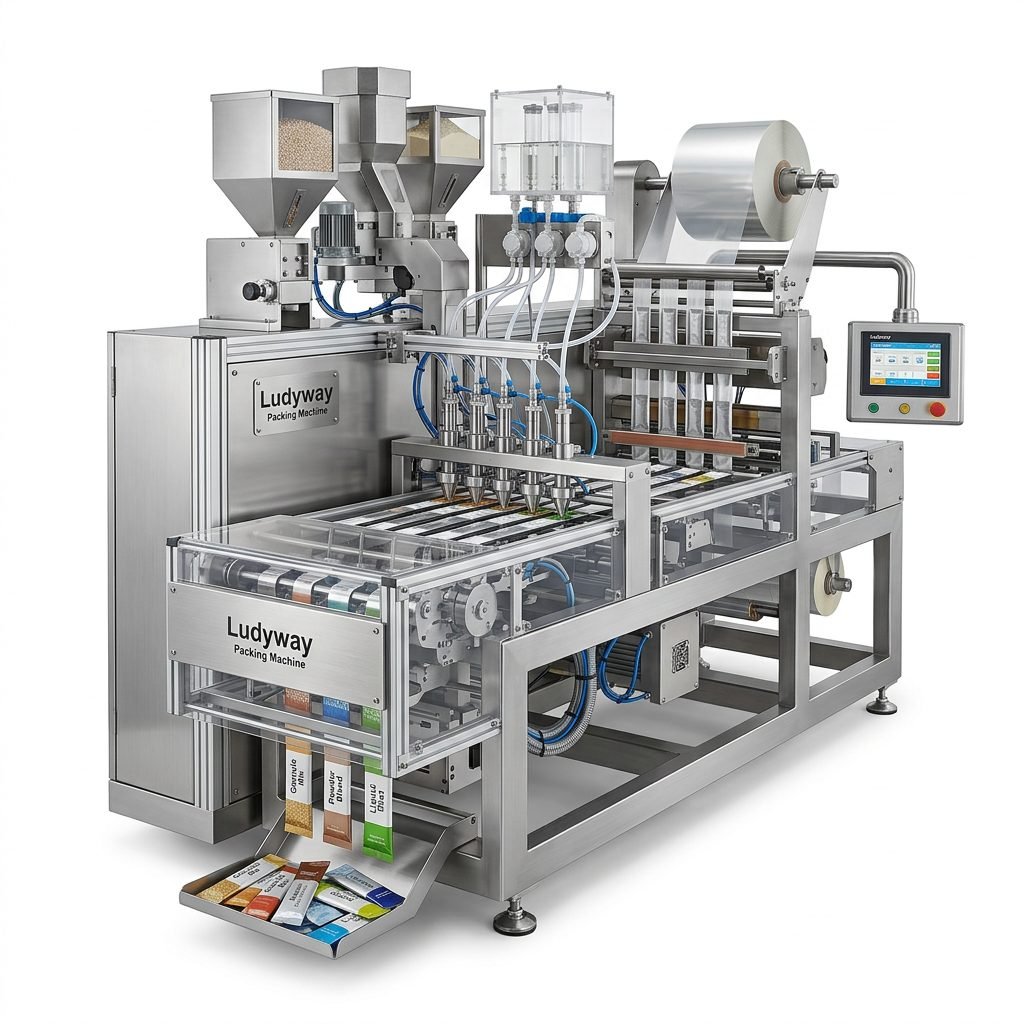
| Multi-lane sachet machine | 3-side seal, 4-side seal, shaped sachet in some cases | Powders, granules, liquids, creams |
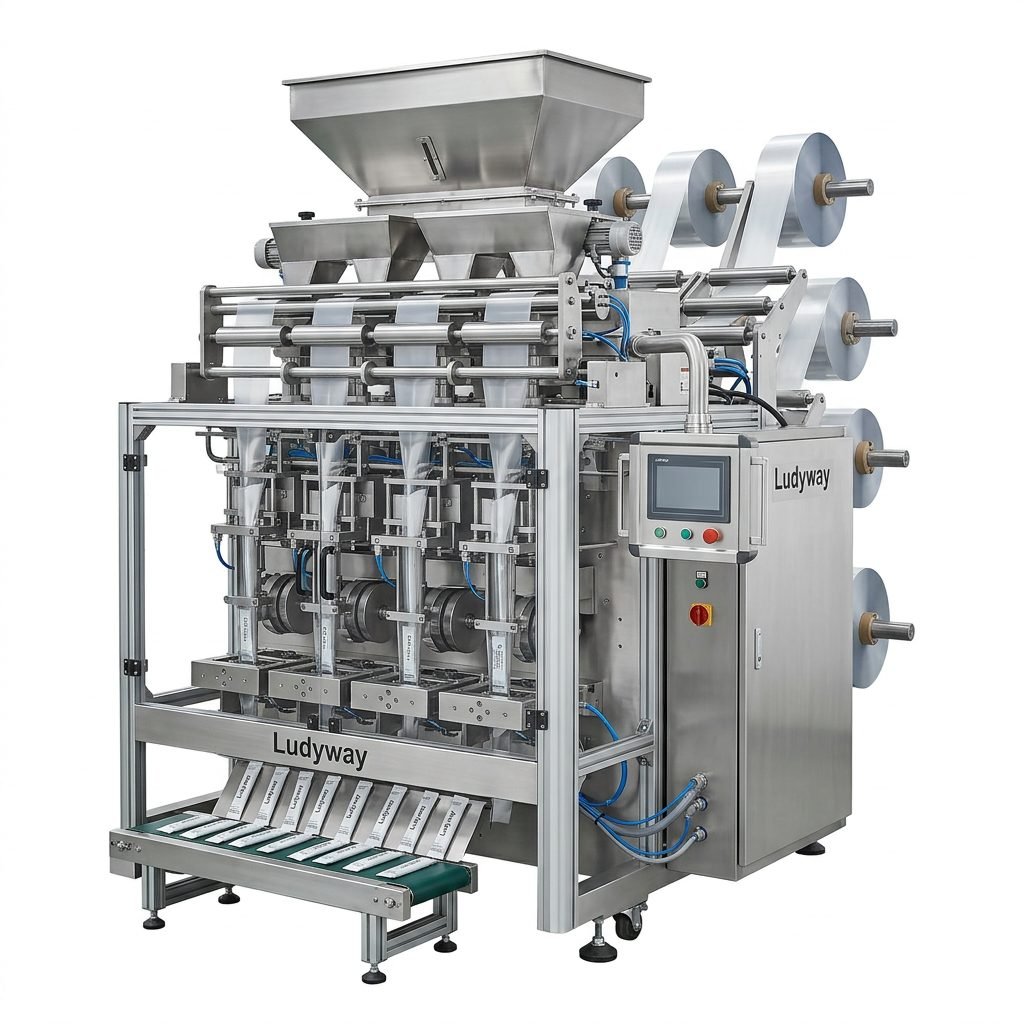
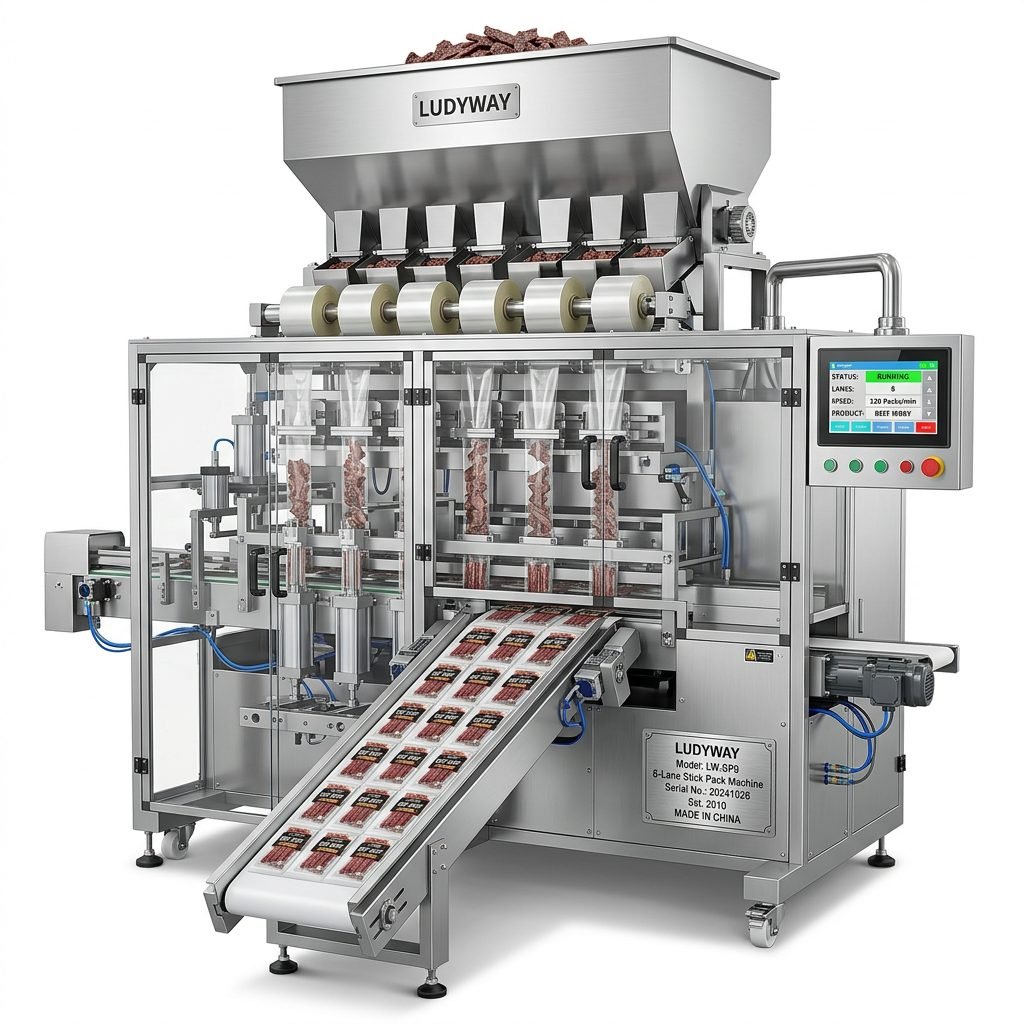
| Stick pack machine | Slim stick packs, single-dose packets, multi-lane strip packs | Nutritional powders, coffee, sugar, pharma granules |
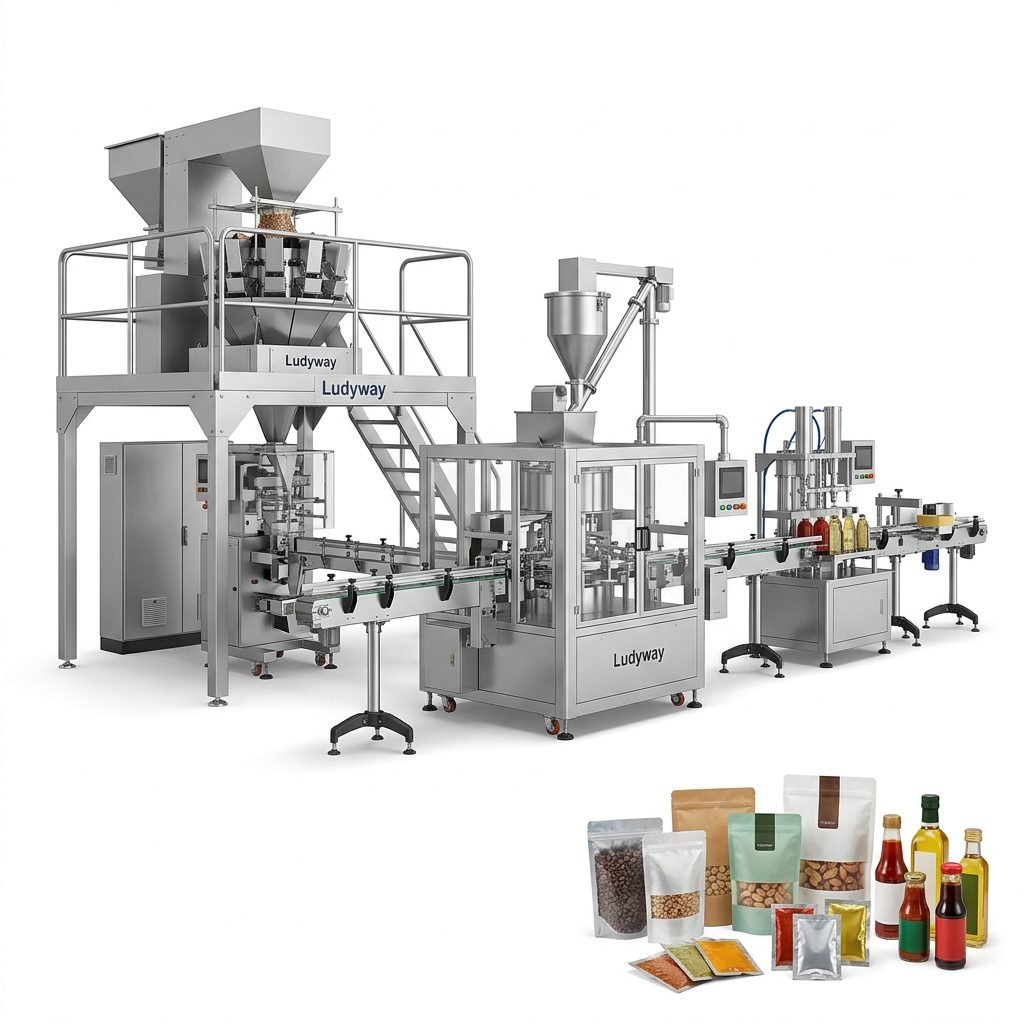
| Vertical form fill seal machine | Pillow bags, gusset bags, quad seal bags | Snacks, grains, frozen food, pet food |
| Premade pouch machine | Stand-up pouch, zipper pouch, flat pouch, spouted pouch | Liquids, powders, granules, premium retail packs |
| Bottle filling line | Bottles, vials, jars, tubes | Pharma, cosmetics, supplements, household liquids |
In many cases, one machine platform can support 2 to 5 main formats. With custom tooling and modular stations, that number may be even higher. However, more flexibility usually means more engineering complexity.
The Main Factors That Determine Format Flexibility
1. Product Characteristics
The product itself is the first limitation. A machine that handles free-flowing sugar may not handle oily powder, viscous paste, or corrosive liquid without major modifications.
- Powders may need auger filling and dust control
- Granules may need cup dosing or weighing systems
- Liquids need pumps, anti-drip design, and sealing stability
- Pastes and creams require heated hoppers or piston fillers in some applications
2. Forming and Sealing Design
The bag former, sealing jaws, cutting device, and film path define what shapes a machine can create. If the forming structure is fixed, flexibility is limited. If it is modular, the machine can adapt to more formats.
3. Change Parts and Tooling
Machines that support multiple package widths or lengths often need different tooling sets. The number of supported formats rises when change parts are easy to replace and settings can be stored digitally.
4. Control System and Recipe Management
Modern servo-driven systems can save product recipes and package parameters. This reduces adjustment time and makes multi-format operation more practical.
5. Upstream and Downstream Integration
Even if the core machine can switch formats, the entire line must also adapt. Feeders, conveyors, cartoners, checkweighers, and case packers should all match the selected pack style.
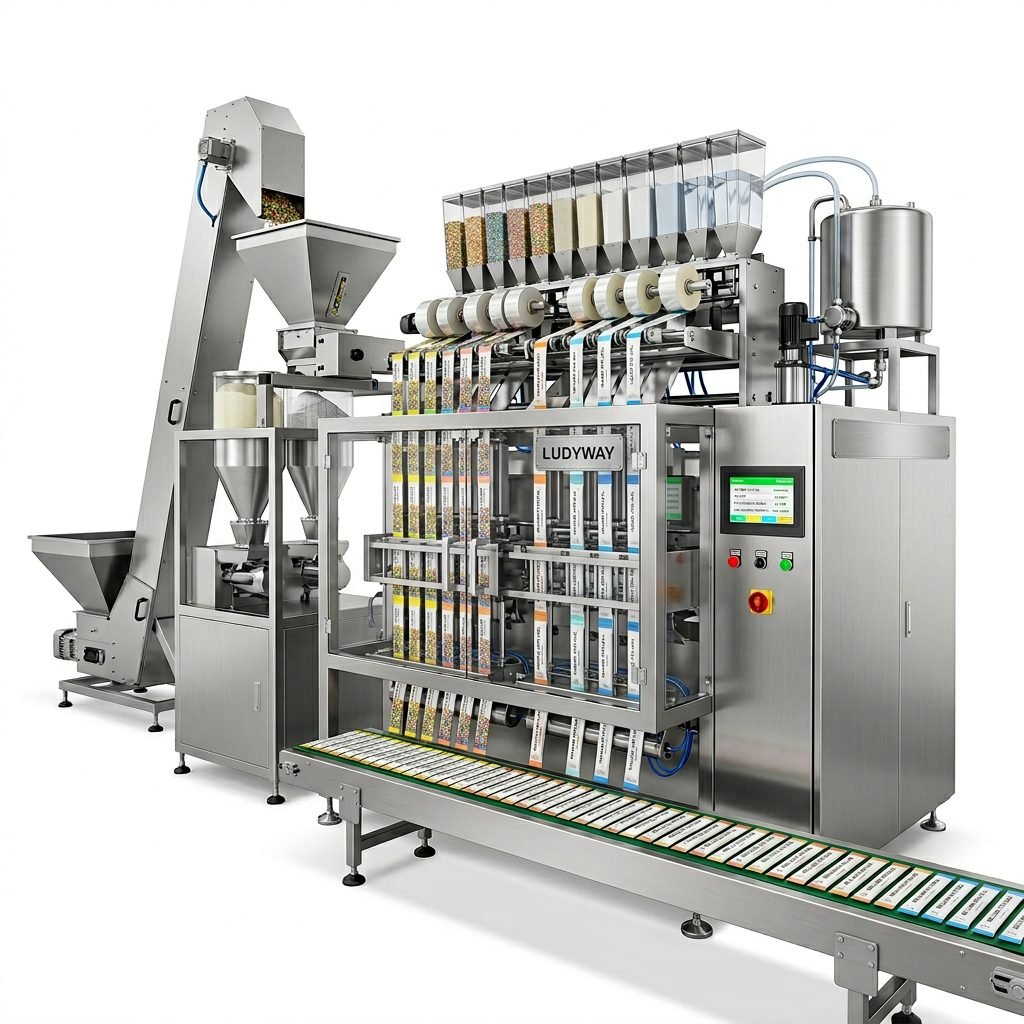
How Many Formats Are Realistic for One Machine?
The most realistic answer is:
- 1 format for highly specialized, ultra-high-speed production
- 2 to 3 formats for balanced flexibility and productivity
- 4 to 6 related formats on modular systems with change parts and advanced controls
For example, one sachet machine may handle:
- 3-side seal sachets
- 4-side seal sachets
- Different sachet widths and lengths
- Powder and granule products with different dosing modules
But it would usually not be realistic to expect the same machine to run sachets, bottles, and large woven bags efficiently without major design changes.
Examples by Industry
Food Industry
Food manufacturers often need to pack seasoning powder, sugar, coffee, snack granules, sauces, or beverage mixes. In this sector, one machine may support stick packs, sachets, pillow bags, or pouches depending on the base structure.
- Instant coffee: sachet and stick pack
- Sauce: sachet and spouted pouch on different platforms
- Frozen food: pillow bag and gusset bag on VFFS systems
Pharmaceutical Industry
Pharma packaging usually demands strict dosing accuracy, traceability, hygienic design, and validation support. Machines can still be flexible, but changeovers must be tightly controlled.
- Oral powder sachets
- Granule stick packs
- Liquid vials or bottle filling lines
Cosmetics and Personal Care
Cosmetic brands often seek versatility for trial packs, travel sizes, and retail packs. One machine may switch between cream sachets, lotion stick packs, or gel pouches if the product and sealing system are compatible.
Chemical and Daily-Use Products
For detergents, cleaners, additives, or agricultural materials, flexibility is valuable, but material compatibility and corrosion resistance become critical.
Advantages of Choosing a Multi-Format Packaging Machine
- Lower capital investment compared with buying multiple standalone machines
- Better use of factory space
- Faster response to new products and market tests
- More efficient SKU expansion
- Improved long-term production planning
This is especially useful for manufacturers with growing product portfolios or seasonal demand changes.
Limitations You Should Not Ignore
Flexible machines are valuable, but there are trade-offs:
- Changeover time may reduce daily output
- More tooling means more maintenance and spare parts
- Operator training becomes more important
- Some formats may run slower than a dedicated machine
- Validation and cleaning can be more complex in regulated industries
In other words, maximum flexibility is not always the same as maximum efficiency.
Questions to Ask Before You Buy
Before selecting a machine, ask suppliers the following:
| Question | Why It Matters |
|---|---|
| Which package shapes can run on the same frame? | Clarifies true format range |
| What change parts are required? | Affects cost and downtime |
| How long does changeover take? | Impacts production scheduling |
| Can the machine store recipes? | Improves repeatability |
| What materials and viscosities are supported? | Prevents mismatch between product and equipment |
| Can downstream equipment also switch formats? | Ensures full-line compatibility |
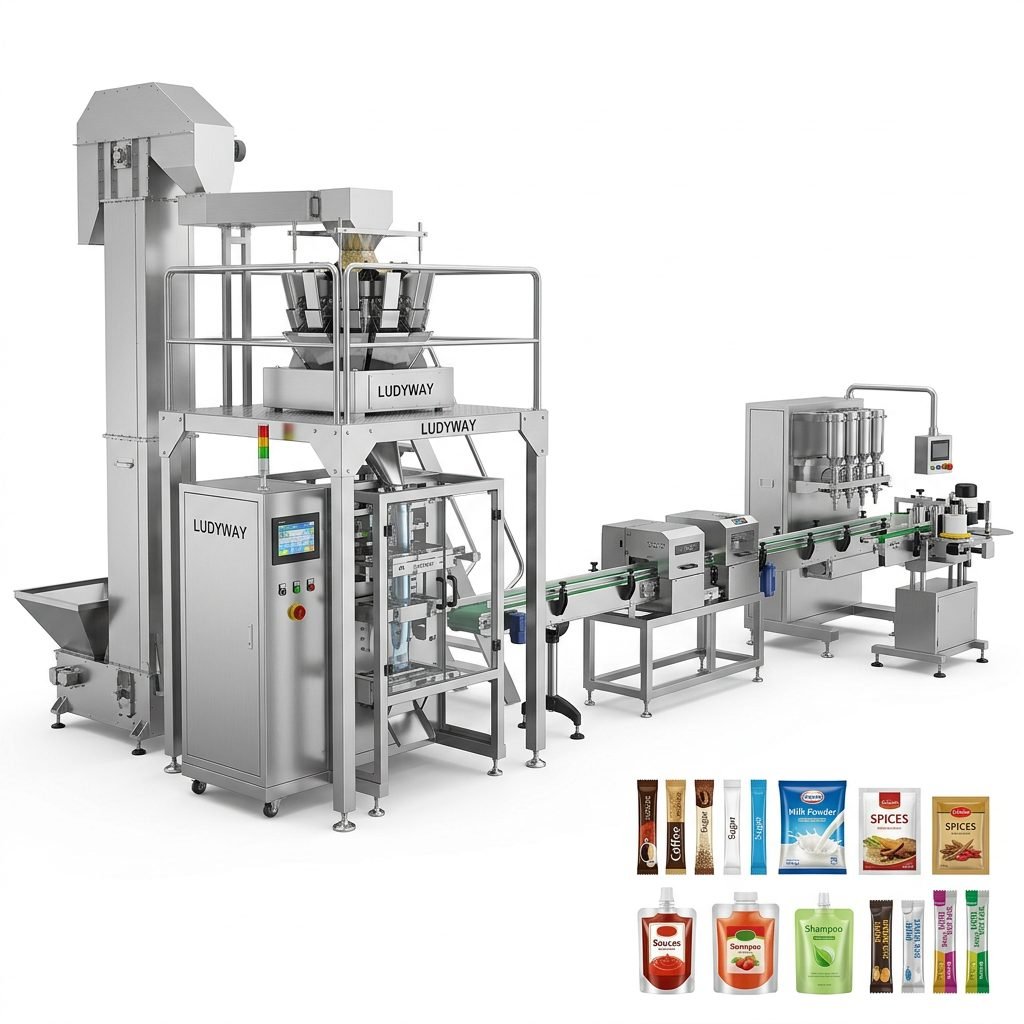
Single Machine vs Modular Packaging Line
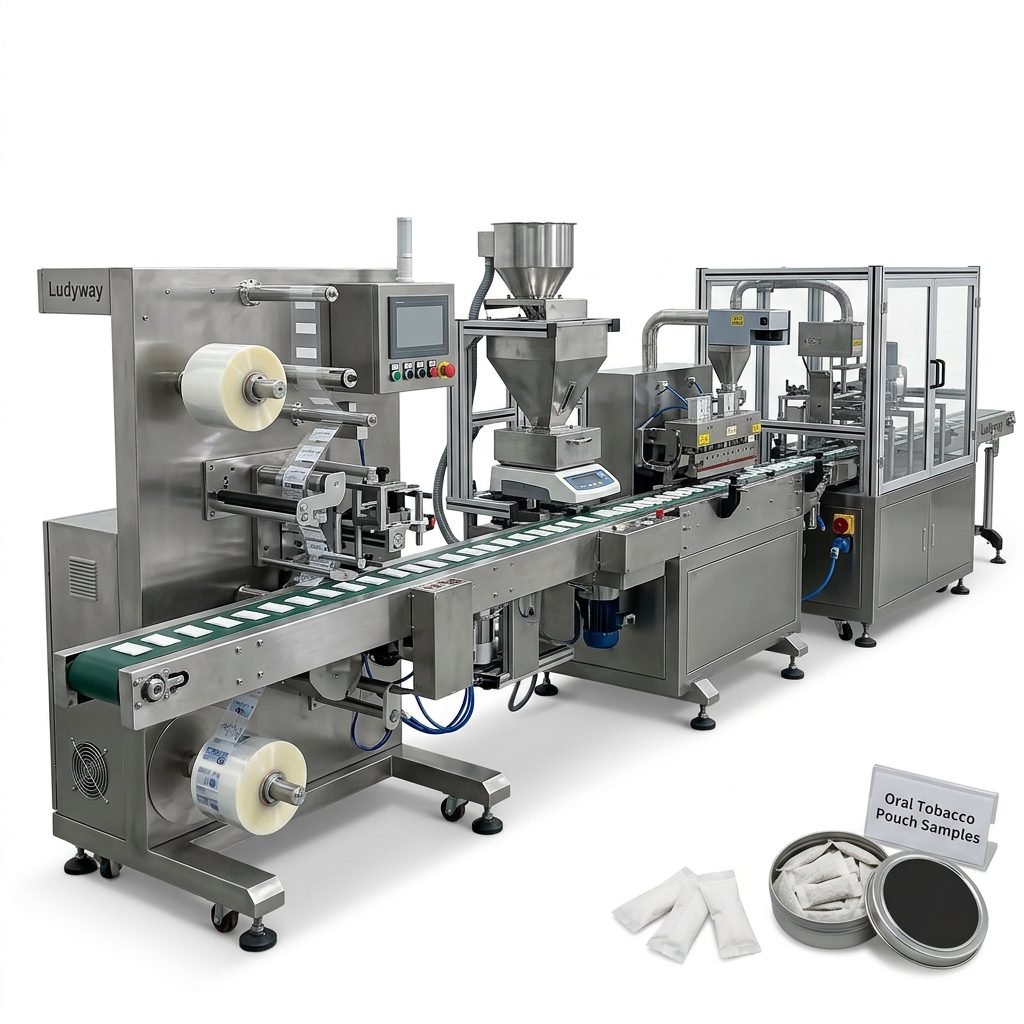
If your business runs only one high-volume product, a dedicated machine may be the better choice. But if you produce multiple SKUs, test new launches frequently, or serve different channels, a modular packaging line often brings better long-term value.
Many manufacturers now prefer flexible systems from experienced suppliers such as Ludyway packaging machine manufacturer, because modular engineering can support broader packaging needs across food, pharma, cosmetics, chemicals, and pouch-based production.
Best Scenarios for a Multi-Format Machine
- Brands launching new SKUs every quarter
- Contract packers serving multiple clients
- Export manufacturers with different regional packaging requirements
- Factories with limited floor space
- Businesses planning gradual automation upgrades
Final Buying Insight
One machine can support several packaging formats, but the realistic number depends on how closely related those formats are. For most applications, a well-configured system can reliably support multiple sizes and styles within the same packaging family. The best result comes from matching your product characteristics, packaging goals, changeover expectations, and future expansion plan with the right machine platform.
If your target is long-term flexibility, focus less on the highest theoretical format count and more on stable production, practical changeovers, and line-wide compatibility.