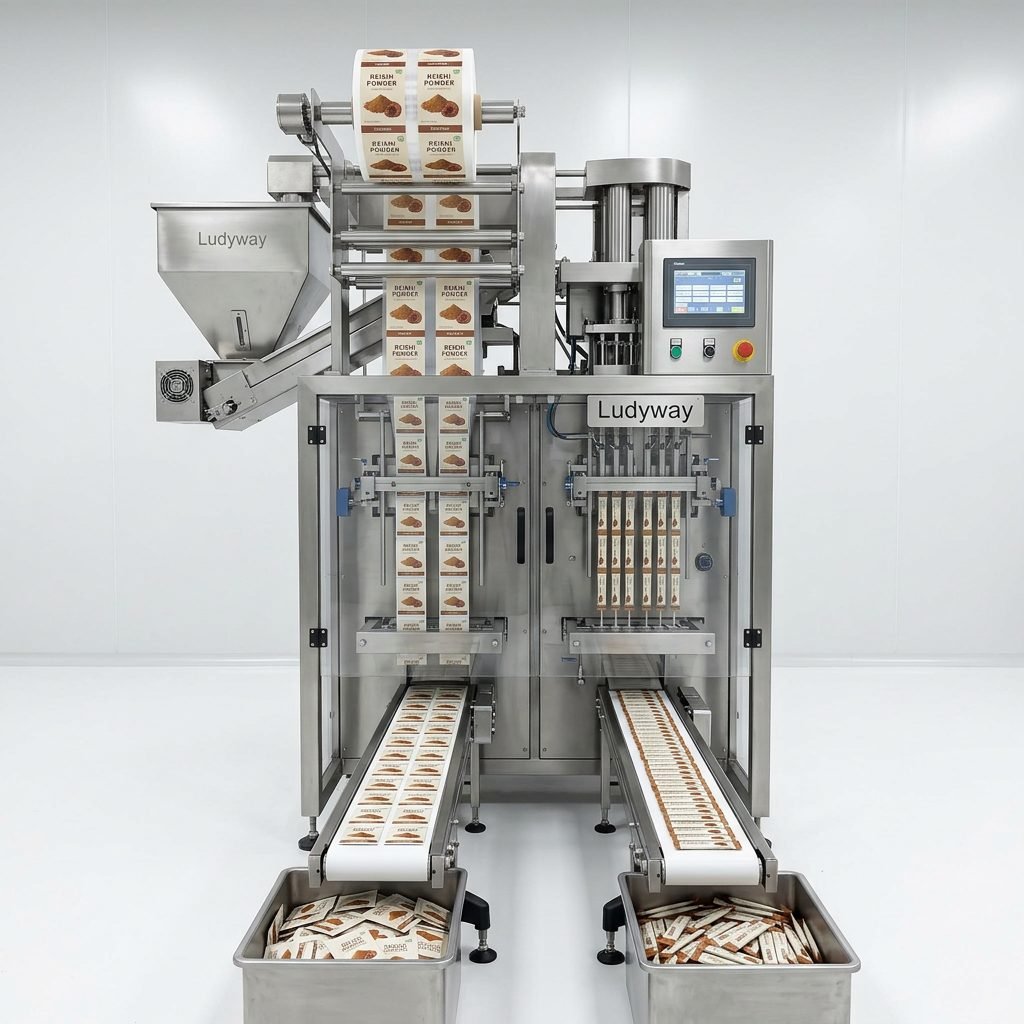
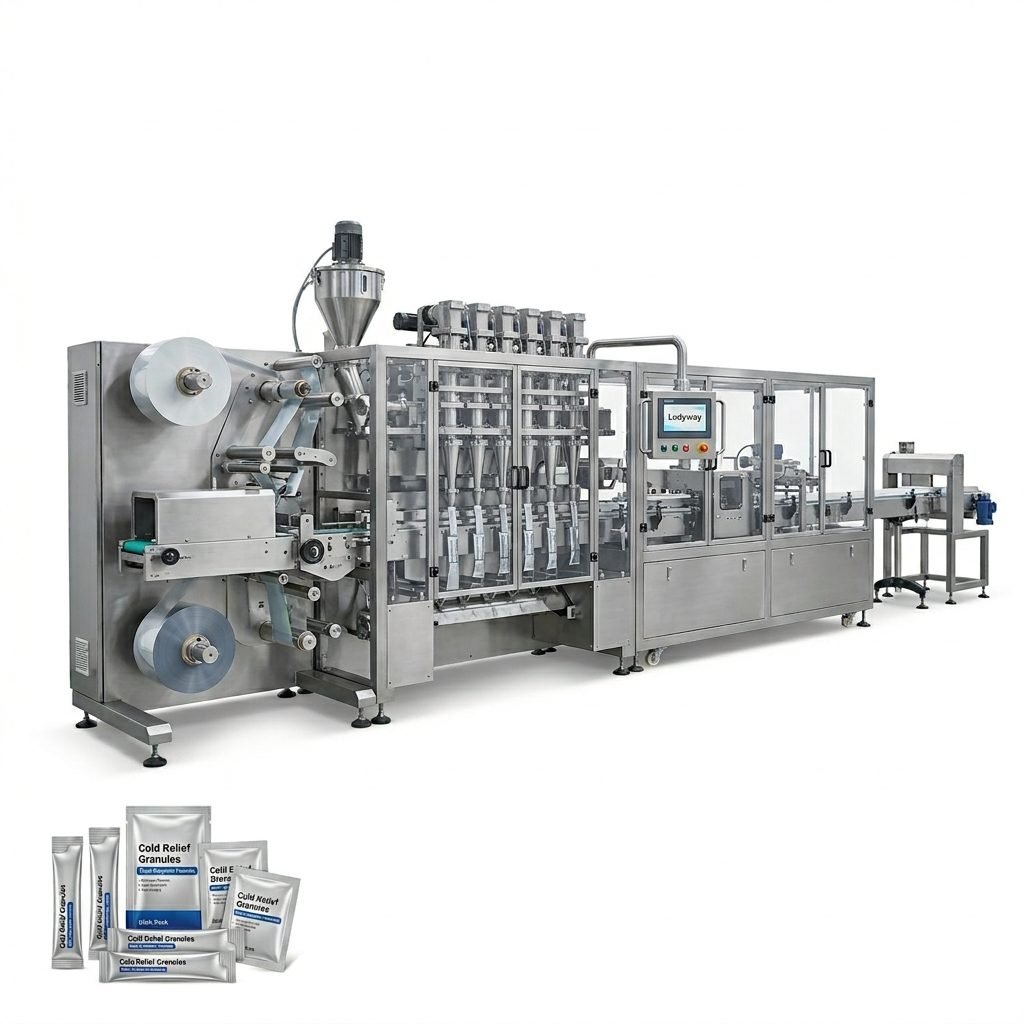
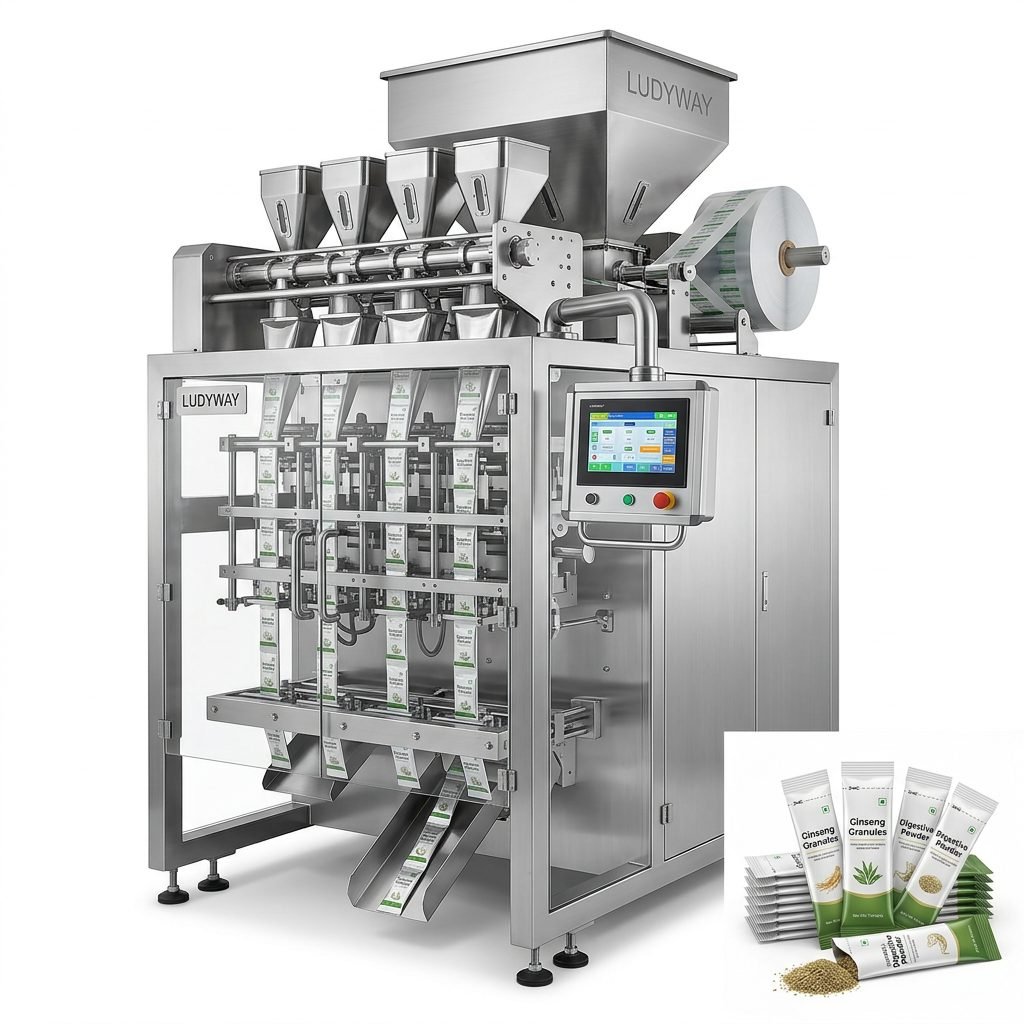
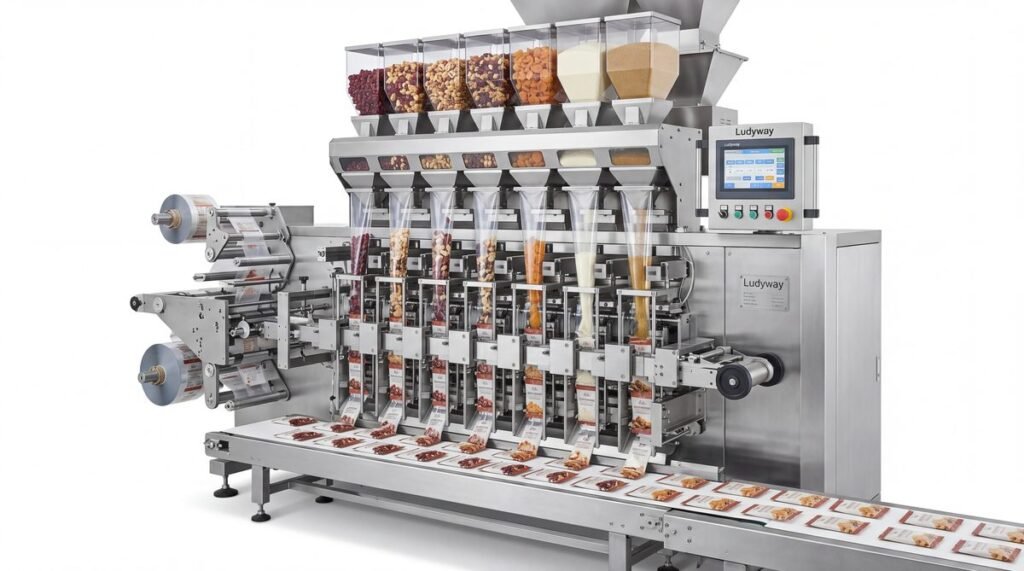
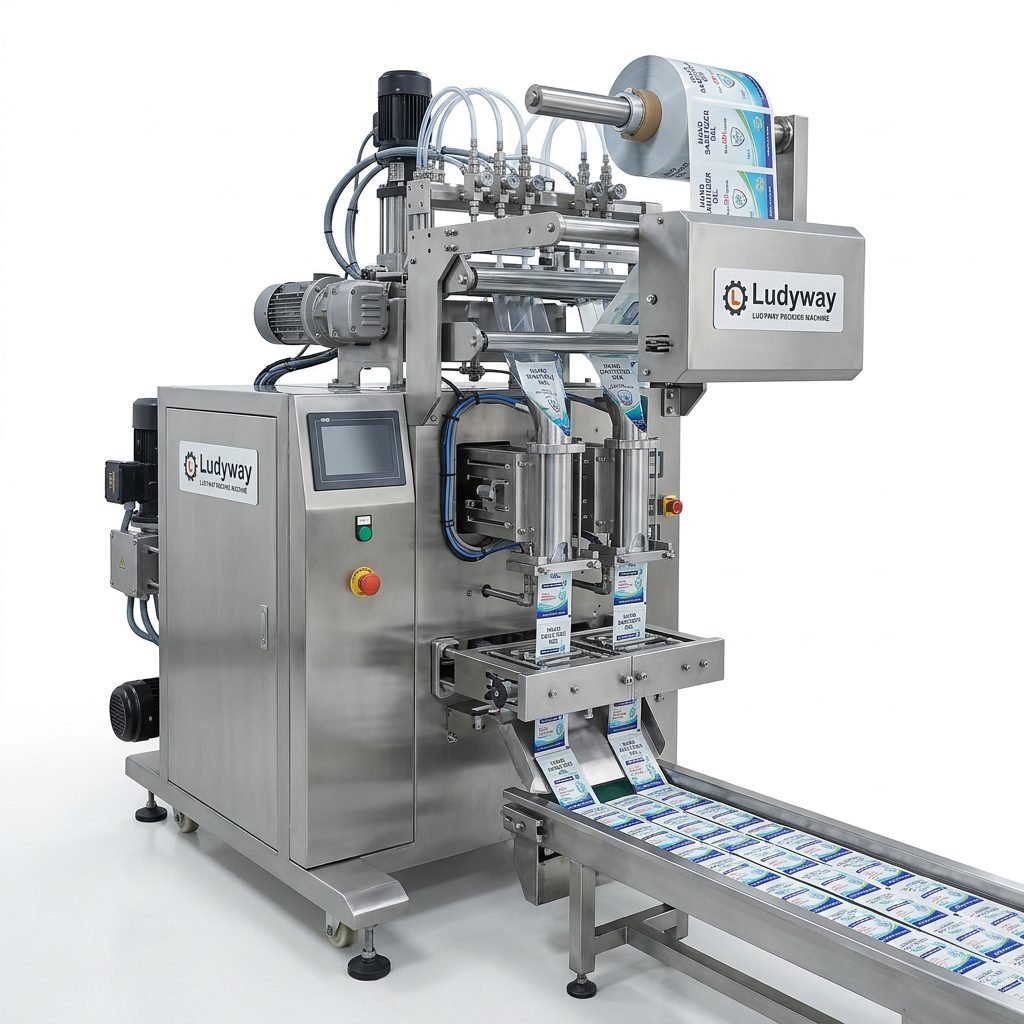
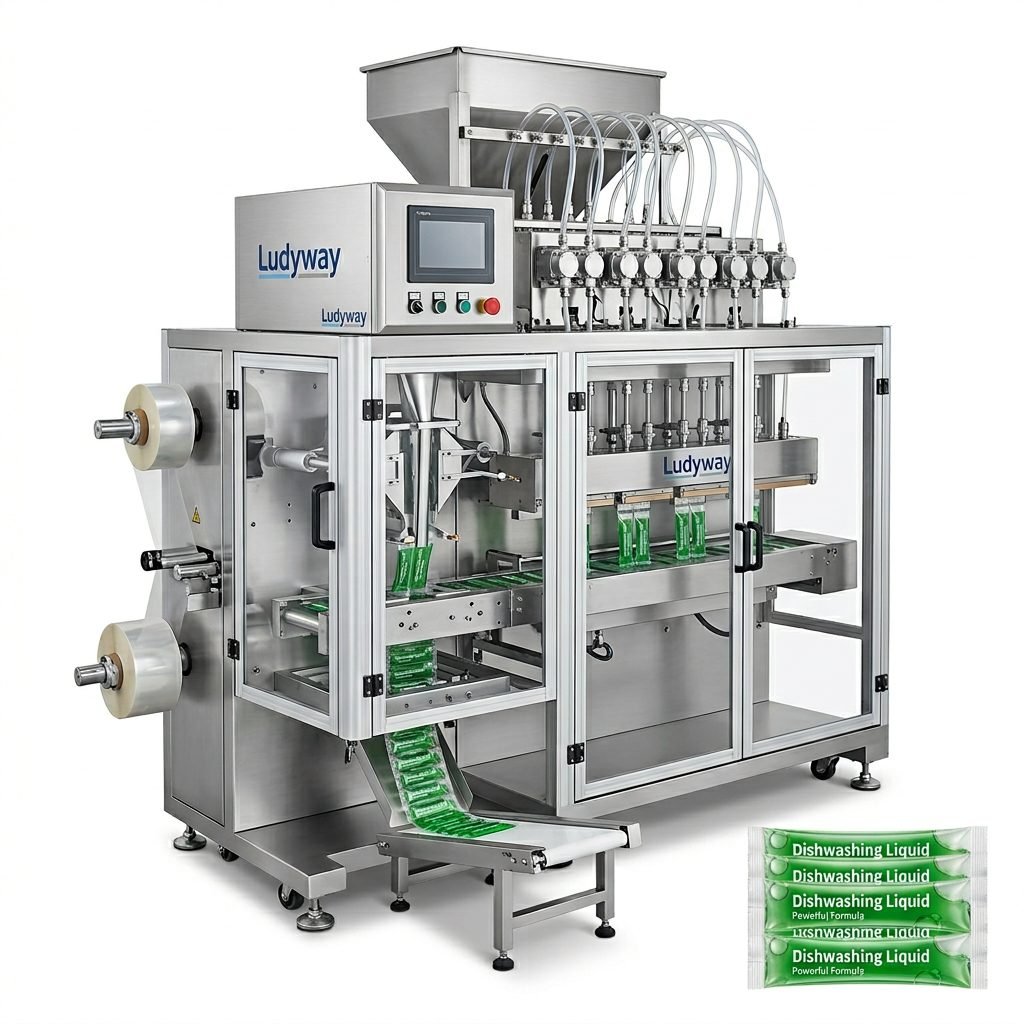
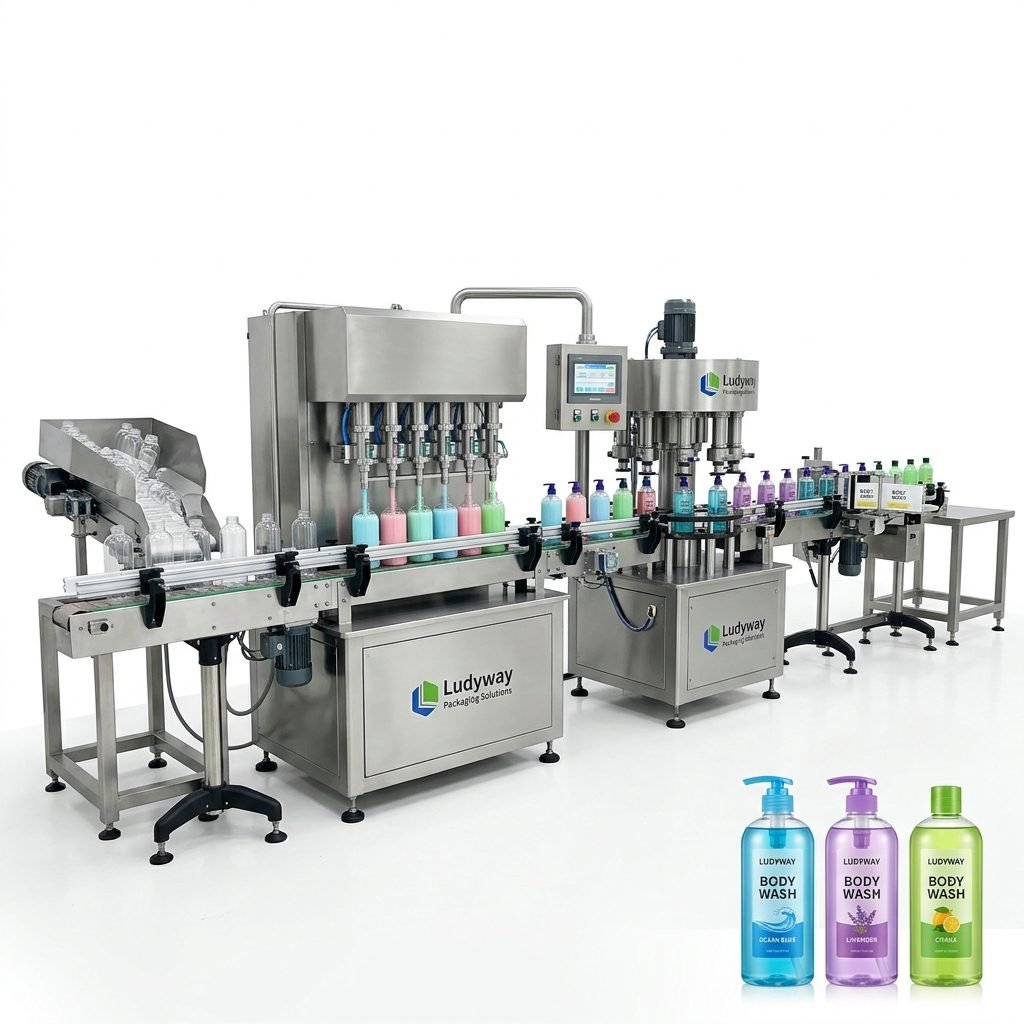
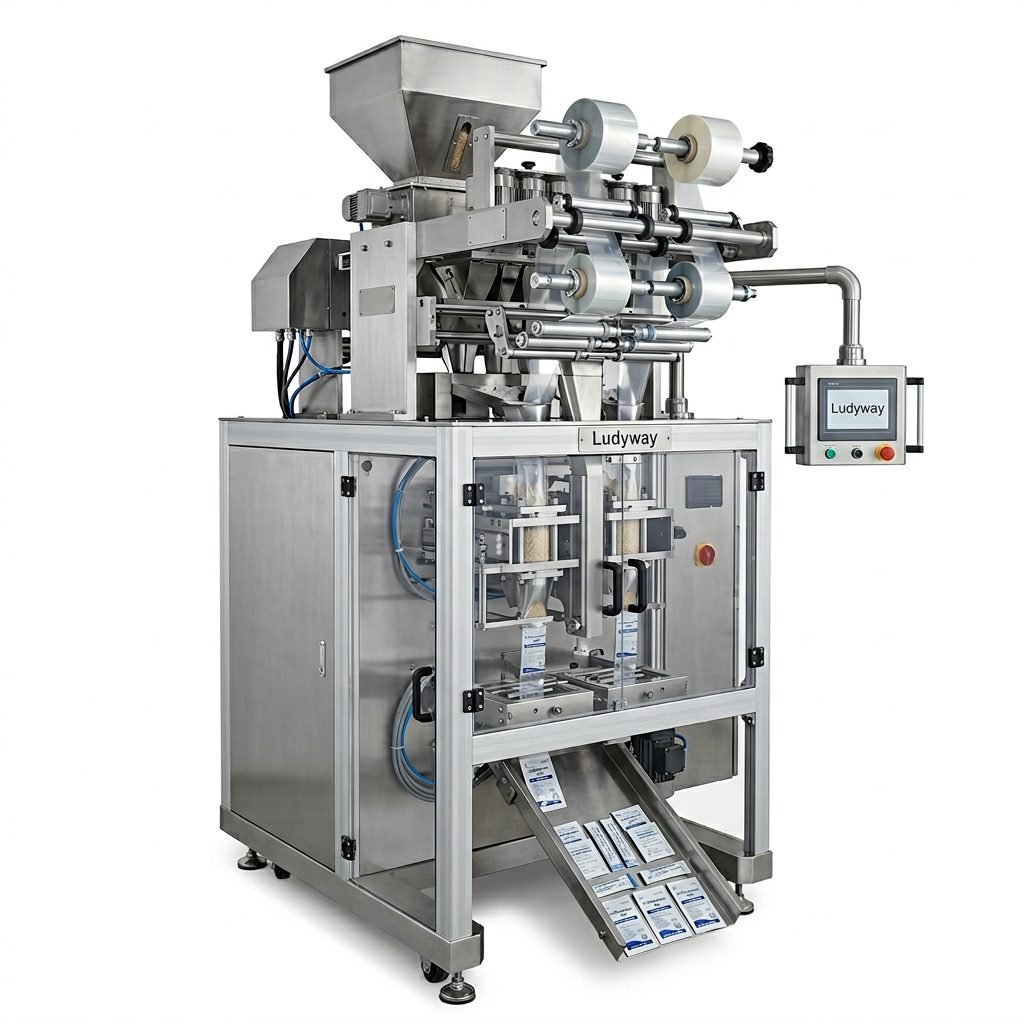
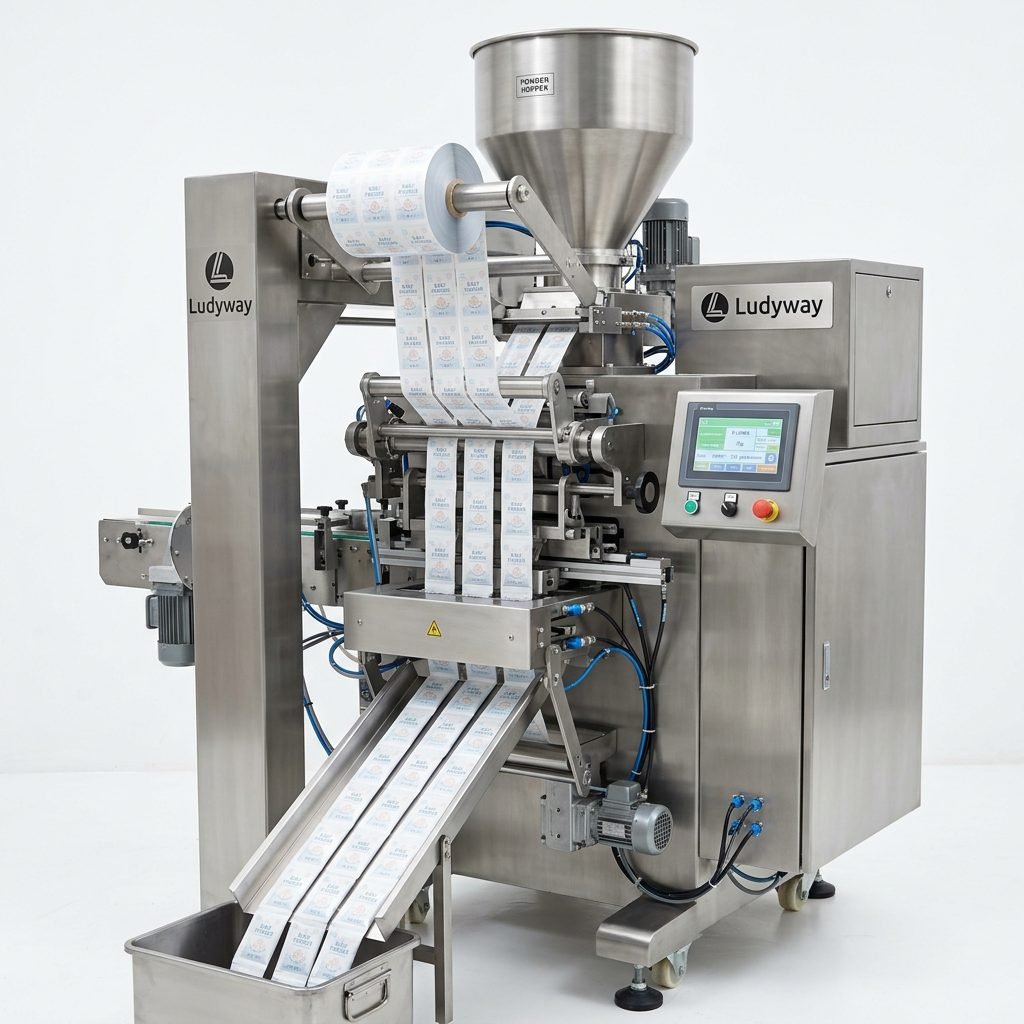
Proper maintenance is the backbone of any successful water purification and packaging operation. Without a consistent care routine, even the most advanced water purification and packaging machine will suffer from decreased efficiency, unexpected downtime, and compromised product quality. Implementing a structured maintenance plan ensures your investment delivers peak performance for years.
Why Routine Maintenance is Critical
Neglecting equipment upkeep can lead to a cascade of problems. For companies relying on high-output systems, a single failure can disrupt the entire supply chain. Regular maintenance not only extends the lifespan of machinery but also guarantees that your water packaging meets strict safety and hygiene standards. A well-maintained machine operates with lower energy consumption and fewer rejected packages, directly impacting your bottom line.
Daily Cleaning and Sanitization Protocols
Hygiene is paramount when dealing with water purification systems. Bacteria and mineral buildup can occur rapidly, so daily cleaning is non-negotiable. Start by flushing the lines with a sanitizing solution approved for food-grade equipment. Pay close attention to filling nozzles and sealing jaws, as dried residue can cause leaks or imperfect seals.
- Flush Purification Filters: Run clean water through the reverse osmosis or UV filtration stages to prevent microbial growth.
- Wipe Down Surfaces: Use food-safe disinfectants on all contact surfaces, including conveyor belts and filling heads.
- Inspect Nozzles: Check for drips or blockages that could affect fill volume accuracy.
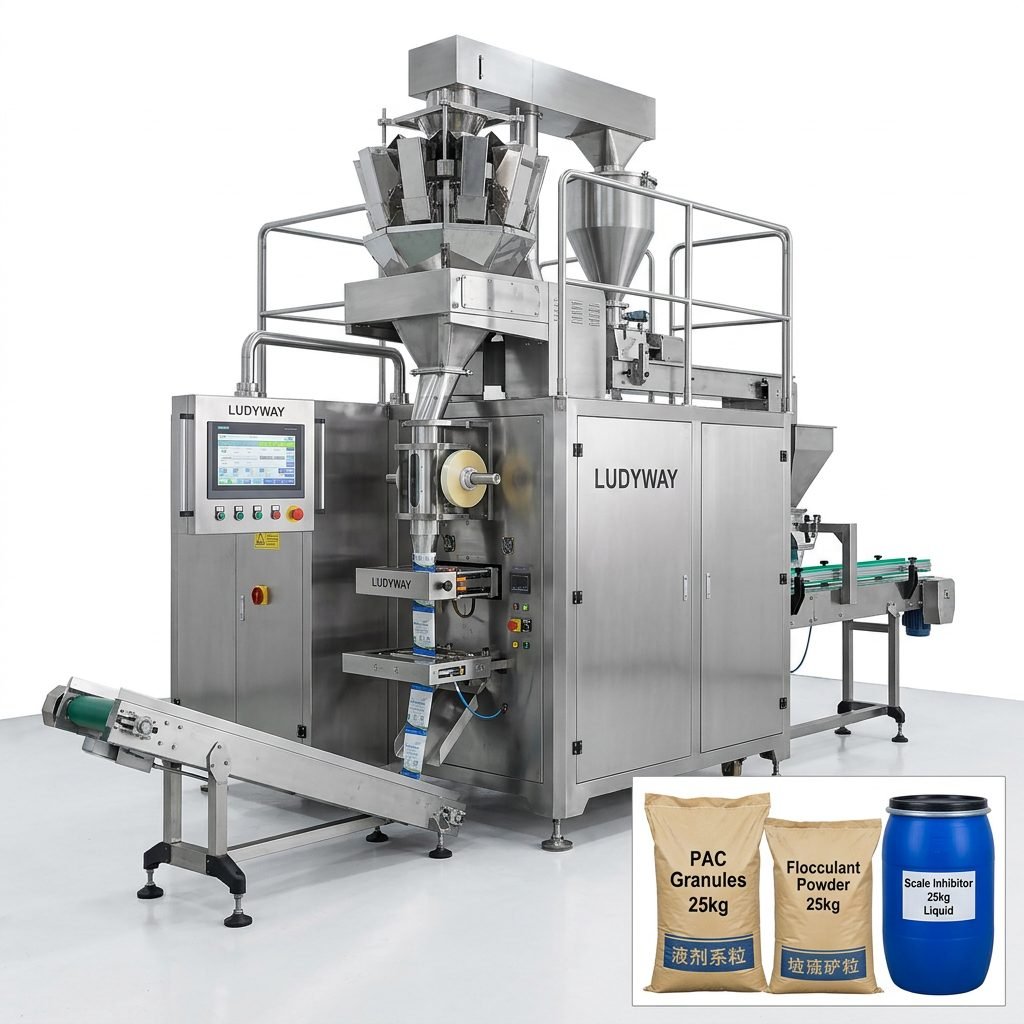
Weekly Inspection of Filtration and Piping
The heart of any water purification setup is the filtration network. Over time, sediment and scale build-up restrict flow and reduce system pressure. Weekly checks allow you to catch early signs of wear in gaskets, seals, and pipe connections. Ensure that pressure gauges read within the manufacturer’s recommended range.
| Component | Check Frequency | Common Issue | Solution |
|---|---|---|---|
| Sediment Pre-Filter | Weekly | Discoloration & Blockage | Rinse or Replace Cartridge |
| Carbon Filters | Weekly | Chlorine Breakthrough | Test water quality, schedule swap |
| Sealing Gaskets | Weekly | Cracks or Stiffness | Lubricate or Replace |
| Piping Joints | Weekly | Leaks or Condensation | Tighten fittings, patch leaks |
Monthly Lubrication and Mechanical Adjustments
Moving parts in a water packaging machine are subject to friction and thermal expansion. Monthly lubrication of chains, gears, and linear rails prevents metal fatigue. Use only food-grade lubricants to avoid contamination risks. This is also the time to fine-tune the machine’s calibration.
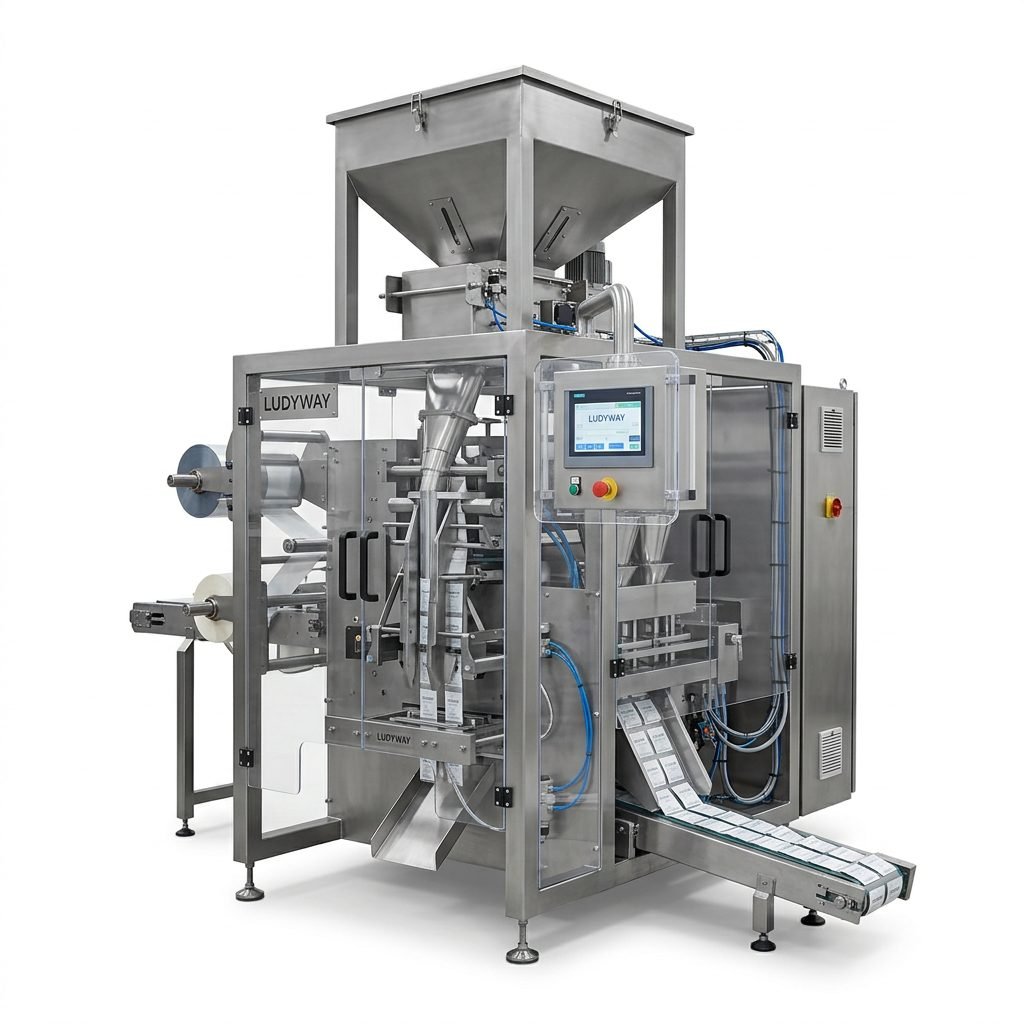
The sealing temperature and dwell time should be verified for consistency. If you notice inconsistent pouch seams, adjust the thermocouple settings or clean the heating elements. Chain tensioners and belt drives should be inspected for slack, and loose bolts must be tightened to prevent vibration damage.
Quarterly Sensor and Control System Validation
Modern machinery relies on sensitive electronics. Flow meters, level sensors, and photoelectric cells require quarterly recalibration to maintain signal integrity. A sensor out of alignment can cause the whole line to stop. Check the logic controller’s battery and back up the machine’s operational parameters regularly.
Key Calibration Points:
- Float Switches: Clean and manually activate to confirm pump response.
- Temperature Probes: Compare readings with a calibrated handheld thermometer.
- Product Reject Sensors: Test with a known sample to verify ejection timing.
Partnering with a reliable original equipment manufacturer ensures access to genuine spare parts. Companies like Ludyway provide comprehensive support packages for their packaging machinery, helping businesses maintain optimal throughput over decades of use.
Semi-Annual Deep Dive: Electrical and Safety Systems
Electrical cabinets require a thorough inspection. Dust and moisture can accumulate, leading to short circuits or corrosion on control boards. Use a vacuum with a non-static nozzle to clear debris from panels and inverters. Emergency stop circuits and safety interlocks must be tested rigorously to ensure operator protection.
Common Troubleshooting for Packaging Machinery
Understanding common failure points helps in rapid diagnosis. The table below summarizes issues frequently encountered in water purification packaging lines.
| Problem | Possible Cause | Maintenance Fix |
|---|---|---|
| Low water flow rate | Clogged membrane or pre-filter | Backwash RO system; replace cartridges |
| Leaking pouches | Misaligned seal bars or cold spots | Re-calibrate temperature and pressure |
| Inconsistent filling volume | Air in lines or worn piston seals | Purge air; replace worn pump parts |
| Machine vibration | Loose anchors or unbalanced motor | Re-tighten bolts; inspect motor mounts |
Optimizing Your Purification Stage for Longevity
The purification stage is the first step in your production line. Monitoring the total dissolved solids (TDS) and pH levels weekly helps predict filter lifespans. Hard water demands more frequent descaling of heating elements and piping. Integrating a water softener upstream significantly reduces scale formation, protecting expensive reverse osmosis membranes and reducing maintenance frequency.
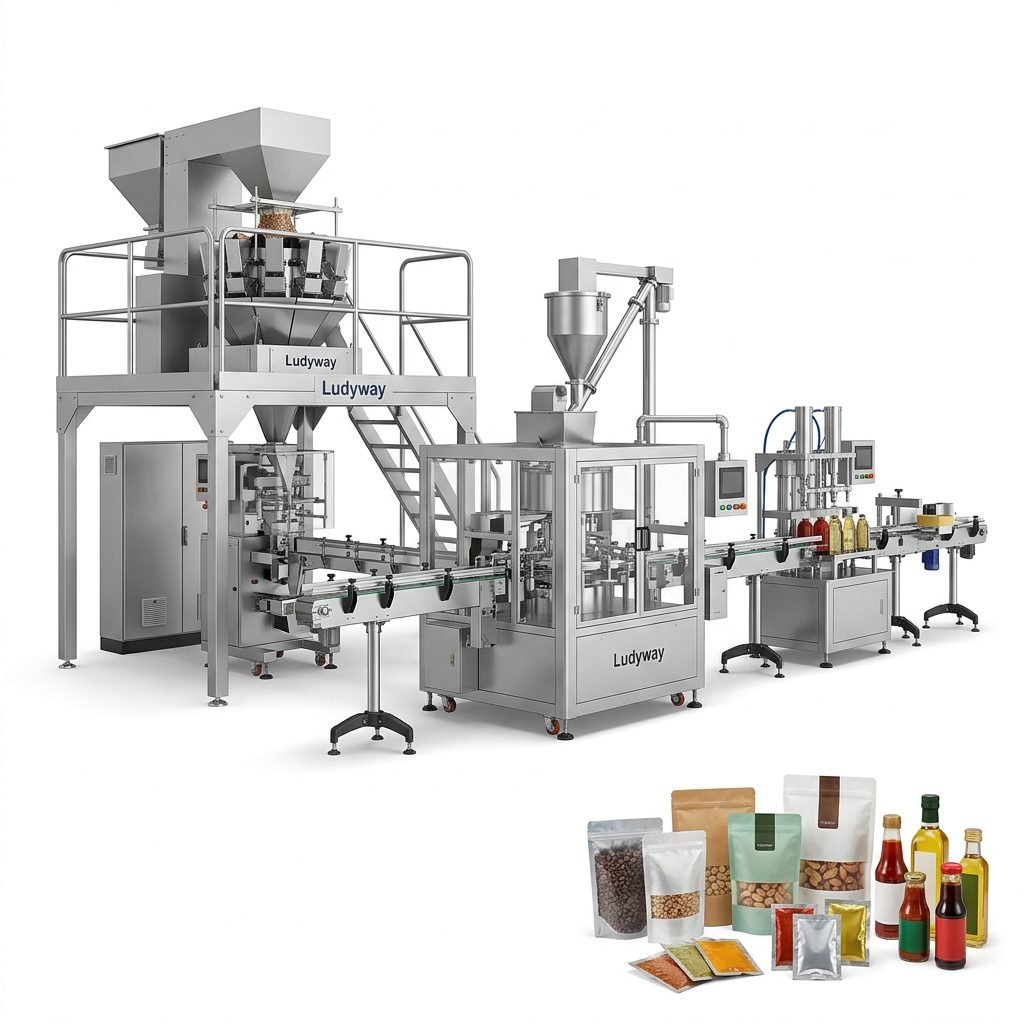
A proactive approach to water purification and packaging machine maintenance minimizes emergency repairs. Detailed logs should be kept for every adjustment and replacement. This historical data becomes invaluable for predicting future maintenance needs and justifying budget allocations for capital improvements or advanced packaging equipment upgrades.
Advanced Maintenance Strategies
For long-term reliability, consider implementing vibration analysis and thermal imaging into your routine. These predictive techniques detect motor bearing failures or electrical hotspots weeks before a breakdown occurs. Training operators to recognize subtle changes in machine sound or performance often prevents catastrophic damage to complex water packaging systems.