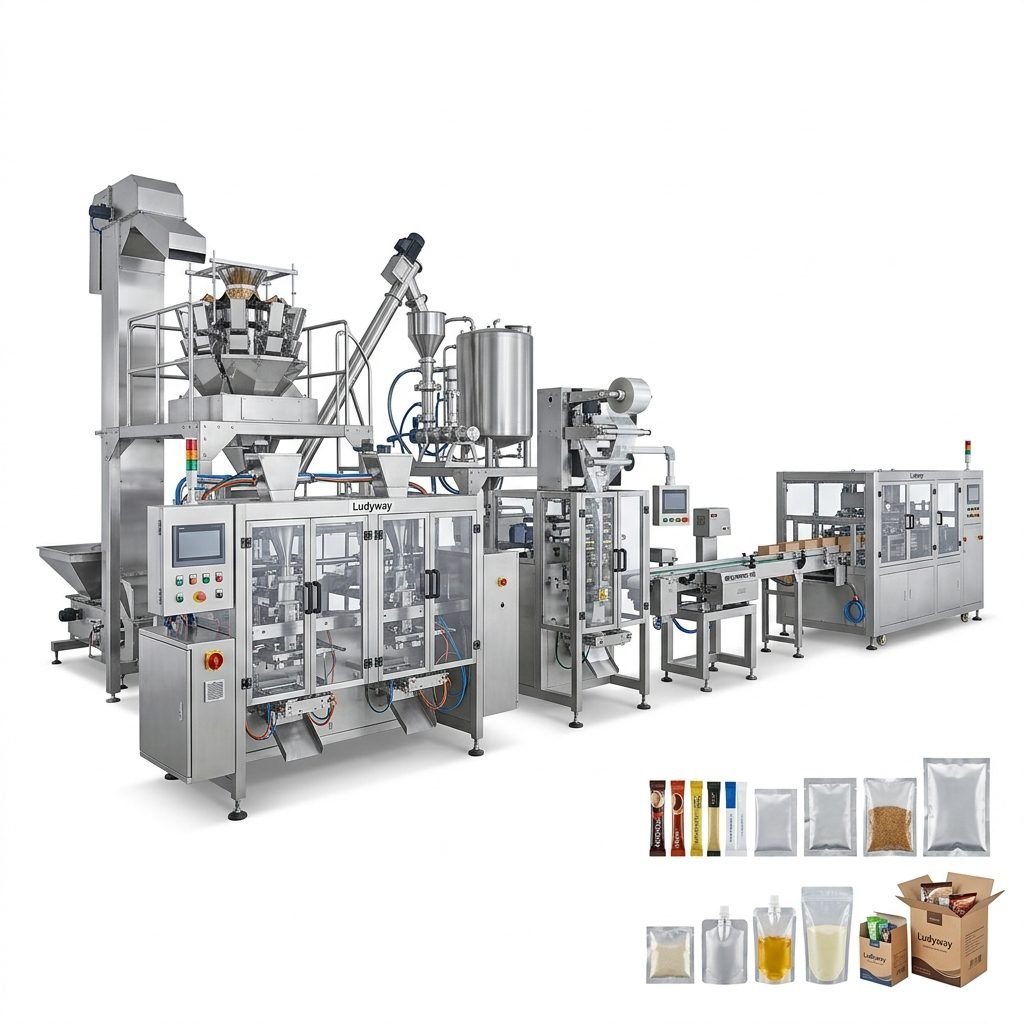
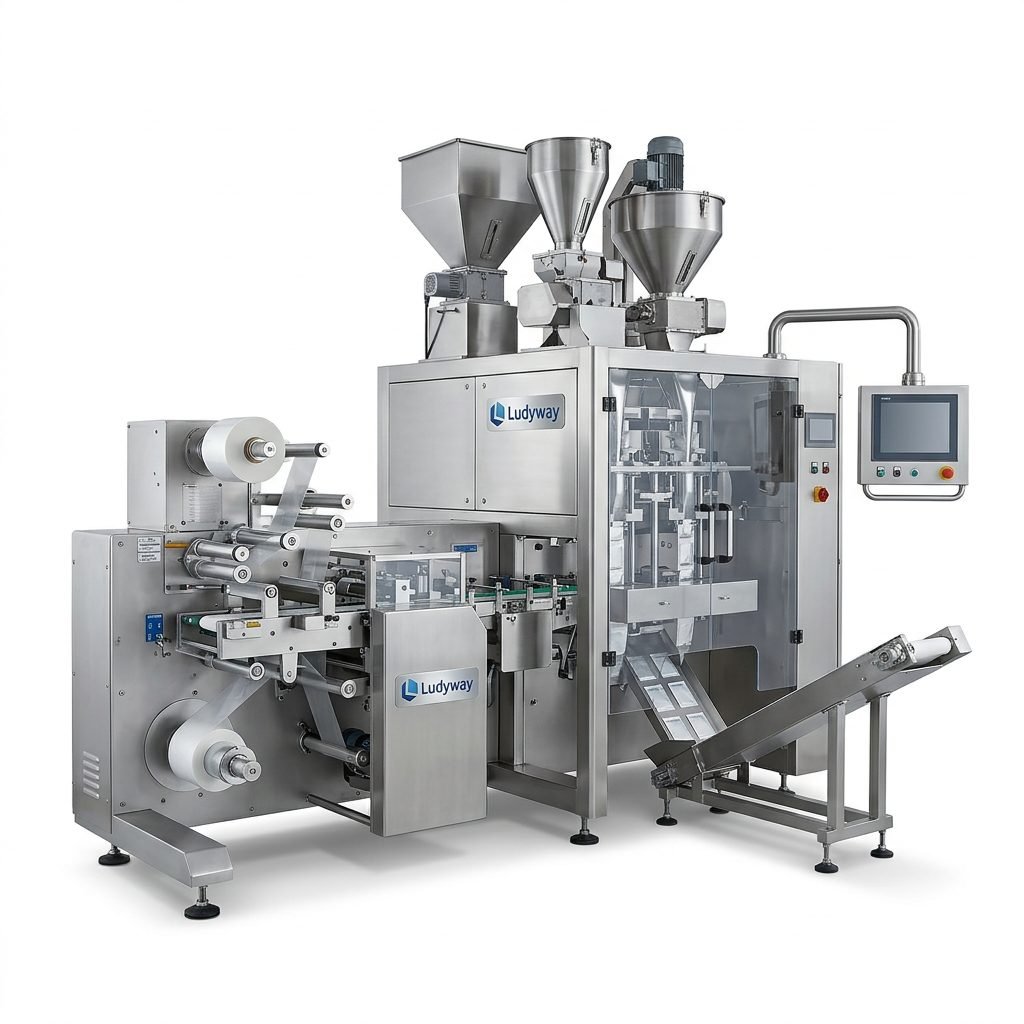
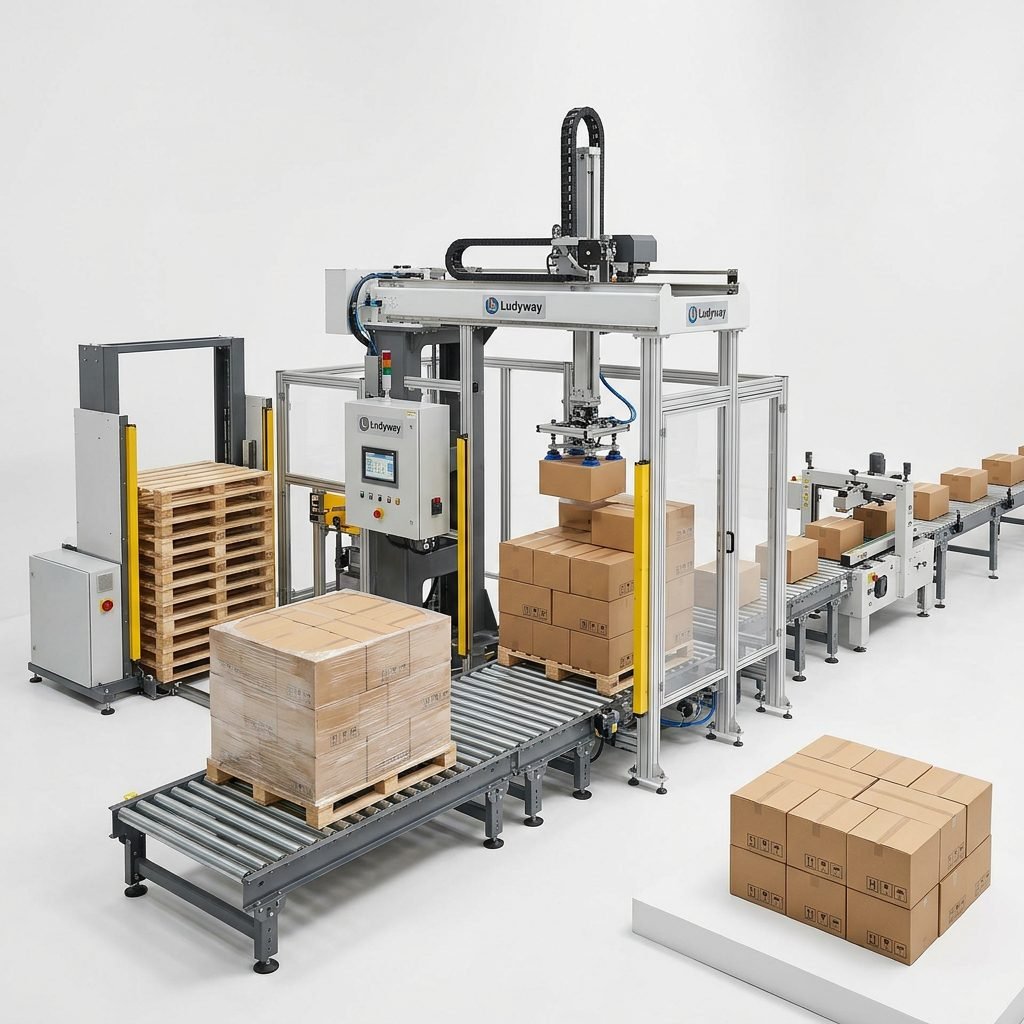
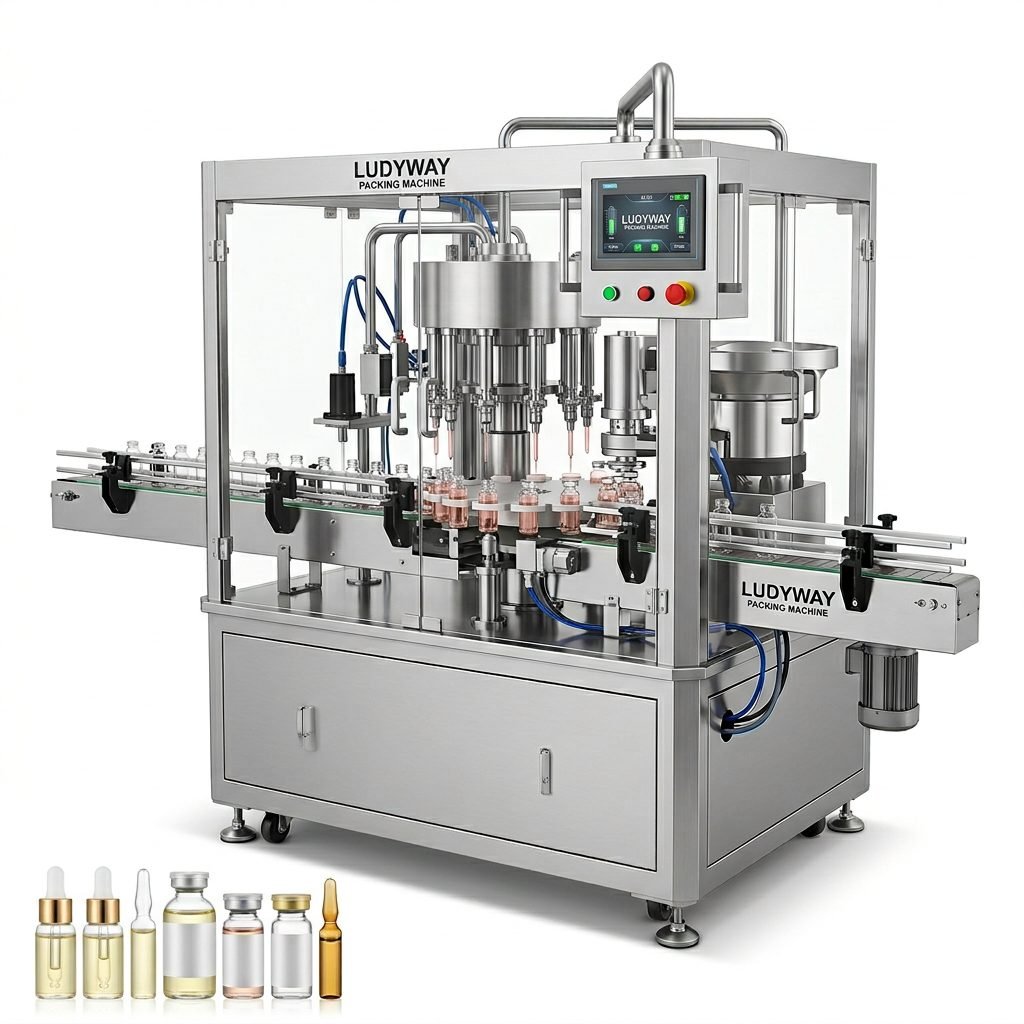
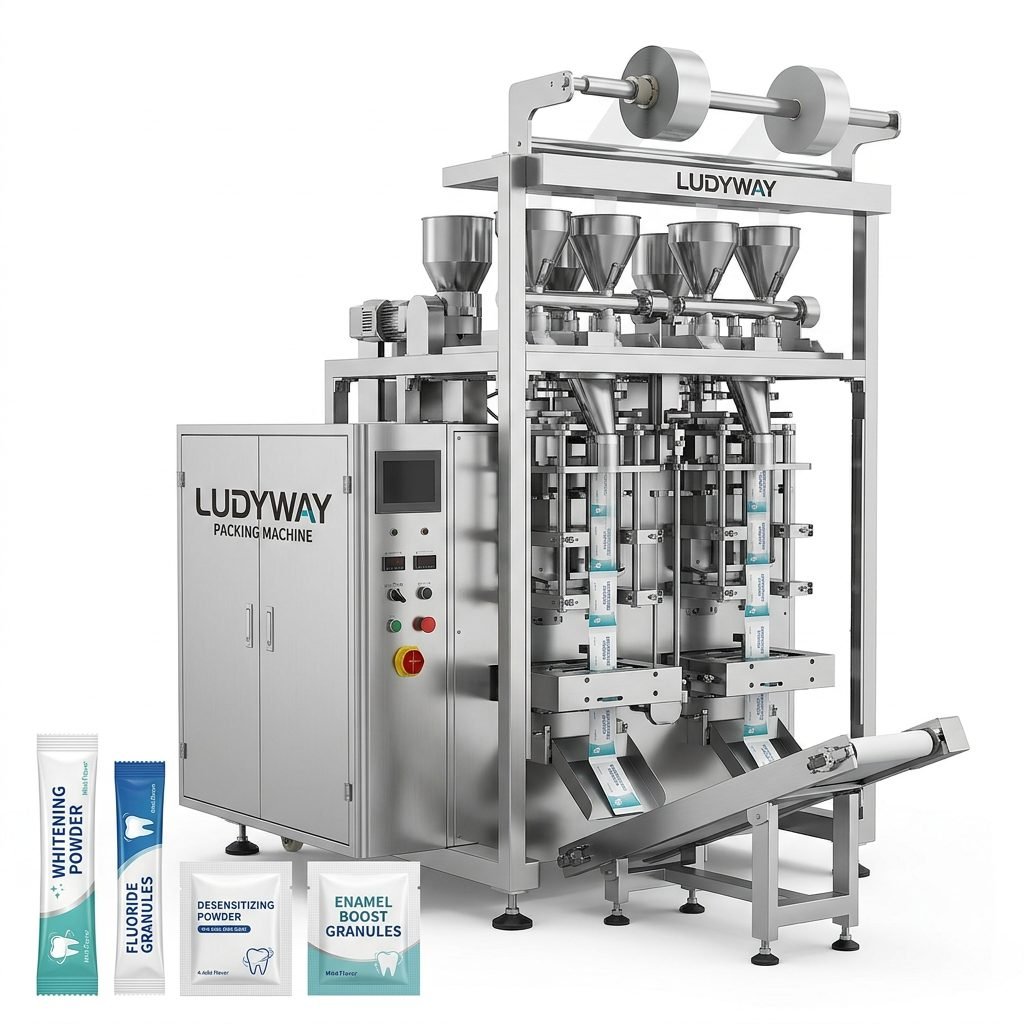
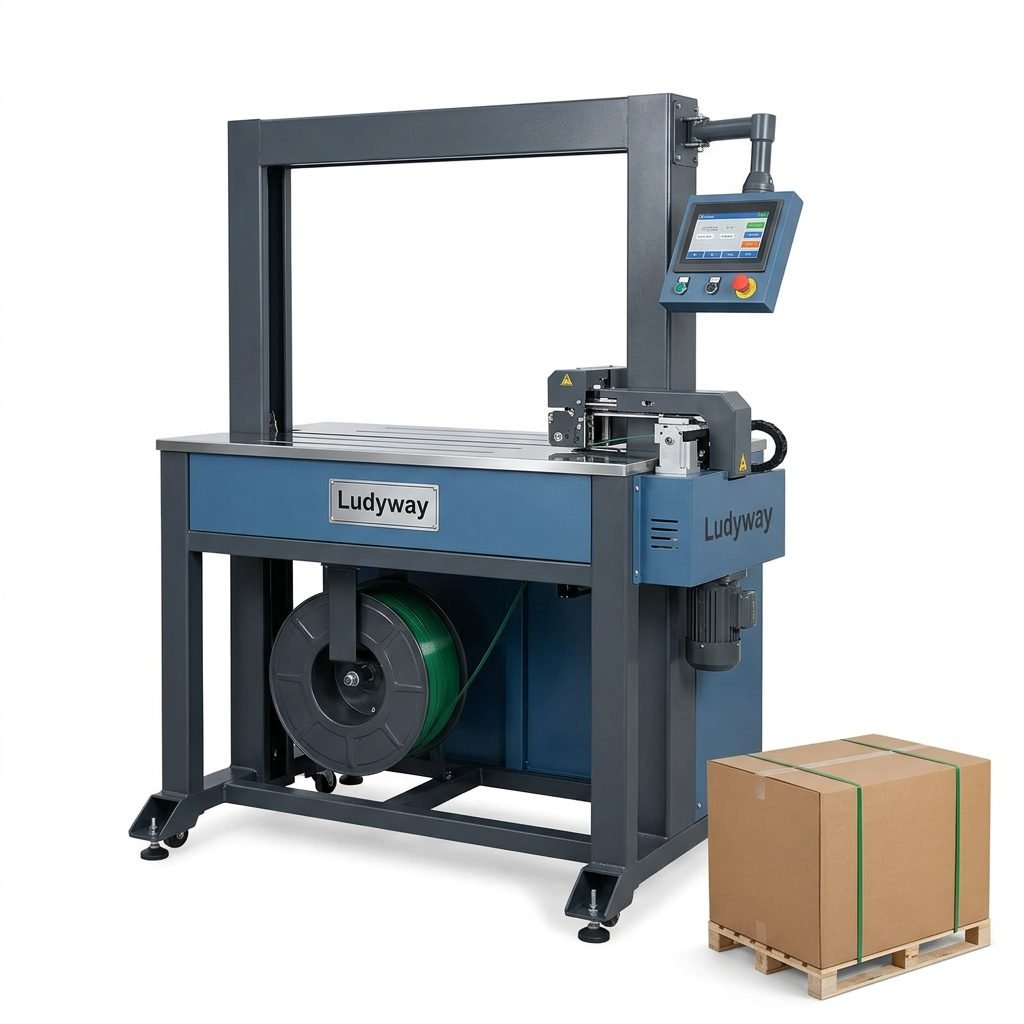
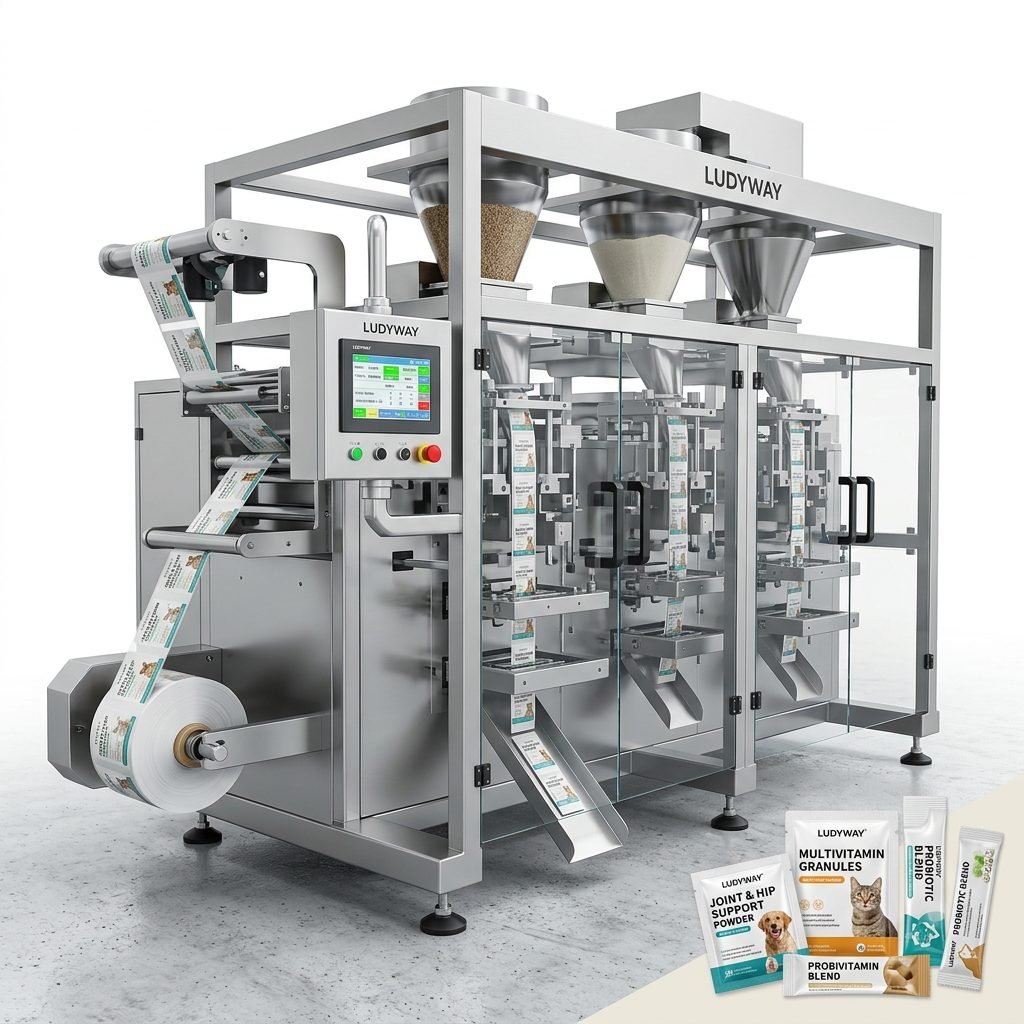
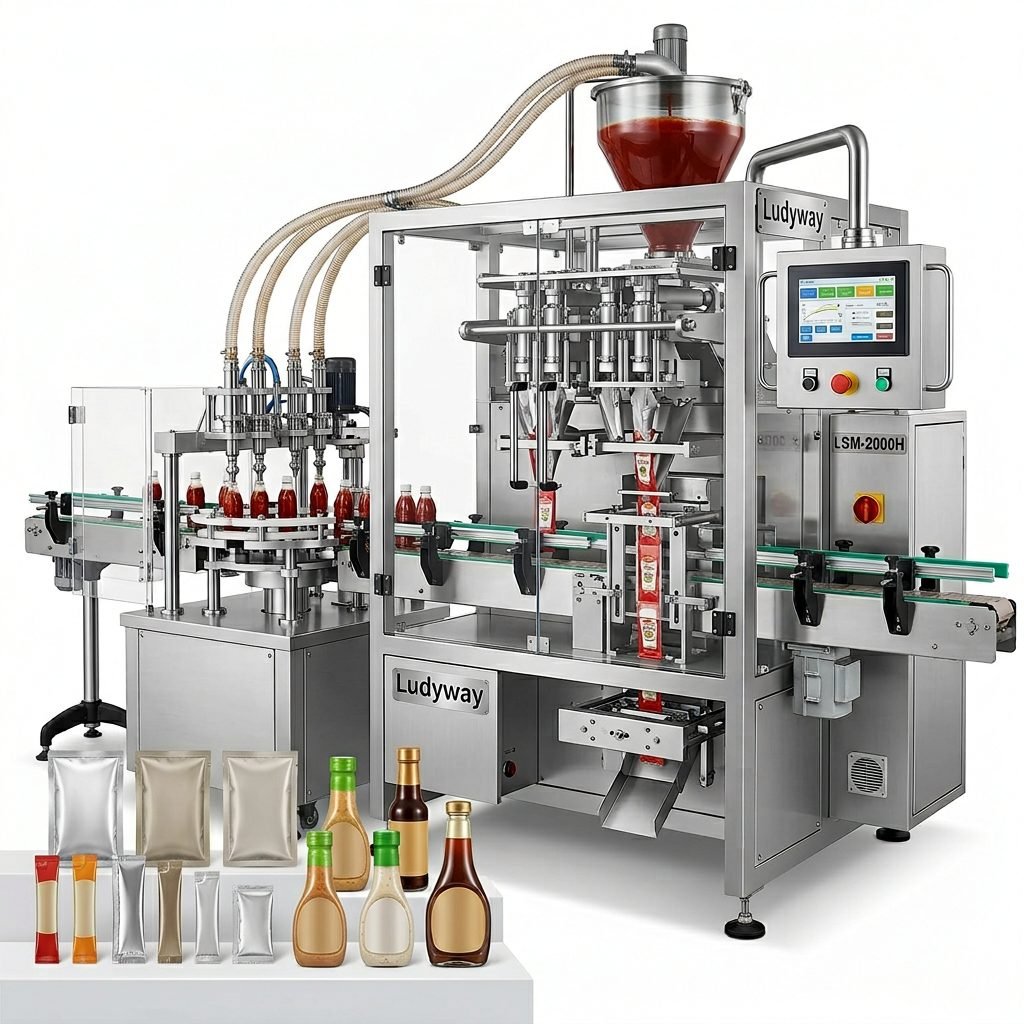
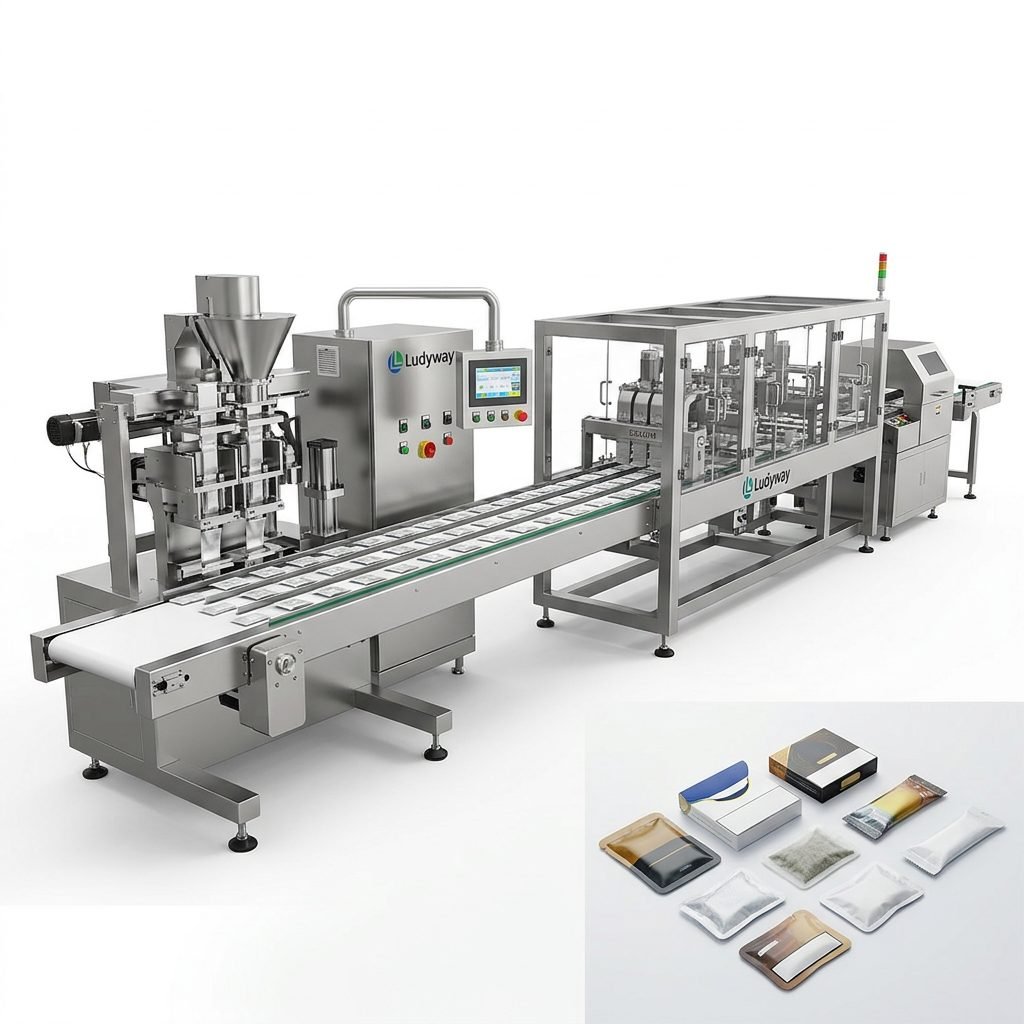
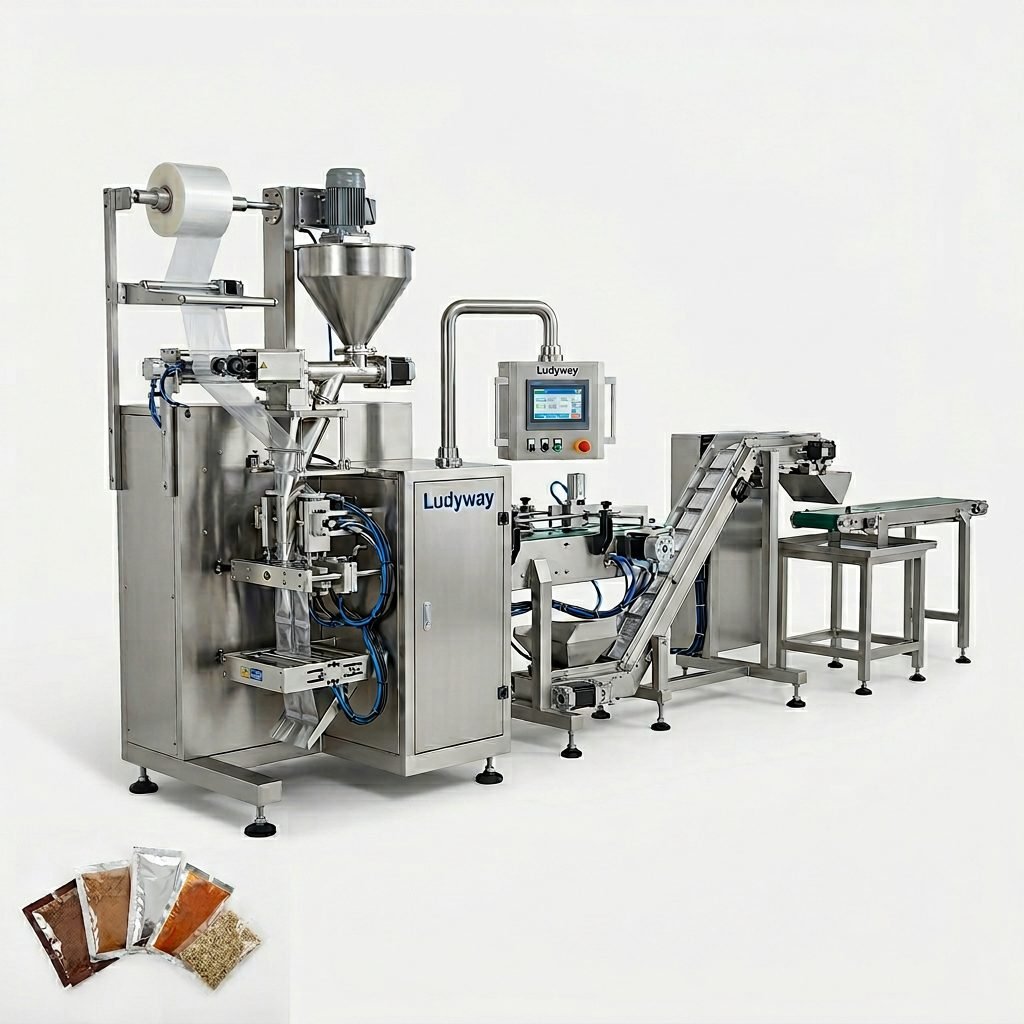
In the competitive landscape of food, pharmaceutical, and chemical production, a weight packing machine is not merely a piece of equipment—it is the heartbeat of your operational efficiency. Whether you are running a high-speed multi-head weigher or a linear net weigher, consistent, proactive maintenance is the single most critical factor in preventing costly downtime and ensuring product quality. Neglecting routine care can lead to inaccurate fills, product giveaway, and mechanical failure. This guide provides a professional, structured approach to maintaining your weight packing machine for reliable performance and a significantly extended service life.
The Cost of Neglecting Preventative Maintenance
Before diving into the “how,” it’s essential to understand the “why.” A poorly maintained weighing system can result in inaccurate dosing, which directly impacts your profit margins through product giveaway. Furthermore, dust accumulation on sensitive components like load cells and circuit boards can cause erratic readings and short circuits. By implementing a strict maintenance schedule, you protect your capital investment and avoid emergency repair costs that can cripple a production budget.

Daily Maintenance: Keeping Sensors and Surfaces Clean
Daily cleaning is the first line of defense against machine degradation. Production environments often generate significant dust, especially when handling powders and granules. Focus your daily end-of-shift procedures on these areas:
- Weighing Buckets and Hoppers: Remove any residual product to prevent cross-contamination and build-up that can affect tare weight.
- Load Cell Protection: Gently remove dust from load cells using compressed air. Never strike the load cell to remove caked material, as this can permanently damage the sensor.
- Heat Seal Jaws: Inspect the sealing jaws for product residue. Burned-on product creates a barrier that prevents proper heat transfer, leading to leaking or weak seals.
- Air Filters: If your unit uses pneumatic components, check and clean the air filters to ensure consistent pressure for the cylinders.
Weekly Inspection: Fasteners and Wear Components
A weekly deep-dive allows you to catch mechanical issues before they escalate. Vibration from high-speed packaging lines naturally loosens bolts and wears down moving parts. Schedule a downtime window to perform the following checks:
| Inspection Zone | Check Point | Action Required |
|---|---|---|
| Drive System | Belts and Chains | Check tension and alignment. Look for cracks or fraying on belts. |
| Vibratory Feeders | Leaf Springs | Inspect for cracking. A broken spring kills feed consistency instantly. |
| Electrical Cabinet | Connections & Cooling | Tighten terminal screws. Verify cooling fans are operational to prevent drive overheating. |
| Pneumatic System | Hoses & Fittings | Listen for air leaks. Replace brittle or cracked air lines immediately. |
Monthly and Quarterly Calibration Protocols
Accuracy is the primary function of a weight packing machine. Over time, load cells drift, and analog-to-digital converters can lose zero. Monthly calibration checks are non-negotiable for GMP-compliant facilities.
- Static Calibration: Use certified test weights to validate the load cell output across the full weighing range (typically 0% to 100% of capacity).
- Dynamic Calibration: Run product tests, weighing individual discharges on a checkweigher to fine-tune the “cut-off” points for coarse and fine feeding.
- Lubrication: Monthly lubrication of cams, bearings, and gearboxes is required. Always use food-grade H1 lubricants for applications where incidental food contact might occur to ensure safety and compliance.

Leveraging Technology for Predictive Maintenance
Modern intelligent packaging lines, such as those engineered by Ludyway, often feature IoT-ready diagnostics. Rather than waiting for a breakdown, you can monitor real-time servo-amplifier temperatures and cycle-count data. This allows you to replace wear parts like carbon brushes or filter pads based on actual usage, not just guesswork. Integrating these systems with your ERP software ensures you maintain an optimal inventory of critical spare parts, reducing mean time to repair (MTTR).
Troubleshooting Common Filling Errors
Even with rigorous maintenance, issues can arise. Here is how to diagnose the most frequent problems:
- Erratic Weights / High Standard Deviation: This is often caused by external vibration. Ensure the machine is isolated from heavy machinery, or check for a cracked vibratory pan suspension.
- Product Dribbling: If material trickles after the hopper door closes, you likely have a worn door seal or a sticking cylinder. Clean the sealing edge and test the actuator.
- Machine Stops / Alarms: Check the photo-eyes and proximity sensors. A dust-coated sensor lens is almost always the culprit.
Internal Resources for Operators
For those managing complex production for diverse SKUs—like switching between granule stick packs and liquid sachets—understanding machine setup is vital. Refer to your supplier’s technical resources. For instance, insights on multi-lane stick pack machines can provide specific guidance on format changeovers and long-term reliability strategies that apply directly to your packaging equipment.

The Role of the Manufacturer in Equipment Longevity
Sustainable performance isn’t just about what happens on your factory floor; it starts with engineering quality. Ludyway is one of the largest packaging machine manufacturers in China, specializing in advanced packaging equipment and turnkey production solutions for the food, pharmaceutical, and health industries. With over 30 years of industry expertise, we provide reliable and efficient packaging solutions for granule, powder, liquid, and pouch packaging applications. Our modern 20,000㎡ manufacturing facility and highly experienced engineering team design over 50 intelligent packaging machine models—including multi-lane stick pack, sachet, and fully automated packaging systems—to be easy to clean, maintain, and calibrate over decades of use. When you choose a machine built for serviceability, you inherently extend its service life.
Authoritative Industry Standards
Aligning your maintenance protocols with global standards ensures compliance and safety. We recommend consulting the following organizations for detailed packaging standards and regulations:
- PMMI – The Association for Packaging and Processing Technologies
- FDA – Food Packaging and Food Contact Substances
- ISO – ISO 11607 Packaging Standards
- Flexible Packaging Association – Industry Resources
Conclusion: Protecting Your Investment
Maintaining a weight packing machine for reliable performance is a continuous cycle of cleaning, inspecting, calibrating, and upgrading. By empowering your operators with basic troubleshooting skills and scheduling professional preventative maintenance, you will not only maximize productivity but also protect the accuracy of every single pouch that leaves your facility. Remember, the longer service life of your equipment is directly proportional to the quality of care it receives.