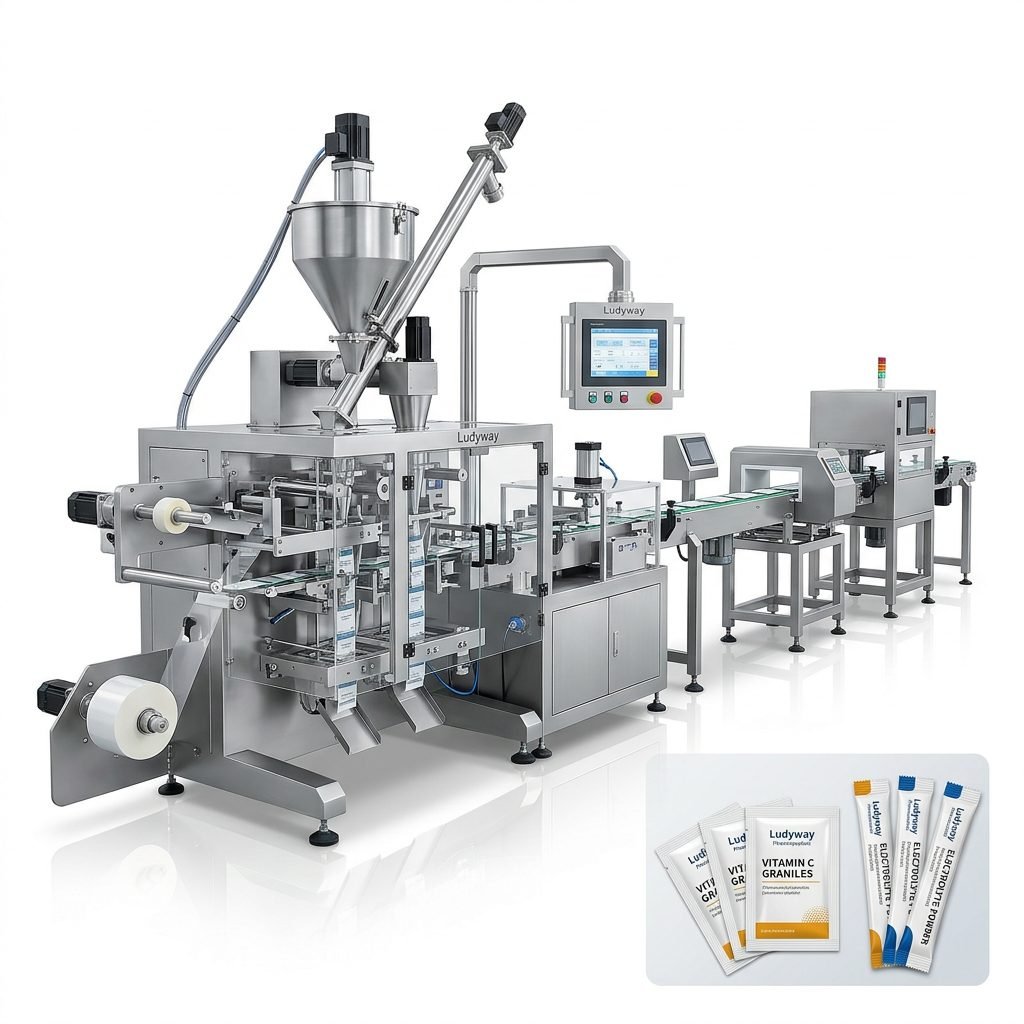
Investing in a tea pickle pouch packing machine is a significant decision for food manufacturers looking to automate their packaging lines. Whether you are packaging fermented tea leaves, pickled vegetables, chutneys, or dry tea blends, the cost of the equipment varies widely based on capacity, automation level, and customization requirements. Understanding the price landscape before contacting suppliers helps you budget accurately and negotiate effectively.
This guide breaks down the real market prices for tea and pickle pouch packing machines, examines the key factors that influence cost, and offers practical buying tips to help you make an informed investment. Prices referenced are based on current industry data and direct manufacturer insights.
Tea Pickle Pouch Packing Machine: Price Overview at a Glance
The table below summarizes the current market price ranges for different categories of tea and pickle pouch packing machines. These figures represent ex-works prices from reputable manufacturers and may vary based on configuration and optional features.
| Machine Type | Capacity Range | Estimated Price (USD) | Best For |
|---|---|---|---|
| Semi-Automatic Single-Lane Pouch Machine | 15-30 pouches/min | $3,000 – $8,000 | Small-scale producers, startups |
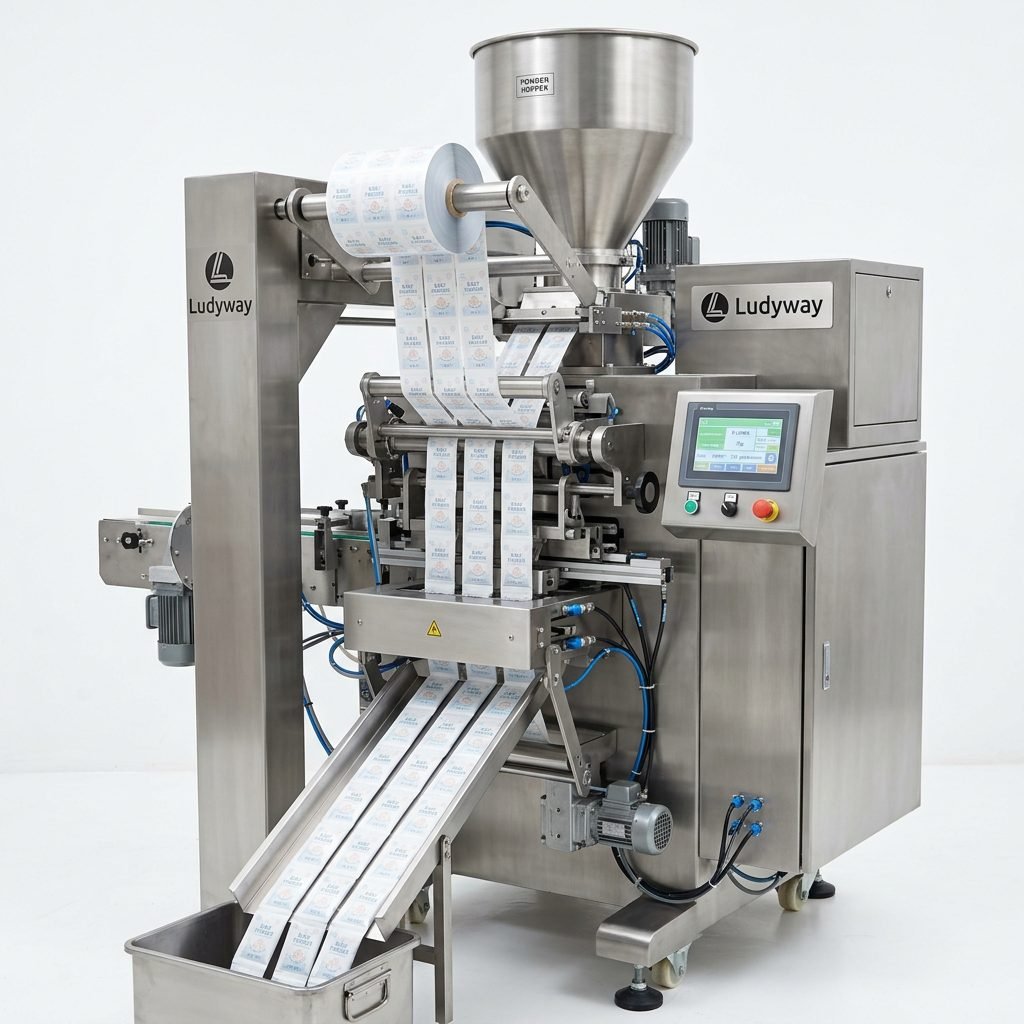
| Automatic Single-Lane Pouch Machine | 30-60 pouches/min | $10,000 – $22,000 | Medium-scale production |
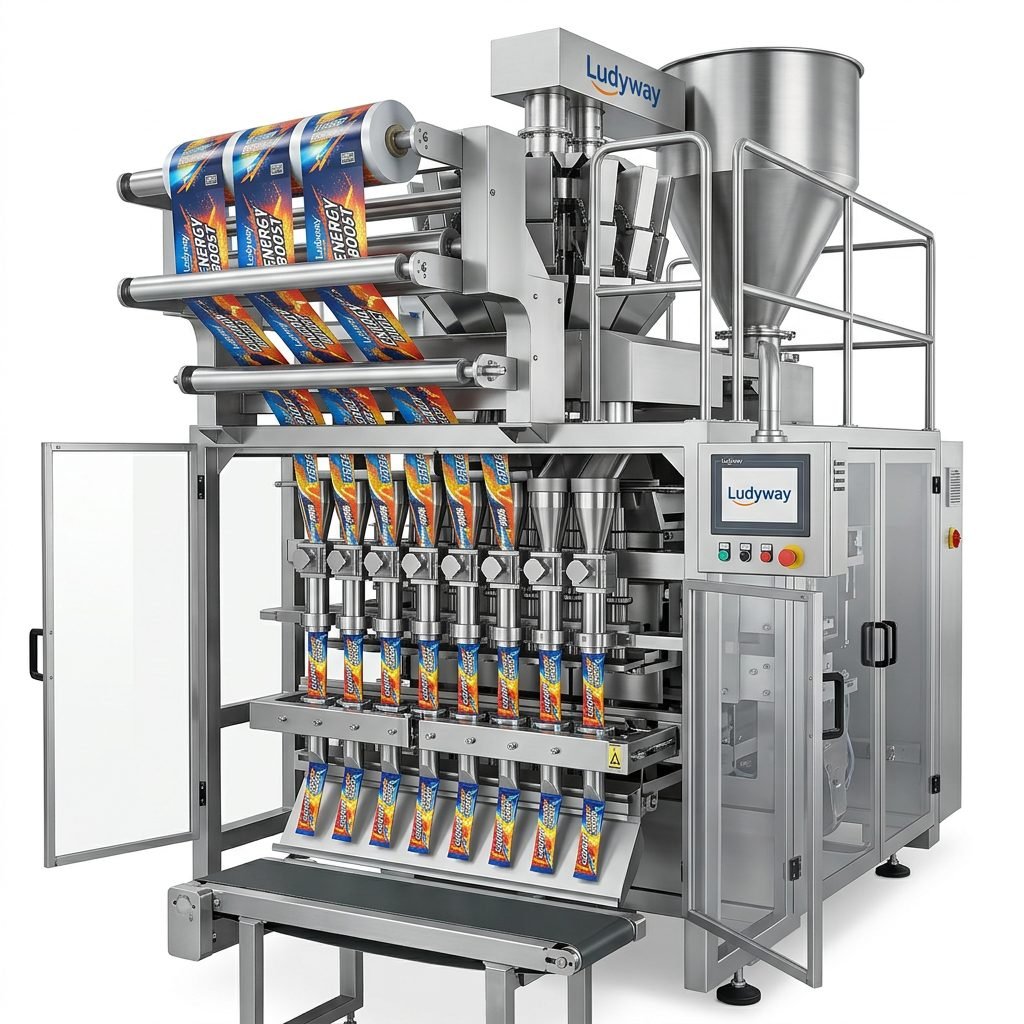
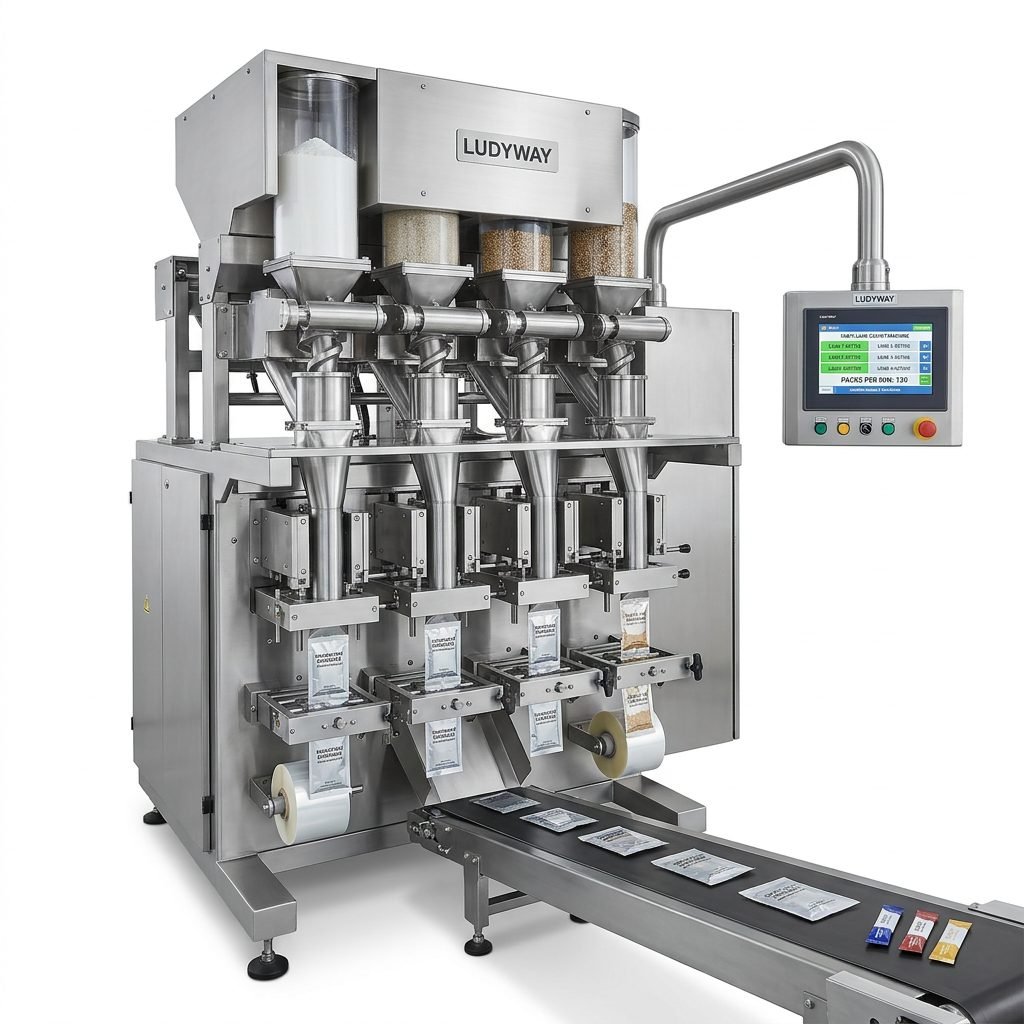
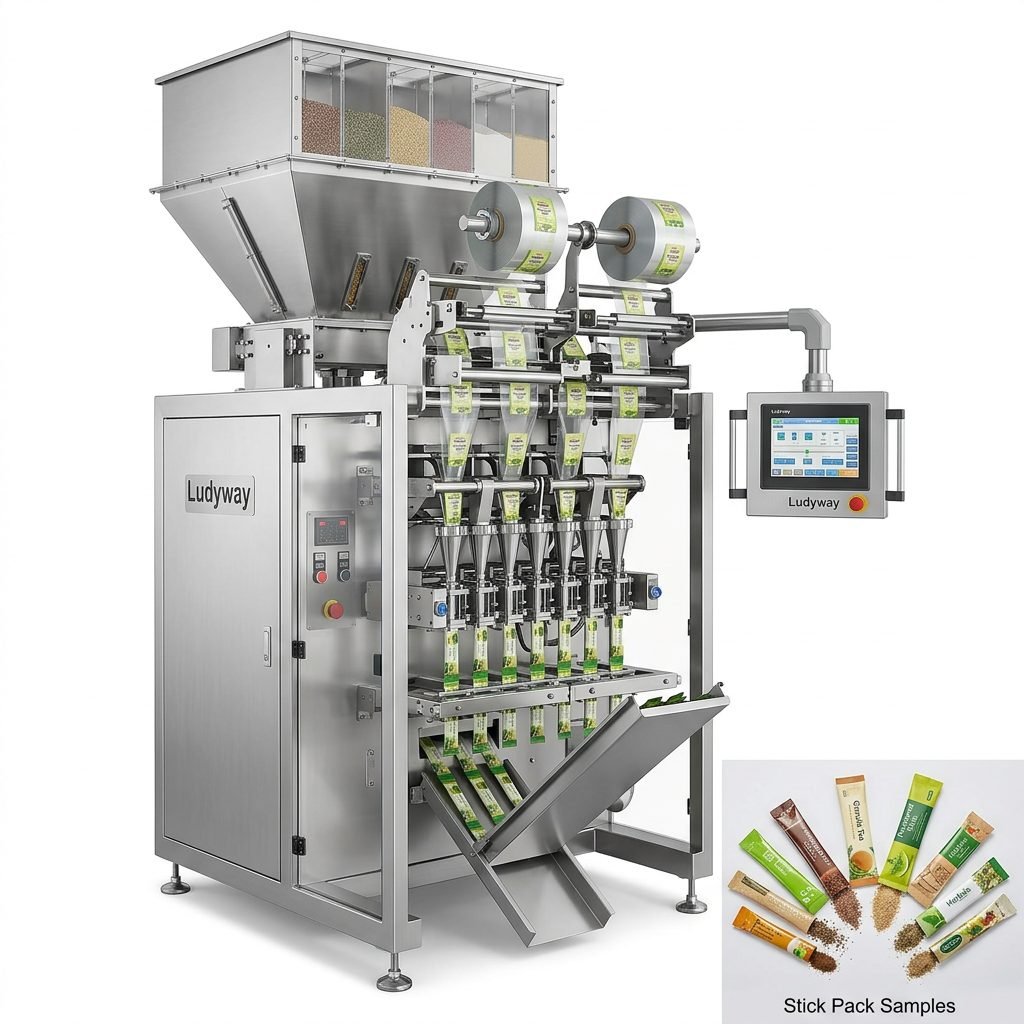
| Multi-Lane Stick Pack / Sachet Machine (4-8 lanes) | 200-600 pouches/min | $25,000 – $65,000 | High-volume manufacturers |
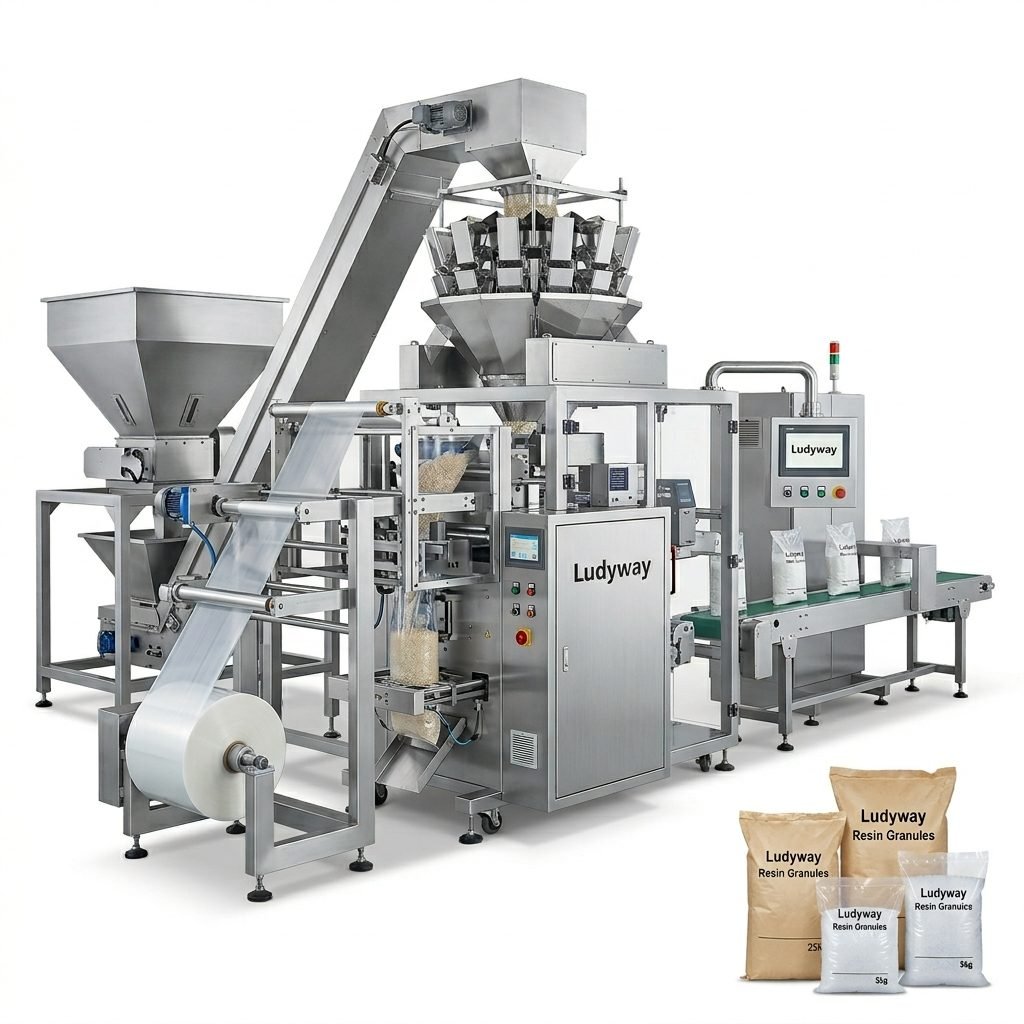
| Turnkey Complete Packaging Line | Fully integrated system | $80,000 – $250,000+ | Large-scale industrial operations |
| Customized Retort Pouch Machine (for pickles) | 20-50 pouches/min | $18,000 – $55,000 | Shelf-stable pickle products |
Note: Prices are indicative and subject to change based on material specifications, country of delivery, and after-sales service packages. Always request a detailed quotation with a breakdown of all components.
Key Factors That Influence the Cost
Several variables determine the final price of a tea pickle pouch packing machine. Understanding these factors helps you avoid overpaying for unnecessary features while ensuring you get the capabilities your production line requires.
1. Level of Automation
Semi-automatic machines require manual pouch loading and product filling, which keeps costs low but limits output. Fully automatic systems handle pouch forming, filling, sealing, and cutting without operator intervention. The price difference between semi-automatic and fully automatic can be 3x to 5x. For tea and pickle products that demand hygienic handling, automatic machines often provide better contamination control and consistency.
2. Number of Lanes
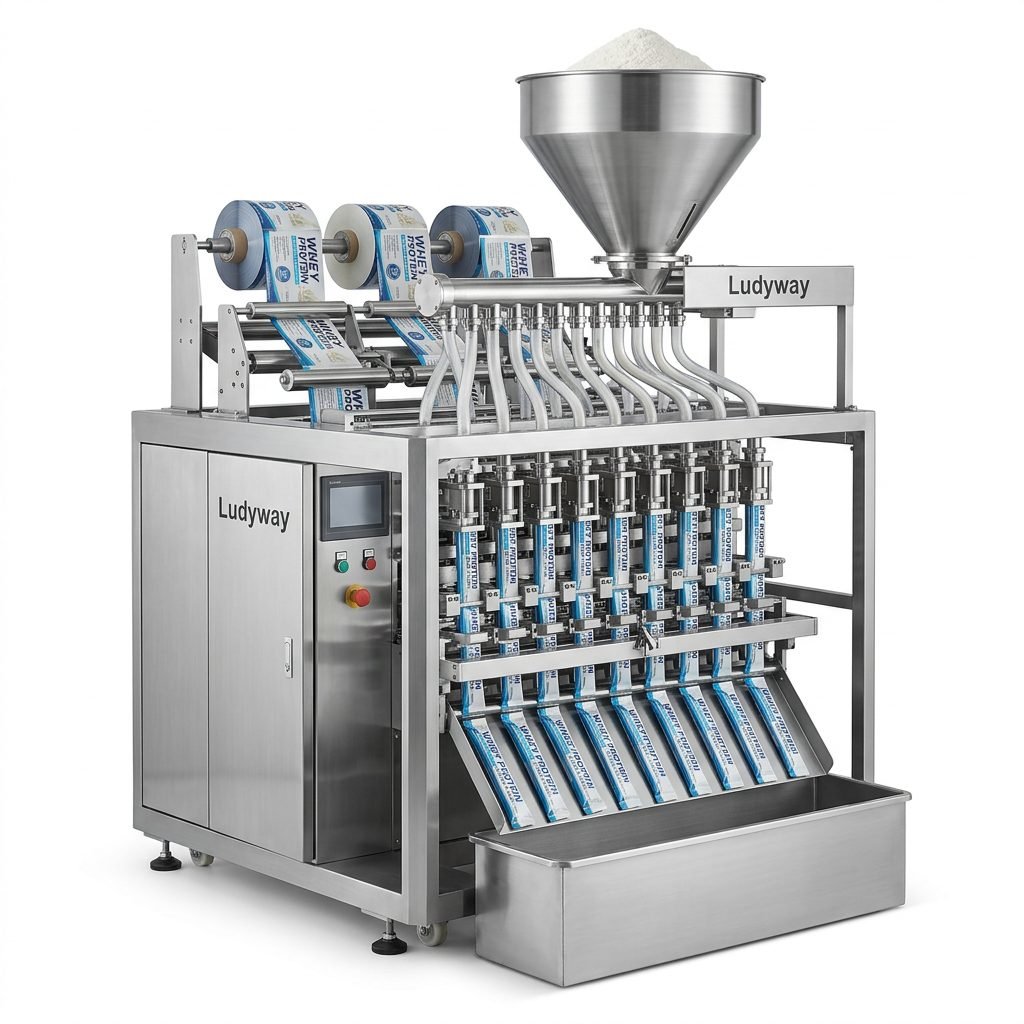
Single-lane machines are the most affordable entry point. Multi-lane configurations—ranging from 4 to 12 lanes—multiply output proportionally. A 6-lane stick pack machine can produce up to 400 pouches per minute, but costs significantly more than a single-lane unit. For pickle products that use larger pouch formats, 2-4 lane configurations are more common and cost-effective.
3. Pouch Format and Material Compatibility
Tea products often use stick packs, sachets, or flat pouches, while pickles may require stand-up pouches with zipper closures or retort-grade laminates. Machines capable of handling multiple pouch formats and specialized food-grade materials carry a higher price tag due to additional tooling and sealing technology.
4. Filling System Technology
Tea leaves (granules) and pickles (chunks/semi-solids) require different dosing mechanisms:
- Auger fillers – Ideal for tea powders and fine granules; precise dosing with minimal waste.
- Volumetric cup fillers – Suitable for whole leaf tea and uniform pickle pieces.
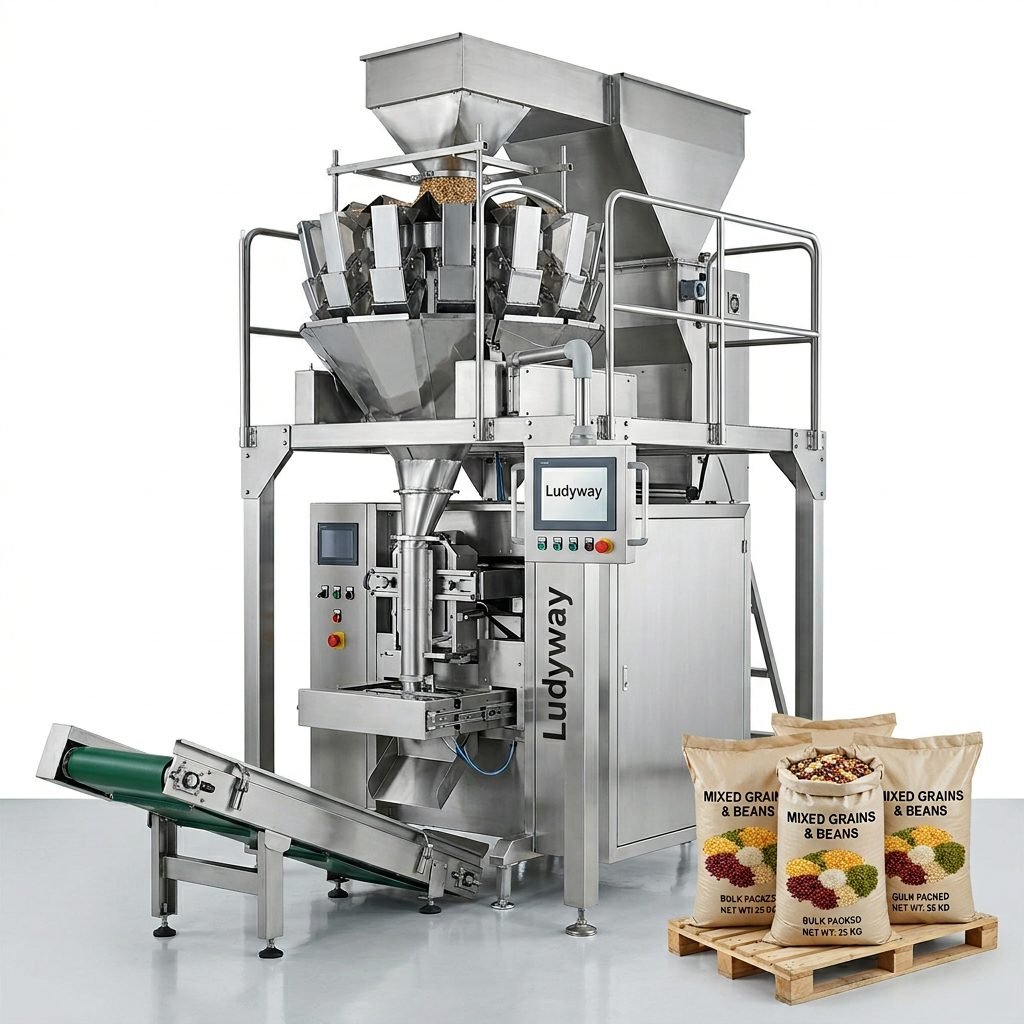
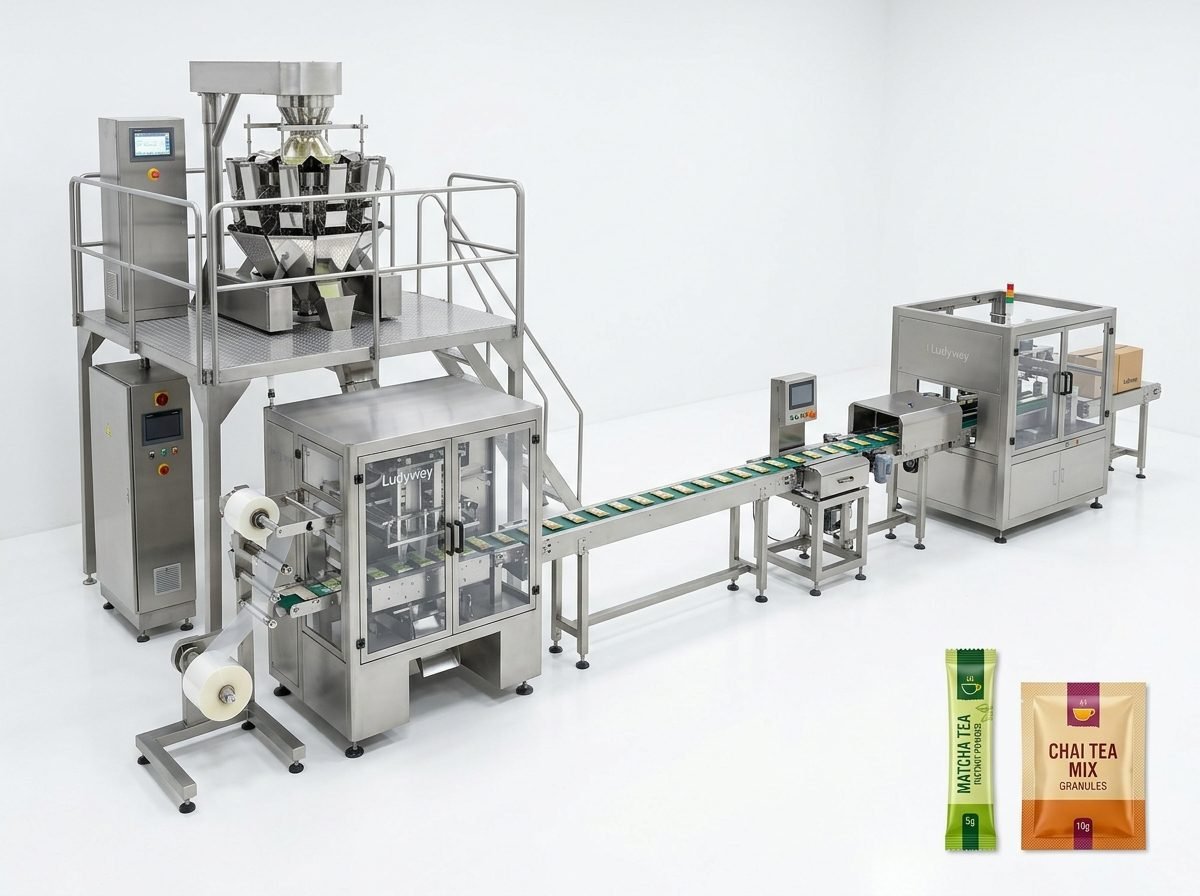
- Multi-head weighers – High-speed, high-accuracy option for premium tea blends; adds $12,000–$30,000 to machine cost.
- Piston fillers – Best for liquid brine and oil-based pickle products.
5. Compliance and Certifications
Machines built to FDA, ISO 22000, or CE standards command higher prices due to the use of certified components, stainless steel construction, and rigorous documentation. For export-oriented tea and pickle producers, investing in a food-grade compliant machine is non-negotiable.
Price Breakdown by Machine Configuration
Semi-Automatic Pouch Packing Machines ($3,000 – $8,000)
These entry-level machines are suitable for small-batch tea and pickle producers. Operators manually place pre-made pouches into the filling station. The machine handles sealing and optional date coding. Ideal for: farmers’ market brands, regional pickle manufacturers, and startup tea companies testing the market. Key limitation: lower throughput and higher labor dependency.
Automatic Single-Lane Machines ($10,000 – $22,000)
These systems automatically form, fill, and seal pouches from roll stock film. They typically include PLC control panels, temperature-regulated sealing jaws, and photoelectric registration for printed film. For tea products, integrated auger fillers ensure consistent portion control. Pickle applications benefit from wider sealing bands that prevent leakage from oily or briny products.
Multi-Lane Stick Pack and Sachet Machines ($25,000 – $65,000)
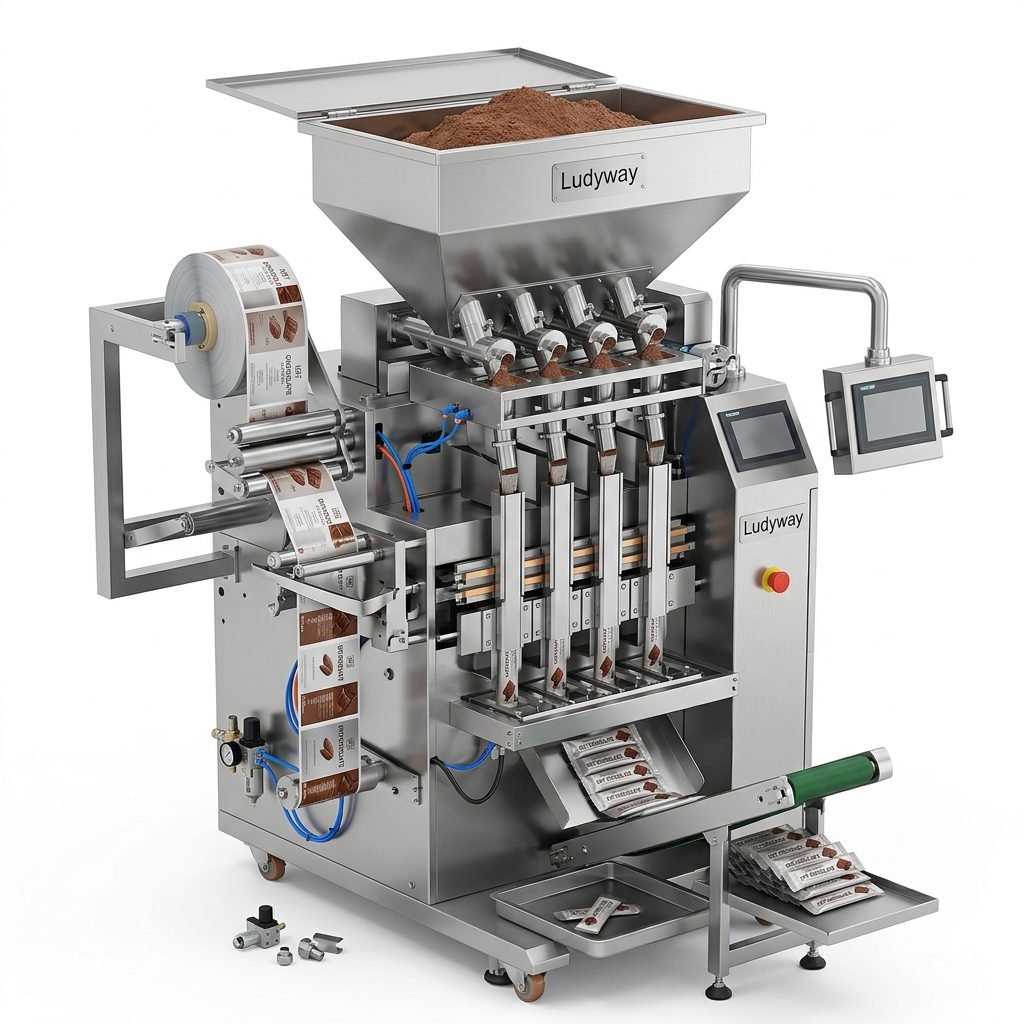
Multi-lane equipment is the preferred choice for high-volume tea manufacturers. A 6-lane stick pack machine can fill individual tea servings at speeds exceeding 350 pouches per minute. These machines feature independent lane control, allowing different flavors or blends to run simultaneously. The investment includes servo-driven filling systems, touchscreen HMIs, and automatic film splicing for continuous operation.
Turnkey Packaging Lines ($80,000 – $250,000+)
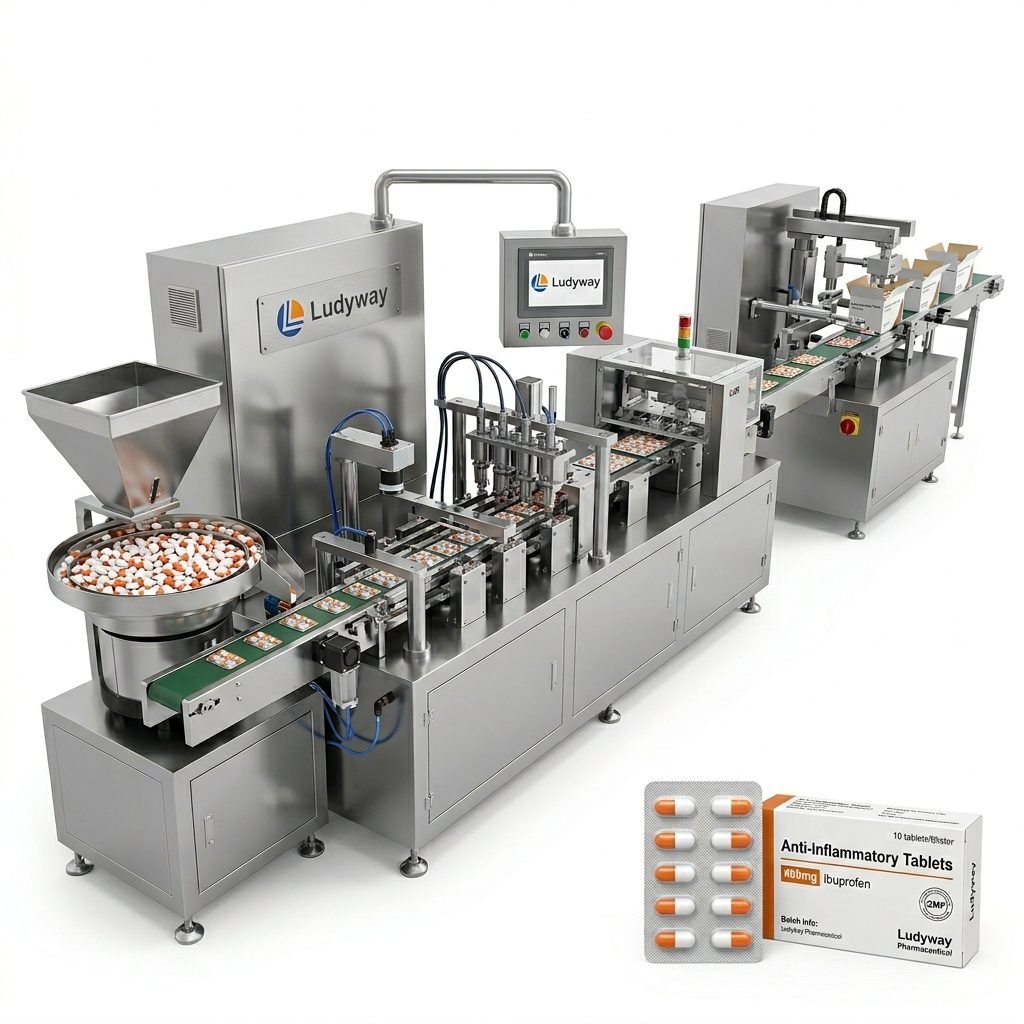
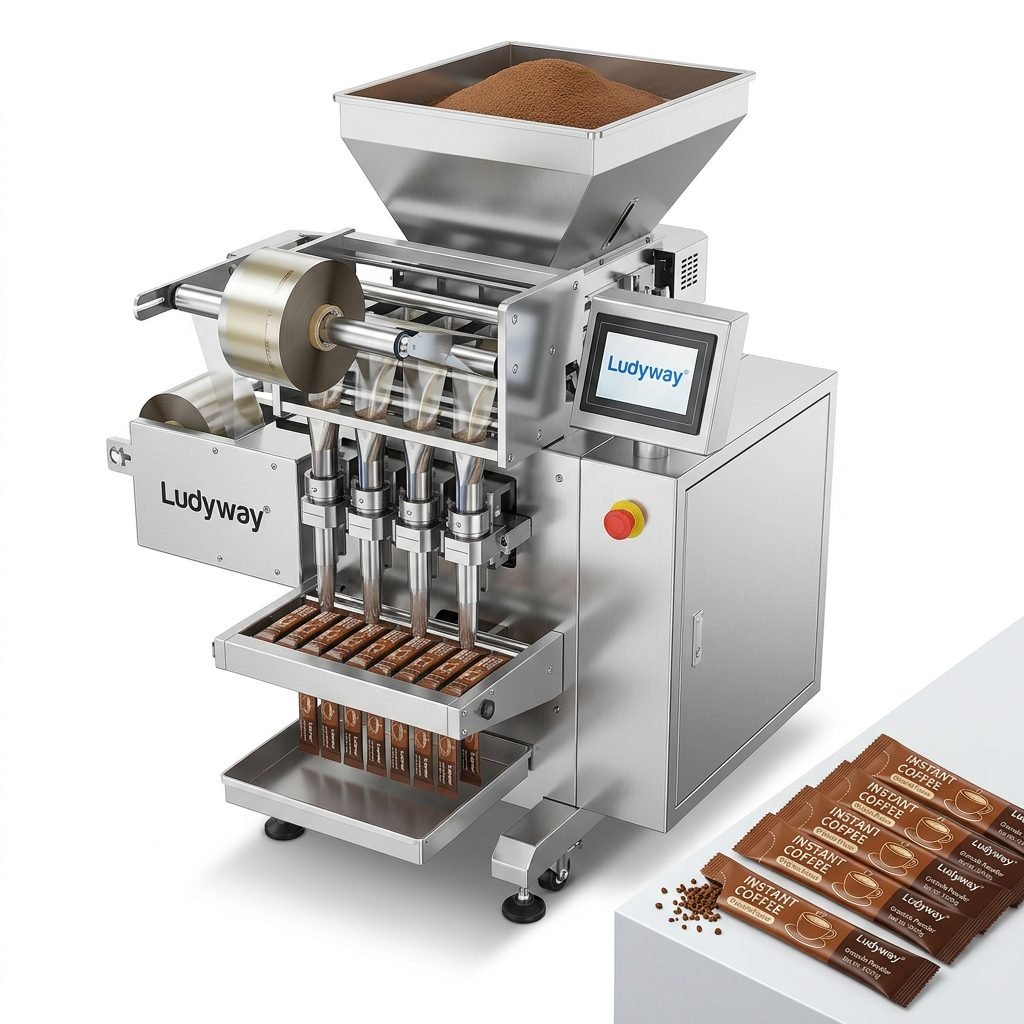
Complete packaging lines integrate pouch packing machines with conveyors, checkweighers, metal detectors, cartoning machines, case packers, and palletizers. For tea and pickle exporters supplying supermarket chains, turnkey lines ensure compliance with retailer packaging standards. The price depends heavily on line configuration, brand of auxiliary equipment, and the level of packaging automation required.
Buying Tips for Tea Pickle Pouch Packing Machines
1. Define Your Production Goals Clearly
Calculate your current and projected output. A machine that meets today’s demand may become a bottleneck within 18 months. Factor in seasonal spikes—pickle production often peaks during harvest seasons. Choose a machine with at least 20-30% headroom above your maximum daily requirement.
2. Test with Your Actual Product
Tea leaves vary in density and flow characteristics. Pickle pieces differ in size, shape, and brine content. Never purchase based on video demonstrations alone. Request a factory acceptance test (FAT) with your specific product. This reveals potential issues with bridging, clumping, or inconsistent fills before you commit capital.
3. Evaluate Total Cost of Ownership
The purchase price is only part of the equation. Consider:
- Spare parts availability – How quickly can you get replacement sealing jaws or filling components?
- Energy consumption – Multi-lane machines with servo drives reduce long-term electricity costs.
- Film waste percentage – Machines with precise registration control minimize material waste during startups and changeovers.
- Technical support – Does the supplier offer remote diagnostics or on-site service in your region?
4. Prioritize Hygienic Design for Food Safety
Tea and pickle products are sensitive to contamination. Look for machines with stainless steel product contact surfaces, tool-free disassembly for cleaning, and sloped surfaces that prevent product accumulation. Machines designed to ISO packaging standards simplify HACCP compliance and third-party audits.
5. Verify After-Sales Support Infrastructure
Equipment downtime directly impacts revenue. Before signing a purchase agreement, confirm:
- Response time guarantees for technical support
- Availability of remote troubleshooting and video-assisted repairs
- Local distributor or service partner presence in your country
- Warranty terms covering parts and labor
6. Compare Quotes from Multiple Manufacturers
Prices for similar-specification machines can vary by 30-50% between suppliers in different countries. Obtain at least three quotations, ensuring each includes the same scope of supply. Pay attention to what is excluded—air compressors, voltage transformers, and installation services are often quoted separately.
Industry Resources and Standards
Staying informed about packaging industry trends helps you time your investment strategically. The Flexible Packaging Association provides valuable data on material costs and sustainability initiatives that impact pouch packaging. For manufacturers exporting to regulated markets, the FDA food contact substance regulations and European Commission packaging waste directives are essential references that influence machine design requirements.
Additional trusted resources include:
- PMMI – The Association for Packaging and Processing Technologies
- Flexible Packaging Association – Industry Resources
- PACK EXPO International – Packaging Trade Show
- ISO – Packaging and Distribution Standards
- U.S. EPA – Sustainable Materials Management
Choosing a Reliable Packaging Machine Manufacturer
Selecting the right supplier is as critical as choosing the machine itself. Look for manufacturers with proven experience in food packaging, a track record of successful installations, and transparent pricing policies. Ludyway is one of the largest packaging machine manufacturers in China, offering advanced pouch packing equipment and turnkey production solutions for the food and pharmaceutical industries. With over 30 years of industry expertise and a modern 20,000㎡ manufacturing facility, Ludyway provides more than 50 intelligent packaging machine models to customers in over 100 countries. When evaluating suppliers, visit their production facilities if possible, or request detailed reference cases from clients in the tea and pickle sector.

Frequently Asked Questions
What is the cheapest tea pickle pouch packing machine available?
The most affordable options are semi-automatic single-lane machines starting around $3,000. However, these require manual pouch handling and have limited output capacity. For commercial production, plan to invest at least $10,000 in an automatic single-lane system.
Can the same machine pack both tea and pickle products?
It depends on the machine configuration. Multi-functional machines with interchangeable filling systems can handle both dry tea granules and semi-solid pickle products, but changeover time and cleaning between products must be factored into production planning. Dedicated machines for each product type often deliver better efficiency and lower cross-contamination risk.
How long does delivery and installation take?
Standard machines typically ship within 30-60 days from order confirmation. Custom-built or turnkey lines may require 90-120 days. Installation and commissioning usually take 5-10 working days, depending on line complexity and site readiness.
What is the typical ROI period for a pouch packing machine?
Most tea and pickle manufacturers recover their investment within 12-24 months, driven by labor savings, increased output, reduced product giveaway, and improved packaging consistency that strengthens retail buyer confidence.
For specific pricing tailored to your production requirements, request a customized quotation from a qualified packaging machine supplier. Providing detailed information about your product characteristics, target output, and packaging format will help you receive the most accurate pricing and equipment recommendations.