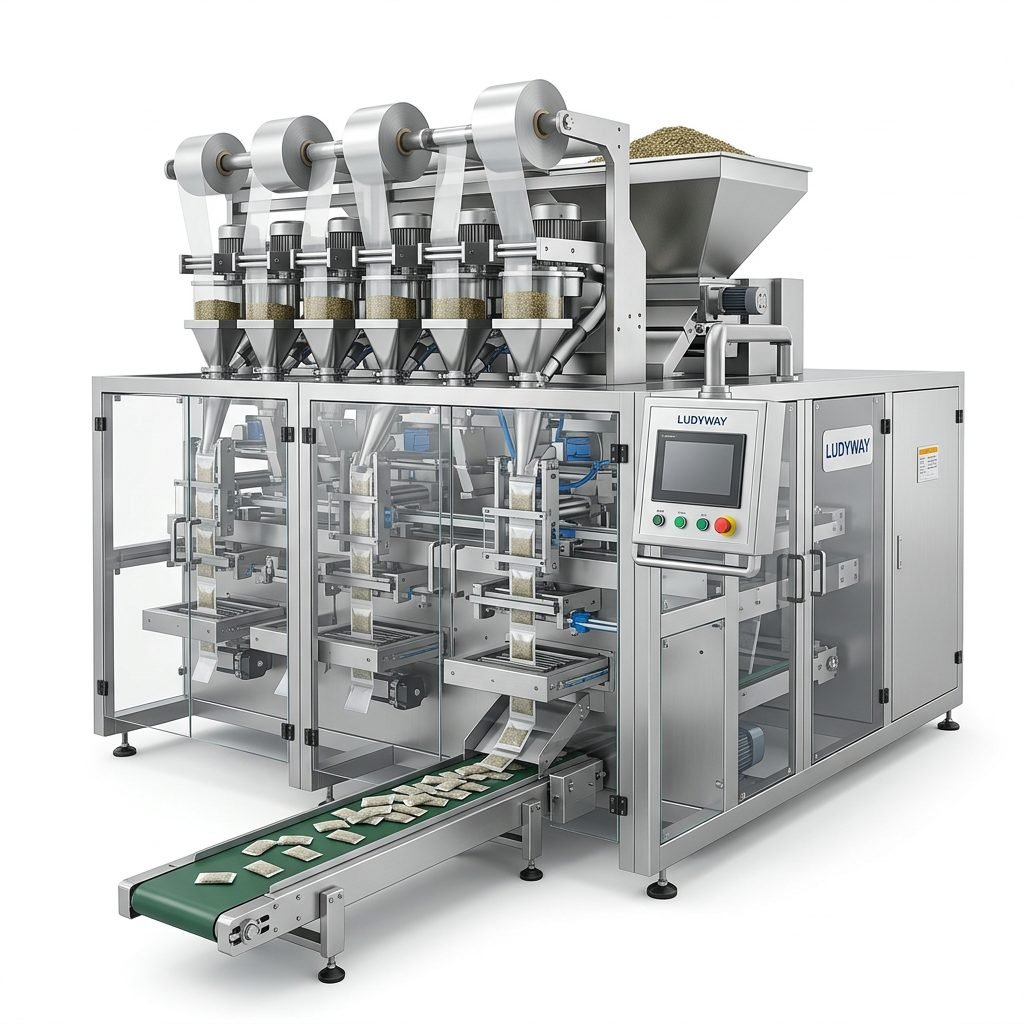
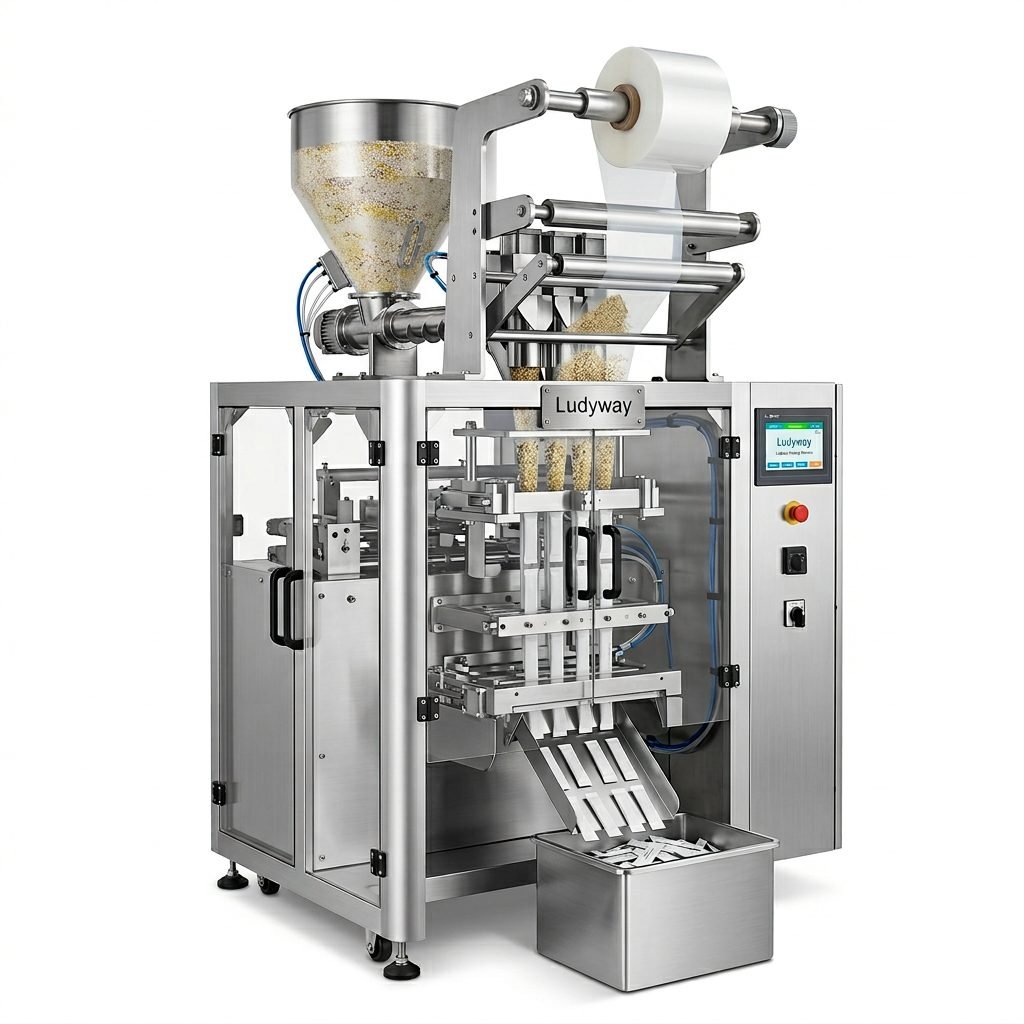
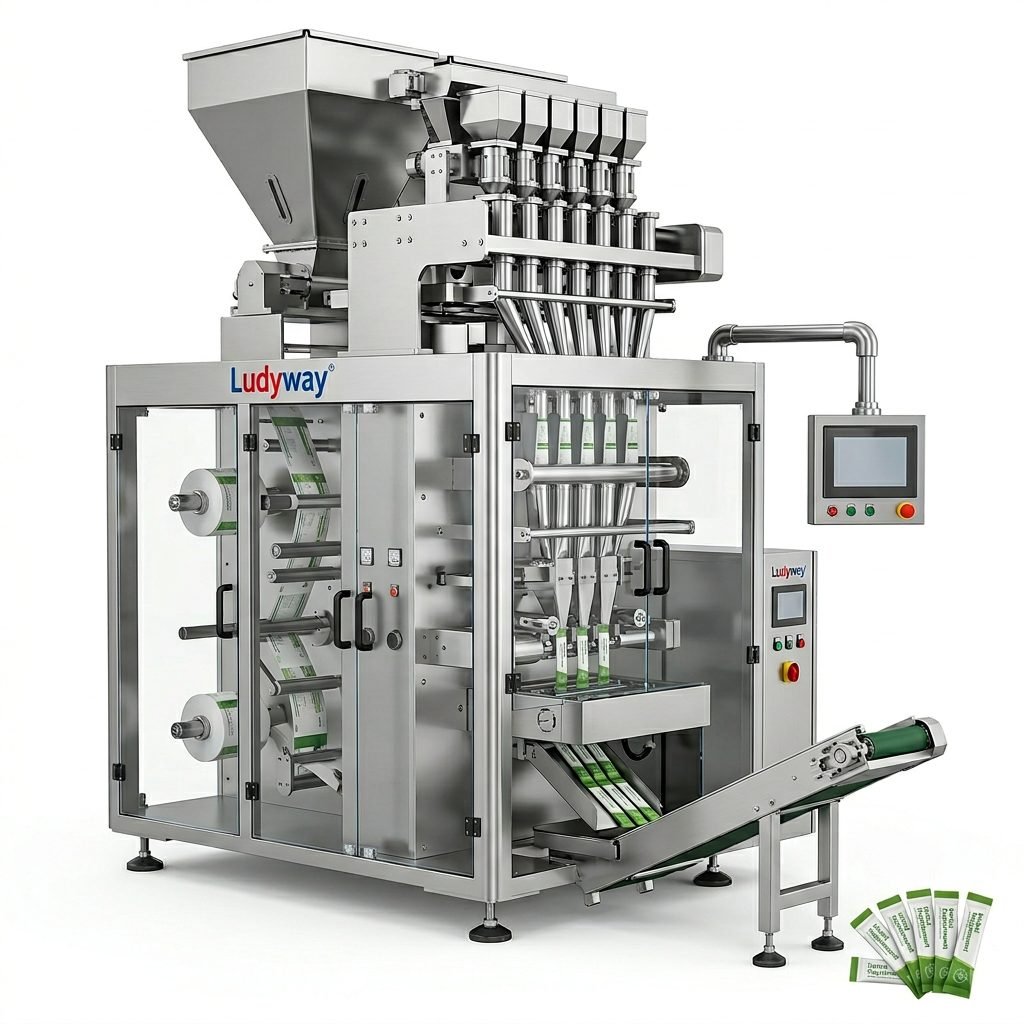
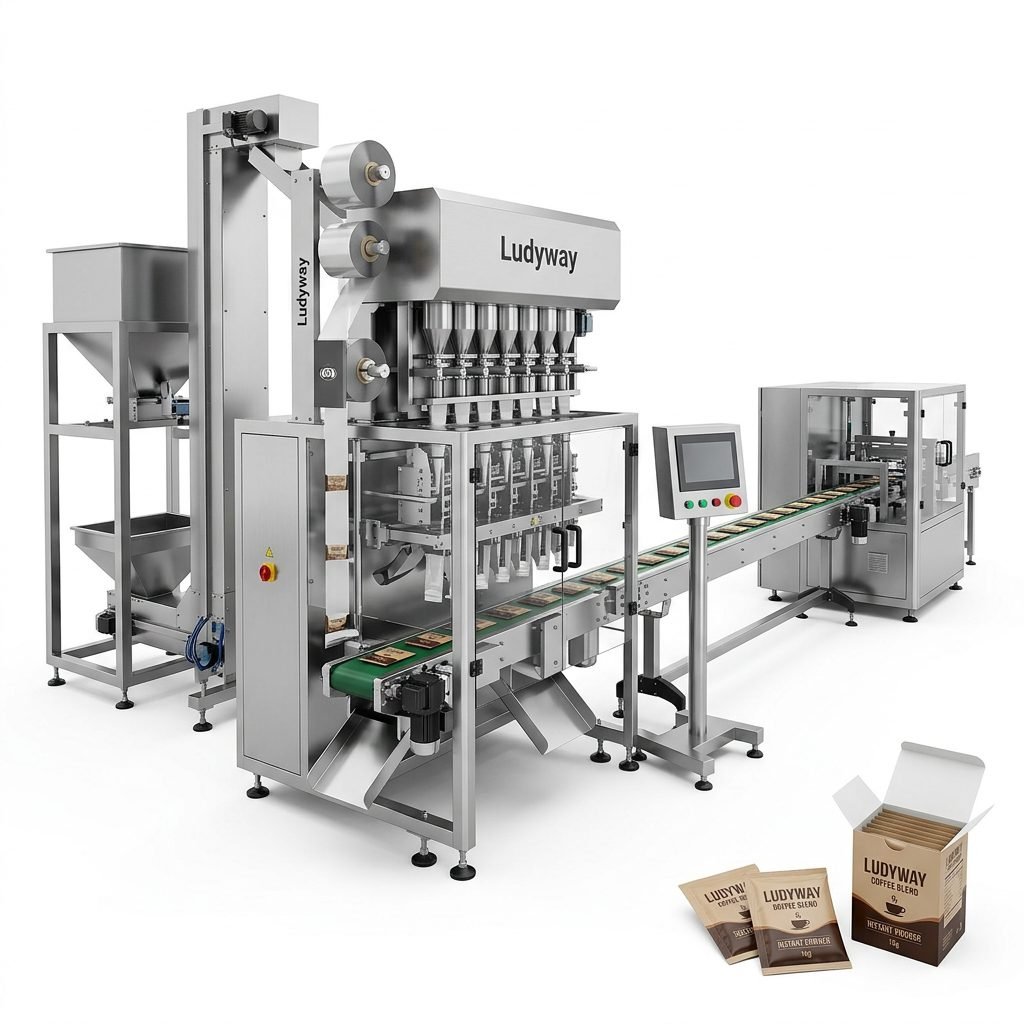
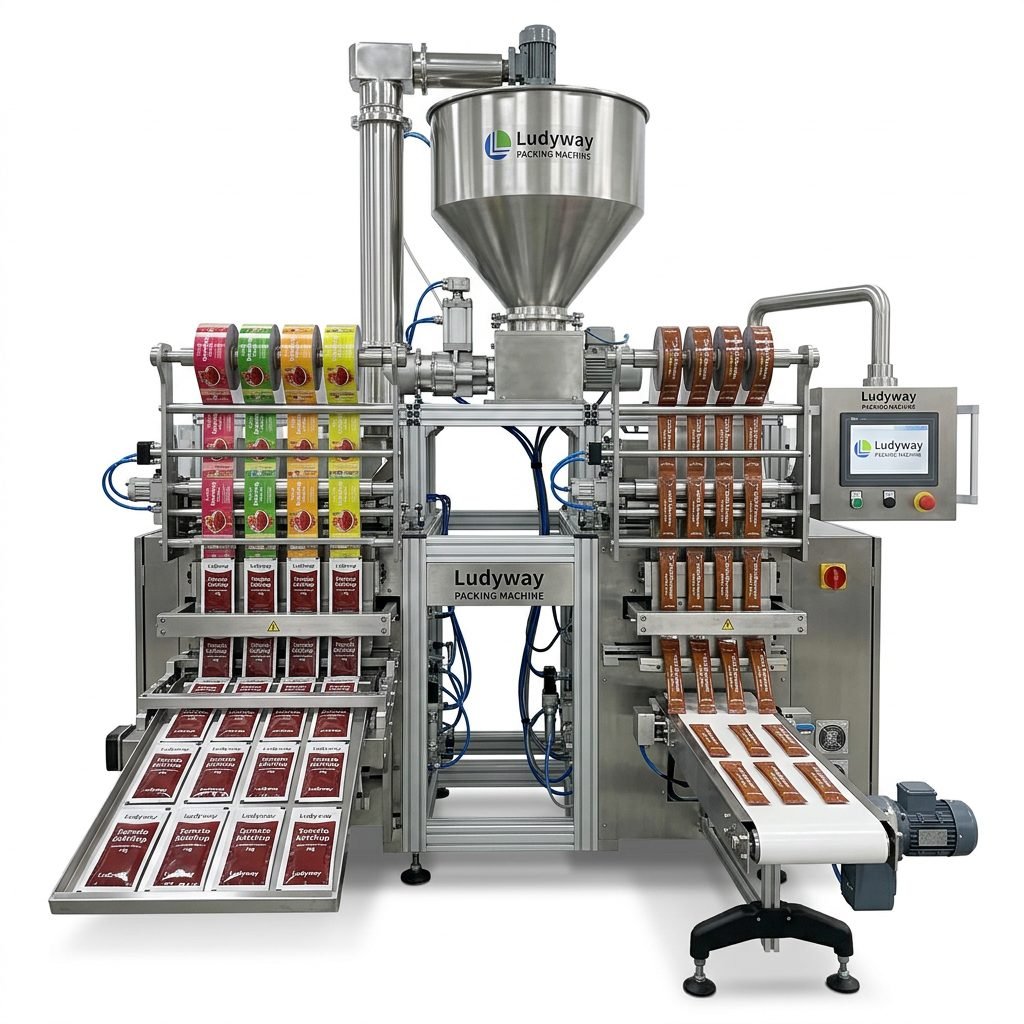
In high-volume production environments, a ziplock packaging machine is a workhorse that must perform consistently to meet output targets. Without a structured maintenance routine, even the most robust equipment can suffer from film tracking errors, seal failures, or dust accumulation that compromises hygiene standards. A proactive approach to cleaning and upkeep not only extends the service life of your machinery but also prevents the costly downtime that erodes profitability.
Why a Consistent Cleaning Schedule Matters
Food powders, chemical dust, and packaging material debris are inevitable byproducts of the filling and sealing process. When these contaminants settle on heat seal jaws, forming tubes, or film transport rollers, they accelerate component wear and create conditions for seal integrity failure. Regular cleaning protects product quality and keeps your automatic packaging equipment operating within its designed thermal and mechanical tolerances.
Essential Daily Cleaning Checklist
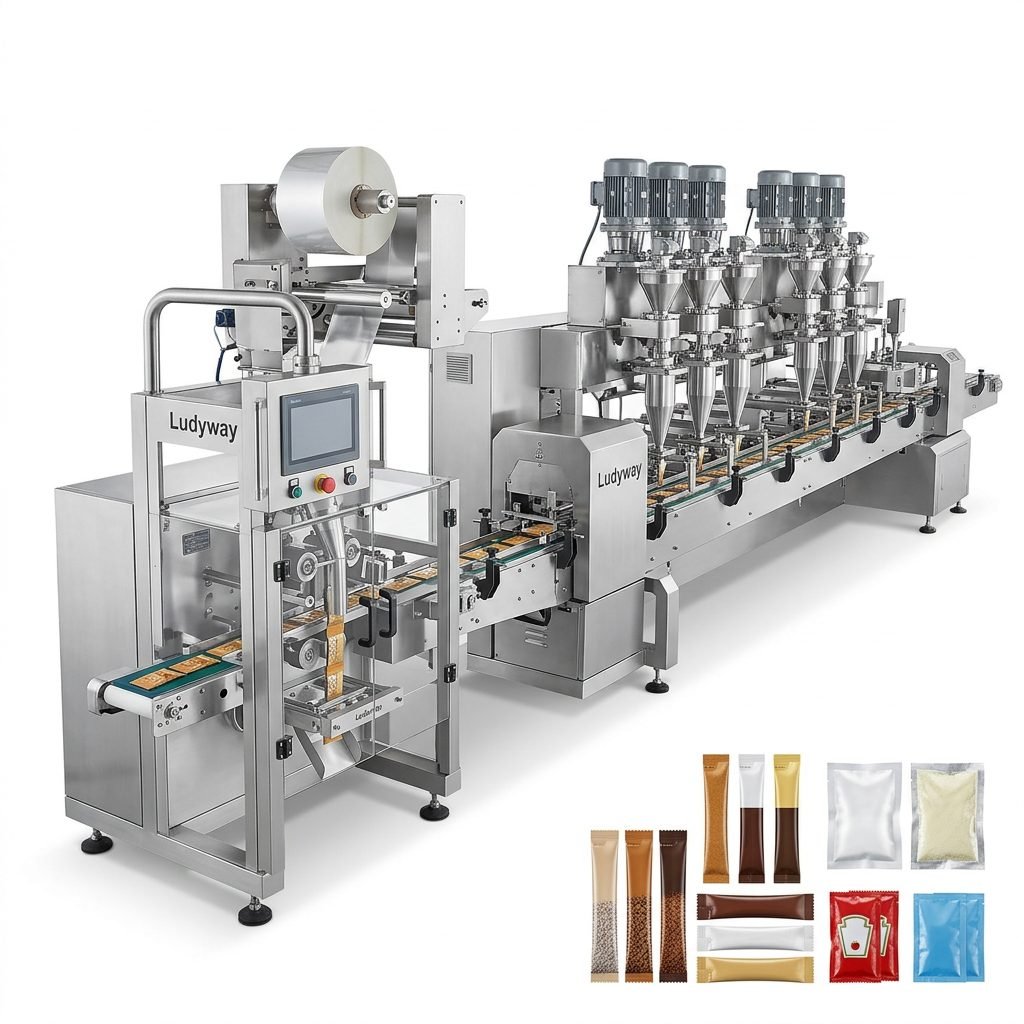
At the end of each shift or production cycle, operators should complete a basic cleaning routine. These tasks prevent product residue from hardening and causing blockages. Focus on the following areas:
- Film Forming Tube & Shoulder: Wipe down with a dry, lint‑free cloth to remove powder and dust that could affect film slip and alignment.
- Heat Seal Jaws & Teflon Strips: Inspect for burnt‑on product or molten polymer residue; use a soft brass brush if necessary, taking care not to scratch the sealing surfaces.
- Film Rollers & Tension Arms: Clean any sticky buildup that could cause uneven film pull or tracking drift.
- Product Contact Surfaces: For food‑grade applications, use approved sanitizing agents and dry all surfaces thoroughly.
- Floor Area Around the Machine: Remove loose powder and packaging debris to prevent slip hazards and contamination.
Weekly & Bi‑Weekly Deep Cleaning Procedures
While daily wipe‑downs keep the machine operational, a deeper clean must be performed weekly or according to the production cycle. This process addresses areas that are not accessible during routine cleaning.
Zipper Guide Track and Film Cut‑Off Knife
The zipper guide track should be brushed and flushed with compressed air to remove fragments that cause jamming. The cut‑off knife blade needs inspection for adhesive buildup; a dull or dirty blade can tear rather than cut, leading to misaligned pouch tops and waste.
Electrical Cabinet and Cooling Fans
Dust infiltration into control panels can cause overheating and PLC communication errors. Use a low‑pressure air blast or an ESD‑safe vacuum to clean packaging machine cabinets, and verify that all cooling fans are unobstructed and functioning at full speed.
Lubrication and Mechanical Component Care
Effective maintenance extends beyond cleaning. Proper lubrication of moving parts is critical, but over‑greasing attracts dust and shortens bearing life. Follow these guidelines:
- Use only food‑grade lubricants where incidental contact with the product zone is possible.
- Lubricate linear guides, cam followers, and chain drives according to the manufacturer’s recommended intervals.
- Inspect pneumatic cylinders for smooth operation and check for air line moisture that can corrode internal components.
- Check all safety guards and interlock switches for correct function after lubrication tasks.
Seal Jaw Inspection and Replacement Strategy
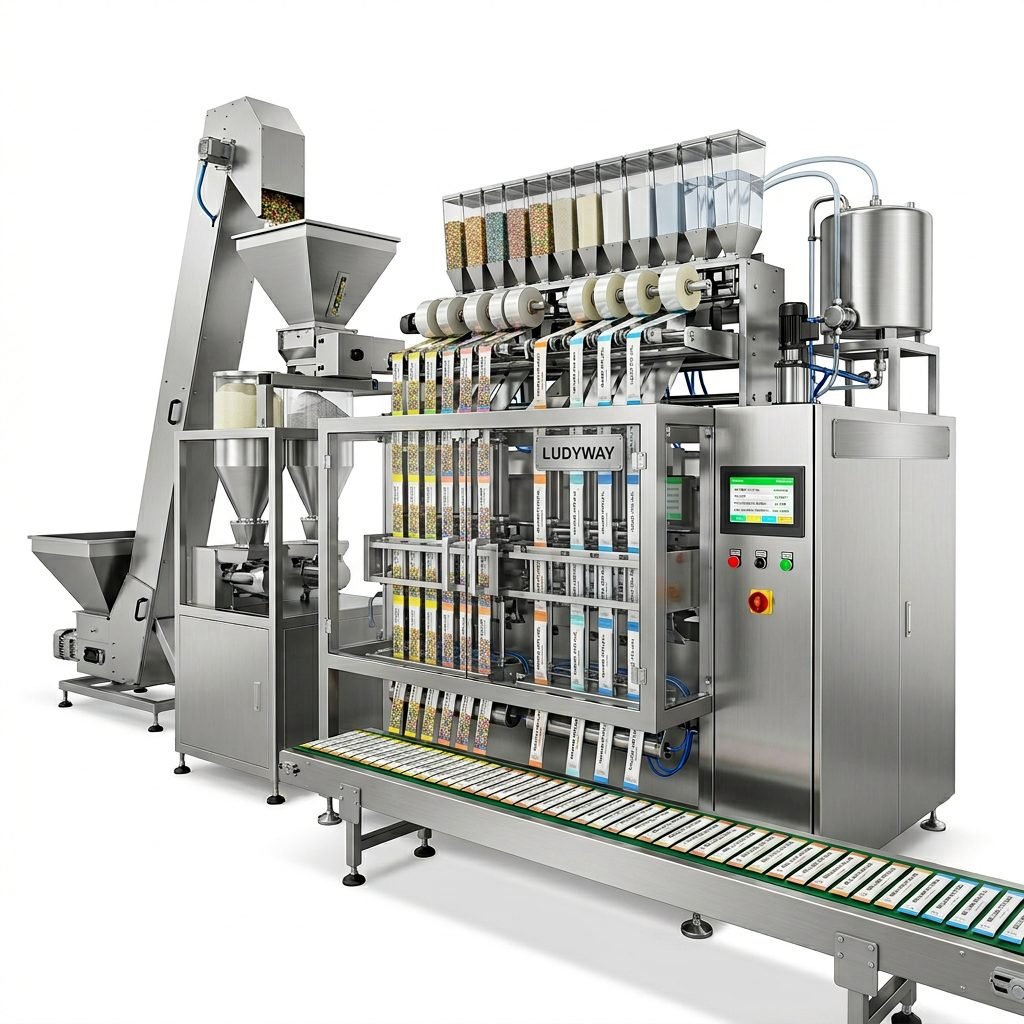
The ziplock seal is the defining feature of this packaging format. Even minor wear on the sealing profile can result in leakers, weak zipper closures, or inconsistent peel strength. Operators should monitor the following parameters:
- Visual check for scratches, pitting, or uneven wear on the serration pattern.
- Seal strength testing at the start of each shift using a pull tester or manual burst test.
- Temperature calibration verification — a deviation of just a few degrees can affect seal quality.
- Replacement of Teflon covers and heating elements at the first sign of degradation, not after failure occurs.
Temperature Control System Maintenance
Accurate temperature regulation is fundamental to achieving a consistent ziplock seal. Thermocouples and PID controllers must be checked regularly. A miscalibrated temperature sensor can cause the heating element to over‑compensate, leading to film shrinkage, burn‑through, or cold seals. Calibration should be performed monthly using an independent thermocouple reader.
Film Handling and Tracking Adjustments
Poor film tracking is often mistaken for a mechanical fault when the root cause is simply a dirty or misaligned forming collar. Ensure that the film roll holder and dancer arm bearings are free‑moving. Adjust the photo‑eye registration sensor so that it reliably detects the print mark without being oversensitive to ambient light changes.
Common Maintenance Mistakes to Avoid
- Using compressed air near seal jaws while the machine is hot — this can blow molten polymer particles deeper into the mechanism.
- Applying excessive force when cleaning anodized aluminum parts — abrasive pads can remove the protective coating and lead to oxidation.
- Skipping the post‑maintenance test run — always run a batch of empty pouches to verify correct operation before resuming production.
- Ignoring unusual noises or vibrations — these are early indicators of bearing fatigue or misalignment that will worsen rapidly.
Professional Maintenance Schedule Overview
Below is a recommended framework for a comprehensive maintenance plan. Adapt the frequencies based on your specific production volume and product type.
| Maintenance Task | Frequency | Responsible Party | Key Check Points |
|---|---|---|---|
| Daily surface & seal jaw cleaning | Every shift end | Machine Operator | Jaw residue, film dust, product spills |
| Sensor & photo‑eye inspection | Weekly | Maintenance Technician | Lens cleanliness, signal stability, wiring |
| Zipper track & knife deep clean | Bi‑Weekly | Maintenance Technician | Debris accumulation, blade sharpness |
| Lubrication of linear guides & chains | Monthly | Maintenance Technician | Grease condition, no over‑application |
| Temperature controller calibration | Monthly | Electrical / QA Team | Set point vs. actual jaw temperature |
| Full mechanical inspection | Quarterly | Senior Engineer | Bearings, belts, gearboxes, air cylinders |
| Seal jaw & Teflon replacement | As needed or annually | Maintenance Team | Wear patterns, peel test results |

Documentation and Spare Parts Management
No maintenance strategy is complete without a corresponding record‑keeping system. Maintain a digital or physical logbook that captures dates, tasks performed, parts replaced, and any anomalies observed. This historical data is invaluable for predicting failure trends and planning capital expenditure on new packaging equipment.
Keep critical spare parts — such as heating elements, Teflon strips, thermocouples, timing belts, and sensor units — in stock. Lead times for specialized components can stretch into weeks, and a single missing part can idle an entire production line.
The Role of Operator Training in Equipment Longevity
Even the best maintenance protocol will fail if operators are not properly trained. Empower your team to recognize early warning signs like intermittent film slippage, unusual temperature fluctuations, or inconsistent pouch length. A culture of proactive reporting prevents minor adjustments from becoming major repairs.
Integrating Smart Monitoring for Predictive Maintenance
Modern ziplock packaging systems are increasingly equipped with IoT sensors that track vibration, temperature, and cycle counts in real time. These data streams feed into predictive algorithms that alert maintenance teams before a failure occurs. When upgrading your production line, consider machinery that supports this level of intelligent diagnostics.
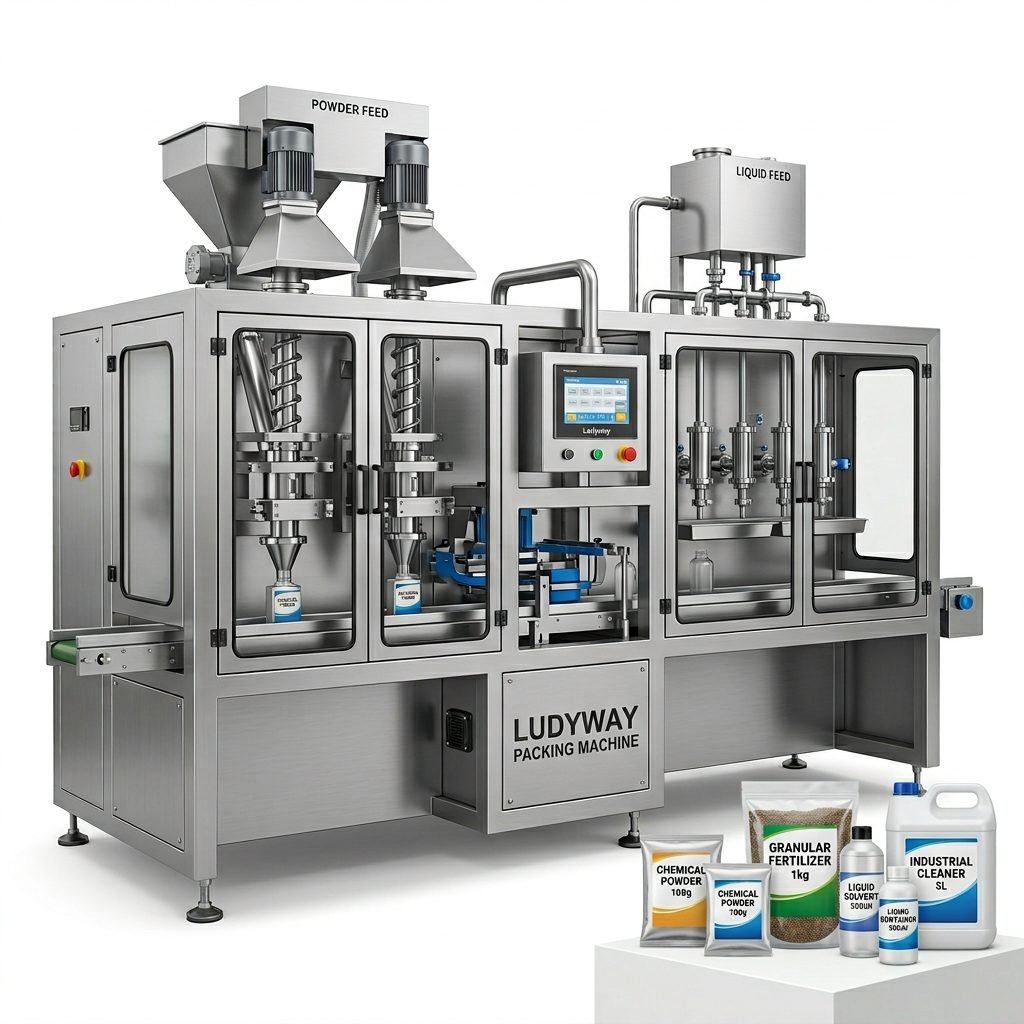
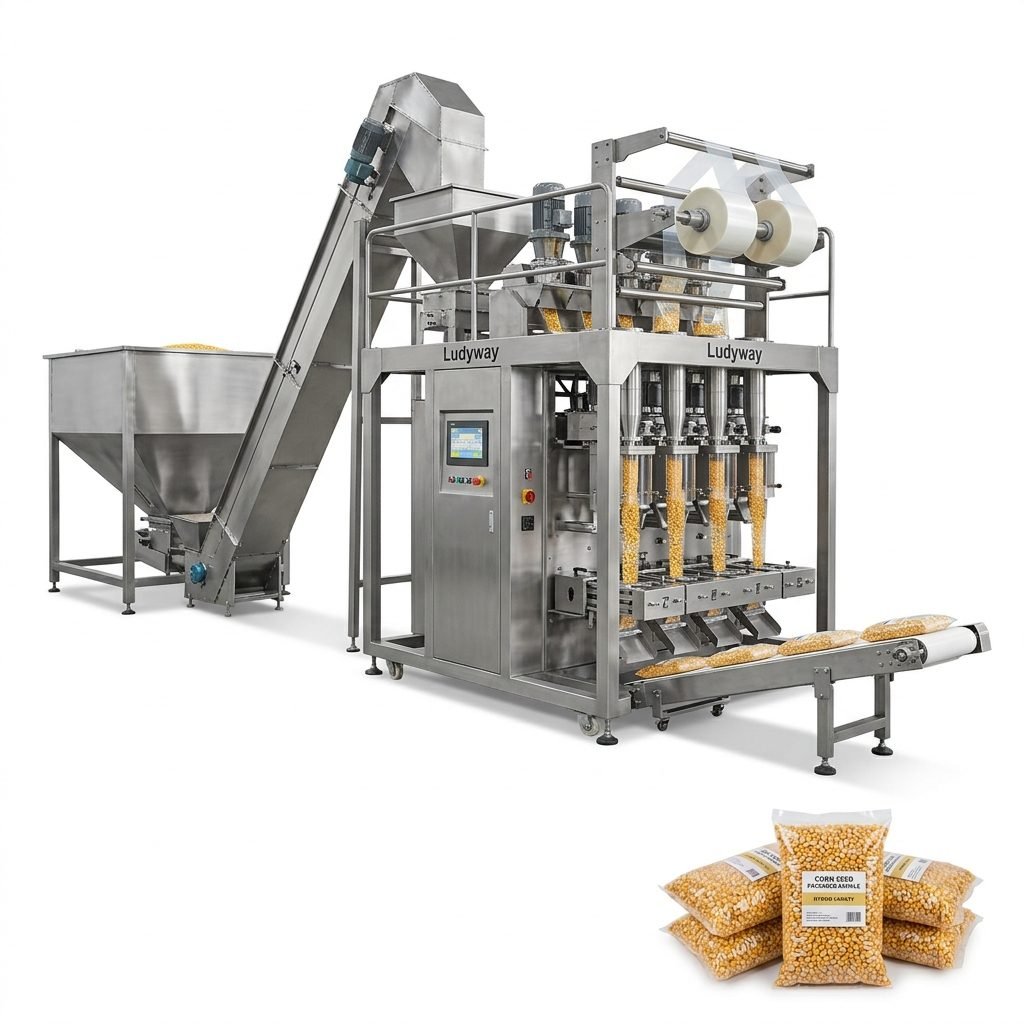
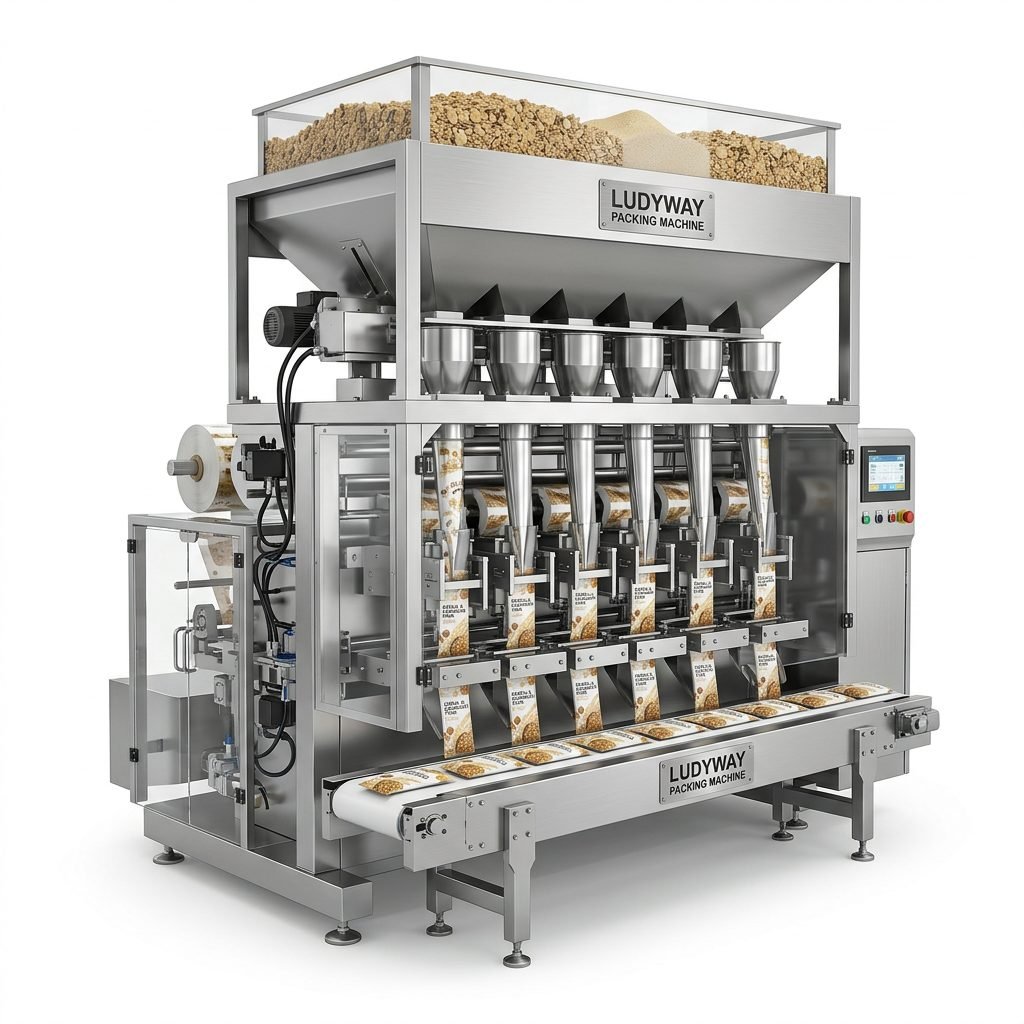
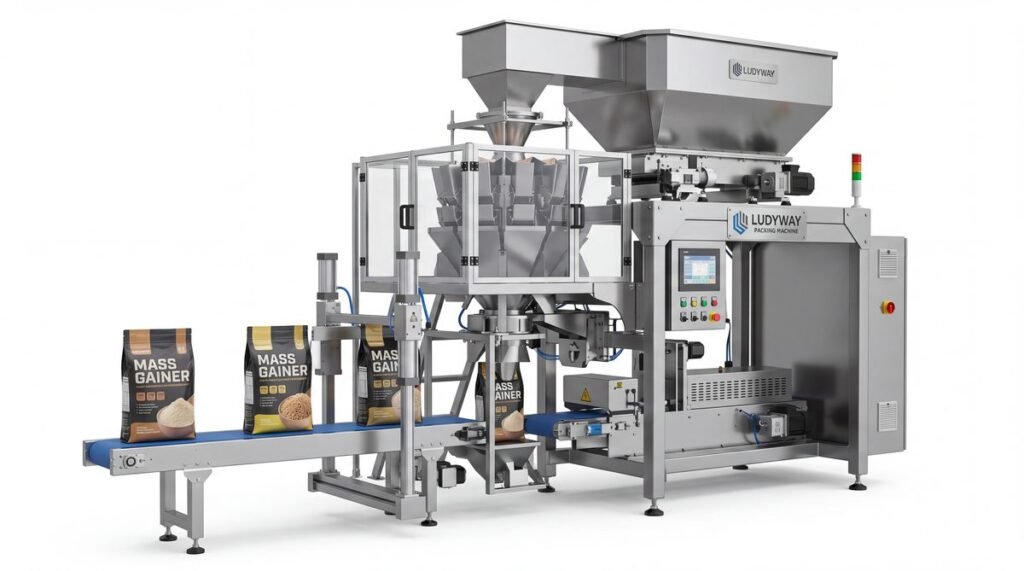
For businesses looking to upgrade or invest in reliable equipment, manufacturers like Ludyway provide advanced ziplock packaging machines designed with longevity and ease of maintenance in mind, helping you achieve consistent output with reduced technical intervention.
Key Takeaways for Sustained Performance
- Establish a tiered cleaning routine — daily, weekly, and monthly tasks each address different risk levels.
- Never ignore the zipper application zone — it is the most sensitive area and directly impacts consumer satisfaction.
- Calibrate temperature controls frequently — thermal drift is a leading cause of seal defects.
- Document everything — maintenance logs are your best tool for continuous improvement.
- Invest in operator training and spare parts readiness — both are cheaper than emergency downtime.
By applying these cleaning and maintenance tips consistently, your automatic ziplock packaging machine will deliver reliable, high‑quality output for years, protecting both your brand reputation and your bottom line.