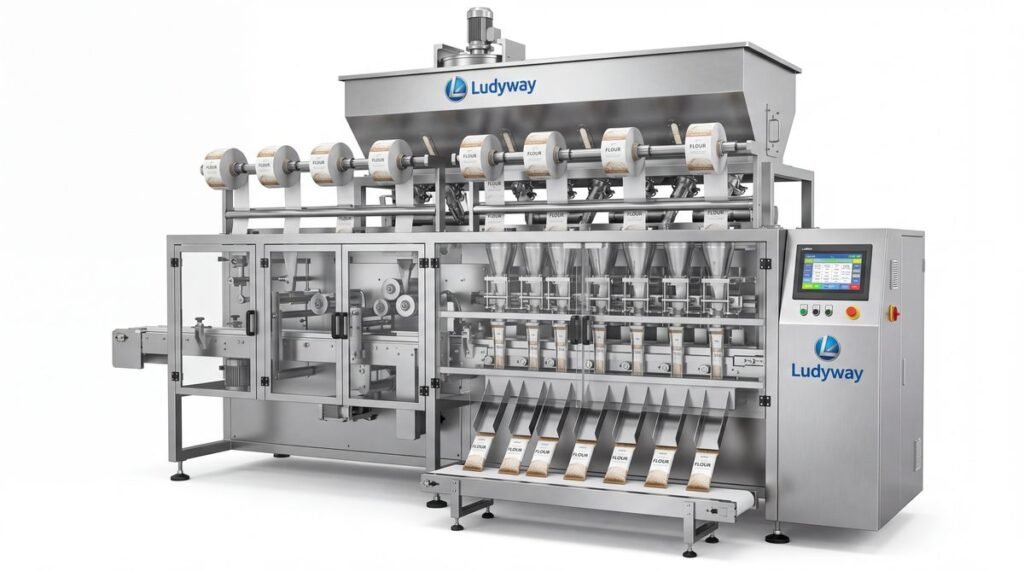
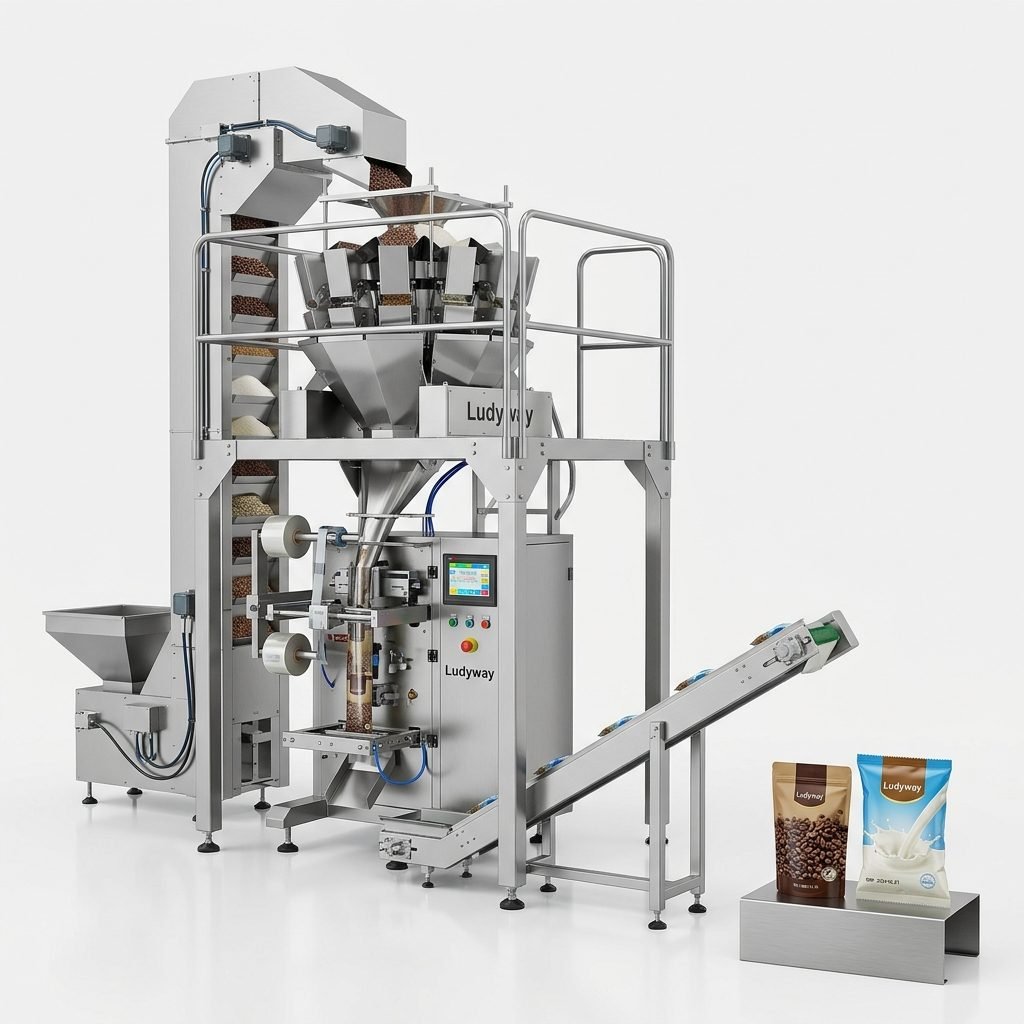
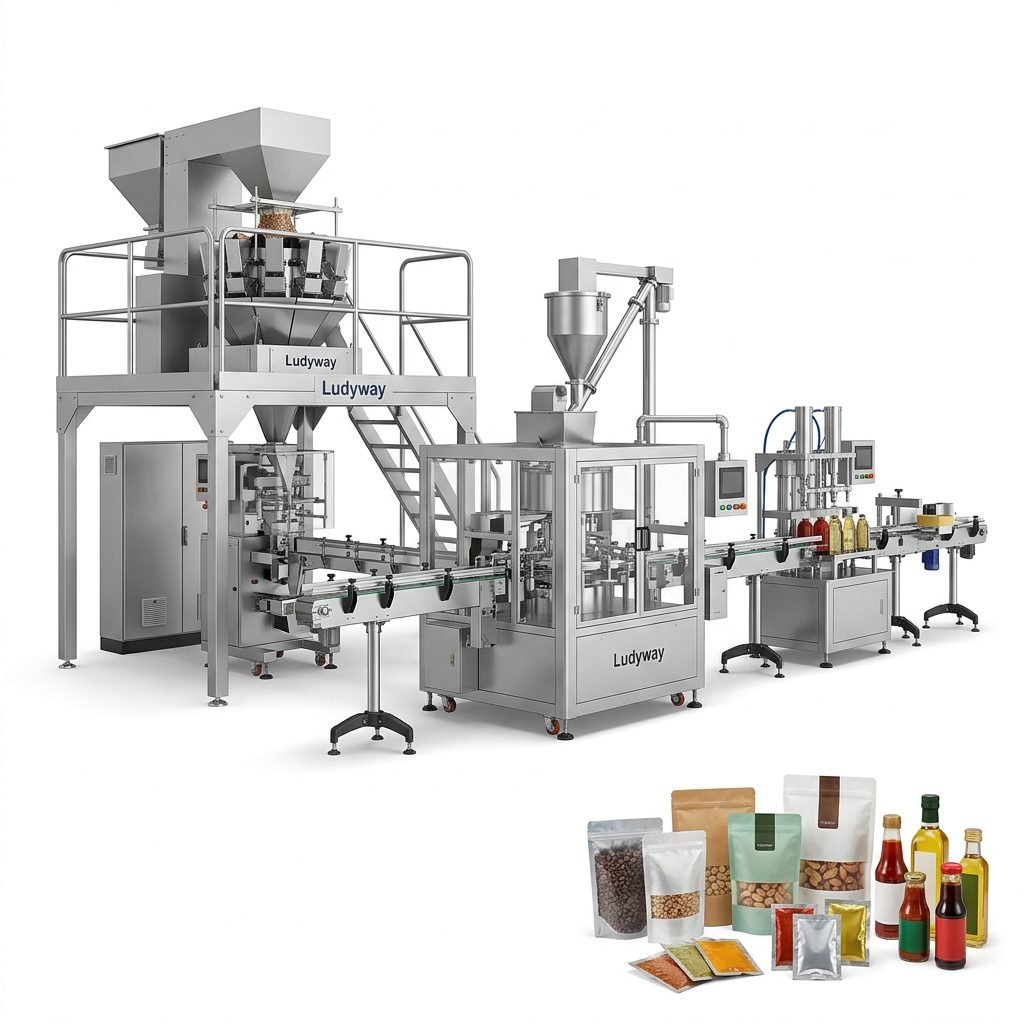
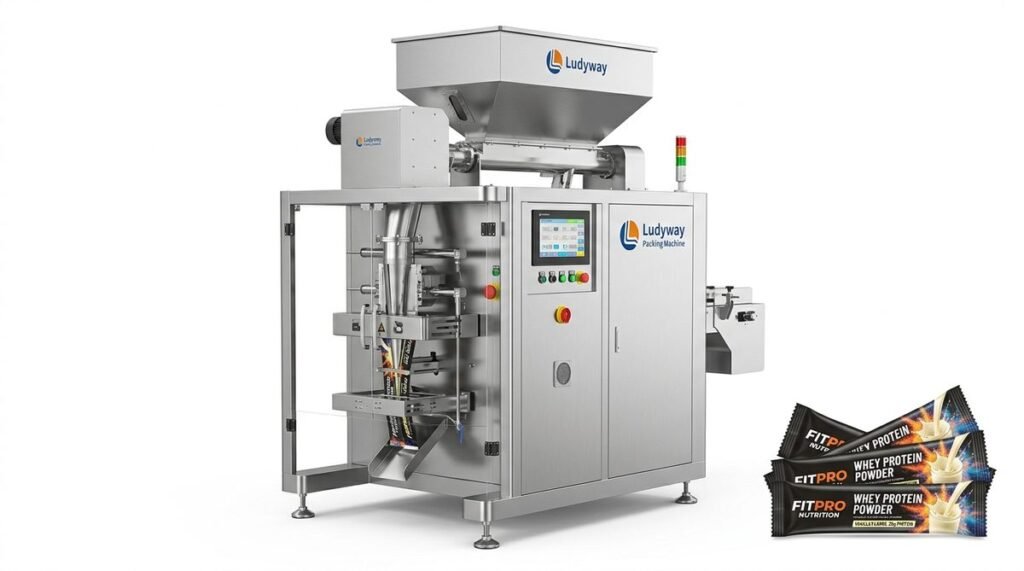
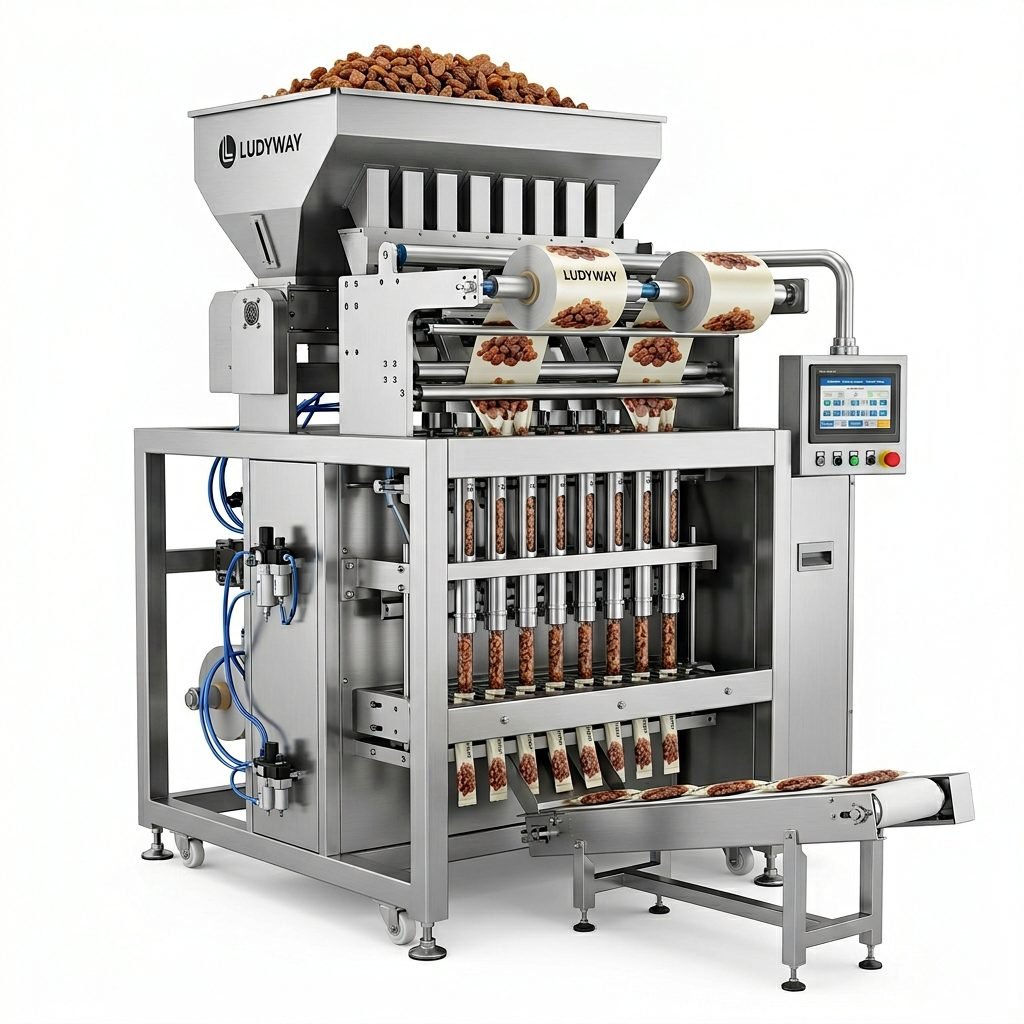
In the fast-paced world of manufacturing and logistics, efficient packaging is a cornerstone of success. For businesses that rely on shipping products in cardboard boxes, investing in the right packaging machinery is not just an operational upgrade—it’s a strategic necessity. A Cardboard Box Packaging Machine automates the process of forming, sealing, and sometimes even filling cardboard containers, dramatically increasing throughput, ensuring consistency, and reducing labor costs.
Understanding the Core Types of Cardboard Box Packaging Machines
The market offers a variety of machines, each designed for specific stages of the packaging workflow. Understanding these types is the first step toward making an informed choice.
Automatic Case Erectors and Bottom Sealers
These machines are the starting point of automated packaging. They take flat, die-cut corrugated cardboard blanks, erect them into three-dimensional boxes, and then seal the bottom flaps using hot melt adhesive, tape, or staples. They are ideal for high-volume production lines where speed and uniformity are critical.
Automatic Cartoners
Cartoning machines go a step further. After a box is formed, they automatically insert the product (or multiple products) into the box. They are highly versatile and can handle a wide range of products, from food sachets and pharmaceutical blister packs to bottles and hardware items. Some advanced models can also insert leaflets or instructions before closing the box.
Case Packers and Tray Packers
These systems are designed for secondary packaging. They automatically load multiple primary packages (like bottles, cans, or smaller boxes) into a larger shipping case or tray. This is essential for industries like beverage, food, and consumer goods, where products are often shipped in multi-packs.
Random Case Sealers (Top Sealers)
Once a box is filled—either manually or automatically—a case sealer takes over to close and seal the top flaps. Random case sealers can handle boxes of varying sizes without the need for manual adjustment, making them perfect for warehouses and distribution centers with diverse product ranges.
Key Features That Define Performance and Value
When evaluating different machines, several technical and operational features stand out as critical differentiators.
Speed and Throughput
Measured in boxes per minute (BPM), this is often the first specification buyers check. High-speed machines can exceed 60 BPM, but your required speed should align with your upstream and downstream production capacity to avoid bottlenecks.
Flexibility and Changeover
Can the machine handle multiple box sizes? How quickly and easily can you switch from one size to another? Machines with tool-less changeover or digital size adjustment save valuable time and reduce downtime, which is crucial for manufacturers running short batches or multiple SKUs.
Sealing Method
The choice of sealing method impacts cost, security, and appearance.
→ Hot Melt Glue: Creates a strong, tamper-evident bond; best for high-speed, uniform boxes.
→ Pressure-Sensitive Tape: Clean, quiet, and requires no warm-up time; suitable for various box types.
→ Staples: Provides a very secure, mechanical closure, often used for heavy or industrial goods.
Integration and Controls
Modern machines feature user-friendly PLC-based touchscreen interfaces for easy operation and monitoring. The ability to integrate with upstream equipment (like fillers or cartoners) and downstream systems (like labelers or palletizers) via standard communication protocols is vital for a seamless, automated line.
A Strategic Guide to Choosing the Right Machine
Selecting the perfect machine is a multi-faceted decision. Follow this structured approach to ensure your investment delivers maximum return.
Step 1: Conduct a Thorough Needs Analysis
Start by defining your current and future requirements. Key questions include:
• What is your average and peak production volume (boxes per hour/day)?
• What is the size and weight range of your boxes?
• What types of products are you packaging? Are they fragile, irregularly shaped, or require special handling?
• What is your available factory floor space and layout?
Step 2: Evaluate Your Operational Environment
Consider the human and physical factors. Do you have skilled technicians for maintenance, or do you need an exceptionally robust and low-maintenance machine? Assess the utilities available (electrical power, compressed air) and the ambient conditions (dust, temperature) in your facility.
Step 3: Compare Technology and Supplier Reliability
Beyond the machine specs, the manufacturer’s reputation is paramount. Look for suppliers with proven industry experience and a strong track record. For instance, companies like Ludyway Machinery, with decades of expertise in packaging automation, bring invaluable knowledge to the table. They understand the nuances of integrating machinery into diverse production lines for industries like food, pharmaceuticals, and daily chemicals. Evaluate the quality of components, the availability of spare parts, and the comprehensiveness of the warranty and service support offered.
Step 4: Calculate the Total Cost of Ownership (TCO)
The purchase price is just one part of the cost. An accurate TCO calculation must include:
• Initial Investment: Machine cost, shipping, and installation.
• Operational Costs: Energy consumption, adhesive/tape/staples, and routine maintenance.
• Downtime Costs: Potential losses from machine failures or lengthy changeovers.
• Future-Proofing: Will the machine accommodate business growth or new product lines?
A slightly more expensive machine from a reliable partner like Ludyway that offers higher uptime, better efficiency, and excellent after-sales service will almost always provide a better long-term ROI than a cheaper, less reliable alternative.
Step 5: Request a Demo and Check References
Always insist on seeing the machine run, preferably with your own box samples or similar ones. This is the best way to verify its performance claims. Furthermore, ask the supplier for contact information of current customers, especially those in a similar industry. Their firsthand feedback on machine reliability and supplier support is invaluable.
Conclusion: Automation as a Competitive Edge
Implementing a cardboard box packaging machine is a significant step toward modernizing your operations. It streamlines your packaging process, reduces dependency on manual labor, minimizes errors, and enhances the professional appearance of your shipped goods. By carefully considering the machine types, critical features, and following a strategic selection process that prioritizes both technology and supplier partnership, you can secure an asset that boosts productivity and strengthens your market competitiveness for years to come. Partnering with experienced providers ensures you get not just a machine, but a comprehensive packaging solution tailored to your needs.
Frequently Asked Questions (FAQs)
What is the typical payback period for a cardboard box packaging machine?
The payback period varies based on volume, labor costs, and machine efficiency. For medium to high-volume operations replacing significant manual labor, it can often range from 12 to 24 months. The savings from increased speed, reduced material waste, and lower labor costs quickly offset the initial investment.
Can one machine handle vastly different box sizes?
Yes, but with caveats. “Random” or “adjustable” case sealers are designed for a wide range of sizes. However, for case erectors or cartoners that form the box, there is always a defined maximum and minimum size range. Switching between extremely different sizes may require a change of parts or tools, which takes time. Discuss your full size spectrum with your supplier to find the most flexible solution.
How important is after-sales service and technical support?
Extremely important. Packaging machines are complex mechanical systems. Access to prompt technical support, readily available spare parts, and quality training for your operators is crucial for maintaining high uptime. Always choose a supplier with a strong, responsive service network, whether locally or internationally supported.
What are the main differences between hot melt glue and tape sealing?
Hot melt glue forms a permanent, rigid bond that is very strong and tamper-evident but requires a glue system and warm-up time. Tape sealing offers a clean, quiet, and instant operation with no warm-up, and the seal can be more easily opened and reclosed. The choice often depends on your product, line speed, and customer requirements.
Is it difficult to integrate a new packaging machine into an existing production line?
Not if planned correctly. Reputable suppliers have extensive experience in line integration. They will assess your current layout, conveyor heights, and production flow to ensure the new machine interfaces smoothly. Providing accurate information and possibly a factory layout diagram during the quoting phase is essential for a successful integration.