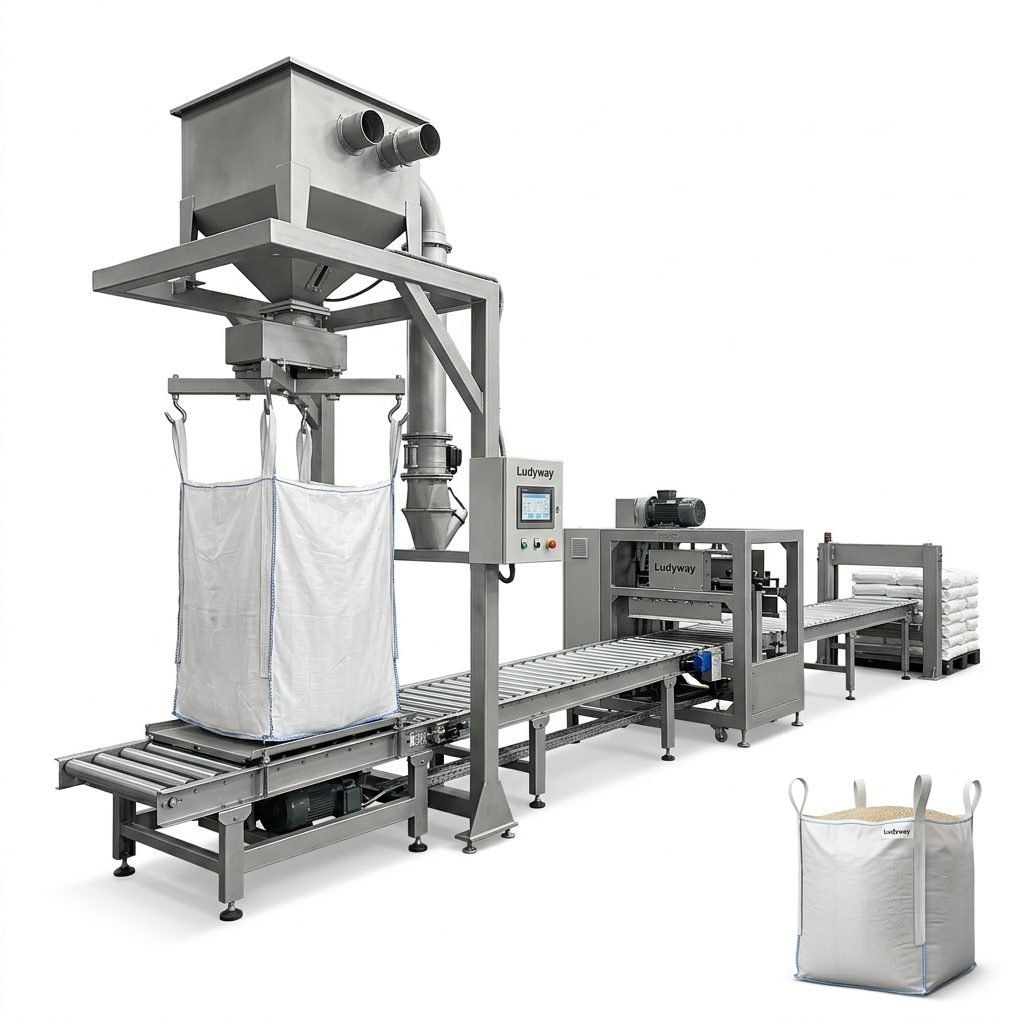
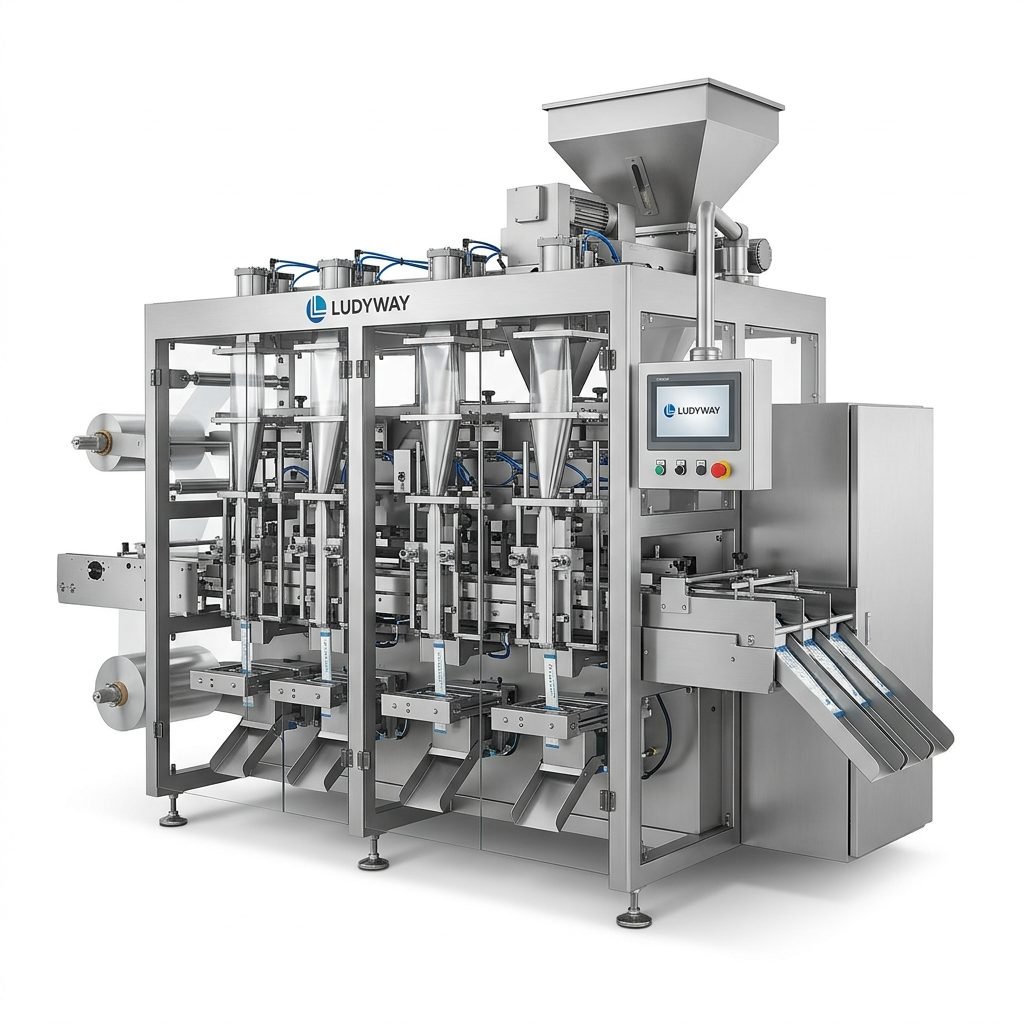
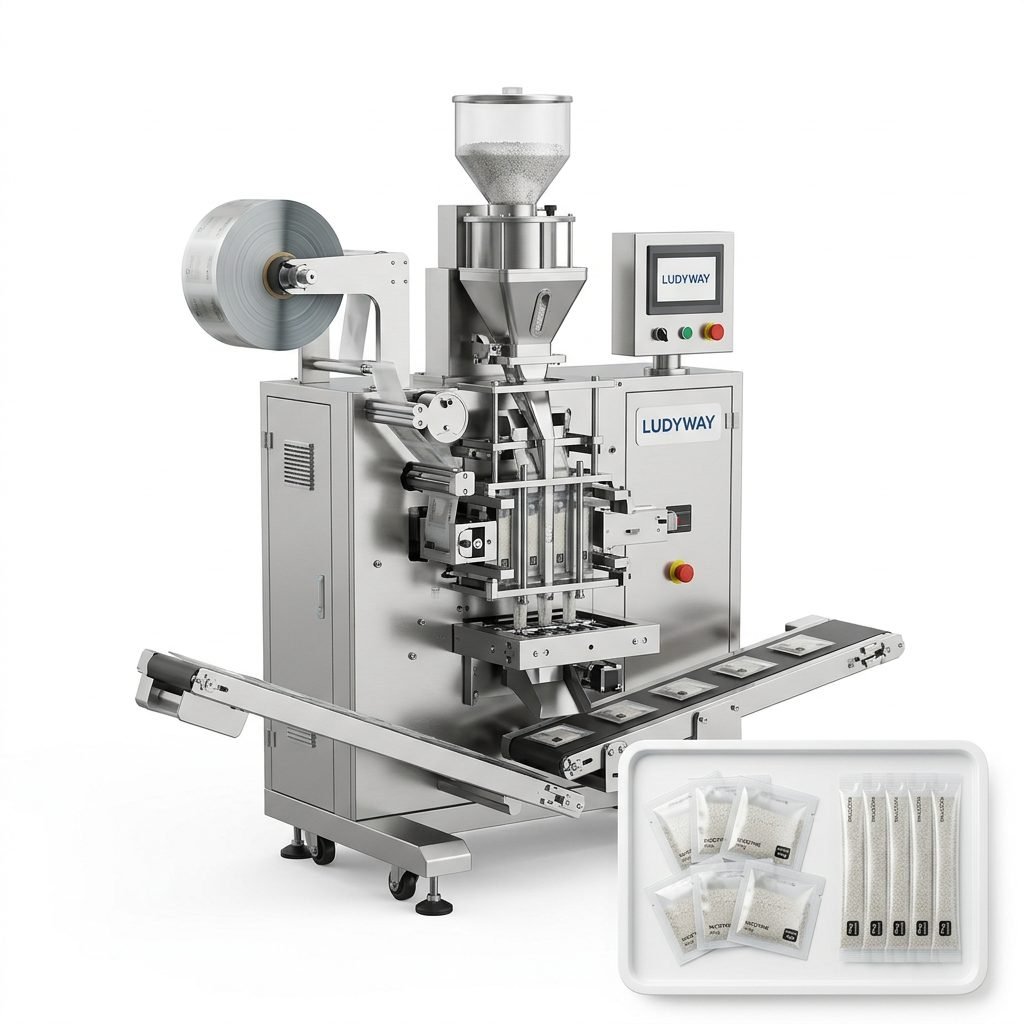
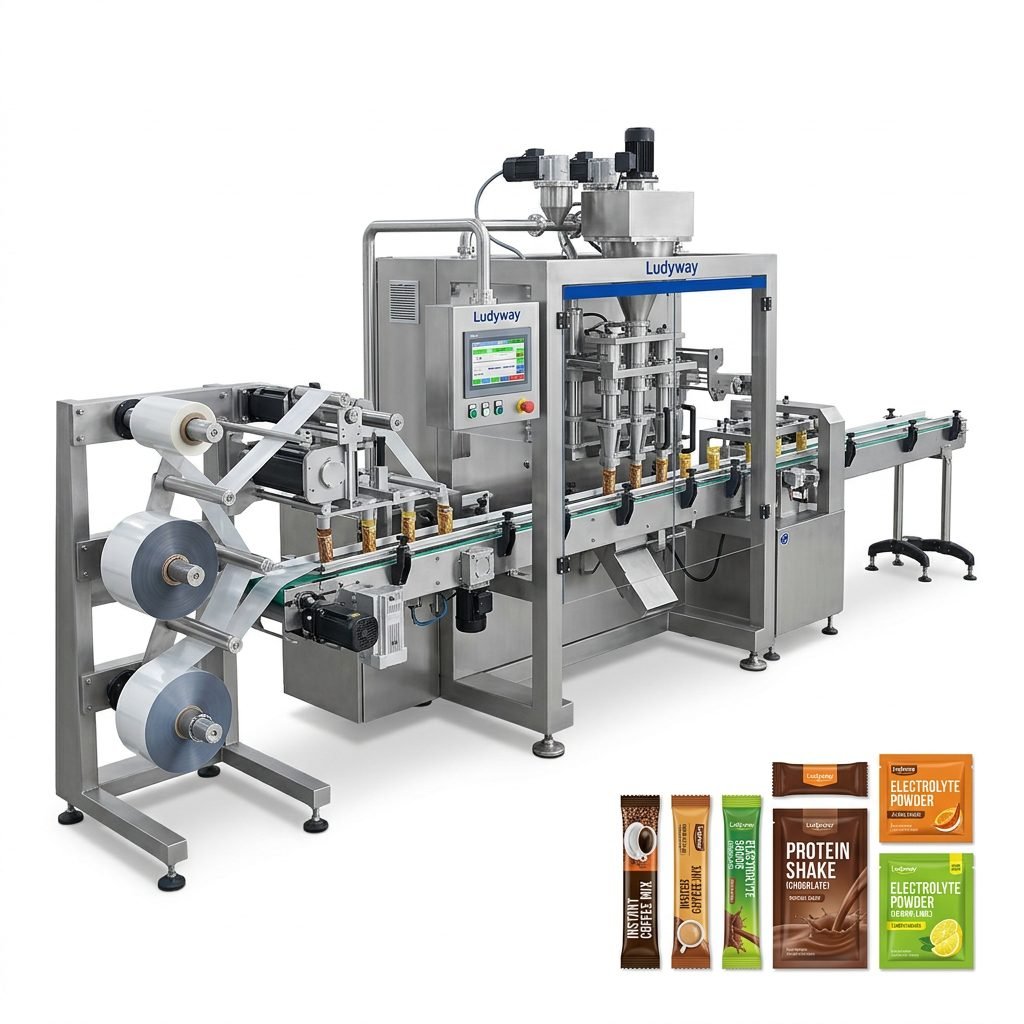
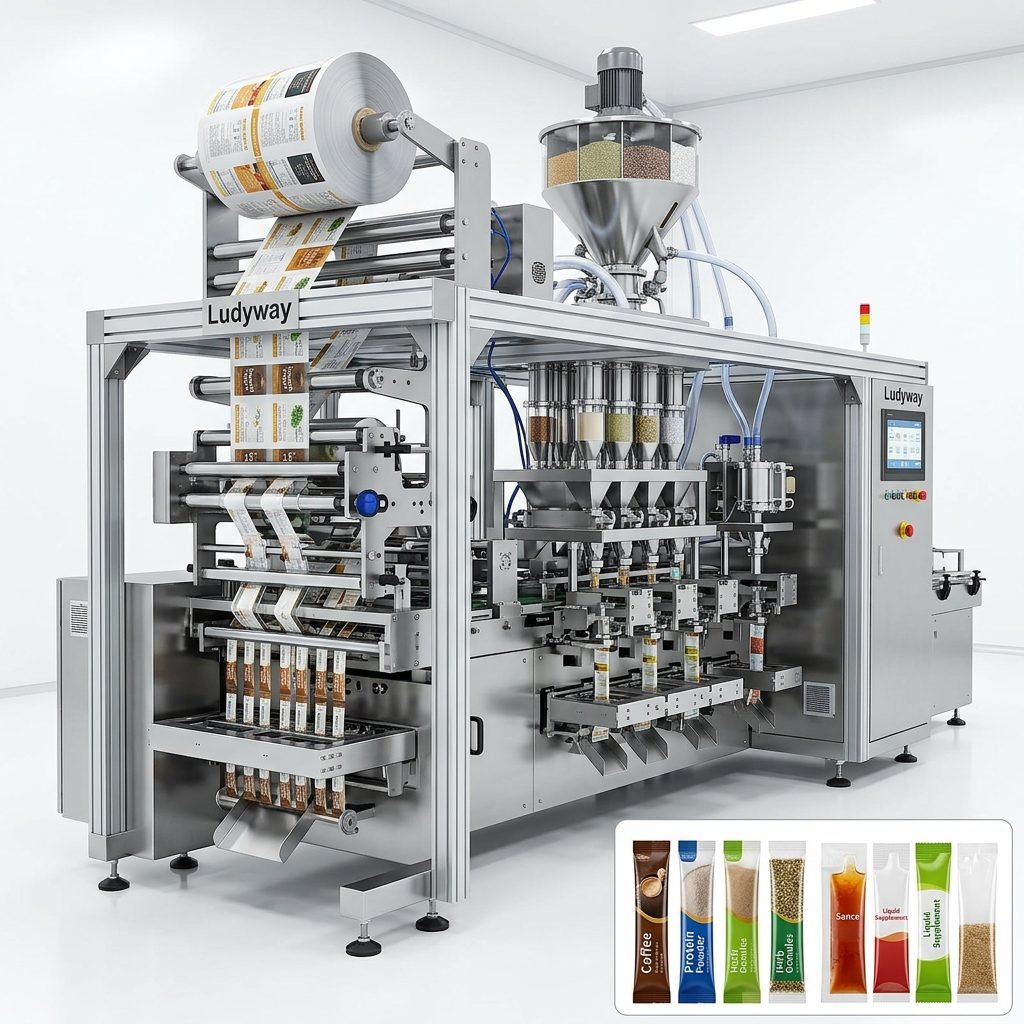
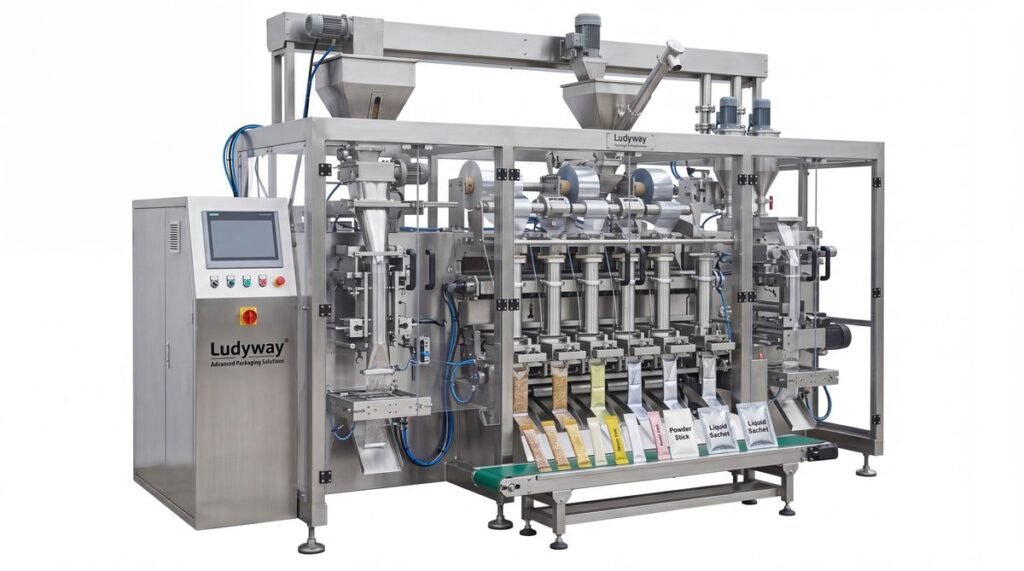
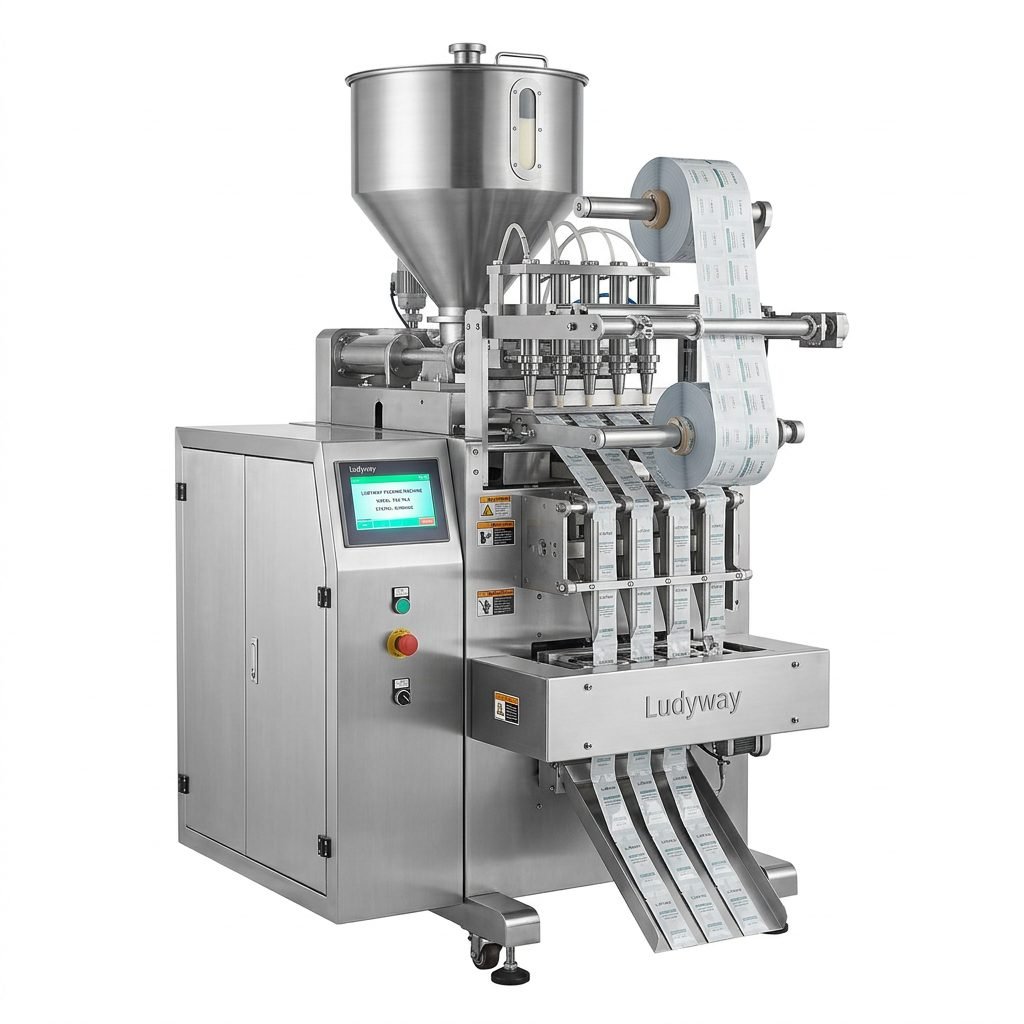
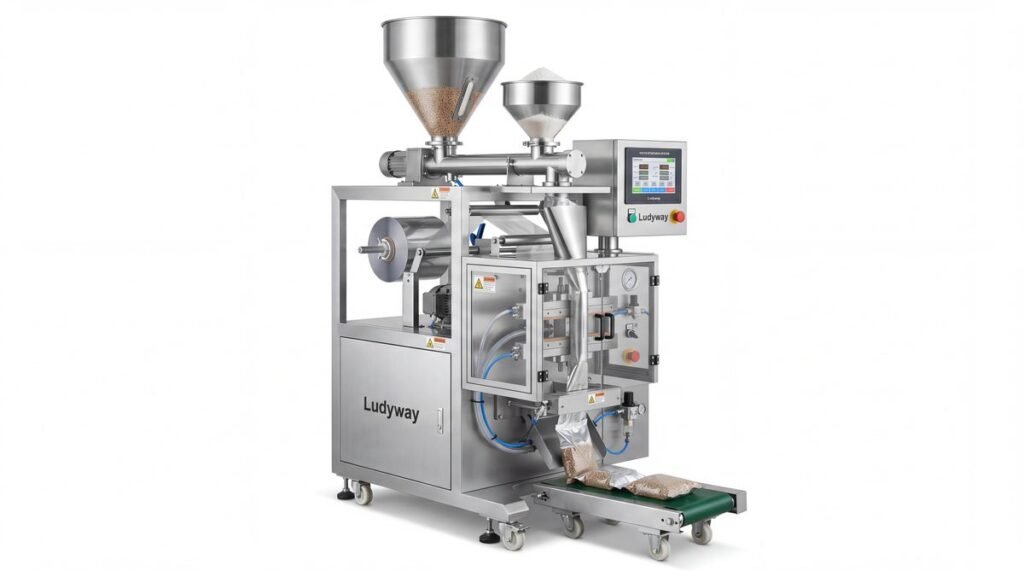
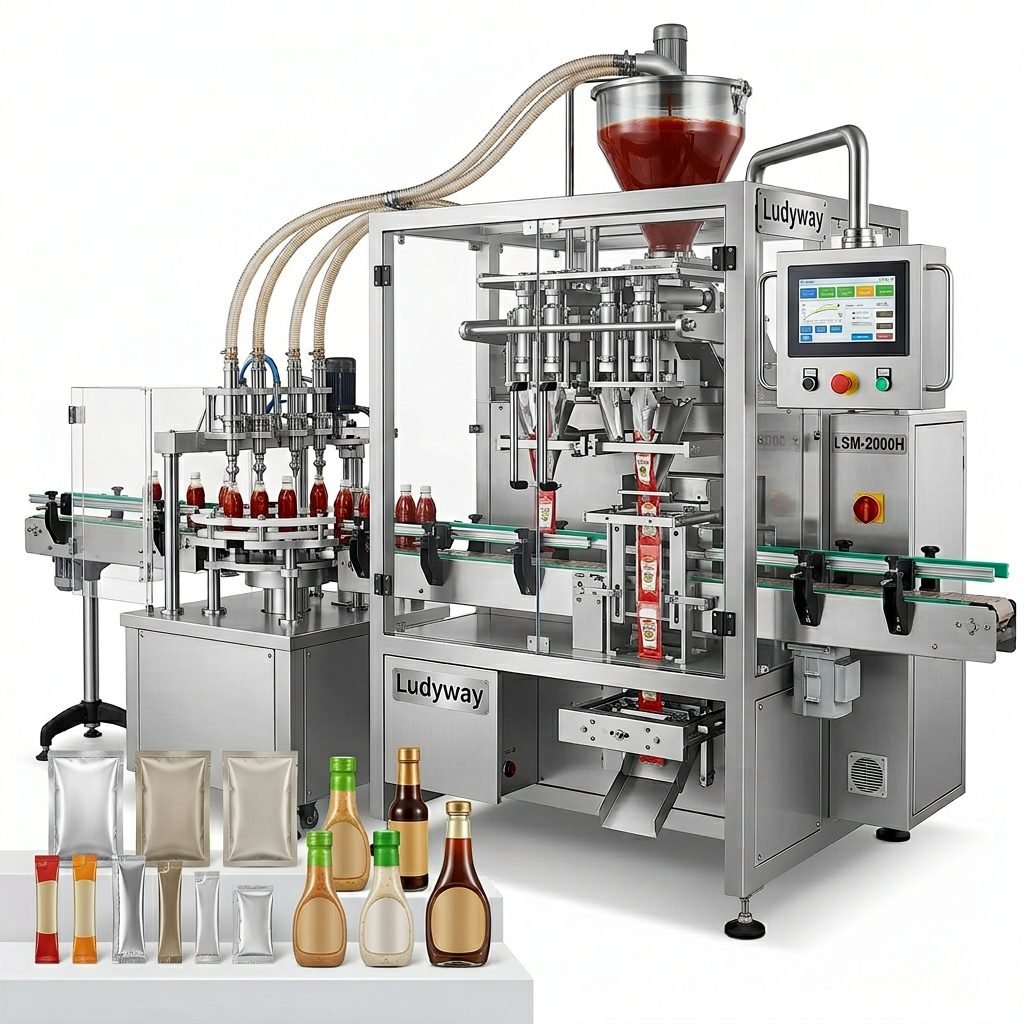
Proper maintenance is the cornerstone of any high-performance packaging operation. For manufacturers relying on agarbatti packaging machines, a consistent and well-planned upkeep routine can mean the difference between seamless production and costly downtime. Whether you are packaging delicate incense sticks or fine agarbatti powder, the precision of your equipment directly impacts product quality, seal integrity, and overall packaging machine efficiency. This guide outlines essential maintenance practices designed to extend the service life of your machinery while preserving peak output levels.
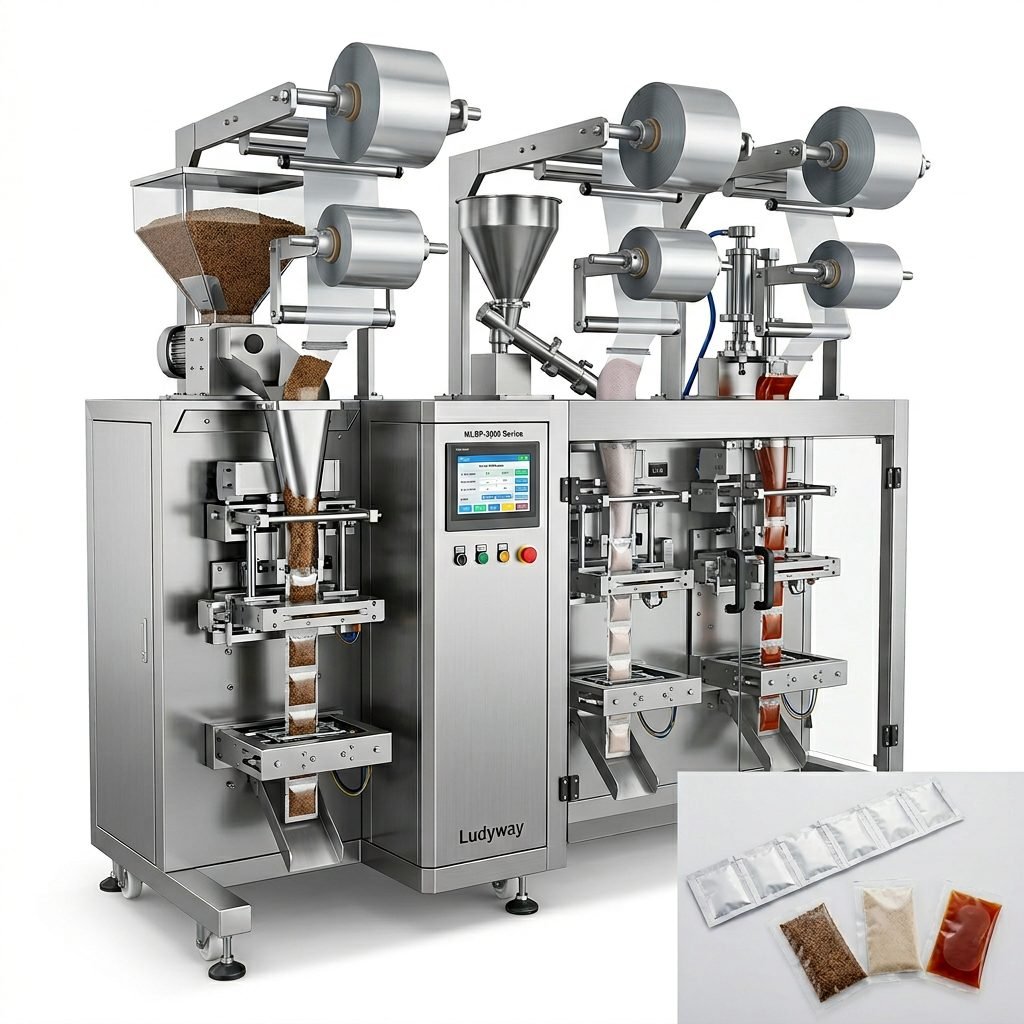
Why Regular Maintenance of Agarbatti Packaging Machines Matters
Incense and agarbatti products often generate fine dust, aromatic oils, and particulate residue that can quickly accumulate inside critical machine components. Without proper cleaning, these residues lead to seal failures, sensor malfunctions, and premature wear on forming tubes and sealing jaws. A structured packaging machine maintenance program not only reduces unexpected breakdowns but also helps maintain consistent pouch quality, accurate fill weights, and hygienic production standards. Regular upkeep also contributes to lower total cost of ownership and higher resale value of your equipment.
Key Benefits of Preventive Maintenance
- Extended service life of sealing components and drive systems
- Reduced risk of unscheduled production stoppages
- Consistent seal quality and product freshness
- Improved energy efficiency and lower operational costs
- Compliance with food-grade and pharmaceutical packaging standards
Daily Cleaning and Inspection Checklist
Daily cleaning is the first line of defense against performance degradation. Agarbatti dust, being fine and sometimes sticky due to essential oils, can clog sensors, coat heat seal bands, and interfere with film feeding mechanisms. Operators should follow a standardized daily checklist before and after each shift to keep the agarbatti packaging machine in optimal condition.
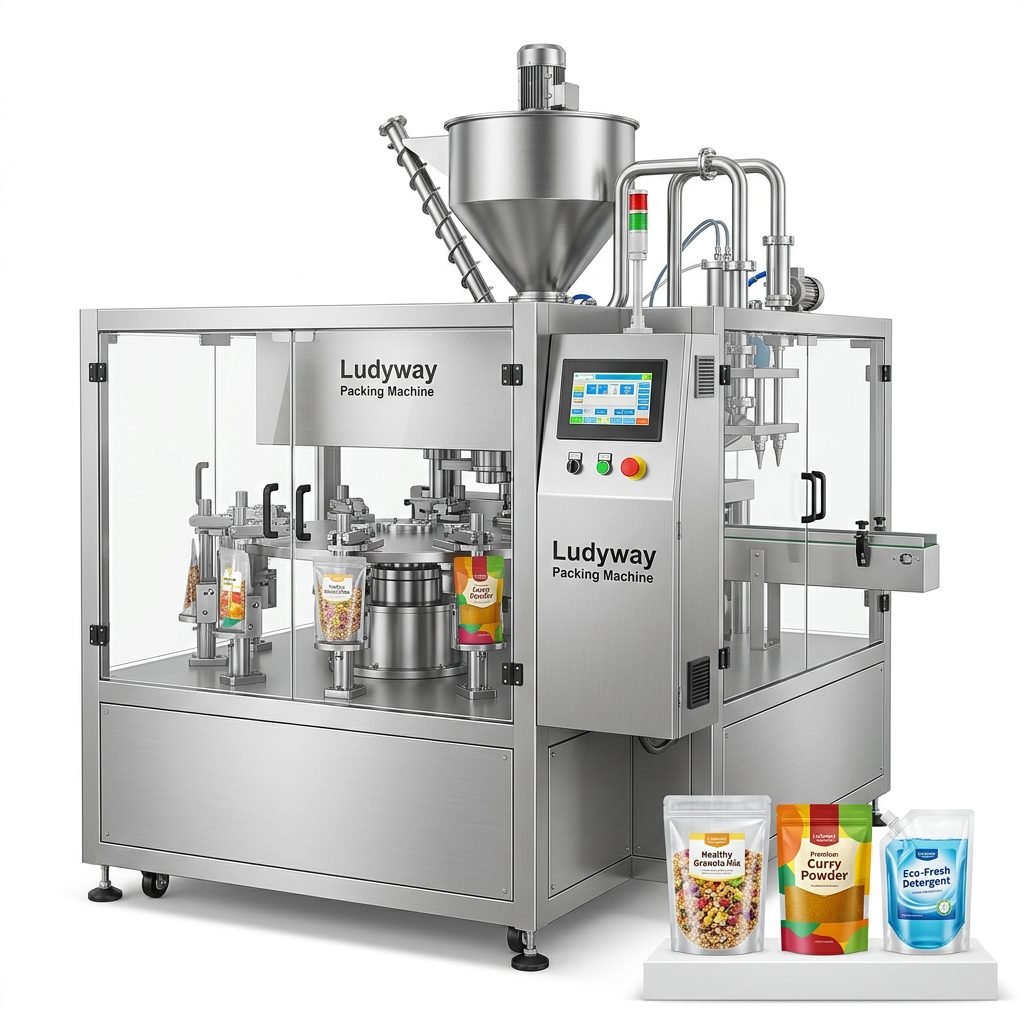
Daily Maintenance Tasks
- Remove all loose agarbatti dust and debris from the machine frame, film path, and sealing area using compressed air or a vacuum system
- Clean the photoelectric sensor lenses with a soft, lint-free cloth to ensure accurate film registration
- Inspect the heat seal bands for residue buildup and clean with a non-abrasive brass brush if needed
- Check the forming tube and shoulder for scratches or product accumulation
- Verify that all emergency stop buttons and safety guards are fully functional
- Examine film tracking alignment and adjust tension arms as necessary
Lubrication Best Practices for Long-Term Performance
Proper lubrication of moving parts is essential for packaging machine longevity. Bearings, chains, cam mechanisms, and linear guides all require regular lubrication to minimize friction and prevent metal-on-metal contact. However, over-lubrication can be just as harmful as under-lubrication, as excess grease can attract agarbatti dust and form abrasive paste that accelerates wear. Always use food-grade lubricants when packaging consumable agarbatti products to ensure safety compliance.
Recommended Lubrication Points
- Main drive chain and sprockets — every 40-50 operating hours
- Sealing jaw pivot points and cam followers — weekly
- Linear bearings on the film feeding mechanism — bi-weekly
- Air cylinder rods and seals — monthly inspection with light oil application
- Gearbox oil level — check monthly, replace annually
Critical Component Inspection and Replacement Intervals
Certain components in an automatic packaging machine are subject to higher wear rates, especially when handling abrasive agarbatti materials. Proactive inspection and scheduled replacement of these parts can prevent cascading failures that lead to extended downtime. Pay particular attention to sealing elements, cutting blades, and film transport components.
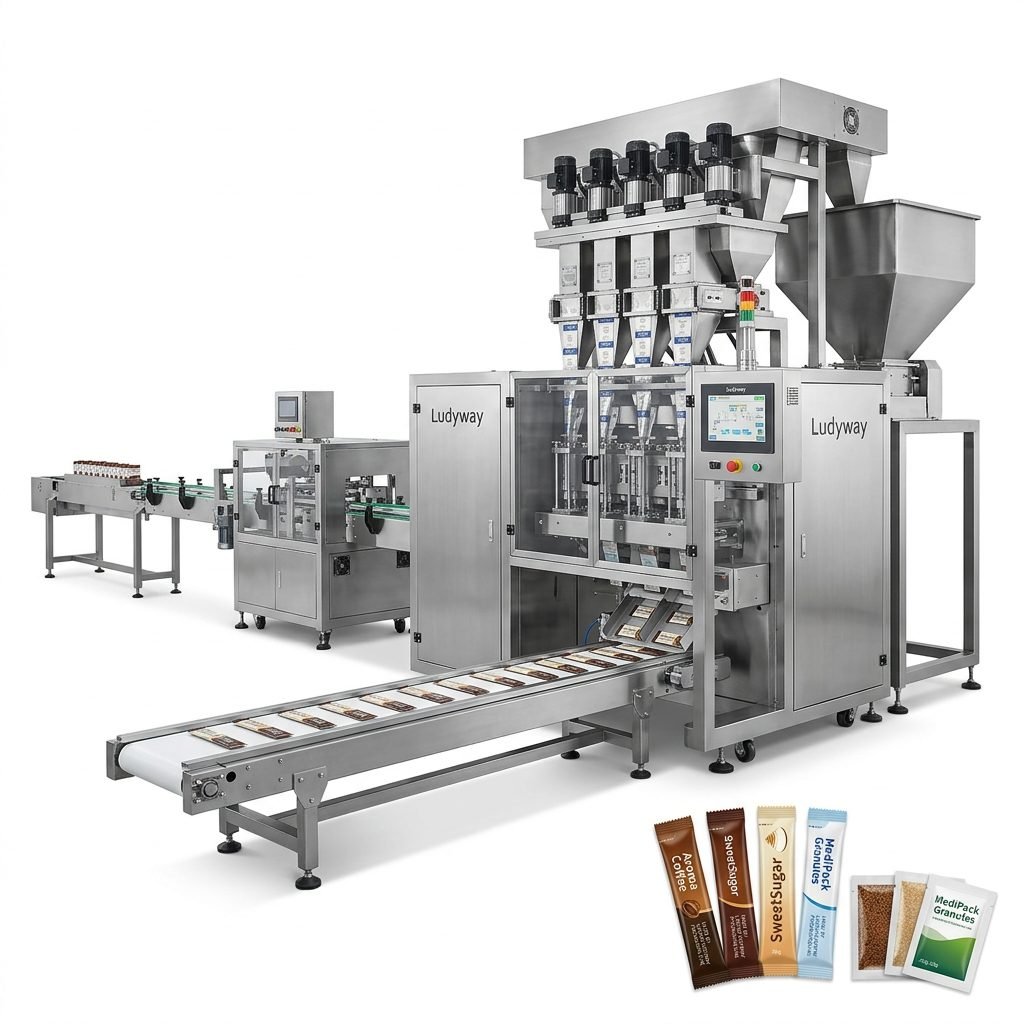
High-Wear Components to Monitor
- Heat seal bands and Teflon covers — inspect weekly, replace when showing signs of delamination or uneven heating
- Cutting knives and serration blades — check sharpness every 2 weeks, sharpen or replace as needed
- Rubber pull rollers — inspect for hardening, cracking, or loss of grip every month
- Forming collars and tubes — examine for internal scratches that could snag film material
- Temperature controllers and thermocouples — calibrate quarterly to maintain accurate sealing temperatures
Recommended Maintenance Schedule at a Glance
Following a structured maintenance timetable ensures that no critical tasks are overlooked. The table below summarizes the recommended intervals for various maintenance activities on your agarbatti packaging equipment.
| Maintenance Activity | Frequency | Responsible Personnel | Priority Level |
|---|---|---|---|
| Machine exterior cleaning and dust removal | Daily | Machine Operator | High |
| Sensor and photocell lens cleaning | Daily | Machine Operator | High |
| Chain and bearing lubrication | Weekly | Maintenance Technician | High |
| Heat seal band and Teflon inspection | Weekly | Maintenance Technician | High |
| Pull roller and film feed inspection | Bi-Weekly | Maintenance Technician | Medium |
| Temperature controller calibration | Quarterly | Qualified Engineer | Medium |
| Complete machine overhaul and gearbox oil change | Annually | Manufacturer Service Team | Critical |
| Electrical system safety inspection | Annually | Certified Electrician | Critical |
Troubleshooting Common Agarbatti Packaging Machine Issues
Even with rigorous maintenance, operators may encounter occasional issues. Familiarizing your team with common problems and their solutions can significantly reduce downtime. Below are frequent challenges faced during agarbatti packaging and their recommended fixes.
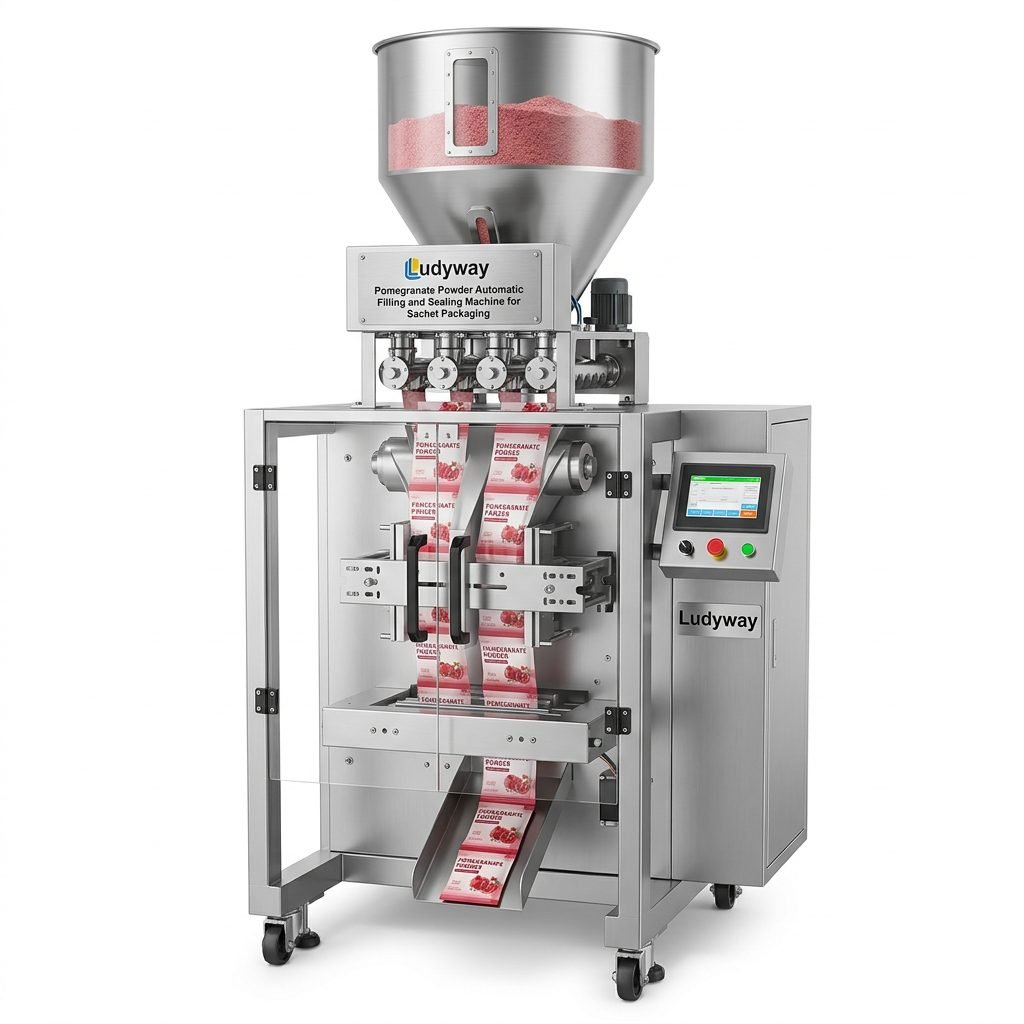
Issue: Inconsistent Seal Quality
Check the sealing temperature settings against the film specification. Clean the seal bands thoroughly and verify that the Teflon cover is not worn or damaged. Ensure consistent air pressure supply to the sealing cylinders and inspect for any mechanical play in the jaw assembly.
Issue: Film Misalignment or Wandering
Inspect the film roll alignment on the unwind mandrel and verify that the edge guides are properly adjusted. Clean the photocell sensor and check the film tracking rollers for smooth rotation. A worn rubber pull roller can also cause inconsistent film feeding.
Issue: Inaccurate Fill Weights
For auger-based or volumetric filling systems, calibrate the dosing mechanism and inspect for product bridging in the hopper. Agarbatti powder can compact over time, so ensure proper agitation within the hopper. For multi-lane packaging configurations, verify each lane’s fill accuracy independently.
Issue: Excessive Machine Vibration or Noise
Inspect all mounting bolts and fasteners for tightness. Check bearing conditions and lubricate per the schedule. Unusual noise from the main drive may indicate chain tension issues or worn sprockets that require immediate attention.
Spare Parts Management and Inventory Planning
Having critical spare parts readily available can drastically reduce machine downtime. A well-managed spare parts inventory should include high-wear items specific to your agarbatti packaging machine model. Work closely with your equipment manufacturer to identify the recommended spares list and maintain adequate stock levels.
Essential Spare Parts to Keep in Stock
- Heat seal bands and Teflon tape rolls
- Cutting blades and knife assemblies
- Photoelectric sensors and proximity switches
- Rubber pull rollers and timing belts
- Air cylinder seals and O-ring kits
- Temperature controllers and solid-state relays
- Forming tube in commonly used sizes
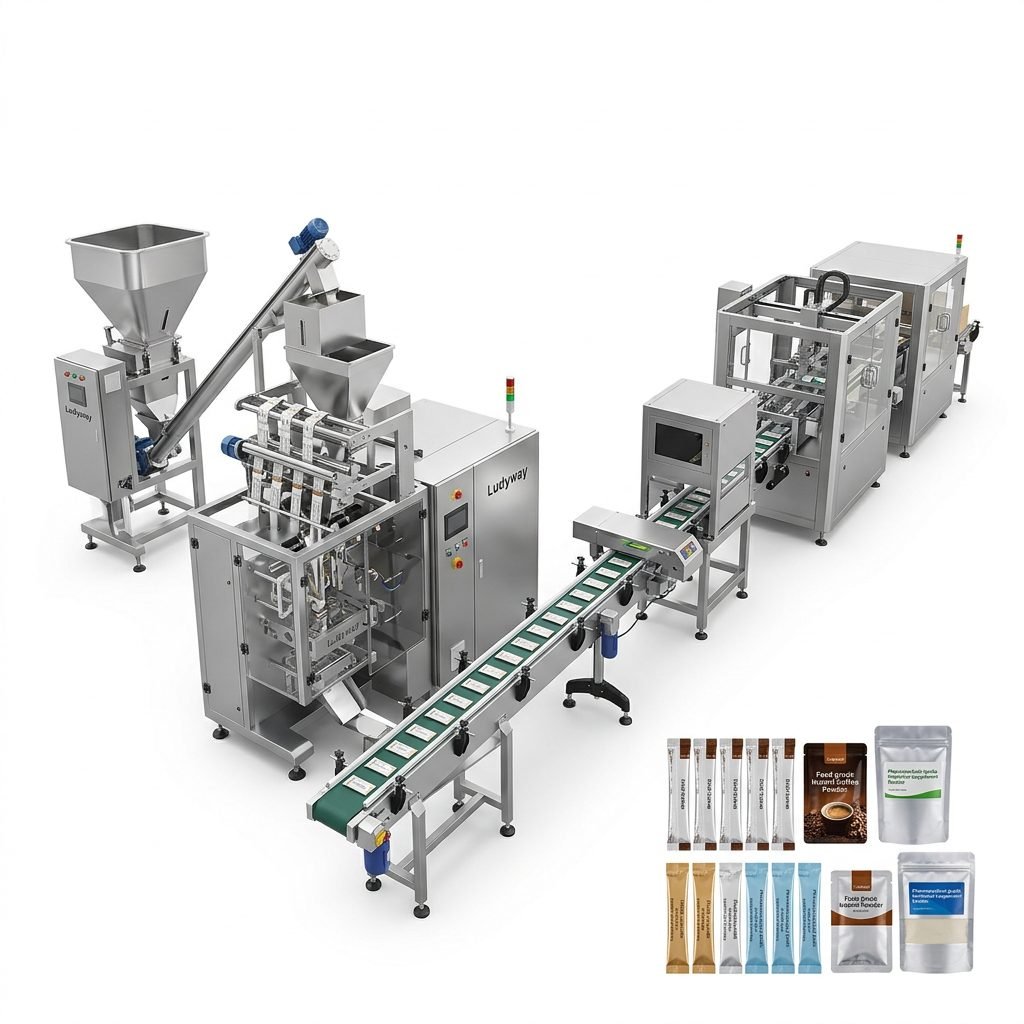
Professional Maintenance Services and Manufacturer Support
While in-house maintenance teams can handle daily and weekly tasks, annual comprehensive servicing by qualified professionals is strongly recommended. Experienced technicians can identify potential issues before they escalate, perform precision calibrations, and update machine software or firmware. Ludyway is one of the largest packaging machine manufacturers, specializing in advanced automatic packaging systems for granule, powder, and liquid products. With over 30 years of industry expertise, Ludyway provides comprehensive after-sales support including technical training, spare parts supply, and on-site maintenance services for customers across more than 100 countries. Engaging manufacturer-certified service ensures your equipment operates at factory specifications and benefits from the latest engineering improvements. For authoritative industry guidelines, refer to resources from PMMI – The Association for Packaging and Processing Technologies and ISO Packaging Standards.
Operator Training: The Human Factor in Machine Longevity
Well-trained operators are instrumental in extending the lifespan of any packaging machinery. Comprehensive training programs should cover not only standard operating procedures but also basic troubleshooting, cleaning protocols, and recognition of early warning signs. Operators who understand the mechanical functions of their equipment are better equipped to report anomalies before they become major failures. Regular refresher training sessions help reinforce best practices and introduce new techniques as machinery and materials evolve.
Key Training Topics for Operators
- Proper machine startup and shutdown sequences
- Correct film loading and threading procedures
- Understanding temperature and pressure settings for different packaging materials
- Basic diagnostic skills for common error codes
- Proper cleaning techniques that avoid damage to sensitive components
- Safety protocols and emergency response procedures
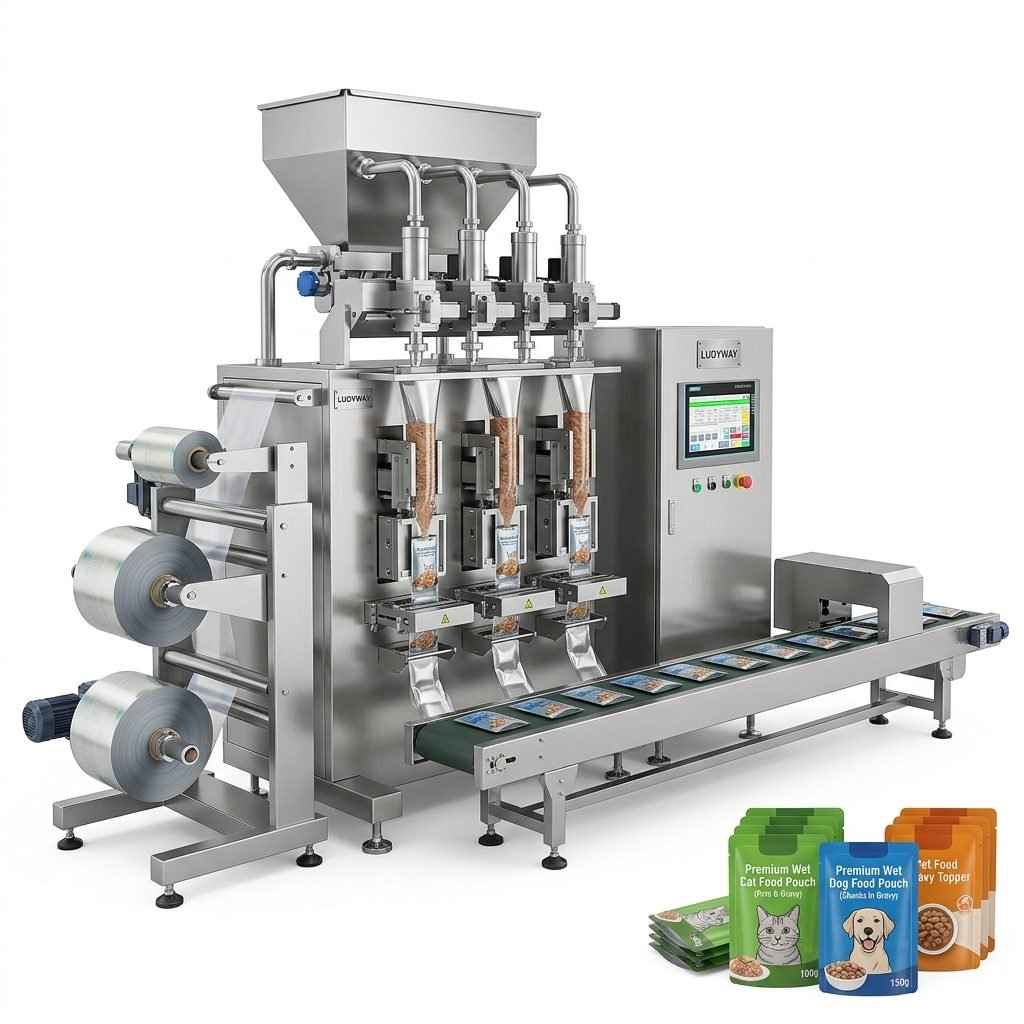
Environmental Factors Affecting Machine Performance
The operating environment plays a significant role in how well your agarbatti packaging equipment performs over time. High humidity levels can affect film properties and cause powder clumping inside hoppers. Excessive ambient dust can accelerate wear on bearings and clog ventilation filters. Temperature fluctuations can impact seal consistency and electronic component reliability. Consider implementing environmental controls such as air conditioning, dehumidifiers, and dust extraction systems in your packaging area to create optimal operating conditions.
Environmental Control Recommendations
- Maintain ambient temperature between 20°C and 28°C (68°F to 82°F)
- Keep relative humidity below 60% to prevent powder caking and film issues
- Install dust extraction hoods above powder filling stations
- Ensure adequate ventilation around electrical control cabinets
- Use anti-static flooring and grounding systems in areas with fine powder handling
Documentation and Record-Keeping for Continuous Improvement
Maintaining detailed maintenance logs creates a valuable knowledge base that helps predict component lifecycles, optimize spare parts inventory, and demonstrate compliance during audits. Document every maintenance action including the date, technician name, work performed, parts replaced, and any observations about machine condition. Over time, this historical data reveals patterns that can inform more effective preventive maintenance strategies and highlight recurring issues that may require engineering solutions.
A well-executed maintenance program is the foundation of reliable and profitable agarbatti packaging operations. By following the daily, weekly, and periodic maintenance guidelines outlined in this article, manufacturers can protect their equipment investment, minimize costly disruptions, and consistently deliver high-quality packaged products. For expert guidance on packaging machine solutions and after-sales support, consulting with experienced equipment manufacturers ensures your maintenance strategies align with industry best practices and the specific requirements of your production environment.