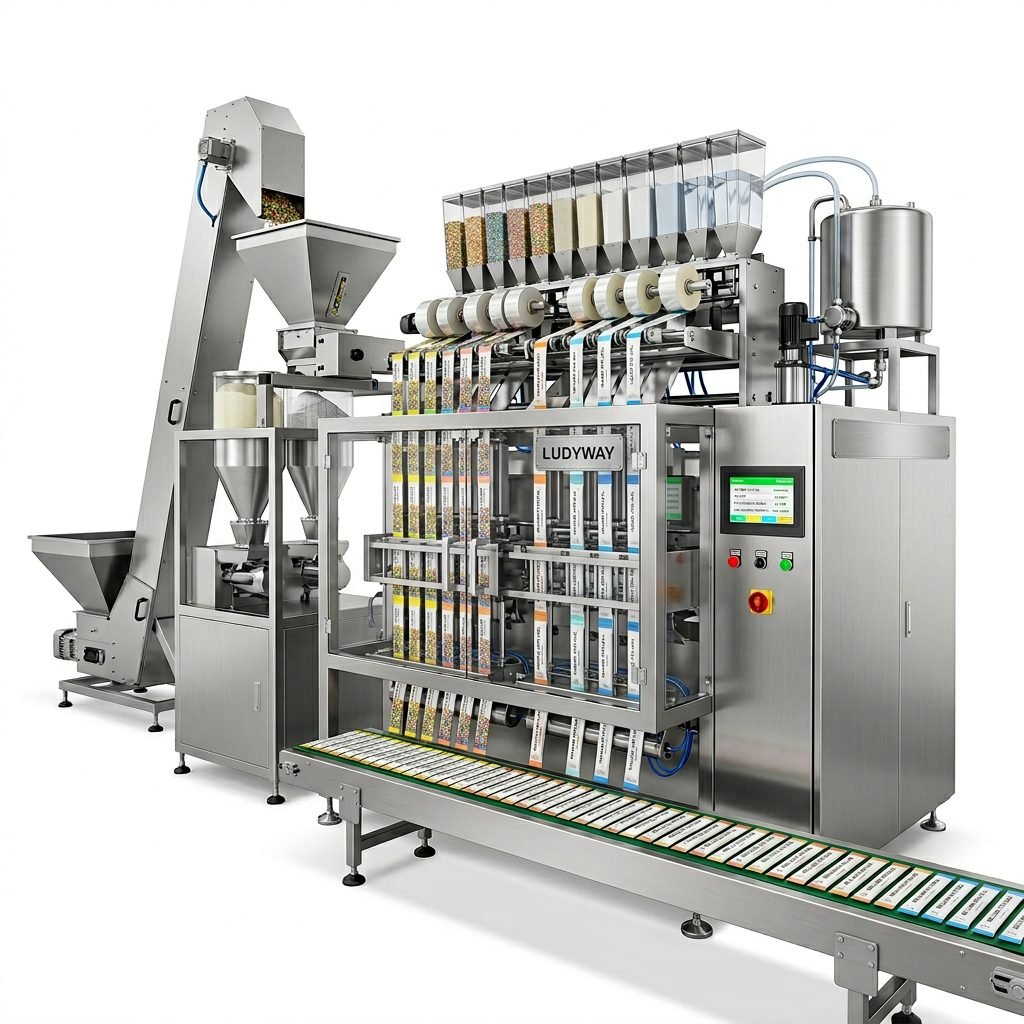
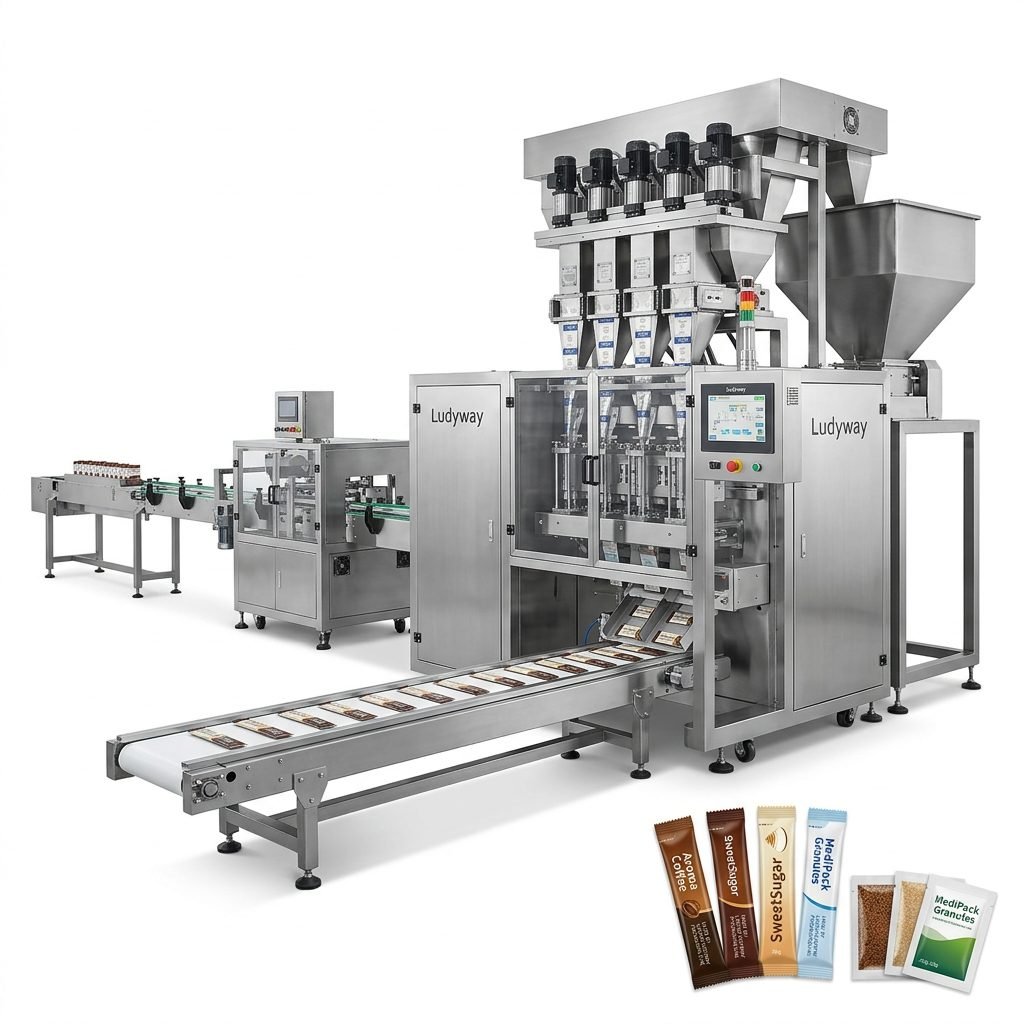
Choosing between a semi-automatic machine and a fully automatic machine is one of the most important investment decisions for manufacturers. The right option can improve output, reduce waste, control labor costs, and support long-term growth. The wrong option can create bottlenecks, increase downtime, and tie up capital in equipment that does not match your production reality.
This guide explains how to compare both machine types from a practical buying perspective, especially for businesses in food, pharmaceutical, health supplement, cosmetic, chemical, and pouch-packaging industries.
What Is the Difference Between Semi-Automatic and Fully Automatic Machines?
A semi-automatic machine still requires some human involvement during the packaging process. Operators may need to feed products, place containers, start cycles, remove finished packs, or perform manual adjustments between batches.
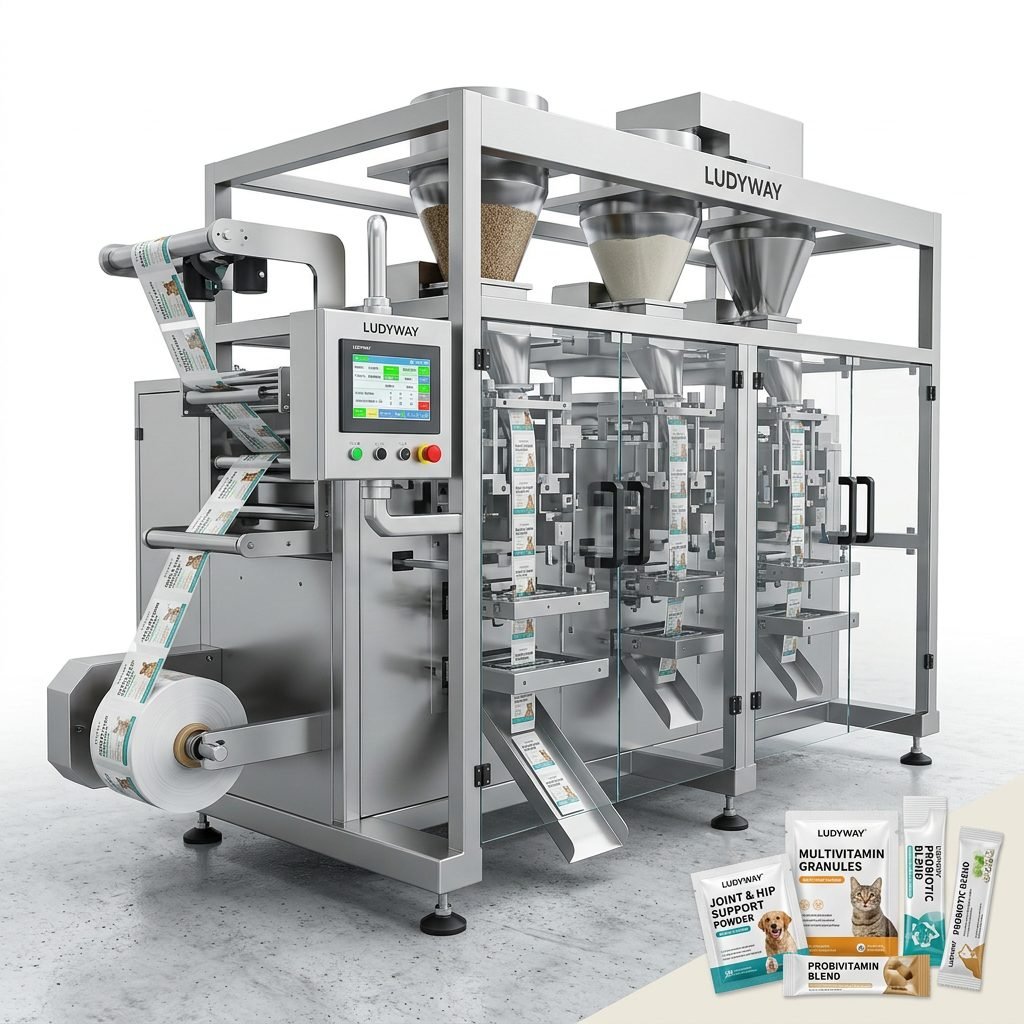
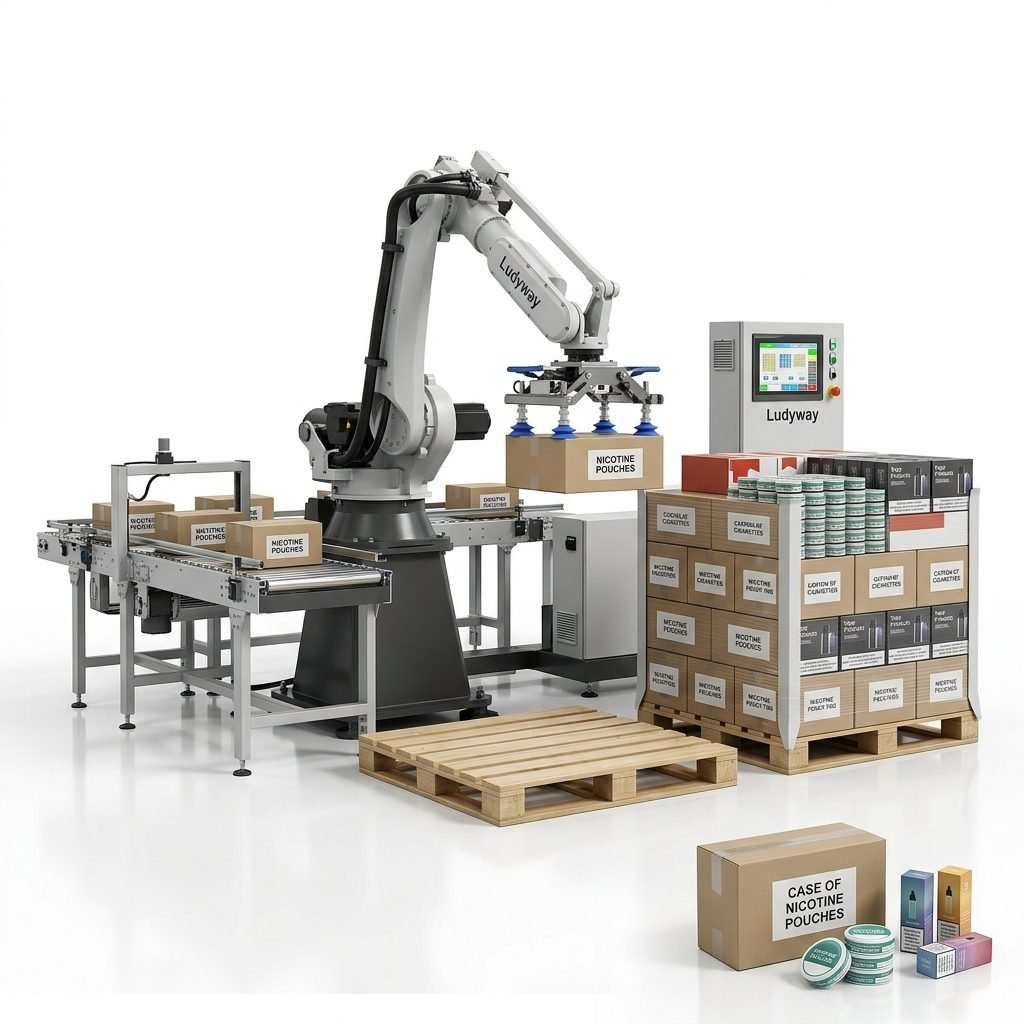
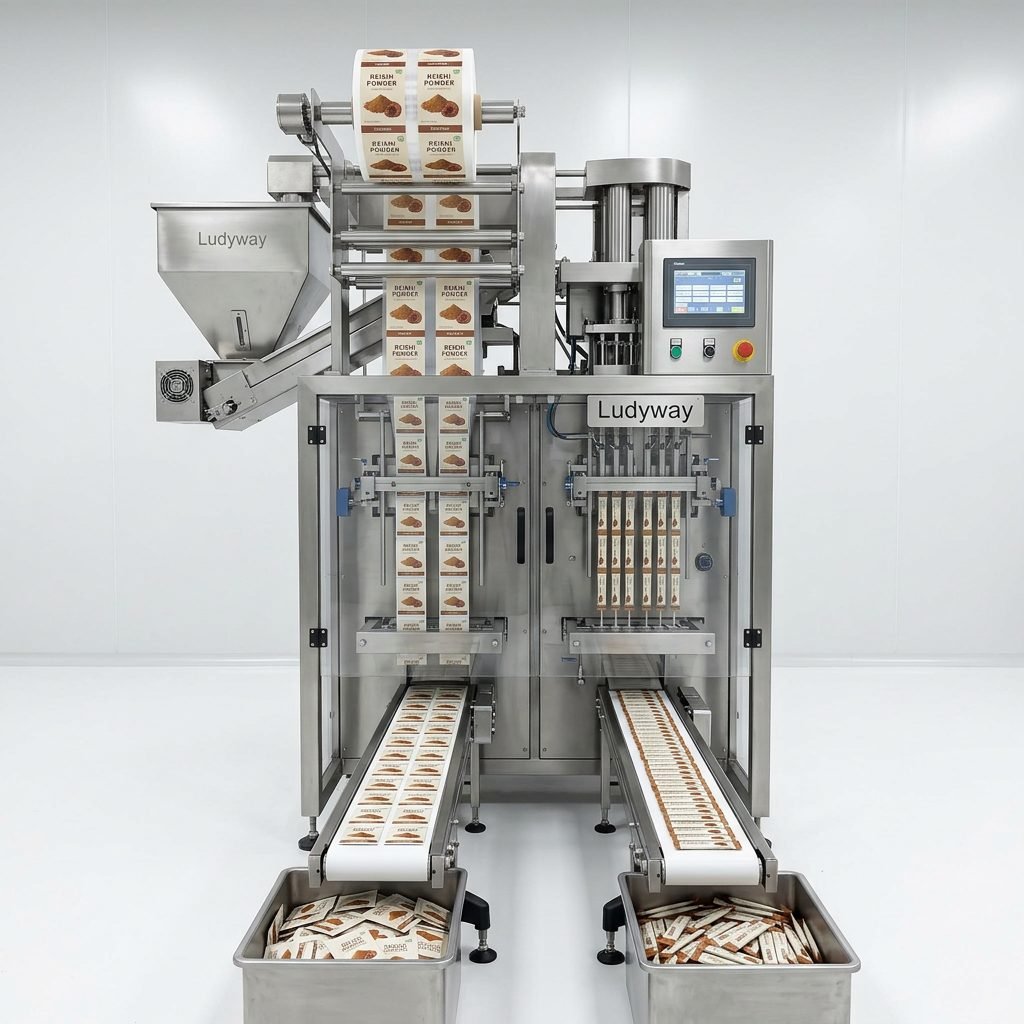
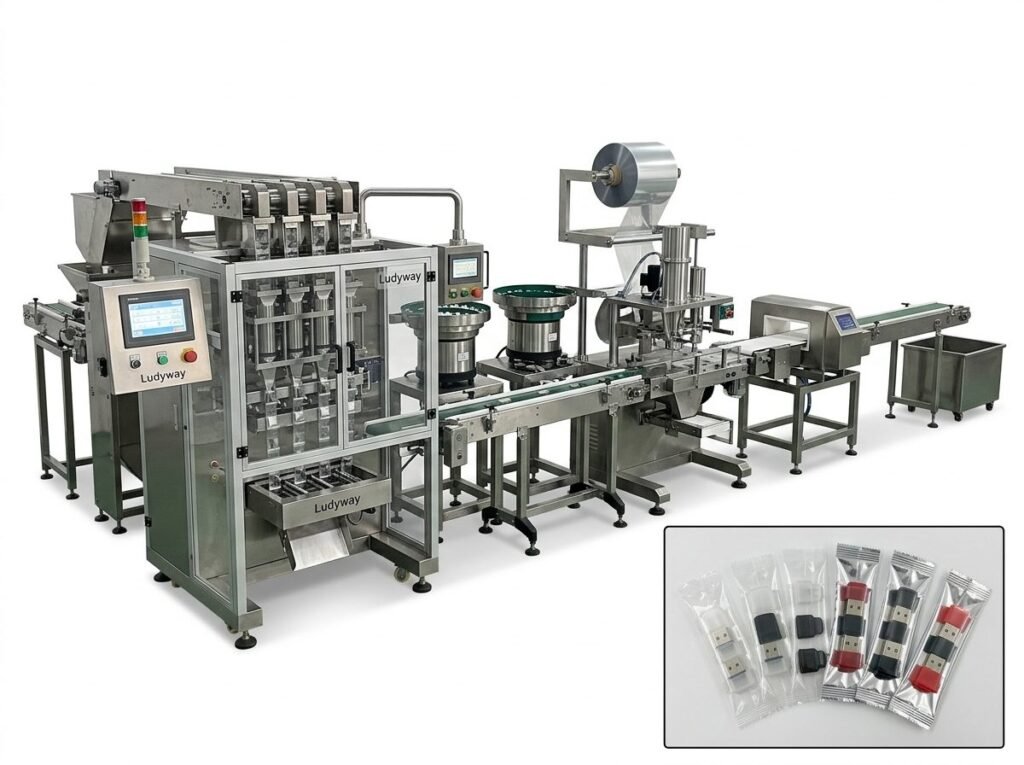
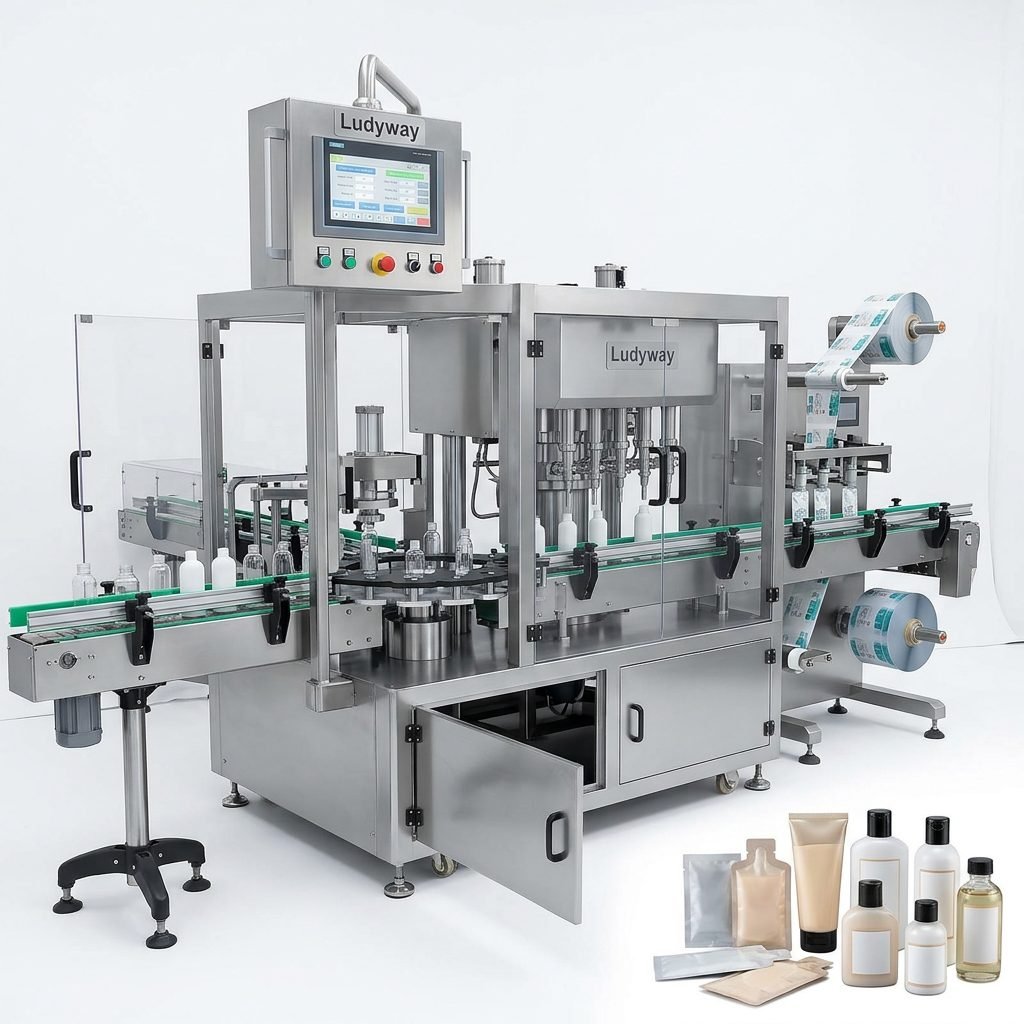
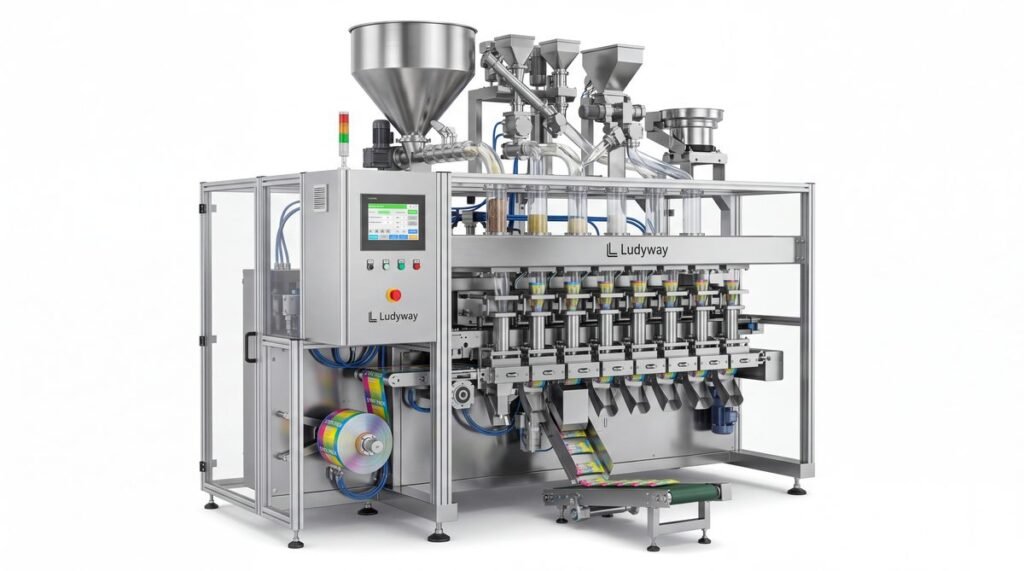
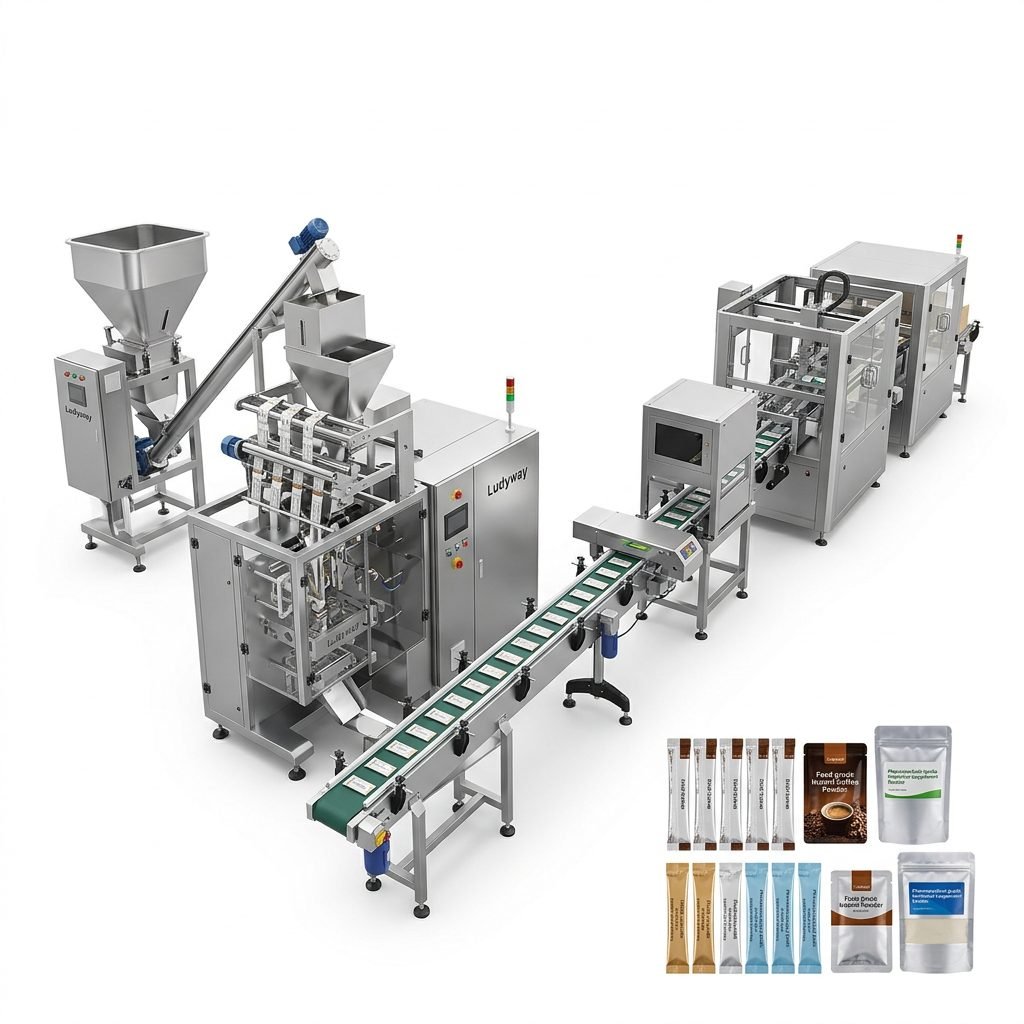
A fully automatic machine performs most or all production steps with minimal operator intervention. Product feeding, dosing, forming, filling, sealing, coding, counting, cartoning, and even palletizing can be integrated into one automated workflow.
| Factor | Semi-Automatic | Fully Automatic |
|---|---|---|
| Operator involvement | Moderate to high | Low |
| Initial investment | Lower | Higher |
| Production speed | Lower to medium | Medium to very high |
| Flexibility | Often better for frequent small changes | Best for standardized, repeatable runs |
| Labor cost impact | Limited reduction | Strong reduction |
| Scalability | Moderate | High |
When a Semi-Automatic Machine Makes More Sense
Semi-automatic equipment is often the smarter choice for smaller operations, pilot production, contract packers with changing SKUs, or manufacturers entering a new market.
Best-fit situations for semi-automatic equipment
- Limited startup budget and a need to control upfront capital spending
- Low to medium production volumes
- Frequent product or packaging format changes
- Seasonal demand or uncertain order forecasts
- Products that still require manual inspection or handling
- Facilities with limited floor space or power infrastructure
For example, a business packing specialty powders, premium nutraceutical samples, or short-run cosmetic sachets may benefit from semi-automatic systems because they offer more control during setup and lower financial risk in the early stage.
Advantages of semi-automatic machines
- Lower purchase cost
- Simpler operation and maintenance
- Faster staff training in some applications
- Useful for trial production and product validation
- Easier to adapt for niche or custom packaging runs
Limitations to consider
- Higher reliance on operator skill and consistency
- Lower throughput per shift
- More labor required as volume grows
- Greater risk of production bottlenecks
- Harder to maintain uniform output across long runs
When a Fully Automatic Machine Is the Better Investment
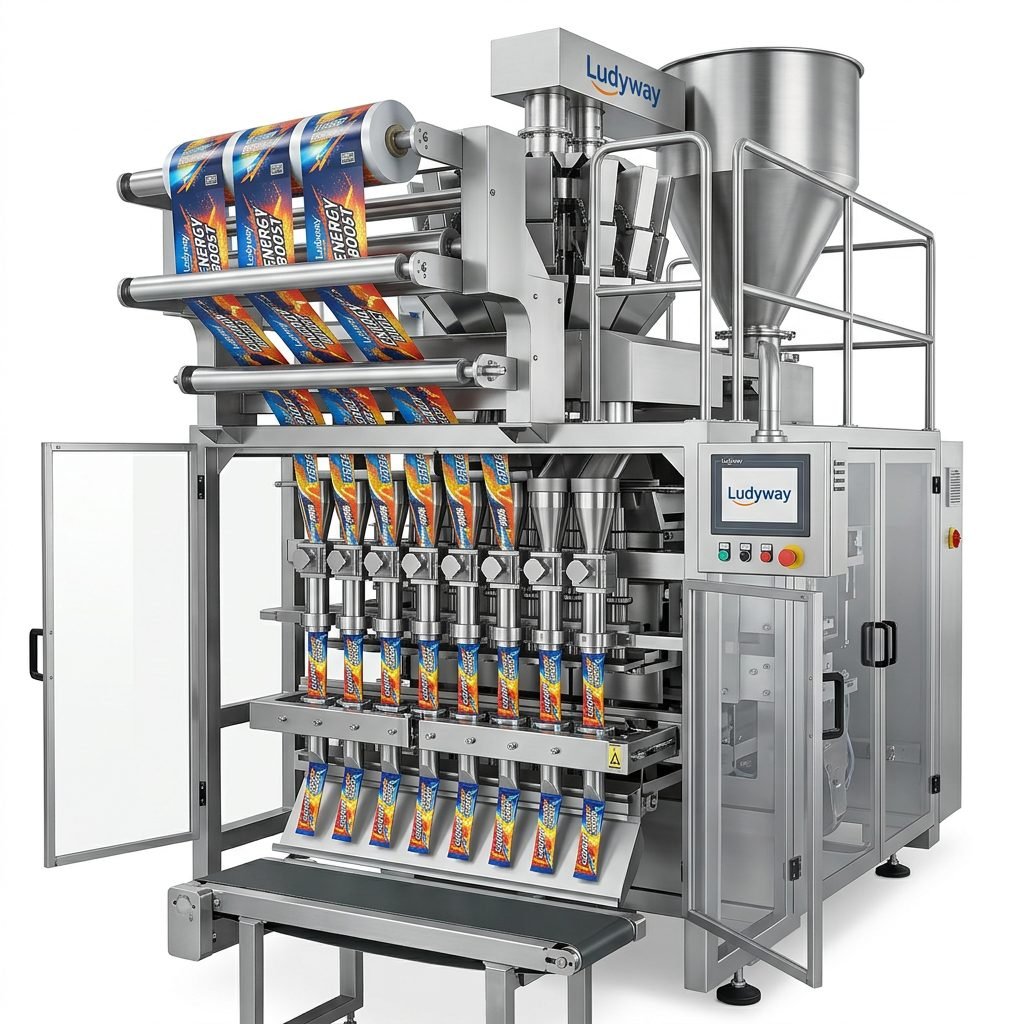
Fully automatic packaging machines are ideal for businesses focused on high-volume output, repeatability, labor savings, and long-term expansion. If your production line runs continuously or your order volume is growing fast, automation usually becomes more cost-effective over time.
Best-fit situations for full automation
- High daily or monthly production targets
- Stable product dimensions, weights, and pack styles
- Labor shortages or rising labor costs
- Strict quality and traceability requirements
- Need for integrated coding, checkweighing, cartoning, and palletizing
- Plans to scale output without expanding headcount at the same rate
This is especially important in sectors such as pharmaceuticals, food ingredients, instant beverages, health supplements, and chemical packaging where consistency, sealing quality, dosing precision, and line efficiency directly affect compliance and profitability.
Advantages of fully automatic machines
- Higher output and faster cycle times
- Lower labor dependency
- Improved filling and sealing consistency
- Better data control and production monitoring
- Cleaner workflow and stronger GMP-friendly operation
- Stronger return on investment in medium- to high-volume operations
Potential drawbacks
- Higher initial capital investment
- More complex installation and commissioning
- May require skilled technicians for setup and maintenance
- Less economical if production volume is very low or unstable
7 Key Buying Factors You Should Compare
1. Production Volume
Start with your actual output target, not just your current machine pain points. Ask:
- How many packs per minute do you need today?
- How many will you need in 12 to 36 months?
- Will one shift become two shifts soon?
If your demand is rising steadily, investing in a fully automatic machine early may prevent you from buying twice.
2. Labor Availability and Cost
Semi-automatic machines may look cheaper at first, but if they require multiple operators per shift, the long-term cost can become much higher. Calculate the total labor cost over three to five years, including wages, training, turnover, supervision, and human error.
3. Product Type and Packaging Complexity
The right choice also depends on what you are packing:
- Powders with dust control needs
- Granules with flow variability
- Liquids or pastes requiring accurate sealing
- Sachets, stick packs, pouches, bottles, or tubes
- Single-lane versus multi-lane production
Products that require high precision and stable repeatability often benefit more from full automation.
4. Changeover Frequency
If you switch formats constantly, a semi-automatic solution may remain practical in the short term. But if your business has standardized SKUs and repeat orders, a fully automatic machine can dramatically improve line efficiency.
5. Budget vs Total Cost of Ownership
Do not compare machines based only on purchase price. Consider:
- Installation cost
- Spare parts
- Power consumption
- Maintenance requirements
- Packaging waste
- Downtime risk
- Future upgrade potential
A lower-priced machine is not always the lower-cost machine.
6. Factory Space and Layout
A semi-automatic machine usually requires less space, but it may also need more manual handling area around it. A fully automatic line occupies more equipment space, yet it can streamline material flow and reduce clutter if properly planned.
7. Compliance and Quality Control Requirements
If you work in pharmaceutical, nutraceutical, or regulated food packaging, full automation often offers better support for standardization, traceability, rejection systems, coding integration, and process validation.
| Buying Scenario | Recommended Choice |
|---|---|
| New brand testing market demand | Semi-automatic |
| Growing factory with labor pressure | Fully automatic |
| High-mix, low-volume custom production | Semi-automatic |
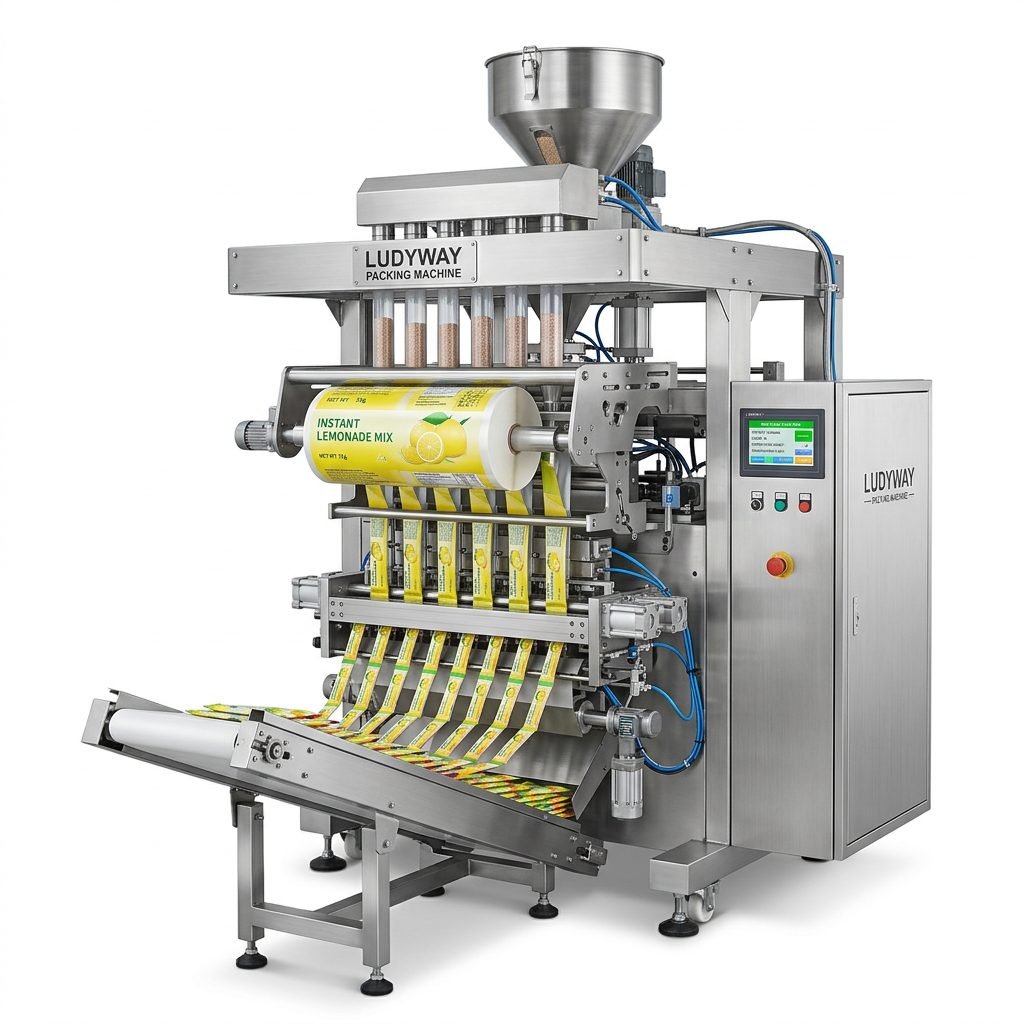
| Mass-market sachet or stick pack production | Fully automatic |
| Strict quality consistency requirements | Fully automatic |
| Tight initial investment budget | Semi-automatic |
Questions to Ask Before You Buy
Before selecting any packaging equipment, ask suppliers these practical questions:
- What output range can this machine achieve with my actual product?
- How long does changeover take between SKUs?
- What filling accuracy can I expect?
- Which parts are consumables, and what is their replacement cycle?
- Can the machine connect to upstream and downstream equipment later?
- What technical support is available after installation?
- Can the supplier provide application-based customization?
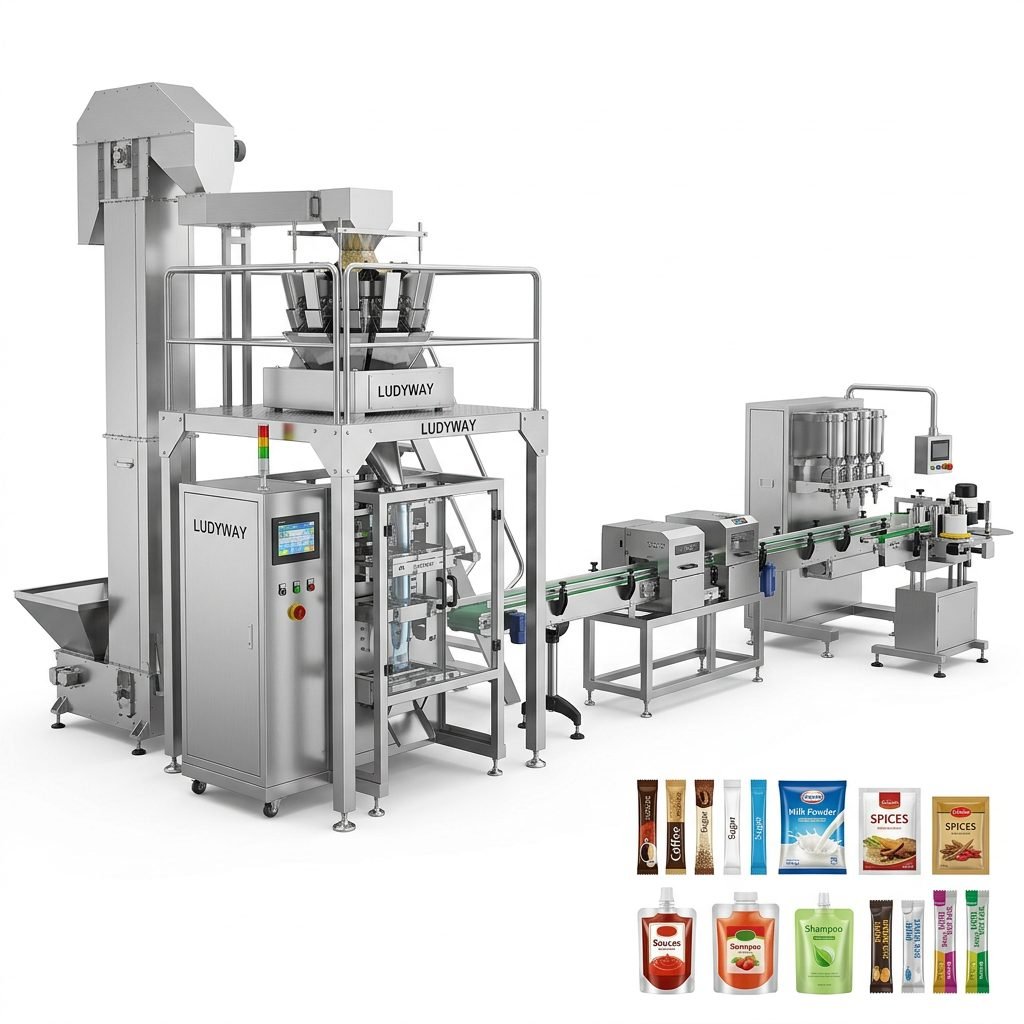
Semi-Automatic vs Fully Automatic ROI: What Buyers Often Miss
Many buyers focus too much on machine price and not enough on return on investment. A semi-automatic model may save money upfront, but if it limits your capacity, increases labor dependence, or creates quality inconsistency, your payback can actually be worse.
A fully automatic system often delivers stronger ROI when it reduces:
- Labor cost per unit
- Material waste
- Unplanned stoppages
- Rework and rejected products
- Missed delivery deadlines
If your orders are stable and your margins depend on speed and consistency, a fully automatic machine can become the more economical option surprisingly quickly.
Which Industries Usually Prefer Each Type?
Semi-automatic is often preferred by
- Startups and small factories
- Private-label pilot production
- R&D packaging departments
- Small-batch specialty food or cosmetic brands
- Contract packers with highly variable orders
Fully automatic is often preferred by
- High-volume food manufacturers
- Pharmaceutical and nutraceutical plants
- Daily chemical and personal care producers
- Export-oriented factories
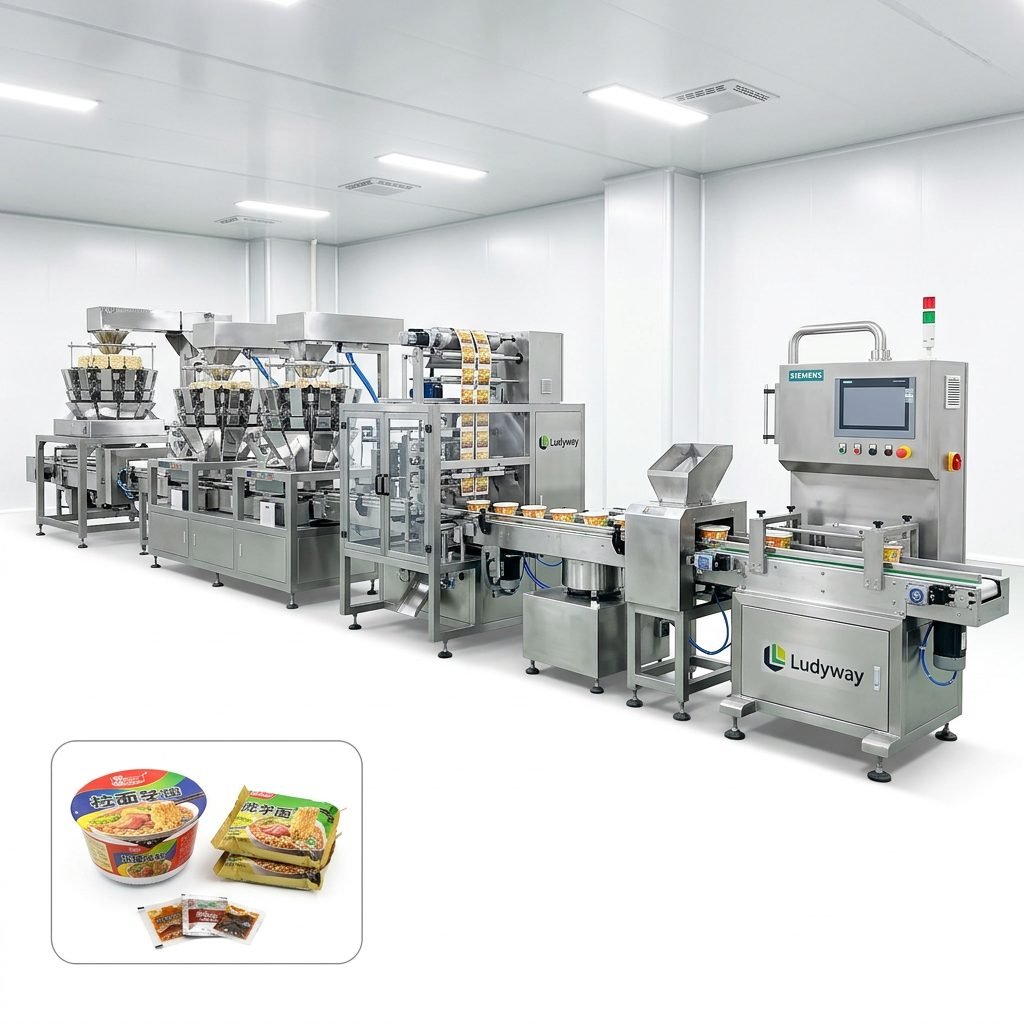
- Businesses building integrated turnkey packaging lines
How to Make the Right Final Decision
A simple way to decide is to match your current needs with your next-stage growth plan:
- Define your current production volume and target output.
- Estimate labor cost over the next 3 to 5 years.
- Review product complexity and packaging formats.
- Evaluate space, utilities, and operator skill level.
- Compare total cost of ownership, not just initial price.
- Choose equipment that supports future expansion.
If you are still uncertain, the best path is often to work with an experienced packaging equipment manufacturer that can assess your product type, speed target, package format, and budget together. Companies such as Ludyway packaging machine manufacturer are known for supplying both standalone machines and turnkey packaging line solutions across food, pharmaceutical, health supplement, cosmetic, and chemical industries, which helps buyers compare scalable options more accurately.
Final Buying Insight
There is no universal winner between semi-automatic and fully automatic machines. The best choice depends on your production scale, labor situation, product characteristics, compliance needs, and growth expectations. Buy for the operation you are becoming, not just the one you have today.
When selected correctly, the right packaging machine does more than pack products—it strengthens efficiency, protects quality, and supports long-term profitability.