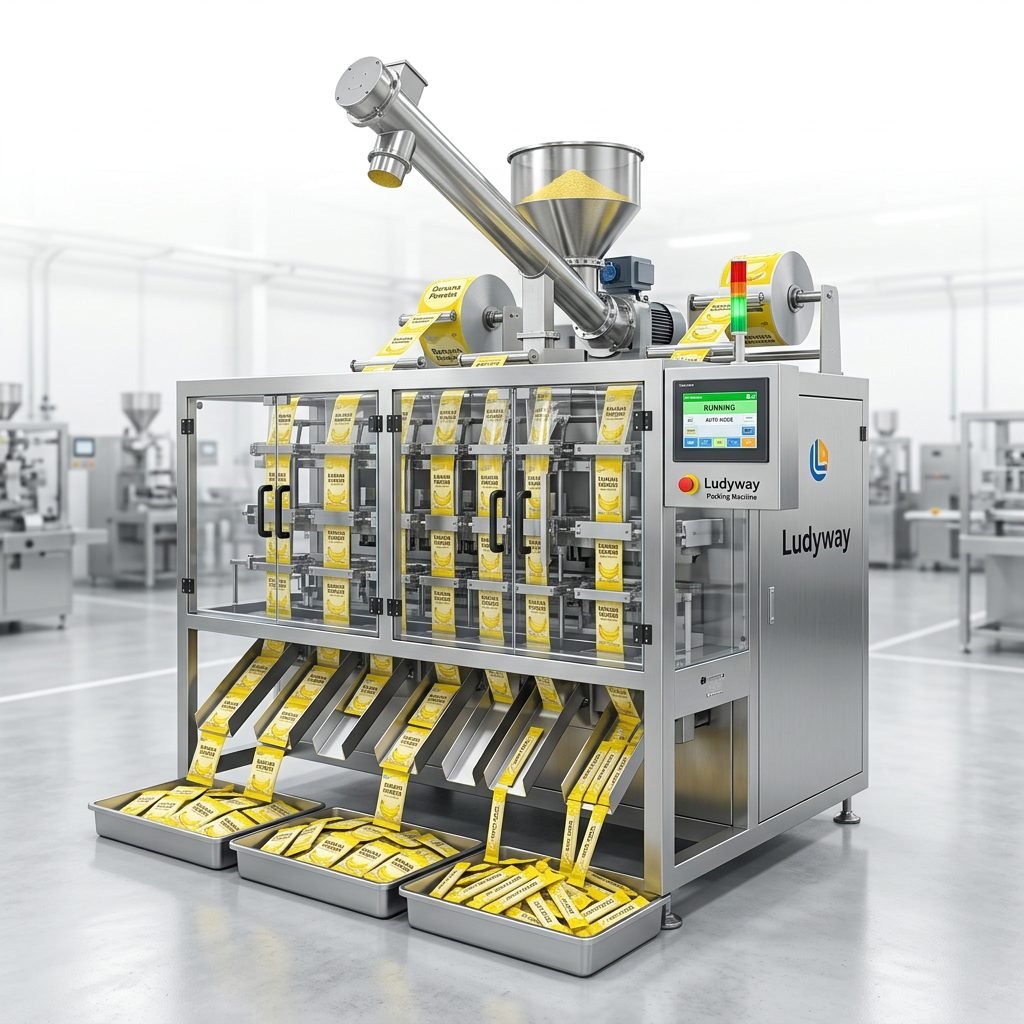
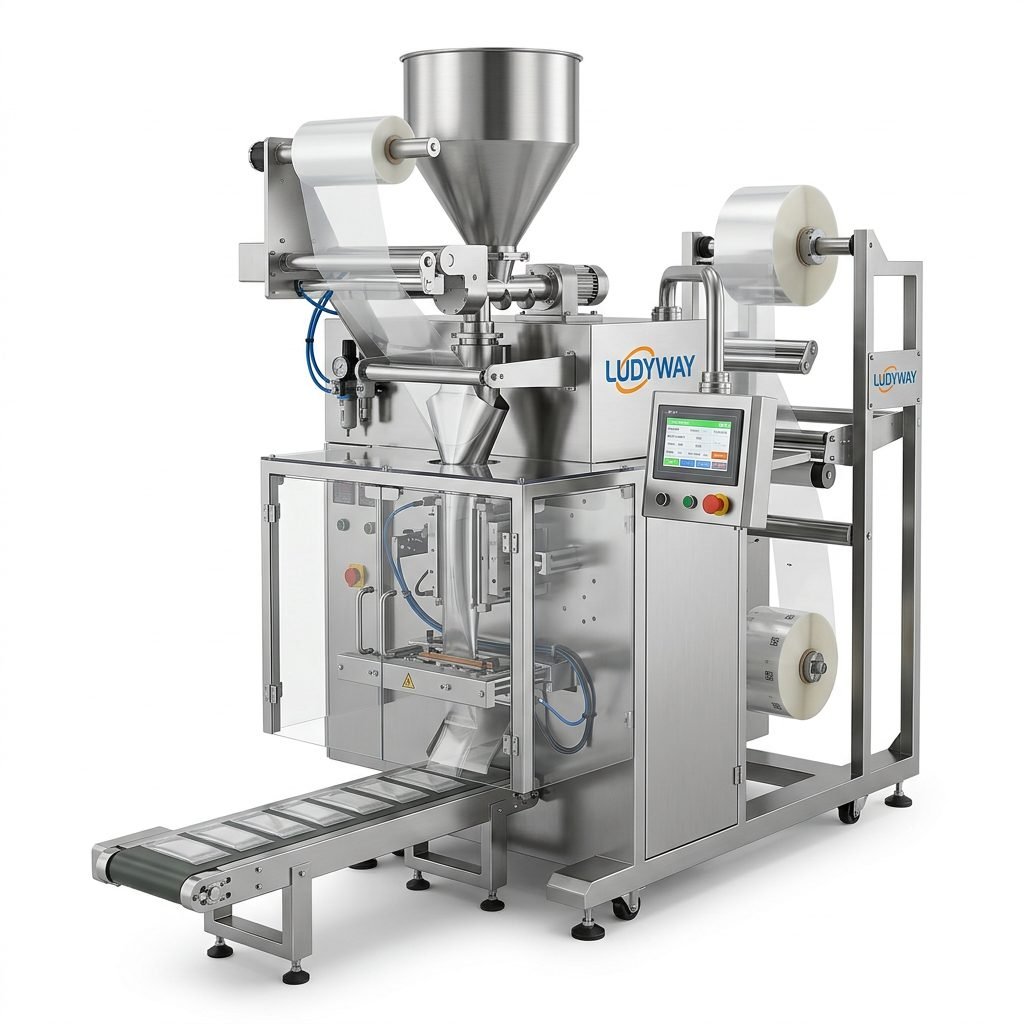
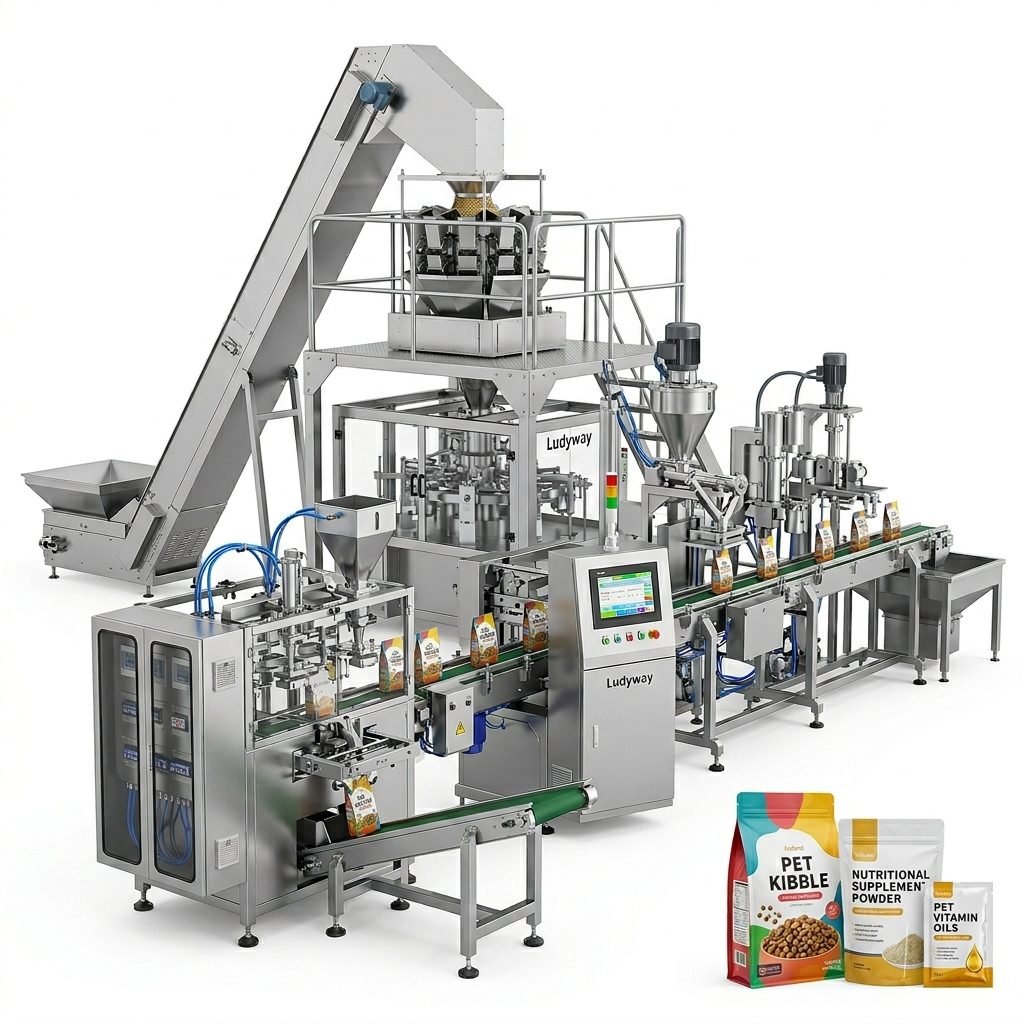
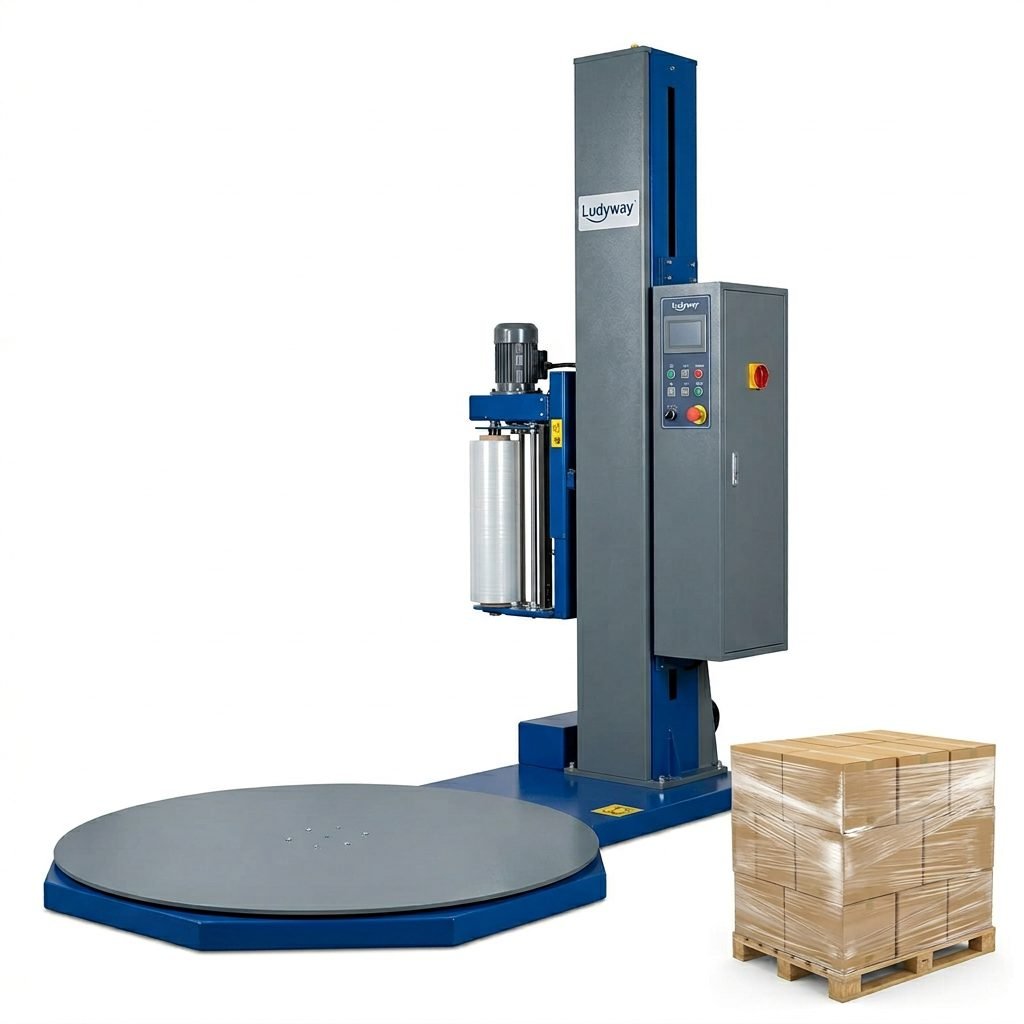
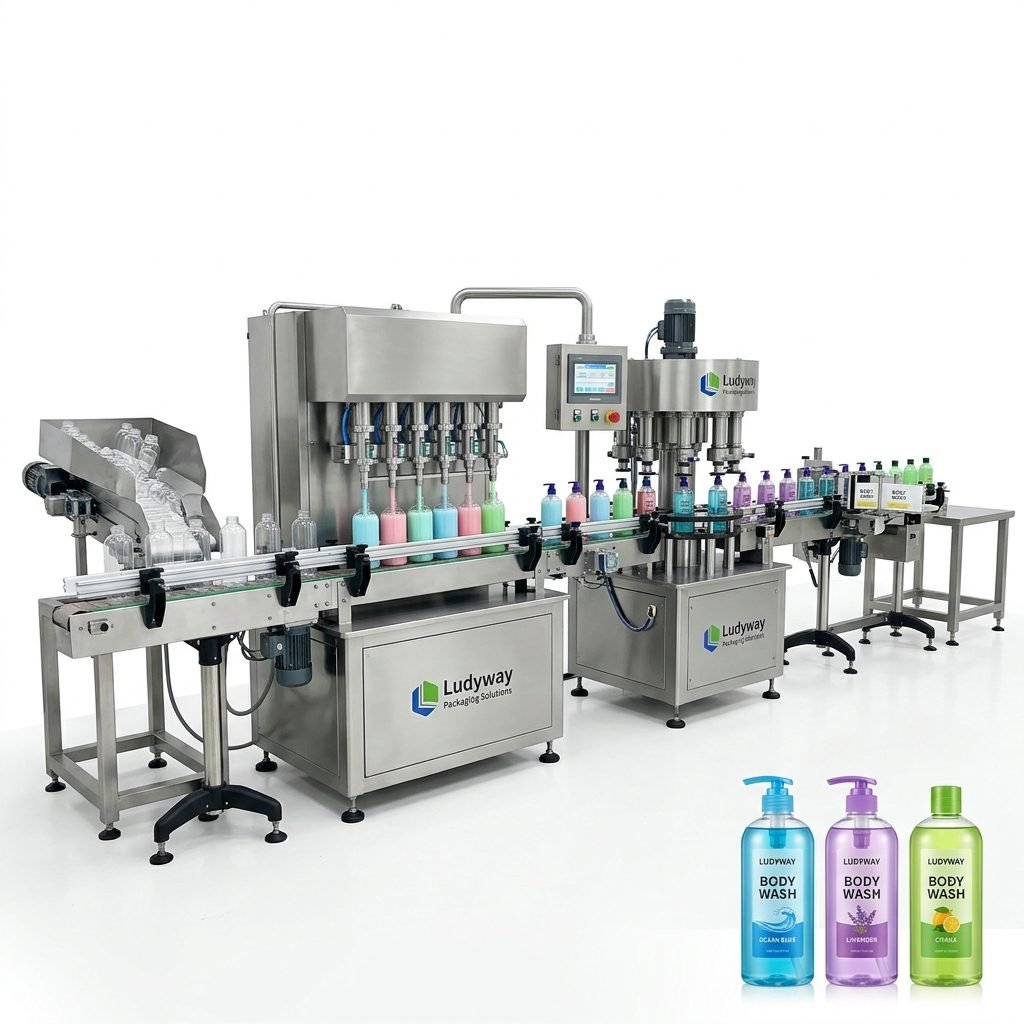
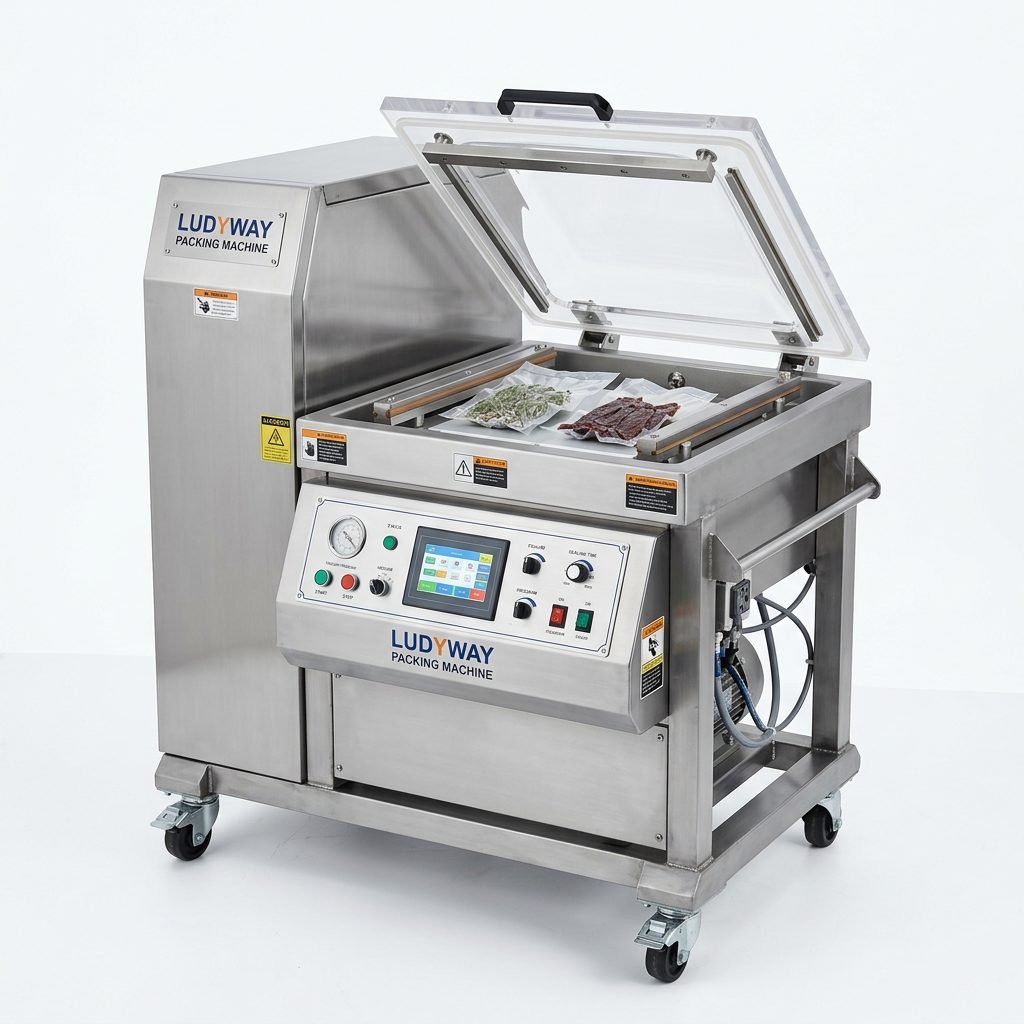
Modern packaging machines are expected to do far more than seal a bag or fill a pouch. Today’s production lines must deliver repeatable accuracy, stable speed, lower downtime, traceable data, and easier integration with feeders, checkweighers, conveyors, printers, and inspection systems. This is exactly why PLC control has become a key topic for manufacturers and buyers evaluating packaging equipment.
But is PLC control always necessary? The short answer is: in most modern packaging applications, yes—especially when consistency, automation, flexibility, and future expansion matter. However, the real answer depends on your product type, production volume, compliance requirements, and operational goals.
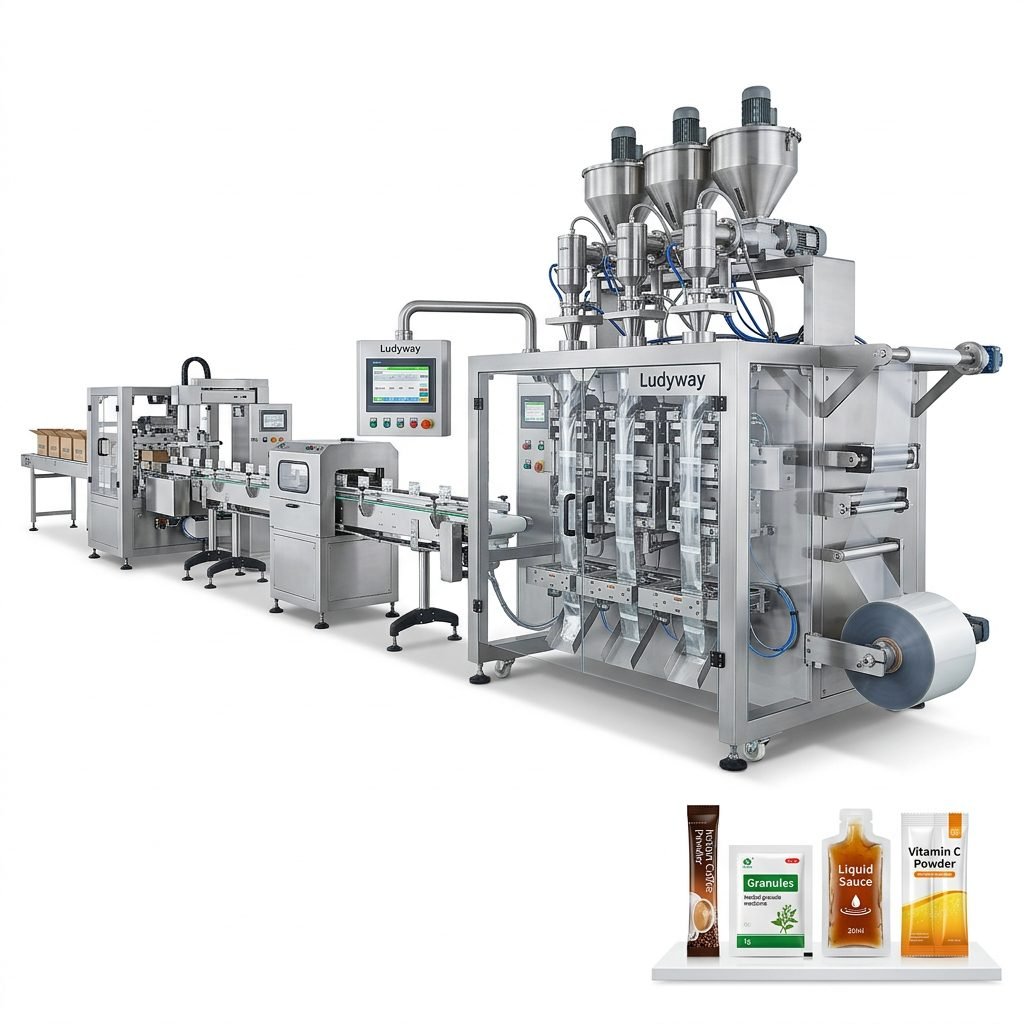
What Is PLC Control in a Packaging Machine?
PLC stands for Programmable Logic Controller. It is an industrial control system used to manage machine operations automatically. In packaging equipment, a PLC acts as the machine’s decision-making center. It receives signals from sensors, processes programmed logic, and sends commands to motors, valves, heaters, cylinders, and safety devices.
In practical terms, PLC control helps a packaging machine:
- Start and stop operations in the correct sequence
- Synchronize filling, sealing, cutting, coding, and discharge
- Monitor alarms and fault conditions
- Store and switch product recipes
- Coordinate multiple devices on one line
- Improve repeatability and automation performance
Why PLC Control Became Standard in Modern Packaging
Older packaging systems could rely on simple relays, timers, and manual adjustments. That approach still works for very basic tasks, but it quickly becomes limiting when production needs change. Modern factories demand faster changeovers, better accuracy, and tighter quality standards. PLCs solve these challenges by giving operators and engineers more precise control over the full packaging process.
This is especially important in industries such as:
- Food and beverage
- Pharmaceuticals
- Health supplements
- Cosmetics and personal care
- Chemicals and detergents
- Pet food and animal nutrition
Is PLC Control Really Necessary?
If you are buying a modern packaging machine, PLC control is usually not just helpful—it is often the most practical and cost-effective choice over the machine’s full lifecycle.
PLC control is usually necessary when:
- You need stable and repeatable packaging quality
- Your machine must run at medium or high speed
- You package multiple product sizes or formats
- You need recipe storage and quick parameter adjustment
- You want lower dependence on operator skill
- You plan to integrate the machine into a full automatic line
- You need better alarm management and troubleshooting
- Your industry requires documentation, traceability, or compliance
PLC control may be less critical when:
- The machine is extremely simple and low-speed
- Production volumes are very small
- Product changeovers are rare
- Budget is the only concern and automation is not a priority
Even in those cases, many buyers still choose PLC-based machines because they offer better long-term reliability, scalability, and ease of operation.
Key Benefits of PLC-Controlled Packaging Machines
1. Better Automation and Process Coordination
A packaging machine is rarely a single action system. It usually involves dosing, material feeding, bag forming, sealing, coding, discharge, and sometimes cartoning or palletizing. A PLC coordinates these steps in the correct timing sequence, reducing mismatch between functions and improving overall machine stability.
2. Higher Accuracy and Consistency
For powders, granules, liquids, and pastes, small timing errors can cause underfilling, overfilling, seal contamination, film waste, or rejected packs. PLC logic helps maintain consistent cycles, especially when paired with servo systems, sensors, and weighing or dosing equipment.
3. Easier Changeovers
Modern manufacturers often run multiple SKUs on one machine. With PLC control and HMI touchscreens, operators can store recipes and quickly switch parameters for bag length, fill volume, sealing temperature, cutting position, or speed. This reduces setup time and production errors.
4. Real-Time Monitoring and Alarm Handling
PLC-based systems can detect faults such as film tracking errors, temperature deviation, low air pressure, overloads, sensor failures, or material shortage. Instead of waiting for a serious breakdown, operators receive immediate warnings and can act faster.
5. Reduced Downtime
Because PLC systems monitor machine status continuously, they help maintenance teams identify the source of problems more quickly. Less time is wasted tracing wiring or manually testing each component.
6. Better Integration with Other Equipment
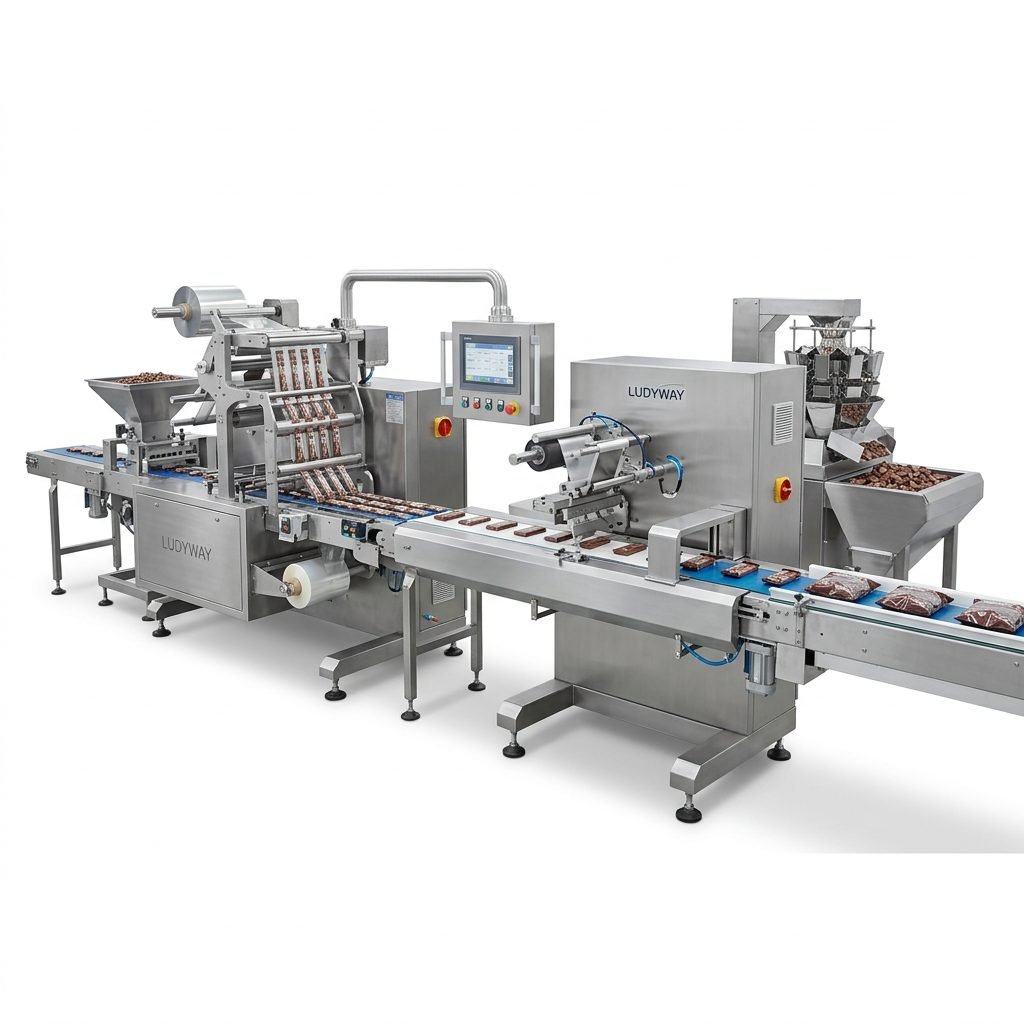
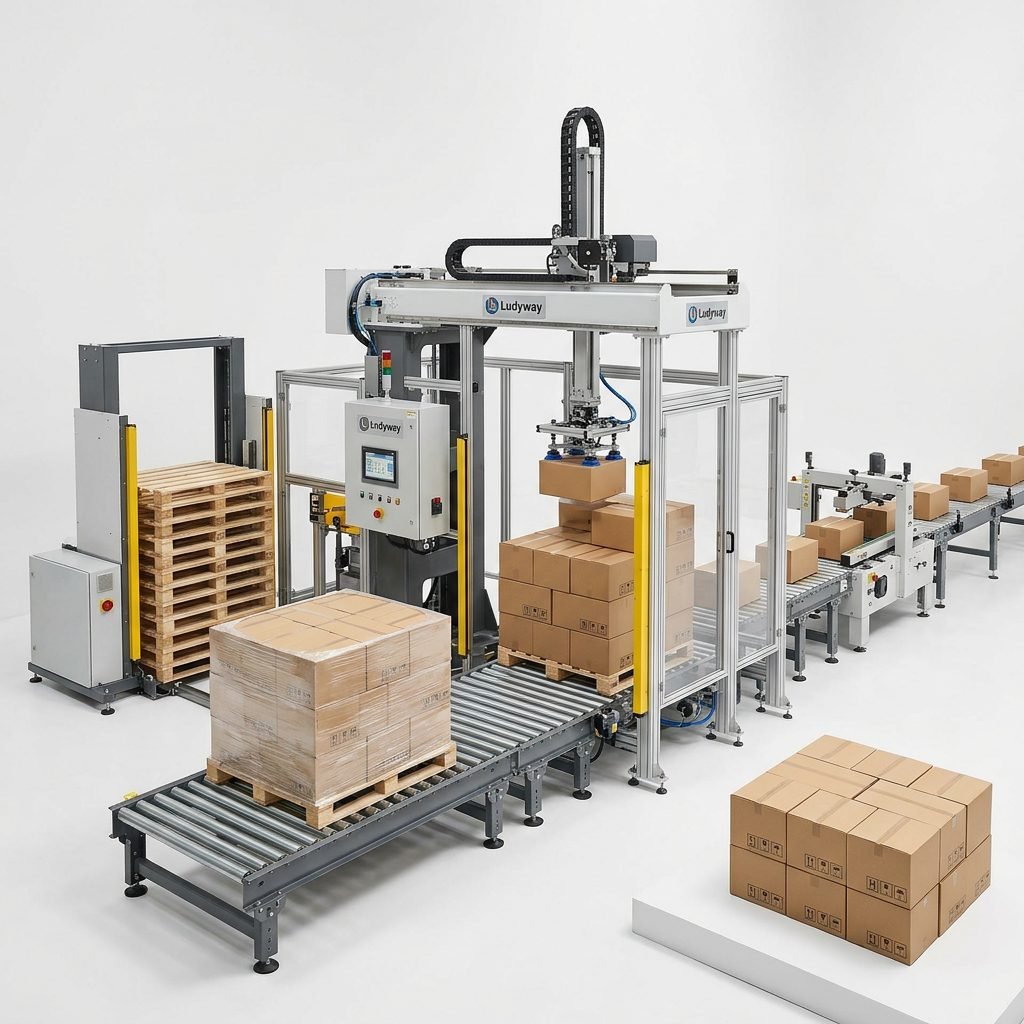
A modern packaging line may include feeders, elevators, checkweighers, metal detectors, labeling units, carton packers, robots, and palletizers. PLC control makes it easier for these units to communicate and operate as one coordinated system.
PLC vs Non-PLC Packaging Control
| Factor | PLC-Controlled Machine | Basic Non-PLC Control |
|---|---|---|
| Automation level | High | Low to moderate |
| Changeover speed | Fast with recipe storage | Mostly manual |
| Accuracy and repeatability | More consistent | Depends heavily on setup |
| Alarm diagnostics | Detailed and trackable | Limited |
| Line integration | Easy to expand | Often difficult |
| Maintenance support | Structured troubleshooting | More manual checking |
| Best fit | Modern production lines | Very simple low-volume tasks |
Applications Where PLC Control Is Especially Important
Food Packaging
Food products often require precise filling, hygienic operation, seal integrity, and coding consistency. PLC systems help manage synchronized motion and stable process control for snacks, coffee, spices, milk powder, sauce sachets, and instant beverage products.
Pharmaceutical Packaging
Pharma applications demand higher standards for dosing accuracy, validation support, alarm management, and traceability. PLC control supports the structured process logic needed for powders, granules, tablets, liquids, and sterile-related packaging systems.
Cosmetic and Personal Care Packaging
Lotions, creams, serums, wipes, and liquid sachets often need controlled filling and sealing conditions. PLC-based systems help reduce leaks, improve consistency, and support multiple packaging formats.
Chemical and Industrial Packaging
Products such as detergents, powders, additives, lubricants, and treatment chemicals may involve corrosive materials, dust control requirements, or special dosing logic. PLC control improves operational safety and process management.
What Features Usually Work Together with PLC Control?
PLC control delivers the best results when it is part of a well-designed automation architecture. Buyers should also evaluate whether the machine includes:
- HMI touchscreen for user-friendly parameter setting
- Servo motors for precise motion control
- Photoelectric sensors for film mark tracking and position detection
- Temperature controllers for stable sealing
- Safety interlocks and emergency stop integration
- Data communication interfaces for line integration
- Auto alarm and fault display for faster maintenance
- Recipe memory for different products and pack sizes
Can a PLC Improve ROI?
Yes. While a PLC-controlled machine may have a higher initial cost than a basic relay-based system, it often reduces total ownership cost over time. The value comes from improved output, lower packaging waste, reduced operator error, faster setup, and easier maintenance.
| ROI Driver | How PLC Control Helps |
|---|---|
| Labor savings | Reduces manual adjustment and supervision |
| Waste reduction | Stabilizes fill, seal, and cut accuracy |
| Downtime reduction | Speeds up troubleshooting with alarm logic |
| Output increase | Maintains smooth synchronized operation |
| Flexibility | Supports multiple products and pack formats |
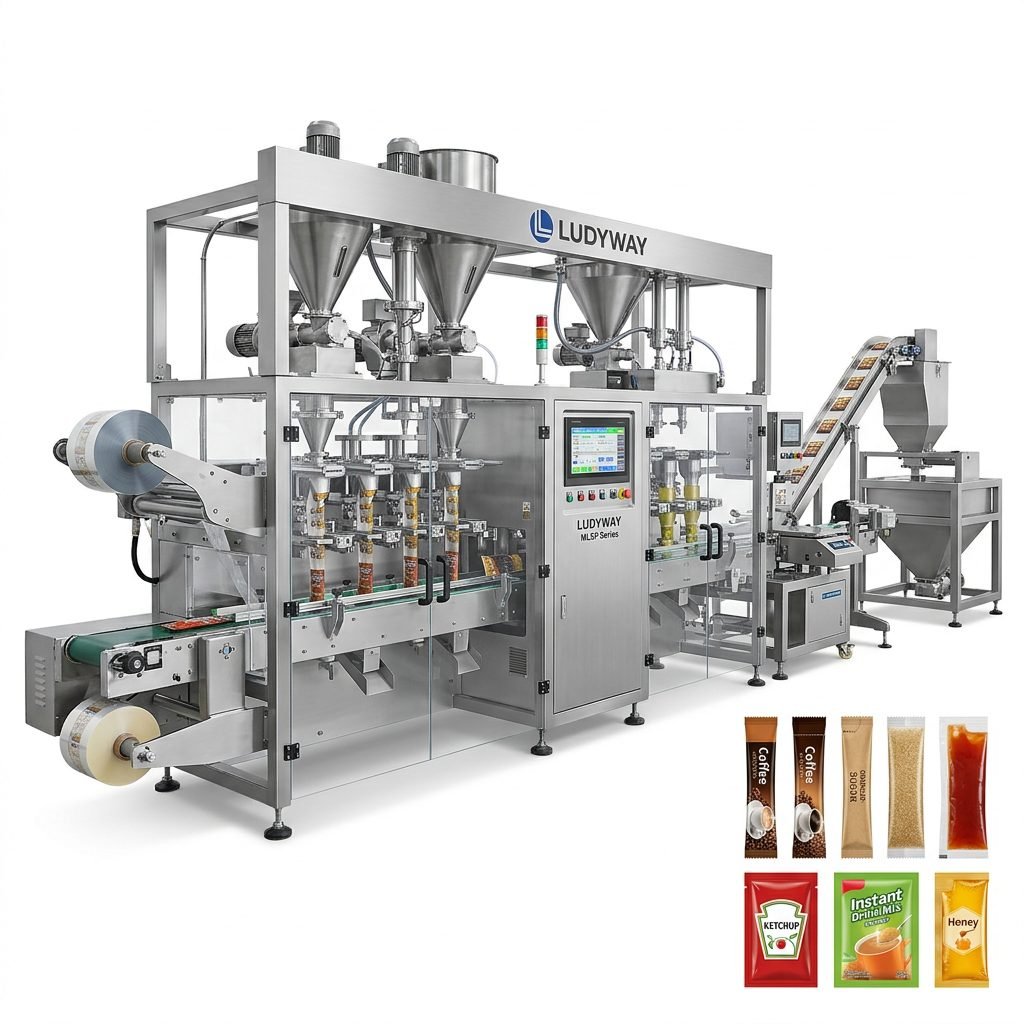
When Choosing a PLC-Controlled Packaging Machine, Ask These Questions
- What PLC brand and architecture does the machine use?
- Is the HMI intuitive for operators?
- Can the system store multiple product recipes?
- How easy is it to diagnose faults?
- Can the PLC communicate with upstream and downstream equipment?
- Is remote technical support possible?
- Can the machine be upgraded later with checkweighers, coding, or cartoning?
- Does the supplier provide control documentation and training?
Common Misconceptions About PLC Control
“PLC systems are only for very large factories.”
Not true. Even medium-sized and growing businesses benefit from better automation, easier changeovers, and reduced dependence on highly skilled manual operators.
“PLC machines are too complicated to use.”
A well-designed PLC system with an HMI is often easier to use than manual control logic because settings are centralized, recipes are stored, and alarms are clearly displayed.
“Basic controls are cheaper, so they are always better for budget buyers.”
Initial purchase price is only one part of the equation. Long-term downtime, film waste, rejected products, slow setup, and maintenance inefficiency can make cheaper machines more expensive over time.
How PLC Control Supports Smart Manufacturing
As factories move toward digital production management, PLCs become even more valuable. They can serve as the foundation for data collection, line monitoring, efficiency tracking, and integration with MES or factory automation systems. If your business plans to scale, standardize global production, or improve quality visibility, PLC control is a strong step forward.
Choosing the Right Packaging Partner Matters
A PLC is only as useful as the machine design and engineering behind it. Buyers should choose a manufacturer that understands not just control components, but also dosing behavior, packaging material performance, sealing technology, line matching, and after-sales support.
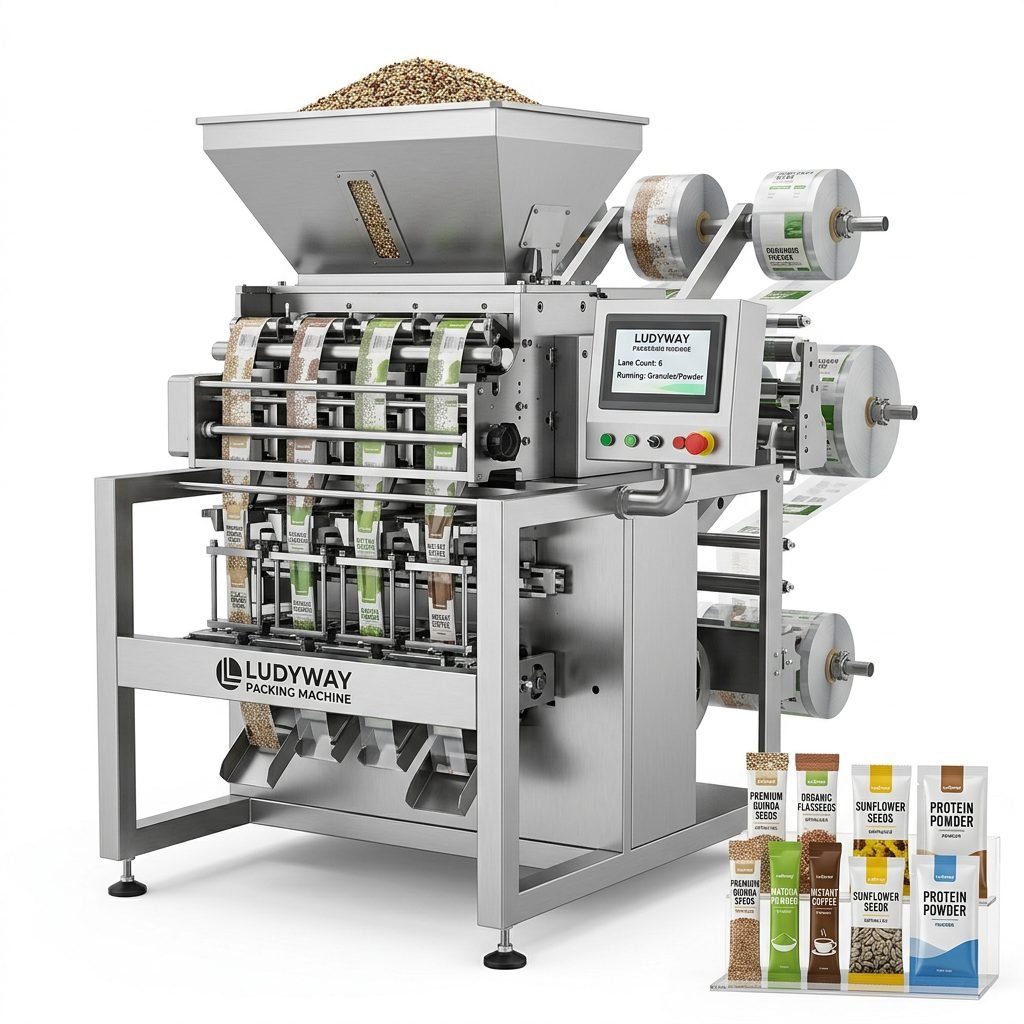
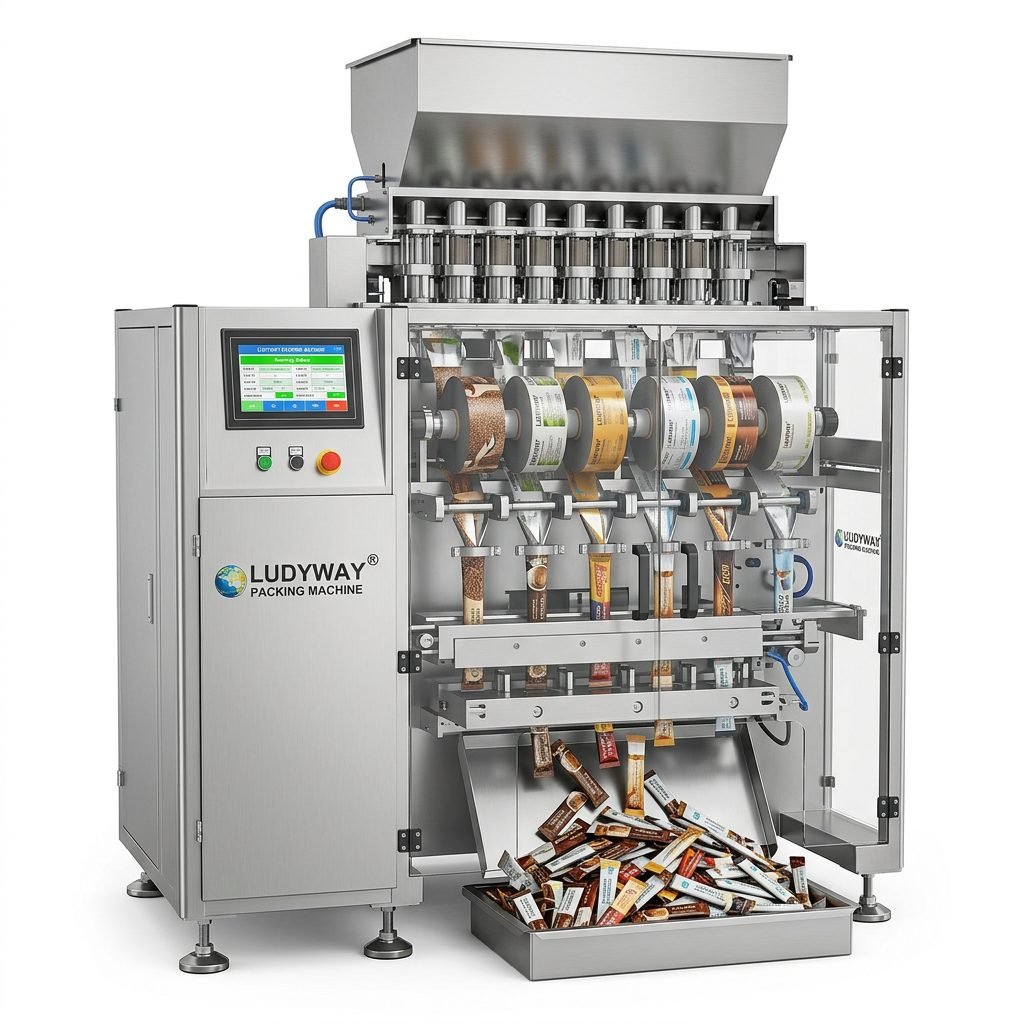
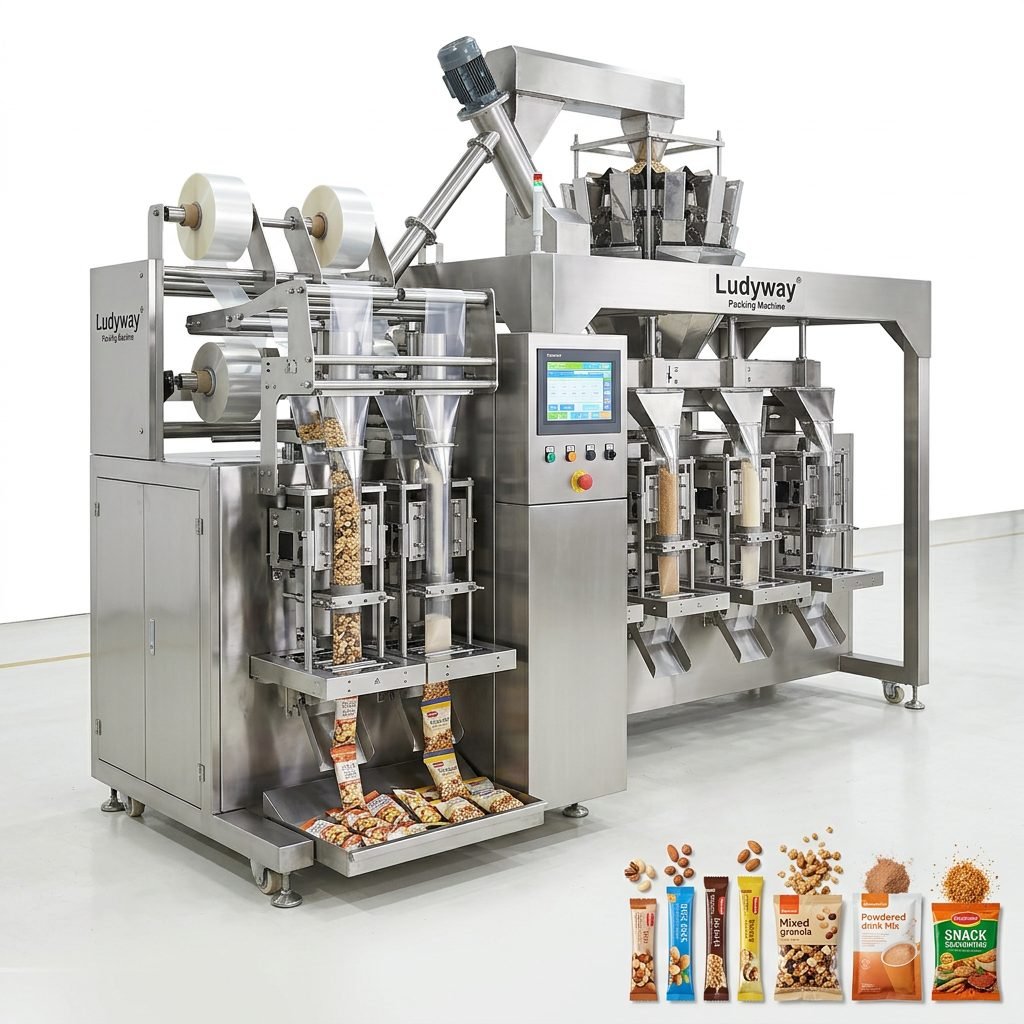
For businesses seeking scalable automated solutions, Ludyway packaging machine manufacturer provides a wide range of packaging machines and turnkey lines for food, pharmaceutical, health supplement, cosmetic, chemical, and related industries, with extensive experience in automatic packaging systems for powders, granules, liquids, pastes, and pouch-based products.
Final Answer: Is PLC Control Necessary?
For most modern packaging machines, PLC control is not just a premium feature—it is a practical necessity. If your operation values consistent output, flexible changeovers, easier troubleshooting, and line integration, PLC control is the smarter choice. Only very simple, low-speed, low-volume applications can realistically function well without it.
In short, if you want a packaging machine that can meet today’s production expectations and adapt to tomorrow’s growth, PLC control is usually essential.