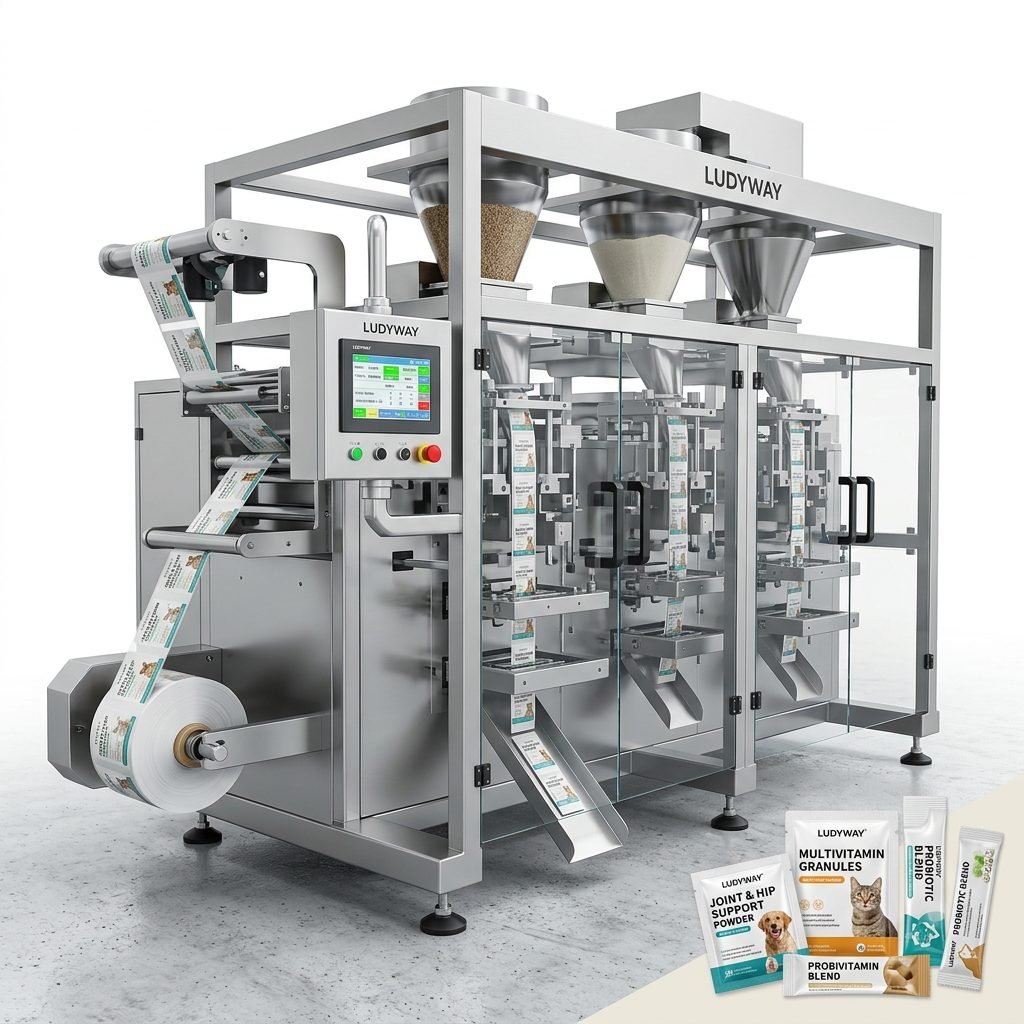
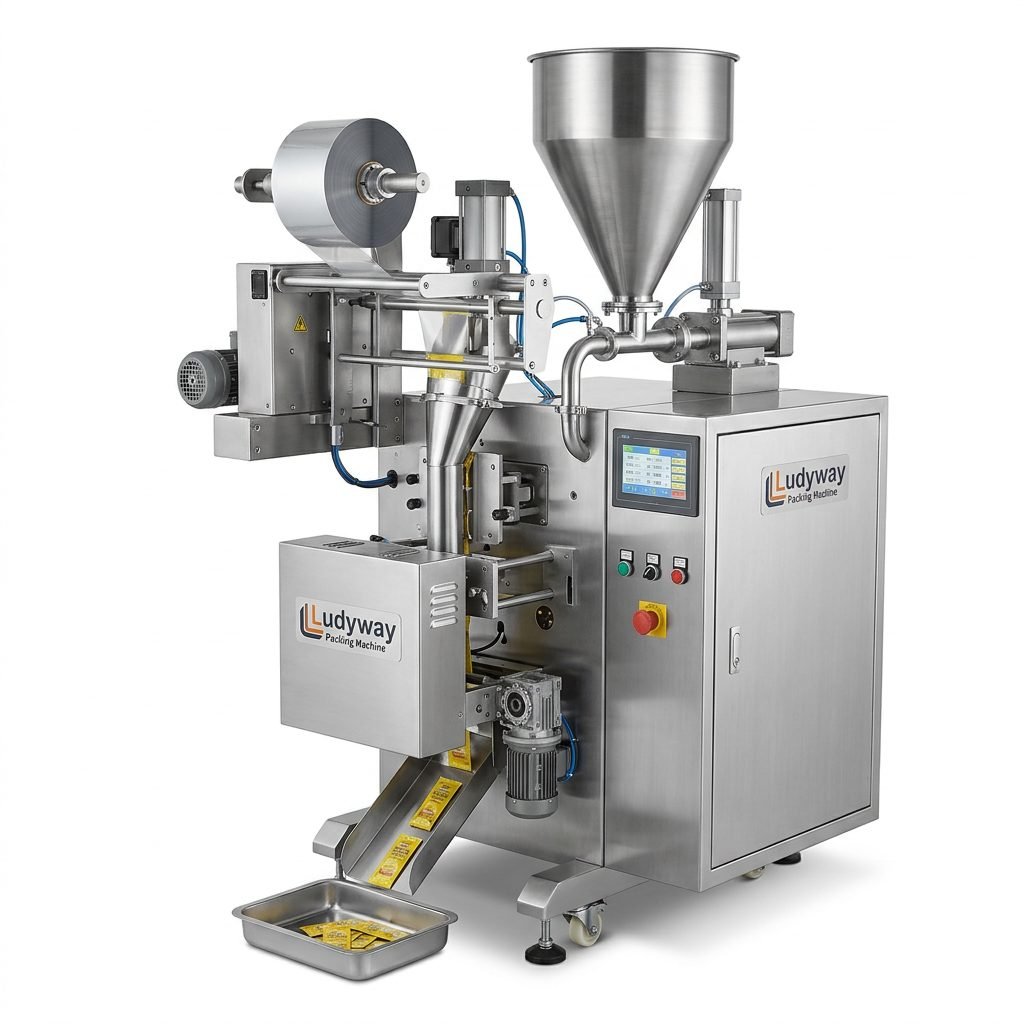
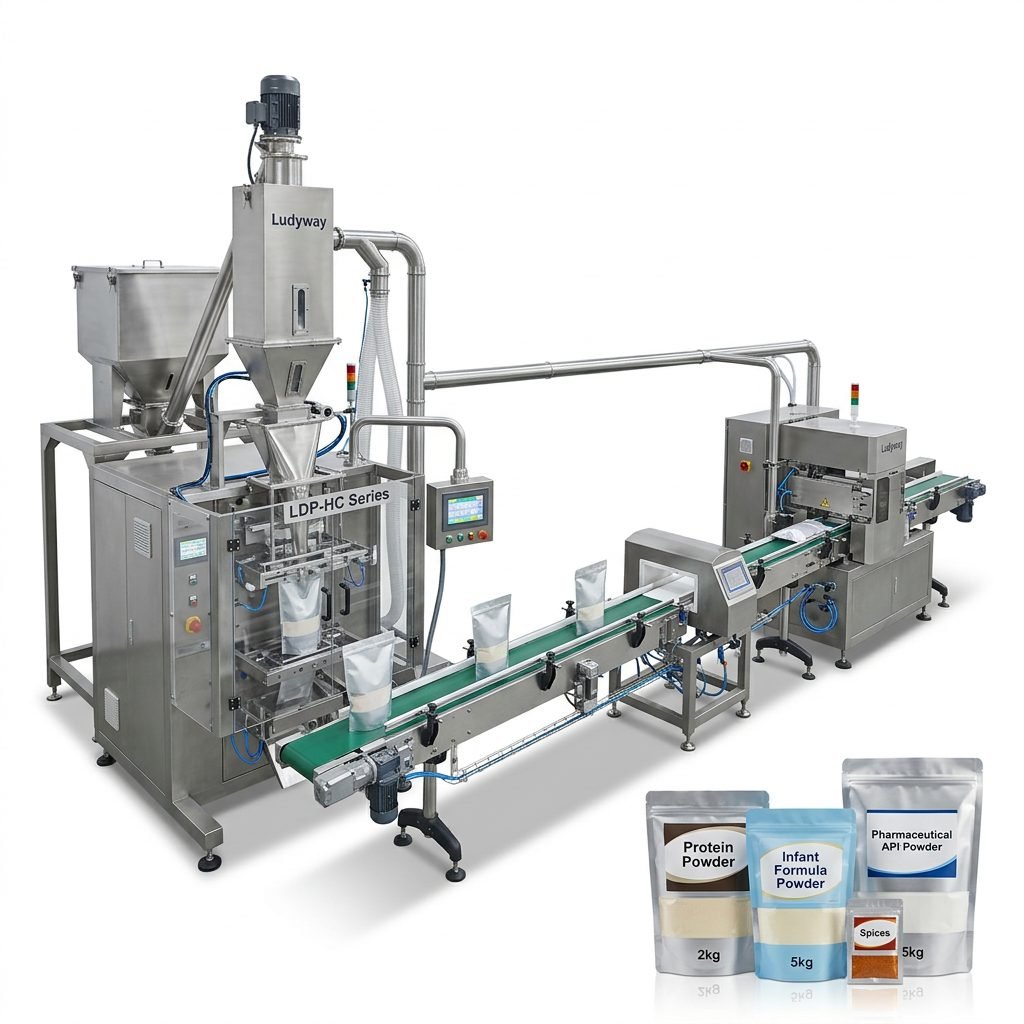
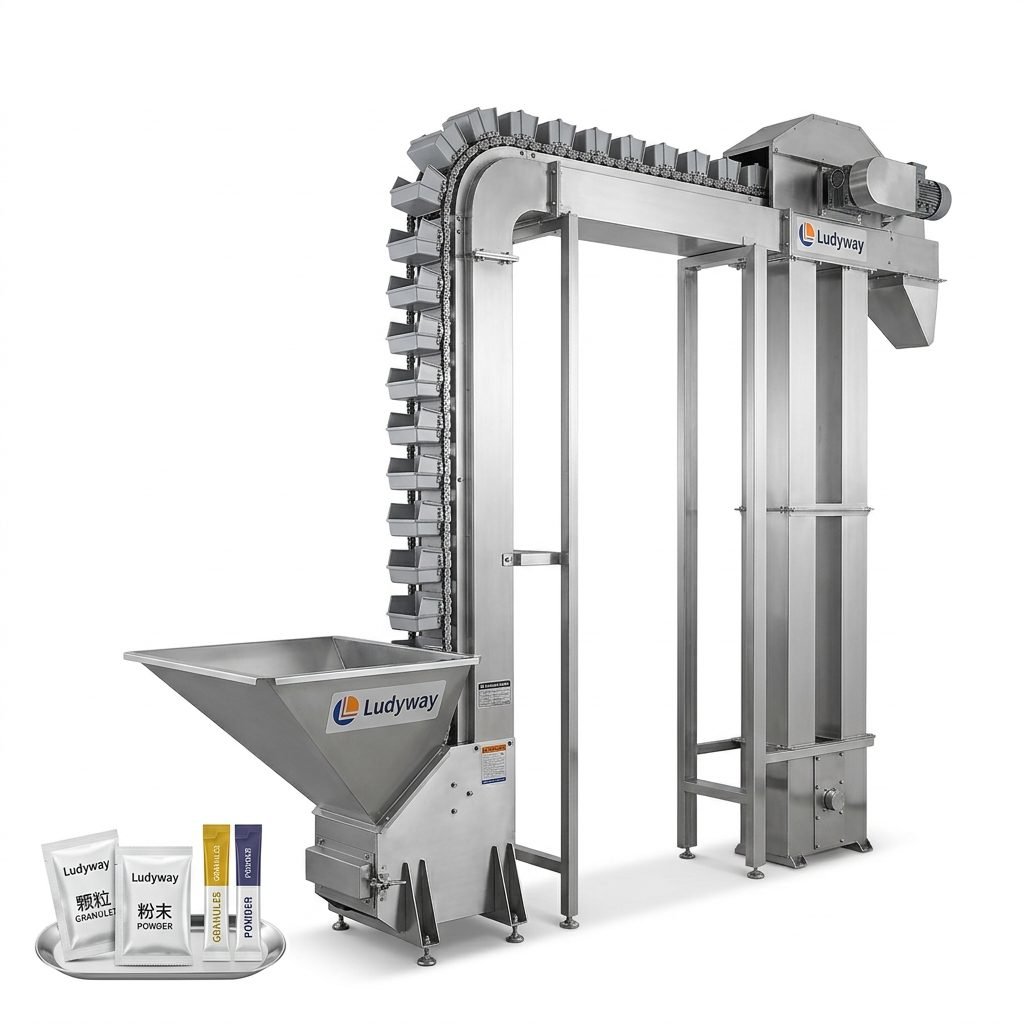
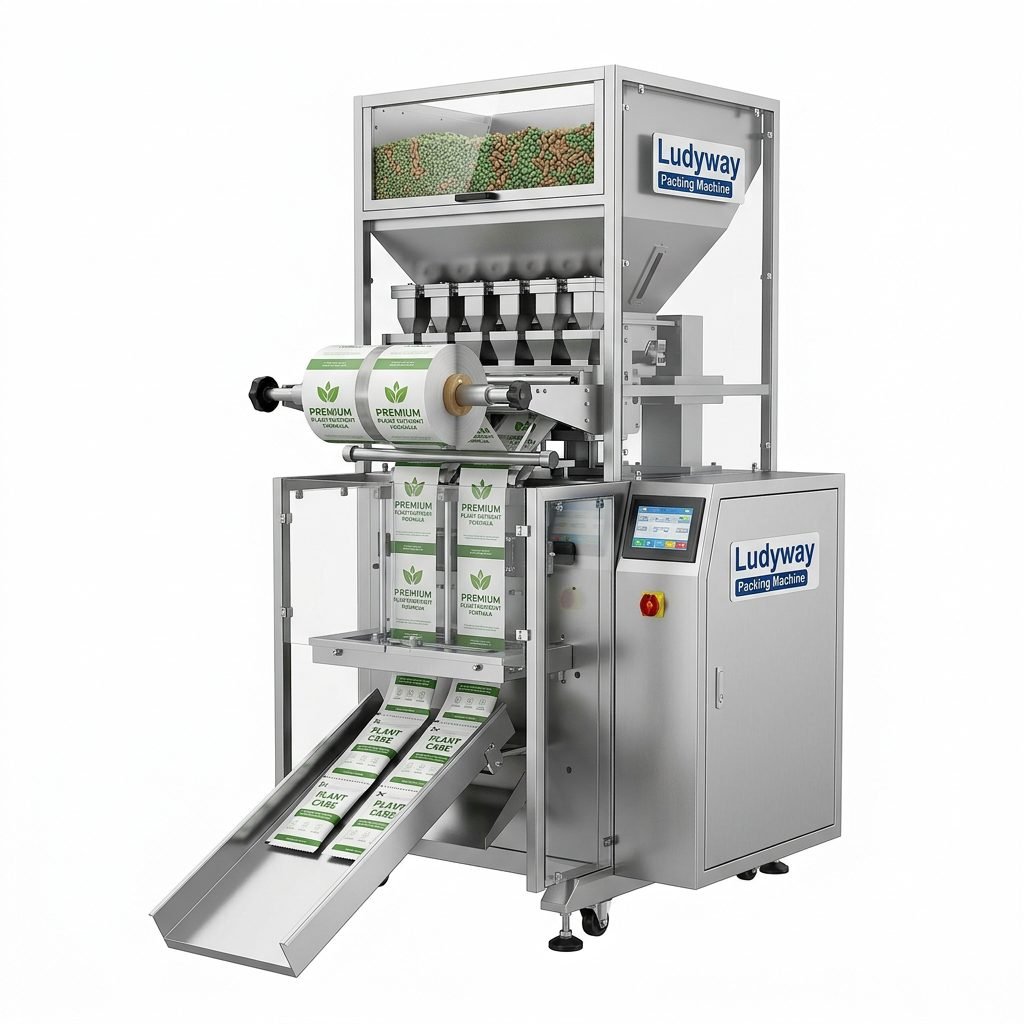
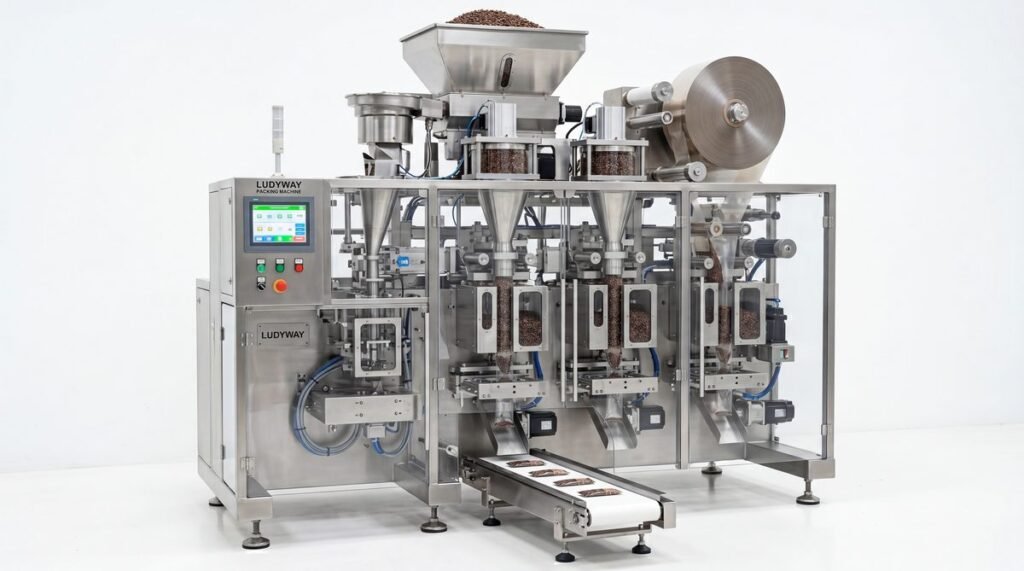
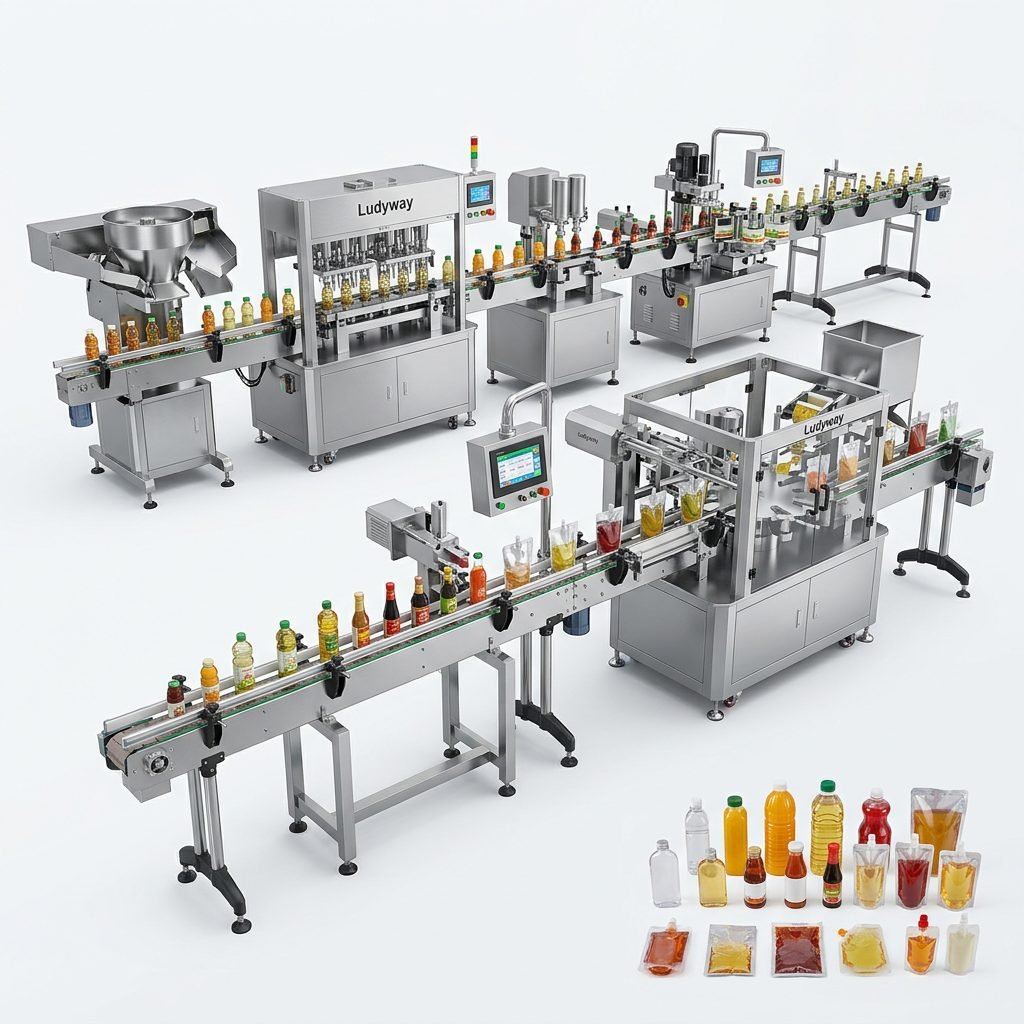
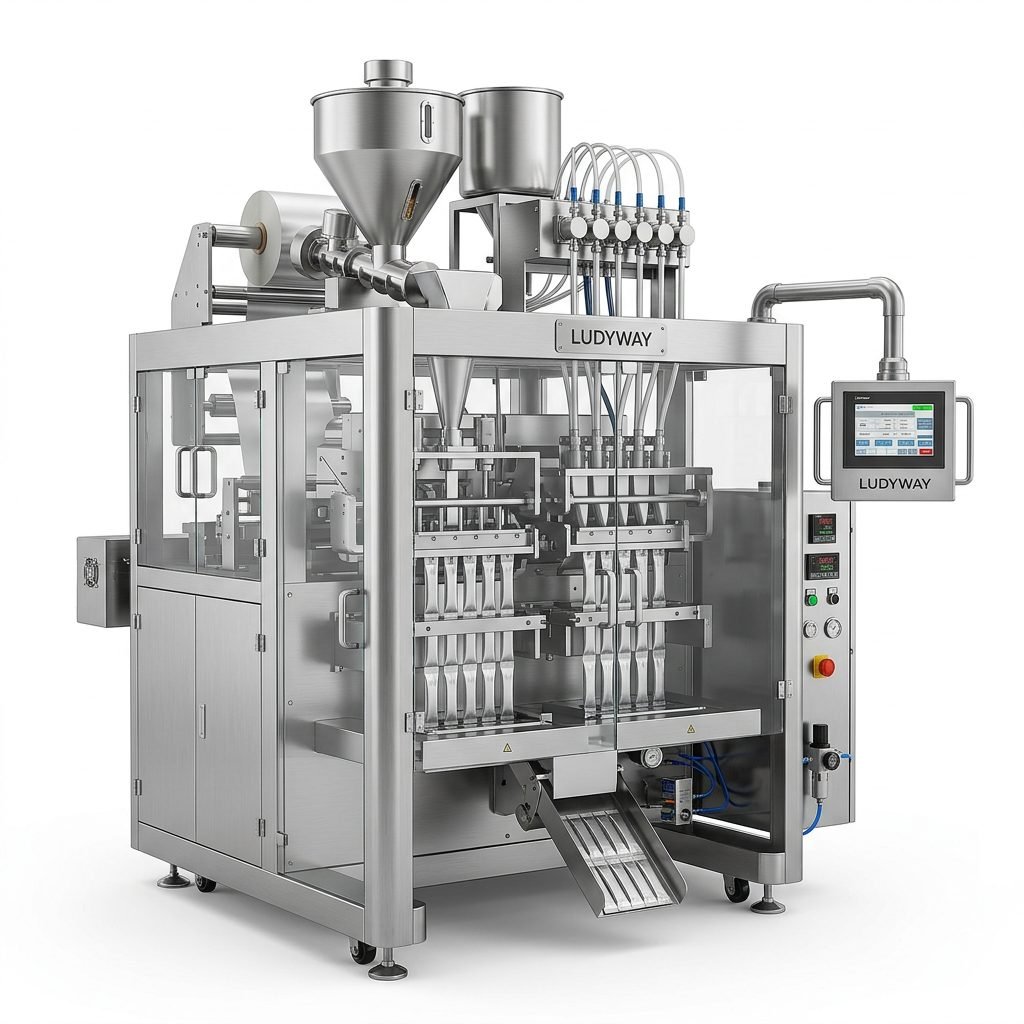
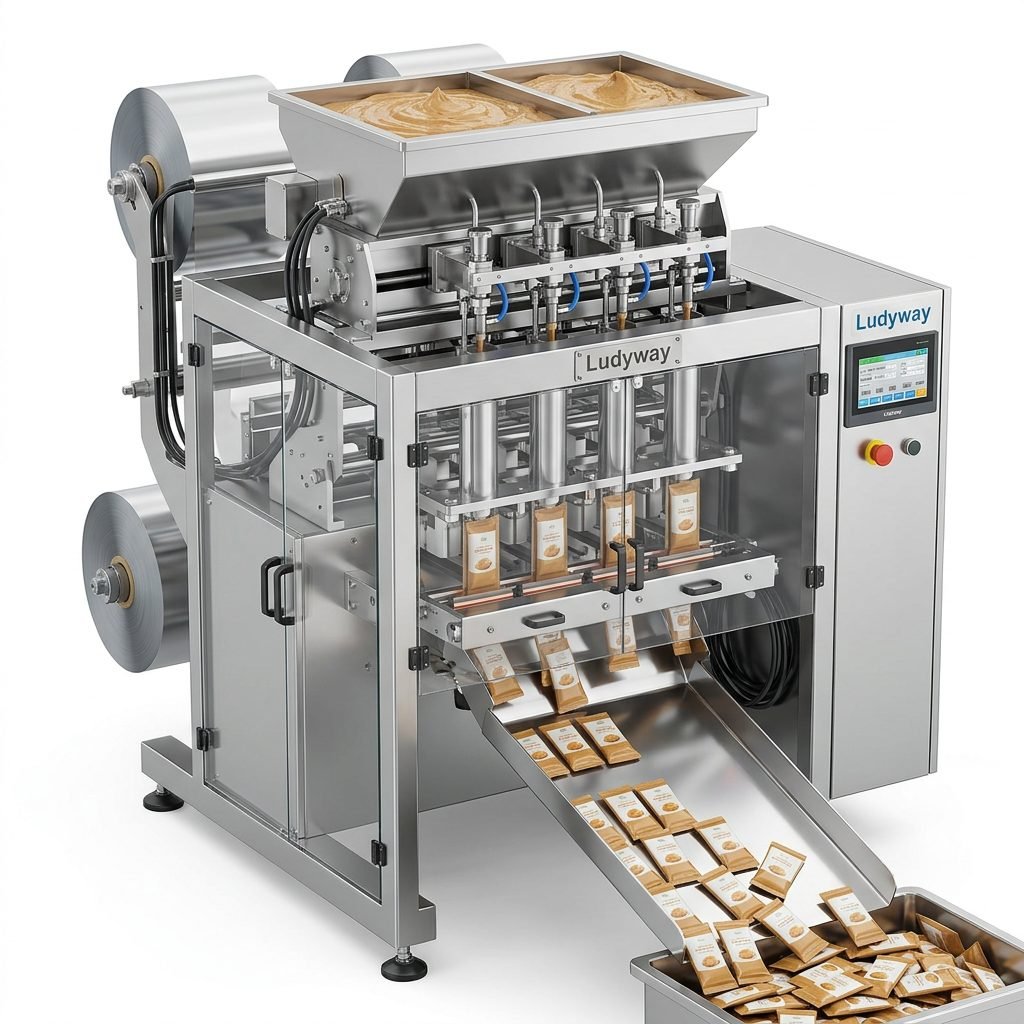
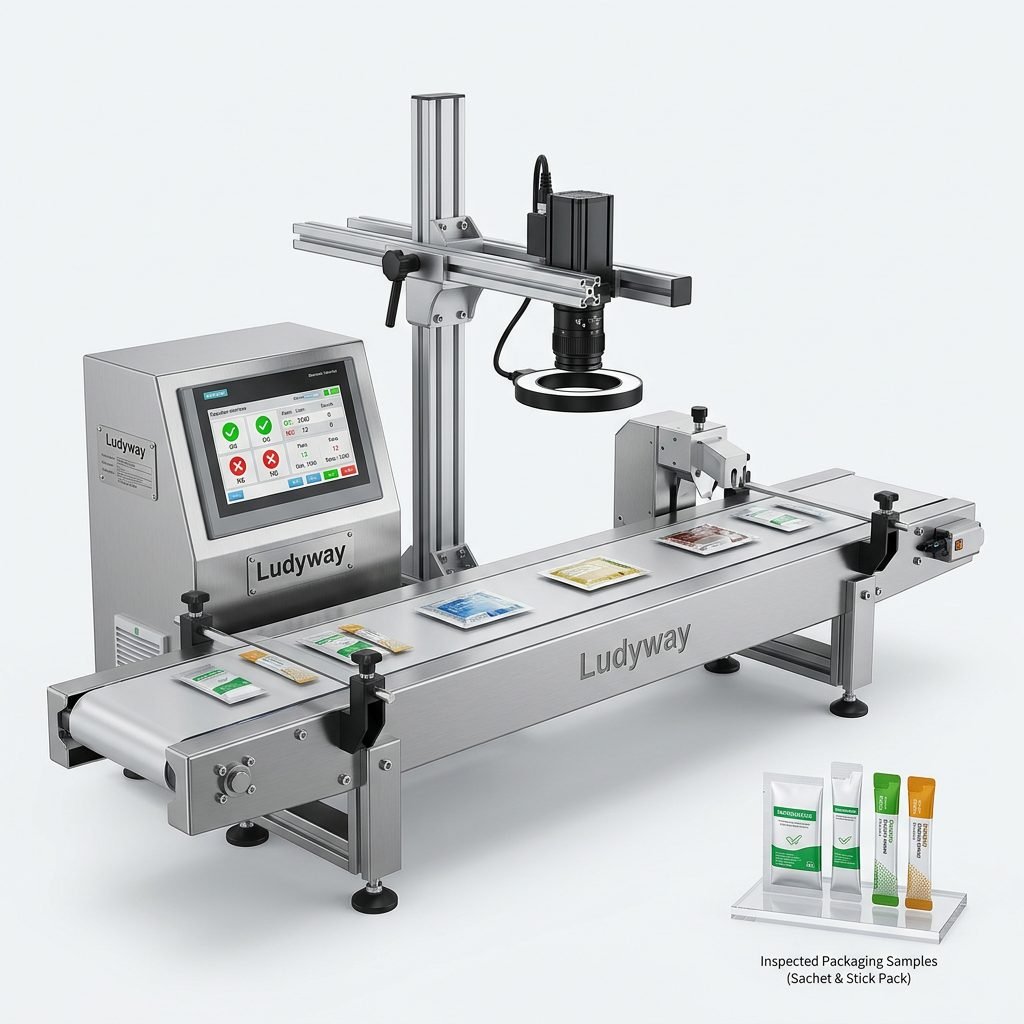
An automatic shrink packing machine is a critical asset in high-volume packaging lines, designed to wrap products tightly in protective film for safe transport and storage. However, like any precision industrial equipment, regular maintenance is the key to ensuring consistent performance and extending its service life. Without a structured care routine, even the most robust automatic shrink packing machine can experience premature wear, film sealing defects, and costly downtime. This guide outlines essential maintenance practices that help you protect your investment and keep production running smoothly.
Daily Cleaning and Inspection Routine
A clean machine is the foundation of reliable operation. Dust, film residue, and debris can accumulate quickly around the sealing bar, conveyor belts, and shrink tunnel components, leading to inconsistent seals and film jams. Implement a daily cleaning protocol that includes:
- Sealing jaw maintenance: Wipe down the sealing jaw surfaces with a non-abrasive cloth to remove melted film residue and carbon buildup.
- Shrink tunnel cleaning: Clear any loose film fragments from the tunnel interior and check air circulation vents for obstructions.
- Conveyor belt inspection: Remove debris from the belt surface and check for signs of fraying or misalignment.
- Sensor lens care: Gently clean photoelectric sensors and film registration sensors with a lint-free cloth to maintain accurate detection.
Consistent daily cleaning prevents minor issues from escalating into major mechanical problems that require extensive repairs or replacement parts.

Lubrication of Critical Moving Parts
Friction is one of the biggest enemies of any packaging machine. Proper lubrication of bearings, chains, gears, and drive shafts reduces wear and tear, minimizes energy consumption, and prevents unexpected breakdowns. Follow the manufacturer’s recommended lubrication schedule and always use the specified grease or oil grades. Key areas to focus on include:
- Conveyor drive chains and sprockets
- Sealing jaw pivot points and linkages
- Film unwind shaft bearings
- Shrink tunnel blower motor bearings
Over-lubrication can be just as damaging as under-lubrication, as excess grease attracts dust and creates abrasive paste. Apply lubricant precisely and wipe away any excess immediately.
Periodic Inspection Checklist and Schedule
Establishing a preventive maintenance schedule is essential for catching potential problems before they disrupt production. The table below outlines recommended inspection intervals and key tasks for each timeframe. Adhering to packaging machinery standards ensures your equipment operates at peak efficiency.
| Inspection Interval | Key Tasks | Responsible Personnel |
|---|---|---|
| Daily | Clean sealing jaws, inspect film path, check sensor function | Machine Operator |
| Weekly | Lubricate moving parts, check belt tension, inspect electrical connections | Maintenance Technician |
| Monthly | Calibrate temperature controllers, test safety interlocks, inspect heater elements | Senior Technician |
| Quarterly | Replace worn sealing bands, inspect shrink tunnel insulation, review film feed alignment | Maintenance Supervisor |
| Annually | Full machine overhaul, replace major wear components, comprehensive safety audit | Certified Service Team |
Sealing System Optimization
The sealing system is the heart of your shrink packing machine. Incorrect temperature settings and worn sealing bands are the most common causes of poor-quality seals. Monitor the following parameters closely:
- Sealing temperature: Verify that the temperature matches the film specification. Excessive heat degrades film and shortens sealing band life.
- Sealing pressure: Check pneumatic or mechanical pressure settings regularly to ensure uniform seals without film damage.
- Dwell time: Adjust the sealing jaw contact duration based on film thickness and production speed.
- Sealing band condition: Inspect for scorch marks, uneven wear, or surface contamination that can transfer to the finished package.
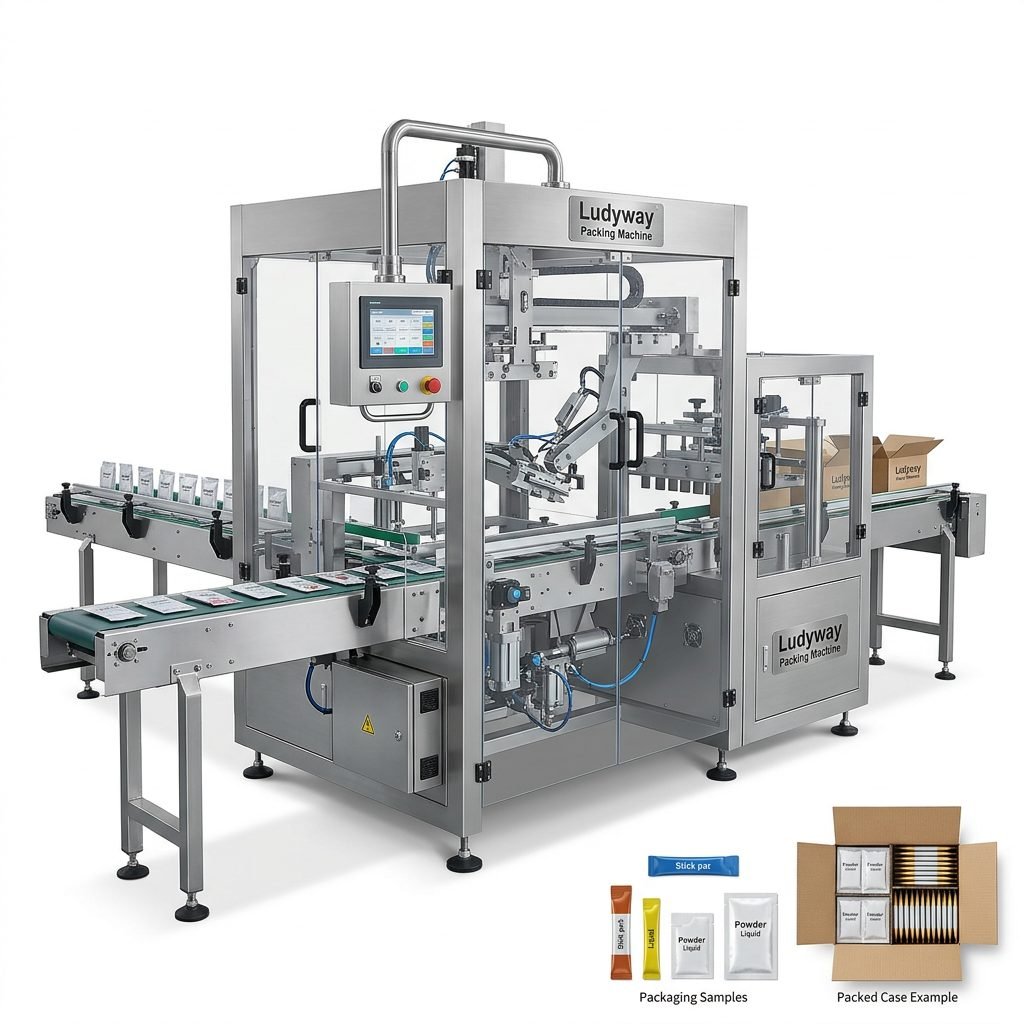
Troubleshooting Common Shrink Wrapping Issues
Even with diligent maintenance, occasional issues can arise. Being able to diagnose problems quickly minimizes downtime. Here are some frequent challenges and their typical causes:
- Film not shrinking properly: Check tunnel temperature, air circulation, and film quality. Insufficient heat or blocked airflow are often responsible.
- Seal integrity failures: Inspect sealing temperature, pressure, and dwell time. Contaminated or worn sealing bands may require immediate replacement.
- Film tracking off-center: Verify film roll alignment, unwind tension, and guide roller positioning. Misaligned rollers cause uneven film feeding.
- Excessive film waste: Review film size settings and product spacing. Overly wide film or improper product gapping increases material costs.
Electrical System and Safety Component Checks
The electrical system requires careful attention to ensure both operational reliability and operator safety. Loose connections, corroded terminals, and faulty sensors can cause intermittent failures that are difficult to diagnose. Incorporate these electrical checks into your maintenance routine:
- Inspect all wiring harnesses for signs of heat damage or insulation wear
- Tighten terminal connections in control panels and junction boxes
- Test emergency stop circuits and safety interlocks monthly
- Verify that temperature controllers are calibrated accurately
- Check grounding connections to prevent static buildup and electrical noise
Neglecting electrical maintenance can lead to unexpected shutdowns and poses serious safety risks. Always follow lockout/tagout procedures before performing any electrical work. Refer to PMMI packaging industry resources for the latest safety guidelines and best practices.
Film Handling and Storage Best Practices
The quality of shrink film directly impacts machine performance. Improper film storage can introduce moisture, static, and dimensional instability, all of which lead to sealing and shrinking defects. Follow these guidelines for optimal film handling:
- Store film rolls in a cool, dry environment away from direct sunlight
- Maintain consistent humidity levels to prevent film from absorbing moisture
- Allow film to acclimate to the production environment for at least 24 hours before use
- Handle film rolls carefully to avoid edge damage that causes tracking problems
- Rotate film inventory using a first-in, first-out approach to prevent material aging
Shrink Tunnel Airflow Management
Proper airflow within the shrink tunnel is critical for uniform film shrinkage. Blocked or restricted air circulation results in uneven heating, causing some packages to have loose film while others experience burn-through. Regularly clean air intake filters, inspect blower fans for dust buildup, and verify that air distribution ducts are unobstructed. A well-maintained tunnel delivers consistent results across the entire product batch.
The Role of Professional Service and Genuine Spare Parts
While routine in-house maintenance covers most daily needs, periodic professional servicing by qualified technicians ensures that hidden wear and calibration drift are addressed. Using genuine spare parts is equally important; counterfeit or incompatible components often fail prematurely and can damage adjacent parts. Companies like Ludyway, a leading packaging machine manufacturer with over 30 years of industry expertise, provide comprehensive after-sales support, including technical training, spare parts供应, and on-site service for their extensive range of packaging equipment. For additional industry insights, the Flexible Packaging Association offers valuable resources on packaging materials and sustainability trends.
Documentation and Maintenance Records
Keeping detailed maintenance logs is one of the most overlooked yet valuable practices. Accurate records help you identify recurring issues, plan spare parts inventory, and demonstrate compliance during audits. Your maintenance documentation should include:
- Date and time of each maintenance activity
- Specific tasks performed and parts replaced
- Name of the technician who completed the work
- Any anomalies observed during inspection
- Next scheduled maintenance date
Digital maintenance management systems can streamline this process, providing automated reminders and historical data analysis to optimize your preventive maintenance strategy.
Key Takeaways for Long-Term Machine Reliability
- Perform daily cleaning of sealing surfaces, sensors, and conveyor belts
- Follow a scheduled lubrication program for all moving components
- Adhere to the inspection checklist across daily, weekly, monthly, quarterly, and annual intervals
- Monitor sealing parameters and replace worn bands proactively
- Verify electrical safety and sensor functionality regularly
- Store film correctly and manage shrink tunnel airflow for consistent results
- Engage professional service teams for annual overhauls and use only genuine spare parts
- Maintain detailed maintenance records to track performance and plan improvements
Consistent application of these maintenance practices will significantly extend the operational life of your automatic shrink packing machine, reduce unplanned downtime, and ensure that every package meets your quality standards.