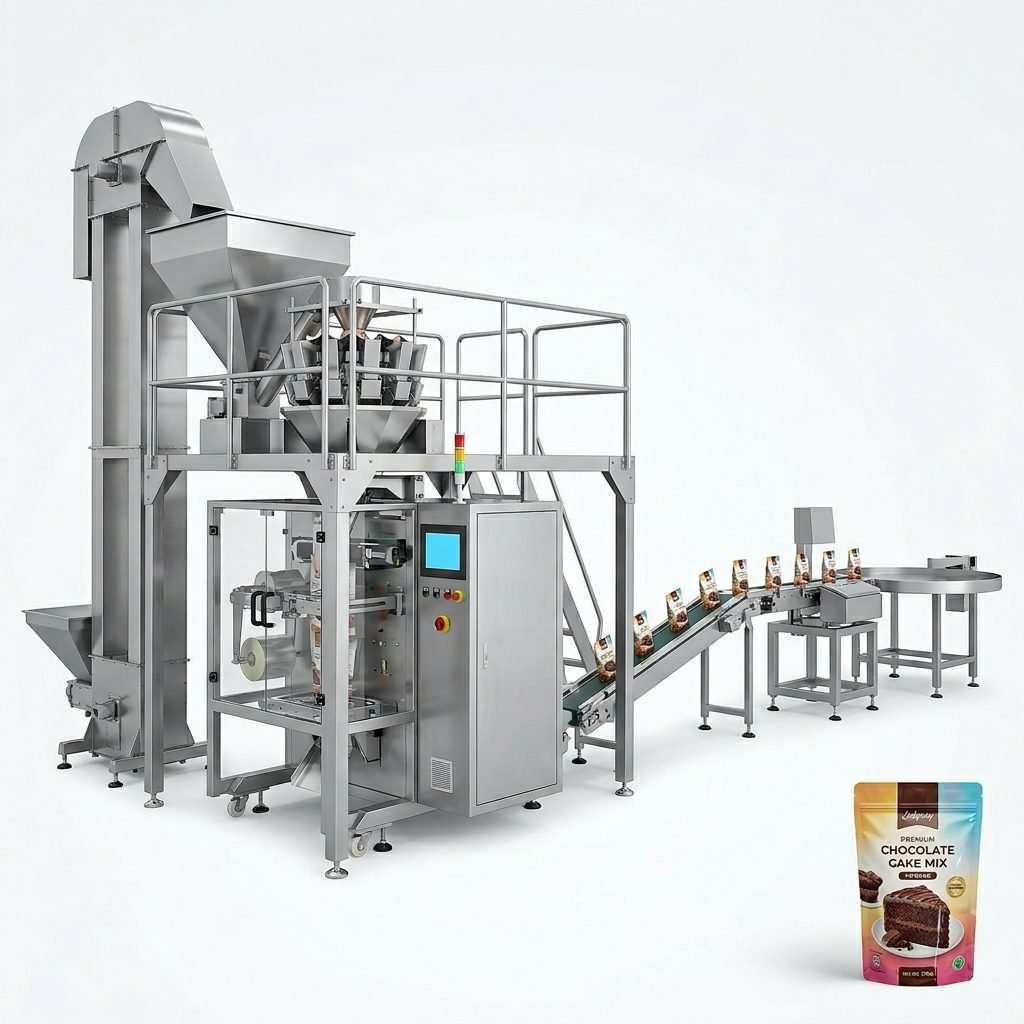
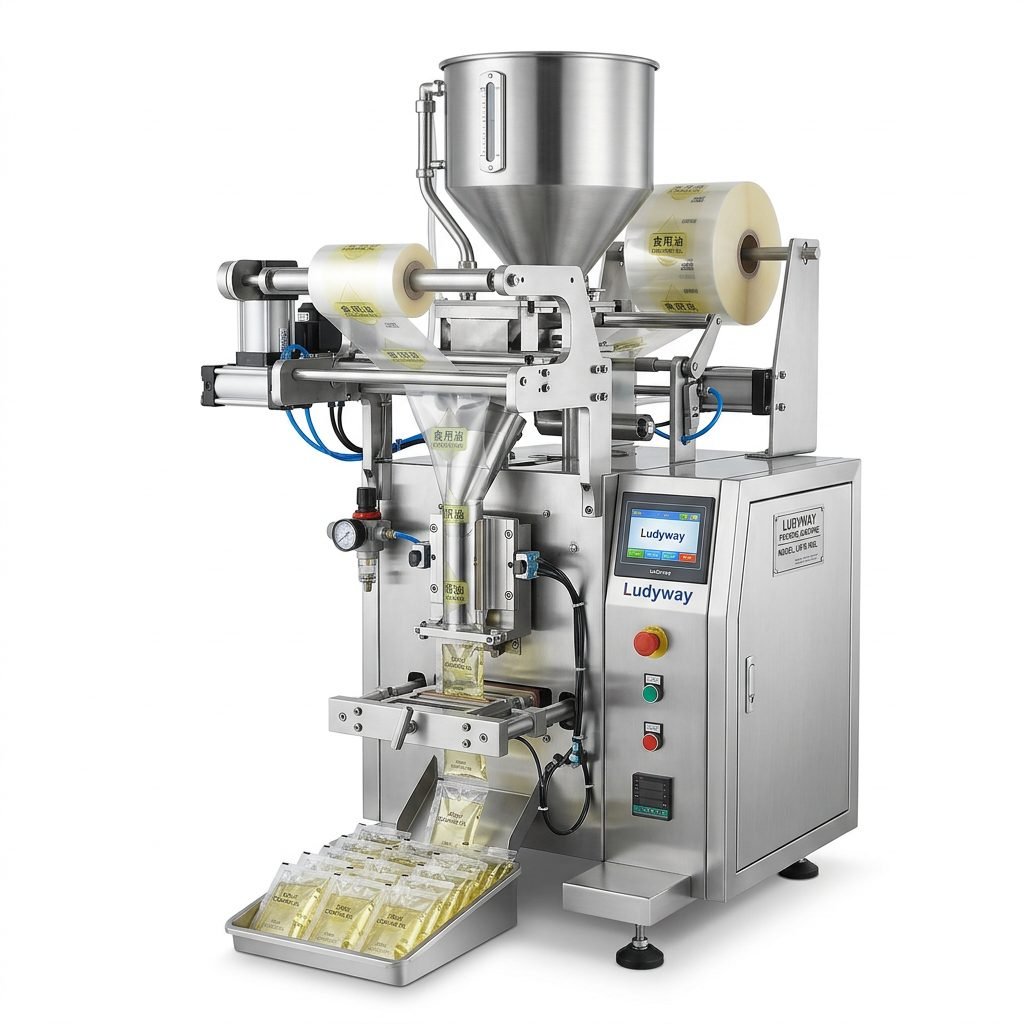
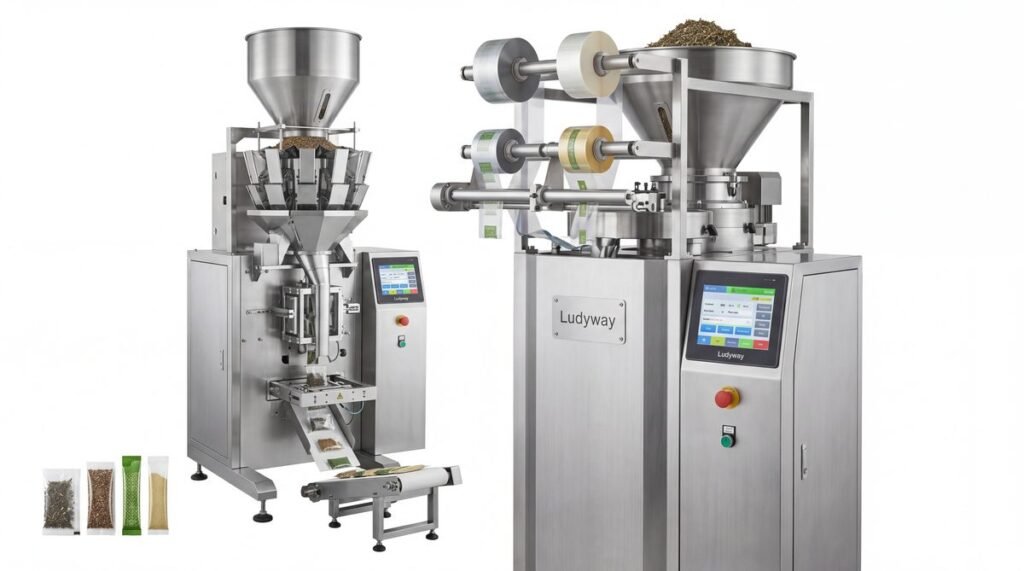
China has become the world’s largest manufacturing hub for chicken packaging machines, offering a compelling combination of advanced technology, customization flexibility, and competitive pricing. Whether you are a poultry processor, a frozen food distributor, or a ready-to-cook meal producer, sourcing the right packaging equipment from China can significantly impact your operational efficiency and bottom line. This guide covers everything you need to know before making a purchasing decision.

Why Source Chicken Packaging Machines from China?
The Chinese packaging machinery industry has experienced remarkable growth over the past decade. Manufacturers now produce equipment that meets international quality standards at prices typically 30-50% lower than European or American counterparts. Key advantages include:
- Cost-effectiveness: Lower labor and material costs translate directly into more affordable machinery without sacrificing core functionality.
- Customization capabilities: Chinese manufacturers are highly flexible and willing to tailor machines to specific chicken product requirements, from fresh cuts to frozen portions.
- Rapid delivery times: Established factories maintain large production capacities, enabling faster turnaround compared to many Western suppliers.
- Comprehensive after-sales support: Leading companies now offer international technical support, online troubleshooting, and readily available spare parts.
According to PMMI’s packaging industry intelligence reports, the global food packaging equipment market continues to expand, with Asia-Pacific representing the fastest-growing manufacturing region.
Types of Chicken Packaging Machines Available
Understanding the different machine categories is essential for matching equipment to your specific production needs. The most common types for chicken packaging applications include:
1. Vacuum Packaging Machines
Ideal for fresh and frozen chicken products, vacuum packaging machines remove air from the package to extend shelf life and prevent freezer burn. These are widely used for whole birds, breasts, thighs, and processed chicken items.
2. Modified Atmosphere Packaging (MAP) Systems
MAP technology replaces oxygen with a protective gas mixture, preserving the color and freshness of fresh chicken. This method is increasingly popular in retail-ready packaging formats.
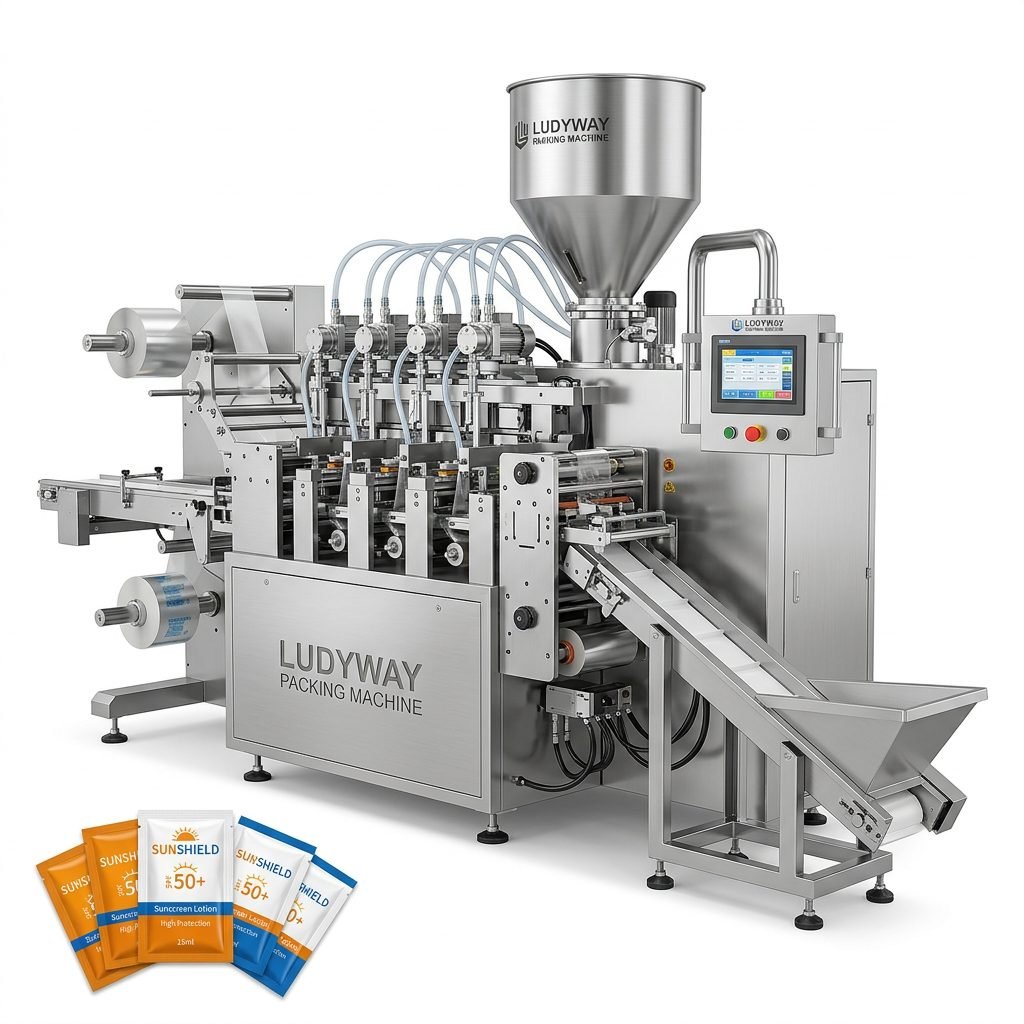
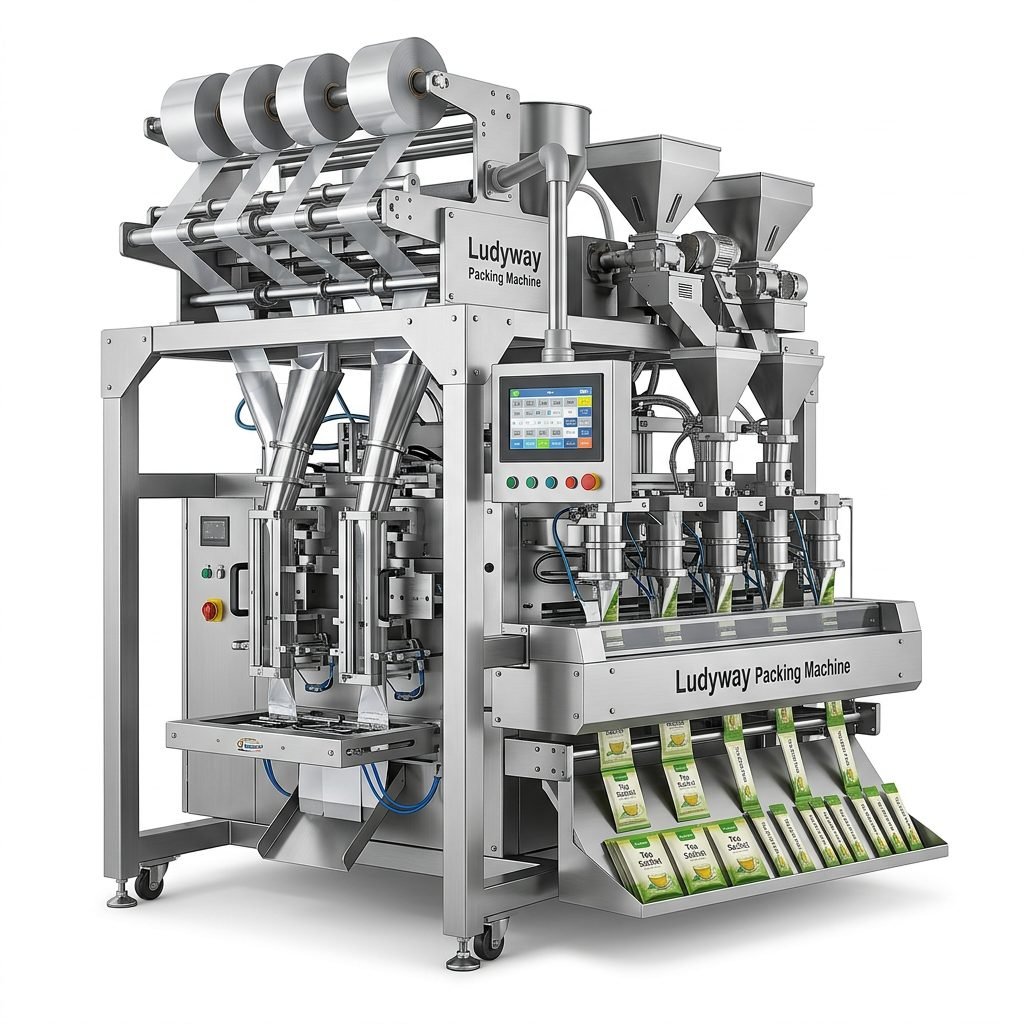
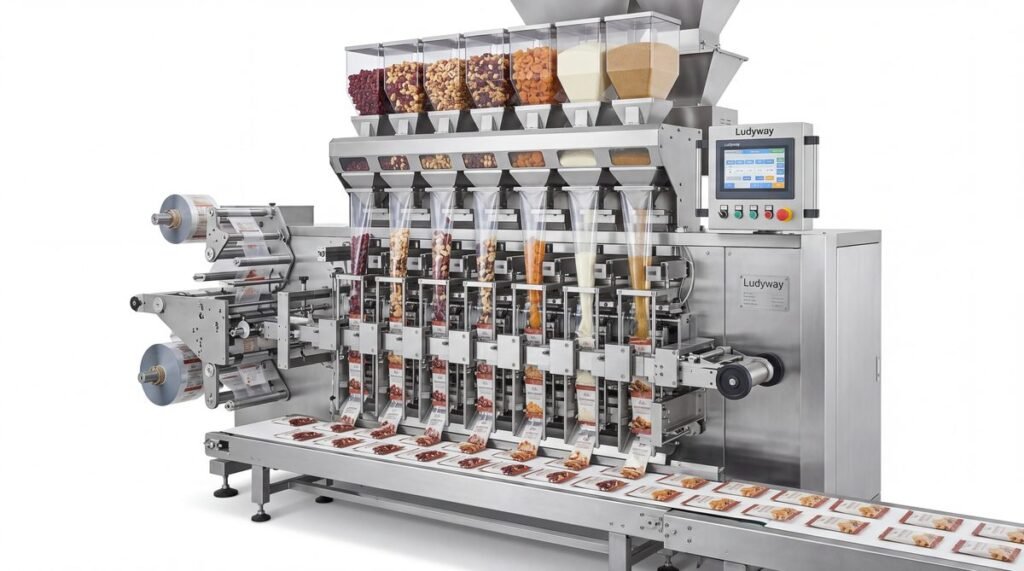
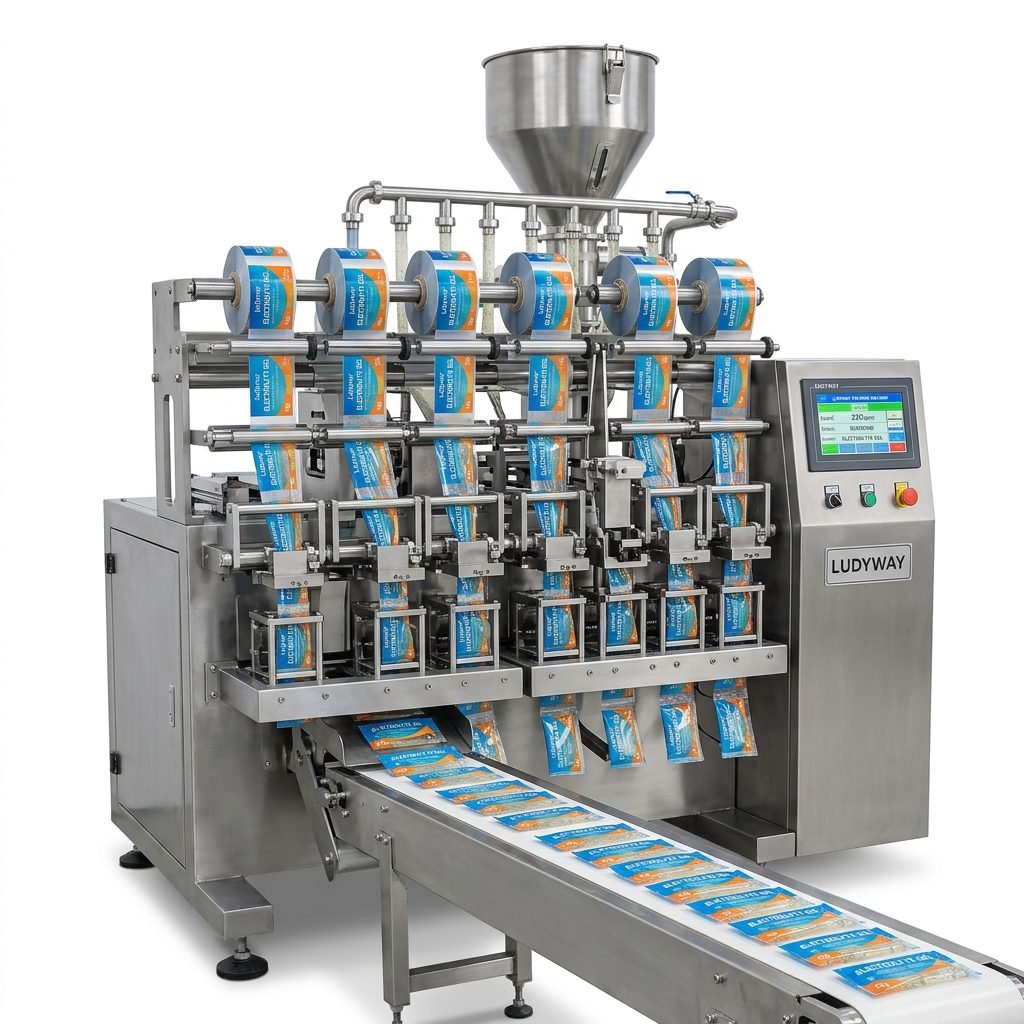
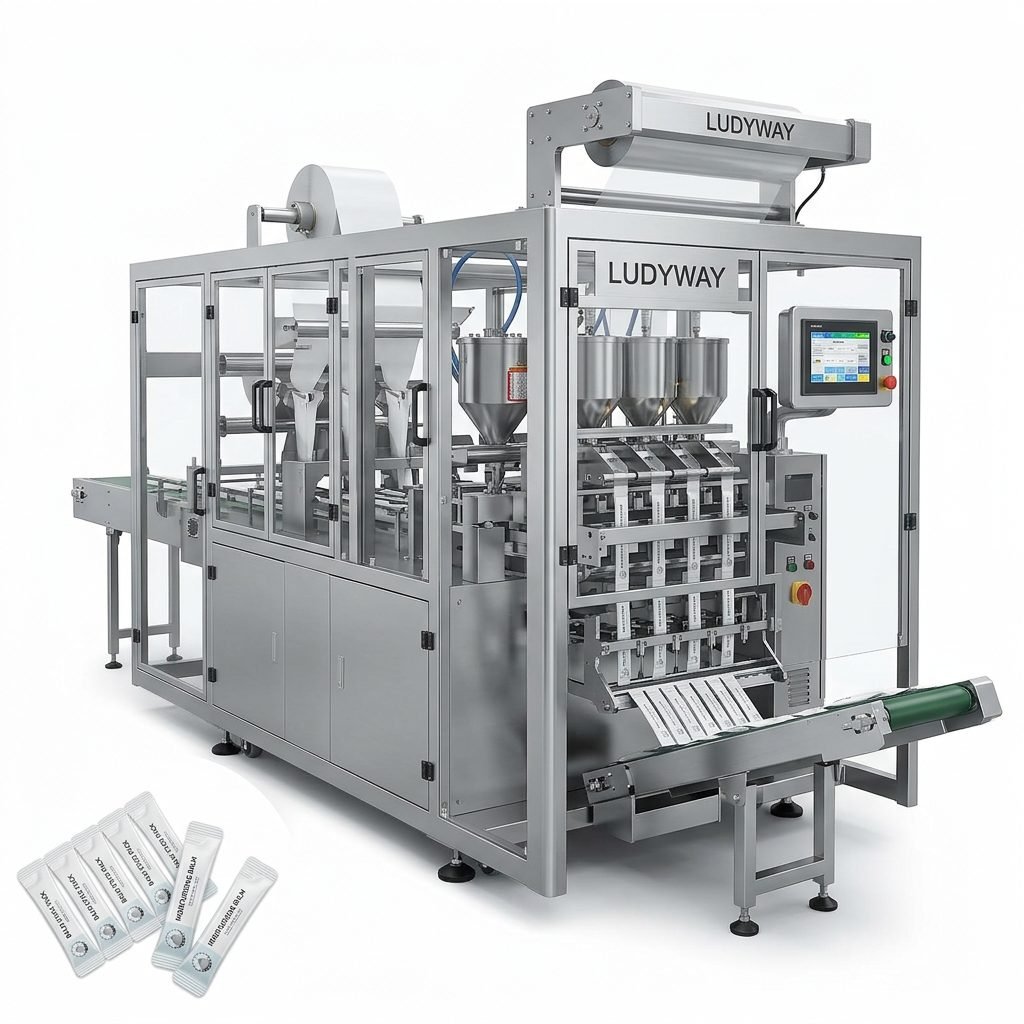
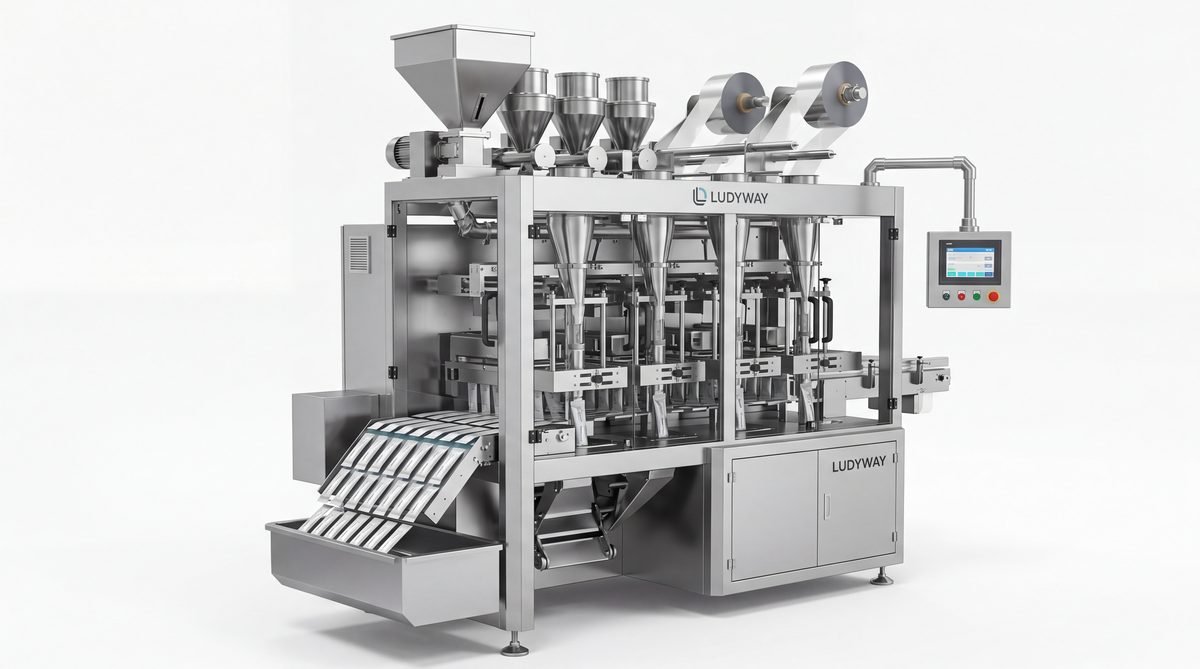
3. Multi-Lane Stick Pack and Sachet Machines
For powdered chicken products such as chicken bouillon, seasoning mixes, and soup bases, multi-lane stick pack machines offer high-speed filling with exceptional accuracy.
4. Tray Sealing Machines
These machines seal pre-formed trays with a film lid, commonly used for chicken portions, marinated products, and ready-to-cook meal components displayed in supermarket chillers.
5. Flow Wrapping Machines
Horizontal flow wrappers create a tight, attractive package for individual chicken products, making them suitable for frozen chicken patties, sausages, and snack formats.
Key Factors to Consider When Purchasing
Before contacting suppliers, clearly define your requirements across these critical dimensions:
Production Capacity and Speed
Determine your target output in packs per minute (PPM). A small-scale operation might require 30-60 PPM, while large industrial processors often need 120-200 PPM or higher. Ensure the machine’s rated speed aligns with your current and projected production volumes.
Packaging Material Compatibility
Different films and materials behave differently during sealing and forming. Confirm that the machine supports your preferred packaging materials, whether it is PE, PET, aluminum foil laminates, or biodegradable alternatives. The Flexible Packaging Association provides valuable guidance on material selection and sustainability considerations.
Product Characteristics
Fresh chicken, frozen parts, marinated cuts, and powdered seasoning each require different handling systems. Specify your product’s physical properties — size, weight range, temperature, moisture content, and fragility — to ensure the machine’s feeding, weighing, and sealing mechanisms are appropriately configured.
Automation Level
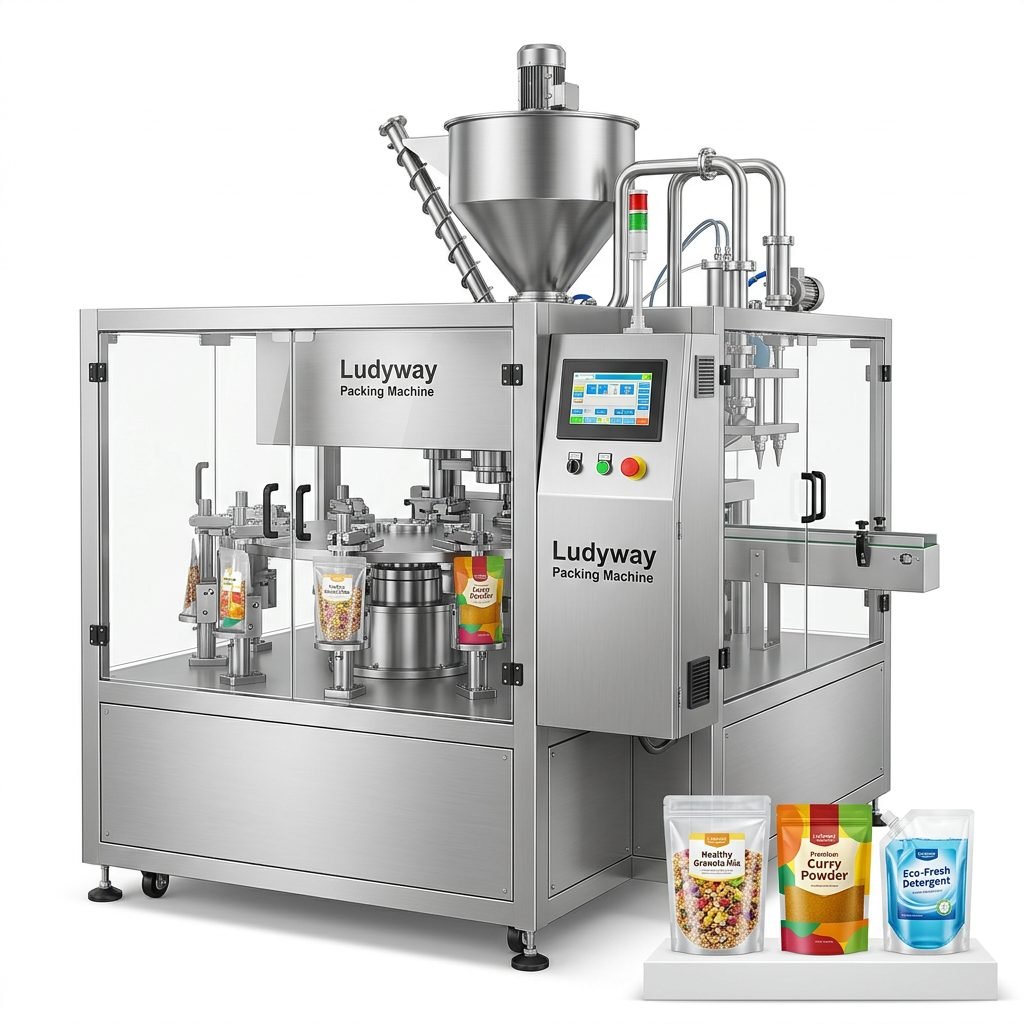
Machines range from semi-automatic (requiring manual loading) to fully automatic systems integrated with upstream and downstream equipment. Consider your labor costs, desired consistency, and long-term scalability when deciding on the automation level.
Compliance and Certifications
For food-grade applications, verify that the machine complies with relevant standards. Look for certifications such as CE, ISO 9001, and food-safe material declarations. Refer to FDA food packaging regulations and ISO packaging standards for detailed compliance requirements in your target market.
Comparing Machine Types: A Quick Reference
| Machine Type | Best For | Typical Speed Range | Key Benefit |
|---|---|---|---|
| Vacuum Packaging | Fresh & frozen cuts | 20-80 PPM | Extended shelf life |
| MAP Tray Sealing | Retail-ready portions | 40-120 PPM | Fresh appearance |
| Multi-Lane Stick Pack | Powders & seasonings | 200-600 PPM | High-speed output |
| Flow Wrapping | Individual portions | 60-300 PPM | Versatile & fast |
| Pouch Filling & Sealing | Marinated products | 30-100 PPM | Flexible formats |
How to Evaluate Chinese Packaging Machine Manufacturers
With thousands of machinery suppliers in China, thorough due diligence is essential. Follow this structured evaluation process:
Verify Company Credentials
- Check the manufacturer’s business license, export records, and certifications through independent verification platforms.
- Look for memberships in recognized industry associations such as PMMI or national packaging federations.
- Review the company’s history — established manufacturers with 10+ years of experience generally offer more reliable equipment and support.
Request Production Videos and Samples
Reputable suppliers should readily provide video demonstrations of their machines running with products similar to yours. Request that they run a sample batch using your actual chicken product or a close analog, and ship the packaged samples for your inspection.
Assess Engineering and R&D Capabilities
The best manufacturers invest significantly in research and development. Ask about their engineering team size, recent innovations, and custom project experience. A supplier with in-house design and manufacturing capabilities can better support custom requirements and future modifications.

Visit the Factory (or Arrange a Virtual Tour)
An on-site visit remains the most effective way to evaluate a manufacturer’s production capabilities, quality control processes, and organizational professionalism. If travel is not feasible, request a detailed video tour of the production floor, testing area, and quality inspection stations.
Understanding Costs and Payment Terms
The price of chicken packaging machines varies significantly based on configuration, speed, and automation level. Here are typical price ranges for reference:
- Entry-level semi-automatic machines: $5,000 – $15,000
- Mid-range automatic machines: $20,000 – $80,000
- High-speed multi-lane systems: $100,000 – $300,000+
- Complete turnkey packaging lines: $250,000 – $1,000,000+
Common payment structures include a 30% deposit with the order, 60% before shipment, and 10% upon installation or acceptance. Always use secure payment methods and ensure warranty terms are clearly documented in the sales contract.
For deeper market context, consult reports from PMMI’s State of the Industry series, which provide valuable benchmarks on packaging machinery pricing trends globally.
Shipping, Installation, and After-Sales Support
Logistics planning is critical when importing heavy machinery. Work with your supplier to clarify:
- Incoterms: FOB, CIF, or DDP — understand who bears responsibility at each stage.
- Installation and commissioning: Does the supplier offer on-site installation support? Some manufacturers send engineers to your facility for setup and training.
- Warranty coverage: Standard warranties typically cover 12-24 months. Clarify what parts and labor are included.
- Spare parts availability: Confirm that critical components can be shipped quickly to minimize downtime.
Chicken Packaging Machine Technology Trends
Staying informed about industry developments helps future-proof your investment. Key trends shaping the poultry packaging sector include:
- Sustainable packaging: Growing demand for recyclable films, reduced plastic usage, and compostable materials.
- Smart packaging integration: Incorporation of QR codes, freshness indicators, and traceability features.
- IoT-enabled monitoring: Remote diagnostics, predictive maintenance alerts, and real-time production analytics.
- Robotics and automation: Automated loading, case packing, and palletizing to reduce labor dependency.
The European Commission’s packaging waste regulations and EPA sustainable materials management guidelines offer valuable perspectives on where packaging standards are headed globally.

Red Flags to Watch Out For
Protect your investment by avoiding these common pitfalls when sourcing from China:
- Suppliers who cannot provide verifiable customer references in your industry.
- Prices that seem significantly below market average — this often indicates substandard components or corners being cut.
- Vague or evasive responses about spare parts availability and long-term support.
- Lack of clear documentation including user manuals, electrical schematics, and maintenance guides in your preferred language.
- No demonstrated experience with international shipping and export documentation.
Making the Final Decision
After narrowing down your options, create a weighted evaluation matrix that scores each supplier on criteria most important to your business: price, technical specifications, warranty, support infrastructure, and cultural fit. Request a formal quotation that includes all line items — machine cost, tooling, shipping, installation, training, and any optional accessories.
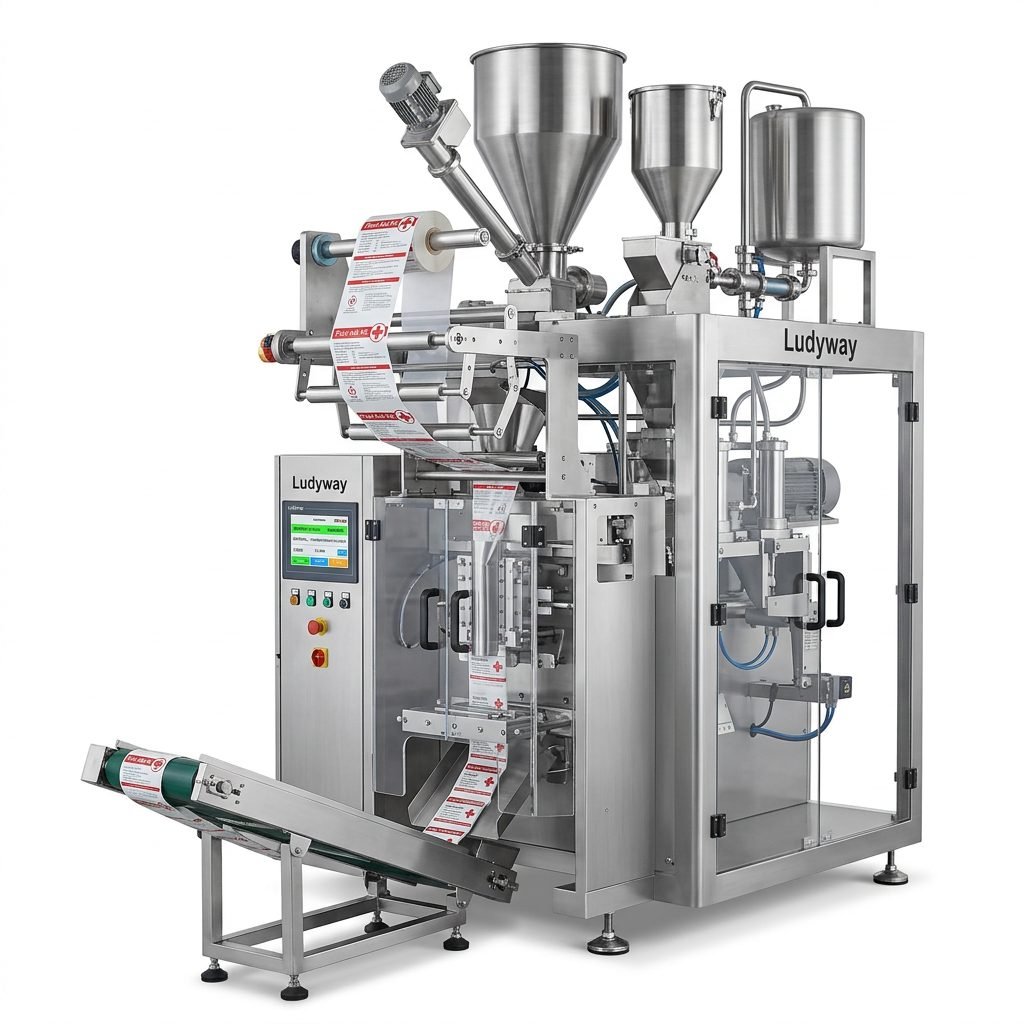
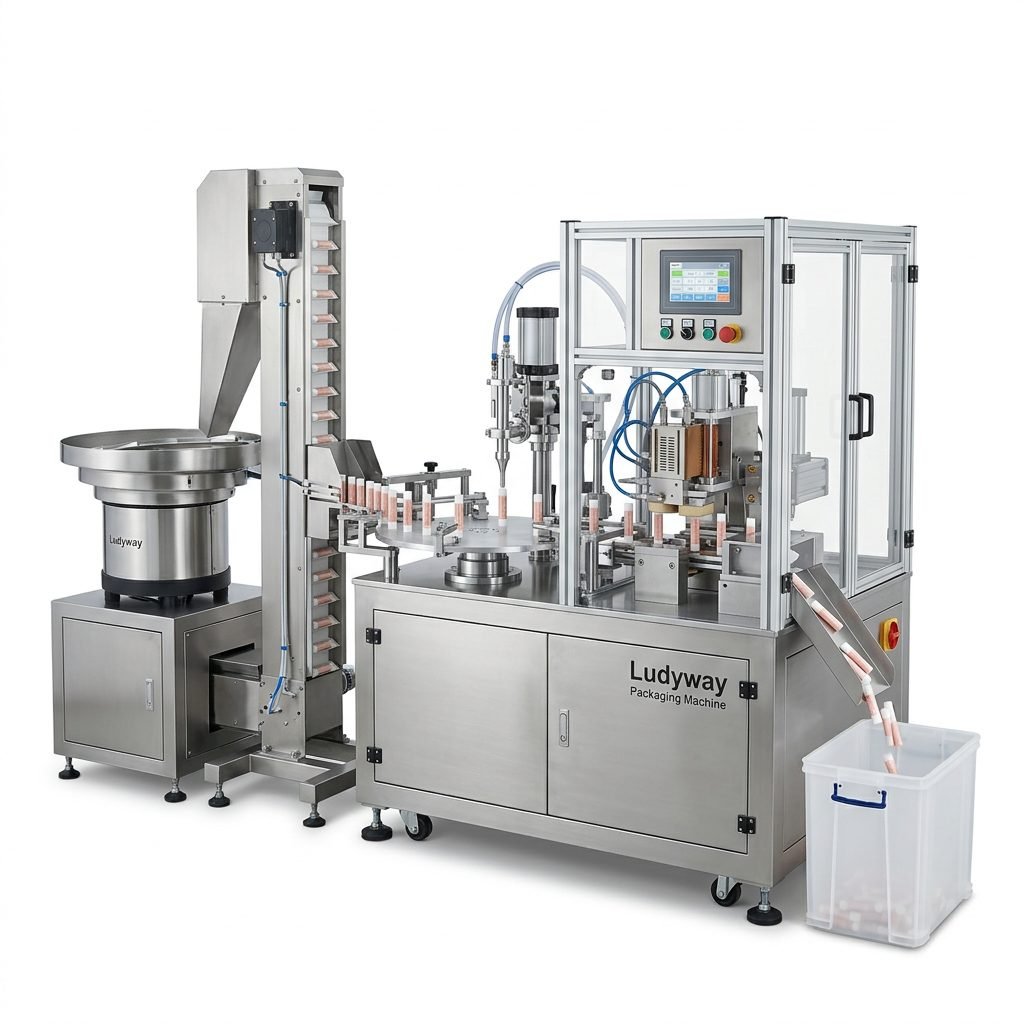
One established player in this space is Ludyway, a major packaging machine manufacturer in China with over 30 years of industry expertise and a portfolio of more than 50 intelligent packaging machine models serving customers across 100+ countries. When evaluating any supplier, verify their track record with poultry-specific applications and request case studies relevant to your product category.
For additional industry standards and market data, refer to resources from PACK EXPO International and the Flexible Packaging Association, both of which offer extensive educational content on packaging machinery selection and industry best practices.
Frequently Asked Questions
How long does it take to receive a chicken packaging machine from China?
Standard manufacturing lead times range from 4 to 12 weeks, depending on the machine’s complexity and the manufacturer’s current production schedule. Shipping typically adds an additional 2-6 weeks depending on the destination and chosen freight method.
Can Chinese machines meet USDA and EU food safety standards?
Yes, many reputable Chinese manufacturers design their equipment to comply with international food safety standards, including those required by the USDA, EU, and other regulatory bodies. Always request documentation confirming material traceability and design compliance for food-contact surfaces.
What is the typical lifespan of a chicken packaging machine?
With proper maintenance, a well-built packaging machine can operate reliably for 10 to 20 years. The key factors influencing longevity include build quality, operating environment, maintenance frequency, and the type of products being packaged.
Is it better to buy a standard machine or a customized solution?
If your product and packaging format are relatively standard, an off-the-shelf model offers faster delivery and lower cost. For unique product characteristics or specialized packaging requirements, a customized solution will deliver better long-term performance and efficiency.

Final Checklist Before Ordering
- ✓ Clearly defined product specifications and packaging requirements
- ✓ Verified manufacturer credentials and industry experience
- ✓ Reviewed sample packages and production videos
- ✓ Confirmed compliance with relevant food safety standards
- ✓ Documented warranty terms and after-sales support commitments
- ✓ Agreed Incoterms, shipping method, and delivery timeline
- ✓ Secured payment terms with appropriate buyer protections
- ✓ Established communication channel for ongoing technical support
Investing in the right chicken packaging machine from a reliable Chinese manufacturer can transform your production efficiency and product quality. By following the structured approach outlined in this guide, you will be well-positioned to make an informed purchasing decision that supports your business growth for years to come.