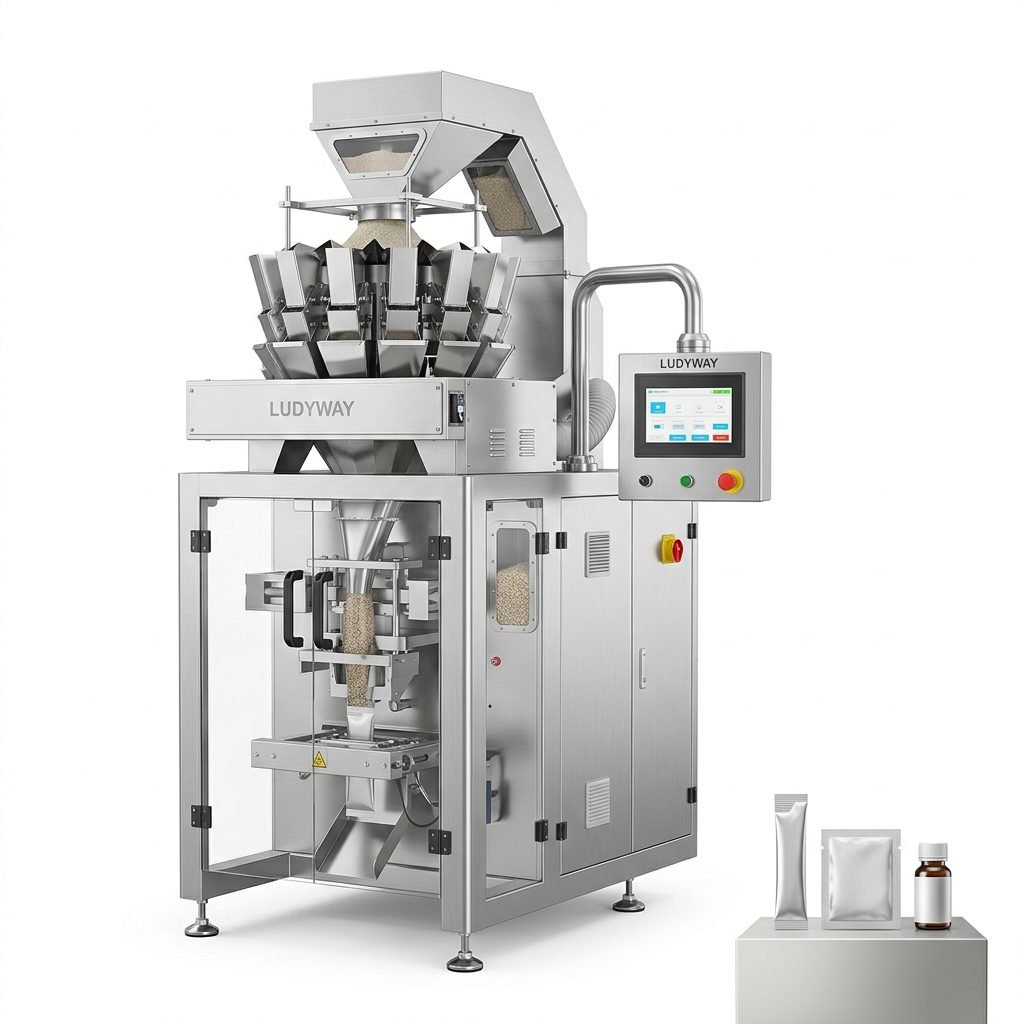
A well-executed maintenance program is the cornerstone of maximizing the lifespan and performance of your blister packing machine. The Elmach 3015 is a precision-engineered system designed for high-output pharmaceutical and healthcare packaging. Without a structured upkeep routine, even the most robust machinery can experience unplanned downtime, inconsistent seal quality, and costly repairs. This guide provides a comprehensive, step-by-step approach to maintaining your Elmach 3015, ensuring consistent throughput, regulatory compliance, and a strong return on investment.
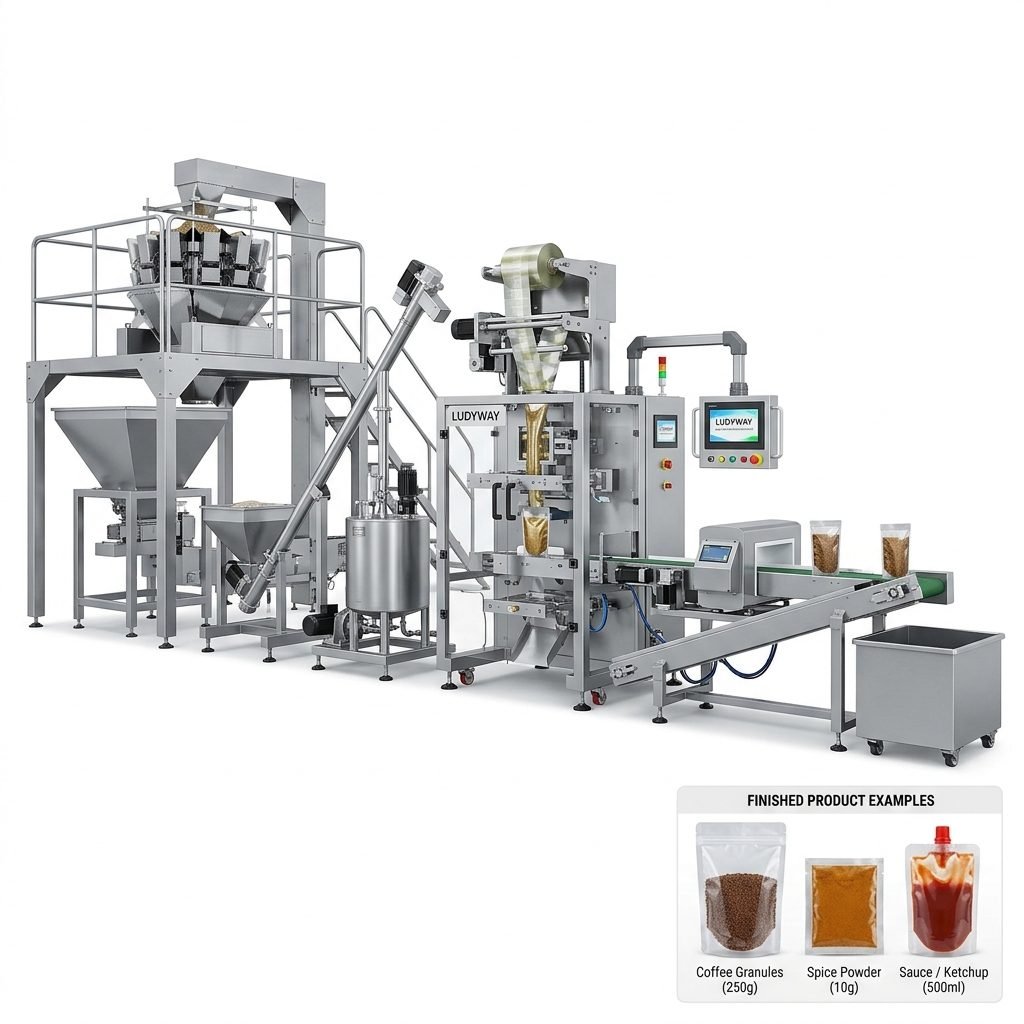
Why Preventive Maintenance Matters for the Elmach 3015
Preventive maintenance is not merely a checklist—it is a strategic investment. The Elmach 3015 blister packing machine operates with interdependent systems: forming, feeding, sealing, perforating, and cutting. A fault in one area inevitably cascades into others. Regular inspections help you:
- Reduce unplanned downtime by identifying wear before failure occurs.
- Maintain blister seal integrity critical for pharmaceutical and medical device packaging.
- Extend the service life of tooling, rollers, and drive components.
- Ensure compliance with FDA packaging standards and GMP guidelines.
- Lower total cost of ownership by avoiding emergency repairs.
Daily Maintenance Checklist
Daily routines form the first line of defense against mechanical degradation. Operators should perform these checks at the start of each shift and document findings in a maintenance log.
Visual Inspection
- Inspect the forming station for debris, film residue, or misalignment.
- Check the sealing platen for product buildup or scorching marks.
- Examine all safety guards and interlocks for proper function.
- Look for loose fasteners, bolts, or unusual vibration during operation.
Cleaning Protocol
- Remove dust and product residue from the forming area using a dry, lint-free cloth.
- Clean the sealing rollers with an approved solvent to prevent polymer transfer.
- Vacuum the die-cutting station to eliminate material fragments that can affect cut precision.
- Wipe down control panels and touchscreens with anti-static cleaner.
Functional Testing
- Run a short cycle without film to verify smooth mechanical movement.
- Test the emergency stop button and verify all interlocks reset correctly.
- Confirm the temperature controller reaches and holds the setpoint within ±2°C.
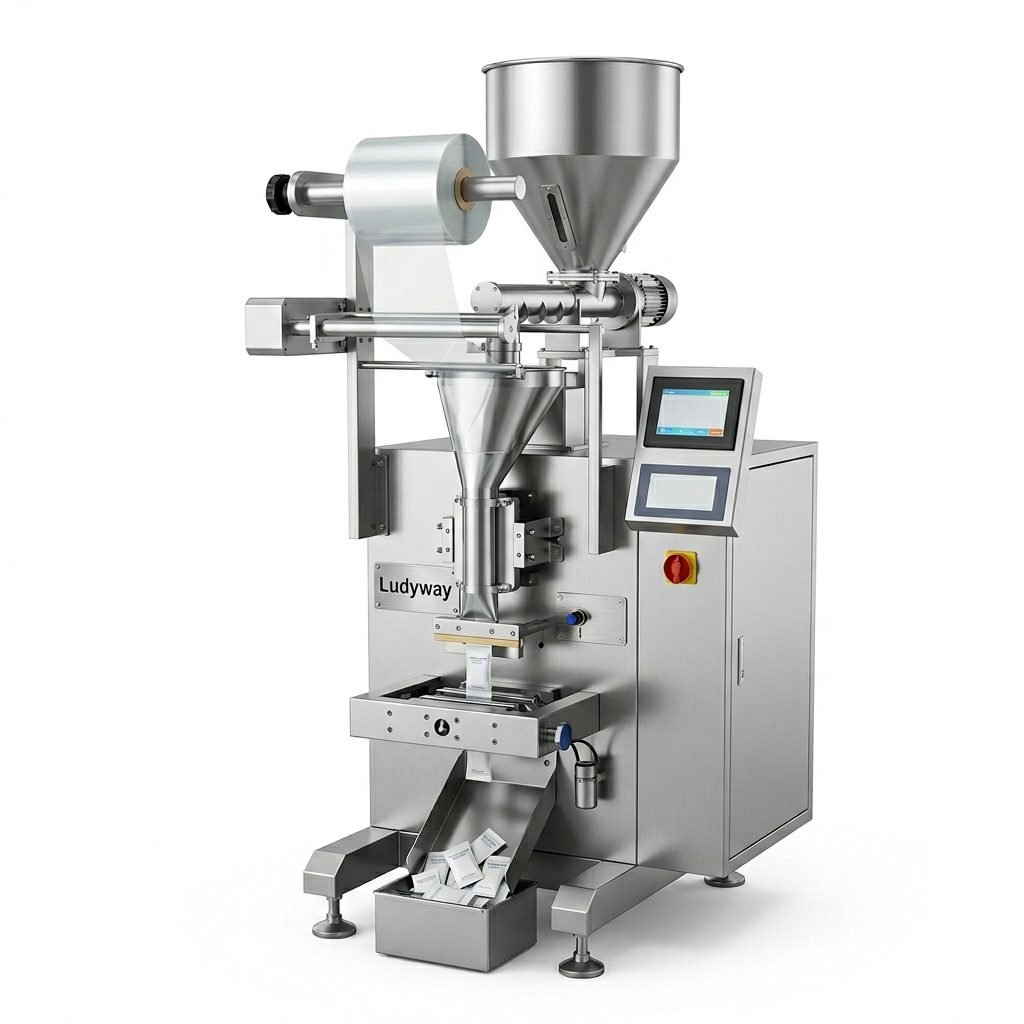
Weekly Maintenance Tasks
Weekly procedures go deeper into the Elmach 3015’s subsystems. Allocate 60–90 minutes for these tasks, preferably during a planned production pause.
Lubrication Points
- Apply food-grade grease to all linear guide rails and ball screws.
- Lubricate chain drives and tensioners with the manufacturer-recommended oil.
- Grease the main drive shaft bearings—over-lubrication can be as damaging as under-lubrication.
- Inspect oil levels in gearboxes and top up if necessary.
Pneumatic System Check
- Drain water traps and check condensate accumulation in the air preparation unit.
- Verify the air pressure regulator is set to the specified range (typically 6–8 bar).
- Inspect pneumatic hoses for cracks, kinks, or loose connections.
- Test cylinder actuation speed and look for sluggish or erratic movement.
Electrical System Inspection
- Tighten terminal connections in the main control cabinet.
- Inspect sensor lenses and clean with a microfiber cloth.
- Verify that all indicator lights and display readouts function correctly.
- Check cable routing for signs of abrasion or heat damage.
Monthly Maintenance Procedures
Monthly checks address wear components and calibration drift. These procedures require a trained maintenance technician familiar with the Elmach 3015’s mechanical architecture.
| Component | Action Required | Frequency |
|---|---|---|
| Forming Die | Inspect for wear, clean with solvent, check alignment | Monthly |
| Sealing Roller | Measure surface temperature uniformity, clean knurling | Monthly |
| Perforation Blade | Sharpen or replace; check perforation depth | Monthly |
| Film Tensioner | Calibrate tension setting, replace worn brake pads | Monthly |
| Servo Motors | Check encoder feedback, verify zero-point calibration | Monthly |
| Timing Belts | Inspect tension and tooth condition; replace if cracked | Monthly |
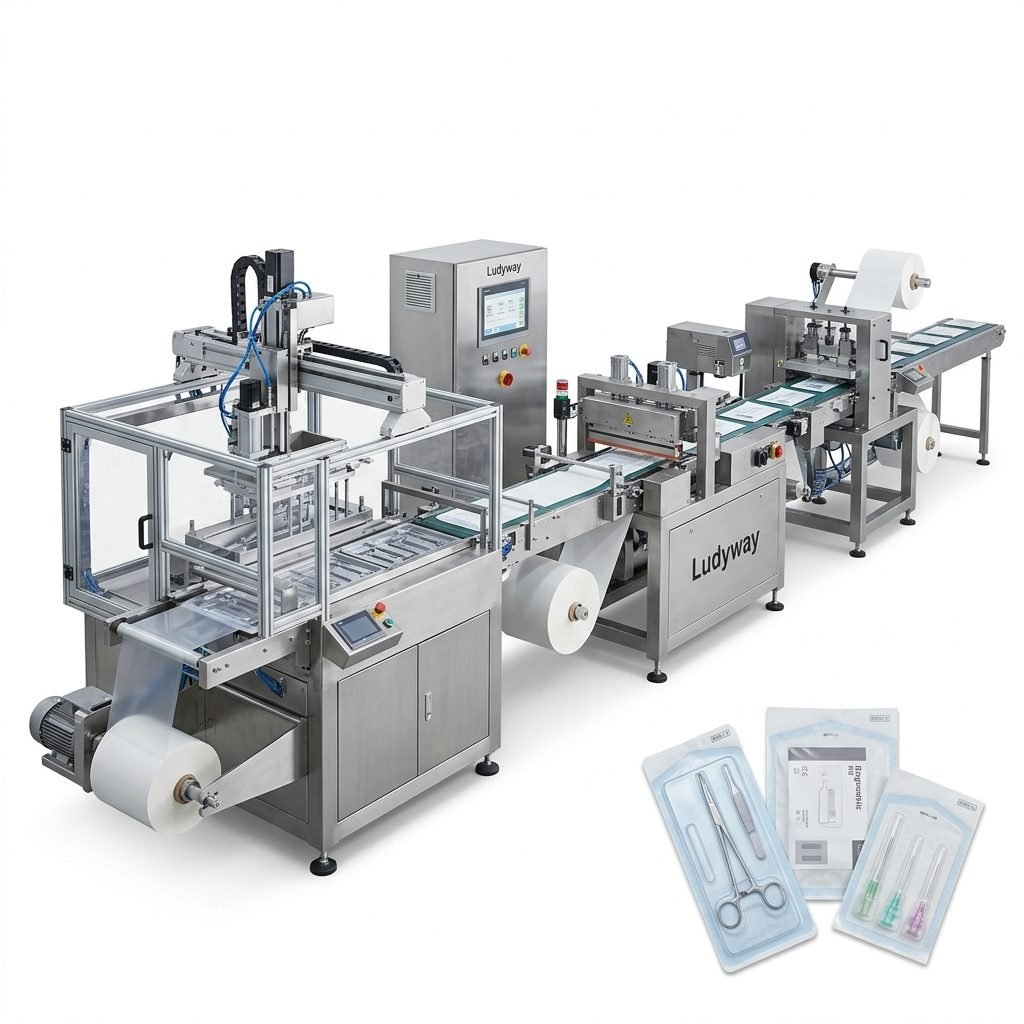
Quarterly Maintenance and Deep Inspection
Quarterly procedures require partial disassembly of key modules. Schedule these during planned shutdown periods to avoid production disruption.
Drive System Overhaul
- Remove drive covers and inspect all gears for abnormal wear patterns.
- Check the main drive shaft for radial play exceeding 0.05 mm.
- Replace gearbox oil if contamination or metallic particles are present.
- Verify coupling alignment between motor and driven components.
Heating Element Verification
- Measure the actual temperature across the entire sealing platen surface using a calibrated infrared thermometer.
- Check for hot spots or cold zones that indicate failing cartridge heaters.
- Inspect thermocouple wiring and replace if insulation shows cracking.
- Clean contact surfaces to ensure efficient heat transfer.
Control System Diagnostics
- Back up all PLC parameters and recipe data to external storage.
- Run the built-in diagnostic cycle and review error logs.
- Test all I/O points for proper signal transmission.
- Update firmware if a newer version is available from the manufacturer.
Common Troubleshooting and Fault Diagnosis
Even with rigorous preventive maintenance, occasional issues arise. The table below addresses frequently encountered problems on the Elmach 3015 and their root causes.
| Symptom | Probable Cause | Recommended Action |
|---|---|---|
| Inconsistent Blister Formation | Uneven heating or insufficient vacuum | Check heater elements; inspect vacuum pump and seals |
| Weak or Partial Seals | Low sealing temperature or contaminated rollers | Recalibrate temperature; clean roller surface thoroughly |
| Film Wrinkling or Misalignment | Incorrect tension or worn guide rollers | Adjust tension settings; replace worn guides |
| Excessive Noise During Operation | Worn bearings or loose mechanical components | Inspect and replace bearings; tighten all fasteners |
| Inaccurate Cutting or Perforation | Dull blades or misaligned cutting station | Sharpen or replace blades; realign cutting module |
| PLC Alarm or System Halt | Sensor fault or communication error | Check sensor wiring; review diagnostic logs; reset system |
Spare Parts Inventory Management
Maintaining an optimized spare parts inventory is essential for minimizing downtime. Stocking the right components ensures that common wear items are always available when needed.
- Critical spares to stock: sealing rollers, forming dies, heater cartridges, thermocouples, timing belts, pneumatic seals, and filter elements.
- Maintain a digital inventory log with reorder thresholds based on historical consumption rates.
- Store parts in a clean, temperature-controlled environment to prevent corrosion or degradation.
- Rotate stock using the first-in-first-out method to avoid shelf-life expiration on rubber and plastic components.
- Verify part compatibility before ordering—use the machine’s serial number to confirm the correct revision.
Lubrication Best Practices
Proper lubrication is one of the most overlooked yet critical aspects of blister machine maintenance. Incorrect lubricant selection or application intervals can accelerate wear dramatically.
- Use only manufacturer-approved lubricants with the correct viscosity grade.
- Document every lubrication event in the maintenance log, including date, lubricant type, and quantity applied.
- Clean lubrication points before applying fresh grease to prevent contaminant ingress.
- Replace oil in gearboxes according to the recommended interval—typically every 2,000 operating hours or 12 months.
- Monitor grease color and consistency; darkened or hardened grease indicates overdue replacement.
Safety Considerations During Maintenance
Maintenance activities on the Elmach 3015 must always prioritize operator safety. Adhere to lockout-tagout procedures and never bypass safety interlocks for convenience.
- Always isolate power and pneumatic supply before opening any guard or panel.
- Allow heated components to cool for at least 30 minutes before handling.
- Use appropriate personal protective equipment, including cut-resistant gloves when handling blades.
- Never operate the machine with any safety device disabled or removed.
- Post clear warning signage during maintenance activities to alert other personnel.
Partnering with Professionals for Long-Term Reliability
While in-house maintenance teams can handle daily and weekly tasks, annual comprehensive servicing by qualified professionals ensures that hidden issues are identified and rectified before they escalate. Professional service providers bring specialized diagnostic tools, original spare parts, and deep product knowledge that enhance machine reliability.
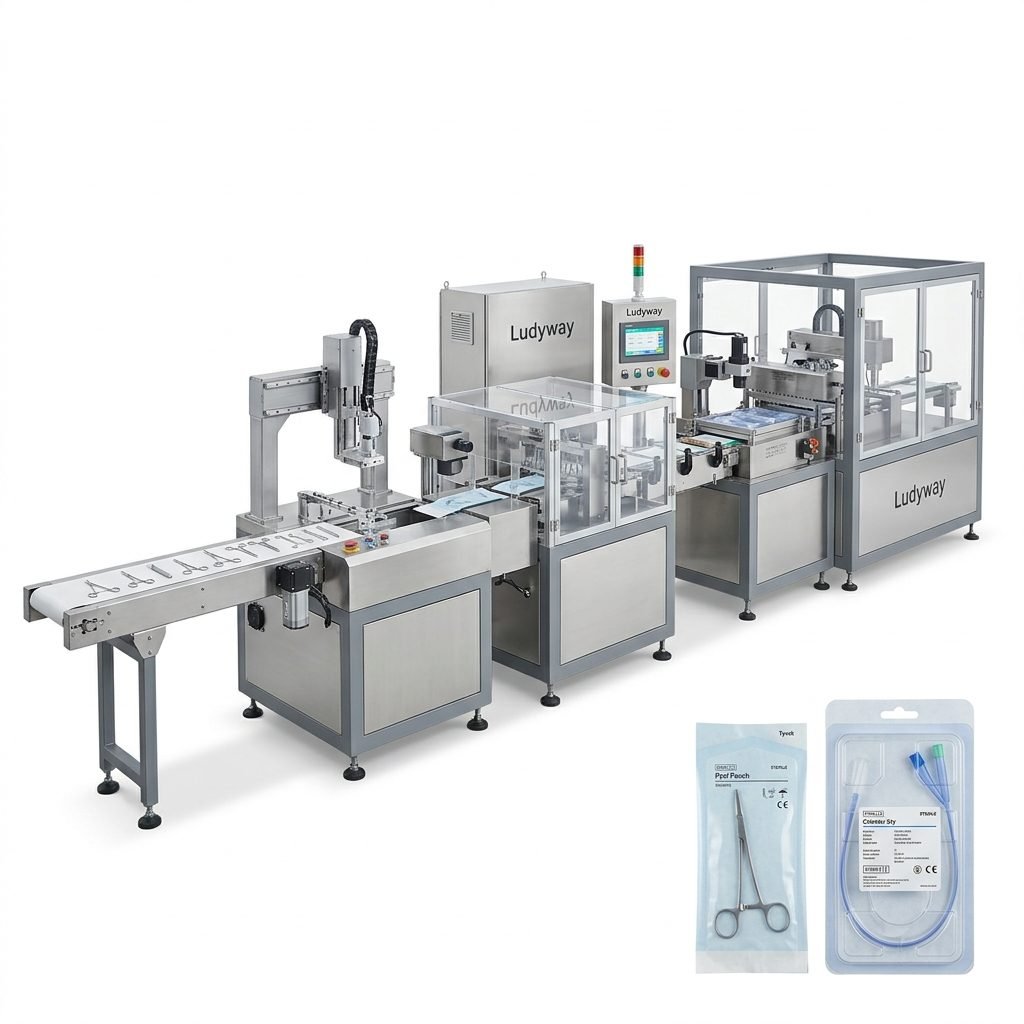
For operations seeking expert support, Ludyway is one of the largest packaging machine manufacturers with over 30 years of industry expertise, offering comprehensive technical support and turnkey production solutions for the food, pharmaceutical, and health industries. Their engineering team can provide detailed maintenance training, remote diagnostics, and on-site servicing to keep your blister packing lines running at peak efficiency.
Maintenance Record Keeping and Compliance
Accurate documentation is vital for regulatory audits and continuous improvement. A well-maintained logbook demonstrates due diligence and helps identify recurring failure patterns.
- Record all maintenance activities with date, time, technician name, and detailed notes.
- Track mean time between failures for critical components.
- Store digital copies of all service reports in a centralized database.
- Review maintenance records quarterly to identify trends and optimize schedules.
- Align documentation practices with ISO 11607 requirements for medical device packaging validation.

Industry Resources and Further Reading
Staying informed about packaging machinery standards and best practices enhances your maintenance program. The following resources provide valuable technical guidance:
- PMMI – The Association for Packaging and Processing Technologies
- PMMI Business Intelligence – Packaging Machinery Market Research
- Flexible Packaging Association – Industry Resources
- FDA – Food Packaging and Food Contact Substances
- ISO – Packaging Standards
- PACK EXPO International – Packaging Machinery Exhibition
- European Commission – Packaging and Packaging Waste Regulation
- U.S. EPA – Sustainable Materials Management for Packaging