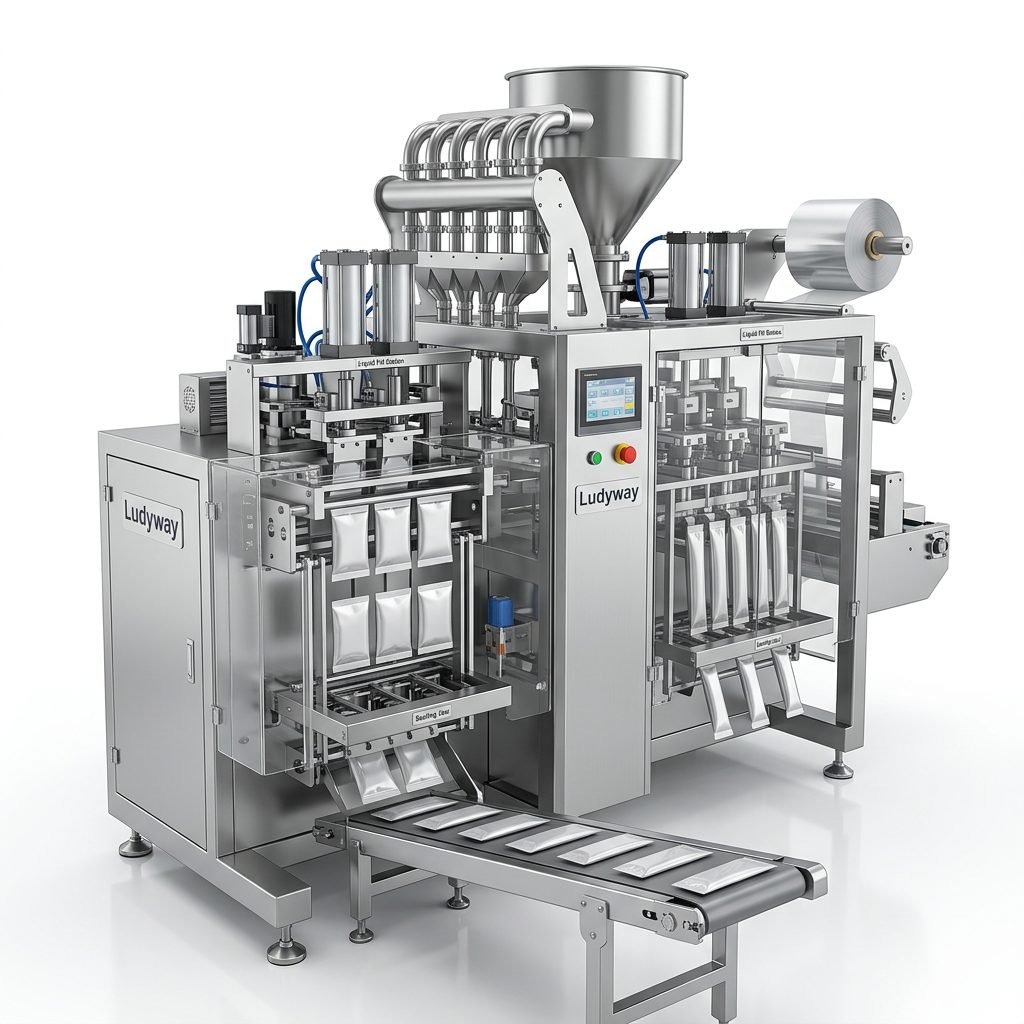
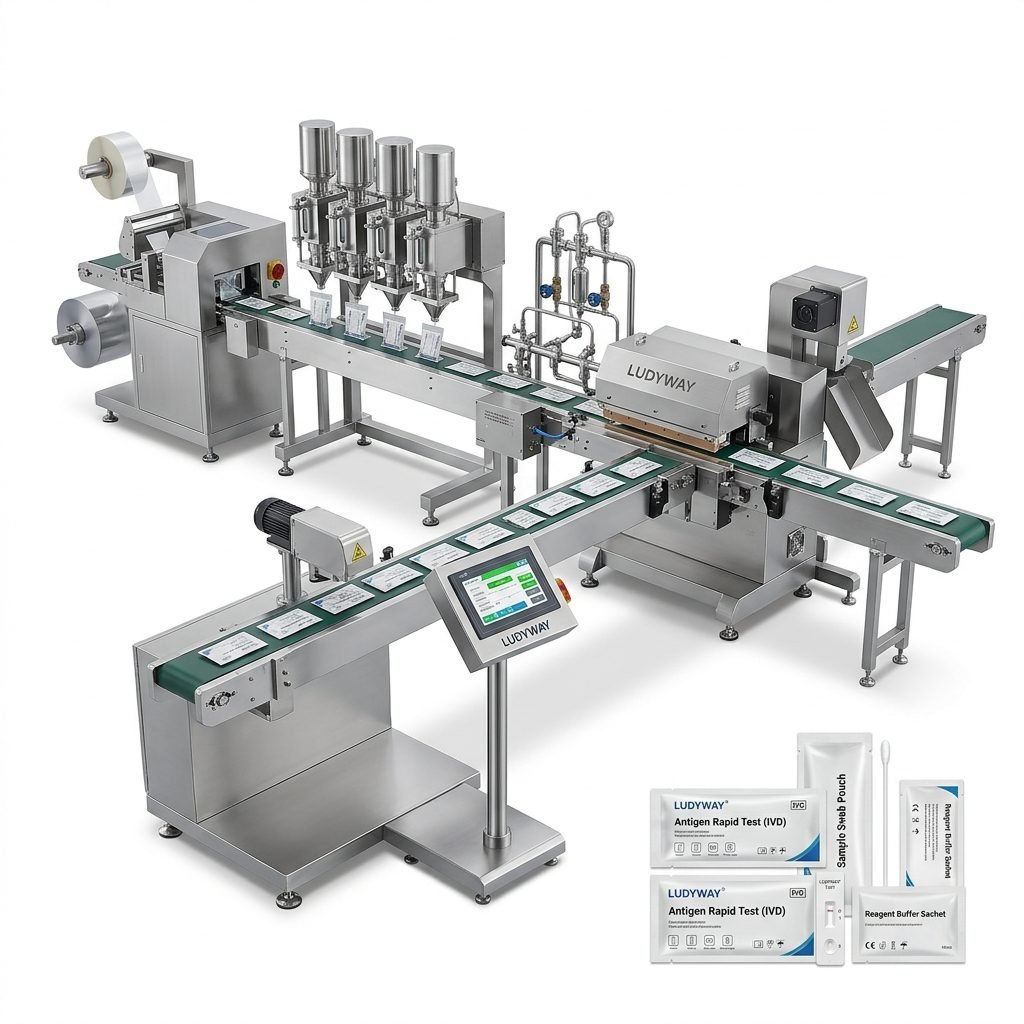
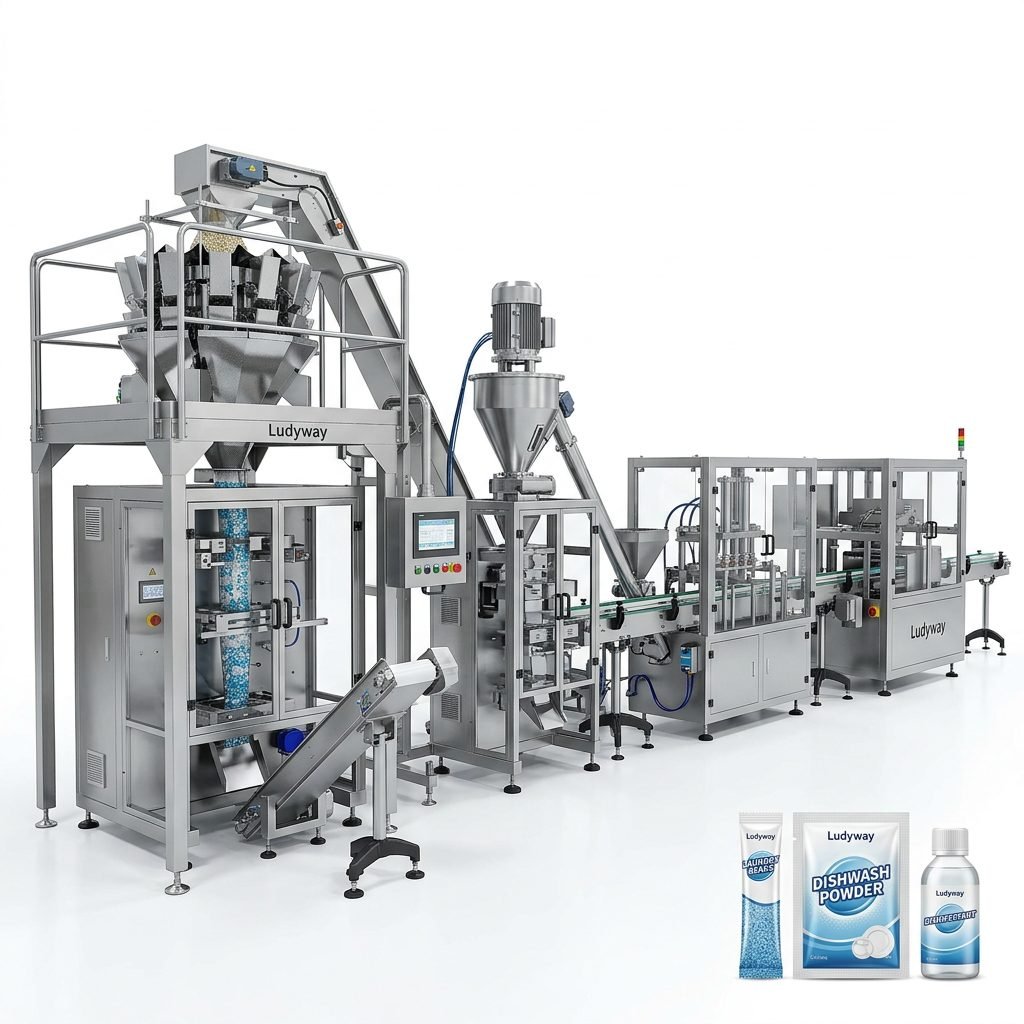
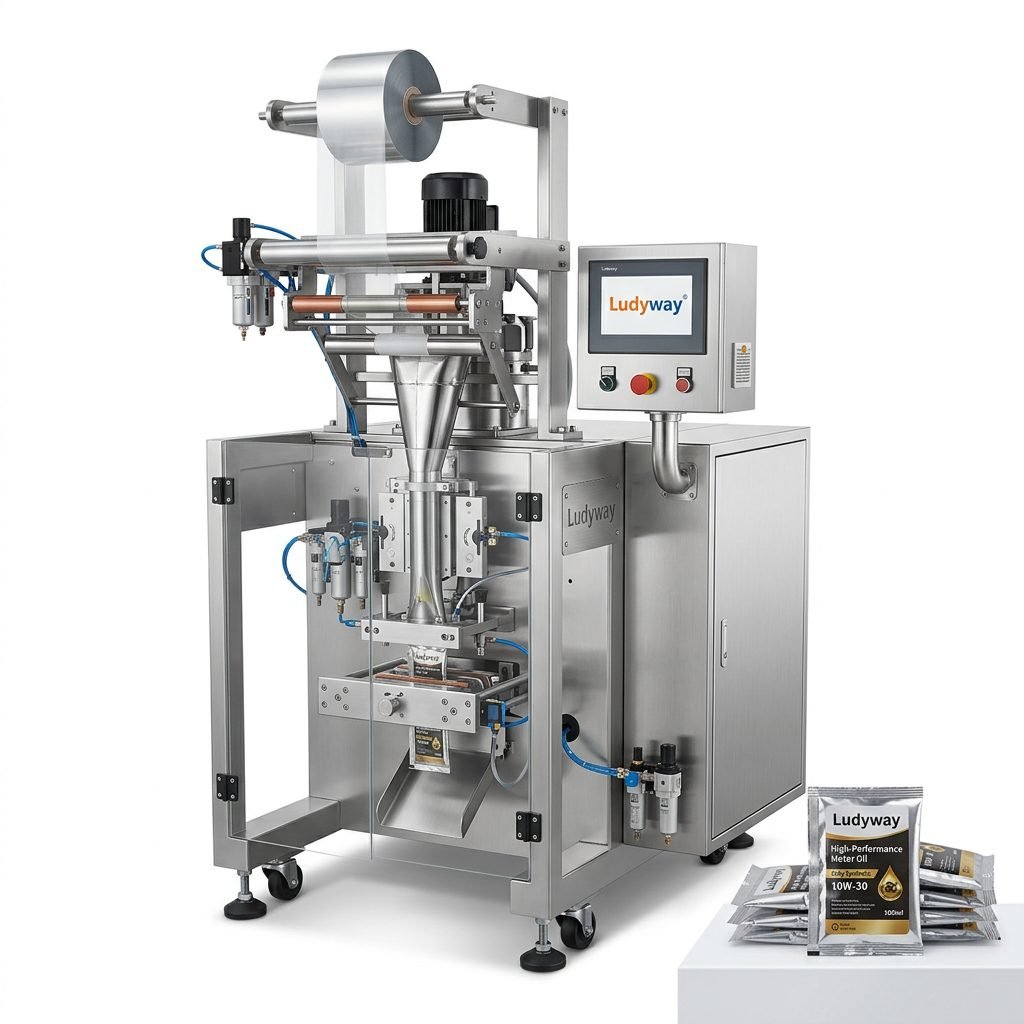
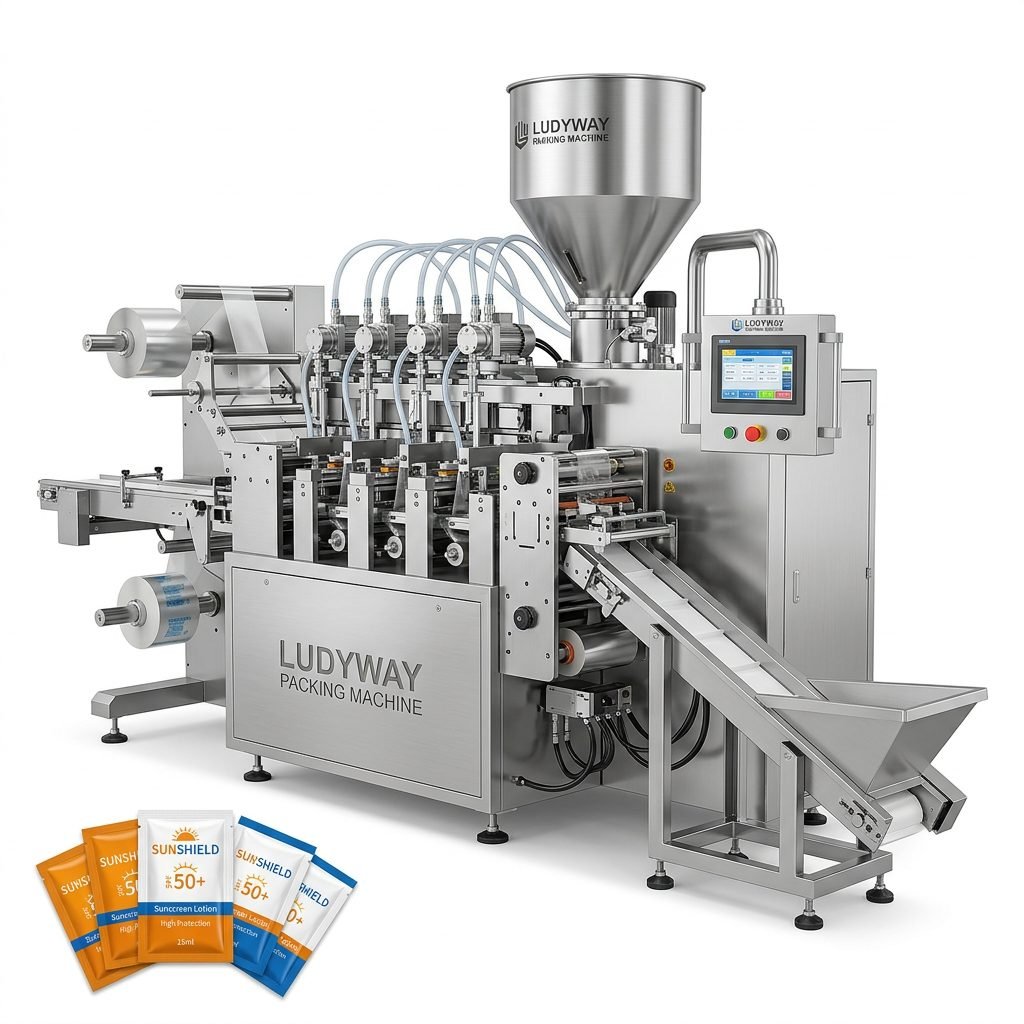
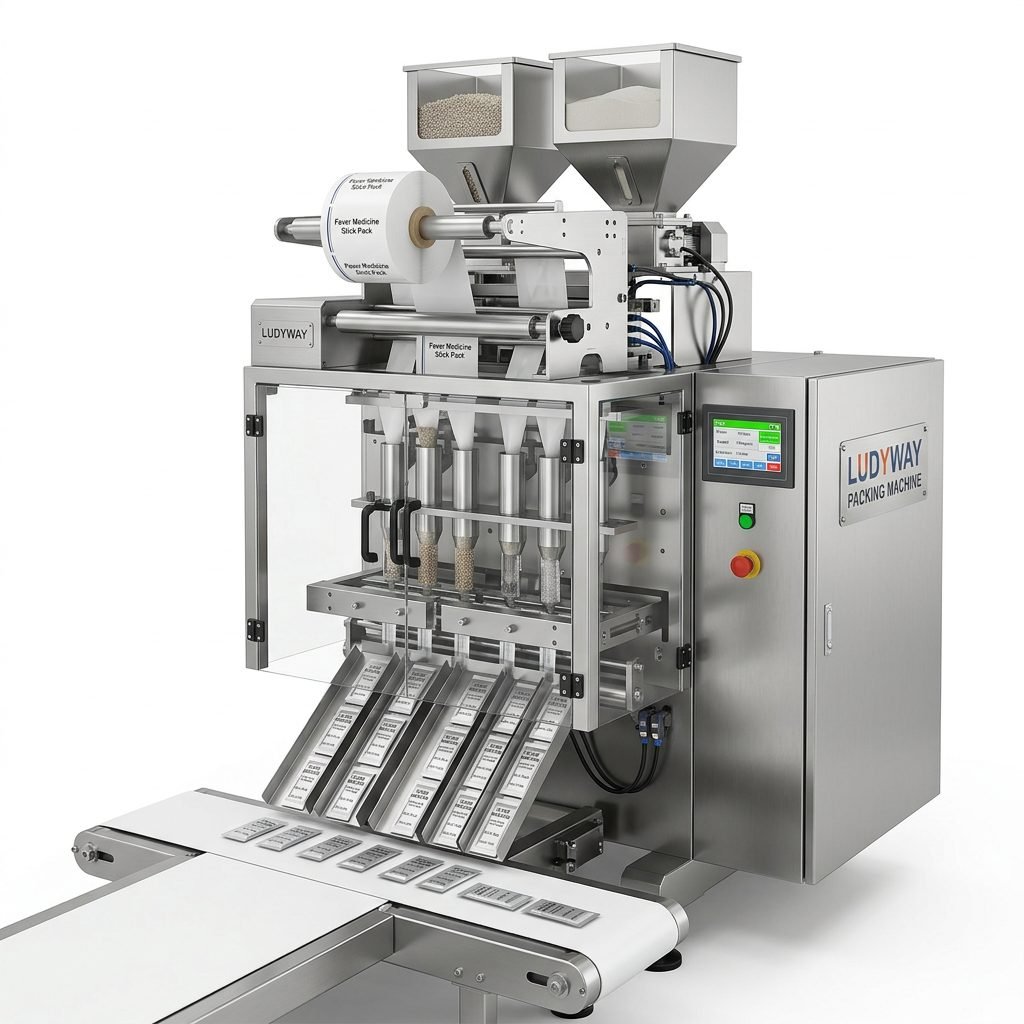
In today’s competitive manufacturing landscape, optimizing packaging equipment is not merely an upgrade—it’s a strategic necessity. Redesigning your packaging machinery can unlock significant gains in operational efficiency, substantial cost savings, and superior product protection. This comprehensive guide walks you through the key considerations and actionable steps for a successful packaging equipment redesign project.
Understanding the Core Objectives of Redesign
Before embarking on any redesign initiative, clearly defining your goals is paramount. A scattered approach leads to suboptimal results. Focus on these three interconnected pillars:
The Triple Goal: Efficiency, Cost, Protection
Higher Efficiency means increasing output (packages per minute), reducing changeover times, and minimizing unplanned downtime. This directly impacts your production capacity and ability to meet demand.
Lower Costs encompass both direct and indirect expenses. This includes reducing material waste (film, carton), lowering energy consumption, decreasing labor requirements through automation, and minimizing maintenance costs.
Better Product Protection is the fundamental role of packaging. Redesign should enhance seal integrity, improve containment, and ensure the packaging consistently safeguards the product from environmental factors, contamination, and damage throughout the supply chain.
Step-by-Step Process for Redesigning Packaging Equipment
1. Conduct a Thorough Current-State Analysis
You cannot improve what you don’t measure. Begin by meticulously auditing your existing packaging line.
- Performance Metrics: Record current speed (CPM), Overall Equipment Effectiveness (OEE), changeover duration, and rejection rates.
- Bottleneck Identification: Pinpoint the specific machine or process step that limits the entire line’s throughput.
- Material Usage Audit: Analyze film, label, and carton consumption versus actual output to identify waste percentages.
- Maintenance Log Review: Study historical data for recurring failures, high-cost spare parts, and frequent adjustment points.
2. Re-evaluate Packaging Materials and Formats
The machine and the material are a single system. A redesign is the perfect opportunity to reconsider both.
Could switching to a lighter-gauge, higher-strength film reduce material costs without compromising protection? Is your current stick pack or sachet size optimal for the product and consumer use? Exploring modern, sustainable materials can also align with market trends and reduce environmental impact. Partnering with a knowledgeable supplier like Ludyway Packing Machine can provide insights into material-machine compatibility for optimal performance.
3. Integrate Smart Automation and Controls
Modernization is key. Upgrading control systems can yield dramatic improvements.
Key Automation Upgrades to Consider:
→ Servo-Driven Mechanisms: Replace mechanical drives with servo motors for precise, programmable motion, faster changeovers, and reduced mechanical wear.
→ Integrated Vision Inspection Systems: Automate quality checks for fill level, seal integrity, label presence, and code verification, ensuring 100% inspection and removing defective packs.
→ Human-Machine Interface (HMI) & PLC: Implement user-friendly touchscreens and programmable logic controllers for easier operation, recipe storage, and diagnostic access.
→ IoT Connectivity: Enable data collection for predictive maintenance, production monitoring, and integration with Manufacturing Execution Systems (MES).
4. Focus on Modularity and Flexibility
Market demands change rapidly. Designing or selecting equipment with a modular architecture allows for future adaptation.
Can modules be added or swapped to handle a new product format? Look for machines designed with quick-release clamps, tool-less adjustments, and standardized interfaces. This flexibility protects your investment and allows you to respond to new opportunities, such as producing limited-edition runs or varying package sizes, without a complete line overhaul.
5. Enhance Ergonomic and Safety Features
A redesign should also benefit the operators. Improved ergonomics reduce fatigue, increase productivity, and enhance safety.
- Adjustable work heights for loading and monitoring.
- Improved guarding with safety interlocks that don’t hinder access for routine tasks.
- Centralized lubrication points and easy-access panels for preventive maintenance.
- Clearer labeling of controls and emergency stops.
These features, often found in equipment from experienced providers with deep industry knowledge, contribute to a smoother, safer workflow.
6. Plan for Lifecycle Cost and Support
The purchase price is just the beginning. Evaluate the total cost of ownership.
Consider energy efficiency ratings, the availability and cost of spare parts, and the supplier’s technical support reputation. A machine with a slightly higher initial cost but lower energy use, easier maintenance, and strong support from a partner like Ludyway Machinery often proves more economical in the long run. Ensure the supplier offers comprehensive training and has a clear path for technical assistance.
Implementation and Validation
After redesign, a structured implementation is critical. Develop a detailed commissioning plan, including factory acceptance testing (FAT) and site acceptance testing (SAT). Train your operators and maintenance technicians thoroughly on the new systems. Run extended production trials to validate performance metrics against your original goals—measuring the new efficiency, cost savings, and packaging quality. Continuous monitoring post-installation will help fine-tune the process and capture all intended benefits.
Frequently Asked Questions (FAQs)
1. How do I justify the ROI for a packaging equipment redesign project?
Build a business case focusing on quantifiable metrics: increased production output (revenue), reduced material waste (cost savings), lower labor costs via automation, and decreased downtime (OEE improvement). Factor in softer benefits like improved quality (fewer returns) and enhanced flexibility for new products.
2. Should I retrofit my old machine or buy a new one?
This depends on the machine’s core condition and the scope of change. A retrofit (adding servos, new controls) can be cost-effective for robust frames. A full replacement is often better for a complete technology leap, major speed increases, or if the existing machine is chronically unreliable. A professional assessment from a packaging solutions provider is recommended.
3. How can I ensure the redesigned line provides better product protection?
Focus on precision and consistency. Upgraded sealing jaws with better temperature control, more accurate filling systems, and the integration of in-line vision inspection to check every seal are crucial. The redesign should aim for tighter tolerances and repeatability in every packaging operation.
4. What are common pitfalls to avoid during a redesign?
Key pitfalls include: not involving operators/maintenance in the planning phase; focusing on speed alone while sacrificing reliability; underestimating the importance of supplier support; and failing to run sufficient material trials with the new setup before full commissioning.
5. How long does a typical packaging equipment redesign project take?
The timeline varies widely. A simple control system retrofit might take a few weeks. A complete line redesign with new machinery can span 6 to 18 months from concept to full production, including planning, supplier selection, manufacturing, factory testing, installation, and site validation. Phased implementation can help manage disruption.