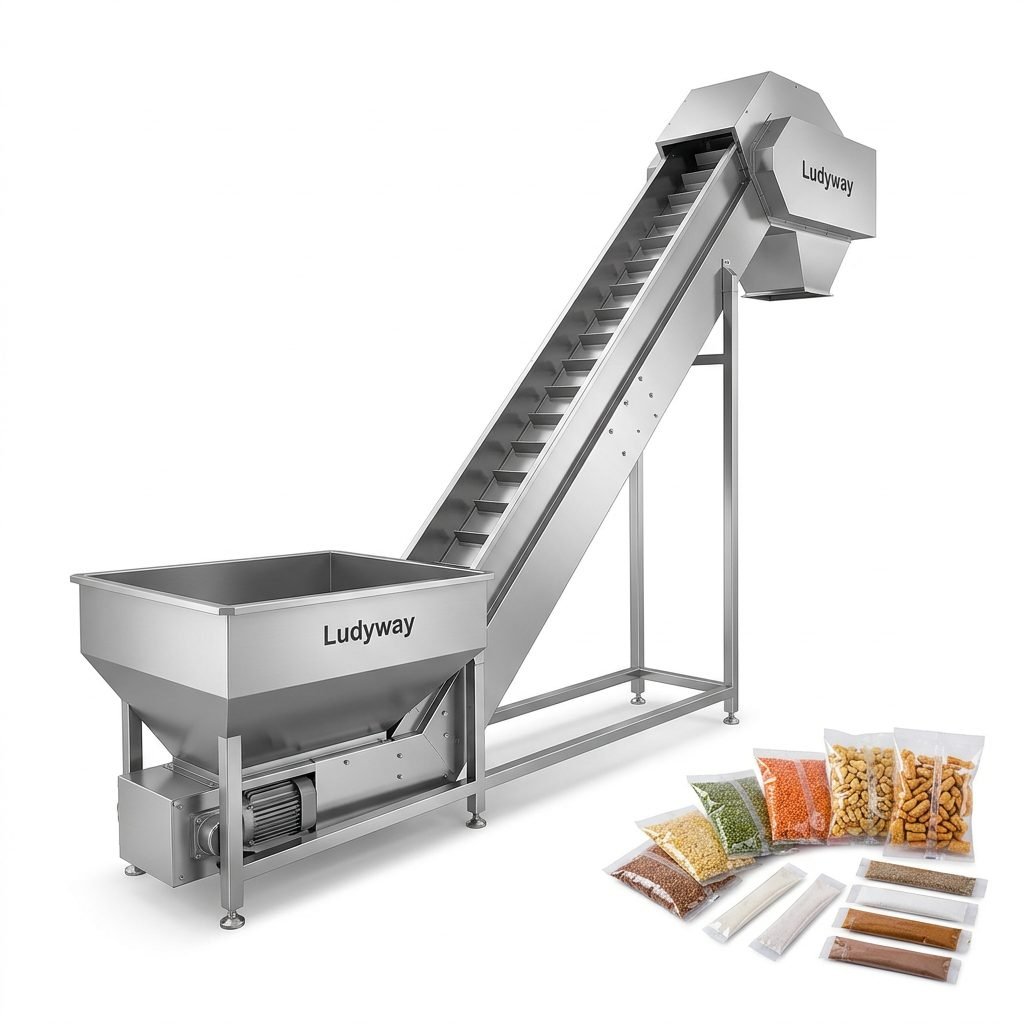
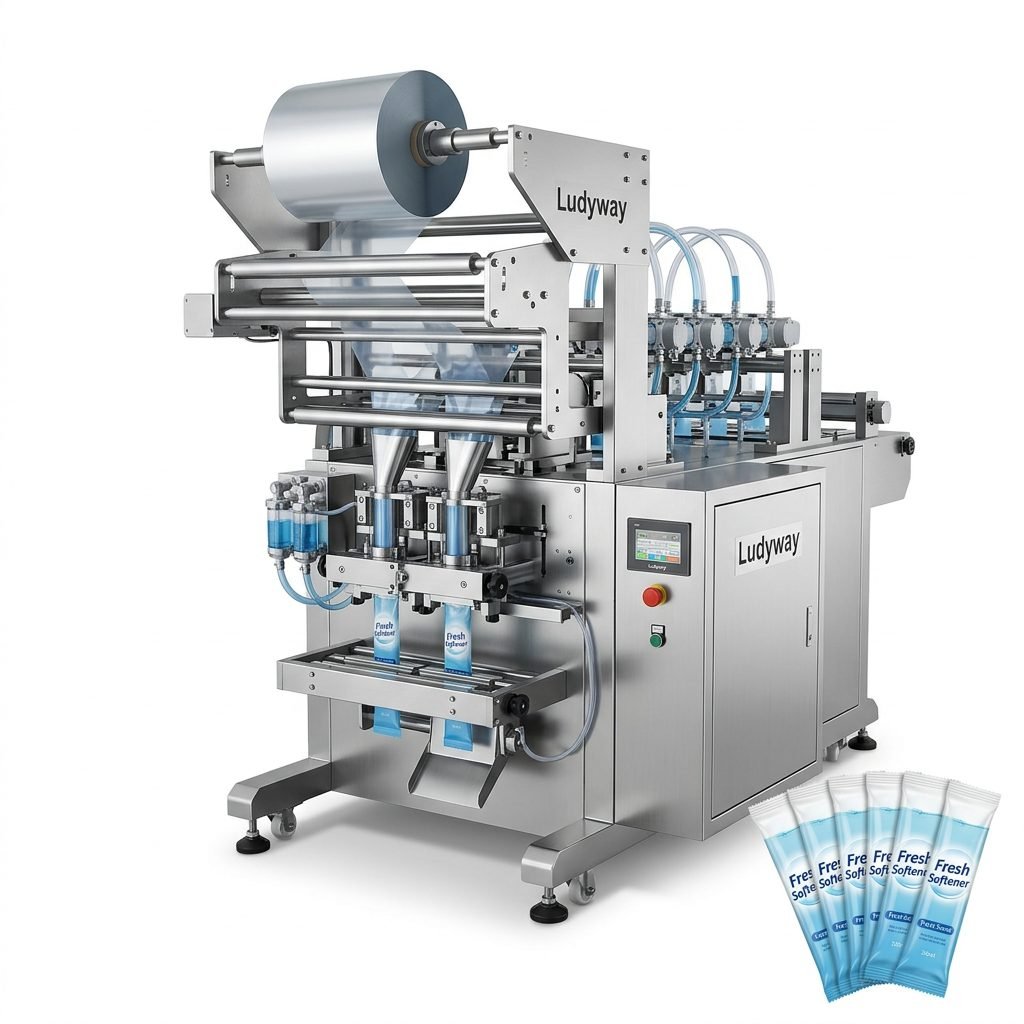
Selecting the right packaging machinery is a critical decision for any manufacturing operation. The correct equipment can dramatically enhance your production efficiency, product quality, and overall profitability. This guide will walk you through the key factors to consider, explore the main types of packaging machinery available, and provide a practical buying guide to ensure you make the best investment for your specific production line needs.
Key Factors to Consider When Selecting Packaging Machinery
Before diving into specific machine types, it’s essential to evaluate your operation’s unique requirements. A thorough assessment upfront prevents costly mistakes and ensures the machinery integrates seamlessly into your workflow.
1. Product Characteristics
The nature of your product is the primary driver of your machinery choice. Consider its physical form (granule, powder, liquid, solid), its abrasiveness, viscosity, and sensitivity to factors like heat, light, or moisture. Fragile products require gentle handling systems, while hygroscopic powders need airtight packaging solutions.
2. Production Capacity & Speed Requirements
You must match the machine’s output to your current and projected future demand. Calculate your required bags-per-minute or units-per-hour. It’s often wise to choose a machine that can operate at 15-20% above your current peak requirement to accommodate growth without immediate reinvestment.
3. Packaging Materials & Formats
The machine must be compatible with your chosen packaging materials, whether it’s laminated film for snacks, sterile medical-grade pouches, or stand-up zipper bags. Also, define your desired package format: stick packs, sachets, pillow bags, or four-side seal pouches. Flexibility to run different materials and formats can be a valuable asset.
Pro Tip: Don’t overlook the cost and availability of consumables. A machine that uses a proprietary or hard-to-source film can create long-term operational bottlenecks and higher costs, negating the initial equipment savings.
4. Level of Automation & Integration
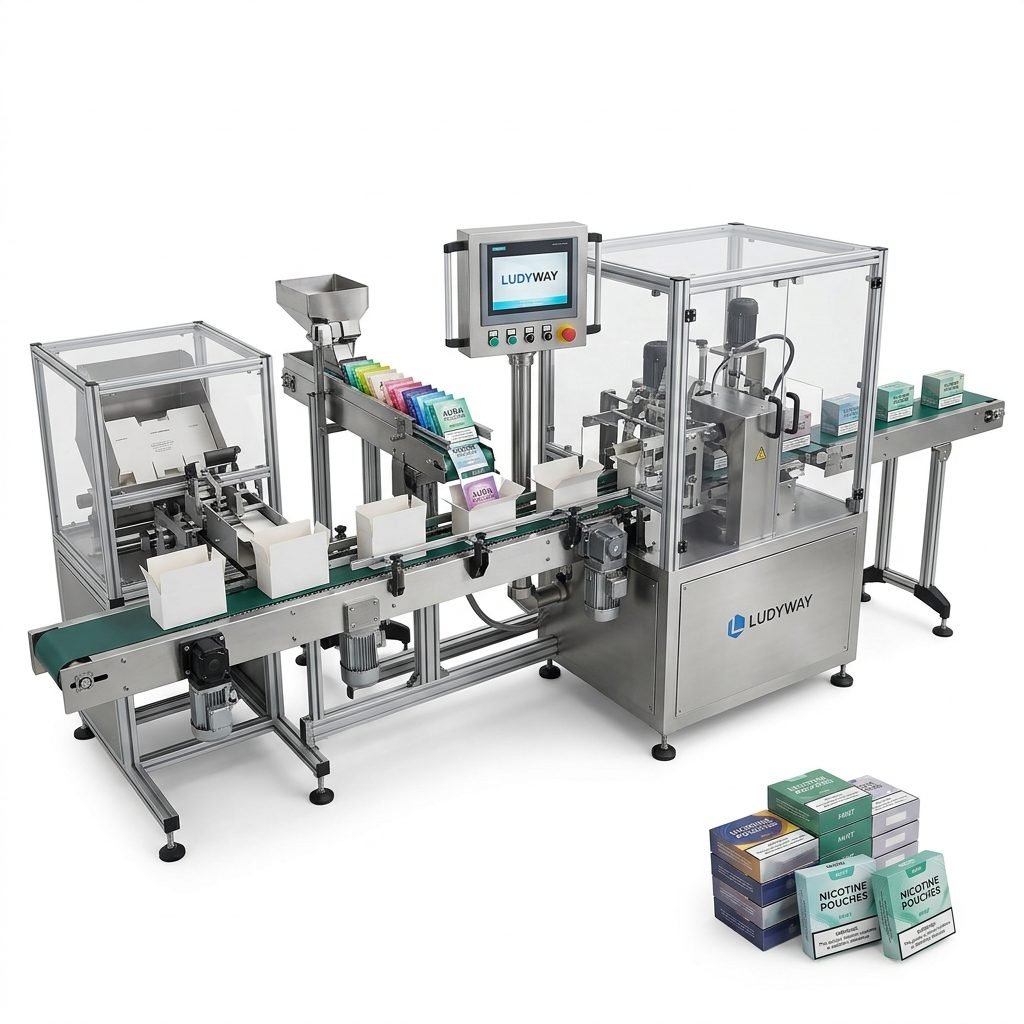
Determine how the new machine will fit into your existing line. Will it be a stand-alone unit or part of an integrated system with upstream feeders and downstream cartoning? The level of automation—from semi-automatic to fully automated with robotic palletizing—directly impacts labor costs, consistency, and throughput.
5. Total Cost of Ownership (TCO)
Look beyond the initial purchase price. The true cost includes installation, training, maintenance, energy consumption, spare parts, and potential downtime. A slightly more expensive, robust machine from a reputable supplier like Ludyway Machinery often has a lower TCO due to higher reliability and better support.
Common Types of Packaging Machinery
Understanding the different categories of equipment will help you narrow down your search. Here are the most prevalent types used across industries.
Vertical Form-Fill-Seal (VFFS) Machines
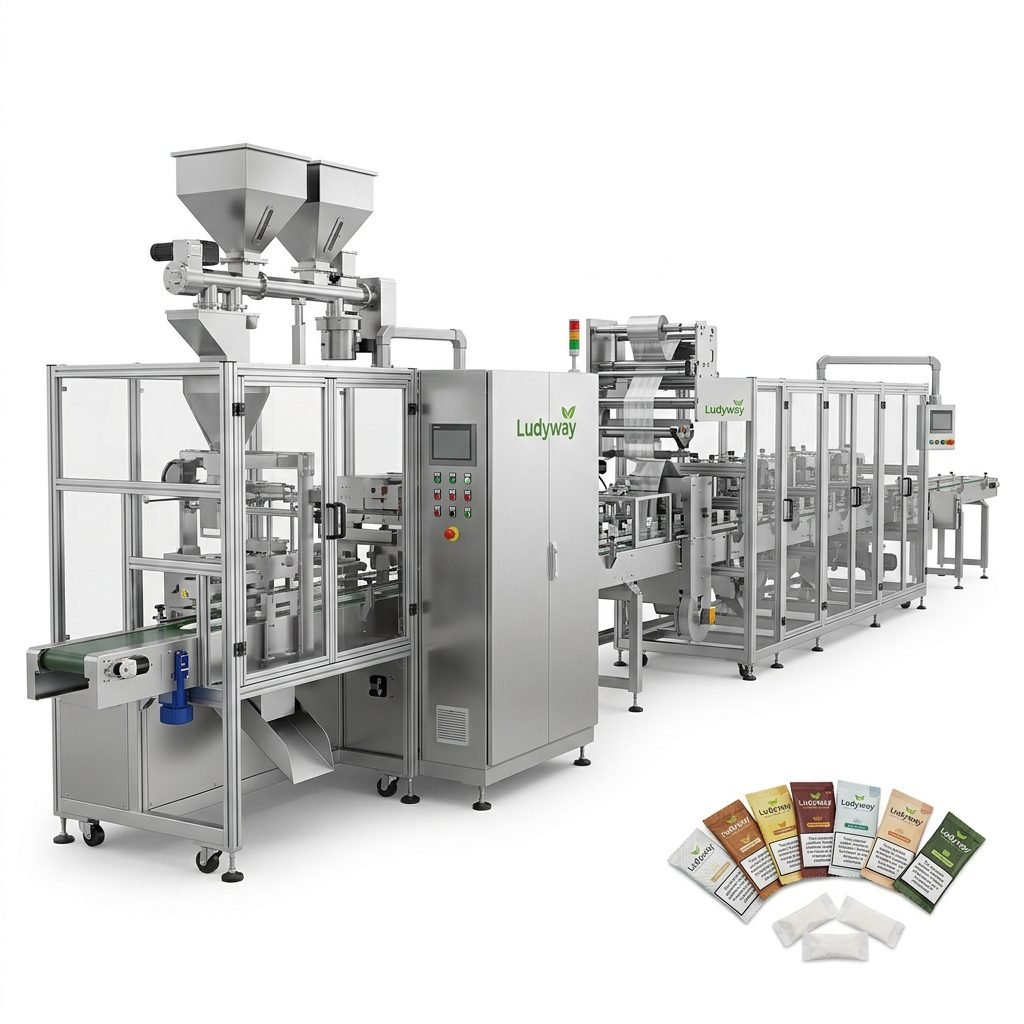
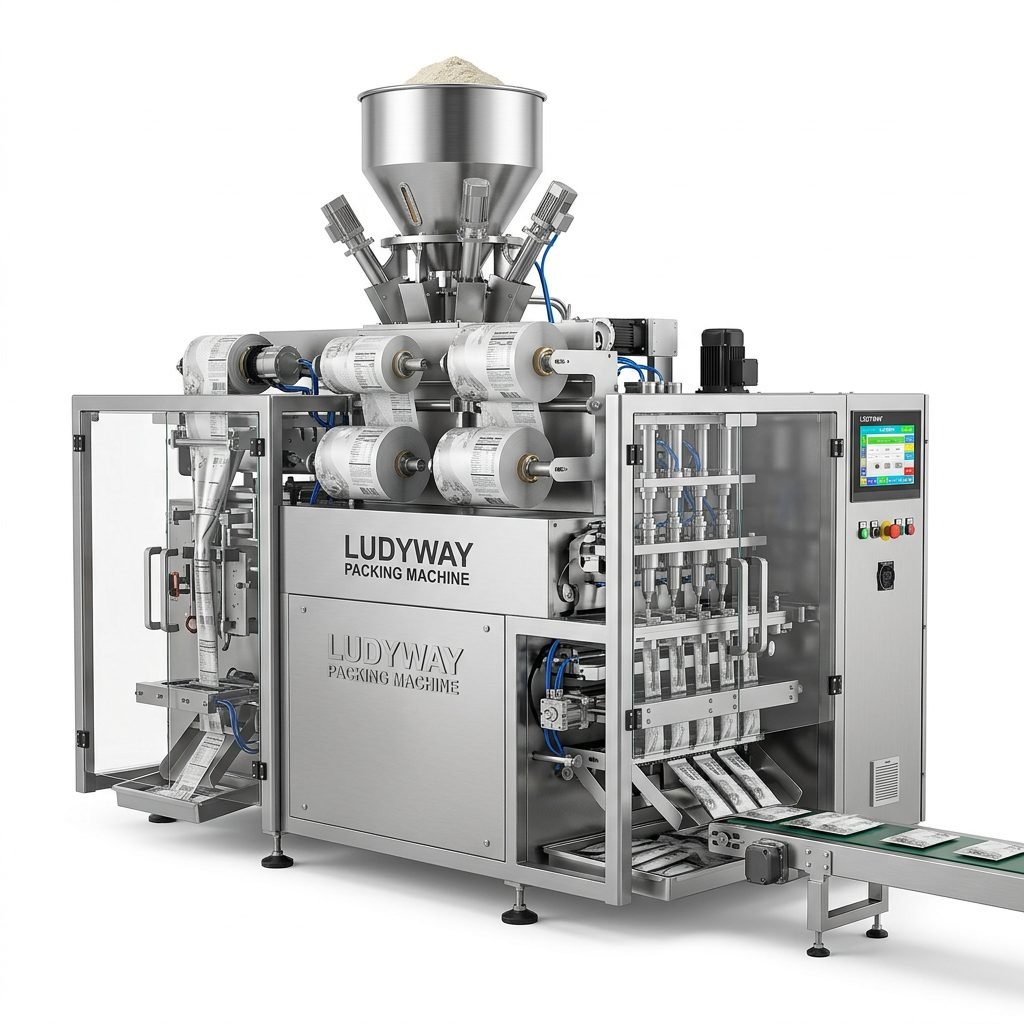
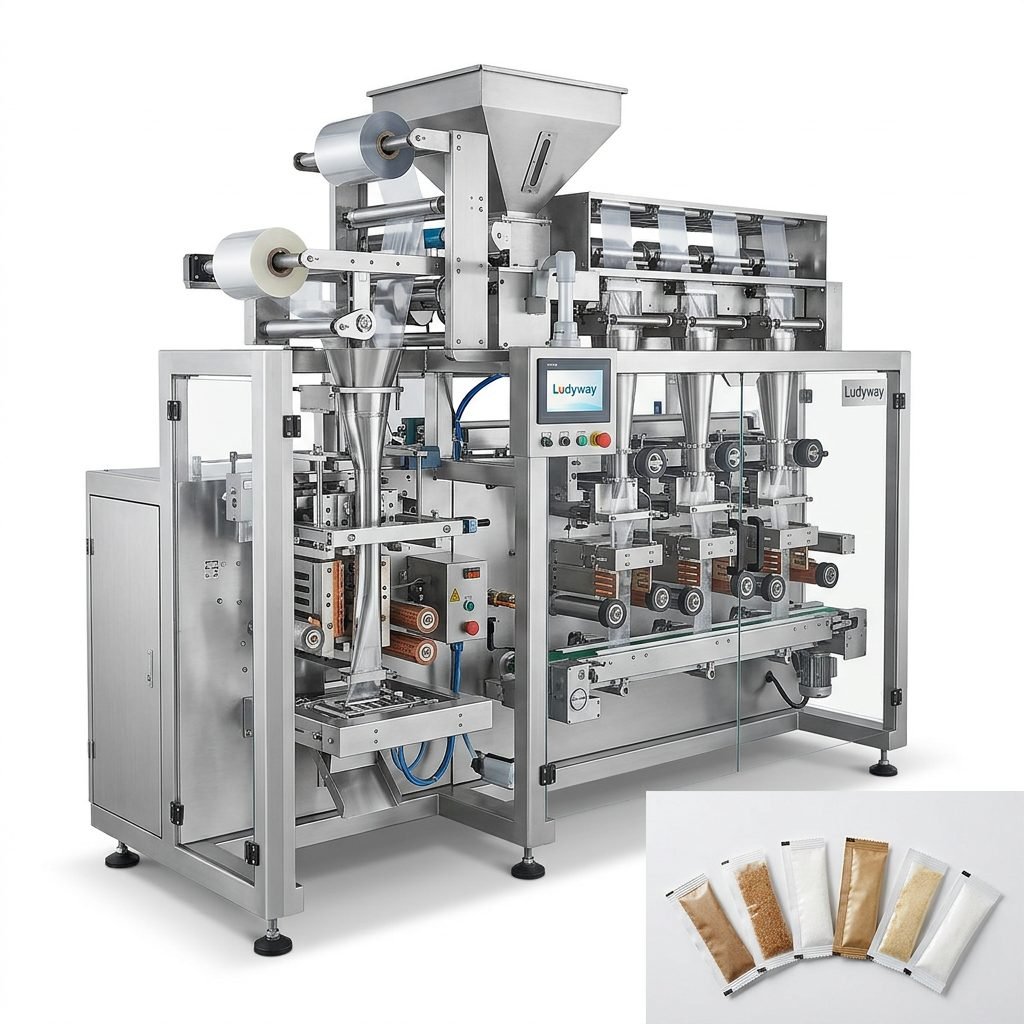
Ideal for packaging free-flowing products like snacks, granules, powders, and liquids. The machine forms a bag from a roll of film, fills it with a pre-measured product dose, and seals it—all in a continuous vertical motion. They are highly versatile and efficient for medium to high-volume production.
Horizontal Form-Fill-Seal (HFFS) Machines
Best suited for arranging products in a tray or forming packages around them, commonly used for bars, biscuits, or multi-component products. The process is horizontal, allowing for more complex package shapes and attractive visual presentation, often used in food packaging.
Stick Pack & Sachet Packaging Machines
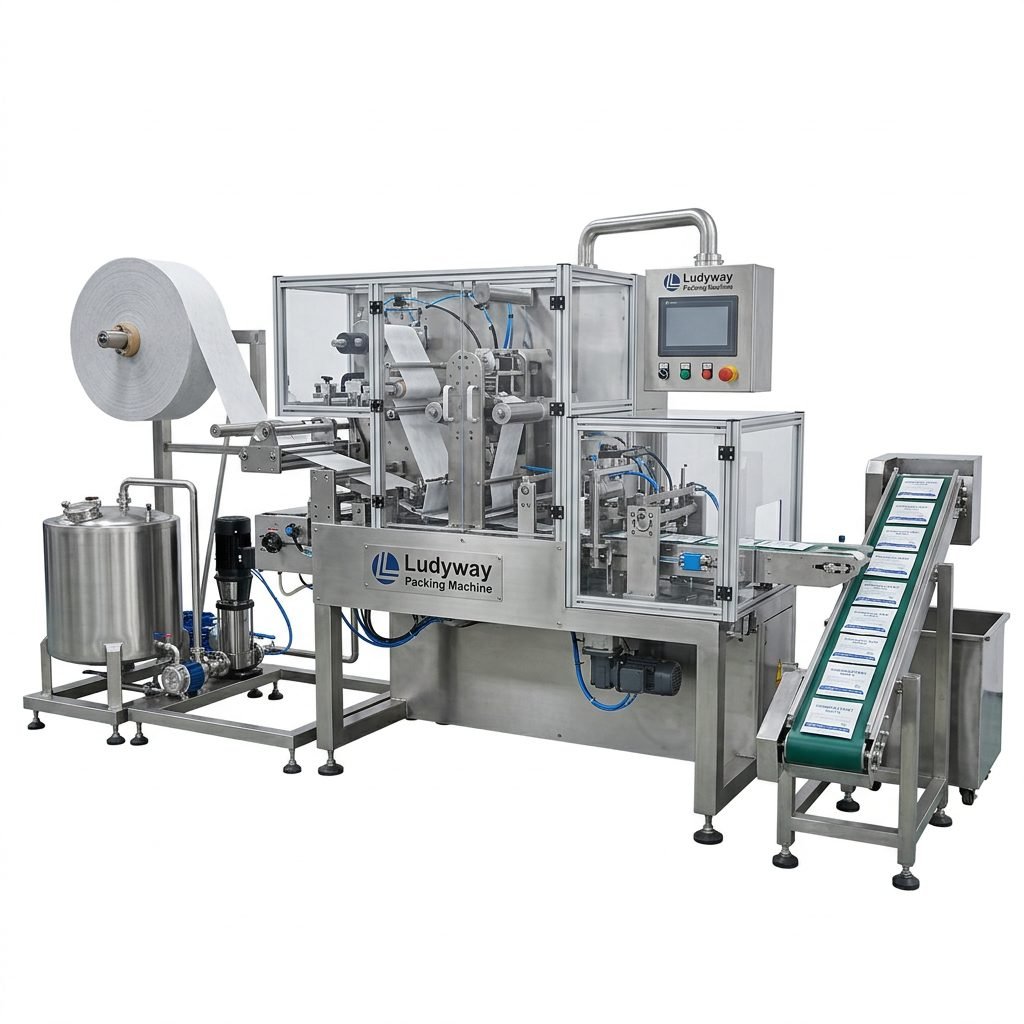
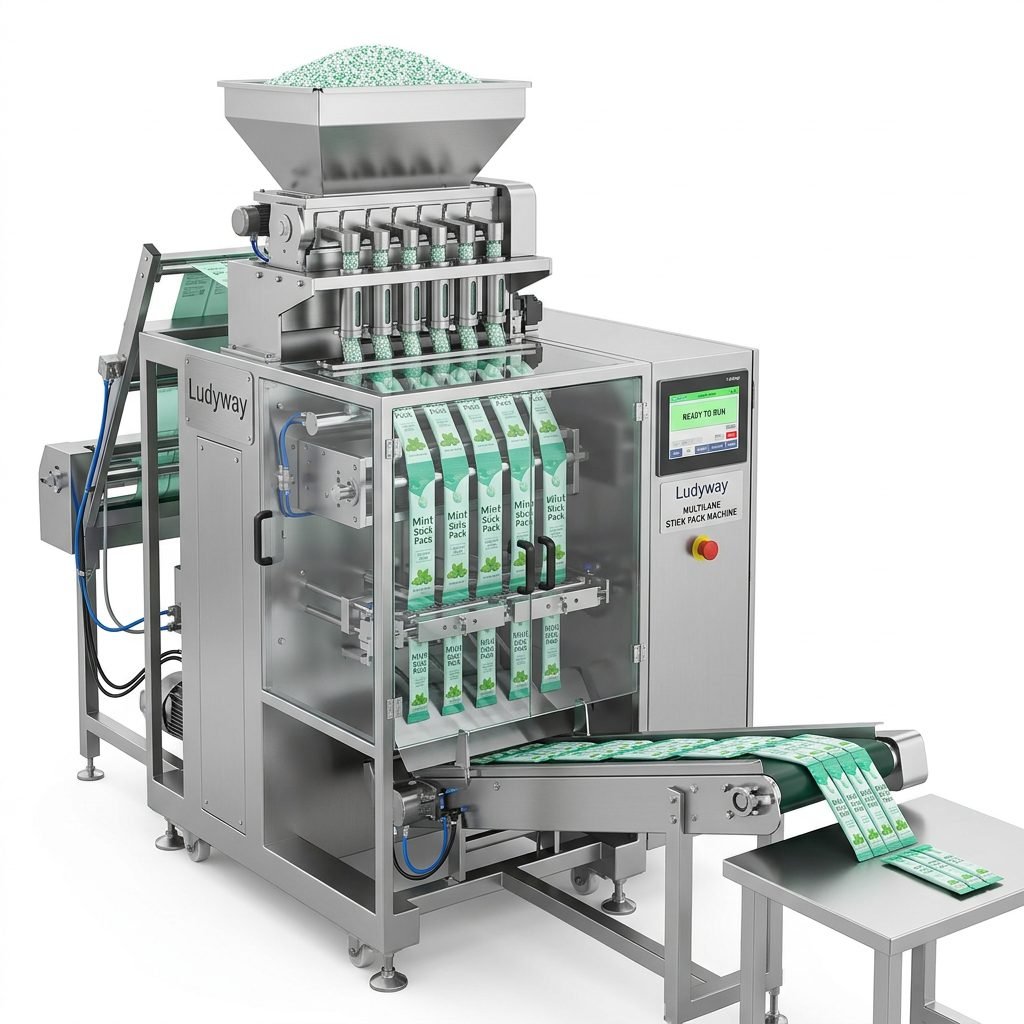
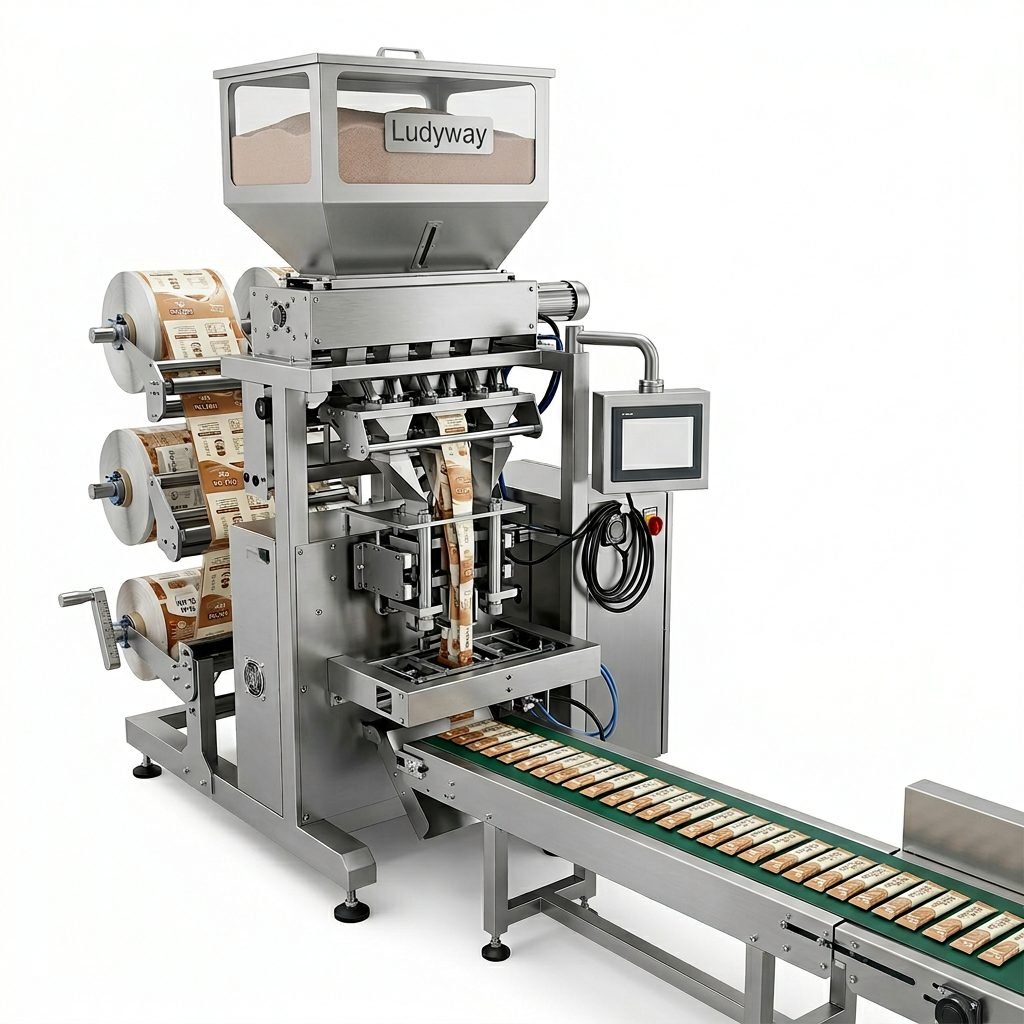
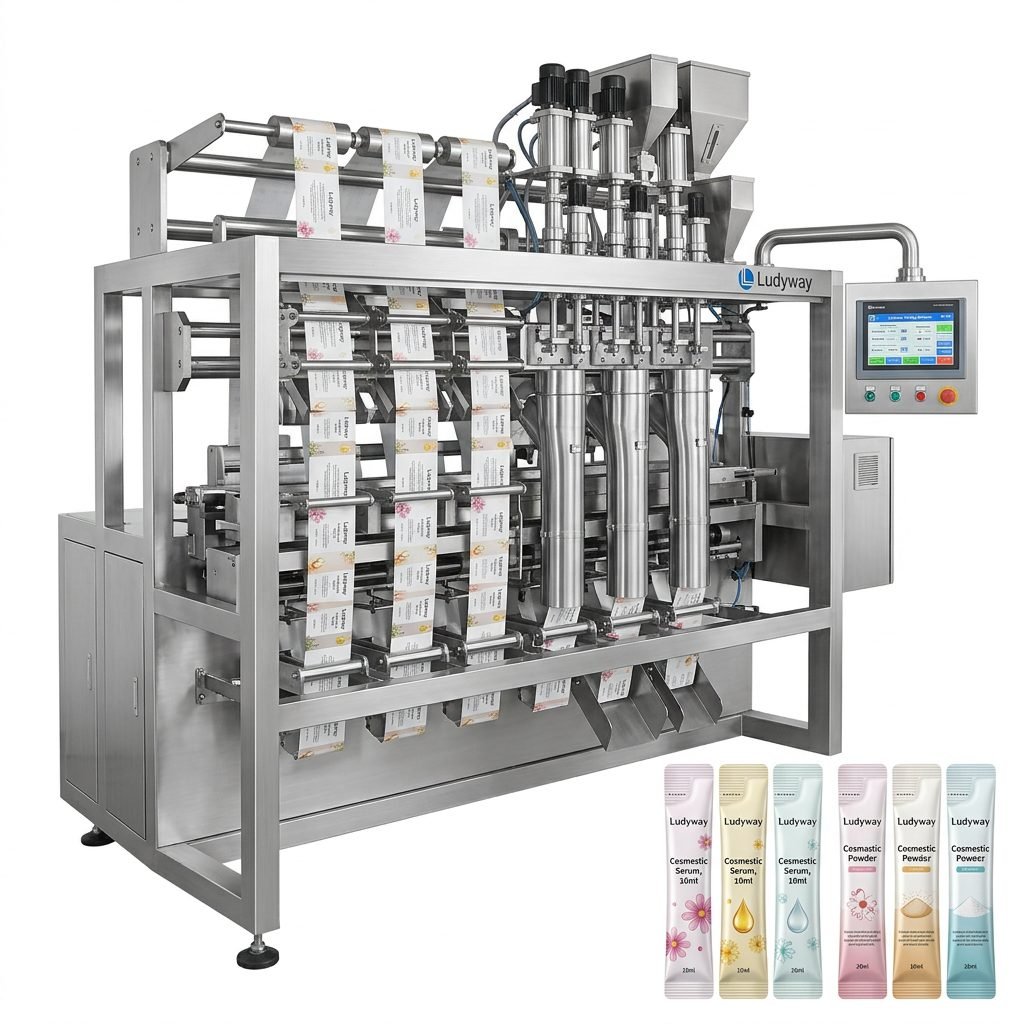
These machines produce small, elongated stick packs or rectangular sachets, perfect for single-serve portions of sugar, coffee, ketchup, shampoo, or pharmaceuticals. They are compact and can achieve very high speeds, making them popular for promotional items and samples.
Did You Know?
Modern multi-lane stick pack machines can produce over 1,000 sticks per minute, demonstrating how specialized machinery can achieve incredible outputs for high-demand products.
Liquid & Piston Filling Machines
Designed for accurate volumetric filling of viscous and liquid products like sauces, oils, creams, and chemicals. Piston fillers are renowned for their precision and ability to handle products with particulates. They are a cornerstone of liquid packaging lines.
Auger Filling Machines for Powders & Granules
These machines use a rotating auger (screw) to dispense dry products with excellent accuracy. They are the go-to solution for packaging spices, milk powder, instant coffee, and pharmaceuticals where consistent fill weight is legally and commercially critical.
Comprehensive Buying Guide for Your Production Line
Follow this step-by-step guide to navigate the purchasing process confidently and secure the right equipment for your business.
Step 1: Conduct a Detailed Needs Analysis
Document everything: product specs, required output, available floor space, utility connections (power, air, water), and your operational staff’s skill level. This document becomes your request for quotation (RFQ) and ensures all suppliers bid on the same requirements.
Step 2: Research and Shortlist Reputable Suppliers
Look for manufacturers with proven experience in your specific industry. Evaluate their technical support, spare parts availability, warranty terms, and training programs. A supplier’s after-sales service is as important as the machine’s quality.
Step 3: Request and Evaluate Quotations
Provide your RFQ to at least 3-5 suppliers. Compare not just prices, but the proposed machine specifications, included features, delivery timelines, and payment terms. Be wary of quotes that seem significantly lower than others—they may cut corners on components or service.
Step 4: Insist on a Product Test or Factory Visit
A live test run with your actual product (or a close substitute) is invaluable. It validates the machine’s performance, fill accuracy, and seal integrity. If possible, visit the supplier’s factory to assess their manufacturing quality control and technical capabilities firsthand.
Step 5: Finalize Contract and Plan for Installation
Ensure the contract clearly outlines performance guarantees, acceptance criteria, delivery details, and support services. Plan the installation site preparation (foundation, utilities) well in advance to avoid delays upon the machine’s arrival.
Frequently Asked Questions (FAQs)
Q1: How do I choose between a Vertical (VFFS) and a Horizontal (HFFS) machine?
A: The choice primarily depends on your product and package style. VFFS machines are generally more cost-effective for simple, free-flowing products in pillow bags. HFFS machines are better for complex shapes, multi-packs, or products that need to be presented in a flat, tray-like format.
Q2: What is the typical lead time for receiving a new packaging machine?
A: Lead times vary widely based on complexity and customization. For standard models, expect 8-14 weeks. For fully customized or large turnkey lines, it can take 4-6 months or more. Always confirm the timeline with your supplier during the quoting process.
Q3: Can one machine handle different package sizes and materials?
A: Many modern machines offer quick-changeover features, allowing you to switch between different bag sizes or film types in minutes. However, there are usually limits to the range (e.g., minimum and maximum bag length/width). Discuss your flexibility needs with the supplier.
Q4: How important is after-sales service and technical support?
A: It is critically important. Even the best machines require maintenance and occasional troubleshooting. A supplier with a strong global support network, like Ludyway, can provide remote assistance, timely spare parts delivery, and on-site service, minimizing costly production downtime.
Q5: What are the most common operational challenges with new packaging machinery?
A: Common challenges include achieving consistent seal quality with new film materials, fine-tuning fill accuracy for non-uniform products, and training operators on proper maintenance procedures. Working with a supplier that offers comprehensive commissioning and training is the best way to overcome these hurdles quickly.