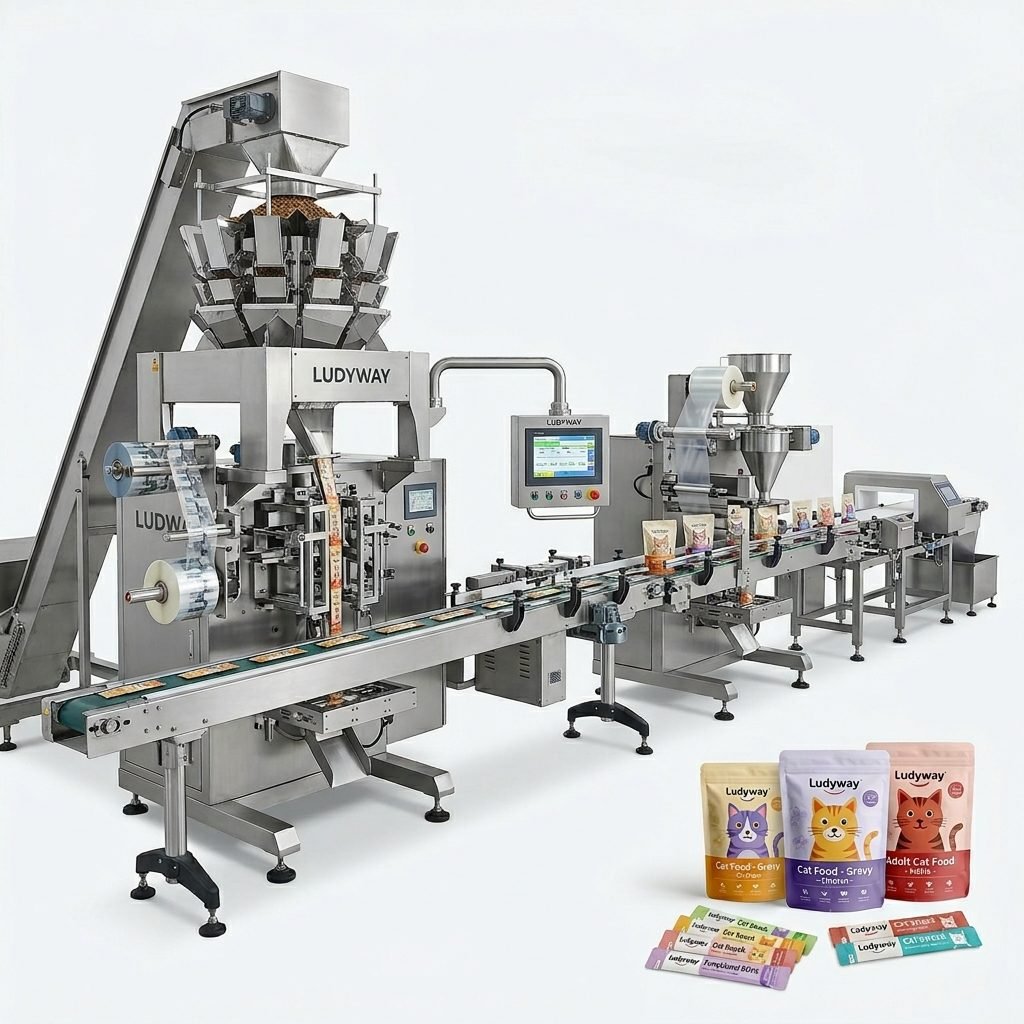
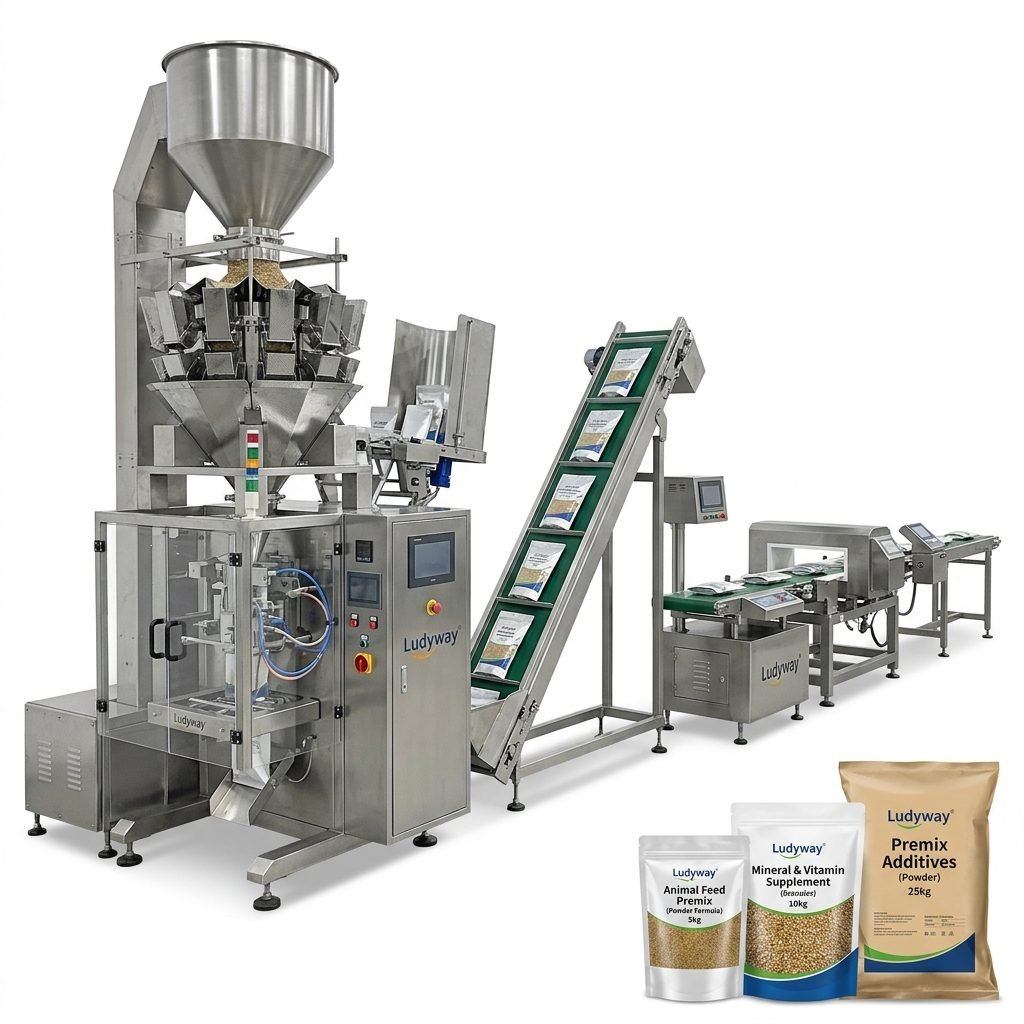
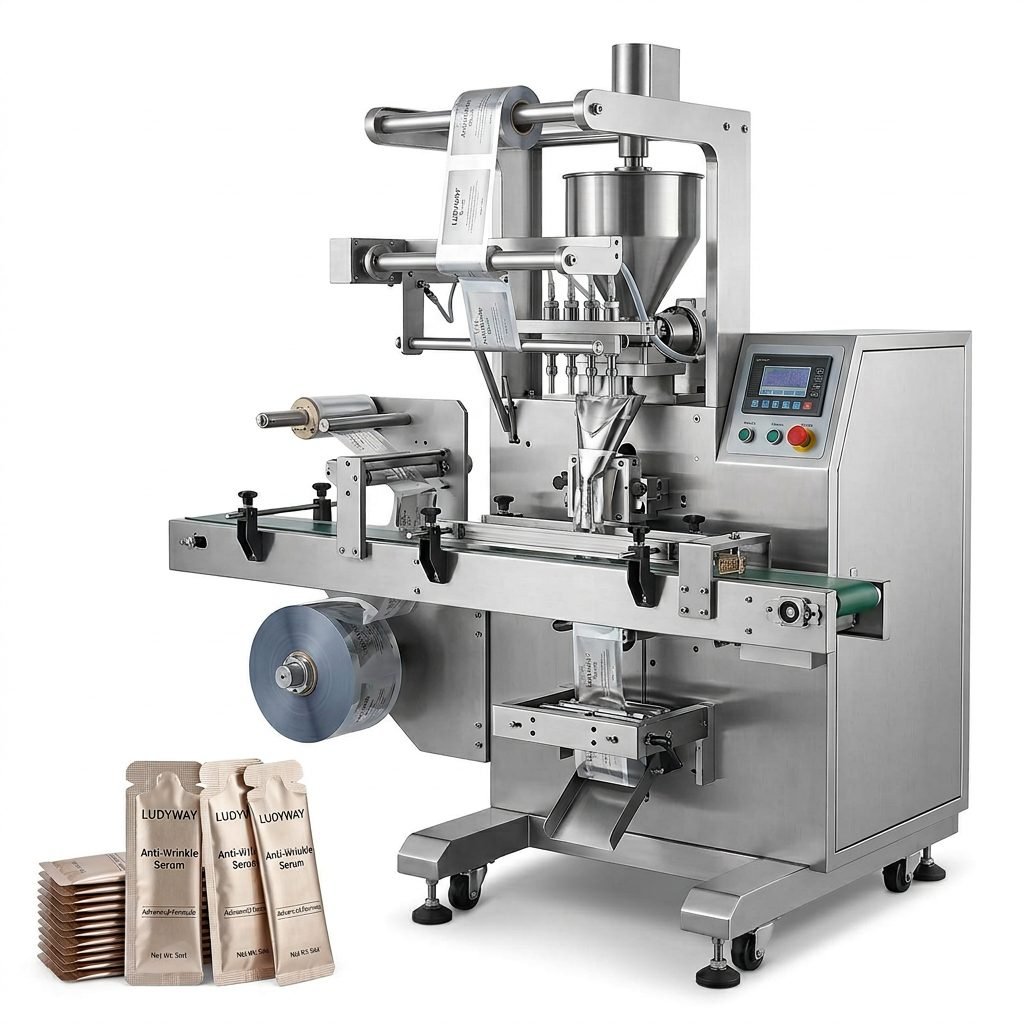
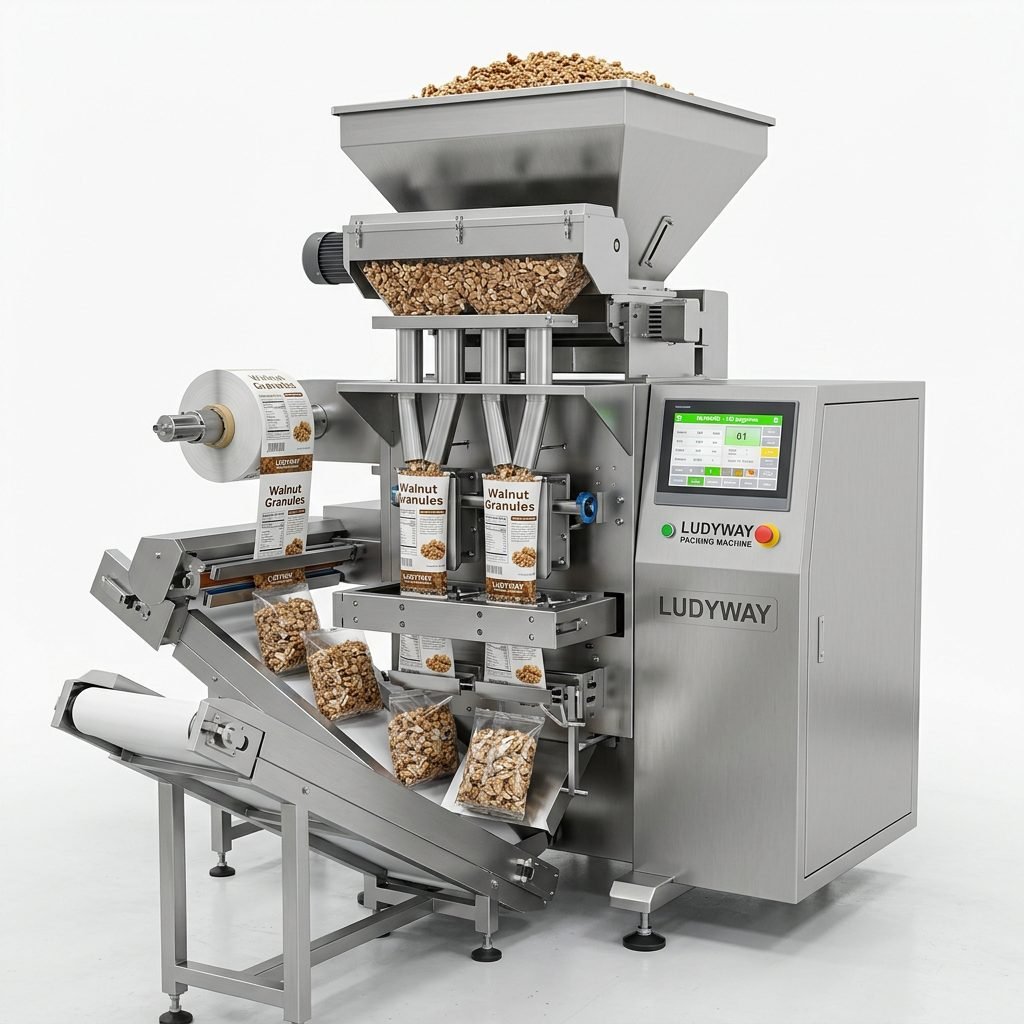
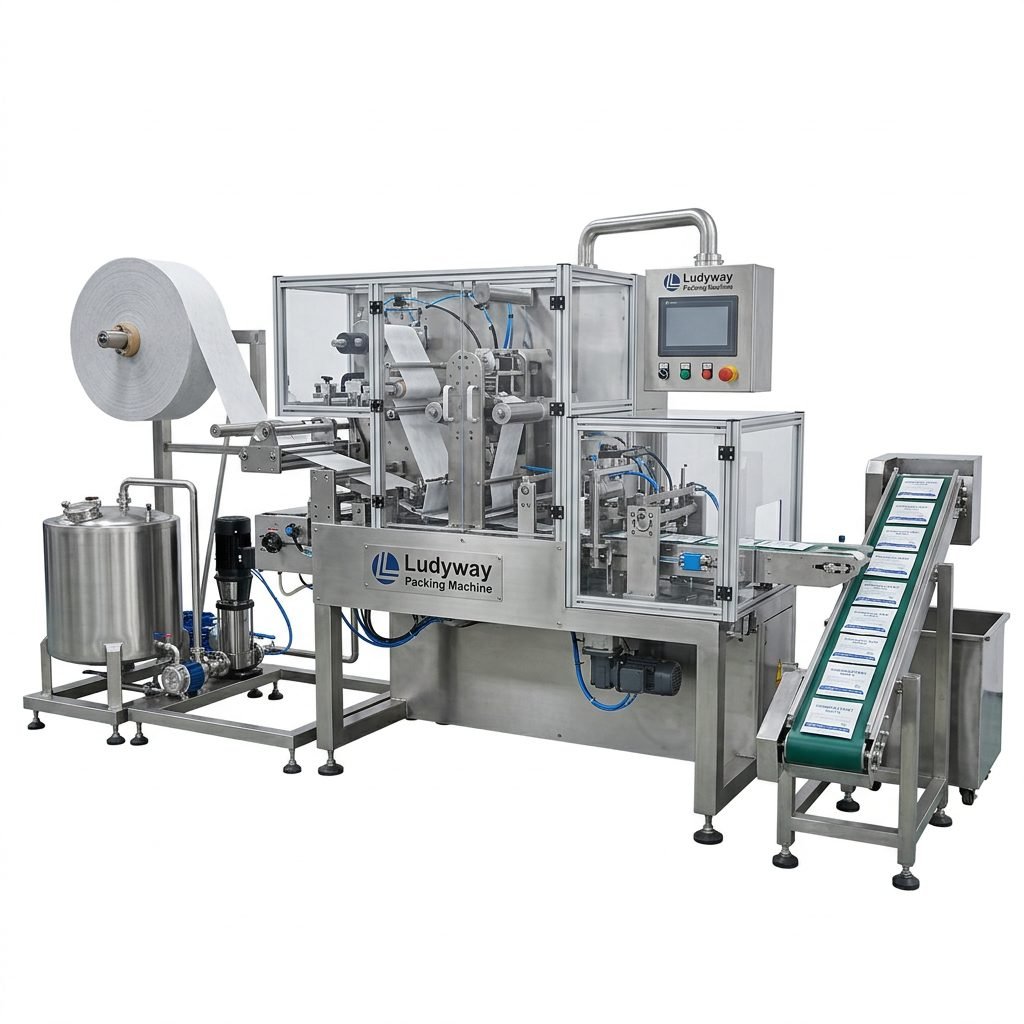
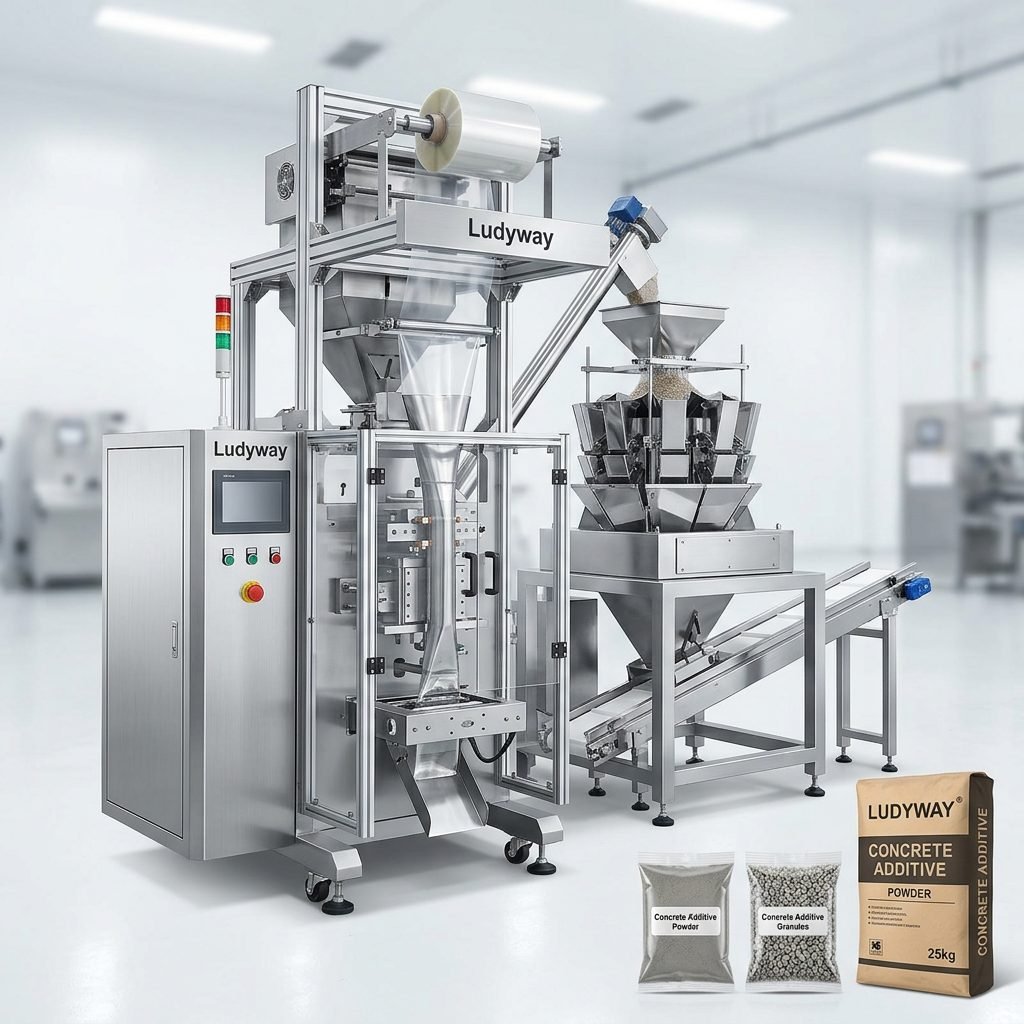
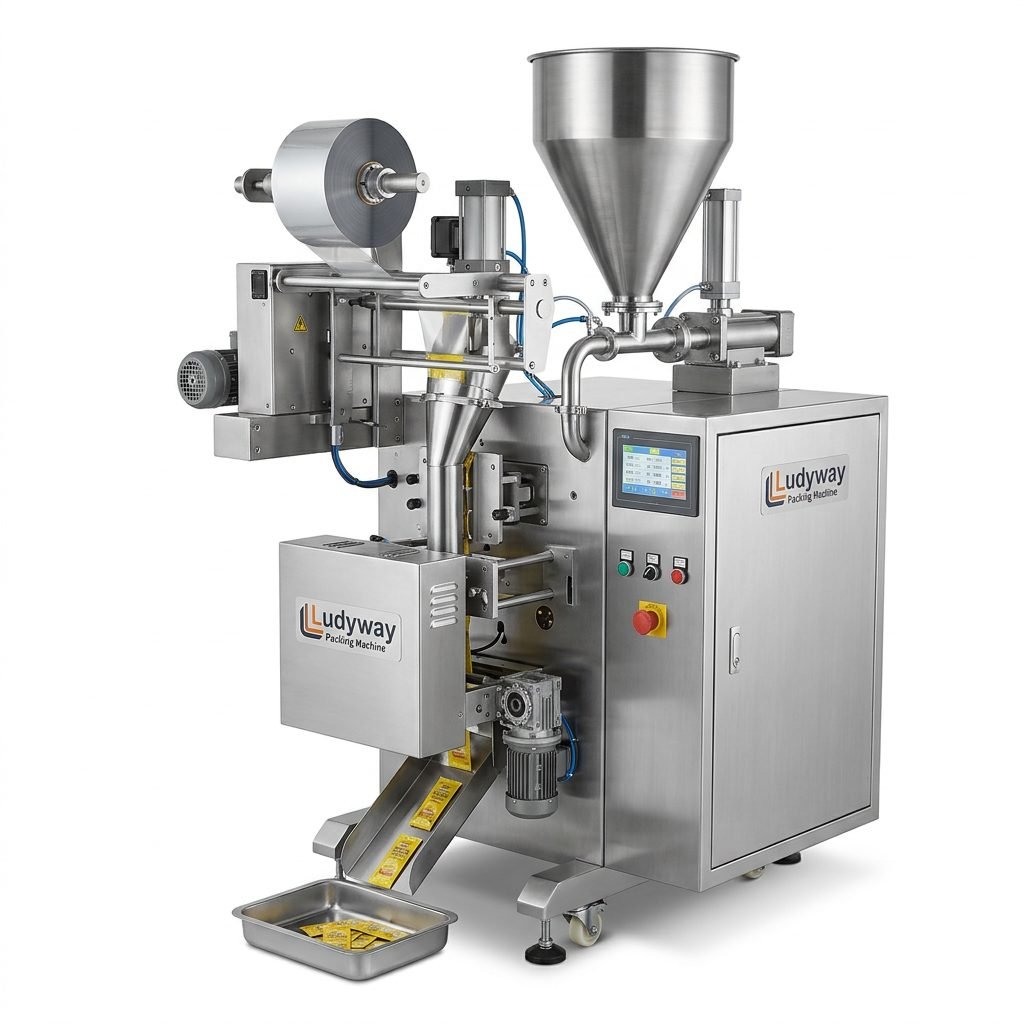
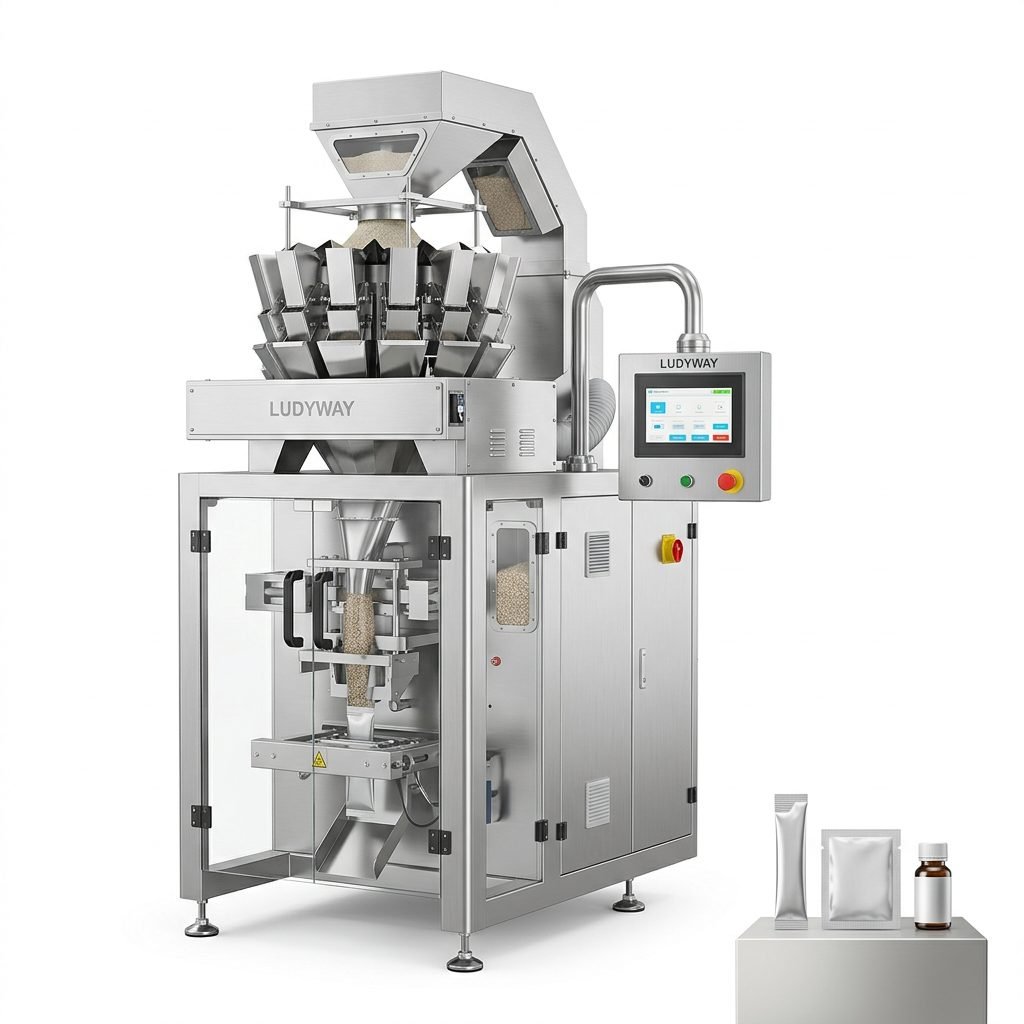
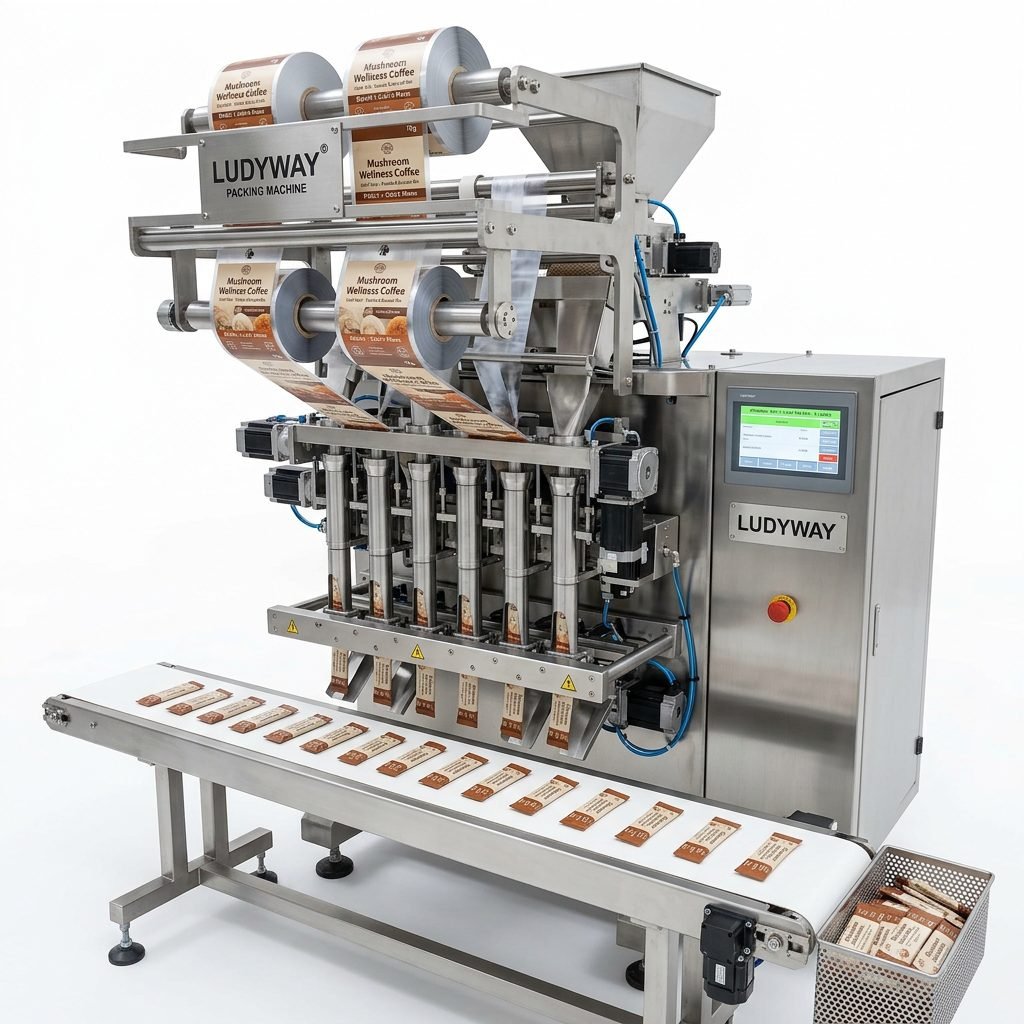
In the fast-paced world of modern manufacturing, efficiency and reliability are paramount. For businesses involved in packaging powders, granules, or small solid items, the shuttle packaging machine represents a significant leap forward in automation technology. This sophisticated equipment streamlines the packaging process, ensuring high-speed, consistent, and hygienic output that meets the stringent demands of industries like food, pharmaceuticals, and nutraceuticals. Understanding how this machine works, its substantial benefits, and what to consider before purchasing one is crucial for any operation aiming to enhance its production line’s efficiency and scalability.
Understanding the Shuttle Packaging Mechanism
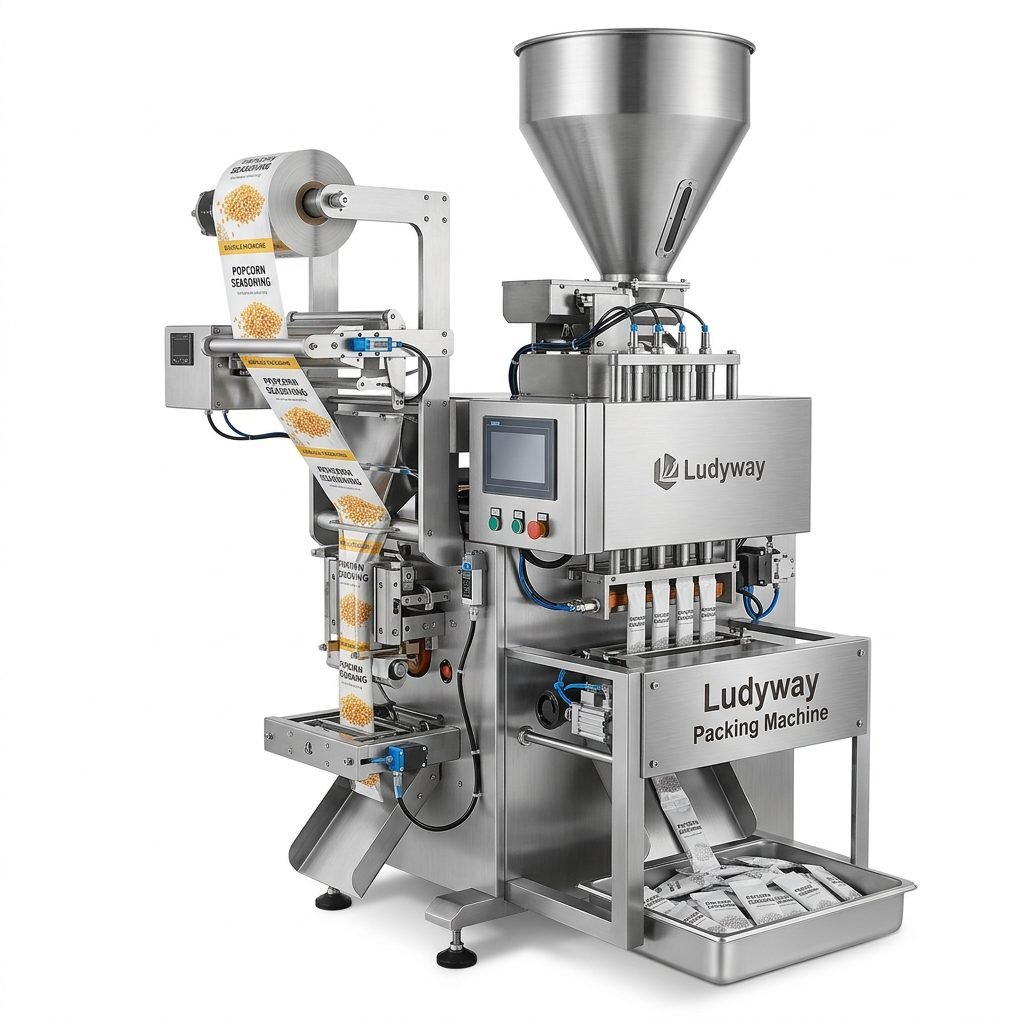
At its core, a shuttle packaging machine is a type of vertical form-fill-seal (VFFS) machine with a unique multi-lane dispensing system. Unlike single-tube machines, it features a “shuttle” or oscillating head that moves between multiple filling positions. This design allows for continuous motion and significantly higher output.
Core Operational Cycle:
1. Film Feeding & Forming: A roll of packaging film (like laminated polyethene) is drawn upward and formed into a tube around a vertical forming collar.
2. Longitudinal Sealing: The film’s edges are sealed together along the vertical length, creating a continuous tube.
3. Shuttle Filling: This is the key differentiator. The product is fed from a hopper into a multi-outlet weighing or auger system. The shuttle head, carrying the filling nozzles, moves laterally to position itself over each tube in sequence, dispensing a precise dose of product.
4. Cross Sealing & Cutting: Horizontal jaws simultaneously seal the top of the filled pouch and the bottom of the next pouch, then cut them apart, creating individual, finished sachets or stick packs.
Key Benefits for Modern Production Lines
Investing in a shuttle packaging system translates to tangible operational advantages. The primary benefit is a dramatic increase in production speed and output. By utilizing multiple lanes (commonly 2 to 8), the machine packages several units simultaneously, often achieving speeds thousands of pouches per hour. This multi-lane design also provides inherent redundancy; if one lane requires maintenance, others can often continue running, minimizing downtime.
Enhanced Precision and Consistency
These machines integrate high-precision servo motors and advanced weighing systems (like multi-head weighers or loss-in-weight feeders) to ensure each pouch receives an exact, pre-set amount of product. This level of accuracy reduces giveaway, saves raw material costs, and ensures every product meets strict regulatory and quality control standards, which is non-negotiable in sectors like pharmaceuticals or premium food products.
Flexibility and Reduced Changeover Time
Modern shuttle packers are designed for quick changeovers. With tool-less adjustments and programmable recipes stored in the PLC (Programmable Logic Controller), operators can swiftly switch between different pouch sizes, materials, and products. This flexibility is ideal for manufacturers running short batches or a diverse product portfolio. Furthermore, the process is fully enclosed, offering superior hygiene and contamination control, a critical factor for GMP (Good Manufacturing Practice) compliance.
Essential Buying Guide for Efficient Production
Selecting the right shuttle packaging machine requires careful evaluation of your specific needs. Start by clearly defining your product characteristics: its form (fine powder, granules, flakes), flowability, and any special handling requirements (e.g., fragility, hygroscopic nature). This will determine the optimal feeding system (auger, pump, weigher).
📌 Critical Specifications Checklist:
- Number of Lanes: Match this to your target output (pouches per hour).
- Pouch Size Range: Minimum and maximum dimensions (length & width) the machine can handle.
- Film Material Compatibility: Ensure it works with your chosen laminate (e.g., PET/AL/PE, paper composites).
- Filling Accuracy: Required tolerance (e.g., ±0.5% or ±1 gram).
- Control System: User-friendly HMI (Human-Machine Interface) with recipe memory and diagnostic tools.
- Integration Capabilities: Ability to connect with upstream (mixers, conveyors) and downstream (cartoners, case packers) equipment.
Evaluating Manufacturers and Support
Beyond the machine itself, the manufacturer’s reputation and support are vital. Look for a supplier with proven industry experience and technical expertise. A provider like Ludyway Machinery, with deep roots in packaging automation, can offer invaluable guidance. Assess their after-sales service: availability of spare parts, technical support response time, and training provisions for your operators. Request references or case studies from clients in your industry to gauge real-world performance and reliability. Considering a supplier’s global reach can also ensure support is available wherever your production facilities are located, as demonstrated by companies serving international markets with tailored solutions.
Total Cost of Ownership (TCO)
Do not base your decision on the purchase price alone. Consider the Total Cost of Ownership, which includes energy consumption, maintenance costs, expected lifespan, and potential for future upgrades. A slightly higher initial investment in a robust, energy-efficient machine from a reputable brand like Ludyway Packaging Machine often results in lower long-term costs and higher overall equipment effectiveness (OEE).
Integration and Future-Proofing Your Investment
A shuttle packer is rarely an island. Its true potential is unlocked when seamlessly integrated into a complete production line. Discuss integration plans with your supplier—connecting to feeders, checkweighers, metal detectors, and secondary packaging systems. Furthermore, opt for machines built with Industry 4.0 principles in mind. Features like IoT connectivity for remote monitoring, data collection for OEE calculation, and predictive maintenance alerts will future-proof your investment, providing valuable insights for continuous process optimization.
In conclusion, a shuttle packaging machine is a powerful asset for any business seeking to scale production, enhance quality, and improve operational efficiency. By thoroughly understanding its operation, recognizing the broad spectrum of benefits, and following a disciplined purchasing approach focused on your specific needs and long-term support, you can make an investment that drives productivity and growth for years to come. For businesses looking to explore advanced, reliable packaging solutions, reviewing the expertise of established players in the field is a prudent step.
Frequently Asked Questions (FAQs)
1. What types of products are best suited for a shuttle packaging machine?
Shuttle machines excel at packaging free-flowing and semi-free-flowing dry products. This includes instant drink powders, sugar, salt, spices, pharmaceutical granules, powdered supplements, seeds, and small hardware items like screws or beads. They are generally not suitable for large, irregularly shaped items or very sticky products without specialized feeding systems.
2. How does the speed of a shuttle machine compare to a single-tube VFFS machine?
Speed is the primary advantage. A single-tube machine must complete the form-fill-seal cycle for each pouch sequentially. A multi-lane shuttle machine performs these cycles in parallel. For example, a 4-lane shuttle machine can theoretically produce up to 4 times the output of a single-lane machine in the same timeframe, often achieving outputs of 2,000+ pouches per hour depending on the product and pouch size.
3. What is the typical maintenance requirement for these machines?
Regular preventive maintenance is key to longevity and consistent performance. Daily tasks include cleaning and inspection of sealing jaws, film guides, and filling nozzles. Weekly or monthly schedules may involve lubricating moving parts, checking drive belts for tension, and calibrating the weighing system. Choosing a machine with easy access to high-wear components and reliable support from your supplier, such as Ludyway’s service network, minimizes downtime during maintenance.
4. Can one machine handle different pouch sizes and materials?
Yes, most modern shuttle packers are designed for flexibility. Changing pouch size typically involves replacing the forming collar and adjusting the film guide rails and cutting mechanism—a process that can range from 15 minutes to an hour on well-designed machines. Material compatibility depends on the machine’s sealing system; most can handle a wide range of heat-sealable laminates. It’s crucial to test your specific film with the machine during the validation phase.
5. How critical is after-sales support when purchasing this equipment?
Extremely critical. Packaging machinery is a long-term investment. Reliable after-sales support ensures access to genuine spare parts, timely technical assistance for troubleshooting, and operator training. A lack of support can lead to prolonged downtime, costly repairs from third parties, and failure to meet production targets. Always prioritize suppliers with a strong, documented track record of customer support and service.