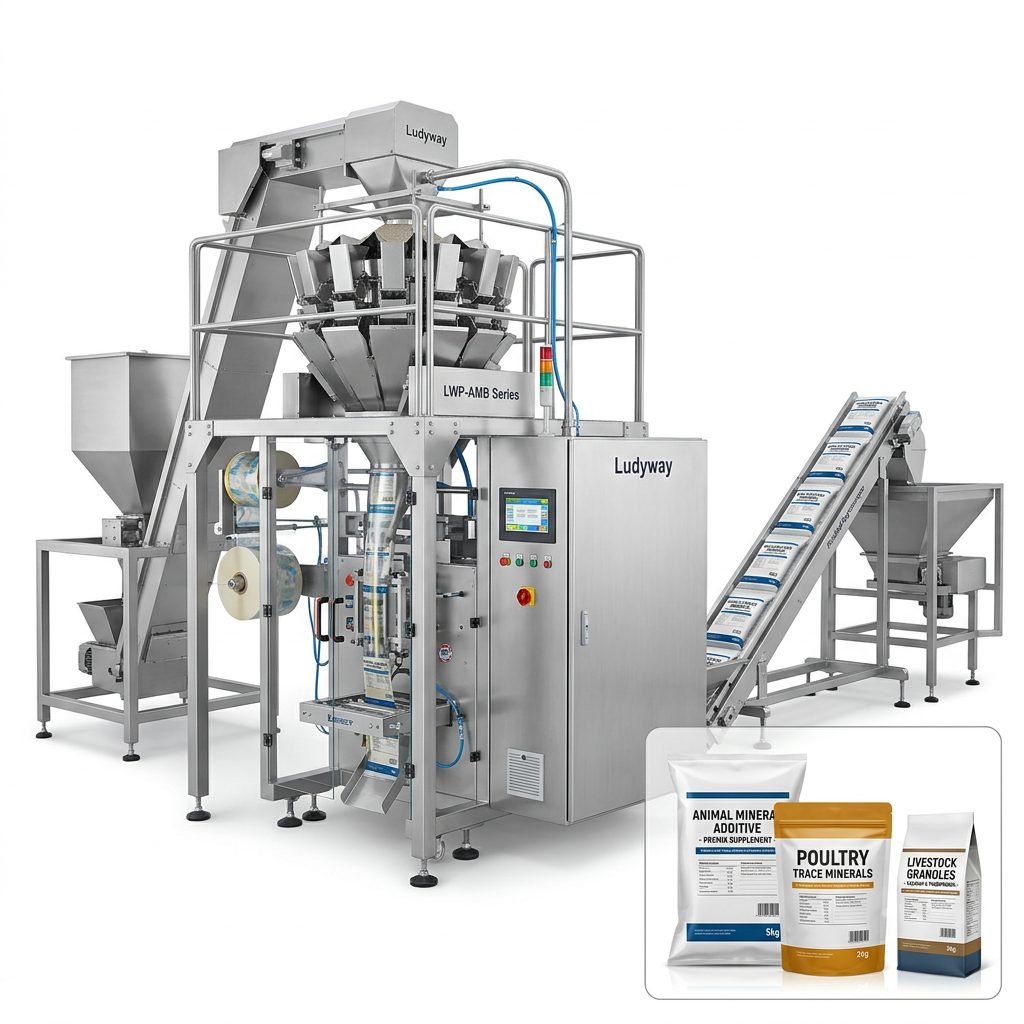
Launching a beef jerky packaging production line in the United Kingdom demands careful planning around food safety regulations, machinery selection, and operational workflow. Whether you are expanding an existing facility or building a new plant, integrating the right automated packaging equipment directly impacts product shelf life, portion control, and throughput. This guide walks through the essential steps to set up a compliant, high-efficiency beef jerky packaging machine production line tailored to the UK market.
Understanding UK Regulatory and Food Safety Standards
Before any machinery arrives on-site, compliance with British and European directives is non‑negotiable. Packaging equipment must carry UKCA or CE marking where applicable, confirming conformity with health, safety, and environmental protection standards. Simultaneously, your production environment must align with HACCP principles and often BRCGS Global Standards for food safety. Key considerations include:
- Materials of construction (food‑grade stainless steel, usually 304 or 316L)
- Clean‑in‑place (CIP) compatibility for contact parts
- Dust extraction and humidity control for jerky seasoning areas
- Traceability systems integrated with food contact substance regulations
Packaging lines handling dried meat must also address modified atmosphere packaging (MAP) or vacuum sealing to prevent oxidation and microbial growth. Consulting the PMMI 2025 State of the Industry report provides valuable benchmarks for equipment performance and market trends relevant to protein snack packaging.
Choosing the Right Beef Jerky Packaging Machine Configuration
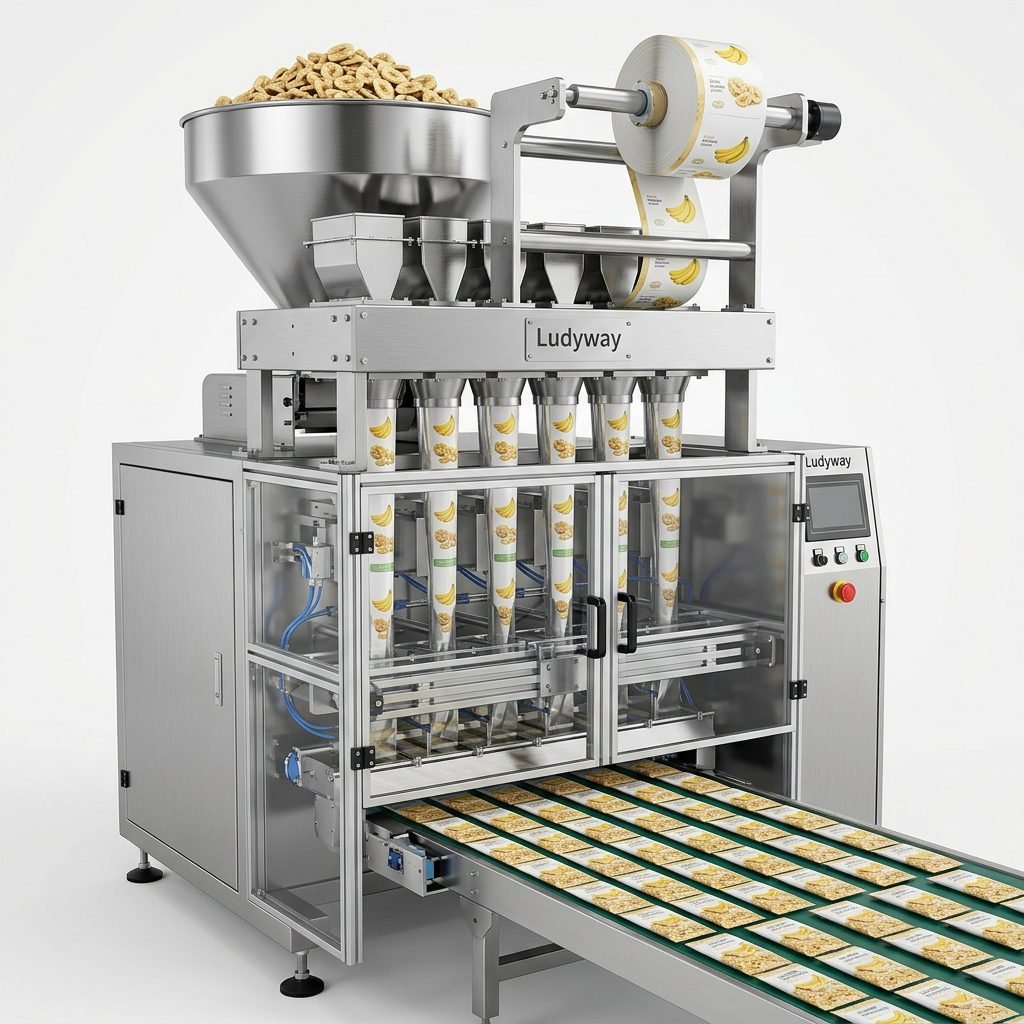
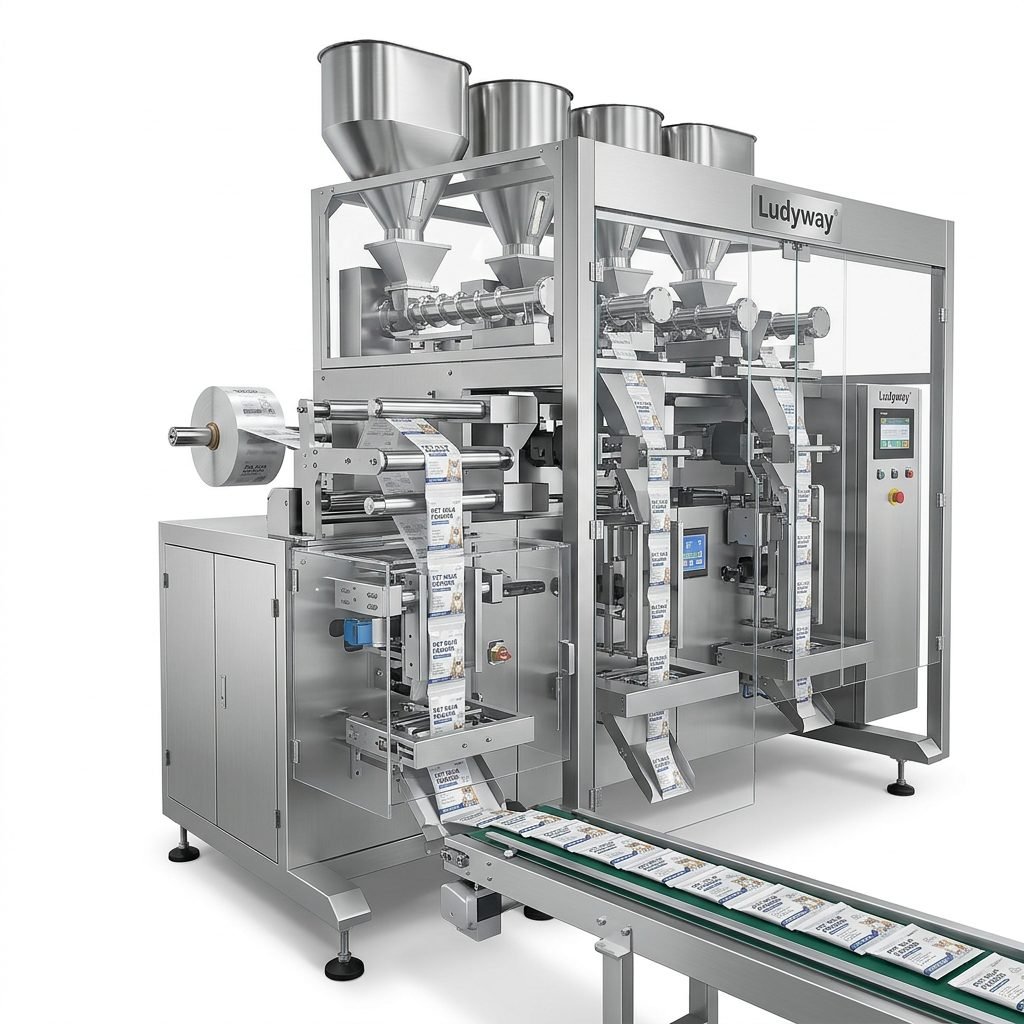
Selecting machinery depends on your target pouch format, desired output, and product characteristics. Beef jerky pieces vary in size and stickiness, so multi‑head weighers paired with vertical form fill seal (VFFS) or premade pouch fill‑seal machines are typical choices. Below is a comparison of common configurations for UK protein snack producers.
| Machine Type | Best For | Key Advantage |
|---|---|---|
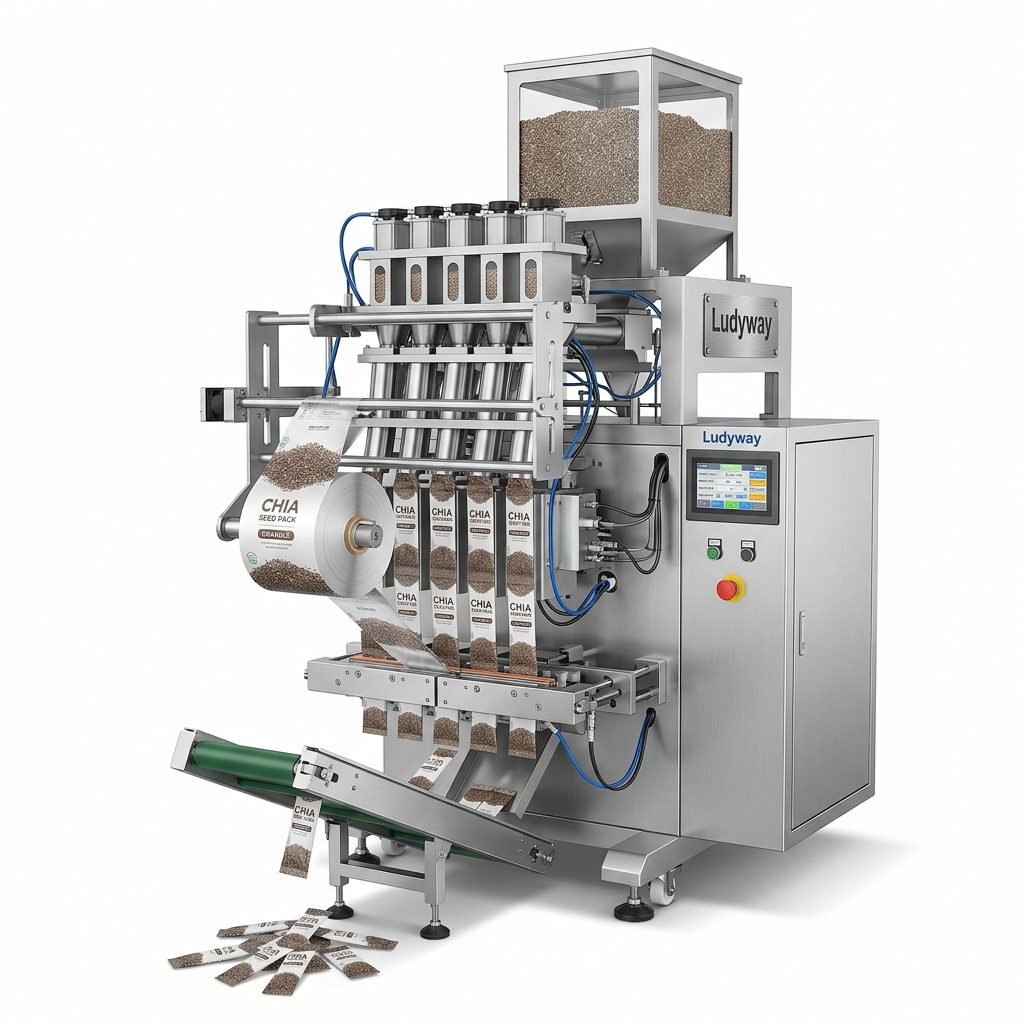
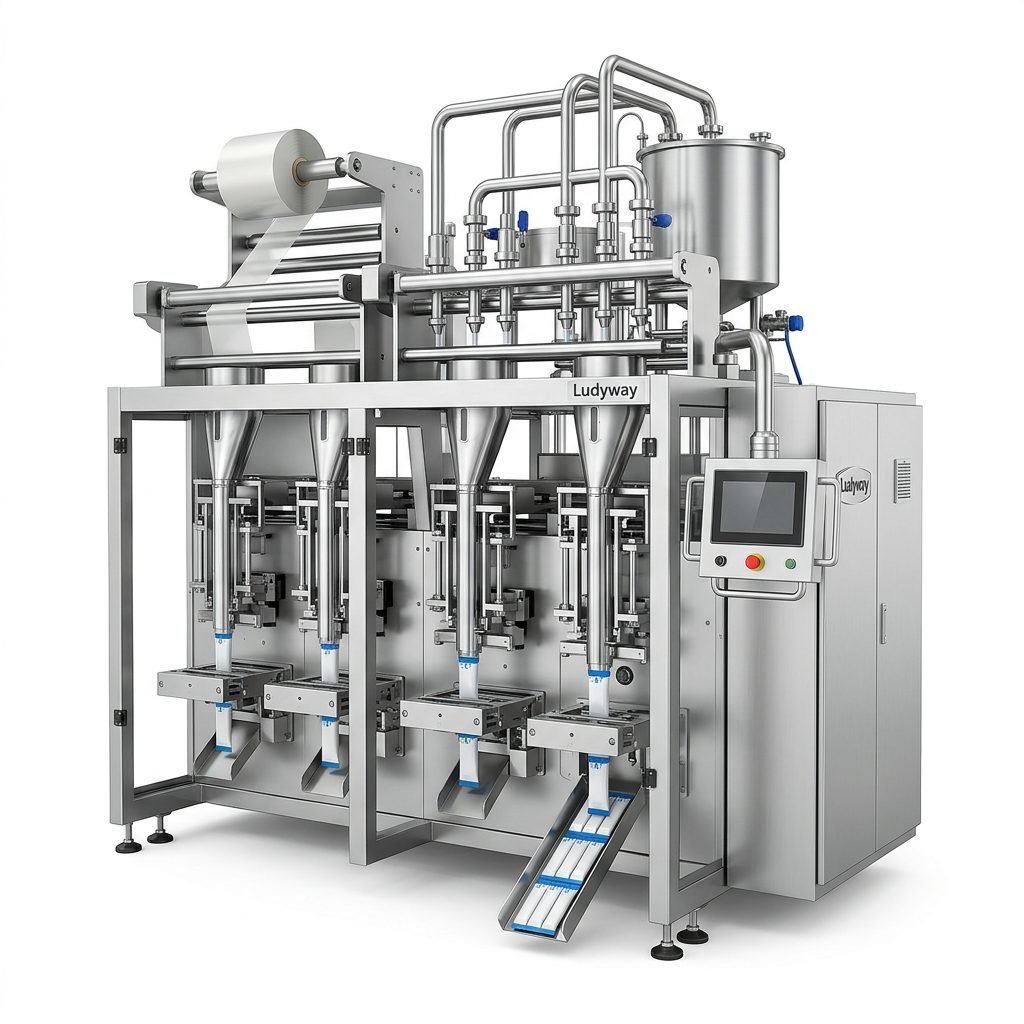
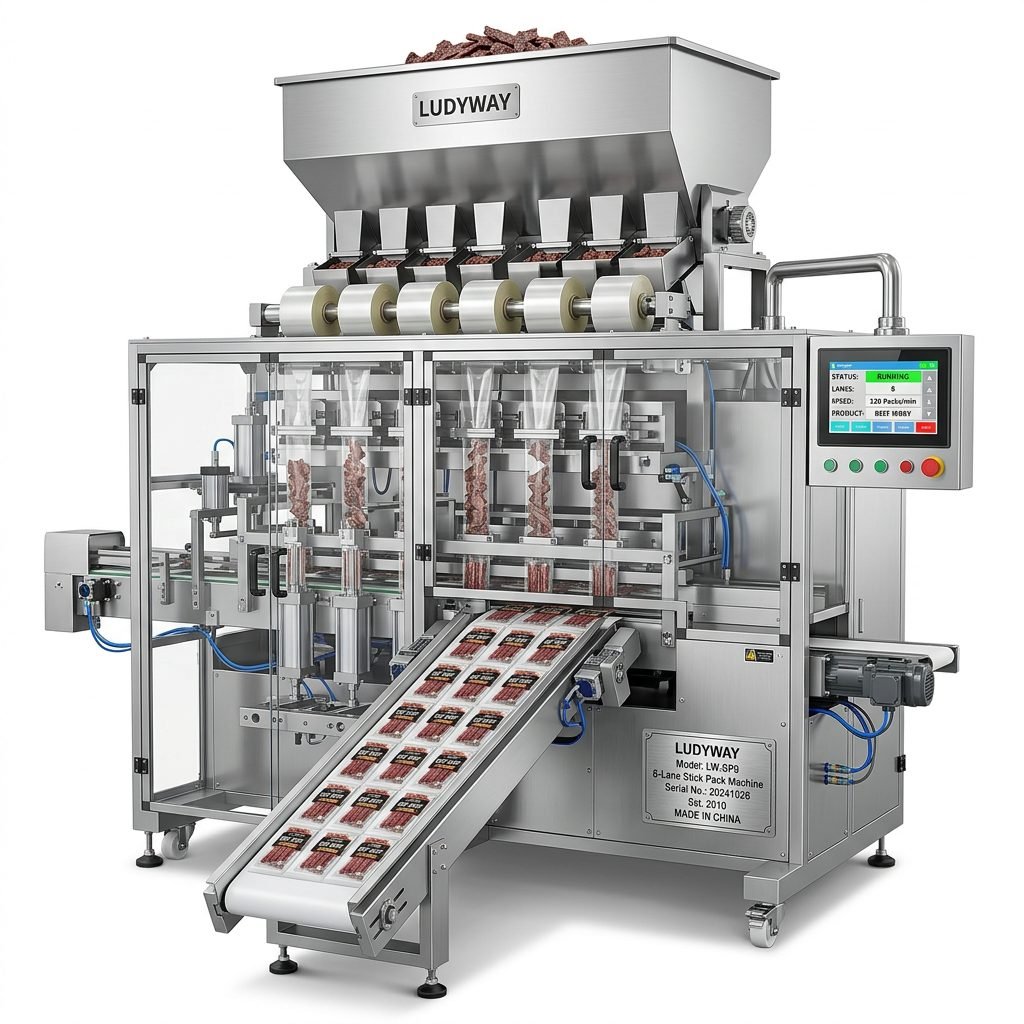
| Multi‑Lane Stick Pack Machine | Single‑serve snack packs (10 g–50 g) | High speed, reduced film waste, nitrogen flush capable |
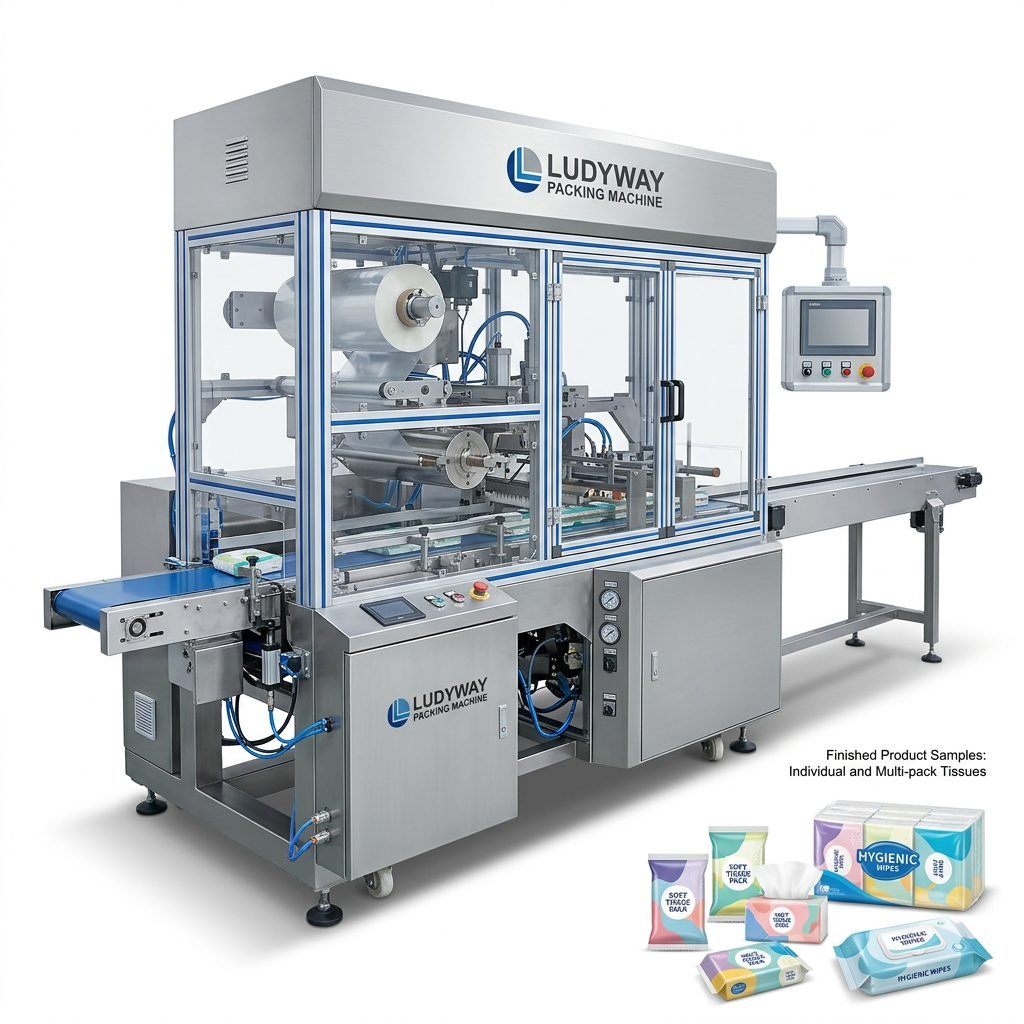
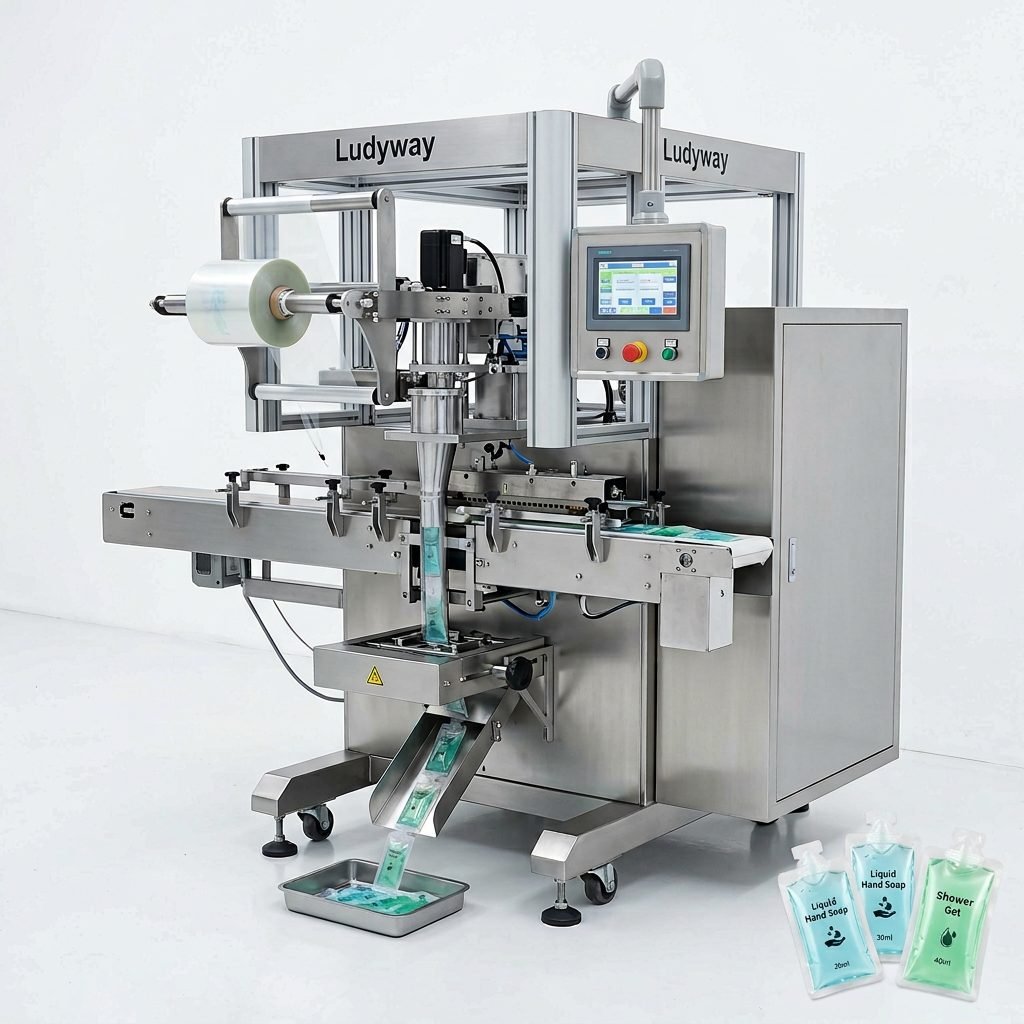
| Premade Pouch Rotary Filler | Resealable stand‑up pouches (50 g–300 g) | Premium shelf appeal, easy format changeovers |
| Vacuum Chamber Packaging Line | Bulk or long‑shelf‑life jerky (100 g–500 g) | Maximum oxygen barrier, extended freshness |
For medium‑sized enterprises entering UK retail, a multi‑lane stick pack line often delivers the best balance of speed and flexibility. Such systems can achieve outputs of 400–600 packs per minute per lane, depending on film material and jerky piece uniformity.
Critical Features to Evaluate
- Sealing integrity: Look for dual temperature control zones to handle oily jerky surfaces without leakers.
- Gas flushing: MAP capability maintains residual oxygen below 0.5% for prolonged freshness.
- Servo‑driven systems: Precision filling accuracy within ± 0.2 g reduces giveaway and maximizes margins.
- Quick‑release components: Essential for allergen changeovers and sanitation scheduling.
Production Line Layout and Ancillary Integration
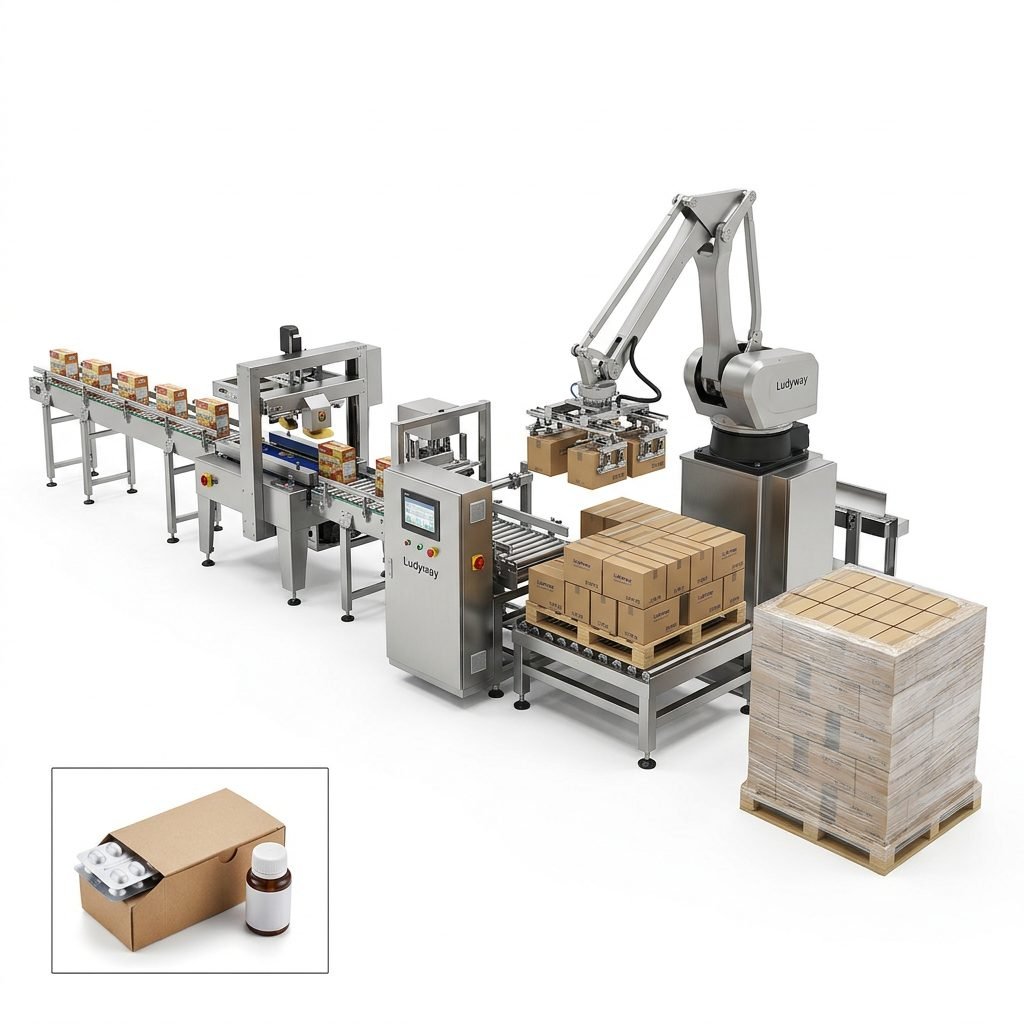
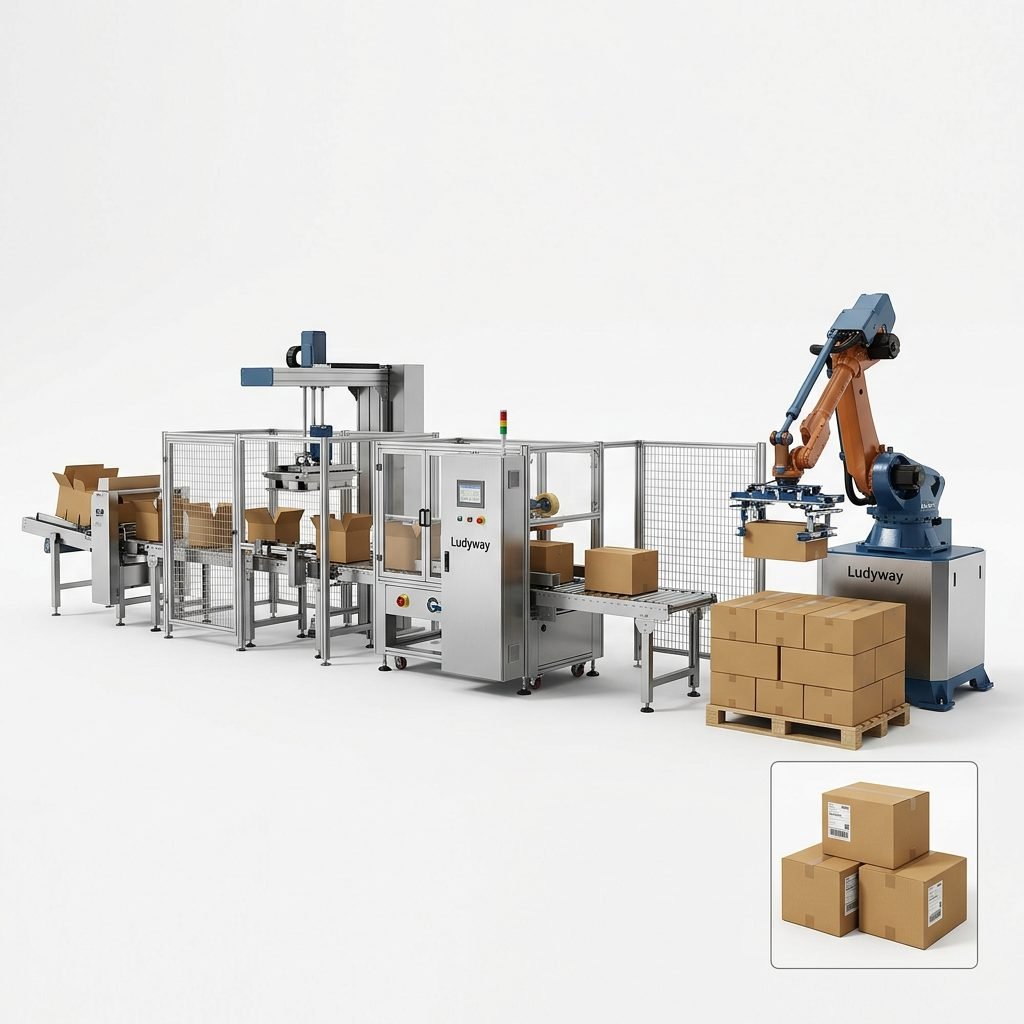
A well‑designed layout minimizes manual handling and cross‑contamination risks. The core flow usually progresses from seasoning/tumbling to drying, then to weighing → packaging → metal detection → checkweighing → case packing. Integrating smart conveyance between these stages prevents product breakage and maintains consistent throughput.

Recommended Line Sequence
- Multi‑head weigher fed by an inclined z‑bucket conveyor
- VFFS or stick pack machine with film registration and tear‑notch system
- Dynamic checkweigher paired with a reject station for off‑weight packs
- Industrial metal detector compliant with BRC Issue 9 sensitivity requirements
- Automated case packer with product collating and stacking
- Palletising robot or manual end‑of‑line station
Floor space planning should allow 1.5 meters of clearance around each machine for maintenance access. Humidity‑controlled rooms (below 45% RH) are strongly recommended for jerky packaging to prevent moisture uptake after drying.
Installation, Workforce Training and Validation
Machine arrival triggers a critical phase: leveling, electrical/compressed air connection, and functional commissioning. Partnering with an experienced manufacturer like Ludyway ensures a structured installation protocol—from Factory Acceptance Testing (FAT) to Site Acceptance Testing (SAT). Proper training empowers operators to handle film splicing, adjustment of sealing parameters, and basic fault recovery without relying on remote support for every minor stop.
Validation of the packaging line should include:
- OQ (Operational Qualification): Verifying machine settings against intended production speeds and seal strengths.
- PQ (Performance Qualification): Running a minimum of three consecutive batches to confirm consistent output and package integrity under real‑world conditions.
Long‑Term Maintenance and Continuous Improvement
Establishing a preventive maintenance (PM) schedule from day one prevents unplanned downtime. The UK’s emphasis on due diligence means keeping digital records of all service events, part replacements, and calibration checks. Resources such as the Flexible Packaging Association Knowledge Hub offer technical guidance on film compatibility and seal integrity testing that feed into your maintenance routines.
Typical PM Checklist for Beef Jerky Packaging Lines
| Frequency | Task | Responsible Team |
|---|---|---|
| Daily | Clean sealing jaws, inspect thermocouple readings, empty dust collector | Operators |
| Weekly | Check vacuum pump oil level, verify gas mix ratios, lubricate chains | Maintenance techs |
| Monthly | Replace air filters, calibrate load cells, inspect servo motor couplings | Engineering team |
| Quarterly | Full electrical safety check, film tension controller calibration, belt tension review | Certified technicians |
Leveraging production data from Industry 4.0‑enabled sensors—such as temperature, pressure, and cycle time logs—provides early warnings for seal bar degradation or weigher drift. Adopting standards referenced by ISO packaging guidelines further demonstrates compliance to UK retailers and auditors.
Sustainability and Packaging Waste Reduction in the UK
With the UK’s Extended Producer Responsibility (EPR) for packaging and the impending Plastic Packaging Tax, selecting equipment that handles recyclable mono‑material films is a strategic move. Modern beef jerky packaging machines now accommodate thinner, high‑barrier recyclable laminates without sacrificing sealing speed. Running lightweight materials successfully depends on precision tension control and heat‑seal profiling, which can reduce plastic consumption by 15–25% compared to traditional multi‑layer films.
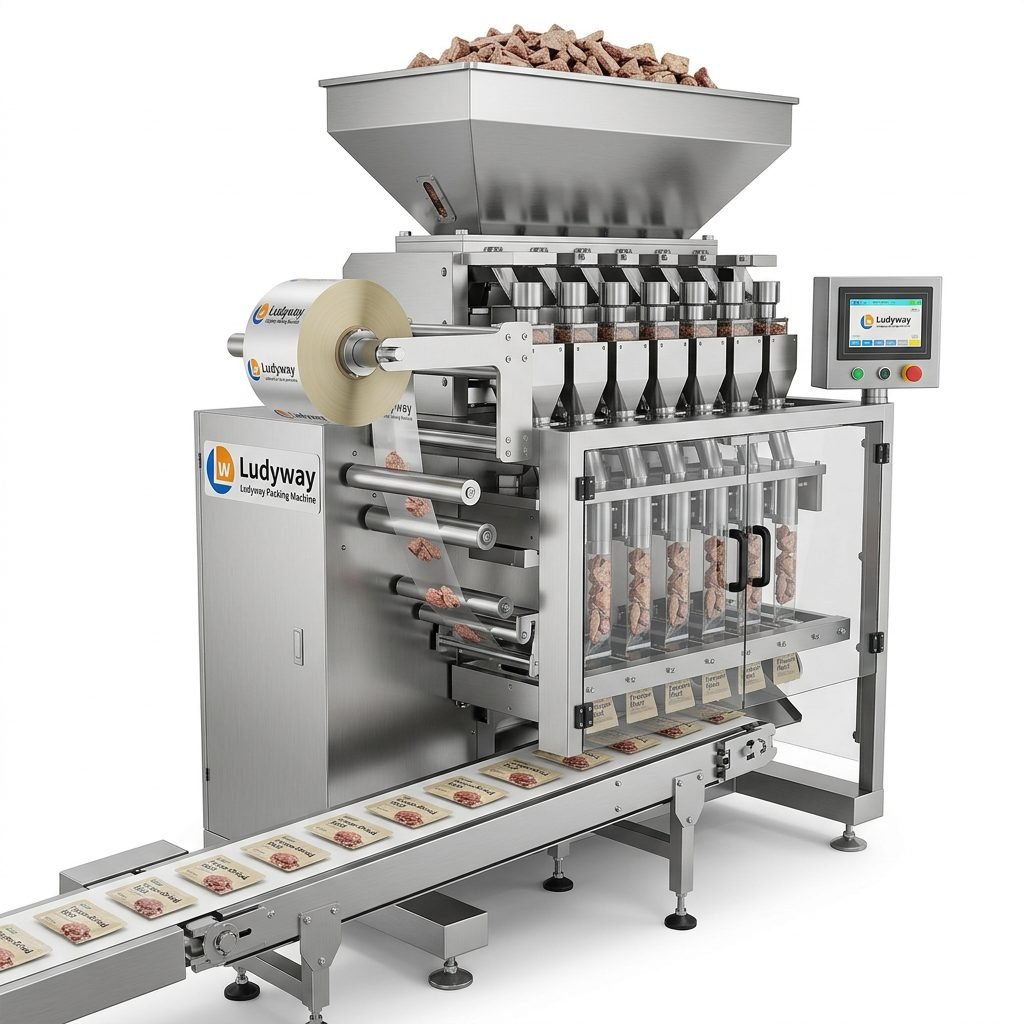
A well‑configured beef jerky packaging machine production line not only meets UK regulatory demands but also positions your brand for scalable growth. By combining robust machinery, skilled workforce training, and data‑driven maintenance, you establish a reliable supply of high‑quality packaged jerky ready for supermarket shelves, convenience stores, and e‑commerce fulfillment across the United Kingdom.