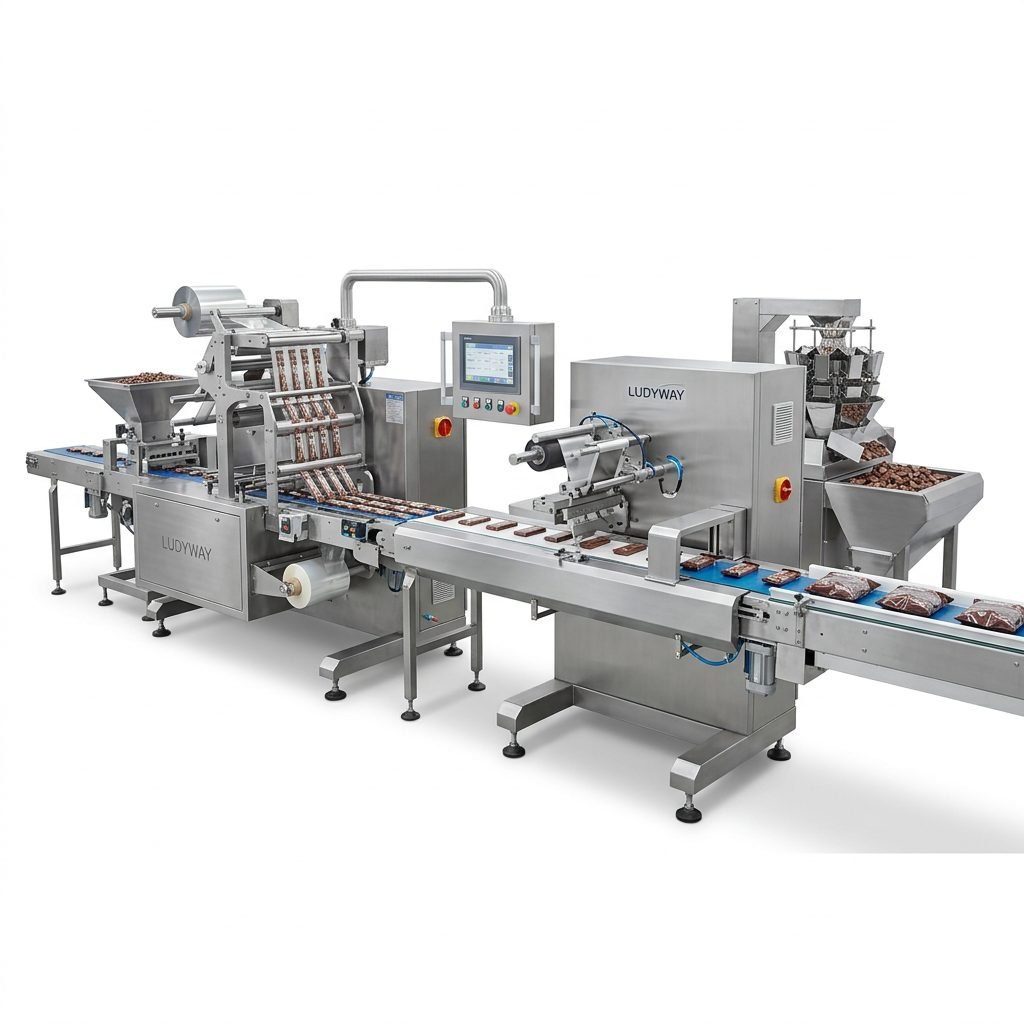
The beverage industry in India is experiencing unprecedented growth. From traditional sodas to functional health drinks, the demand for efficient canning solutions is soaring. Setting up a soda can packaging machine production line is no longer just an operational necessity—it is a strategic investment. Whether you are a startup entering the sparkling water market or a large-scale manufacturer expanding capacity, understanding the nuances of automated canning systems is critical for maximizing productivity and maintaining product integrity.

Understanding the Indian Canning Landscape
The dynamics of the Indian packaging machinery market are shifting rapidly. Consumer preferences are pivoting towards cans over traditional glass and PET bottles due to superior cooling properties and recycling capabilities. To penetrate this market effectively, your production line must be flexible enough to handle standard 250ml and 330ml cans while maintaining high throughput speeds.
Before procuring equipment, you must assess the desired output per day. The sophisticated packaging machine manufacturers in the industry typically categorize lines into low-speed (under 100 CPM), medium-speed (100-400 CPM), and high-speed (400+ CPM) configurations. For a standard Indian plant aiming for national distribution, a medium-speed line often provides the optimal balance between capital expenditure and operational efficiency.
Core Components of a Soda Production Line
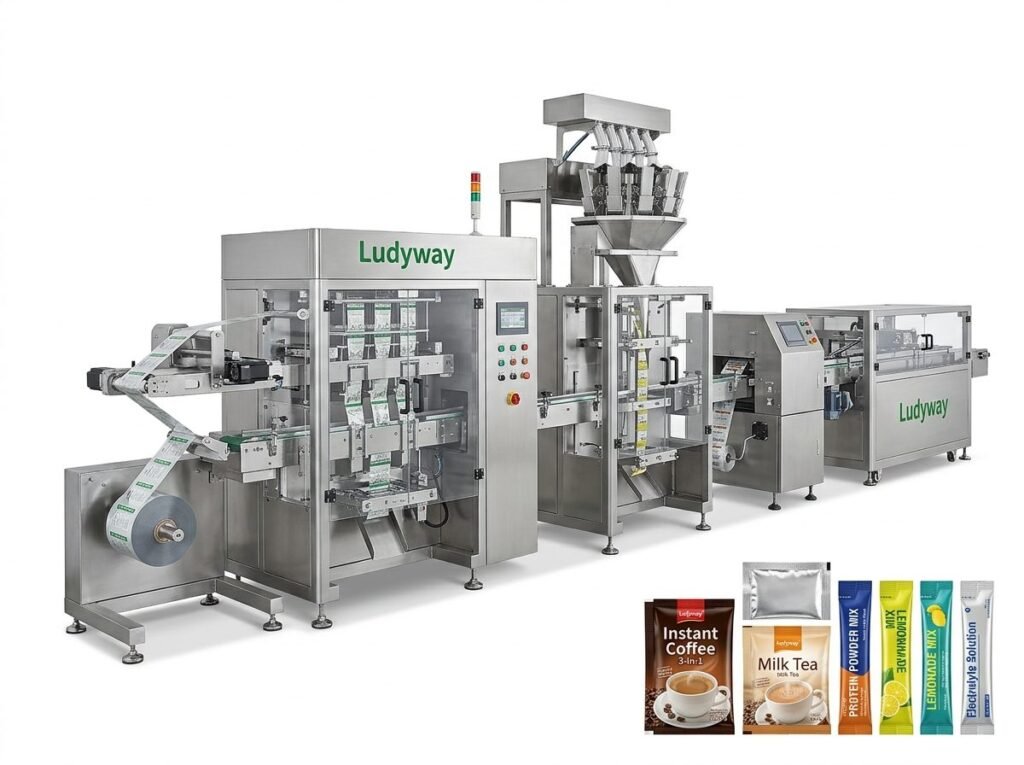
Setting up a complete line involves integrating multiple mechanical stages. You cannot simply buy a filler and expect the line to run smoothly. Depalletizers, rinsers, fillers, seamers, and conveyors must communicate seamlessly. Below is a breakdown of the essential machinery required:
- High-Pressure Rinser: Ensures the interior of every can is sterile and free from dust before filling.
- Counter-Pressure Filler: The heart of the operation. It must accurately fill carbonated liquids without causing excessive foaming or product loss.
- Can Seamer: Creates a hermetic double-seam to lock in carbonation and prevent contamination.
- Warm-Water Shower Tunnel: Gradually heats the filled can to prevent “sweating” during labelling and packing.
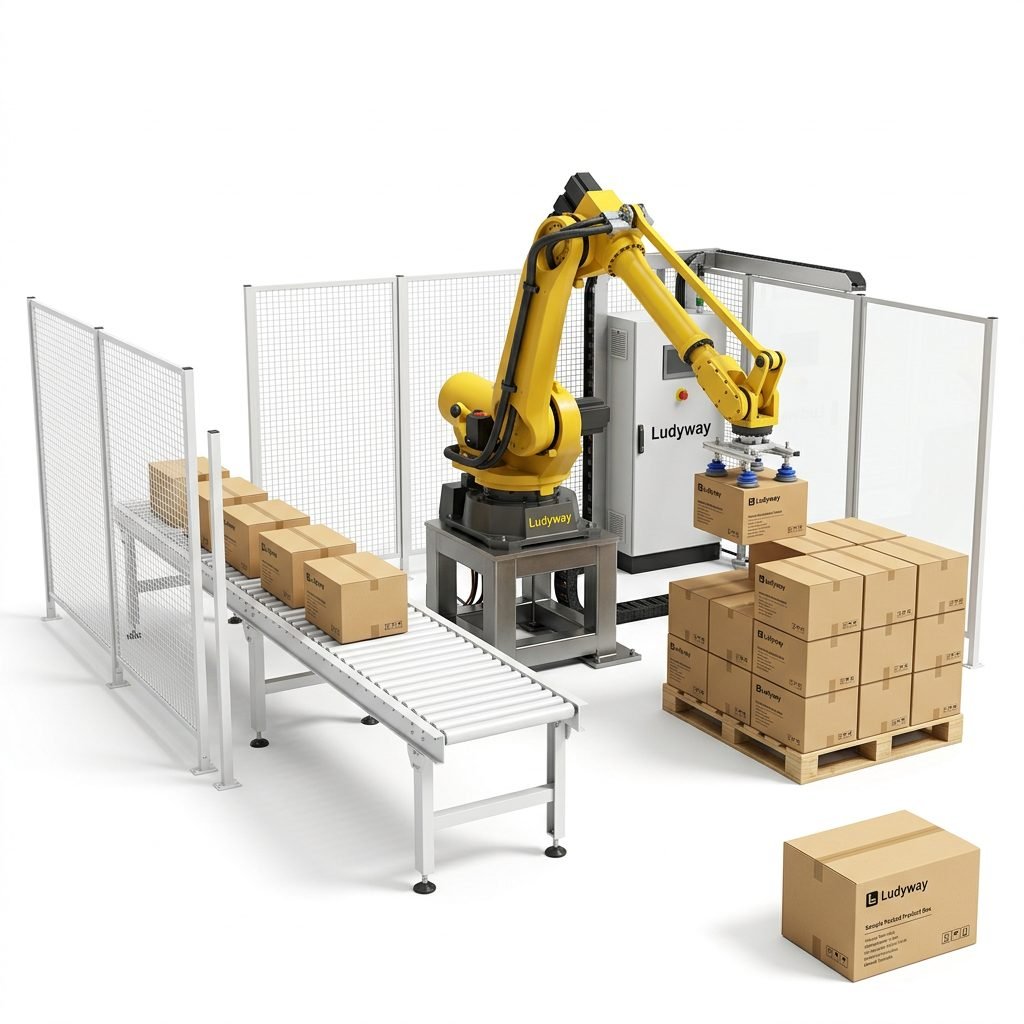
- Automated Palletizer: Robotic systems that stack finished cases onto pallets for warehouse logistics.
Step-by-Step Installation Guide
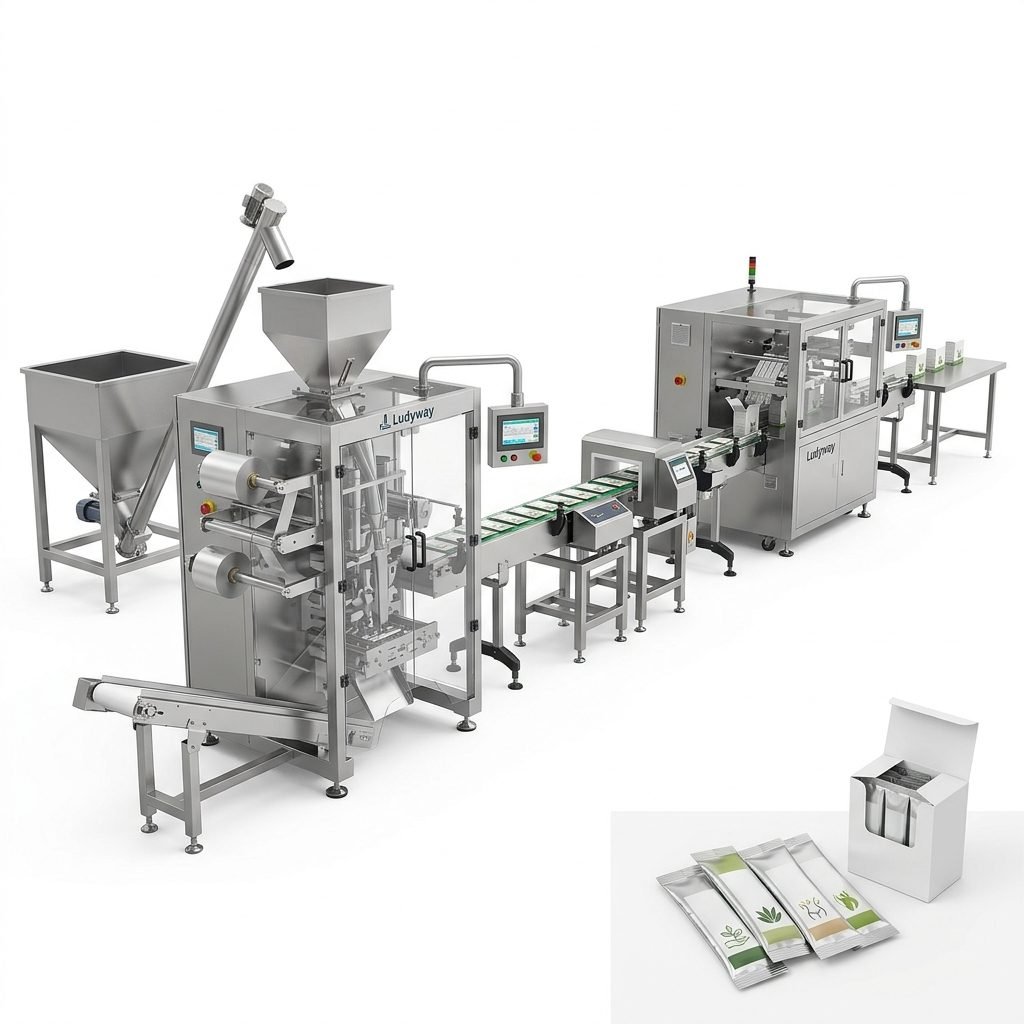
The physical installation of a soda can packaging line in India requires meticulous planning regarding facility infrastructure. Unlike small-scale tabletop machines, a full canning line demands significant floor space, specific ceiling heights for overhead conveyors, and massive utility connections.
Step 1: Utility and Facility Preparation
Ensure your factory floor can bear the dynamic load of vibrating machinery and heavy tanks. You will need compressed air lines for pneumatic cylinders, a dedicated CO2 or Nitrogen supply for the filling process, and a 3-phase electrical supply with stable voltage regulation. Power fluctuations common in some industrial areas in India necessitate installing voltage stabilizers to protect PLC controllers and sensor equipment.
Step 2: Unloading and Positioning
Heavy machinery often arrives in wooden crates. Use a crane or a heavy-duty forklift to position the filler and seamer close to each other, as the space between them dictates the can transfer time. The closer they are, the less oxygen pickup occurs before seaming. A clean room environment or a separate enclosure is highly recommended for the filling zone to meet FSSAI guidelines for food and beverage safety.
Step 3: Dry Testing and Commissioning
Before introducing any product, run the entire line with empty cans. Technicians will check the timing of the infeed star-wheels and the synchronization of the filler valves. The digital control panel should be programmed with the specific can height and diameter. This step is crucial to prevent crushed cans and jammed conveyors during live production.
| Production Phase | Key Technology Required | Critical Parameter |
|---|---|---|
| Depalletizing | Sweep-off/Stacker Systems | Layer height; Can orientation |
| Filling | Magnetic Flow Meter / Volumetric | Fill volume ±1ml; CO2 Purity |
| Seaming | 4-roller rotary seamer | Body hook; Overlap length |
| End-of-Line | Robotic Palletizing Arm | Cycles per minute; Pattern accuracy |
Regulatory Compliance and Safety Standards
Operating in India requires strict adherence to Food Safety and Standards Authority of India (FSSAI) regulations. The machinery must be constructed with food-grade stainless steel (SS304 or SS316L) for all product-contact parts. Lubricants used in the carousel and seamers must be H1-food grade to prevent chemical contamination. Furthermore, safety guarding with interlocking switches is mandatory to protect operators in accordance with Indian factory safety laws.
Choosing the Right Integration Partner
While many local suppliers offer standalone units, a turnkey integration partner can significantly reduce project risk. The advantage of working with established firms like Ludyway lies in their ability to provide a seamless connection between the process piping, filling, and packaging machinery. A single point of responsibility for the entire soda can production line simplifies troubleshooting and accelerates the learning curve for your operational staff.
Optimizing Line Efficiency Post-Installation
Once your line is running, the focus shifts to Overall Equipment Effectiveness (OEE). Common bottlenecks in soda can packaging include insufficient CO2 pressure leading to foaming, and inconsistent seam quality caused by worn chuck rolls. Implementing a proactive maintenance schedule is vital. For instance, checking the seamer setup with a seam-scope every four hours ensures that your product shelf-life remains consistent.
Maintenance Checklist for Operators
- Daily inspection of pneumatic hoses for air leaks.
- Weekly calibration of temperature sensors in the warming tunnel.
- Bi-weekly cleaning of filler bowl and product tanks using CIP (Clean-in-Place) systems.
- Monthly replacement of worn gripper belts on the conveyor system.
The shift toward automation in the Indian beverage sector is profound. By investing in a robust packaging infrastructure today, manufacturers position themselves to capture the growing demand for canned beverages. For further technical specifications or to explore the latest advancements in multi-lane packaging machinery, you can review the resources available at the Association for Packaging and Processing Technologies (PMMI).
For a direct consultation on configuring a customized soda can line that meets FSSAI standards and your specific output goals, reach out to a qualified engineering team with global multi-industry expertise in turnkey packaging solutions.