Investing in the right ketchup packaging machine is a critical decision for food manufacturers across Oceania. Whether you are running a small artisanal tomato sauce brand in Melbourne or a large-scale food processing plant in Auckland, the efficiency, hygiene, and flexibility of your packaging line directly impact your bottom line. This guide covers everything you need to know about selecting, purchasing, and optimizing ketchup packaging equipment specifically for the Oceania market.
Understanding the Oceania Ketchup Packaging Landscape
The food processing sector in Australia and New Zealand is governed by some of the world’s strictest safety and quality standards. FSANZ regulations dictate everything from material contact to shelf-life integrity. This means your ketchup packaging machine must not only deliver speed but also comply with rigorous hygiene protocols. The demand for convenient formats like stick packs, sachets, and multi-lane pouches is growing rapidly in the region, driven by the food service and retail sectors.
Types of Ketchup Packaging Machines Available
Selecting the correct machine type depends entirely on your production volume, packaging format, and the viscosity of your ketchup. Below is a comparison of the most common solutions:
| Machine Type | Best For | Key Advantage | Typical Output |
|---|---|---|---|
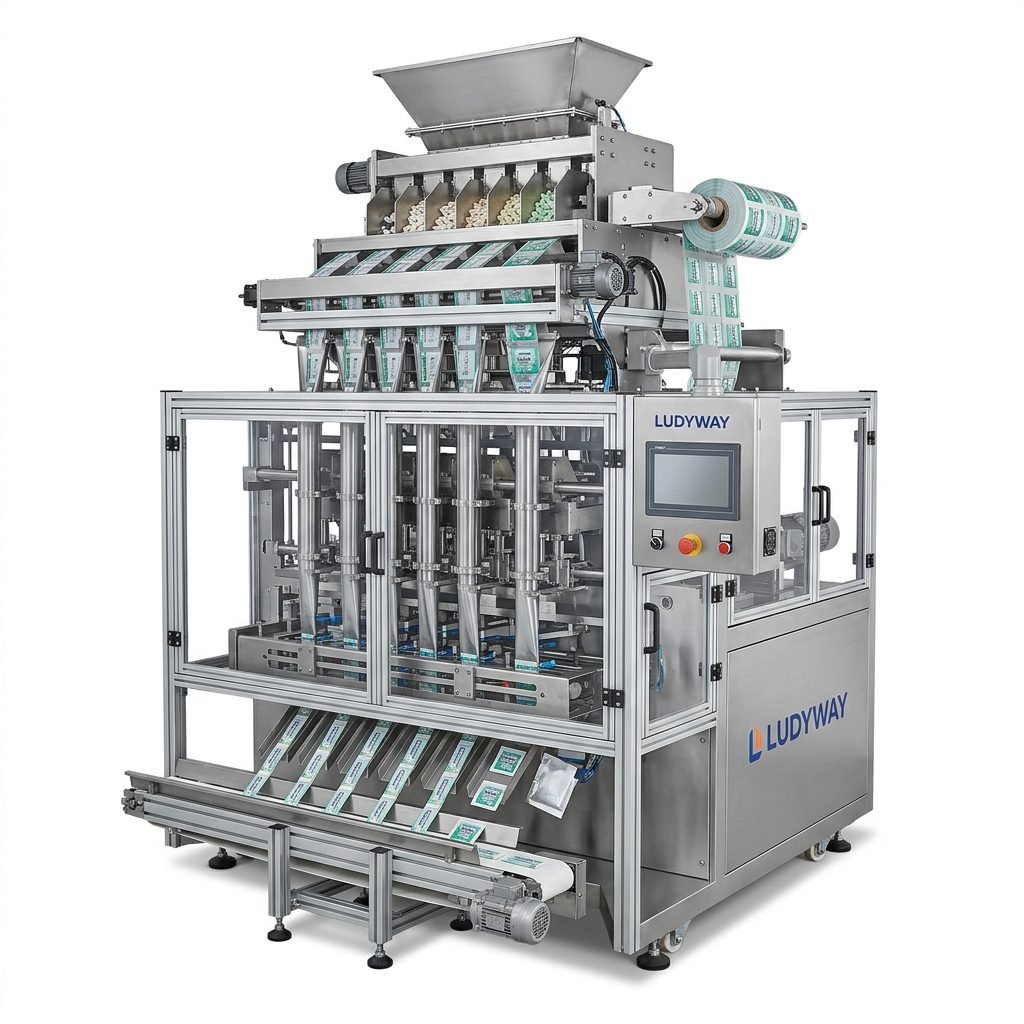
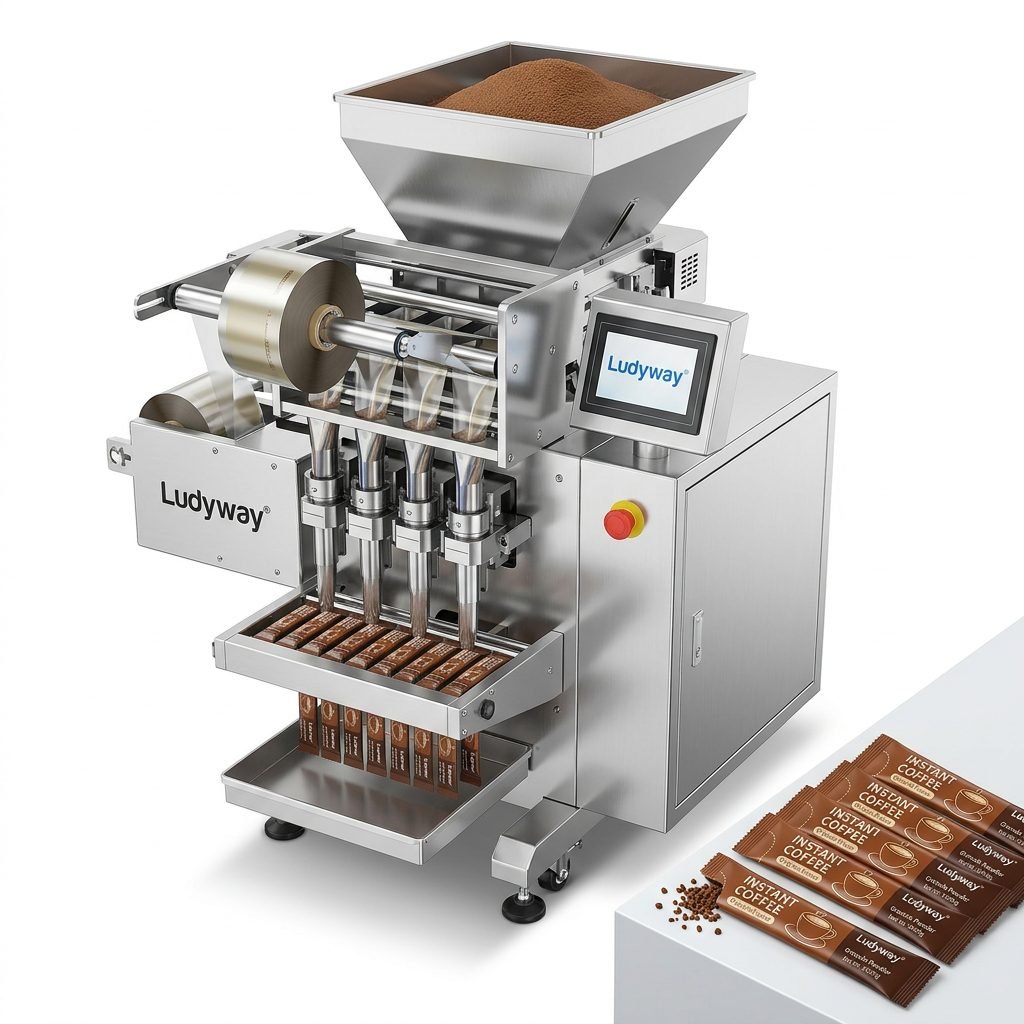
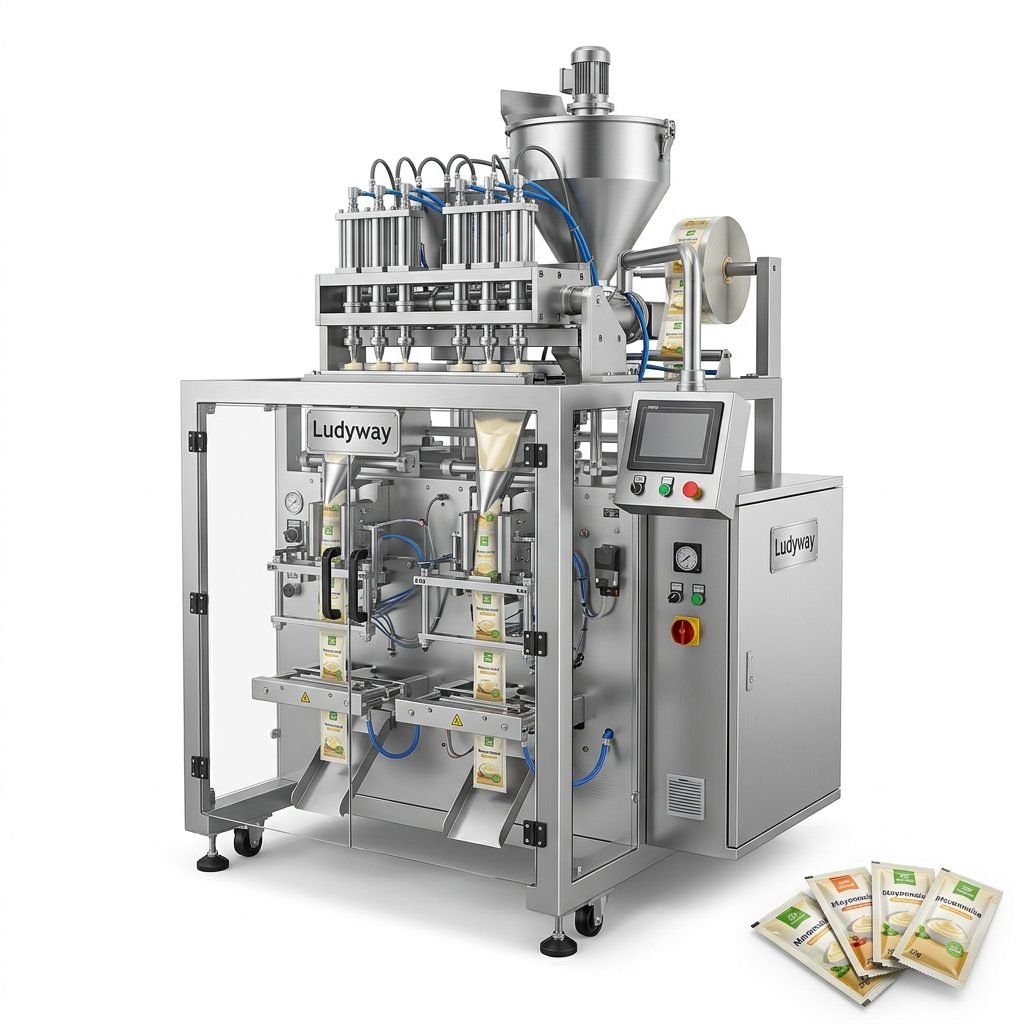
| Multi-Lane Stick Pack Machine | Single-serve portions, takeaway sachets | High-speed, compact footprint | 400-600 packs/min |
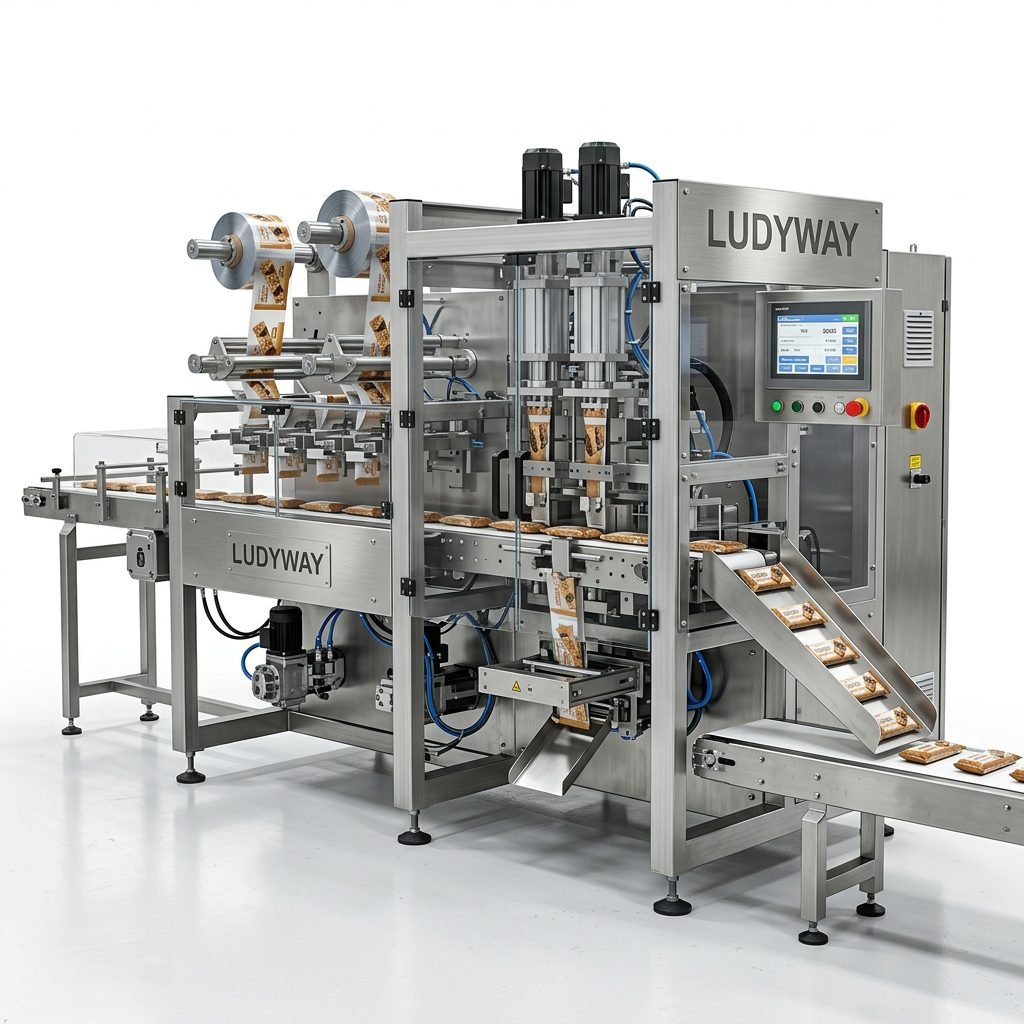
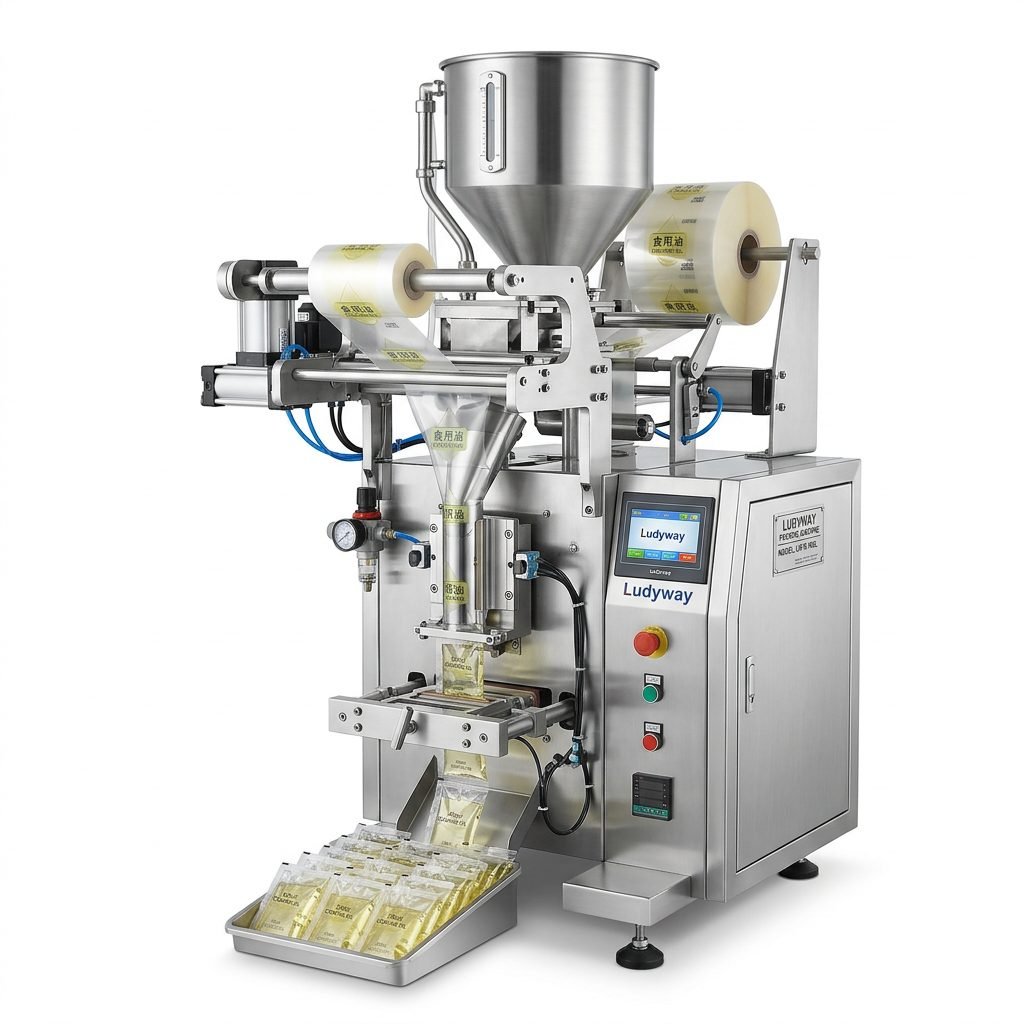
| Vertical Form Fill Seal (VFFS) | Pillow pouches, gusseted bags | Versatile for various sizes | 30-80 packs/min |
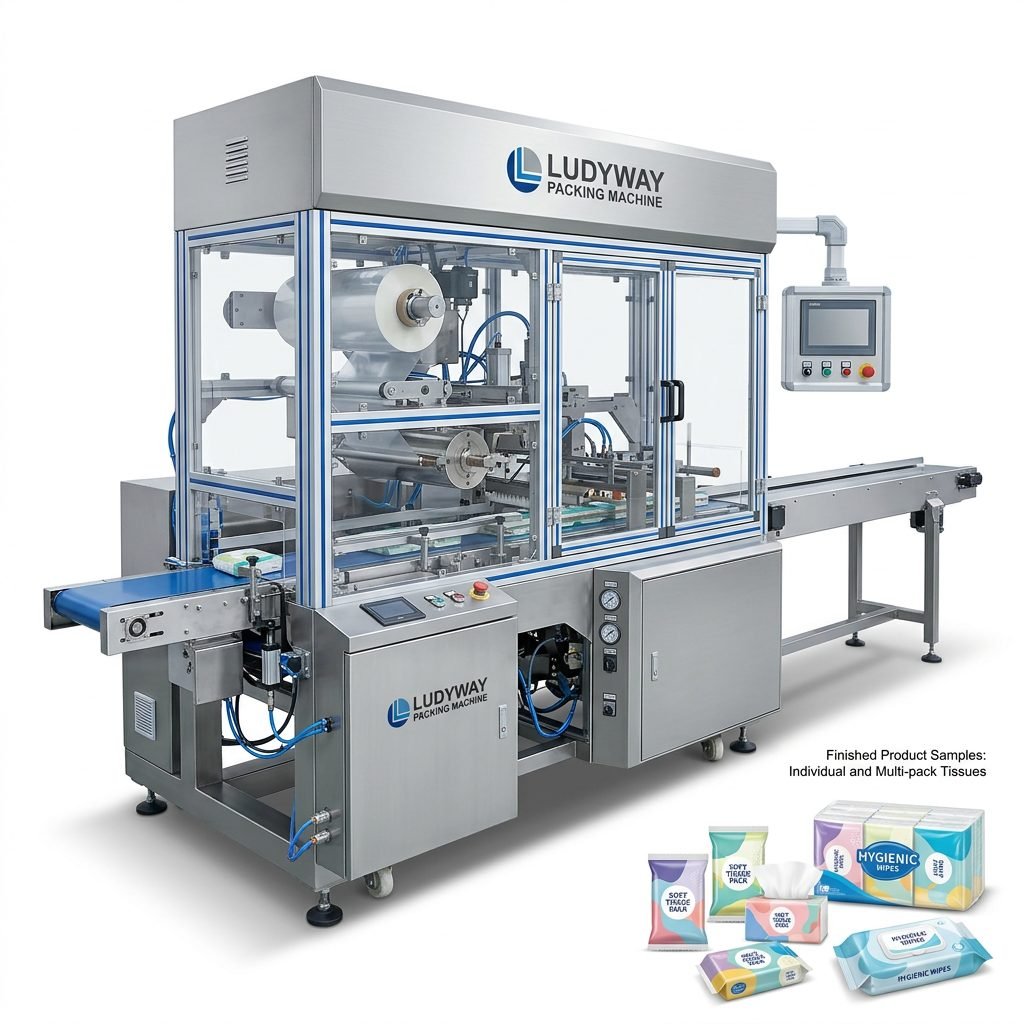
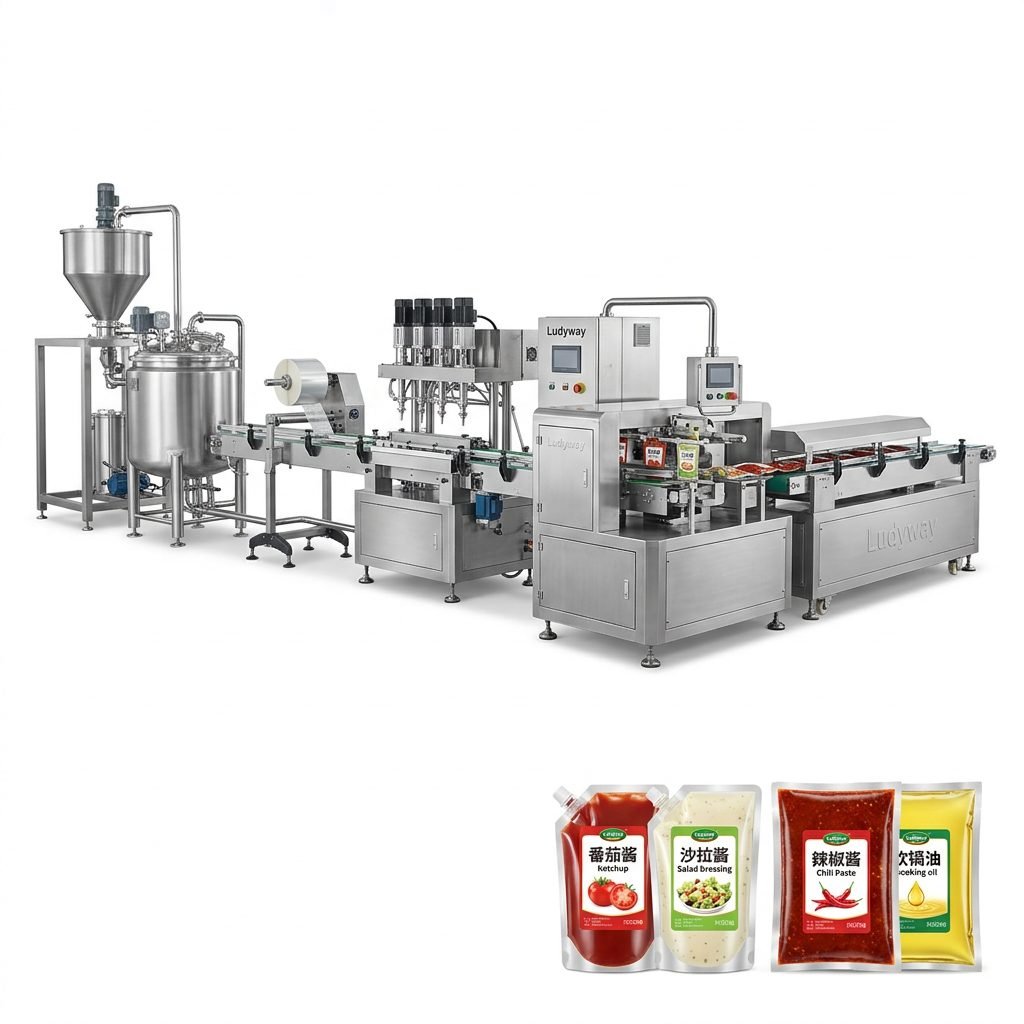
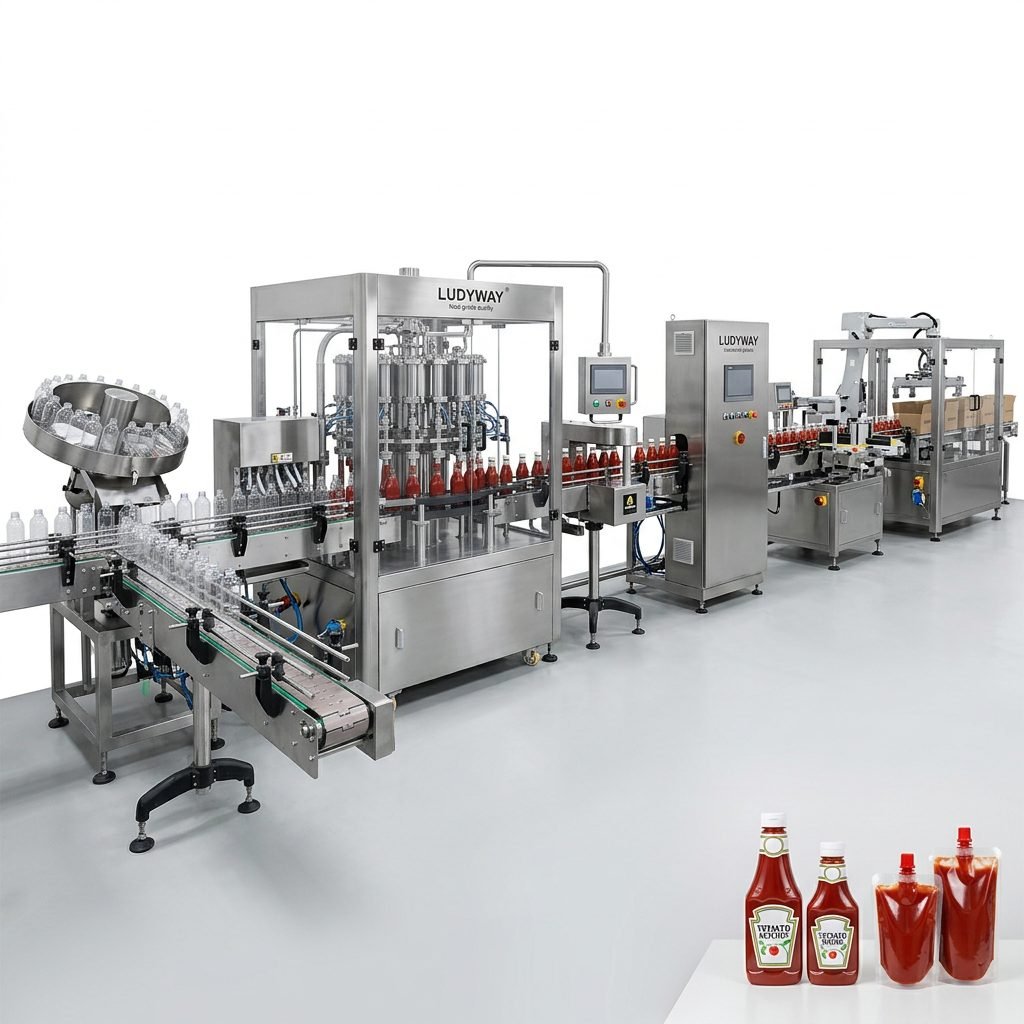
| Premade Pouch Rotary Filler | Retail stand-up pouches, spout packs | Premium shelf appeal | 40-60 packs/min |
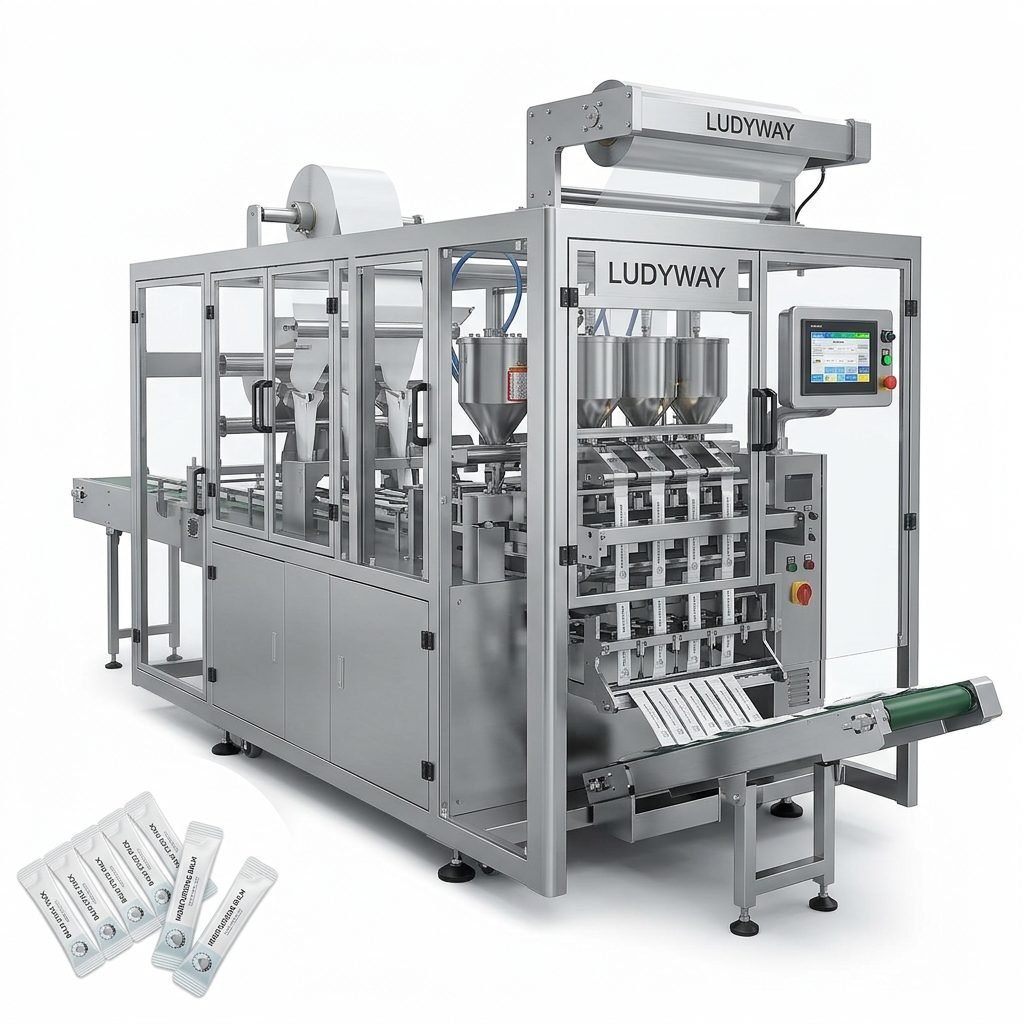
| Liquid Sachet Packaging Machine | Small-volume flat sachets | Cost-effective for sampling | 200-300 packs/min |
Key Features to Evaluate Before Purchasing
When sourcing a ketchup packaging machine for use in Oceania, there are several non-negotiable features you must prioritize. Ignoring these can lead to costly downtime and regulatory non-compliance.
1. Hygienic Design and CIP Compatibility
Ketchup is a high-acid, viscous product. The machine must be constructed from 304 or 316 stainless steel and designed with Clean-in-Place (CIP) capabilities to prevent bacterial growth. Look for sloped surfaces and minimal crevices to meet ISO packaging standards for food safety.
2. Precision Filling for Viscous Products
Tomato-based sauces present unique filling challenges due to their particulate content and changing viscosity. Piston fillers or servo-driven pumps are highly recommended over basic gravity fillers. Accurate dosing ensures consistent product weight and reduces costly product giveaway.
3. Automation and Smart Integration
Modern packaging lines in Oceania are rapidly adopting Industry 4.0 principles. Your machine should feature PLC controls with touchscreen interfaces, remote troubleshooting capabilities, and integration options for upstream and downstream equipment such as conveyor systems and checkweighers.
The Rise of Multi-Lane Technology in Australia and New Zealand
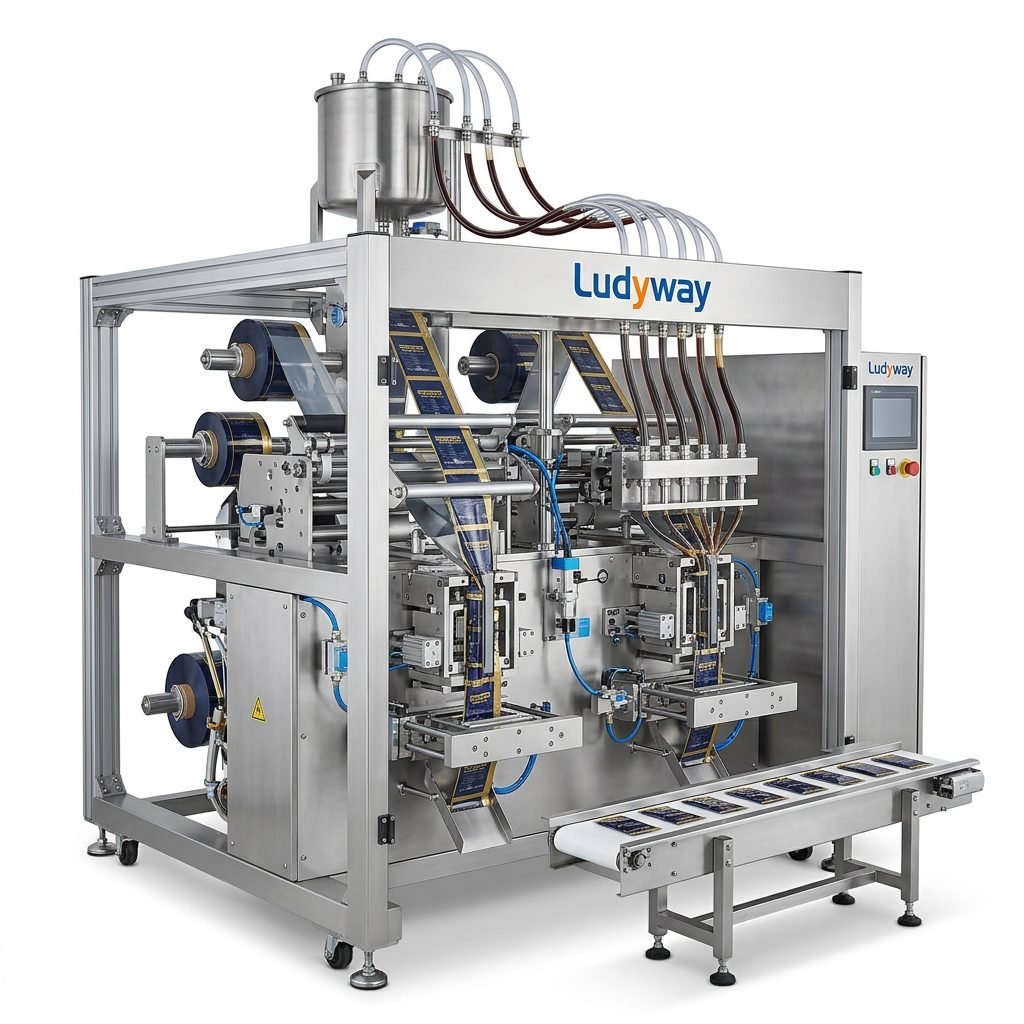
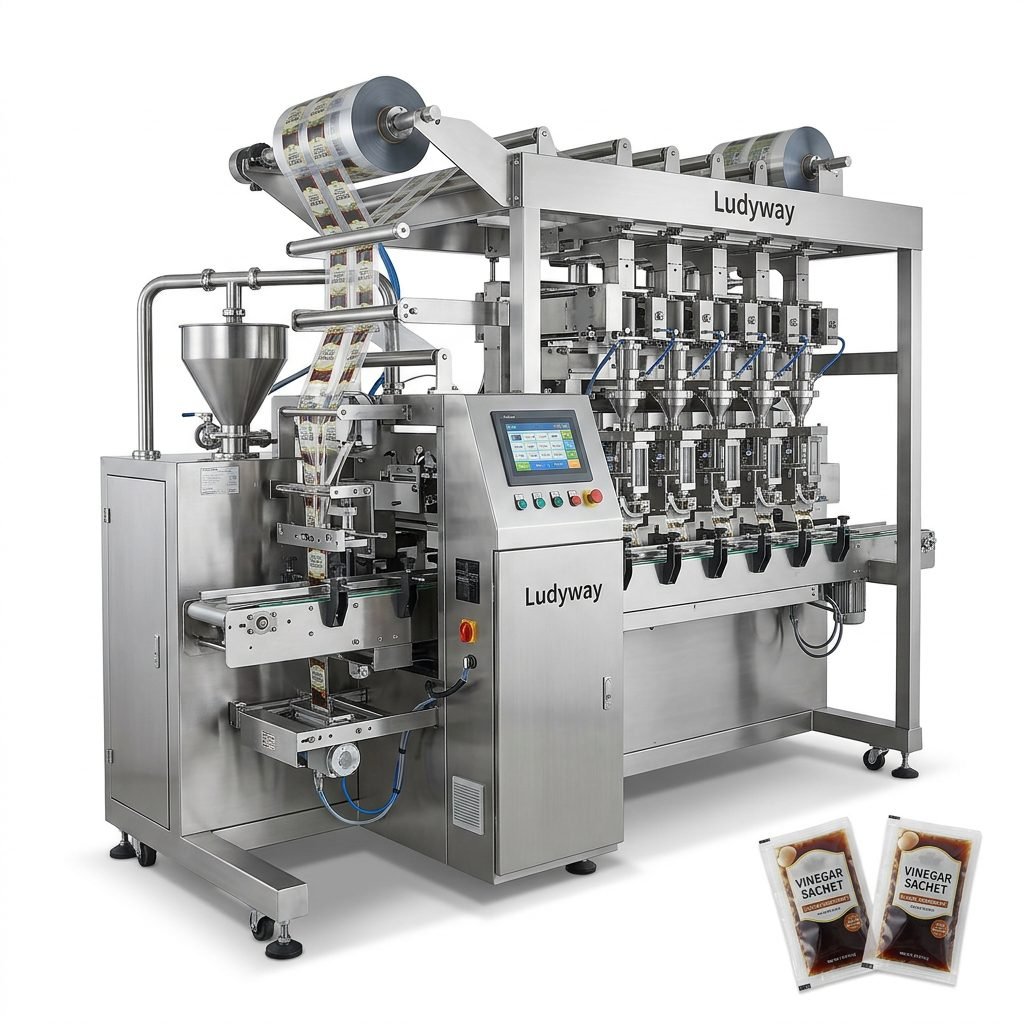
For high-volume producers, multi-lane ketchup packaging machines are becoming the industry standard. Instead of a single lane, these machines run 4, 6, 8, or even 12 lanes simultaneously, dramatically increasing output without proportionally increasing floor space. This is particularly valuable in industrial parks in Sydney, Brisbane, and Hamilton where real estate is at a premium.
- Space Efficiency: Achieve higher output per square meter.
- Lower Labor Costs: One operator can manage multiple lanes.
- Rapid Format Change: Quick-change parts allow switching from 5g sachets to 10g stick packs.
- Waste Reduction: Precise film tension control across lanes minimizes scrap.
Navigating Import and Compliance in Oceania
Importing a ketchup packaging machine into Australia or New Zealand requires careful logistics planning. You need to factor in shipping costs, import duties, and electrical compliance. Ensure the machine is wired for the local voltage (typically 400V/50Hz three-phase in Australia) and carries relevant certifications. Partnering with an experienced global manufacturer like Ludyway can simplify this process, as they provide pre-shipment factory acceptance tests (FAT) and comprehensive documentation packages for Australian biosecurity and quarantine inspections.
Cost Analysis: What Should You Budget?
The investment for a professional-grade ketchup packaging machine varies widely based on configuration. Below is an estimated budget range for the Oceania market (including shipping and duties):
| Machine Configuration | Entry-Level (USD) | Mid-Range (USD) | High-End Automated (USD) |
|---|---|---|---|
| Single Lane Sachet Machine | $15,000 – $25,000 | $30,000 – $45,000 | $50,000+ |
| 4-Lane Stick Pack Machine | $35,000 – $50,000 | $60,000 – $85,000 | $100,000+ |
| 8-Lane High-Speed System | $70,000 – $90,000 | $110,000 – $150,000 | $180,000+ |
| Premade Pouch Rotary Line | $40,000 – $60,000 | $75,000 – $100,000 | $130,000+ |
After-Sales Support: The Oceania Requirement
The geographical distance from major manufacturing hubs in Asia or Europe makes localized after-sales support a critical deciding factor. Before signing the contract, inquire about:
- Availability of remote diagnostic support during Oceania business hours.
- Strategic stock of critical spare parts in the region.
- Warranty terms specifically covering shipping and freight to Australia/NZ.
- Access to standardized training manuals and video tutorials for local technicians.
Packaging Film and Material Compatibility
The sustainability movement is strong in Oceania. Many businesses are shifting toward recyclable or compostable films. Your ketchup packaging machine must be capable of sealing these next-generation materials effectively. Look for machines with adjustable temperature control, high-precision servo-driven sealing jaws, and compatibility with aluminum foil, metallized PET, and polyethylene laminates. For more information on sustainable packaging materials, visit the Flexible Packaging Association.
Comparison: Stick Pack vs. Sachet vs. Pouch for Ketchup
The Oceania consumer market shows distinct preferences for certain ketchup packaging formats. Choosing the wrong format could limit your shelf placement. Here is how they stack up:
| Format | Consumer Appeal | Production Speed | Material Cost |
|---|---|---|---|
| Stick Packs | Very High (On-the-go) | Extremely Fast | Low |
| Flat Sachets | Medium (Economy/Sampling) | Fast | Lowest |
| Stand-Up Pouches | Very High (Premium/Family) | Medium | Higher |
| Spouted Pouches | High (Convenience) | Slower | Highest |
Making the Final Decision
Purchasing a ketchup packaging machine is a long-term investment in your brand’s future. Whether you prioritize speed, flexibility, or material sustainability, ensure your supplier can provide documented evidence of performance on tomato-based products. Ketchup’s acidity and texture make it a unique challenge, and not all liquid fillers are equal. Always request a video demonstration or a sample run using your specific recipe. With the right machine, your Oceania-based ketchup business can achieve remarkable efficiency, scale rapidly, and meet the high expectations of consumers in Australia, New Zealand, and the surrounding Pacific Islands.
To explore the latest in turnkey packaging solutions and high-speed ketchup filling lines, you can review the detailed industry outlooks available at PMMI’s State of the Industry reports.