The Middle East has emerged as one of the fastest-growing markets for packaged baked goods, driven by urbanization, rising disposable incomes, and a growing preference for convenience foods. According to the PMMI Business Intelligence Library, the regional packaging machinery market continues to expand at a compound annual growth rate exceeding 5%. Setting up a bread packaging machine production line in this dynamic region requires a thorough understanding of local market demands, regulatory frameworks, and operational best practices. This guide walks you through every critical step—from initial planning and equipment selection to installation, compliance, and long-term optimization.
Understanding the Middle East Bread Market Landscape
Bread is a staple food across the Middle East, with varieties ranging from traditional flatbreads like pita and naan to Western-style sandwich loaves, burger buns, and artisanal breads. The demand for hygienic, extended-shelf-life packaging has intensified, particularly in Gulf Cooperation Council (GCC) countries such as Saudi Arabia, the UAE, Kuwait, Qatar, Oman, and Bahrain. Consumers increasingly expect tamper-evident, resealable, and visually appealing packaging that preserves freshness in hot and humid climates.
Key market drivers include:
- Rapid growth in organized retail and supermarket chains across the region
- Strict food safety regulations enforced by authorities such as the FDA-equivalent Gulf Standardization Organization (GSO)
- Expanding tourism and hospitality sectors, especially in the UAE and Saudi Arabia
- Increasing consumer demand for portion-controlled and single-serve packaging formats
Before investing in equipment, it is essential to analyze your target market segment, production volume expectations, and the specific bread types you intend to package. This foundational assessment directly influences your machinery configuration and production line layout.
Assessing Your Production Requirements
A successful production line begins with a clear definition of your operational goals. Consider the following parameters when planning your bread packaging machine production line:
| Parameter | Key Questions to Address |
|---|---|
| Production Output | What is your target packaging speed in units per minute (UPM)? Are you scaling for 50 UPM, 150 UPM, or higher? |
| Bread Product Range | Are you packaging sliced loaves, burger buns, flatbreads, or a combination? Different products may require different feeding and wrapping mechanisms. |
| Packaging Format | Do you need pillow packs, gusseted bags, flow-wrapped packages, or modified atmosphere packaging (MAP)? |
| Shelf-Life Requirements | Is gas flushing (nitrogen or CO₂) required to extend freshness? This determines whether you need MAP-capable machinery. |
| Facility Constraints | What is your available floor space, ceiling height, and utility infrastructure (electrical supply, compressed air, ventilation)? |
Engaging with a turnkey packaging solutions provider early in the planning phase can help you avoid costly mistakes. An experienced partner will conduct a comprehensive needs analysis and recommend equipment configurations tailored to your specific operational requirements.
Selecting the Right Bread Packaging Equipment
Choosing the appropriate machinery is the cornerstone of building an efficient production line. The primary equipment categories for bread packaging include flow wrapping machines, vertical form fill seal (VFFS) systems, and specialized multi-lane solutions for smaller formats. Below is a breakdown of each type and its ideal applications.
Flow Wrapping Machines
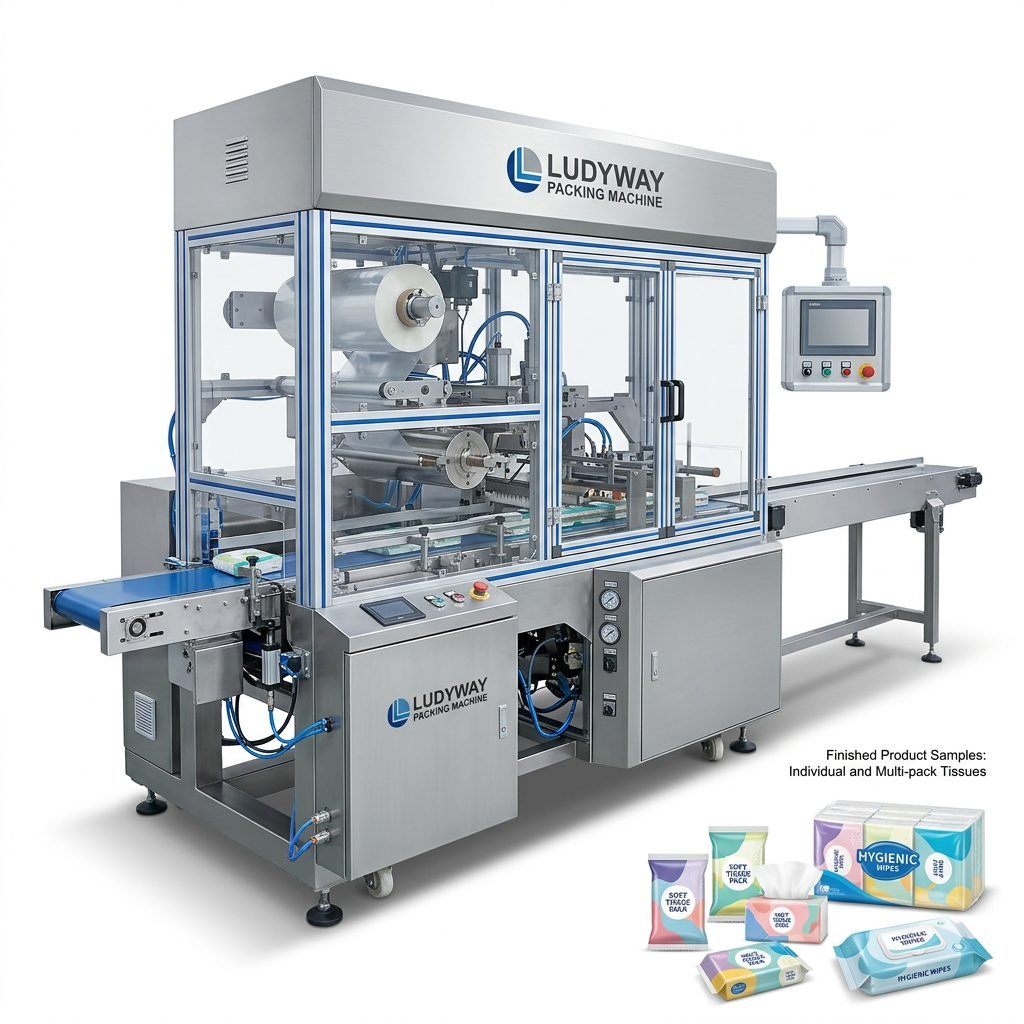
Flow wrappers are the industry standard for sliced bread loaves, burger buns, and similar bakery products. These machines create a tight, sealed package by wrapping product in a continuous film and sealing it with heated jaws. Modern flow wrapping machines can handle a wide range of film materials, including polypropylene (PP), polyethylene (PE), and laminated structures that provide excellent moisture and oxygen barriers. High-end models feature servo-driven controls, automated film tension adjustment, and quick-changeover capabilities that minimize downtime between product runs.
Vertical Form Fill Seal (VFFS) Systems
VFFS machines are particularly well-suited for packaging bread products that require a pillow-bag or gusseted-bag format. These systems form bags from a flat roll of film, fill them with product, and seal them in a continuous vertical motion. For bread applications, VFFS technology excels when packaging irregularly shaped items or when using pre-printed film that demands precise registration control. The versatility of VFFS systems also makes them an excellent choice for bakeries that produce multiple product lines and need flexible packaging solutions.
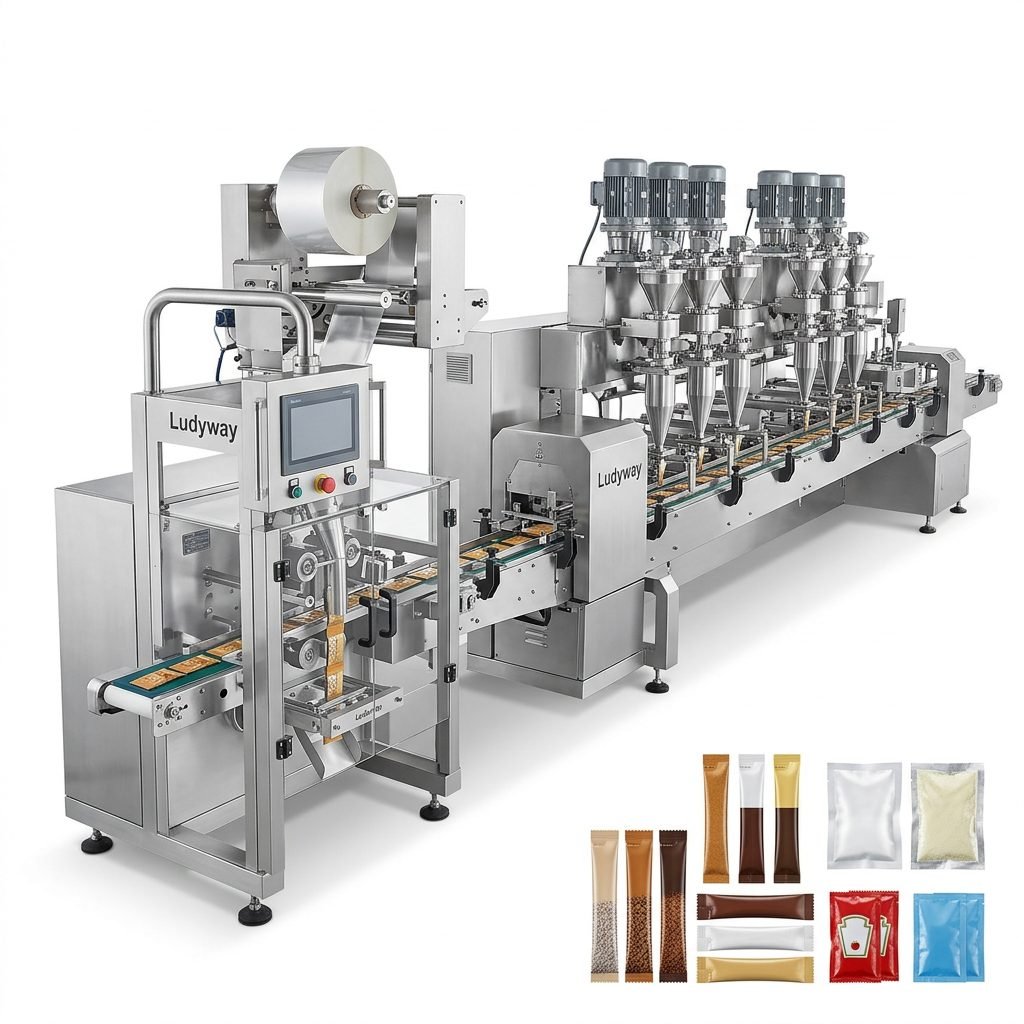
Multi-Lane Stick Pack and Sachet Solutions
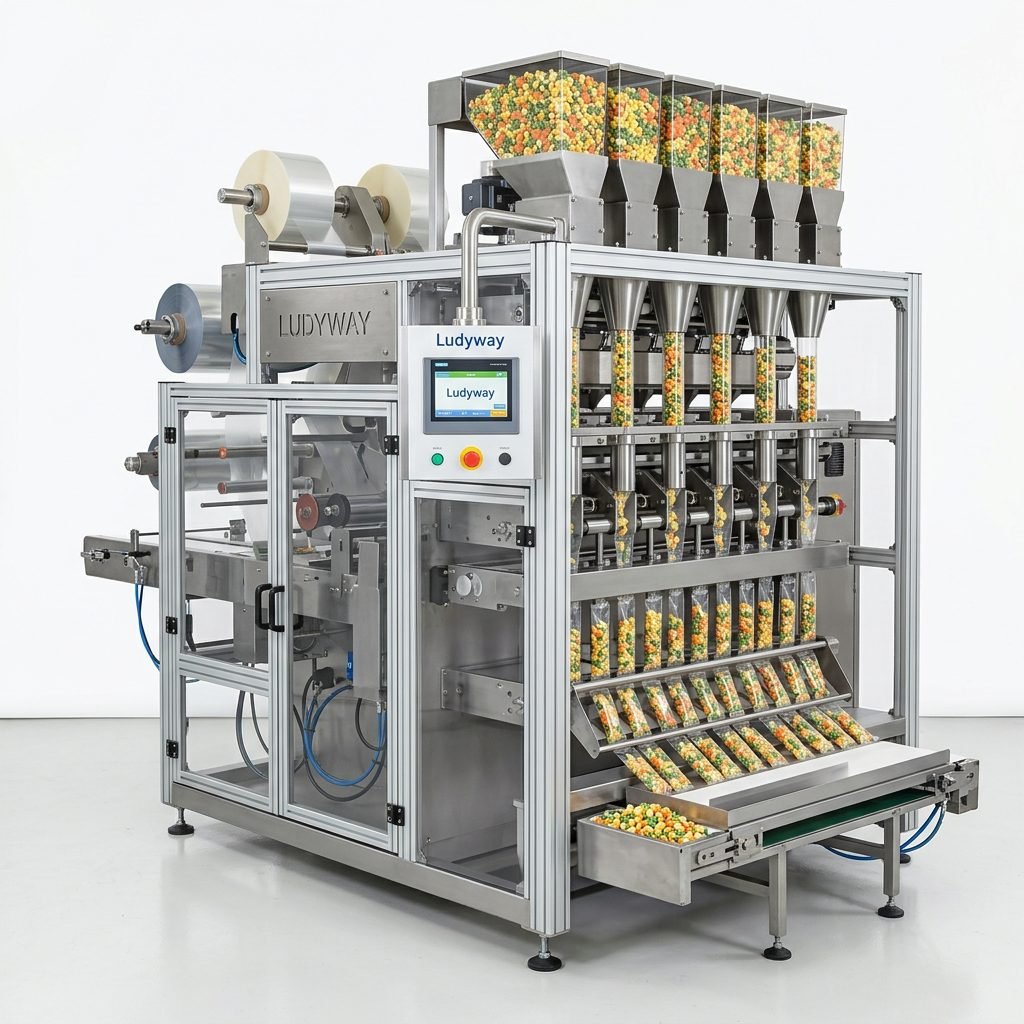
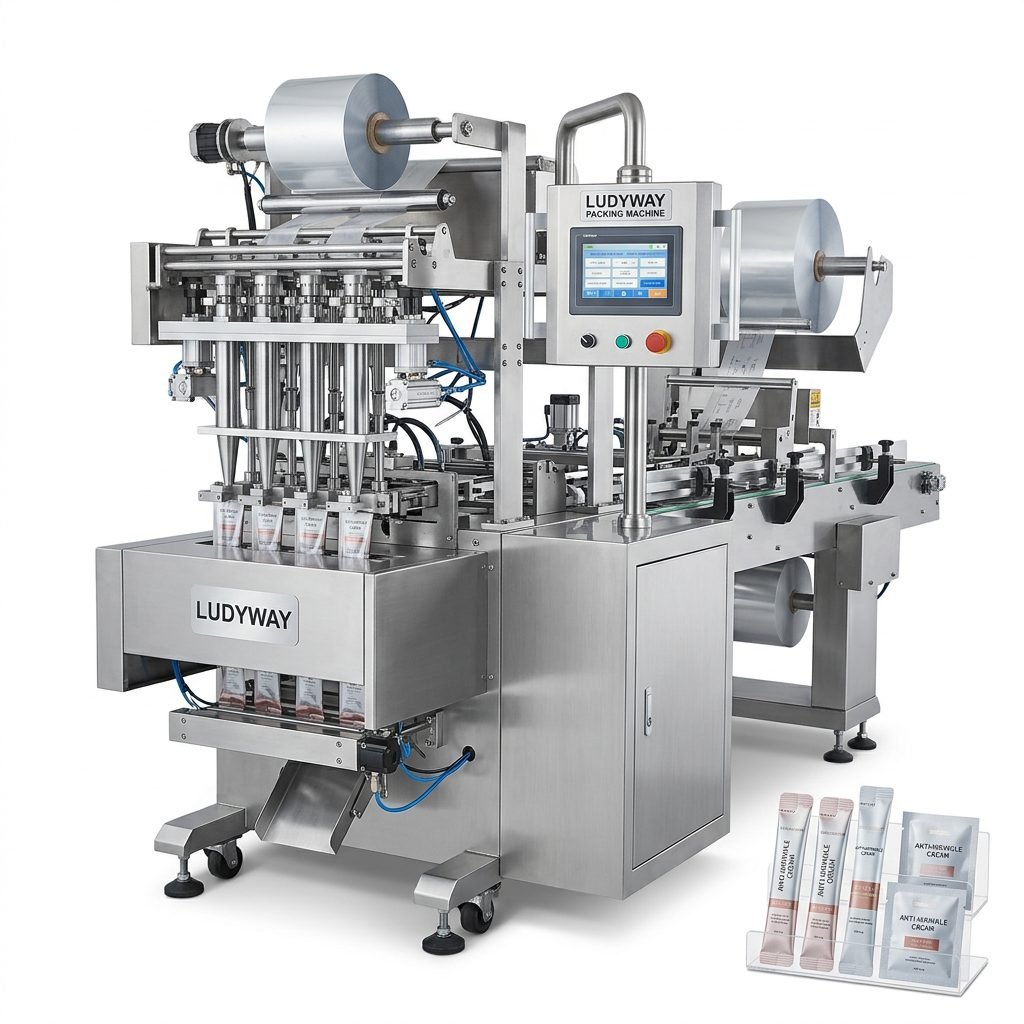
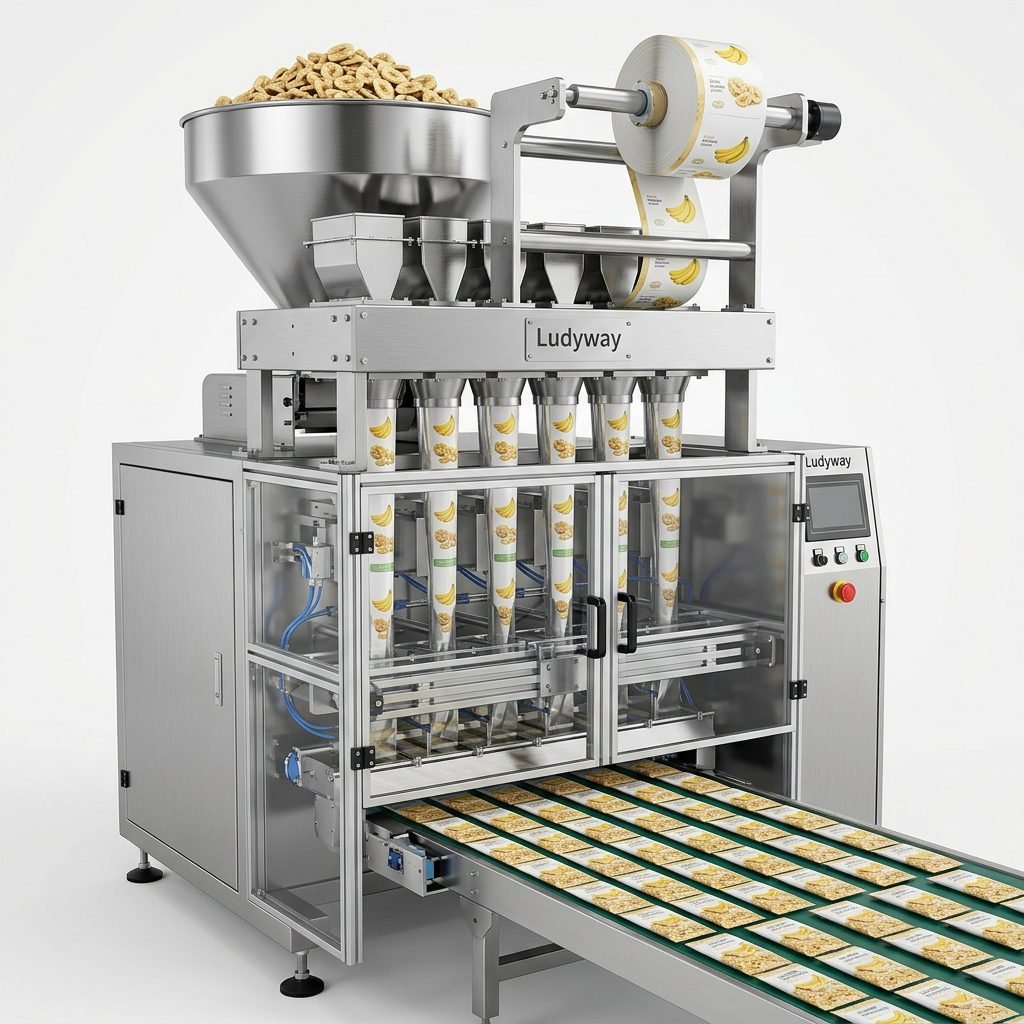
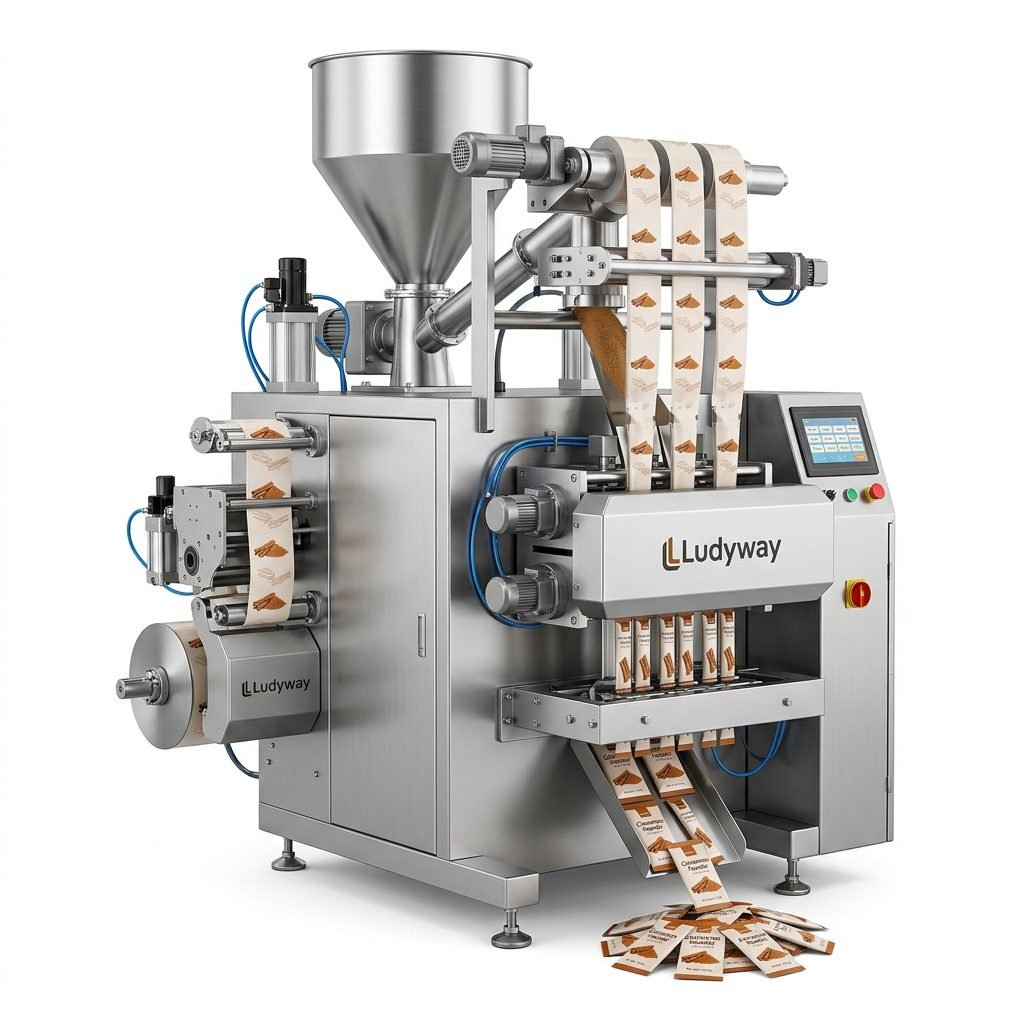
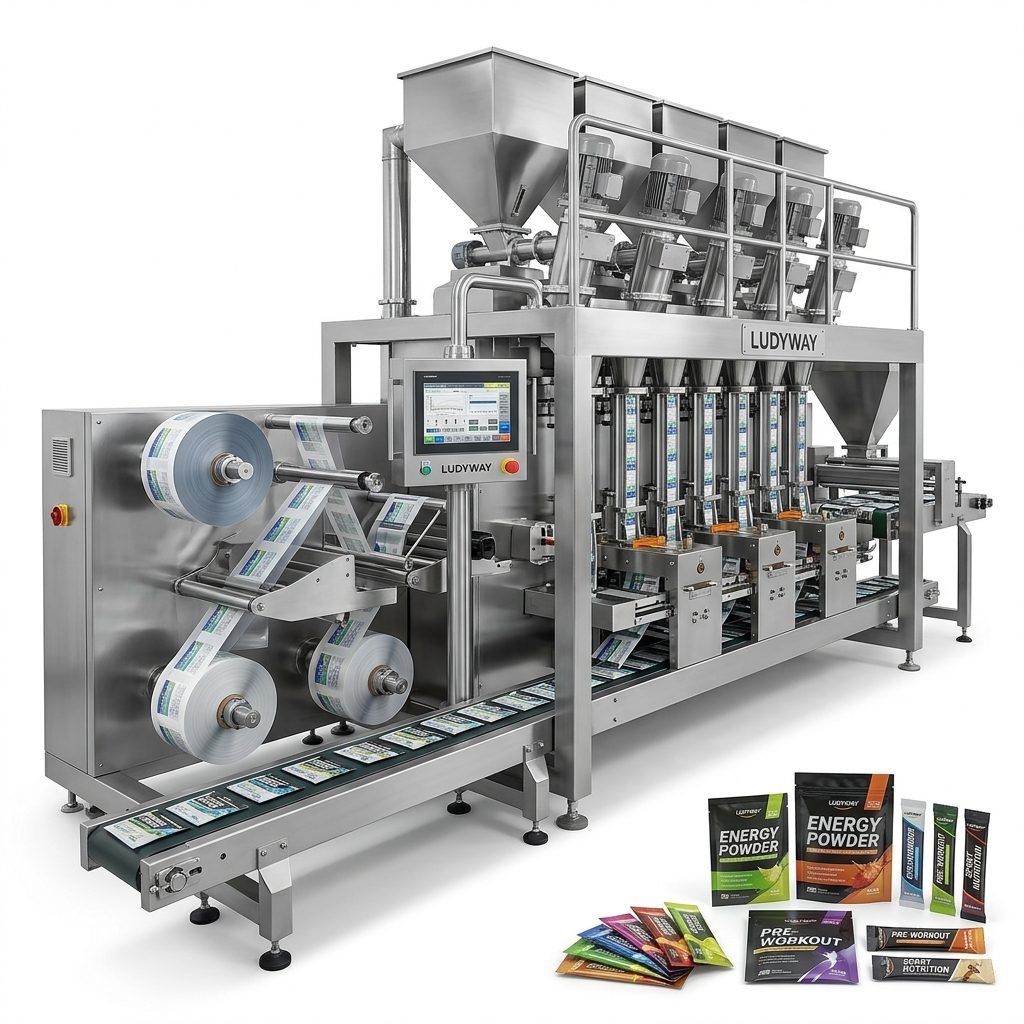
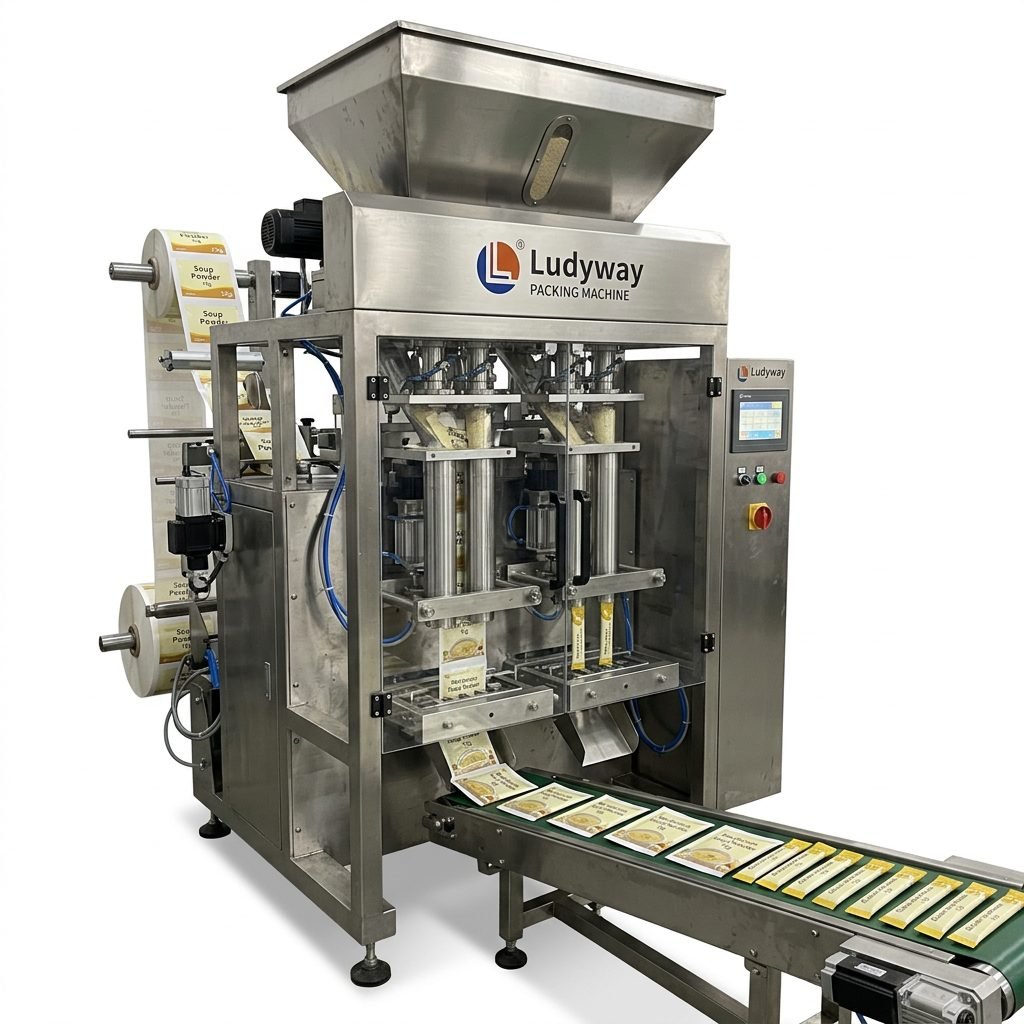
For bakeries diversifying into single-serve or portion-controlled bread products—such as breadsticks, croutons, mini toasts, or individually wrapped rolls—multi-lane stick pack machines offer unparalleled efficiency. These machines can produce multiple lanes simultaneously, dramatically increasing throughput while maintaining precise portion control. Multi-lane systems are particularly popular in the Middle East for packaging small-format baked goods destined for cafes, airlines, and hospitality channels.

Factory Layout and Infrastructure Planning
Proper factory layout design is critical for maximizing operational efficiency and ensuring compliance with food safety standards. The layout must facilitate a linear workflow from raw material intake to finished product dispatch, minimizing cross-contamination risks and optimizing material flow. Key considerations include:
- Segregation of Zones: Clearly separate raw material receiving, production, packaging, and finished goods storage areas to comply with hazard analysis and critical control points (HACCP) principles.
- Utilities Infrastructure: Ensure adequate electrical capacity (typically 380V–480V three-phase for industrial machinery), compressed air supply (minimum 6–8 bar), and proper ventilation to handle heat generated by sealing systems.
- Climate Control: In Middle Eastern environments, ambient temperatures can exceed 45°C. Air-conditioned or climate-controlled packaging rooms are essential to maintain film performance, seal integrity, and operator comfort.
- Material Handling: Plan for efficient movement of packaging materials (film rolls, cartons, pallets) using conveyors, automated guided vehicles (AGVs), or forklift-accessible pathways.
Automation and Auxiliary Equipment Integration
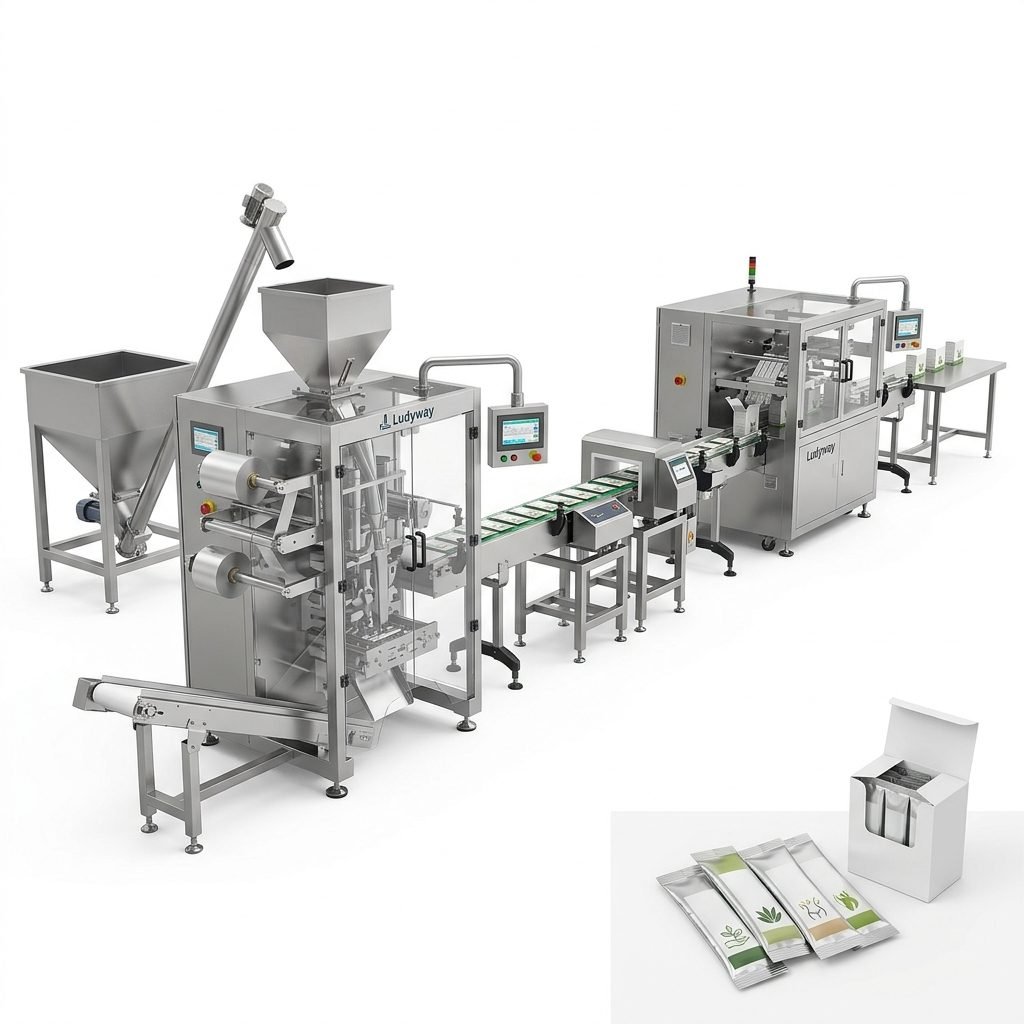
A complete bread packaging production line extends beyond the primary wrapping machine. Integrating auxiliary equipment enhances productivity, ensures quality control, and reduces manual labor requirements. The following subsystems are essential for a fully automated line:
Conveying Systems
Automated conveying systems transport bread products from cooling conveyors to the packaging machine infeed. Inclined conveyors, belt conveyors, and modular plastic belt systems are commonly used. Proper conveyor design must account for product fragility, speed synchronization with downstream equipment, and ease of cleaning to meet sanitary requirements.
Checkweighers and Metal Detectors
Quality assurance is non-negotiable in food packaging. In-line checkweighers verify that each package meets weight specifications, while metal detectors identify and reject contaminated products before they reach consumers. These systems should be positioned immediately after the sealing station and integrated with automated reject mechanisms. Industry standards from organizations such as the ISO packaging standards provide guidance on acceptable contamination limits and inspection protocols.
Cartoning and Palletizing
End-of-line automation—including carton erectors, case packers, palletizers, and stretch wrapping machines—completes the production line. These systems reduce manual handling, minimize product damage, and improve throughput consistency. For high-volume bakeries, robotic palletizing solutions offer flexibility to handle multiple product SKUs and pallet configurations simultaneously.
Regulatory Compliance and Food Safety Standards
Operating a food packaging line in the Middle East demands strict adherence to both regional and international standards. Key regulatory frameworks include:
- GSO Standards: The Gulf Standardization Organization mandates specific requirements for food contact materials, labeling, and packaging integrity. Compliance with GSO regulations is mandatory for products sold in GCC member states.
- HACCP Implementation: Your production line must support hazard analysis and critical control point protocols. This includes designing equipment with sanitary features, validated cleaning procedures, and traceability systems.
- Halal Certification Considerations: While packaging machinery itself does not require halal certification, your packaging materials and processes must not compromise the halal integrity of the bread products. Equipment should be designed to prevent cross-contamination with non-halal substances.
- CE Marking and International Equivalents: Machinery imported into the Middle East should carry CE marking or equivalent certification, demonstrating conformity with health, safety, and environmental protection standards.
The Flexible Packaging Association offers valuable resources regarding packaging material compliance and sustainability considerations relevant to the Middle Eastern market.
Installation, Training, and Maintenance
Proper installation and operator training are essential for achieving optimal machine performance and minimizing downtime. When setting up your production line, work closely with your equipment supplier to ensure:
- Factory Acceptance Testing (FAT): Verify machine performance at the manufacturer’s facility before shipment. This includes testing with your actual bread products and packaging materials.
- Site Preparation: Confirm that your facility meets all utility, space, and environmental requirements prior to equipment delivery.
- Installation Supervision: Have experienced technicians oversee the installation process, including mechanical assembly, electrical connections, and system integration.
- Operator Training Programs: Comprehensive training for machine operators, maintenance personnel, and production supervisors ensures that your team can operate the equipment safely and efficiently.
- Preventive Maintenance Schedules: Establish a preventive maintenance plan that includes regular inspections, lubrication, wear-part replacement, and performance calibration.
Cost Considerations and ROI Analysis
Investing in a bread packaging production line involves significant capital expenditure, but the long-term return on investment can be substantial when planned correctly. Below is a summary of the primary cost components to budget for:
| Cost Category | Estimated Range (USD) | Key Variables |
|---|---|---|
| Primary Packaging Machine | $50,000 – $300,000+ | Speed, automation level, film compatibility, servo vs. mechanical drive |
| Auxiliary Equipment | $20,000 – $150,000 | Conveyors, checkweighers, metal detectors, coders, cartoning systems |
| Installation and Commissioning | $10,000 – $40,000 | Travel costs, technician fees, site modifications |
| Training | $5,000 – $15,000 | Duration, number of trainees, on-site vs. off-site |
| Annual Maintenance | $5,000 – $25,000 | Spare parts, service contracts, consumables |
To calculate your ROI, consider factors such as labor cost savings, increased throughput, reduced product waste, and extended shelf life enabled by advanced packaging technology. Many bakeries in the Middle East achieve full payback within 18 to 36 months of commissioning a modern automated packaging line.
Partnering with a Reliable Packaging Machine Manufacturer
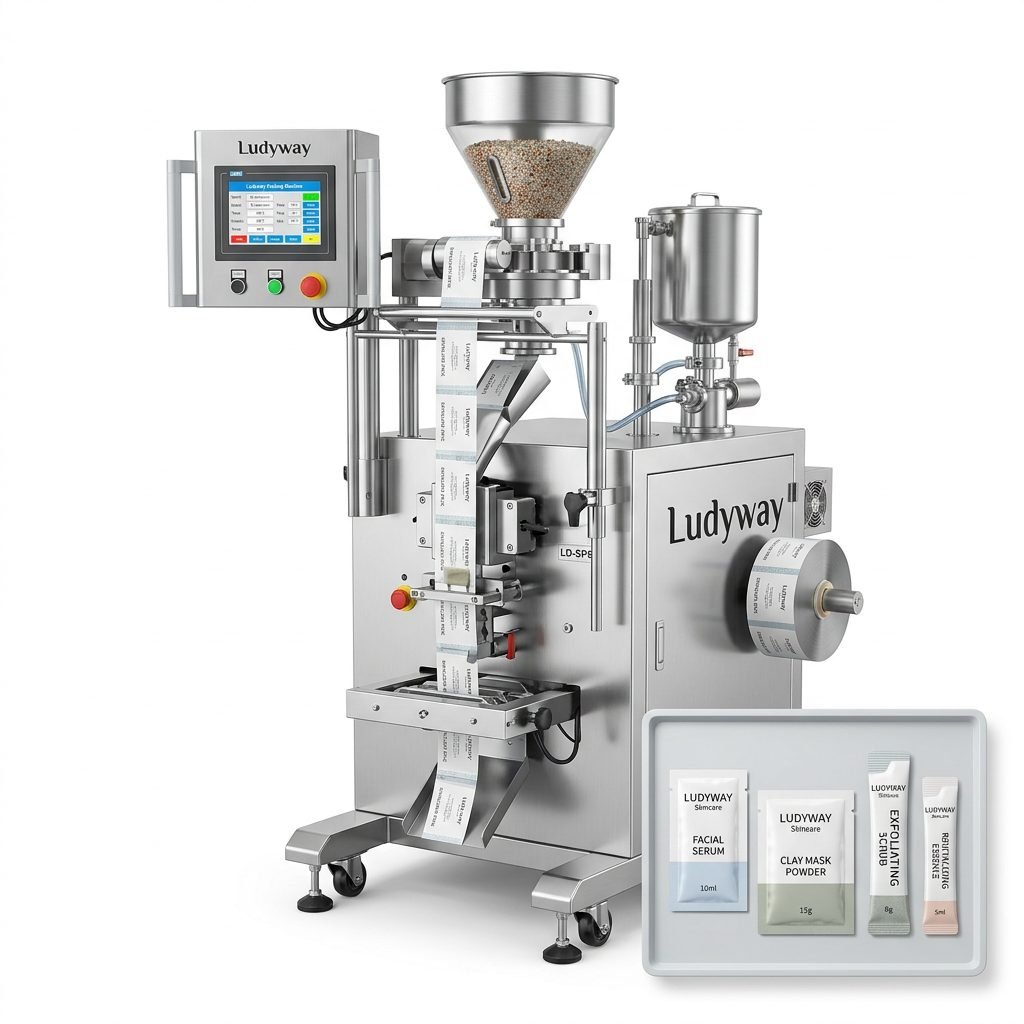
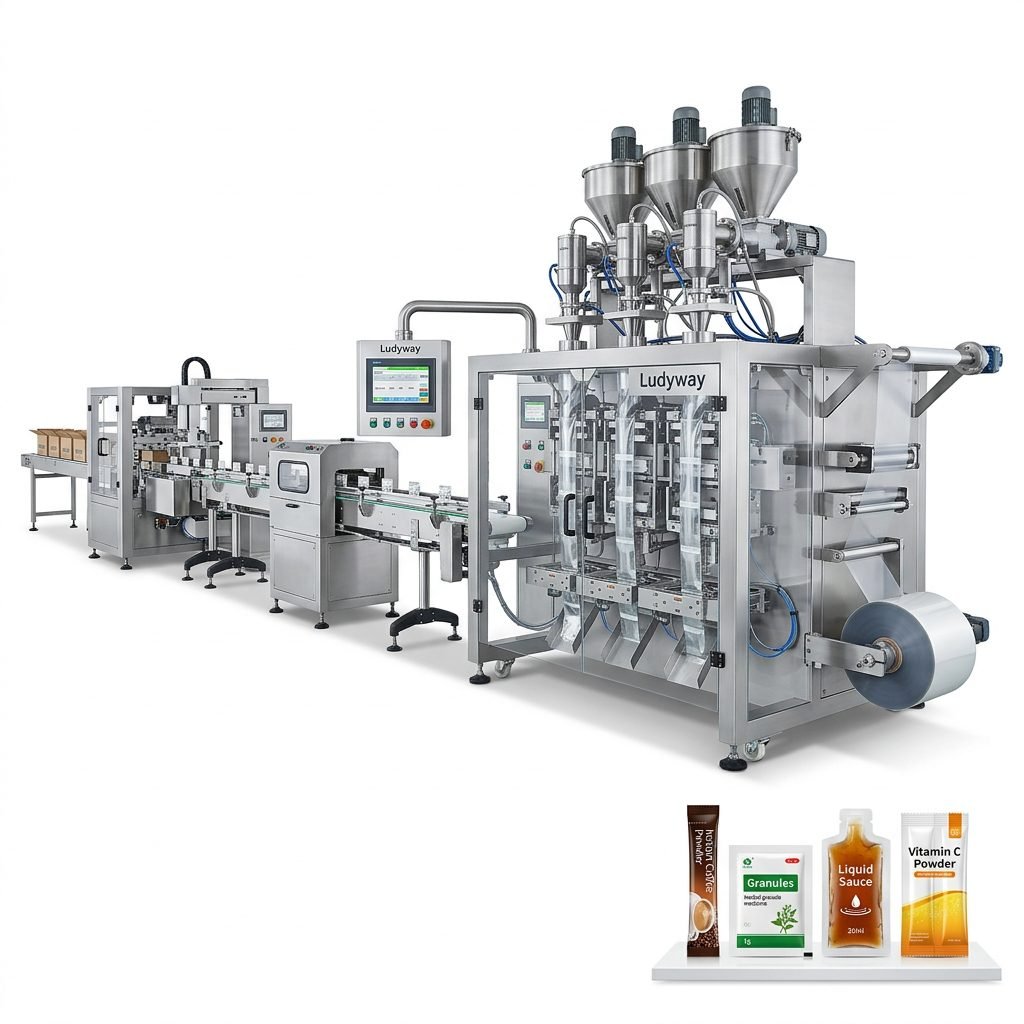
Selecting the right equipment partner is just as important as choosing the machinery itself. Ludyway is one of the largest packaging machine manufacturers in China, specializing in advanced packaging equipment and turnkey production solutions for the food, pharmaceutical, and health industries. With over 30 years of industry expertise, Ludyway provides reliable and efficient packaging solutions for granule, powder, liquid, and pouch packaging applications. Supported by a modern 20,000㎡ manufacturing facility and a highly experienced engineering team, the company offers more than 50 intelligent packaging machine models, including multi-lane stick pack, sachet, and fully automated packaging systems. Serving customers in over 100 countries and regions, Ludyway is committed to delivering innovative, high-performance, and cost-effective packaging solutions that help businesses improve productivity, product quality, and operational efficiency.

Frequently Asked Questions (FAQ)
How long does it take to set up a complete bread packaging production line?
A typical turnkey installation, from initial order to full production, requires 3 to 6 months, depending on machine complexity, site readiness, and customization requirements. Factory acceptance testing and operator training can add an additional 2 to 4 weeks to the timeline.
What packaging materials are compatible with modern bread wrapping machines?
Most machines handle a wide range of films, including BOPP, CPP, LDPE, HDPE, and laminated structures. Your choice depends on barrier requirements, printability, sealability, and cost. Many Middle Eastern bakeries prefer laminated films for their superior moisture and oxygen barrier properties, which are critical in the region’s hot and humid climate.
Can the same production line handle multiple bread product formats?
Yes, modern equipment with quick-changeover features can switch between different product sizes and packaging formats. Servo-driven machines with recipe management systems enable format changes in minutes rather than hours, making them ideal for bakeries with diverse product portfolios. Refer to resources from the PMMI packaging industry resources for additional insights on equipment flexibility.
What after-sales support should I expect in the Middle East?
Look for suppliers that offer local technical support, remote diagnostics, readily available spare parts, and comprehensive training programs. Some manufacturers maintain regional service centers or partner networks in GCC countries to provide responsive support when you need it most.
Is modified atmosphere packaging (MAP) worth the investment for bread products?
For premium bread products distributed across long supply chains, MAP technology can extend shelf life by 2 to 4 times compared to conventional packaging. This is particularly valuable in the Middle East, where products may travel long distances between production facilities and retail outlets. The ISO 11607 packaging standards provide useful benchmarks for validating packaging integrity in MAP applications.