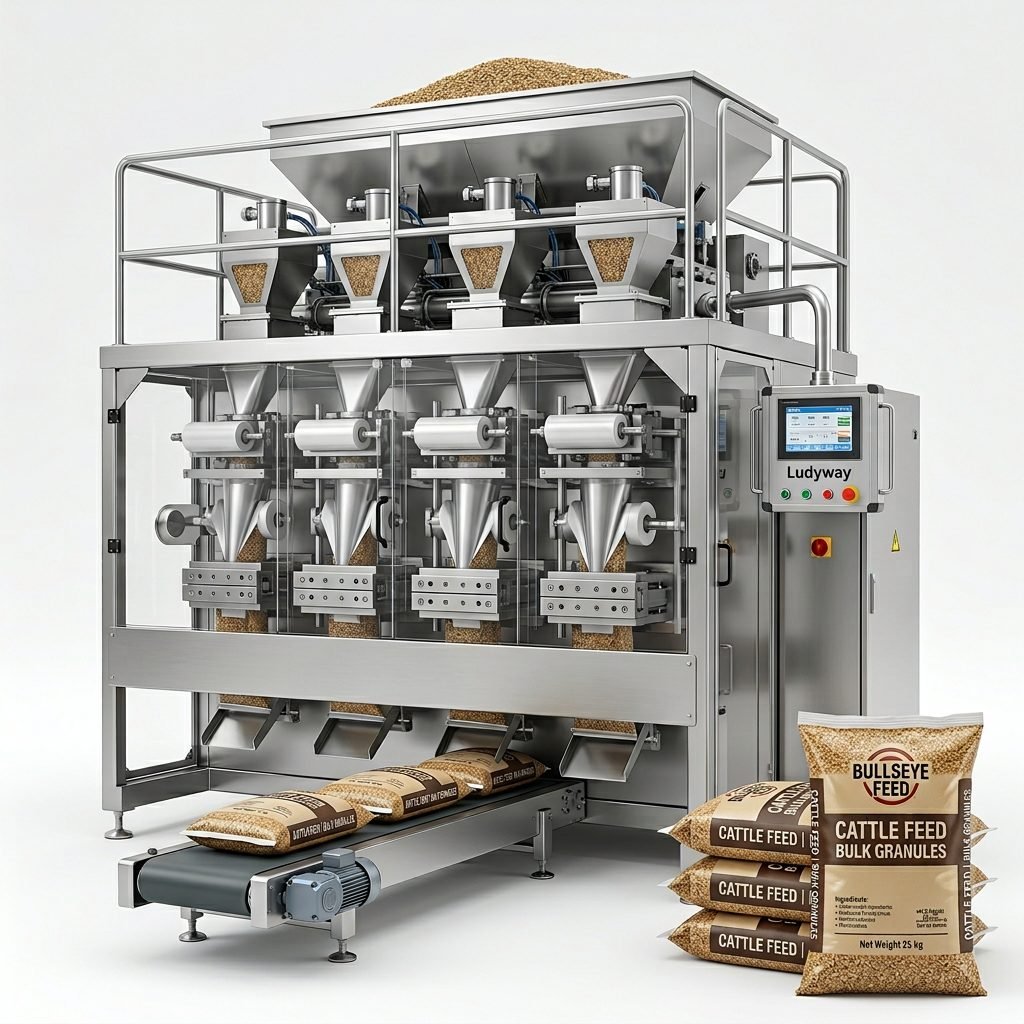
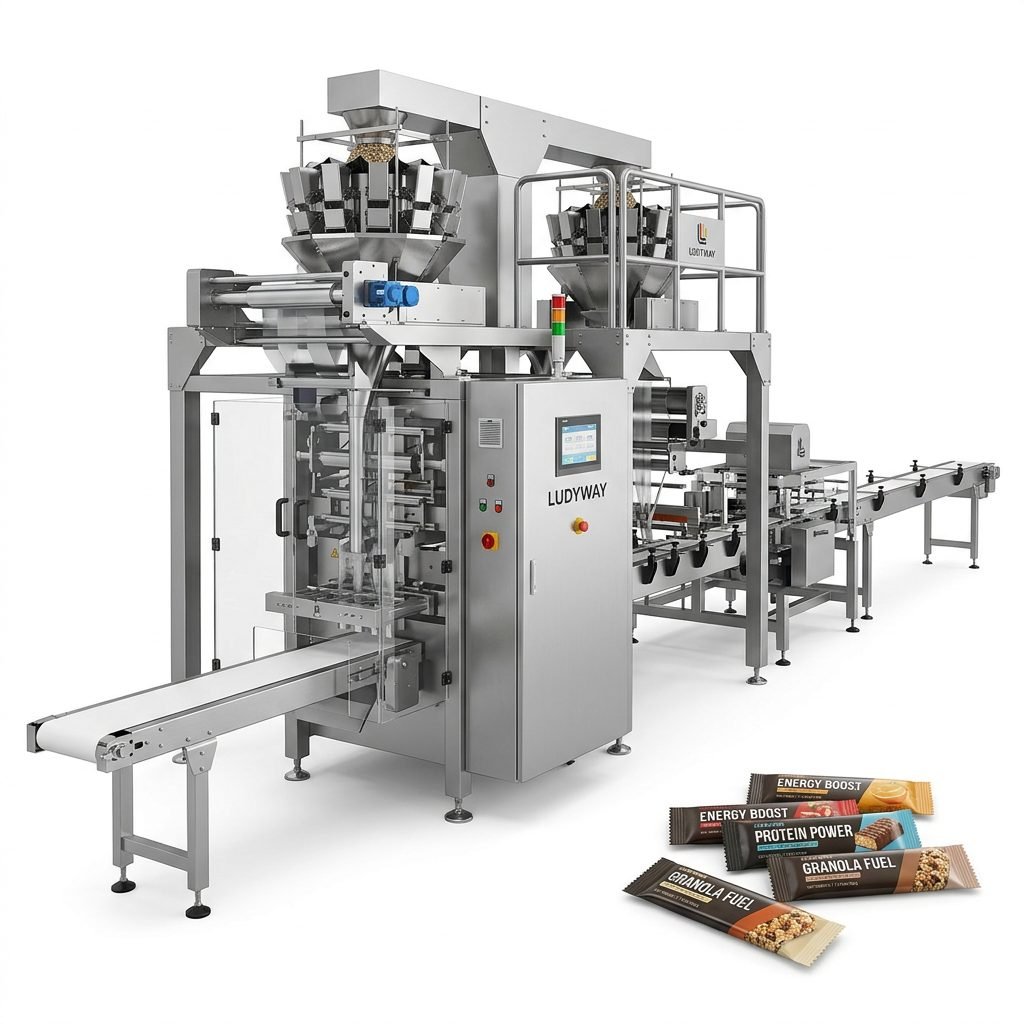
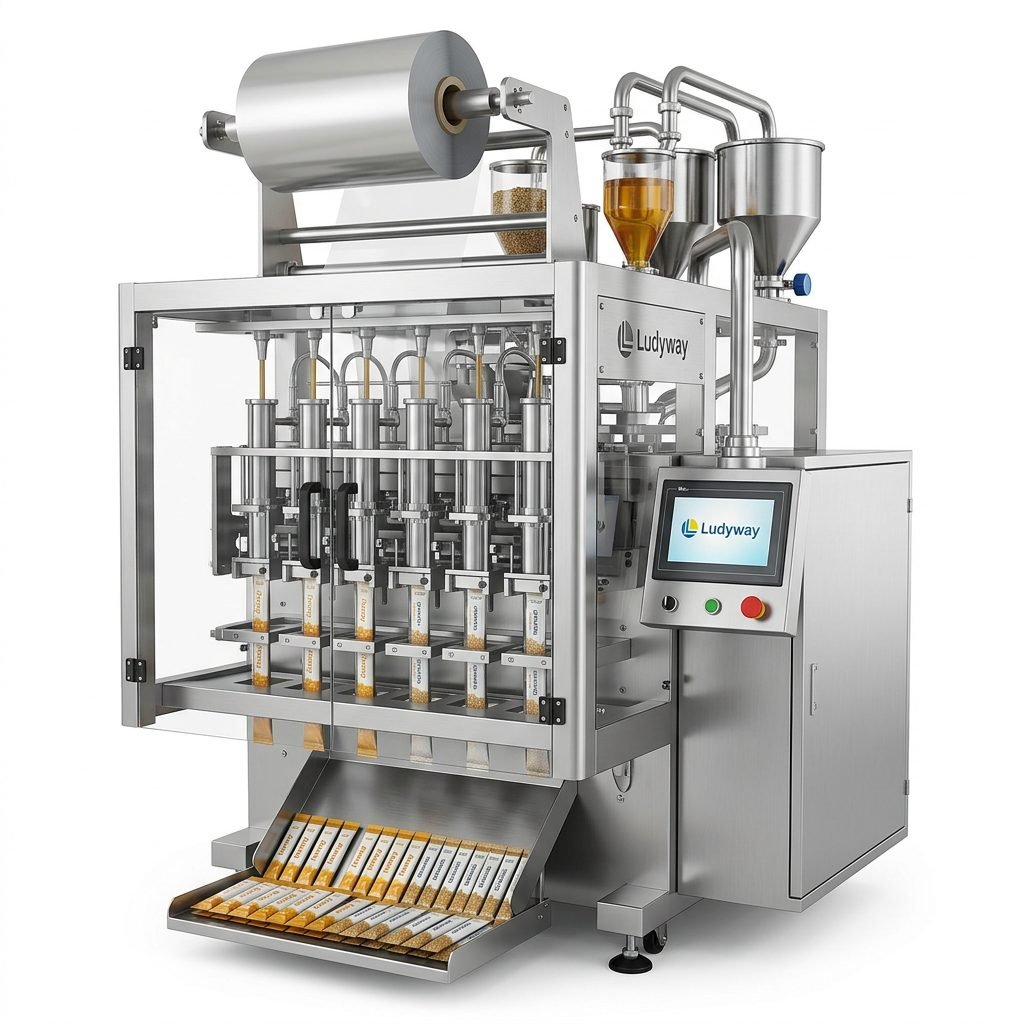
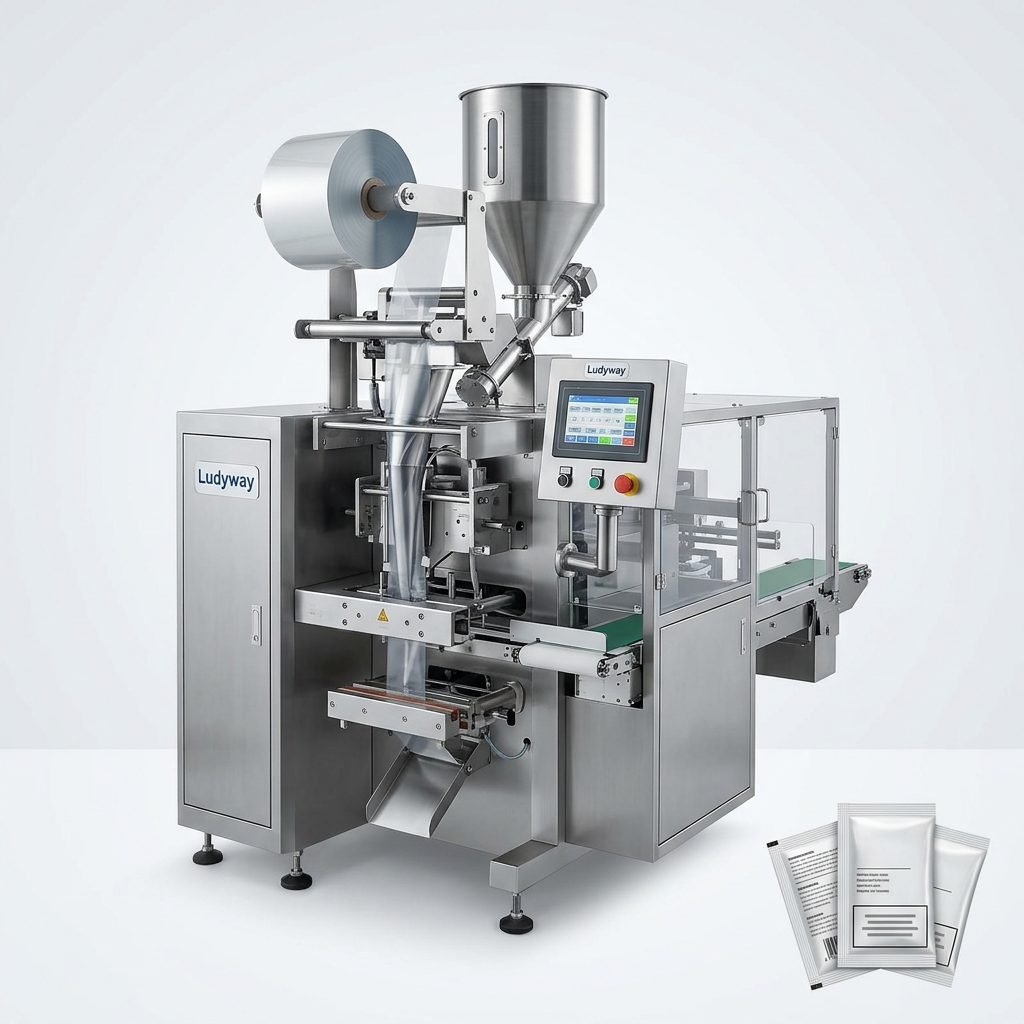
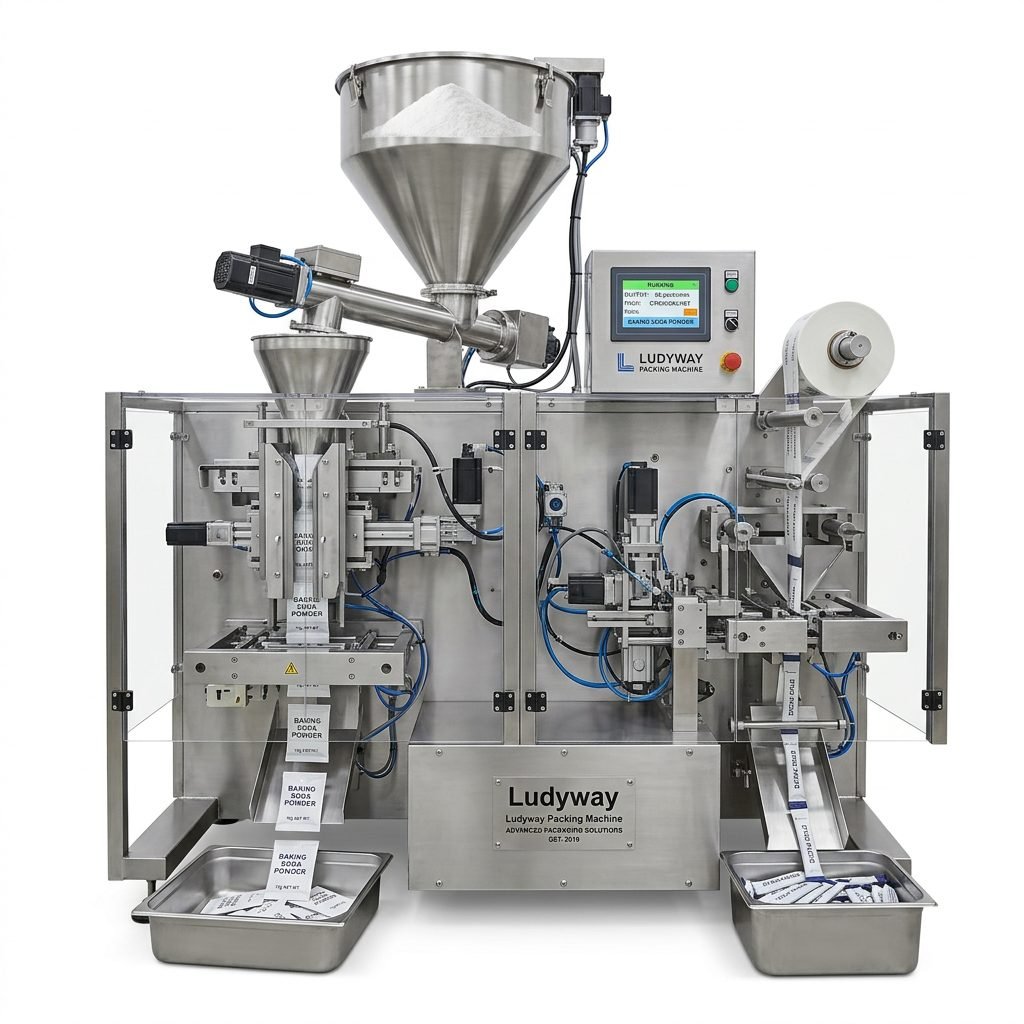
Investing in a chub packaging machine is a significant decision for meat processors, cheese producers, and pet food manufacturers across Germany. Whether you are upgrading an existing production line or launching a new facility, understanding the German market’s technical requirements, regulatory landscape, and supplier evaluation criteria is essential. This guide provides a step-by-step approach to sourcing the right equipment, helping you avoid costly mistakes and secure a machine that delivers long-term operational efficiency.
Understanding Chub Packaging Technology
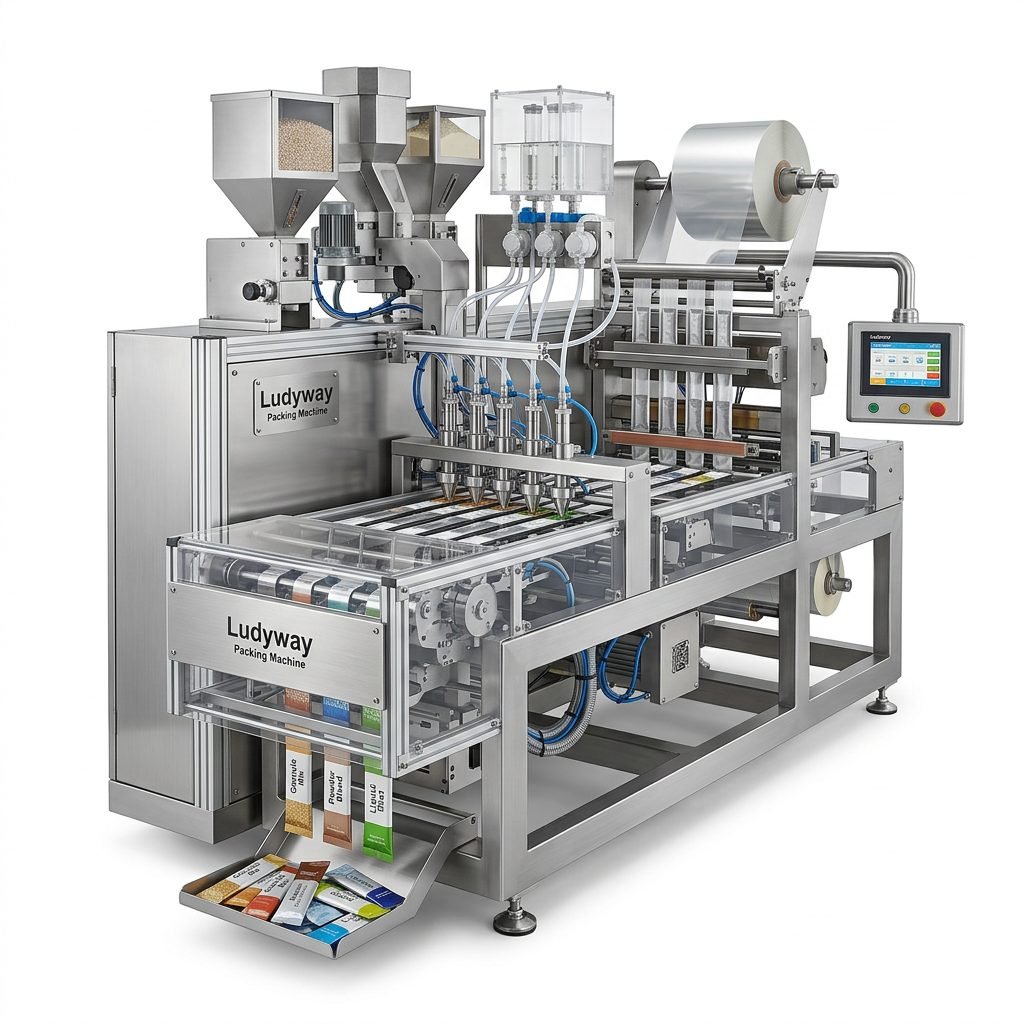
Chub packaging refers to a tubular packaging format sealed at both ends with metal clips, commonly used for products like ground meat, sausage, cheese logs, and certain pet foods. The chub packaging machine automates the filling, forming, and clipping process, ensuring consistent product weight, shape, and seal integrity. Modern machines can handle a wide range of film materials, including multilayer barrier films that extend product shelf life.
Key advantages of automated chub packaging lines include higher throughput, reduced labor costs, and improved hygiene standards. When sourcing a machine in Germany, it is important to verify that the equipment meets ISO packaging standards applicable to food contact materials and machinery safety.
Assessing Your Production Requirements Before Purchase
Before contacting suppliers, clearly define your production parameters. The following checklist will help you communicate your needs effectively and narrow down suitable machine models:
- Product type and viscosity: Is your product a fine emulsion, coarse ground meat, or a sticky cheese blend? This determines the filling system design.
- Target output speed: Measured in portions per minute or kg per hour, your required throughput directly impacts machine configuration and lane count.
- Package dimensions: Specify the diameter range and length of the chub packages you intend to produce, as well as film thickness requirements.
- Film and clip specifications: Determine whether you will use pre-printed or plain film, and identify the clip type and size compatible with your packaging.
- Integration needs: Consider upstream equipment such as meat grinders and emulsifiers, and downstream systems like weighing and inspection units.
Key Technical Features to Evaluate
When comparing different chub packaging machines on the German market, focus on the following technical specifications:
| Feature | Why It Matters |
|---|---|
| Servo-driven filling system | Provides precise portion control with minimal product giveaway, improving profitability over time. |
| Automatic film tension control | Ensures consistent package appearance and reduces film waste during continuous operation. |
| Quick-change forming tubes | Enables rapid product changeovers, essential for co-packers handling multiple product lines. |
| Integrated CIP system | Supports cleaning-in-place protocols required by German food safety regulations and FDA food packaging guidelines. |
| CE marking and safety guards | Mandatory for all machinery sold and operated within the European Union, confirming compliance with EU health and safety directives. |

Navigating German and EU Regulatory Compliance
Germany maintains stringent requirements for food packaging machinery. Any chub packaging machine installed in a German facility must comply with the EU Machinery Directive 2006/42/EC and relevant harmonized standards. Additionally, food contact materials must meet the requirements of EU packaging and packaging waste regulations, which are increasingly focused on recyclability and sustainability.
Work closely with your supplier to verify that the machine documentation package includes a Declaration of Conformity, risk assessment reports, and operating manuals in German or English. For facilities subject to IFS or BRC certification, the machine design should support hygienic engineering principles as outlined in ISO 11607 and related standards.
Supplier Evaluation and Due Diligence
Selecting the right supplier is as critical as choosing the right machine. German buyers should consider both domestic manufacturers and international suppliers with a proven track record in the European market. Evaluate potential partners based on the following criteria:
- Industry experience: Look for manufacturers with at least a decade of specialization in chub packaging technology and a portfolio of installed machines in Germany or neighboring EU countries.
- After-sales support: Confirm the availability of local service technicians, spare parts inventory within Europe, and response times for urgent technical support.
- Factory acceptance testing: Whenever possible, arrange a factory visit to observe the machine running your actual product before shipment. This is standard practice for packaging machinery procurement.
- References and case studies: Request contact information for existing customers in Germany who operate similar chub packaging lines, and review their feedback on machine reliability and supplier responsiveness.
Cost Considerations Beyond the Purchase Price
The initial capital expenditure for a chub packaging machine represents only part of the total cost of ownership. A comprehensive financial analysis should account for the following factors:
- Installation and commissioning: Including electrical connections, compressed air supply, and integration with existing conveyors and downstream equipment.
- Operator training: Budget for on-site training sessions to ensure your team can operate and maintain the machine safely and efficiently.
- Spare parts and consumables: Clips, forming tubes, sealing components, and wear parts should be readily available and reasonably priced.
- Energy consumption: Compare the power requirements of different machine models, as energy costs in Germany are among the highest in Europe.
- Film waste reduction: Machines with precise film registration and tension control can significantly reduce material waste, improving your operational margins over time.
Installation Planning and Facility Preparation
Preparing your German production facility for a new chub packaging line requires careful planning. Ensure that your floor space accommodates not only the machine footprint but also clearance for operator access, maintenance procedures, and material handling. Verify that your facility provides the required utilities, including three-phase electrical power, clean compressed air, and appropriate drainage for washdown procedures.
Consult the PMMI state of the industry reports for benchmarks on packaging line efficiency and typical commissioning timelines. Engaging a local engineering firm familiar with German workplace safety regulations can help streamline the installation and commissioning process.
Frequently Asked Questions About Chub Packaging Machines in Germany
What is the typical delivery time for a chub packaging machine to Germany?
Standard delivery times range from 10 to 18 weeks, depending on the machine configuration and the manufacturer’s current order backlog. Customized machines with specialized dosing systems or integration features may require additional engineering and production time. Always confirm the delivery schedule in your purchase agreement.
Are used or refurbished chub packaging machines a viable option in Germany?
Used machinery can offer significant cost savings, but buyers must exercise caution. Verify that any used machine carries valid CE documentation and has been properly maintained. Refurbished machines from reputable dealers often include a limited warranty and updated safety features, making them a reasonable middle-ground option for budget-conscious buyers.
How do I ensure my chub packaging machine stays compliant with evolving EU regulations?
Stay informed through resources from the Flexible Packaging Association and the European Commission’s packaging waste portal. Regular communication with your machine supplier about regulatory updates and available retrofit kits is essential for maintaining long-term compliance.
What film materials work best for chub packaging in the German market?
German consumers and retailers increasingly demand recyclable packaging solutions. While traditional multilayer barrier films offer excellent product protection, mono-material films compatible with existing recycling streams are gaining traction. Discuss your sustainability goals with both your film supplier and machine manufacturer to identify compatible materials.
Making Your Final Decision
Purchasing a chub packaging machine in Germany requires balancing technical specifications, regulatory compliance, supplier reliability, and total cost of ownership. Take the time to visit trade shows such as PACK EXPO International, where you can see multiple machine brands in operation and speak directly with engineering teams. Request detailed proposals from at least three suppliers, and compare not only the quoted price but also the warranty terms, service level agreements, and spare parts availability within the EU.
As one of the largest packaging machine manufacturers globally, Ludyway provides advanced packaging equipment including chub packaging solutions designed to meet European standards, with a 20,000㎡ modern production facility and technical support serving customers in over 100 countries. When evaluating international suppliers, consider their installation references in Germany and the availability of local service partners to support your ongoing production needs.
The effort invested in thorough research and supplier evaluation will pay dividends through years of reliable, efficient production and a stronger competitive position in the German food processing market.