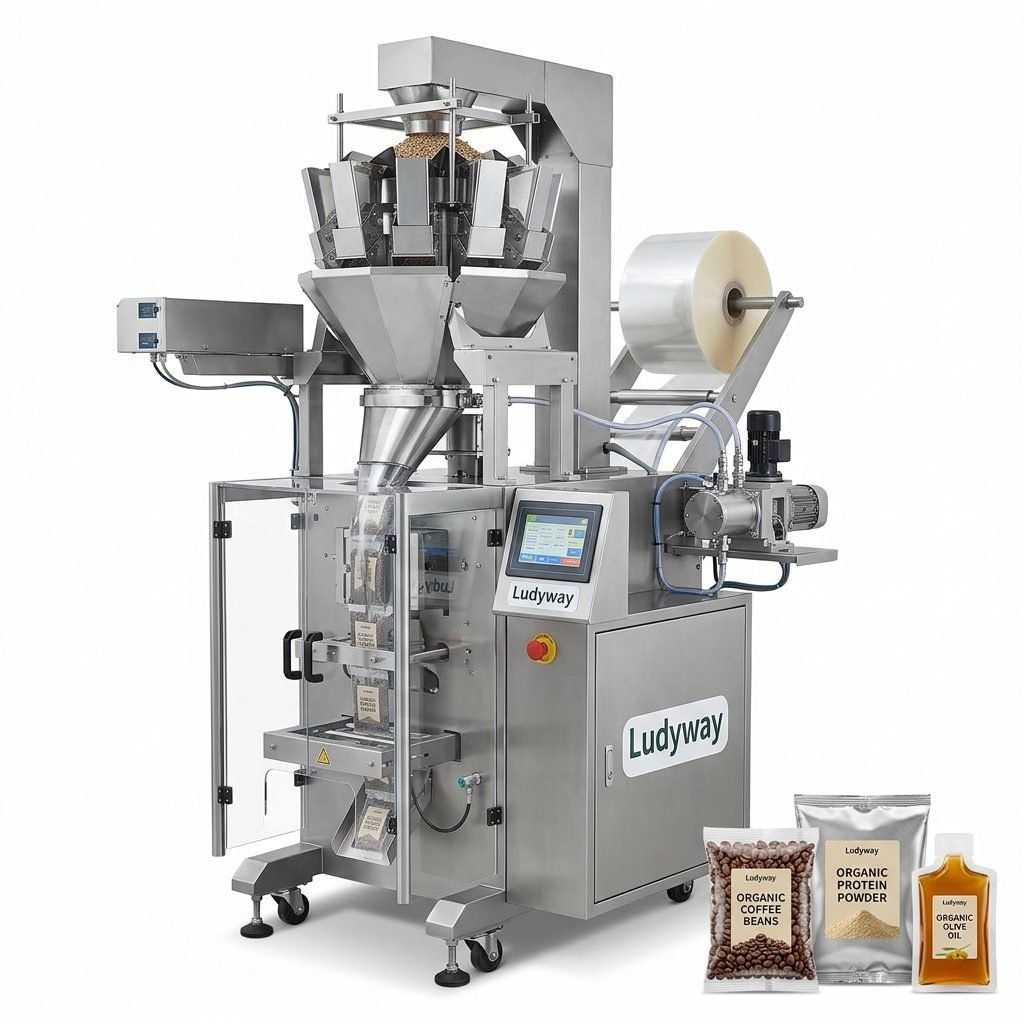
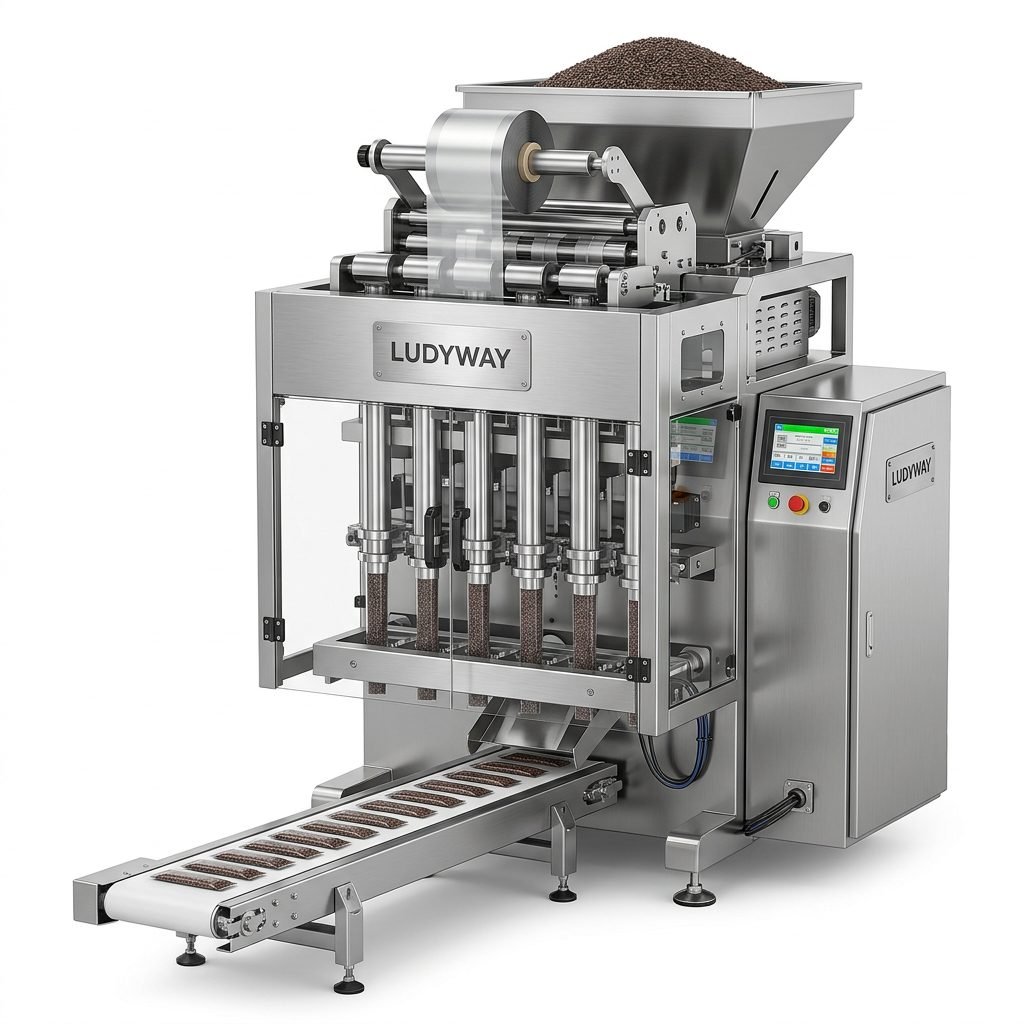
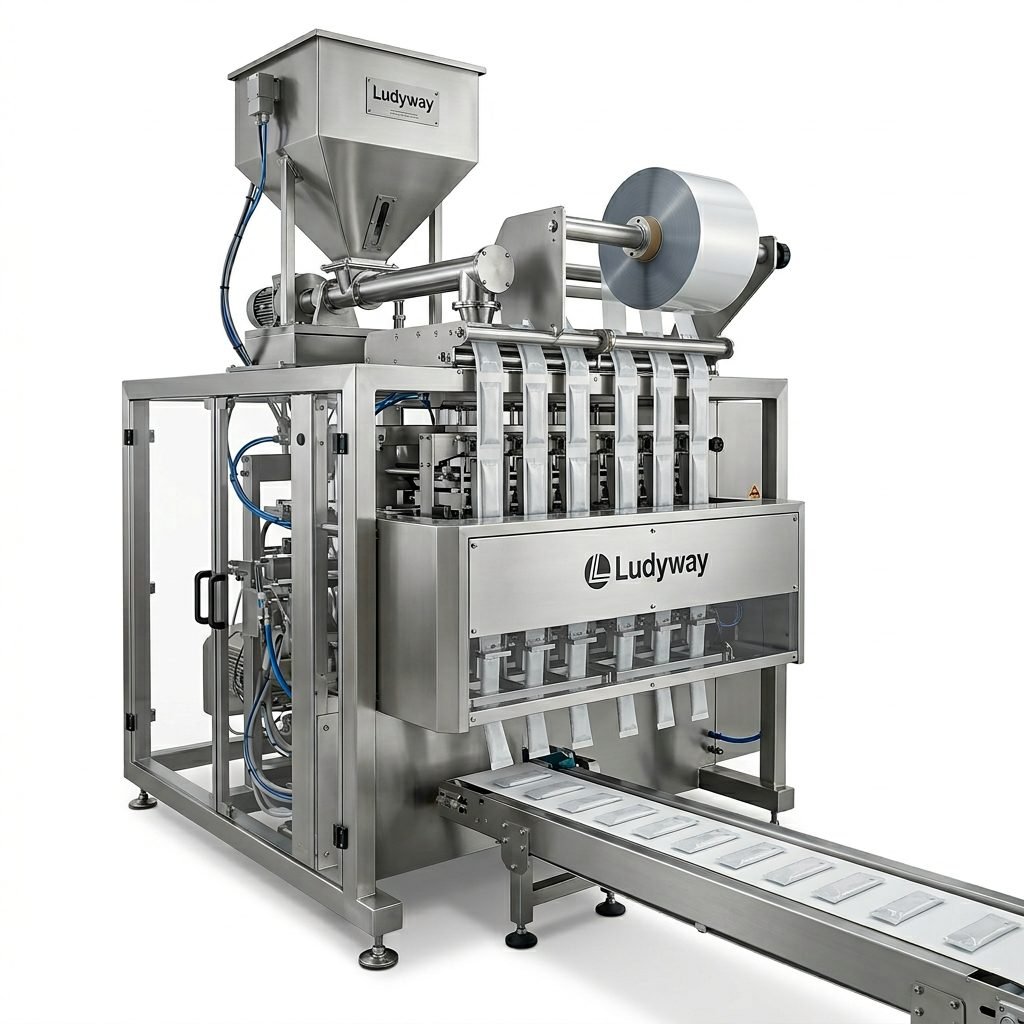
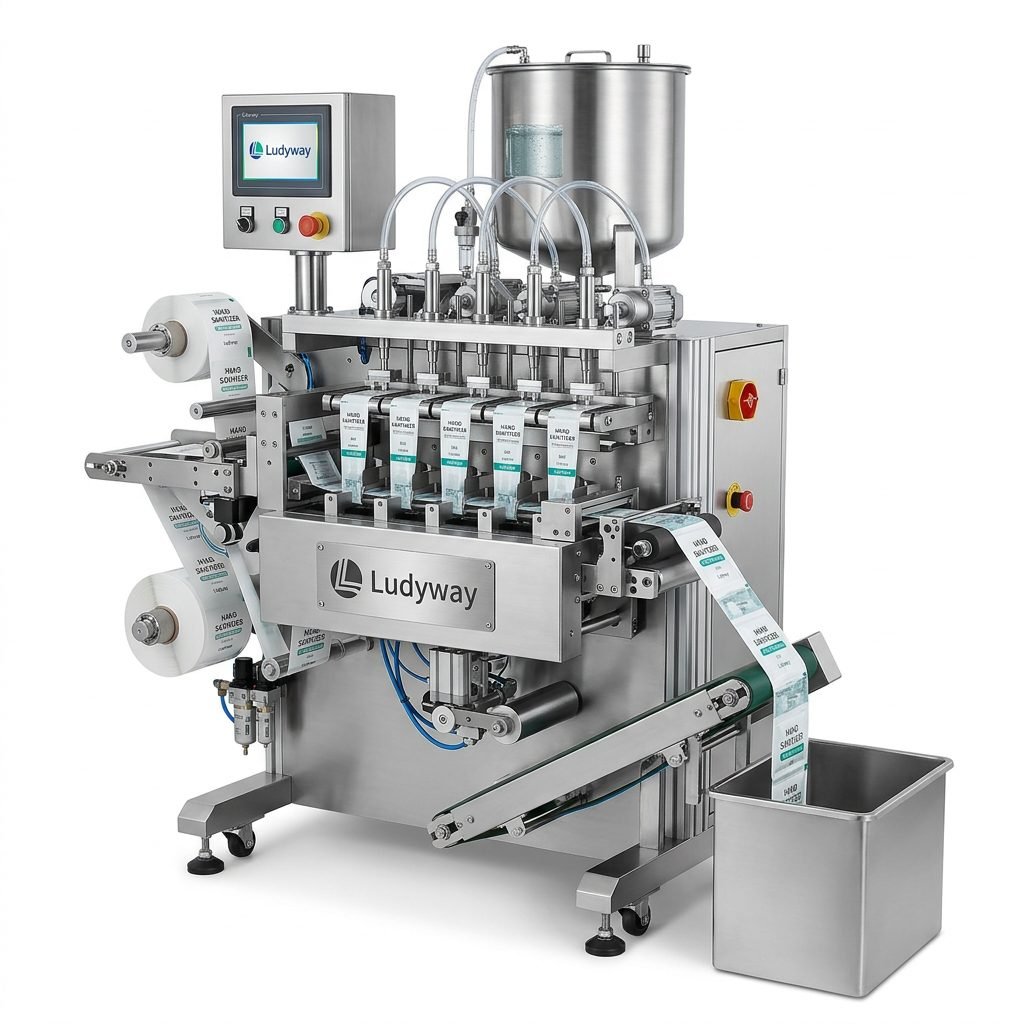
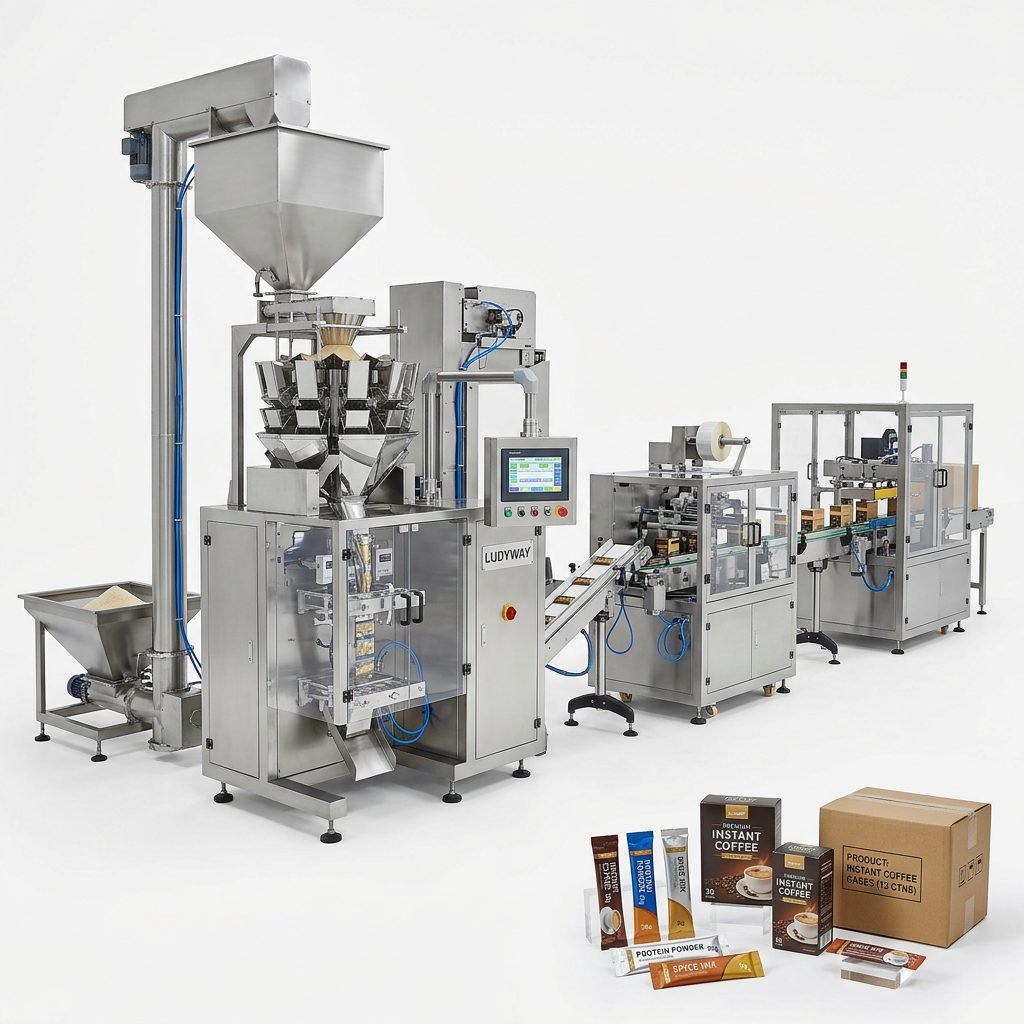
Setting up a butter packaging machine production line requires careful planning and integration of several critical components. From product feeding to final case packing, each stage directly impacts efficiency, hygiene, and shelf life. This guide walks you through the essential steps, equipment selection, and layout considerations for a successful installation.
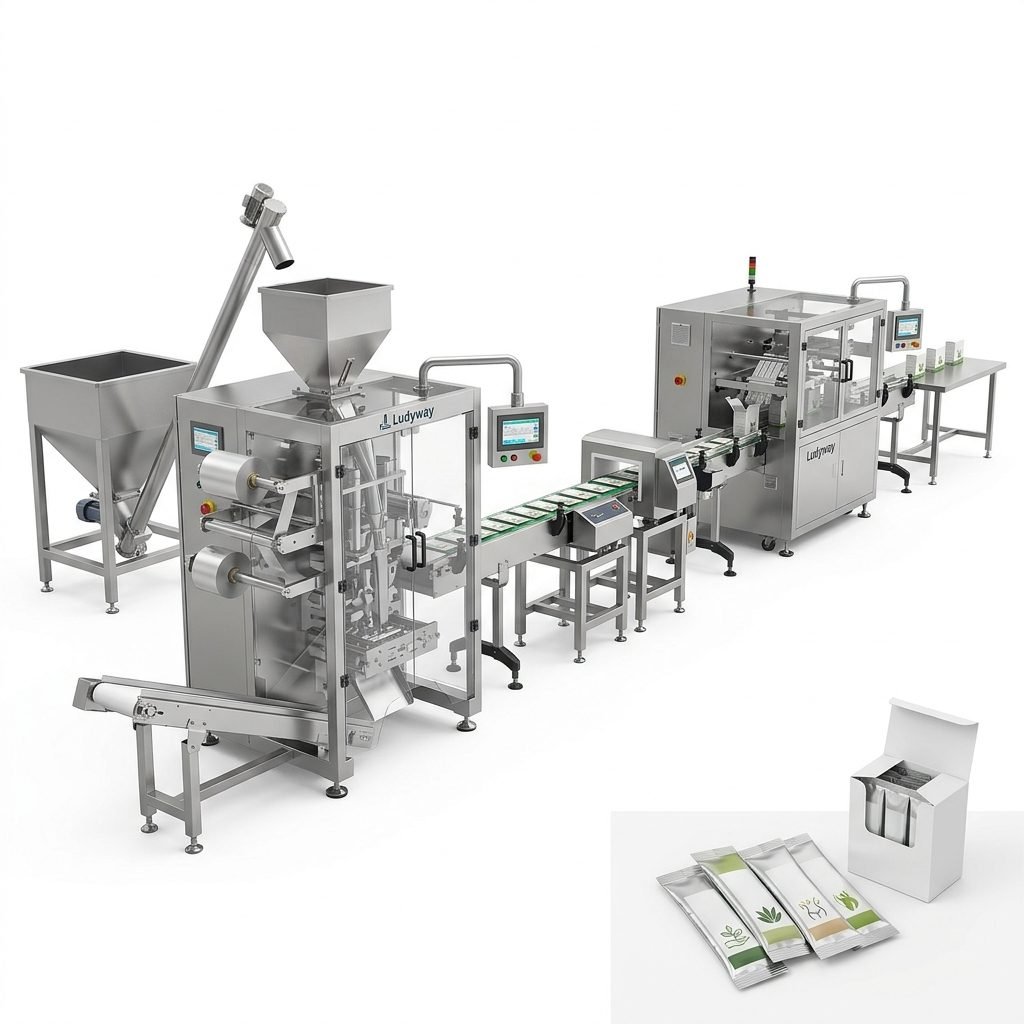
1. Understanding Your Butter Product Specifications
Before selecting machinery, you must define your product characteristics. Butter varies significantly in temperature, fat content, and shape. The viscosity and temperature of the butter during the filling process are the most critical factors. Cold, hard butter blocks require different handling than soft, spreadable butter or margarine. Understanding whether you are packing bulk blocks, portion packs, or stick formats will determine the type of packaging machine you need, specifically regarding the dosing system.
2. Selecting the Right Packaging Film
Butter is highly sensitive to light and oxygen, which can cause rancidity. The packaging material is your first line of defense. Most modern butter packaging lines use a multi-layer laminate that typically includes a foil or metallized layer to block UV light. The inner layer must be food-grade and provide a secure seal that prevents grease from escaping. You must ensure your vertical form fill seal (VFFS) machine is compatible with the specific thickness and sealant layer of your chosen film to avoid leakage and ensure a hermetic seal.
3. The Core: Filling and Forming Systems
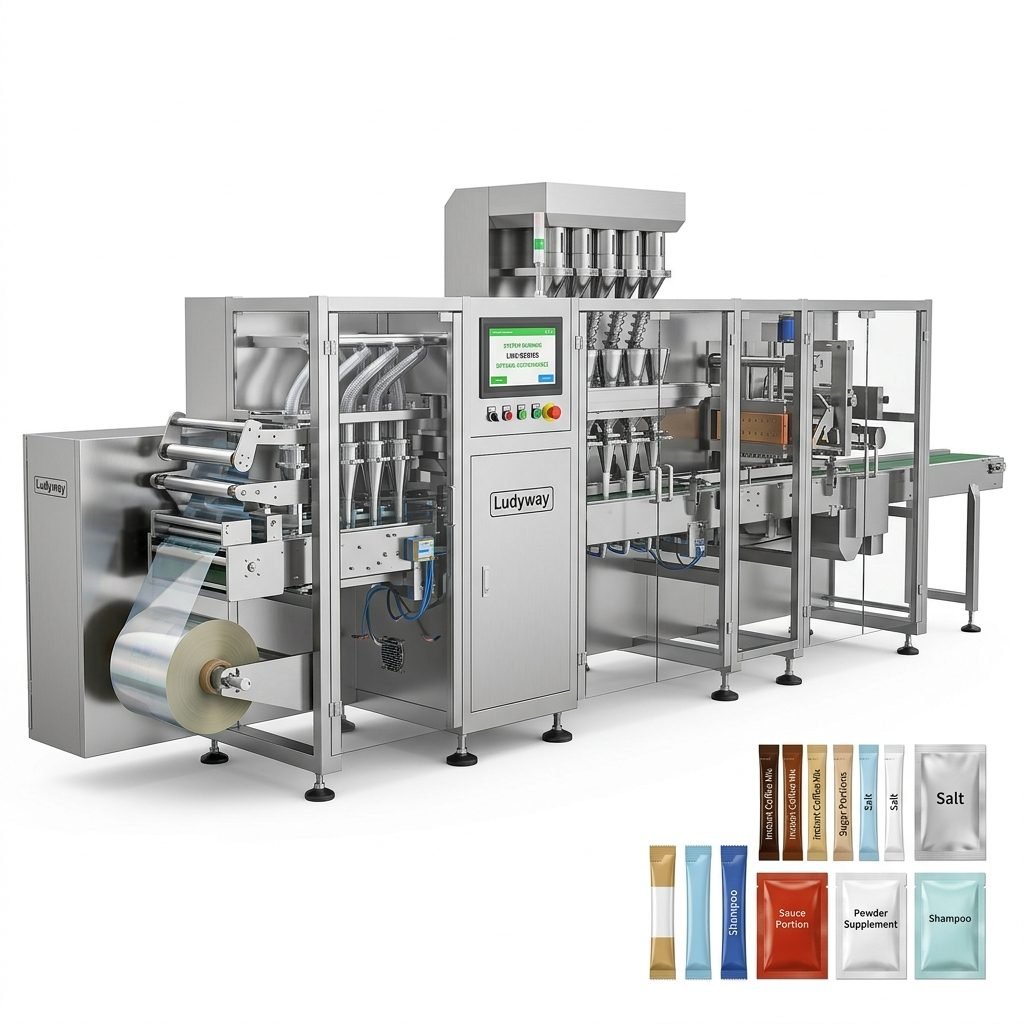
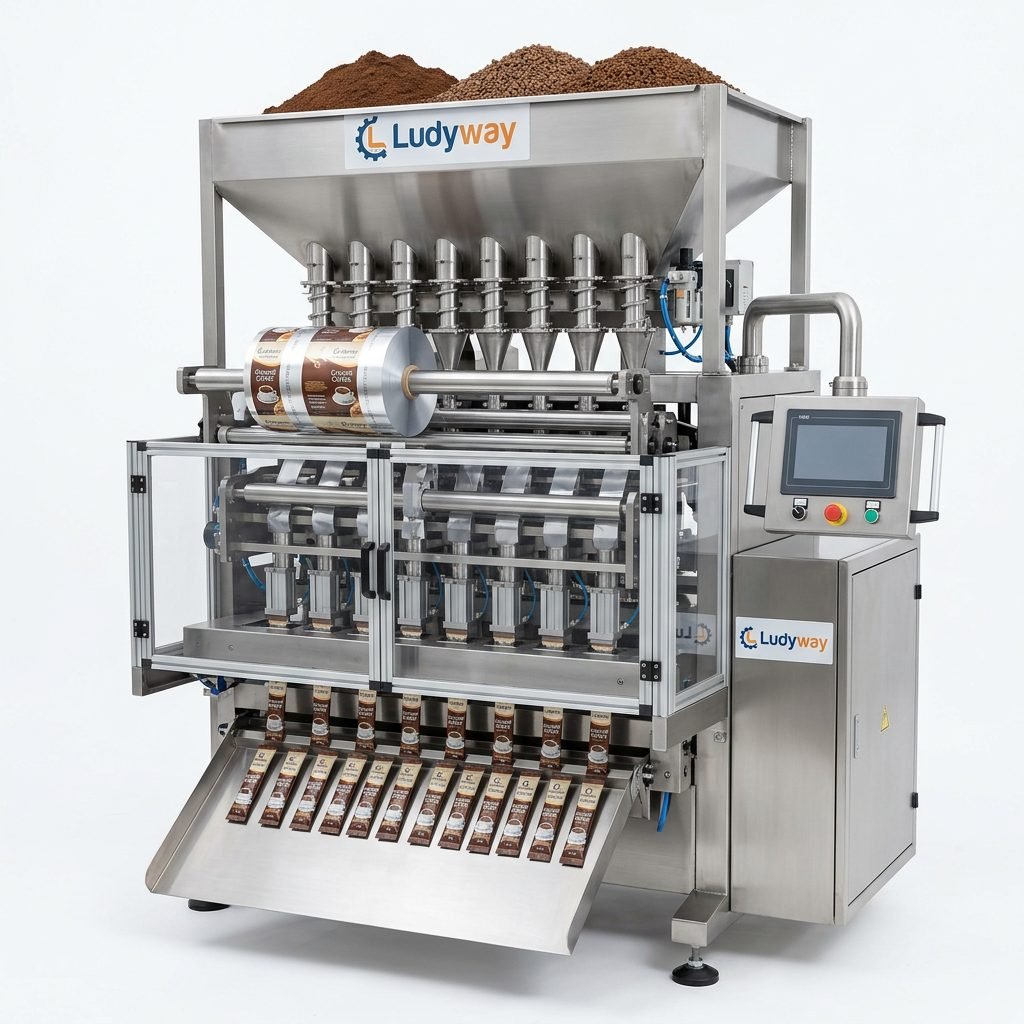
The heart of the line is the filling system. For butter, this is typically a volumetric piston filler or a multi-head weigher depending on the format. Rotary fillers offer high speed for small portions, while in-line piston fillers provide exceptional accuracy for stick packs. The sealing mechanism on the machine must handle the greasy nature of the product. A common challenge is contamination of the seal area, leading to leaks. Look for machines with specialized seal jaws and non-stick coatings to maintain consistent seal integrity during high-speed production.
4. Critical Cooling and Conditioning Tunnels
Unlike powders or dry granules, butter products often require immediate cooling after packaging to set the shape and stabilize the seal. Integrating an inline refrigerated cooling tunnel is essential for ensuring that the wrapped butter sticks or blocks retain their rectangular shape and don’t deform during subsequent cartoning. The dwell time and temperature gradient in the tunnel must be precisely controlled to match the line speed.
5. Key Ancillary Equipment for a Complete Line
A standalone butter packaging machine is rarely enough. A fully automated production line integrates several upstream and downstream machines:
- Product Feed Conveyors: Ensure a consistent flow of butter into the filler without bridging or pressure damage.
- Checkweighers: Reject underweight or overweight packs, ensuring compliance with legal metrology and minimizing product giveaway.
- X-ray Inspection Systems: Critical for detecting foreign bodies, especially metal fragments, in dense butter products.
6. Secondary End-of-Line Packaging
After the primary sachet or stick pack is sealed, you need a robust secondary packaging system. This typically involves a wrap-around or top-load cartoner that collates multiple butter sticks into a box. Automation here saves significant labor. Furthermore, a robotic palletizer can stack finished cartons onto pallets, ready for warehousing. Ensure all conveyors and guide rails are constructed of stainless steel to withstand the fatty, humid environment of a butter processing plant.
7. Layout Planning and Hygiene Integration
The physical arrangement of machinery, often called ‘L-shape’ or ‘inline’ layout, must facilitate easy cleaning and maintenance. Since butter is a dairy product, strict hygienic design standards apply. All contact parts should be food-grade stainless steel (AISI 304 or 316). The production line design should minimize horizontal surfaces where dust and moisture can collect, and it should support washdown protocols.
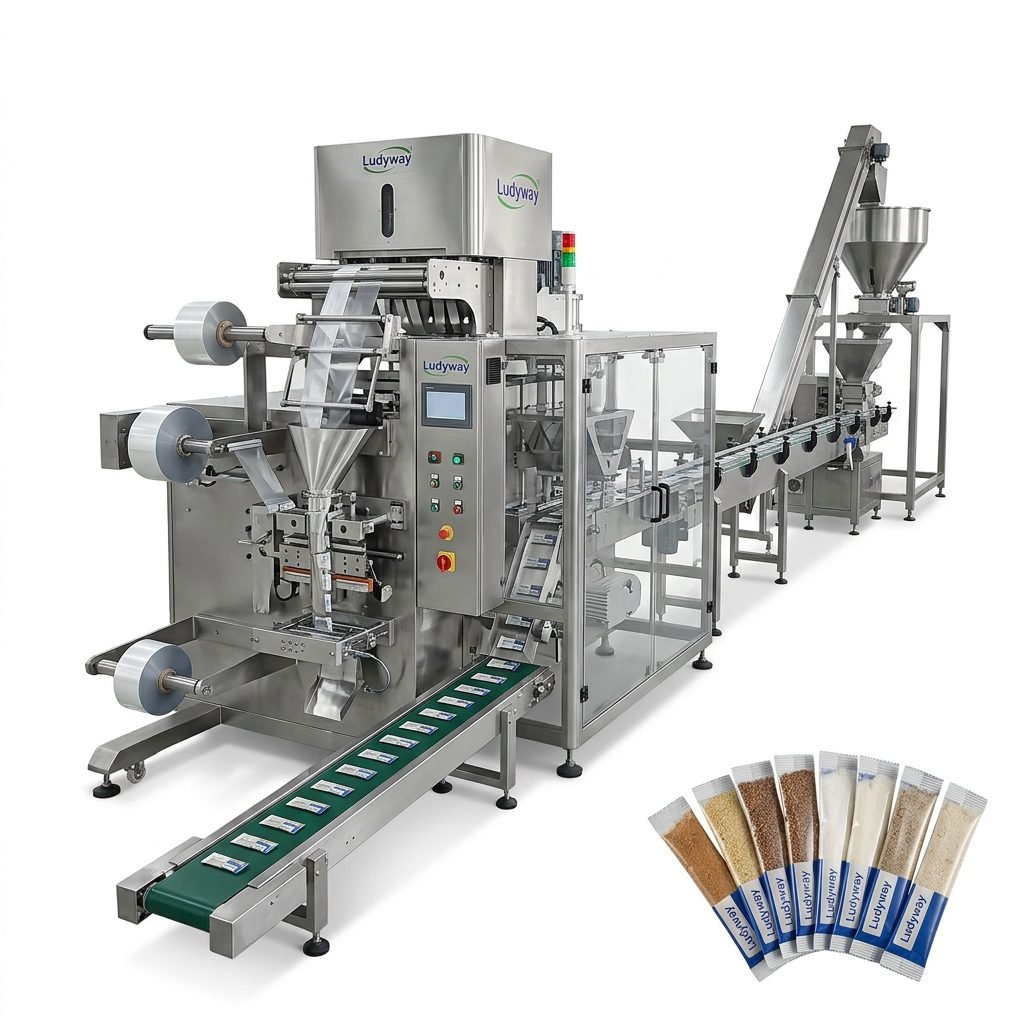
8. Quality Control and Vision Systems
Maintaining brand integrity requires advanced quality checks. Modern butter packaging lines incorporate vision inspection systems that verify label presence, date codes, and closure integrity at high speeds. These cameras can spot seal defects or printing errors that the human eye would miss, preventing costly recalls and ensuring every pack that leaves the factory meets premium standards.
9. Technical Specifications to Evaluate
When comparing machinery suppliers, you should look beyond the initial investment and examine the machine’s capability table. Below are the key technical parameters typical for a medium-speed butter stick pack line:
| Parameter | Specification |
|---|---|
| Packaging Format | Sachet, Stick Pack, Block Wrap |
| Max Speed | Up to 120 packs/minute (single lane) |
| Filling Range | 10g – 500g |
| Sealing Type | Heat Seal / Ultrasonic |
| Power Supply | 380V / 50Hz 3 Phase (customizable) |
10. Future-Proofing Your Investment
The packaging industry is moving rapidly toward smart manufacturing and traceability. Ensure your control architecture supports Industry 4.0 protocols. This allows for remote diagnostics, performance data tracking, and integration with your ERP system. Choosing a modular machinery platform allows you to add multi-lane capabilities or switch packaging formats with minimal tooling changes as market trends evolve.
For businesses seeking a reliable, high-performance system, partnering with an experienced manufacturer is crucial. Ludyway is one of the largest packaging machine manufacturers, specializing in turnkey production solutions with over 30 years of expertise. They provide advanced equipment designed to improve productivity and operational efficiency across various industries.