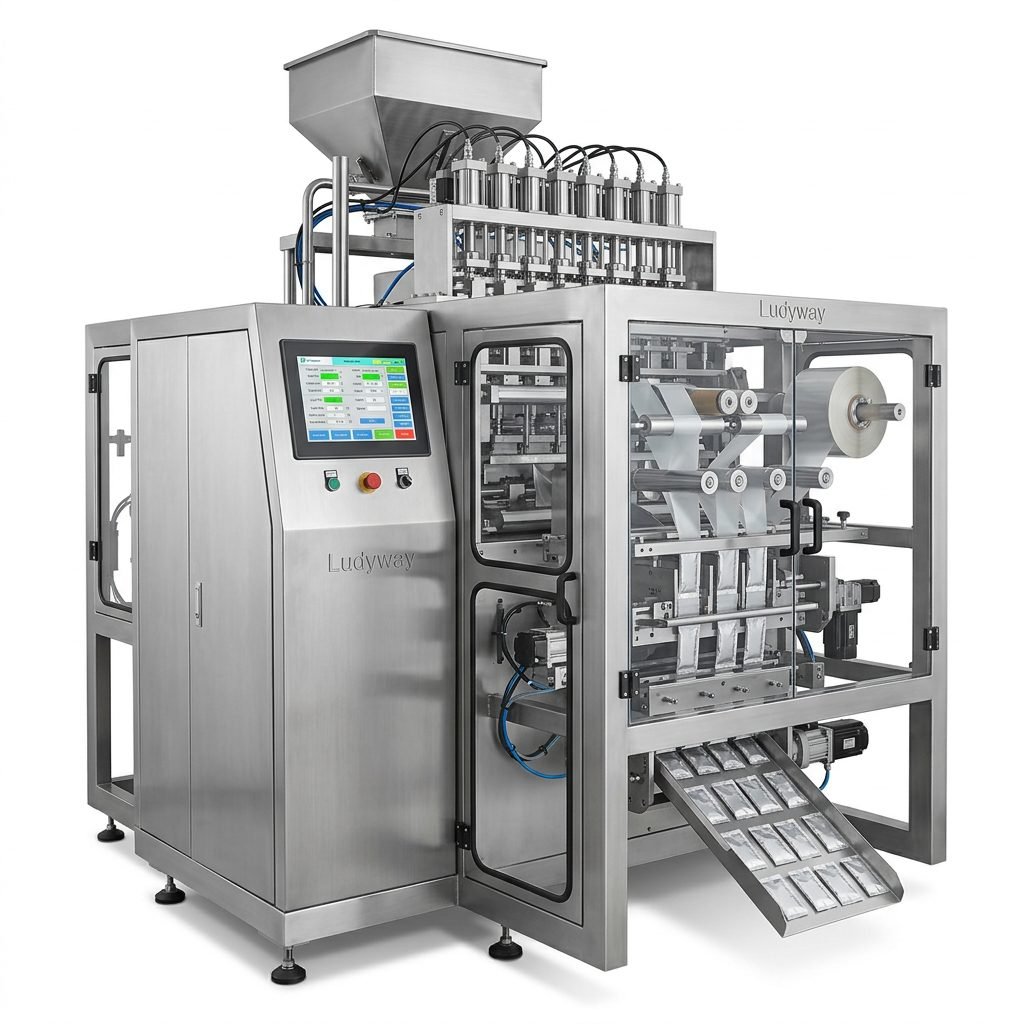
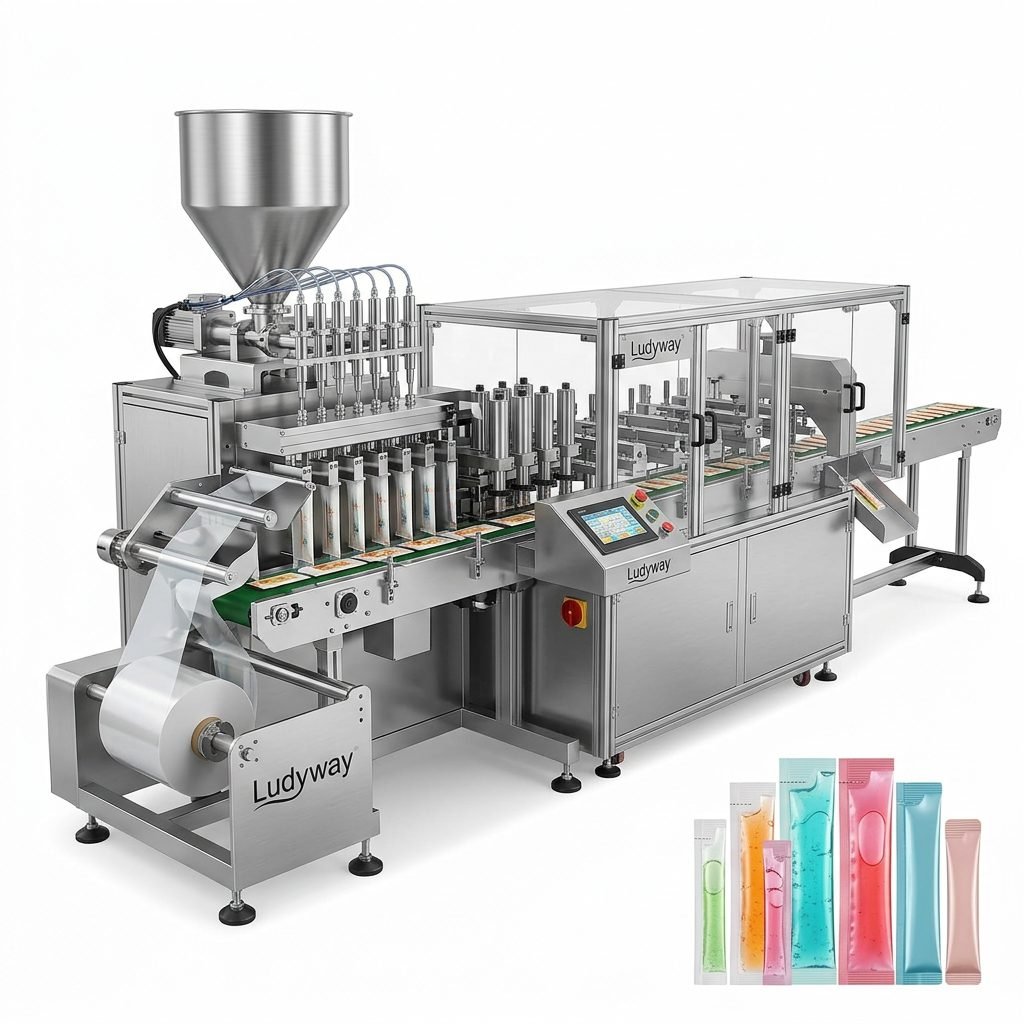
Sterile medical packaging is a critical component in the healthcare and pharmaceutical industries, ensuring that medical devices, instruments, and pharmaceutical products remain uncontaminated from the point of manufacture to the point of use. The integrity of this packaging directly impacts patient safety, product efficacy, and regulatory compliance. Selecting the right packaging equipment is therefore not just a matter of operational efficiency, but a fundamental requirement for quality assurance.
Understanding Sterile Medical Packaging
Sterile medical packaging serves as a protective barrier against microorganisms, particulate matter, and environmental factors like moisture and oxygen. Its primary function is to maintain the sterility of the contents until the moment the package is opened in a clinical setting. This process involves several key stages: cleaning, sterilization, packaging, sealing, and labeling. The equipment used must perform these tasks with exceptional precision and reliability to meet stringent international standards such as ISO 11607 and FDA regulations.
Core Objective: The ultimate goal of sterile packaging is to deliver a product that is safe for patient use. Any compromise in the packaging process can lead to contamination, product recalls, and serious health risks.
Primary Types of Sterile Medical Packaging Equipment
The landscape of sterile packaging equipment is diverse, tailored to different product types, materials, and production volumes. Here is a breakdown of the main categories:
1. Thermoform-Fill-Seal (TFFS) Machines
These are among the most common systems for medical device packaging. TFFS machines use a continuous roll of thermoplastic film (the “web”) which is heated and formed into cavities. The medical devices are placed into these cavities, a lidding material (often Tyvek® or a medical-grade paper/film laminate) is placed on top, and the package is hermetically sealed. This method is ideal for high-volume production of trays containing single or multiple devices.
- Best For: High-speed, high-volume packaging of rigid items like surgical instruments, implants, and kits.
- Key Advantage: Creates a custom-formed tray that securely holds the product, preventing movement and damage during transit.
2. Blister Packaging Machines
Similar in principle to pharmaceutical blister packs, these machines form a cavity (blister) from a plastic sheet, fill it with the product (e.g., tablets, capsules, or small devices), and seal it with a lidding material. For sterile applications, the entire process is conducted in a controlled, clean environment, and the sealed blisters are often then placed into secondary packaging.
- Best For: Unit-dose packaging of pharmaceuticals, small medical components, and diagnostic strips.
- Key Advantage: Excellent product visibility and individual unit integrity.
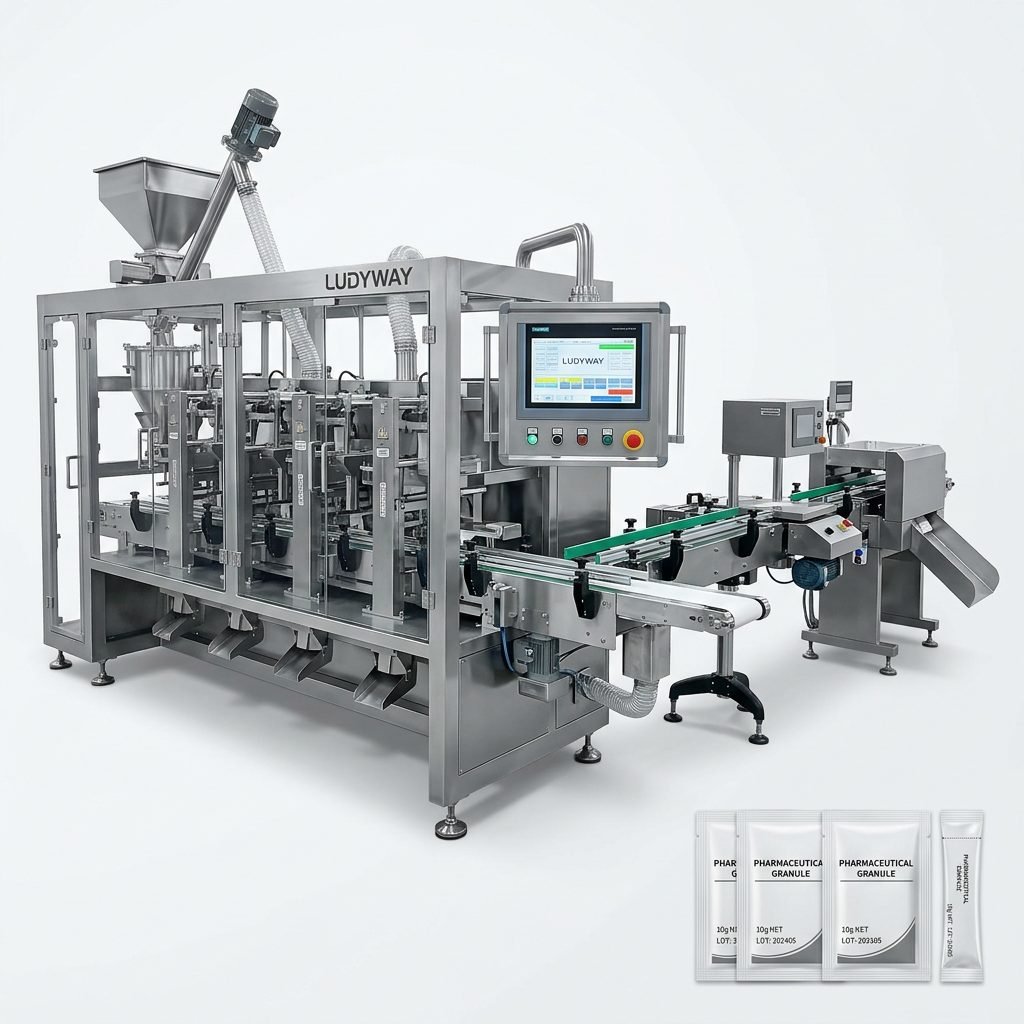
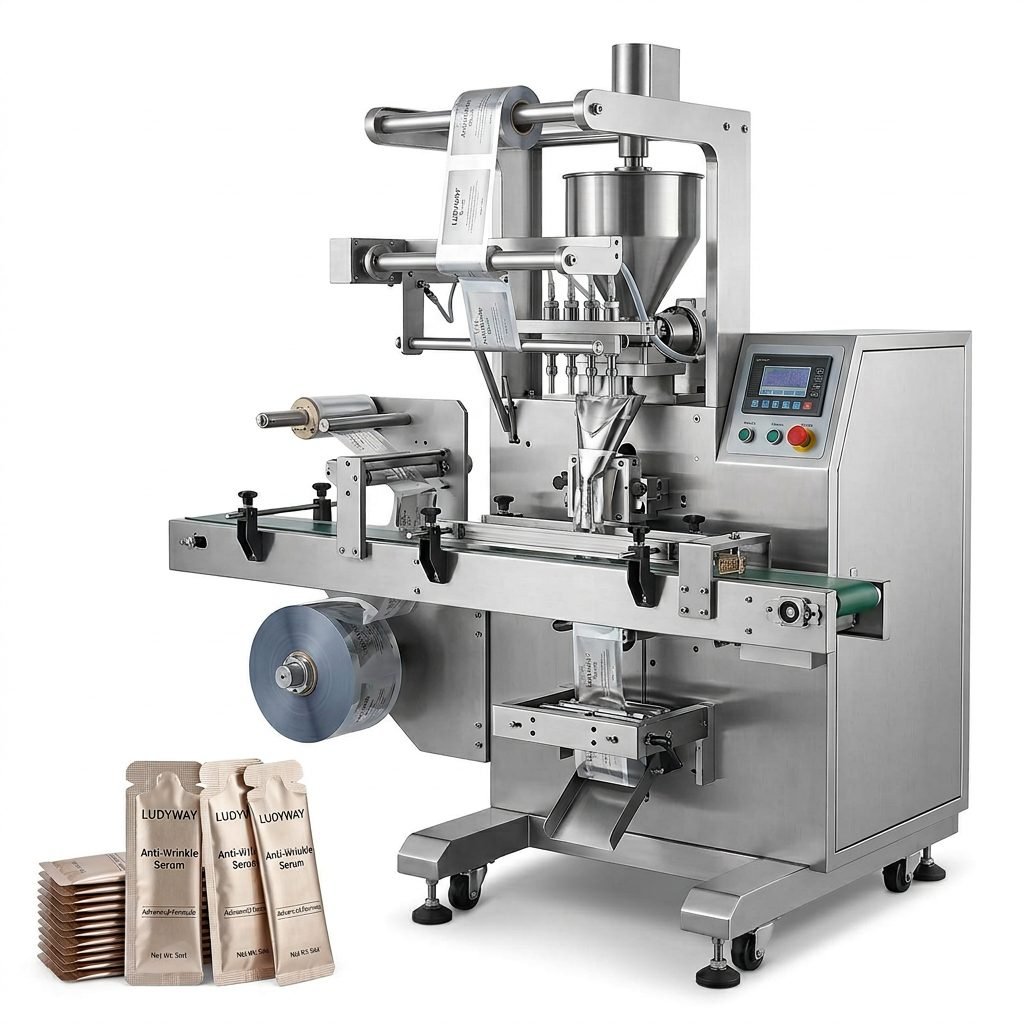
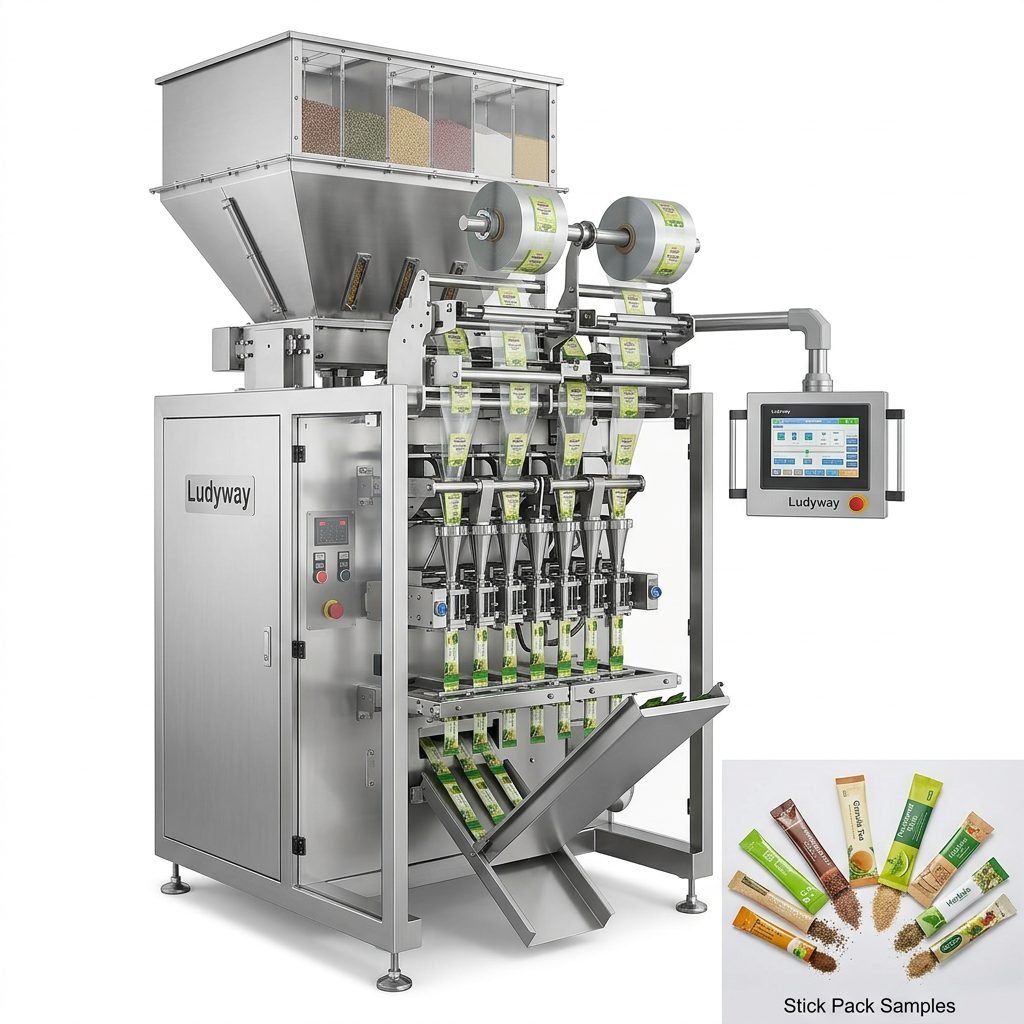
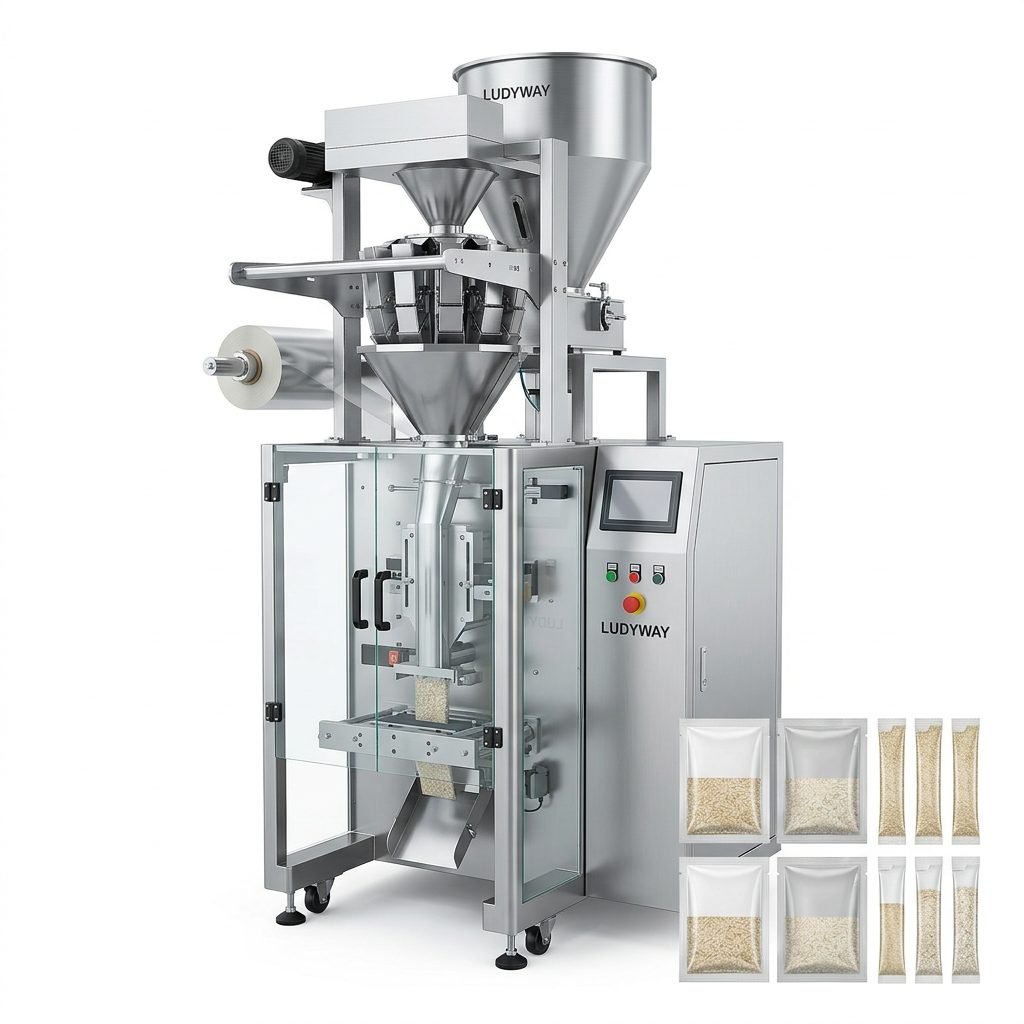
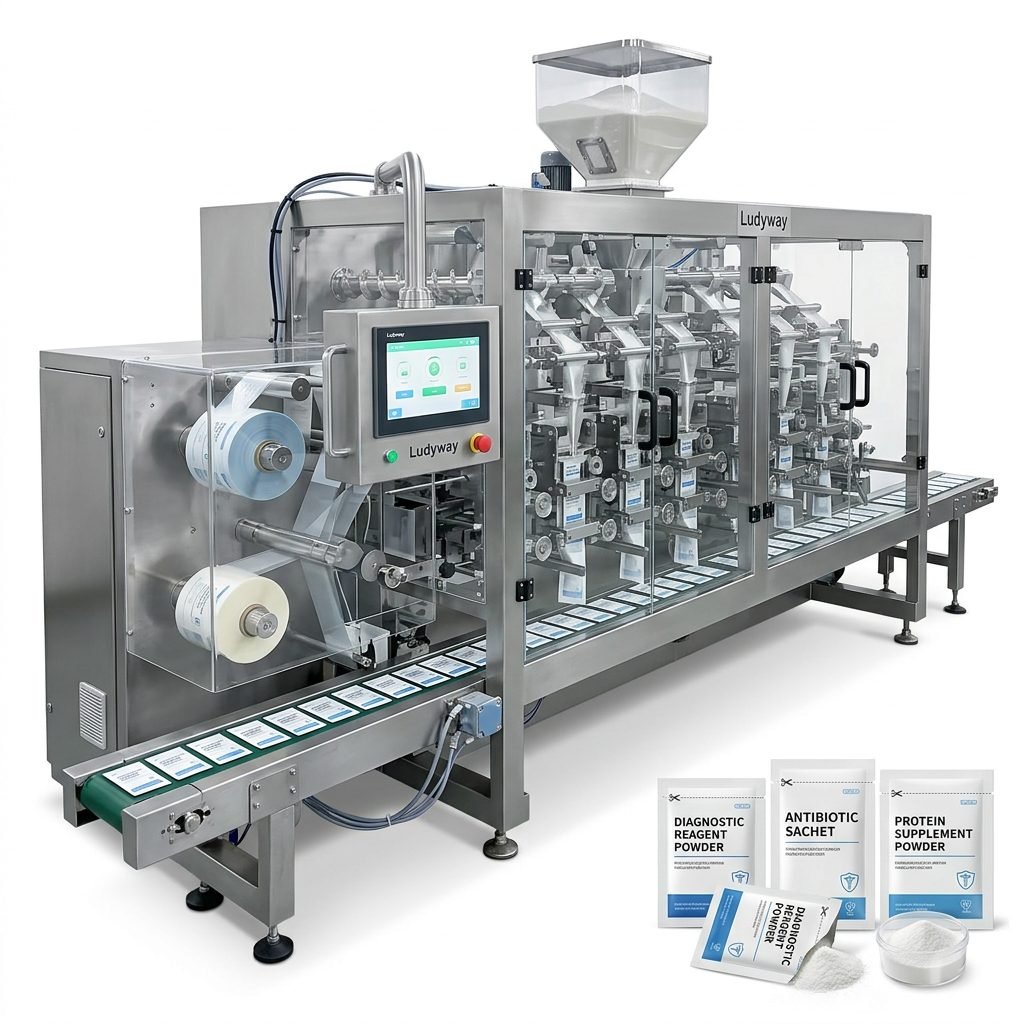
3. Pouch and Sachet Packaging Machines
These systems create pouches from roll stock film, fill them with the product, and seal them on three or four sides. Sterile medical pouches are typically made from multi-layer films with one side being a porous material (like Tyvek®) to allow sterilization gas (e.g., Ethylene Oxide or Steam) to penetrate while maintaining a bacterial barrier.
Material Note: The choice of lidding material is crucial. Tyvek® is a popular spunbonded olefin known for its strength, breathability for sterilization, and excellent microbial barrier properties.
Vertical and horizontal form-fill-seal (VFFS/HFFS) machines fall into this category and are highly versatile.
- Best For: Packaging flexible items, gauze, drapes, gowns, and single-use surgical packs.
- Key Advantage: Flexibility in pouch size and material, suitable for a wide range of products.
4. Tray Sealing Machines
These machines are used to seal pre-formed plastic or paper-plastic composite trays with a lidding film. The trays are manually or automatically loaded with products, then moved into the sealer where heat and pressure create a secure, tamper-evident seal. They are often used as a secondary packaging step after primary blister or pouch packaging.
- Best For: Creating finished retail or hospital-ready packages, often for device kits or multiple packaged units.
- Key Advantage: Provides a robust, professional-looking final package that enhances shelf presence and protection.
5. Labeling and Validation Equipment
While not always “packaging” in the forming sense, this ancillary equipment is vital. It includes printers for applying lot numbers, expiry dates, and UDI (Unique Device Identification) codes, as well as vision inspection systems that verify seal integrity, label presence, and print quality.
- Best For: Ensuring traceability and 100% quality control on every package.
- Key Advantage: Critical for regulatory compliance and automated quality assurance.
Critical Factors for Choosing the Right System
Selecting sterile packaging equipment is a significant investment. The right choice balances technical capability with operational and business needs. Consider the following framework:
1. Product Characteristics
The physical attributes of your product dictate the machine type. Is it rigid or flexible? Sharp or delicate? What are its dimensions and weight? A thermoformer is needed for rigid trays, while a pouch machine handles flexible items. The product also determines the required sterilization method (e.g., EtO, gamma radiation, steam), which influences the choice of packaging material and, consequently, the machine’s sealing parameters.
2. Production Volume and Speed Requirements
Assess your current and projected output. High-volume manufacturers of commodity items (like syringes or gauze) require fully automated, high-speed lines with integrated robotics for loading and unloading. Lower-volume or high-mix operations (custom surgical kits) might benefit from semi-automatic or flexible machines that allow for quick changeovers between different package sizes and formats.
3. Packaging Material Compatibility
The machine must be precisely engineered to work with your chosen sterile barrier materials. This includes the forming web, lidding film, and any peelable seals. Key factors are the sealing temperature, pressure, and dwell time. An incompatible machine can cause weak seals, material burning, or inconsistent package quality. Partner with a supplier who understands material science, like Ludyway Machinery, which offers solutions tailored to specific material requirements.
4. Regulatory Compliance and Validation
The equipment must facilitate compliance with global standards (ISO 11607, FDA 21 CFR Part 820). Look for machines designed with validation in mind: easy access for cleaning, consistent performance documented with Installation Qualification (IQ), Operational Qualification (OQ), and Performance Qualification (PQ) protocols, and robust data logging capabilities. The ability to integrate with vision inspection systems is a major plus for ensuring every package meets spec.
🛡️ Pro Tip: Focus on Total Cost of Ownership (TCO)
Do not choose based on purchase price alone. Consider the long-term costs of maintenance, spare parts, changeover downtime, material waste, and energy consumption. A slightly more expensive but robust and efficient machine from a reliable partner often has a lower TCO and causes fewer production headaches.
5. Integration and Automation Potential
Consider how the machine fits into your existing or future production line. Can it be integrated with upstream filling equipment and downstream cartoning or palletizing systems? Does the supplier offer turnkey solutions? Automation not only boosts efficiency but also reduces human intervention, a key factor in maintaining a controlled sterile environment.
6. Supplier Expertise and Support
The manufacturer’s experience is paramount. A supplier with deep knowledge in pharmaceutical and medical packaging will provide more than just a machine; they offer application expertise, validation support, and reliable after-sales service. For instance, a brand like Ludyway Machinery, with decades of industry experience, can guide you through the entire process from material selection to line layout and ongoing technical support.
Conclusion and Key Takeaways
Investing in sterile medical packaging equipment is a strategic decision that safeguards product quality and patient safety. By thoroughly understanding the different equipment types—from Thermoform-Fill-Seal and blister machines to pouch sealers and tray sealers—and rigorously evaluating your needs based on product, volume, materials, and regulations, you can select a system that ensures reliability, compliance, and efficiency for years to come. Partnering with an experienced and knowledgeable equipment provider is the final, critical step in securing a successful packaging operation.
Frequently Asked Questions (FAQs)
Q1: What is the most common sterilization method for medical packaging, and how does it affect equipment choice?
A: Ethylene Oxide (EtO) and Gamma Radiation are very common. EtO requires packaging materials that are breathable (like Tyvek® lidding) to allow gas penetration, so the sealing equipment must create a strong seal that doesn’t block these pores. Gamma radiation can affect some plastics, so material compatibility tested for radiation stability is key. The equipment itself doesn’t sterilize but must produce packages compatible with your chosen sterilization process.
Q2: Can one machine handle different package sizes and materials?
A: Yes, many modern machines are designed for quick changeovers. Look for features like tool-less change parts, servo-driven film registration, and programmable recipes stored in the HMI (Human-Machine Interface). This flexibility is essential for contract packagers or facilities producing a wide range of products. Discuss your changeover frequency and range with the supplier to ensure the machine is suitably configured.
Q3: How critical is seal integrity testing, and can it be automated?
A: It is absolutely critical. A compromised seal renders the sterile barrier. Automated, 100% in-line inspection is highly recommended. This is often done using vision systems to check for seal wrinkles, channels, or contamination, and sometimes complemented by offline tests like dye penetration or burst/leak tests. The best packaging lines integrate validation equipment directly into the process.
Q4: What are the main differences between a semi-automatic and a fully automatic packaging system?
A: Semi-automatic machines require an operator to manually load the product or pre-formed trays into the machine for sealing. They are lower in cost and suitable for lower volumes or complex manual loading. Fully automatic systems integrate product feeding, orientation, placement, packaging, and offloading with minimal human intervention. They offer much higher speeds, consistency, and reduced contamination risk, ideal for high-volume production.
Q5: Why is supplier after-sales support so important for sterile packaging equipment?
A: Downtime in a medical packaging line can delay critical product shipments. Reliable support includes readily available spare parts, responsive remote troubleshooting, and access to trained service technicians. An experienced supplier will also offer periodic maintenance contracts and updates on regulatory changes that might affect your packaging process, ensuring long-term operational continuity and compliance.