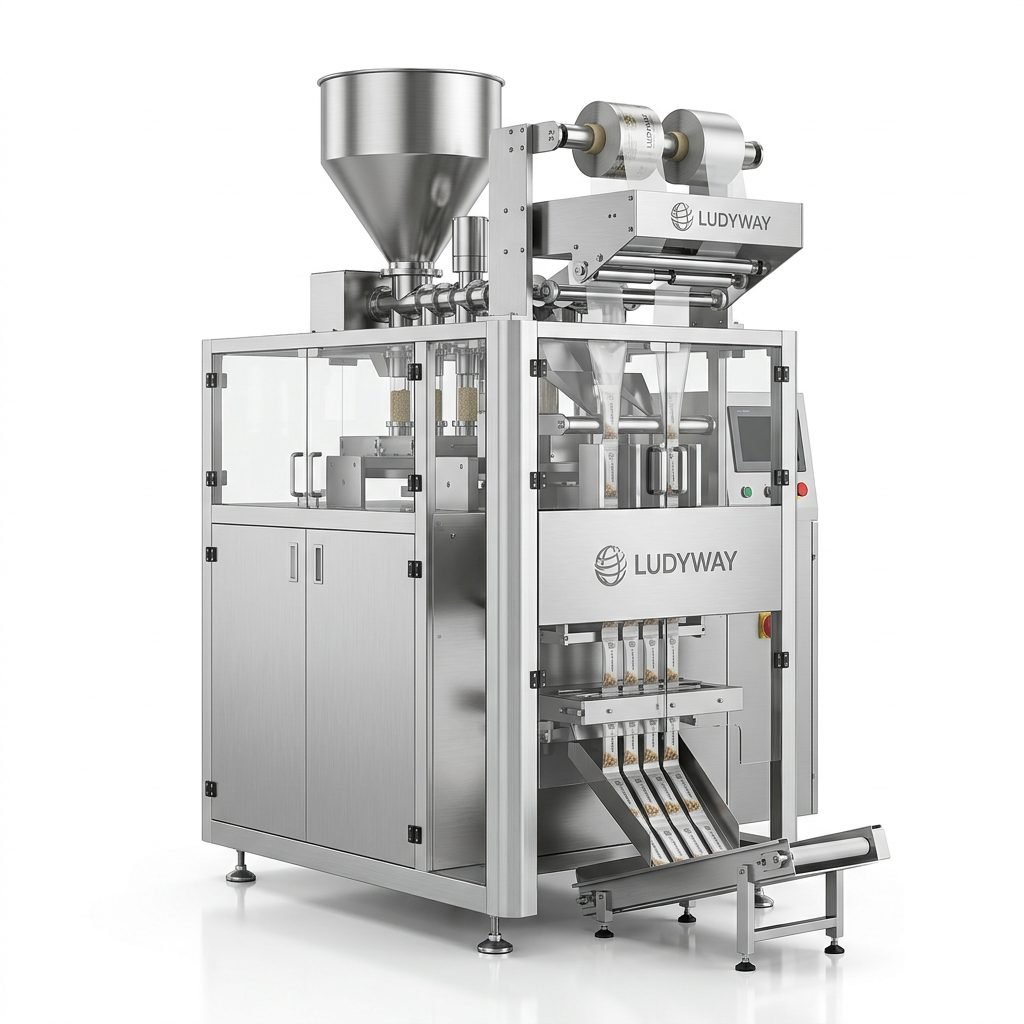
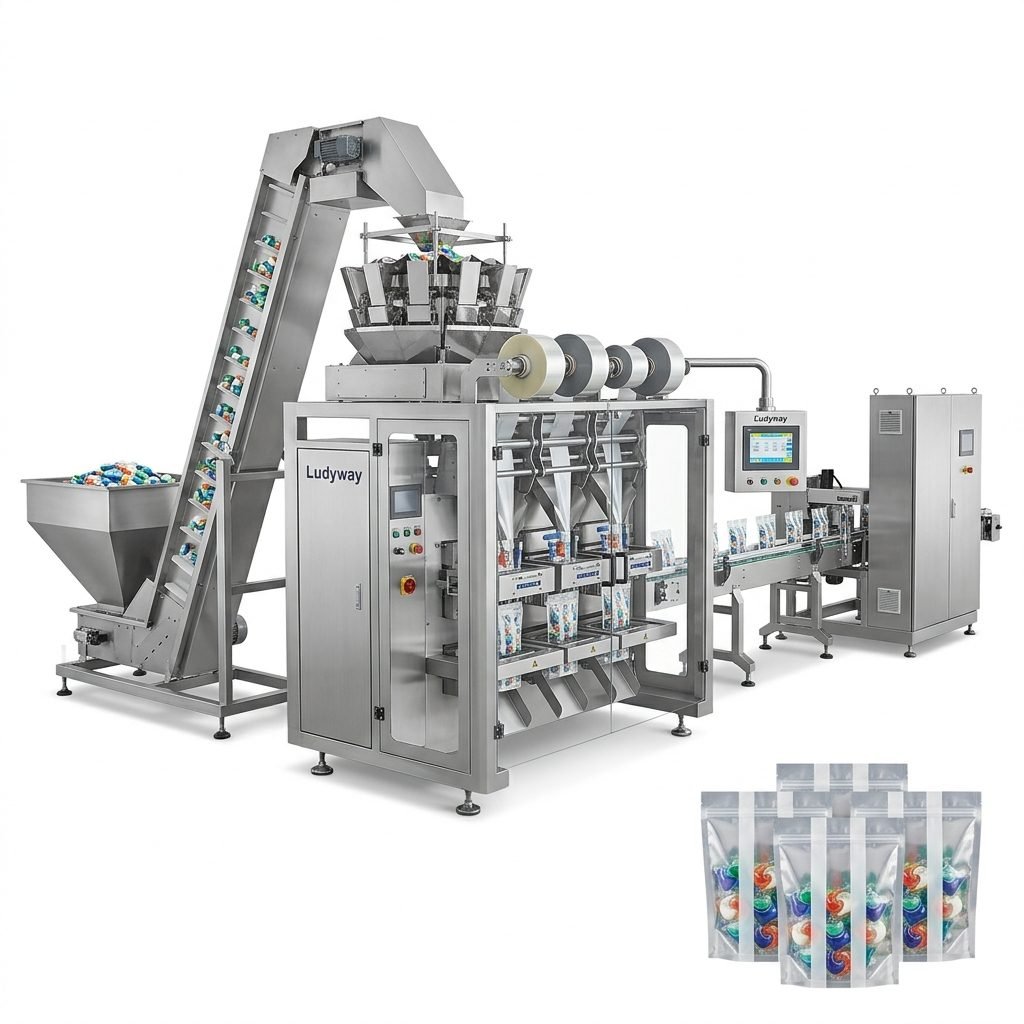
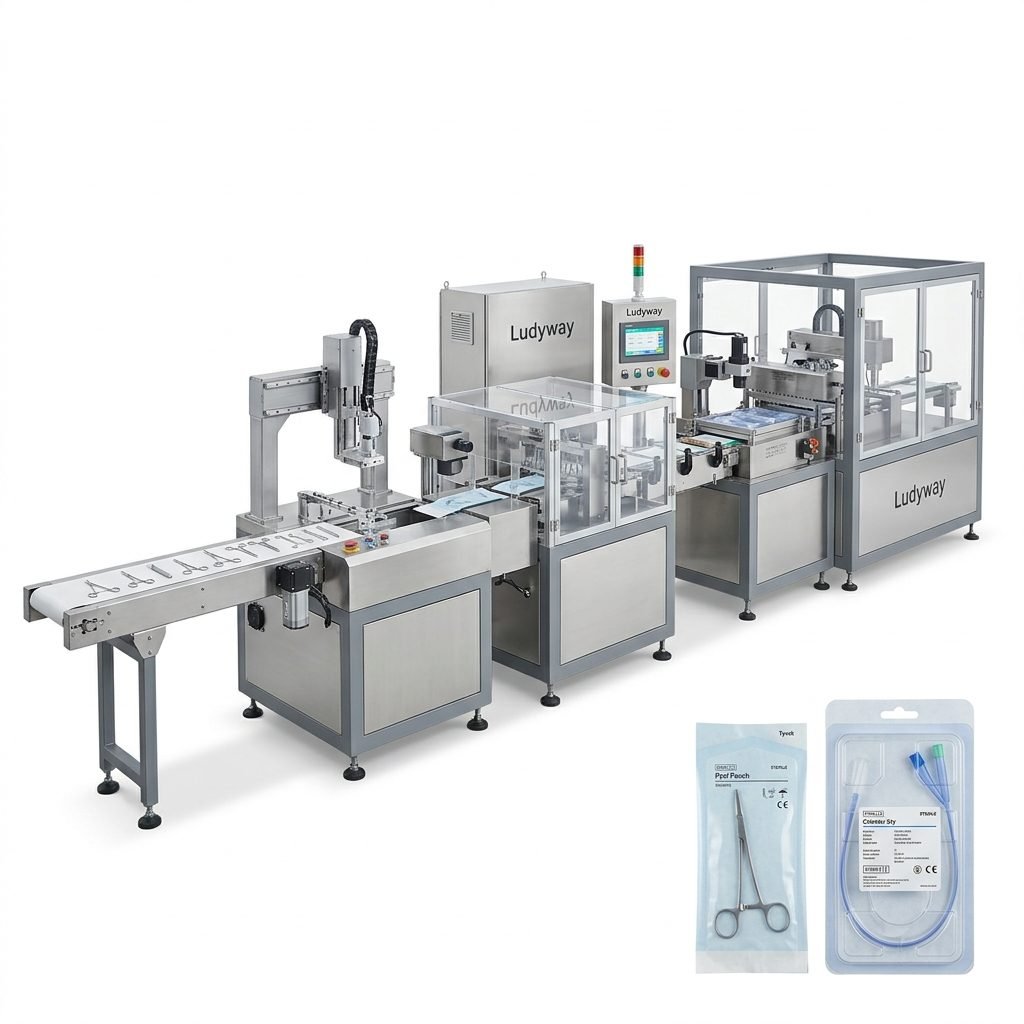
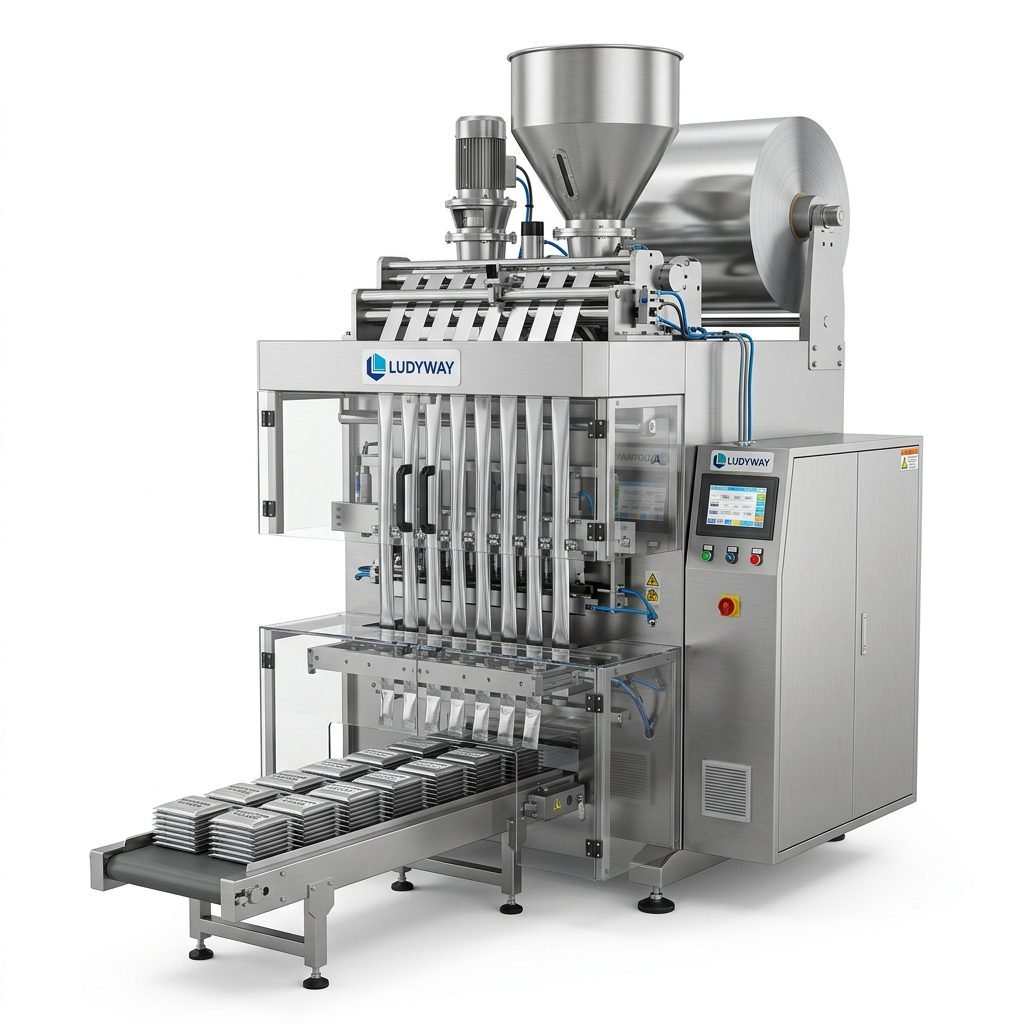
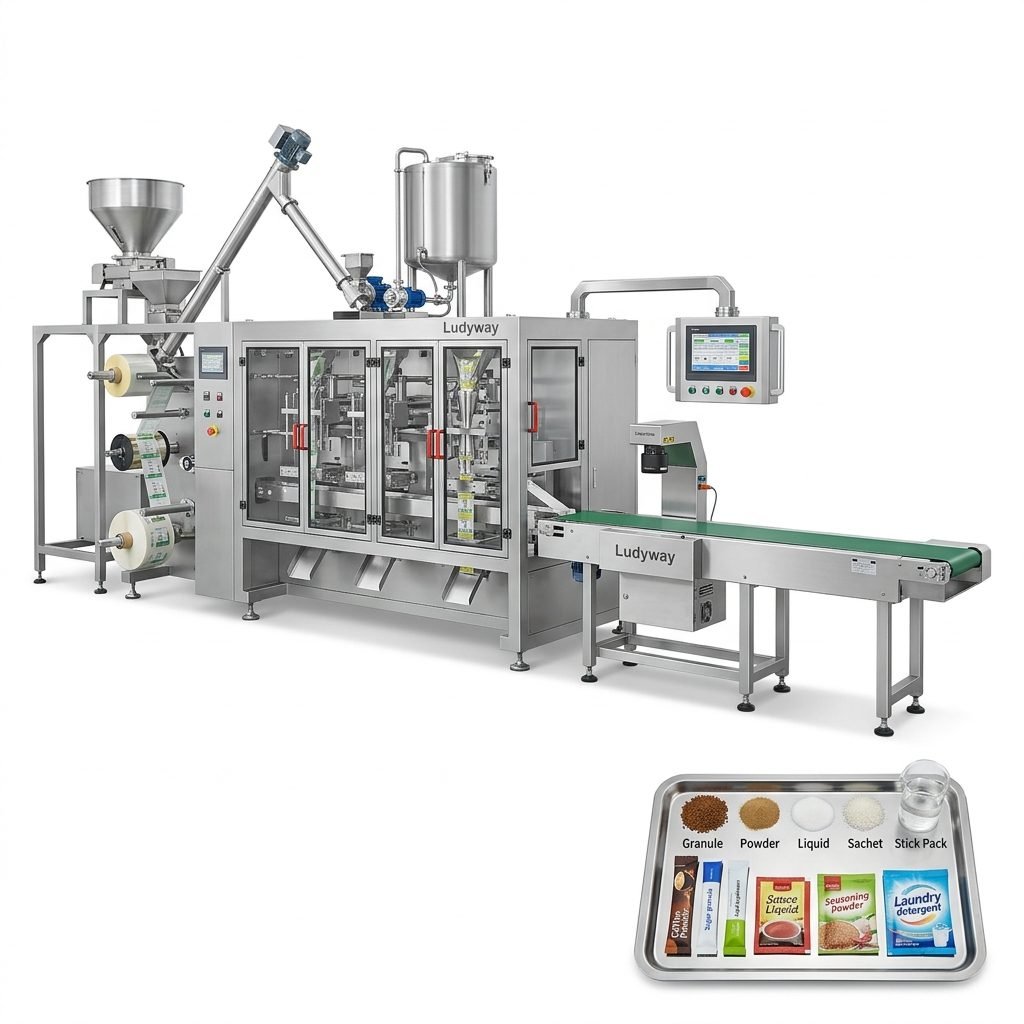
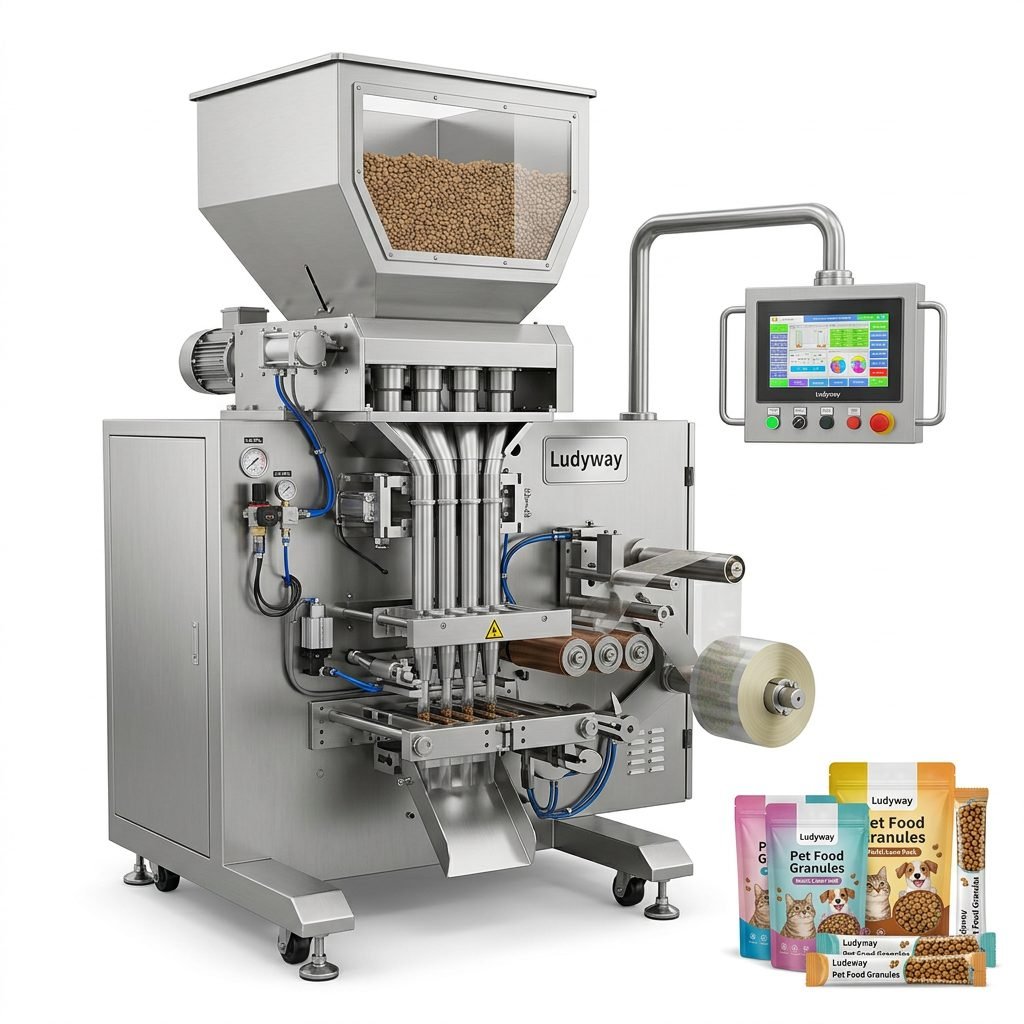
The global tea market is experiencing a significant shift toward premiumization and convenience, driving demand for advanced packaging solutions. For producers looking to stand out, a tea thermoforming vacuum packaging machine is no longer a luxury but a strategic asset. These machines not only preserve the delicate aroma and freshness of tea but also enhance shelf appeal with precisely formed, airtight packs. But the central question remains: how much does a tea thermoforming vacuum packaging machine cost?

The investment varies widely based on configuration, output, and automation level. A standard semi-automatic model might start at a lower range, while a fully automated, high-speed tea packaging system with integrated vacuum and thermoforming capabilities represents a significantly higher capital outlay. As a trusted packaging machine manufacturer, we will break down the key drivers that influence the final price.
Key Factors Influencing Machine Cost
Understanding the components that impact pricing is essential before requesting a quotation. The final cost is a sum of engineering, materials, and specific technological integrations tailored to your tea product. Here are the primary cost determinants:
- Level of Automation: Manual, semi-automatic, or fully automatic systems drastically alter the price. A fully automatic thermoforming vacuum packaging line requires complex PLC controls and servo-driven systems.
- Production Speed and Output: Machines rated for 30 cycles per minute cost substantially more than those designed for 15 cycles, as they require more robust mechanical components and precision engineering.
- Material and Build Quality: Food-grade stainless steel (AISI 304 or 316) construction, crucial for tea packaging hygiene, is a major cost factor compared to mild steel.
- Customization and Tooling: The cost of custom thermoforming molds to create unique pack shapes for your brand directly adds to the initial investment.
- Integration with Ancillary Equipment: Integration with multi-head weighers, checkweighers, and nitrogen flushing systems adds to the overall line cost.
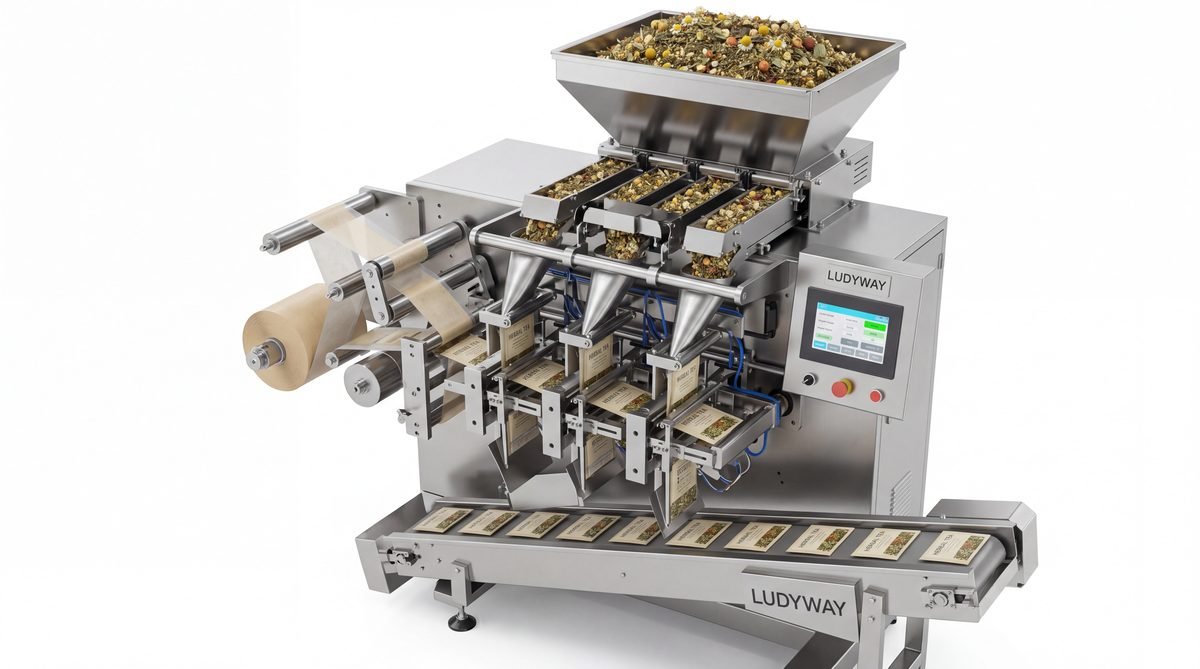
General Price Ranges for Budgeting
While a precise figure requires a detailed specification review, we can provide a general market overview. Please note these are indicative price buckets for industrial-grade machinery, not small tabletop devices.
| Machine Configuration | Estimated Price Range (USD) | Suitable For |
|---|---|---|
| Basic Semi-Automatic Model | $25,000 – $50,000 | Small to medium-scale producers, limited pack designs |
| High-Speed Automatic Model | $55,000 – $120,000 | Medium to large enterprises, high-volume production |
| Fully Automated Complete Line | $130,000 – $300,000+ | Turnkey factories, multiple SKUs, advanced automation |
Why Vacuum Thermoforming Tech Matters
Traditional loose-leaf packaging often fails to protect against oxidation. A tea thermoforming vacuum packaging machine solves this by evacuating oxygen and hermetically sealing the product in a rigid, formed film. This process locks in volatile aromatic compounds, ensuring that the consumer experiences the same freshness intended by the master blender months after packing.

Long-Term Value and ROI
Beyond the initial purchase price, the return on investment (ROI) is a critical metric. A reliable machine reduces product waste, minimizes labor costs, and enhances brand perception, allowing you to command a higher market price for premium protected tea. Consider the following cost-saving elements over the machine’s lifecycle:
- Reduced Film Waste: Precision thermoforming minimizes film usage compared to oversized flow wrap bags.
- Extended Shelf Life: Superior sealing reduces product returns and spoilage claims.
- Labor Efficiency: One automated line can replace multiple manual packing stations.
When sourcing a machine, it is crucial to partner with an experienced supplier. With over 30 years of expertise, Ludyway provides advanced packaging equipment designed for reliability and efficiency, helping producers worldwide optimize their tea packaging operations.
Critical Specs to Evaluate
When evaluating different models, do not be distracted by base pricing alone. Focus on the technical specifications that dictate long-term performance and suitability for your specific tea format, whether it’s herbal, granulated, or powdered blends.
- Vacuum Pump Capacity: Measured in m³/h, this dictates the speed and depth of the vacuum. A higher-capacity pump ensures extended shelf life for delicate teas.
- Forming Depth: The maximum draw depth of the film determines the pack profile. This is crucial if you require deep tray-style packs for whole-leaf teas.
- Film Compatibility: Ensure the machine handles the specific barrier films required, such as EVOH or aluminum oxide-coated materials, which are essential for light and oxygen barrier properties.
- Sealing Integrity: Look for systems with precise temperature control and adjustable sealing pressure to prevent weak seals that lead to oxidation.
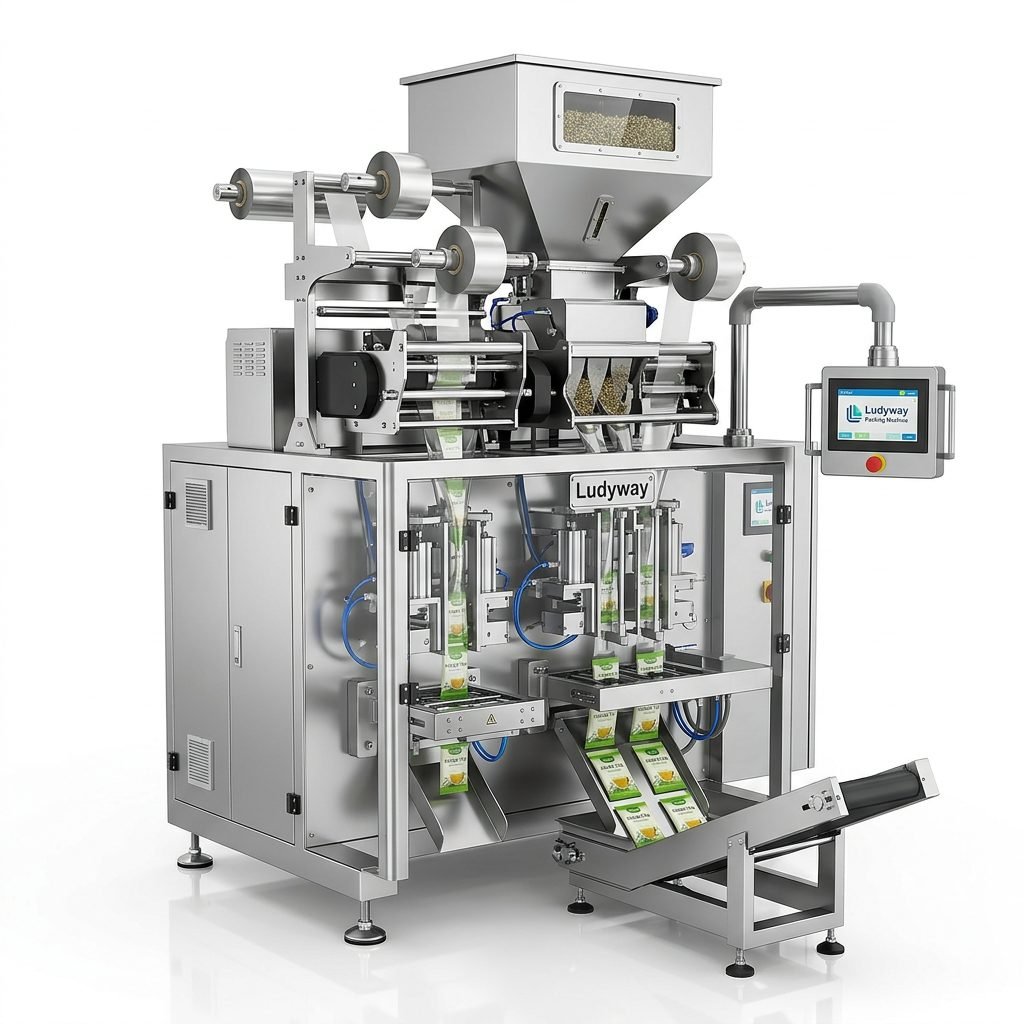
Beyond the Sticker Price
The initial invoice price is just one part of the total cost of ownership. An efficient tea packaging line generates profit, a problematic one creates losses. Evaluate what is included in the quotation to avoid unforeseen expenses during installation.
| Cost Factor | What to Ask the Supplier |
|---|---|
| Installation and Commissioning | Is on-site setup and operator training included in the price? |
| Shipping and Logistics | Are the freight costs and insurance covered in the quote? |
| Tooling (Forming Dies) | Does the base price include a standard set of molds, or are these charged separately? |
| Warranty and After-Sales Support | What is the warranty period, and what is the cost of spare parts post-warranty? |
Comparing Different Tea Packaging Technologies
It is helpful to contextualize the cost of a tea thermoforming vacuum packaging machine by comparing it with alternative technologies. While stick pack and sachet machines offer versatility, they lack the structural rigidity and premium shelf presence that thermoformed packs provide. Here is a comparative overview:
- Stick Pack Machines: Typically lower in capital outlay but produce flexible packs that offer minimal physical protection for the tea leaves. Suitable for granular or powder tea mixes but not premium whole-leaf teas.
- Pre-made Pouch Rotary Fillers: These have a medium cost but require the additional expense of purchasing pre-manufactured pouches with zippers or valves. In contrast, a thermoforming machine utilizes rollstock, drastically reducing per-unit packaging material costs.
- Vacuum Thermoforming Models: The highest initial capital investment but the lowest running costs and the highest perceived product value. For instance, a premium oolong tea packed in a rigid vacuum-formed tray consistently commands a higher market price than the same tea in a flexible pouch.
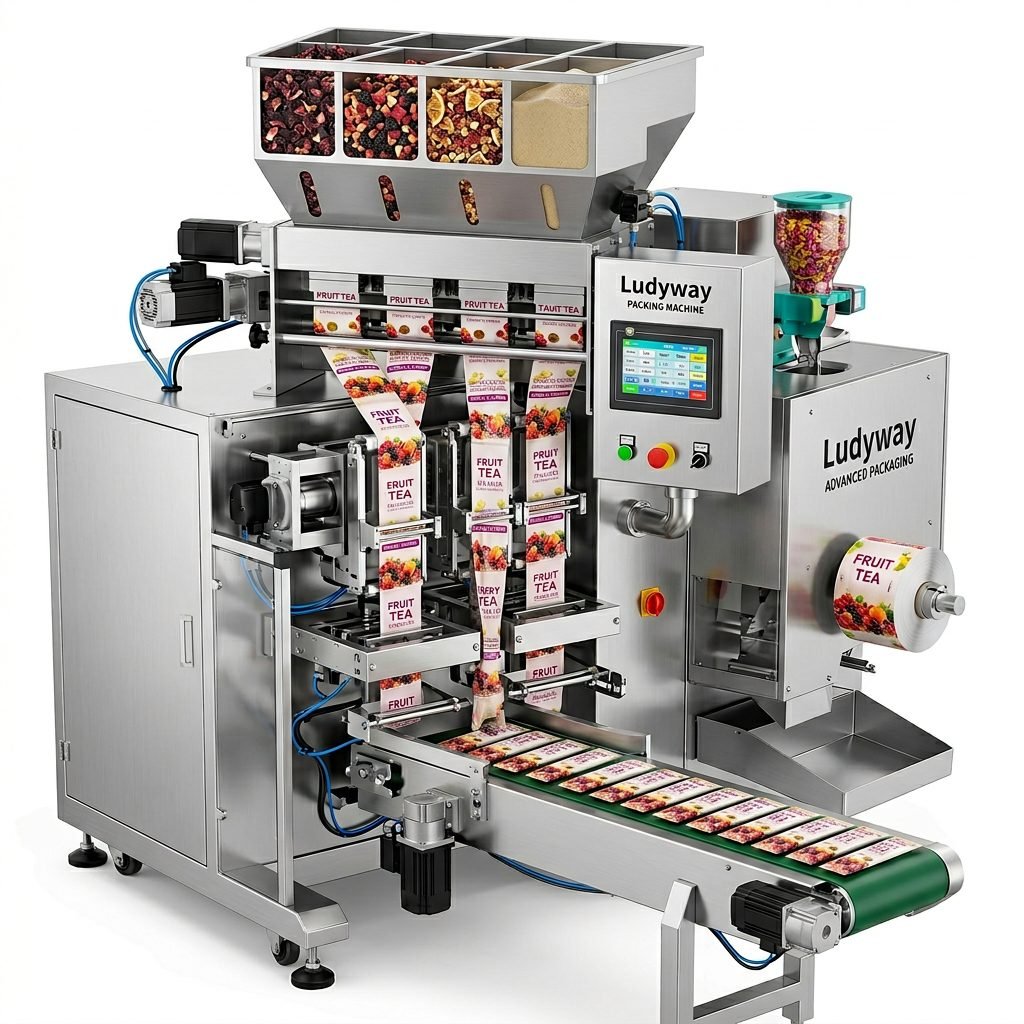
Furthermore, the integration capability of a thermoforming line directly impacts efficiency. A complete line might include an auger or multi-head weigher for precise dosing, an automatic dispenser for flatsheets or tags, and a nitrogen gas flushing system for advanced preservation. A machine sourced from a reputable supplier with a robust 20,000㎡ manufacturing facility ensures that these components are seamlessly integrated without excessive vibration or misalignment, which are common issues in low-cost, poorly engineered lines.
Ensuring Hygiene and Regulatory Compliance
In the tea industry, sanitary design is non-negotiable. The machine cost often reflects the quality of materials and the degree to which the design facilitates easy cleaning. Stainless steel construction (AISI 304/316), washdown-capable components, and sloped surfaces to prevent product accumulation are essential features. These design elements add to the initial procurement price but are indispensable for meeting international food safety standards.
- Material Certification: Suppliers should provide certificates for stainless steel and other food-contact parts to guarantee compliance with FDA or EU regulations for food processing machinery.
- CIP Compatibility: While not always standard, some high-end models offer partial or full Clean-in-Place (CIP) compatibility for vacuum chambers and film transport areas, which justifies a higher price point.
- Ingress Protection (IP): Electrical panels should have a high IP rating (IP65 or IP66) to withstand the humid and dusty environments typical of tea packing floors, ensuring the longevity of sensitive electronics.
Making the Final Decision
Selecting the right machine involves balancing performance, precision, and price. A low-cost machine that fails to maintain hermetic seals will ultimately be more expensive than a premium model that runs 24/7 with minimal intervention. To estimate your specific budget, consider the pack format, required speed, and the level of brand differentiation you aim to achieve.
Ready to explore tailored solutions for your tea production? Contact our team of packaging specialists today for a detailed consultation and a customized quotation that aligns with your operational needs and budget goals.