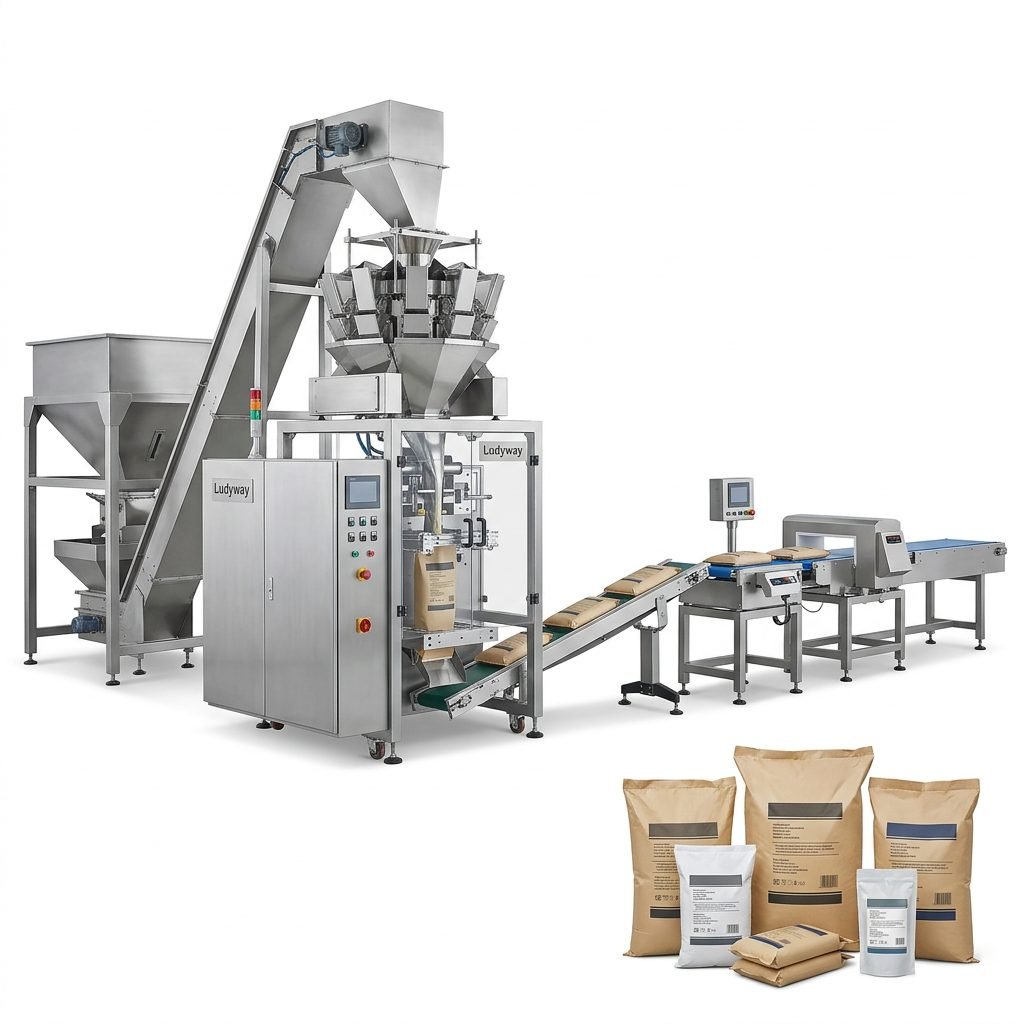
Bringing automation into confectionery production requires more than just purchasing a machine—it demands a clear understanding of how to build an efficient, scalable, and reliable candy bar packaging machine production line. Whether you are launching a new product or upgrading your existing capacity, a well-planned setup reduces downtime, ensures consistent output quality, and supports long-term growth.
This guide walks you through every critical step, from planning and machine selection to installation, integration, and ongoing optimization. By following these principles, you can create a packaging line that meets your production targets while maintaining the flexibility to adapt to changing market demands.
1. Define Your Production Requirements and Goals
Before evaluating equipment, you must establish the foundation of your packaging line. Start by answering these questions:
- Target output speed: How many bars per minute does your line need to handle?
- Product specifications: What are the dimensions, weight, and shape of your candy bars?
- Packaging format: Are you using flow wrap, stick pack, sachet, or pouch styles?
- Material compatibility: Which film or laminate materials will you use?
- Future scalability: Will you need to add lanes or integrate additional automation later?
Documenting these parameters helps you avoid costly mismatches between your product and the machinery. It also provides a clear brief when communicating with equipment suppliers.
2. Select the Core Packaging Machine
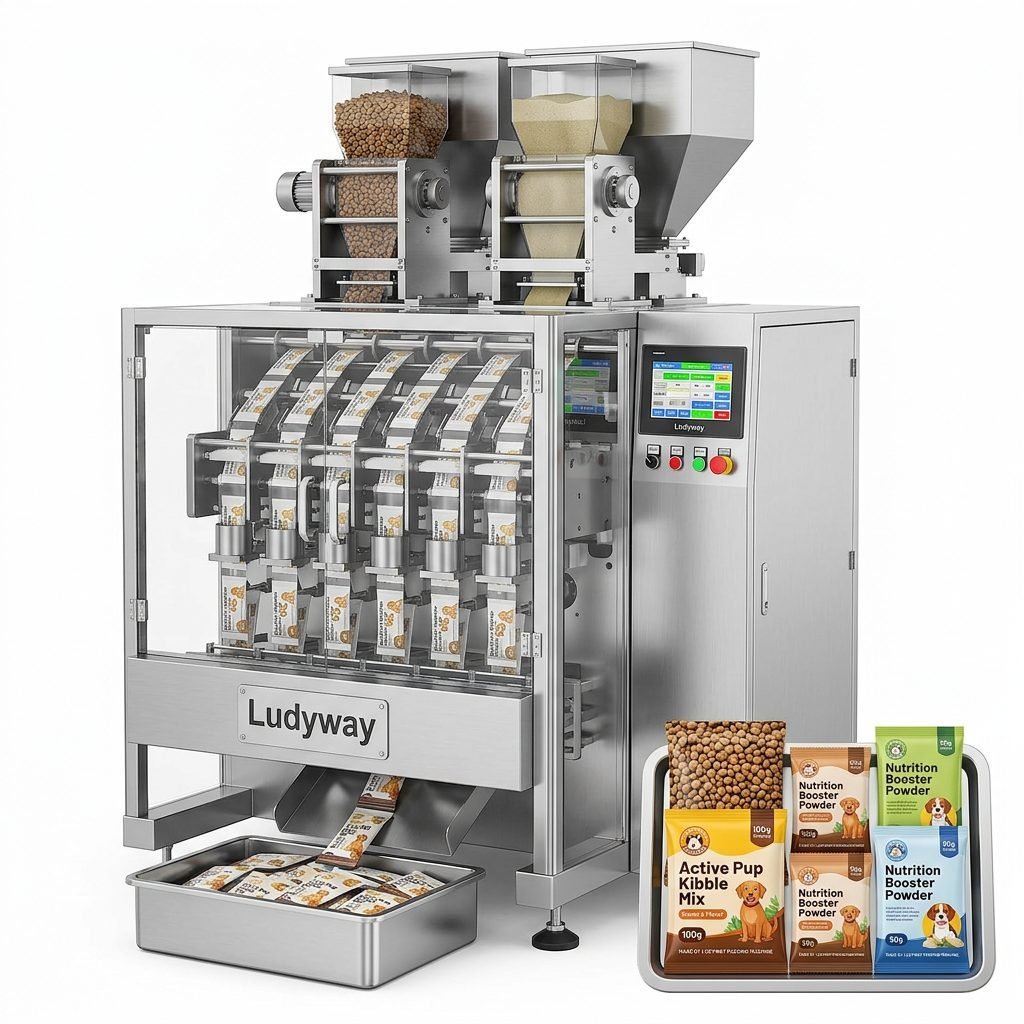
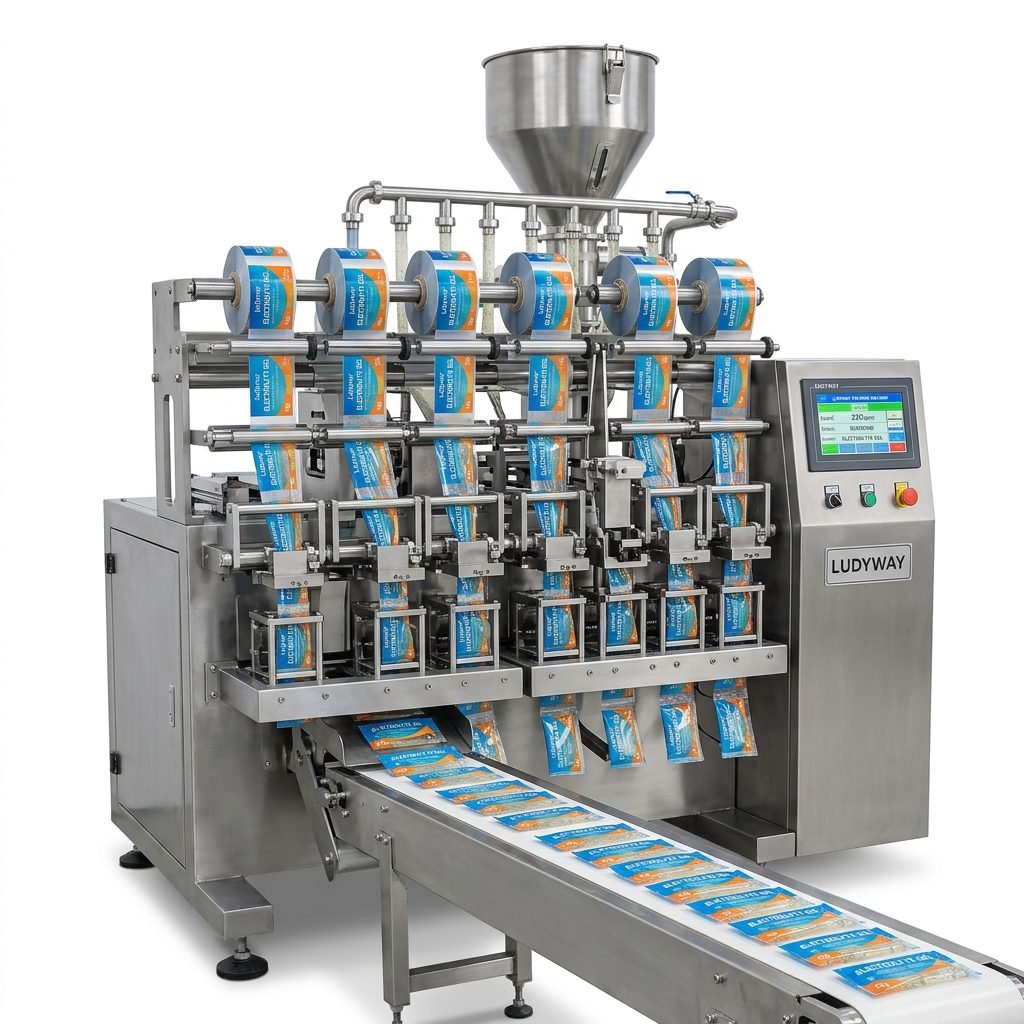
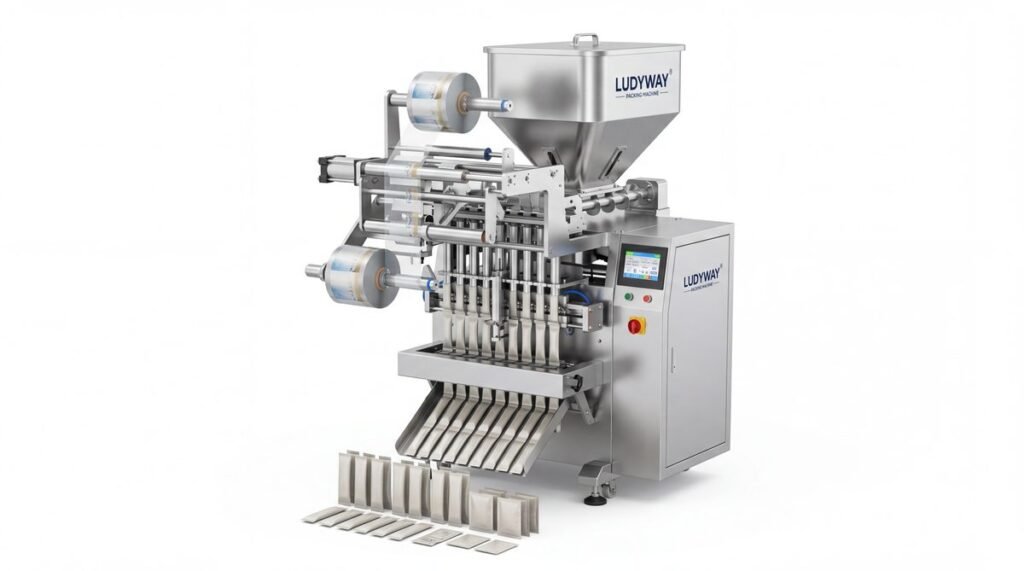
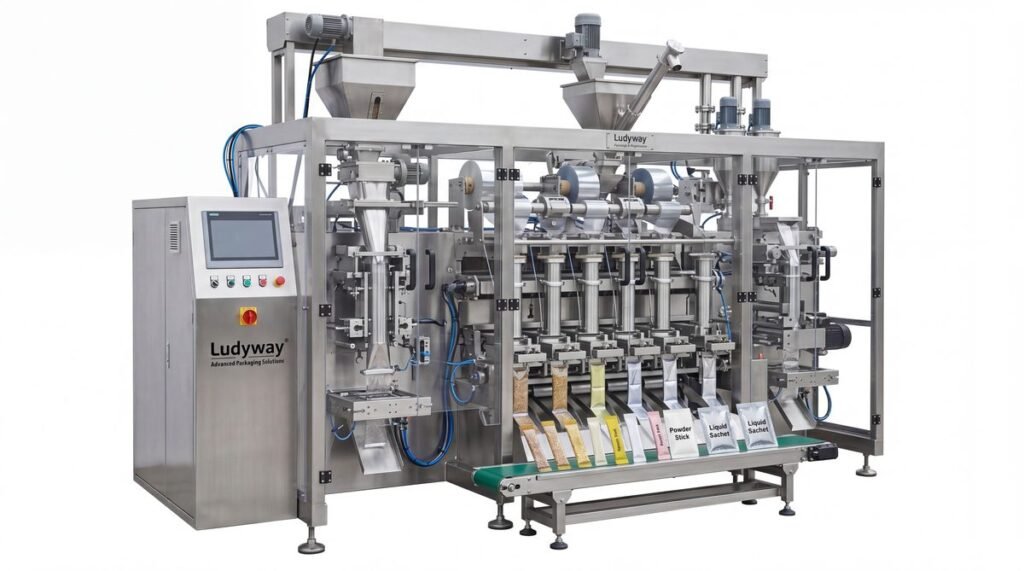
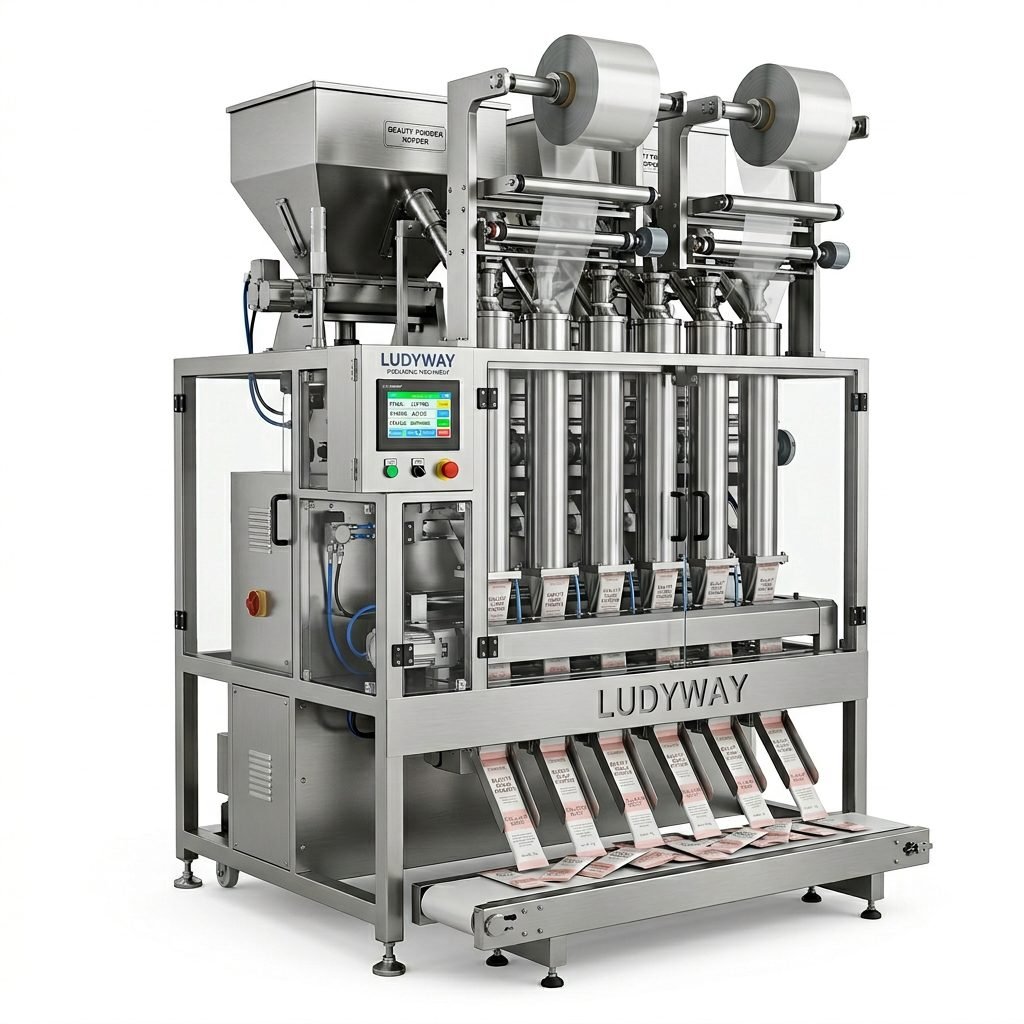
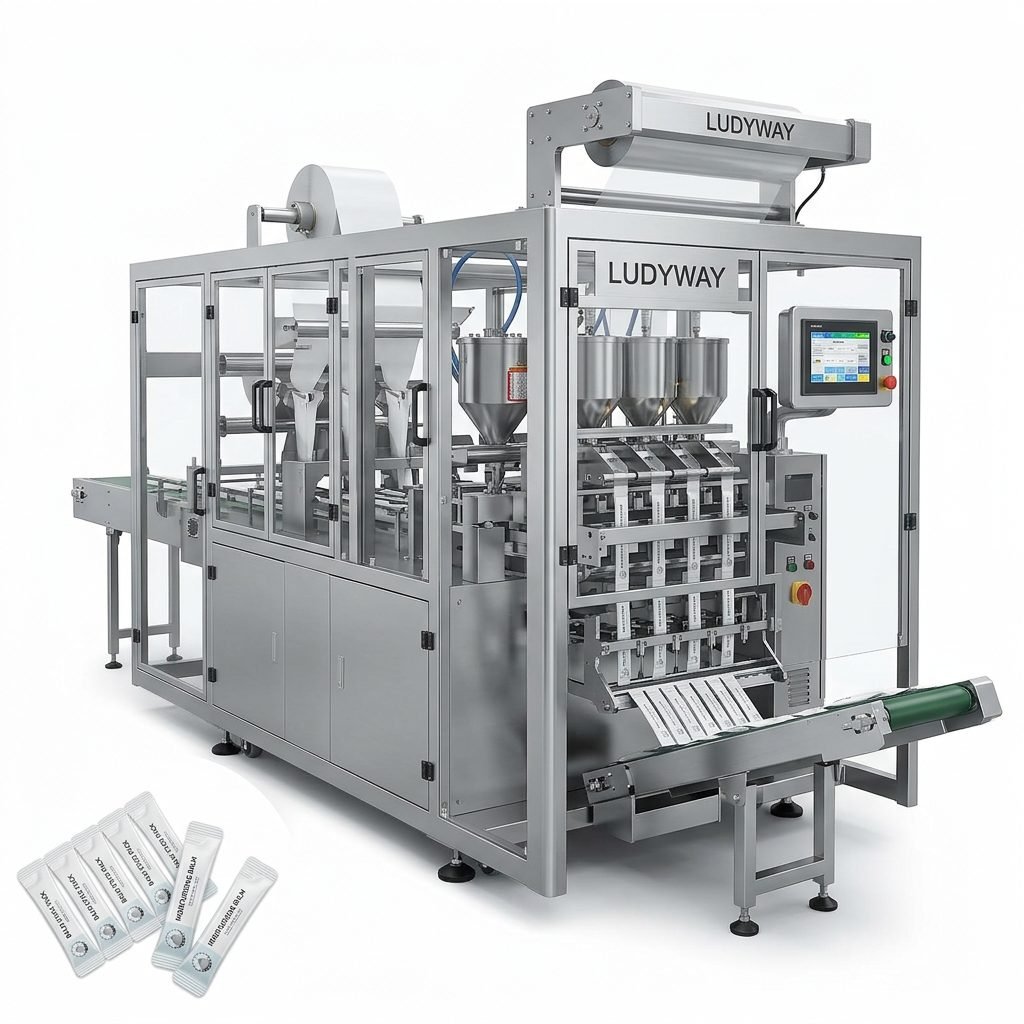
The central unit in your line is the primary packaging machine. For candy bars, multi-lane stick pack and sachet machines offer excellent speed and versatility. Consider the following features when making your selection:
| Feature | Why It Matters |
|---|---|
| Multi-lane capability | Increases output without proportionally increasing floor space |
| Servo-driven controls | Delivers precise film registration and consistent seal quality |
| Quick changeover design | Reduces downtime when switching between product sizes or flavors |
| Stainless steel construction | Meets food-grade hygiene standards and simplifies cleaning |
3. Plan the Upstream and Downstream Equipment
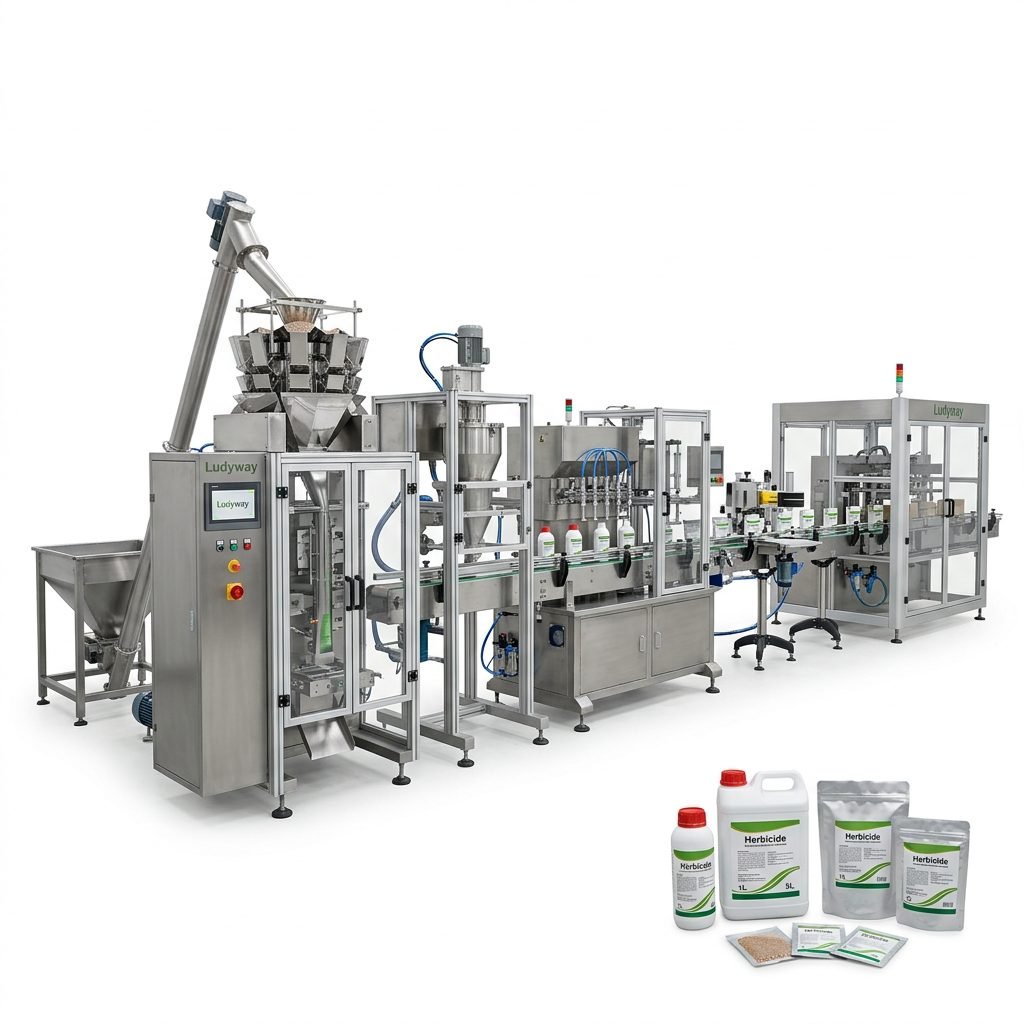
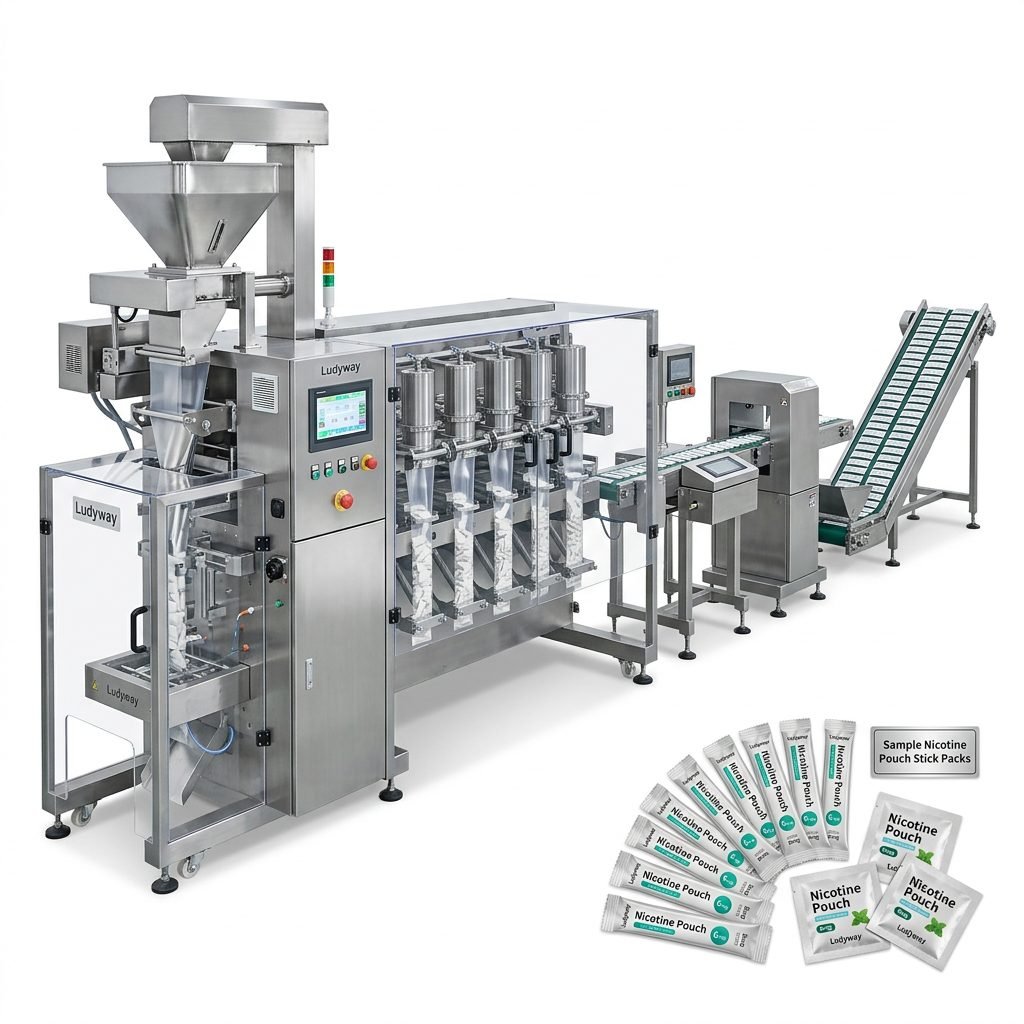
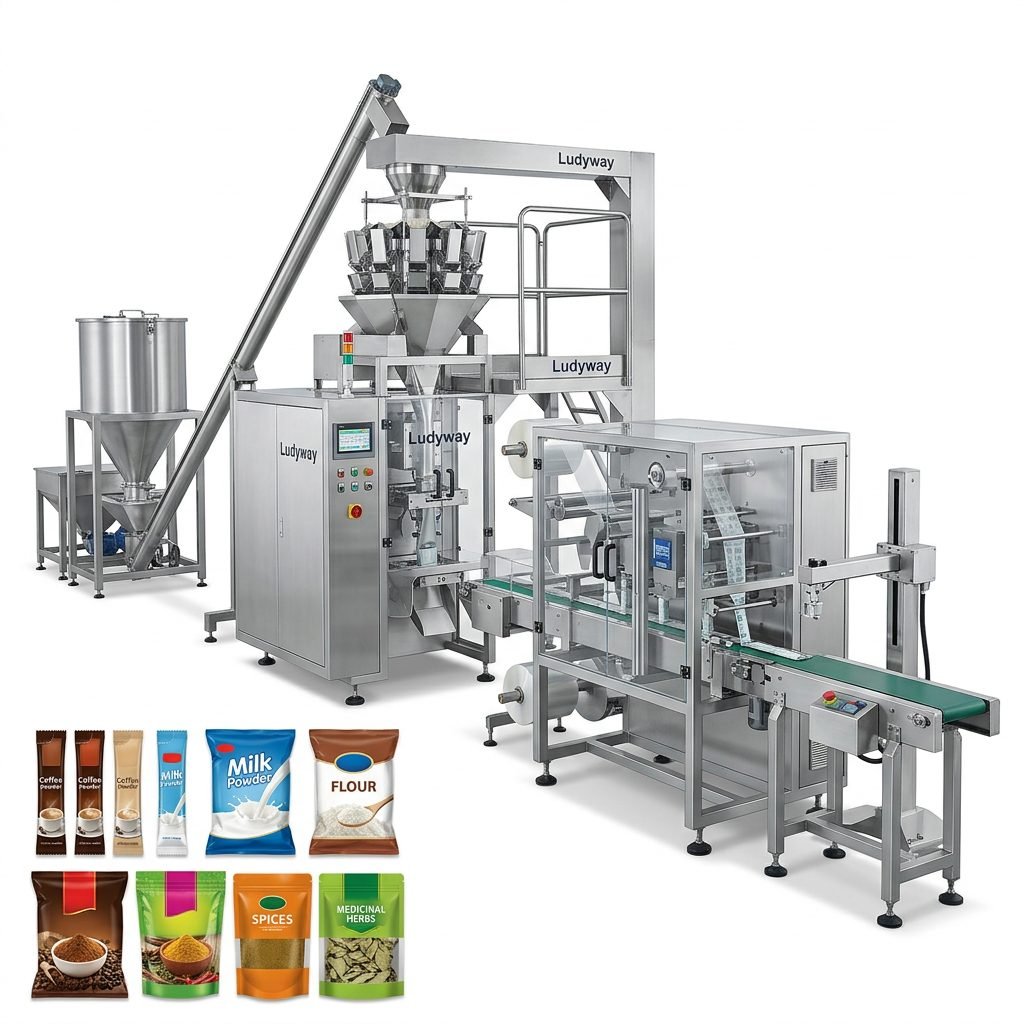
A complete candy bar packaging line includes more than just the wrapper. You need to integrate feeding, inspection, and end-of-line systems for seamless operation.
Upstream equipment considerations:
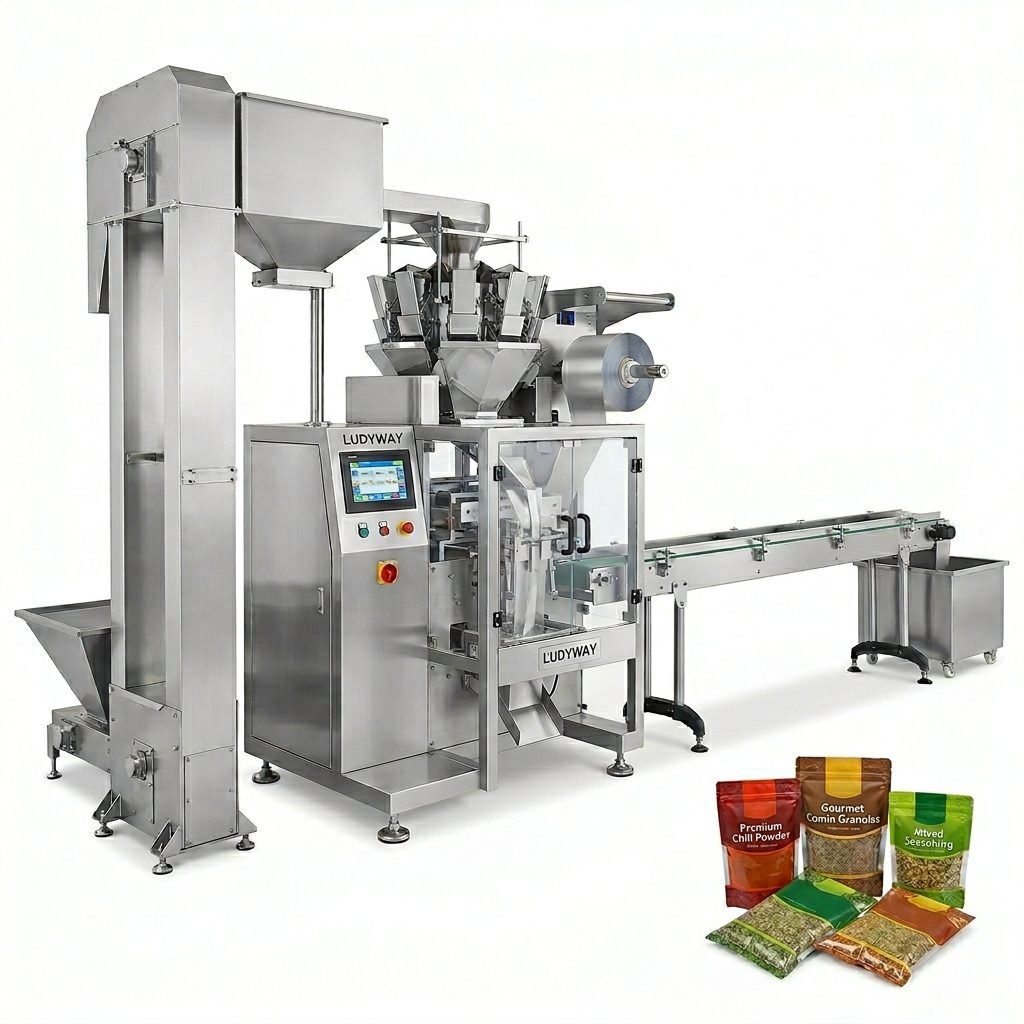
- Bucket elevators or inclined conveyors to transport product from production to packaging
- Vibratory feeding systems for orderly product orientation and lane distribution
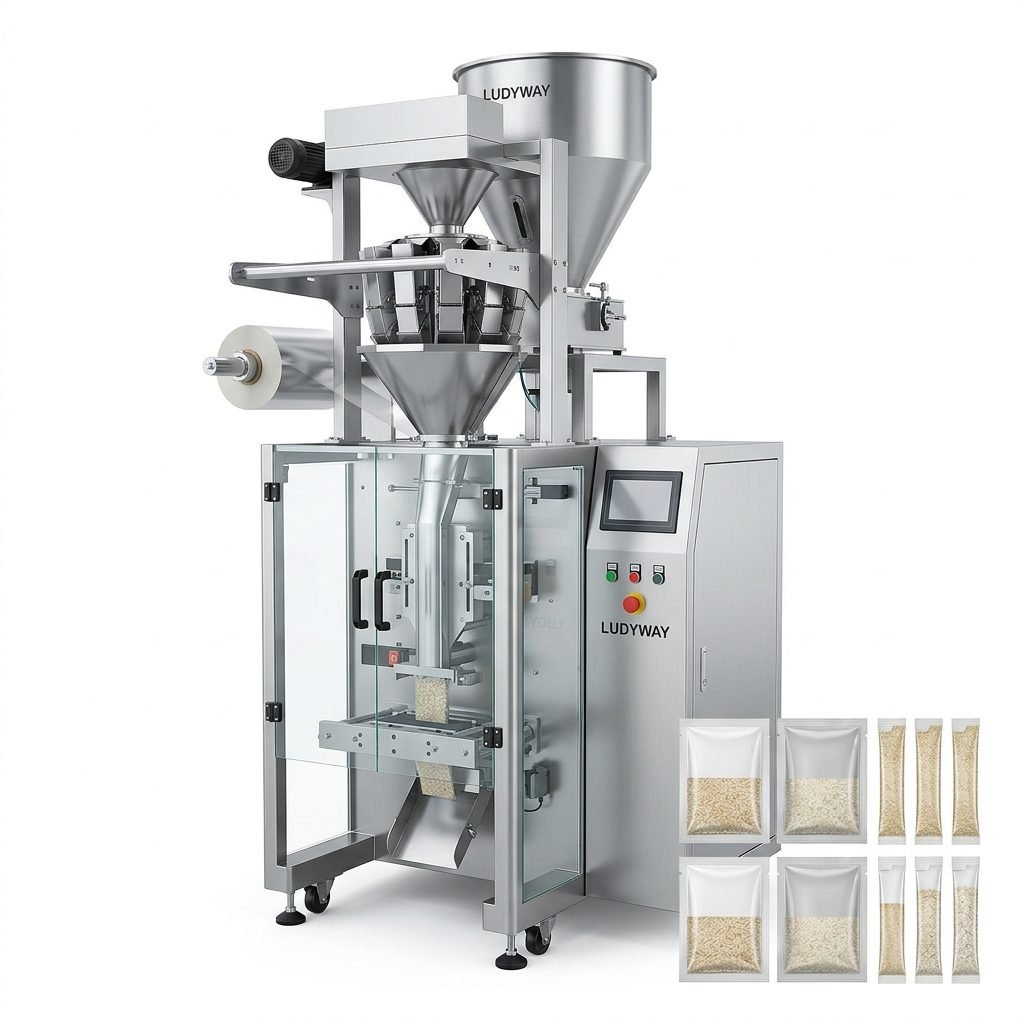
- Multi-head weighers or volumetric fillers when packaging granular or powder-based candy products
Downstream equipment considerations:
- Checkweighers for real-time weight verification and reject handling
- Metal detectors to ensure food safety compliance
- Cartoning machines for secondary packaging into boxes or display cartons
- Case packers and palletizers for efficient warehousing and shipping
4. Optimize Line Layout and Facility Requirements
The physical arrangement of your equipment directly impacts operator efficiency and maintenance accessibility. Follow these layout principles:
- Linear flow: Arrange machines in a straight line or L-shape to minimize product transfer distance
- Operator access: Provide at least 1 meter of clearance around each machine for safe operation and servicing
- Utility connections: Ensure compressed air, electrical power, and ventilation are positioned appropriately
- Clean room considerations: If required, design the layout to support positive air pressure and easy sanitation
5. Set Up Film Handling and Registration Systems
Proper film handling is critical for candy bar packaging success. Follow these steps during setup:
- Mount the film roll on the unwind system, ensuring correct orientation of the printed side
- Thread the film through tension rollers, dancer arms, and the forming tube according to the machine diagram
- Calibrate the photoelectric sensor for accurate print mark detection
- Adjust seal bar temperature and pressure based on film specifications
- Run test cycles to verify consistent bag length and seal integrity
Ludyway is one of the largest packaging machine manufacturers in China, specializing in advanced packaging equipment and turnkey production solutions for the food, pharmaceutical, and health industries.
6. Integrate Control Systems and Data Monitoring
Modern packaging lines benefit significantly from centralized control and real-time data collection. Key integration points include:
- PLC connectivity linking all machines for synchronized start/stop operations
- HMI touchscreen interfaces with multi-language support for operator convenience
- Production data logging for OEE (Overall Equipment Effectiveness) tracking
- Remote monitoring capabilities for diagnostics and troubleshooting
7. Develop Standard Operating Procedures and Training
Even the most advanced machinery requires skilled operators. Create detailed SOPs covering:
- Machine startup and shutdown sequences
- Film splicing and roll change procedures
- Cleaning and sanitation protocols
- Basic troubleshooting for common issues like seal wrinkles or misaligned cuts
- Safety lockout/tagout procedures during maintenance
Invest time in comprehensive operator training before full production begins. This reduces startup errors and builds confidence in handling the candy bar packaging machine under real production conditions.

8. Implement Quality Control Checkpoints
Strategic QC checkpoints prevent defective products from reaching customers. Establish the following inspection stages:
| Checkpoint | Inspection Criteria |
|---|---|
| Incoming film inspection | Print quality, thickness consistency, roll integrity |
| Seal integrity testing | Visual inspection, burst testing, or dye penetration tests |
| Weight verification | In-line checkweigher with automatic reject for out-of-spec packs |
| Date code accuracy | Batch number, expiry date, and barcode readability |
9. Perform Trial Runs and Process Validation
Before ramping up to full production, conduct structured trial runs. Start at low speed and gradually increase to target output while monitoring:
- Film tracking stability and waste percentage
- Seal quality under different temperature and speed conditions
- Product feed consistency across all lanes
- Reject rates at the checkweigher and metal detector
Document all parameters and create a validation report. This serves as your baseline for future troubleshooting and process optimization.
10. Establish Maintenance Schedules and Spare Parts Management
Proactive maintenance keeps your packaging machine production line running reliably. Develop a maintenance plan that includes:
- Daily checks: Clean sealing jaws, inspect film path, verify sensor function
- Weekly tasks: Lubricate bearings, check belt tension, calibrate temperature controllers
- Monthly inspections: Review electrical connections, test safety interlocks, inspect forming tubes
- Quarterly preventive maintenance: Replace wear parts, update firmware, deep clean all sections
Maintain a critical spare parts inventory including seal bands, thermocouples, belts, sensors, and cutting blades to minimize unexpected downtime.
11. Scale Up and Expand Capabilities
As your market grows, your packaging line should scale accordingly. Consider these expansion strategies:
- Add additional lanes to existing multi-lane machines
- Integrate automated cartoning and case packing systems
- Implement robotic palletizing for end-of-line automation
- Upgrade control systems for full Industry 4.0 connectivity
Modular equipment design allows phased investment, spreading capital costs while progressively increasing capacity.
12. Ensure Compliance with Industry Standards
Food packaging lines must comply with relevant regulations and standards. Key areas to address include:
- Food contact materials: Ensure all product-contact surfaces meet FDA or EU regulations
- Electrical safety: Verify CE marking or equivalent certifications
- GMP compliance: Design cleaning procedures that meet Good Manufacturing Practice requirements
- Traceability: Implement batch tracking from raw material to finished packaged product
13. Monitor Performance and Continuously Improve
After your line is operational, establish KPIs to measure performance. Track metrics such as:
- Overall Equipment Effectiveness (OEE)
- Film waste percentage
- Average changeover time between products
- Unplanned downtime frequency and duration
Use this data to identify bottlenecks, plan upgrades, and refine operator training programs. Continuous improvement transforms a good packaging line into a world-class operation.
Setting up a successful candy bar packaging line is a systematic process that rewards careful planning and attention to detail. By selecting the right equipment, integrating supporting systems, and investing in operator training, you build a foundation for consistent quality and long-term profitability.
For more information on packaging industry standards and resources, refer to these authoritative sources: