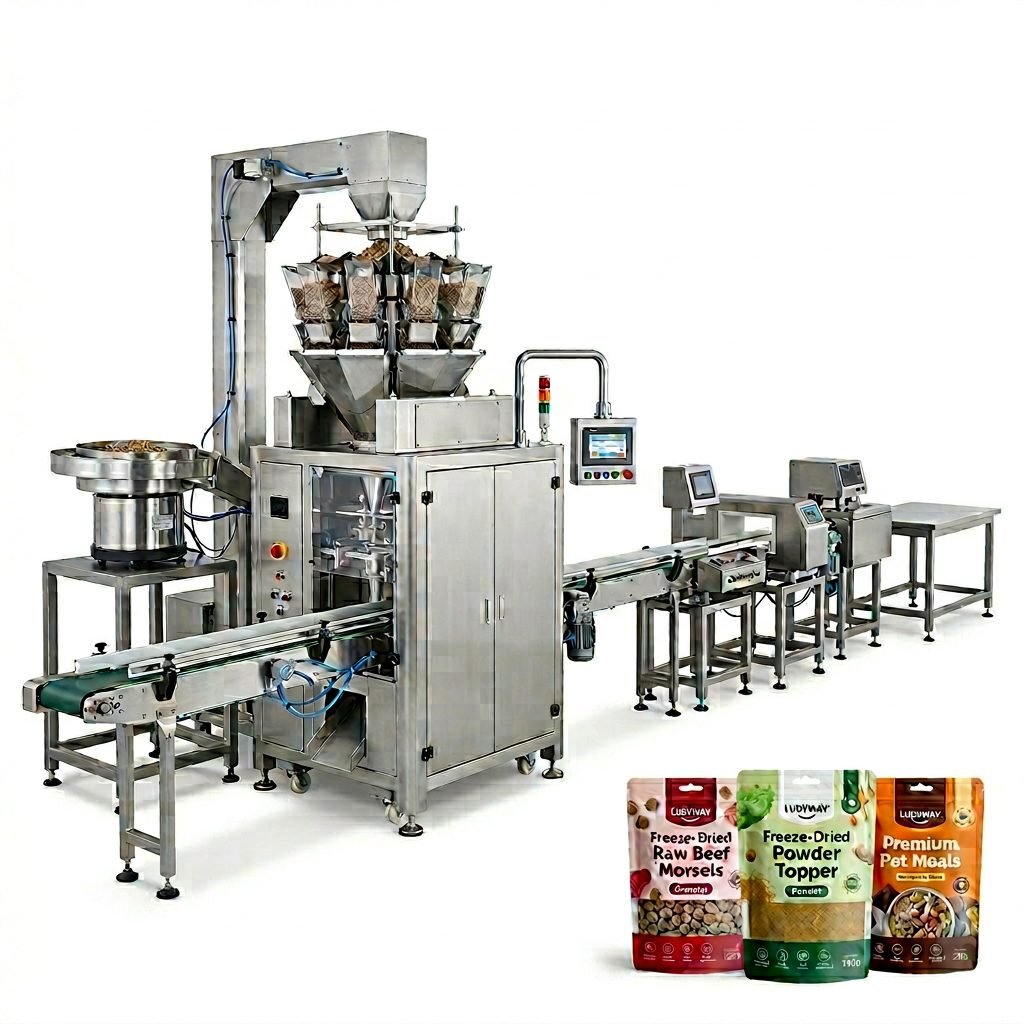
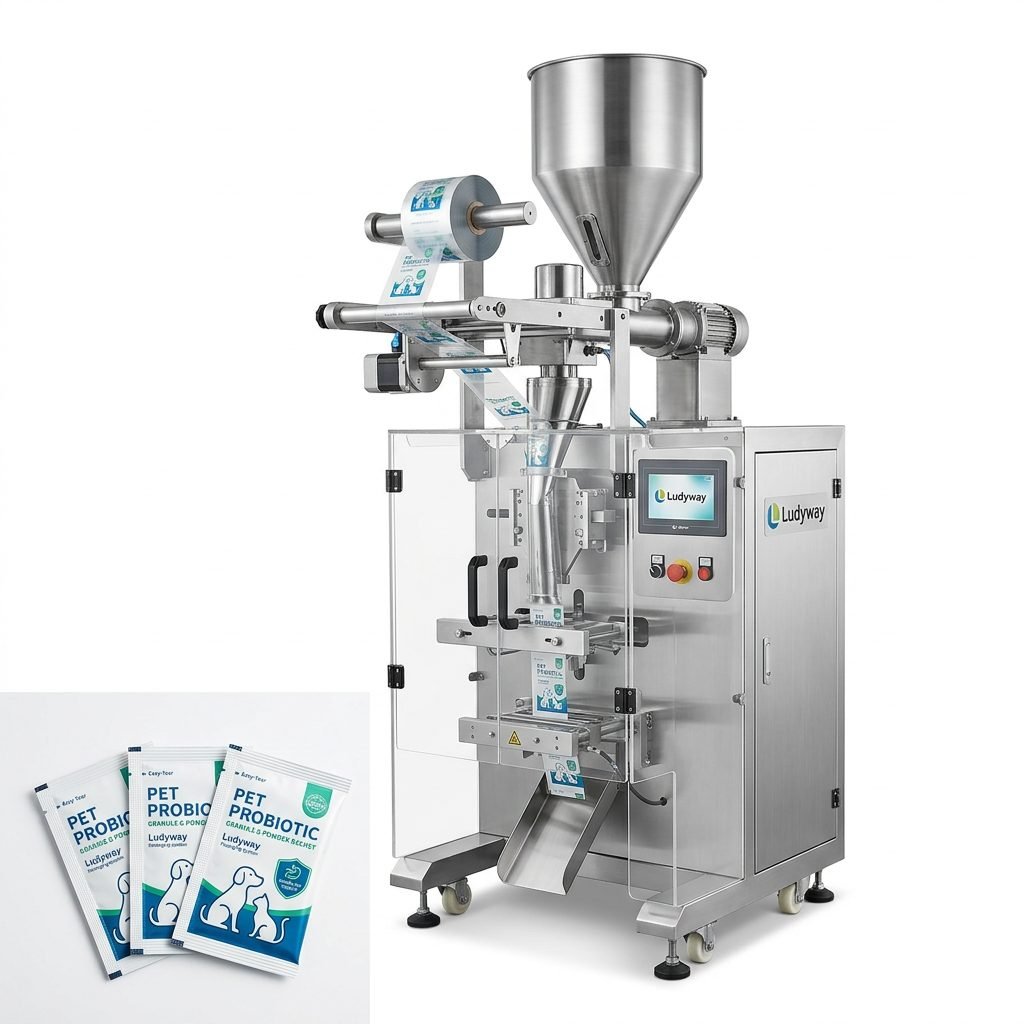
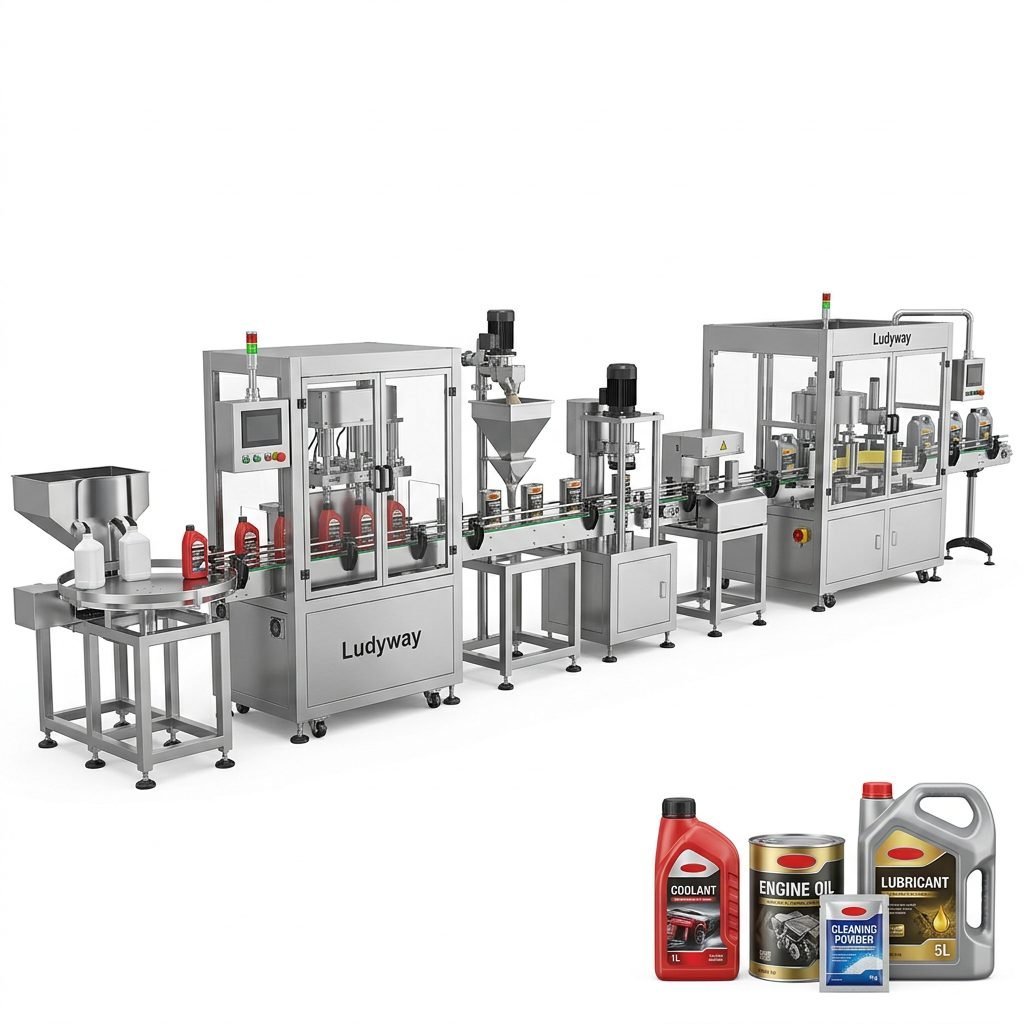
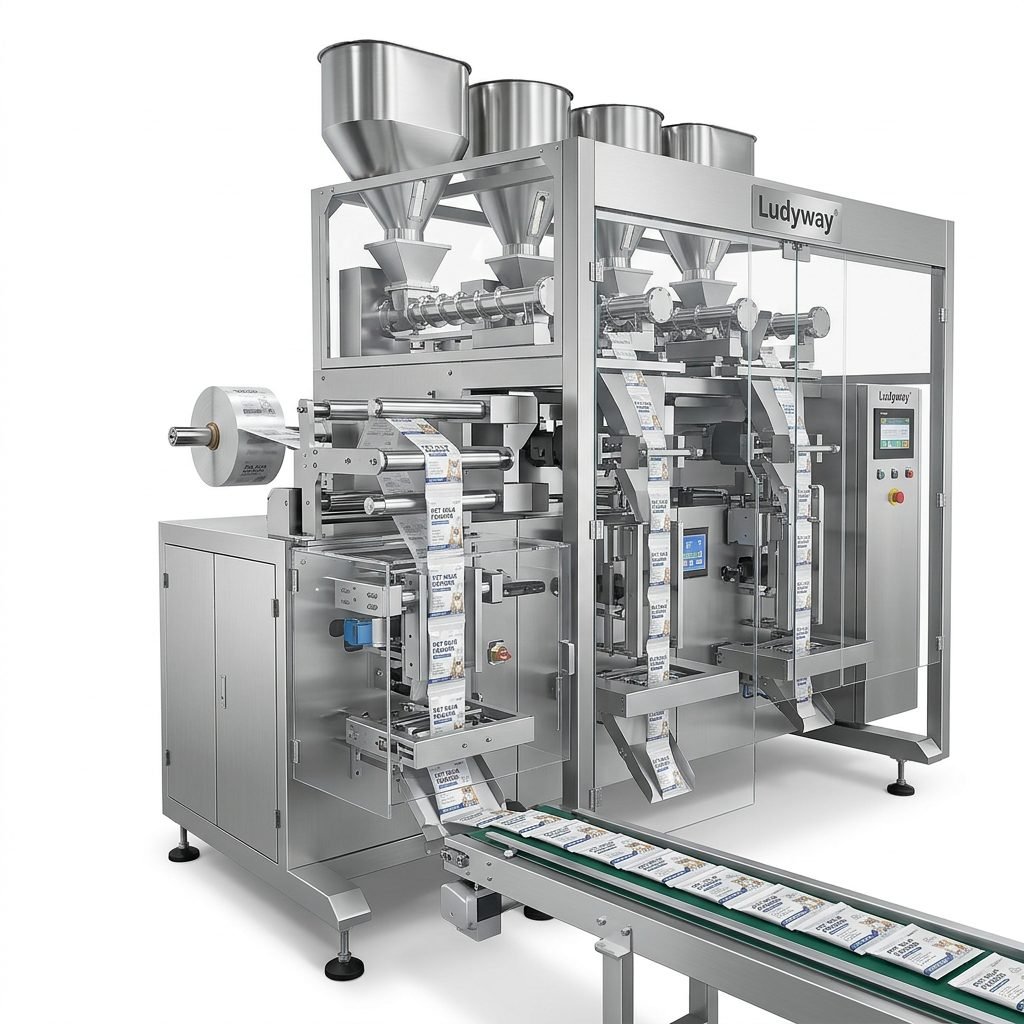
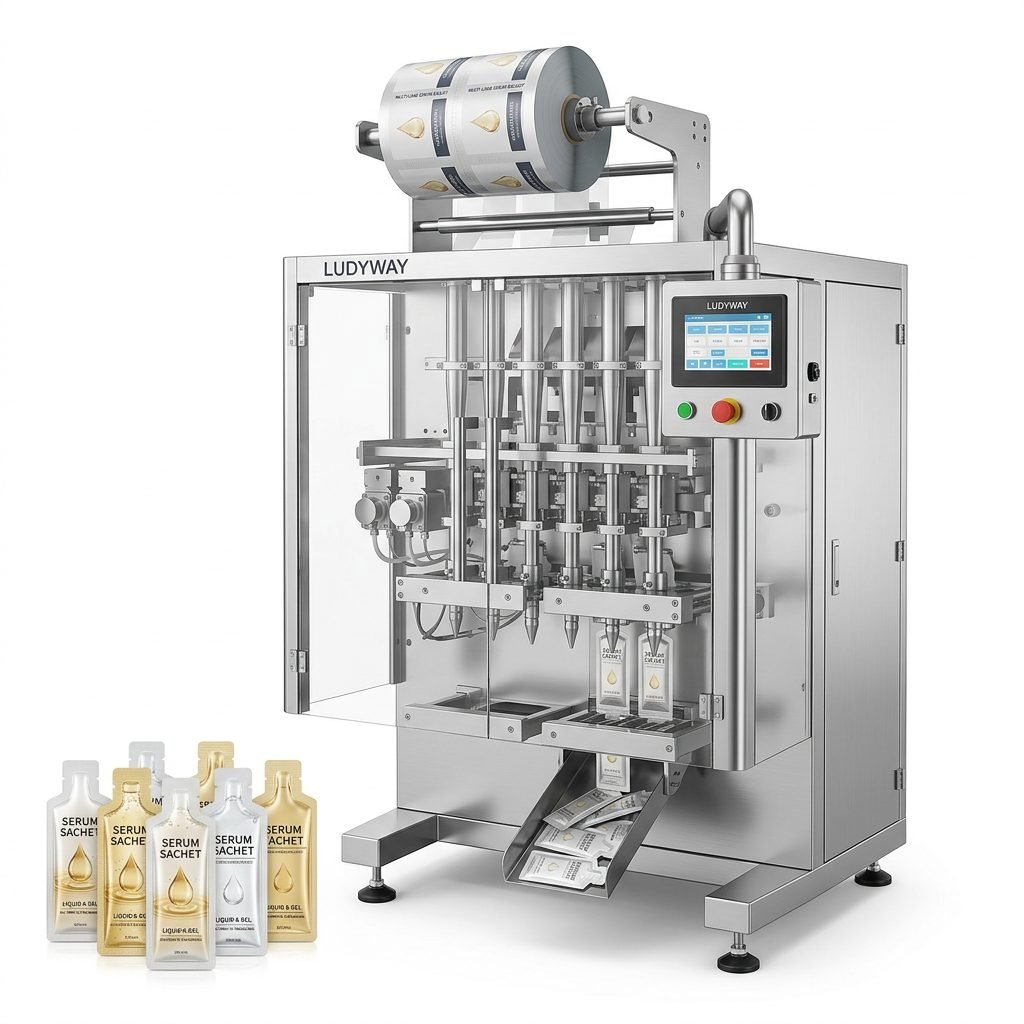
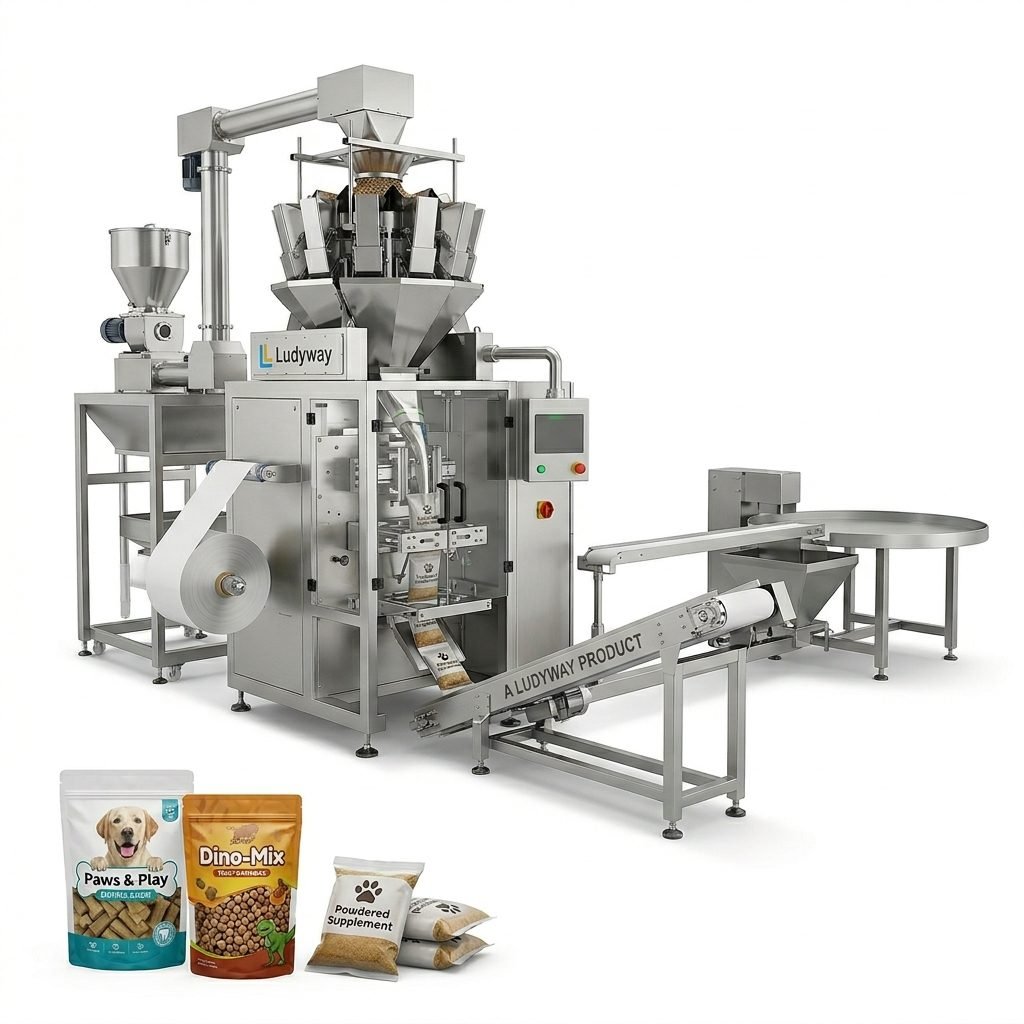
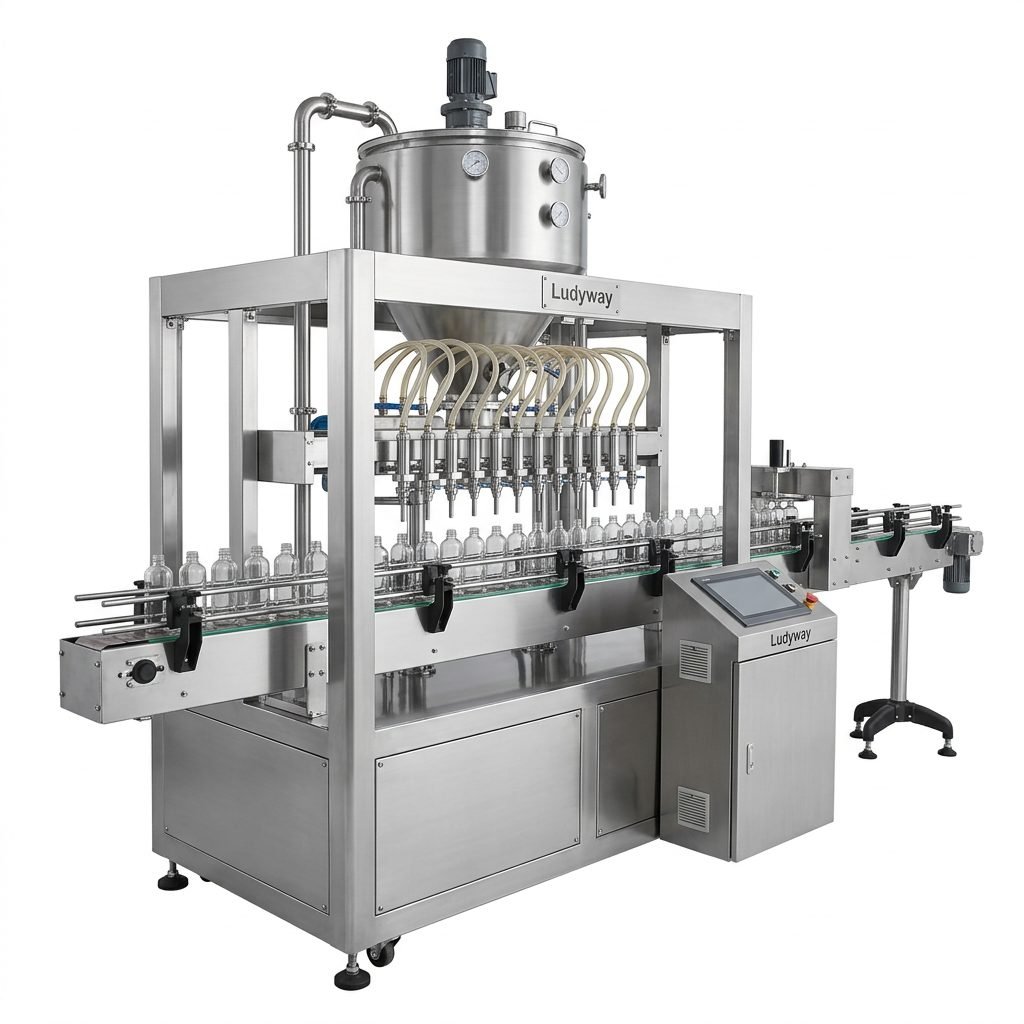
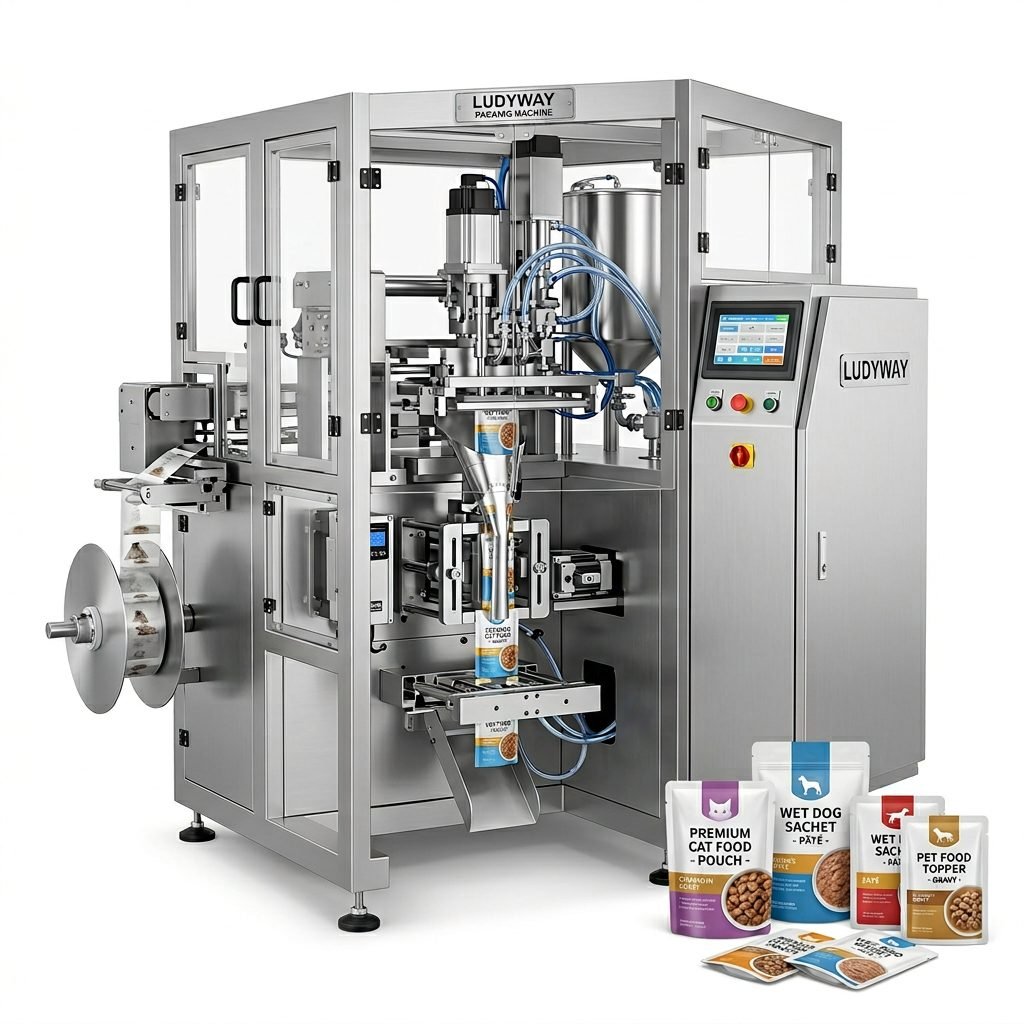
Maintaining a sachet filling and sealing machine is critical for ensuring consistent production output, minimizing downtime, and extending equipment lifespan. Whether you are handling powder, granules, or liquid products, a proactive maintenance routine safeguards your investment in packaging machinery and keeps your production line running at peak efficiency.
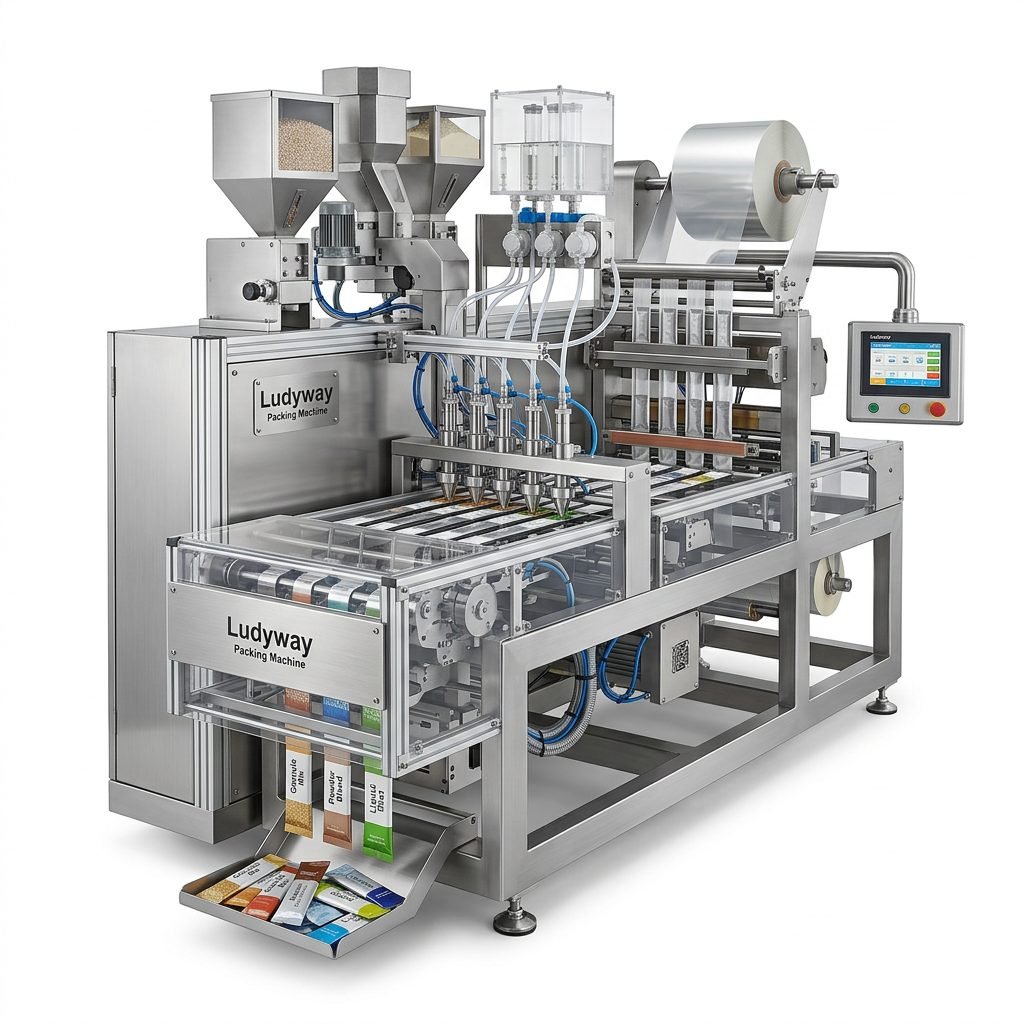
1. Prioritizing Daily and Weekly Inspection Routines
Implementing structured inspection intervals is the foundation of reliable equipment performance. Operators should perform visual checks at the start of every shift to catch early warning signs before they escalate into major failures.
- Visual Inspection: Check for loose fasteners, worn cables, or material residue buildup around the sealing jaws and forming tube.
- Sensor Verification: Ensure photoelectric sensors, temperature probes, and registration systems are clean and aligned properly.
- Safety Systems: Test emergency stops and safety guards to confirm they are functioning correctly.
2. Detailed Cleaning Procedures for Hygienic Performance
Contamination from product dust or liquid spillage is a leading cause of mechanical wear and seal failure. A rigorous cleaning protocol not only maintains hygiene standards but also preserves the precision of moving parts.
Key Cleaning Focus Areas:
- Jaw Surfaces: Remove melted film residue and product buildup using approved non-abrasive tools.
- Film Path Tracking: Wipe down rollers and tensioners to prevent film drift and wrinkling.
- Liquid Pumps & Nozzles: Flush thoroughly after product changeovers to prevent cross-contamination and clogging.
3. Lubrication and Critical Component Care
The high-speed nature of sachet filling equipment demands proper lubrication of dynamic assemblies. Refer to the manufacturer’s guidelines regarding lubrication type, frequency, and application points.
3.1 Sealing System Maintenance
The integrity of the sachet depends entirely on the sealing mechanism. Inconsistent temperature control or pressure misalignment can lead to leaking packages or weak seals. Calibrate PID controllers regularly and inspect heating elements for hot spots.
3.2 Cutting and Perforation Tools
Dull blades or perforation knives compromise the finish and functionality of the final package. Sharpen or replace these components based on runtime thresholds rather than waiting for visible tearing or incomplete cuts.
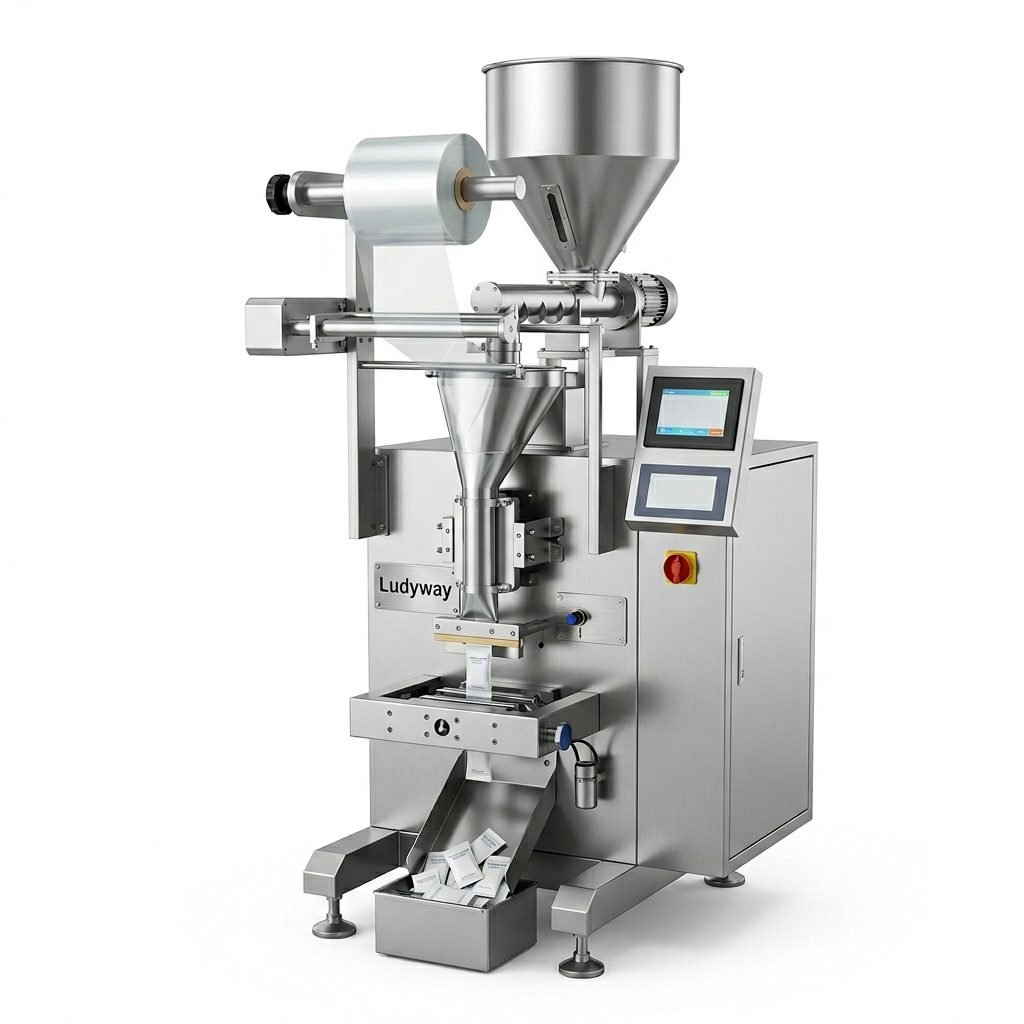
4. Scheduled Preventive Maintenance Checklist
Transitioning from reactive repairs to preventive maintenance transforms operational reliability. Use the following table as a template for your maintenance log, adjusting intervals based on production volume and environment.
| Maintenance Task | Frequency | Responsible Team |
|---|---|---|
| Clean sealing bars and teflon covers | Daily / End of Shift | Operator |
| Inspect vacuum belts and drive chains tension | Weekly | Maintenance Tech |
| Replace air filters and lubricate linear guides | Monthly | Maintenance Tech |
| Calibrate temperature controllers and load cells | Quarterly | Automation Engineer |
| Full gearbox oil change and motor inspection | Annually | Service Engineer |
5. Troubleshooting Common Sachet Machine Issues
Even with strict maintenance, operational hiccups can occur. Knowing how to diagnose common problems keeps downtime to a minimum. Below are typical faults and their probable causes:
5.1 Film Material Issues
If you notice film slipping, curling, or breaking, first verify the roll is mounted correctly and the tension settings match the specific material thickness. Environmental factors like humidity can also affect film properties.
5.2 Seal Integrity Problems
Leaking sachets often point to dirty or damaged heating elements, uneven pressure distribution, or incorrect dwell time. Always verify the seal strength with a vacuum leak test before resuming full-speed production.
5.3 Filling Accuracy Drift
Inaccurate fills in a multi-lane sachet system can stem from product bridging in the hopper or worn dosing components. For auger fillers, inspect the screw condition; for piston fillers, check seal wear.
6. Integrating Spare Parts Management
A well-organized spare parts inventory is a strategic advantage. Stocking critical wear items like sealing jaws, thermocouples, belts, and sensor cables ensures you can execute immediate repairs without waiting for logistics.
Companies like Ludyway support their global clientele with comprehensive spare parts catalogs, ensuring genuine components are readily available to maintain optimal machine performance.
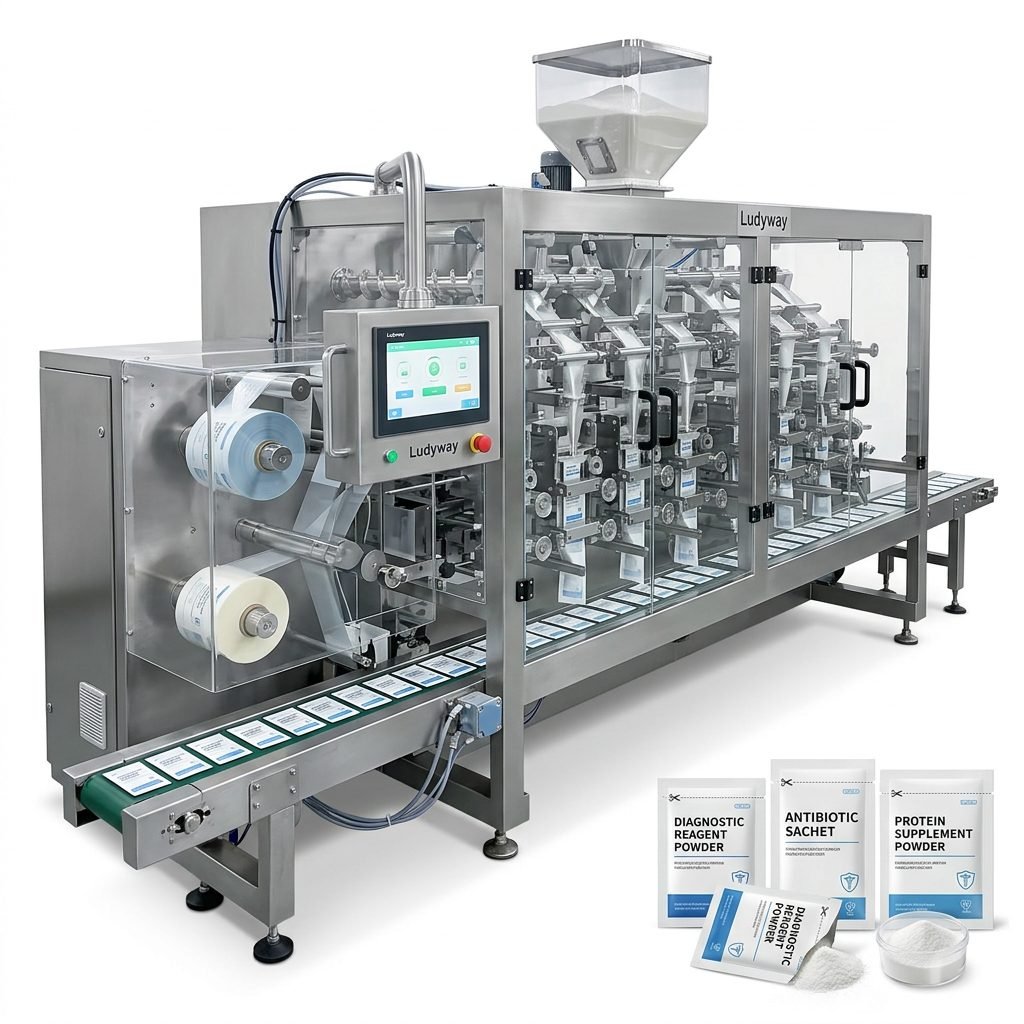
7. Documentation and Data-Driven Maintenance
Modern packaging lines, especially those designed for turnkey production, generate valuable operational data. Track metrics like Mean Time Between Failures (MTBF) and Overall Equipment Effectiveness (OEE) to optimize your maintenance schedule.
- Maintenance Logs: Document every intervention, part replacement, and calibration result digitally.
- Wear Analysis: Photograph parts at regular intervals to track degradation patterns over time.
- Energy Monitoring: Unexpected spikes in power consumption can indicate mechanical binding or electrical faults.
8. Operator Training and Competency Development
The most sophisticated fully automated packaging systems require skilled operators who understand not just the button-pushing sequence, but the underlying mechanical functions. Continuous training reduces human error during setup and changeovers.
Essential Training Modules include: safe machine restart procedures, correct film threading paths, parameter backup restoration, and basic diagnostic interpretation of HMI error codes.
9. Long-Term Preservation and Seasonal Shutdowns
If your production line undergoes extended idle periods, comprehensive preservation prevents environmental damage. Stagnant machines are susceptible to corrosion and electronic drift.
- Complete Deep Clean: Remove all product residue and wash contact surfaces with an appropriate cleaning agent.
- Rust Prevention: Apply a thin layer of protective oil to exposed steel shafts and cylinder rods.
- Power Management: Keep control panels energized or utilize anti-condensation heaters to protect sensitive electronics.
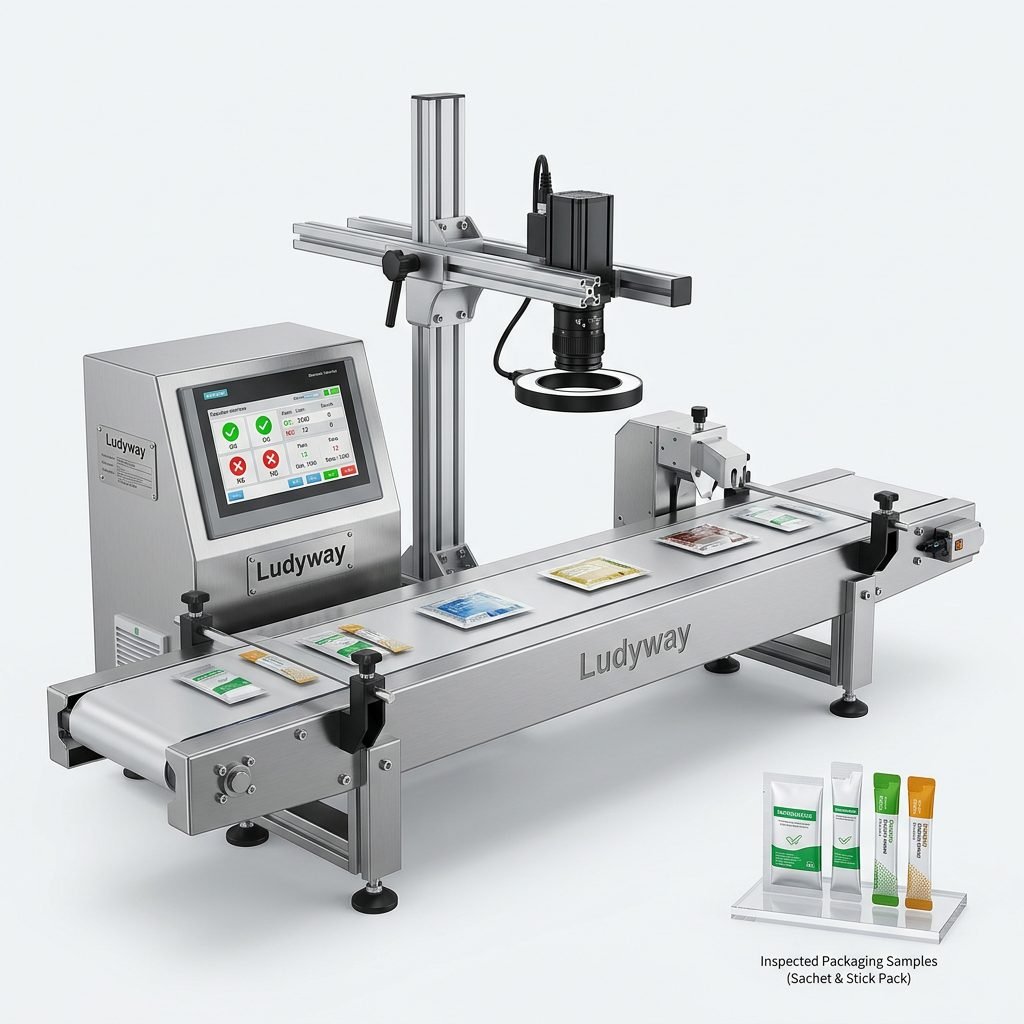
10. The Economic Impact of Proactive Maintenance
Treating maintenance as a strategic investment rather than a cost center yields tangible returns. Consistent machine care for your filling and sealing line directly impacts the bottom line through reduced scrap rates and lower energy consumption.
| Benefit | Operational Impact |
|---|---|
| Extended Equipment Life | Postpones capital expenditure on new machines by years |
| Reduced Spare Parts Cost | Preventive replacement avoids catastrophic damage to assemblies |
| Consistent Product Quality | Eliminates customer complaints related to leaking or underweight sachets |
| Energy Efficiency | Well-lubricated drives and sharp cutting tools reduce power draw |
By implementing these maintenance strategies, you ensure your sachet production line remains a reliable, high-speed asset capable of adapting to evolving market demands. For more information on advanced equipment servicing or to explore a wide range of filling and sealing solutions, visit the packaging machine manufacturer Ludyway to support your operational goals.
Relevant Resources and Further Reading:
- PMMI Business Intelligence – Packaging Industry Insights
- Flexible Packaging Association – Technical Resources
- ISO Standards for Packaging Machinery
- FDA Guidelines for Food Contact Packaging