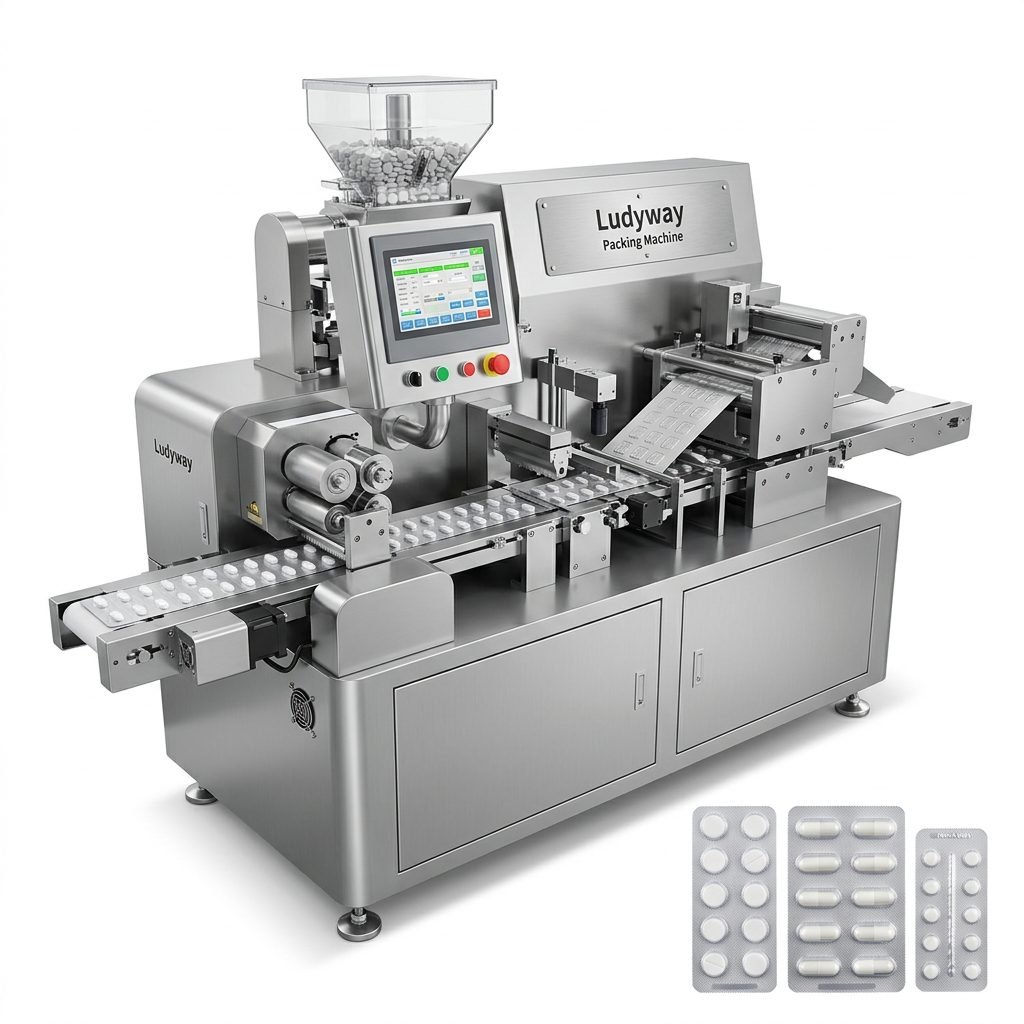
Setting up a candy bar packaging machine production line in France requires careful planning, compliance with local regulations, and selecting the right equipment to match your production goals. Whether you are launching a new confectionery brand or scaling an existing operation, a well-designed packaging line can improve efficiency, product consistency, and shelf appeal.
Understanding the French Confectionery Packaging Market
France has one of the largest confectionery markets in Europe, with strict standards for food safety, traceability, and hygiene. When installing a candy bar packaging line, you must adhere to EU regulations including EC 1935/2004 on materials intended to come into contact with food, and EU 2023/2006 on good manufacturing practices. Understanding these requirements early in the project helps prevent costly redesigns and delays during commissioning.
Key Steps for Setting Up Your Candy Bar Packaging Line
Every successful installation follows a structured process. The table below outlines the essential phases from initial planning to full operation in a French production environment.
| Phase | Key Activities | Duration Estimate |
|---|---|---|
| Feasibility & Planning | Site survey, production volume analysis, equipment selection, budget definition | 4–8 weeks |
| Regulatory Compliance Check | CE certification verification, food contact material compliance, ATEX requirements if applicable | 2–4 weeks |
| Equipment Procurement | Order placement, lead time management, factory acceptance testing arrangement | 10–16 weeks |
| Logistics & Import | Customs clearance, transport coordination, installation site preparation | 3–6 weeks |
| Installation & Commissioning | Mechanical assembly, electrical integration, software configuration, dry run testing | 2–4 weeks |
| Training & Handover | Operator training, maintenance manual delivery, performance validation | 1–2 weeks |
Selecting the Right Candy Bar Packaging Machine Configuration
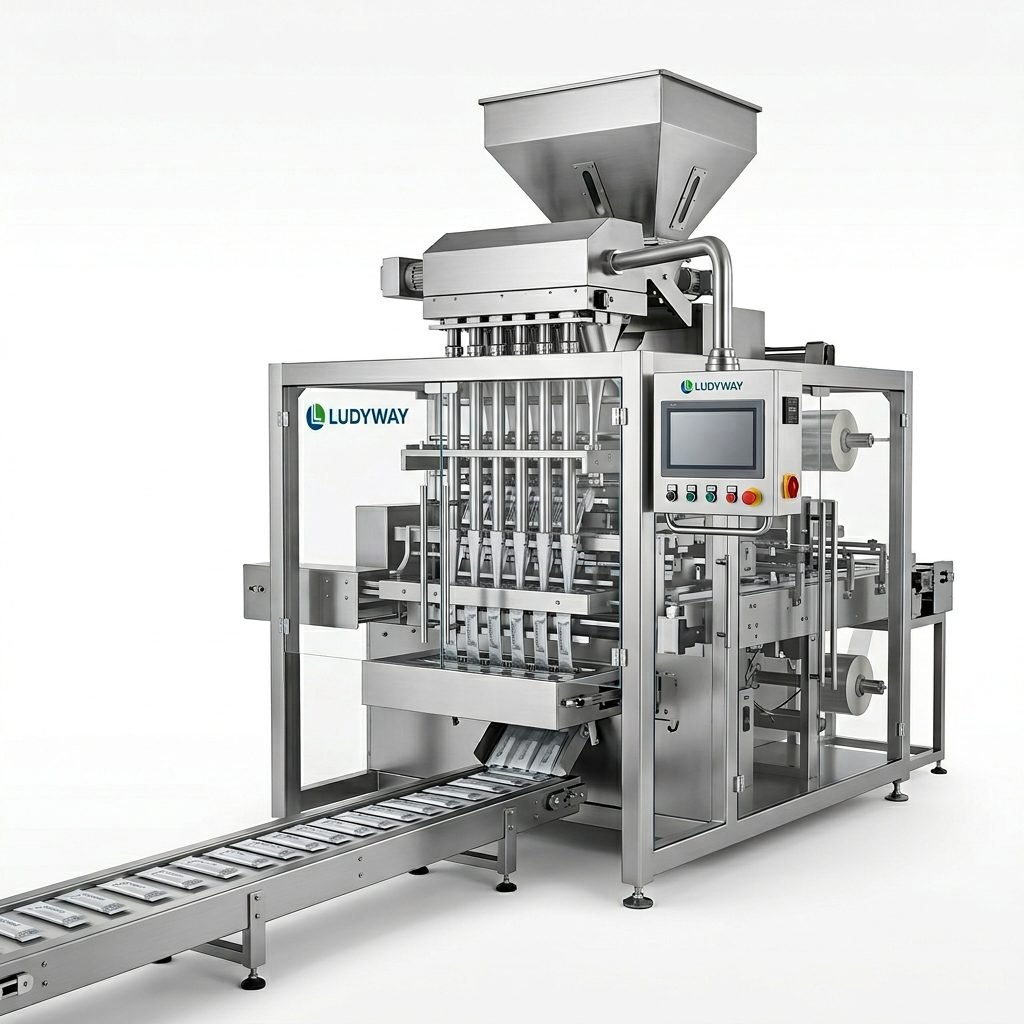
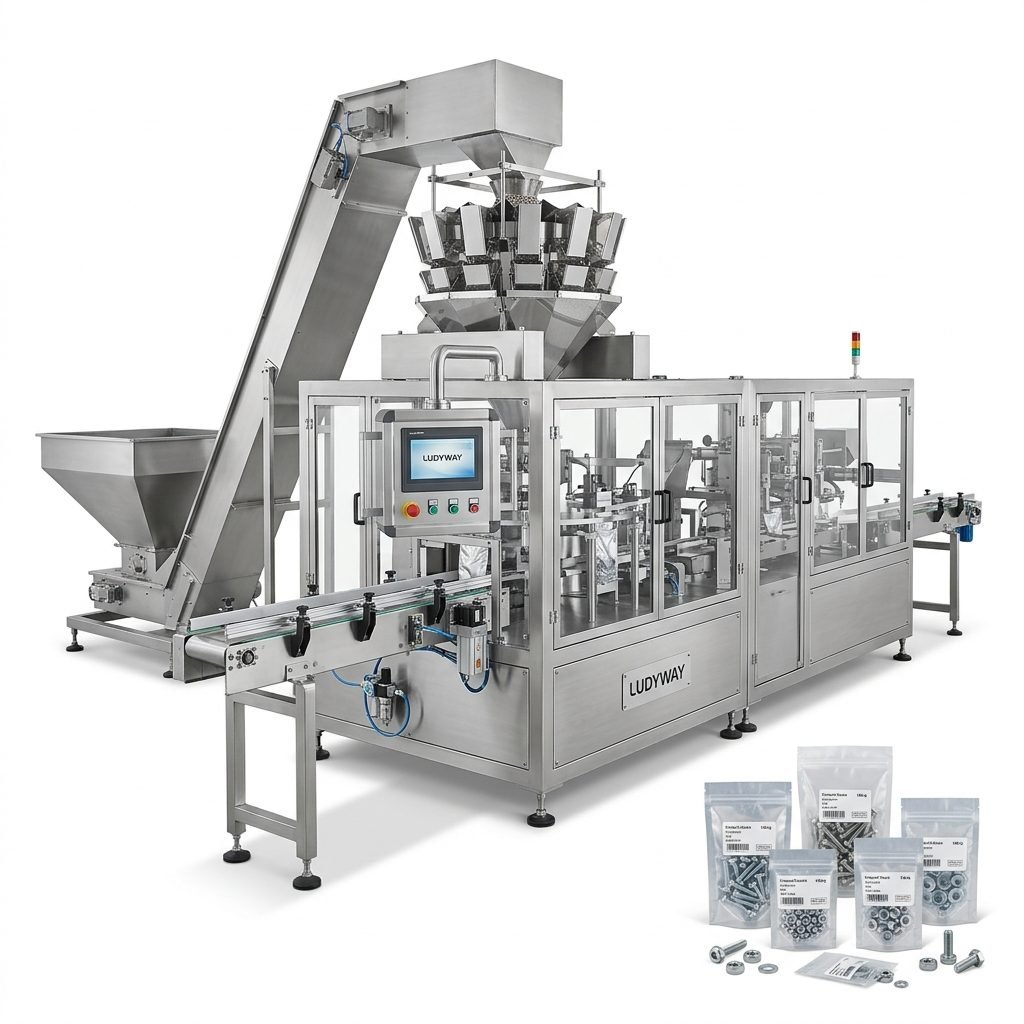
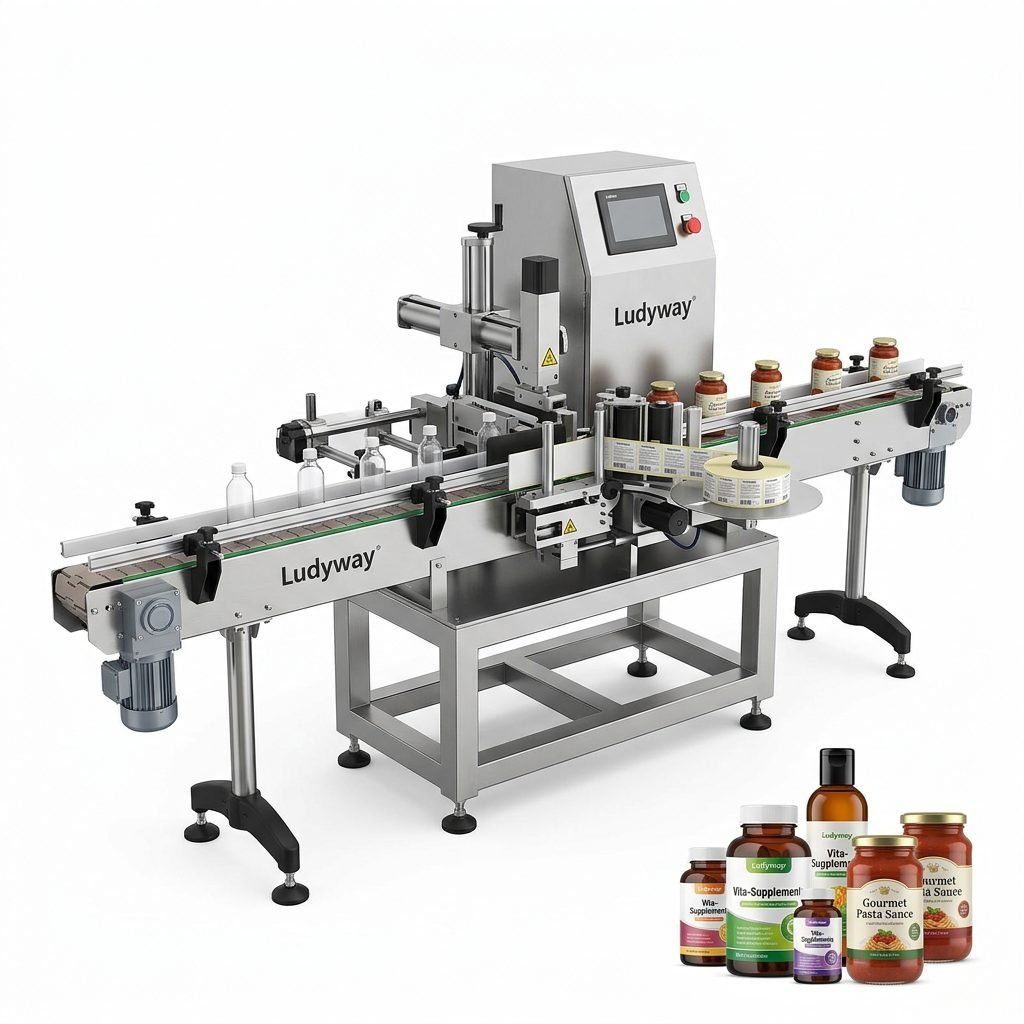
The ideal packaging line depends on several factors, including candy bar dimensions, production speed requirements, and packaging material preferences. Modern lines typically include the following integrated modules:
- Feeding system: Vibratory or belt feeders for aligned product infeed
- Primary wrapping unit: Flow wrapping or fold wrapping for individual bars
- Cartoning machine: Automatic cartoning for retail-ready packaging
- Checkweigher: Real-time weight verification and reject mechanisms
- Metal detector: Contaminant detection compliant with IFS Food Standard
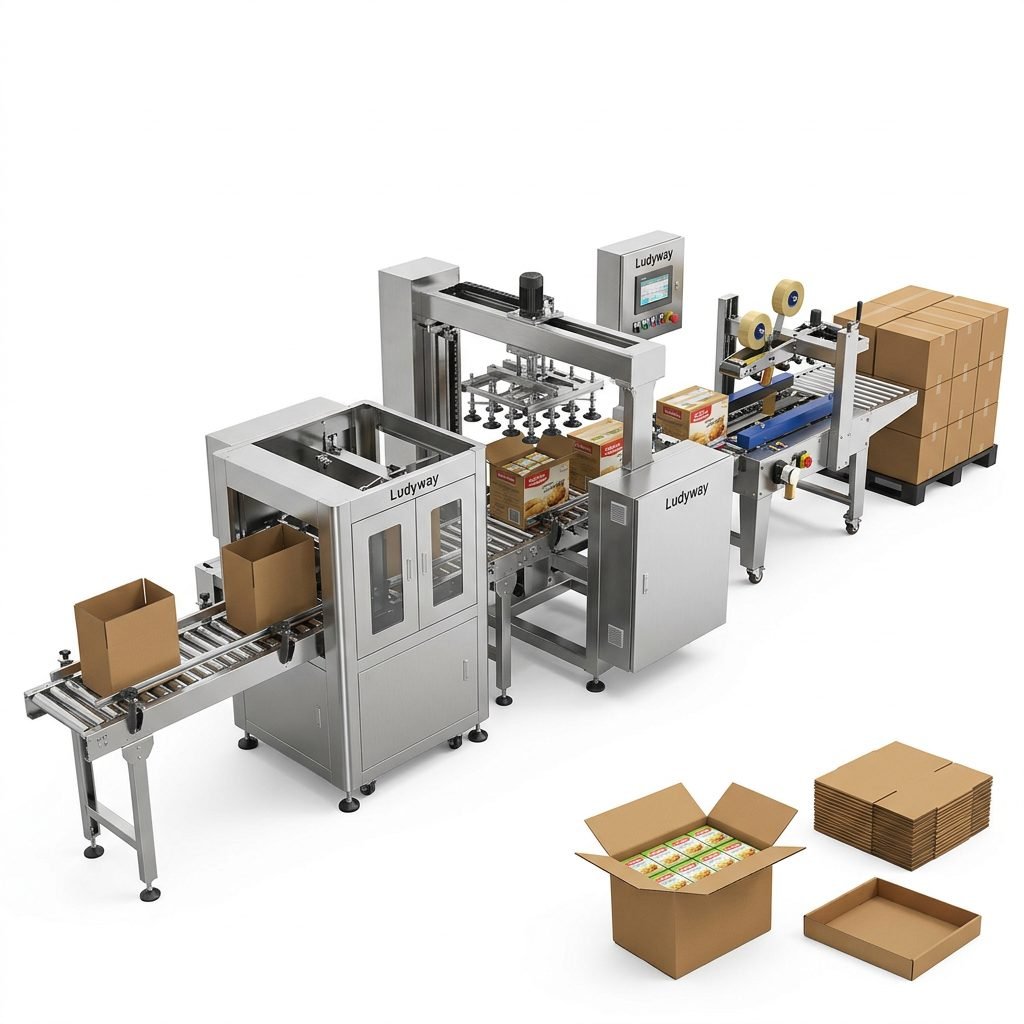
- Case packing and palletizing: End-of-line automation for distribution
Regulatory and Compliance Considerations in France
Operating a candy bar packaging line in France means complying with both French national regulations and EU-wide directives. Key points include:
- Ensure all equipment carries the CE marking as required by the Machinery Directive 2006/42/EC
- Verify that packaging materials meet food contact substance standards under EC 1935/2004
- Implement traceability systems aligned with EU Regulation 178/2002
- Train staff on hygiene practices as outlined in EC 852/2004
Regarding sustainability, France has been proactive in implementing the AGEC law (Anti-Waste for a Circular Economy), which affects packaging design and waste management. Your packaging line should be compatible with recyclable or compostable film materials to align with these evolving requirements.
Site Preparation and Utility Requirements
A properly prepared installation site is critical for smooth commissioning. Below is a summary of typical utility specifications for candy bar packaging equipment operating in French facilities.
| Utility | Common Specification | Notes |
|---|---|---|
| Electrical Supply | 400V / 50Hz, three-phase | Standard industrial supply in France |
| Compressed Air | 6–8 bar, oil-free, dry air | Required for pneumatic actuators and sealing |
| Ventilation | 10–15 air changes per hour | Maintains temperature below 25°C in production area |
| Floor Load Capacity | ≥ 500 kg/m² | Depends on machine weight and configuration |
Integration with Upstream and Downstream Processes
A candy bar packaging line does not operate in isolation. Seamless integration with upstream cooking, cooling, and cutting equipment ensures continuous flow. Similarly, downstream connections to automatic case packing lines and palletizers maximize overall equipment effectiveness (OEE). When planning your line, consider the following:
- Buffer zones between process steps to accommodate speed variations
- Standardized control interfaces for centralized monitoring
- Conveyor layouts that minimize product damage and jams
- Vision inspection systems for consistent quality control
Training and Workforce Development
Even the most advanced equipment requires skilled operators to perform at its best. Invest in comprehensive training programs covering machine operation, changeover procedures, basic troubleshooting, and preventive maintenance schedules. Many equipment suppliers offer on-site training during commissioning, which is an opportunity to build your team’s confidence and competence with the new line.
Maintenance Strategies for Long-Term Reliability
To keep your candy bar packaging production running efficiently in a competitive French market, implement a structured maintenance plan. Recommended strategies include:
- Daily cleaning and inspection: Remove product debris, check sealing integrity, verify sensor alignment
- Weekly preventive maintenance: Lubricate moving parts, inspect belts and chains, test safety circuits
- Monthly deep inspections: Calibrate weighing and detection systems, review wear components
- Annual overhaul: Replace consumable parts, update software, full safety audit
Keep a spare parts inventory for critical components such as sealing jaws, cutting blades, sensors, and drive belts. Downtime in candy production can be costly, especially during peak seasonal demand periods.
Cost Considerations and Return on Investment
The investment for a candy bar packaging line varies widely based on speed, automation level, and customization requirements. Factors influencing total cost include:
- Number of lanes and packaging formats required
- Level of automation in feeding, cartoning, and palletizing
- Integration complexity with existing production systems
- Training and after-sales technical support
ROI analyses should factor in labor savings, reduced material waste, increased throughput, and improved product shelf life from better seal integrity.
Common Challenges and How to Address Them
Even well-planned projects encounter obstacles. Being prepared for typical issues helps minimize disruptions. The table below summarizes common challenges when setting up a candy bar packaging line in France and practical solutions.
| Challenge | Impact | Recommended Solution |
|---|---|---|
| Language and documentation | Miscommunication during installation | Request bilingual manuals and French-speaking support engineers |
| Power supply mismatch | Equipment cannot start or operates erratically | Confirm voltage and frequency specifications before shipment |
| Ambient temperature and humidity | Condensation affecting electronics and film sealing | Install climate control systems in the packaging hall |
| CE certification gaps | Regulatory non-compliance, potential fines | Verify certification scope with the supplier before purchase |
| Film compatibility issues | Poor seal quality, high waste rates | Test packaging materials on the machine during FAT (Factory Acceptance Testing) |
Working with Equipment Suppliers for the French Market
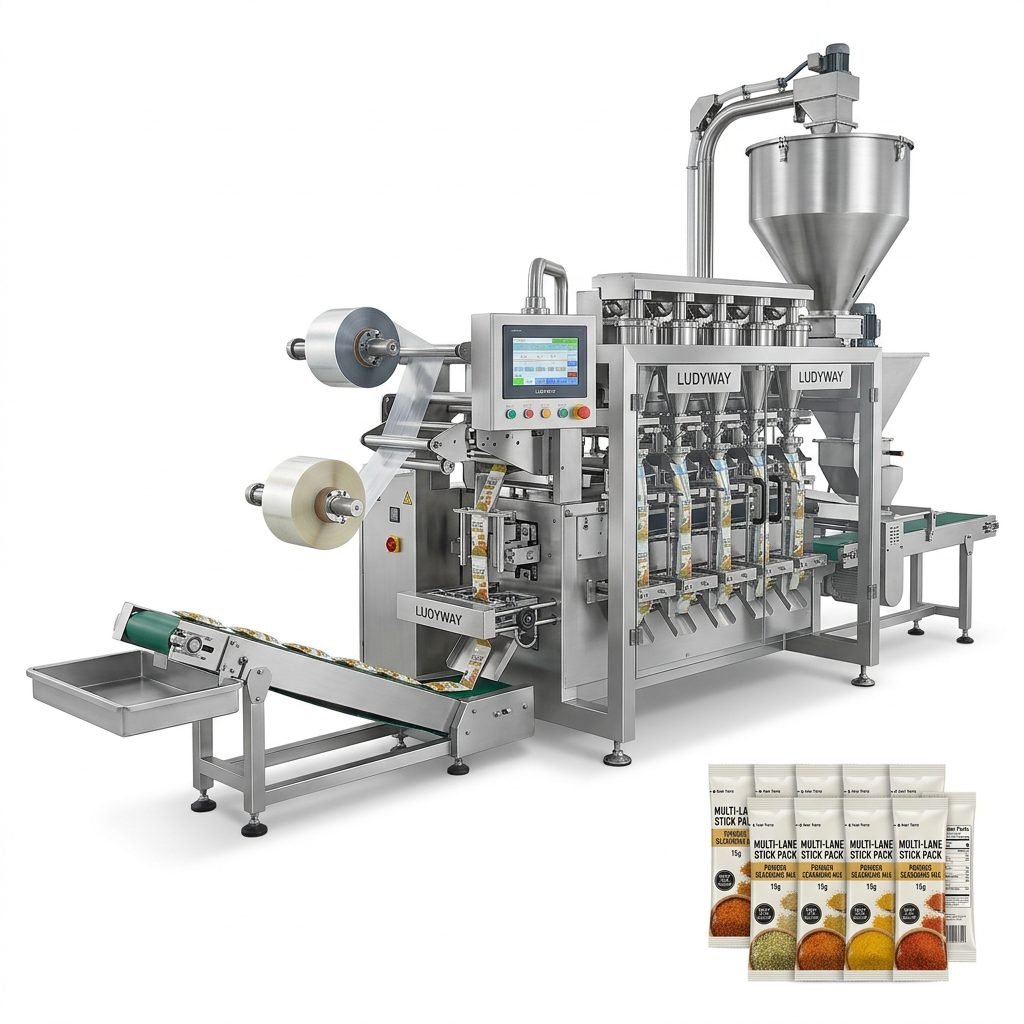
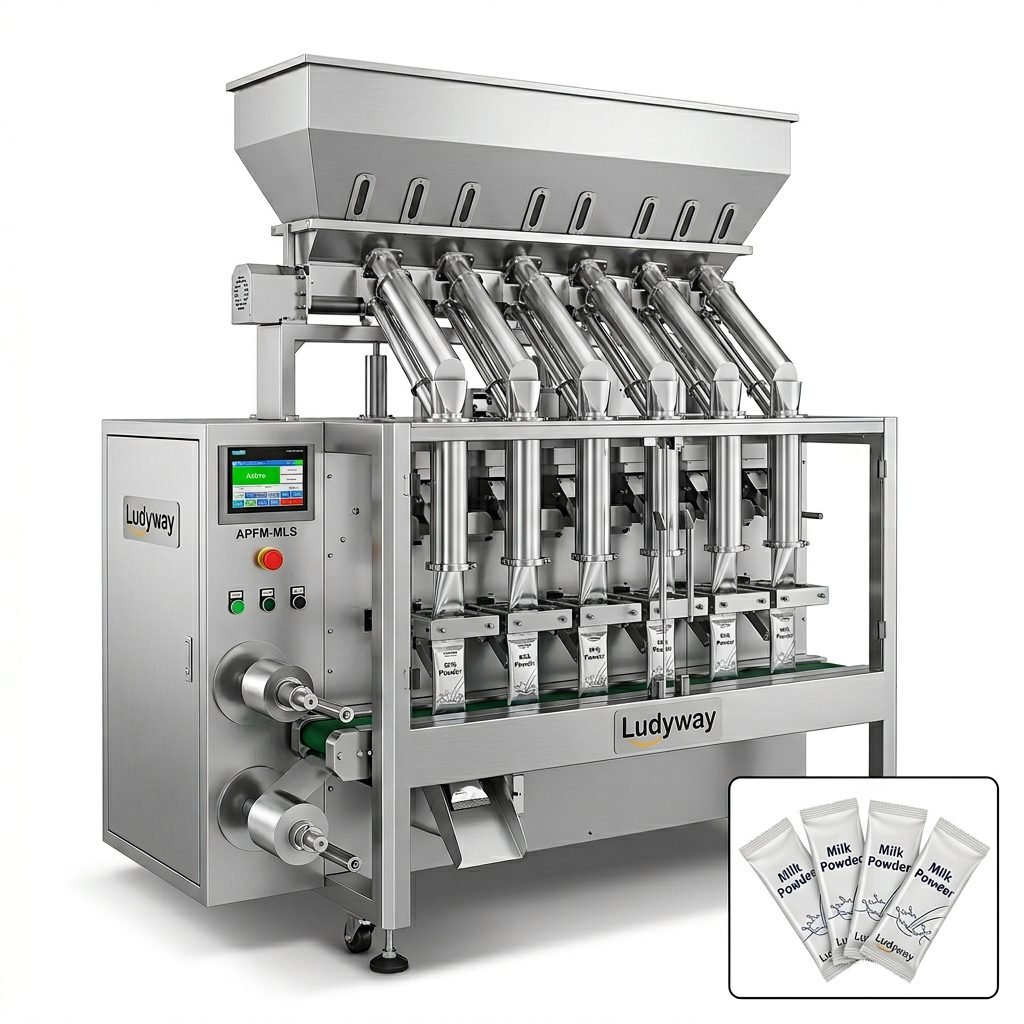
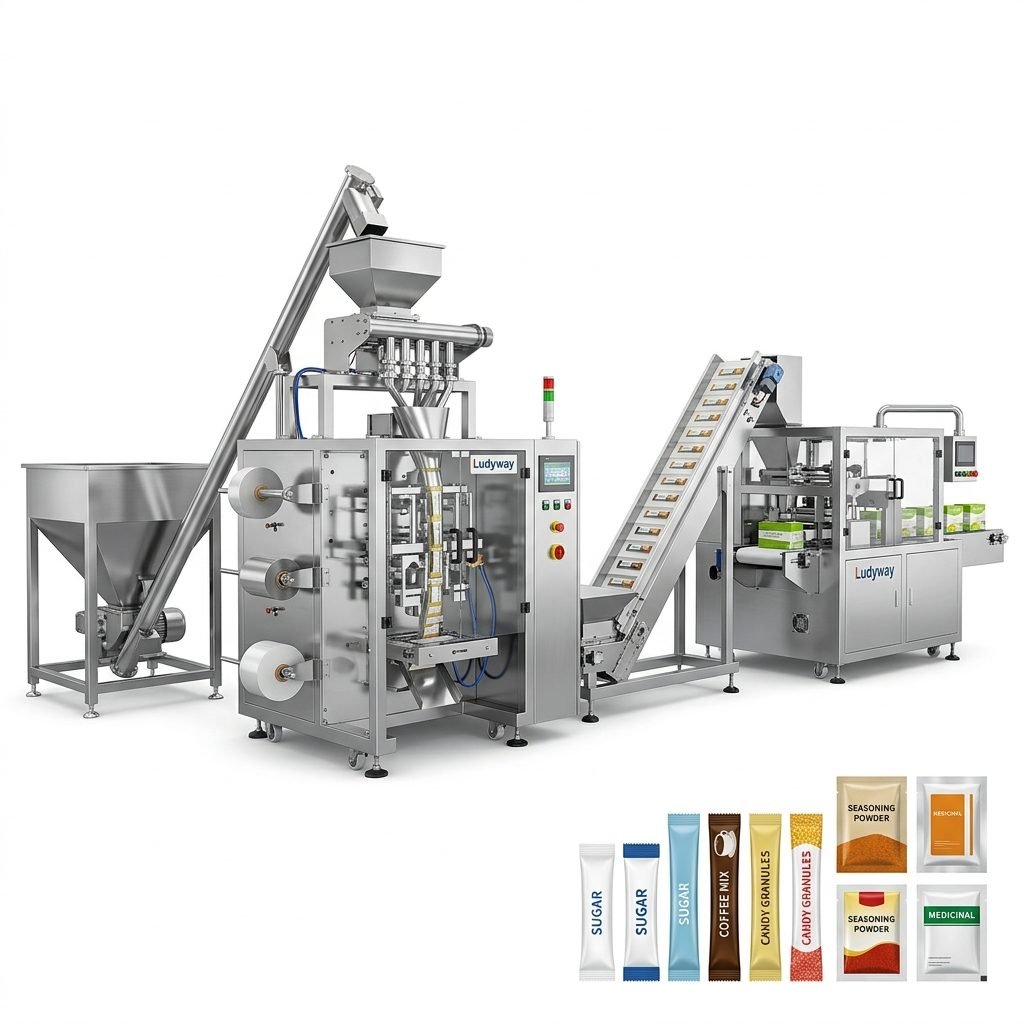
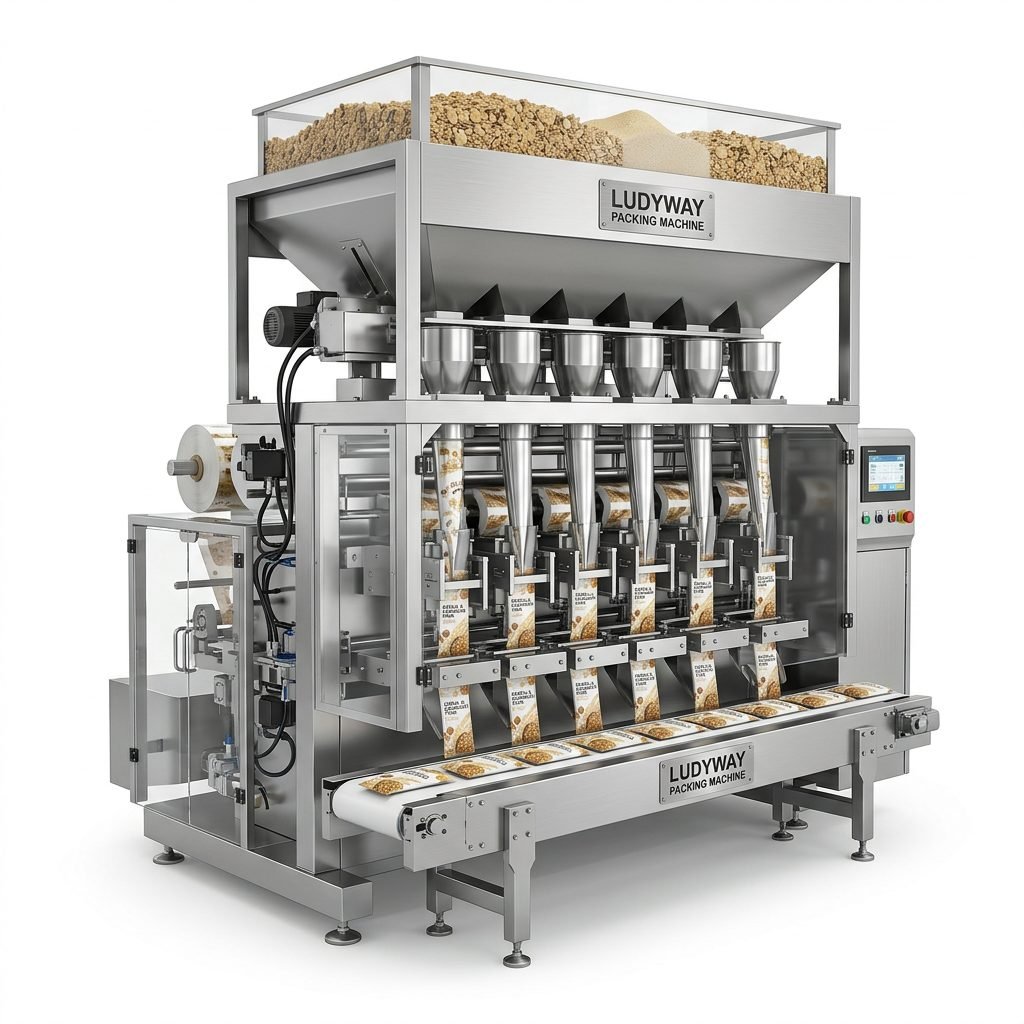
Choosing a supplier with experience in European installations significantly reduces project risks. Look for partners who offer CE-certified machinery, provide references from French customers, and can demonstrate responsive after-sales service within Europe. Review the specifications of complete turnkey lines, including multi-lane stick pack and sachet systems, to understand how different configurations match your production requirements.

Future-Proofing Your Candy Packaging Investment
As consumer preferences shift toward portion-controlled packs, sustainable packaging, and smart packaging technologies, your production line should have the flexibility to adapt. Consider equipment that supports:
- Quick changeover between different bar sizes and packaging formats
- Compatibility with bio-based and recyclable film materials
- Integration with Industry 4.0 platforms for data analytics and predictive maintenance
- Scalable modular designs that allow capacity expansion without full line replacement
Frequently Asked Questions
What is the typical lead time for a candy bar packaging line delivered to France?
Lead times generally range from 12 to 20 weeks, depending on the level of customization and the manufacturer’s production schedule. Factor in an additional 4–6 weeks for shipping, customs clearance, and on-site installation.
Do I need specific certifications to operate a packaging line in France?
Yes. The equipment must carry CE certification. Additionally, operators should be trained in food safety standards such as HACCP principles, and the facility must comply with French labor safety regulations.
Can I use the same line for multiple candy bar formats?
Most modern packaging lines are designed for quick format changeovers, typically requiring 15–45 minutes depending on the complexity. Discuss your product range with the supplier during the specification phase to ensure the line can accommodate all your current and planned SKUs.
How do I handle maintenance support for imported equipment?
Select a supplier that offers remote diagnostic capabilities, local service partnerships in Europe, and a comprehensive spare parts catalog. Companies with established experience in global markets can often provide faster response times. For example, Ludyway has a modern 20,000 m² manufacturing facility and serves customers in over 100 countries, providing reliable support for installations worldwide.
For additional guidance on packaging machinery standards, you can explore resources from the Association for Packaging and Processing Technologies (PMMI) and the Flexible Packaging Association, both of which offer valuable industry research and technical documentation.