The demand for ice packaging machine solutions is surging across Southeast Asia, driven by rapid urbanization, expanding cold chain logistics, and the flourishing food and beverage sector. Countries such as Thailand, Vietnam, Indonesia, and the Philippines are witnessing unprecedented growth in the packaged ice market, fueled by rising consumer incomes and the proliferation of convenience stores and quick-service restaurants. Establishing an ice packaging machine production line in this dynamic region requires careful planning, an understanding of local market conditions, and the selection of high-quality packaging equipment that meets international standards.
Understanding the Ice Packaging Market in Southeast Asia
Southeast Asia’s tropical climate creates consistent year-round demand for packaged ice, making it one of the most attractive markets globally for ice producers. The region’s ice market encompasses multiple segments including industrial ice for fisheries, commercial ice for restaurants and catering, and consumer ice products sold through retail channels. According to industry data from the PMMI Business Intelligence reports, the Asia-Pacific packaging machinery market is experiencing double-digit growth, with food and beverage applications leading the expansion. Key market drivers include:
- Rapid expansion of modern retail infrastructure including supermarkets and convenience stores
- Growing seafood processing industry requiring large quantities of packaged ice
- Increasing consumer preference for hygienically packaged ice products
- Government investments in cold chain development across ASEAN countries
- Rising tourism and hospitality sectors demanding premium ice solutions
Key Components of an Ice Packaging Machine Production Line
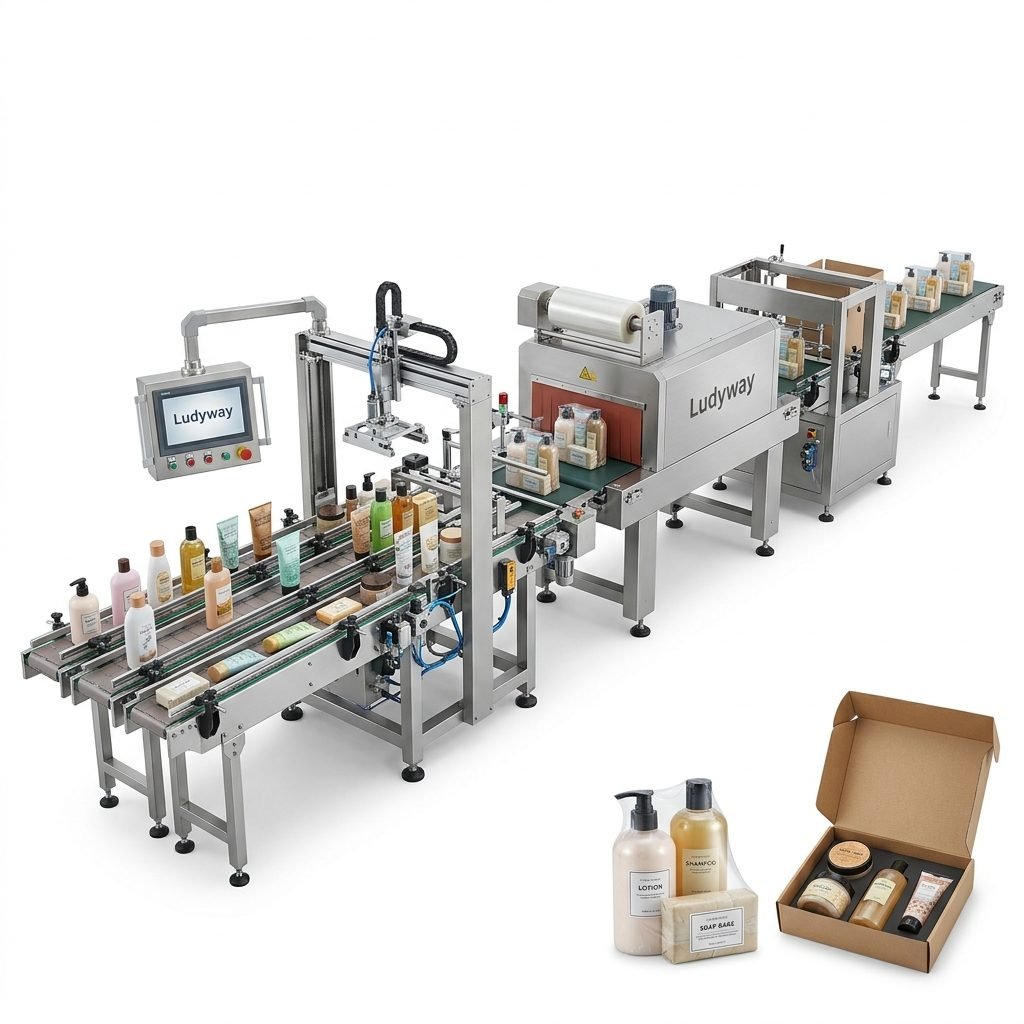
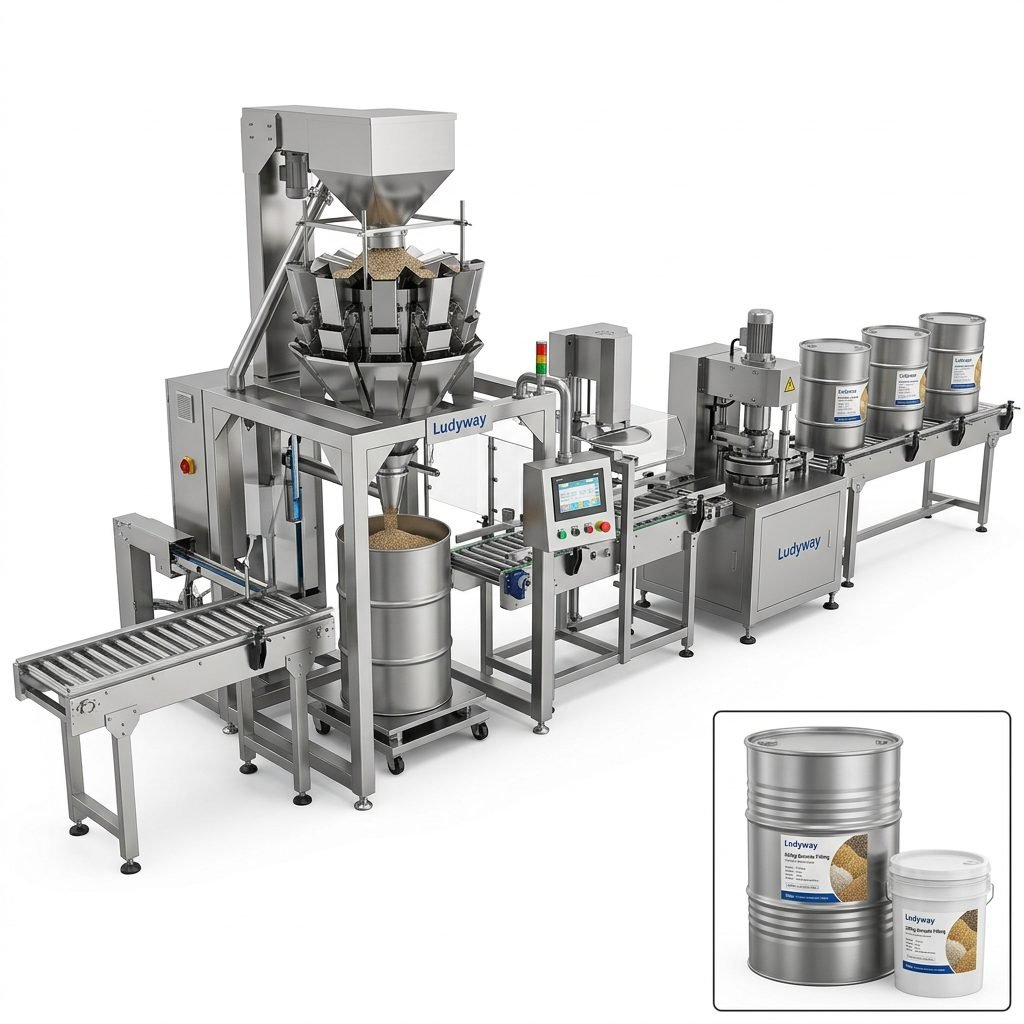
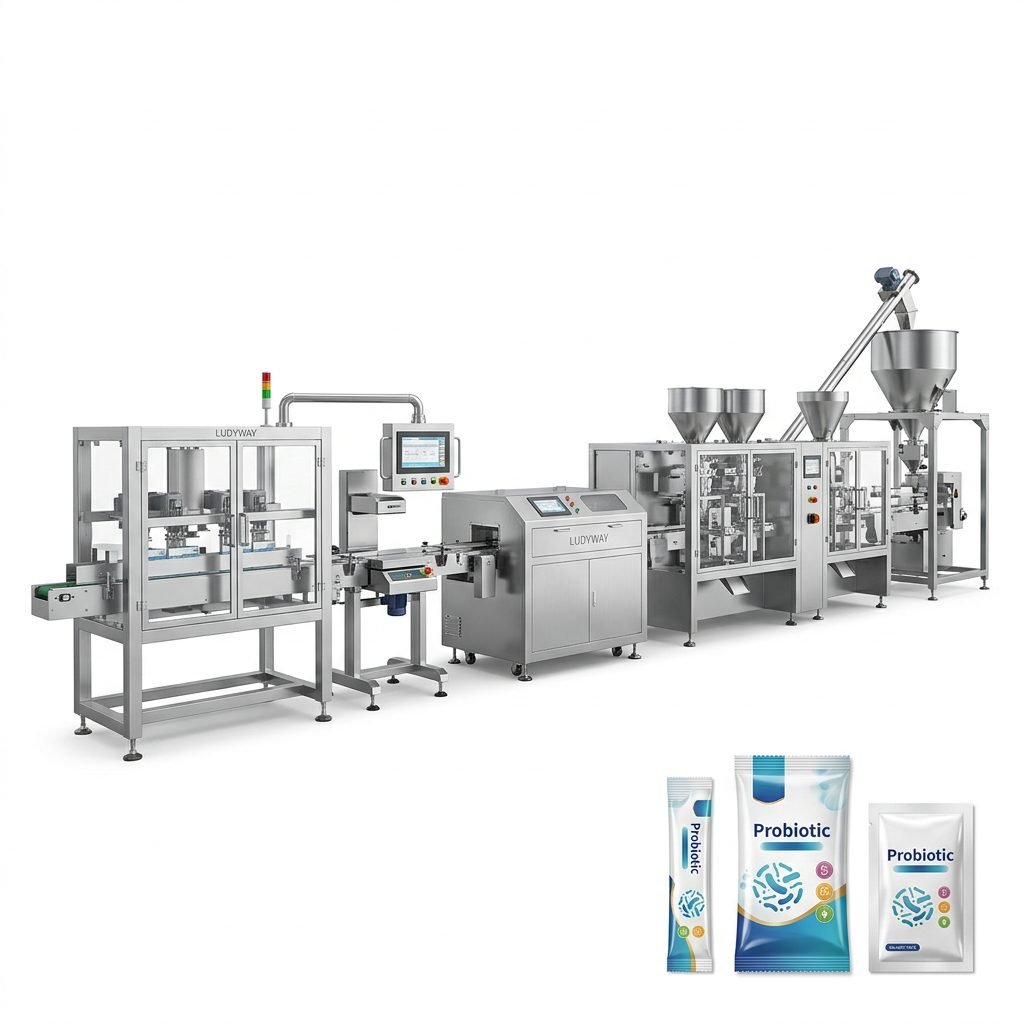
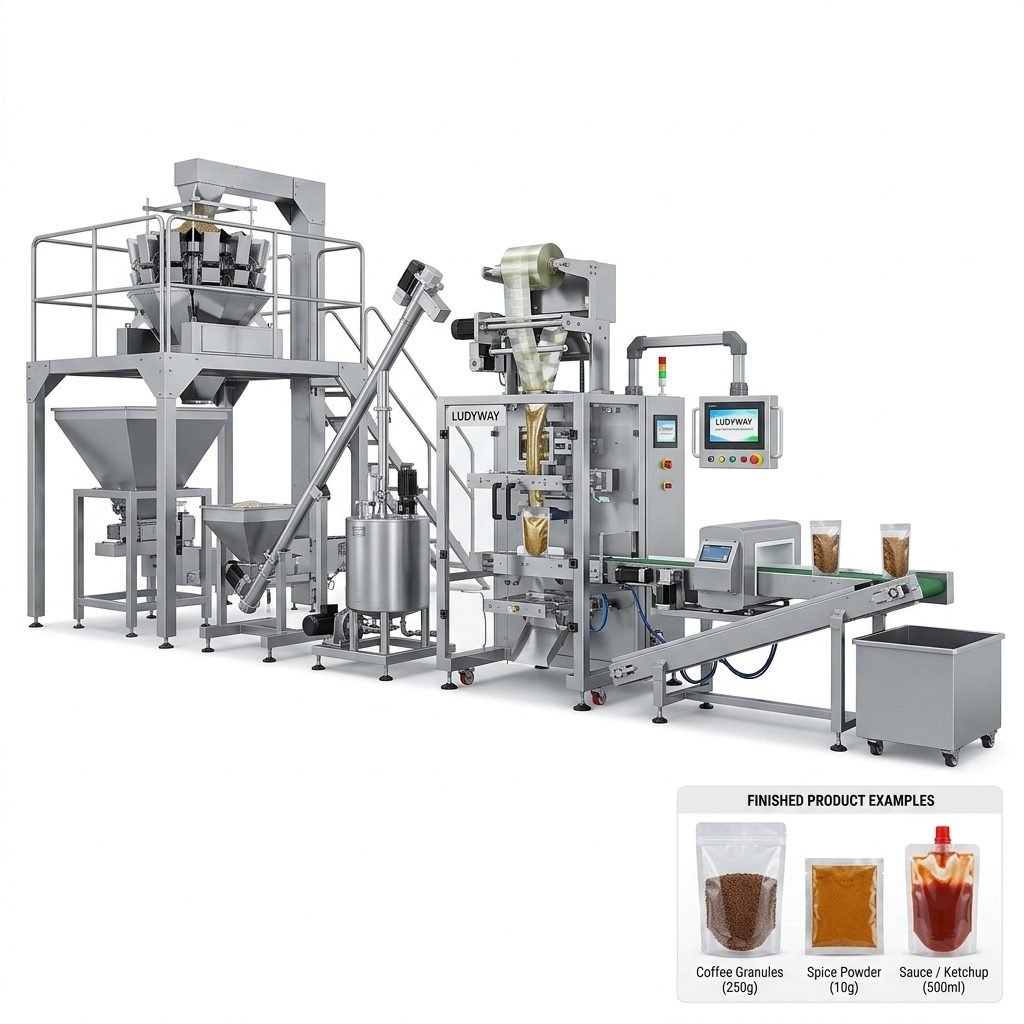
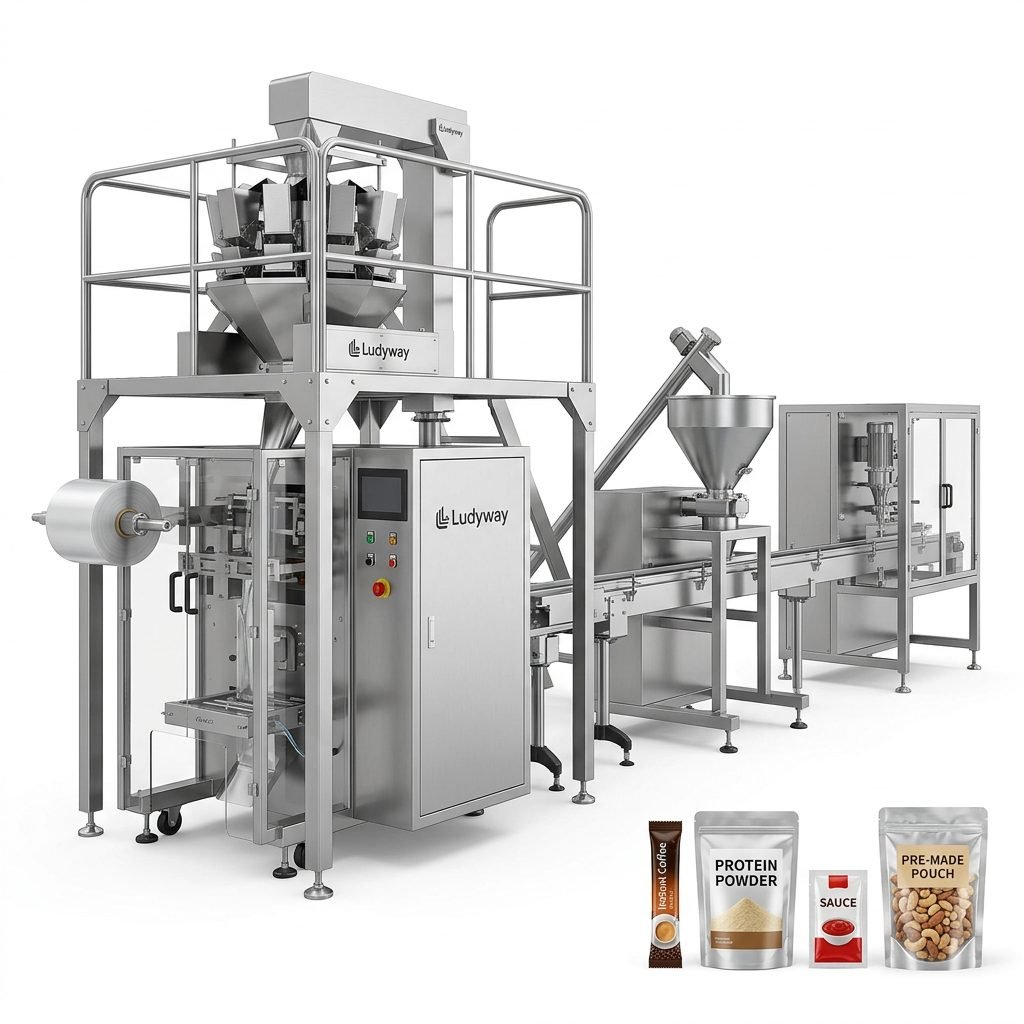
A complete ice packaging machine production line integrates multiple interconnected systems to deliver efficient, hygienic, and high-speed packaging operations. Understanding each component is essential when setting up your facility. The flexible packaging industry offers various configurations suited to different production scales and ice product types.
Ice Crushing and Sizing Equipment
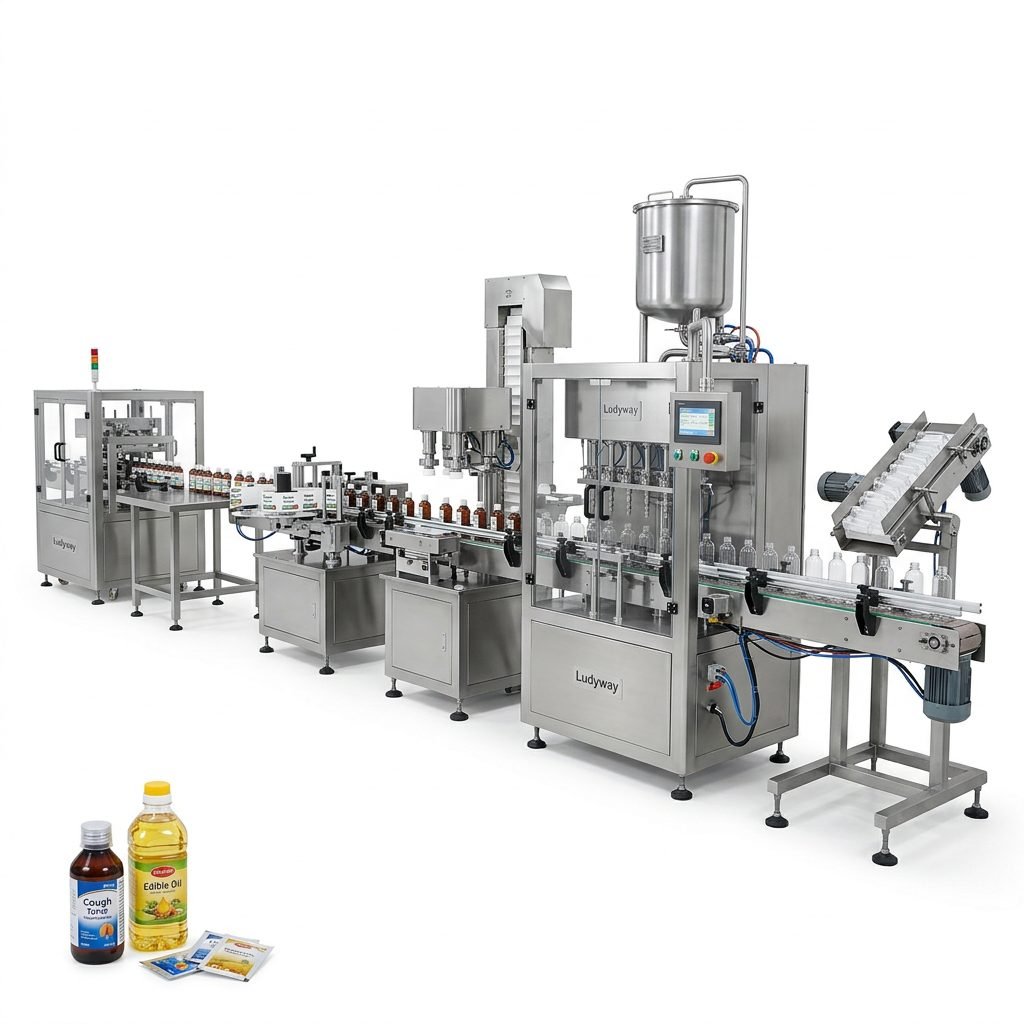
Before packaging, ice must be processed into the desired form factor—whether cubes, crushed, tubes, or blocks. Sizing and crushing machinery ensures uniformity of the ice product, which is critical for consistent filling and sealing operations downstream. The equipment should be constructed from food-grade stainless steel to comply with hygiene regulations.
Automatic Weighing and Filling System
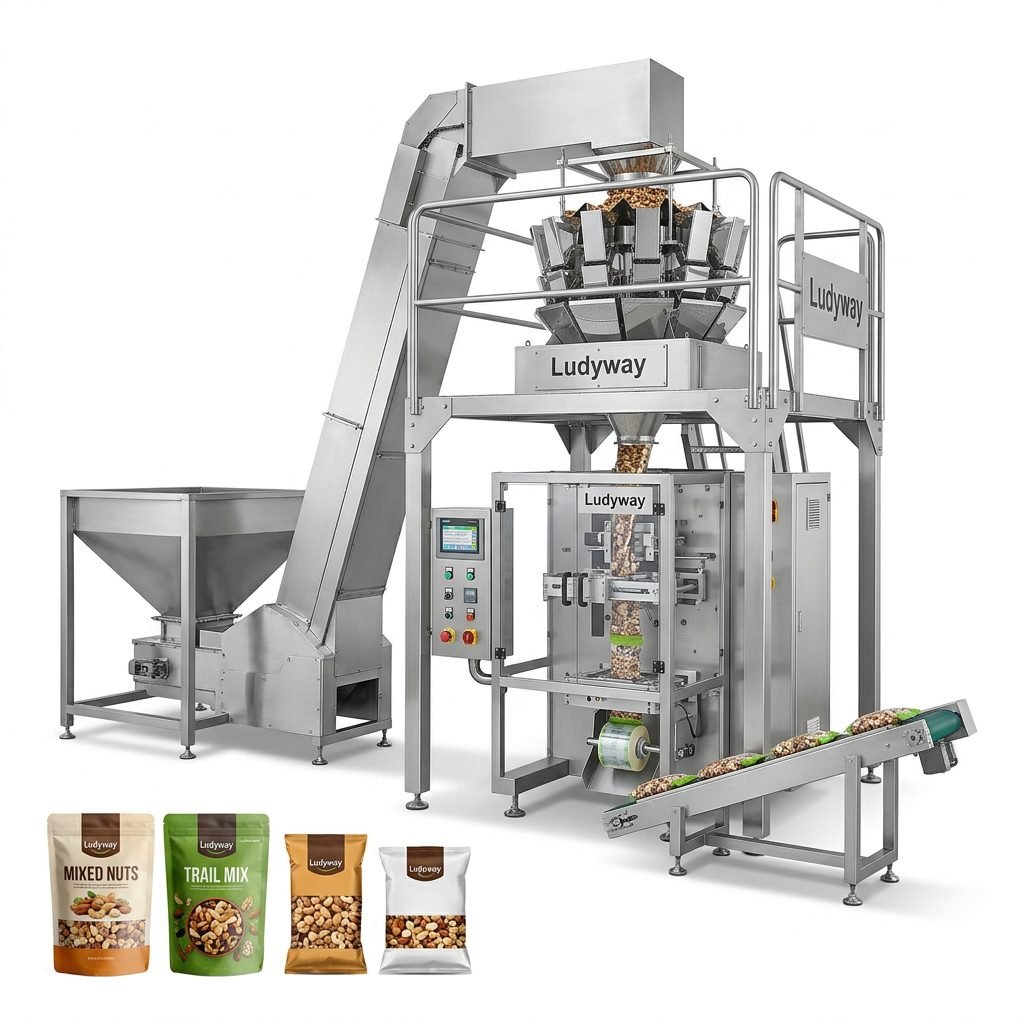
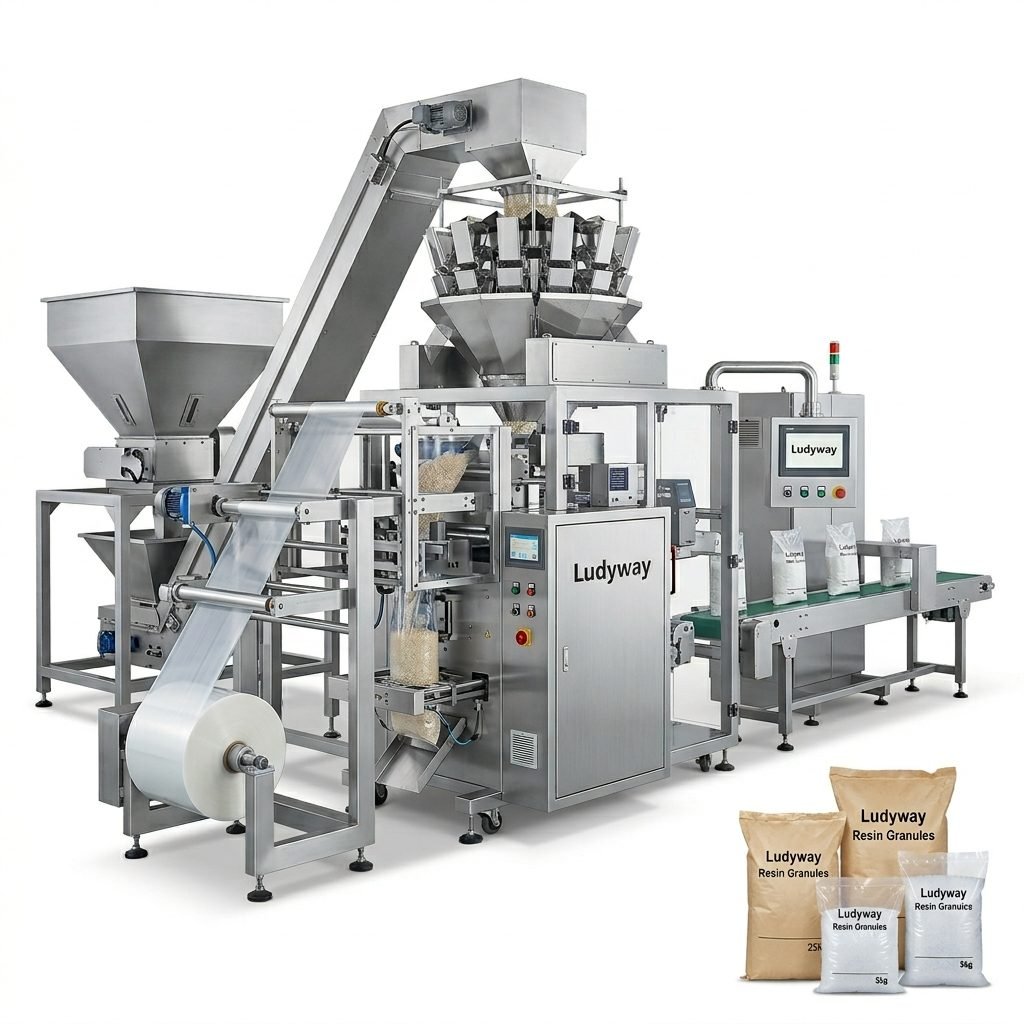
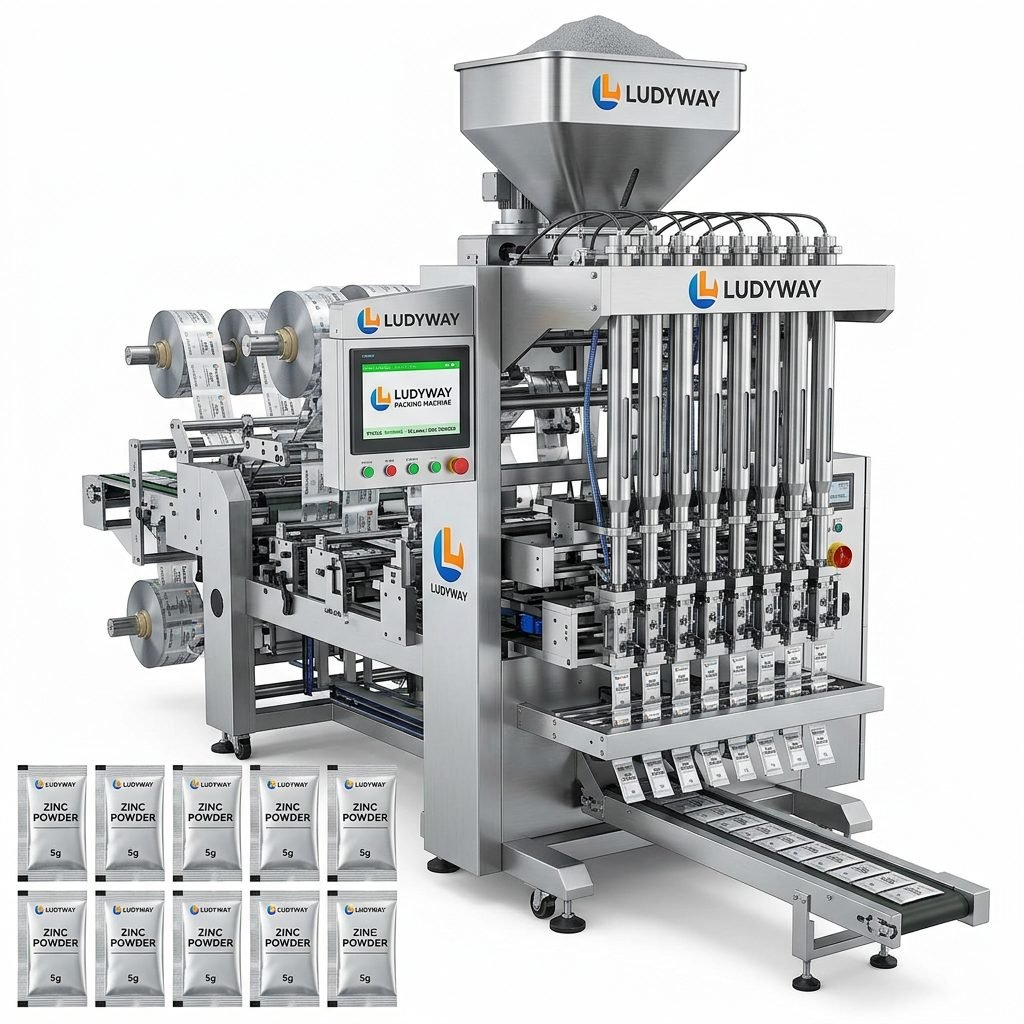
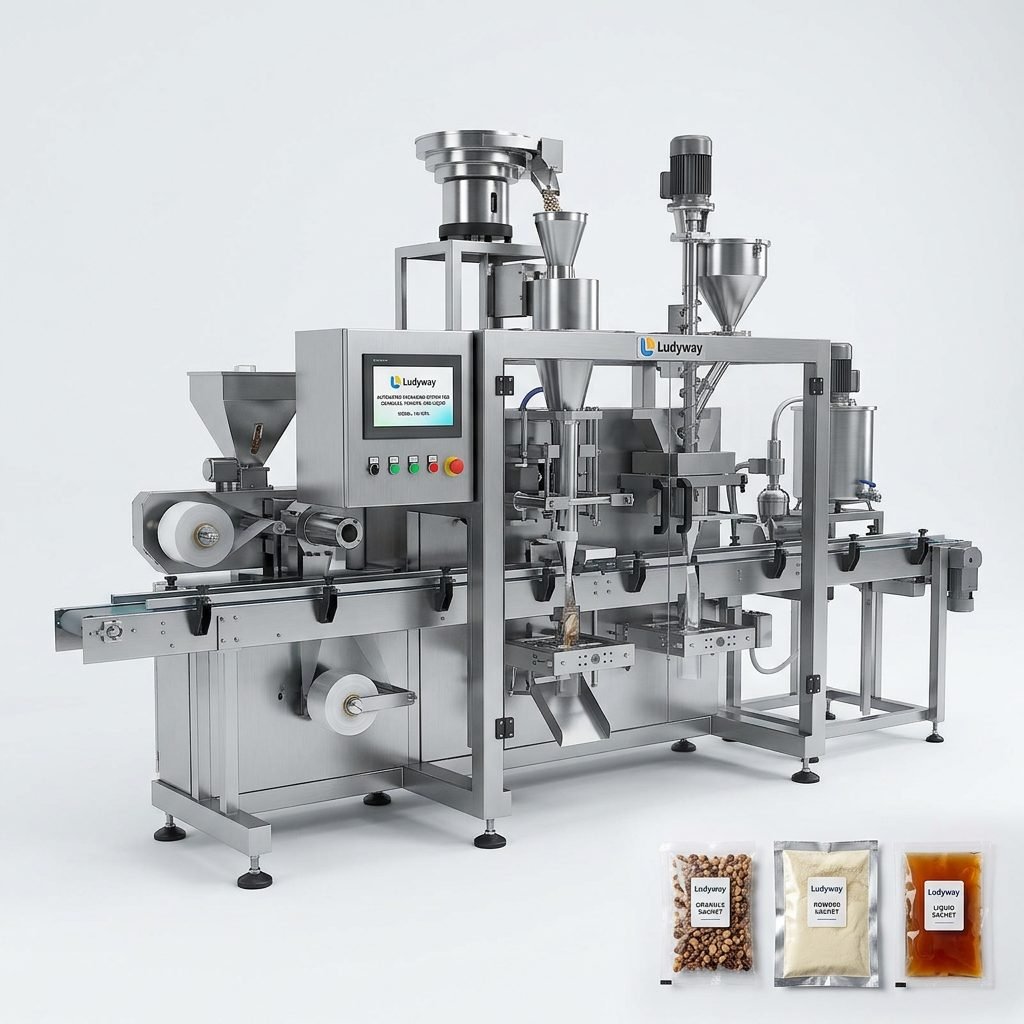
Precision weighing systems are the heart of any modern ice packaging line. Multi-head weighers and volumetric filling mechanisms deliver accurate portion control, minimizing product giveaway while maintaining throughput speeds of up to 60 bags per minute or more. Integration with the packaging machine’s control system ensures seamless operation and real-time weight monitoring.
Bagging and Sealing Unit
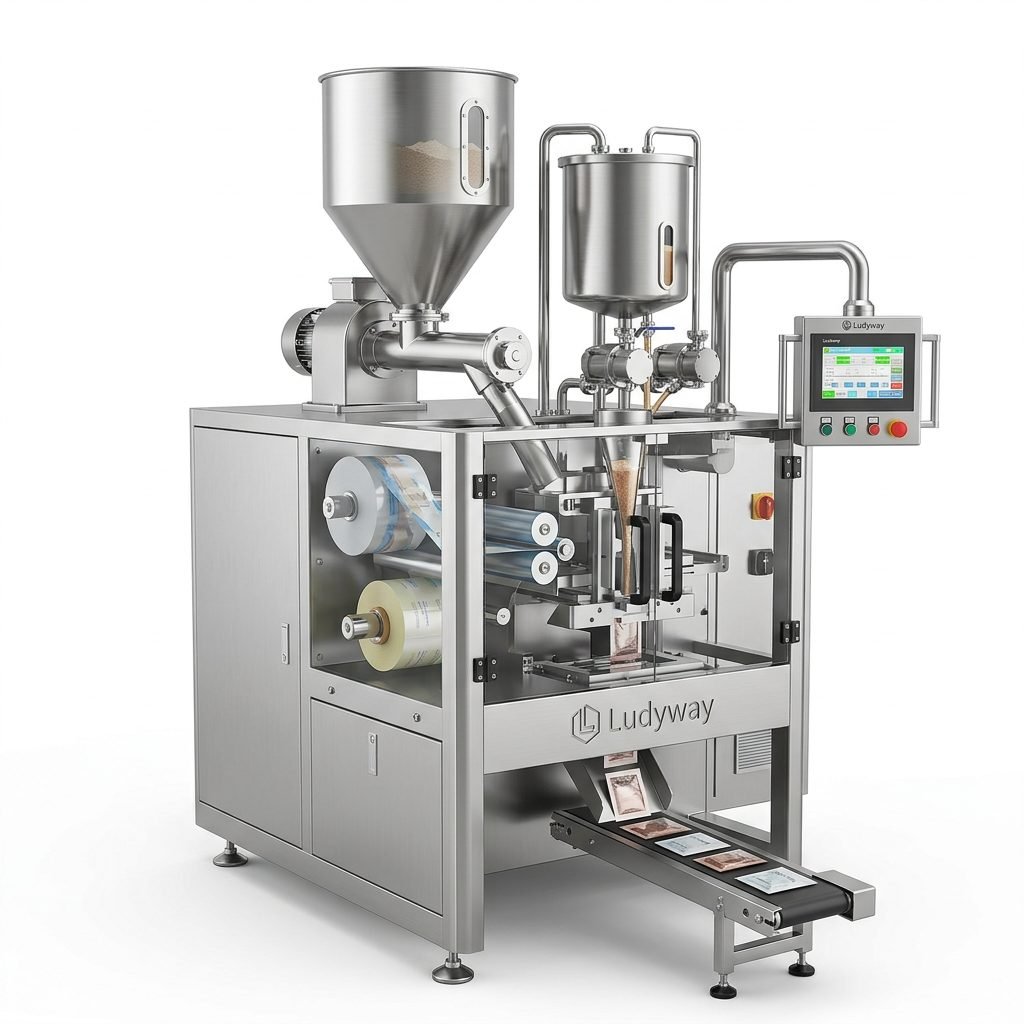
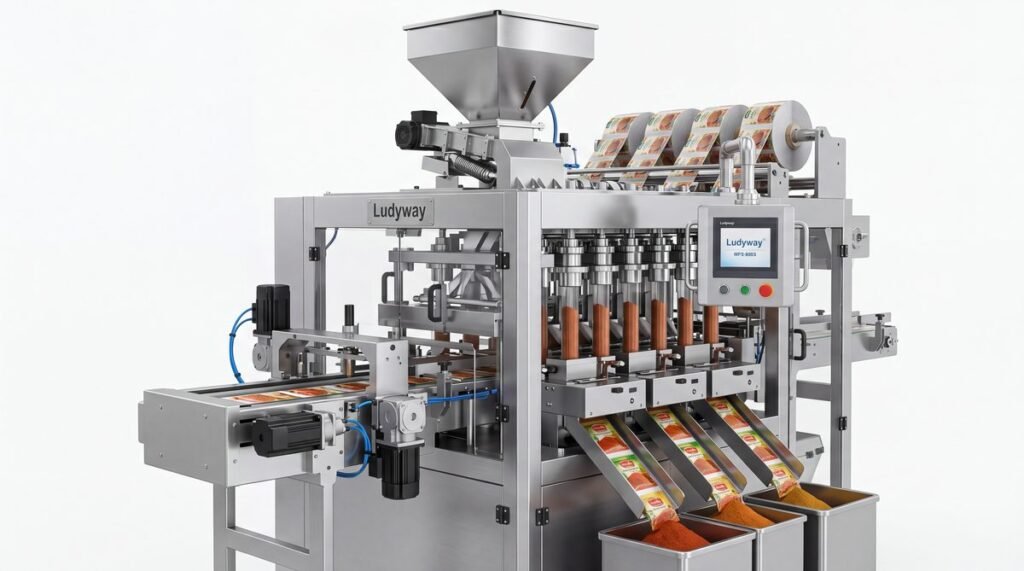
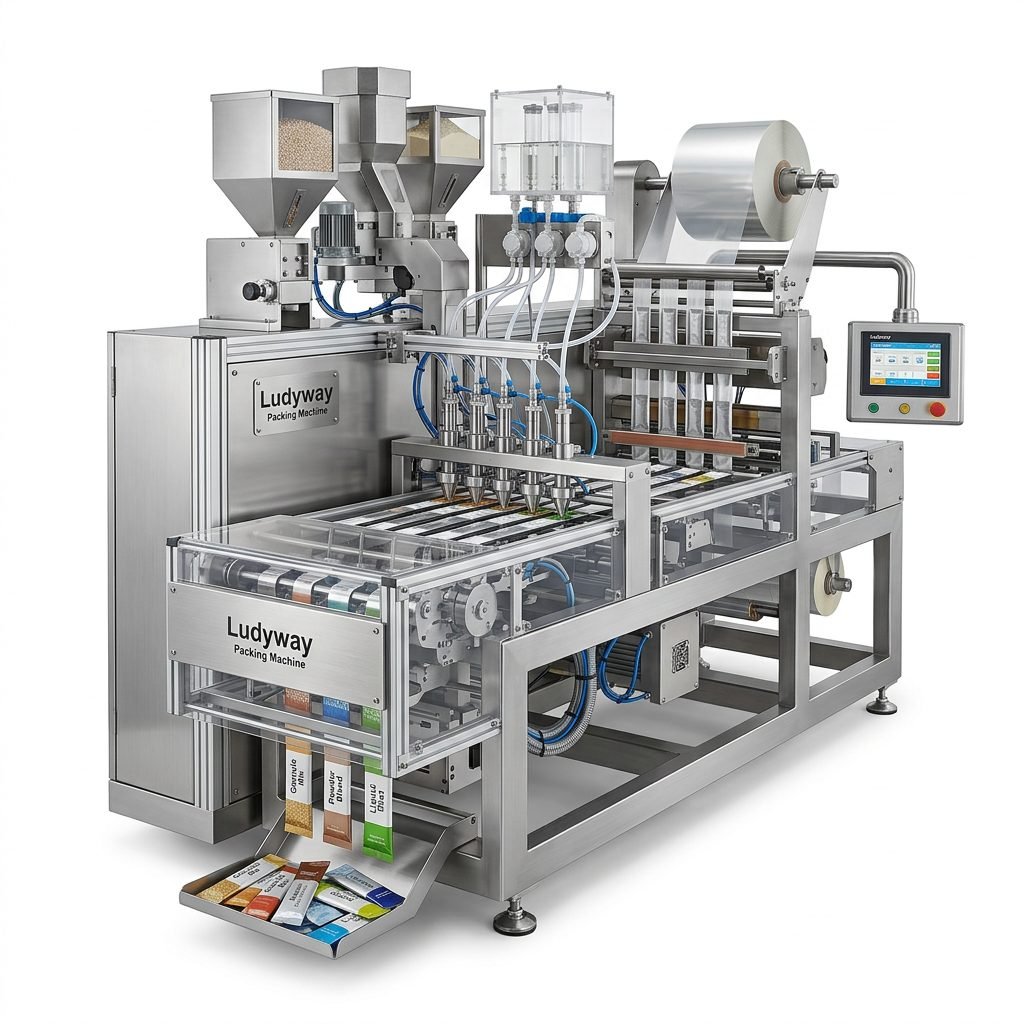
The primary packaging machine forms, fills, and seals bags at high speed. For ice products, vertical form-fill-seal machines and pre-made pouch systems are the most common configurations. The sealing technology must be robust enough to handle moisture and cold temperatures without compromising seal integrity. Food-grade packaging materials that are moisture-resistant and durable are essential for maintaining product quality throughout the distribution chain.
Coding, Labeling, and Inspection Equipment
Regulatory compliance across Southeast Asian markets requires clear batch coding and date marking on every package. Inkjet printers, thermal transfer coders, and laser marking systems provide permanent, legible codes. Metal detectors and checkweighers add critical quality control layers, protecting both consumers and brand reputation.
Palletizing and End-of-Line Automation
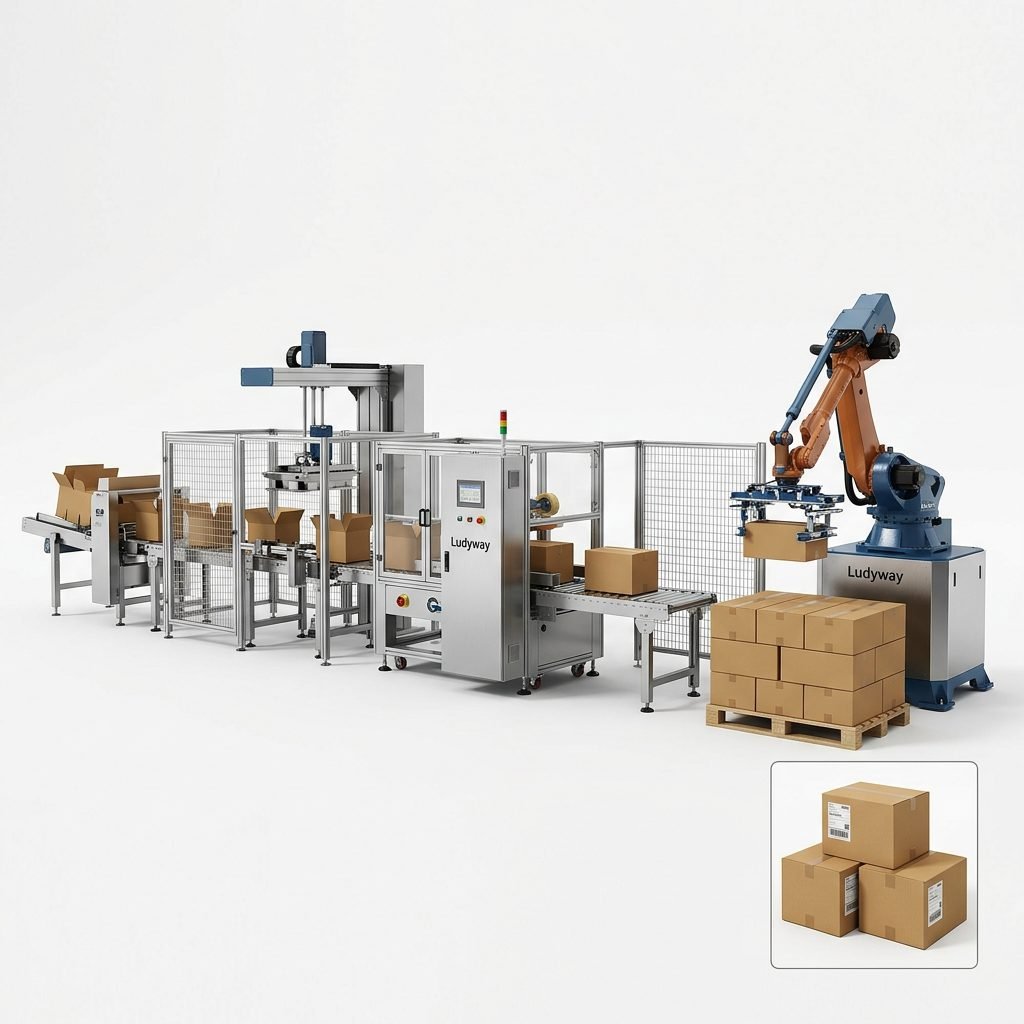
Automated palletizing systems, stretch wrappers, and carton erectors complete the production line. These technologies reduce labor costs, improve warehouse efficiency, and ensure that packaged ice products are palletized securely for transportation across the region’s diverse logistics networks.
Step-by-Step Guide to Setting Up Your Ice Packaging Line
The process of establishing an ice packaging machine production line in Southeast Asia involves several critical phases. Following a structured approach helps avoid costly delays and ensures operational readiness from day one. Here is a practical roadmap:
- Market Research and Feasibility Analysis — Assess local demand, competitor landscape, and pricing dynamics in your target country. Consider factors like electricity reliability and water quality.
- Site Selection and Facility Planning — Choose a location with proximity to target customers and reliable utilities. Design the facility layout to optimize material flow and comply with ISO packaging standards.
- Equipment Specification and Procurement — Define production capacity requirements and select machinery that matches your output goals. Consider future expansion when specifying line speed and automation levels.
- Installation and Commissioning — Work with experienced engineers for proper installation. Comprehensive testing and operator training are essential before full-scale production begins.
- Regulatory Compliance and Certification — Obtain necessary permits from local health authorities and food safety agencies. Packaging facilities must meet HACCP and GMP requirements in most Southeast Asian jurisdictions.
- Ongoing Maintenance and Optimization — Establish preventive maintenance schedules and keep critical spare parts inventory. Continuous improvement drives long-term profitability.
Regulatory Landscape Across Southeast Asia
Each country in the region maintains its own regulatory framework for packaged ice products. Understanding these requirements is non-negotiable for market entry. The following table summarizes key regulatory considerations for major Southeast Asian markets:
| Country | Key Regulatory Body | Critical Requirements |
|---|---|---|
| Thailand | Thai FDA | GMP certification, labeling in Thai language |
| Vietnam | VFA (Vietnam Food Administration) | Food safety certificate, facility inspection |
| Indonesia | BPOM (National Agency of Drug and Food Control) | Halal certification, BPOM registration |
| Philippines | Philippine FDA | License to Operate, product registration |
| Malaysia | MOH (Ministry of Health) | MeSTI certification, labeling compliance |
Selecting the Right Equipment Supplier
Choosing a reliable packaging machinery manufacturer is one of the most consequential decisions when setting up your ice packaging line. Key evaluation criteria should include the supplier’s track record in cold product packaging, availability of after-sales support in Southeast Asia, and the ability to provide turnkey solutions that integrate all line components. Leading manufacturers such as Ludyway, one of China’s largest packaging machine manufacturers with over 30 years of industry expertise and a modern 20,000㎡ production facility, offer comprehensive equipment ranges including multi-lane systems, automated filling, and complete packaging lines. For more detailed guidance on packaging machinery selection, refer to resources available through the PMMI packaging industry resources portal.
Maintenance Strategies for Tropical Climates
Operating an ice packaging machine production line in Southeast Asia’s hot and humid environment presents unique challenges. Condensation, corrosion, and accelerated wear on mechanical components require proactive maintenance strategies. Essential practices include:
- Implementation of daily cleaning protocols to prevent mold and bacterial growth
- Regular lubrication schedules using food-grade lubricants rated for humid conditions
- Quarterly inspection of electrical systems for moisture ingress
- Maintaining an adequate inventory of critical spare parts locally to minimize downtime
- Annual comprehensive equipment overhaul by qualified technicians
Energy Efficiency and Sustainability Considerations
Energy costs represent a significant portion of operational expenses for ice production and packaging facilities. Modern high-efficiency packaging machines incorporate servo-driven motors, intelligent power management systems, and optimized heat-sealing technologies that reduce electricity consumption by up to 30% compared to older equipment. Additionally, selecting packaging materials compatible with the region’s evolving sustainability regulations—as outlined by the Flexible Packaging Association—positions your operation favorably with environmentally conscious consumers and regulators alike.
Investment Considerations and ROI Analysis
The capital investment required for a complete ice packaging production line varies based on automation level, production capacity, and equipment origin. A mid-range semi-automatic line suitable for small to medium enterprises may require an initial investment between USD 80,000 and 200,000, while fully automated high-speed lines can range from USD 300,000 to over 1 million. Key factors affecting return on investment include:
- Production throughput — Higher speeds translate to greater revenue potential per shift
- Labor cost savings through automation in markets with rising minimum wages
- Reduced product waste from precision filling systems
- Extended equipment lifespan through proper maintenance and tropical climate adaptation
- Access to premium market segments demanding consistently high-quality packaging
Future Trends Shaping the Ice Packaging Industry
The Southeast Asian ice packaging sector is evolving rapidly. Several trends are reshaping the competitive landscape and creating opportunities for forward-thinking operators. Smart factory integration with IoT-enabled packaging machines allows real-time production monitoring and predictive maintenance. The shift toward sustainable packaging materials, including biodegradable films and recycled content, is accelerating across the region. E-commerce and direct-to-consumer models are also emerging, requiring innovative packaging formats that maintain ice integrity during last-mile delivery. The 2025 State of the Industry report highlights how these trends are transforming packaging operations globally, with particular relevance to emerging Asian markets.
Setting up an ice packaging machine production line in Southeast Asia represents a compelling business opportunity for companies prepared to invest in quality equipment, understand local regulatory requirements, and implement robust operational practices. With the right planning and technology partners, your ice packaging operation can achieve rapid market penetration and sustainable long-term growth in this vibrant and expanding region.