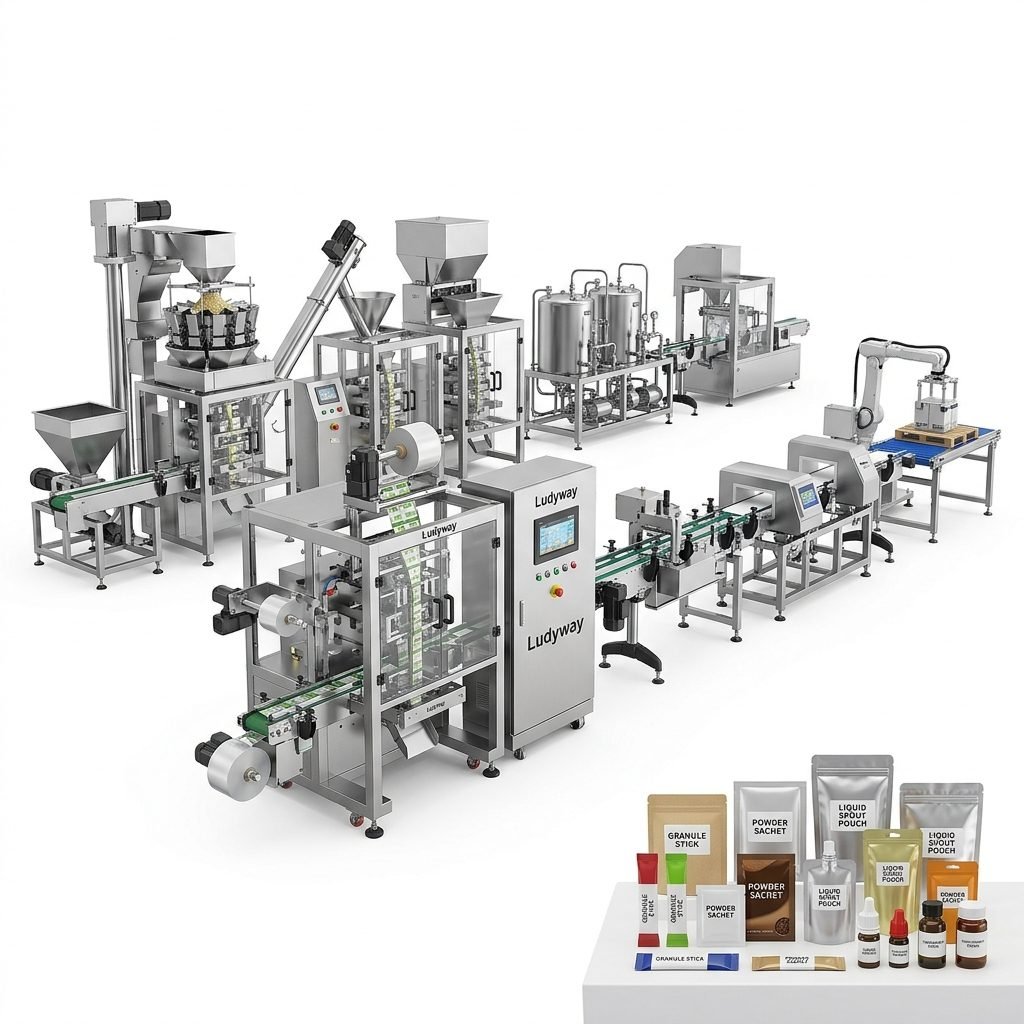
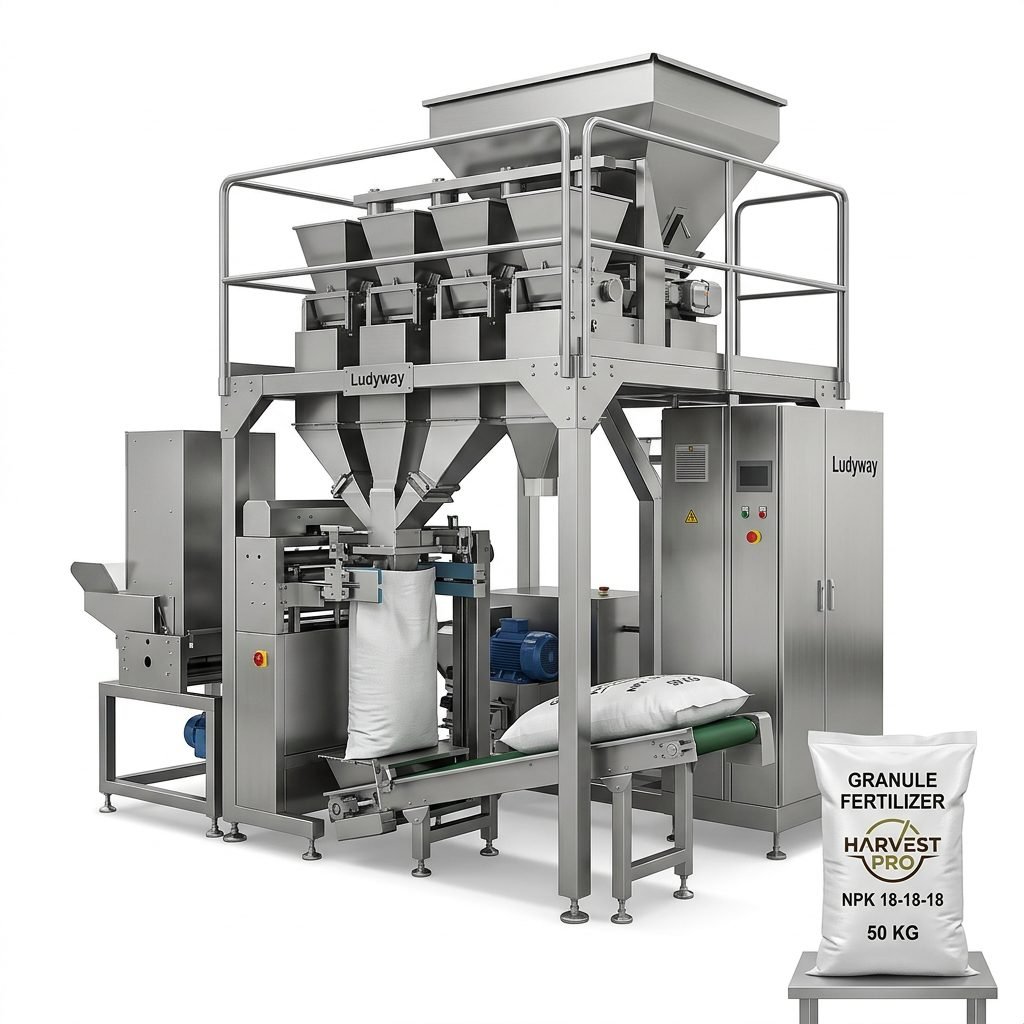
Setting up a candy packaging machine production line is a critical investment for confectionery manufacturers aiming to scale output, ensure product freshness, and meet retail compliance standards. A well-planned line integrates high-speed filling, sealing, and inspection systems to handle various candy formats—from hard candies and gummies to chocolate-coated pieces and pressed tablets. This guide walks you through the essential steps, from initial planning to full-scale operation, helping you avoid common pitfalls and build a line that delivers consistent, hygienic, and efficient packaging results.
Understanding the Candy Packaging Landscape
Modern candy packaging goes far beyond simple wrapping. Today’s lines must accommodate multi-lane stick packs, sachets, pillow bags, and stand-up pouches, often with nitrogen flushing for extended shelf life. Key factors influencing your setup include product fragility, shape uniformity, required output speed, and the type of barrier film needed. Whether you are packaging individually wrapped pieces or flow-wrapped bars, the principles of line design remain consistent: material feeding, dosing, forming, sealing, coding, and secondary packaging must work in harmony.

Step 1: Assessing Your Production Requirements
Before selecting any machinery, you must define your production goals clearly. Consider the following critical parameters:
- Product type and characteristics: Hard candies, soft chews, coated chocolates, or pressed tablets—each requires specific feeding and handling mechanisms to prevent breakage and sticking.
- Target output per minute: Small-scale operations may need 30–60 packs per minute, while large manufacturers often require 200–400 packs per minute per lane using multi-lane technology.
- Packaging format: Stick packs, three-side-seal sachets, four-side-seal pouches, or gusseted bags—your choice affects the type of vertical form fill seal (VFFS) machine needed.
- Film material and print requirements: Metallized films for moisture barrier, registered printed film for branding, or clear films for visibility—all influence sealing parameters and tension control.
Step 2: Choosing the Right Candy Packaging Machinery
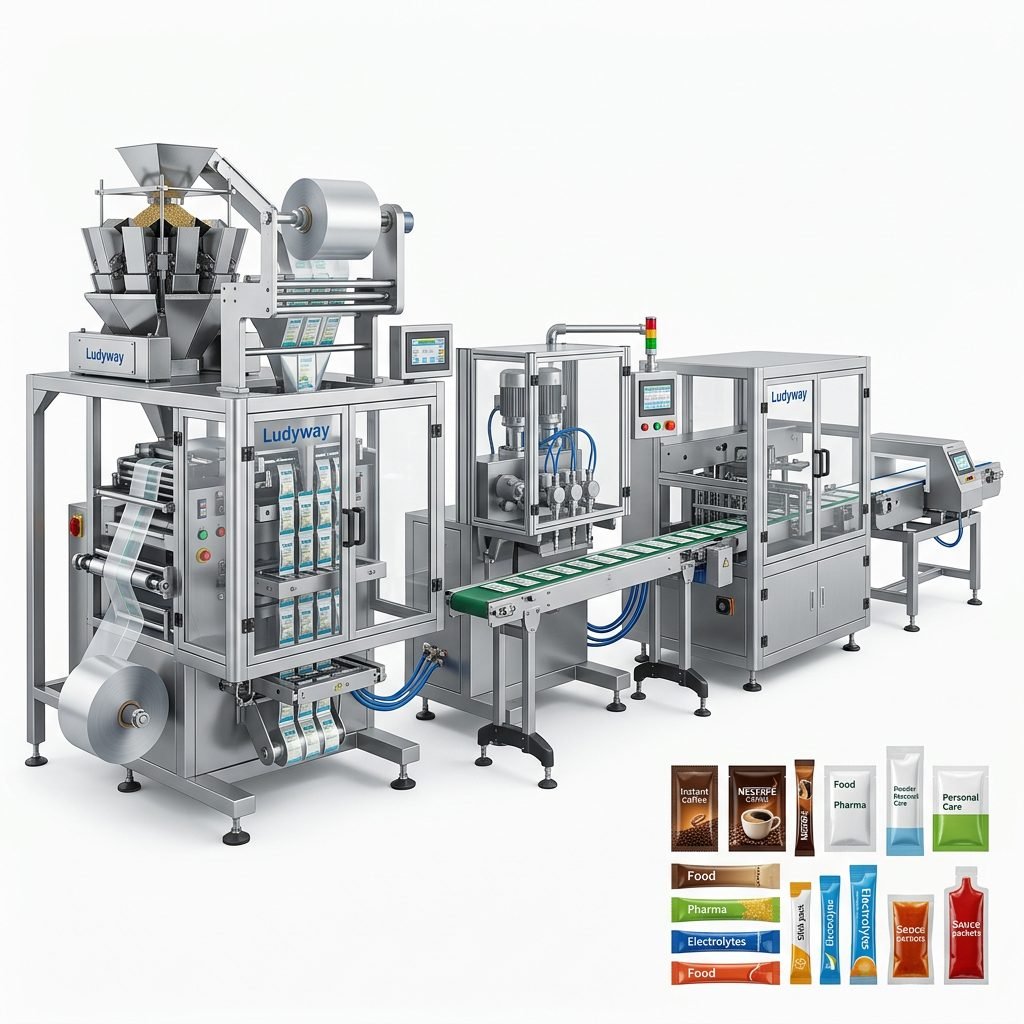
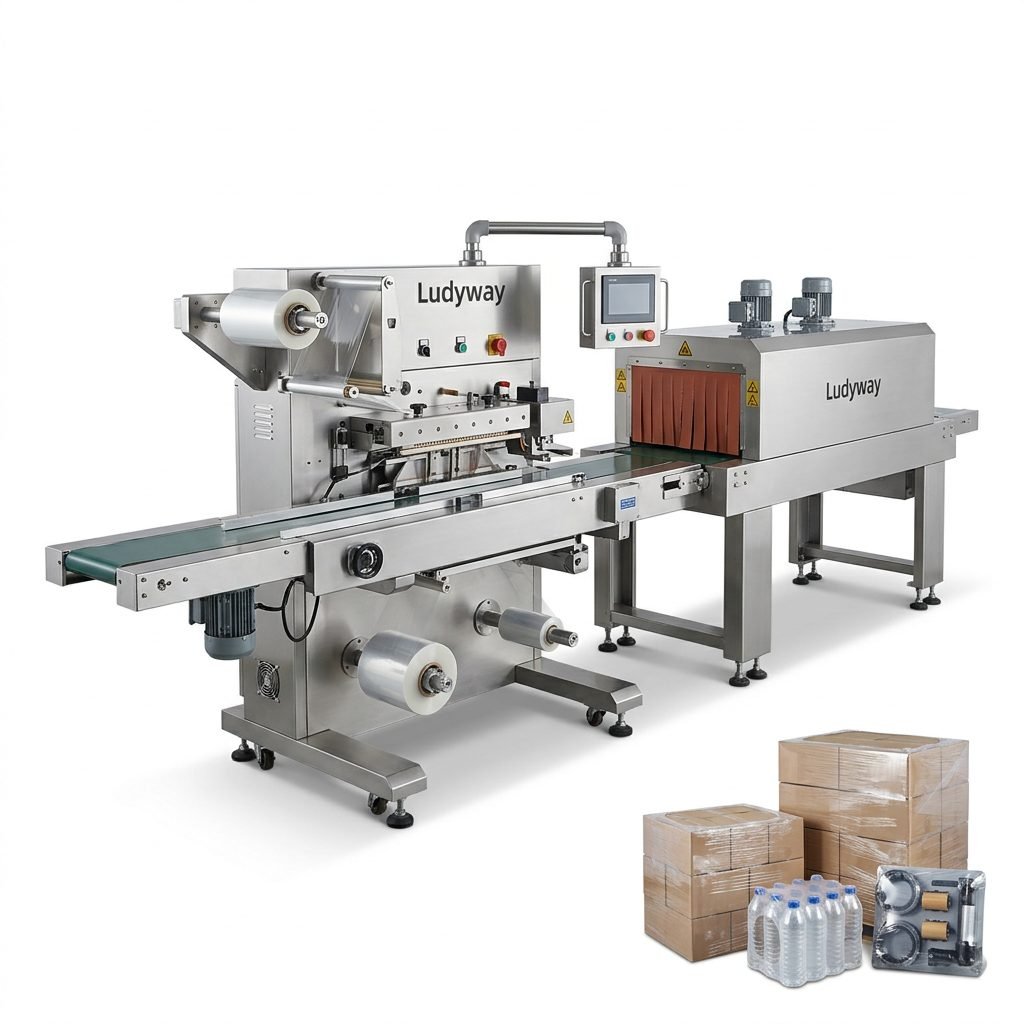
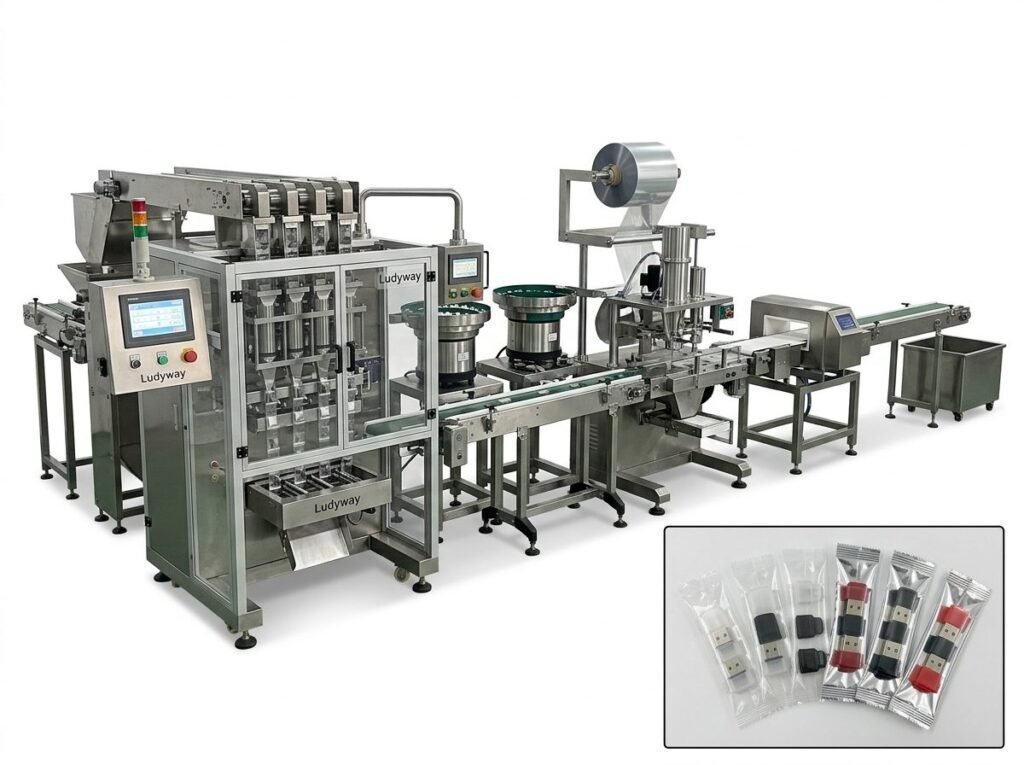
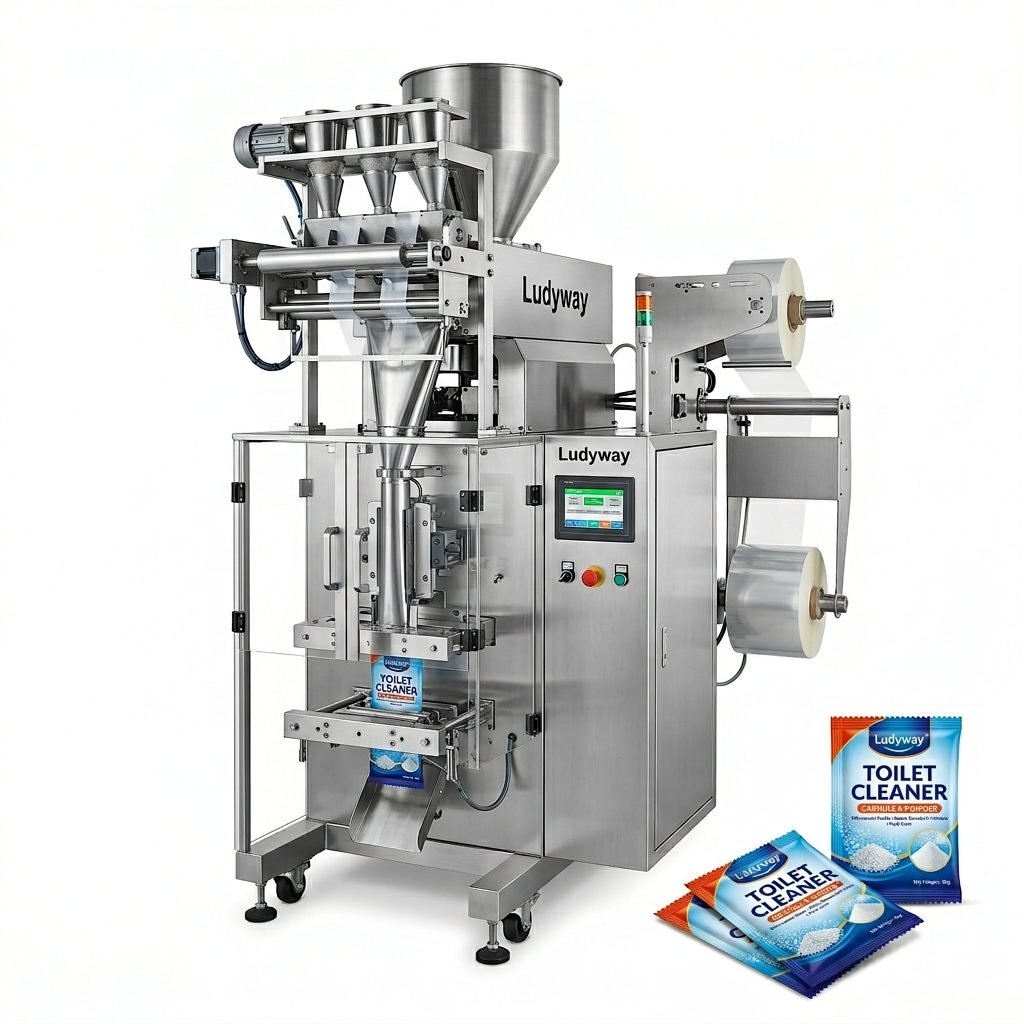
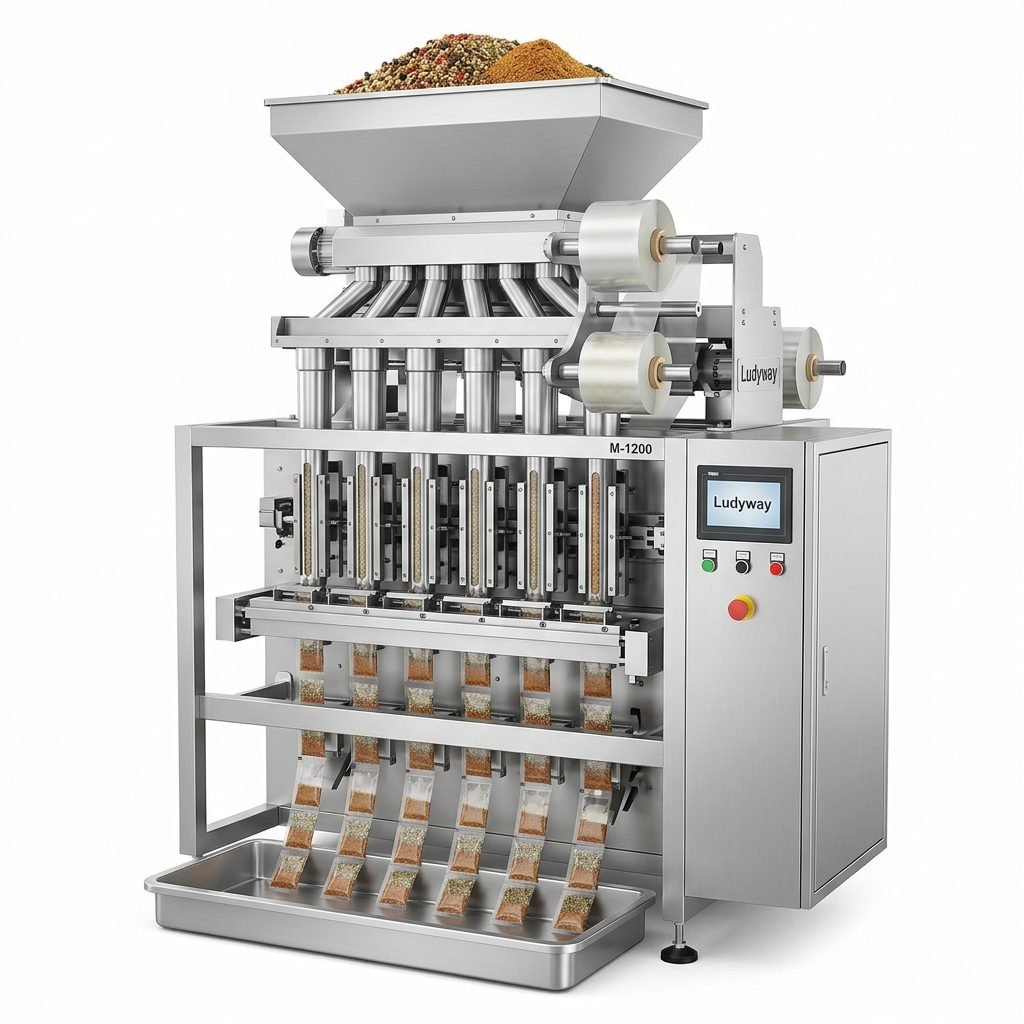
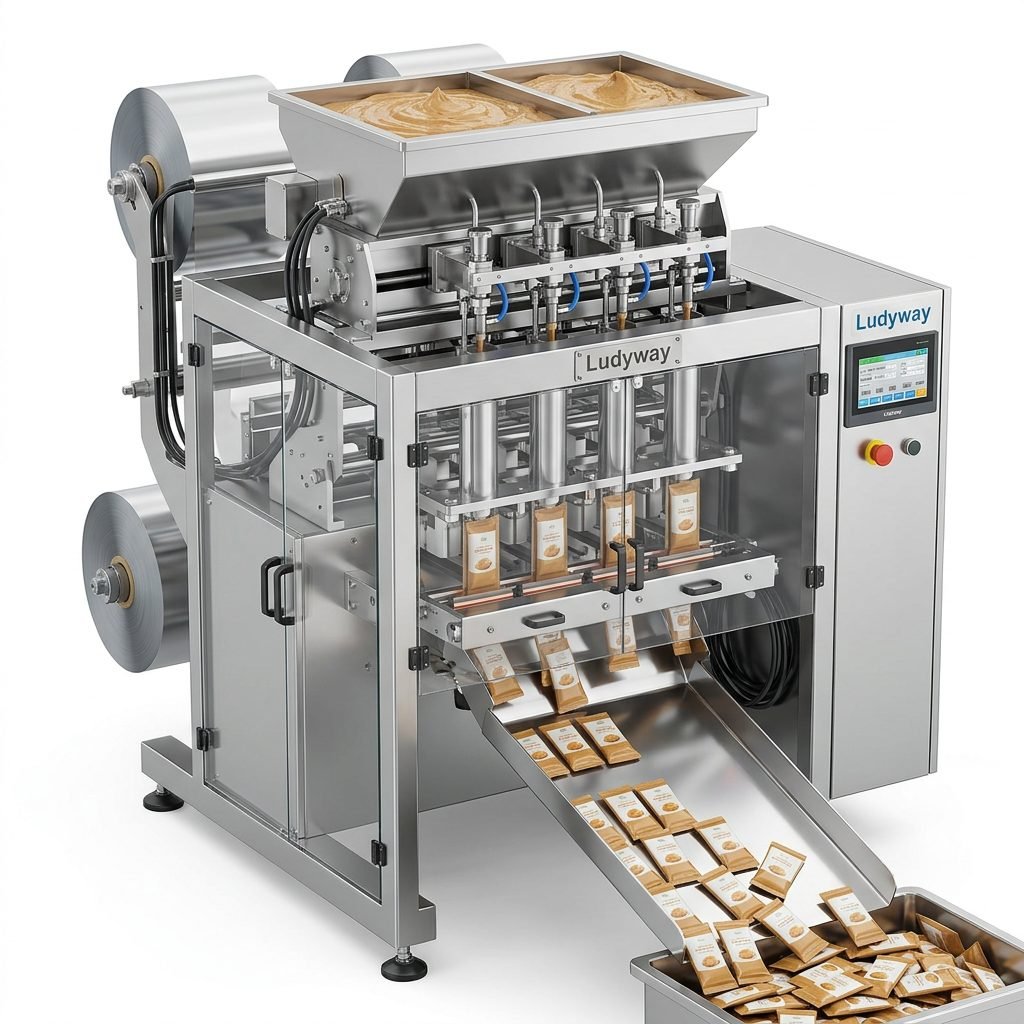
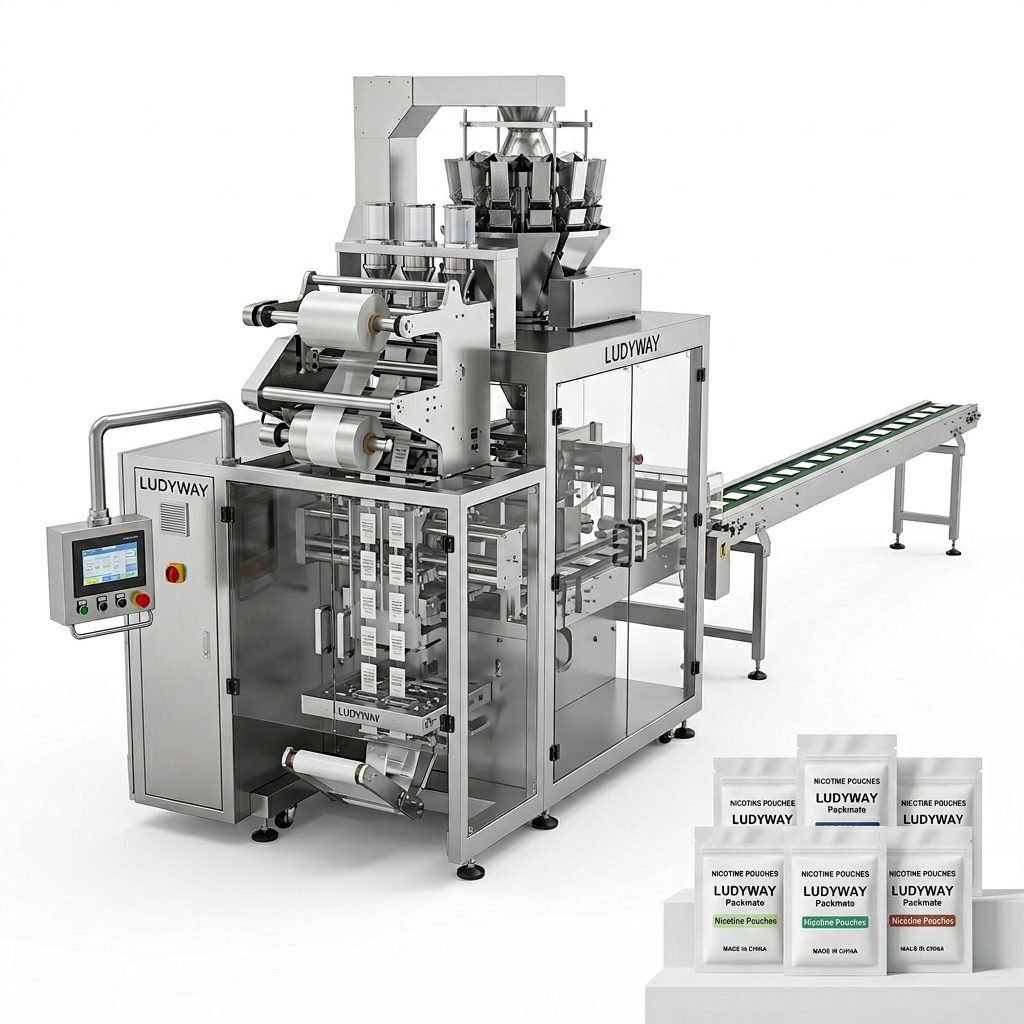
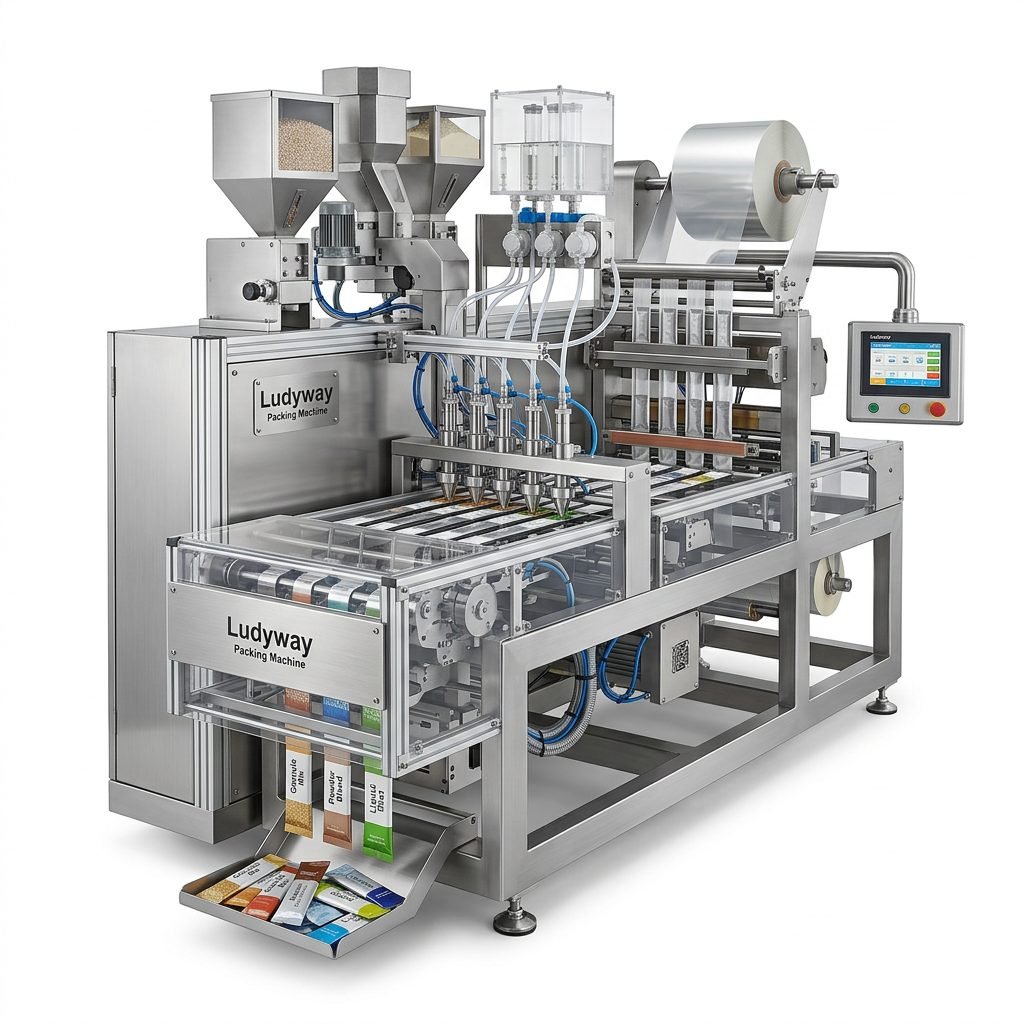
Selecting the core packaging machine is the most consequential decision in your line setup. For candy applications, multi-lane stick pack machines and high-speed VFFS sachet machines are the dominant technologies. Below is a comparative overview of common machine types used in candy packaging lines:
| Machine Type | Best For | Typical Speed Range | Key Feature |
|---|---|---|---|
| Multi-Lane Stick Pack Machine | Granulated candies, powder-based candy mixes | 200–400 packs/min (across 4–12 lanes) | Compact strip format with easy tear notches |
| VFFS Sachet Machine | Wrapped hard candies, gummies, chocolates | 60–150 packs/min (single or dual lane) | Flexible film handling and gas flushing capable |
| Flow Wrapper (Horizontal) | Chocolate bars, candy trays, lollipops | 80–300 packs/min | Ideal for solid and formed confectionery items |
| Premade Pouch Filling & Sealing | Premium candy assortments, gift packs | 40–80 pouches/min | Attractive stand-up pouch presentation with zipper |
When evaluating suppliers, look for high-quality candy packaging machines with robust frame construction, user-friendly PLC interfaces, and proven reliability in confectionery applications. The ability to handle fragile products gently while maintaining high throughput is essential.
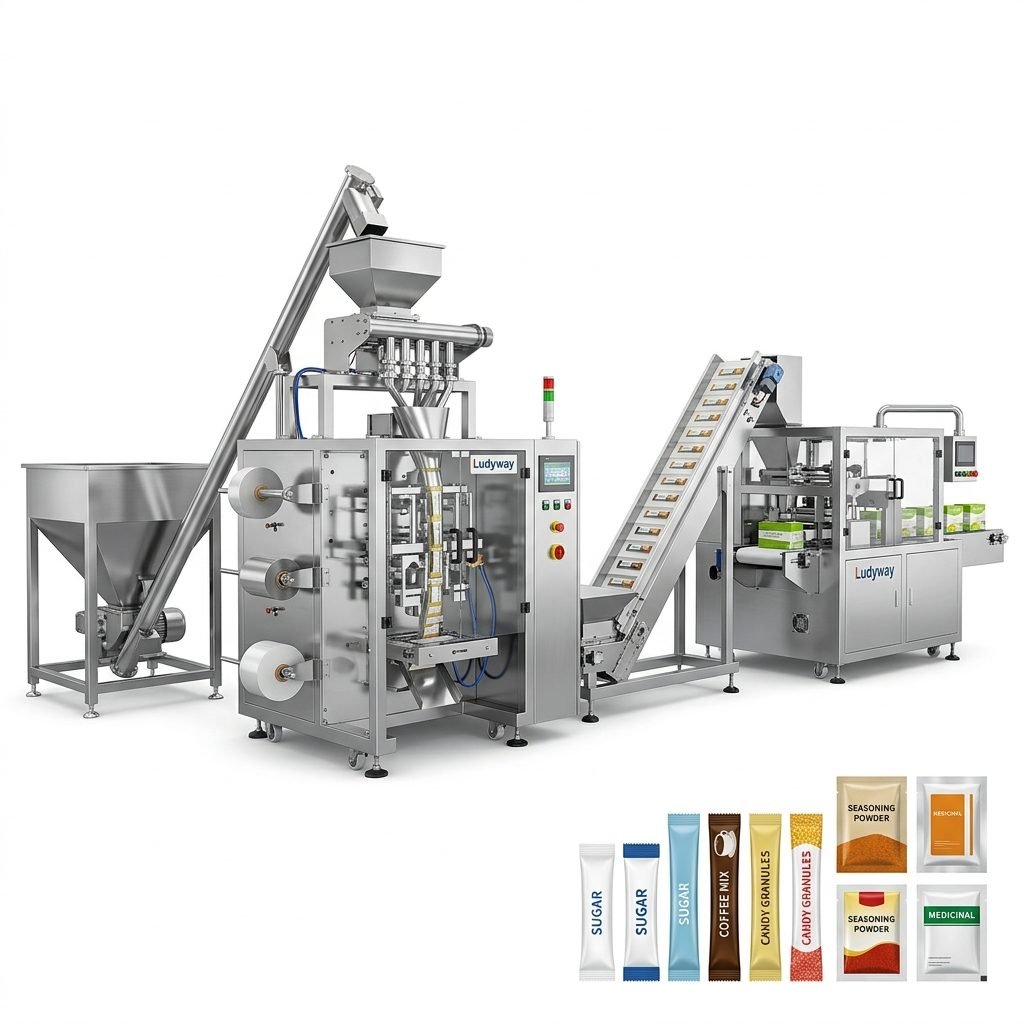
Step 3: Production Line Layout and Integration
A successful candy packaging line is more than a single machine—it is an integrated system that connects upstream feeding with downstream cartoning. Key integration points include:
- Feeding systems: Bucket elevators or inclined belt conveyors transport bulk candy from production to the packaging machine hopper. For sticky or coated products, vibratory feeders with gentle handling prevent surface damage.
- Multi-head weighers: For granular and piece-form candies, multi-head combination weighers ensure precise dosing and minimize giveaway.
- Checkweighers and metal detectors: Inline inspection ensures every pack meets weight specifications and is free from contaminants—critical for food safety compliance.
- Date coders and labeling: Thermal transfer printers or inkjet coders apply batch codes, expiry dates, and traceability information directly on the film.
- Secondary packaging: Automated case packers, carton erectors, and palletizing systems handle finished packs efficiently, reducing manual labor.
Step 4: Installation and Commissioning Best Practices
Proper installation lays the foundation for long-term line performance. Follow these best practices during setup:
- Prepare the facility: Ensure adequate power supply (voltage and phase), compressed air capacity, and clean, climate-controlled flooring. Food-grade packaging requires a hygienic environment with smooth, cleanable surfaces.
- Machine positioning: Align all conveyors and machines precisely to prevent product jams and film misalignment. Use laser alignment tools where possible.
- Film and material calibration: Run trial film rolls through the forming tube, adjust tension arms, and verify sealing temperature and dwell time for the specific film structure.
- Dry run and incremental testing: Start with empty film runs, then feed product gradually, increasing speed in small increments while monitoring seal integrity and pack appearance.
- Training and documentation: Train operators thoroughly on startup, shutdown, changeover, and basic troubleshooting. Document all settings for easy reference during future changeovers.
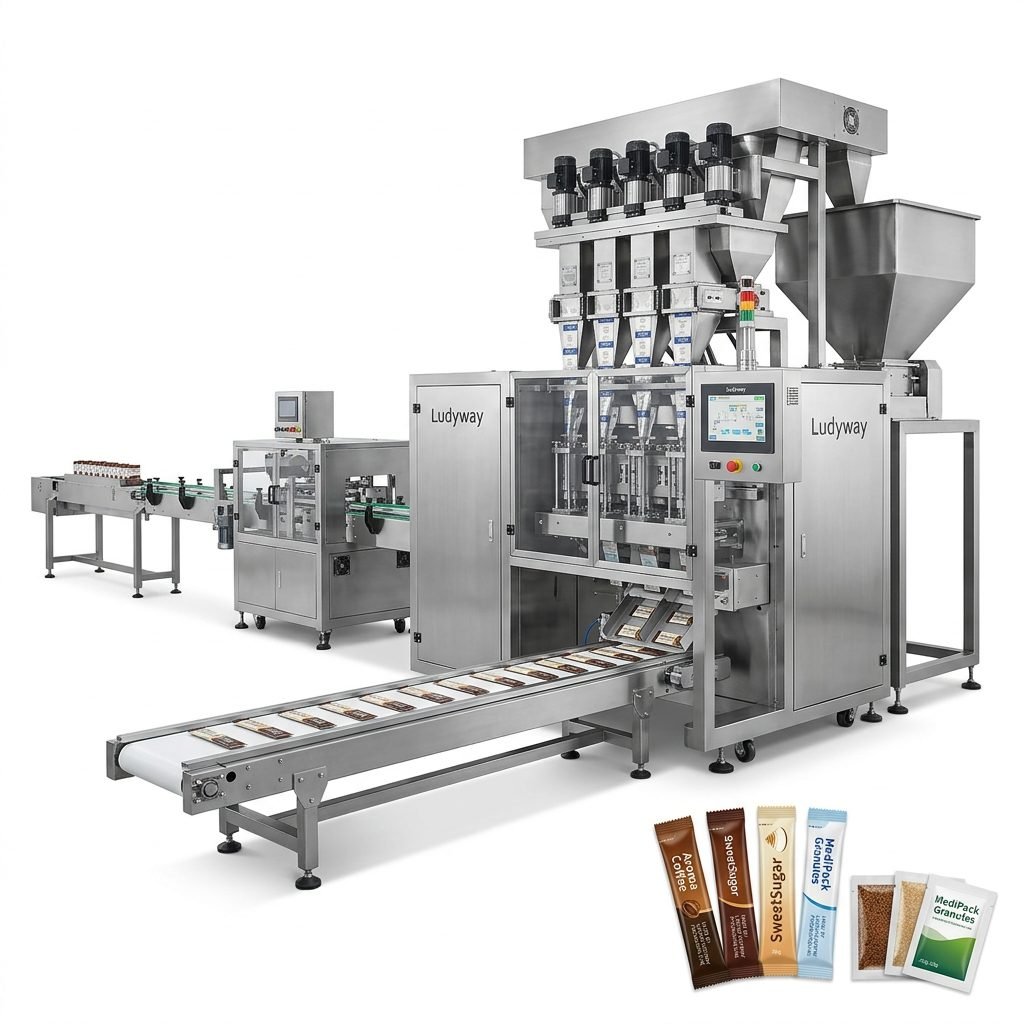
Step 5: Operation and Ongoing Maintenance
Once your candy packaging line is running at full capacity, consistent operation and preventive maintenance keep downtime low. Key areas to monitor include:
- Sealing jaw cleanliness: Product residue on sealing jaws causes weak seals and leaking packs. Implement a regular cleaning schedule using approved food-grade solvents.
- Film tracking and alignment: Misaligned film leads to crooked seals and high rejection rates. Check sensors and mechanical guides daily.
- Weighing accuracy: Regularly calibrate multi-head weighers and checkweighers to maintain fill accuracy within ±0.5 grams for precision dosing.
- Spare parts inventory: Keep critical spares like sealing jaws, heating elements, belts, and sensors in stock to minimize repair lead times.
Common Challenges and Solutions
| Challenge | Possible Cause | Recommended Solution |
|---|---|---|
| Leaking or weak seals | Incorrect temperature, dirty jaws, or film contamination | Adjust sealing temperature, clean jaws, verify film quality |
| Product breakage inside pack | Excessive vibration during feeding or aggressive filling | Use gentle vibratory feeders, adjust fill timing |
| High film waste and misalignment | Improper tension or sensor calibration | Recalibrate film tracking sensors, check dancer arm tension |
| Inconsistent fill weights | Multi-head weigher drift or product clumping | Recalibrate weigher, improve product flow uniformity |
For more detailed industry guidance on packaging machine standards and market trends, refer to resources from the PMMI – The Association for Packaging and Processing Technologies. Their business intelligence library and State of the Industry Reports provide valuable benchmarks for production efficiency and equipment investment analysis.
Scaling Your Production with Turnkey Solutions
For manufacturers seeking simplified project execution, turnkey packaging line solutions offer integrated equipment, installation, and support from a single provider. This approach reduces coordination complexity and ensures compatibility across all components—from feeding to palletizing. When evaluating turnkey options, verify the provider’s track record in the confectionery sector and confirm that the line includes flexibility for future format changes as your product range grows.

Setting up a candy packaging machine production line requires careful planning, the right equipment selection, and disciplined execution during installation and beyond. By following the steps outlined—assessing requirements, choosing suitable machinery, integrating line components, and maintaining rigorous quality checks—you can achieve high throughput, minimal waste, and consistent pack quality. As consumer demand for convenient, portion-controlled candy formats continues to grow globally, a modern, well-engineered packaging line becomes a true competitive advantage.
About Ludyway
Ludyway is one of the largest packaging machine manufacturers in China, specializing in advanced packaging equipment and turnkey production solutions for the food, pharmaceutical, and health industries. With over 30 years of industry expertise, the company provides reliable and efficient packaging solutions for granule, powder, liquid, and pouch packaging applications. Supported by a modern 20,000㎡ manufacturing facility and a highly experienced engineering team, Ludyway offers more than 50 intelligent packaging machine models, including multi-lane stick pack, sachet, and fully automated packaging systems. Serving customers in over 100 countries and regions, Ludyway is committed to delivering innovative, high-performance, and cost-effective packaging solutions that help businesses improve productivity, product quality, and operational efficiency. For more information, contact us at info@ludyway.com.
Additional Resources
- PMMI – Packaging Industry Resources – Comprehensive guides and technical publications.
- ISO – Packaging Standards – International standards for packaging machinery and processes.
- FDA – Food Packaging and Food Contact Substances – Regulatory guidance for food-grade packaging materials.
- Flexible Packaging Association – Industry Resources – Insights on flexible film and pouch packaging technologies.