Understanding the African Confectionery Market Opportunity
The African confectionery industry is experiencing unprecedented growth, driven by rapid urbanization, a rising middle class, and increasing consumer demand for packaged sweets and snacks. According to PMMI packaging industry data, the African market presents one of the highest growth potentials for candy packaging machine investments globally. Countries such as Nigeria, Kenya, South Africa, Ghana, and Ethiopia are emerging as key manufacturing hubs where local production is increasingly replacing imported packaged goods.
Setting up a candy packaging machine production line in Africa requires careful planning that accounts for local infrastructure conditions, supply chain logistics, regulatory frameworks, and workforce capabilities. This comprehensive guide walks you through every critical step needed to establish a successful packaging production line tailored to African market conditions.
Key Considerations Before Setting Up Your Candy Packaging Line
Before investing in equipment, manufacturers must evaluate several critical factors that directly impact the success of a candy packaging operation in Africa. A thorough assessment at this stage can prevent costly mistakes and production delays down the line.
Production Capacity Requirements
Determining your target output is the foundational decision that shapes every subsequent choice. For small to medium enterprises entering the African market, a production capacity of 30 to 80 packs per minute is often the optimal starting point. Larger operations serving multiple countries may require high-speed multi-lane packaging systems capable of producing 200 to 600 packs per minute.
Packaging Formats Popular in Africa
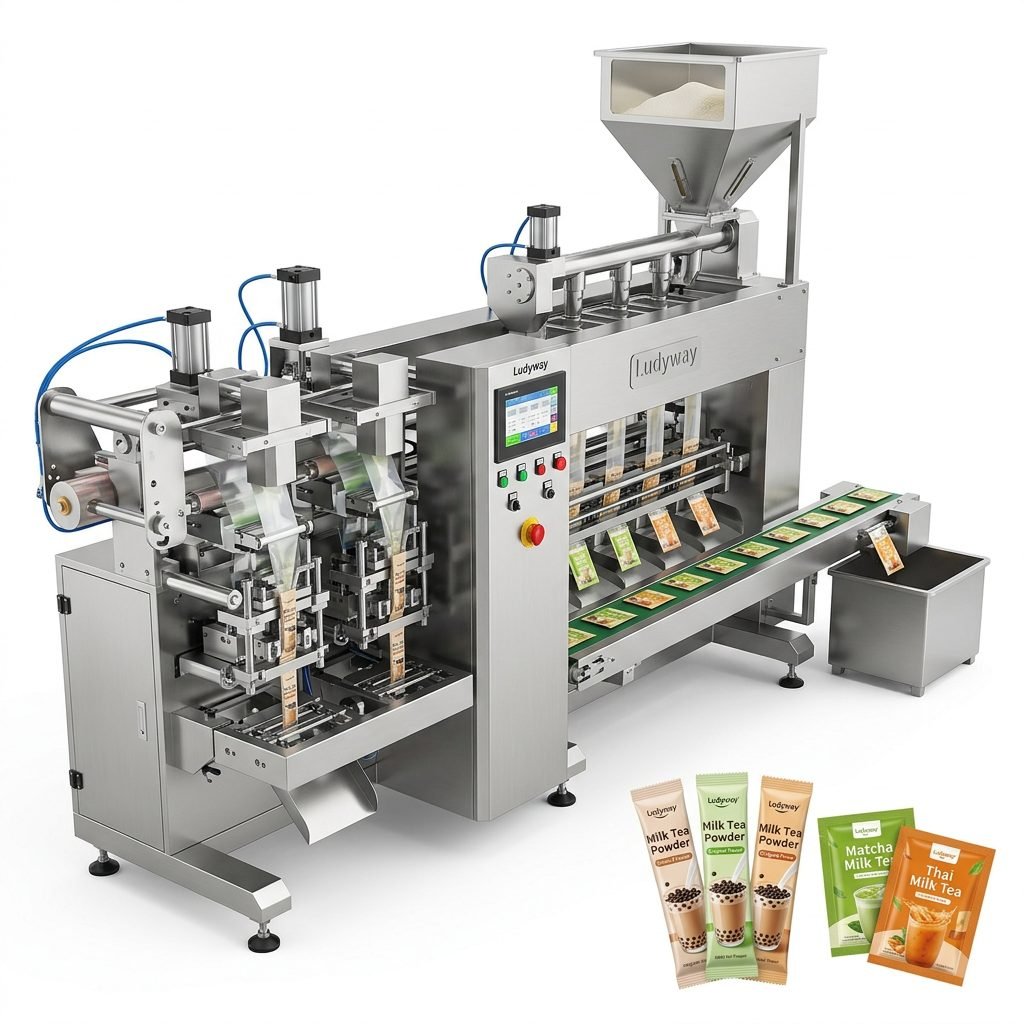
- Stick packs – Ideal for powdered drink mixes, instant coffee, and sugar sachets; extremely popular in West and East African markets
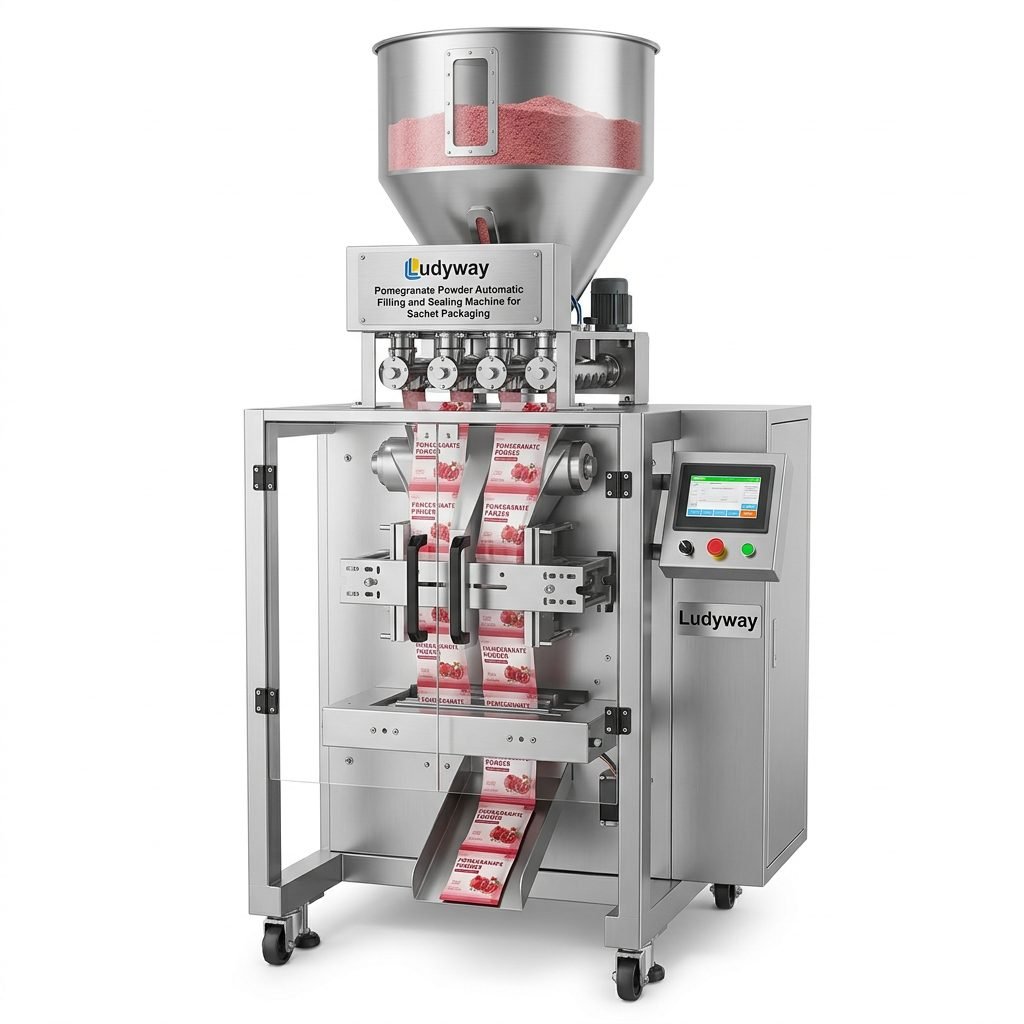
- Sachets – The dominant format for affordable single-serve candy portions across sub-Saharan Africa
- Pillow pouches – Commonly used for wrapped hard candies and toffees in mid-tier retail segments
- Gusseted bags – Preferred for bulk candy packaging aimed at wholesale and institutional buyers
- Flow-wrap packs – Growing in popularity for premium chocolate and confectionery products in South Africa and North African markets

Essential Equipment for a Candy Packaging Production Line
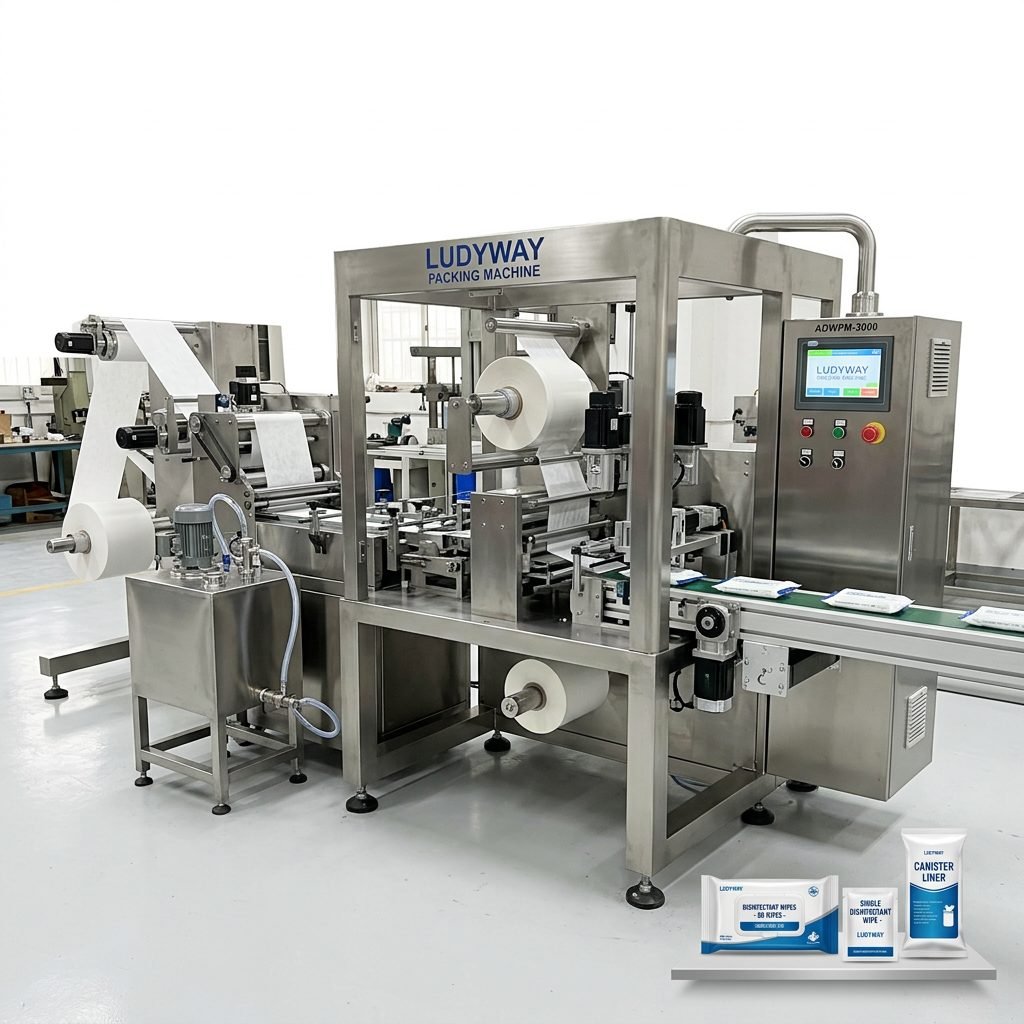
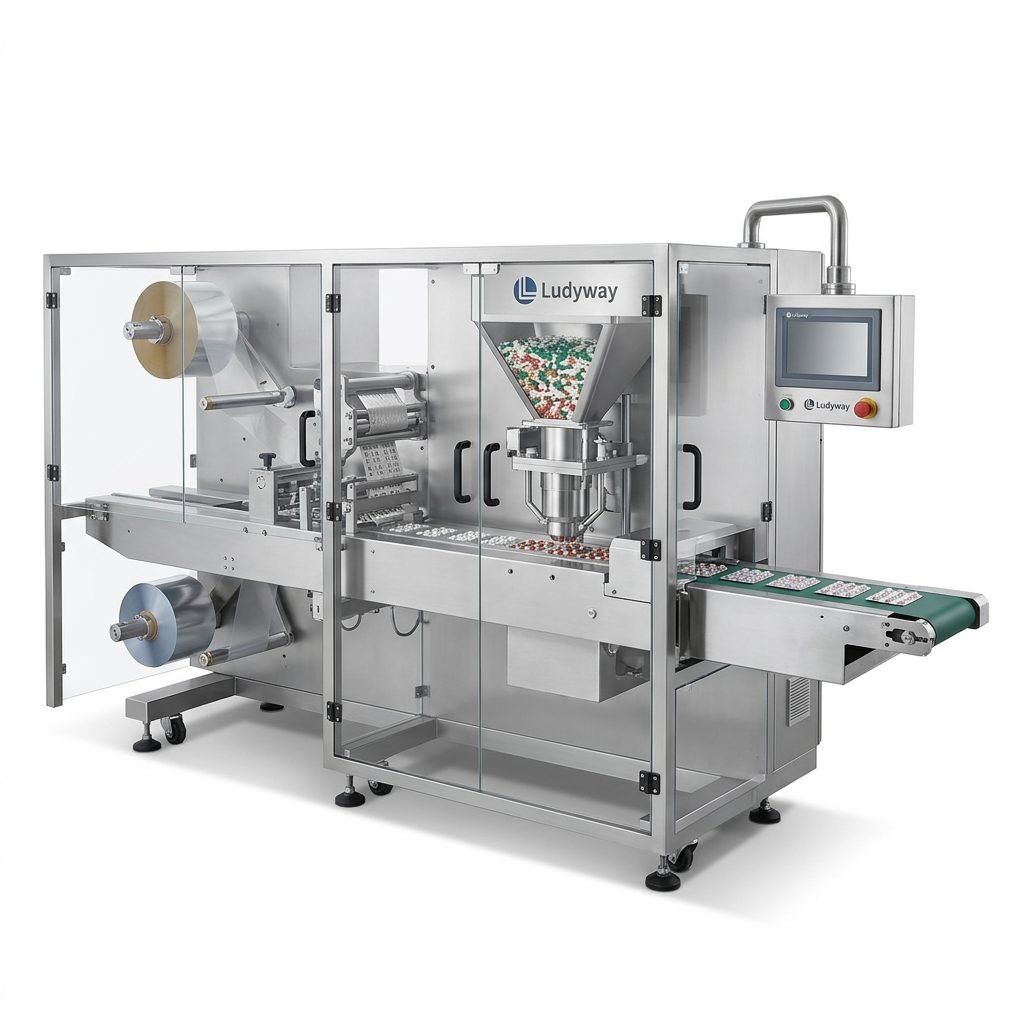
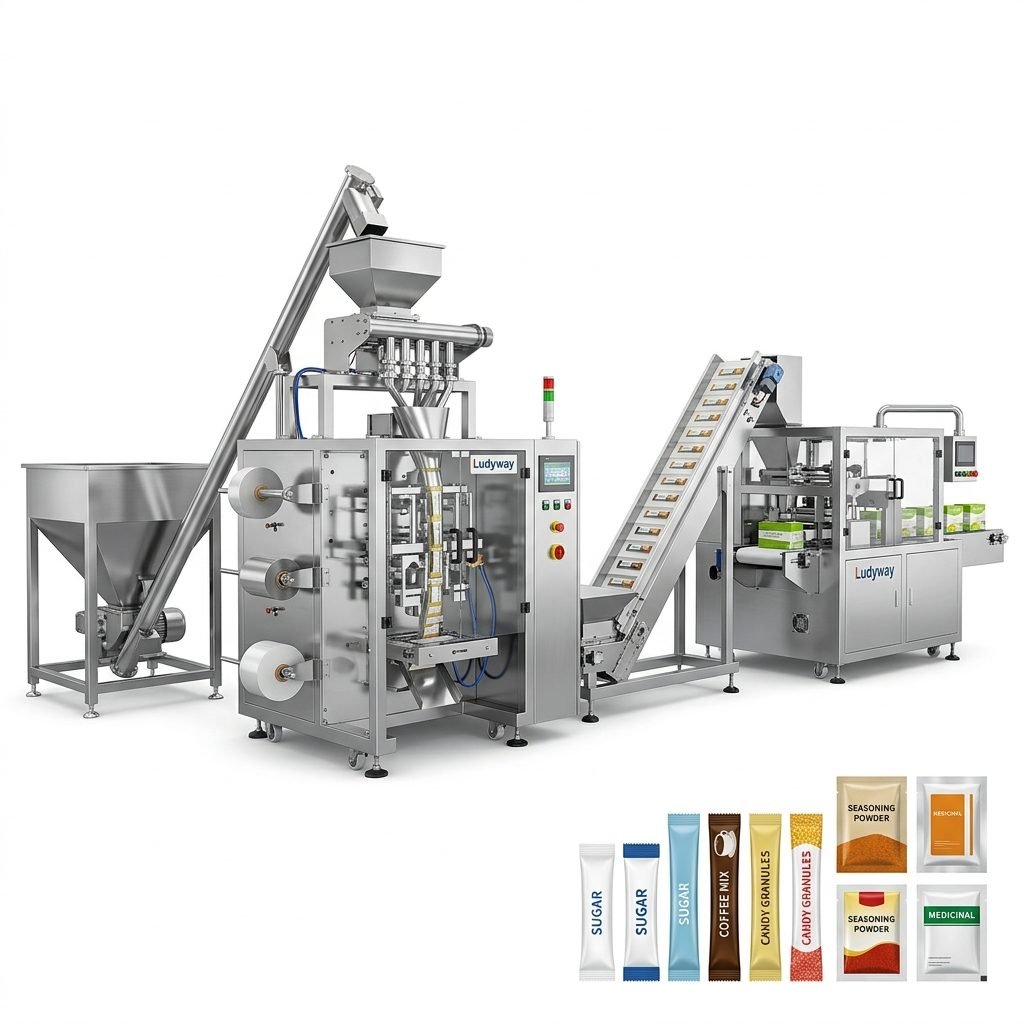
A complete candy packaging production line consists of multiple interconnected machines that work together to deliver finished packaged products. Understanding each component helps in making informed procurement decisions and ensuring seamless integration.
Primary Packaging Machines
| Machine Type | Best For | Speed Range | Key Advantage |
|---|---|---|---|
| Vertical Form Fill Seal (VFFS) | Hard candies, toffees, wrapped sweets | 30–120 packs/min | Versatile, cost-effective for various bag styles |
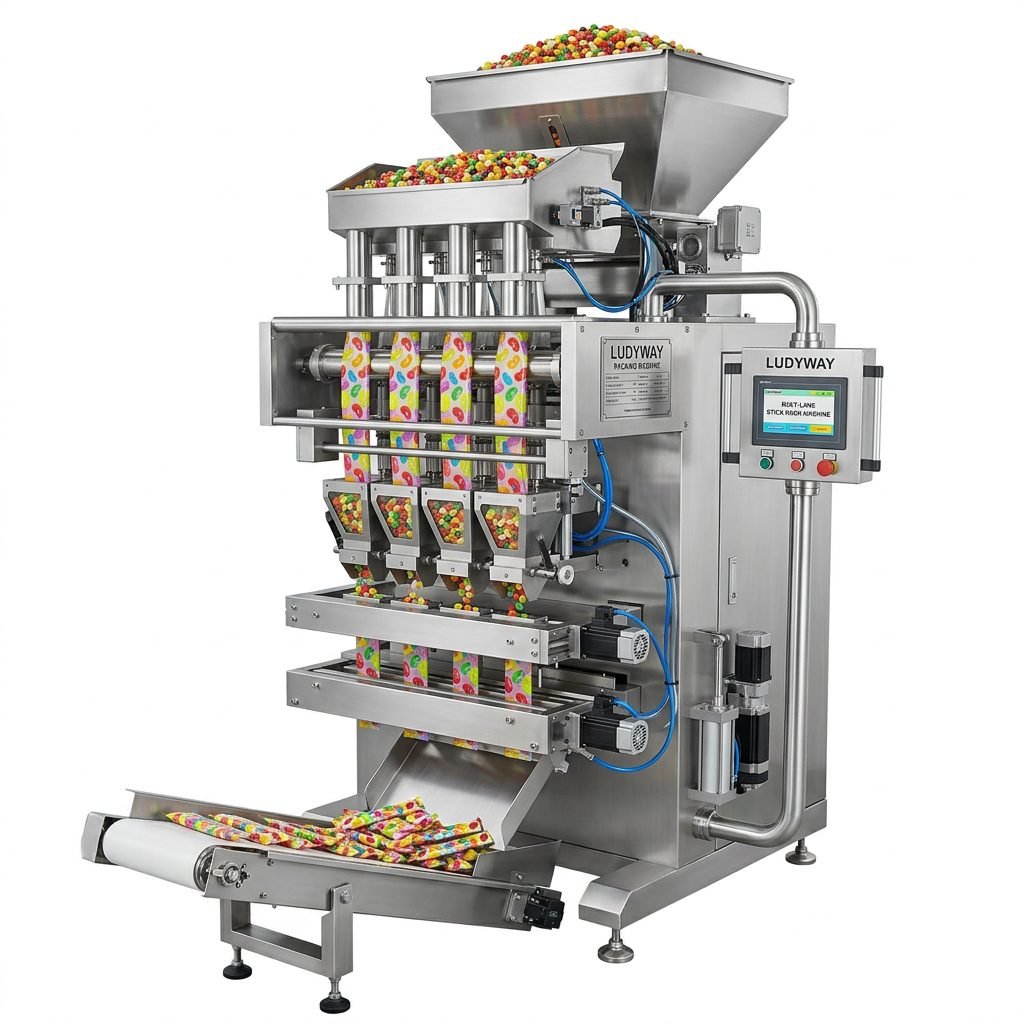
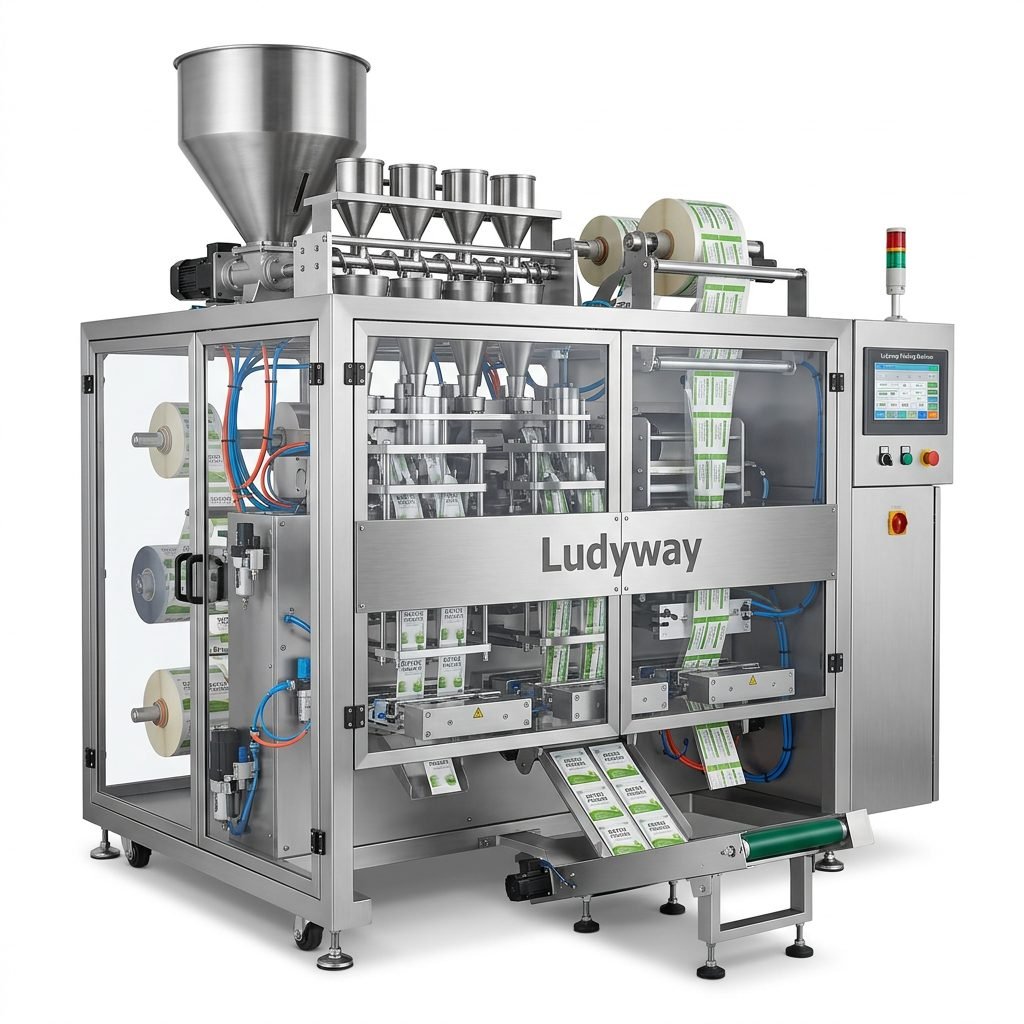
| Multi-Lane Stick Pack Machine | Powdered candy, sugar sachets, drink mixes | 200–600 packs/min | High output, excellent for single-serve formats |
| Horizontal Flow Wrapper | Chocolate bars, candy bars, premium sweets | 80–300 packs/min | Professional finish, hermetic sealing |
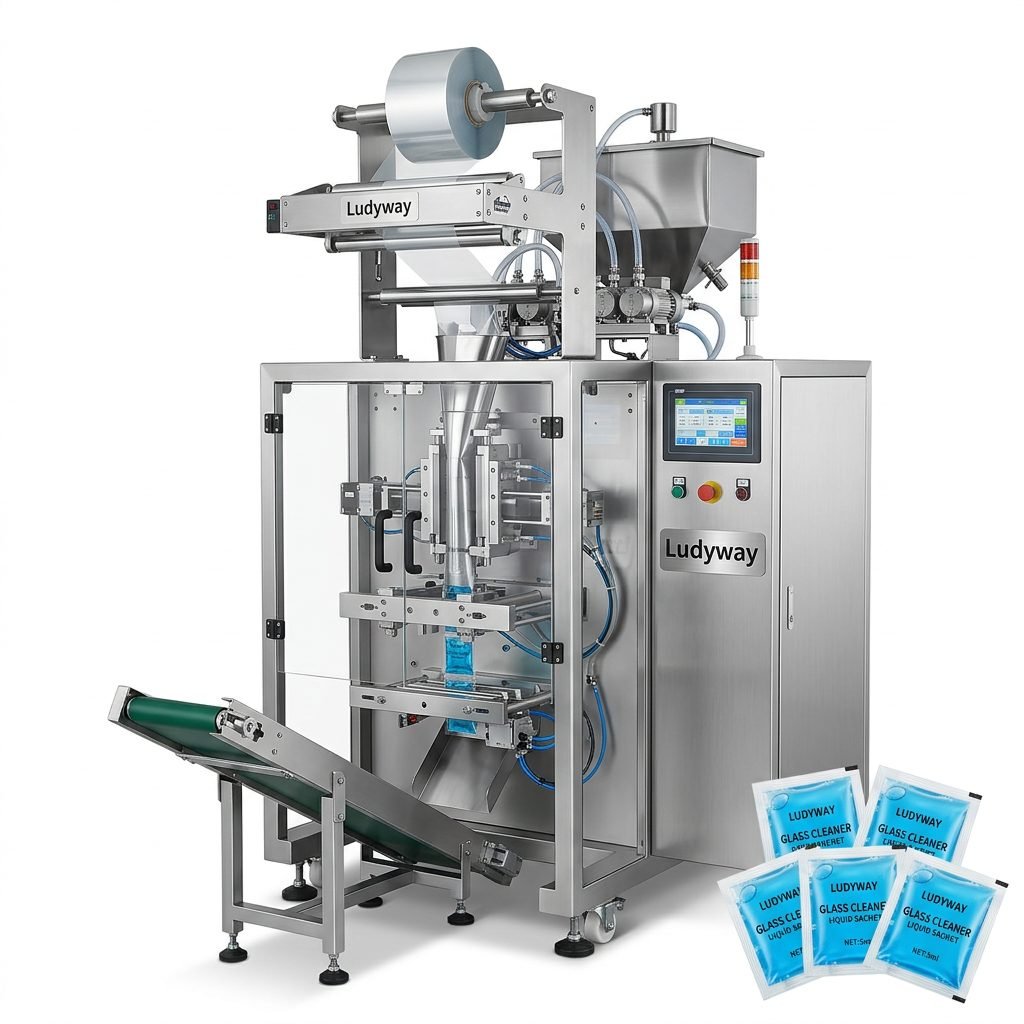
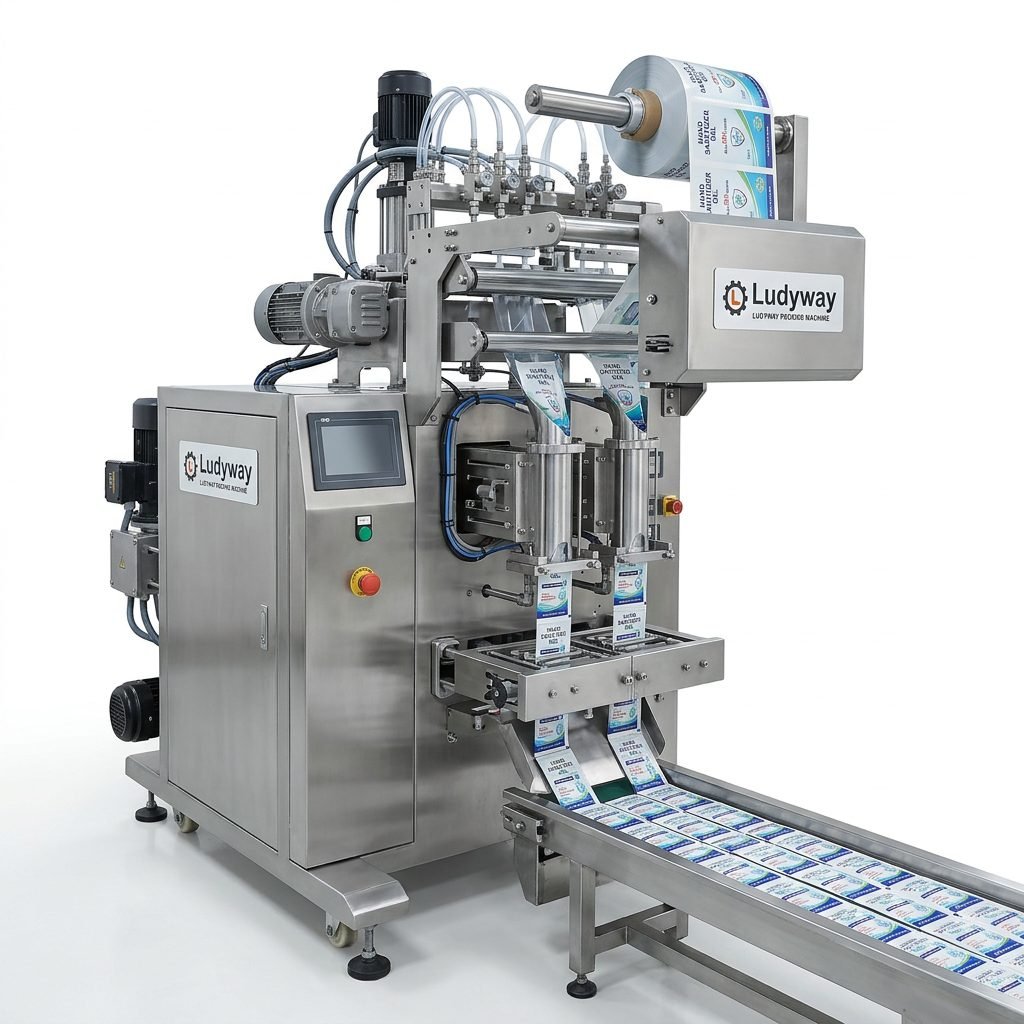
| Rotary Sachet Machine | Liquid-filled candies, gels, honey sachets | 40–100 packs/min | Precision filling for diverse product types |
Secondary Packaging Equipment
Beyond the primary wrapping machines, a fully functional turnkey packaging line should include:
- Weighing and dosing systems – Multi-head weighers ensure accurate portion control, critical for maintaining profit margins in price-sensitive African markets
- Conveyor systems – Connect each machine stage and transport products efficiently through the line
- Cartoning machines – Automate the process of packing finished sachets or pouches into cartons for distribution
- Checkweighers and metal detectors – Quality control equipment that ensures compliance with local and international food safety standards
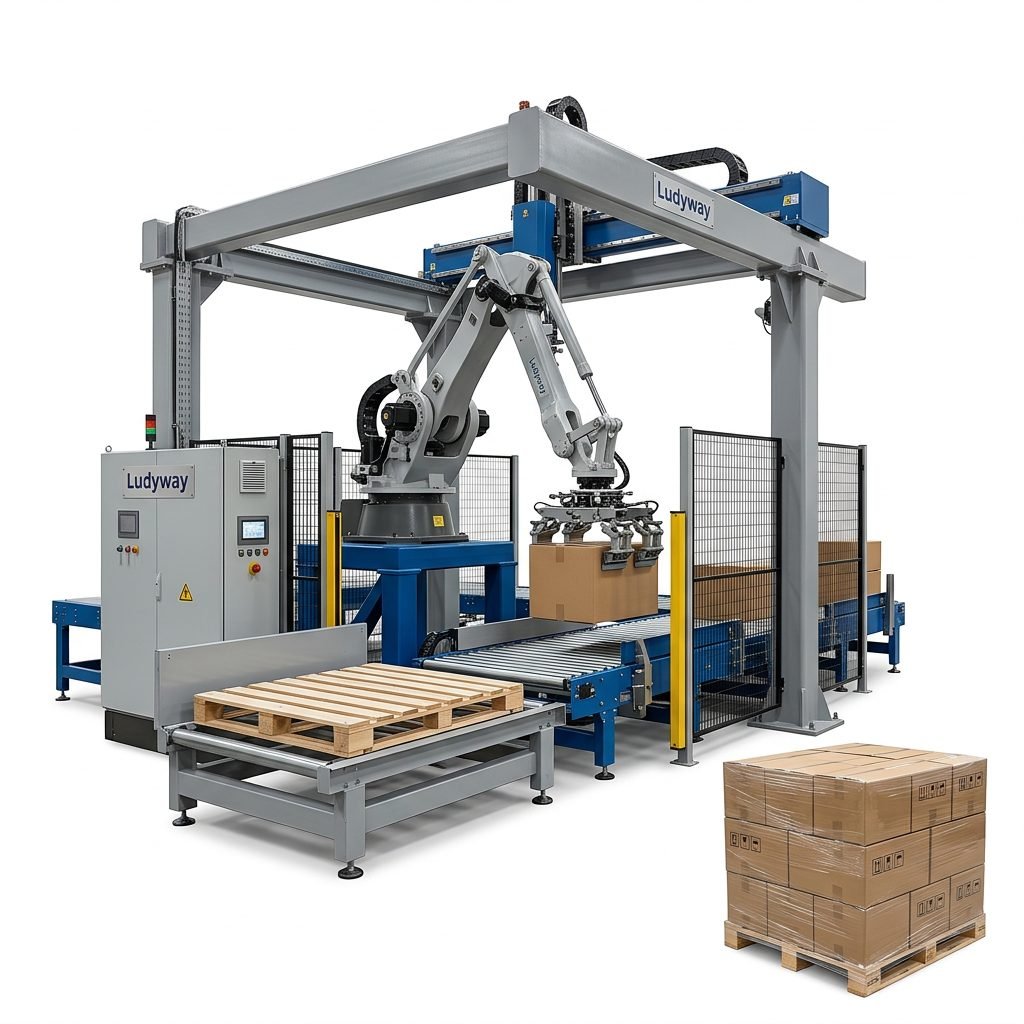
- Palletizing systems – Prepare finished cartons for warehouse storage and shipping across Africa’s extensive distribution networks
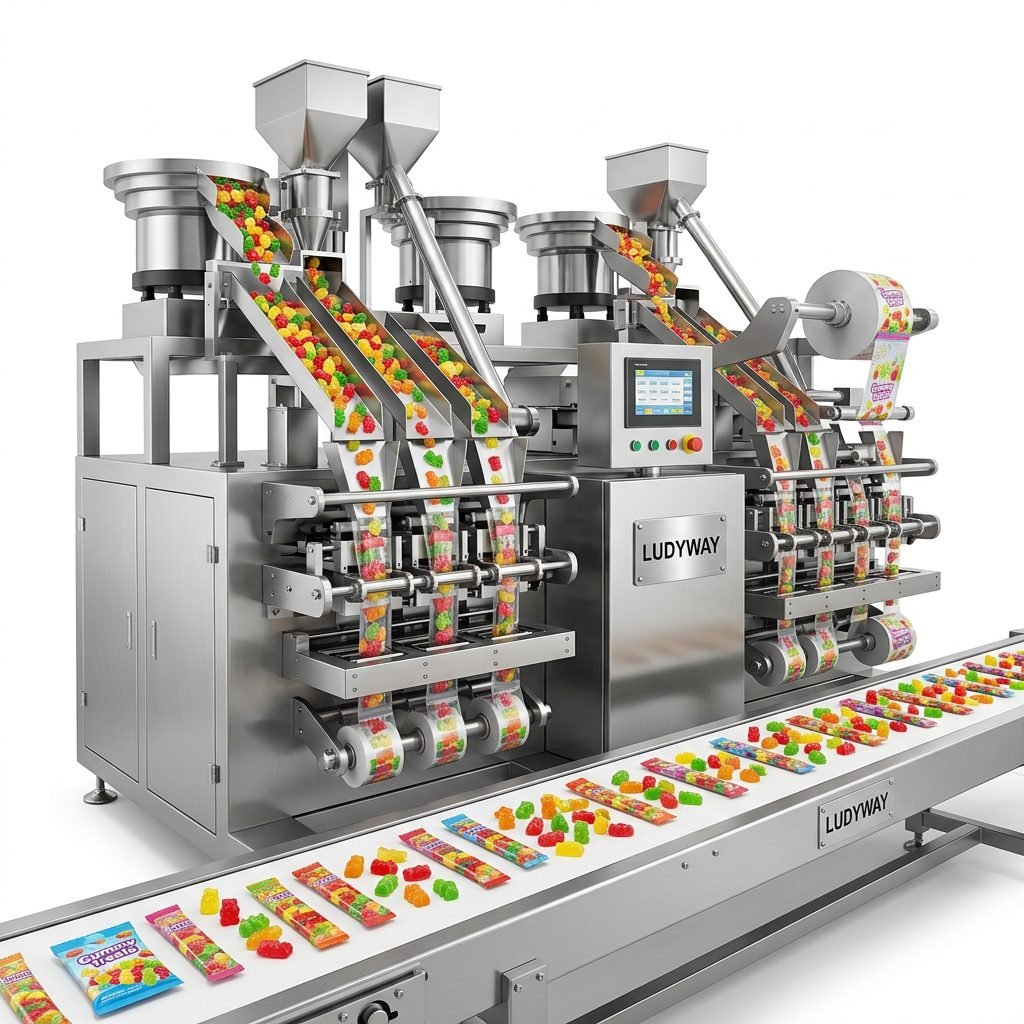
Step-by-Step Guide to Setting Up the Production Line
Establishing a candy packaging line in Africa follows a structured process that ensures smooth implementation and minimizes operational disruptions. Each phase requires coordination between equipment suppliers, local contractors, and regulatory authorities.
Step 1: Facility Preparation
Your production facility must meet food-grade hygiene standards with adequate ventilation, pest control measures, and proper electrical infrastructure. Consider the FDA food packaging guidelines as an international benchmark even if local regulations vary. Ensure the floor can support heavy machinery and that water supply lines are available for cleaning systems.
Step 2: Equipment Procurement and Shipping
When sourcing candy packaging machinery for African operations, prioritize suppliers with proven experience in international logistics and emerging market conditions. Companies like Ludyway offer comprehensive turnkey packaging solutions with full installation support, making them a practical choice for first-time investors in African manufacturing. Factor in shipping timelines of 6 to 12 weeks for ocean freight to major African ports such as Lagos, Mombasa, or Durban.
Step 3: Installation and Commissioning
Professional installation typically takes 2 to 4 weeks depending on line complexity. Key activities include:
- Machine positioning and leveling according to the factory floor plan
- Electrical and pneumatic connections verified against local voltage standards
- Conveyor alignment and synchronization between all line modules
- Software configuration for packaging parameters and production recipes
- Initial dry runs followed by production testing with actual candy products
Step 4: Operator Training
Invest in comprehensive training for machine operators, covering routine operation, changeover procedures, basic troubleshooting, and safety protocols. Well-trained operators significantly reduce downtime and extend equipment lifespan in environments where technical support may be limited.
Regulatory Compliance and Quality Standards
Navigating African regulatory landscapes requires understanding both regional and national requirements. Key compliance areas include food contact material safety, packaging labeling regulations, and import documentation for machinery. Refer to ISO packaging standards for internationally recognized benchmarks that are increasingly adopted across African markets. Additionally, consult the Flexible Packaging Association’s regulatory affairs resources for updates on packaging material compliance in international markets.
Cost Breakdown and ROI Analysis
Understanding the financial investment required helps in securing funding and projecting returns. The following table outlines approximate cost ranges for setting up a candy packaging line in Africa:
| Cost Category | Small Line (30–80 ppm) | Medium Line (80–200 ppm) | Large Line (200+ ppm) |
|---|---|---|---|
| Primary Packaging Machine | $15,000–$40,000 | $40,000–$100,000 | $100,000–$300,000 |
| Auxiliary Equipment | $8,000–$20,000 | $20,000–$50,000 | $50,000–$150,000 |
| Shipping and Logistics | $3,000–$8,000 | $8,000–$18,000 | $18,000–$40,000 |
| Installation and Training | $2,000–$6,000 | $6,000–$15,000 | $15,000–$35,000 |
| Total Estimated Investment | $28,000–$74,000 | $74,000–$183,000 | $183,000–$525,000 |
Typical payback periods for candy packaging lines in Africa range from 18 to 36 months, depending on market penetration speed and operational efficiency. The growing demand for locally packaged confectionery products across the continent significantly improves ROI prospects compared to more mature markets.
Maintenance and After-Sales Support
Long-term success depends on reliable after-sales support and a well-planned maintenance strategy. When selecting a packaging machinery partner, evaluate:
- Availability of spare parts and their delivery timelines to African locations
- Remote technical support capabilities via video calls and diagnostic tools
- Availability of local service technicians or authorized service partners in your country
- Warranty terms covering parts and labor for a minimum of 12 months
- Documentation quality including comprehensive manuals in English or French for African operators
Establish a preventive maintenance schedule that includes daily cleaning routines, weekly inspections of sealing components, monthly checks of electrical systems, and quarterly professional servicing. This proactive approach minimizes unplanned downtime and extends the productive life of your packaging production line investment.
Conclusion
Setting up a candy packaging machine production line in Africa represents a strategic opportunity to capture a growing market with strong fundamentals. By carefully selecting the right equipment configuration, partnering with experienced packaging machinery suppliers, investing in operator training, and maintaining rigorous quality standards, manufacturers can build profitable and sustainable confectionery packaging operations across the continent. The combination of rising local demand, favorable trade policies under the African Continental Free Trade Area, and improving industrial infrastructure makes now an opportune time to enter or expand in Africa’s confectionery packaging sector.
For detailed guidance on turnkey packaging line solutions tailored to your specific candy product and target market, consult with packaging industry experts and equipment manufacturers who understand the unique requirements of African production environments.