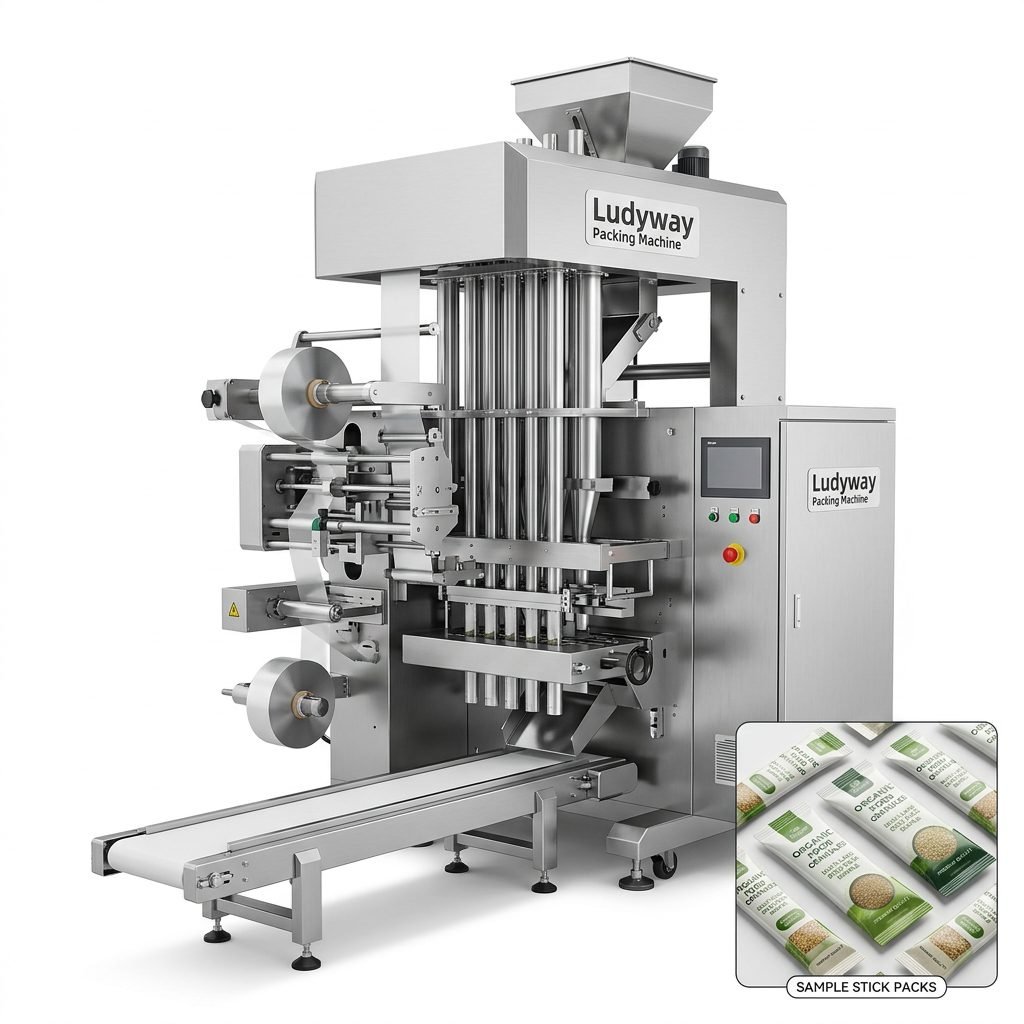
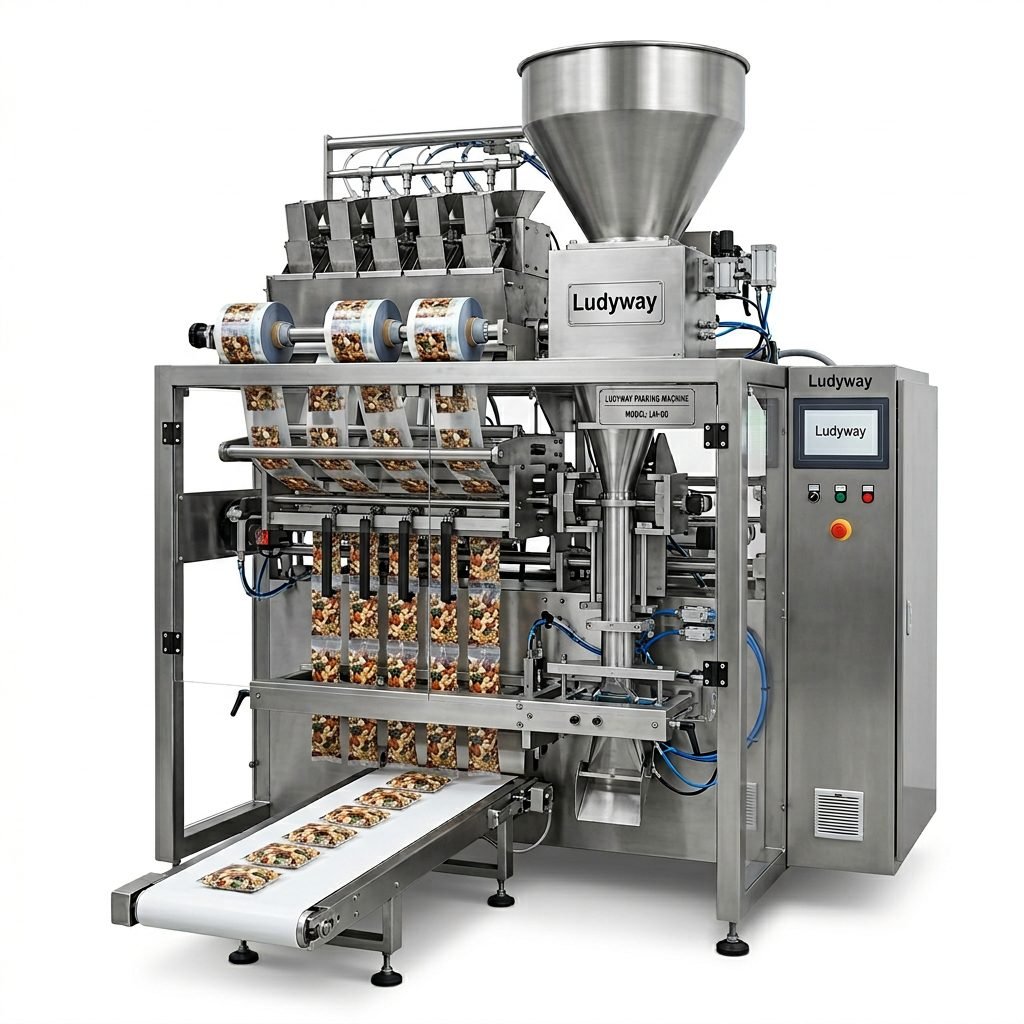
Selecting the right automatic ointment packaging machine is a critical decision for any pharmaceutical, cosmetic, or personal care manufacturer. The choice directly impacts production efficiency, product quality, operational costs, and ultimately, your brand’s reputation in the market. With various technologies and configurations available, navigating the selection process requires a clear understanding of your specific needs and the capabilities of different machinery solutions.
Understanding Your Production Requirements
Before evaluating any equipment, you must first conduct a thorough internal assessment. This foundational step ensures the machine you choose aligns perfectly with your operational goals.
Key Factors to Define
Production Volume & Speed: Calculate your current and projected output. Are you a small-scale producer needing a few hundred tubes per hour, or a large manufacturer requiring thousands? The required speed (tubes/minute) will narrow down your options to either standard automatic or high-speed rotary machines.
Ointment Characteristics: The viscosity, density, and composition of your product are paramount. A thick, abrasive zinc oxide paste requires different handling mechanisms (like piston fillers) compared to a free-flowing aloe vera gel, which may suit a time-pressure or peristaltic filling system.
Tube Specifications: Define your packaging format. This includes tube material (laminate, plastic, metal), size (diameter and length), closure type (screw cap, flip-top, snap cap), and any special features like a sealed tip or elongated nozzle.
Pro Tip:
Always provide potential machine suppliers with actual samples of your empty tubes and finished product. This allows them to conduct live tests and recommend the most accurate and reliable solution for your specific combination.
Core Machine Components and Technologies
An automatic ointment packaging line is an integrated system. Understanding the function of each major component will help you assess the robustness and suitability of a machine.
1. Tube Feeding & Orientation System
This system automatically loads empty tubes from a hopper or magazine and correctly orients them for the filling station. Look for systems with gentle handling to avoid denting or scratching tubes, and sensors to detect and reject improperly loaded tubes.
2. Filling System
The heart of the machine. The choice depends on your product’s properties.
- Piston Filler: The most common and accurate method for viscous products like ointments and creams. It uses a cylinder and piston to draw and dispense a precise volume.
- Time-Pressure Filler: Suitable for low to medium viscosity products. It fills by applying controlled air pressure for a set time.
- Peristaltic Pump Filler: Ideal for sterile or shear-sensitive products, as the product only contacts the tubing. Excellent for preventing cross-contamination.
3. Closing & Sealing System
This station applies the cap and secures the tube. Mechanisms include screw capping, snap capping, or folding and crimping for metal tubes. Advanced machines offer torque control for consistent closure tightness.
4. Coding & Date Stamping
Integrated inkjet or laser coders print batch numbers, expiry dates, and logos directly onto the tube or a label. Ensure the system is reliable and produces legible, smudge-proof marks.
Essential Features for Modern Production
Beyond basic functionality, modern machines offer features that enhance efficiency, flexibility, and compliance.
Changeover Flexibility: How quickly can you switch from one tube size or product to another? Look for machines with tool-less changeover or quick-change parts to minimize downtime, which is crucial for small-batch production.
HMI & Control System: A user-friendly Human-Machine Interface (HMI) touchscreen allows for easy parameter setting, recipe storage, and real-time monitoring of production counts, speed, and faults.
Hygienic Design & Materials: For pharmaceutical or cosmetic applications, machines should have a stainless steel contact surface, smooth finishes without crevices, and be easy to clean (CIP/SIP capabilities are a premium feature).
Integrated Quality Checks: In-line checkweighers to reject under/over-filled tubes, vision systems to detect missing caps or poor print quality, and metal detectors are vital for ensuring 100% product quality and regulatory compliance.
Why Partner with a Specialist Provider?
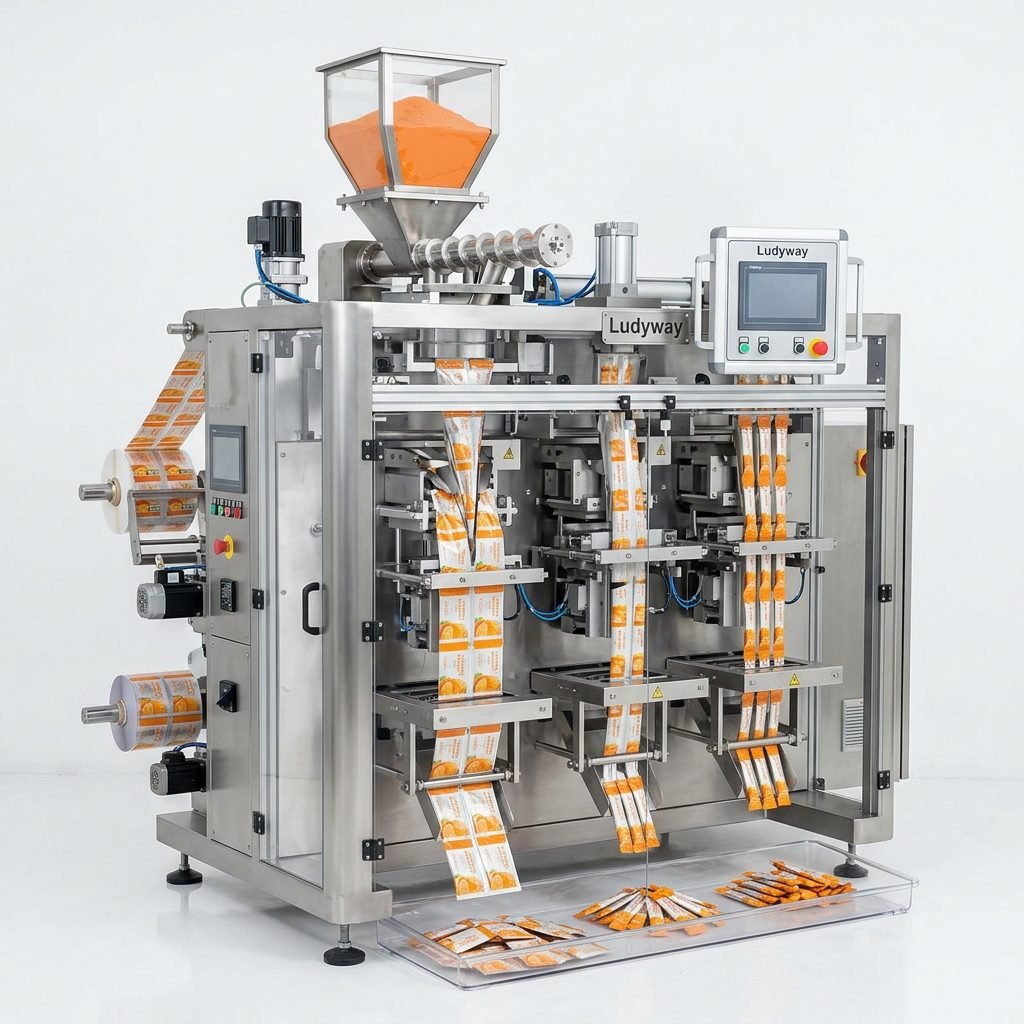
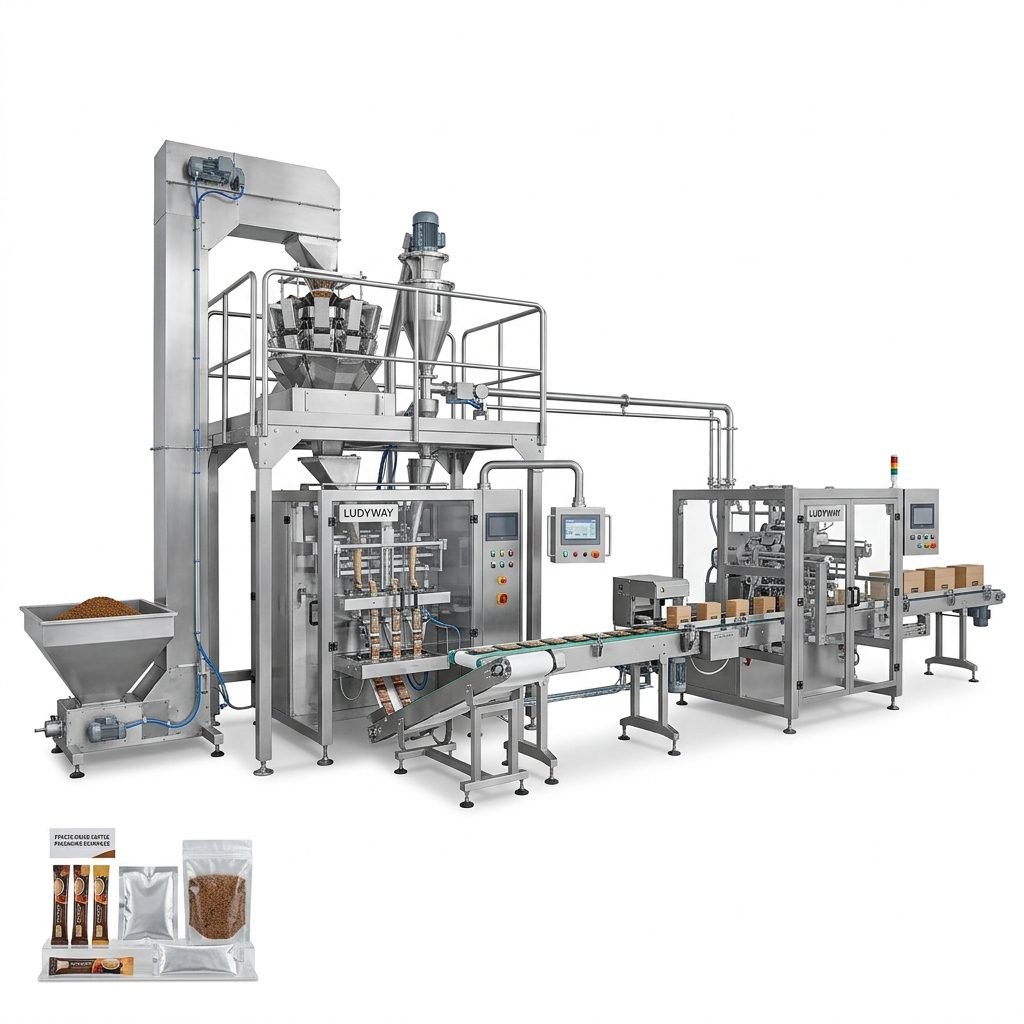
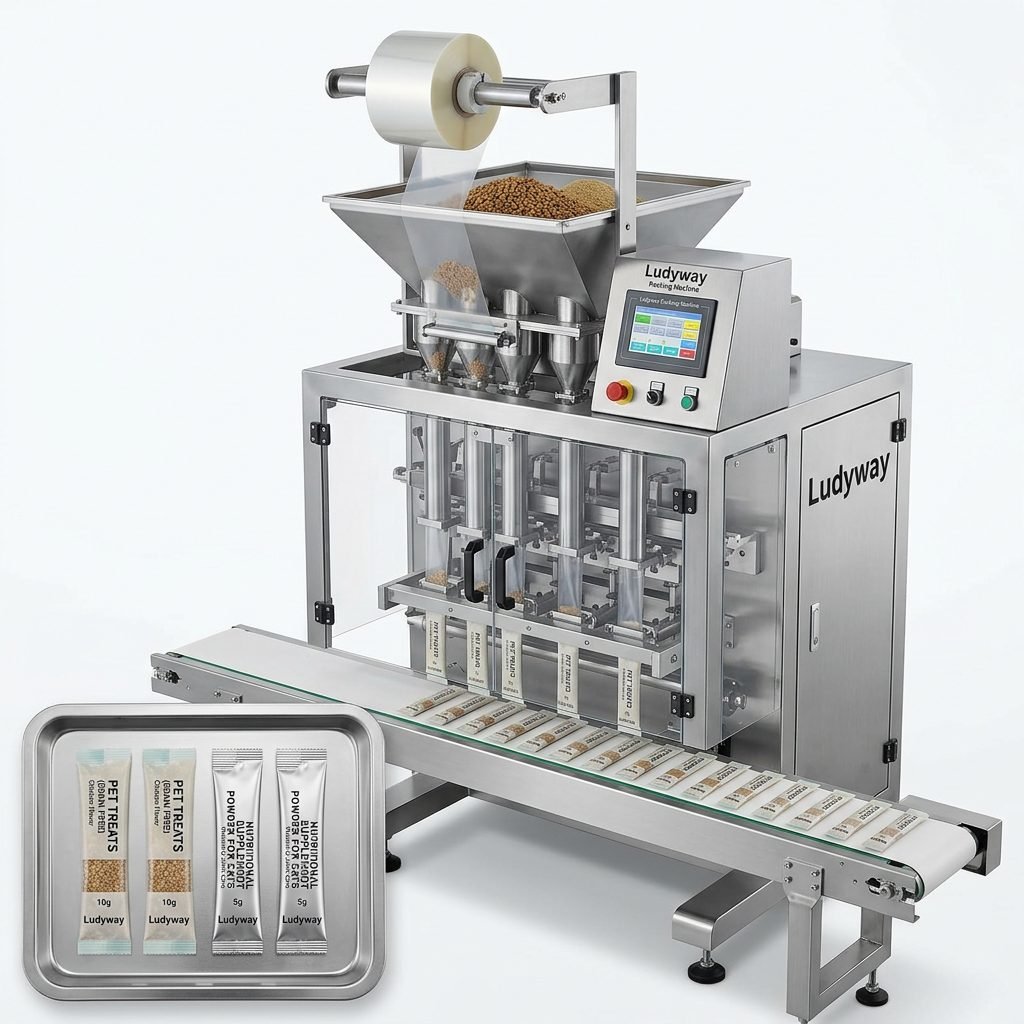
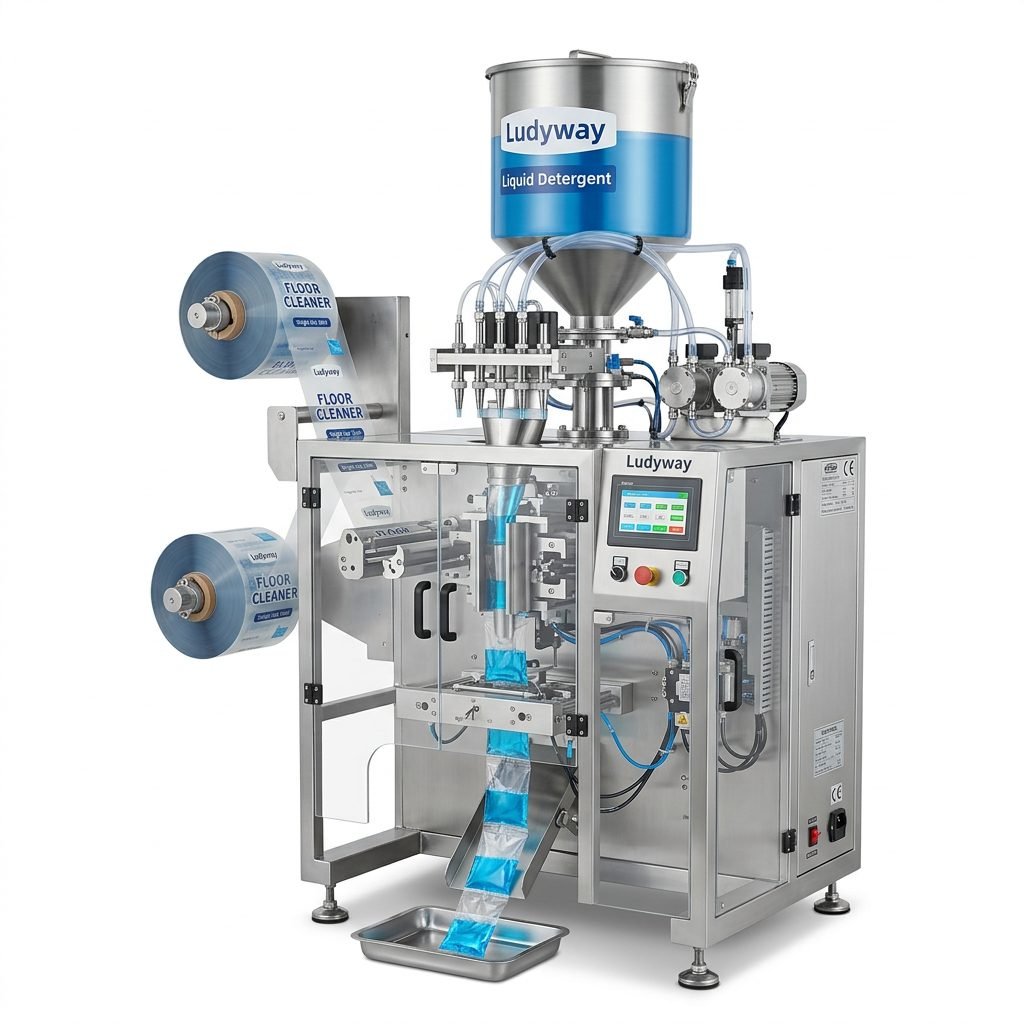
Choosing a machine is also about choosing a partner. A provider like Ludyway Machinery, with deep industry experience, offers more than just hardware. They bring turnkey solutions, from factory layout planning to installation, training, and after-sales support. Their expertise in granule, powder, and liquid packaging translates into a nuanced understanding of different product handling challenges, ensuring they recommend a machine that will perform reliably in your specific environment for years to come.
Evaluating Suppliers and Total Cost of Ownership
The initial purchase price is only one part of the financial equation. A cheaper machine with poor reliability or high maintenance costs can be far more expensive in the long run.
Key Evaluation Criteria
Technical Support & Spare Parts: Investigate the supplier’s reputation for responsive service and the availability of spare parts. Long lead times for critical components can halt your production for weeks.
Training and Documentation: Comprehensive training for your operators and maintenance technicians, along with clear manuals in your language, is essential for smooth operation.
Machine Robustness & Warranty: Examine the build quality, the grade of components used (e.g., PLCs, servos, sensors), and the terms of the warranty. A robust machine built with quality parts will have a longer lifespan and lower lifetime maintenance costs.
References and Case Studies: Ask for references from companies with similar products and production scales. A reputable supplier like Ludyway will have a portfolio of successful projects and long-term client relationships, backed by over 30 years of industry experience.
Conclusion
Investing in an automatic ointment packaging machine is a strategic move to boost productivity, ensure consistent quality, and scale your business. The “best” solution is not the most expensive or the fastest, but the one that most precisely matches your product characteristics, output goals, operational environment, and budget over the total lifespan of the equipment. By meticulously defining your requirements, understanding core technologies, prioritizing key features, and partnering with a reliable, experienced supplier, you can make an informed decision that delivers a strong return on investment and drives your production forward.
Frequently Asked Questions (FAQs)
1. What is the typical output speed of an automatic ointment tube filler?
Speeds vary widely based on machine type and tube size. Standard linear machines range from 40 to 120 tubes per minute. High-speed rotary machines can achieve 200+ tubes per minute. The achievable speed for your project depends on your specific tube and product, which is why live testing is highly recommended.
2. Can one machine handle different tube sizes and shapes?
Yes, most automatic machines are designed for changeover. However, the ease and time required vary. Look for machines with “quick-change” or “tool-less” changeover systems for families of similar tube sizes to maximize flexibility and minimize downtime between production runs.
3. How do I ensure the filling accuracy for my viscous ointment?
Piston filling technology is the industry standard for high-accuracy filling of viscous products. The key is to work with a supplier who can test your product and calibrate the machine accordingly. Factors like product aeration and temperature stability also affect accuracy, so your production process must be controlled.
4. What hygiene standards should I look for in a machine for pharmaceutical use?
The machine should have a hygienic design with easy-clean, stainless steel surfaces, minimal dead legs, and protection from lubricant contamination. Options for Clean-in-Place (CIP) systems are a major advantage. It should be constructed to meet relevant GMP (Good Manufacturing Practice) guidelines for your market.
5. What kind of after-sales support should I expect?
Comprehensive support includes detailed installation supervision, thorough operator and maintenance training, clear documentation, readily available spare parts, and access to technical support (remote and on-site). A reliable supplier will offer a clear service agreement and be proactive in ensuring your machine’s long-term performance.