The breakfast cereal and snack bar market in Oceania, particularly across Australia and New Zealand, has experienced remarkable growth driven by the demand for convenient, on-the-go nutrition. Establishing a high-performance cereal bar packaging machine production line in this region requires careful planning around equipment selection, regulatory compliance, and operational efficiency to meet both local and export market demands.
Understanding the Oceania Cereal Bar Market Landscape
Before investing in machinery, manufacturers must understand the unique characteristics of the Oceania market. Consumers in Australia and New Zealand increasingly prefer portion-controlled packaging formats such as stick packs and sachets, which offer convenience and extended shelf life. The region’s strict food safety standards, governed by FSANZ regulations, require packaging equipment that meets hygiene and traceability requirements comparable to international ISO packaging standards.
Key Equipment for a Cereal Bar Packaging Line
A complete cereal bar packaging production line consists of several integrated systems working in harmony. The selection of each component directly impacts production output, packaging quality, and total cost of ownership. Below are the essential machines required:
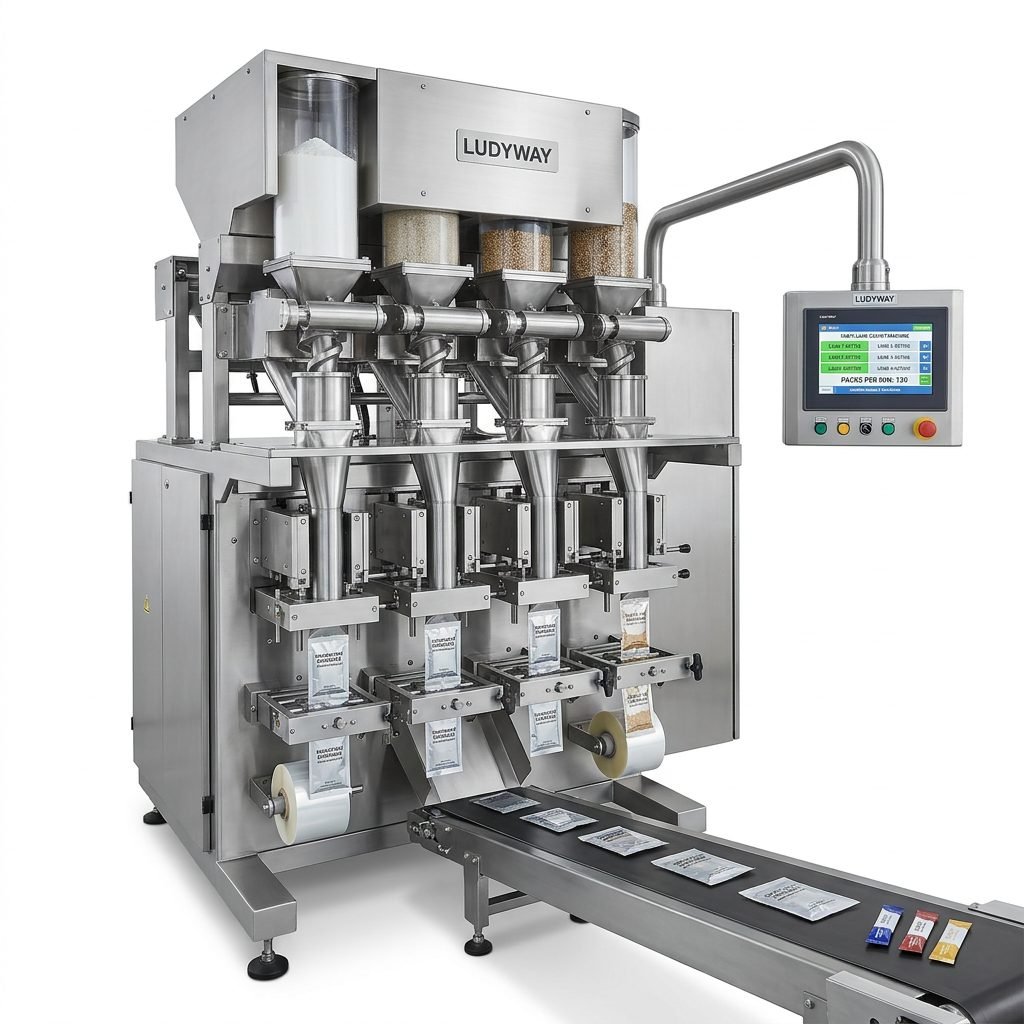
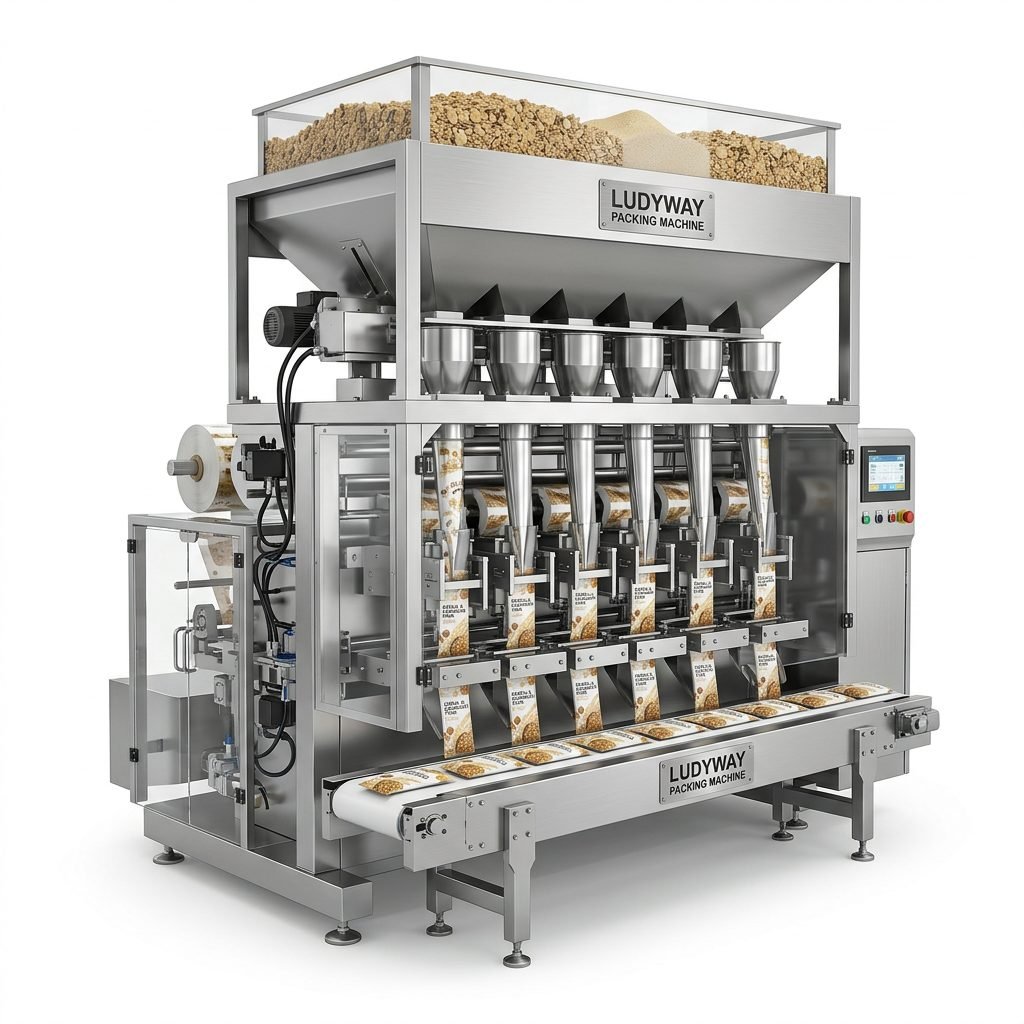
- Multi-Head Weigher: Ensures precise portion control for granola, muesli, and cereal bar mixes, reducing product giveaway and maximizing profitability.
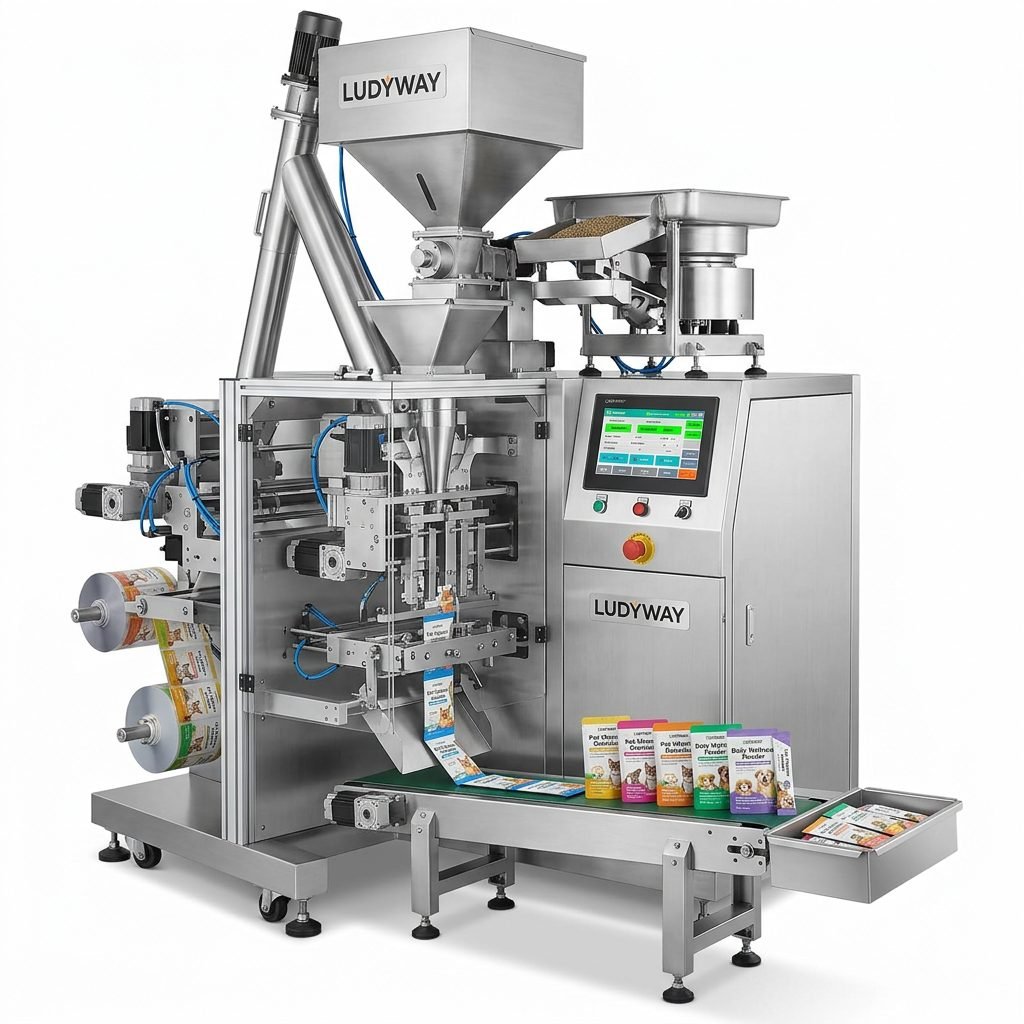
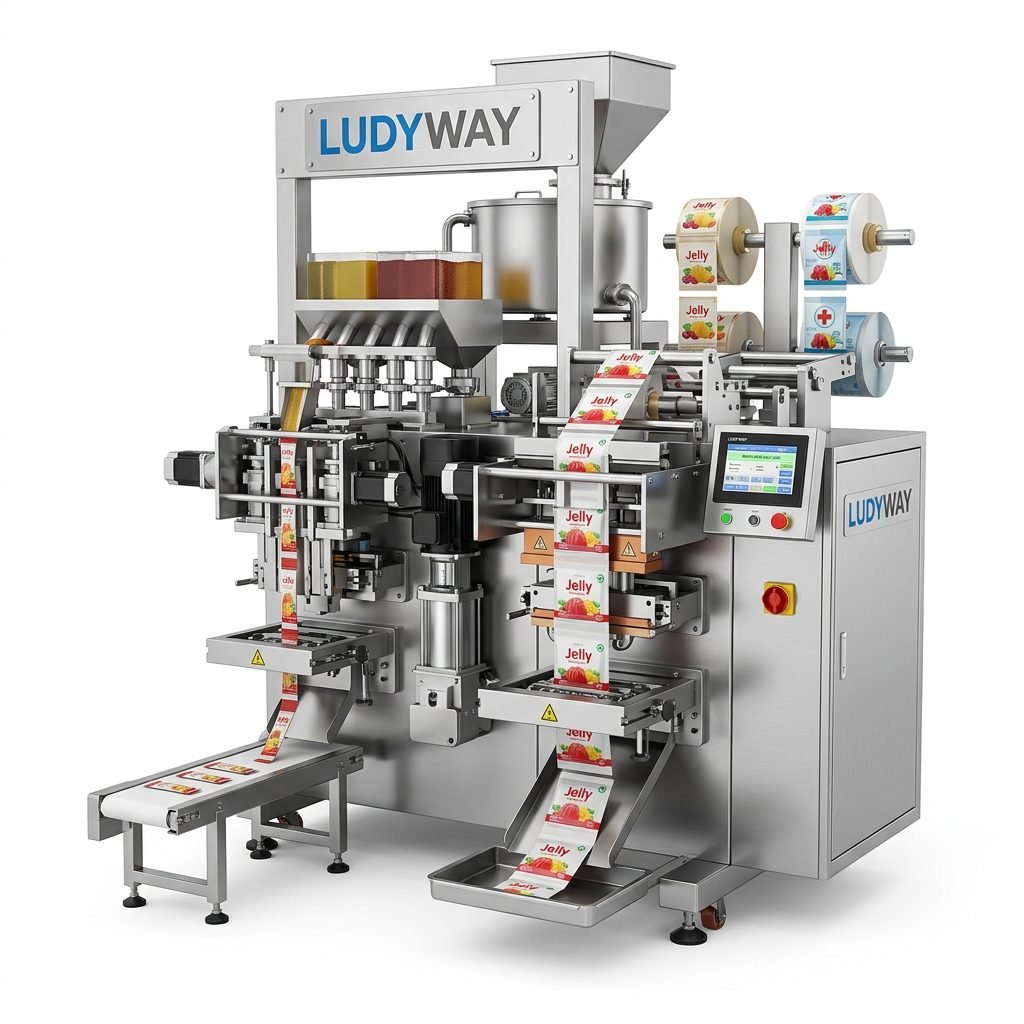
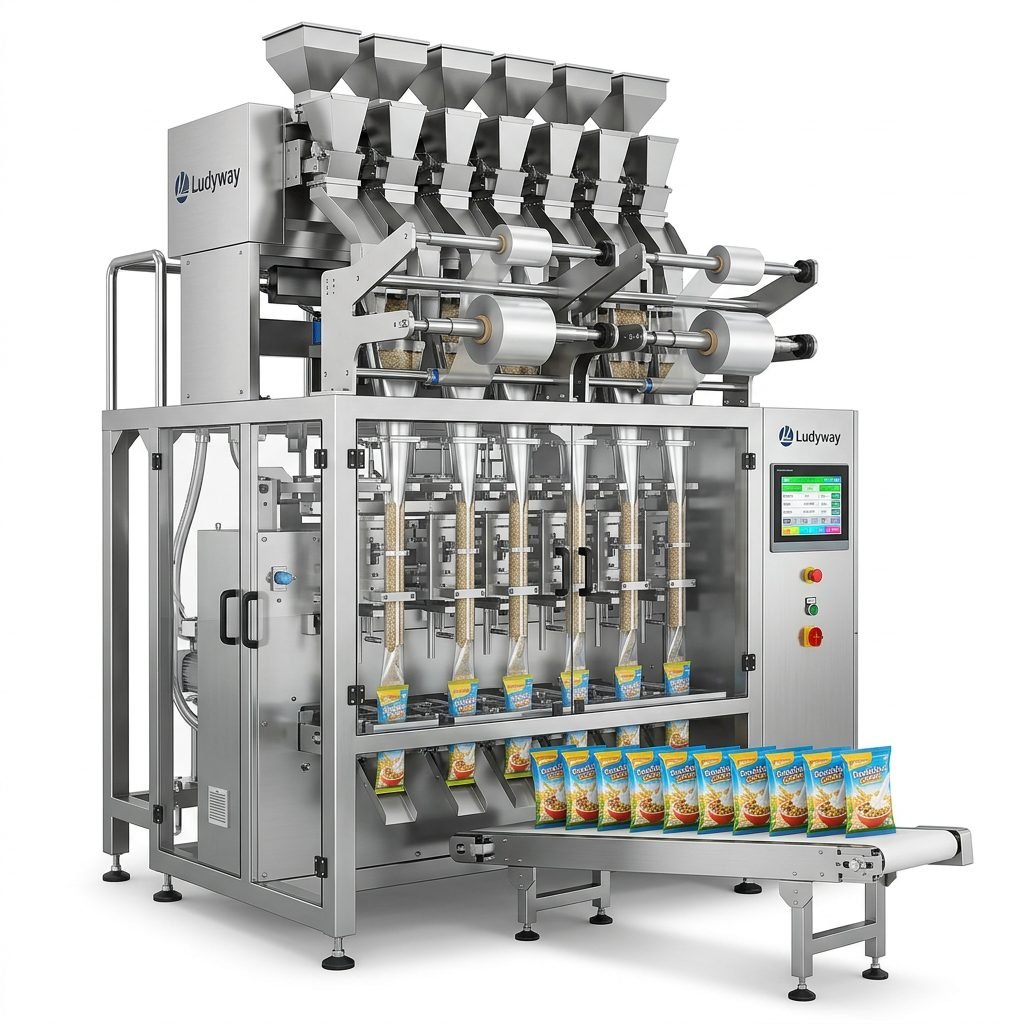
- Vertical Form Fill Seal (VFFS) Machine: The core unit that forms pouches from film rolls, fills product, and seals packages at high speed.
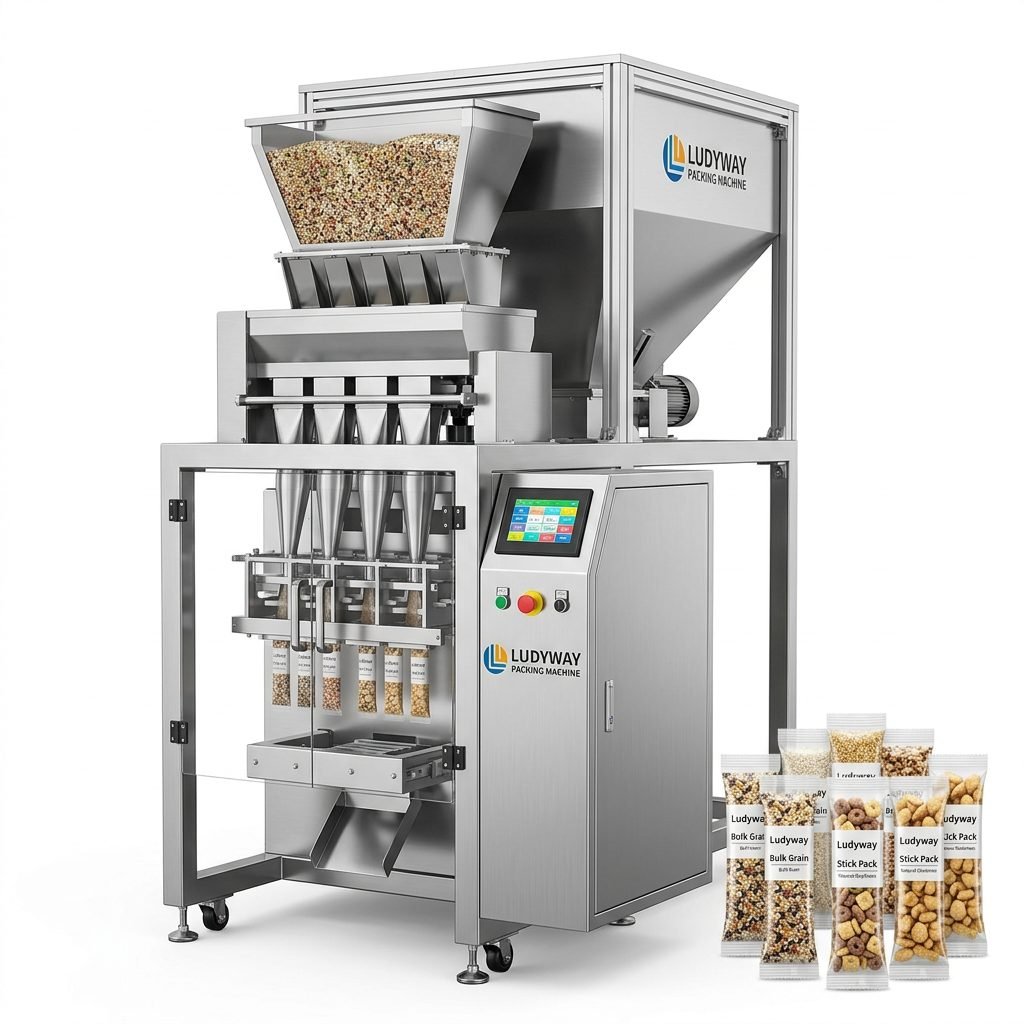
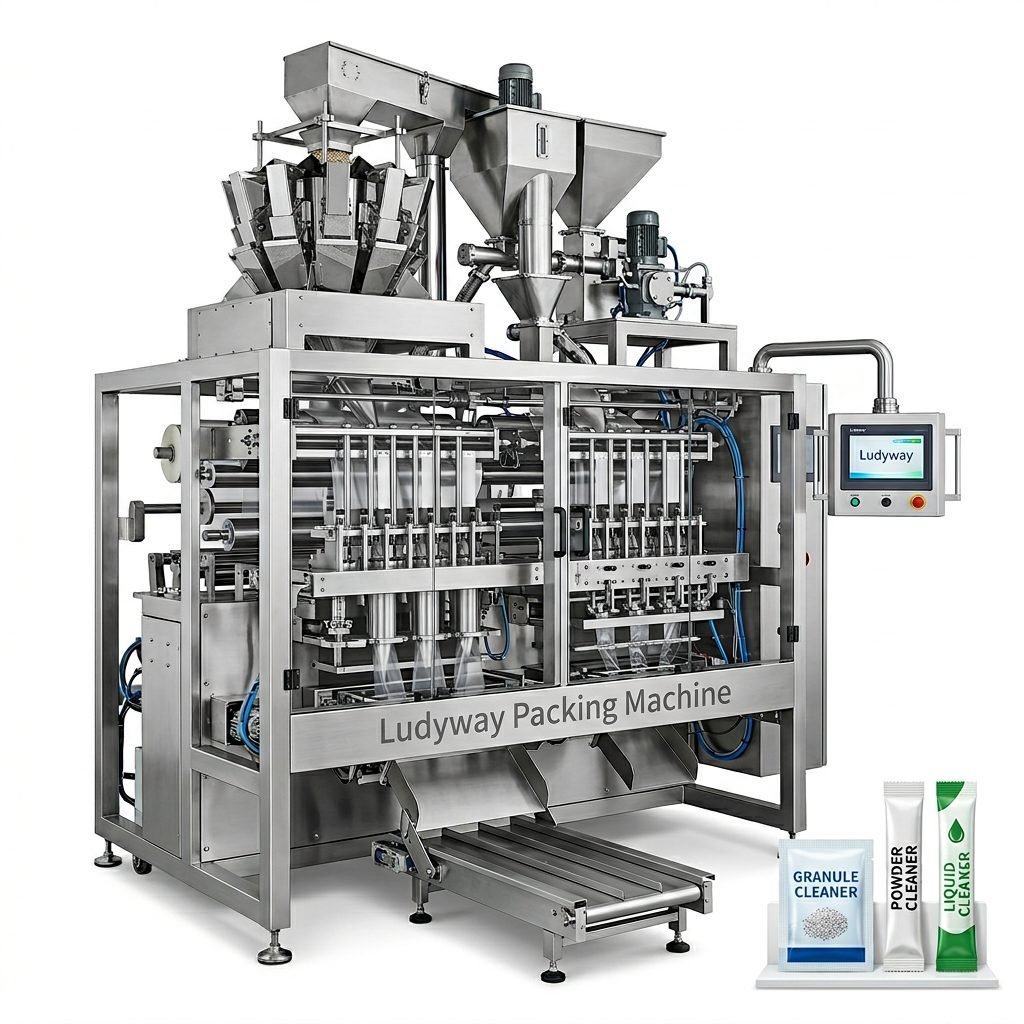
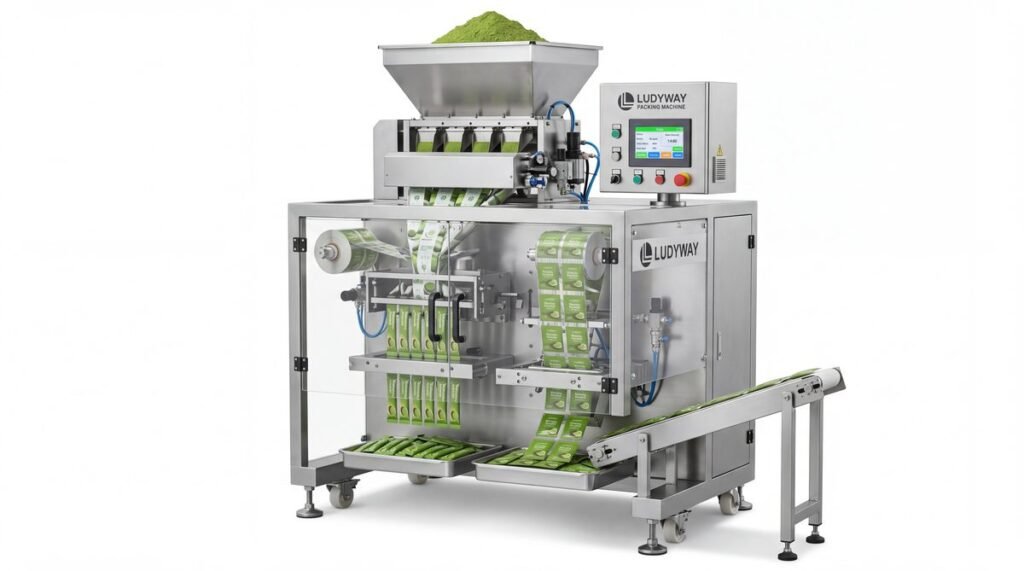
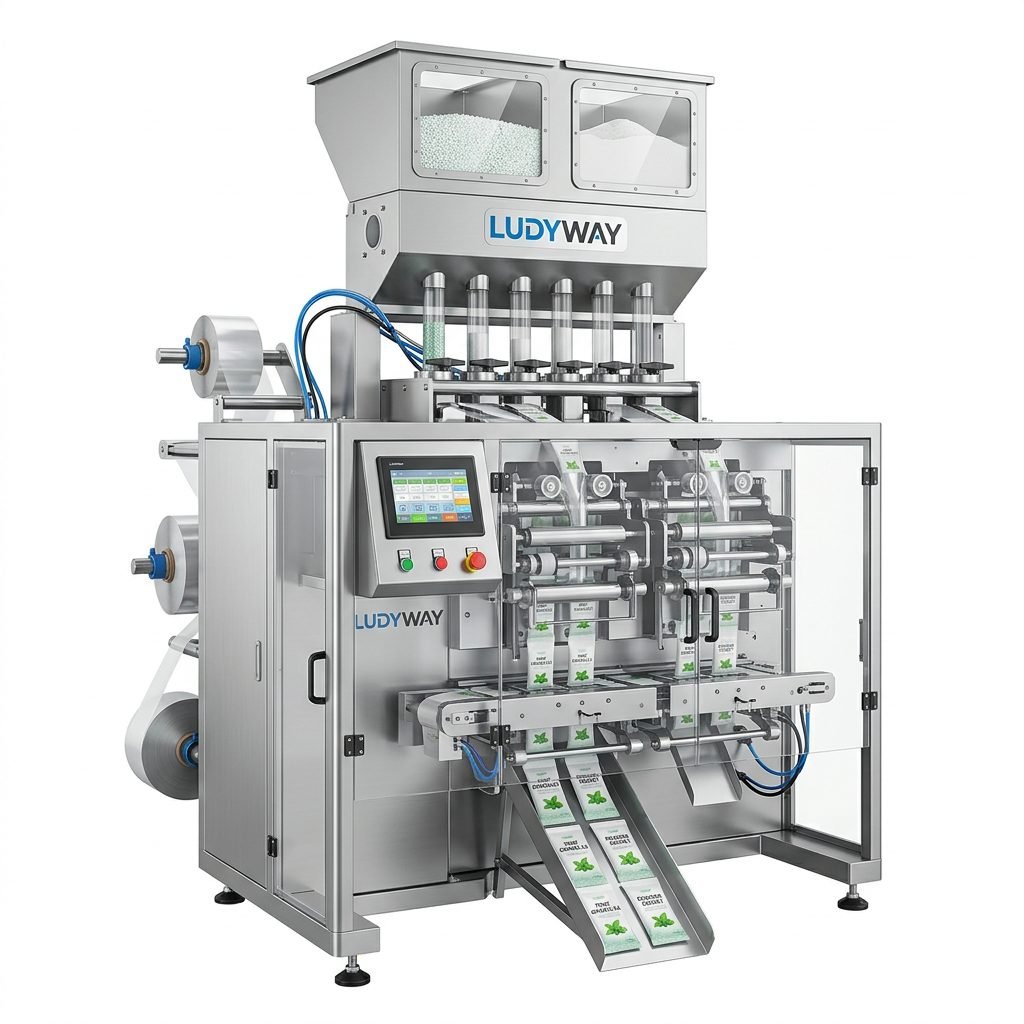
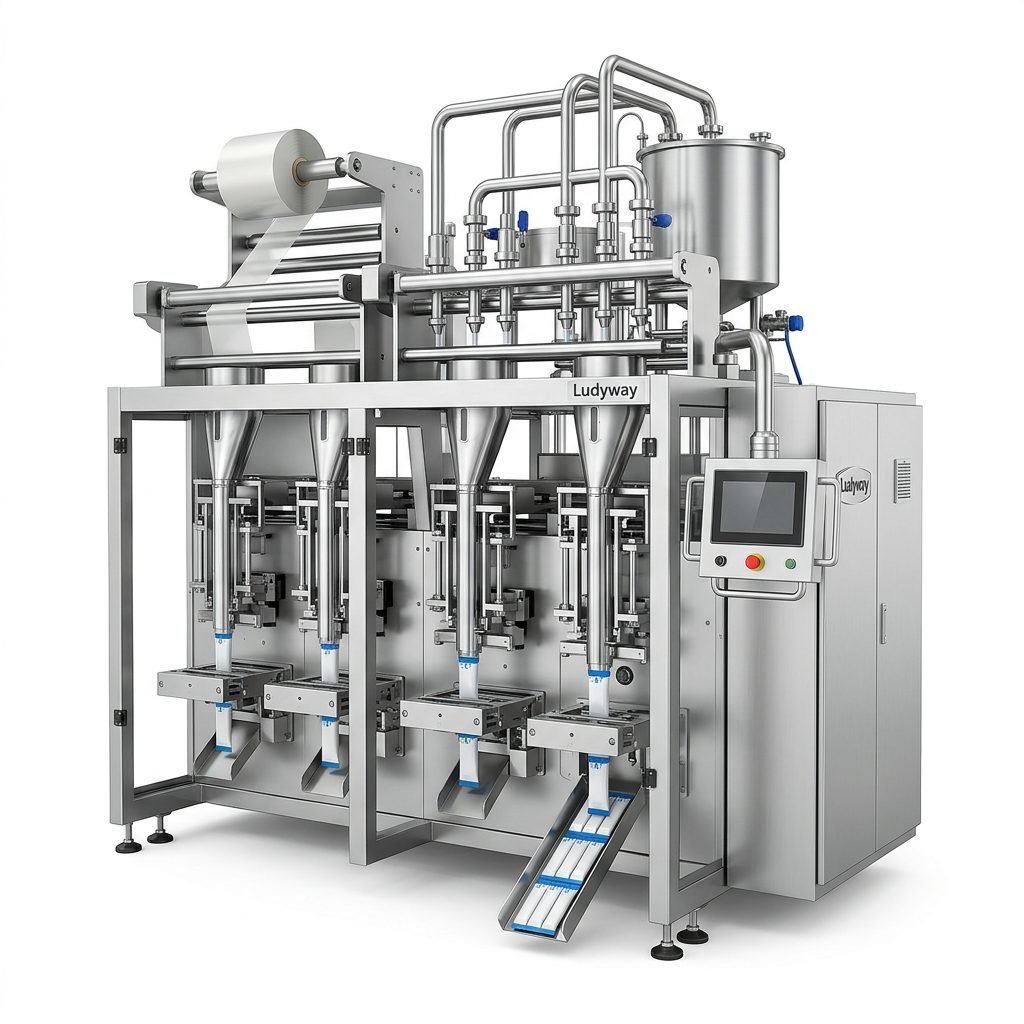
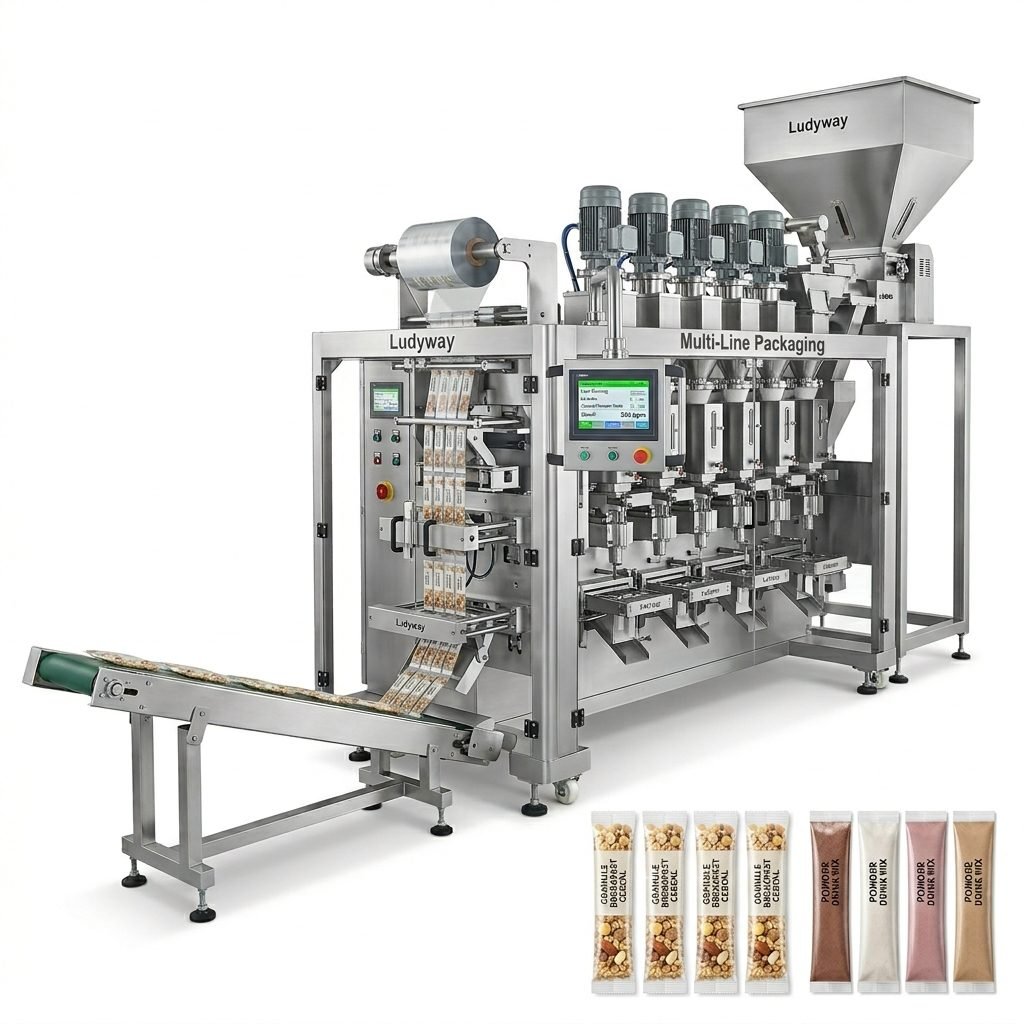
- Multi-Lane Stick Pack Machine: Ideal for single-serve cereal bar portions, industry data shows growing demand for this format in the Oceania convenience sector.
- Cartoning Machine: Automates the secondary packaging process by inserting primary packs into cartons or boxes.
- Checkweigher and Metal Detector: Critical quality control equipment ensuring compliance with flexible packaging regulatory requirements.
- Case Packer and Palletizer: End-of-line automation for efficient logistics and distribution across Oceania’s supply chain network.
Production Line Configuration Planning
Configuring the production line layout for a cereal bar packaging operation in Oceania involves strategic decisions about automation levels and space utilization. The 2025 State of the Industry report from PMMI highlights the importance of flexible packaging lines that can accommodate multiple product variations and packaging formats without extensive changeover downtime.
Space and Infrastructure Requirements
Oceania manufacturing facilities must account for cleanroom-level hygiene zones when handling cereal and granola products. Production areas should maintain controlled temperature and humidity to prevent moisture absorption by hygroscopic cereal ingredients. Ventilation systems need to manage dust from granule and powder products, protecting both equipment and operators.
Regulatory Compliance in Australia and New Zealand
Food packaging operations in Oceania must adhere to the Australia New Zealand Food Standards Code. Packaging machinery must be constructed from food-grade materials, typically stainless steel, and designed for easy cleaning and sanitation. Equipment validation documentation is essential for audit readiness. The Flexible Packaging Association provides comprehensive resources on material compliance and sustainability requirements that directly impact packaging line design.
| Compliance Area | Key Requirements | Impact on Packaging Line |
|---|---|---|
| Food Safety (FSANZ) | HACCP-compliant equipment design | Stainless steel construction, accessible for cleaning |
| Electrical Safety | AS/NZS 3000 wiring standards | Local electrical certification required |
| Packaging Materials | APCO 2025 National Packaging Targets | Compatibility with recyclable and compostable films |
| Workplace Safety | Safe Work Australia guidelines | Machine guarding, emergency stops, noise control |
Selecting the Right Packaging Machine Supplier
Choosing a reliable equipment manufacturer is critical for success in the Oceania market. Factors to evaluate include the supplier’s experience with international installations, local technical support availability, and the scalability of their machinery range. Ludyway is one of the largest packaging machine manufacturers in China, offering over 50 intelligent packaging machine models designed for granule, powder, and stick pack applications. With a modern 20,000㎡ manufacturing facility and customers in over 100 countries, they provide turnkey packaging solutions suitable for cereal bar production lines.

Key Supplier Evaluation Criteria
- Pre-sales engineering support and production line simulation capabilities
- Availability of local after-sales service and spare parts within Oceania
- Machine compatibility with flexible packaging materials suited for cereal bar products
- Documentation and validation support for regulatory compliance
- Training programs for operators and maintenance personnel
Installation and Commissioning Best Practices
The installation phase of a cereal bar packaging production line in Oceania demands meticulous planning. Factory acceptance testing (FAT) should be completed at the manufacturer’s facility before shipment, while site acceptance testing (SAT) confirms performance under actual production conditions. Proper commissioning involves calibration of weighing systems, tuning of sealing parameters for local climate conditions, and integration testing with upstream and downstream equipment.
Common Installation Challenges
Oceania’s geographic isolation can extend lead times for equipment delivery and spare parts. Manufacturers should plan inventory buffers and establish relationships with local engineering support services. Electrical systems must be compatible with 230V/50Hz power supply standards used in Australia and New Zealand, requiring verification during procurement.
Optimizing Production Efficiency
After commissioning, continuous optimization of the packaging line drives profitability. Implementing OEE (Overall Equipment Effectiveness) measurement systems helps identify bottlenecks and improvement opportunities. Advanced features such as automatic film splicing, servo-driven sealing, and recipe management significantly reduce changeover times between different cereal bar SKUs.
Maintenance and Lifecycle Management
Preventive maintenance programs are essential for maximizing the lifespan of cereal bar packaging machinery in demanding production environments. PMMI packaging industry resources emphasize the value of predictive maintenance technologies, including vibration analysis and thermal imaging, to detect potential failures before they cause unplanned downtime.
| Maintenance Activity | Frequency | Key Focus Areas |
|---|---|---|
| Daily Cleaning | End of each shift | Product contact surfaces, sealing jaws, film path |
| Weekly Inspection | Weekly | Belt tension, sensor calibration, lubricant levels |
| Monthly Service | Monthly | Gearbox and bearing inspection, electrical connections |
| Quarterly PM | Every 3 months | Comprehensive mechanical and electrical systems check |
Sustainability Considerations for Oceania Packaging Lines
Australia’s APCO 2025 targets mandate that all packaging be reusable, recyclable, or compostable. Cereal bar manufacturers must select packaging machinery capable of processing sustainable film materials, which often have different sealing characteristics compared to conventional plastics. Equipment with precise temperature control and adjustable sealing parameters is essential for achieving hermetic seals on eco-friendly packaging materials.
Return on Investment Analysis
Investing in automated cereal bar packaging technology delivers measurable returns through reduced labor costs, minimized product waste, and increased throughput. While initial capital expenditure for a complete line may be significant, the operational savings typically achieve payback within 18-36 months for medium to high-volume manufacturers in Oceania. PMMI’s economic reports provide benchmark data for packaging machinery investment analysis across different production scales.
Futureproofing Your Cereal Bar Packaging Line
As the Oceania snack bar market continues to evolve, packaging lines must adapt to emerging trends such as personalized nutrition, limited-edition flavors, and e-commerce-ready packaging formats. Selecting modular equipment with upgradable features ensures long-term flexibility, allowing manufacturers to respond quickly to changing consumer preferences and retail requirements across Australia, New Zealand, and Pacific Island export markets.