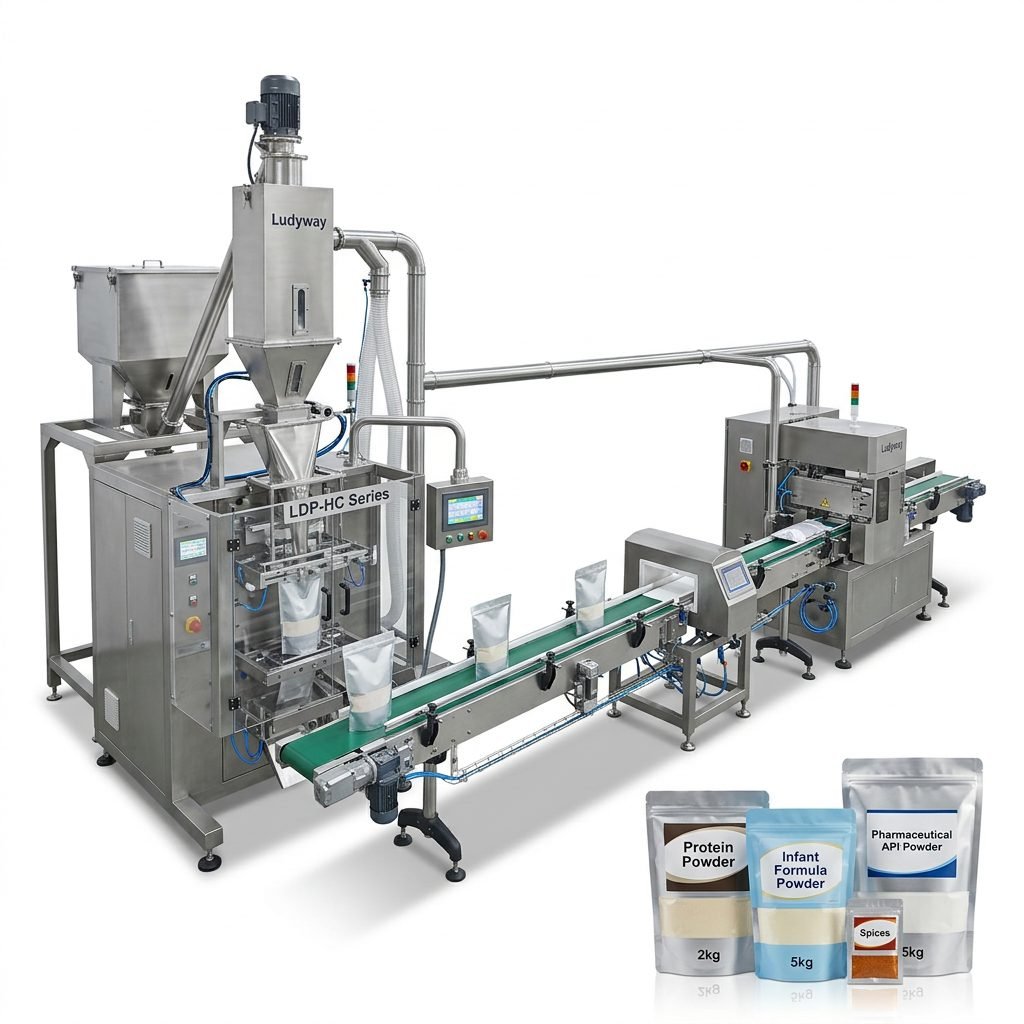
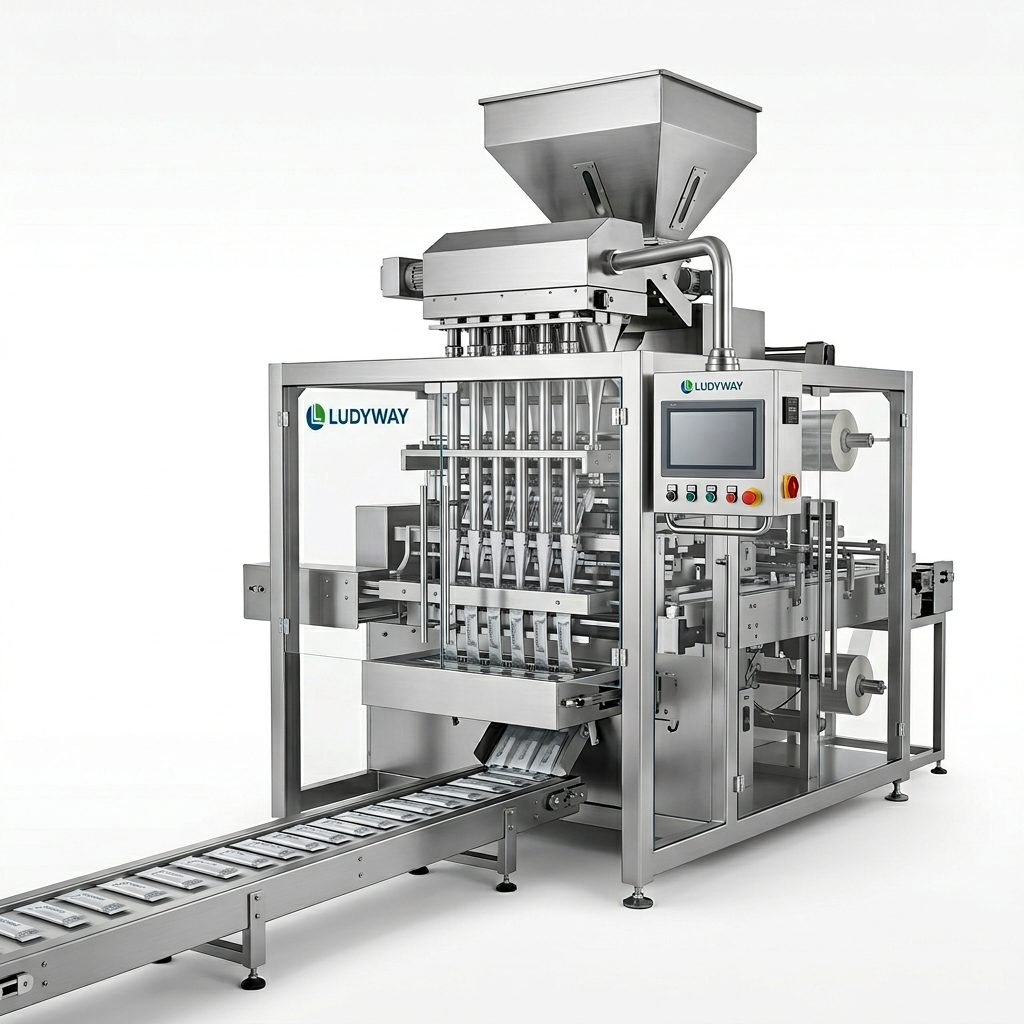
Jelly products are popular across retail, foodservice, school snacks, dessert cups, and convenience formats. For manufacturers, choosing the right jelly packing machine is not only about sealing speed—it directly affects product freshness, portion accuracy, packaging appearance, labor efficiency, and long-term operating cost. Whether you pack jelly cups, jelly sachets, stick packs, or pouches, the right equipment can help you scale production while maintaining stable quality.
This guide explains the main types of jelly packing machines, the key features to compare, the business benefits they deliver, and practical buying tips to help you make a smarter investment.
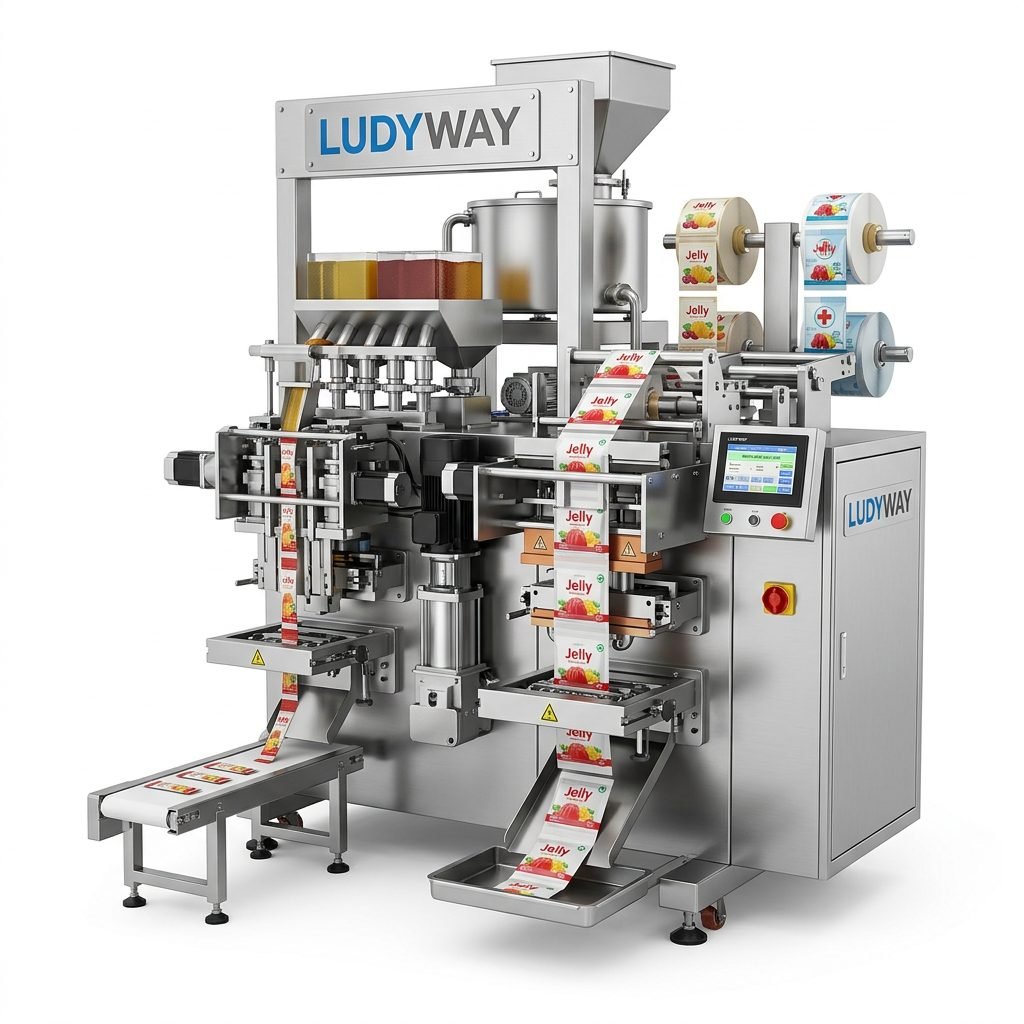
What Is a Jelly Packing Machine?
A jelly packing machine is automated equipment designed to fill and seal jelly products into specific package formats. Depending on the product type, the machine may handle semi-liquid jelly, fruit jelly, jelly strips, jelly cups, or viscous dessert gels. It can be configured for different materials, filling volumes, output speeds, and sealing styles.
Most systems include several coordinated functions:
- Product feeding or hopper storage
- Accurate volumetric or piston filling
- Film or cup feeding
- Heat sealing
- Cutting, coding, and discharge
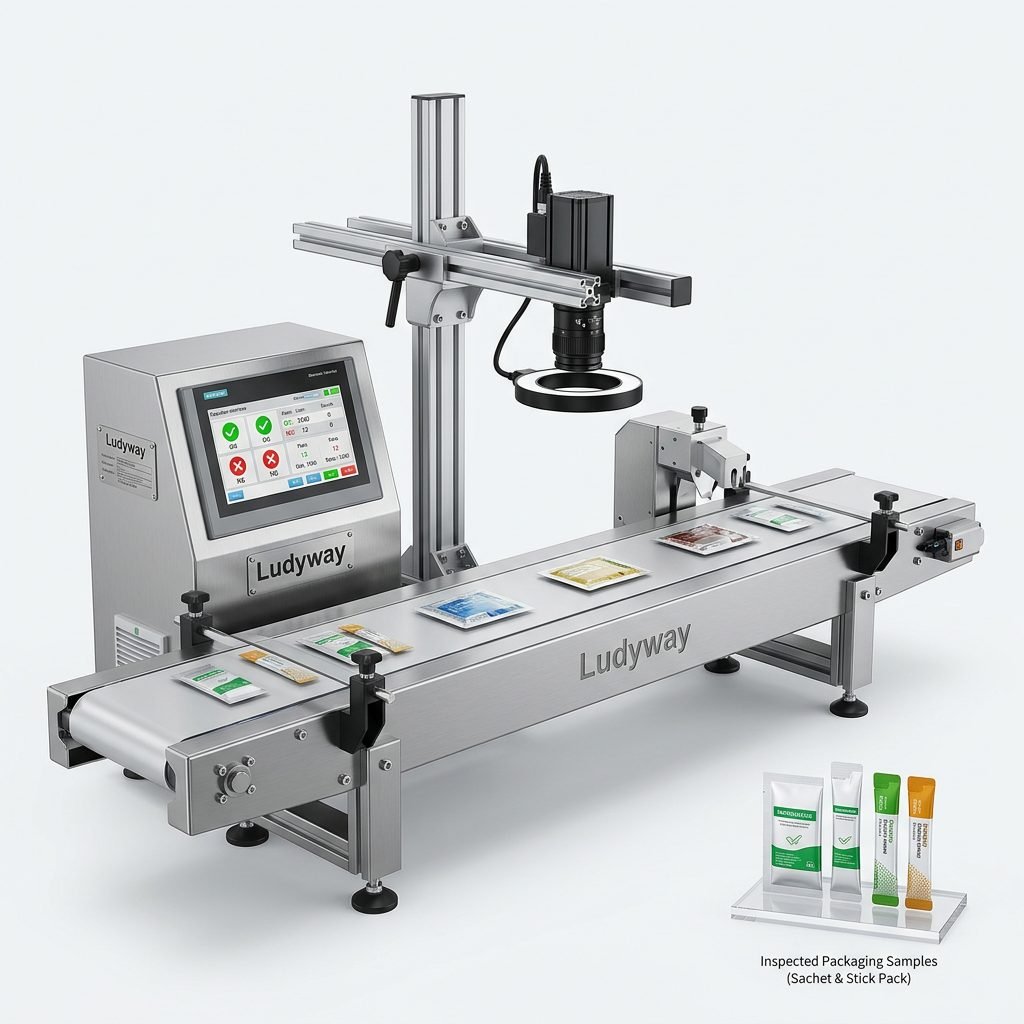
- Optional inspection, cartoning, and end-of-line automation
Common Types of Jelly Packing Machines
The best machine type depends on your package style, production volume, and target market. Below are the most common options used in jelly packaging.
1. Jelly Cup Filling and Sealing Machines
These machines are used for pre-formed plastic cups. They automatically place cups, fill jelly, apply film lids, seal, and discharge finished packs. This format is widely used for ready-to-eat dessert jelly and fruit jelly products.
- Suitable for single-serve jelly cups
- Good product presentation
- Works well for retail and supermarket channels
- Can support multi-cup trays in some designs
2. Sachet Jelly Packing Machines
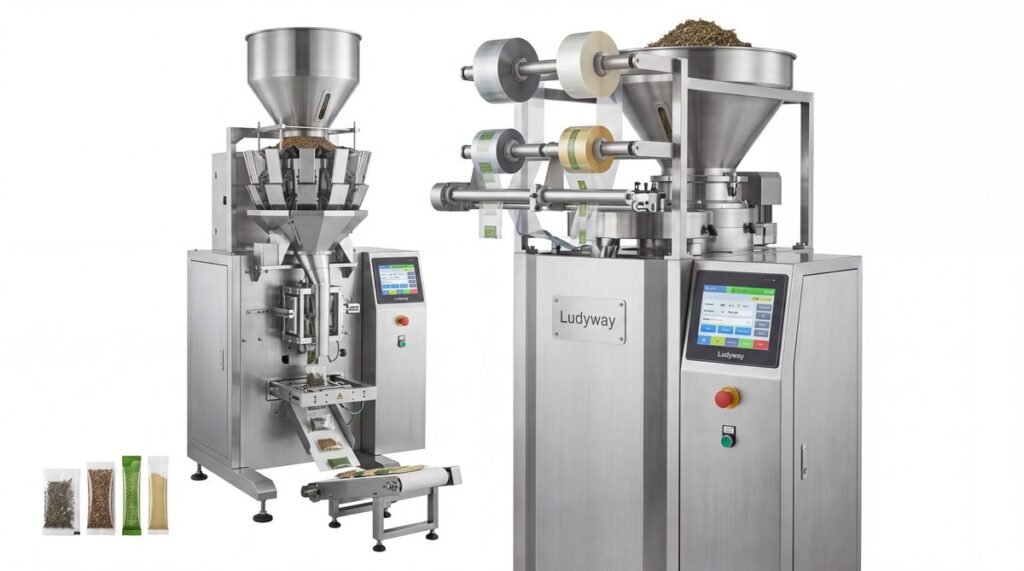
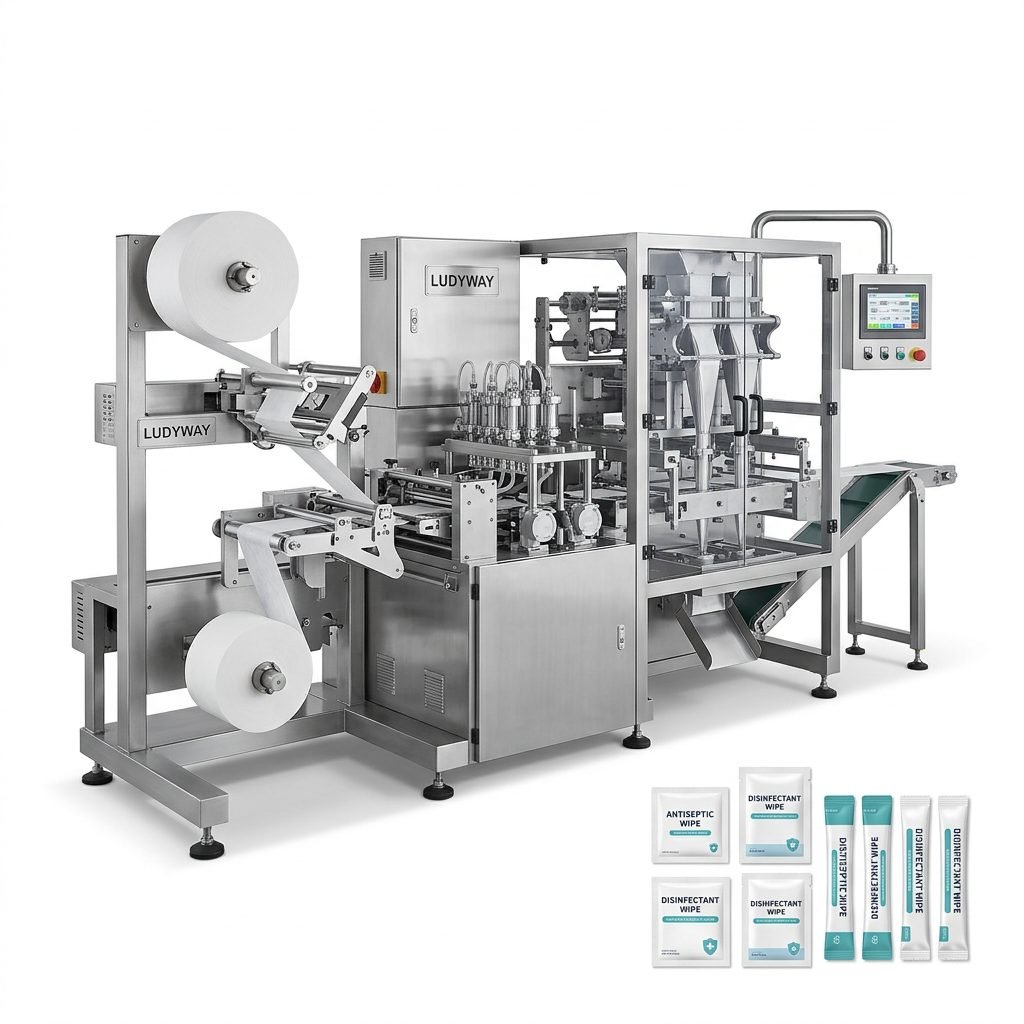
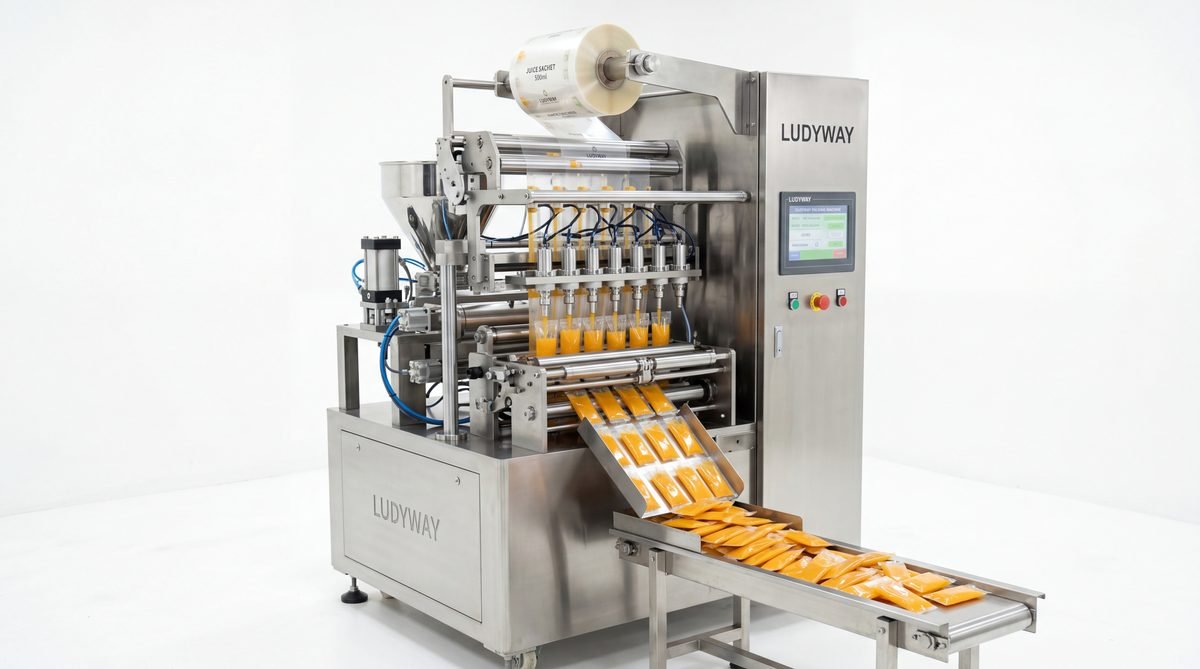
These machines form sachets from roll film, fill jelly, and seal the package in one automatic process. They are commonly used for portable jelly snacks, sample packs, and low-to-medium volume retail packaging.
- Economical package format
- Lower packaging material cost
- Convenient for travel-size portions
- Flexible shape and seal options
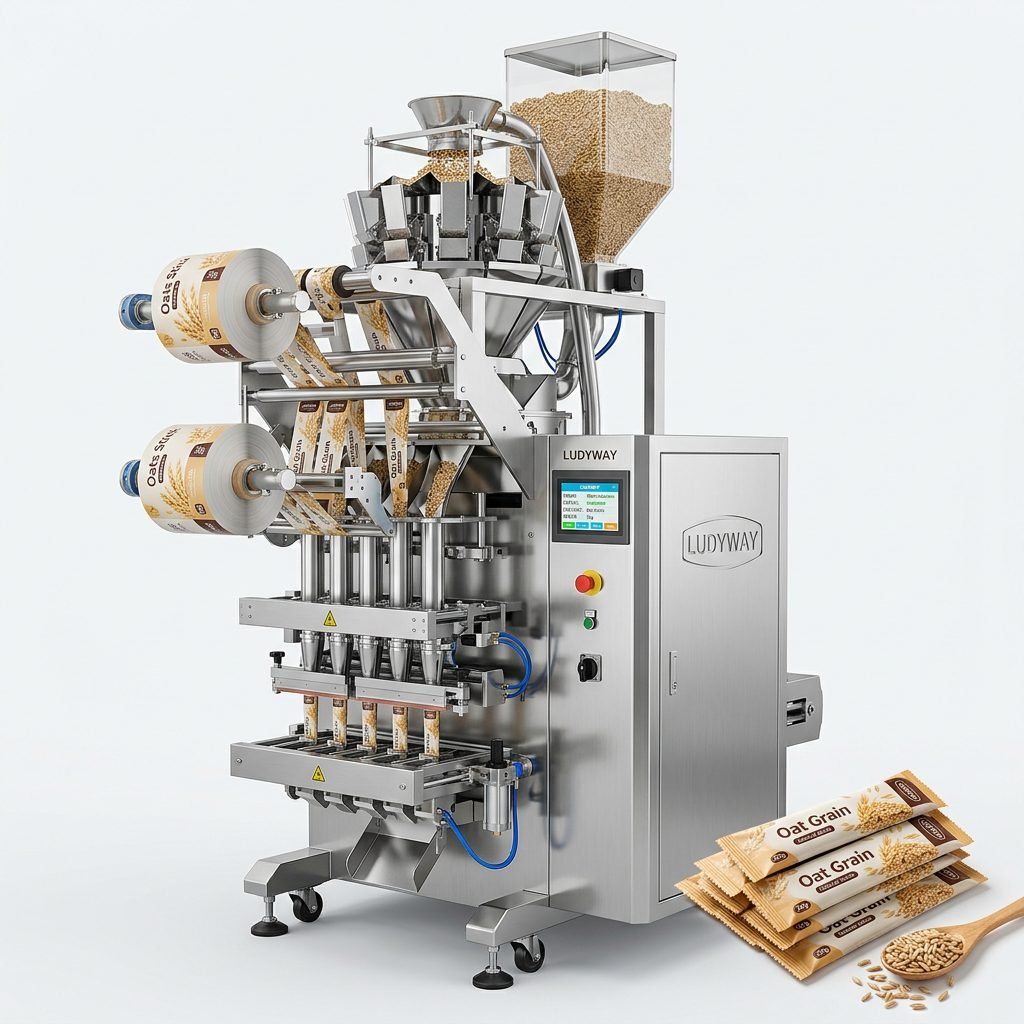
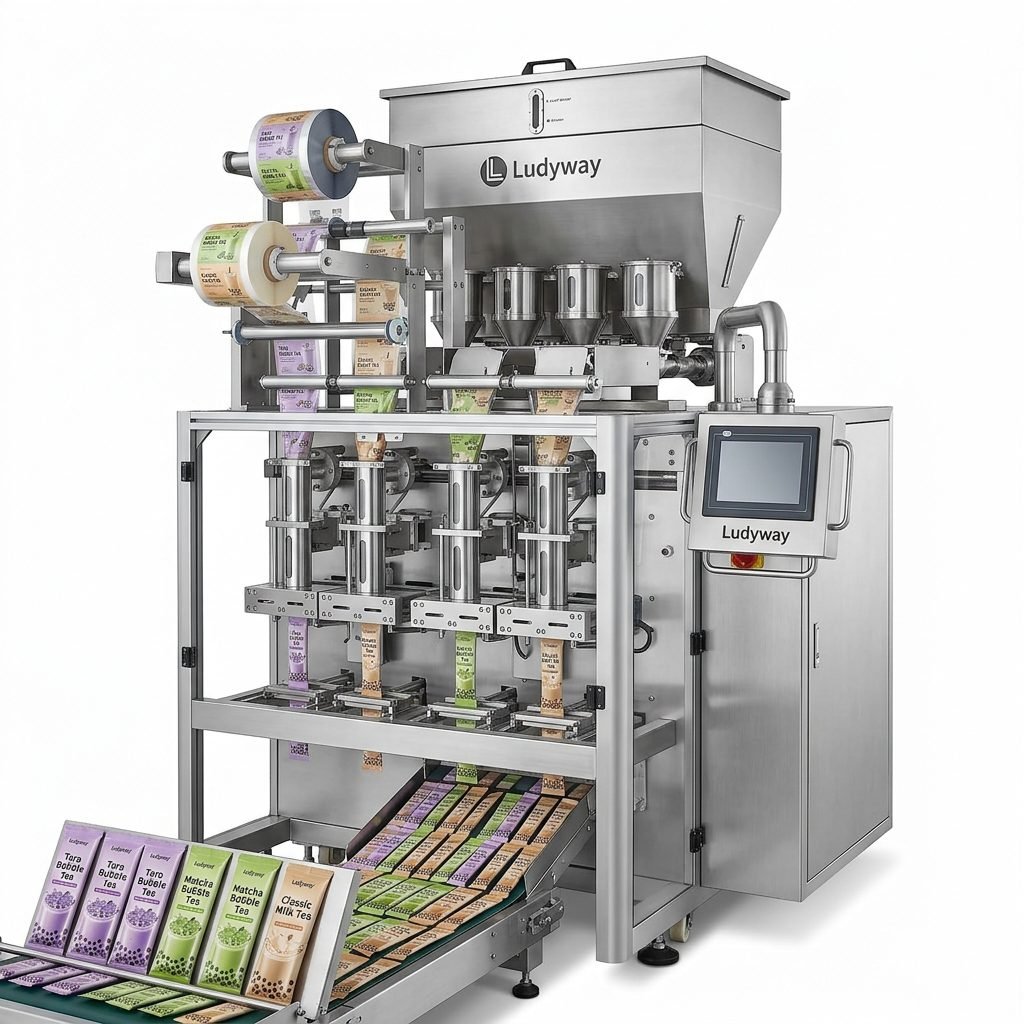
3. Stick Pack Jelly Machines
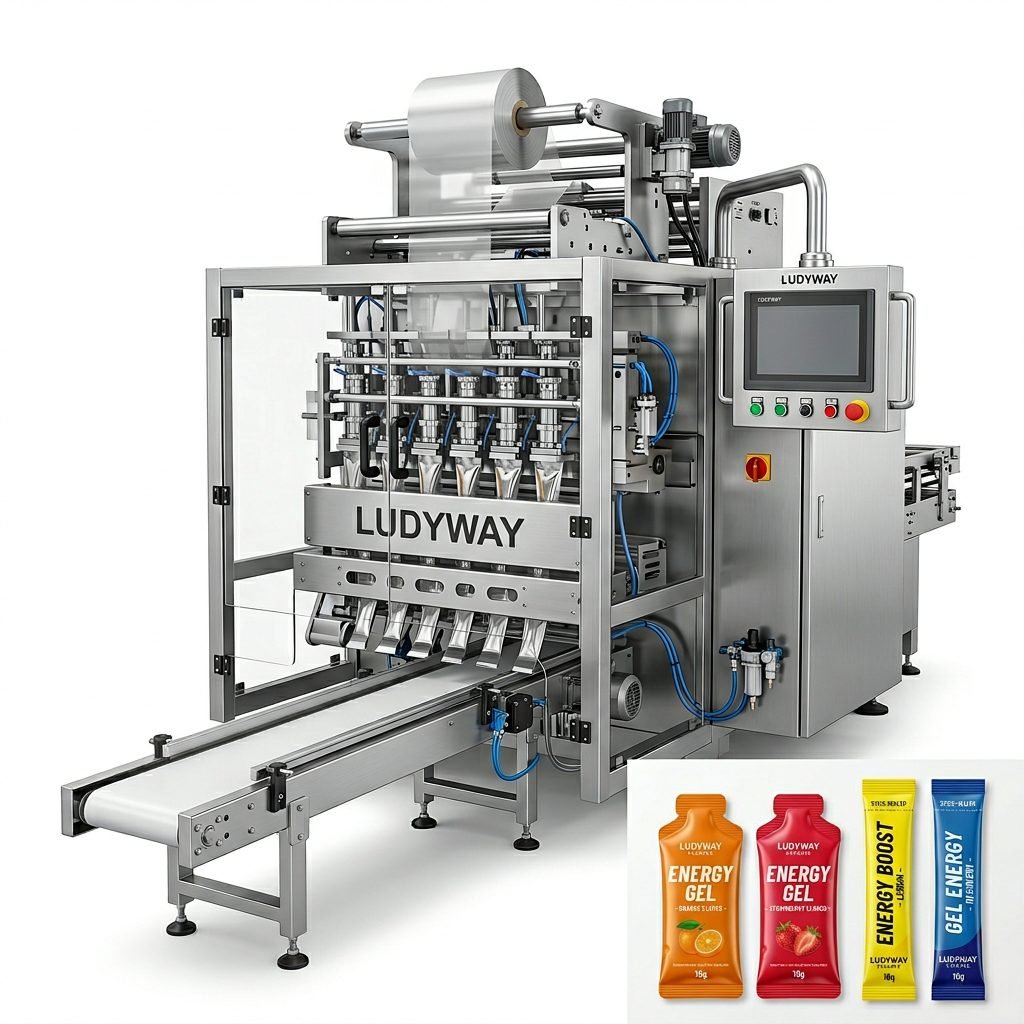
Stick pack machines are ideal for slim, single-dose jelly products. Multi-lane models can produce many packs in parallel, making them suitable for high-volume applications and brands focused on convenience packaging.
- Compact and modern pack appearance
- Strong output efficiency with multi-lane design
- Popular for children’s jelly snacks and functional gel products
- Efficient for automatic secondary packaging
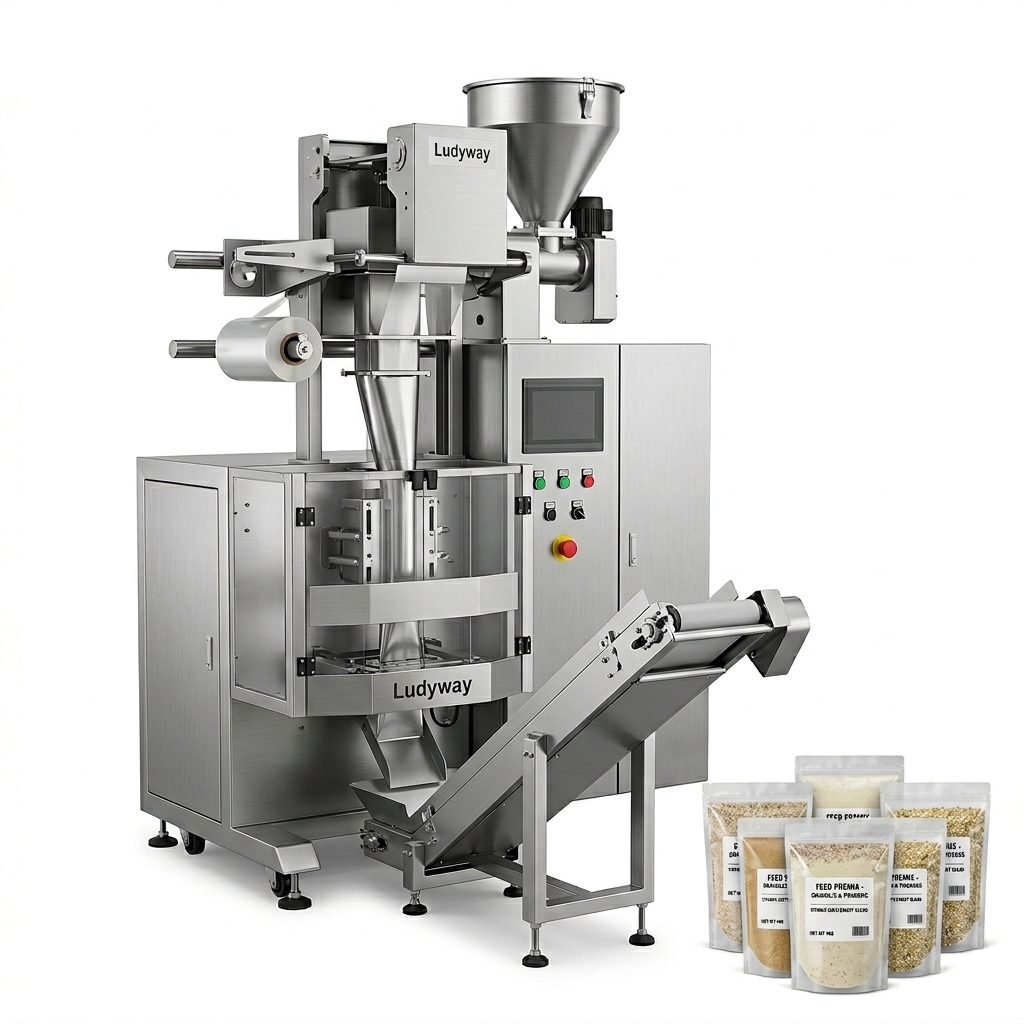
4. Premade Pouch Jelly Packing Machines
These systems use ready-made pouches and then fill and seal them. They are often chosen for stand-up pouches, spouted pouches, and higher-end retail packaging.
- Better shelf appeal
- Supports premium branding
- Ideal for larger fill volumes
- Useful for export markets needing stronger packaging consistency
5. Horizontal or Vertical Form Fill Seal Systems
Depending on the jelly’s flow properties and package structure, manufacturers may choose either horizontal or vertical form-fill-seal equipment. Each design offers advantages in speed, footprint, and package style flexibility.
| Machine Type | Best For | Main Advantage |
|---|---|---|
| Cup filling & sealing machine | Dessert jelly cups | Excellent presentation and sealing stability |
| Sachet packing machine | Portable low-cost packs | Material efficiency and flexible sizes |
| Stick pack machine | Single-serve jelly strips | High-speed multi-lane production |
| Premade pouch machine | Premium retail pouches | Strong shelf impact and format versatility |
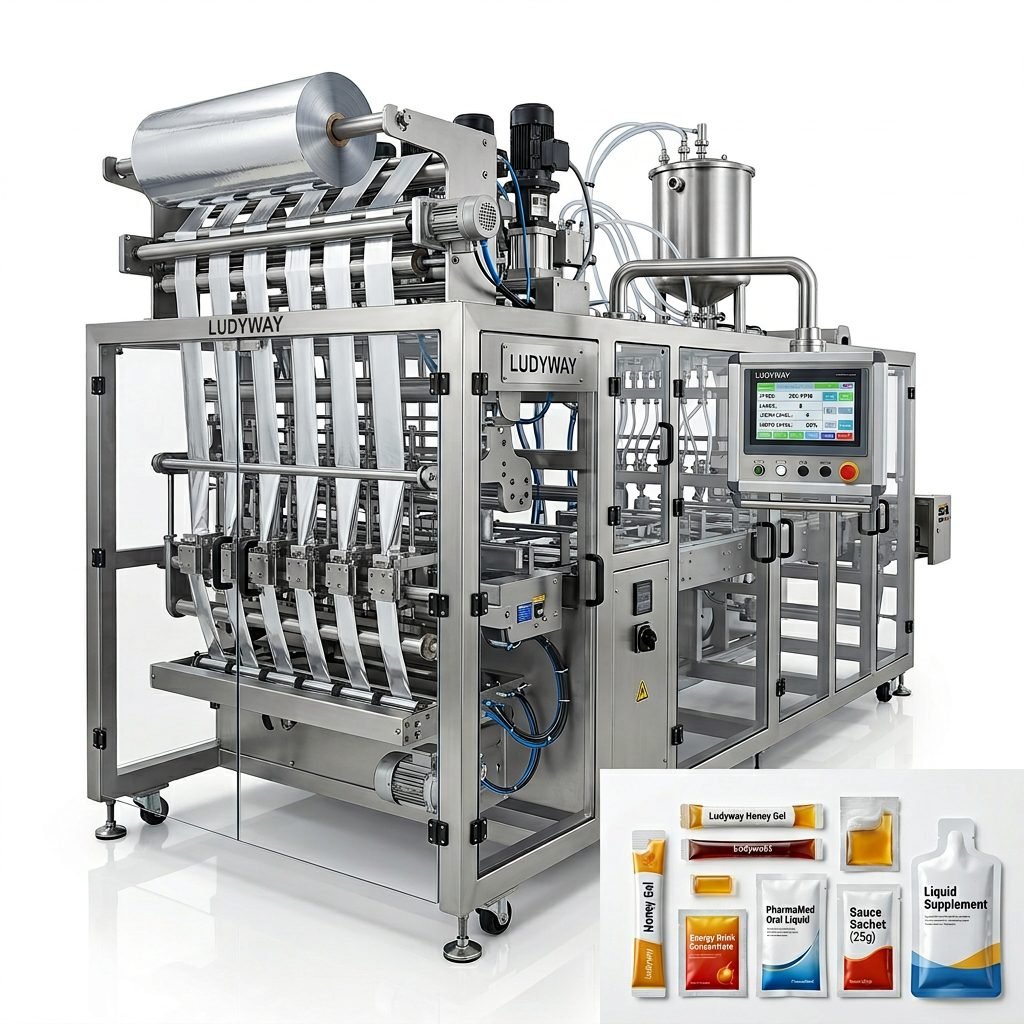
Key Features to Look for in a Jelly Packing Machine
Not all jelly products behave the same during filling. Some have fruit particles, some are hot-filled, and others require gentle handling to preserve texture. That is why equipment specifications matter.
Accurate Filling System
For jelly products, fill consistency is critical. A reliable machine should minimize underfilling and overfilling while maintaining stable output. Look for filling technology that matches your product viscosity and temperature condition.
Anti-Drip and Clean Sealing Design
Jelly can create sealing contamination if the filling system drips or splashes. A well-designed anti-drip nozzle and controlled filling motion help improve seal integrity and reduce waste.
Food-Grade Construction
The contact parts should typically be made of stainless steel and comply with food hygiene requirements. Smooth surfaces and easy-access cleaning areas are especially important for sticky products like jelly.
Temperature Compatibility
If your product is filled warm or hot, the machine should be built to handle the required temperature range without affecting dosing accuracy or seal quality.
Flexible Packaging Formats
If you plan to expand your product range, choose equipment that can support multiple bag lengths, cup sizes, or pouch formats. This helps reduce future capital spending.
Automation and Control System
Modern machines often include PLC control, touch screen operation, fault alarms, recipe memory, and production data functions. These features make operation easier and reduce setup time.
Integration Capability
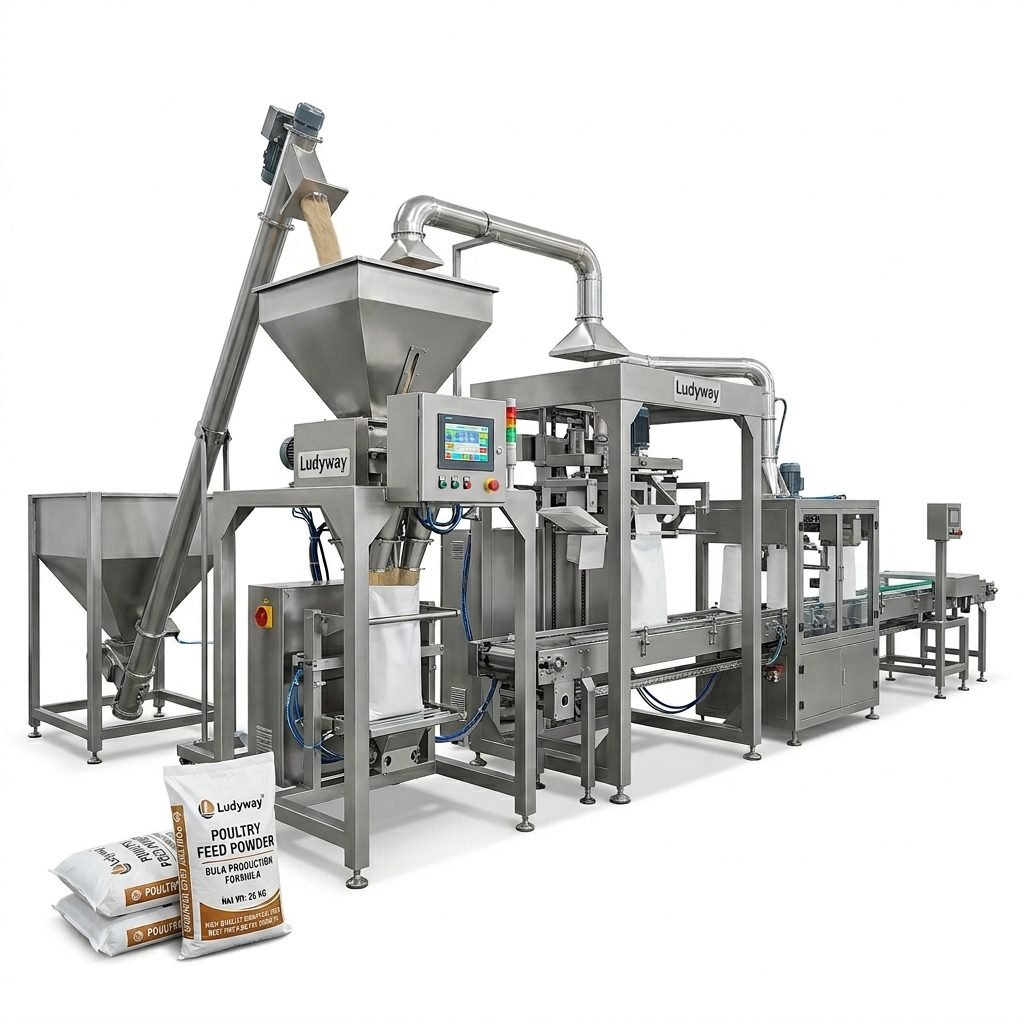
For growing factories, a machine that can connect with conveyors, date coders, checkweighers, cartoners, and palletizing systems offers a better path toward full-line automation.
Benefits of Using the Right Jelly Packing Machine
Higher Production Efficiency
An automatic jelly packing machine can significantly outperform manual or semi-automatic processes. This means faster output, more stable production planning, and improved delivery reliability.
Better Packaging Consistency
Uniform fill weight, neat seals, and repeatable package dimensions improve product quality perception and help strengthen your brand image.
Reduced Labor Dependence
Automation helps reduce manual handling, lowers labor intensity, and decreases the risk of inconsistency caused by human operation.
Improved Hygiene and Safety
Closed and automated filling processes reduce product exposure, which is particularly important for food safety management and compliance requirements.
Lower Material Waste
Stable film pulling, accurate filling, and strong sealing can reduce scrap rates and save packaging material over time.
Easier Scale-Up
Once product demand grows, a scalable machine platform makes it easier to increase output through higher-speed models, more lanes, or complete line integration.
How to Choose the Best Jelly Packing Machine
A smart buying decision starts with understanding your own production goals. Before requesting quotations, define the following factors clearly.
1. Product Characteristics
- Is the jelly smooth, pulpy, or particle-containing?
- What is the viscosity range?
- Will the product be filled hot or at room temperature?
- Does it require special hygienic handling?
2. Packaging Format
- Cup, sachet, stick pack, or pouch?
- What fill weight or volume is required?
- Do you need easy-tear, zipper, or shaped packs?
- Is retail appearance a top priority?
3. Output Requirements
Your target output per minute or per hour will strongly influence machine structure. A startup may prioritize flexibility and lower investment, while an established brand may need high-speed, continuous production.
4. Space and Utility Conditions
Check available floor space, power supply, compressed air, and workshop layout. This avoids installation problems later.
5. Material Compatibility
The machine must work well with your chosen packaging film or cups. Film thickness, sealing layer, and roll specifications should all be verified in advance.
6. Cleaning and Maintenance Needs
Since jelly can be sticky, machines that are easy to clean and maintain will save time and reduce downtime.
7. Supplier Experience
It is wise to buy from a manufacturer with real application experience in food packaging, customization capability, and technical support capacity. For buyers seeking scalable automation solutions, Ludyway jelly packing machine solutions can be considered as part of a broader packaging equipment evaluation, especially for businesses that need both standalone machines and turnkey packaging lines.
| Buying Factor | Why It Matters | Buyer Tip |
|---|---|---|
| Jelly viscosity | Affects filling method and accuracy | Send product samples for testing |
| Pack format | Determines machine structure | Confirm package dimensions early |
| Output speed | Impacts investment and line design | Choose current need plus future margin |
| Service support | Reduces downtime risks | Ask about spare parts and remote support |
Questions to Ask Before Buying
- Can the machine handle my exact jelly texture and filling temperature?
- What is the real production speed with my package size?
- How easy is format changeover?
- What are the wear parts and maintenance intervals?
- Can the machine connect to coding, cartoning, and inspection systems?
- Is on-site installation or remote commissioning available?
- What certifications and food-contact standards are supported?
Industries and Products That Use Jelly Packing Machines
Jelly packing technology is not limited to dessert jelly alone. Similar equipment can also be used for a variety of semi-liquid and gel-style products, depending on machine configuration.
- Fruit jelly snacks
- Dessert gels
- Nutrition gels
- Functional food gels
- Children’s jelly sticks
- Portion-controlled food gel products
Maintenance Tips for Long-Term Performance
Even a high-quality machine needs proper maintenance to keep performance stable. For jelly applications, this is especially important because sticky residue can affect both filling and sealing performance.
- Clean product-contact parts after each shift
- Inspect nozzles and sealing areas regularly
- Monitor pneumatic and electrical components
- Replace wear parts before failure causes downtime
- Train operators on startup, shutdown, and sanitation procedures
Final Buying Insight
The ideal jelly packing machine should match your product type, package style, output target, hygiene standard, and future expansion plan. A lower purchase price does not always mean lower total cost. Reliable filling accuracy, stable seals, easier maintenance, and strong supplier support often create much better value over the life of the machine.
If you compare machine types carefully and test your real product before purchase, you will be in a stronger position to choose equipment that supports efficient production, attractive packaging, and long-term business growth.