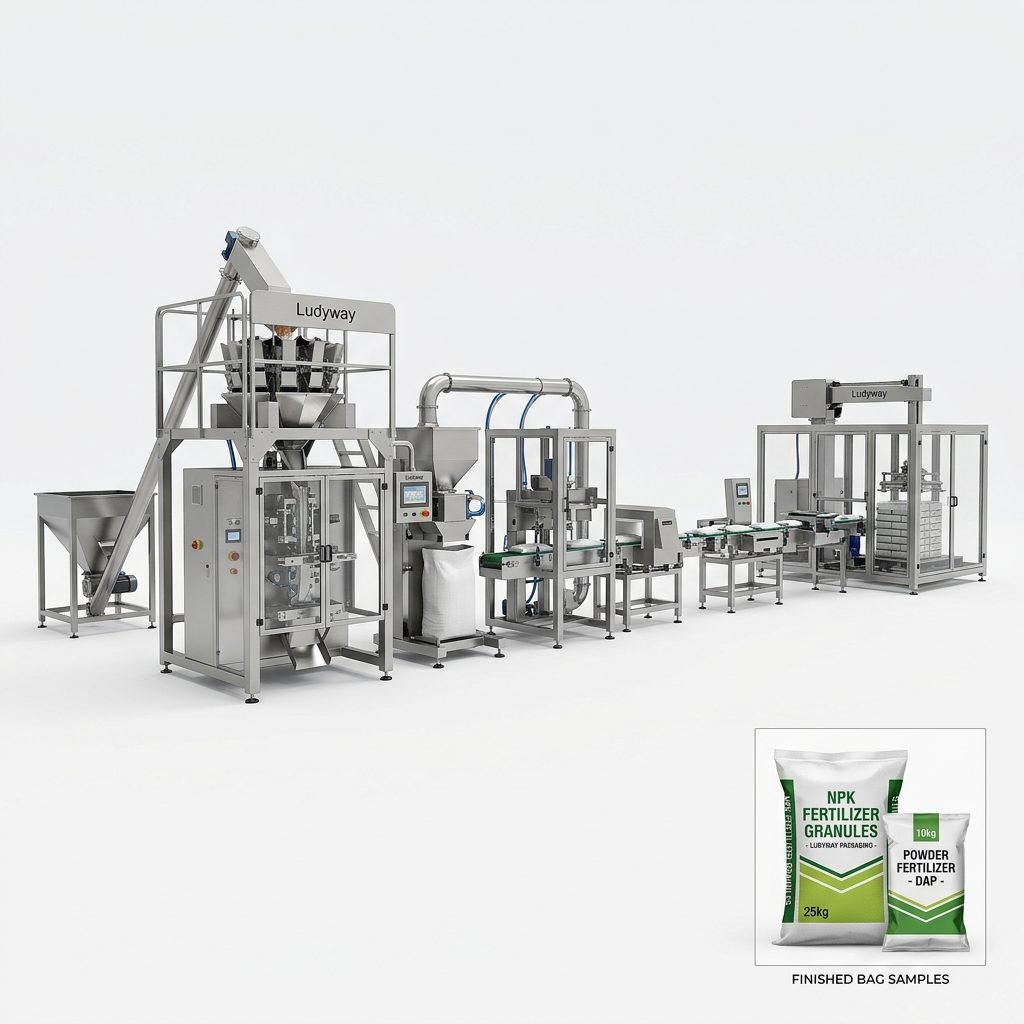
The Indian dairy industry is experiencing unprecedented growth, with cheese consumption rising at a remarkable rate. As more consumers embrace Western dietary habits and packaged foods, establishing a cheese packaging machine production line in India has become a strategic priority for manufacturers looking to capitalize on this expanding market. This guide walks you through every critical step of the process.
Understanding the Indian Cheese Market Opportunity
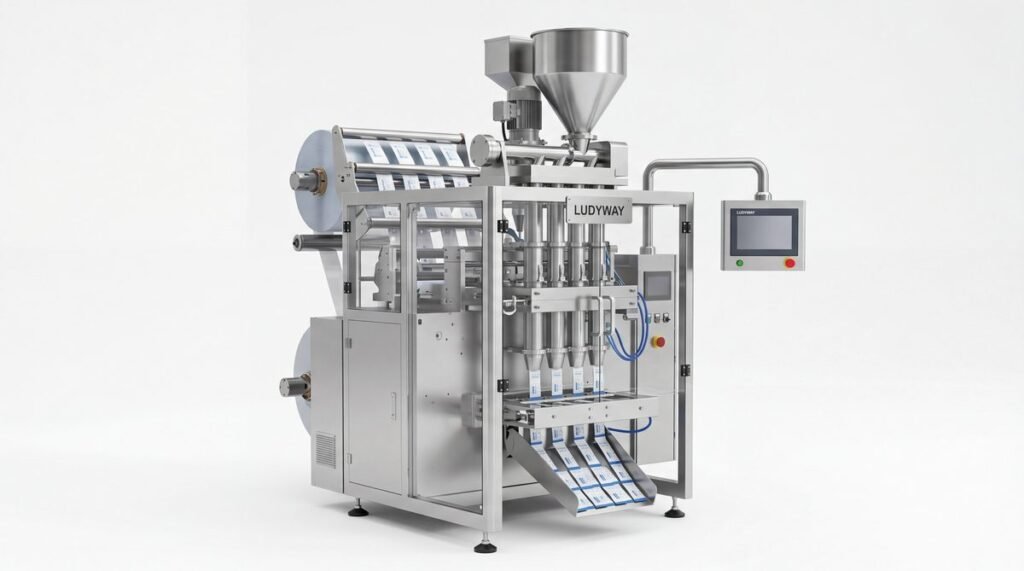
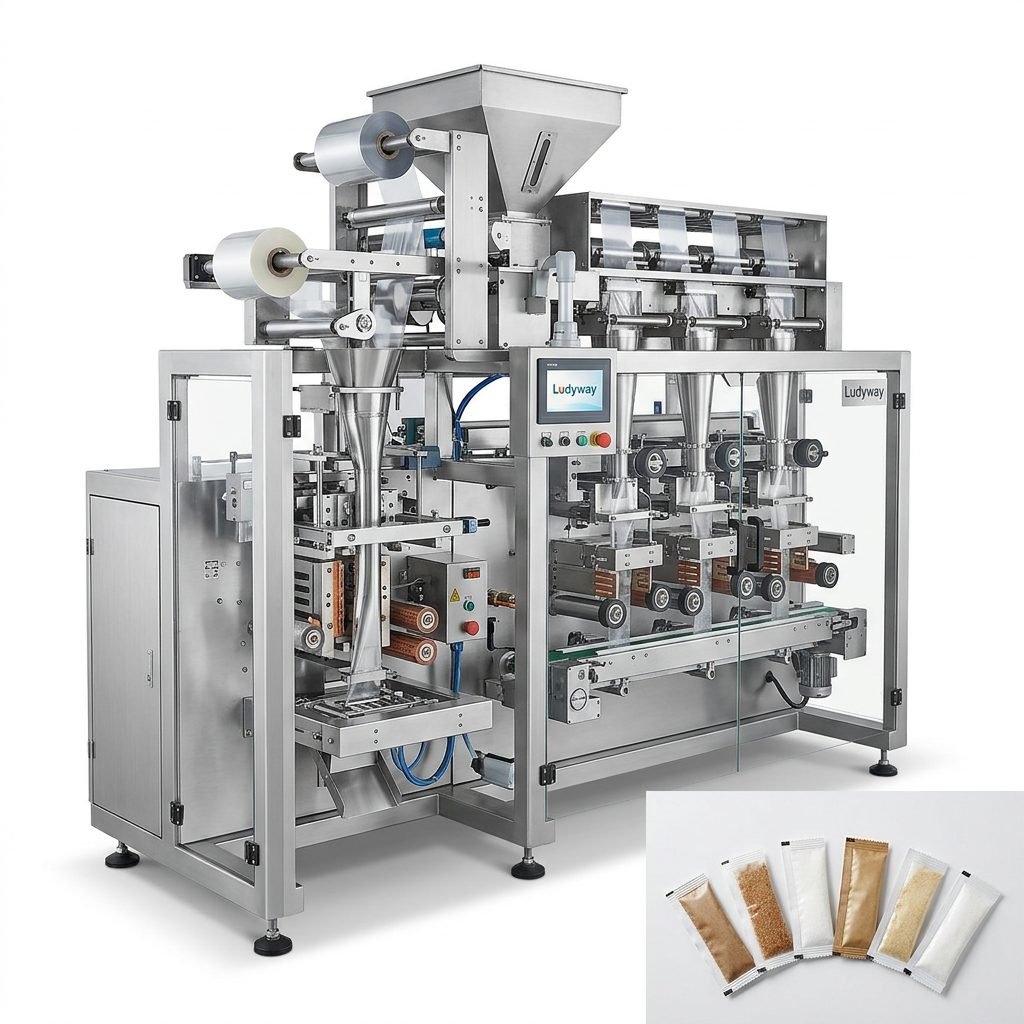
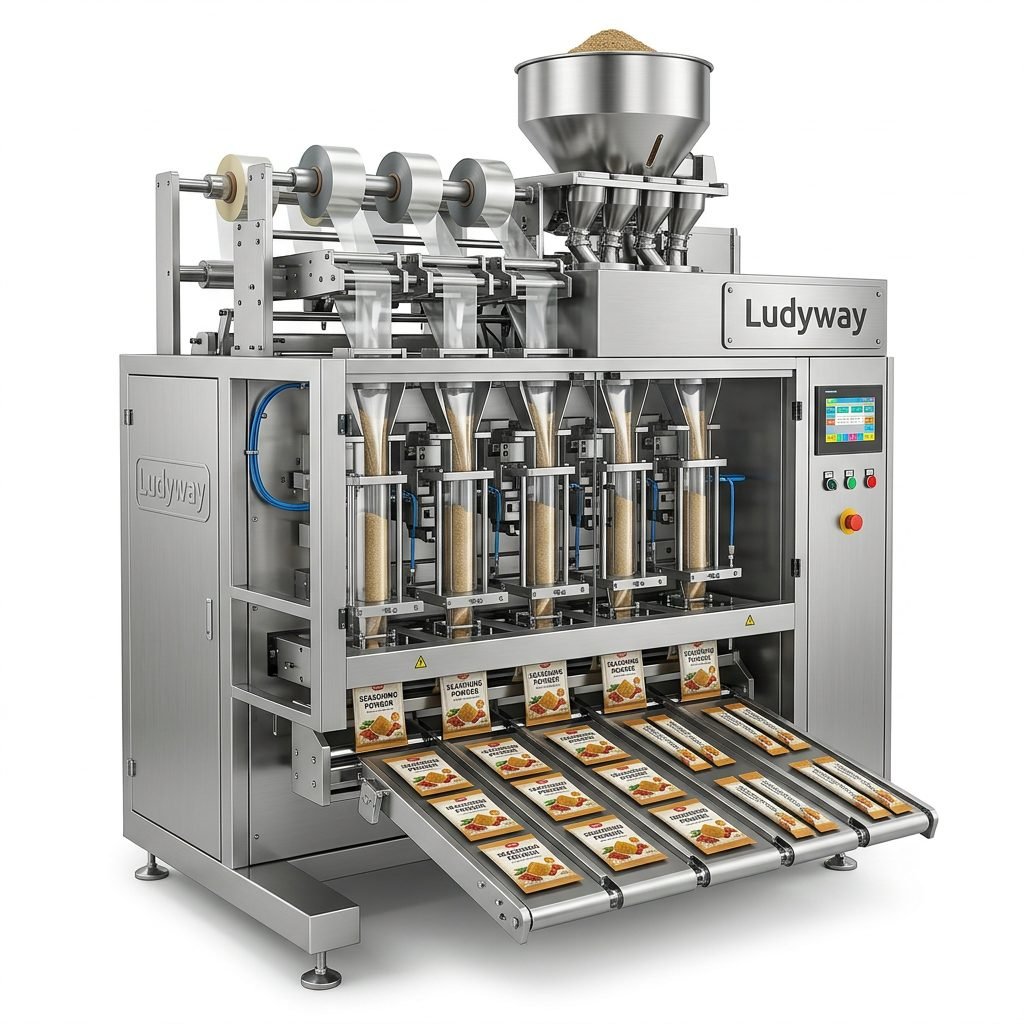
India’s cheese market has been growing at a CAGR of over 15% in recent years, driven by urbanization, rising disposable incomes, and the rapid expansion of quick-service restaurants. Processed cheese, mozzarella, cheese spreads, and cheese powder are among the fastest-growing segments. For packaging line operators, this means demand for versatile equipment capable of handling multiple formats—from sachet and stick pack portions to larger pouch and bulk packaging configurations.
The organized retail sector, e-commerce grocery platforms, and food service chains are all contributing to consistent demand. Setting up a cheese packaging production line now positions manufacturers to serve both domestic and export markets effectively. According to PMMI’s packaging industry intelligence, the global dairy packaging equipment market continues to expand, with Asia-Pacific leading growth.
Key Components of a Cheese Packaging Machine Production Line
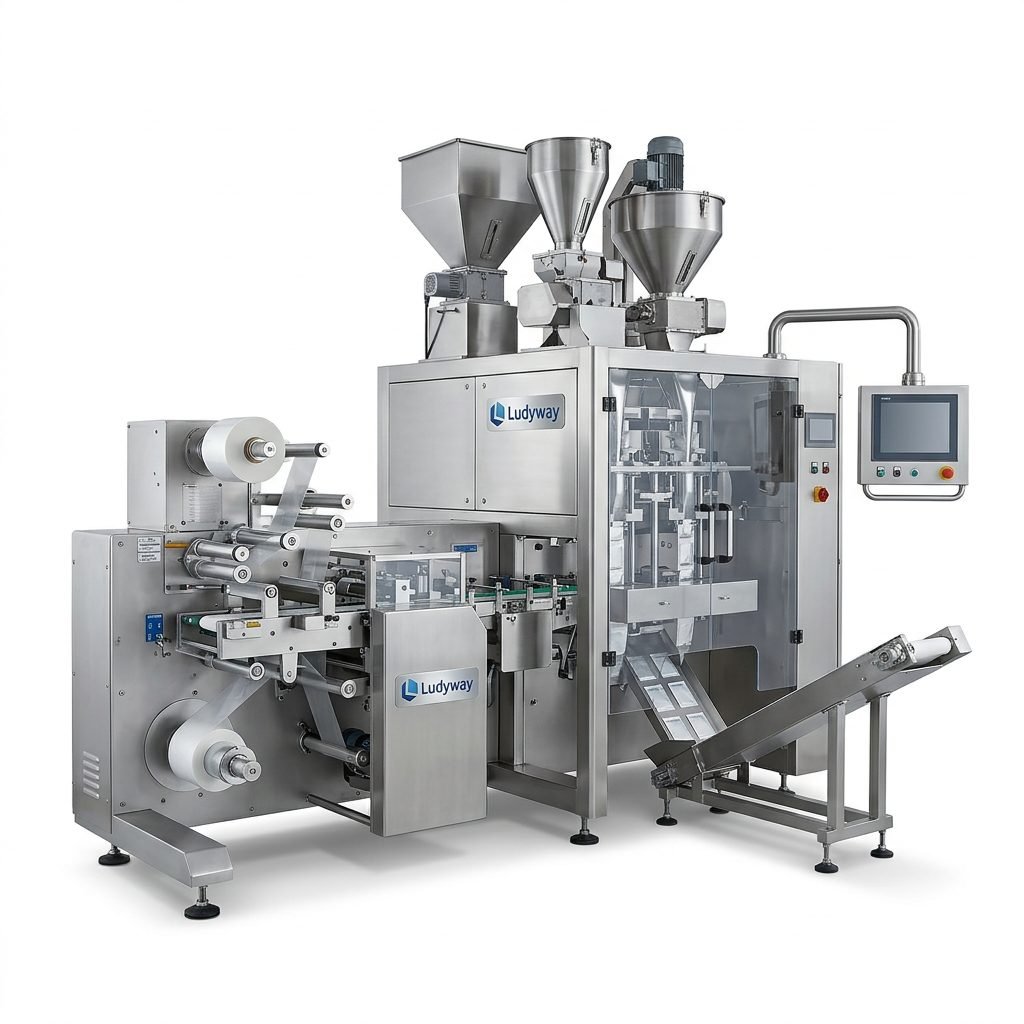
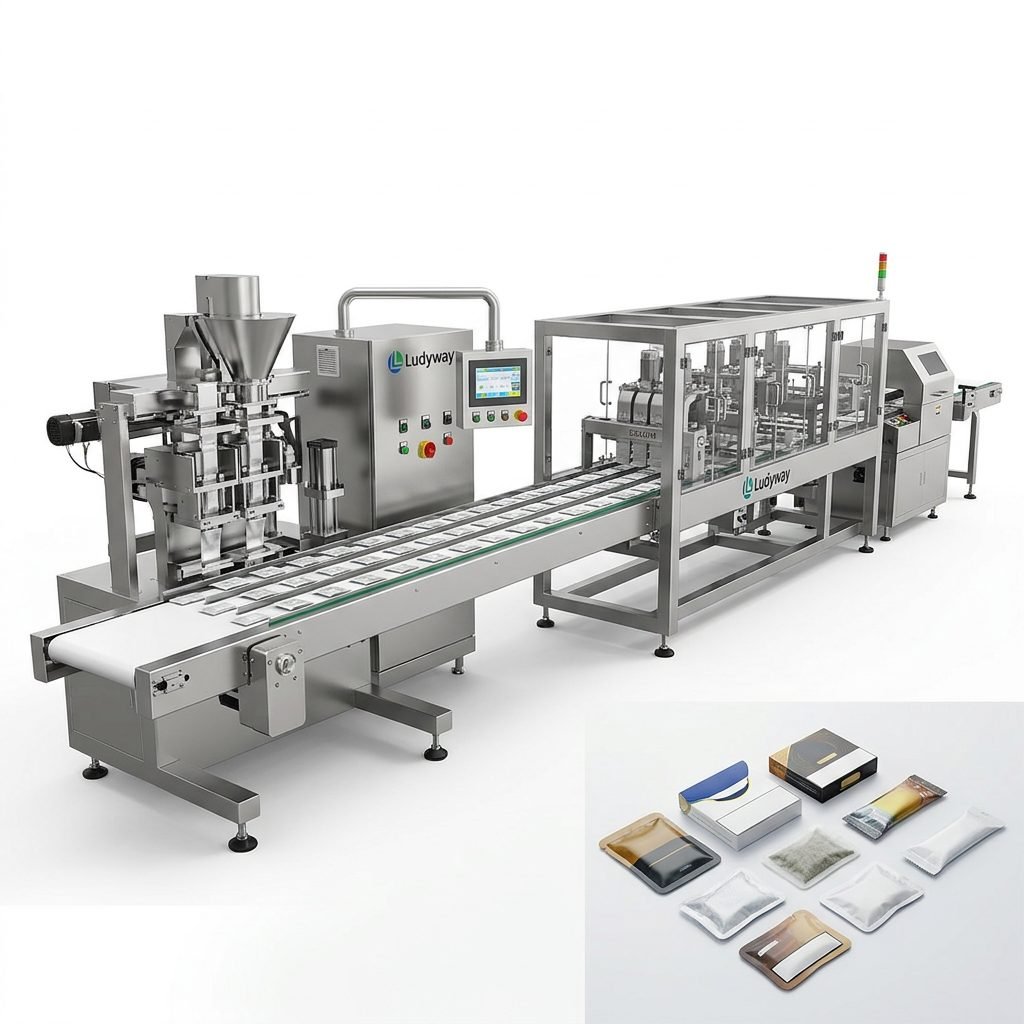
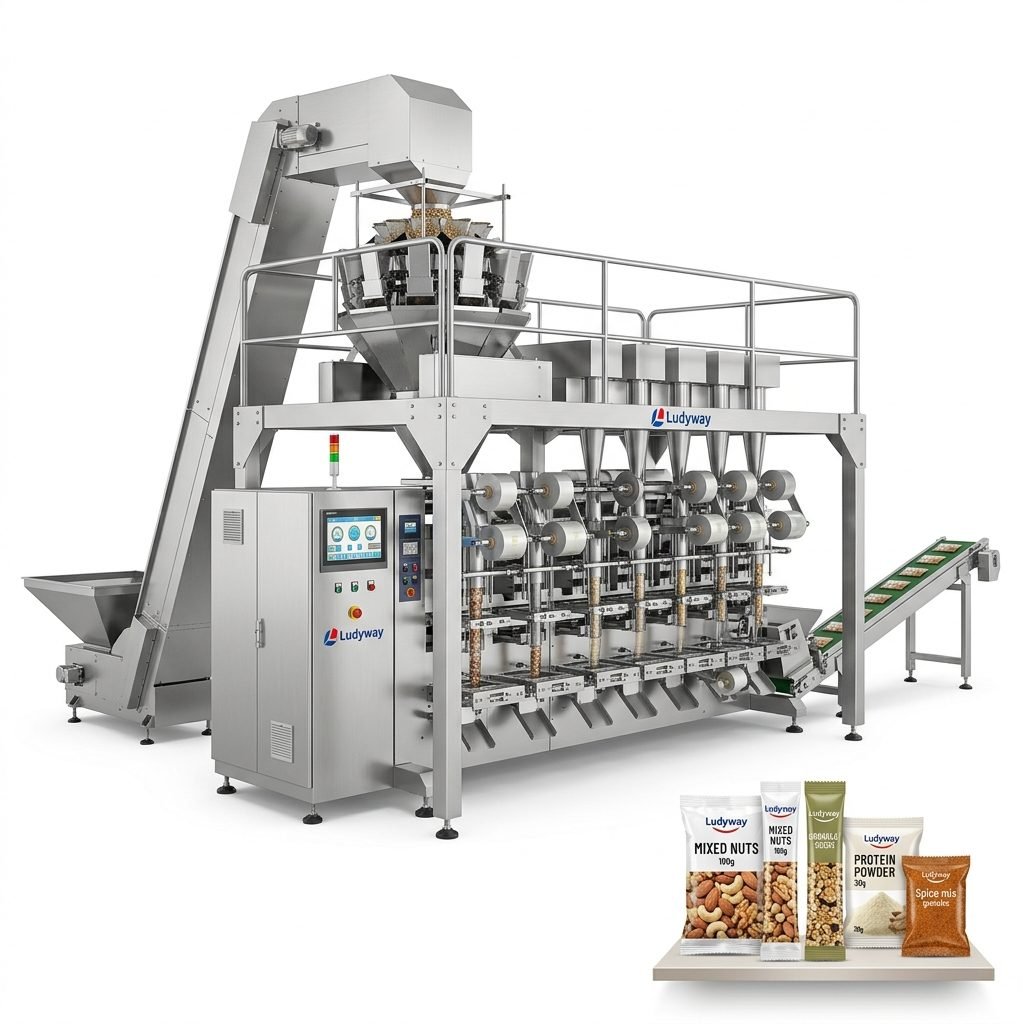
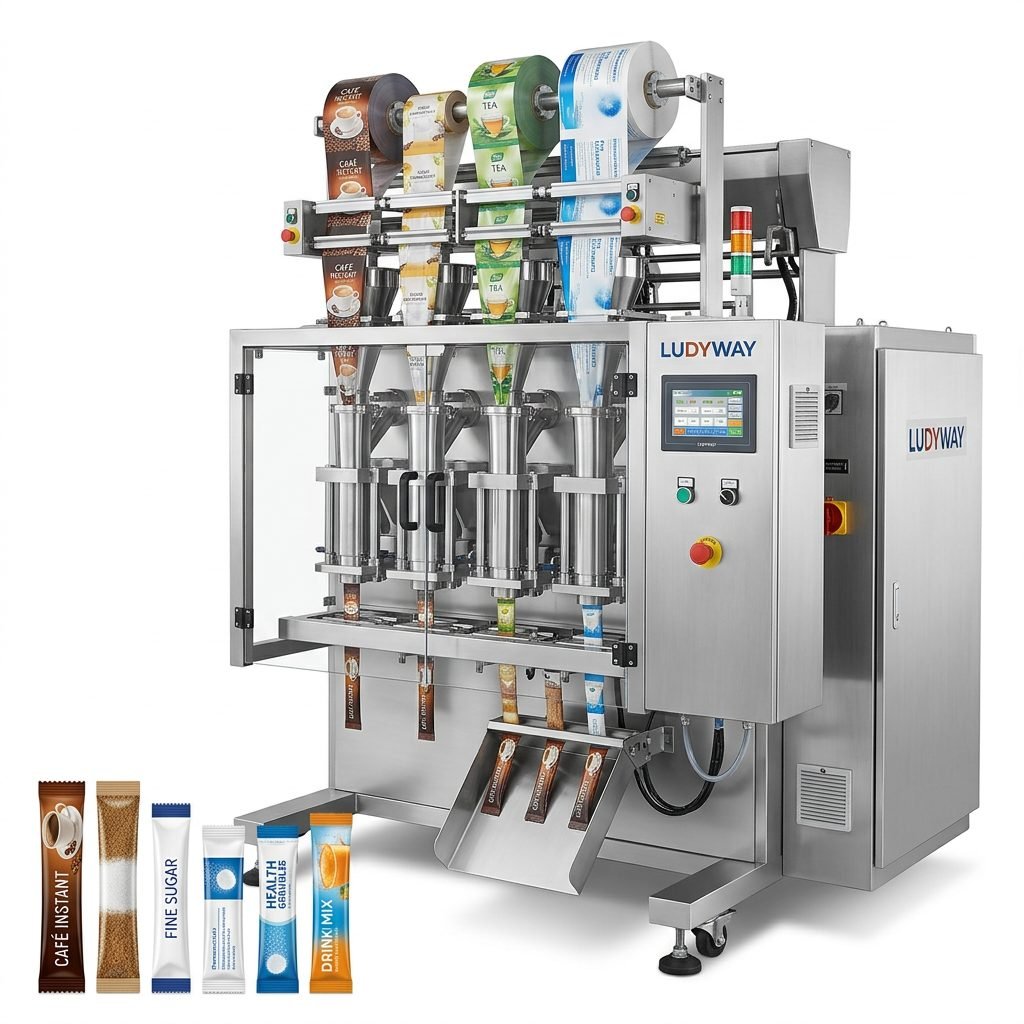
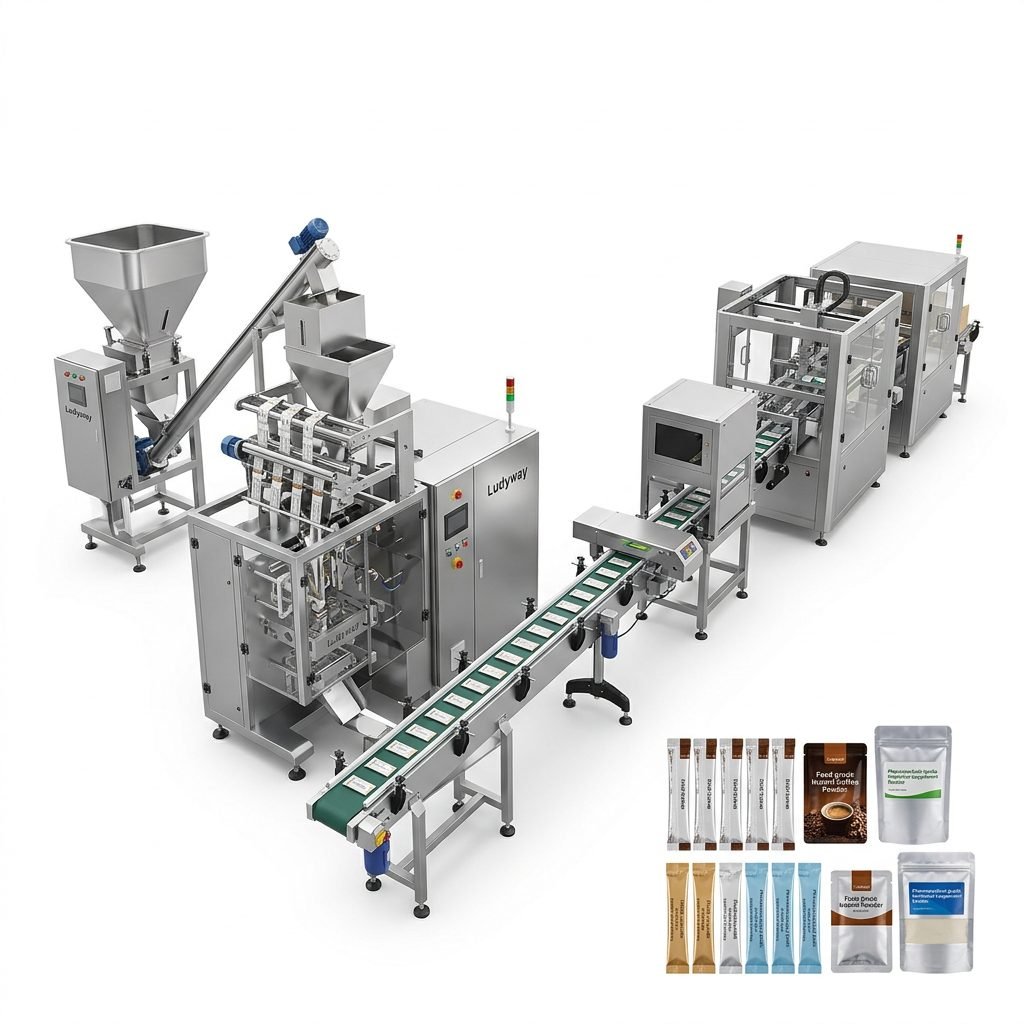
A complete cheese packaging line involves several interconnected systems. Understanding each component helps ensure proper planning and integration:
| Component | Function | Key Considerations |
|---|---|---|
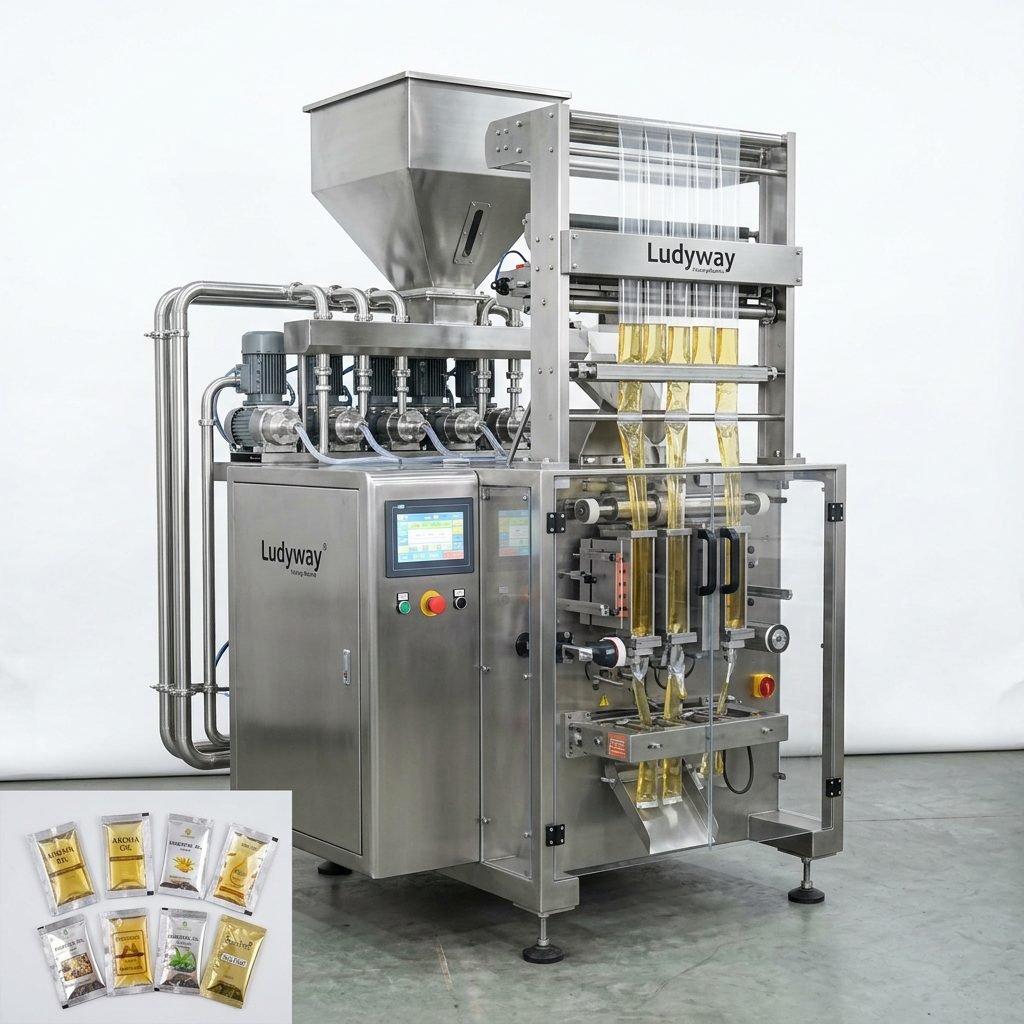
| Feeding & Dosing System | Precise measurement and delivery of cheese product into packaging | Accuracy, product viscosity handling, CIP compatibility |
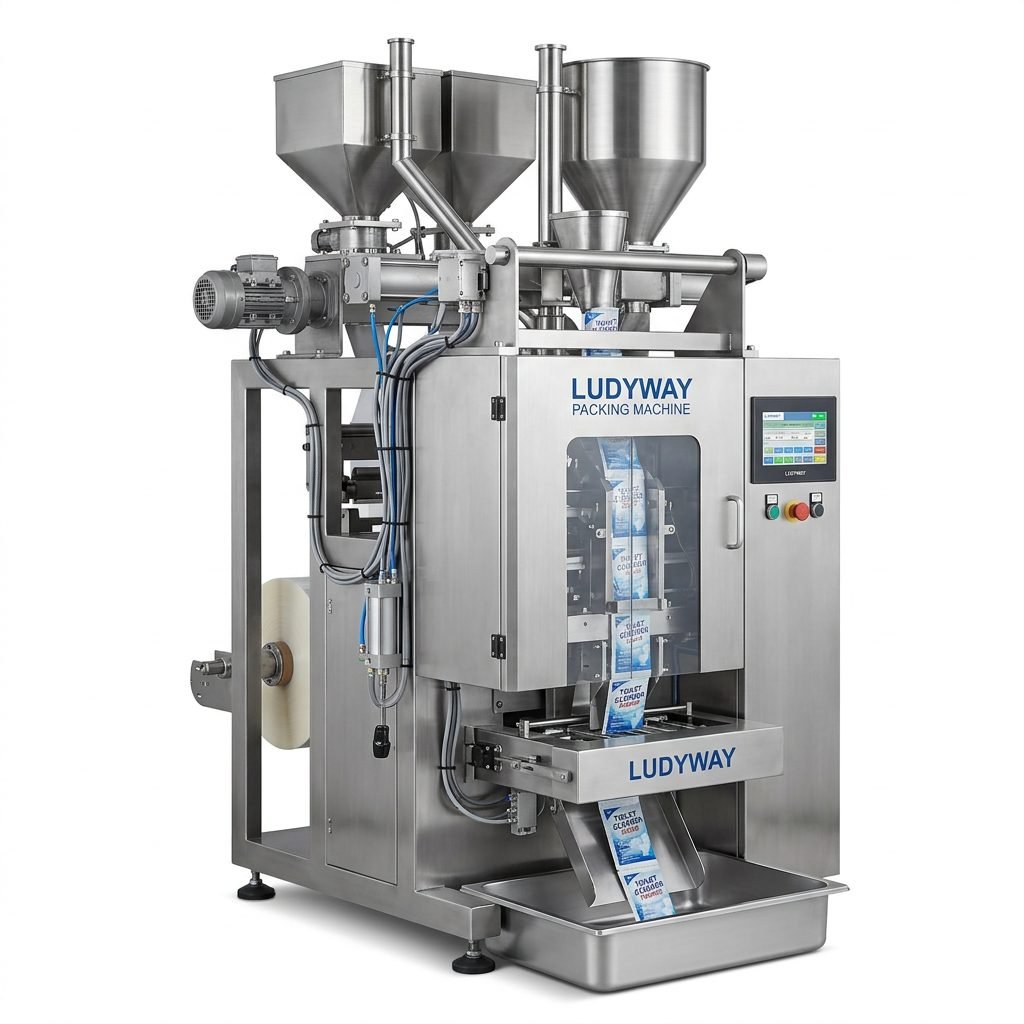
| Primary Packaging Machine | Form-fill-seal, pre-made pouch, or stick pack machinery | Speed, format flexibility, film compatibility |
| Inspection & Quality Control | Checkweighers, metal detectors, X-ray inspection | Detection sensitivity, reject integration |
| Secondary Packaging | Cartoning, case packing, bundling | Automation level, changeover time |
| End-of-Line Systems | Palletizing, stretch wrapping, labeling | Throughput, footprint, integration |
Step-by-Step Guide to Setting Up Your Cheese Packaging Line in India
Step 1: Market Research and Regulatory Compliance
Before purchasing equipment, thoroughly research your target market segment. Will you produce single-serve sachets for the food service industry, stick packs for retail cheese powder, or bulk pouches for industrial users? Each format requires different machinery and packaging materials. Simultaneously, familiarize yourself with FSSAI regulations governing dairy product packaging, labeling, and food contact materials. The FDA’s food packaging guidelines and ISO packaging standards provide useful reference frameworks, even for India-specific operations.
Step 2: Facility Selection and Layout Planning
Your production facility must meet FSSAI hygiene and structural requirements for dairy processing. Plan the layout to support a logical material flow—from raw material receiving through processing, packaging, and finished goods storage. Allocate sufficient space for equipment, operator workstations, maintenance access, and future expansion. Proper temperature-controlled zones are essential for cheese products, particularly for processed and soft cheeses that require refrigeration throughout the packaging process.
Step 3: Selecting the Right Cheese Packaging Equipment
Choosing the appropriate packaging machinery is the most critical decision. Key factors to evaluate include:
- Product compatibility: Can the machine handle your cheese type—grated, block, powder, spread, or liquid cheese?
- Packaging format: Does it support sachet, stick pack, pouch, or multiple formats?
- Production speed: Match machine throughput to your projected demand with room for growth.
- Automation level: Balance labor costs against capital investment for automated vs. semi-automated systems.
- Cleanability: Dairy applications demand easy-to-clean designs with CIP (Clean-in-Place) capabilities.
- After-sales support: Ensure the manufacturer provides training, spare parts, and technical service in India.

Step 4: Installation, Commissioning, and Staff Training
Once equipment is procured, professional installation and commissioning are essential. Work with your equipment supplier to ensure proper setup, calibration, and integration of all line components. Operator training should cover machine operation, routine maintenance, troubleshooting, and safety protocols. Comprehensive documentation in local languages can significantly improve training outcomes and ongoing operational efficiency.
Step 5: Quality Assurance and Continuous Improvement
Implement robust QA protocols including seal integrity testing, weight verification, contamination detection, and shelf-life monitoring. The Flexible Packaging Association’s industry resources offer valuable guidance on packaging material selection and performance testing. Establish key performance indicators (KPIs) such as Overall Equipment Effectiveness (OEE), downtime tracking, and rejection rates to drive continuous improvement.
Regulatory Framework for Cheese Packaging in India
Navigating India’s regulatory landscape is crucial for compliance and market access. Key regulations and standards include:
- FSSAI (Food Safety and Standards Authority of India): Governs all food packaging, labeling, and safety requirements.
- Food Safety and Standards (Packaging and Labeling) Regulations: Specifies packaging material requirements for food contact.
- BIS (Bureau of Indian Standards): Sets quality standards for packaging materials and equipment.
- Legal Metrology Act: Regulates weight declarations and package markings.
- AGMARK: Applicable for certain dairy products destined for specific markets.
For exporters, additional compliance with destination country regulations and EU packaging waste directives may apply. Staying current with PMMI’s standards and regulations resources helps manufacturers maintain compliance across markets.
Cost Considerations and ROI Analysis
Investing in a cheese packaging production line involves several cost categories. Understanding these helps build an accurate budget and realistic ROI projections:
| Cost Category | Estimated Range (INR) | Notes |
|---|---|---|
| Primary Packaging Machine | ₹25 Lakhs – ₹1.5 Crores | Depends on speed, lanes, and automation |
| Ancillary Equipment | ₹10 Lakhs – ₹50 Lakhs | Conveyors, feeders, inspection systems |
| Facility Setup | ₹20 Lakhs – ₹1 Crore | Temperature control, utilities, civil works |
| Installation & Training | ₹5 Lakhs – ₹15 Lakhs | Including travel and on-site support |
| Annual Maintenance | ₹3 Lakhs – ₹10 Lakhs | Spare parts, service contracts |
Typical ROI timelines for cheese packaging lines in India range from 18 to 36 months, depending on capacity utilization, product margins, and market penetration. High-speed multi-lane systems often achieve faster payback through greater throughput and lower per-unit packaging costs.
Common Challenges and How to Address Them
Setting up a cheese packaging line in India presents unique challenges. Being prepared helps mitigate risks:
- Power supply reliability: Install voltage stabilizers and backup generators to protect sensitive equipment. Many regions experience voltage fluctuations that can damage packaging machinery controls.
- Climate control: Indian summers demand robust HVAC systems for cheese storage and packaging areas. Temperature excursions can compromise product quality and packaging seal integrity.
- Skilled labor availability: Invest in comprehensive training programs. Partner with equipment suppliers who offer ongoing technical support and skill development for local operators.
- Supply chain for packaging materials: Establish relationships with multiple film and packaging material suppliers to ensure consistent quality and competitive pricing. Consider local sourcing to reduce lead times.
- Maintenance and spare parts: Maintain an adequate inventory of critical spare parts and establish service agreements with equipment manufacturers who have a presence or reliable partners in India.
Future Trends in Cheese Packaging Technology
The cheese packaging industry is evolving rapidly. Manufacturers planning new production lines should consider these emerging trends:
- Sustainable packaging: Growing demand for recyclable, biodegradable, and reduced-plastic packaging solutions.
- Smart packaging: QR codes, NFC tags, and intelligent labels that provide traceability and consumer engagement.
- Automation and Industry 4.0: IoT-enabled machines with real-time monitoring, predictive maintenance, and data analytics capabilities.
- Flexible formats: Machines capable of switching between multiple packaging formats to serve diverse market segments from a single line.

Selecting a Reliable Packaging Equipment Partner
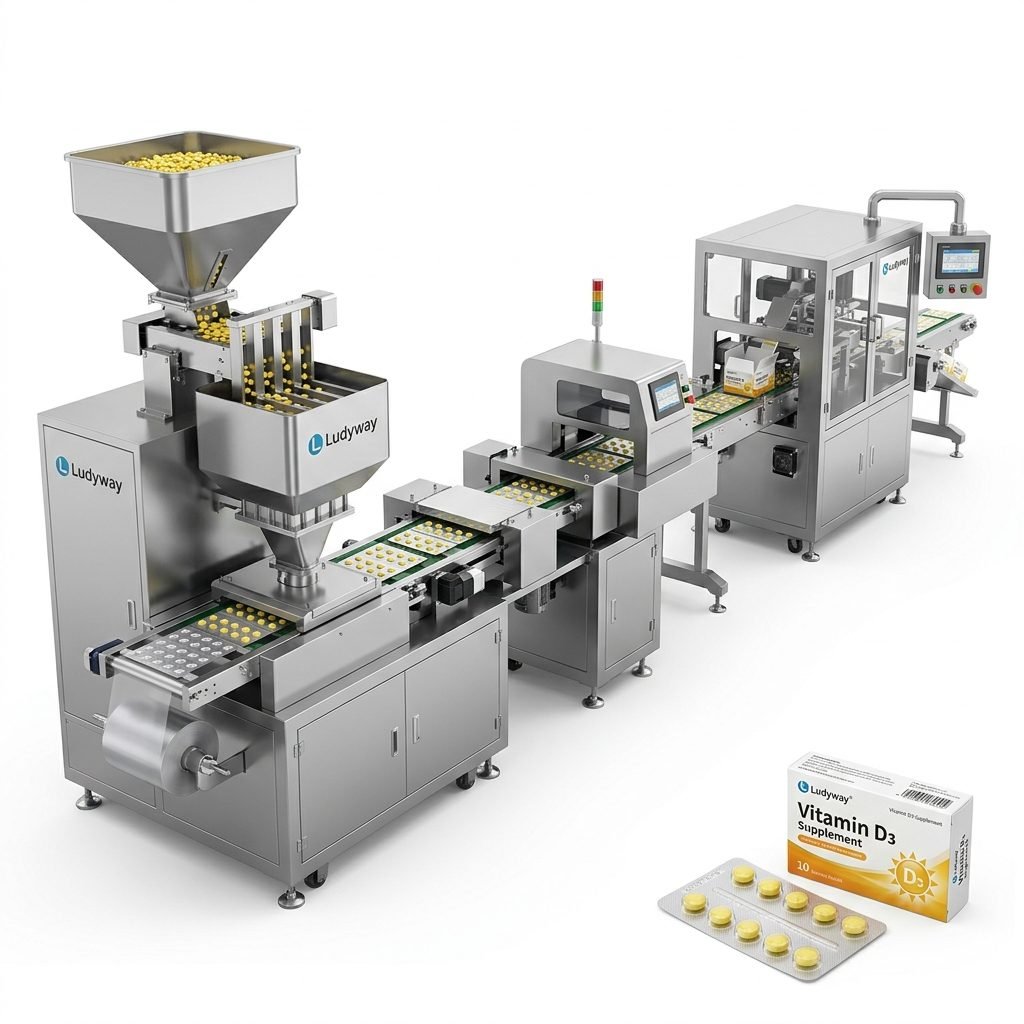
Choosing the right equipment manufacturer is as important as selecting the right machine specifications. Look for suppliers with proven experience in dairy and food packaging, a strong international presence, and the ability to provide end-to-end support—from line design to after-sales service. Ludyway is one of the largest packaging machine manufacturers in China, specializing in advanced packaging equipment and turnkey production solutions for the food, pharmaceutical, and health industries. With over 30 years of industry expertise, a modern 20,000㎡ manufacturing facility, and more than 50 intelligent packaging machine models including multi-lane stick pack, sachet, and fully automated packaging systems, Ludyway has served customers in over 100 countries. For manufacturers setting up cheese packaging operations in India, partnering with an experienced global supplier ensures access to reliable technology, comprehensive training, and responsive technical support throughout the equipment lifecycle.
Key Takeaways for Success
- Conduct thorough market research to determine the optimal packaging format and production capacity for your target segment.
- Ensure full compliance with FSSAI regulations and international standards from the planning stage.
- Invest in versatile, scalable equipment that can accommodate future product and format expansions.
- Prioritize supplier relationships that offer strong after-sales support and spare parts availability in the Indian market.
- Build a skilled team through comprehensive training and continuous improvement programs.
Setting up a cheese packaging machine production line in India represents a significant but rewarding investment. With careful planning, the right equipment choices, and a focus on quality and compliance, manufacturers can establish a competitive position in one of the world’s most dynamic dairy markets. For deeper insights, explore the 2025 State of the Industry report from PMMI and the Flexible Packaging Association’s knowledge hub for the latest packaging market data and technology trends.
Ready to explore cheese packaging solutions? Contact an experienced packaging equipment manufacturer to discuss your specific production requirements and receive a customized line proposal tailored to the Indian market.