The Middle East has emerged as one of the fastest-growing markets for packaged spices, driven by a rich culinary heritage, increasing demand for convenience foods, and expanding retail infrastructure. Setting up a spice packaging machine production line in this region requires careful planning, understanding of local regulations, and selection of the right equipment to handle the unique characteristics of spices.
Understanding the Middle East Spice Market Dynamics
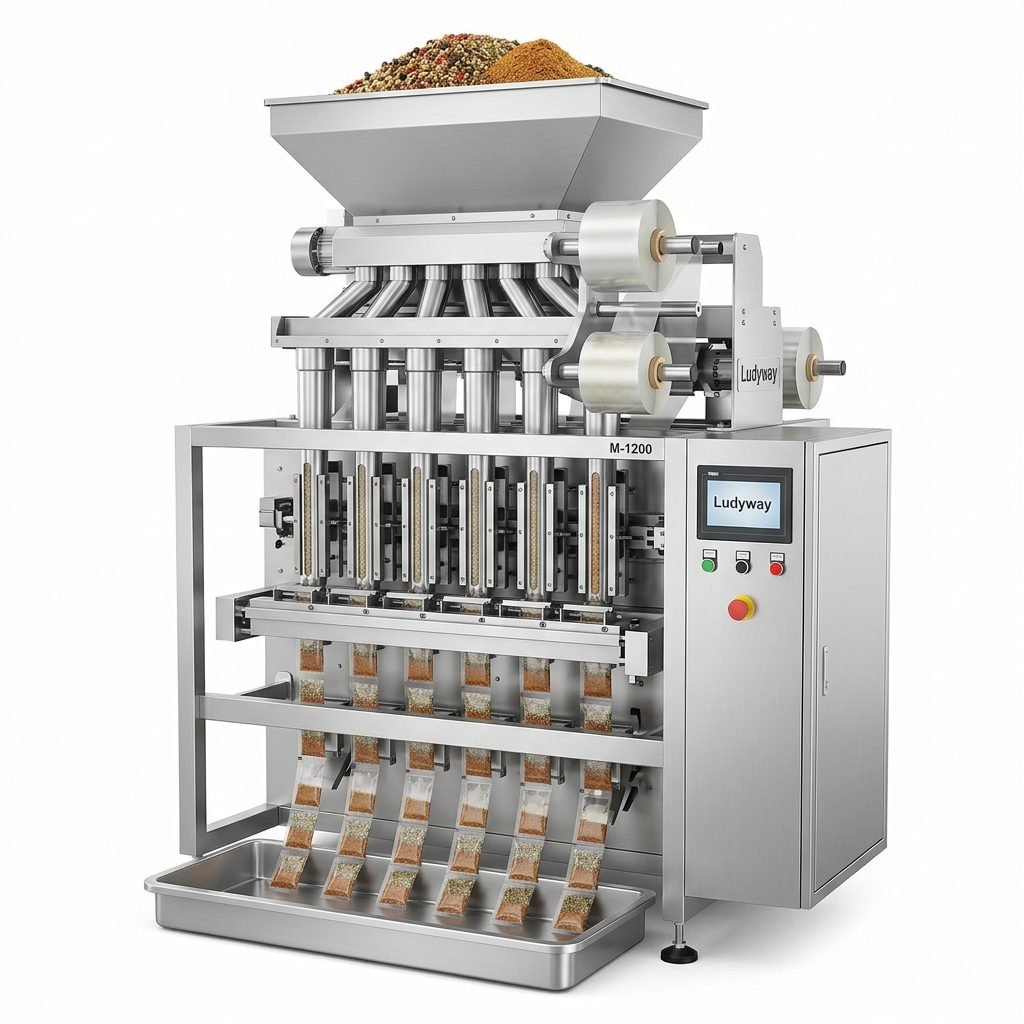
The spice industry in the Middle East is characterized by high consumption rates of traditional seasonings such as cumin, turmeric, cardamom, cinnamon, and za’atar. Countries like Saudi Arabia, UAE, Kuwait, Qatar, and Oman import vast quantities of raw spices and increasingly demand locally packaged products. The shift toward hygienic, tamper-evident, and portion-controlled packaging has created significant opportunities for manufacturers investing in automated packaging lines.
Key market drivers include a growing expatriate population, rising disposable incomes, and the proliferation of modern retail formats. According to industry data from PMMI business intelligence, the flexible packaging segment in the Middle East and Africa region is projected to grow substantially through 2028, with food products accounting for the largest share.
Key Equipment for a Complete Spice Packaging Line
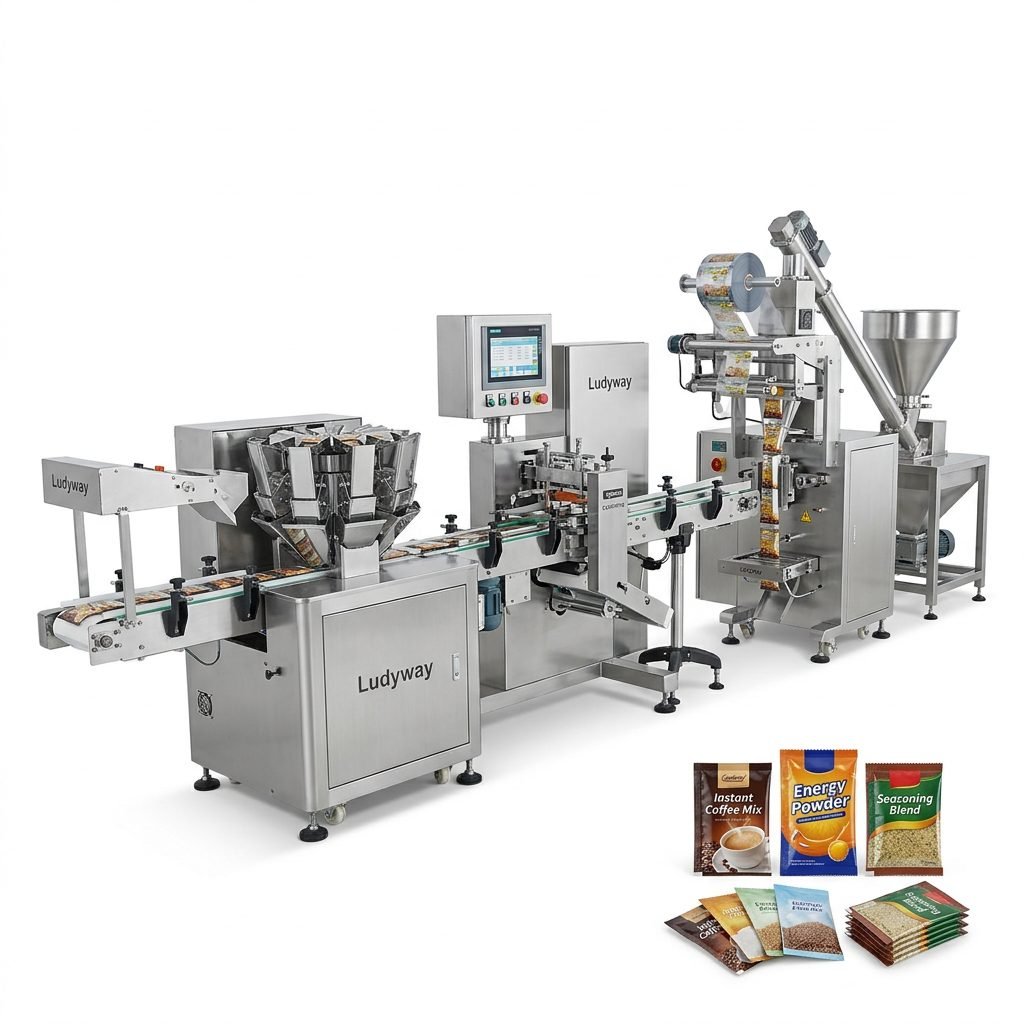
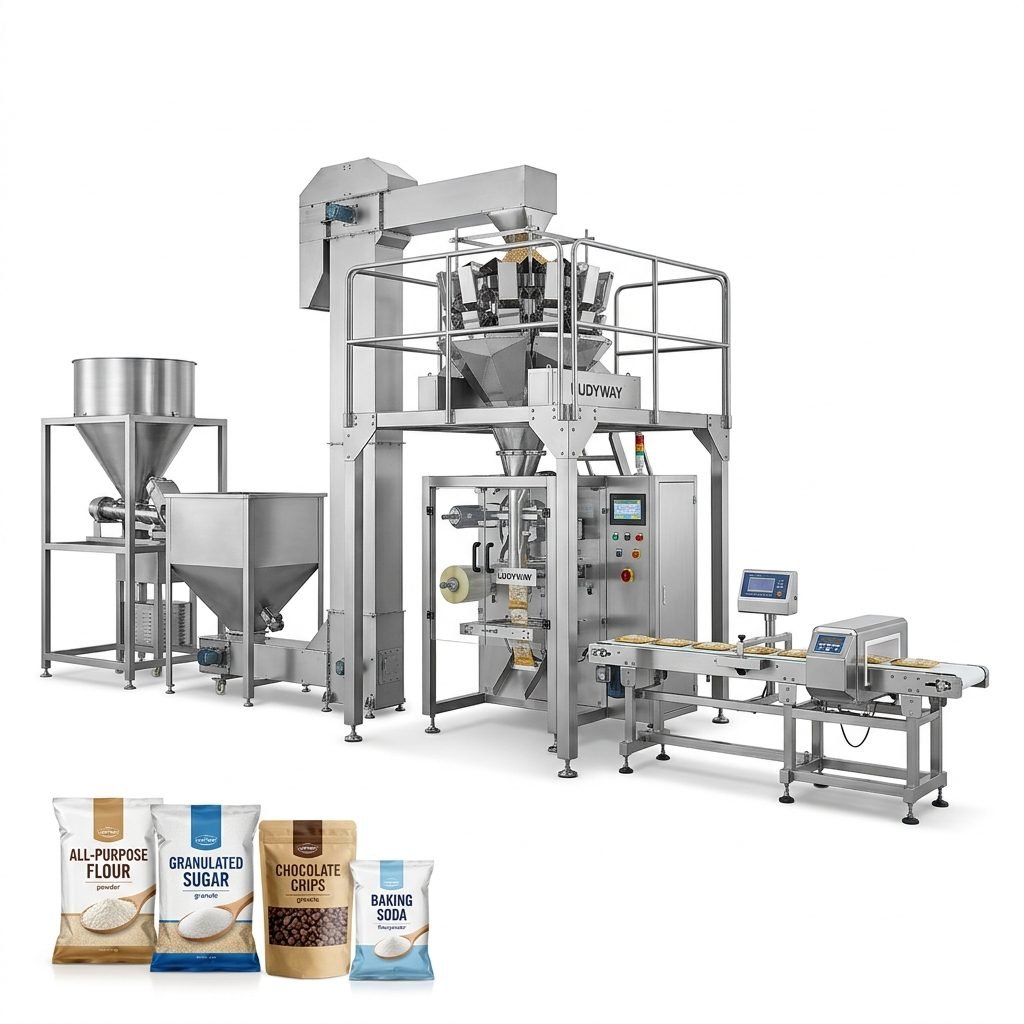
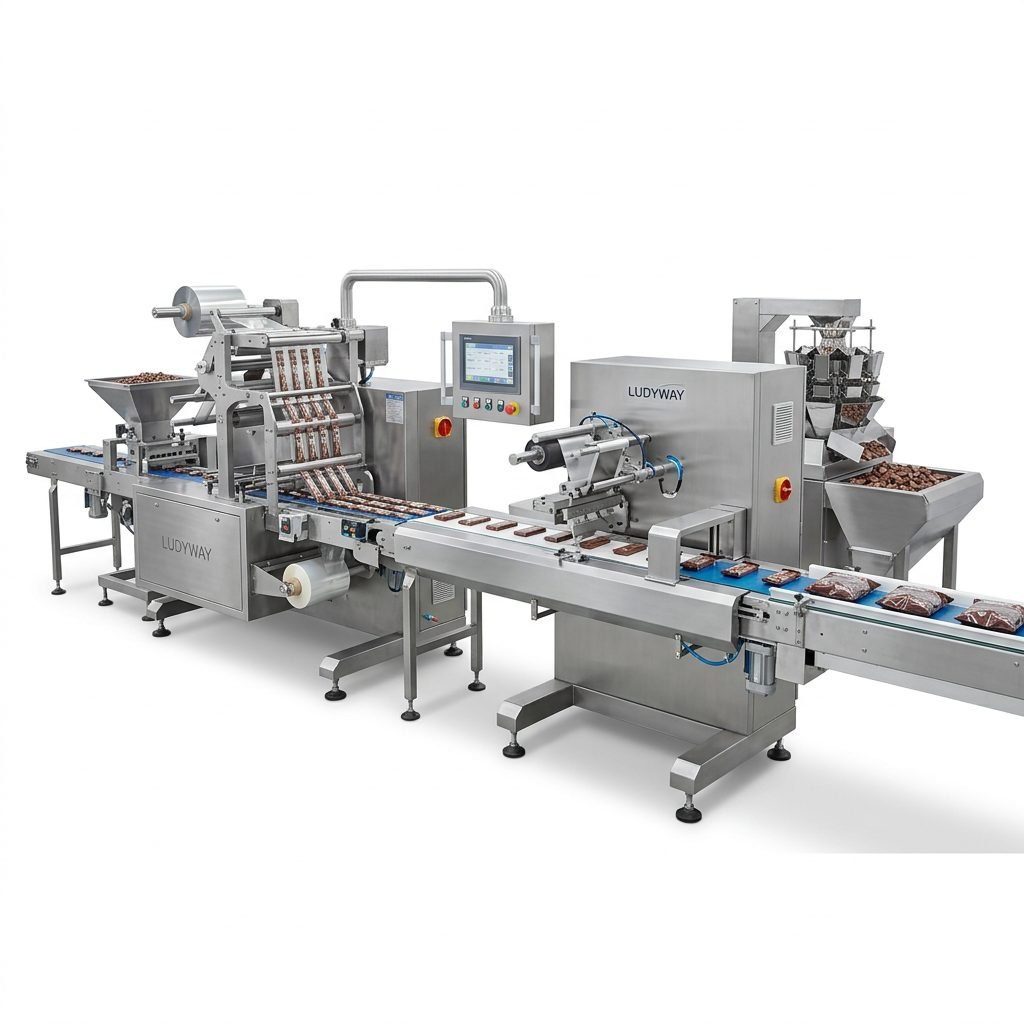
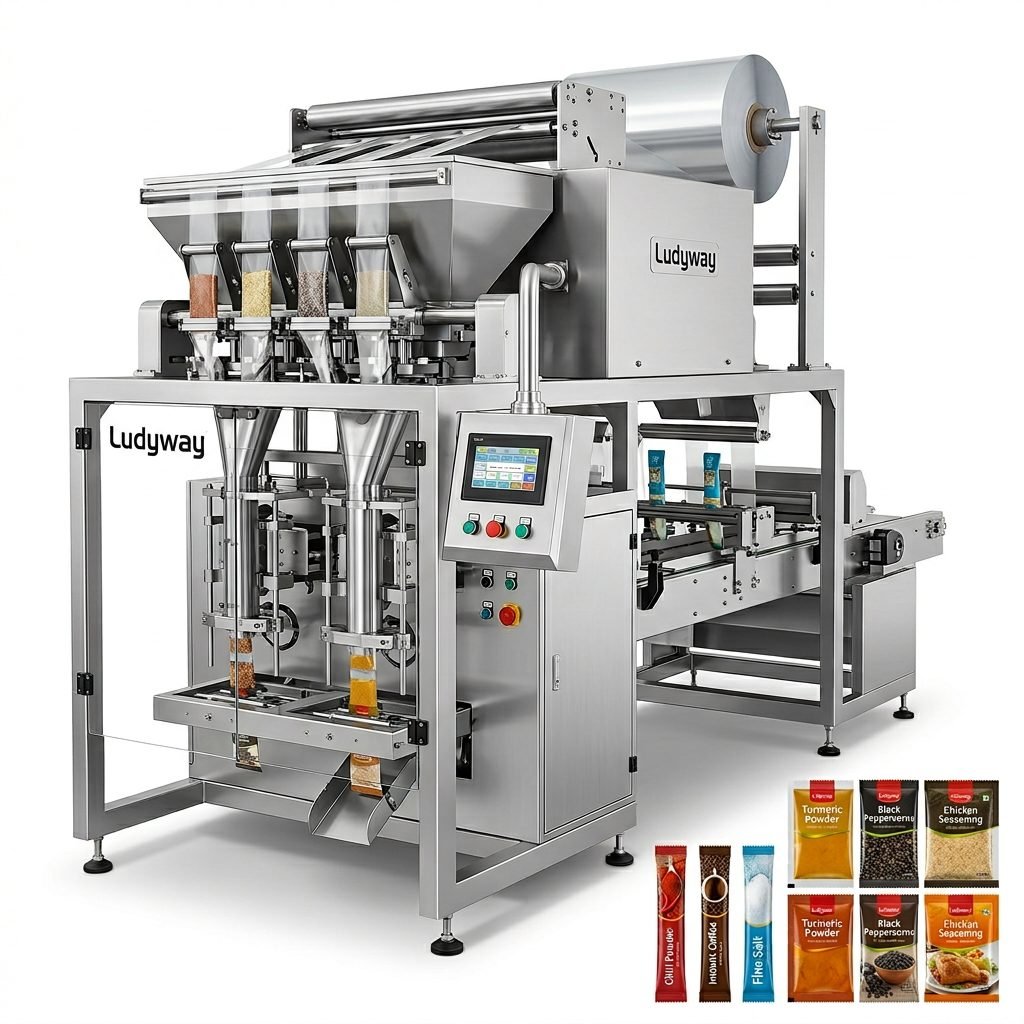
A fully integrated spice packaging production line consists of several interconnected machines designed to handle powders, granules, and blended seasonings with precision. The core components include:
1. Feeding and Conveying Systems
Reliable material handling equipment ensures consistent product flow. Spices can be hygroscopic, dusty, or prone to bridging, making the choice of feeding mechanism critical. Granule packaging machinery often requires screw feeders, vibratory feeders, or vacuum conveying systems depending on the spice type.
- Z-type bucket elevators for gentle vertical transfer of whole spices
- Screw conveyors for powdered spices like turmeric and chili powder
- Vibratory feeders for granular products such as cumin seeds and peppercorns
2. Multi-Head Weighing and Dosing Units
Accuracy in filling is non-negotiable for spice packaging. Multi-head weighers with 10 to 16 heads provide high-speed, high-precision dosing for both granular and powder spices. These systems minimize product giveaway while maintaining throughput rates of 60 to 120 packs per minute per lane.
3. Vertical Form Fill Seal Machines
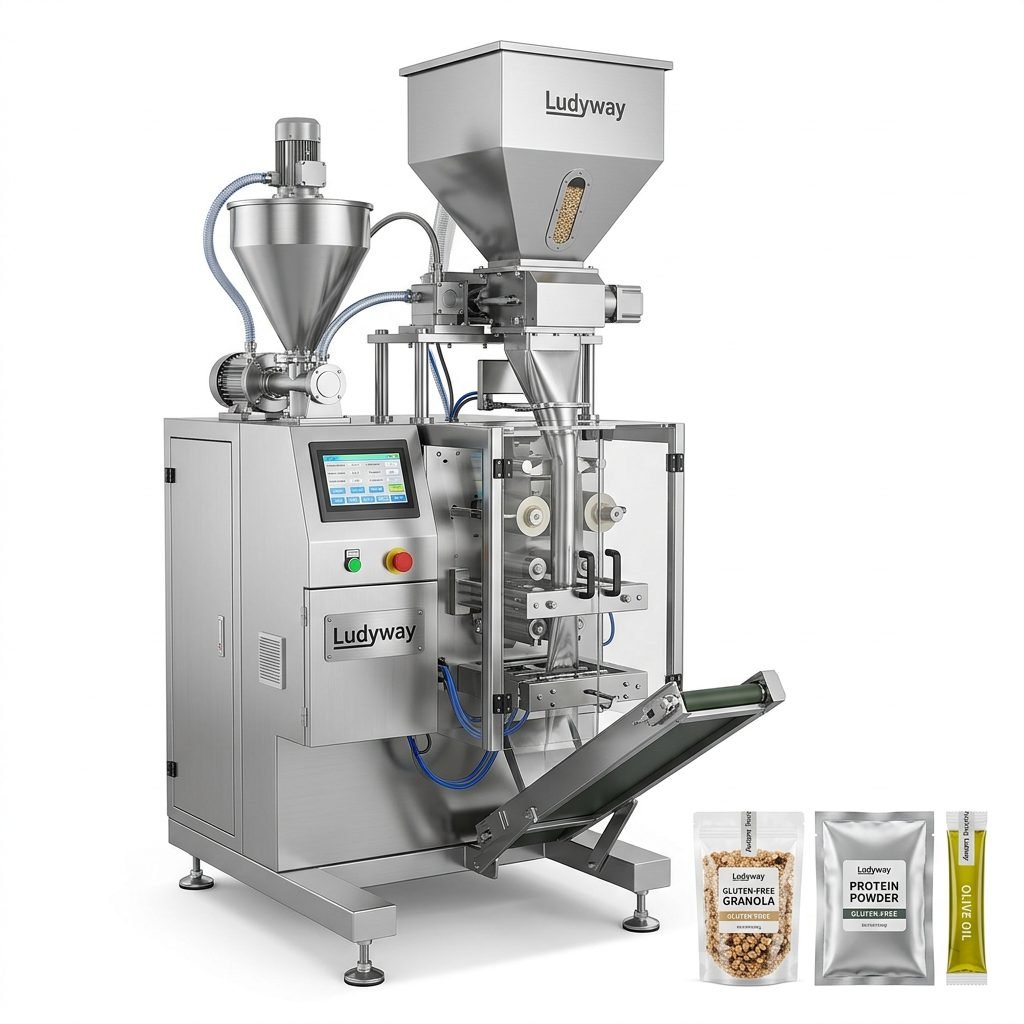
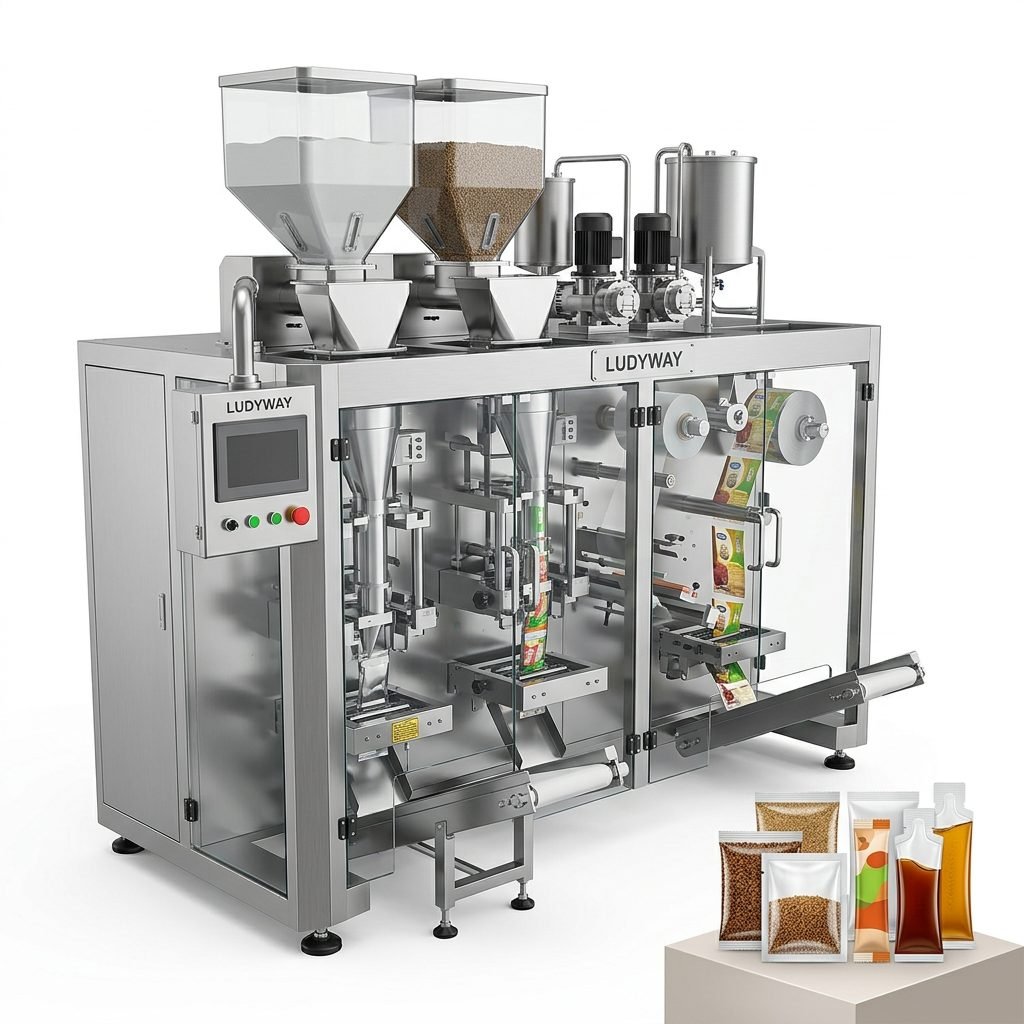
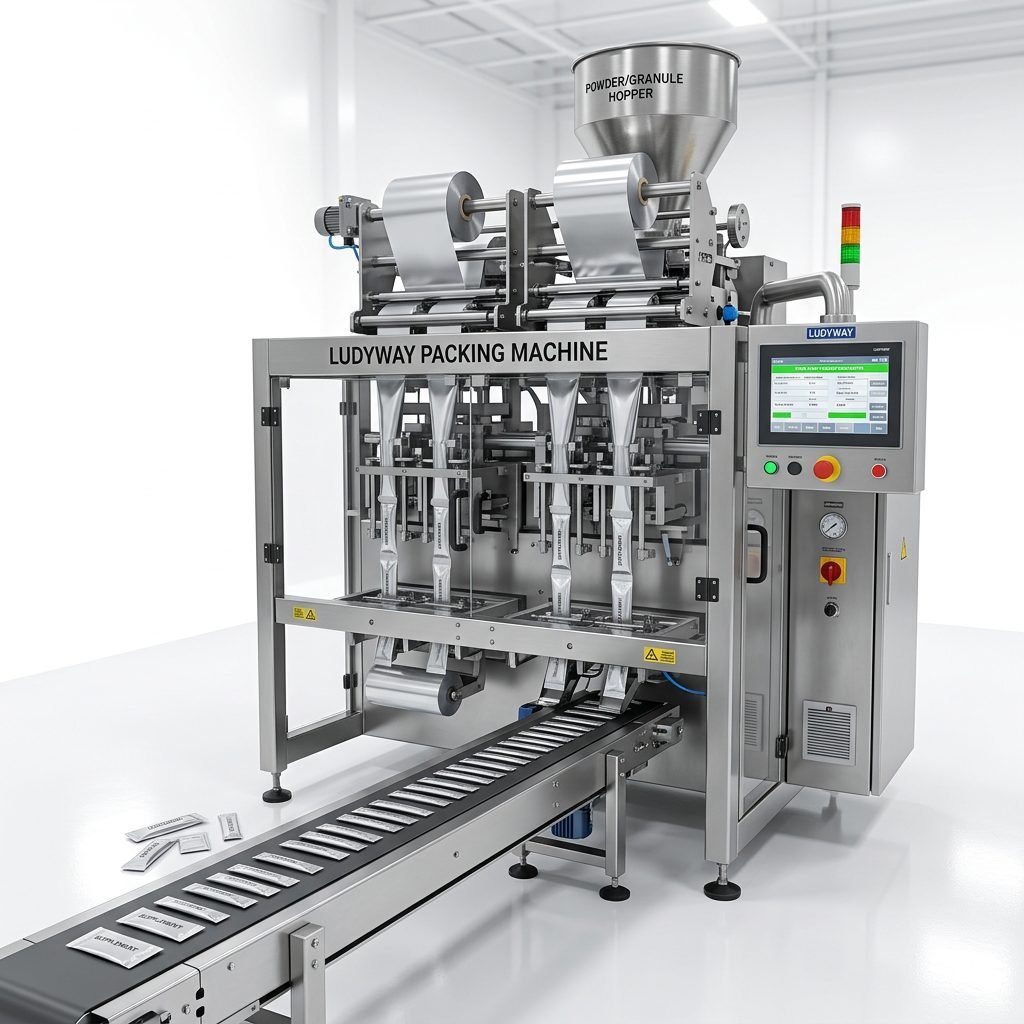
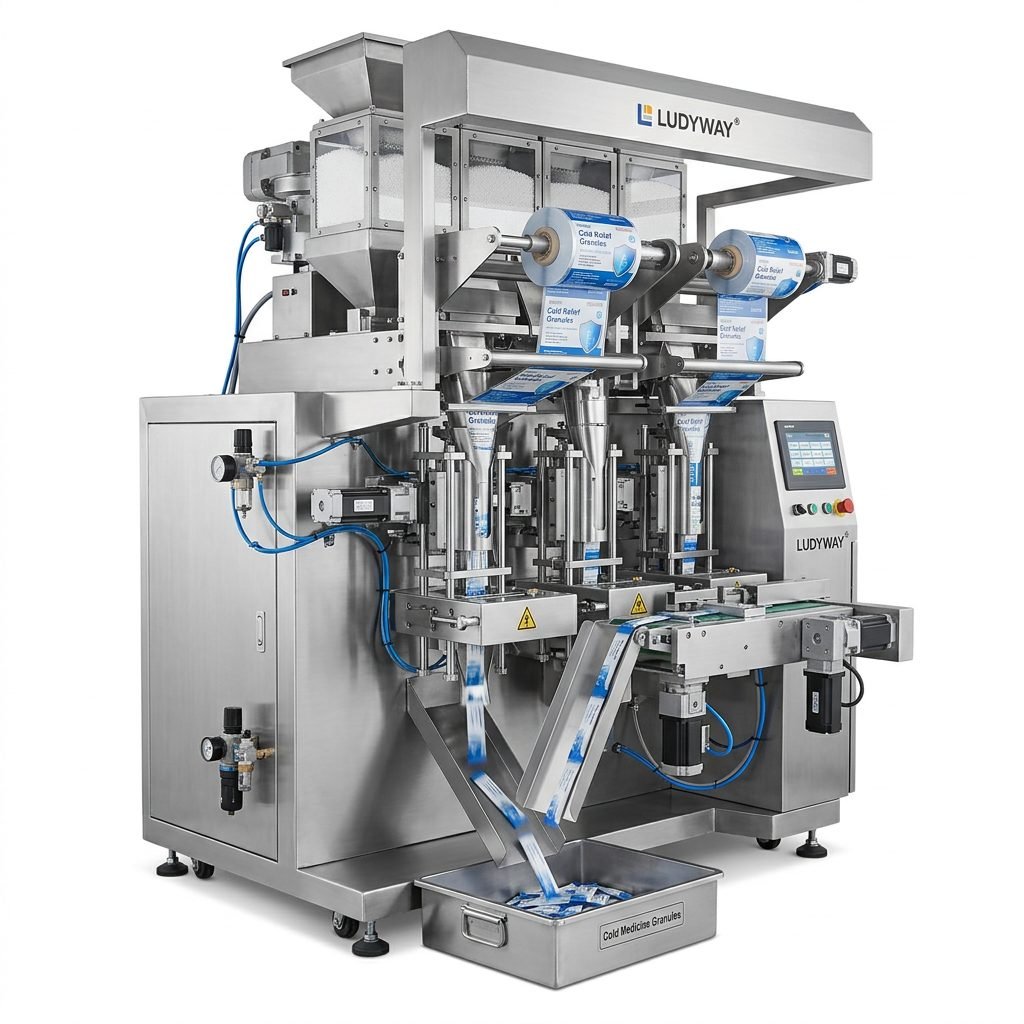
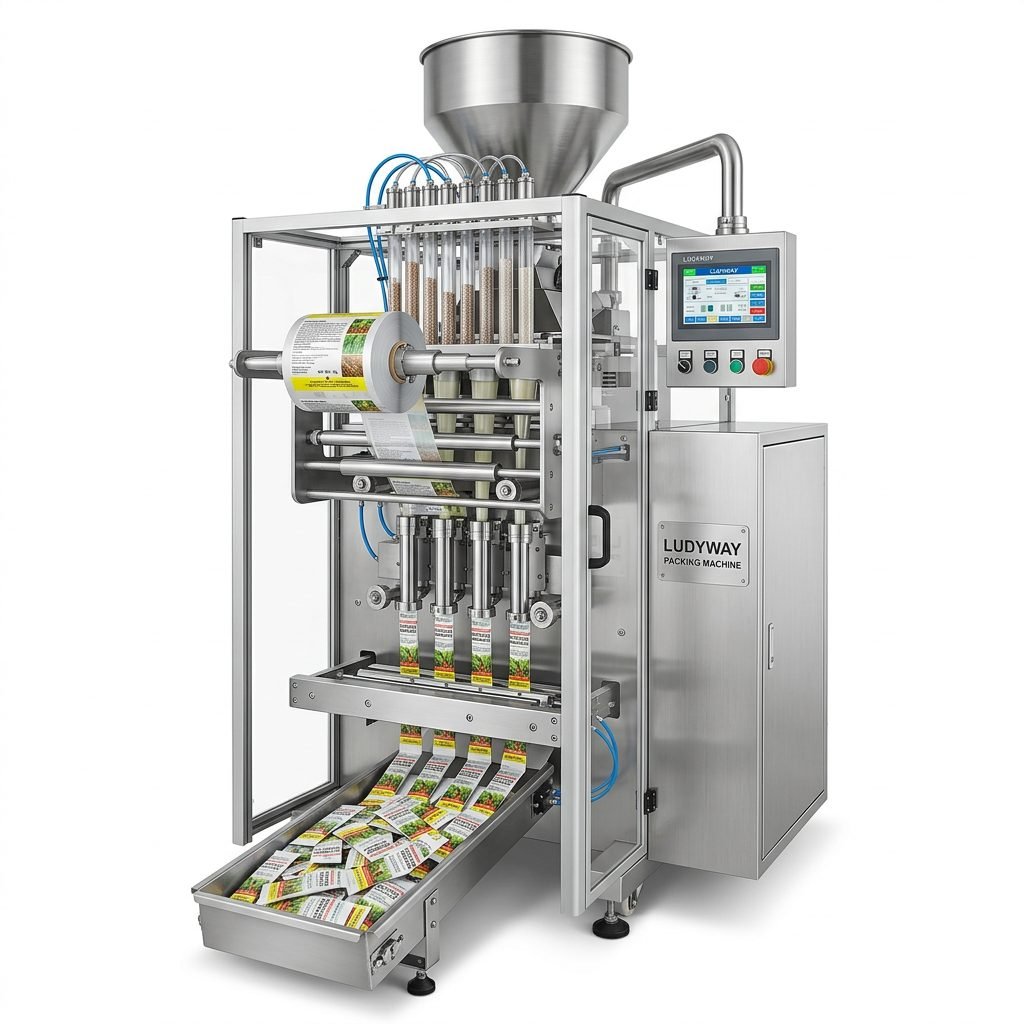
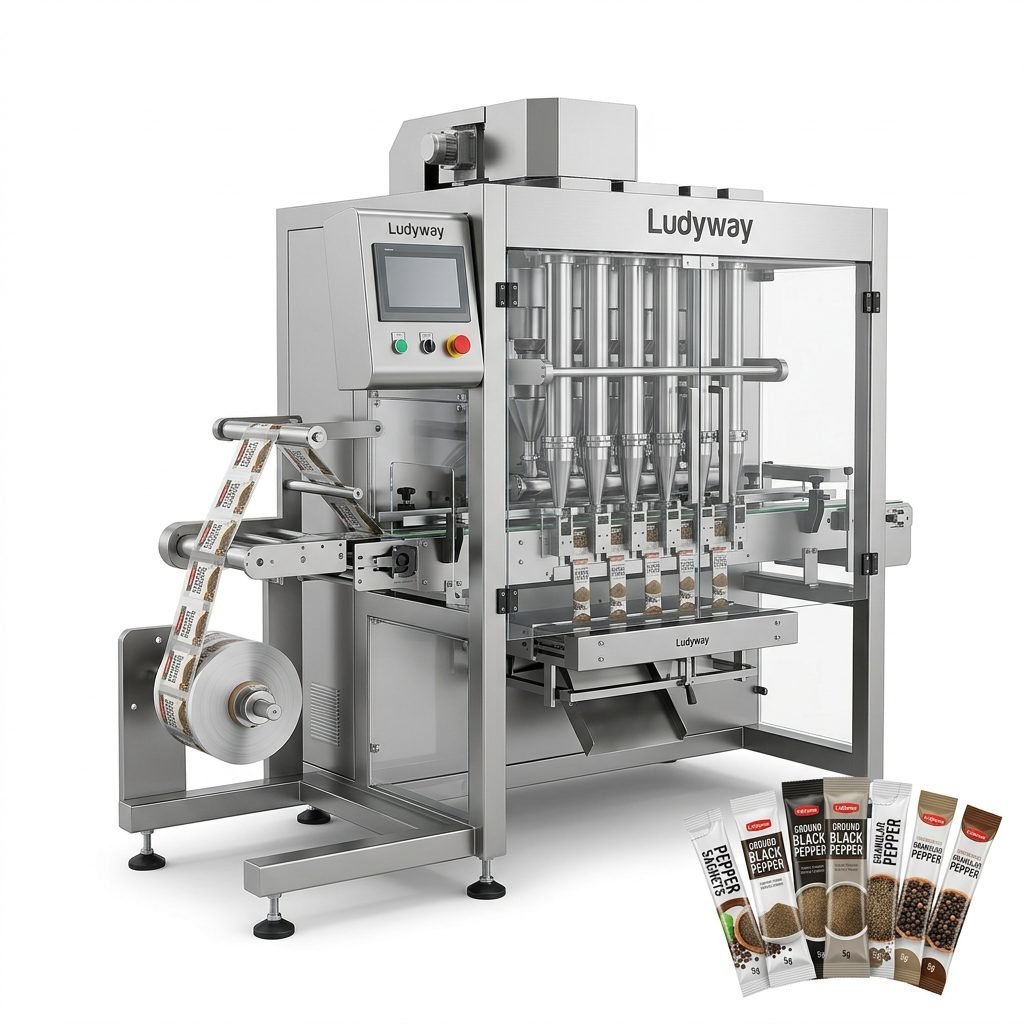
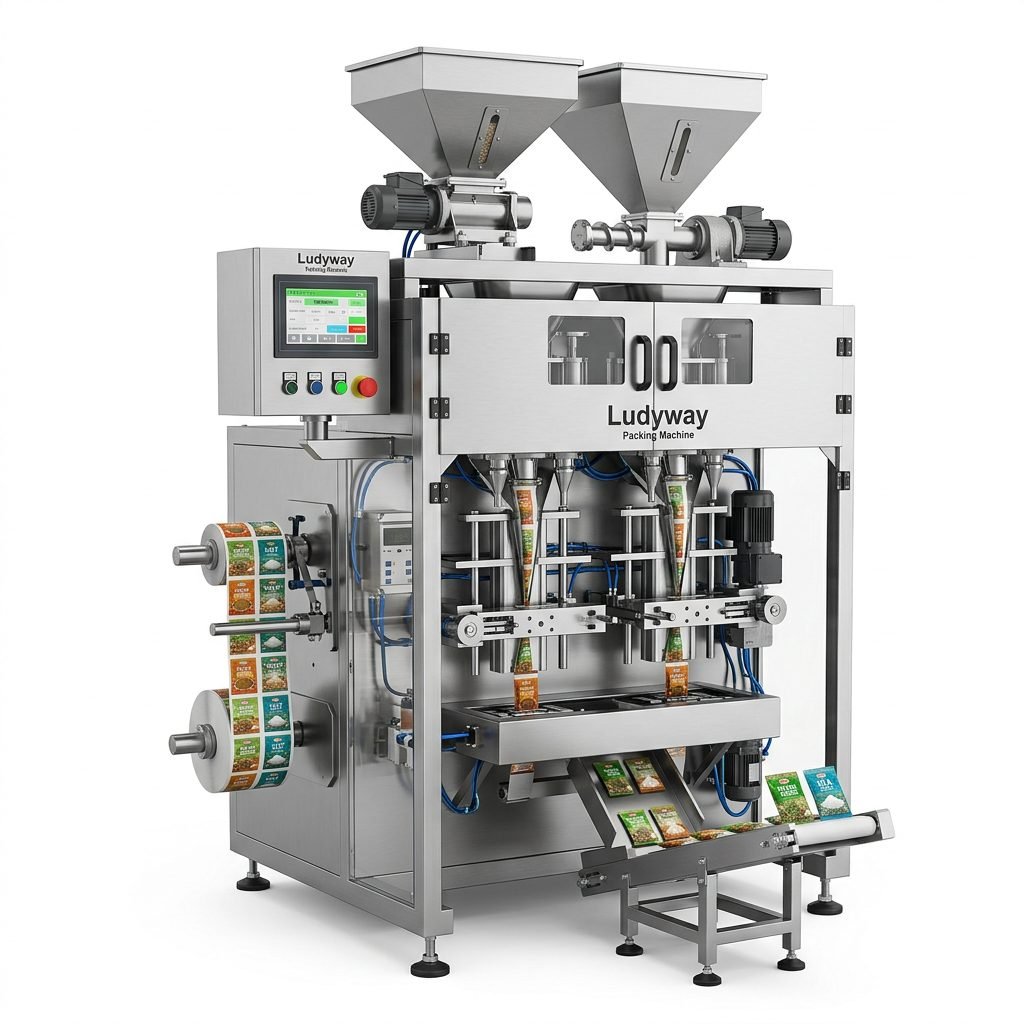
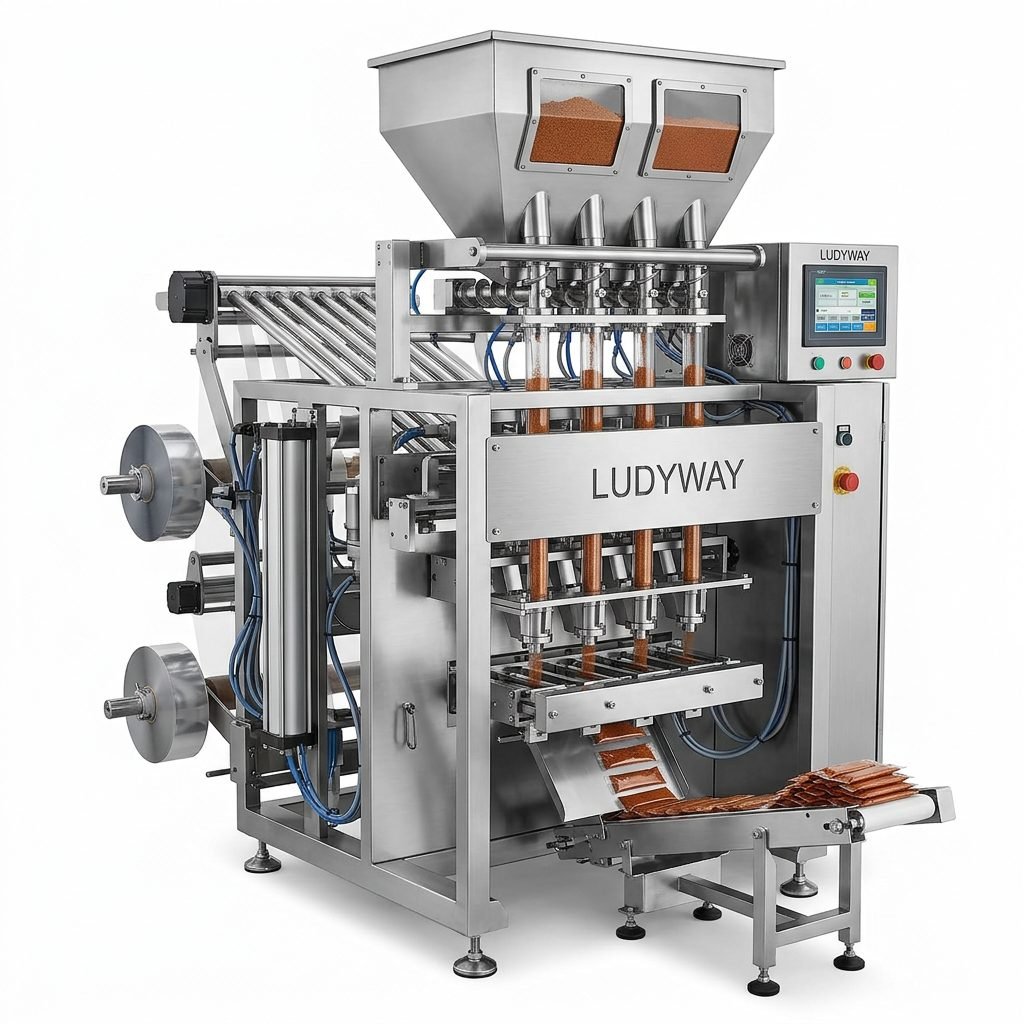
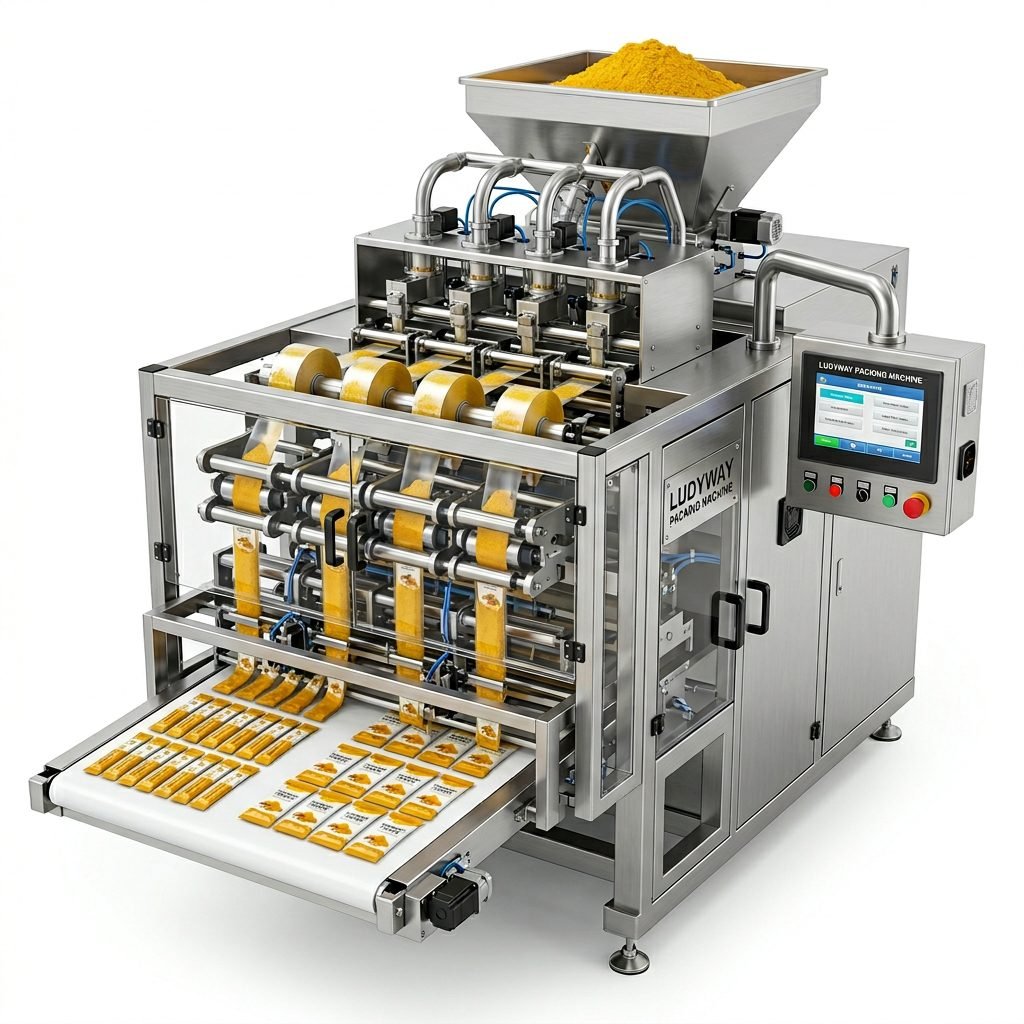
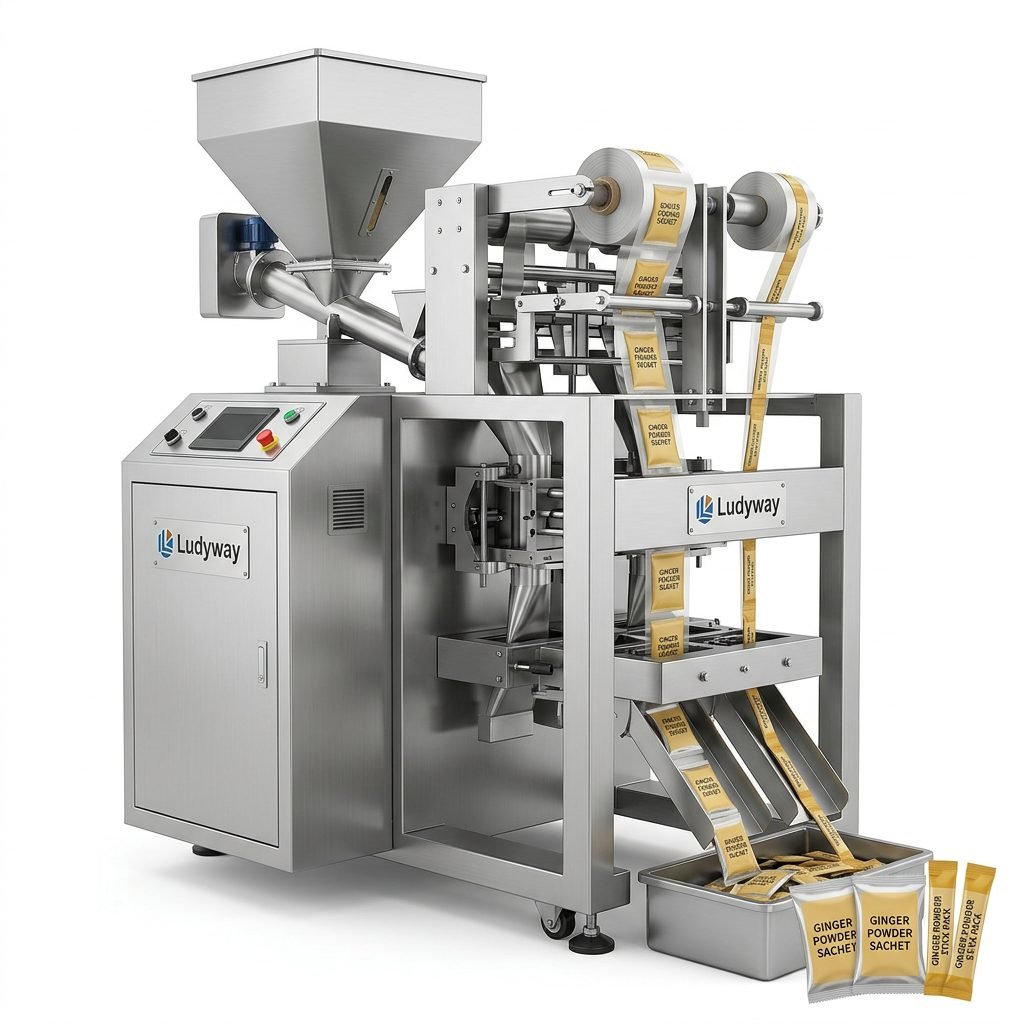
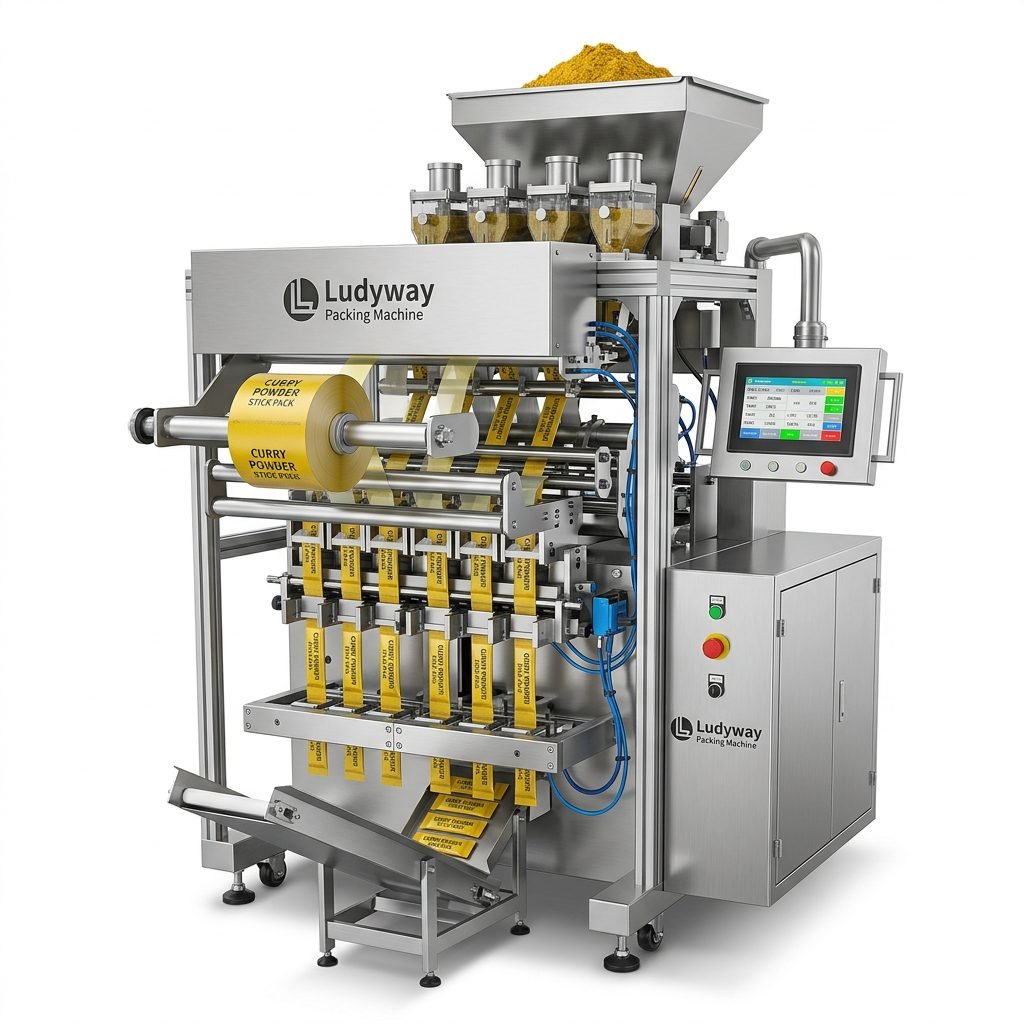
The heart of any spice packaging line is the vertical form fill seal (VFFS) packaging machine. For the Middle East market, multi-lane stick pack and sachet configurations are particularly popular due to their suitability for single-use and portion-control applications, which align with regional consumption patterns.
4. Secondary and End-of-Line Equipment
Beyond primary packaging, a complete production line includes cartoning machines, case packers, checkweighers, and palletizing systems. These ensure the finished product is ready for distribution across the GCC and broader Middle East region.
| Machine Type | Best For | Typical Output | Key Feature |
|---|---|---|---|
| Multi-Lane Stick Pack | Powder spices, single-serve | 60-120 packs/min/lane | Portion control, low material cost |
| Sachet Packaging | Granules, mixed spices | 40-80 packs/min | Versatile format, 3-side or 4-side seal |
| Pouch Packaging | Family-size packs | 15-40 packs/min | Zipper resealable options |
| Bottle/Jar Filling | Premium spice lines | 30-60 units/min | Glass or PET containers |
Production Line Layout and Space Planning
Efficient factory layout is essential for maximizing throughput while maintaining hygiene and safety standards. A typical spice packaging line should be designed with clear zoning for raw material intake, processing, primary packaging, secondary packaging, and finished goods storage. In the Middle East, where ambient temperatures can be extremely high, climate-controlled production areas are strongly recommended to prevent spice degradation and ensure machine reliability.
Consider the following layout principles when setting up your production line:
- Linear flow design from raw material to finished product to minimize cross-contamination risks
- Adequate spacing between machines for maintenance access and cleaning procedures
- Dedicated dust extraction at filling stations to manage fine spice particulates
- Segregated areas for allergen-containing spice blends to comply with labeling regulations
- Utility planning for compressed air, nitrogen flushing (for shelf-life extension), and electrical requirements
Regulatory Compliance and Certifications in the Middle East
Navigating the regulatory landscape is one of the most critical aspects of setting up a packaging production line in the Middle East. Each country in the GCC has its own food safety authority, but many follow standards aligned with ISO packaging standards and international best practices.
Key Regulatory Bodies
- Saudi Food and Drug Authority (SFDA) – Saudi Arabia
- Emirates Authority for Standardization and Metrology (ESMA) – UAE
- Kuwait Municipality Food Safety Department – Kuwait
- Ministry of Public Health – Qatar
Compliance with GMP (Good Manufacturing Practices) and HACCP principles is typically mandatory. Packaging materials must meet food-contact safety standards as outlined by the FDA food packaging guidelines and equivalent regional regulations. Additionally, halal certification requirements may extend to packaging processes in certain markets.
Installation, Commissioning, and Training
Proper installation of your spice packaging equipment is fundamental to long-term operational success. The process typically involves site preparation, mechanical installation, electrical and pneumatic connections, software configuration, and rigorous testing. Given the Middle East’s infrastructure standards, ensuring stable power supply with appropriate voltage regulation is essential for protecting sensitive electronic components in modern packaging machinery.
A structured commissioning process should include:
- Factory Acceptance Testing (FAT) before equipment shipment
- Site Acceptance Testing (SAT) after installation at your facility
- Operational qualification (OQ) to verify machine performance across all specified parameters
- Performance qualification (PQ) with actual spice products under production conditions
- Comprehensive operator training programs covering machine operation, cleaning procedures, and basic troubleshooting
Maintenance Strategies for Optimal Performance
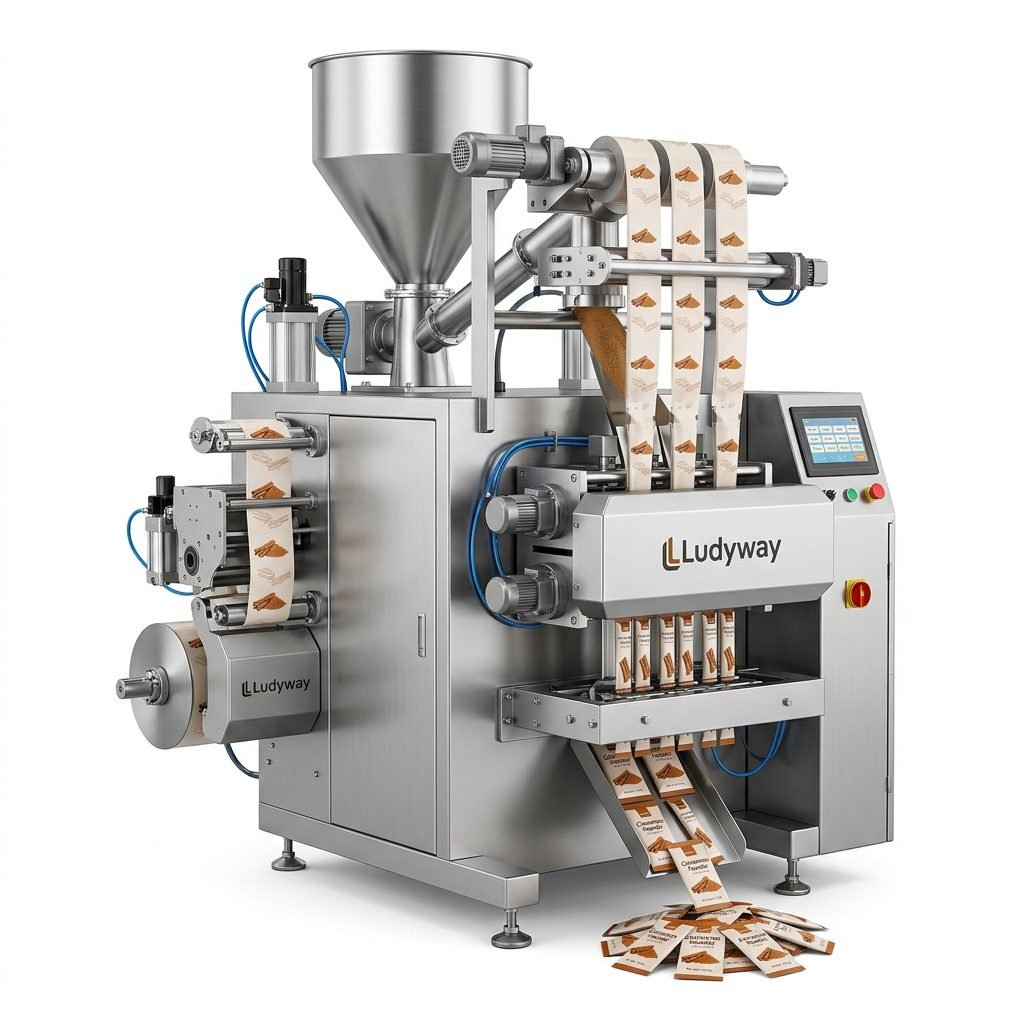
Spices present unique challenges for packaging machinery due to their abrasive, hygroscopic, and sometimes oily characteristics. A proactive maintenance program is vital to prevent downtime and ensure consistent seal integrity. Key focus areas include regular cleaning of filling components to prevent cross-contamination between spice varieties, inspection of sealing jaws for wear caused by abrasive particles, and calibration of weighing systems to maintain dosing accuracy.
Implement a preventive maintenance schedule that covers daily, weekly, monthly, and quarterly tasks. Keep an inventory of critical spare parts locally to minimize lead times in the Middle East region. Modern machines equipped with IoT-enabled diagnostics can provide real-time performance data and predictive maintenance alerts, reducing unexpected interruptions.
Choosing the Right Equipment Supplier
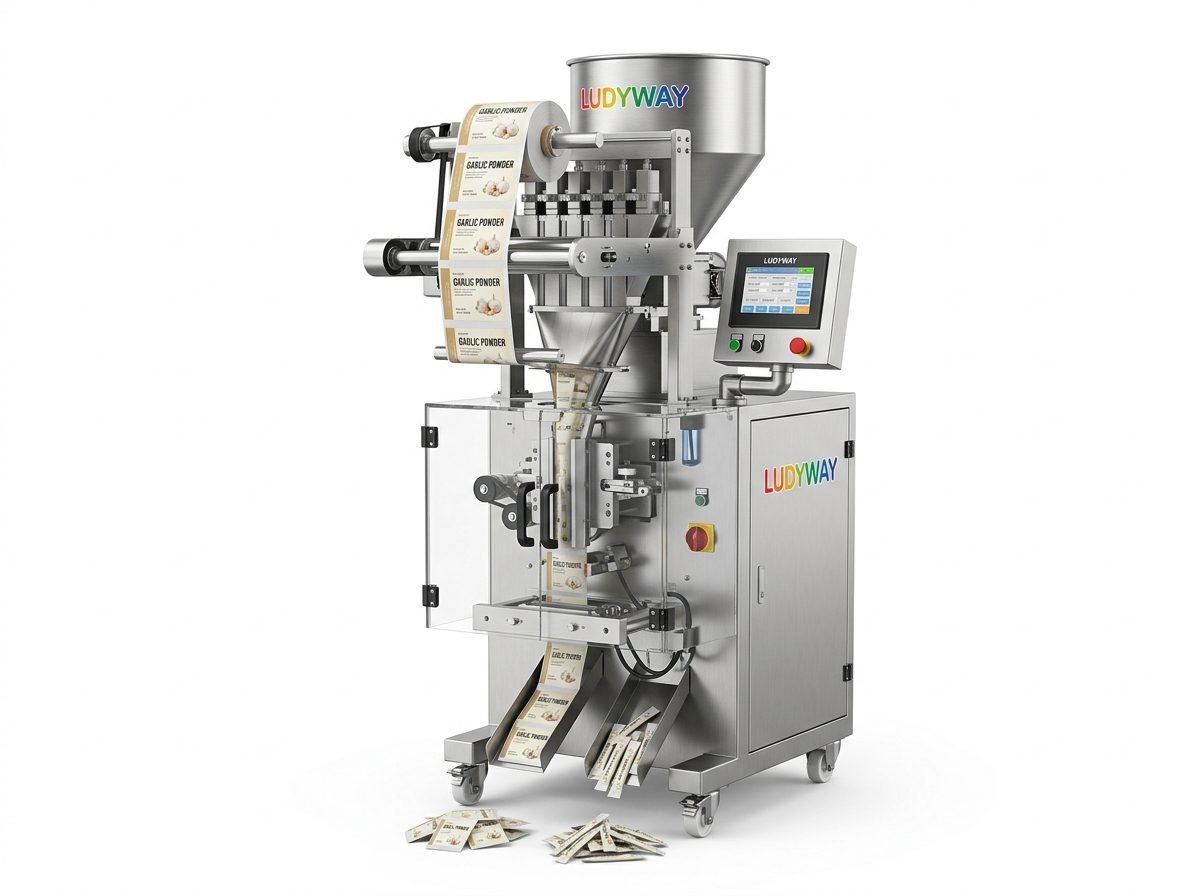
Selecting a reliable packaging machinery manufacturer is one of the most consequential decisions in setting up your production line. Look for suppliers with proven experience in spice packaging applications, robust after-sales support, and familiarity with Middle East market requirements. A manufacturer with a global footprint can provide faster response times and localized service.
As one of the largest packaging machine manufacturers in China, Ludyway specializes in advanced packaging equipment and turnkey production solutions for the food, pharmaceutical, and health industries. With over 30 years of industry expertise and a modern 20,000㎡ manufacturing facility, the company offers more than 50 intelligent packaging machine models, including multi-lane stick pack and sachet systems ideal for spice applications.
Cost Considerations and ROI Analysis
Investing in a spice packaging production line requires evaluating both capital expenditure and operational costs. Key cost factors include:
- Equipment purchase price – varies by automation level and production capacity
- Installation and commissioning – including potential travel costs for technicians to the Middle East
- Packaging material costs – laminate films suitable for spice barrier properties
- Labor costs – reduced significantly with higher automation levels
- Maintenance and spare parts – ongoing operational expenditure
- Energy consumption – important in regions with high electricity costs
The return on investment typically improves significantly with multi-lane packaging systems that maximize output per square meter of factory floor space. For Middle East producers serving both domestic and export markets, the ability to run multiple packaging formats on a single line can substantially enhance ROI by diversifying product offerings without additional capital investment.
Sustainability and Future Trends
The Middle East is increasingly embracing sustainable packaging initiatives, driven by consumer awareness and government regulations. When setting up your spice packaging line, consider compatibility with flexible packaging sustainability resources and recyclable material options. Mono-material laminates, reduced film thickness, and bio-based packaging materials are gaining traction in the region.
Additionally, smart packaging technologies such as QR codes for traceability, augmented reality consumer engagement, and intelligent freshness indicators are emerging trends that can differentiate spice brands in competitive Middle East retail environments.
Conclusion
Setting up a spice packaging machine production line in the Middle East is a strategic investment that can position your business for substantial growth in a dynamic and expanding market. Success hinges on understanding regional market preferences, selecting the right combination of packaging equipment, ensuring regulatory compliance, and implementing robust maintenance practices. By partnering with experienced equipment manufacturers and staying attuned to evolving consumer trends, spice producers can build efficient, scalable, and profitable packaging operations across the GCC and beyond.
For more information on packaging machinery standards, visit the PMMI official website or explore ISO packaging and distribution standards for international compliance guidance.