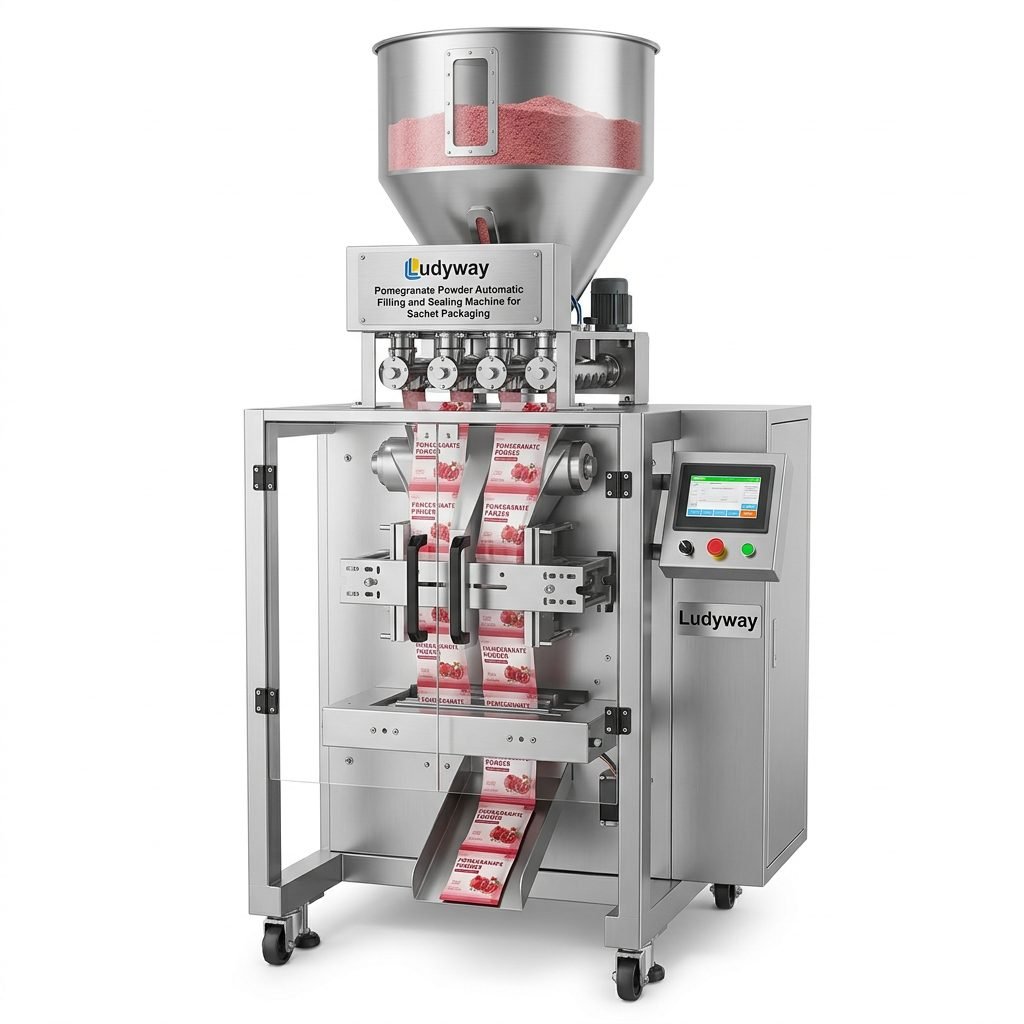
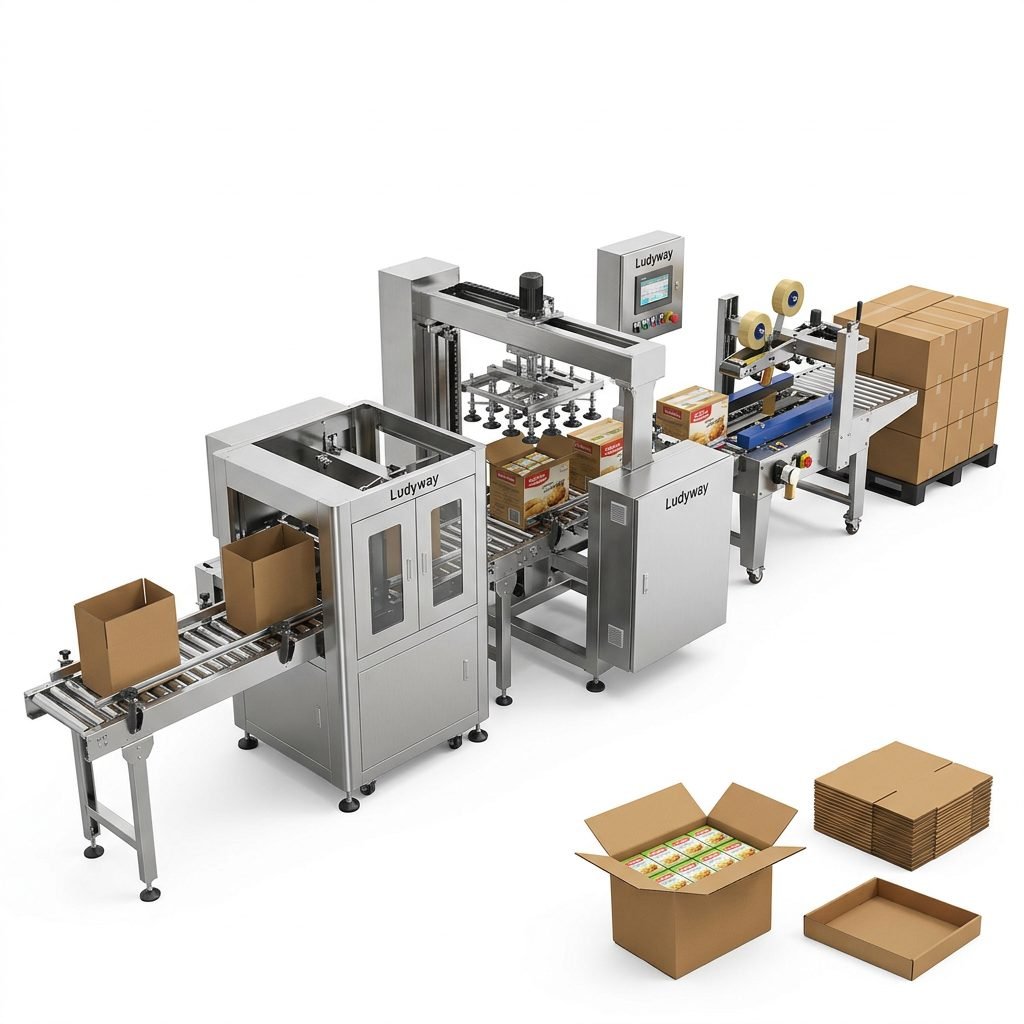
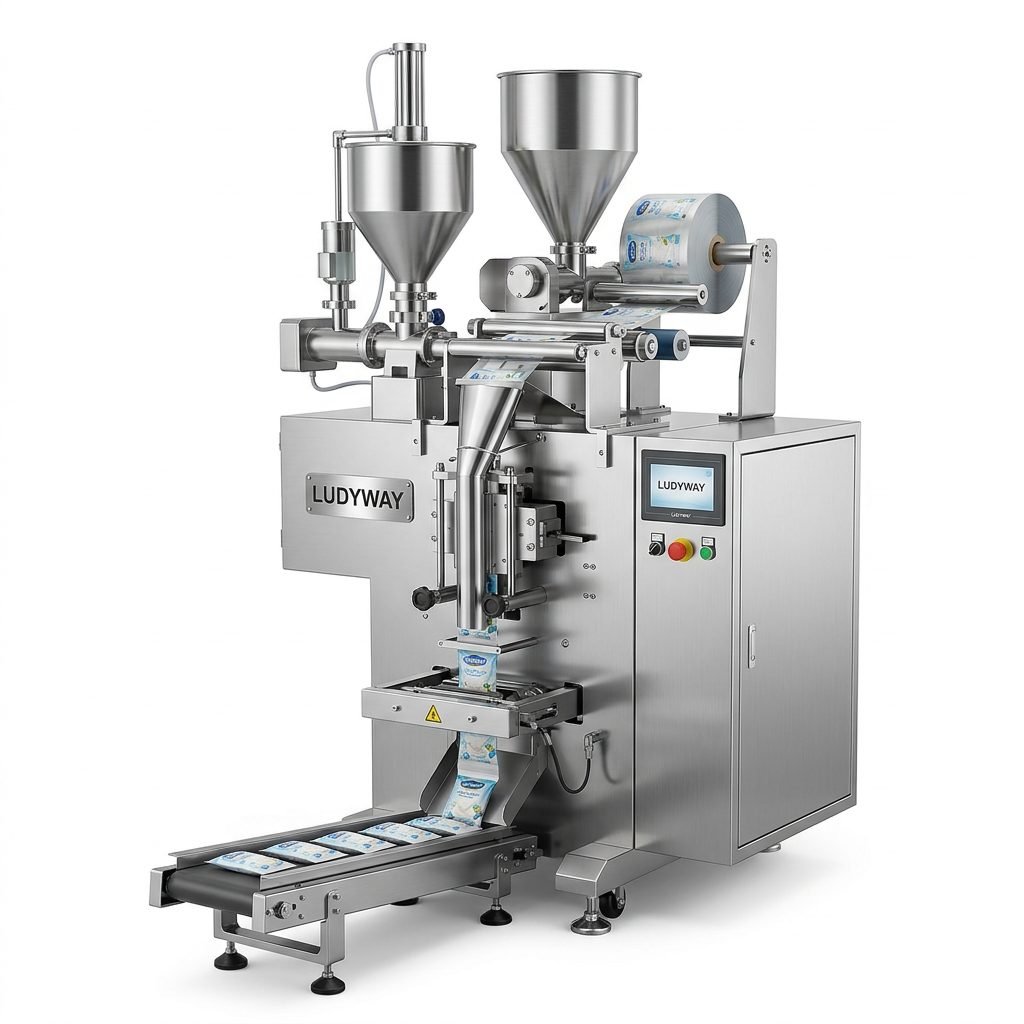
The food processing industry in Nepal is experiencing steady growth, driven by increasing demand for packaged snacks, spices, tea, coffee, instant noodles, and ready-to-eat meals. As local manufacturers look to scale production and improve product shelf life, selecting the right food packaging machine becomes critical. However, the Nepalese market presents unique challenges — from power supply fluctuations to diverse product formats and cost sensitivity. This guide walks through the essential factors to evaluate before making your investment.

Understand Your Product Type and Packaging Format
The first step is to clearly define what you are packaging. Different products require different filling systems and machine configurations. The most common categories in the Nepal market include:
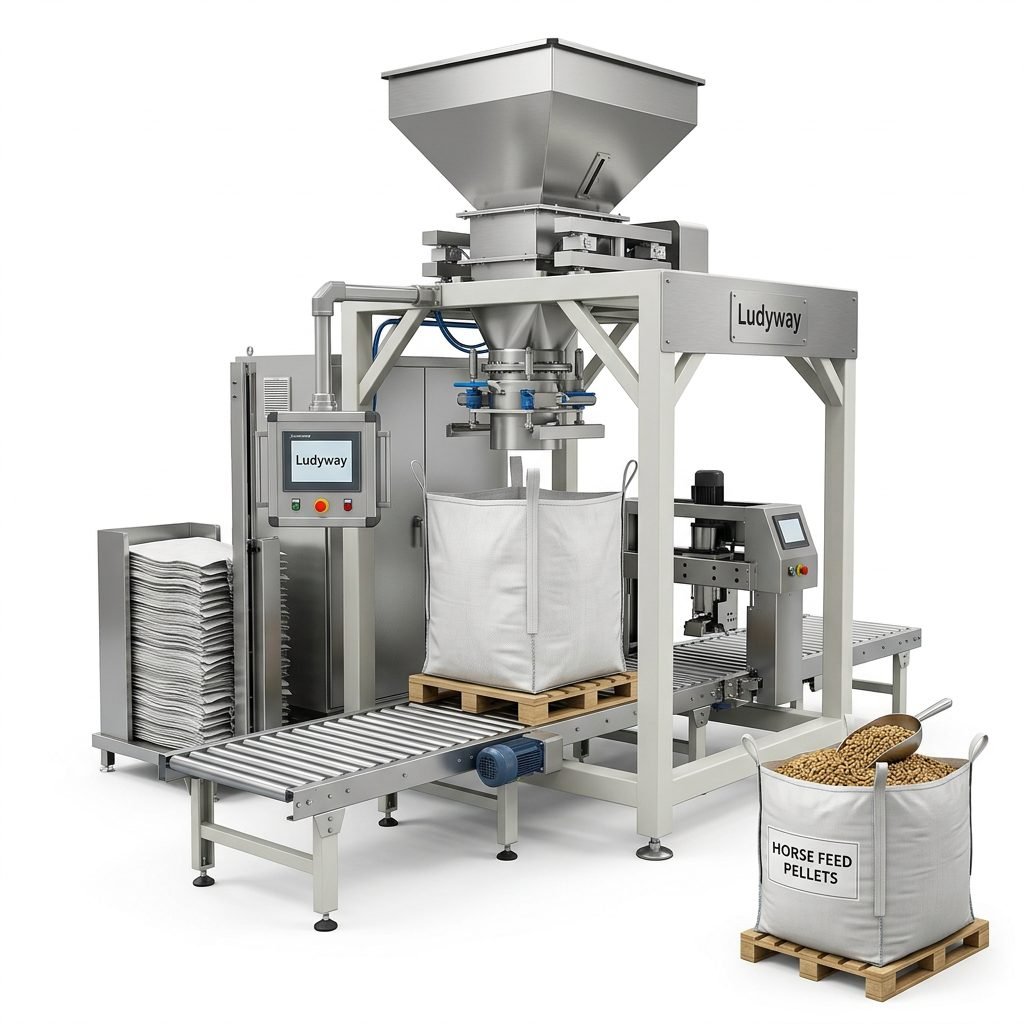
- Granules: Tea leaves, coffee beans, spices, rice, lentils, nuts, and snack pellets
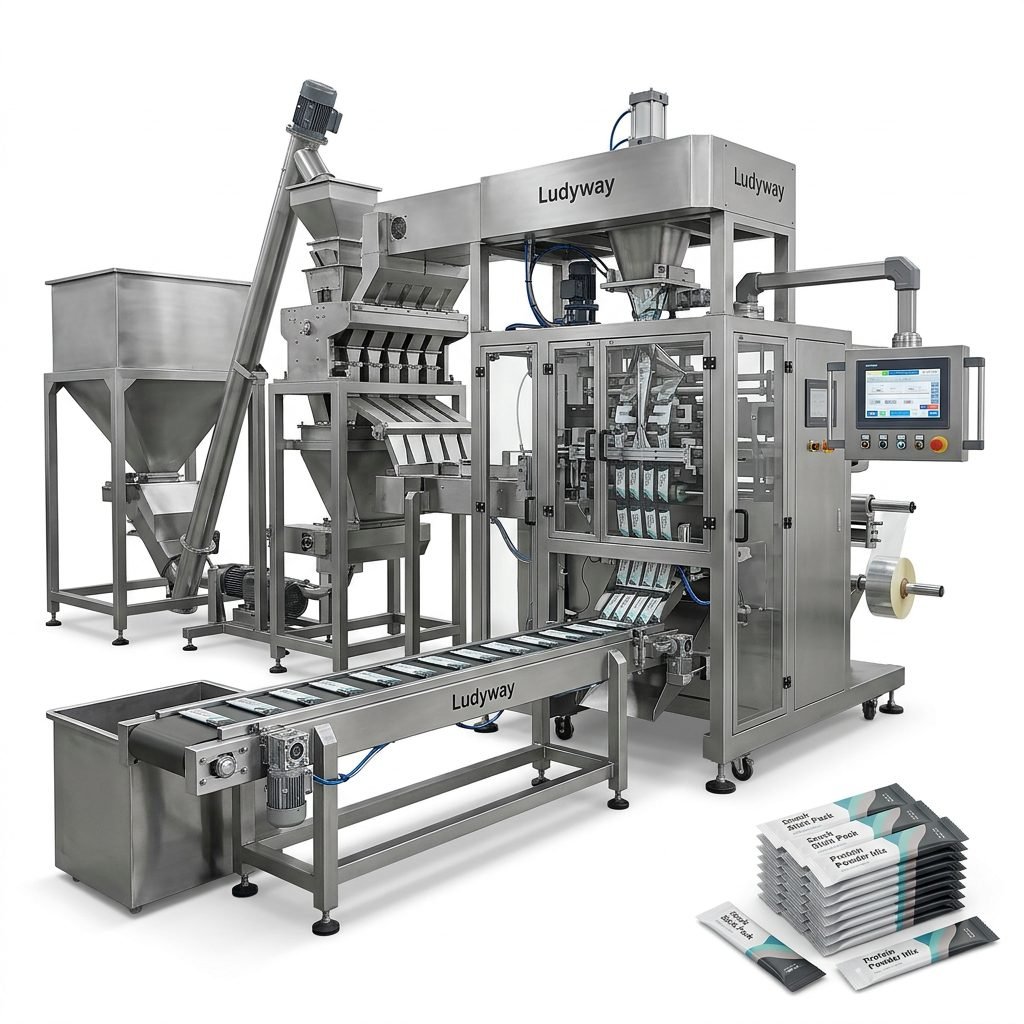
- Powders: Milk powder, flour, masala mixes, turmeric, chili powder, and protein supplements
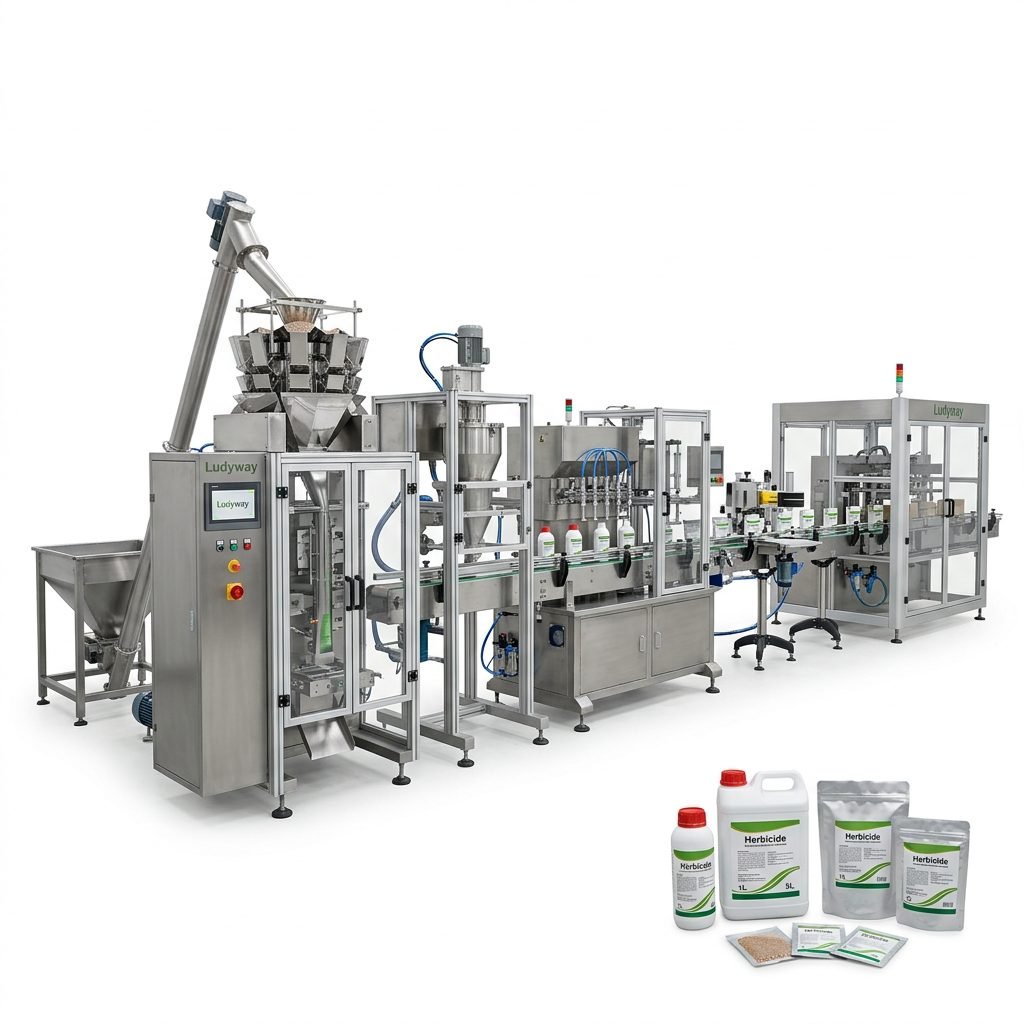
- Liquids and pastes: Cooking oil, ghee, honey, fruit juices, chutneys, and sauces
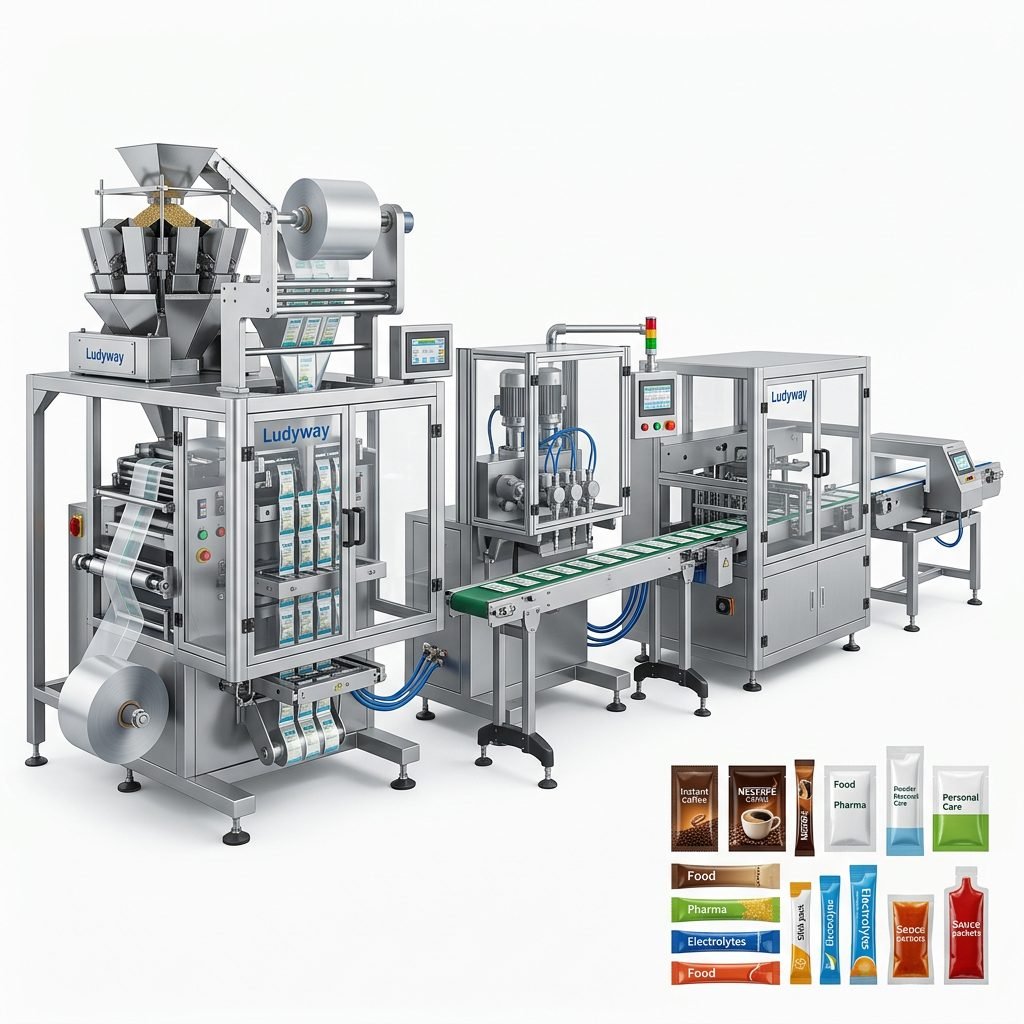
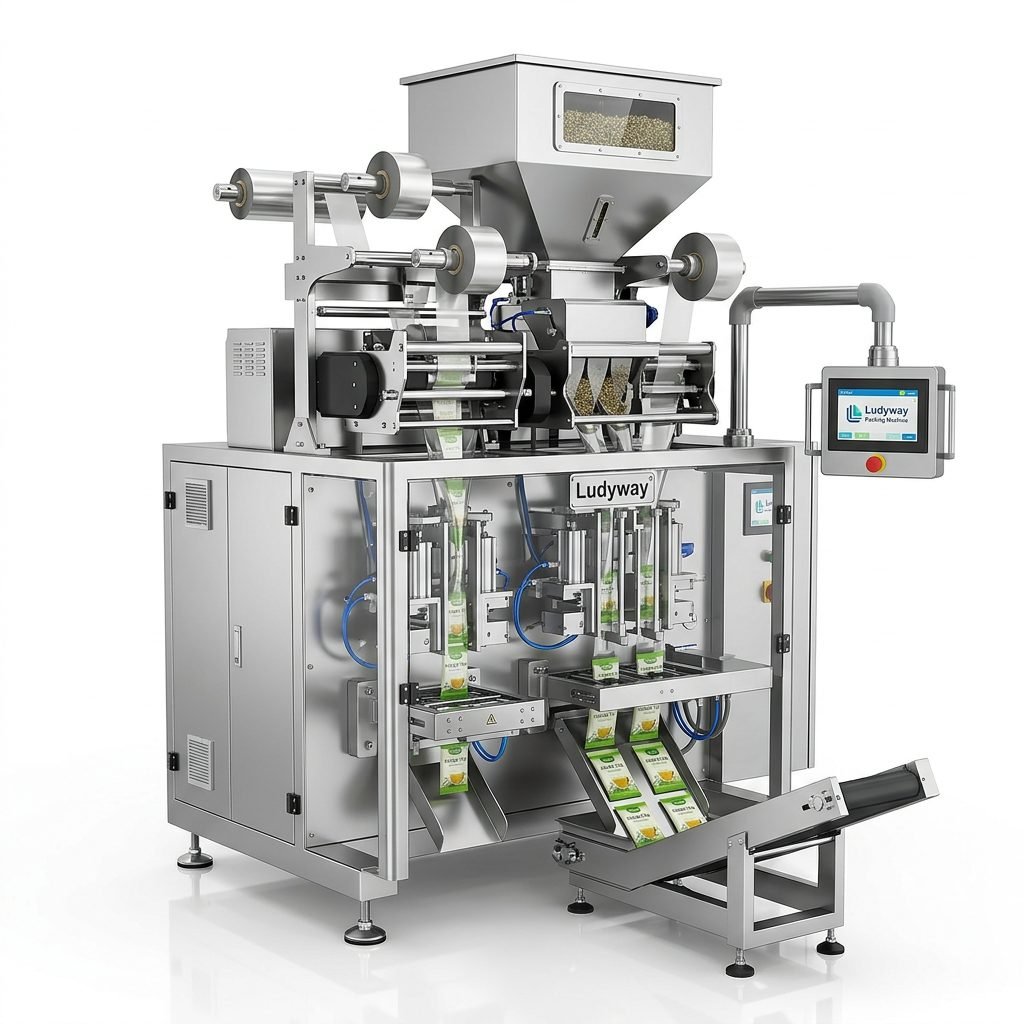
- Stick packs and sachets: Single-serve formats popular for tea, coffee, and spice blends
Each format — whether stick pack, sachet, pillow pouch, or gusseted bag — requires specific tooling and sealing mechanisms. Understanding your target retail format early simplifies machine selection and reduces costly retrofitting later.
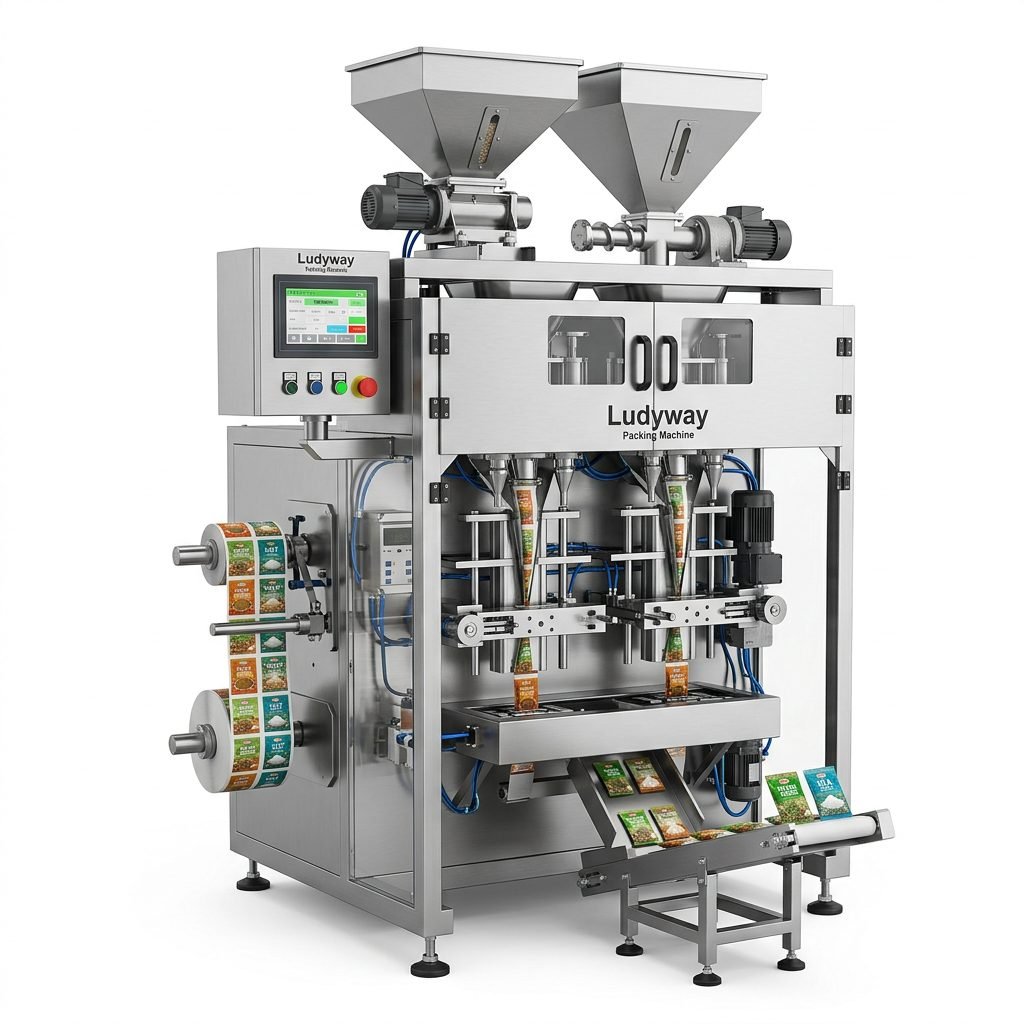
Evaluate Machine Type and Automation Level
Packaging machines range from semi-automatic to fully automated multi-lane systems. For small to medium enterprises in Nepal, a semi-automatic or single-lane machine may be a practical starting point. However, businesses aiming to supply larger retailers or export markets should consider:
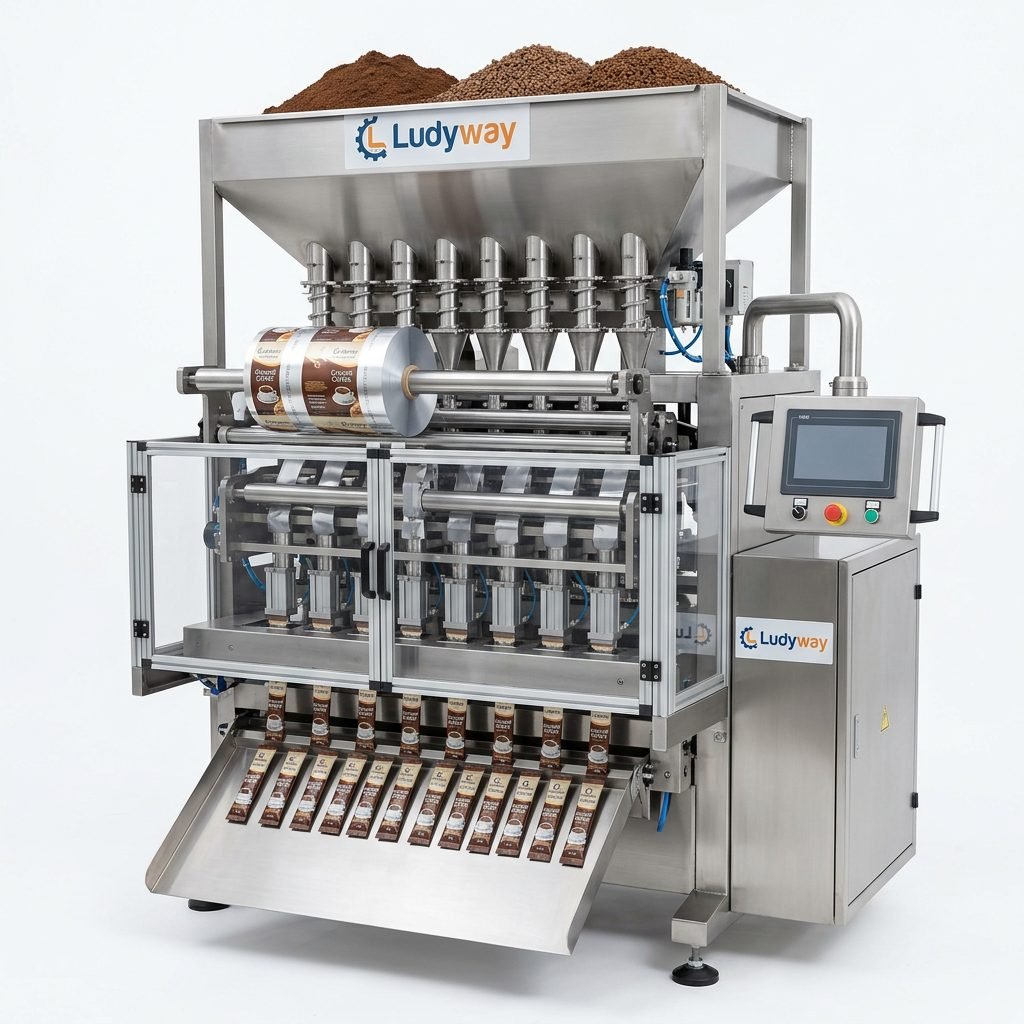
- Single-lane vs. multi-lane: Multi-lane machines can produce 4 to 12 lanes simultaneously, significantly boosting output for stick packs and sachets
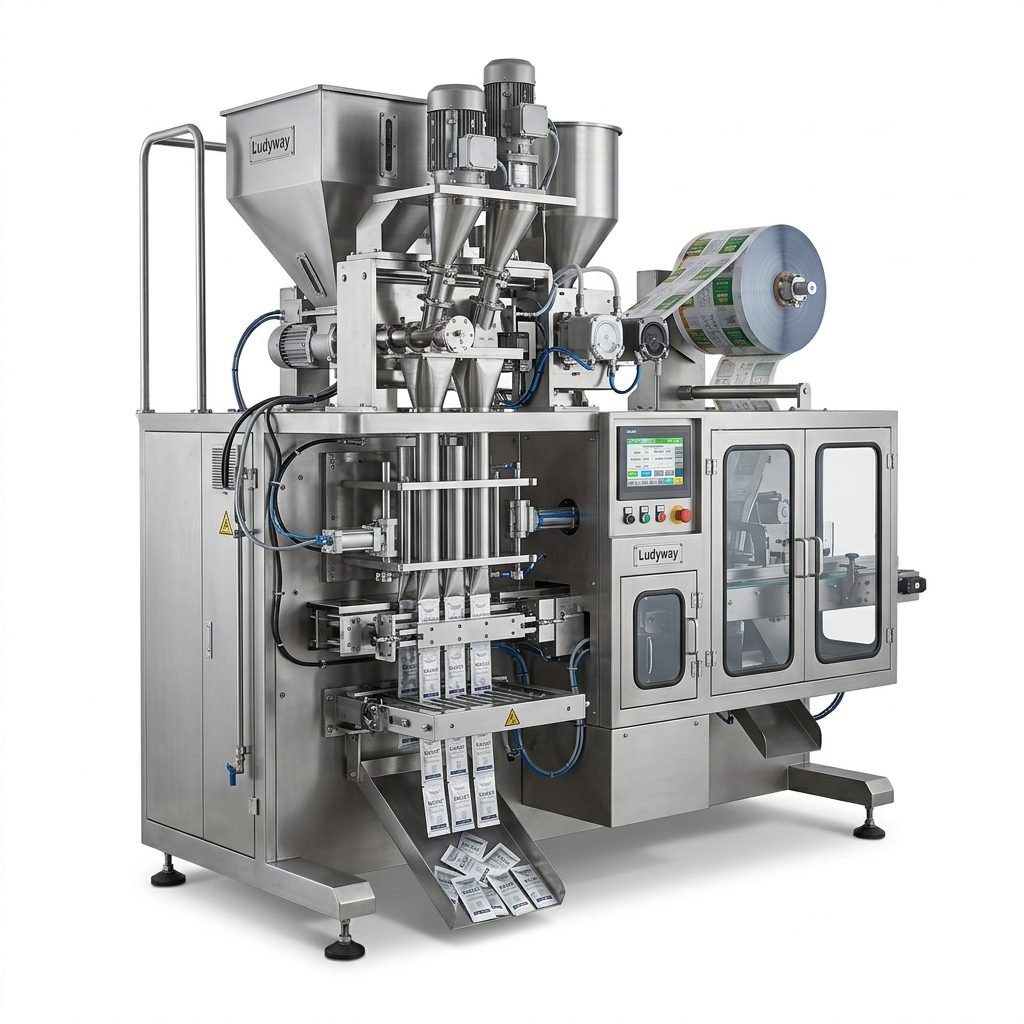
- Vertical form-fill-seal (VFFS) vs. horizontal systems: VFFS machines are ideal for granules and powders, while horizontal systems suit larger pouches and pre-made bags
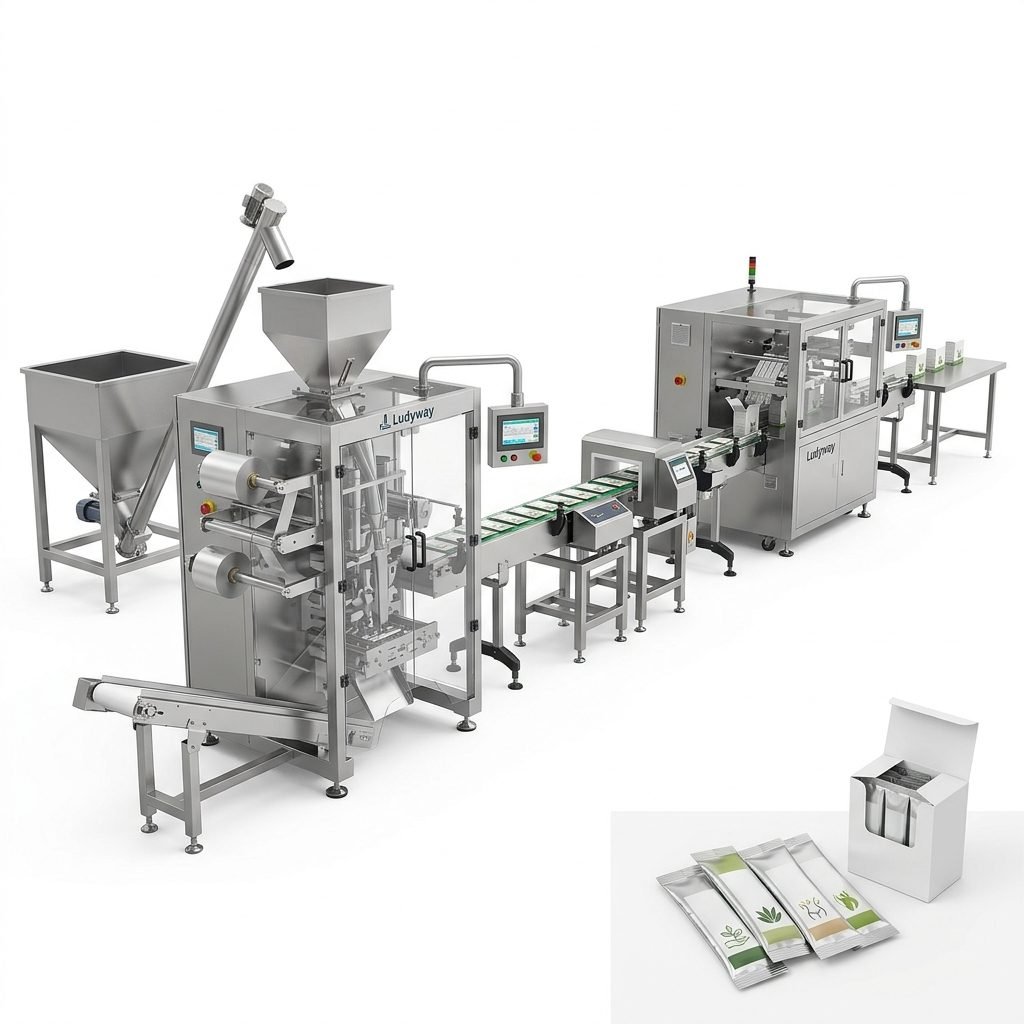
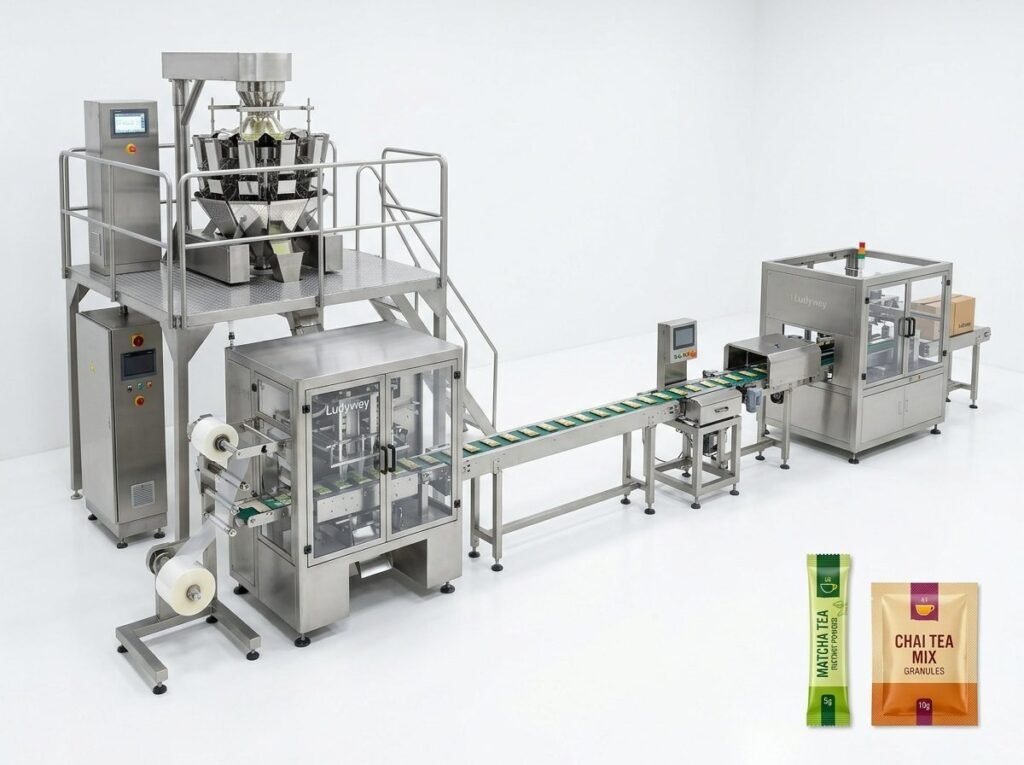
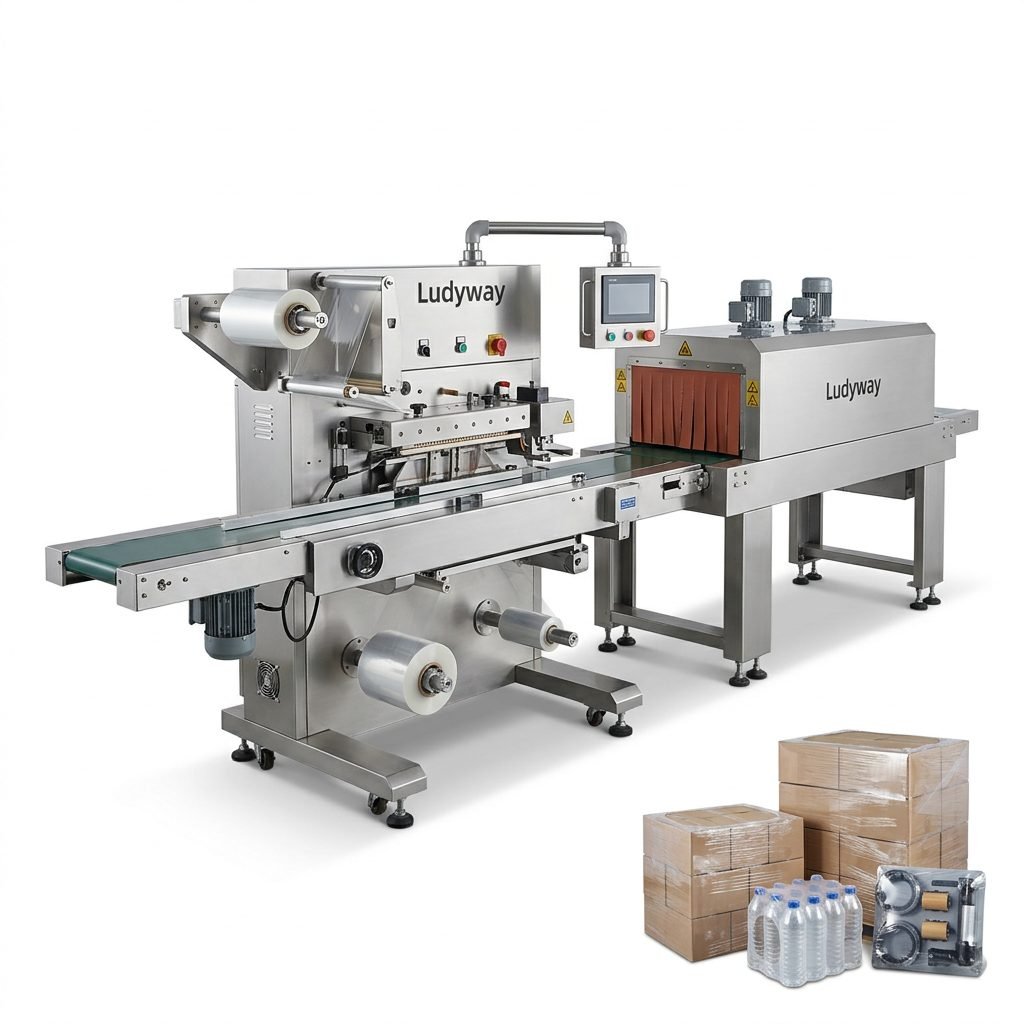
- Integration capabilities: Can the machine connect with weighers, conveyors, coding printers, and cartoning systems for a complete turnkey packaging line?
Consider Local Power Supply and Infrastructure
Nepal’s power infrastructure, while improving, can still experience voltage fluctuations and occasional outages in certain regions. When choosing a packaging machine, confirm that the equipment is compatible with local voltage standards (typically 220V/50Hz) and inquire about built-in voltage stabilizers or surge protection. Machines with energy-efficient servo drives not only reduce electricity consumption but also perform more reliably under unstable power conditions.

Budget, ROI, and Total Cost of Ownership
Price sensitivity is a reality in the Nepal market. However, focusing solely on the upfront purchase price can be misleading. A comprehensive cost analysis should include:
- Initial machine cost and shipping/import duties
- Installation, setup, and operator training expenses
- Ongoing costs for spare parts, maintenance, and consumables
- Packaging film material compatibility and waste rates
- Expected throughput and labor savings over the machine’s lifespan
A machine with a higher initial cost but lower long-term operational expenses often delivers superior ROI, especially for producers scaling toward export volumes. According to PMMI industry data, packaging machinery investments in emerging markets typically achieve payback within 18 to 36 months when properly matched to production needs.
Compliance with Local and International Standards
Food packaging in Nepal falls under the purview of the Department of Food Technology and Quality Control (DFTQC). Additionally, if you plan to export to India, the Middle East, or other regions, your packaging must meet relevant food contact material standards such as those from FDA or EU regulations. Key compliance areas include:
- Food-grade packaging film certifications
- Proper date coding, batch numbering, and traceability
- Hygienic machine design with easy-clean surfaces (preferably stainless steel 304 or 316)
- Compliance with ISO packaging standards for export-oriented production
After-Sales Support, Spare Parts, and Training
One of the most overlooked factors when purchasing a food packaging machine for the Nepal market is the availability of after-sales support. Since most advanced packaging machines are imported, ensure your supplier offers:
- Remote technical assistance and troubleshooting via video calls
- Readily available spare parts with clear part numbers and shipping options
- Operator training in both English and, ideally, with visual manuals for local technicians
- Warranty terms that cover critical components like PLC controllers, servo motors, and sealing jaws
Packaging Material Availability and Compatibility
Your machine must be compatible with packaging films and materials that are easily sourced in Nepal or importable at reasonable cost. Common materials include BOPP, PET/PE laminates, aluminum foil laminates, and biodegradable films. Confirm with your supplier that the machine can handle the specific thickness, heat-sealing temperature range, and film tension characteristics of locally available materials. Film waste rates can significantly impact profitability, especially when running high-volume production.
Quick Comparison: Machine Types for Nepal Food Industry
| Machine Type | Best For | Typical Output | Investment Level |
|---|---|---|---|
| Single-Lane VFFS | Small-scale snacks, spices, grains | 30–60 packs/min | Low to Moderate |
| Multi-Lane Stick Pack | Tea, coffee, sugar, milk powder sachets | 200–600 packs/min | Moderate to High |
| Liquid Sachet Machine | Oil, ghee, honey, sauces, chutneys | 40–100 packs/min | Moderate |
| Premade Pouch Filler-Sealer | Larger pouches, standing pouches, zipper bags | 15–40 packs/min | Moderate |
| Fully Integrated Turnkey Line | High-volume export production | Custom configurations | High |
Future-Proofing Your Investment
As Nepal’s food sector modernizes, consumer preferences are shifting toward convenient single-serve packaging and premium presentation. Machines with modular designs allow you to add lanes, upgrade filling systems, or switch between stick pack and sachet formats without replacing the entire line. This flexibility protects your investment as your product portfolio expands.
Additionally, consider digital features such as remote monitoring, production data logging, and integration with smart factory systems. These capabilities are becoming standard across modern packaging machinery solutions and can provide a competitive edge in both local and export markets.
Key Decision Checklist
- Product type confirmed? Granule, powder, liquid, or combination
- Target output per shift? Match machine speed to production goals
- Power requirements? Compatible with 220V/50Hz Nepal standard
- Film material sourced? Confirm local availability and machine compatibility
- Export ambitions? Ensure machine meets international hygiene and coding standards
- Supplier support? Verify remote assistance, spare parts, and training provisions
Selecting the right food packaging machine for the Nepal market is a strategic decision that impacts product quality, operational efficiency, and long-term profitability. By carefully evaluating product characteristics, automation needs, local infrastructure, and after-sales support, businesses can make informed choices that support both domestic growth and export aspirations.
For manufacturers seeking reliable and customizable packaging solutions, Ludyway is one of the largest packaging machine manufacturers in China, offering over 50 intelligent packaging machine models including multi-lane stick pack, sachet, and fully automated systems — backed by a 20,000㎡ modern production facility and 30+ years of industry experience. With proven deployments in over 100 countries, Ludyway provides cost-effective turnkey packaging solutions tailored to diverse production environments, including emerging markets like Nepal.
Additional Resources
- PMMI – Packaging Machinery Market Research and Industry Reports
- FDA – Food Packaging and Food Contact Substances Guidance
- ISO – International Packaging Standards Overview
- Flexible Packaging Association – Industry Data and Regulatory Affairs
- European Commission – Packaging and Packaging Waste Regulation