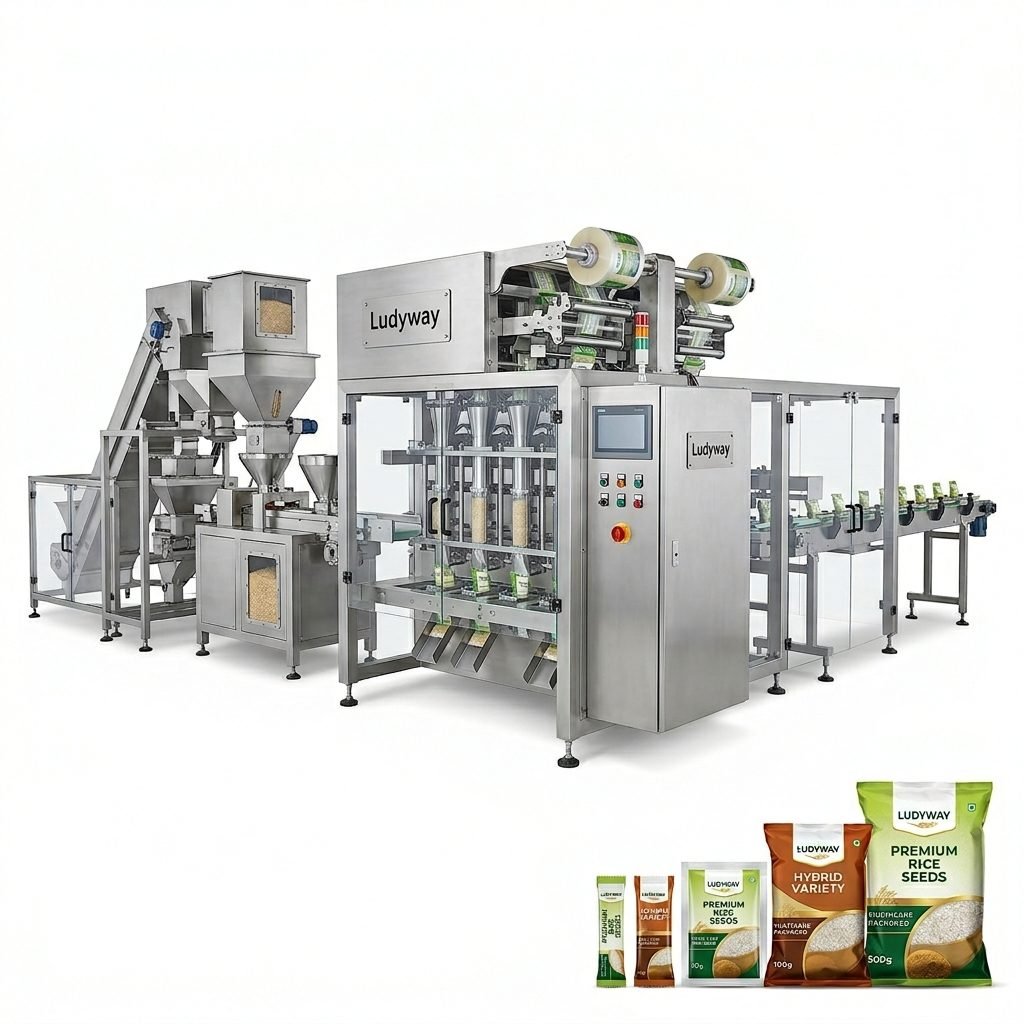
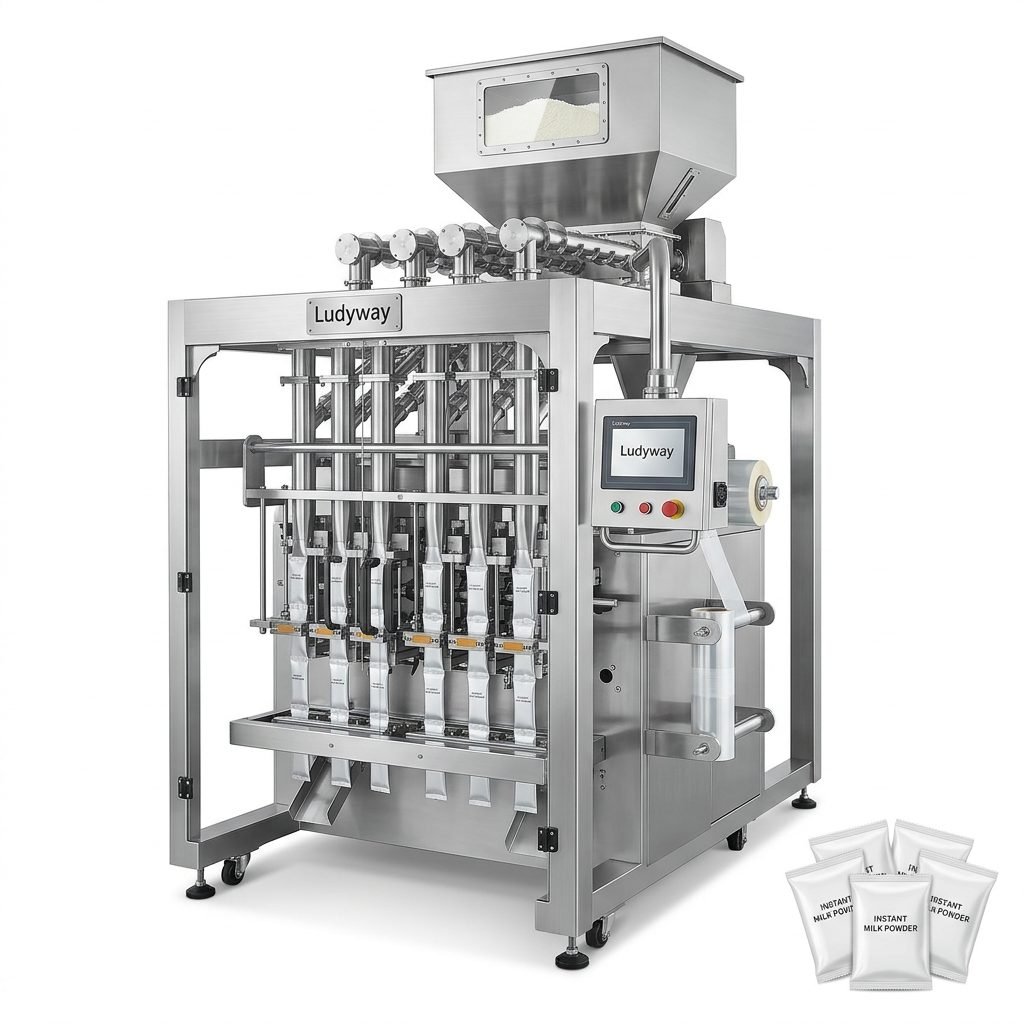
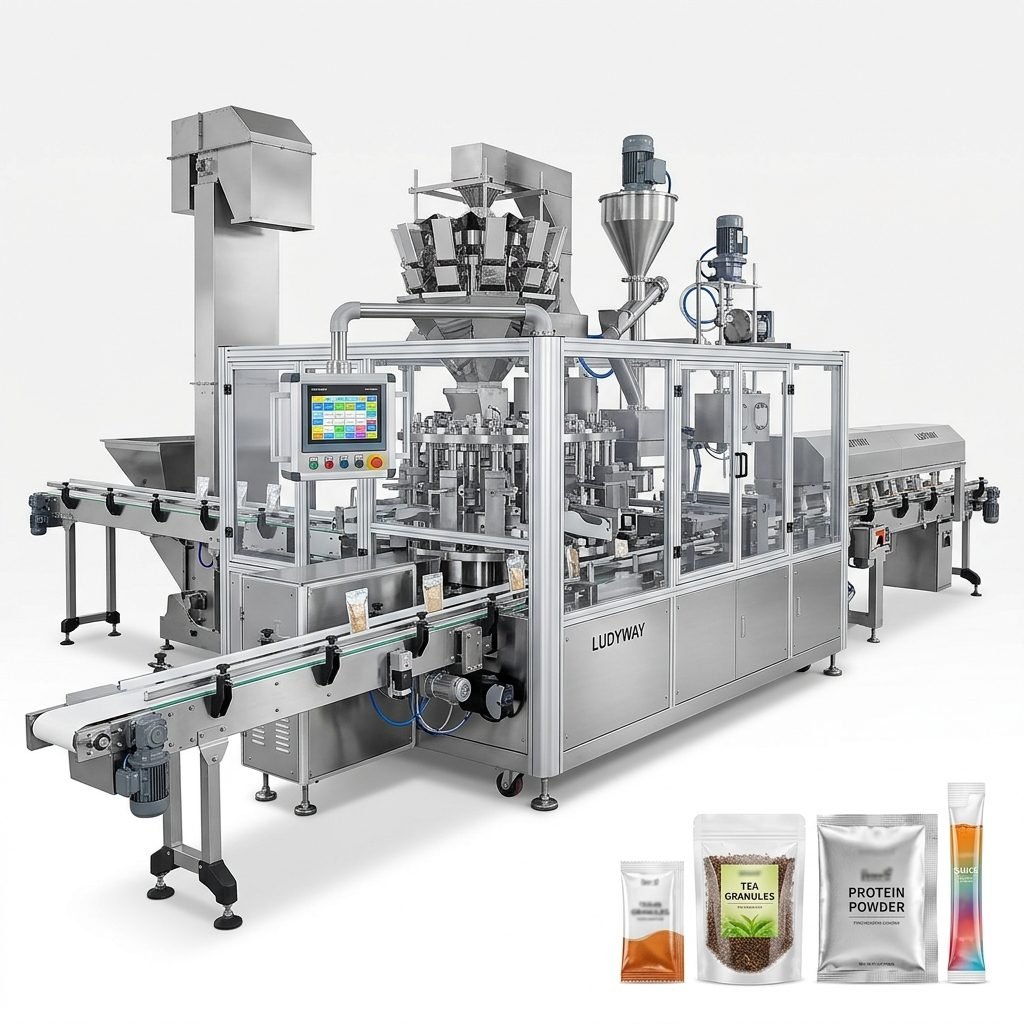
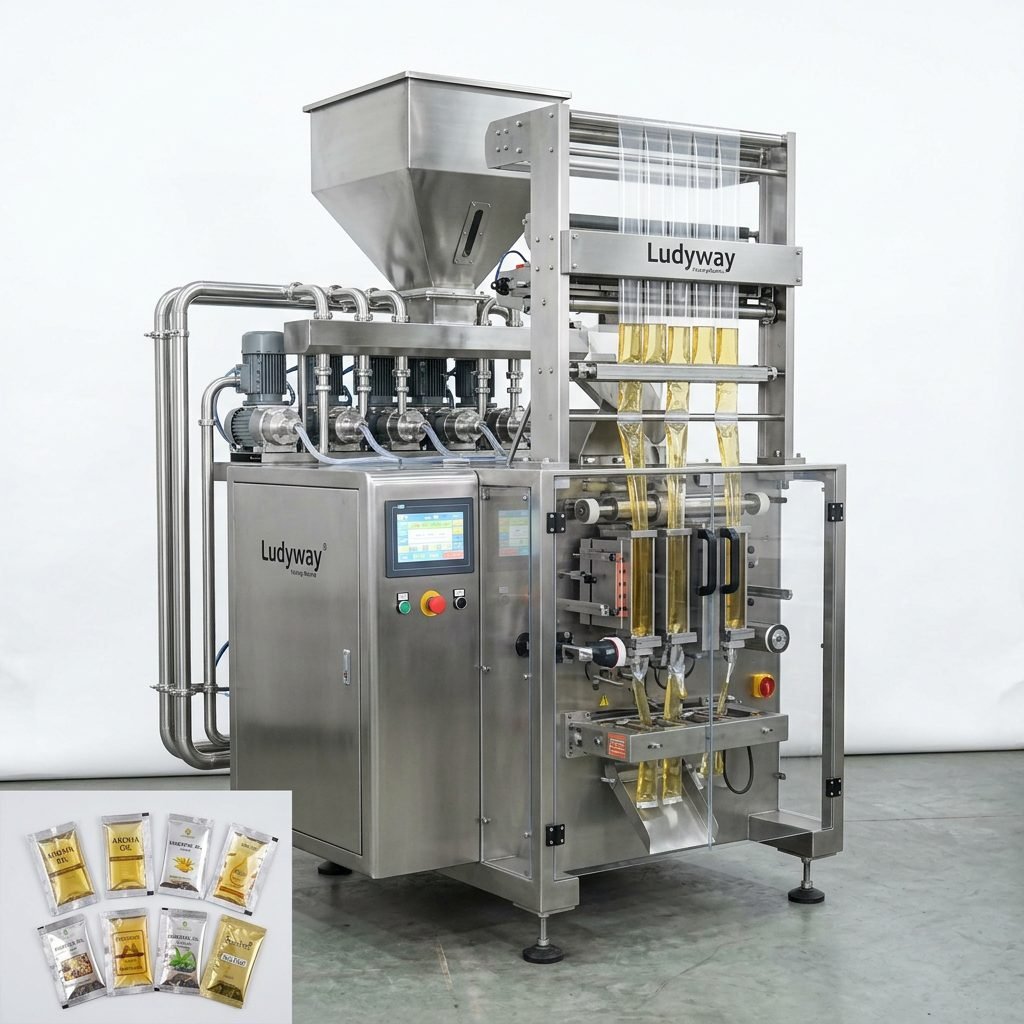
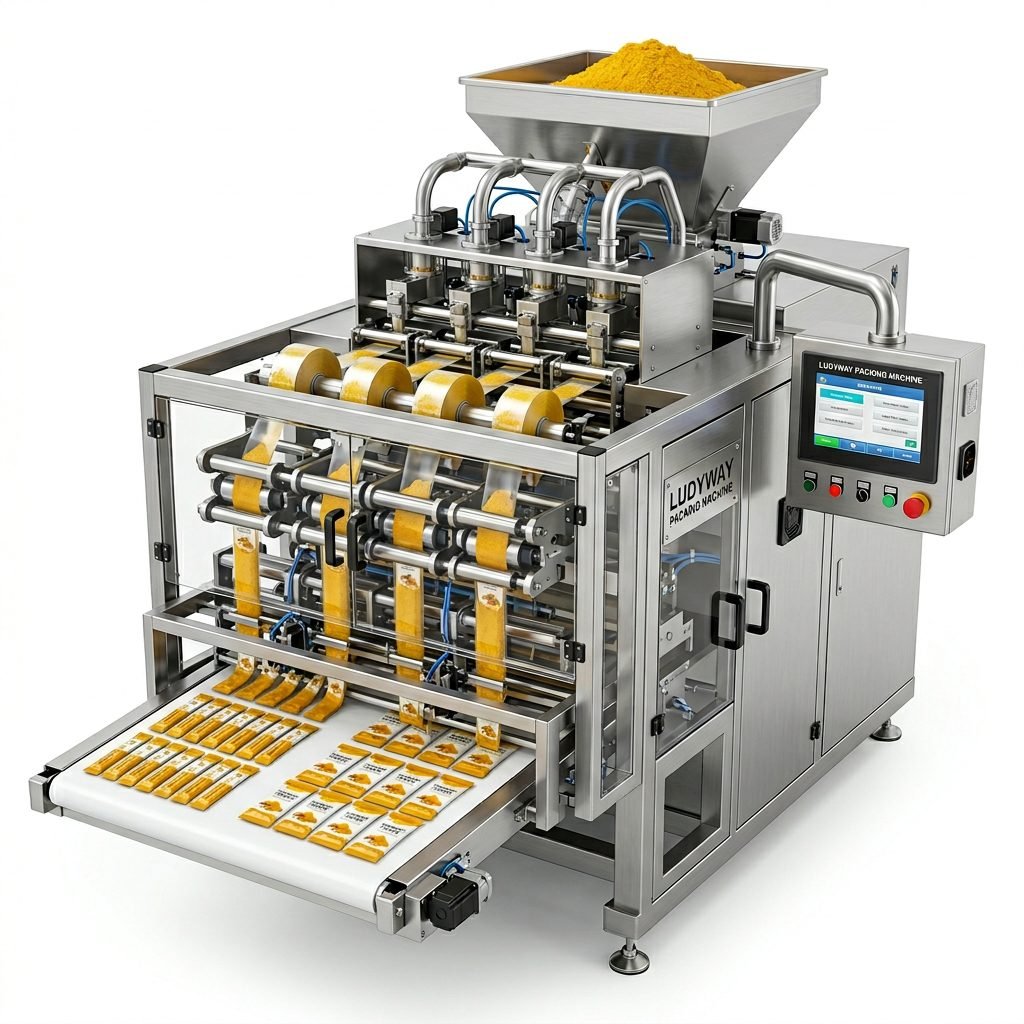
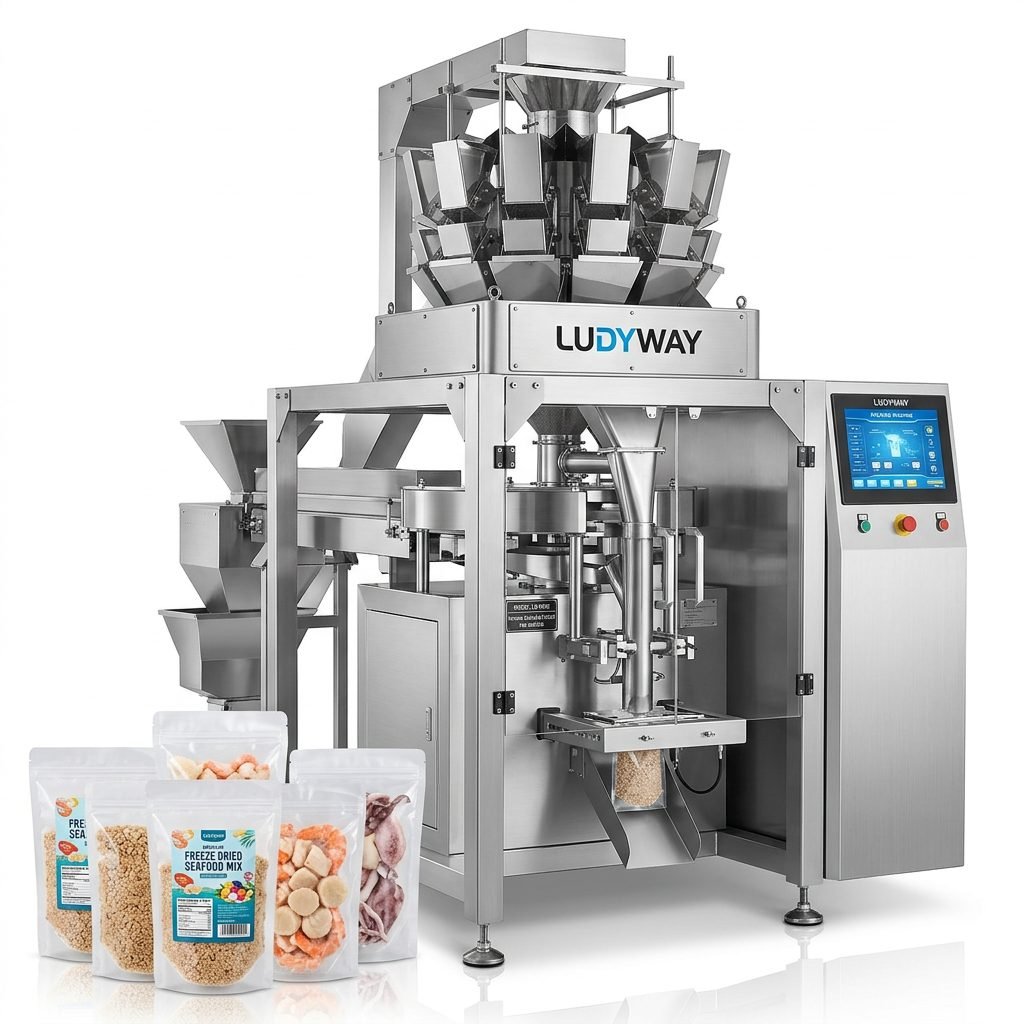
The Indian food processing industry is experiencing unprecedented growth, driven by rising consumer demand for packaged meat, dairy, and ready-to-cook products. Central to this transformation is the chub packaging machine — a specialized system designed to package semi-solid and viscous products into cylindrical, clip-sealed tubes. Setting up a chub packaging production line in India requires careful planning, from understanding local regulations to selecting the right equipment and optimizing workflow. This complete guide walks you through every critical step.

Understanding the Chub Packaging Format
A chub package is a cylindrical, tube-shaped pack formed from a continuous roll of flexible film, filled with product, and sealed at both ends with metal clips. This format is widely used for ground meat, sausage mince, butter, cookie dough, cheese spreads, and pet food. Unlike traditional tray or pouch packaging, chub packs offer excellent product protection, extended shelf life, and efficient material usage — making them a cost-effective solution for high-volume producers.
Why India Is a Growing Market for Chub Packaging
India’s organized meat sector is projected to grow at a CAGR of over 14% through 2030. Several factors are driving adoption of chub packaging technology across the country:
- Rapid expansion of modern retail chains and quick-commerce platforms requiring standardized, shelf-ready packs
- Increasing export demand for processed meat and dairy products that meet international packaging standards
- Government initiatives like the Food Processing PLI Scheme encouraging investment in automated packaging infrastructure
- Consumer shift toward hygienic, portion-controlled packaging formats in urban and semi-urban markets
- Cold chain improvements enabling wider distribution of chilled and frozen chub-packed products
Step 1: Assess Your Production Requirements
Before investing in a chub packaging machine production line, conduct a thorough assessment of your operational needs. Key parameters to evaluate include:
Product Characteristics
- Viscosity and flow behavior: Is your product a fine emulsion, coarse ground meat, or a paste? This determines the filling system type — piston fillers for thick products, or pump systems for more fluid consistencies.
- Temperature requirements: Many chub products require chilled filling (0-4°C) to maintain food safety. Your line must accommodate temperature-controlled hoppers and filling zones.
- Particulate content: Products with larger particles need specially designed filling nozzles to prevent clogging and ensure consistent portion weights.
Production Capacity Targets
Chub packaging machines typically range from 500 to 3,000 packs per hour depending on the automation level and product type. A small-to-medium processor in India might start with a single-lane system producing 800-1,200 units per hour, while large-scale exporters may require multi-lane configurations exceeding 2,500 packs per hour.
Step 2: Understand Key Equipment Components
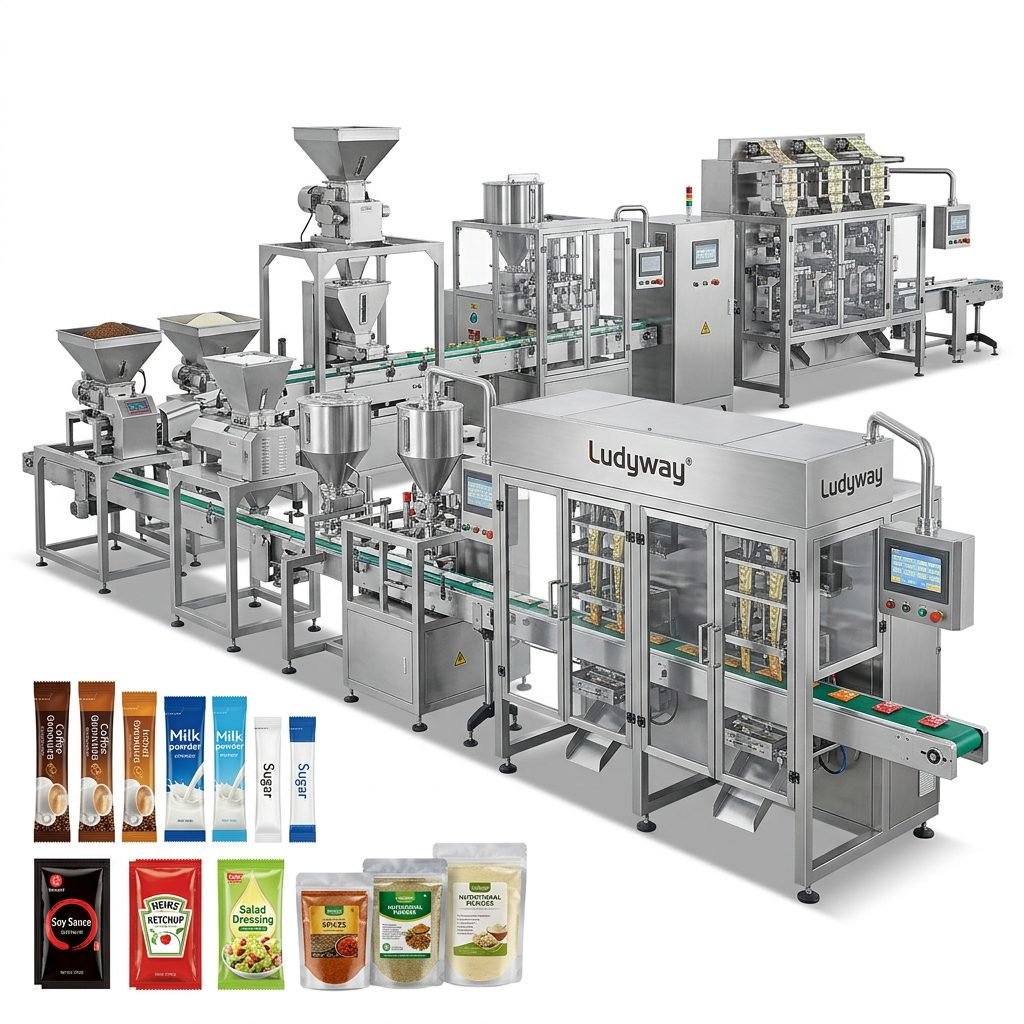
A complete chub packaging production line consists of several integrated modules. Understanding each component helps in making informed procurement decisions:
| Component | Function | Key Considerations |
|---|---|---|
| Product Hopper & Feeder | Holds bulk product and feeds it to the filling system | Capacity, hygienic design, CIP compatibility, temperature control |
| Film Unwinding & Forming Unit | Unwinds flat film, forms it into a tube | Film width range, tension control, splice detection |
| Filling & Dosing System | Measures and fills precise product portions | Accuracy (±1-2g), piston vs. pump type, servo-driven options |
| Clipping & Sealing Station | Applies metal clips to seal both ends of each chub | Clip material (aluminum), double-clip capability, clip waste management |
| Cutting & Discharge Unit | Separates individual chubs and transfers them downstream | Cut quality, belt speed, integration with checkweigher |
| Control System | PLC-based automation with HMI touchscreen | Recipe storage, data logging, remote access, Industry 4.0 readiness |
Step 3: Facility Planning and Infrastructure
Setting up a chub packaging line demands proper facility preparation. Indian manufacturers should pay special attention to:
- Floor space: A standard single-lane chub line requires approximately 40-60 square meters, including operator workspace, material staging, and downstream conveyor areas.
- Electrical supply: Most machines operate on 380-415V three-phase power, standard in Indian industrial settings. Ensure stable voltage with appropriate surge protection.
- Compressed air: Pneumatic components need clean, dry compressed air at 6-8 bar. Invest in proper air treatment — filtration, drying, and regulation.
- Food-grade environment: The packaging area should meet FDA food packaging standards or equivalent FSSAI requirements for hygiene, drainage, and pest control.
- Chilled zones: If packing temperature-sensitive products, plan for refrigerated raw material storage and a climate-controlled packaging room.
Step 4: Film Selection and Material Compatibility
The choice of packaging film is critical for chub pack integrity and shelf life. Common film structures used in Indian chub applications include:
- PE/PA multilayer: Offers excellent moisture barrier and mechanical strength — ideal for frozen meat and pet food
- PE/EVOH/PE: Provides superior oxygen barrier for extended shelf life of fresh and processed meats
- Ionomer-based films: Preferred for hot-fill applications like melted cheese or butter due to superior seal integrity at elevated temperatures
Verify that your chosen film is compatible with the machine’s forming collar, sealing temperature range, and tension settings. Film thickness typically ranges from 60 to 120 microns depending on product weight and required durability. Consult resources from the Flexible Packaging Association for detailed material performance data.
Step 5: Compliance with Indian and International Standards
Regulatory compliance is non-negotiable for food packaging operations in India. Your chub packaging line must adhere to:
FSSAI Requirements
- Packaging materials must be food-grade and comply with FSSAI packaging regulations for direct food contact
- Labeling must include product name, net weight, manufacturing date, best-before date, FSSAI license number, and batch code
- Traceability systems should be in place to track raw materials through to finished packs
Export-Oriented Compliance
For manufacturers targeting export markets, additional certifications may be required, including ISO packaging standards, HACCP implementation, and country-specific requirements such as USDA approval for US-bound products. The PMMI business intelligence resources provide valuable insights into international packaging machinery standards and market requirements.
| Standard / Certification | Applicable To | Key Focus Area |
|---|---|---|
| FSSAI | Domestic Indian market | Food safety, packaging material compliance, labeling |
| HACCP | All food processors | Hazard analysis, critical control points in packaging |
| ISO 22000 | International markets | Food safety management system integration |
| USDA / EU Regulations | Export to US and Europe | Sanitary design, material traceability, inspection protocols |
Step 6: Installation, Commissioning, and Training
Proper installation is foundational to long-term line performance. The commissioning process should follow these stages:
- Pre-installation site audit: Verify that all utilities, floor leveling, and environmental conditions meet the machine specifications
- Mechanical installation: Position and level the machine, connect utilities (electrical, compressed air, water if applicable)
- Dry run testing: Run the machine without product to verify mechanical movements, sensor functionality, and safety interlocks
- Product testing: Conduct trial runs with actual product, adjusting fill volumes, seal temperatures, and film tension for optimal results
- Operator training: Comprehensive hands-on training covering startup/shutdown procedures, parameter adjustments, cleaning protocols, and basic troubleshooting
- Documentation handover: Receive complete manuals, electrical schematics, spare parts lists, and maintenance schedules
Step 7: Ongoing Maintenance and Optimization
A well-maintained chub packaging line delivers consistent performance and minimizes costly downtime. Establish a preventive maintenance schedule that includes:
- Daily: Clean product contact surfaces, inspect clips and seals, check film alignment, verify temperature settings
- Weekly: Lubricate moving parts, inspect belts and chains, test safety systems, clean sensors and photo-eyes
- Monthly: Calibrate weighing and dosing systems, inspect pneumatic cylinders and seals, check electrical connections
- Quarterly: Comprehensive machine audit, replace wear components as needed, update control software if applicable
Data-driven optimization is increasingly important. Modern chub machines with Industry 4.0 capabilities can track OEE (Overall Equipment Effectiveness), monitor energy consumption, and predict maintenance needs through sensor analytics. This data helps Indian manufacturers continuously improve line efficiency and reduce operational costs.
Selecting the Right Equipment Partner
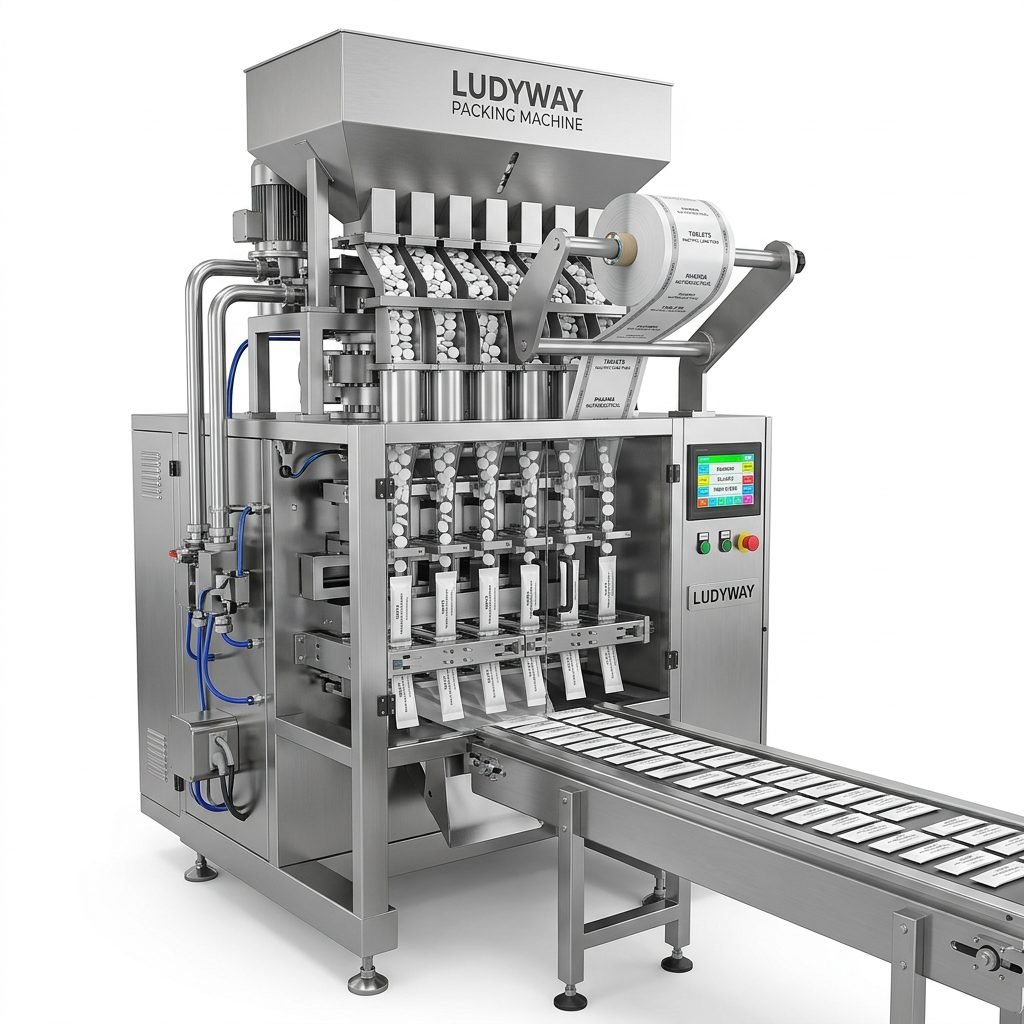
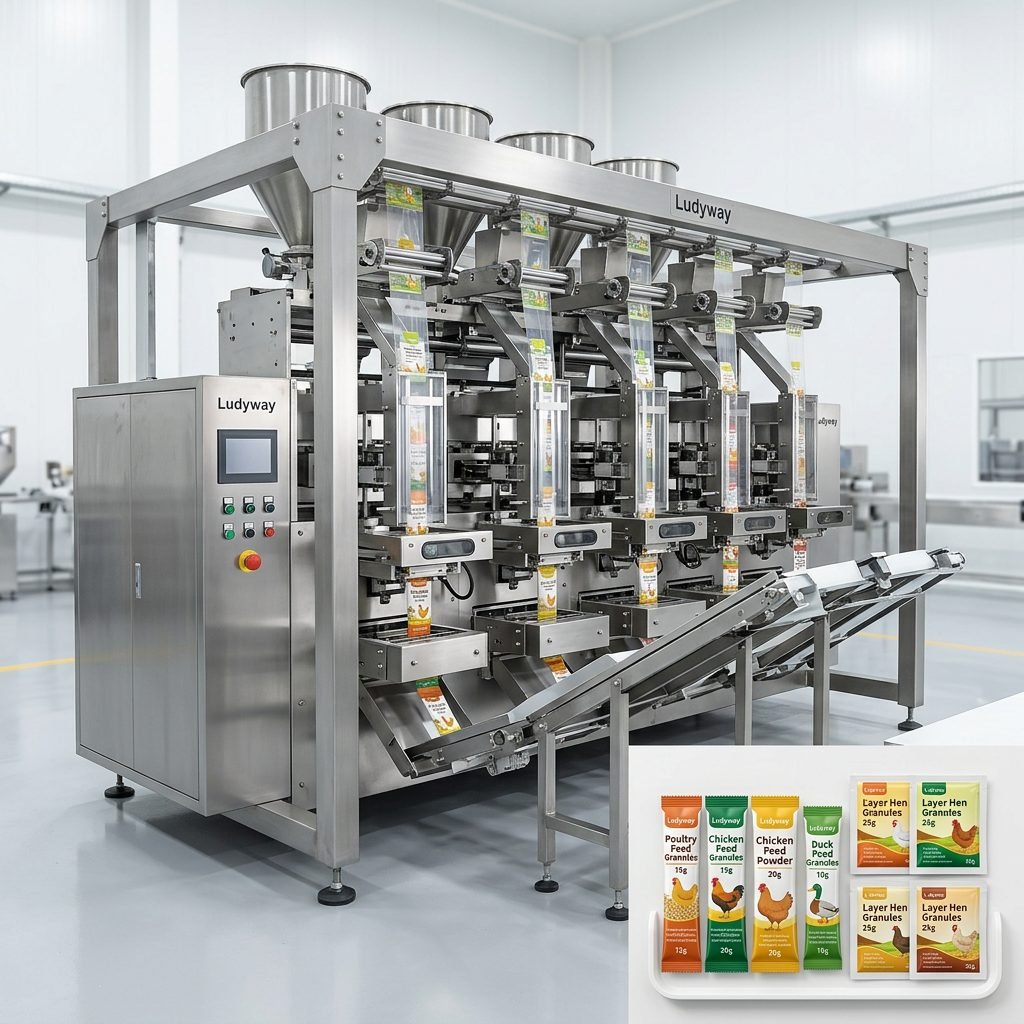
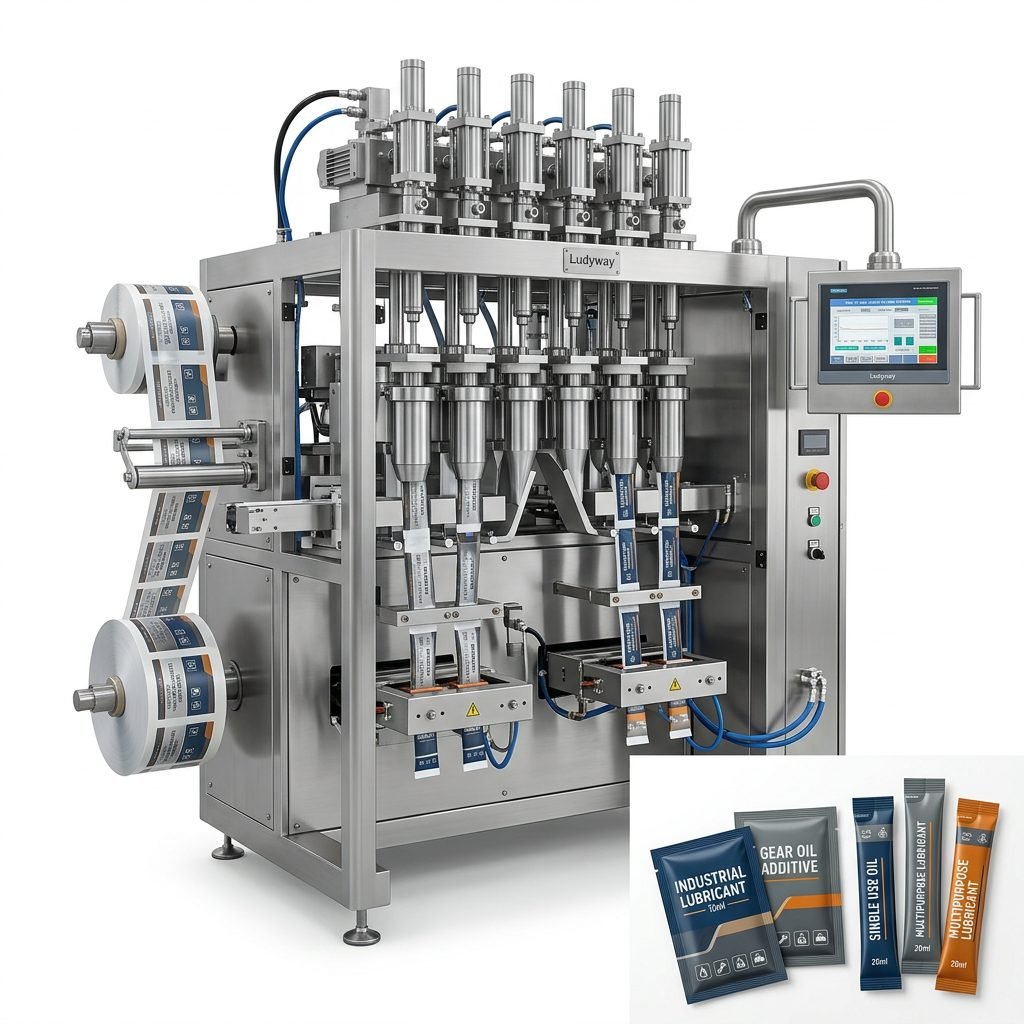
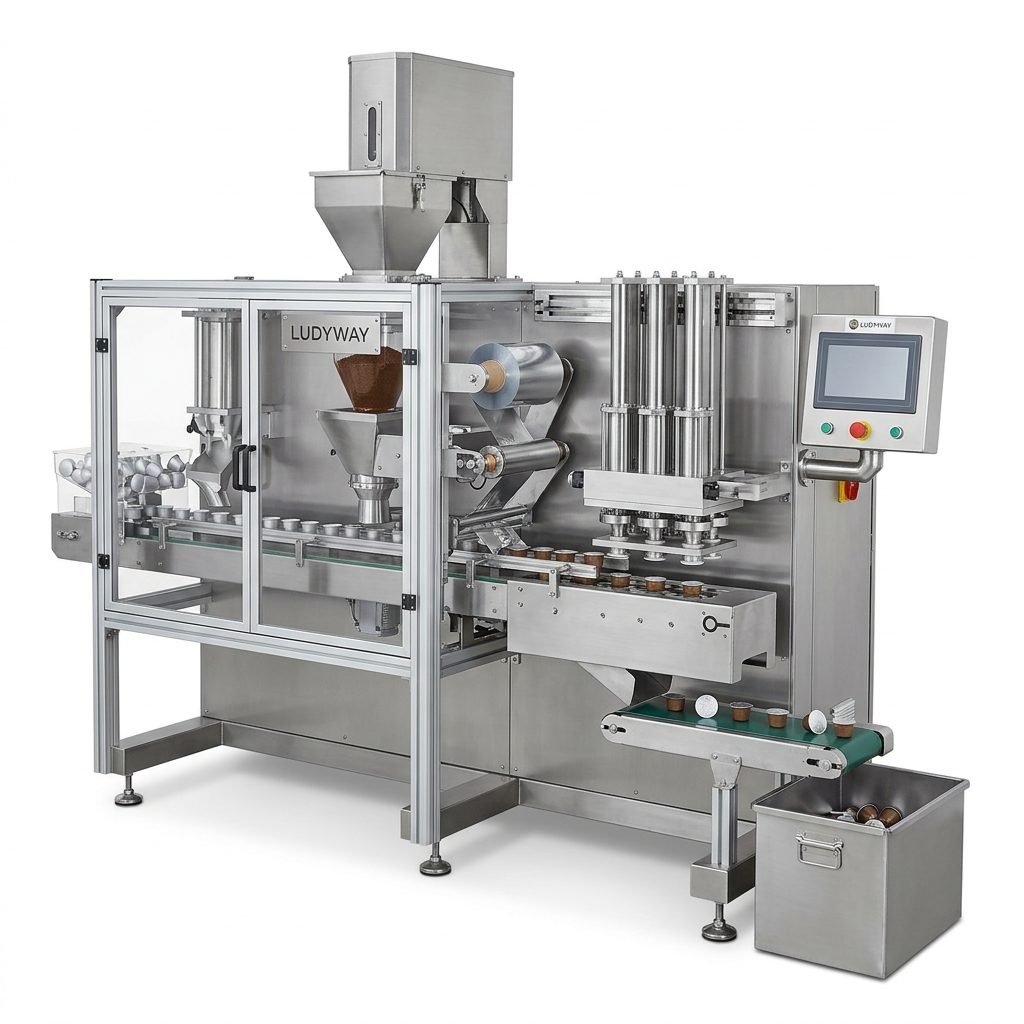
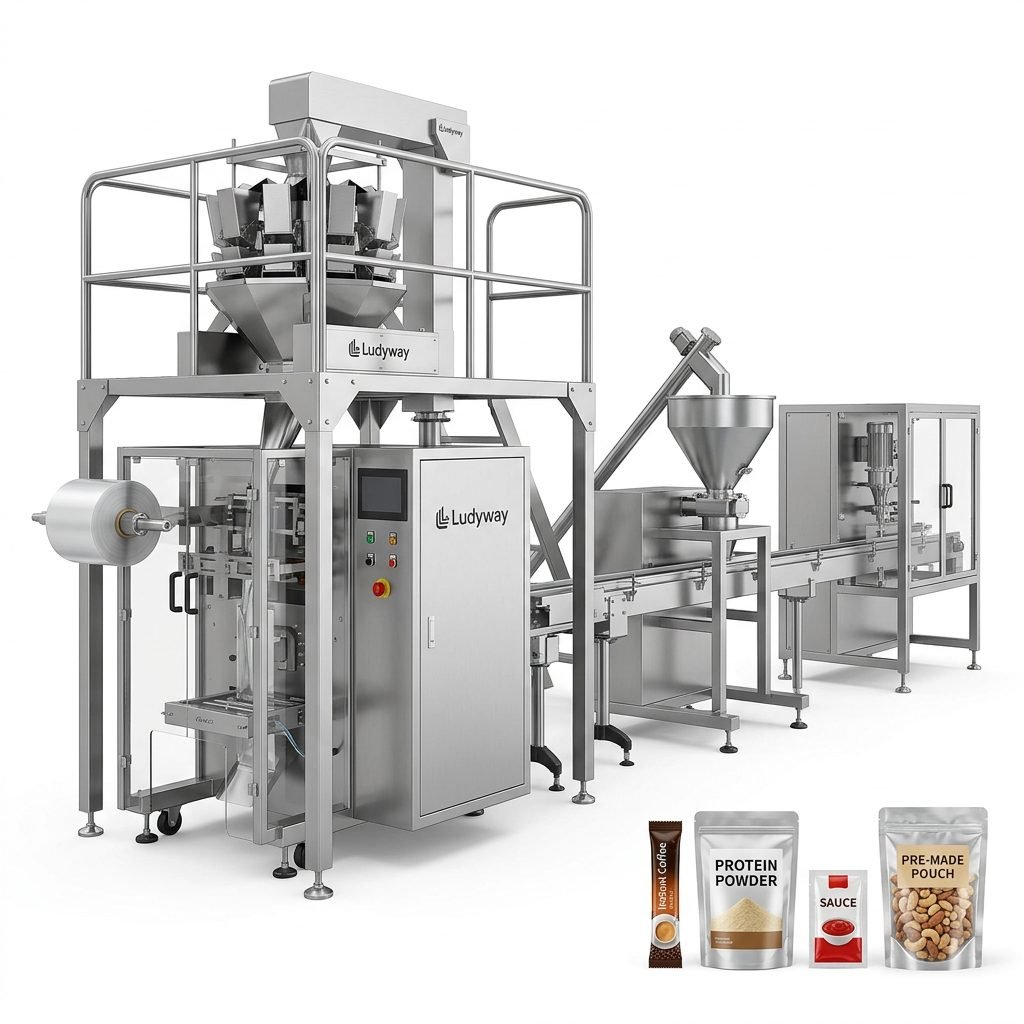
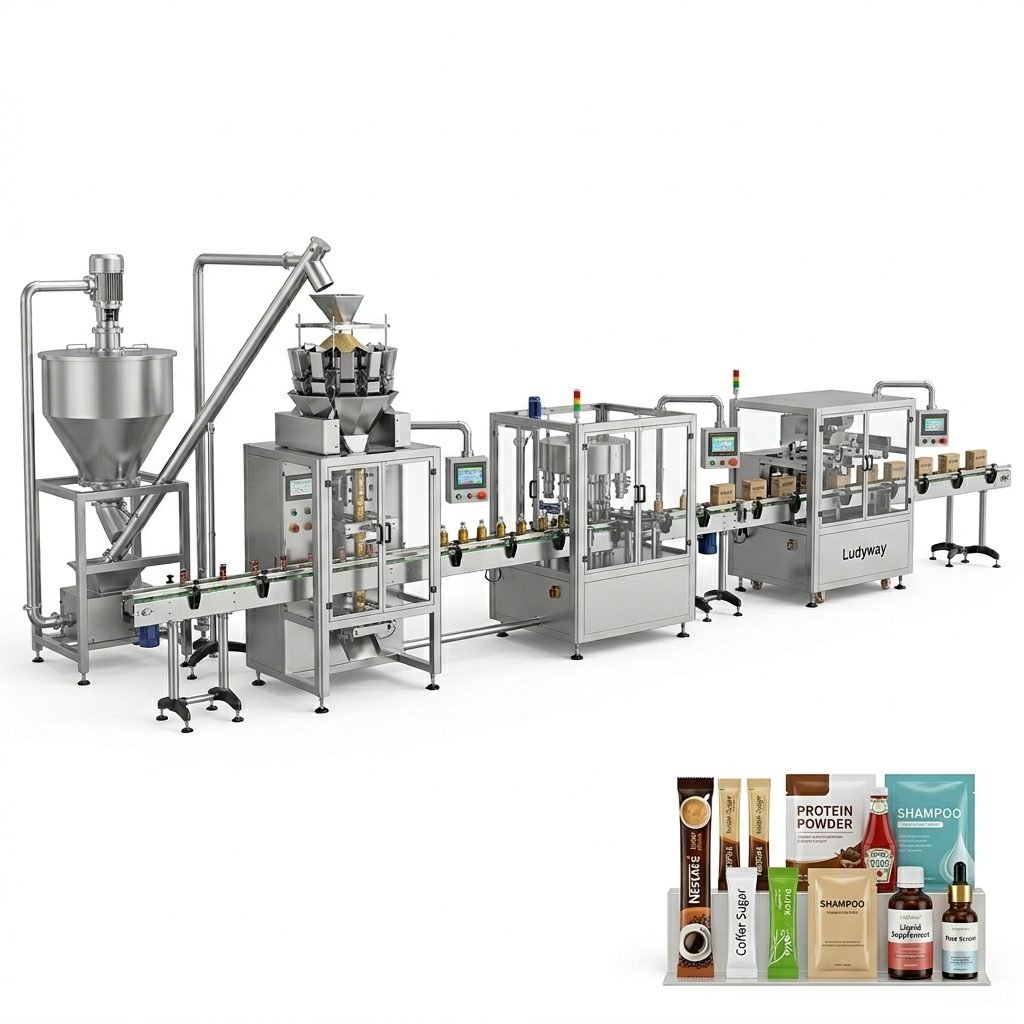
Choosing a reliable equipment supplier is as important as the machine itself. When evaluating chub packaging machine manufacturers, consider their experience in the Indian market, availability of local service support, spare parts inventory, and willingness to provide customized solutions. Ludyway, one of the largest packaging machine manufacturers in China, specializes in advanced packaging equipment and turnkey production solutions for the food, pharmaceutical, and health industries, with over 30 years of expertise and a modern 20,000㎡ manufacturing facility serving customers in more than 100 countries. Whether you choose a domestic Indian supplier or an international manufacturer, prioritize partners offering comprehensive after-sales support, including remote diagnostics and on-site service capabilities.
Key Questions to Ask Potential Suppliers
- Do you have existing installations in India, and can you provide customer references?
- What is the typical lead time for delivery and installation?
- What spare parts are recommended to keep on hand, and what is the local availability?
- Do you offer training programs for operators and maintenance staff?
- What warranty coverage is included, and what are the extended warranty options?
- Can the machine accommodate future upgrades or format changes?
Cost Considerations and ROI Analysis
Setting up a chub packaging production line in India involves several cost components. A comprehensive budget should account for:
| Cost Category | Estimated Range (INR) | Notes |
|---|---|---|
| Chub packaging machine (single-lane) | ₹25,00,000 – ₹60,00,000 | Varies by automation level and capacity |
| Ancillary equipment (checkweigher, conveyor, metal detector) | ₹8,00,000 – ₹20,00,000 | Essential for quality control and line integration |
| Facility modifications | ₹5,00,000 – ₹15,00,000 | Electrical, compressed air, flooring, drainage |
| Installation and commissioning | ₹3,00,000 – ₹8,00,000 | May be included in machine price — negotiate upfront |
| Training and documentation | ₹1,00,000 – ₹3,00,000 | Operator and maintenance training programs |
The ROI for a chub packaging line in India typically ranges from 18 to 30 months, driven by reduced packaging material costs, lower labor requirements, and increased throughput compared to manual or semi-automatic methods.
Common Challenges and How to Overcome Them
Indian manufacturers setting up chub packaging lines often encounter specific challenges. Being prepared can significantly reduce startup difficulties:
- Power fluctuations: Install voltage stabilizers and UPS backup for critical control systems to prevent production interruptions and equipment damage.
- Film compatibility issues: Work closely with film suppliers to test materials on your specific machine configuration before committing to large film purchases.
- Operator skill gaps: Invest in thorough training and create detailed standard operating procedures (SOPs) in local languages for reference.
- Spare parts availability: Maintain a recommended inventory of critical spare parts — especially sealing jaws, cutting blades, sensors, and drive belts.
- Environmental conditions: Indian summers with high humidity can affect film properties and machine electronics. Climate-controlled packaging rooms are strongly recommended.
Future Trends in Chub Packaging for India
The Indian chub packaging landscape is evolving rapidly. Forward-thinking manufacturers should watch for these emerging trends:
- Sustainable films: Growing demand for recyclable mono-material films and bio-based packaging options aligned with India’s sustainability goals
- Smart packaging integration: QR codes and RFID tags on chub packs enabling supply chain traceability and consumer engagement
- Compact, modular machines: Equipment designed for smaller footprints, allowing mid-sized Indian processors to adopt automated chub packaging without massive facility investments
- Remote monitoring: IoT-enabled machines that allow manufacturers to monitor production metrics and receive predictive maintenance alerts via smartphone apps
As India’s food processing sector continues to modernize, the chub packaging format is poised for significant growth. By following the steps outlined in this guide and staying informed about industry trends and packaging machinery market data, manufacturers can establish efficient, compliant, and profitable chub packaging operations that serve both domestic and export markets.
Frequently Asked Questions
What is the typical production speed of a chub packaging machine?
Single-lane chub packaging machines typically operate at 800 to 1,500 packs per hour, while multi-lane systems can achieve 2,000 to 3,000+ packs per hour. Actual speed depends on product viscosity, fill weight, and film characteristics.
Can chub packaging machines handle both frozen and fresh products?
Yes, but the machine configuration differs. Fresh product lines often require chilled hoppers and shorter filling paths to maintain product temperature. Frozen product lines need robust cutting systems and films designed for low-temperature performance.
What maintenance skills are required for operating a chub packaging line in India?
Operators need basic mechanical aptitude, understanding of PLC/HMI interfaces, and familiarity with food safety protocols. Most equipment suppliers provide comprehensive training. Having at least one technician with electrical and pneumatic system knowledge is highly recommended.
How do I ensure consistent seal integrity on chub packs?
Consistent seal quality depends on proper film tension, correct sealing temperature, clean clip applicators, and regular calibration. Implement hourly seal integrity checks using burst testing or visual inspection protocols as part of your quality control system.