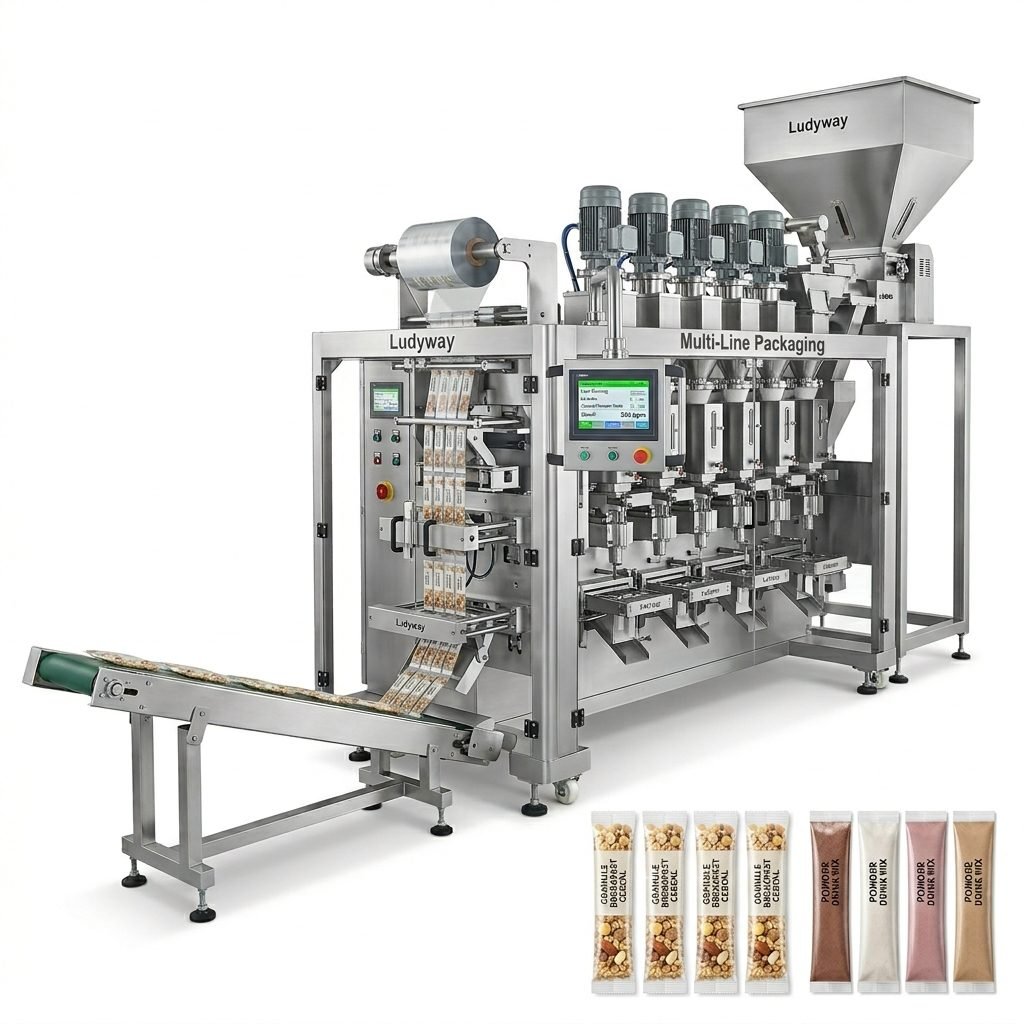
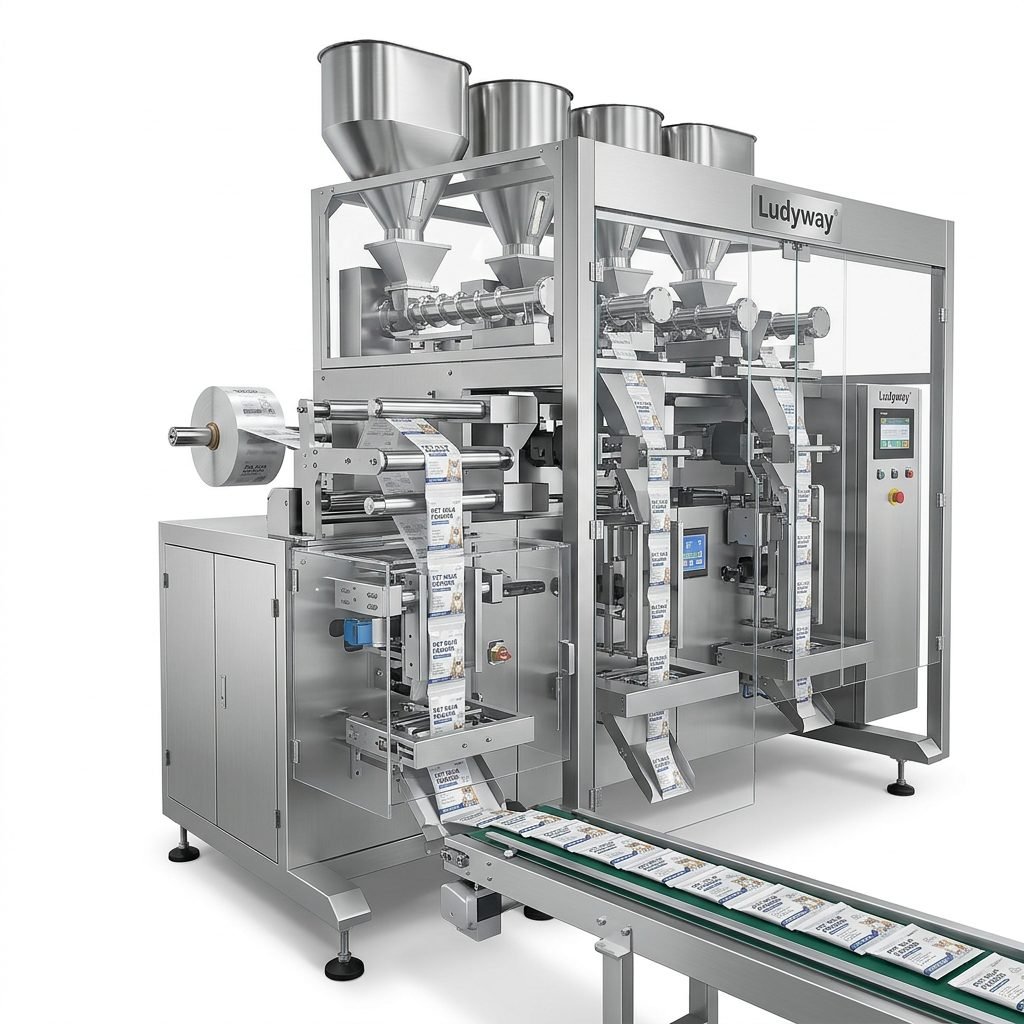
The global coffee pod market is experiencing unprecedented growth, with Asia emerging as both a massive consumption hub and a strategic manufacturing base. Setting up a coffee pod packaging machine production line in this region requires meticulous planning, an understanding of local regulations, and the selection of high-speed, reliable equipment.
Why Establish Your Coffee Pod Line in Asia?
Asia offers a unique combination of cost-effective manufacturing, proximity to raw materials, and access to a booming middle-class consumer base. Countries like China, Vietnam, and Indonesia are not just coffee producers; they are rapidly becoming centers for advanced packaging technology. By building a production line here, you can leverage established supply chains for packaging machinery, aluminum, and plastic components essential for single-serve coffee pods.
Step 1: Define Your Production Capacity and Pod Format
Before investing in a coffee pod packaging machine, you must precisely define your output goals. Are you producing 50 capsules per minute or 500? Will you focus on standard plastic pods, aluminum capsules, or compostable formats? The format dictates the type of dosing and sealing mechanism required.
- Low-Scale Entry: Semi-automatic machines (30-60 CPM). Good for startups testing regional markets.
- Mid-Range Production: Fully automatic rotary systems (100-300 CPM). Ideal for established brands expanding regionally.
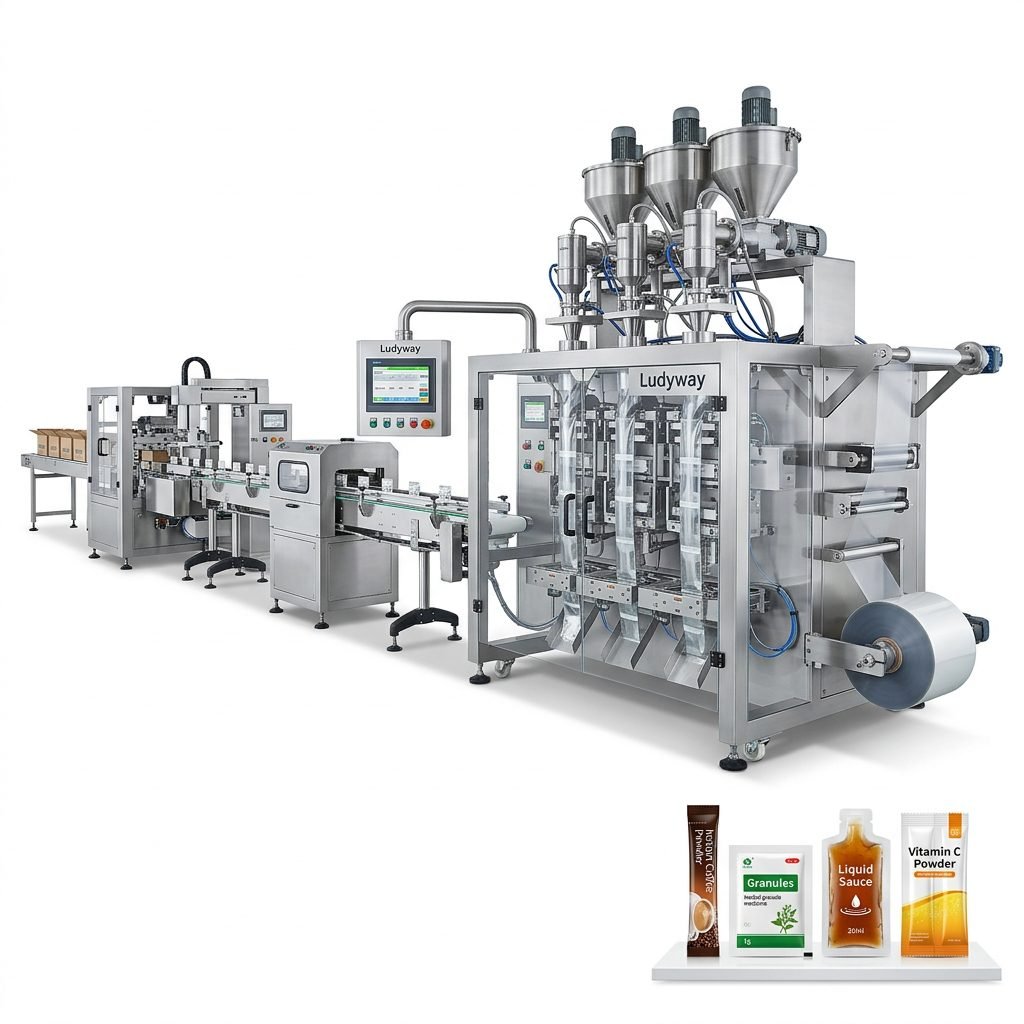
- High-Speed Turnkey Lines: Integrates filling, nitrogen flushing, foil sealing, and cartoning (300+ CPM). Required for international export volumes.
Step 2: Sourcing High-Quality Multi-Head Fillers and Sealers
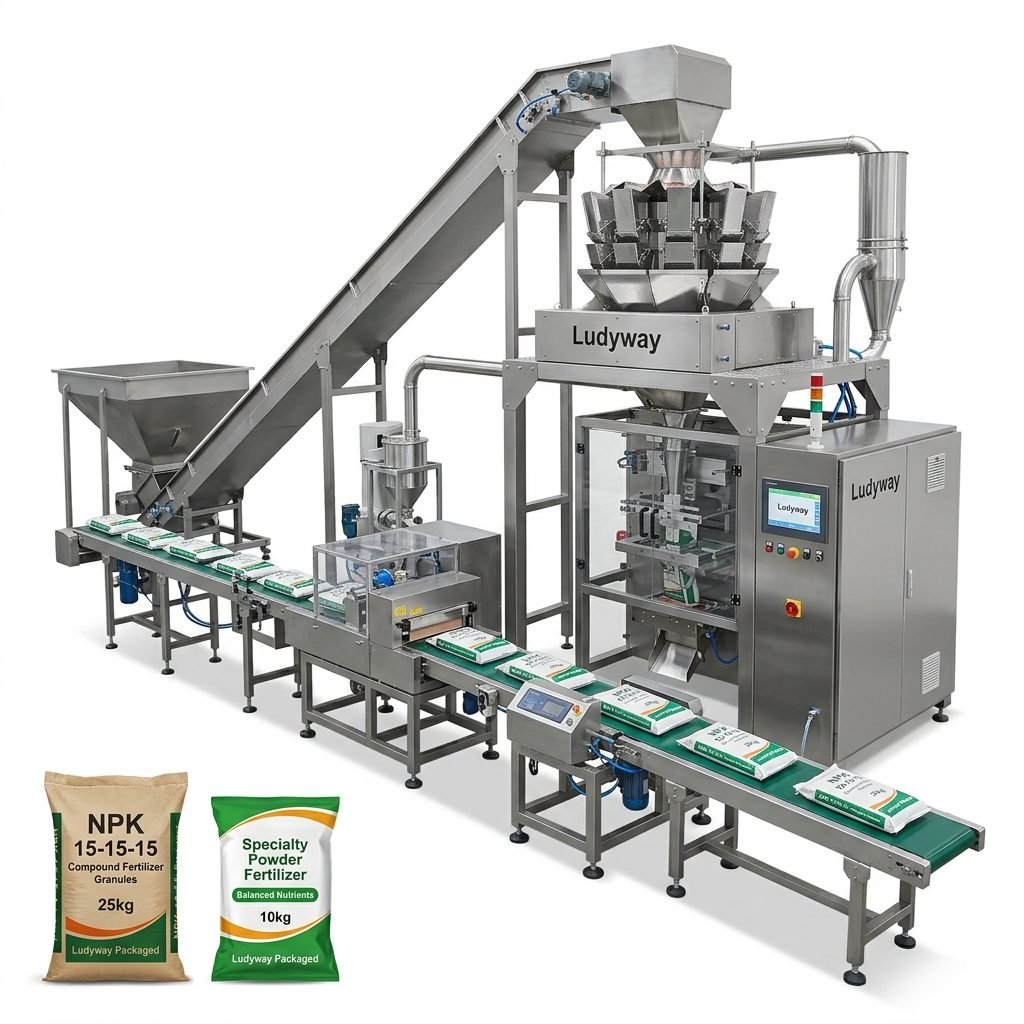
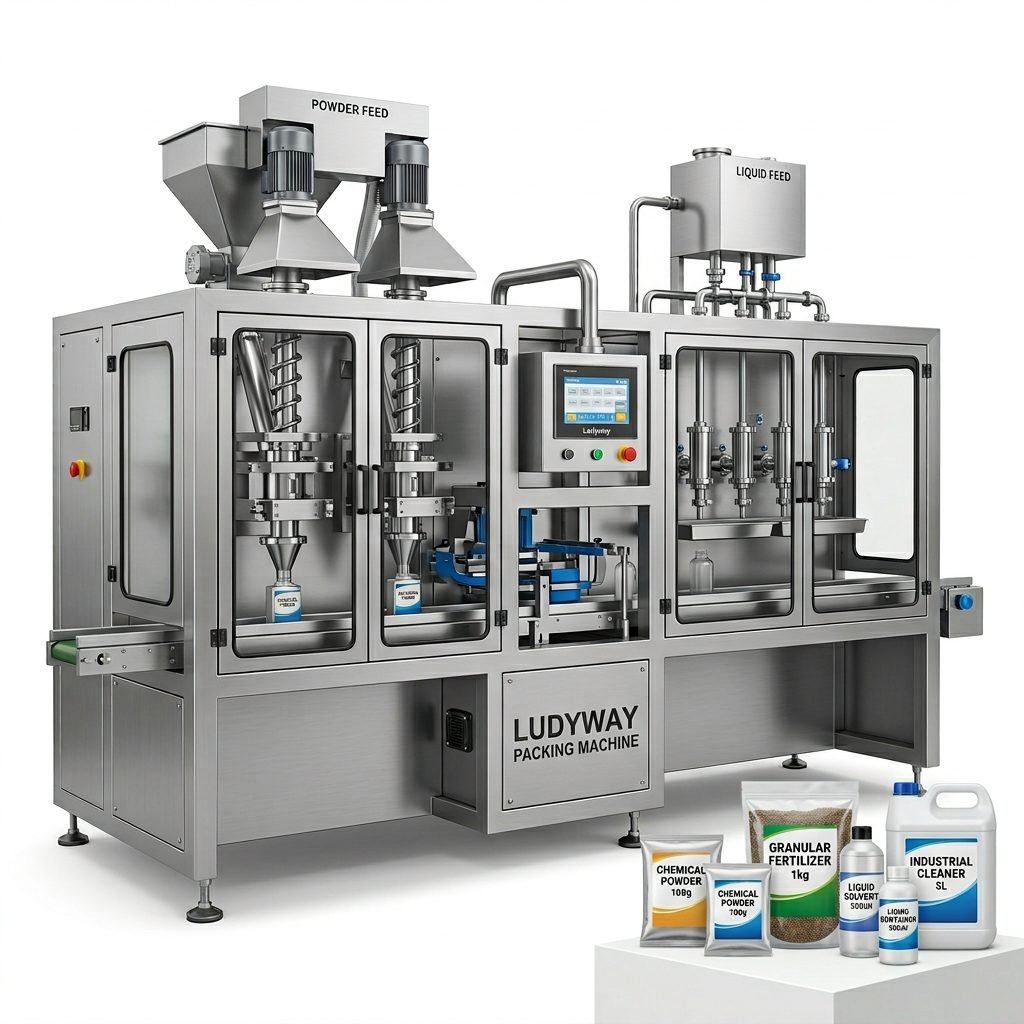
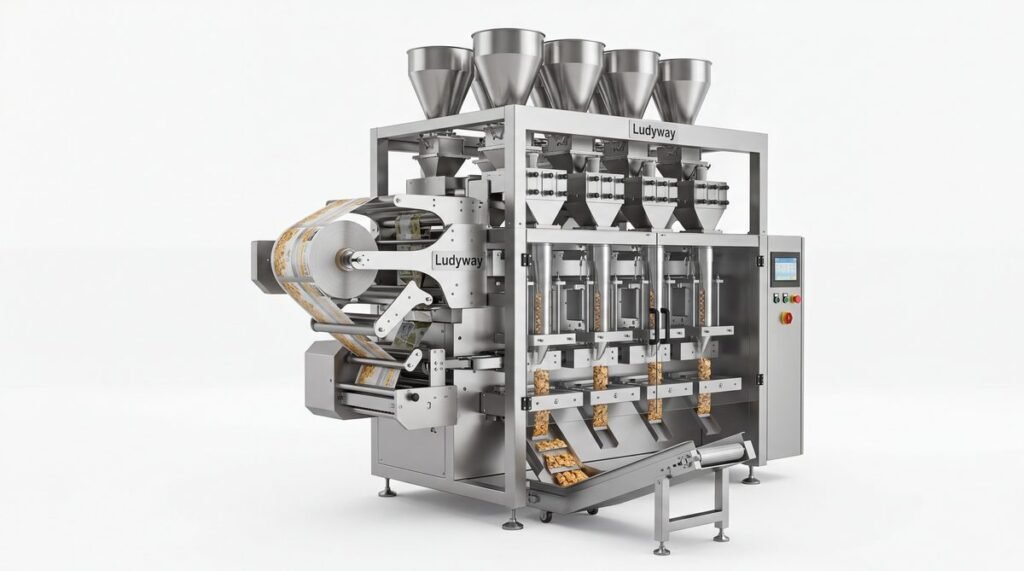
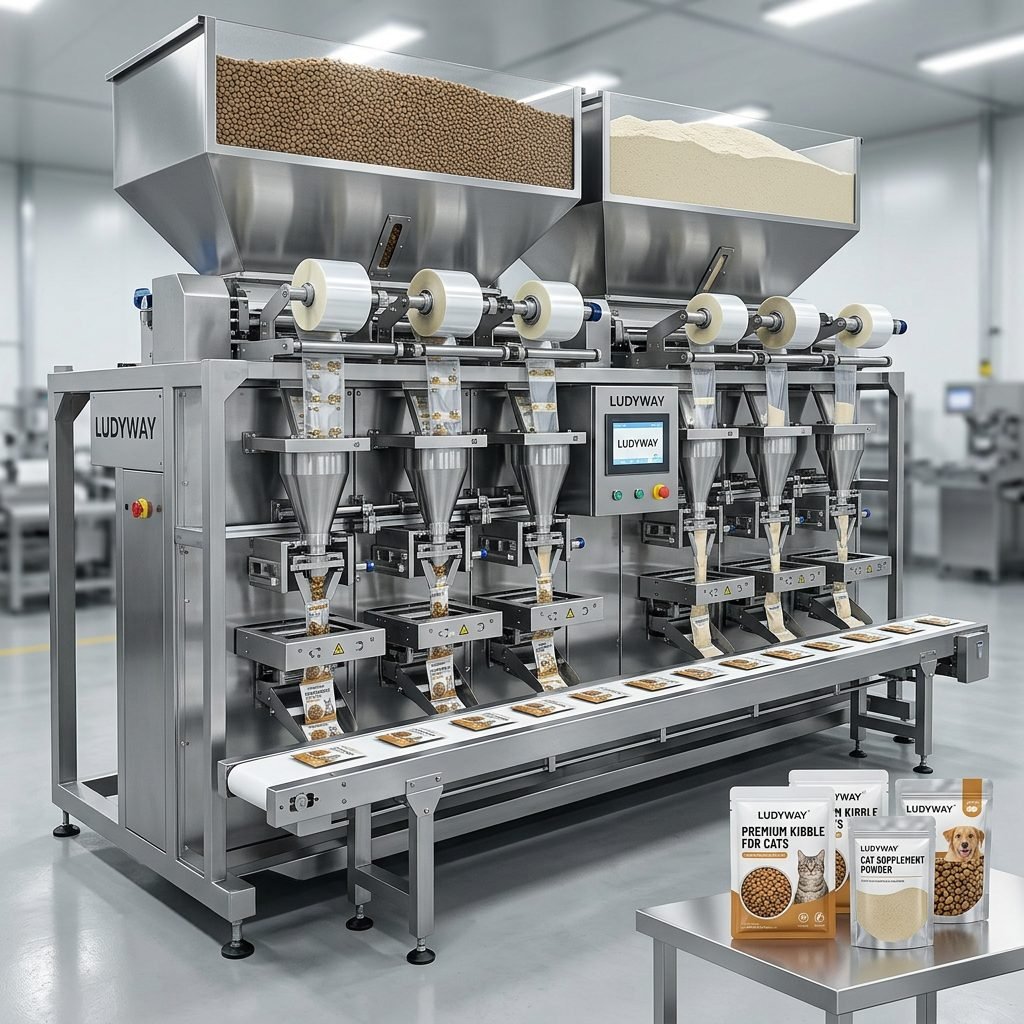
The heart of your operation lies in the accuracy of the granule and powder dosing units. Coffee grounds vary from coarse to fine espresso grinds, requiring volumetric cup fillers or auger fillers with high precision. When selecting equipment, look for:
- Closed-loop control for dose accuracy to minimize product giveaway.
- Inert gas (Nitrogen) flushing systems to extend shelf life without oxygen degradation.
- Rapid changeover tooling to switch between different pod sizes (e.g., Starbucks Verismo vs. Nespresso styles).
Partnering with a manufacturer experienced in turnkey packaging solutions ensures that the filling machine synchronizes perfectly with downstream sealing and labeling modules.
Step 3: Design the Production Line Layout
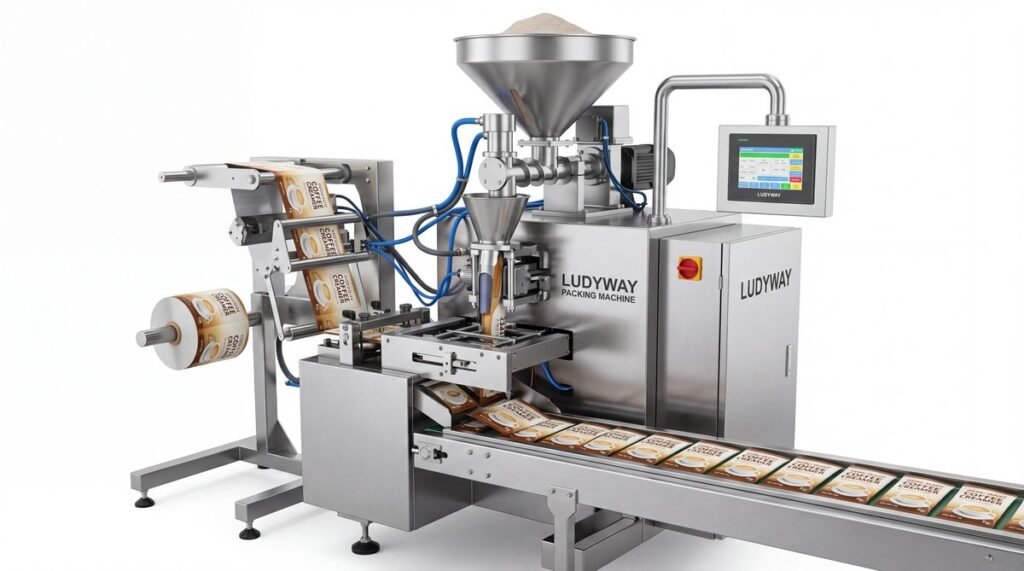
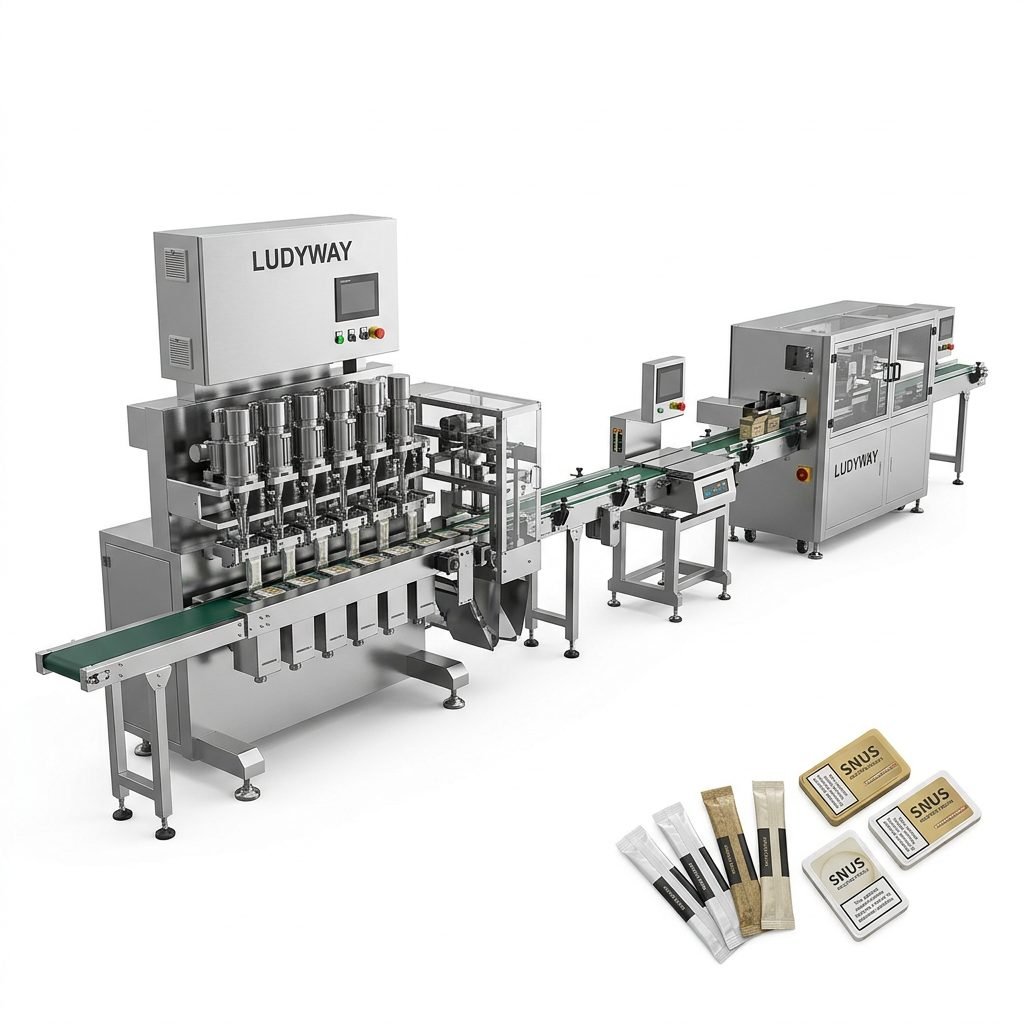
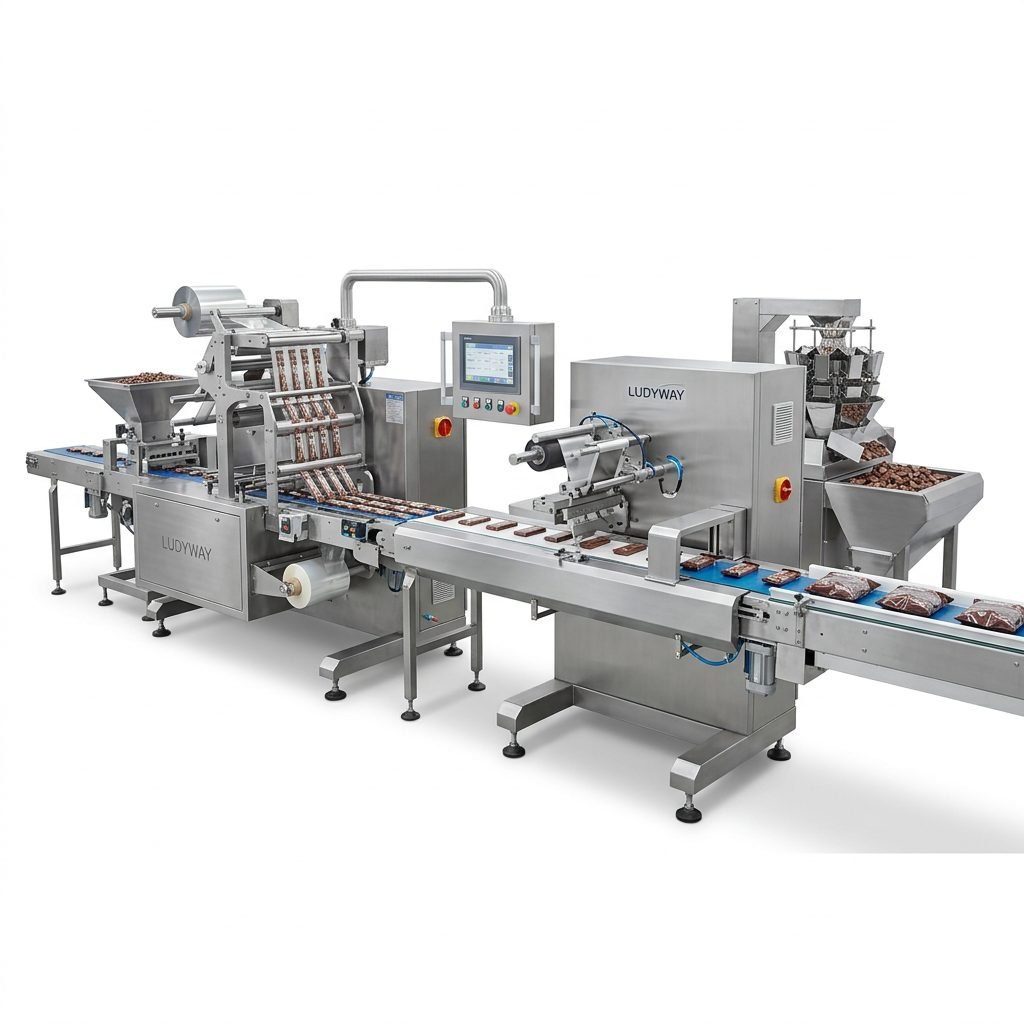
A typical coffee pod packaging line involves a sequential flow: Pod Denesting → Coffee Grinder/Dosing → Tamping → Sealing (Lid application) → Optical Inspection → Weighing → Flow Wrapping/Cartoning. Space in Asian industrial parks is often at a premium, so a linear or L-shaped layout is usually preferred to conserve floor space while maintaining operator access.

Step 4: Integrating Quality Control and Automation
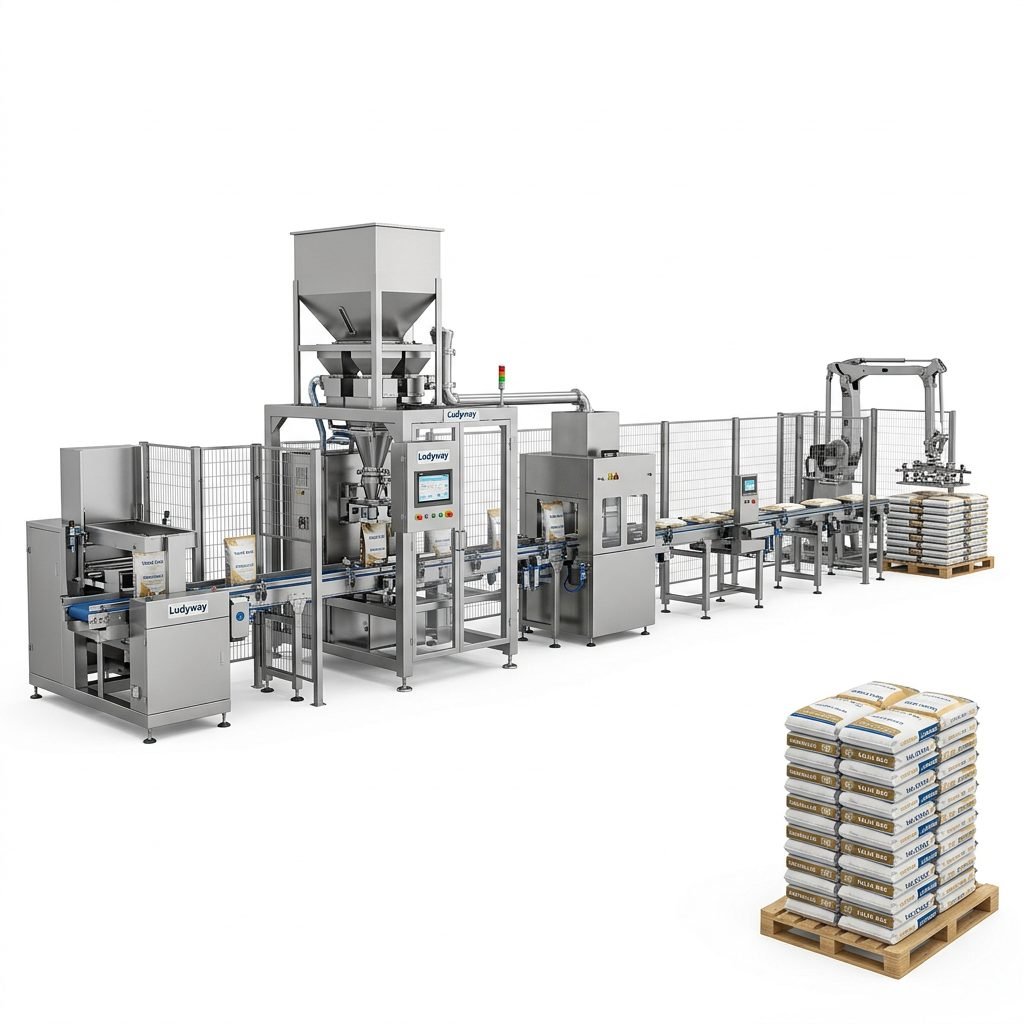
To compete globally, your line must integrate inline checkweighing and vision inspection systems. These systems reject faulty pods with poor seal integrity or incorrect weight. Additionally, robotic pick-and-place technology for loading pods into cartons significantly reduces labor costs and contamination risks, which are critical factors in the Asian food safety landscape.
Key Machine Specifications Comparison
| Machine Type | Output (CPM) | Compatibility | Key Feature |
|---|---|---|---|
| Rotary Pod Filler | 150-400 | Plastic/Aluminum | Multi-stage fill & tamp |
| Heat Seal Lid Applicator | 100-300 | Pre-cut foil/Reel stock | Gas-tight hermetic seal |
| Multi-Lane Flow Wrapper | 50-200 packs | Cartons/Pouches | Secondary over-wrapping |
Step 5: Navigating Asian Regulatory Compliance
Food packaging regulations differ across Asia. For instance, China requires QS/SC certification for food contact materials, while Japan has strict PL Act (Product Liability) requirements. Your equipment must be capable of processing FDA-approved or EU 10/2011 compliant materials to ensure your pods are export-ready. Ensure your coffee pod packaging machine supplier understands these material handling constraints to avoid production bottlenecks.
Step 6: Maintenance, Spare Parts, and After-Sales
Downtime is the enemy of high-volume coffee pod production lines. Establish a local inventory of wear parts (such as dosing augers, sealing gaskets, and cutting knives). Ludyway, one of the largest packaging machine manufacturers, supports customers in over 100 countries with professional technical support and a modern 20,000㎡ manufacturing facility. With export revenue expected to exceed RMB 500 million in 2025 and planned growth to surpass RMB 1 billion in 2026, leveraging an experienced supplier ensures long-term operational efficiency and robust spare parts availability.

The Turnkey Advantage for Faster ROI
Opting for a turnkey production line rather than assembling disparate single machines from different vendors significantly reduces integration risks. A unified control platform ensures that the granule feeding system, packaging machinery standards, and end-of-line cartoning are seamlessly connected. This approach can cut commissioning time by up to 40% in a new Asian facility.
Additional Tips for Success
- Climate Control: Coffee is hygroscopic. Ensure your factory floor has humidity control to keep the grind below 5% moisture before sealing.
- Utility Requirements: Verify compressed air quality (oil-free) and stable power supply voltages common in your specific Asian region.
- Skilled Labor: While robotics are increasing, establish training programs for machine operators on the HMI (Human Machine Interface) systems.